Facts About the Tiny Sovereign State Of Monaco
Nestled along the French Riviera like a glittering jewel dropped into the Mediterranean, Monaco captures imaginations in ways that seem almost impossible for a place you could walk across in 39 minutes. This postage stamp of a nation—smaller than New York’s Central Park—somehow manages to pack more glamour, wealth, and intrigue per square meter than anywhere else on Earth.
Yet behind the casino chips and yacht parties lies a surprisingly complex little country with centuries of history, peculiar laws, and fascinating contradictions that most visitors never discover.
Size And Geography
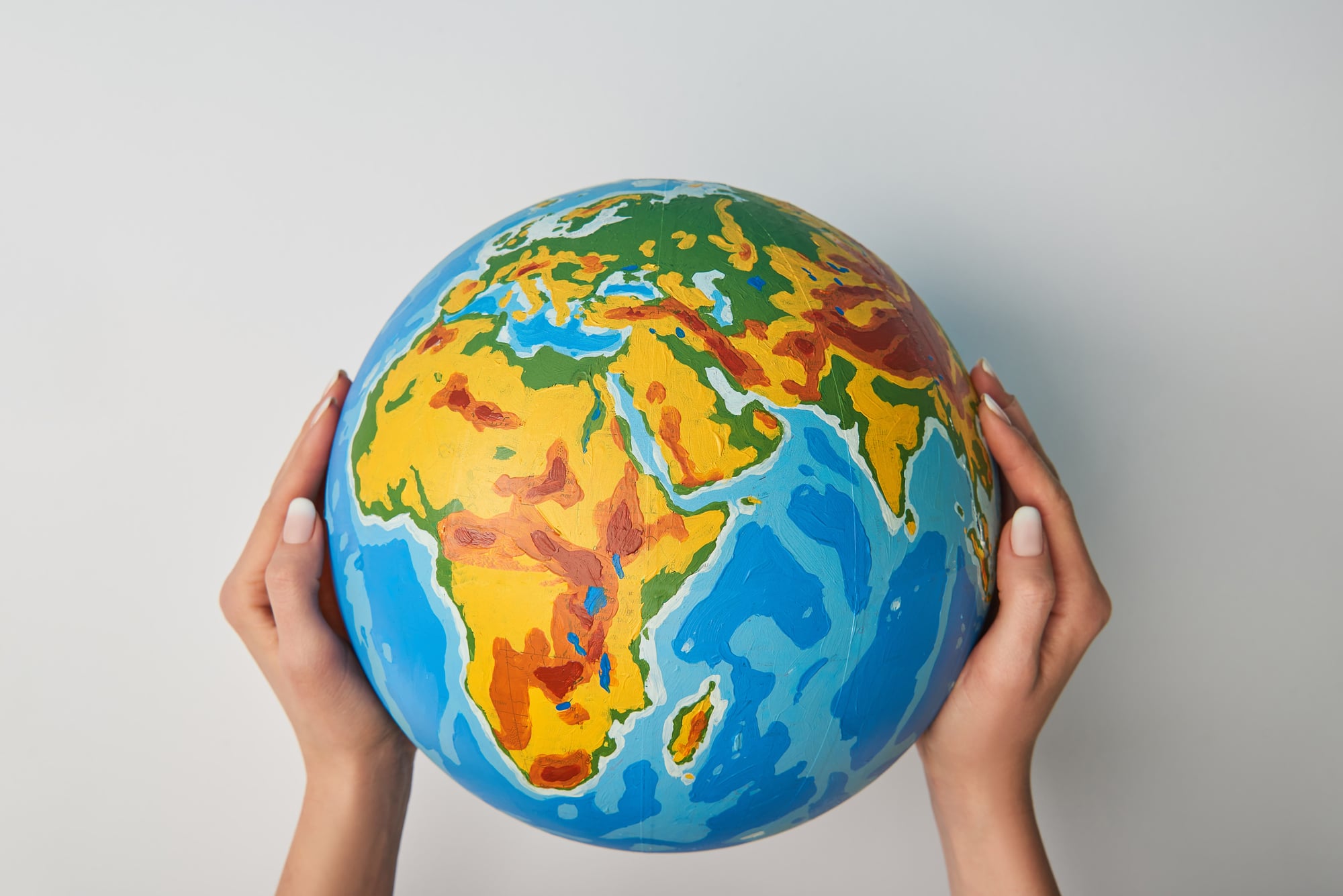
Monaco is absurdly small. At just 0.78 square miles, it ranks as the second-smallest country in the world after Vatican City.
You could fit roughly 344,000 Monacos inside Texas. The entire principality measures roughly 1.2 miles long and 0.7 miles wide at its broadest point.
Population Density

This tiny nation packs about 39,000 people into its borders, making it the most densely populated country on Earth. That works out to roughly 50,000 people per square mile—imagine Manhattan but even more cramped.
Walking down Monaco’s streets feels like navigating a very wealthy sardine can.
The Grimaldi Dynasty
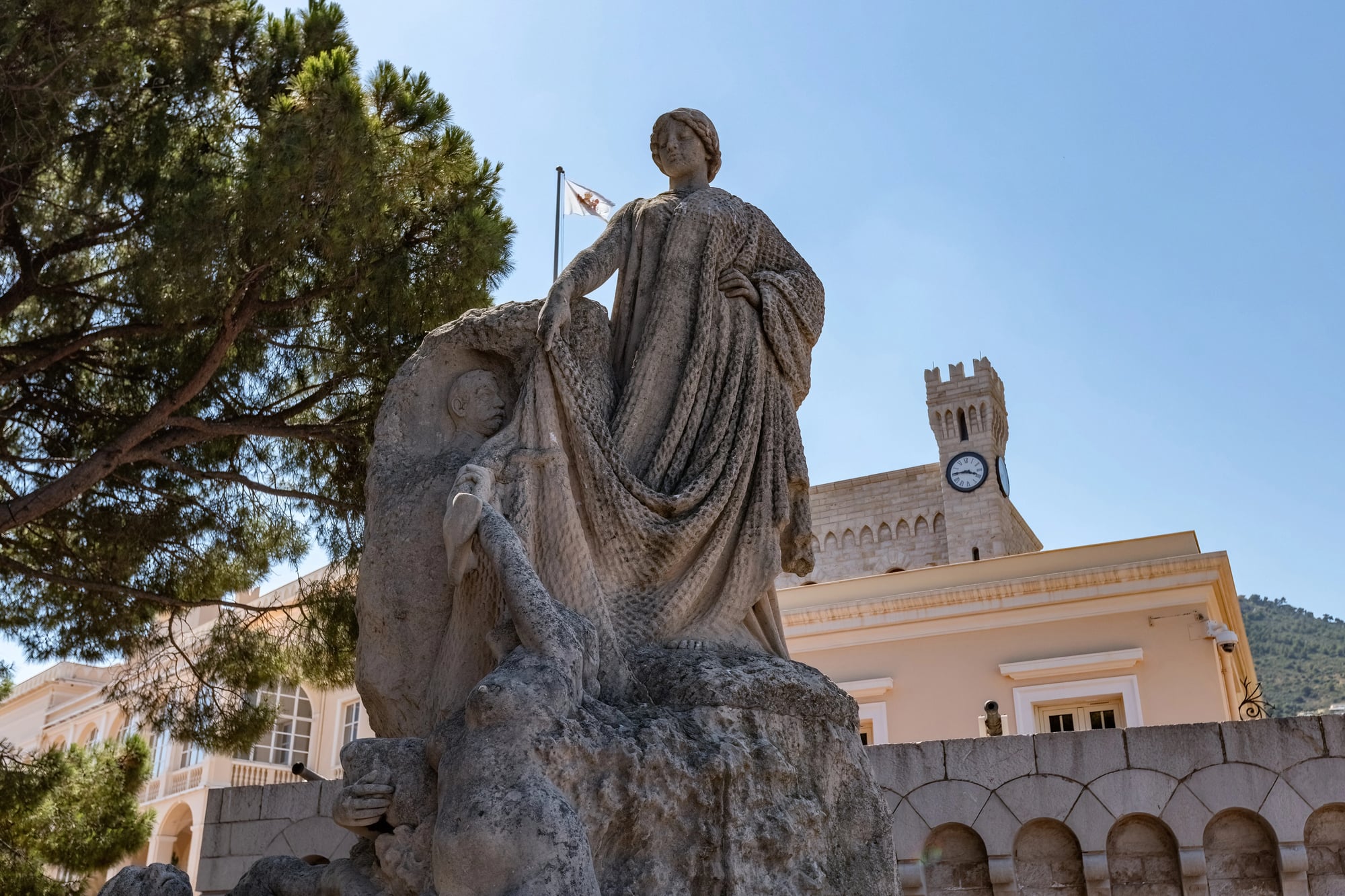
Monaco’s royal family, the Grimaldis, have ruled this principality for over 700 years (with a brief interruption during the French Revolution, but who’s counting). The dynasty began in 1297 when François Grimaldi allegedly disguised himself as a monk to capture the fortress of Monaco—which explains why the family coat of arms features two monks holding swords, because apparently medieval humor was both literal and lasting.
And yet the Grimaldis aren’t just ceremonial figureheads playing dress-up for tourists; they wield real political power in ways that would make most modern democrats uncomfortable. Prince Albert II serves as the head of state with executive authority that extends far beyond ribbon-cutting and state dinners.
So while other European royals spend their days opening hospitals and avoiding tabloid photographers, Monaco’s prince actually runs the country: appointing the government, signing laws into effect, commanding the military (all 255 members of it).
The family’s romantic entanglements have kept gossip columnists busy for decades—Grace Kelly’s fairy-tale marriage to Prince Rainier III in 1956 remains the gold standard for Hollywood-meets-royalty storylines. But the supposed “curse” that follows Grimaldi family members (claiming none will find lasting happiness in marriage) has provided enough material for decades of breathless speculation, even though curses tend to be less supernatural and more about the pressures of living under constant scrutiny while managing a country smaller than most shopping malls.
Monaco’s Four Districts
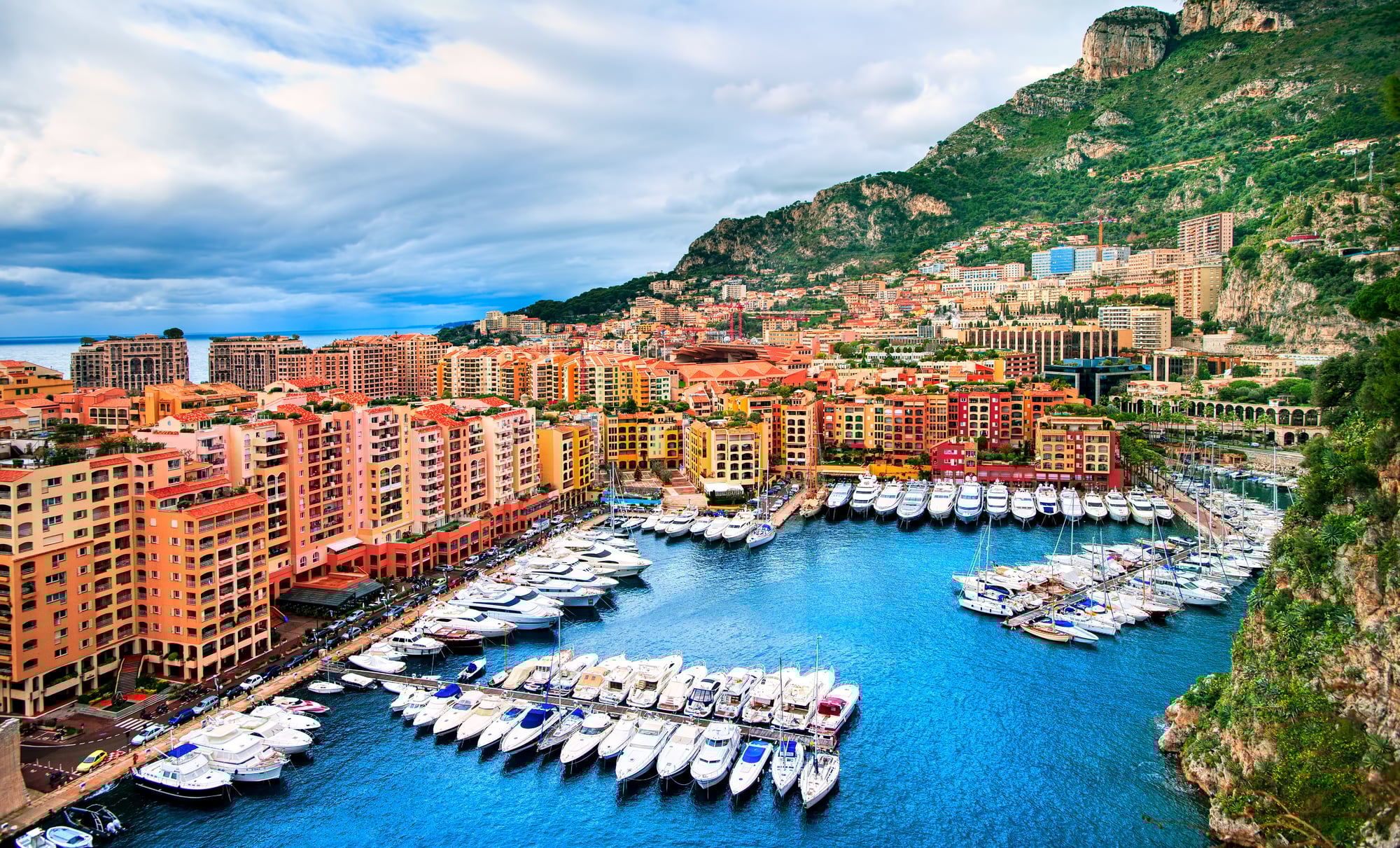
The principality divides into four main areas, each with its own personality. Monaco-Ville perches on a rocky promontory overlooking the sea—this is the old town where the palace sits.
Monte Carlo houses the famous casino and most of the luxury hotels. La Condamine wraps around the harbor where superyachts dock like very expensive sardines.
Fontvieille represents Monaco’s newest district, built on land reclaimed from the sea.
No Income Tax For Residents
Monaco famously doesn’t tax its residents’ income, which explains why roughly one-third of the population qualifies as millionaires. This tax haven status attracts wealthy individuals from around the globe who establish residency to shelter their fortunes.
The catch? You need to prove you can deposit at least 500,000 euros in a Monaco bank just to be considered for residency.
The government funds itself through other means instead—a 33% corporate tax rate, value-added taxes, real estate transfer duties, and of course, the casino’s profits (though gambling revenue represents a much smaller percentage of the national budget than most people assume).
Turns out running a country is expensive even when that country could fit inside Disney World with room to spare.
The Monte Carlo Casino Ban
Here’s where Monaco gets genuinely peculiar: citizens of Monaco are banned from gambling in their own country’s most famous establishment, the Monte Carlo Casino. This restriction has been in place for well over a century, with the ban becoming formalized during the reign of Prince Charles III (1889–1922)—a protective measure to prevent subjects from risking their livelihoods at the gaming tables.
Apparently protecting people from themselves seemed more important than personal freedom, which is saying something coming from an absolute monarch.
Monaco natives can work at the casino, manage it, profit from it, and watch tourists lose fortunes at the roulette tables, but they cannot place a single bet. So the most famous casino in the world operates as a tourist attraction for its own citizens—they can visit, take photos, and admire the Belle Époque architecture, but the actual gambling remains strictly off-limits.
Go figure.
Land Reclamation Projects
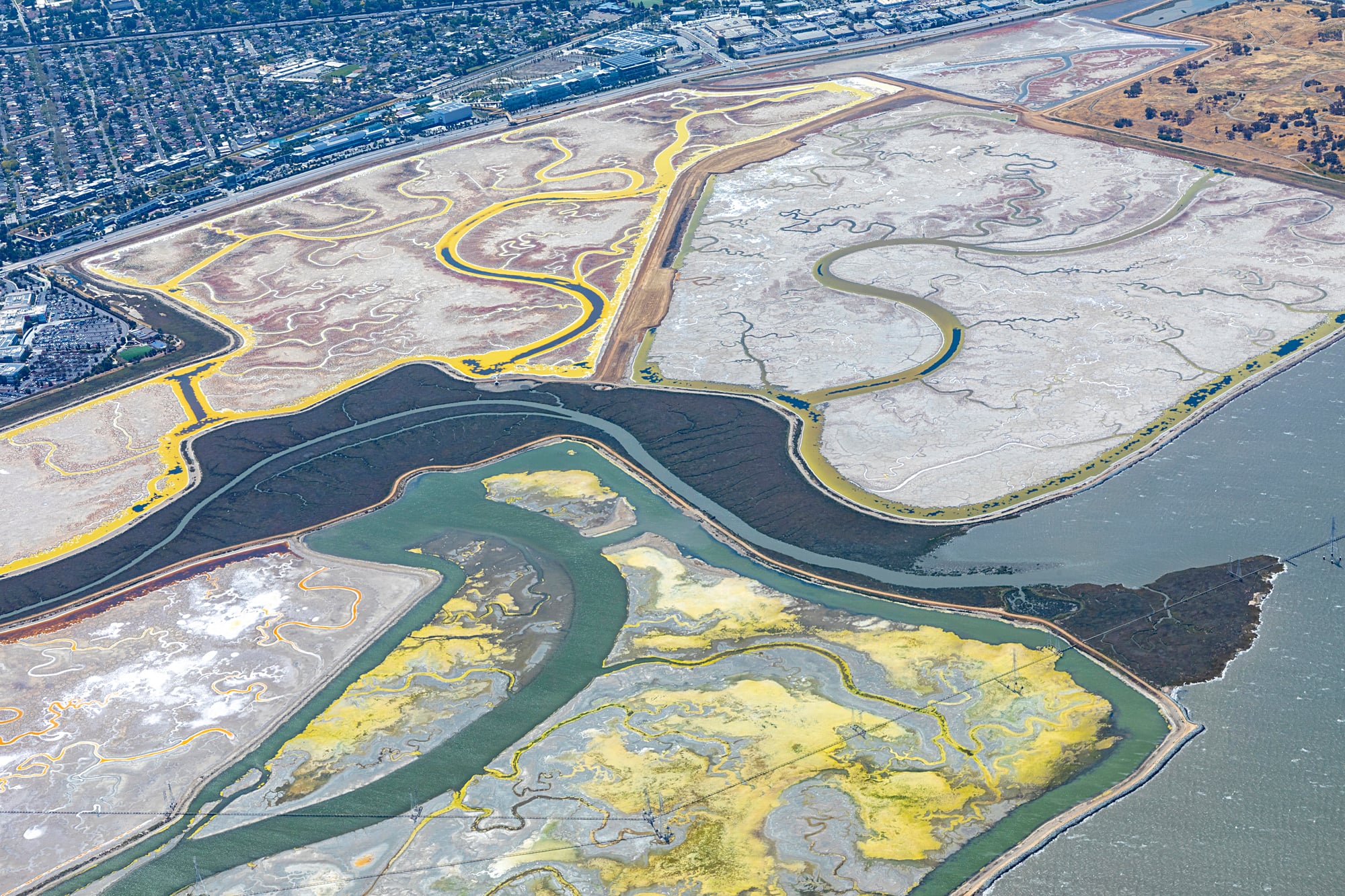
Monaco keeps growing—literally. Since the 1960s, the principality has expanded its territory by about 20% through land reclamation projects that push back the Mediterranean Sea.
These aren’t small additions either; entire districts like Fontvieille exist on what used to be underwater. The engineering behind these projects resembles something from a science fiction novel more than traditional construction.
Workers dump millions of tons of rock and sand into the sea, then wait for the artificial peninsula to settle before building on it. The most recent expansion, Portier Cove, added six hectares of new real estate—which in Monaco terms equals a massive development boom.
But there’s something almost desperate about a country that keeps clawing back land from the sea, like watching someone rearrange deck chairs to fit more passengers. The Mediterranean doesn’t particularly care about Monaco’s space constraints, so each reclamation project becomes an expensive argument with nature that nature will eventually win.
French Protection And Defense

Monaco maintains no standing army—unless you count the 255-member palace guard who spend most of their time in elaborate uniforms looking ceremonial. Instead, France handles Monaco’s defense under a treaty dating back to 1861.
This arrangement means Monaco gets military protection without the expense of maintaining modern armed forces.
The relationship runs deeper than military cooperation. Monaco uses the euro as its currency, follows French foreign policy, and operates under French protection in international affairs.
It’s essentially France’s very wealthy, very small little brother who gets to make his own rules as long as he doesn’t cause trouble.
The Monaco Grand Prix Circuit
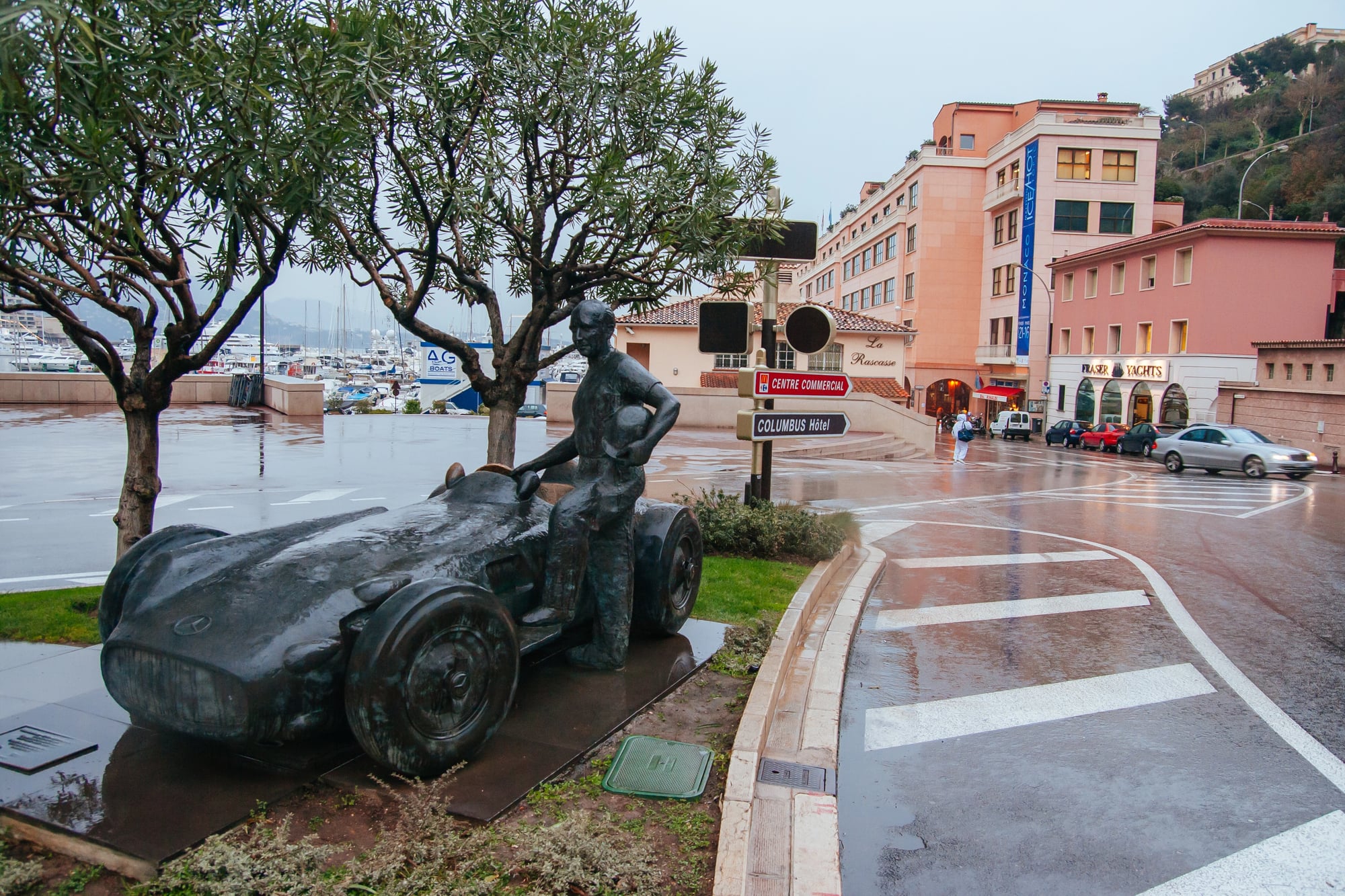
The Monaco Grand Prix transforms the principality’s regular streets into one of Formula 1’s most prestigious racing circuits. For one weekend each year, Monte Carlo’s narrow roads—where residents normally drive to the grocery store—become the backdrop for cars traveling at speeds that would terrify any reasonable person.
The track measures just 2.074 miles, making it the shortest circuit on the F1 calendar. Drivers navigate the same streets where tourists window-shop and locals walk their dogs, except at 180 miles per hour while millimeters away from concrete barriers.
The margin for error approaches zero—one small mistake sends a car into a wall with nowhere to go and no room to recover.
So Monaco’s residents spend months preparing for organized chaos: moving cars, securing balconies, and watching their quiet neighborhood transform into the world’s most exclusive race track.
Then it’s over, the barriers disappear, and everything returns to normal until next year’s beautiful madness begins again.
Language And Culture

French serves as Monaco’s official language, though Monégasque—a dialect mixing French, Italian, and Ligurian—still exists among older residents. Most everyone speaks multiple languages here; you’ll hear French, English, Italian, and various other tongues depending on where the latest wave of wealthy expatriates originated.
The culture blends French sophistication with Italian warmth and a heavy dose of international influence. Traditional Monégasque festivals still occur, but they compete with events designed for the global elite who call Monaco home.
It’s a place where ancient traditions bump against modern wealth in ways that don’t always make sense but somehow work.
Climate And Weather

Monaco enjoys a Mediterranean climate that rarely disappoints. Summers are warm and dry, winters are mild, and the principality averages about 300 sunny days per year.
The temperature rarely drops below freezing or climbs above 85°F, making it the kind of place where weather complaints sound like humble bragging.
This climate contributes significantly to Monaco’s appeal as a year-round destination for both residents and tourists. You can comfortably sit at outdoor cafés in January and swim in the Mediterranean through October.
The weather cooperates so consistently that it becomes easy to forget most of the world deals with actual seasons.
Real Estate Prices

Monaco’s real estate market operates in a reality separate from the rest of the world. Property prices historically averaged around $6,000 per square foot at peak valuations, though these rates fluctuate with market conditions.
A modest two-bedroom apartment can easily cost $3–8 million depending on location and condition, while penthouses with sea views sell for tens of millions.
These prices reflect simple economics—extremely limited supply meeting virtually unlimited demand from wealthy buyers who want Monaco residency. New construction remains rare due to space constraints, so most real estate transactions involve existing properties changing hands among the ultra-wealthy.
It’s a market where normal people don’t even qualify as window shoppers.
The Prince’s Palace
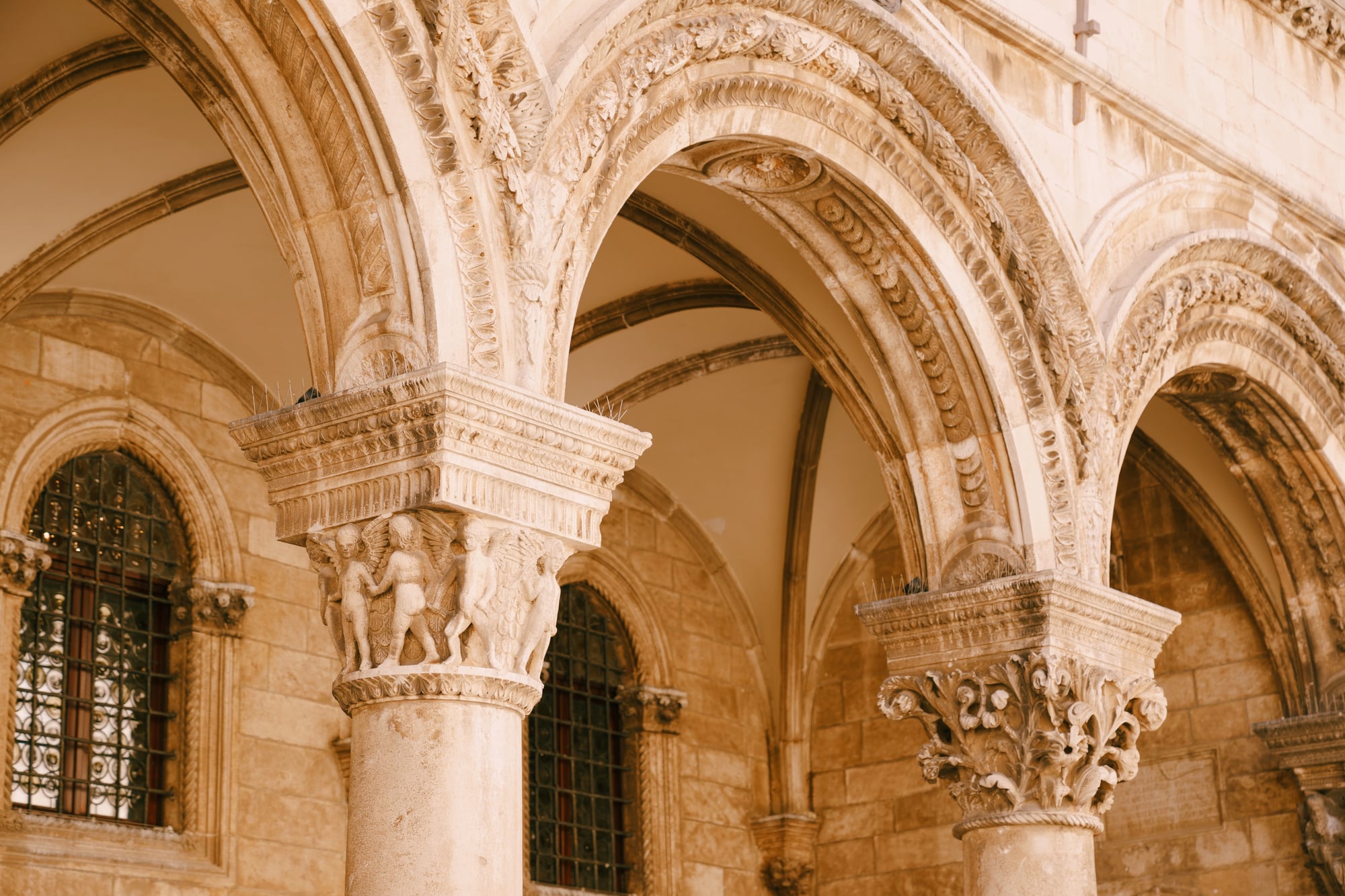
The Prince’s Palace of Monaco sits atop Monaco-Ville like a medieval fortress overlooking a modern playground. Parts of the palace date back to the 13th century, though various renovations and additions have created an architectural timeline spanning seven centuries.
The palace serves as both the royal family’s residence and the seat of government—imagine if Buckingham Palace and 10 Downing Street occupied the same building. State rooms open for public tours when the prince isn’t in residence, offering glimpses of throne rooms, frescoed galleries, and centuries of accumulated royal splendor.
But there’s something surreal about touring a working palace in a country you could jog across in half an hour. The grandeur feels outsized for such a tiny nation, like discovering an elaborate mansion built inside a studio apartment.
Monaco’s Economic Model

Monaco built its economy around three pillars: banking, real estate, and tourism. The banking sector benefits from the principality’s tax advantages and strict privacy laws, attracting wealthy clients seeking discretion.
Real estate thrives due to limited space and unlimited demand. Tourism capitalizes on Monaco’s reputation for luxury and glamour.
The casino, despite its fame, contributes less than 5% of Monaco’s government revenue. Instead, the principality generates income through corporate taxes, VAT, real estate transactions, and various fees paid by businesses operating within its borders.
It’s a economic model that works because Monaco offers something wealthy people desperately want—exclusivity backed by genuine scarcity. This system creates a feedback loop: high prices keep out most tourists, maintaining exclusivity that justifies high prices.
Monaco doesn’t want mass tourism; it prefers fewer visitors spending dramatically more money per person.
A Playground Built On Precision
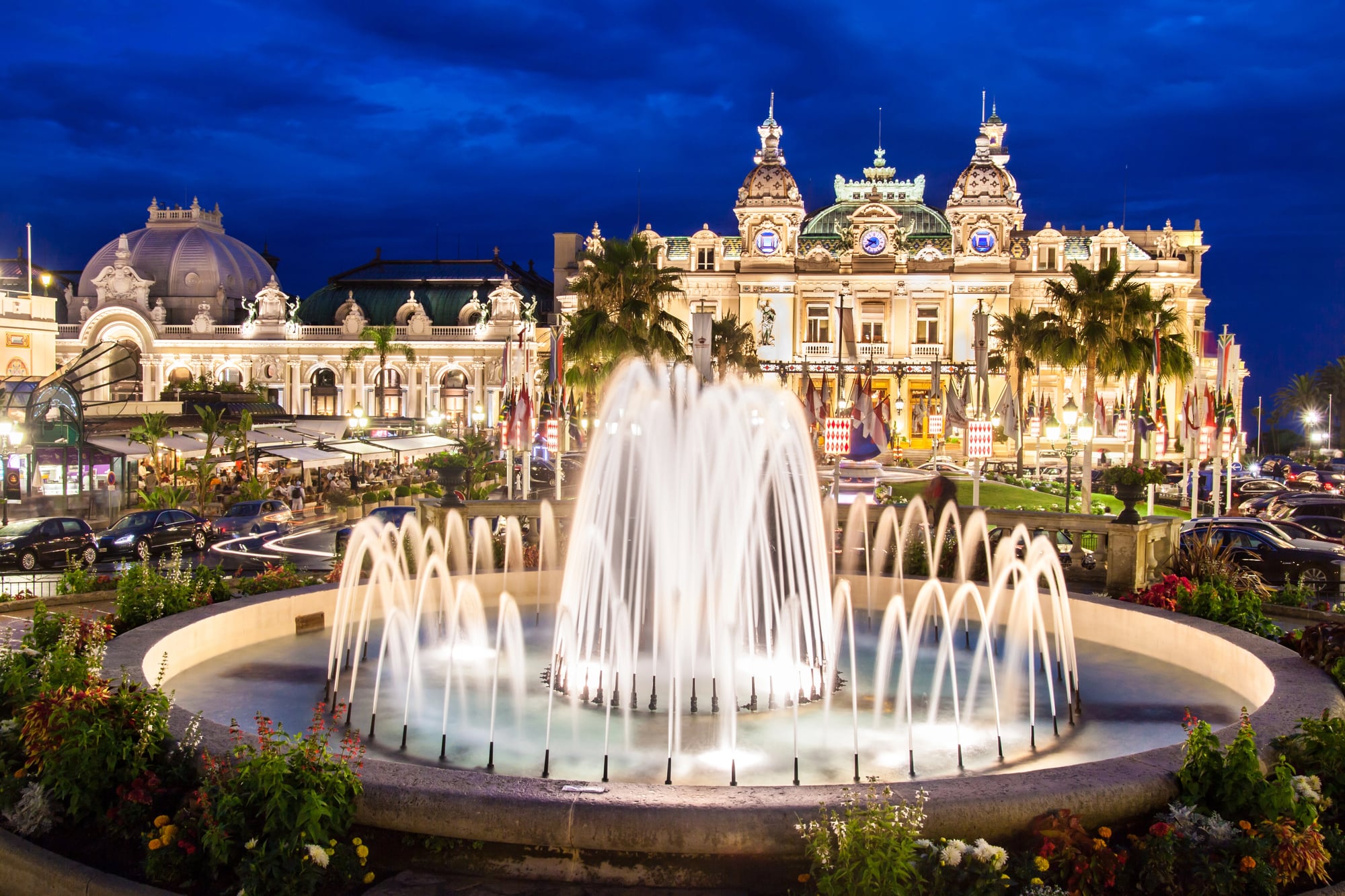
Monaco succeeds because it understands exactly what it is—a perfectly manicured stage where the wealthy can perform wealth for each other. Every street gets swept, every building maintained, every detail polished until the entire principality gleams like a luxury watch.
This isn’t an accident or good luck; it’s the deliberate creation of a fantasy that happens to be real, governed by people who recognize that their country’s greatest export isn’t banking or real estate, but the idea that such a place can exist at all.
In a world full of rough edges and messy compromises, Monaco offers something increasingly rare—the promise that perfection, however small and expensive, remains possible.
More from Go2Tutors!

- The Romanov Crown Jewels and Their Tragic Fate
- 13 Historical Mysteries That Science Still Can’t Solve
- Famous Hoaxes That Fooled the World for Years
- 15 Child Stars with Tragic Adult Lives
- 16 Famous Jewelry Pieces in History
Like Go2Tutors’s content? Follow us on MSN.