27 After-School Hangouts Before Indoor Shopping Malls
When Southdale Center opened in Edina, Minnesota, on October 8, 1956, it became the first fully enclosed, climate-controlled shopping mall in the United States. Before that, kids and teenagers had no single air-conditioned place to drift through after the last bell.
They gathered wherever the neighborhood already had an open door. Those places were scattered across main streets, school blocks, and vacant lots.
Most asked for little more than a dime or a good excuse to linger, and each came with its own unwritten rules about where to sit and how long to stay.
The Corner Drugstore Soda Fountain
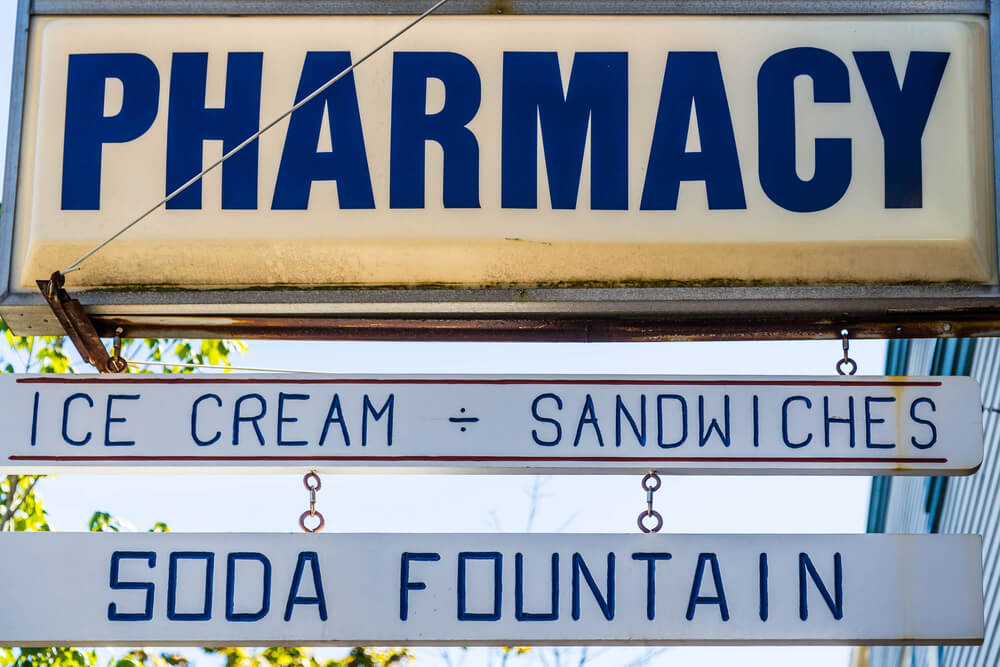
Many drugstores kept a marble-topped counter with chrome spigots, and it filled up fast once school let out. Students ordered cherry Cokes, chocolate malts, and phosphates, fizzy drinks sharpened with a splash of acid phosphate.
The New York favorite known as the egg cream contained neither egg nor cream, which never stopped anyone from ordering one.
The Five-and-Dime Lunch Counter
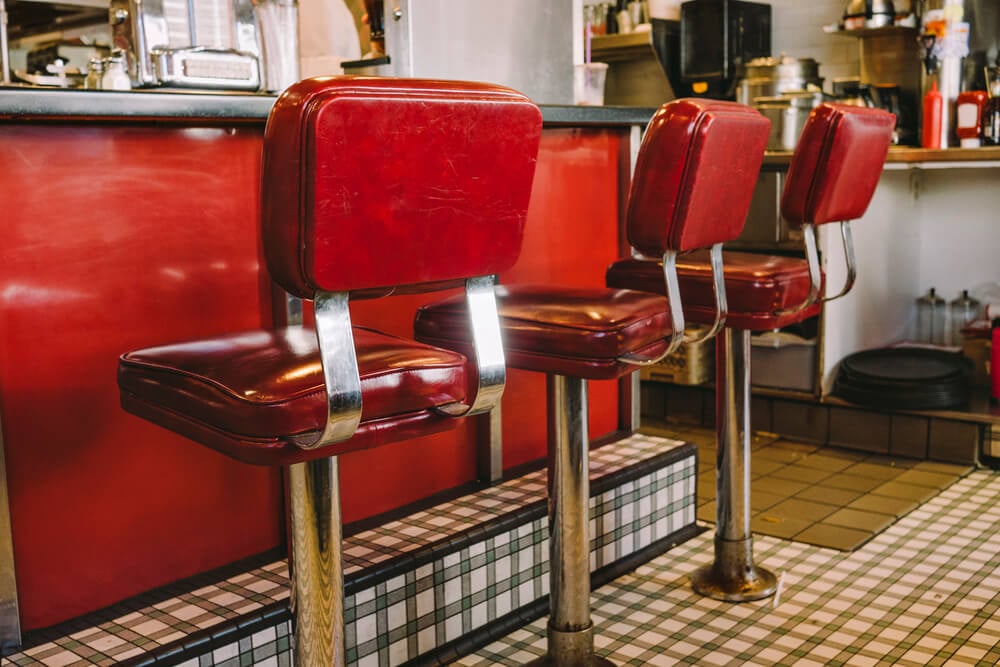
Variety stores such as Woolworth’s kept a lunch counter near the back, where a student could nurse a grilled cheese and a soda for an hour. The stools carried history as well.
On February 1, 1960, four college students sat down at the Woolworth’s counter in Greensboro, North Carolina, and began a protest that became one of the best-known moments of the civil rights movement.
The Neighborhood Candy Store
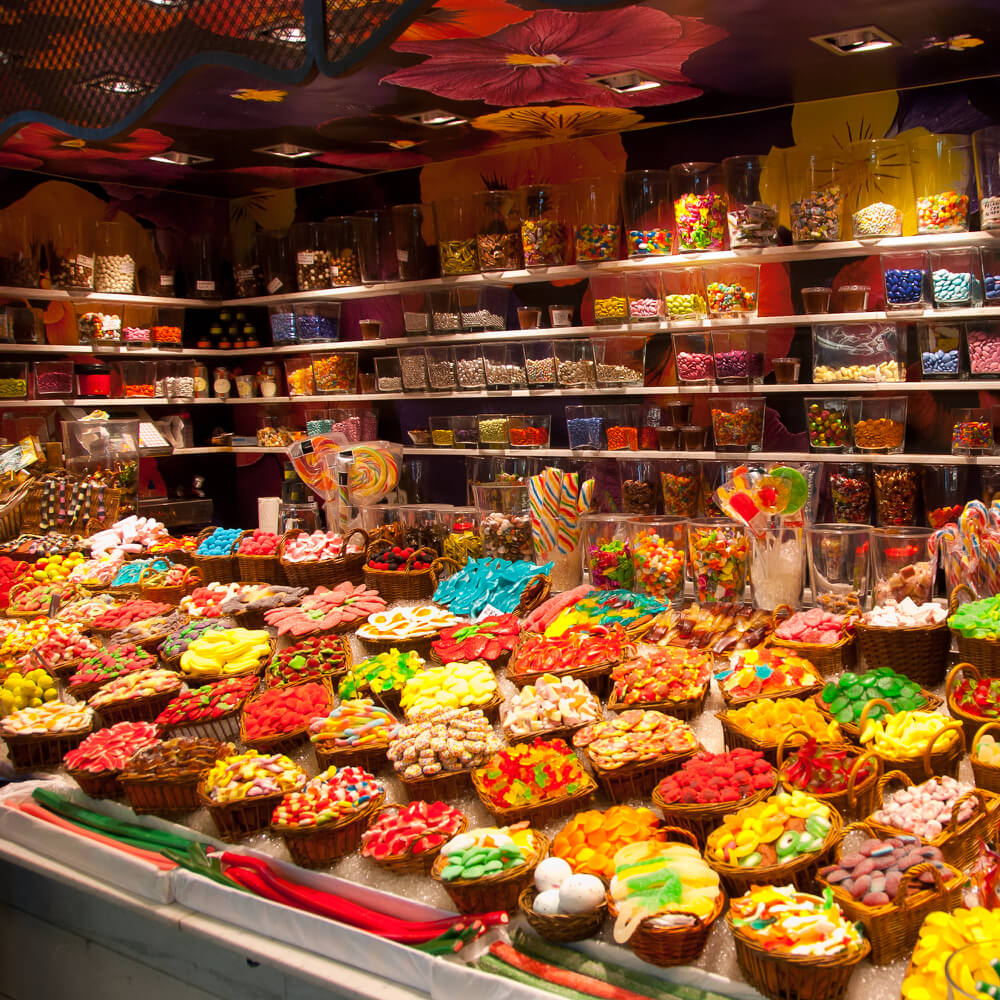
Glass jars of licorice whips, wax lips, and rock candy on strings lined the shelves, and a handful of pennies could buy a small paper bag of assorted sweets. Choosing took real concentration.
Shopkeepers learned to tolerate ten minutes of deliberation over a single coin.
The Carnegie-Era Public Library
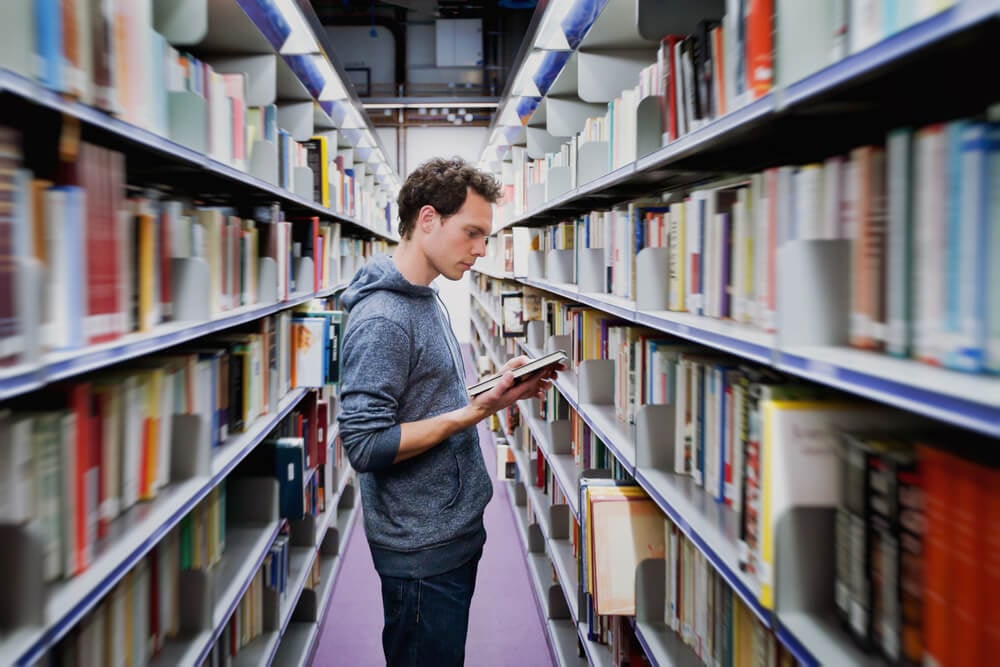
Andrew Carnegie funded 2,509 libraries worldwide between 1883 and 1929, and many small towns got their first free reading room that way. After school, students claimed oak tables under green-shaded lamps to finish homework or to read adventure novels on the sly.
The librarian often knew which kids were reading ahead of their grade level and quietly pointed them toward the next shelf.
The YMCA Gymnasium
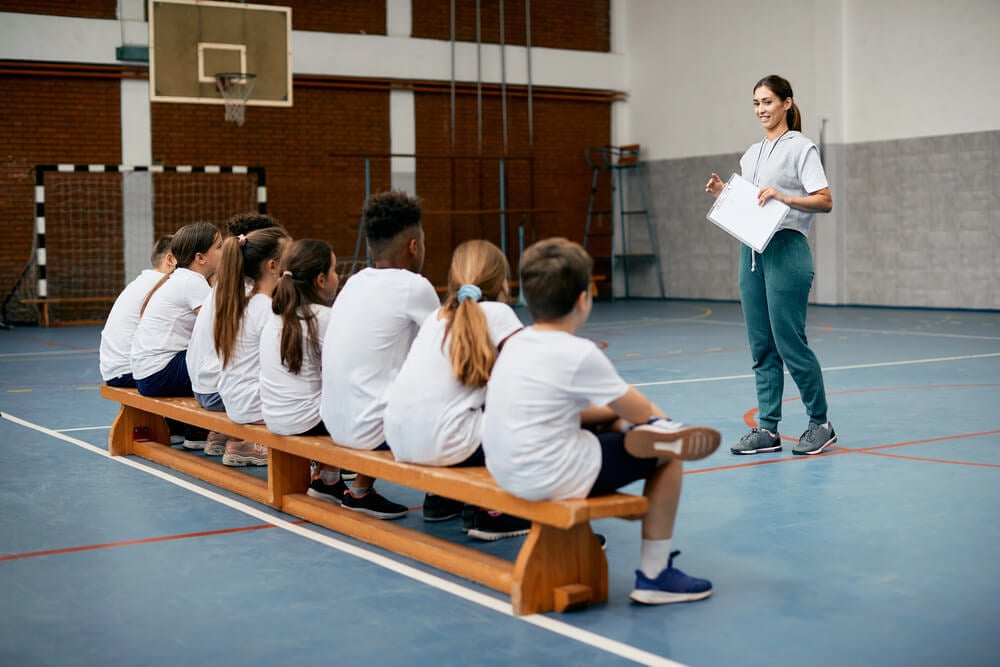
The YMCA gym had a special claim on youth sports. In 1891, James Naismith invented an indoor winter game at a YMCA training school in Springfield, Massachusetts, and the first goals were peach baskets.
Local Y gyms later hosted pickup games, swim lessons, and ping-pong tournaments for a small membership fee.
The Roller Rink
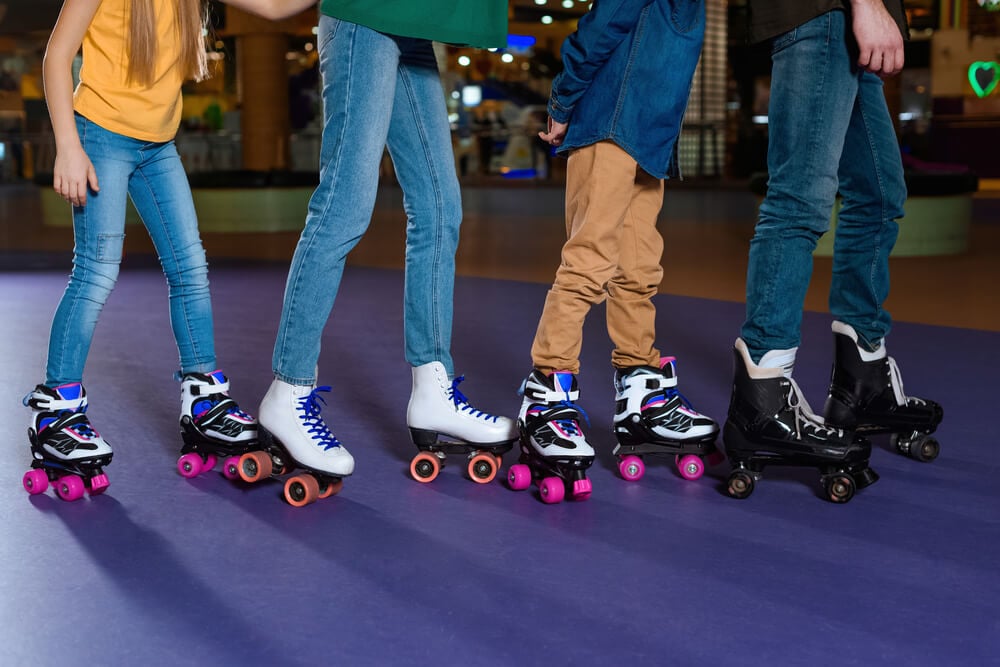
Rinks played music from a live organist, who announced couples’ skates and reverse skates in a sing-song voice. Wooden floors worn smooth by thousands of wheels gave the room a distinct rumble.
Skate rental counters kept rows of lace-up boots sorted by size, each pair numbered on the heel.
The Bowling Alley
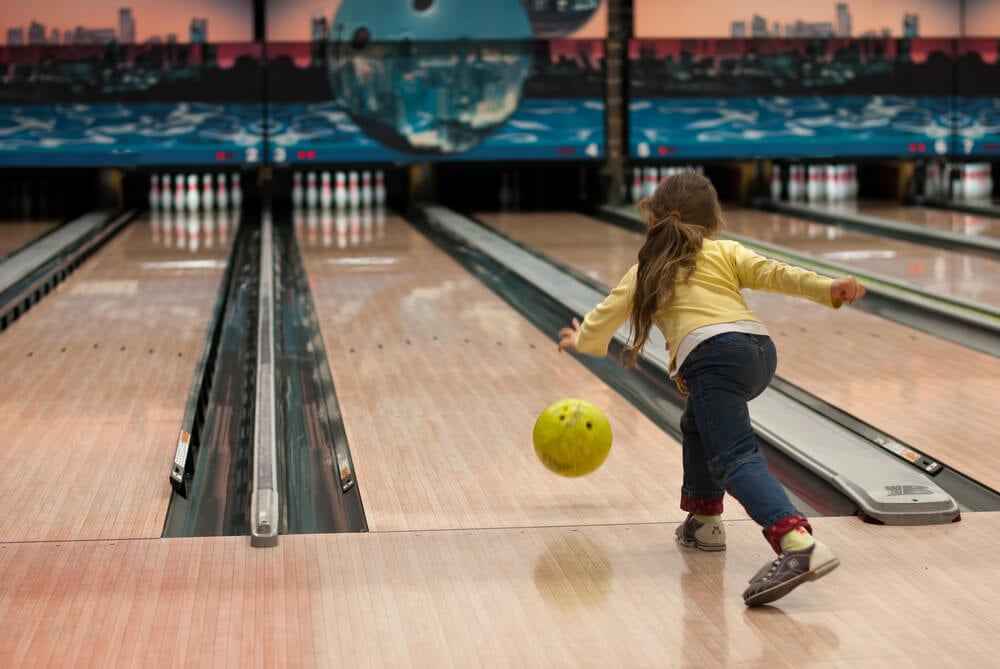
Before automatic pinsetters spread widely in the 1950s, many alleys hired boys to reset the pins by hand between rolls. The job paid after-school wages and came with a certain amount of danger from flying pins.
Kids who did not work there still lingered to watch the leagues and to hear the crash of a strike.
The Neighborhood Movie House
On Saturday afternoons, a single ticket often bought a double feature, a cartoon, a newsreel, and a chapter of a serial. Kids arrived early to claim the front rows and stayed until the usher shined a flashlight in their direction.
The cliffhanger endings were designed to bring the same audience back the following week.
The Penny Arcade
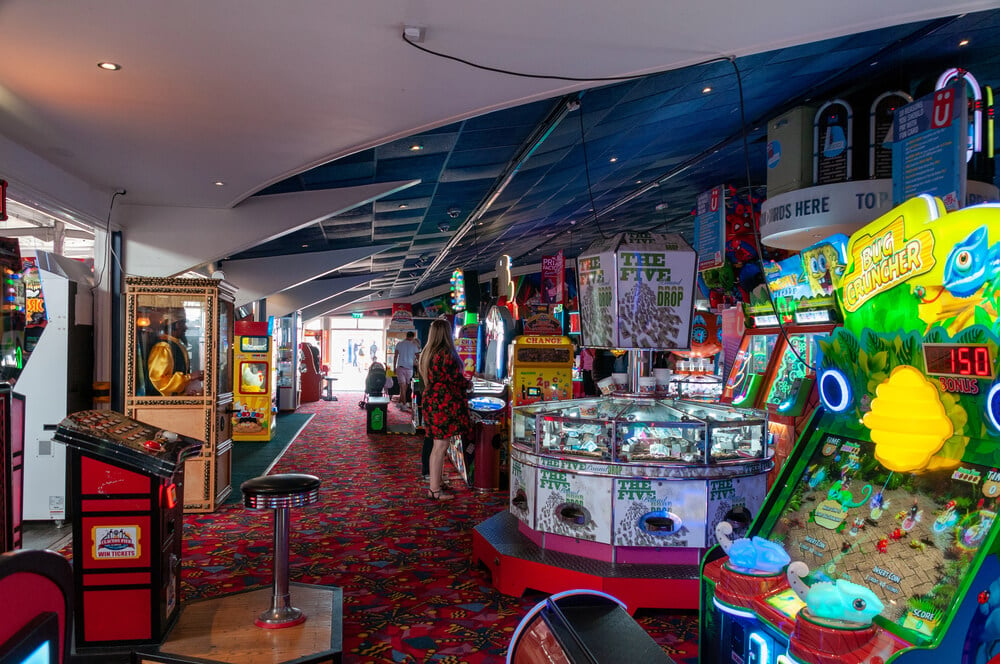
Penny arcades featured hand-cranked Mutoscope machines, in which a rotating drum of photographs flipped past a viewer’s eye to make a short moving picture. Fortune-telling machines, strength testers, and mechanical games lined the walls.
The owner usually kept a tin of change handy to turn a nickel into coins for the machines.
The Hobby Shop
Balsa wood airplane kits, tubes of model cement, and tiny pots of enamel paint filled the shelves, and the room smelled of glue and sawdust. Kids lingered over plastic ship and car kits, comparing what they could afford.
Staff often built display models in the window to show what was possible with patience.
The Record Store Listening Booth
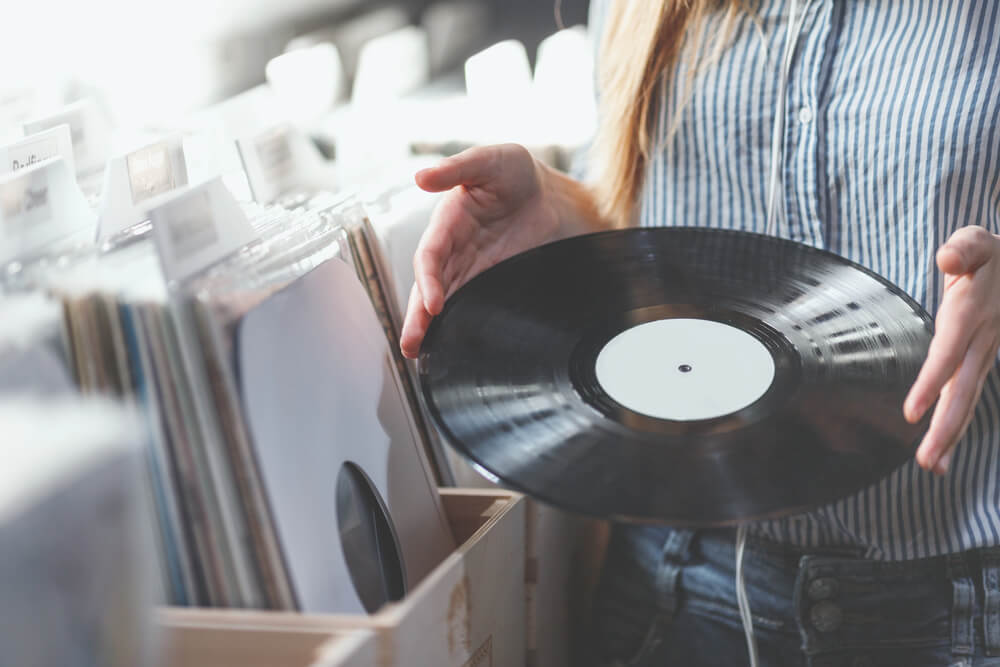
Record shops commonly offered small booths where a customer could play a 45 before deciding to buy. A small group of friends could squeeze into the booth and listen to the same single several times in a row.
Clerks tolerated this, since anyone who spent an hour listening usually walked out with a record.
The Bicycle Repair Shop
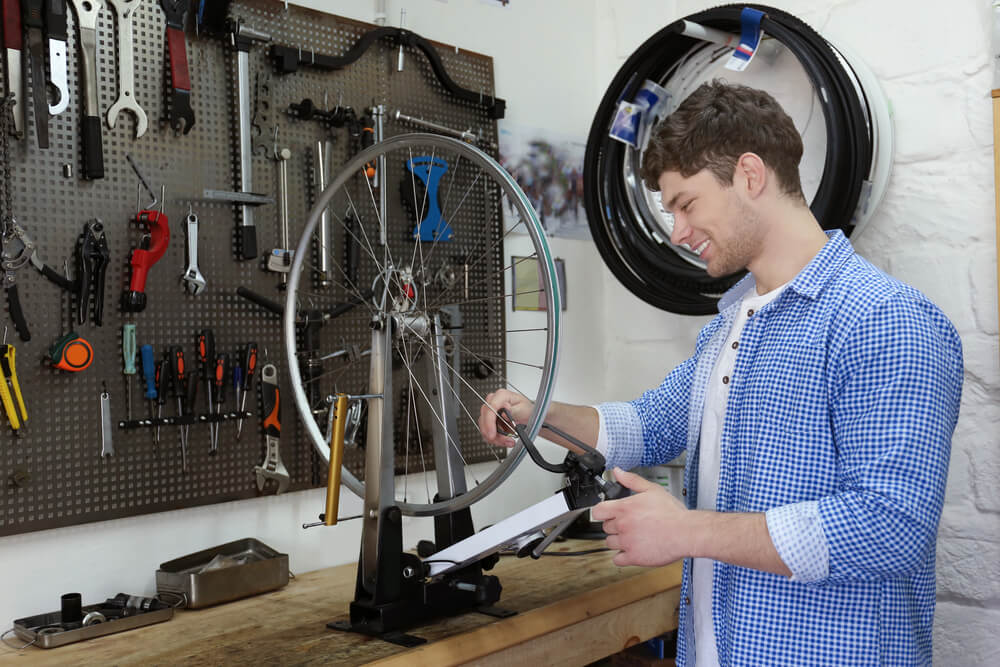
Tires, inner tubes, and chains hung from ceiling hooks, and the mechanic worked at a bench cluttered with wrenches and spare spokes. Kids brought in bikes with bent wheels and stayed to watch the repair.
A flat tire could be patched while they waited, and the conversation drifted from bike gears to trading cards.
The Park Bandstand
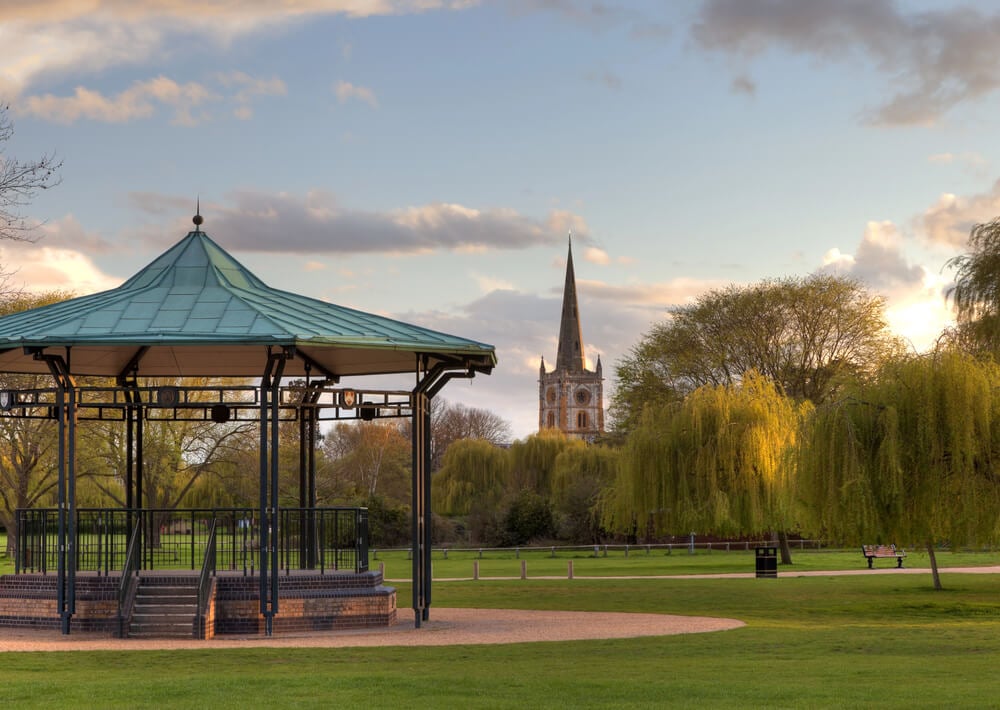
Municipal bands gave summer concerts at the bandstand in the town park, and teenagers used the steps as a social headquarters. The music came with a lot of brass and the occasional march by John Philip Sousa.
Families spread blankets on the grass, while the teenagers kept a careful distance and pretended not to listen.
The Sandlot Diamond
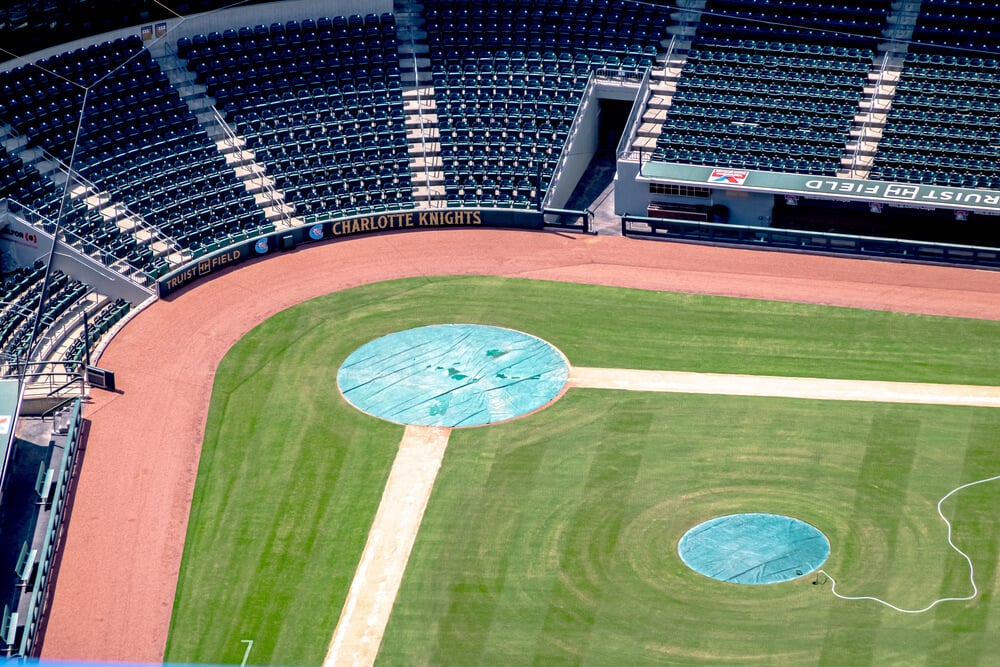
A vacant lot with a lumpy infield and a few bases made from old pillowcases served as the neighborhood’s game diamond. Rules were improvised, including ghost runners and ground-rule fences made from parked cars.
Games ended when someone’s mother called them in for supper.
The Frozen Pond

When winter froze the local pond, neighborhood volunteers sometimes shoveled snow off a patch for skating. Kids carried skates over their shoulders, laces tied together, and warmed their hands at a small fire on the bank.
An adult usually tested the ice with an axe before anyone was allowed to step onto it.
The Bakery Back Counter
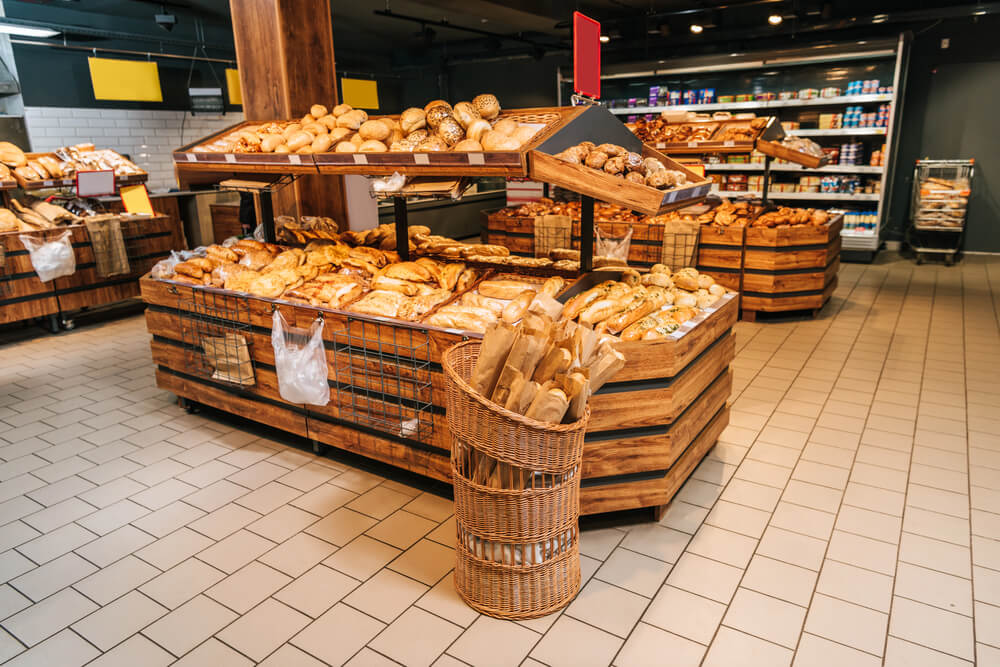
Many bakeries sold day-old bread and rolls at a discount, and kids stopped in to buy a bag of doughnuts for next to nothing. The smell of yeast and sugar drifted onto the sidewalk.
Bakers sometimes tossed in a free cookie for children who came by regularly.
The Drive-In Burger Stand
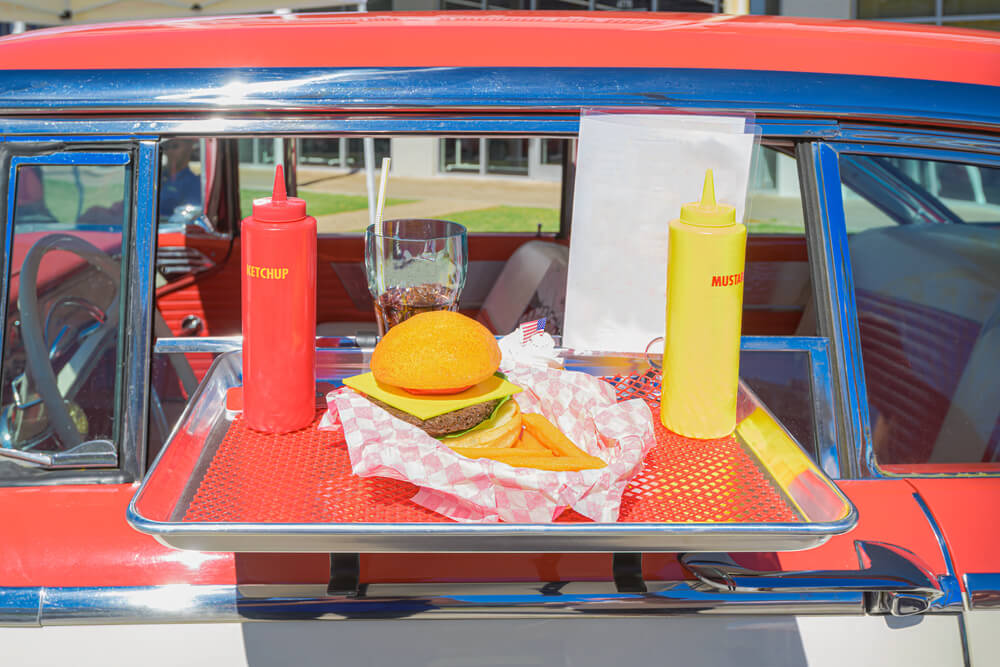
At drive-in restaurants, carhops clipped trays onto car windows and carried orders on their arms. Teenagers with borrowed cars parked in a row, windows down, radios tuned to the same station.
A hamburger, fries, and a shake made a complete evening for the price of a few coins.
The Newsstand
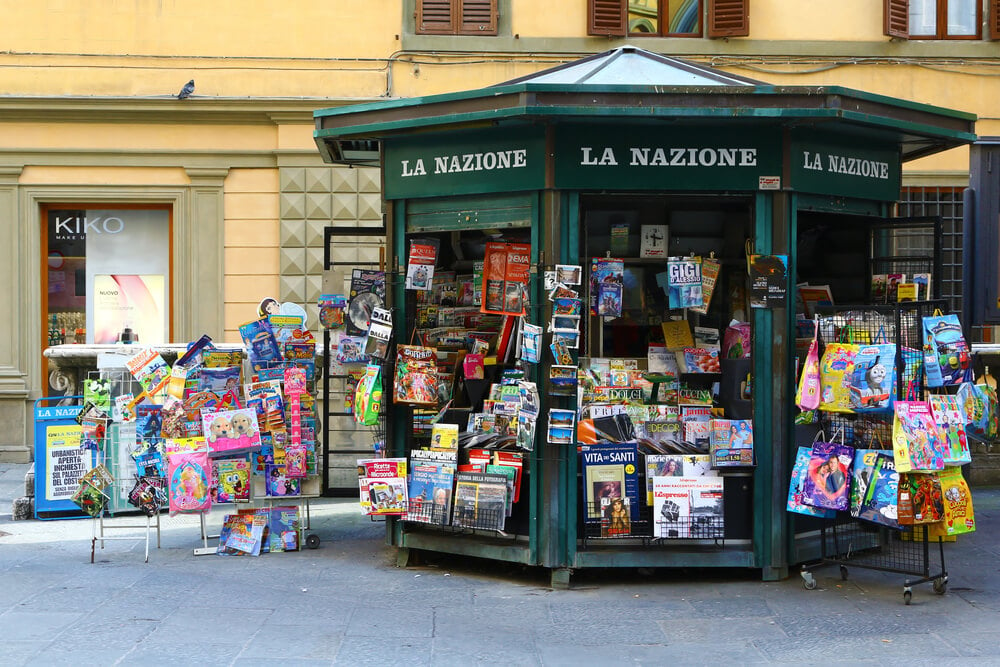
Spinner racks of comic books stood next to magazines and newspapers, and a dime bought most comics of the era. Kids flipped through issues without buying until the owner cleared his throat.
Sports pages, movie magazines, and pulp paperbacks gave the stand a faintly forbidden glamour.
The Church Basement Youth Group
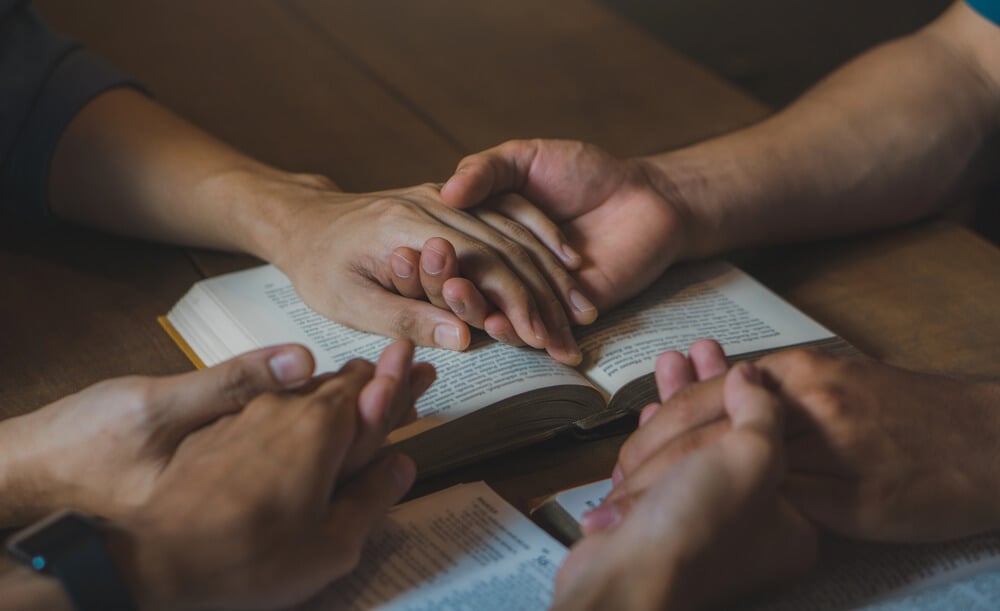
Basement rooms with folding chairs, a ping-pong table, and a record player hosted weekly youth group meetings. Lemonade and cookies appeared on a table at the back.
Adult chaperones played referee for the dances, which usually ended before ten.
The School Gym on Open Night
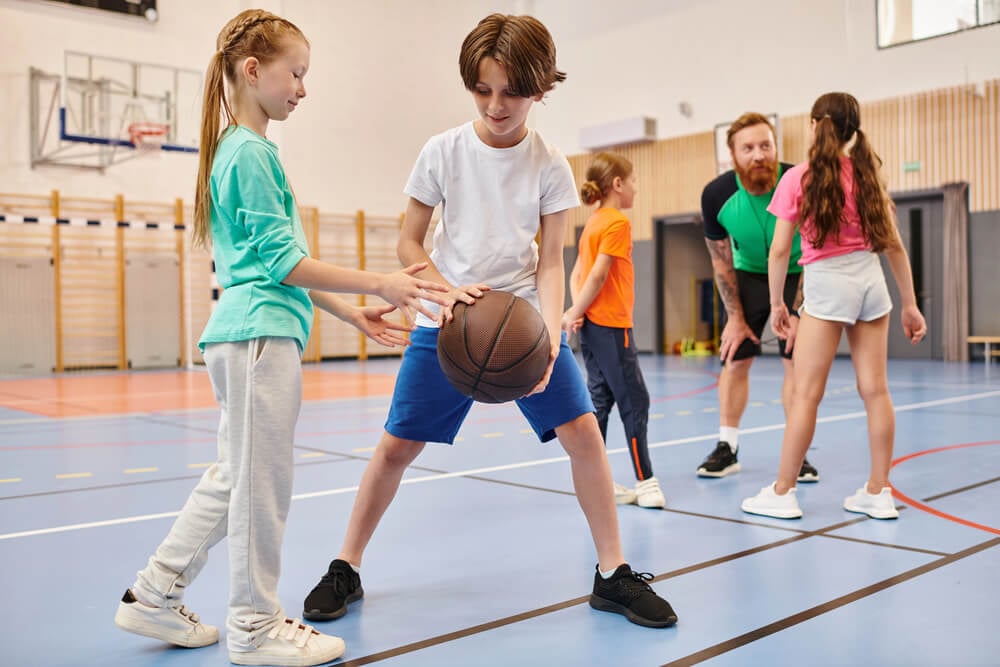
Some schools opened the gym for community recreation nights in the evening, and students came back to shoot hoops or play table games. The lights hummed overhead, and the floor squeaked under rubber soles.
Teachers sometimes supervised and ended up joining the games.
The Electronics Shop Window
In the late 1940s and early 1950s, television sets in store windows drew crowds on the sidewalk, especially during big sporting events or news broadcasts. Families without a set of their own watched through the glass, sometimes standing in the cold.
A shop owner might turn up the volume for the benefit of the spectators outside.
The Train Depot Platform
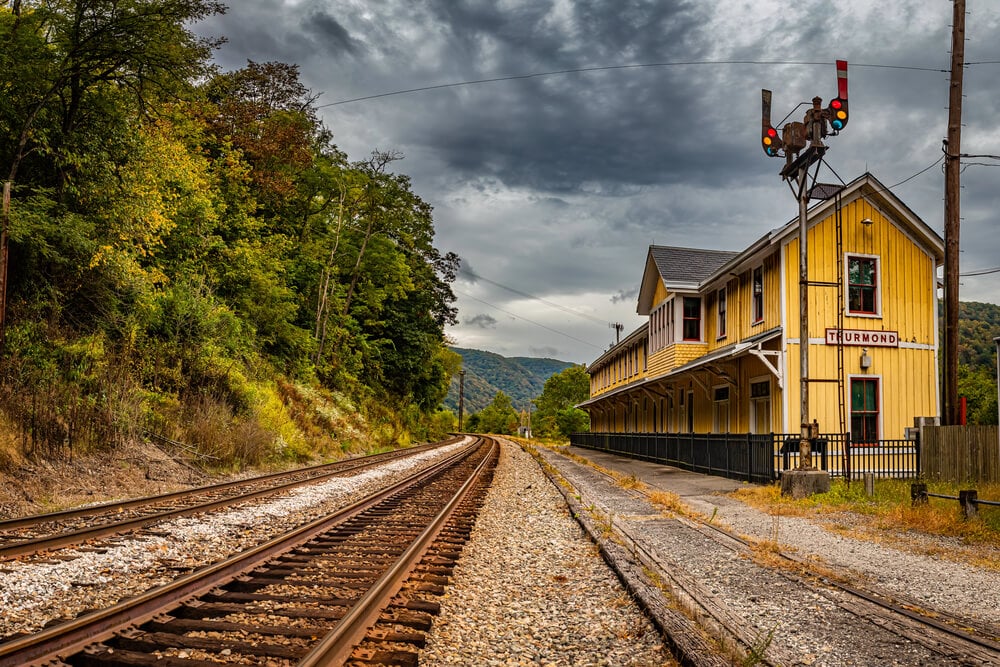
Kids hung around the platform to watch the afternoon train arrive and to wave at passengers. The stationmaster, with a pocket watch and a telegraph key clicking behind him, knew every regular by name.
Some children learned the train schedule better than their school timetables.
The Firehouse Apron
The concrete apron in front of the firehouse made a friendly place to stand when the doors were open. Firefighters polished the engine, coiled hoses, and answered questions about the brass pole.
A child who behaved might be allowed to sit in the driver’s seat for a minute.
The Front Stoop
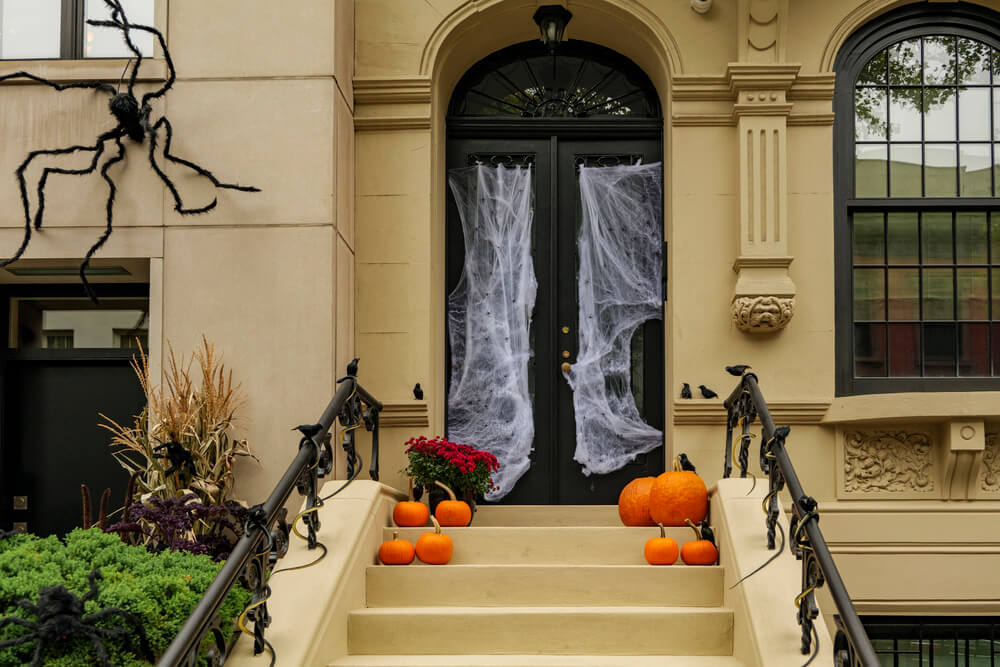
In rowhouse neighborhoods, the front stoop served as a social room. The word comes from the Dutch stoep, a reminder of the old New York roots of the habit.
Kids played card games, traded stickers, and kept an eye on the street from the steps.
The General Store Porch
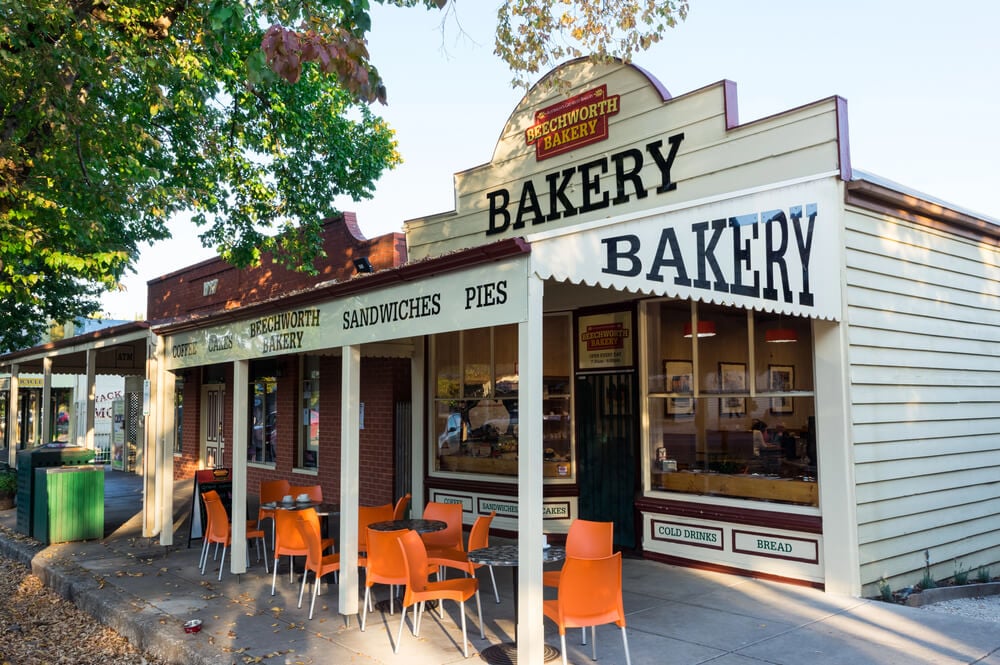
In small towns, the porch of the general store had a bench, a checkerboard, and a cracker barrel. Farmers and kids shared the same planks and the same news.
Someone always had a story about weather, crops, or a neighbor’s dog.
The Municipal Swimming Pool

Public pools became common in many cities during the 1930s, helped along by Works Progress Administration construction projects. In summer, kids went straight from school to the pool, carrying rolled towels and a swim pass.
Lifeguards on tall chairs enforced rules with whistles.
The Barbershop Waiting Bench
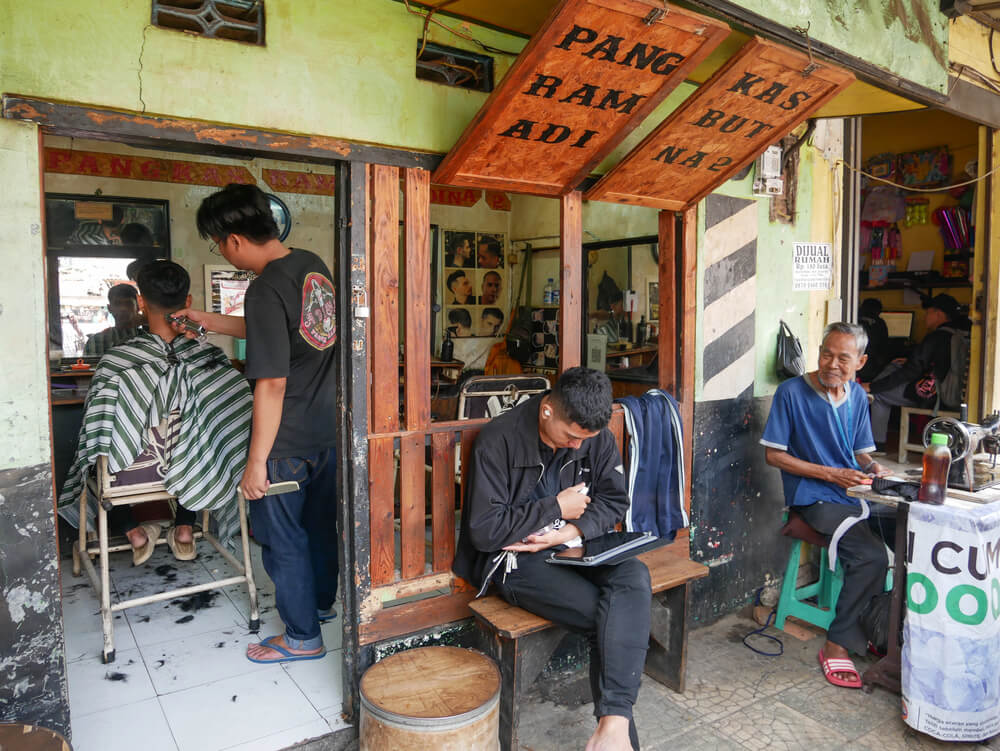
The barbershop bench offered a pile of magazines such as Boys’ Life and a front-row seat to adult conversation. Kids listened to talk about politics, sports, and the price of gas while waiting for a haircut.
Even those not getting haircuts sometimes stopped in just to sit.
When the Hangout Had a Street Address
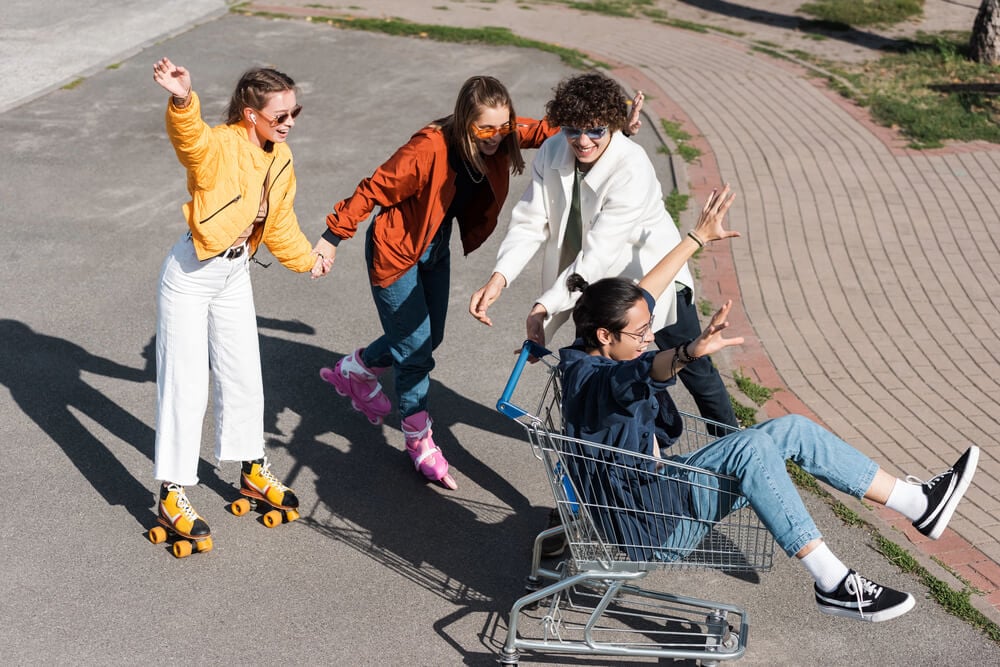
The shopkeeper, the librarian, and the barber could tell a parent exactly where a kid had spent an afternoon. That arrangement offered a loose supervision that nobody had to schedule.
Mall culture gathered those scattered stops under a single roof. The habit of wandering from counter to stoop to sandlot gave way to one destination with a parking lot, a food court, and a security guard.
The old circuit survives mostly in memory, and in the occasional soda fountain that still keeps its marble counter polished.
More from Go2Tutors!

- 27 Silver Dollars and Half Dollars Worth Keeping
- 28 Restaurant Menu Items Nobody Orders Anymore
- 17 Places Built in Seemingly Impossible Spots
- 27 Vintage Rings Worth More Than They Look
- 25 Restricted Sites Tourists Can’t Enter
Like Go2Tutors’s content? Follow us on MSN.