Community Fundraisers That Brought Whole Neighborhoods Together
A good fundraiser did more than collect money. It gave a neighborhood a reason to gather in a church hall, a firehouse, or a school gym and to see who had come back from college or moved in next door. The money mattered, but so did the cakes, the casseroles, and the chatter.
These events ran on volunteers, folding tables, and handwritten signs taped to telephone poles. Each one had its own traditions and its own cast of regulars. Here are twenty that turned small change into something larger.
The Bake Sale
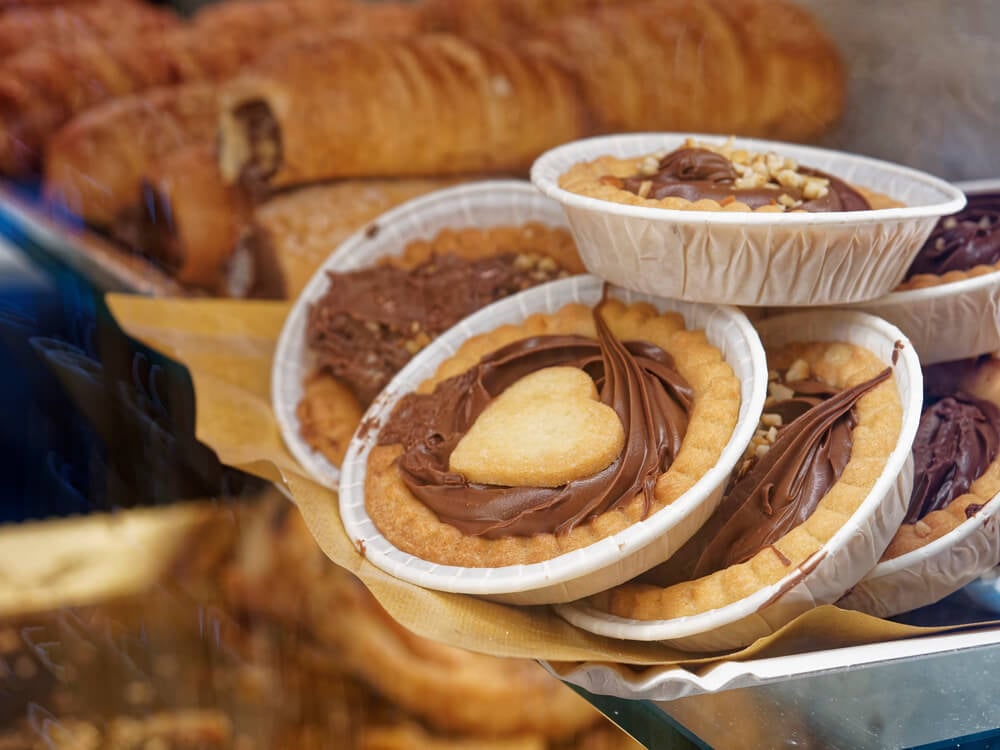
Tables of cookies, brownies, and layer cakes, each wrapped in plastic and priced on an index card, filled school hallways and church lobbies. The best items often sold out within minutes.
Shoppers frequently bought a treat and then returned the same cake to the next sale.
The Car Wash
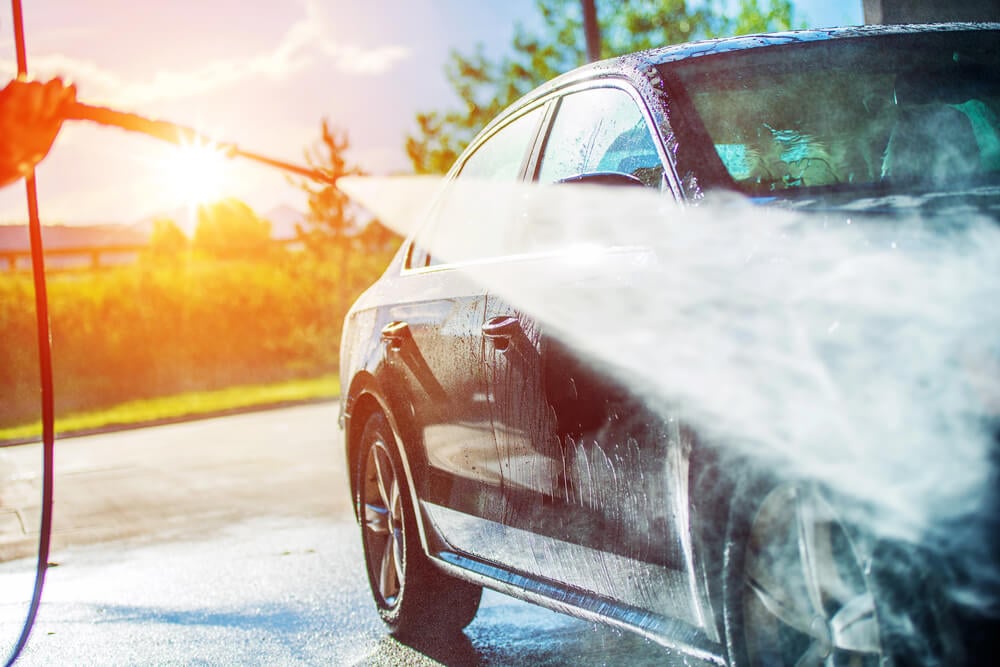
Teenagers with buckets, sponges, and hand-lettered signs waved cars into a parking lot on a sunny Saturday. A line of drivers paid a few dollars for a soapy rinse and a towel dry.
The water fights between washers were free.
The Rummage Sale
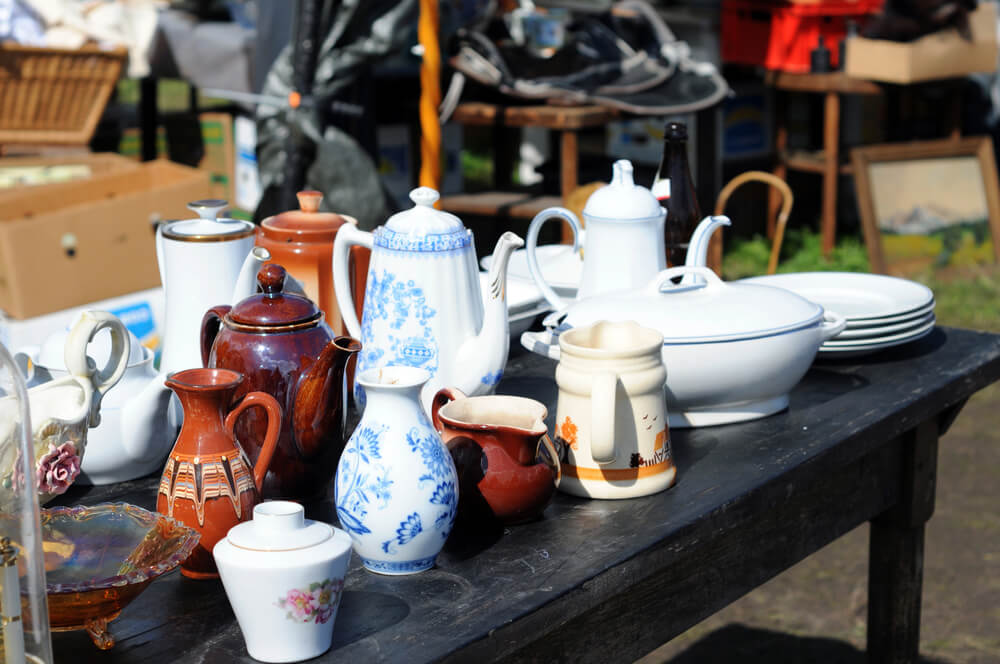
Families emptied closets and attics into a church basement or school gym, and shoppers arrived early to dig through tables of mismatched dishes and old books. Prices were negotiable, and volunteers priced items on the spot.
The last hour often featured a bag-for-a-dollar finale.
The Pancake Breakfast
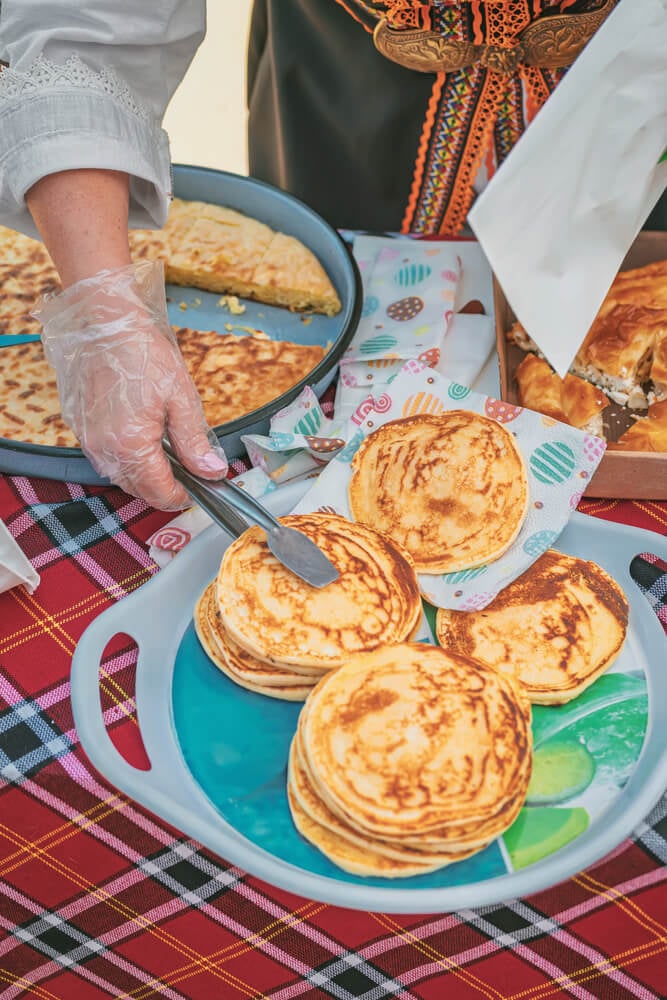
A community group set up griddles in a fire hall and flipped pancakes for a line of neighbors, serving them with sausage and syrup. Tickets sold at the door, and the volunteers wore aprons splattered with batter.
The smell reached the parking lot before the doors opened.
The Spaghetti Dinner
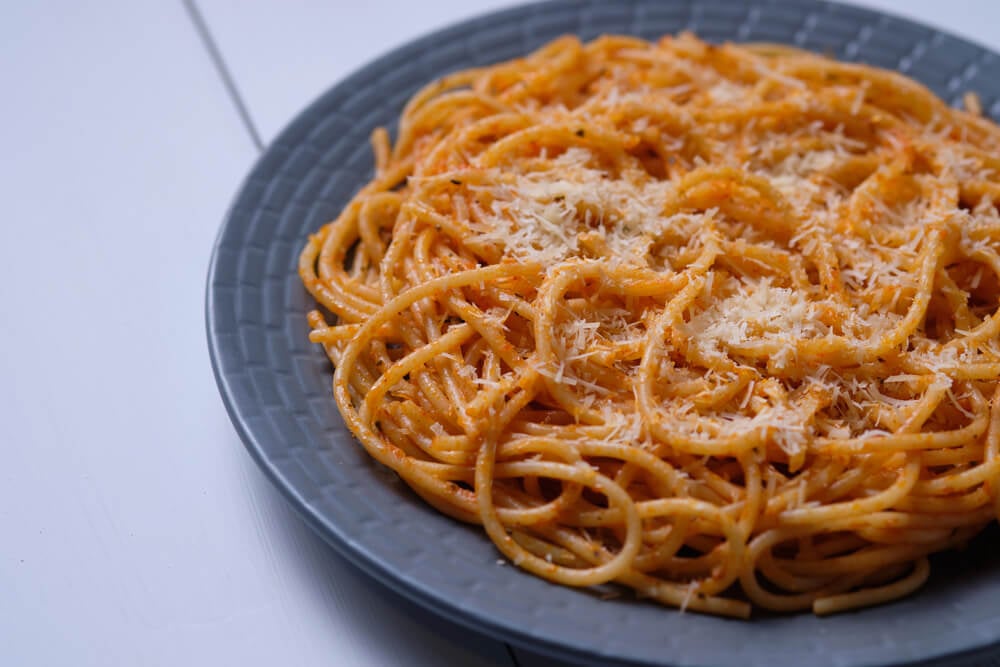
Long tables covered in paper tablecloths filled a church hall, and volunteers ladled marinara over heaps of pasta. A basket of garlic bread sat in the middle of each table.
The dinner usually ended with a dessert auction.
The Fish Fry
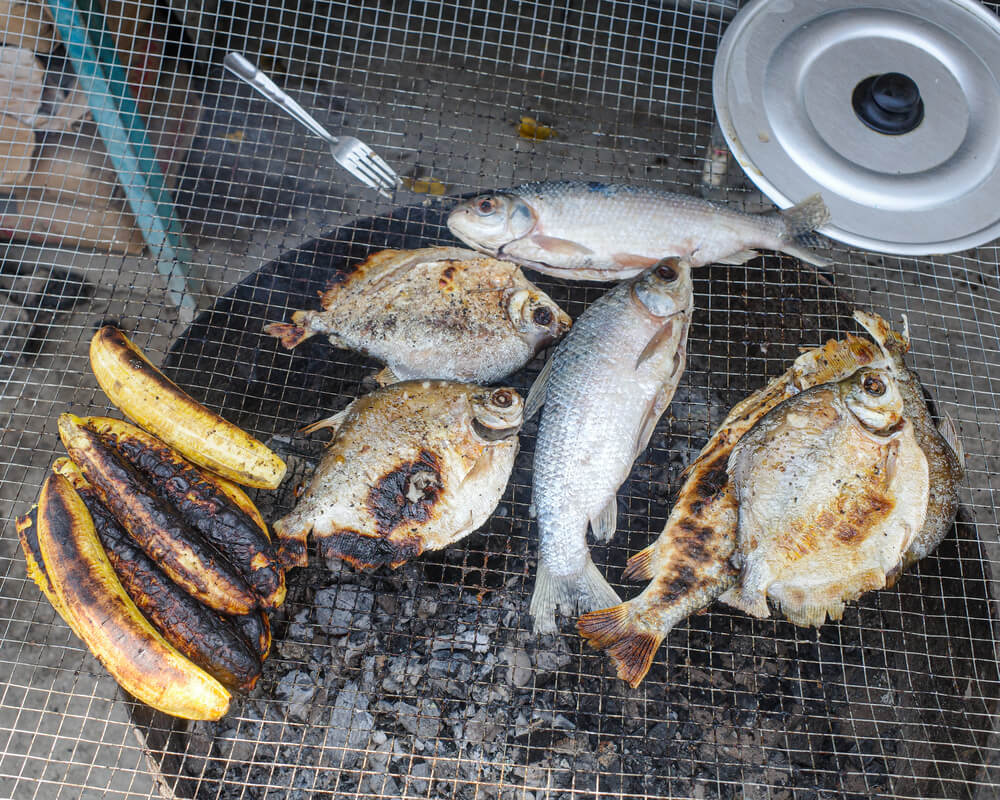
Friday fish fries at a church or fire company served fried cod or haddock with coleslaw and fries. Lenten fish fries in particular drew crowds who wanted a communal meal.
A line out the door was a sign of success.
The Raffle
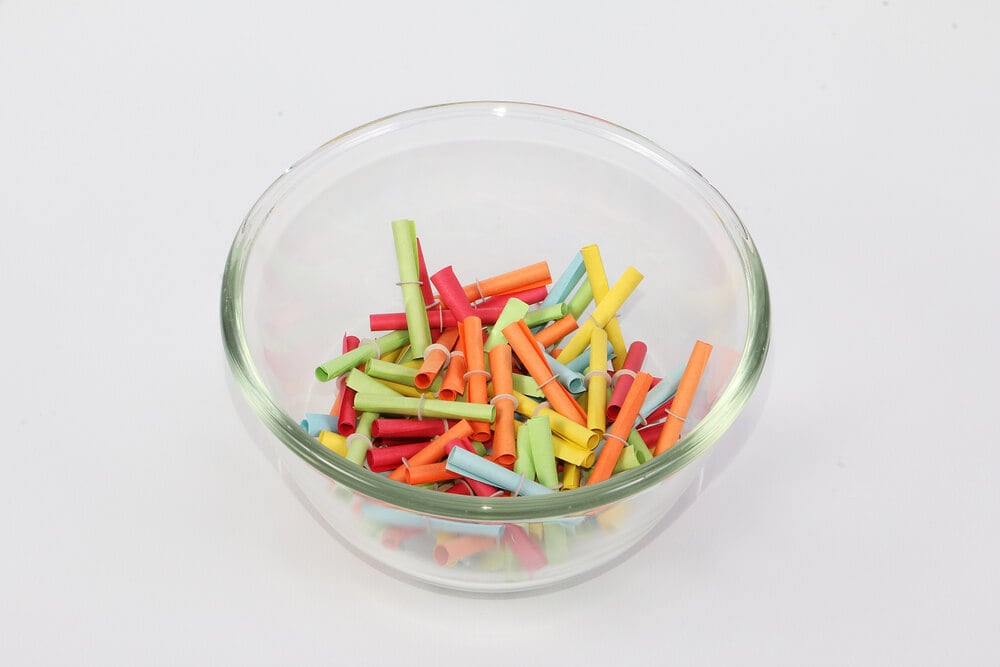
Raffle tickets, sold in strips of red paper, gave neighbors a chance to win a quilt, a basket of cheese, or a gift certificate. A drawing was held at the end of an evening, often from a coffee can.
The odds were poor, but the excitement was real.
Bingo Night
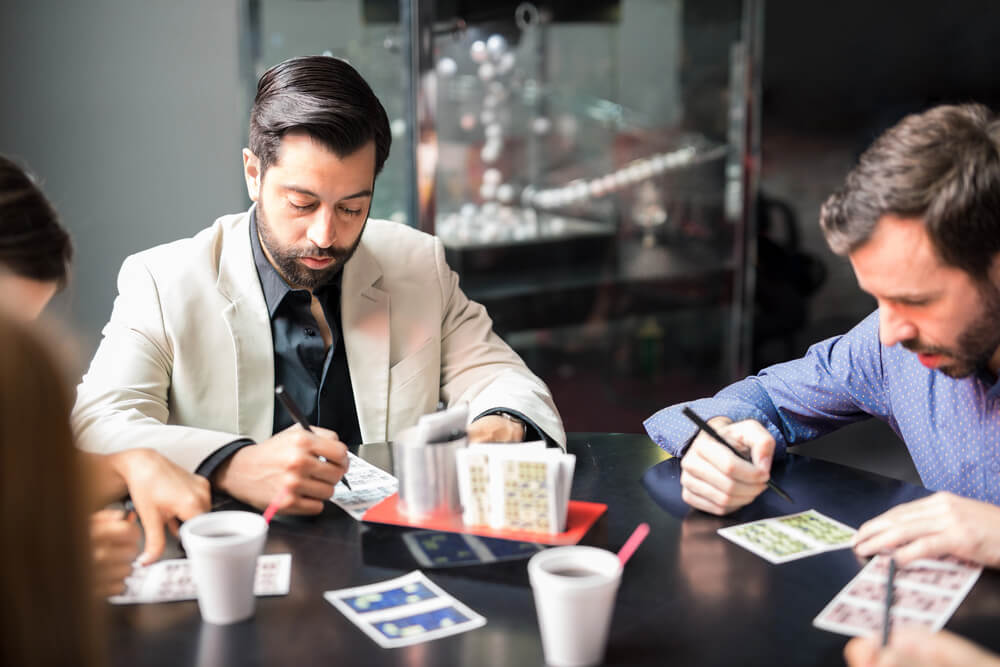
Bingo cards, markers, and a caller with a microphone filled a parish hall once a week. Regulars brought lucky charms and their own seat cushions.
The prizes were modest, and the pot grew week by week.
The Quilt Raffle
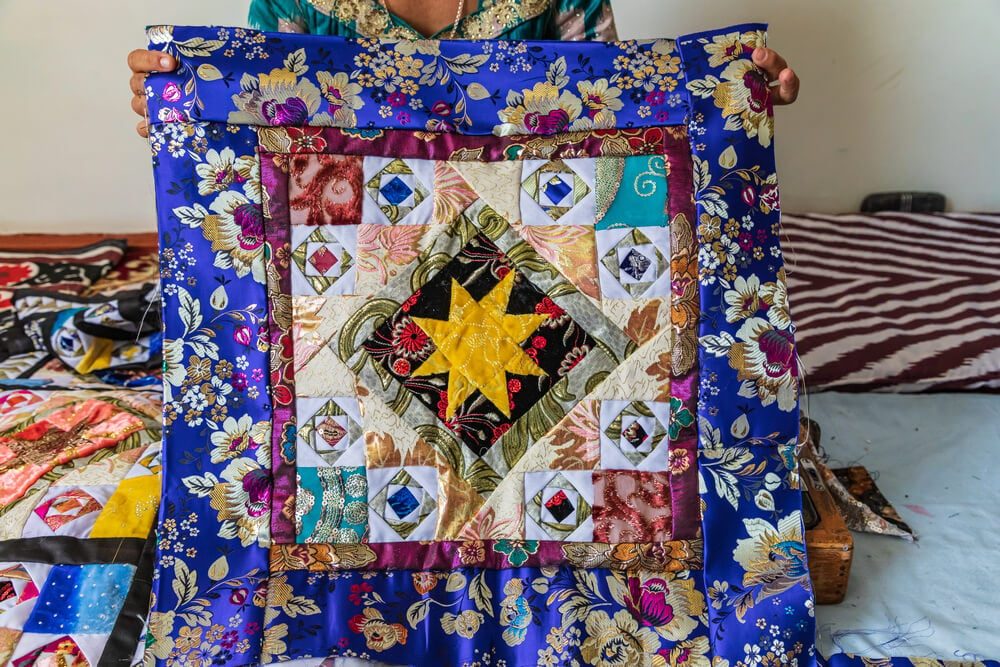
A group of volunteers spent months stitching a quilt, and the finished piece was displayed at the front of the hall with a ticket jar beside it. Local quilters often signed their squares.
The winner usually kept it on a bed for decades.
The Chili Cook-Off
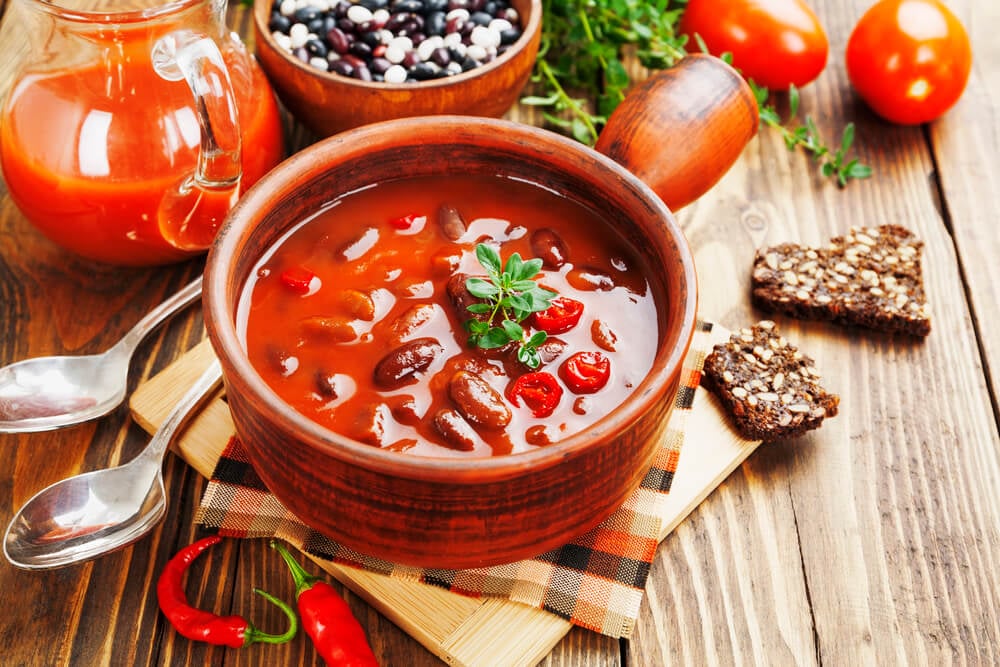
Neighbors brought slow cookers of homemade chili, each with a secret ingredient, and diners voted with a few dollars or a paper slip dropped in a jar. The competition stirred up friendly rivalries.
The winner earned a ribbon and bragging rights until the next year.
The Walkathon
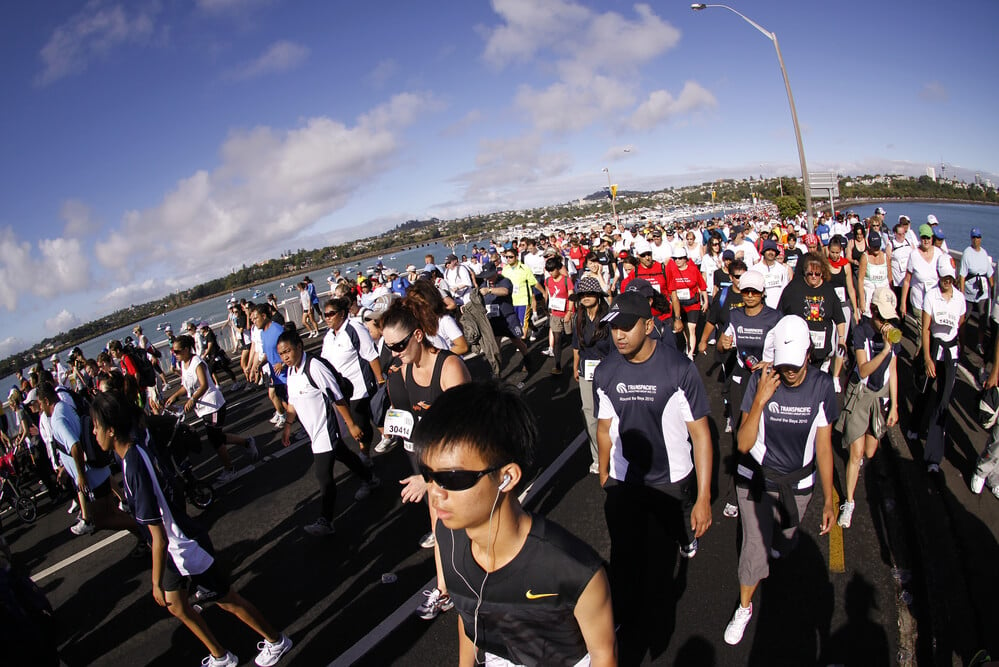
Walkers collected pledges from friends and family for each mile completed, then followed a marked route around town. Volunteers handed out water at checkpoints.
The event often finished with a picnic in the park.
The Dime Drive
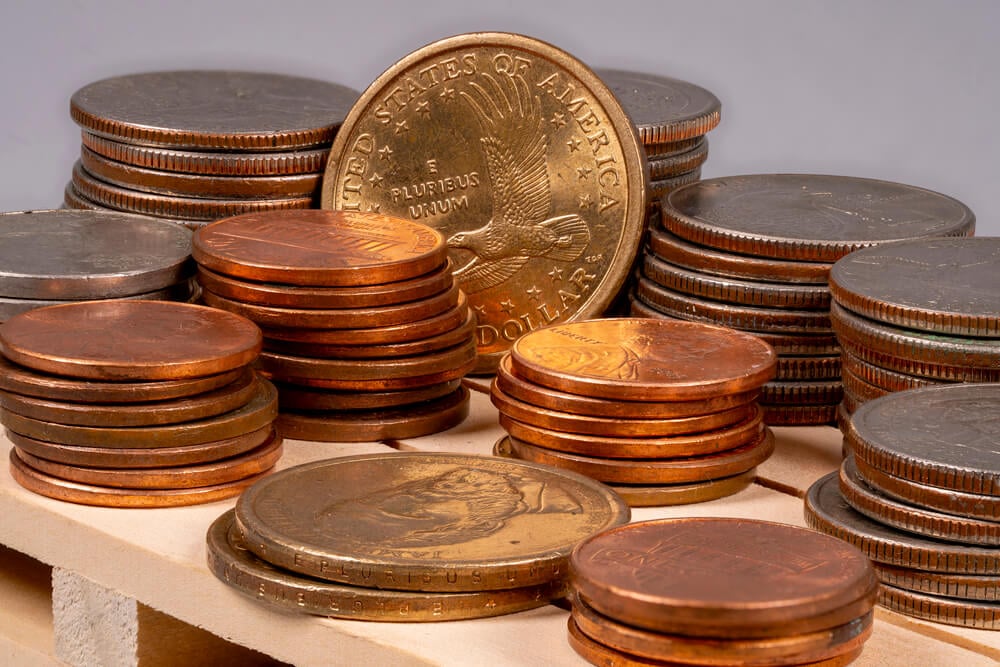
In January 1938, comedian Eddie Cantor asked radio listeners to send dimes to the White House to fight polio, and he called the campaign the March of Dimes. By the end of the month, the White House had received 2,680,000 dimes, a total of $268,000.
Schools and neighborhoods soon held their own dime drives, with coin cards and cans.
The Talent Show
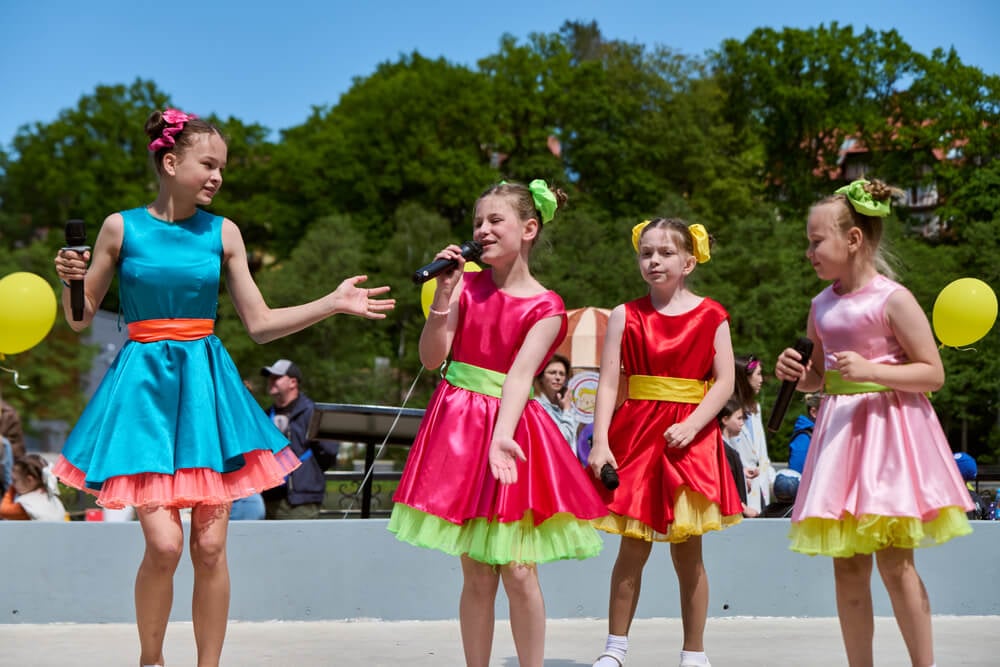
Students, parents, and teachers lined up to sing, juggle, or play the accordion on a stage built from risers. A ticket often cost a dollar or two.
The evening was usually long, loud, and full of heart.
The Volunteer Fire Department Chicken Barbecue
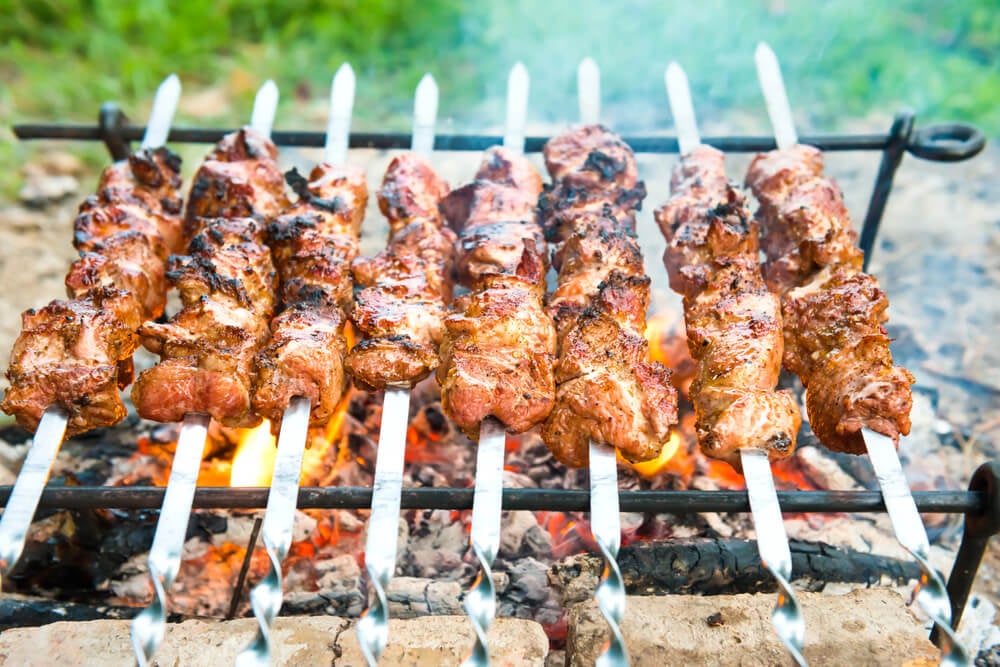
Firefighters grilled halves of chicken over long pits and served them with potato salad and rolls. Pickup orders came in boxes tied with string.
The proceeds went to equipment and the next batch of coals.
The Silent Auction

Local businesses donated gift certificates, baskets, and services, and bidders wrote their numbers on sheets next to each item. As the evening wore on, bids crept upward, and last-minute scribbles caused small dramas.
Winners carried their prizes home in plastic bags.
The Cakewalk
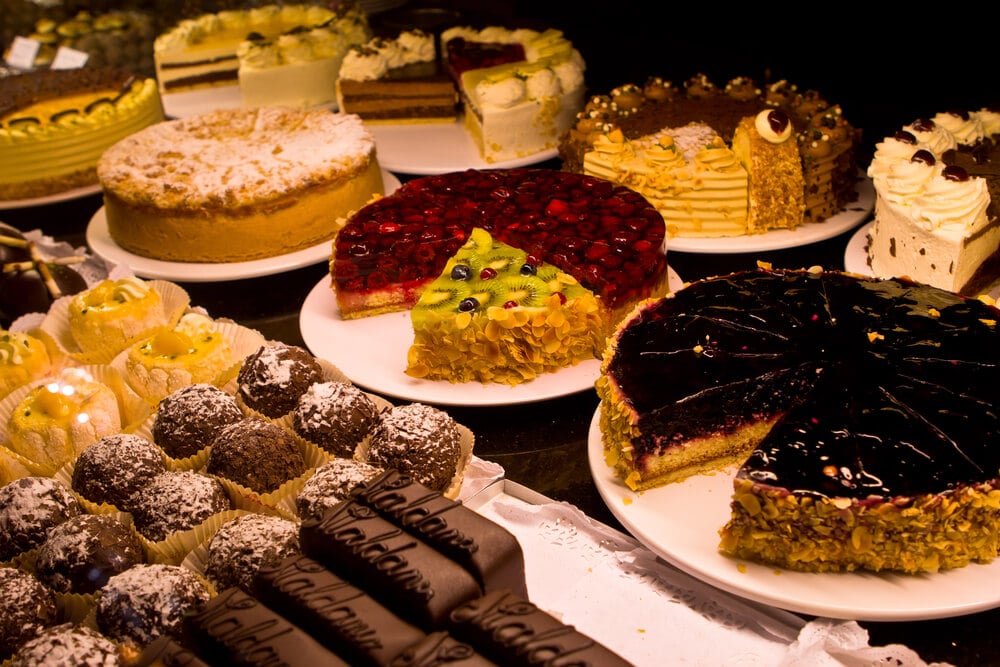
Participants walked a circle of numbered squares while music played, and when it stopped, a number was drawn. The person standing on that number won a cake.
It was like musical chairs with frosting.
The Ice Cream Social
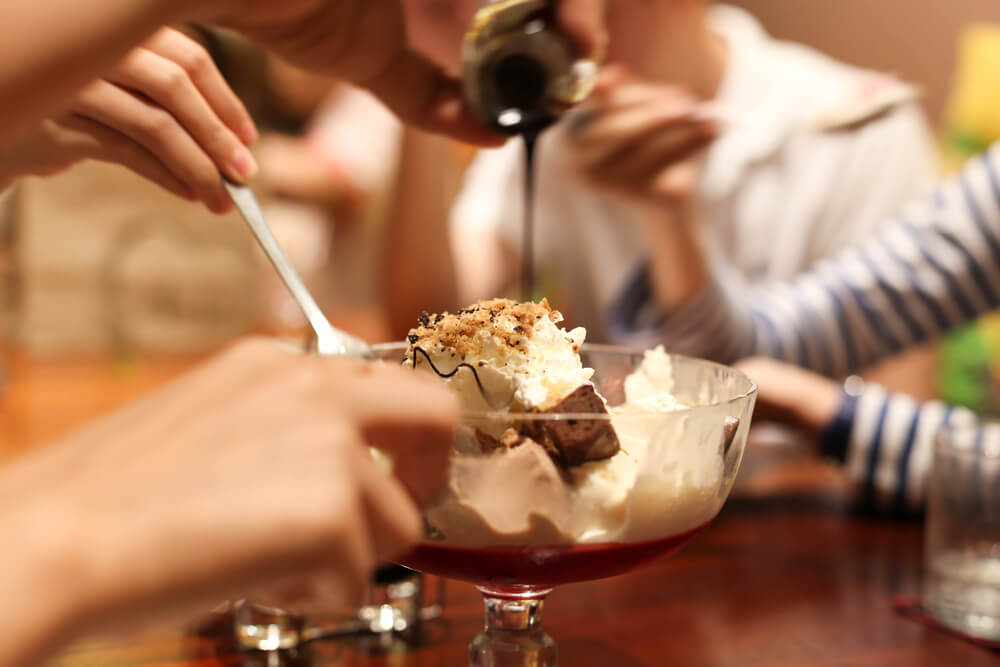
On a summer evening, neighbors gathered on a church lawn with hand-cranked ice cream makers and bowls of fresh berries. Children took turns at the crank, and the rock salt kept the ice frosty.
The event often included a small band.
The Community Cookbook
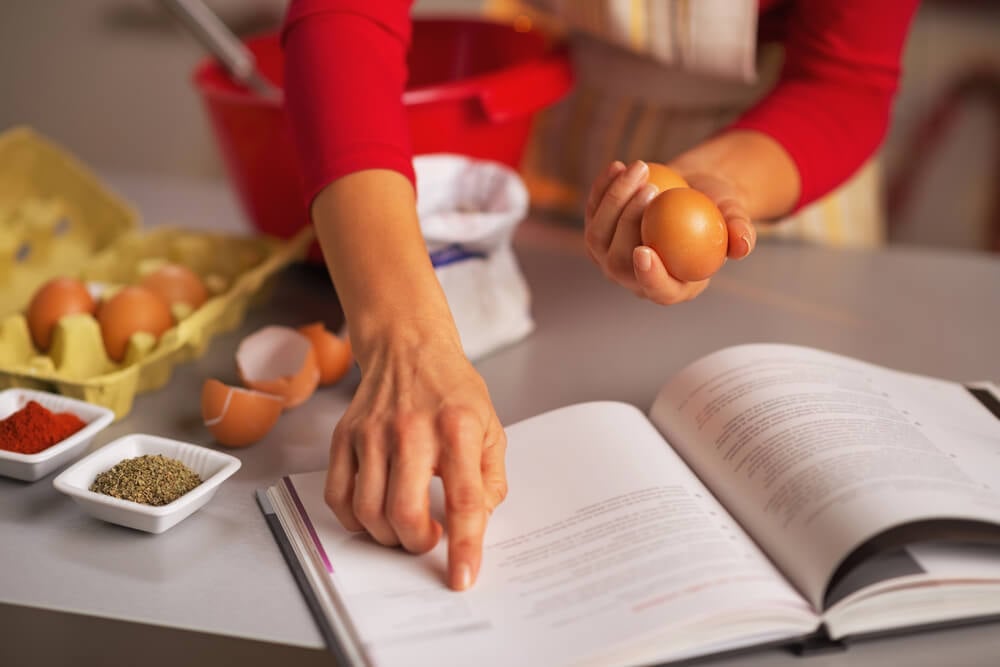
Groups collected favorite recipes from members and printed them in spiral-bound books, each page signed with the contributor’s name. The books sold for a few dollars and stayed on kitchen shelves for years.
Some pages still bear the splatters of decades of use.
The Christmas Tree Sale
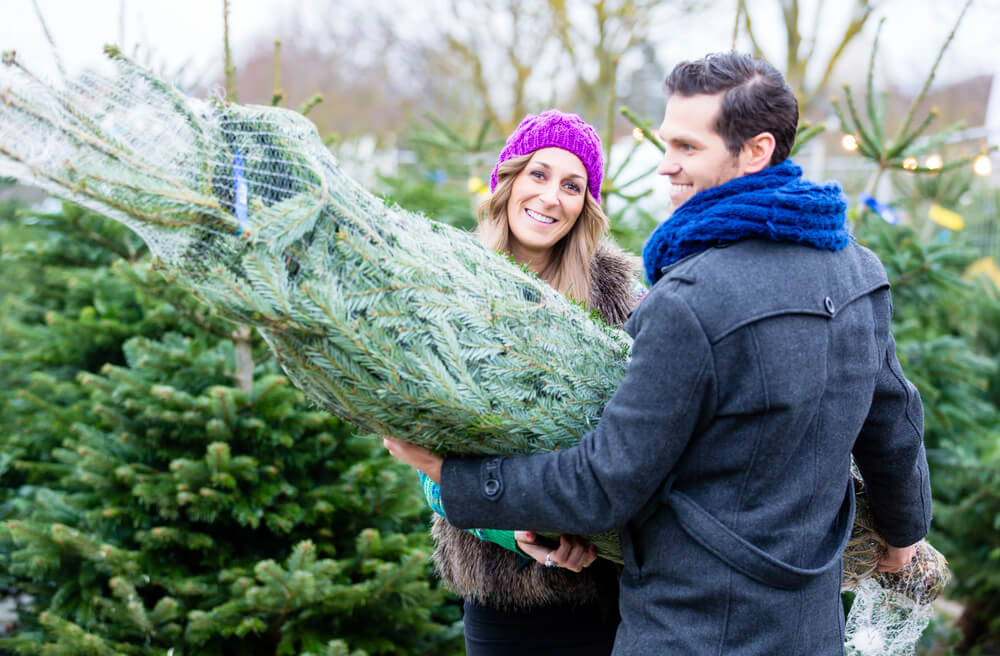
A youth group or service club sold fresh-cut trees from a lot, with a handwritten price tag on each trunk. Volunteers tied trees to car roofs and handed out cups of hot cider.
The scent of pine hung over the parking lot.
The Box Social
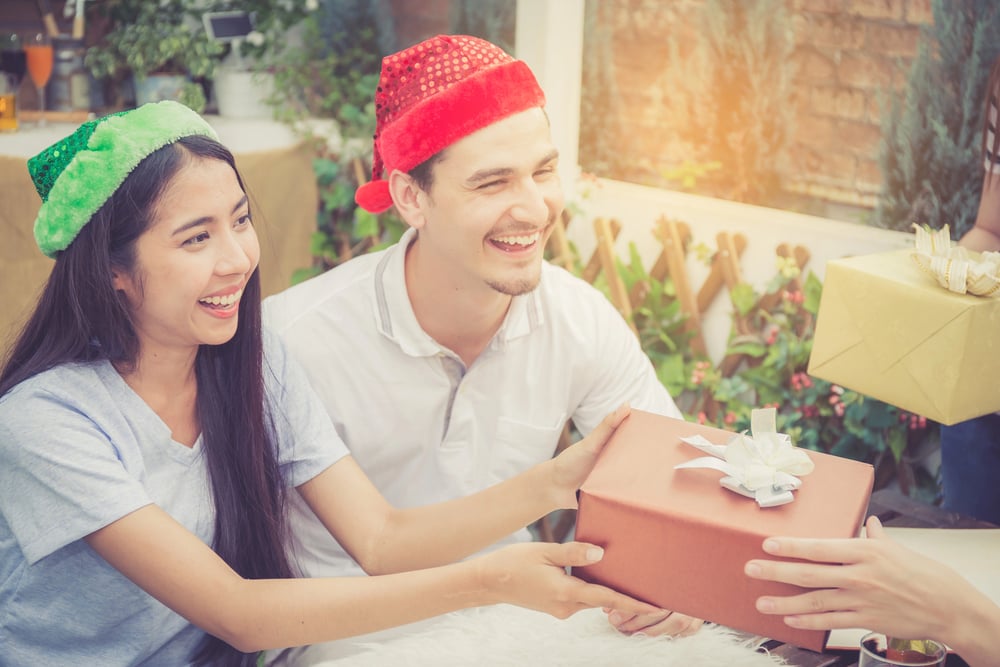
Women decorated a box lunch, and men bid for the chance to eat with its maker, usually without knowing whose box it was. The bidding was lively and sometimes embarrassing.
The event doubled as a matchmaker and a fundraiser.
Small Change, Large Circles
Few of these events raised fortunes, but together they funded team uniforms, new hymnals, and fire hoses. The real product was a web of familiarity: people who baked together, washed cars together, and bid against each other all knew each other’s names.
That familiarity paid dividends when a neighbor needed help. Digital crowdfunding can raise more money faster, but it rarely brings the same faces to the same room.
The older model required showing up, carrying a dish, and standing in a line that moved at the pace of the pancake griddle. Many communities still hold these events, and the ones that endure seem to understand that the gathering is the point.
More from Go2Tutors!

- 27 Silver Dollars and Half Dollars Worth Keeping
- 28 Restaurant Menu Items Nobody Orders Anymore
- 17 Places Built in Seemingly Impossible Spots
- 27 Vintage Rings Worth More Than They Look
- 25 Restricted Sites Tourists Can’t Enter
Like Go2Tutors’s content? Follow us on MSN.