29 Restaurant Customs That Changed Since the 1970s
Dining out in 1975 ran on habits so ordinary that nobody questioned them. Ashtrays sat beside the salt shakers, reservations lived in a pencil-marked book, and a diner might pay with a personal check written on the spot.
The entire experience had a rhythm that regulars could navigate with their eyes closed. Most of those habits faded one at a time rather than all at once.
New rules, new technology, and new expectations pushed them out of the dining room. A few survive only in old-school steakhouses and supper clubs, where they feel like theater.
Ashtrays on Every Table
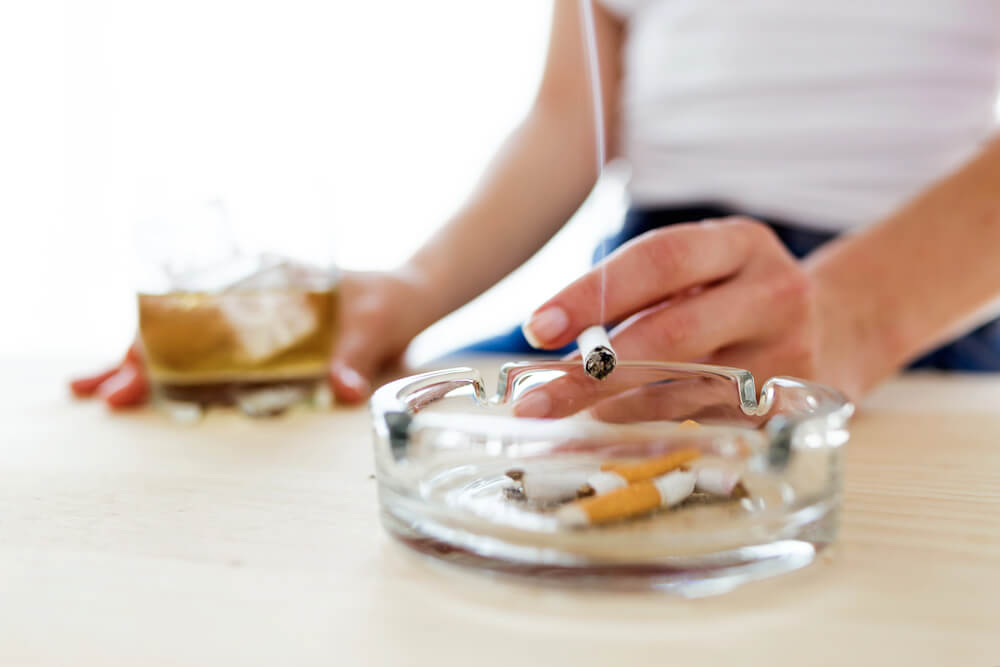
Heavy glass and tin ashtrays once arrived with the silverware at most restaurants, often stamped with the owner’s name or logo. Clean-air laws spreading across American cities and states from the 1990s onward cleared them from dining rooms.
The leftover ashtrays became collectibles, still sold in antique shops by the box.
Borrowed Jackets at the Door
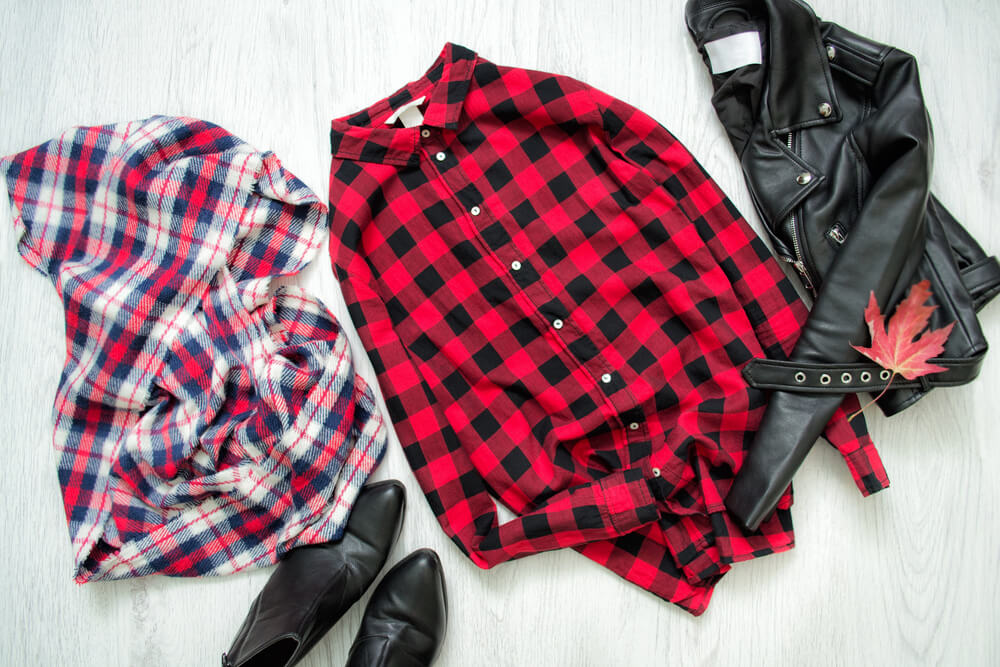
Formal restaurants kept a rack of spare sport coats so that a man who arrived without a jacket could still be seated. The loaners rarely fit well, and they gave the maître d’ quiet authority over the room.
Today most formal dining rooms have loosened the rule or dropped it entirely.
Menus Without Prices
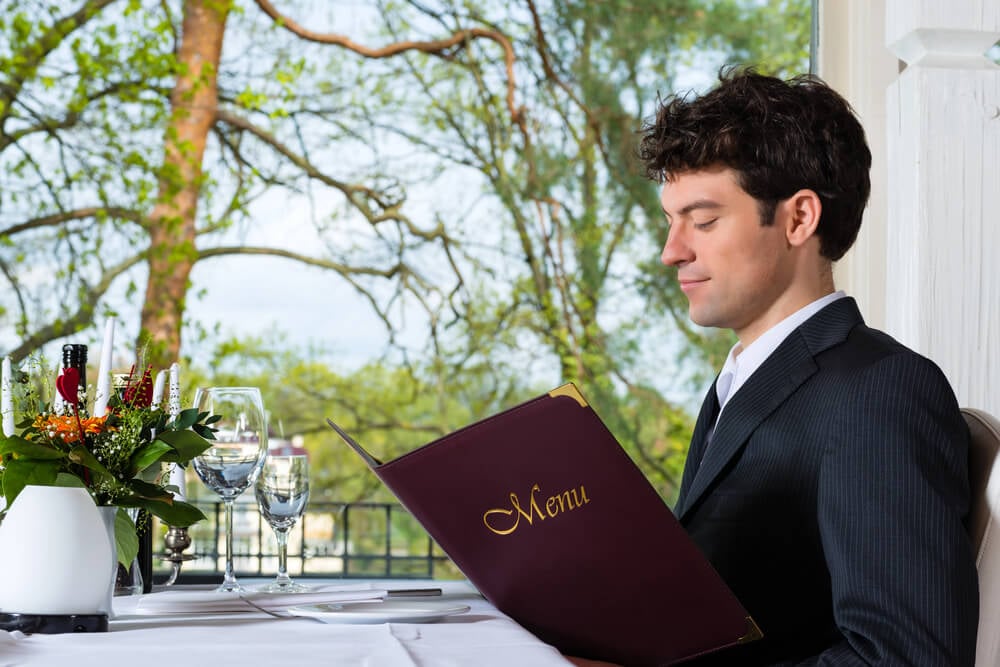
At some formal restaurants, the guest of a host received a menu with no prices, on the theory that only the person paying needed to see the numbers. The custom rested on assumptions about who picked up the check.
It faded as those assumptions did.
Flames at the Table
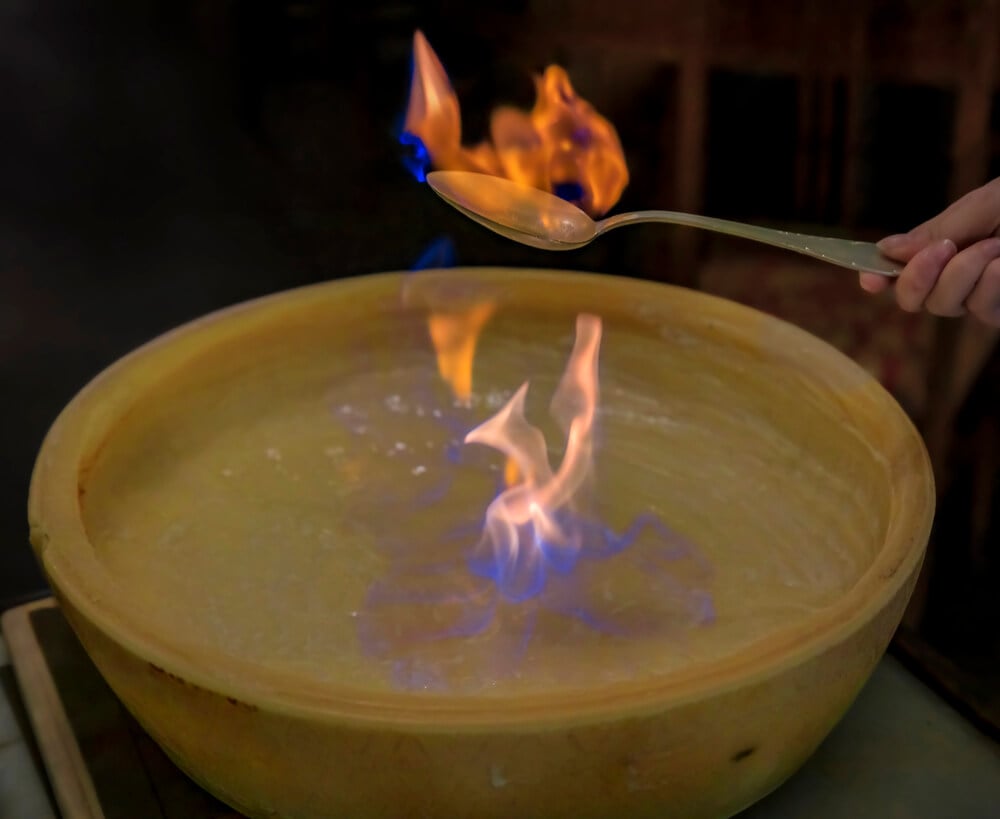
Waiters once prepared cherries jubilee, crêpes suzette, and steak Diane on a rolling cart beside the table, usually with a burst of flame for drama. Caesar salad was tossed at the table too, a dish credited to restaurateur Caesar Cardini of Tijuana.
Many kitchens now finish these dishes out of sight and deliver them plated.
Cash, Checks, and the Diners Club Card
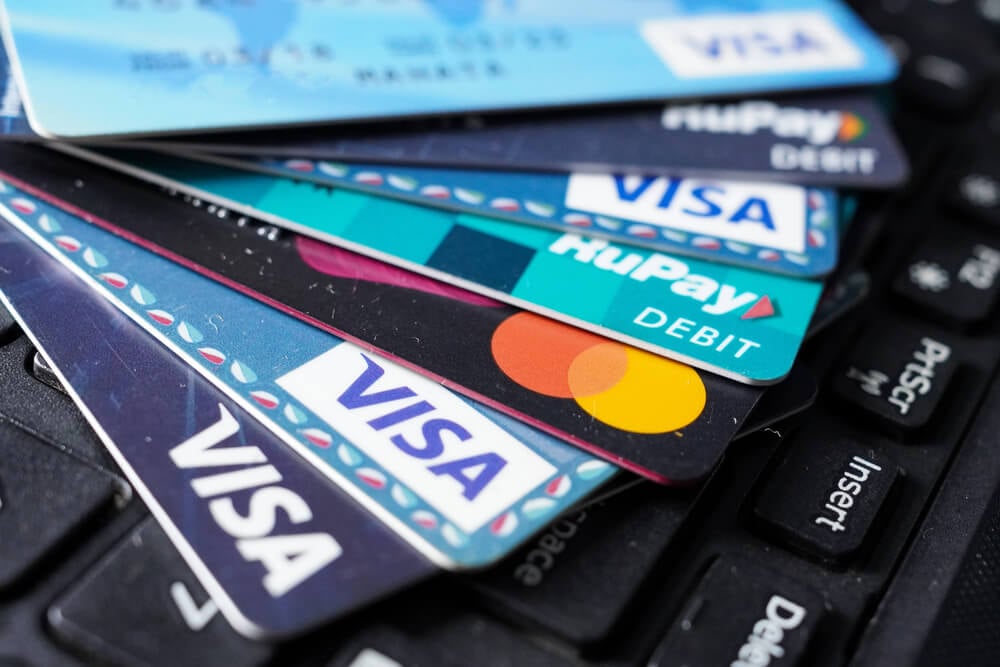
On February 8, 1950, Frank McNamara paid for a meal at Major’s Cabin Grill in New York with a cardboard Diners Club card, an event the company later called the First Supper. Through the 1970s, many restaurants still preferred cash or personal checks, and some refused the card or added surcharges.
Paying with plastic took decades to become the default.
The Relish Tray
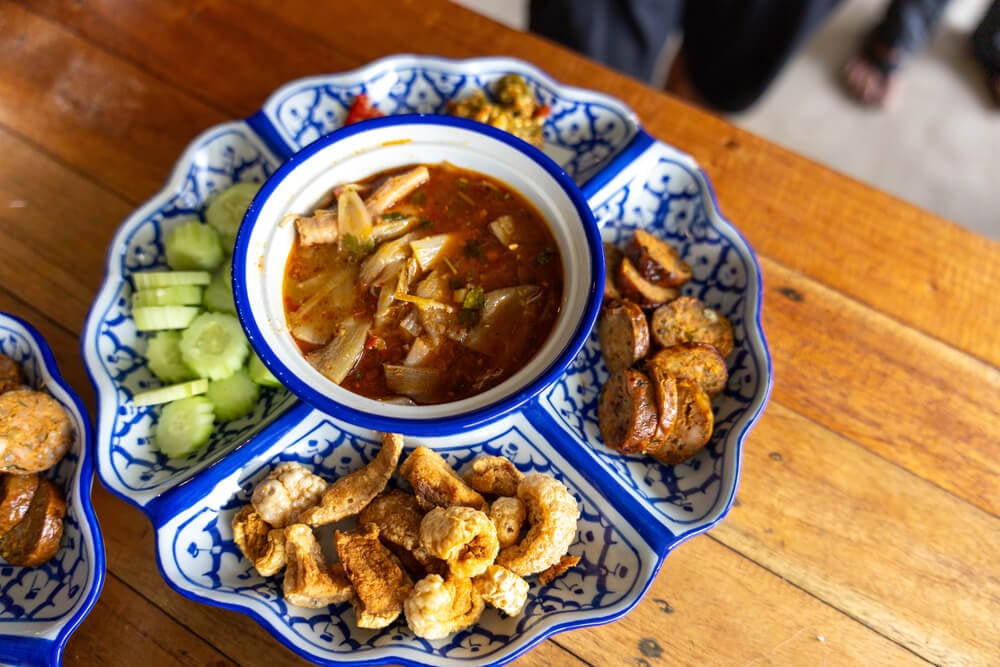
Before anyone ordered, many supper clubs and family restaurants set out a divided dish of celery sticks, radishes, olives, and pickles. It was free, it was crunchy, and it gave the table something to do while the kitchen worked.
The relish tray now survives mostly in Midwestern supper clubs and at holiday tables.
Butter Pats and the Bread Basket
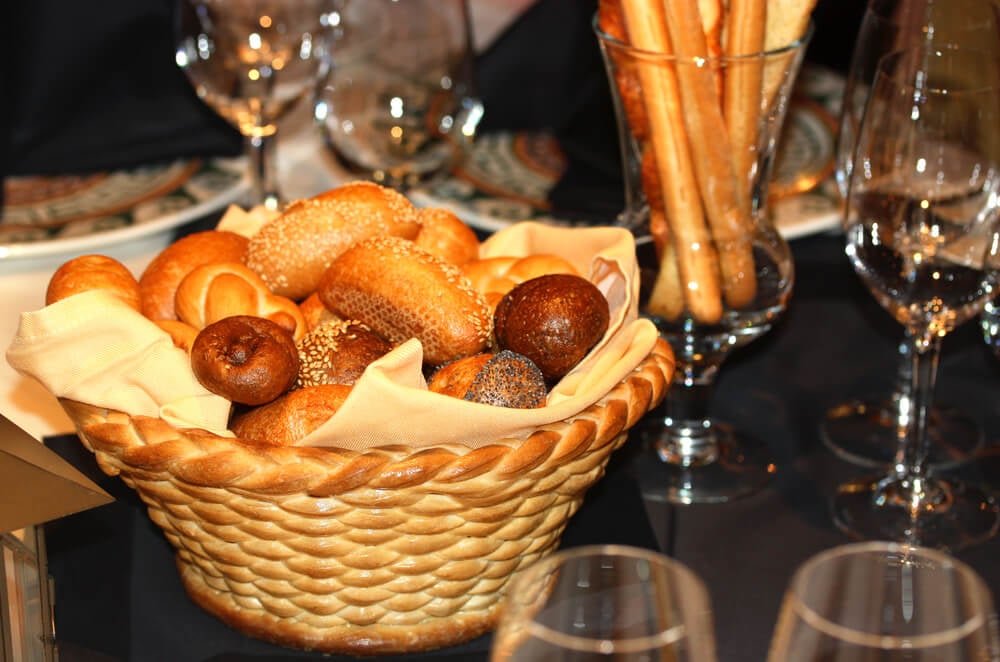
Butter often arrived as small pressed squares, sometimes stamped with a design, resting on tiny paper discs that kept them from sticking to the plate. A basket of rolls or bread sticks hit the table the moment diners sat down.
Today many restaurants charge for bread or skip it altogether.
The Salad Bar as Centerpiece
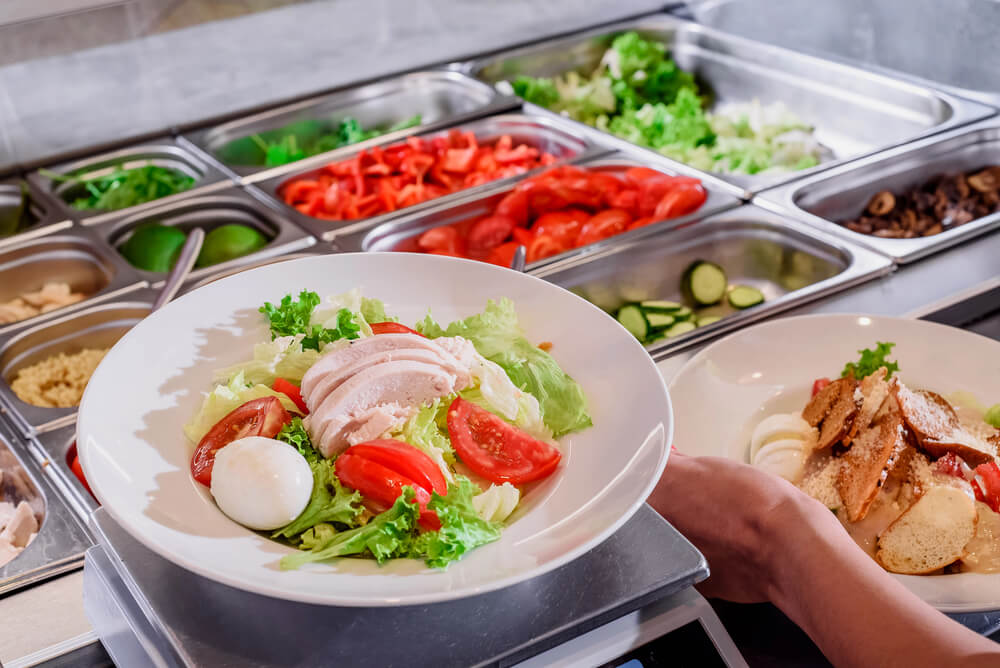
During the 1970s, salad bars spread through steakhouse and family-restaurant chains and became a major draw. Chilled tubs of lettuce, bacon bits, chickpeas, and creamy dressings sat behind a sneeze guard, and customers loaded plates as high as physics allowed.
The format has since shrunk or disappeared at many chains.
The Early-Bird Special
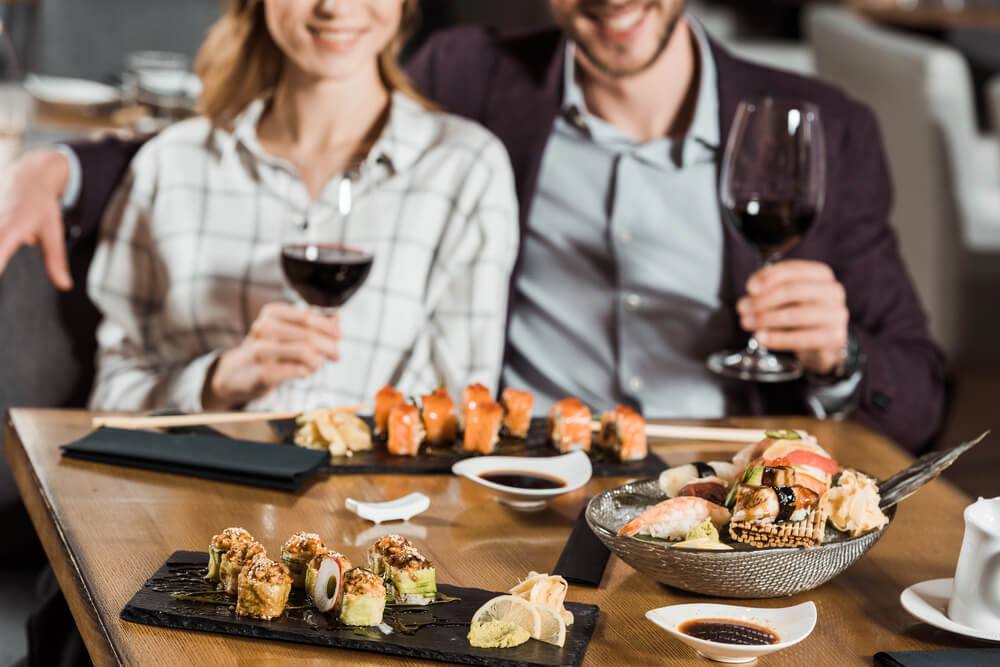
Restaurants discounted dinner for customers who arrived before about six o’clock, filling seats between lunch and the evening rush. Retirees became the core audience, and the specials usually included soup, an entrée, and dessert.
The name stuck even as many places stopped advertising the deal.
Jug Wine and Carafes
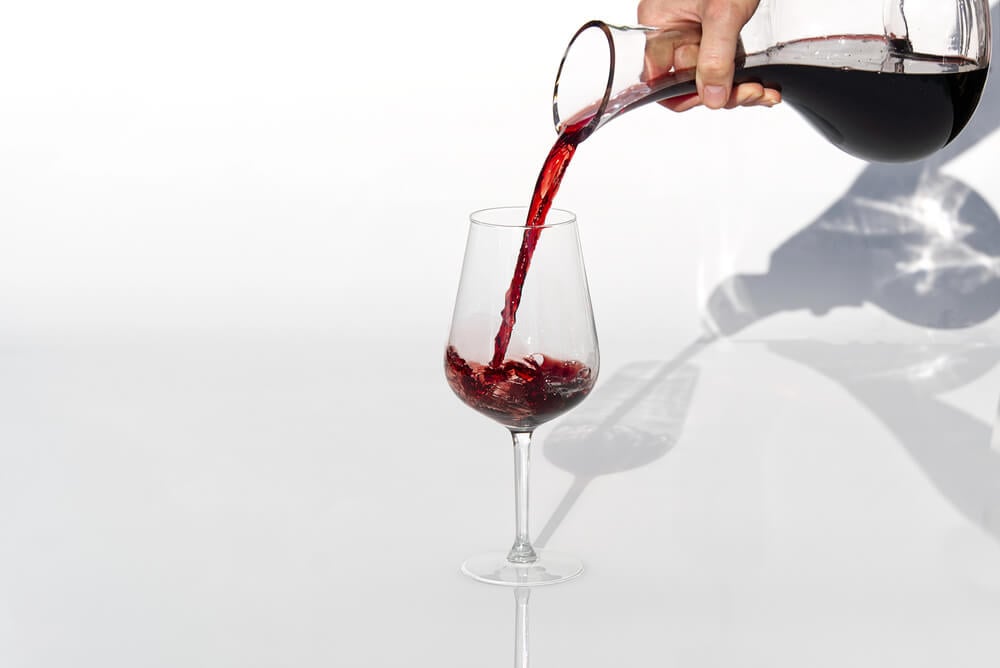
House wine often came in a short carafe, priced by size, with no grape or vintage named. Ordering by the glass from an open bottle was less common, and long wine lists were reserved for formal rooms.
Modern menus now list varieties, regions, and tasting notes even for the cheapest pour.
The Reservation Book
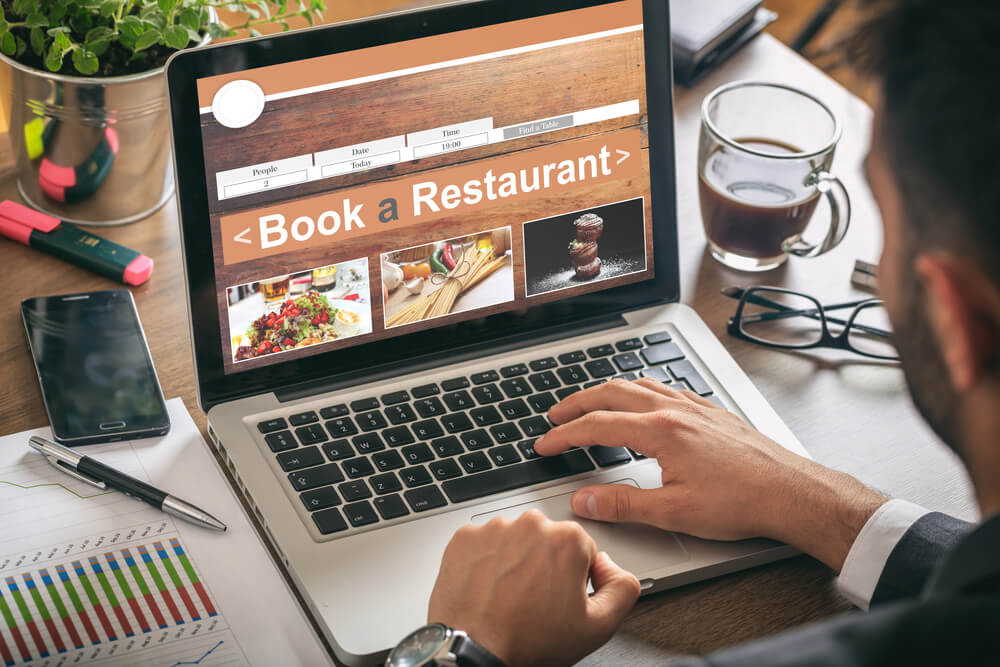
At the host stand, a large book held reservations written in pencil, with times down the left margin and names scrawled in the columns. Double-booking was solved with an eraser and a confident smile.
Online booking systems have replaced the book at most places, though some small restaurants still keep one beside the screen.
The Pay Phone by the Restrooms
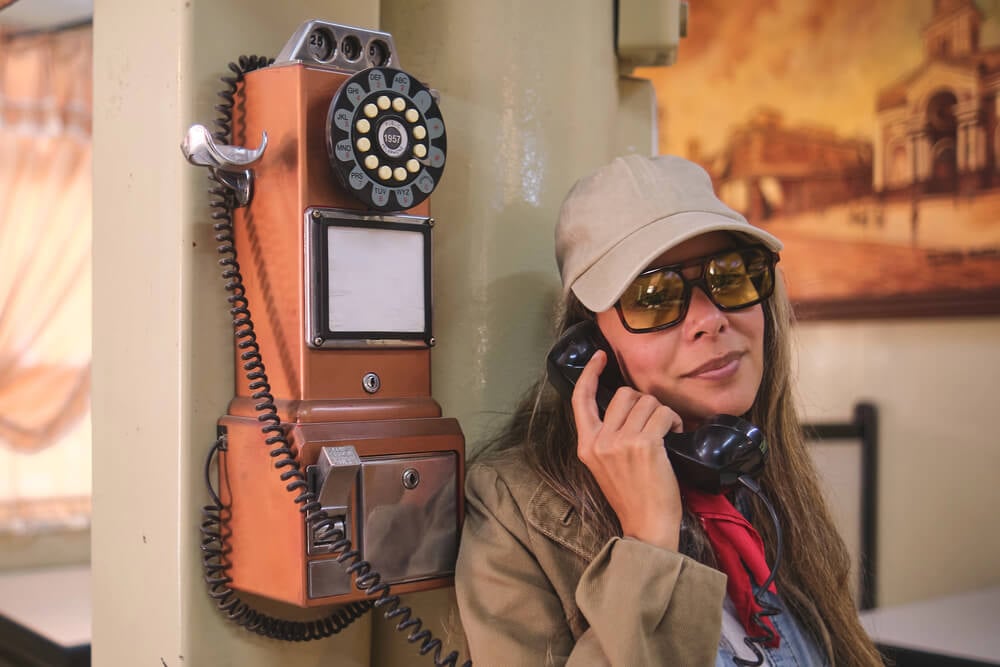
A coin-operated pay phone usually hung in the hallway near the restrooms, and diners used it to call a babysitter or check on the car. A sign taped to the wall occasionally read “Out of Order.”
Cell phones erased the pay phone from restaurants within a couple of decades.
The Coat Check Window

Attendants at the coat check window traded a numbered ticket for a coat, then returned it with a hopeful glance at the tip dish. Many restaurants in cold climates employed a full-time coat checker.
Self-serve hooks and chair backs have mostly taken over.
The Dessert Cart
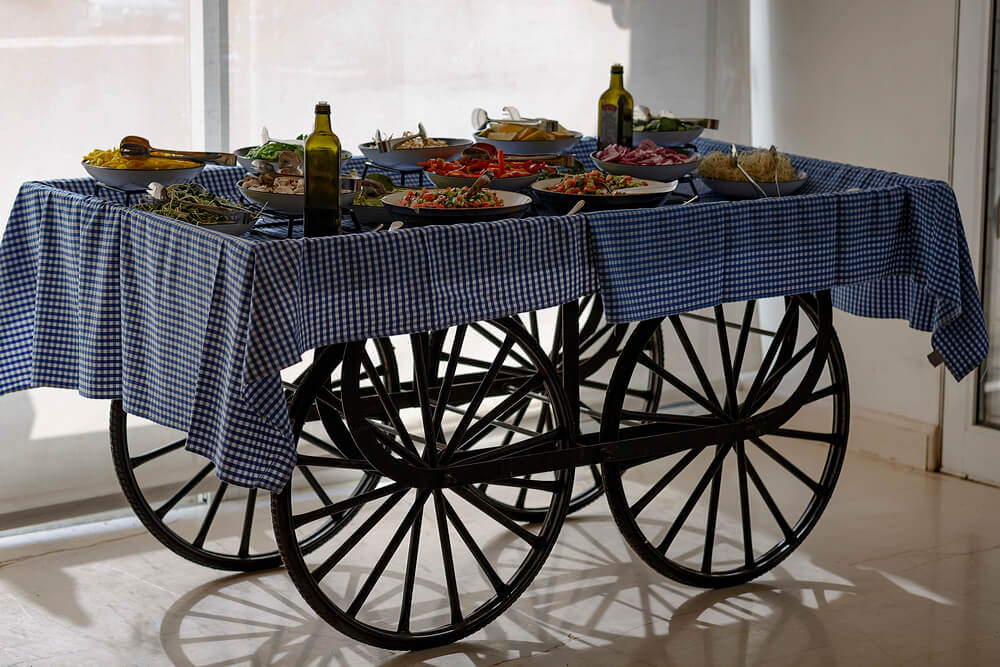
A cart rolled to the table so diners could choose a slice of cake or a custard by sight, not by menu description. Glass domes protected the layer cakes, and fruit pies hardly needed explaining.
The cart disappeared as kitchens shifted to plated desserts.
The Fondue Pot Craze
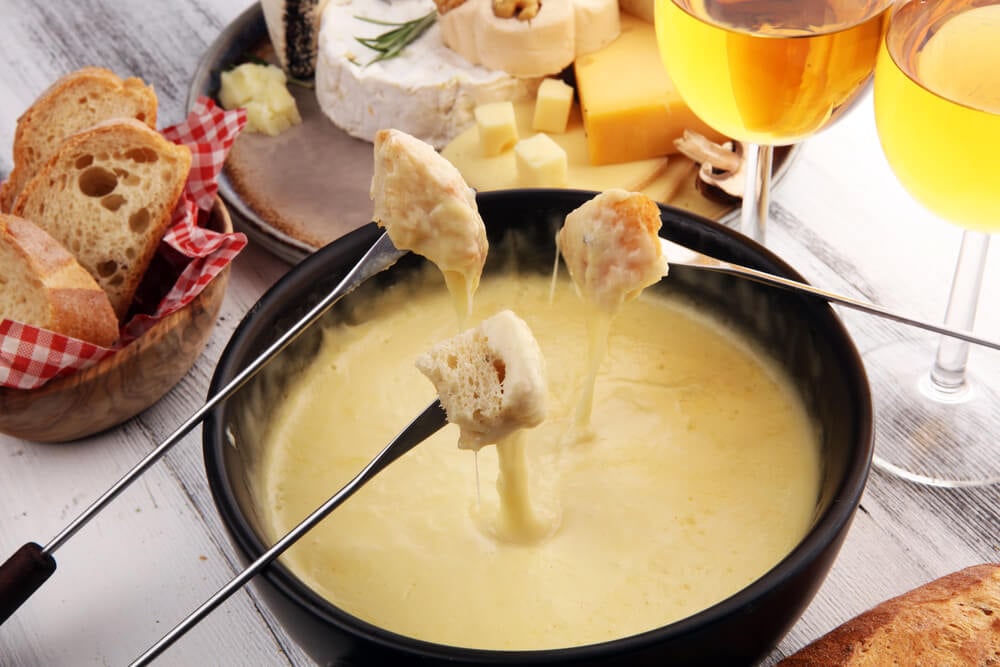
Fondue pots were popular wedding gifts in the 1970s, and restaurants served bubbling cheese with long forks and cubes of bread. Swiss tradition held that anyone who dropped bread in the pot paid a forfeit, often a round of drinks or a kiss.
The craze cooled, but fondue restaurants still pop up from time to time.
Crayons and Paper Placemats

Family restaurants gave children paper placemats printed with puzzles, mazes, or maps of the states, along with a small box of crayons. Parents counted on the activity to buy a few quiet minutes.
Many places now hand out tablets or let a phone do the job.
The Blue Plate Special
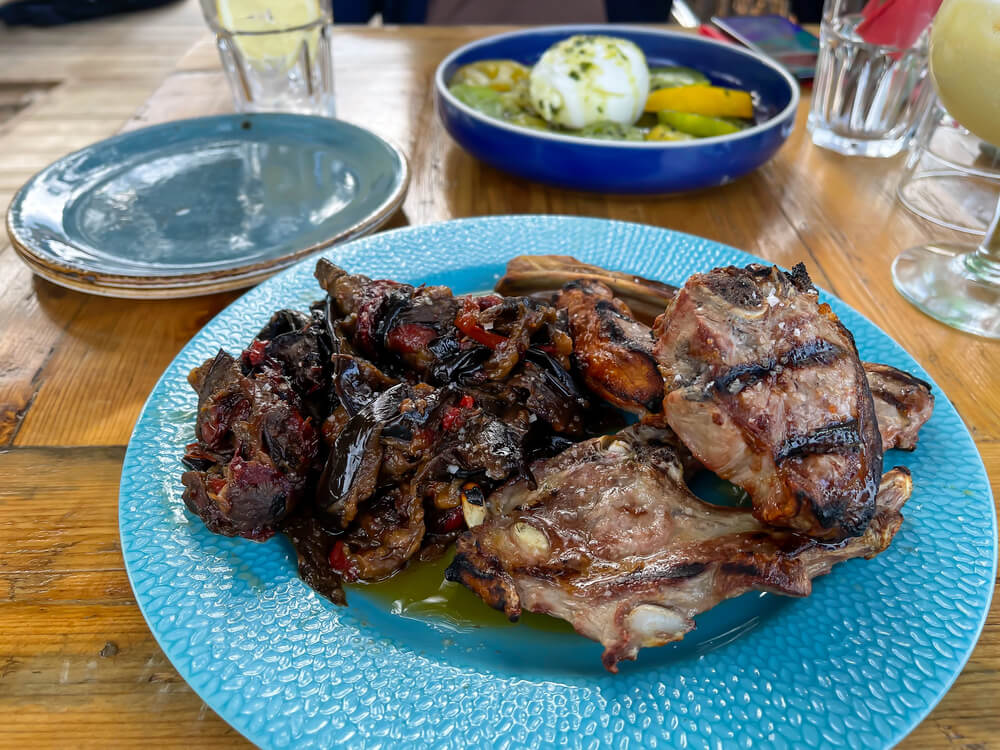
Diners and cafés offered a fixed-price plate of meatloaf, mashed potatoes, and a vegetable, priced to move. The special changed daily and was usually written on a small board near the register.
Many diners still offer something similar, though the name has become a nostalgic label.
Tipping Benchmarks
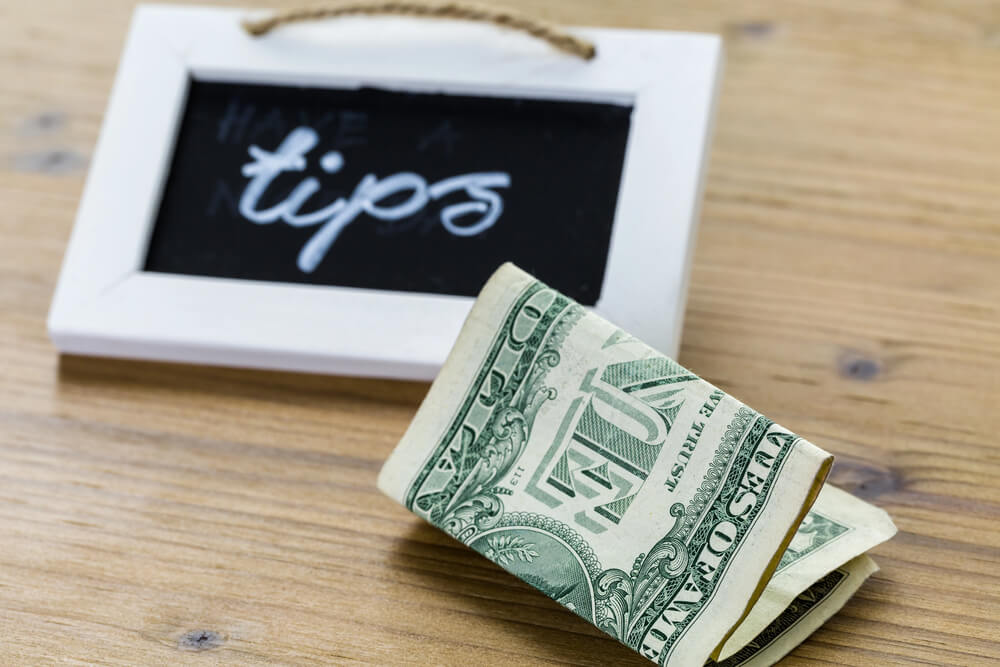
Fifteen percent was long the standard tip, and diners calculated it by moving the decimal point and adding half. Point-of-sale screens now suggest 18, 20, or 25 percent, often before the meal is over.
The benchmark has drifted upward in a single generation.
The Knuckle-Buster Imprinter
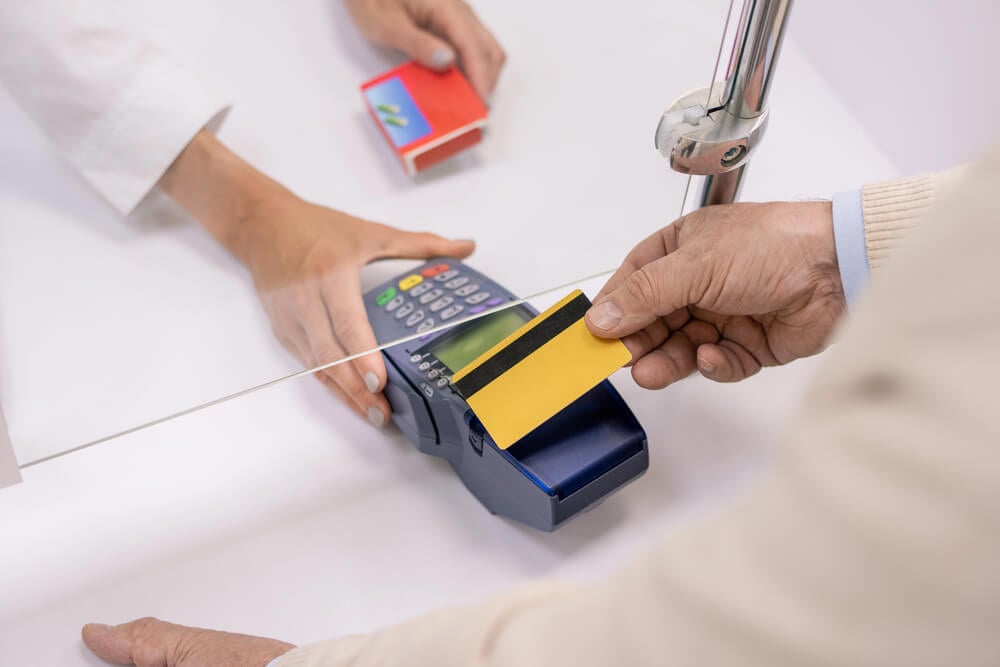
Manual card imprinters pressed raised card numbers onto carbon-copy slips, and a sliding bar earned the machine its nickname, the knuckle-buster. Servers had to line up three layers of paper and slide the bar with a firm shove.
Electronic terminals retired them in a matter of years.
Guest Check Pads and Server Shorthand
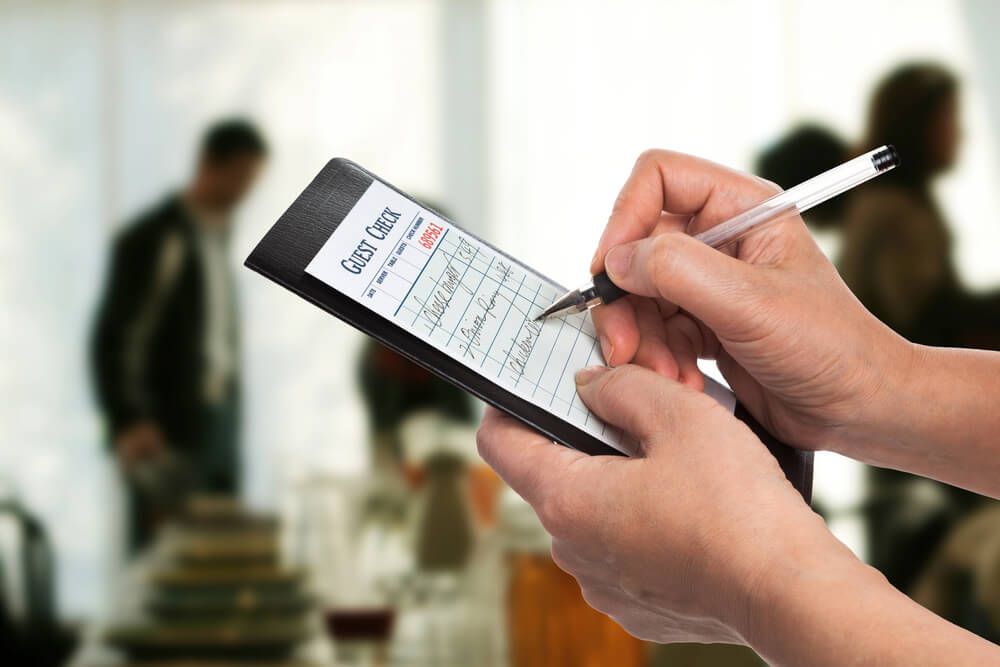
Servers wrote orders on small pads of perforated checks, using abbreviations such as BLT and calling out to the cooks in diner slang. To say an item had run out, they shouted “eighty-six.”
Handheld tablets and tableside payment have made the paper pad a rarity.
The Folded Bill Handshake

To secure a good table, some diners pressed a folded bill into the maître d’s palm during a handshake. The gesture was meant to be invisible and relied on mutual understanding.
Online reservations and rating sites have made the old trick largely obsolete.
Sunday Dinner After Church
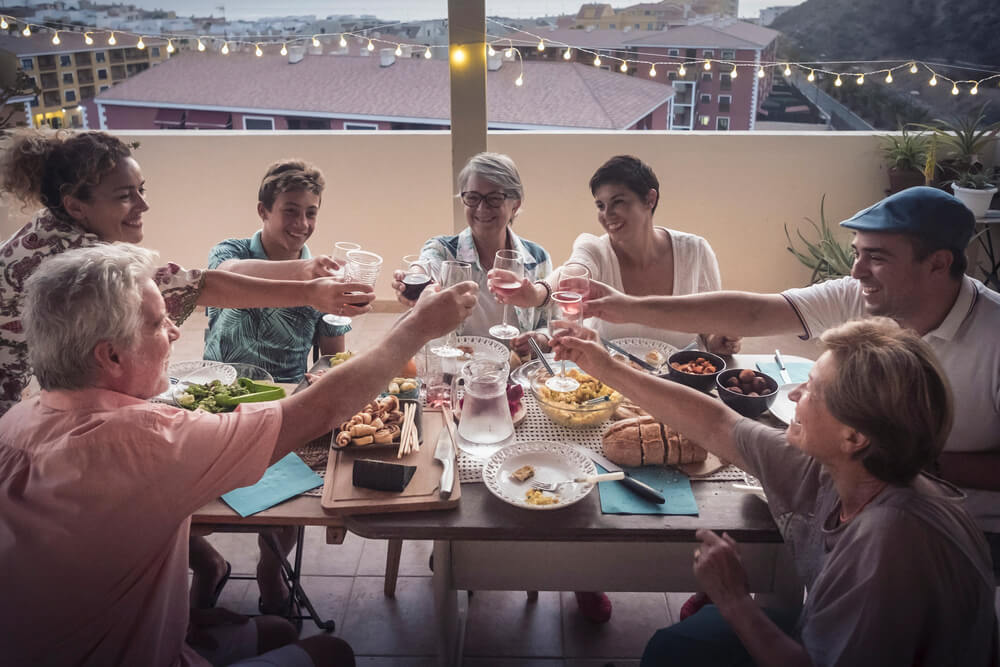
Many families dressed up for Sunday dinner at a restaurant after services, filling dining rooms between noon and two. In some places, blue laws restricted Sunday business hours or alcohol sales.
The ritual has softened as brunch took over the weekend slot.
The Carving Cart
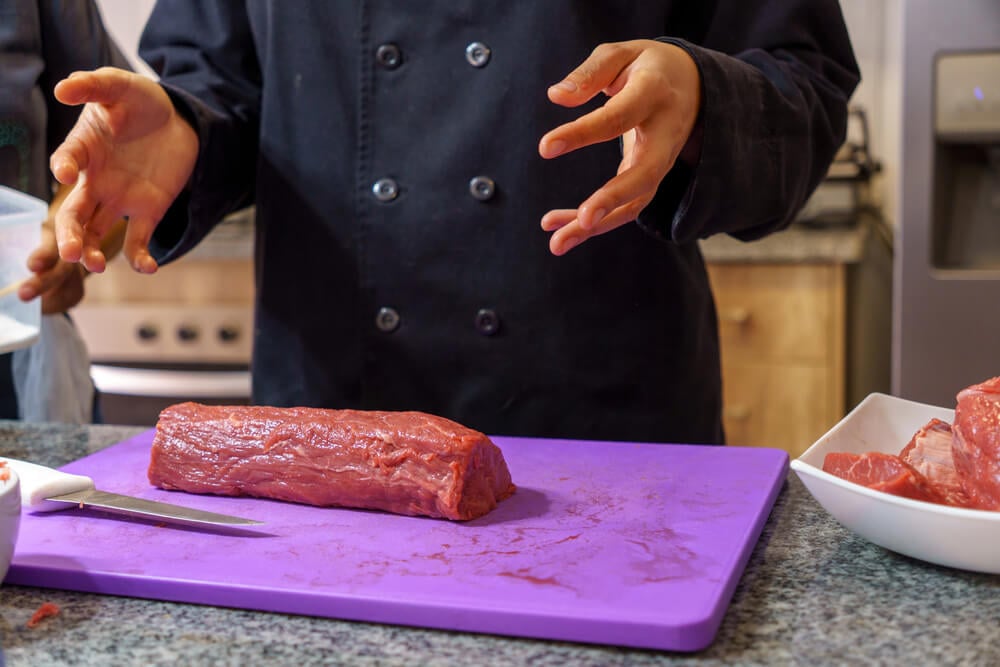
A roast of prime rib arrived at the table on a cart under a heat lamp or silver dome, and a carver sliced it to order. Diners watched the knife work and asked for the end cut.
The cart survives in steakhouses and hotel dining rooms, usually as a point of pride.
Waiting by Name on a Clipboard
Hosts wrote names on a paper list, and the wait ended when someone called out the party’s name over the crowd. Vibrating pagers and text-message alerts later replaced the shouting.
The clipboard still appears at busy neighborhood spots with no reservation system.
Dinner Out as an Occasion

For many families, a restaurant dinner was reserved for birthdays, anniversaries, or graduations, and everyone dressed accordingly. Photos of the cake and a toast were part of the evening.
Eating out became far more routine in the decades since, with a corresponding loss of ceremony.
The Pu Pu Platter
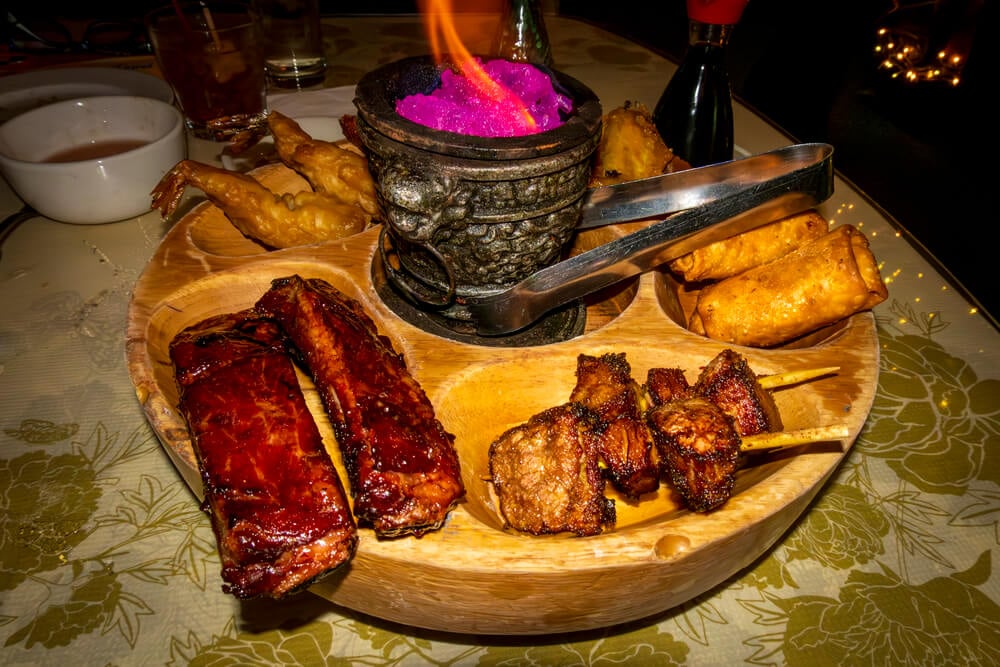
Chinese-American restaurants served the pu pu platter, a tray of assorted appetizers with a small flaming Sterno burner in the middle for warming skewers at the table. It was a popular choice for groups, and the flame added a little spectacle.
Fire-safety rules and shifting tastes have retired it from many menus.
Mints at the Register
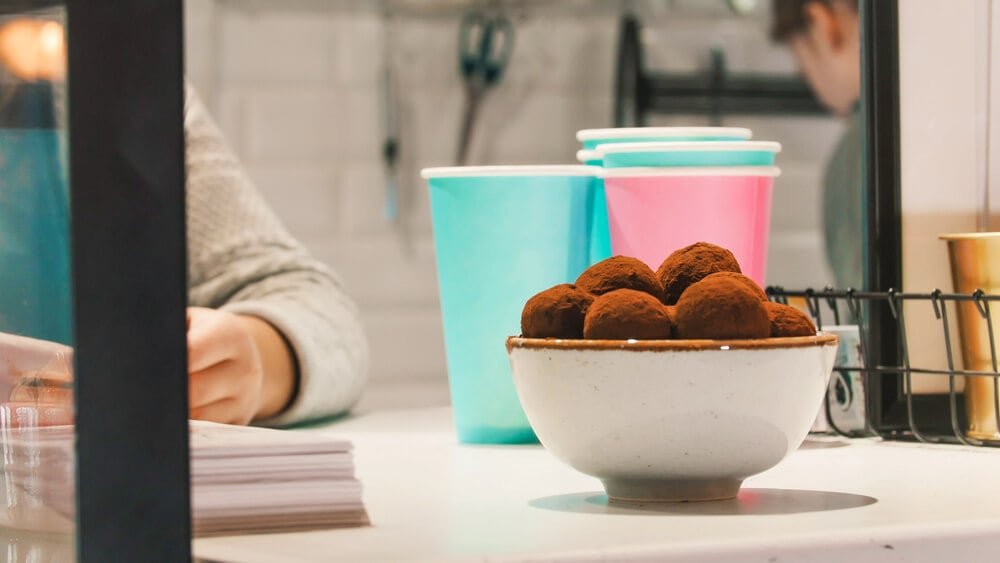
A bowl of after-dinner mints sat beside the cash register, free for the taking. Customers grabbed a handful on the way out, sometimes without thinking.
Many restaurants now substitute a wrapped candy or nothing at all.
The Three-Martini Lunch
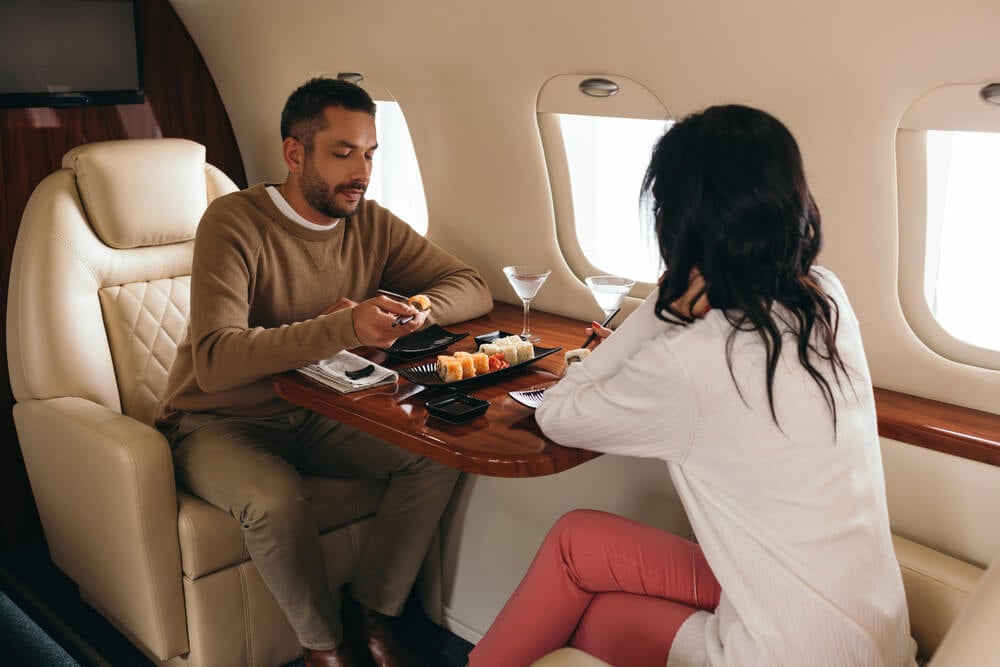
Business lunches with cocktails were a fixture of the 1960s and 1970s, and the cost was fully deductible as a business expense. During the 1976 presidential campaign, Jimmy Carter criticized the three-martini lunch as an unfair tax break, and he later pushed to limit the deduction.
Changing workplace habits did the rest.
Coffee by the Pot
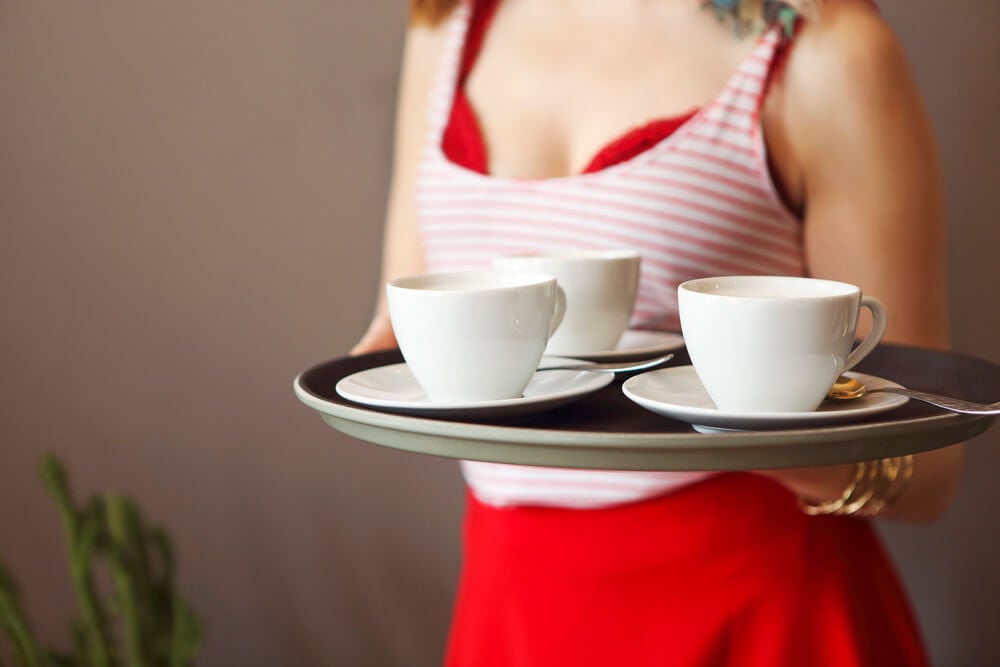
Servers carried a glass-handled pot of coffee from table to table and refilled cups without being asked. Percolators sat on burners behind the counter, and the smell reached the dining room.
Many places now use thermal carafes, tableside pour-over setups, or a self-serve station.
The Table as a Time Capsule
Every custom on this list solved a problem that no longer exists, or solved it in a way that technology later improved. Phones replaced reservation books, screens replaced check pads, and rules about the air in dining rooms replaced an entire category of tabletop equipment.
The old objects still turn up in antique stores, a little puzzling to anyone born after 1995. What lingers is the sense of ceremony around the meal.
Jackets, carts, and flames were all ways of saying that dinner was an event with a script. Modern dining is faster and more flexible, though now and then a diner still misses the sound of a dessert cart rolling across the carpet.
More from Go2Tutors!

- 27 Silver Dollars and Half Dollars Worth Keeping
- 28 Restaurant Menu Items Nobody Orders Anymore
- 17 Places Built in Seemingly Impossible Spots
- 27 Vintage Rings Worth More Than They Look
- 25 Restricted Sites Tourists Can’t Enter
Like Go2Tutors’s content? Follow us on MSN.