What Filled Family Medicine Cabinets Decades Ago
Open an old bathroom cabinet and the shelves tell a story about what households trusted, feared, and kept on hand for the next scraped knee or stuffy night. Glass bottles with cork stoppers sat beside tins and tubes, many with labels that promised relief for nearly everything.
The collection was practical, a little smelly, and occasionally alarming.
Some of these products are still sold, while others were pulled from shelves as science and regulation changed. Looking back at them is a reminder of how much routine family care once depended on a handful of bottles, with no guarantee that any of them were as safe as they seemed.
Mercurochrome
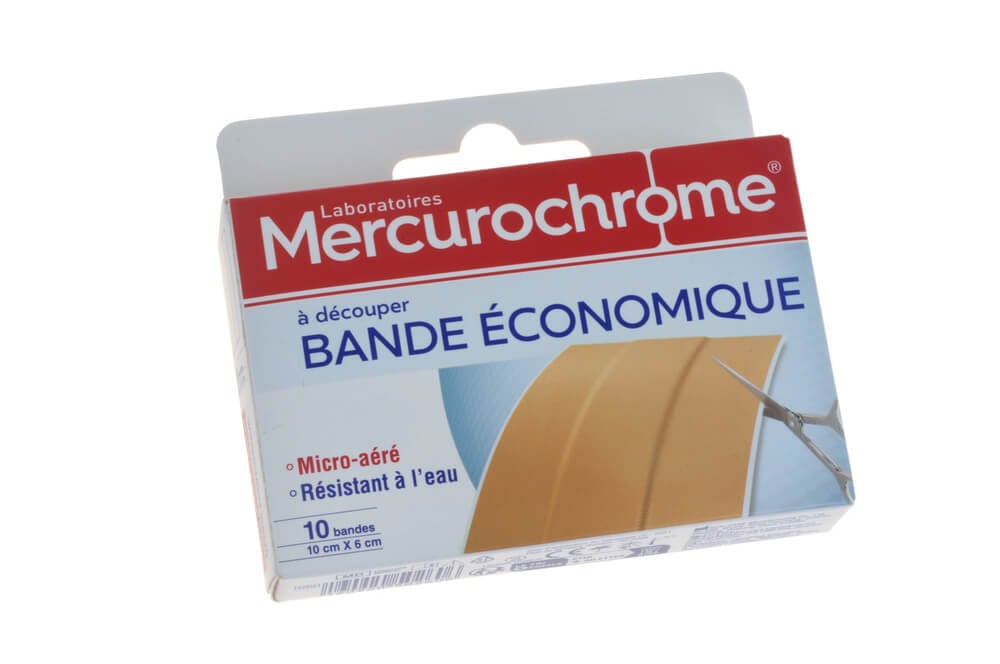
A small glass bottle with a glass dabber, filled with a bright red liquid, once stood in nearly every first-aid drawer. On October 19, 1998, the US Food and Drug Administration reclassified the antiseptic from generally recognized as safe to untested, citing its mercury content.
Stains on skin and clothes were a hallmark of the product.
Iodine Tincture
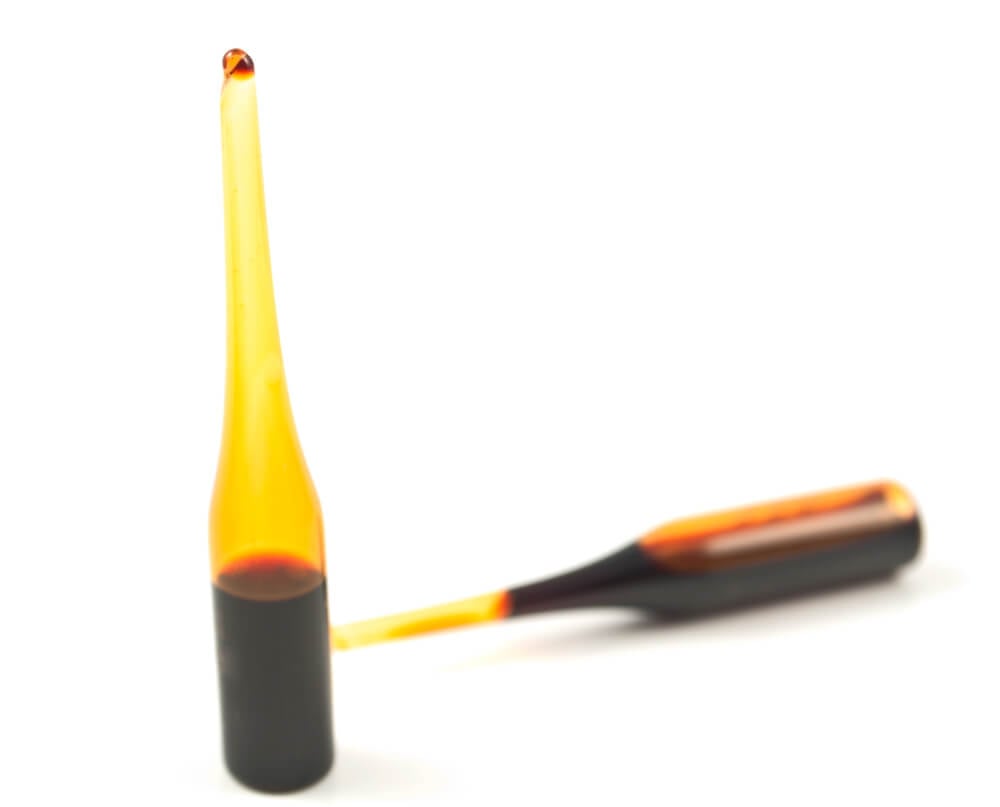
A brown bottle of iodine tincture was the stinging alternative for cuts and scrapes. It left a deep orange-brown stain that lasted for days and sometimes served as a visible badge of a bad fall.
Many households swapped it for gentler antiseptics once those became available.
The Tin of Adhesive Bandages
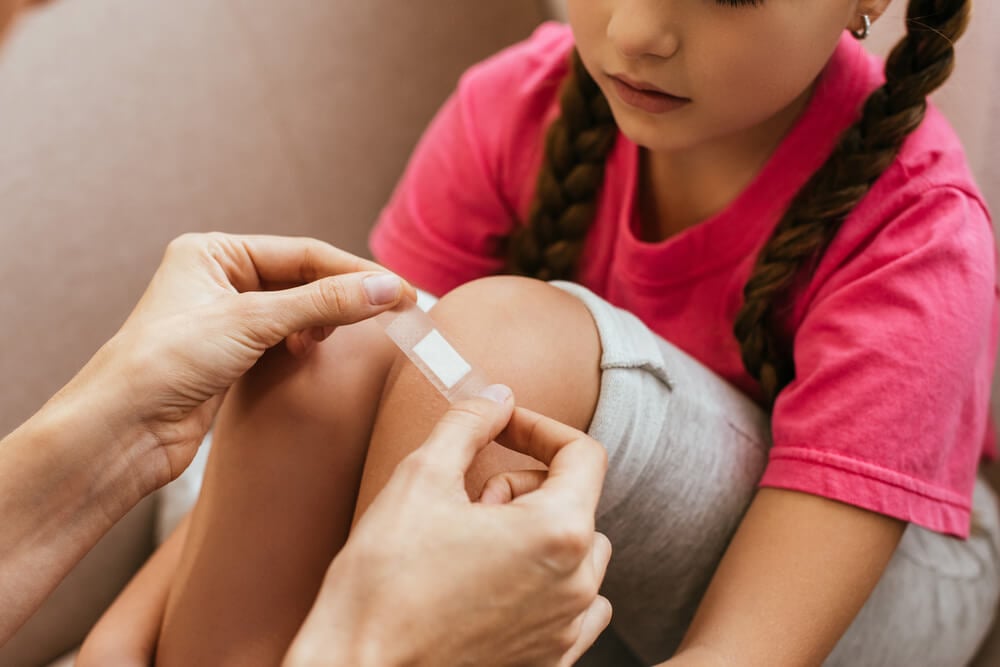
A flat metal tin of adhesive bandages held strips in a few standard sizes. The Band-Aid was invented in 1920 by a Johnson & Johnson cotton buyer who wanted an easier way to dress his wife’s frequent kitchen cuts.
Early sales were slow, but the tin eventually became a staple of every household.
Phillips’ Milk of Magnesia
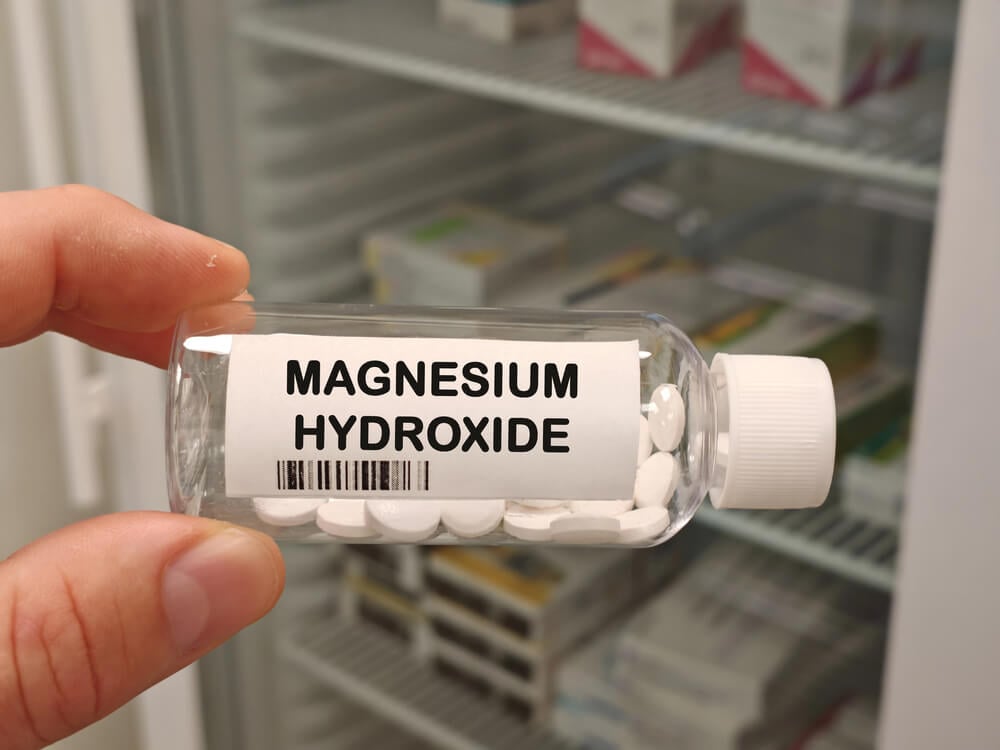
Charles Henry Phillips patented his Milk of Magnesia in 1873, and the blue bottle became a household icon. The last of the familiar blue bottles was filled at the Stamford, Connecticut, plant in 1976.
The chalky white liquid was used for upset stomachs and sluggish digestion, and the taste was famously unpleasant.
Vicks VapoRub
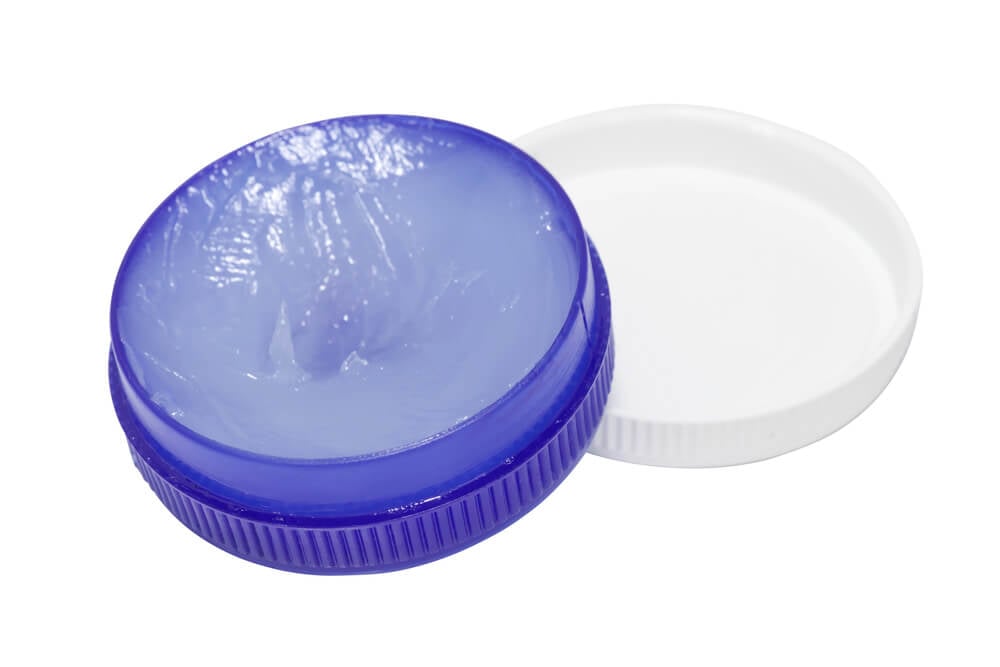
A cobalt blue jar of menthol ointment sat on the shelf for chest colds and sore throats. Parents rubbed it on chests and the scent filled the sickroom.
Safety guidance has changed over time, and the jar is now labeled with age warnings.
A Tin of Aspirin
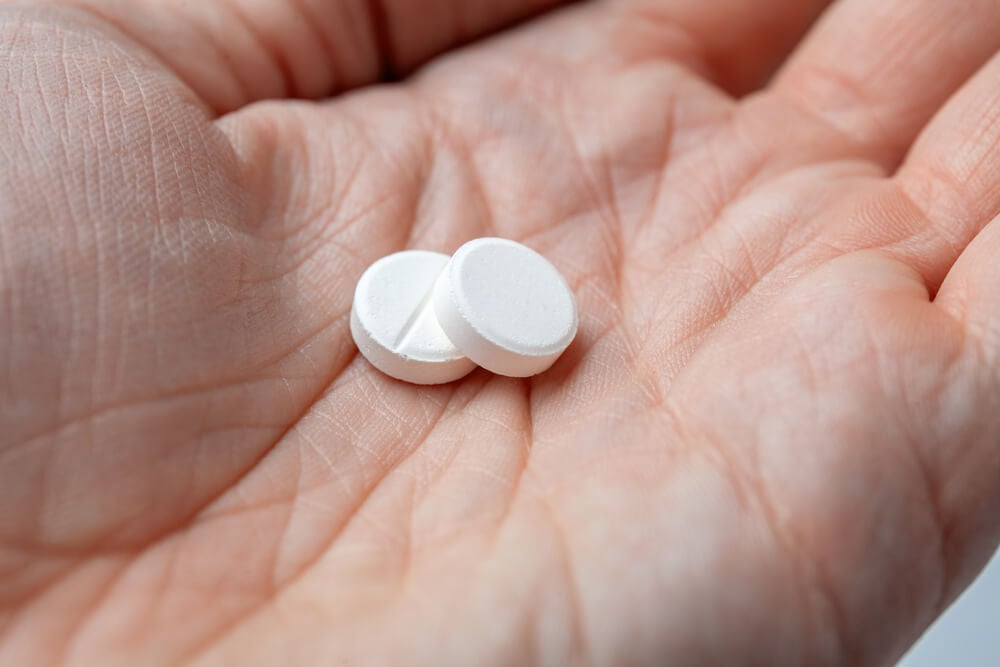
A small tin or glass bottle of aspirin tablets was the default answer to headaches, fevers, and aches. The pills were often stored within reach of children, a practice that later safety rules discouraged.
Child-resistant caps eventually became standard on such containers.
Castor Oil
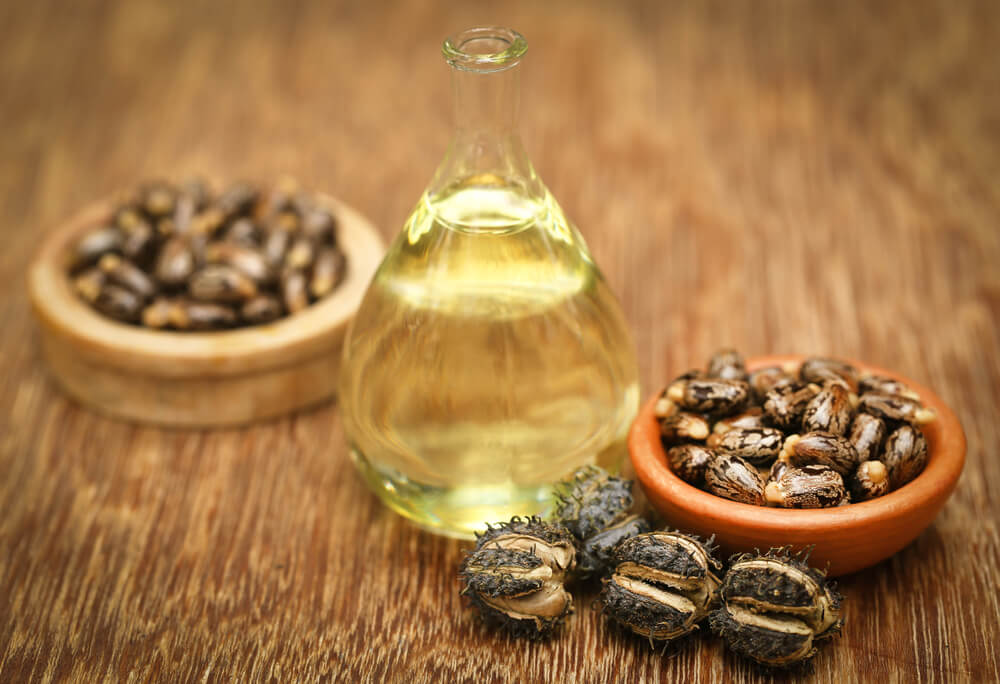
A dark bottle of castor oil, with a notoriously greasy texture, was kept for stubborn digestive complaints. Many adults still remember the taste and the spoonful offered with a grimace.
Modern medicine has moved away from using it that way.
Cod Liver Oil
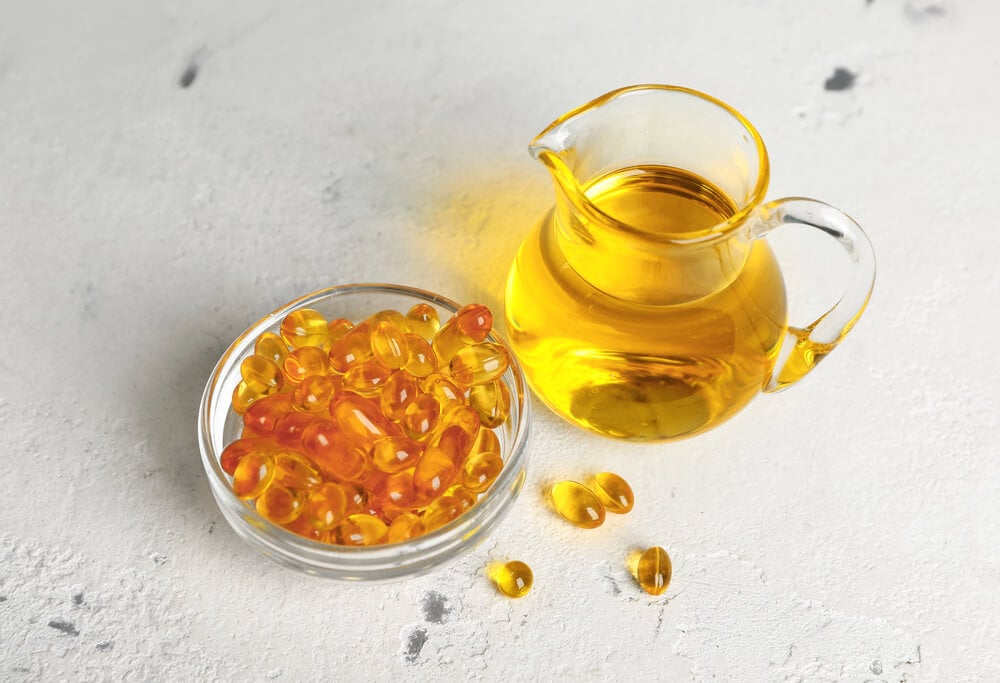
Cod liver oil was given by the spoonful as a winter tonic, valued for its vitamins A and D. The fishy taste and thick texture made it a childhood legend.
Capsules and flavored versions later softened the experience.
Epsom Salts
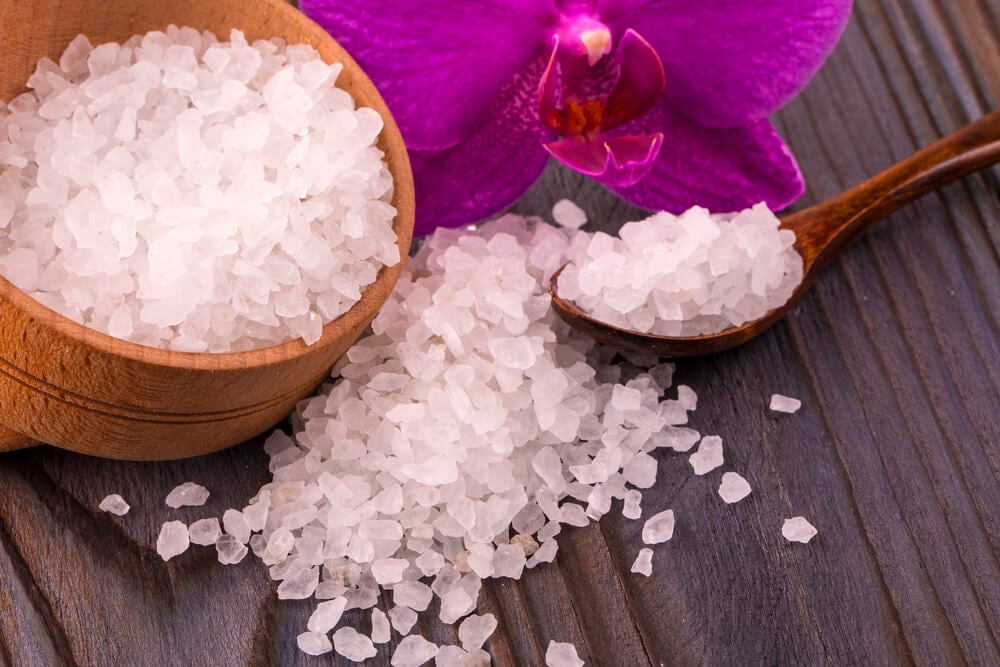
A paper carton of Epsom salts was poured into hot baths for sore muscles and tired feet. The mineral, magnesium sulfate, dissolved into a cloudy soak.
Households also used it for sprains and to draw out splinters.
Rubbing Alcohol
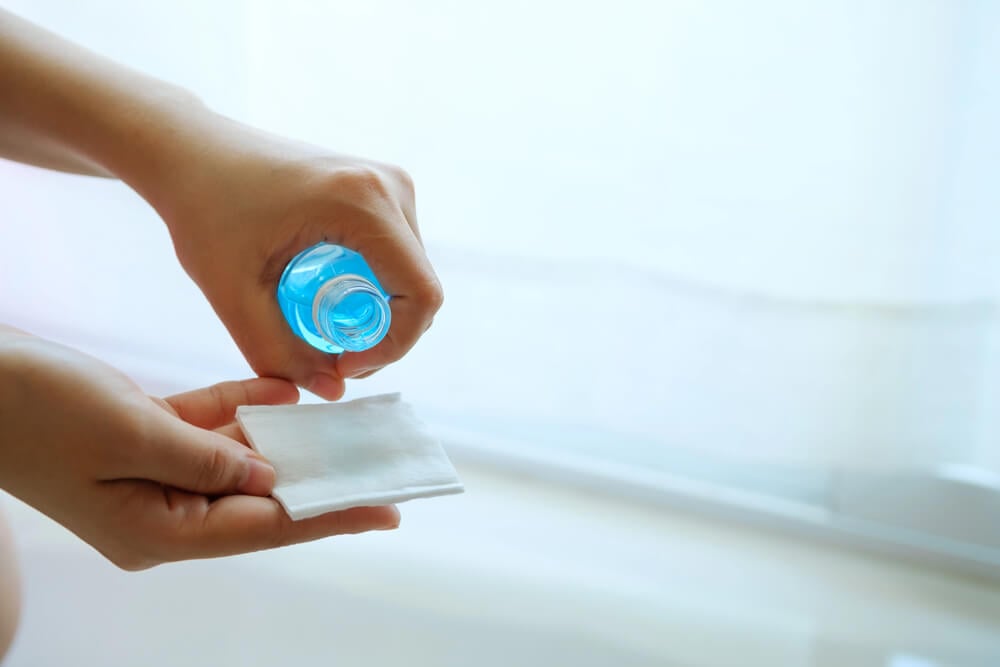
A clear bottle of rubbing alcohol cleaned thermometers, wiped scrapes, and cooled fevered skin. It evaporated quickly and left a sharp, clean smell.
Sponge baths with alcohol were a once-common home remedy that doctors now advise against.
Hydrogen Peroxide
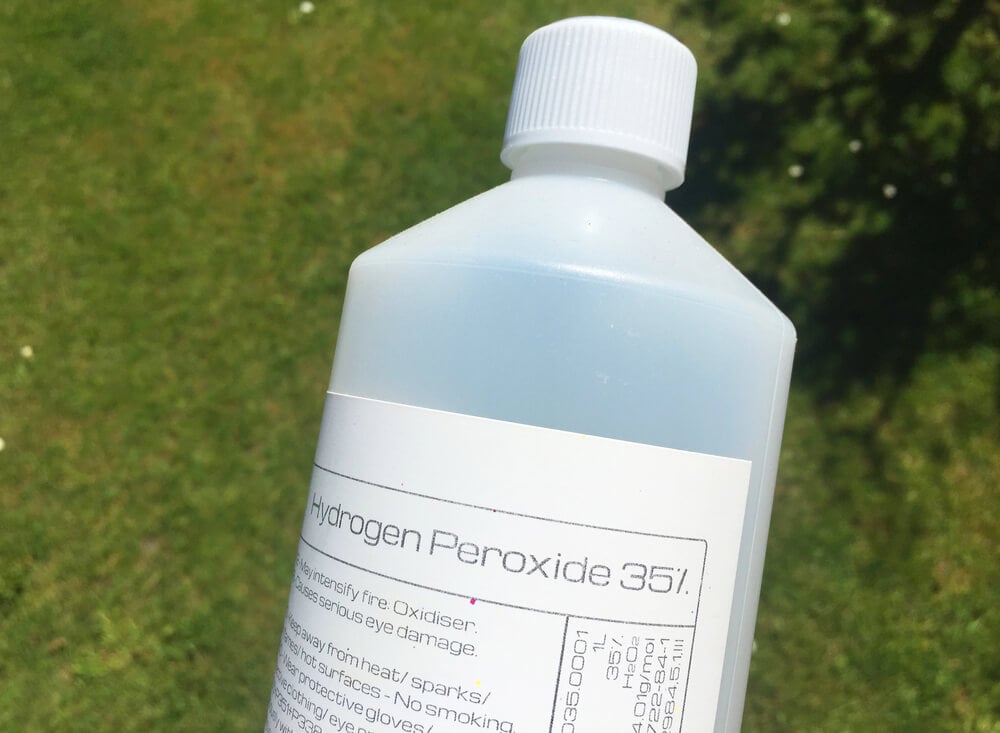
The brown bottle of hydrogen peroxide fizzed on contact with a cut and left a white foam. The bubbling was reassuring to many children, who took it as proof that the medicine was working.
Medical advice has since shifted away from using it routinely on wounds.
Witch Hazel
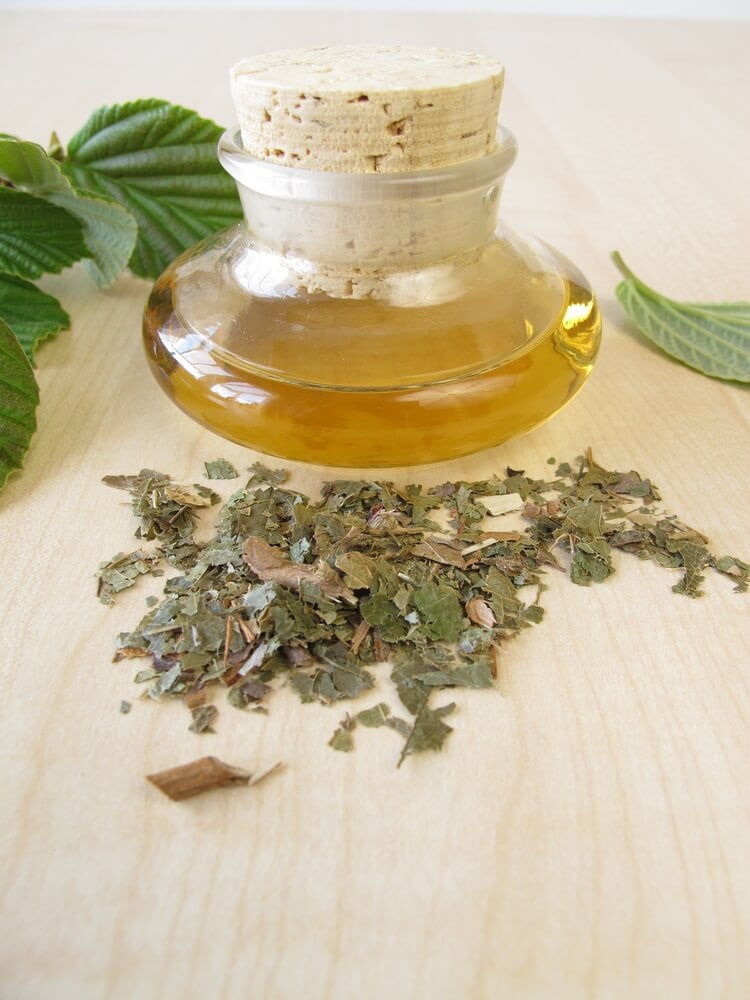
Witch hazel, distilled from the bark of a shrub, soothed bug bites, bruises, and sunburned skin. A bottle often lived in the same cabinet for decades.
The tangy, woody scent was a distinct part of grandparents’ bathrooms.
Calamine Lotion
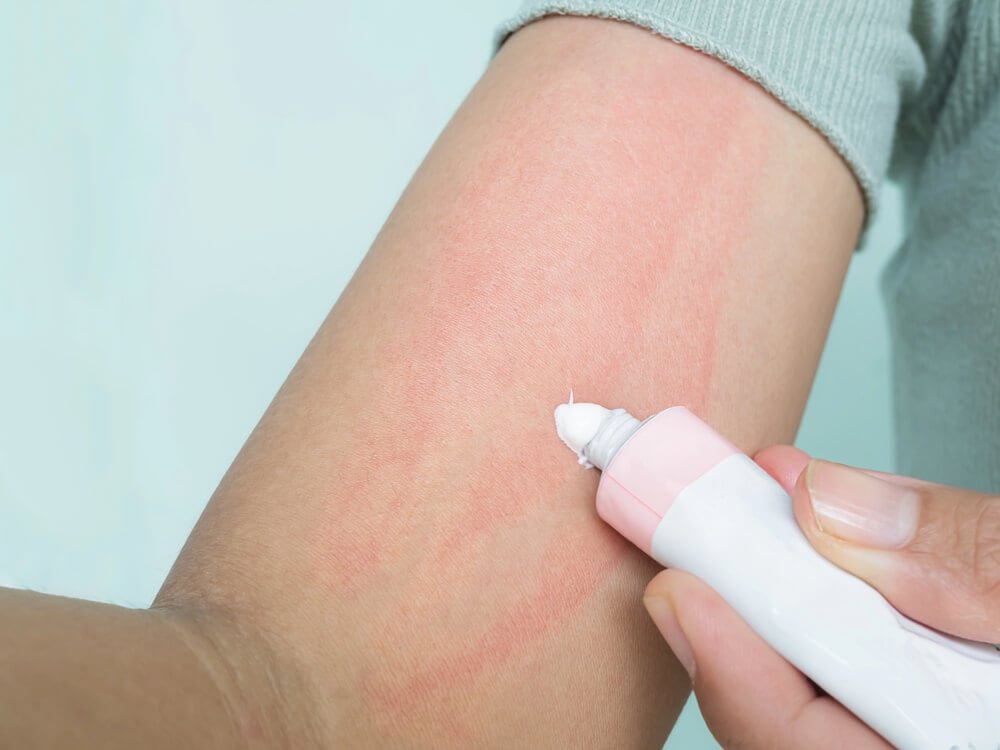
A pink bottle of calamine lotion, with a layer of sediment at the bottom, calmed poison ivy and chickenpox itch. The label instructed users to shake well, and the chalky pink coating dried on skin in a visible film.
It remains available today.
Petroleum Jelly
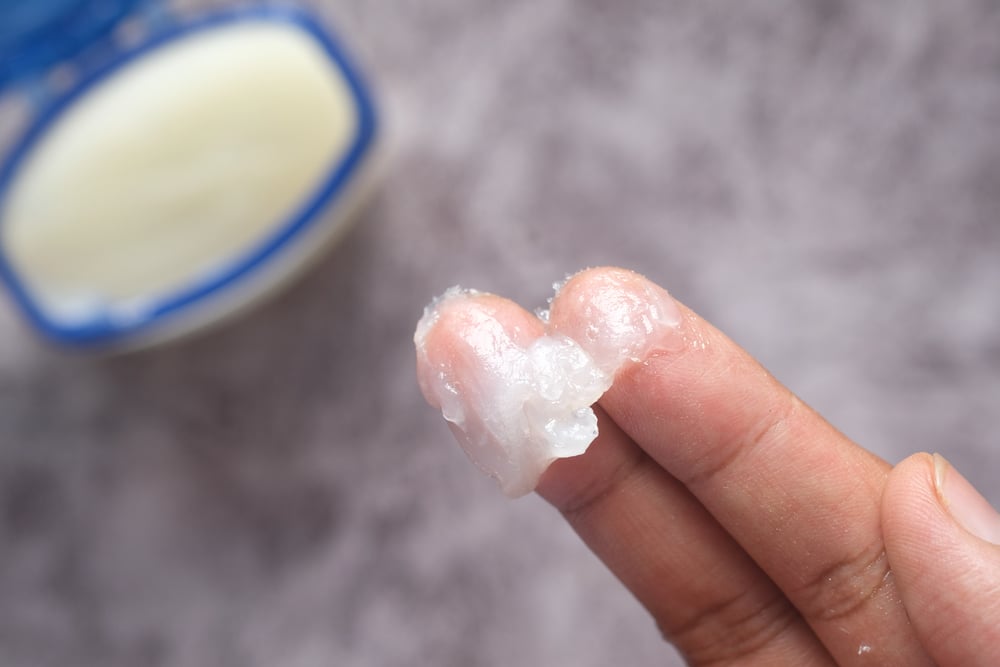
A small jar of petroleum jelly was used on chapped lips, diaper rash, scrapes, and dry heels. A single jar could serve a family for years.
The shiny, clear gel was one of the most versatile products on the shelf.
Bag Balm
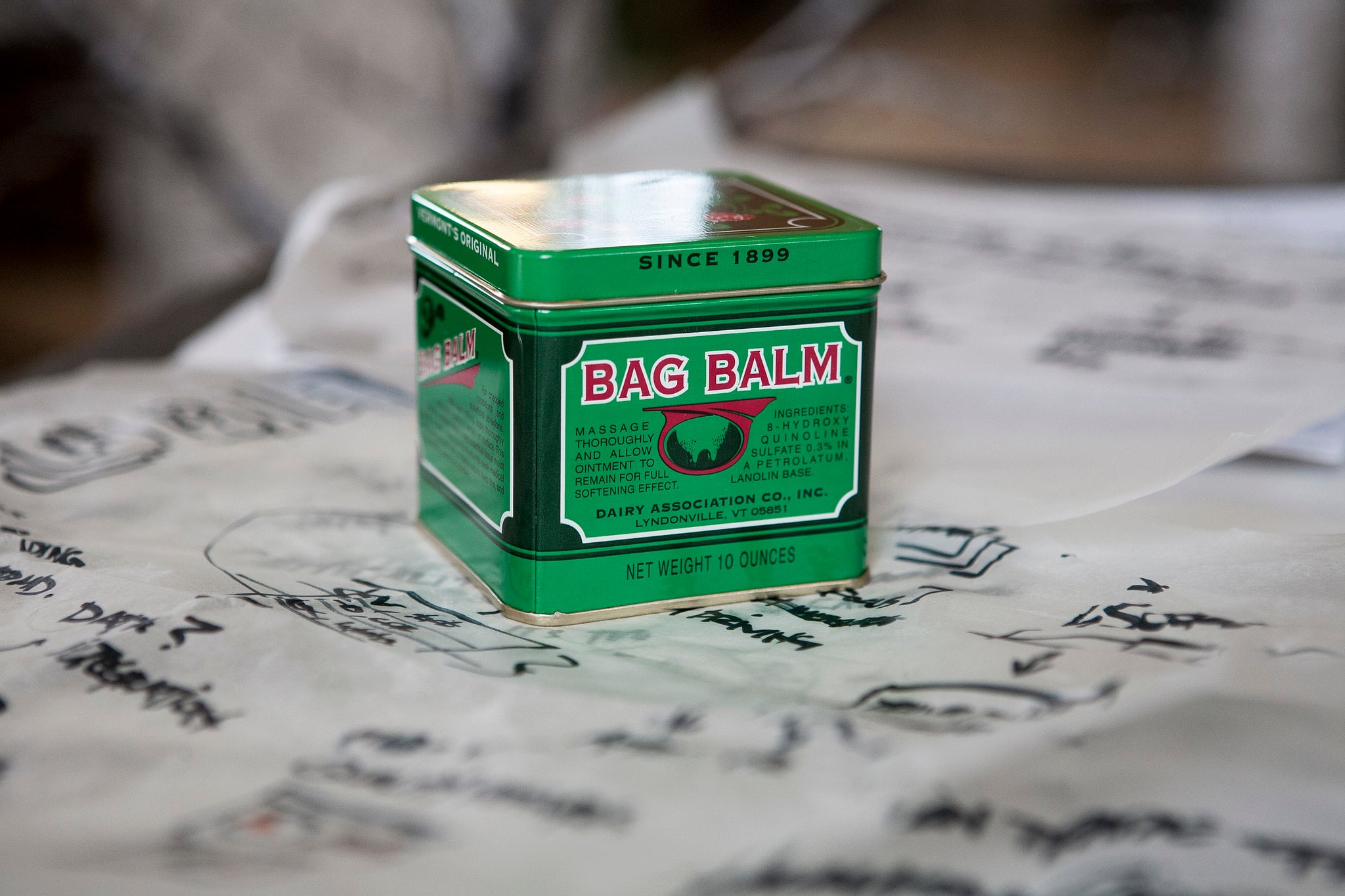
Bag Balm, a green tin made in Vermont, was originally intended for the udders of dairy cows. Households adopted it for chapped hands and cracked heels, and it remains popular among gardeners and farmers.
The tin’s old-fashioned look is part of its charm.
Syrup of Ipecac
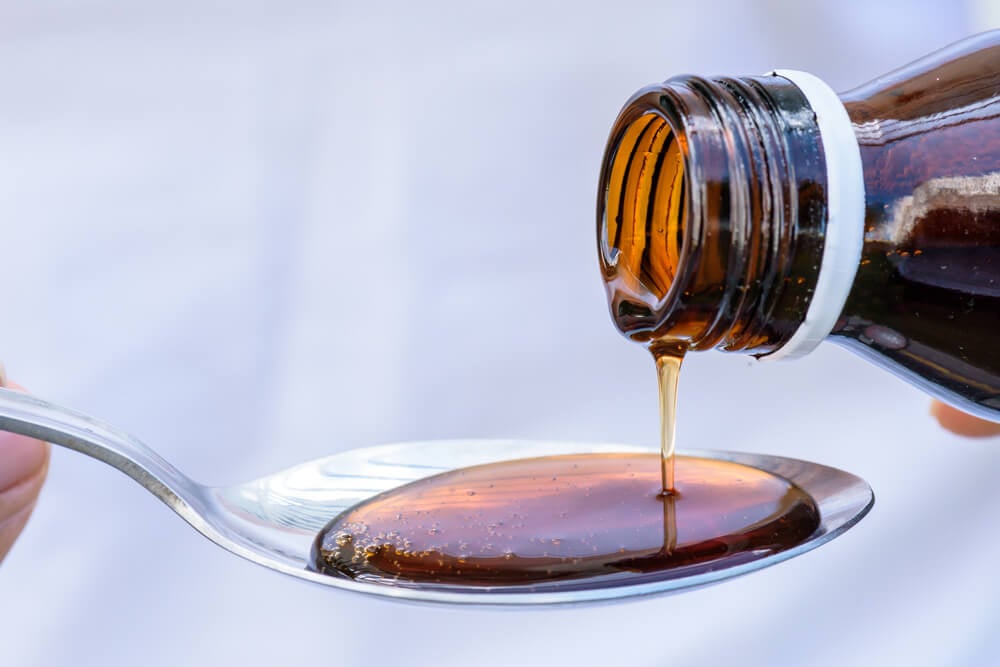
A small brown bottle of syrup of ipecac was kept for accidental poisonings, to make a child vomit. In the early 2000s, pediatric guidance turned against routine home use, and poison control centers now advise calling for help instead.
The bottle is a clear example of how emergency advice can change.
The Glass Mercury Thermometer
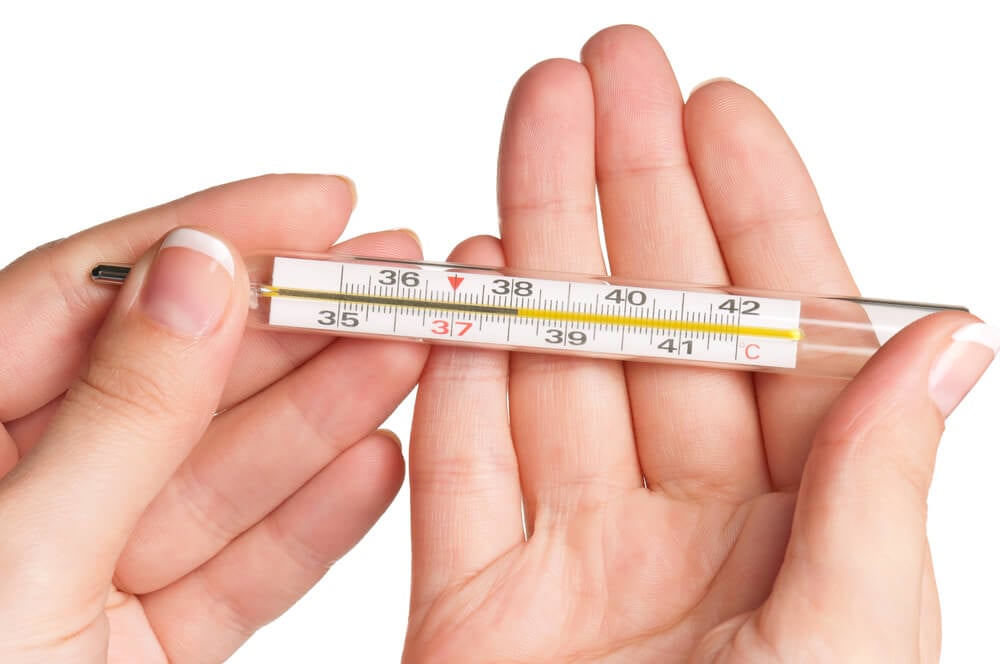
The glass thermometer with a silvery column of mercury lived in a hard plastic case in the drawer. Reading it took patience and a steady hand, and a dropped one left a hazard on the floor.
Digital thermometers have almost entirely replaced it.
The Hot Water Bottle
A red rubber hot water bottle with a screw-top stopper was filled from the kettle for earaches, cramps, and cold feet. A knitted cover kept it from scalding skin.
Many families kept one tucked behind the towels
Baking Soda
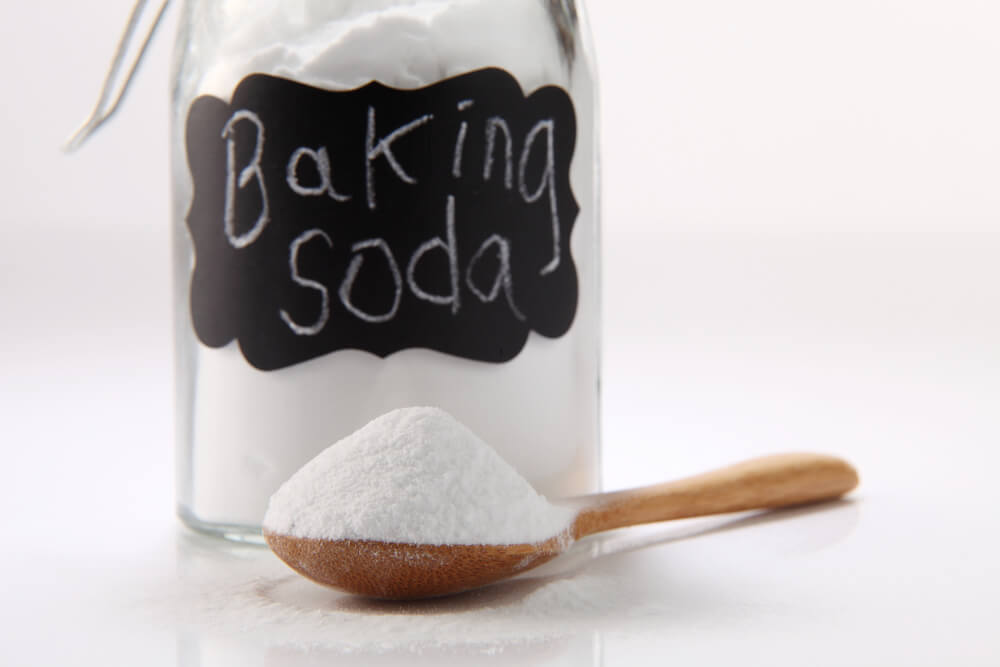
A box of baking soda in the bathroom served as a mild antacid, a mouth rinse, and a paste for insect stings. It cost little and did many jobs.
The box often moved to the refrigerator when its first job was done.
Remedies That Outlived Their Reasons
Looking over these shelves, a pattern emerges: the family medicine cabinet was assembled from habit, advertising, and whatever a neighbor swore by. Some items, like baking soda and petroleum jelly, held up well.
Others, like mercury-based antiseptics and routine ipecac, disappeared after careful review.
The cabinet also tells a story about trust. People believed the label, the pharmacist, and the family doctor, often with little information about risks.
Modern shelves hold fewer mysteries and carry far more warnings. The instinct to keep a few familiar bottles within reach has not changed at all.
More from Go2Tutors!

- 27 Silver Dollars and Half Dollars Worth Keeping
- 28 Restaurant Menu Items Nobody Orders Anymore
- 17 Places Built in Seemingly Impossible Spots
- 27 Vintage Rings Worth More Than They Look
- 25 Restricted Sites Tourists Can’t Enter
Like Go2Tutors’s content? Follow us on MSN.