What Families Used Before Plastic Food Containers
Every kitchen drawer today holds a tangle of plastic tubs and mismatched lids. For most of history, a household had no such drawer, and leftovers still made it to tomorrow.
Families relied on glass, clay, metal, cloth, paper, and leaves, and they treated each vessel as something to keep for decades. The methods were practical, sometimes beautiful, and occasionally brilliant.
Stoneware Crocks for Pickles and Sauerkraut
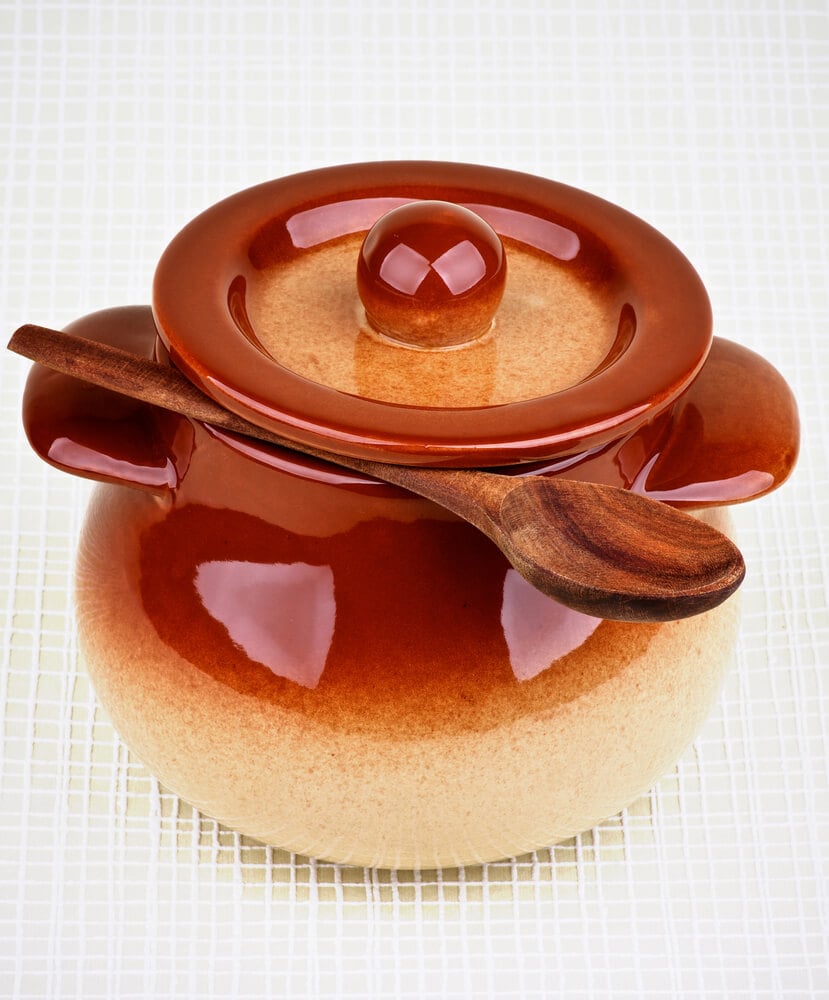
A glazed stoneware crock was the workhorse of the preserving kitchen, packed with cabbage, cucumbers, or butter and kept in a cool cellar. For sauerkraut, a plate and a heavy clean stone pressed the cabbage under its own brine so it could ferment safely.
Companies such as Red Wing Stoneware in Minnesota turned out crocks by the thousands, and many are now collected. Prices for old crocks depend heavily on condition, since cracks, chips, and faded stamps can cut the value sharply.
Mason Jars With Screw-Top Lids

John Landis Mason patented his screw-threaded glass jar on November 30, 1858, and that date still appears on antique examples. Home canners could finally seal summer tomatoes and peaches in glass that could be boiled and reused every season.
In 1903, Alexander Kerr of Portland, Oregon, improved the idea with a self-sealing lid that used a flat metal disc and a rubber ring. Old jars in rare tints such as cobalt blue draw collectors, though chips and cloudy glass lower their prices.
Syrup Pails and Lard Pails as Lunch Buckets
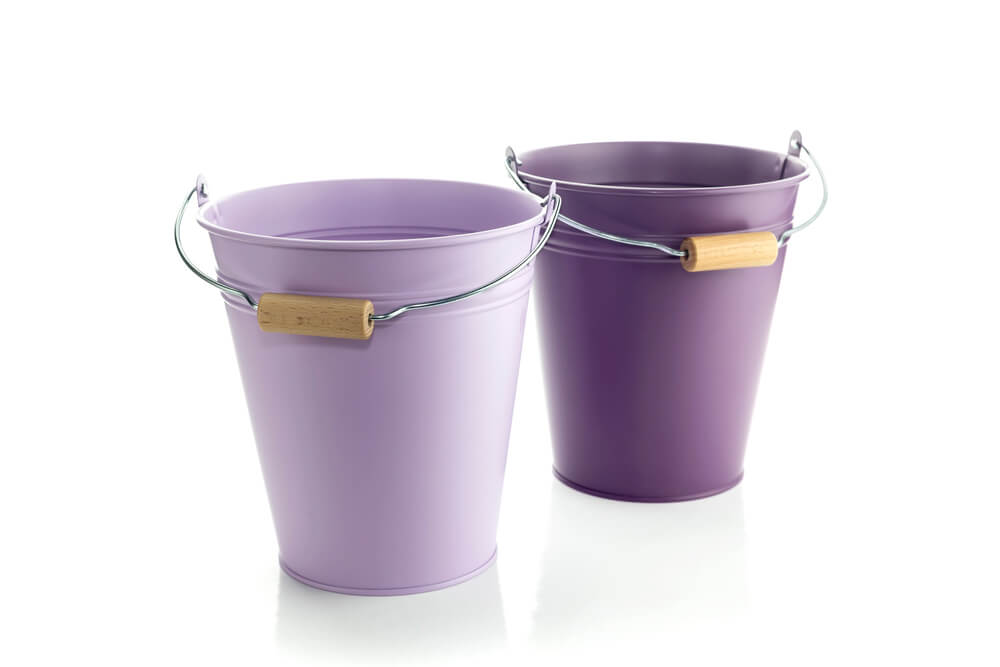
Empty tin pails that once held lard or corn syrup were rinsed, scrubbed, and sent to school or the job site with a sandwich inside. Karo syrup pails became so familiar as lunch carriers that they are still remembered by that name.
The wire bail handle made them easy to carry, and the tight lid kept out dust and ants. When one finally rusted through, it often moved on to carrying nails in the barn.
Cotton Flour and Feed Sacks
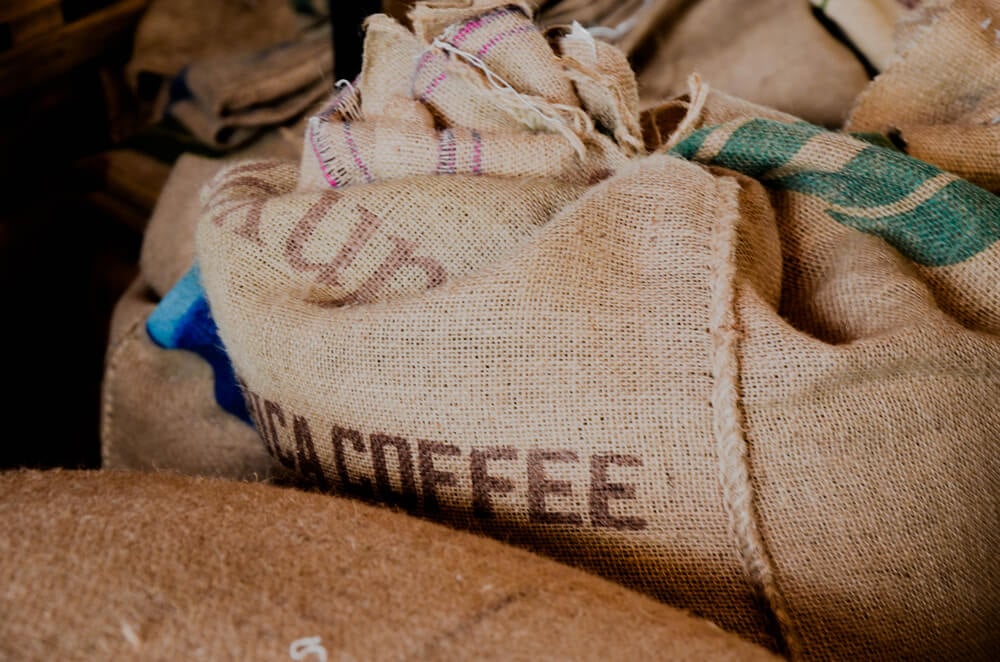
Cotton sacks that held flour, sugar, and animal feed were washed and put to work again as dish towels, aprons, and bread-dough covers. In the 1920s and 1930s, feed companies began printing sacks with floral and geometric patterns, hoping farm wives would pick their brand to sew dresses and curtains.
Women sometimes traded sacks to match enough fabric for a single garment. The empty sack was almost never a throwaway item.
Waxed Paper for Sandwiches and Cake Pans
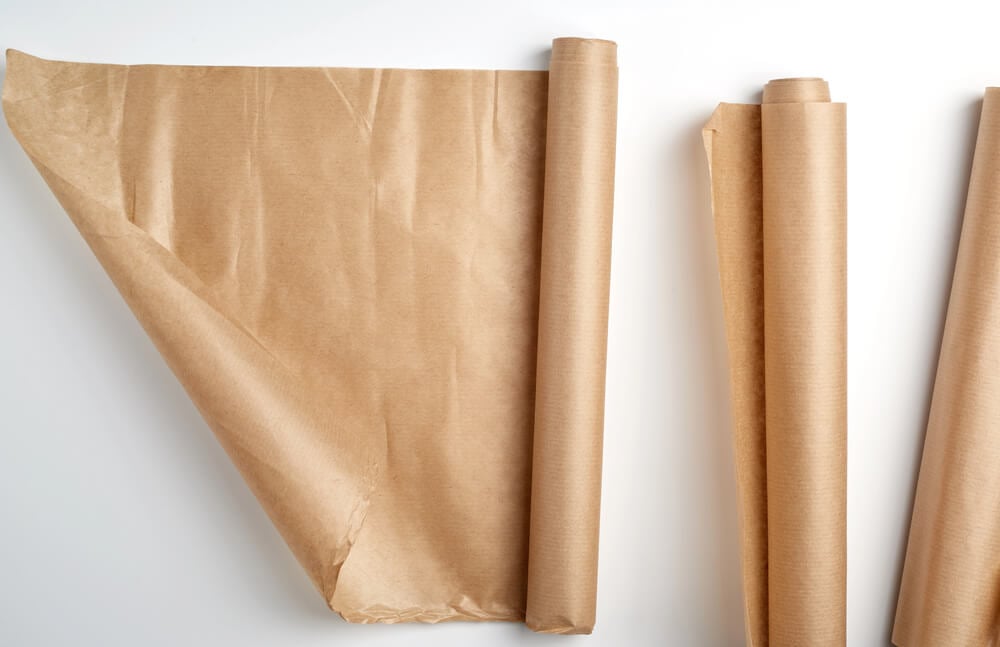
A thin coat of paraffin on paper made it resist moisture and grease, which suited it perfectly to the lunch box. Mothers folded sandwiches inside it, lined cake tins with it, and covered bowls of leftovers by pressing it down with a rubber band.
The roll came in a cardboard box with a serrated metal edge for tearing sheets. It could be reused once or twice before the wax cracked at the folds.
Butcher Paper and String
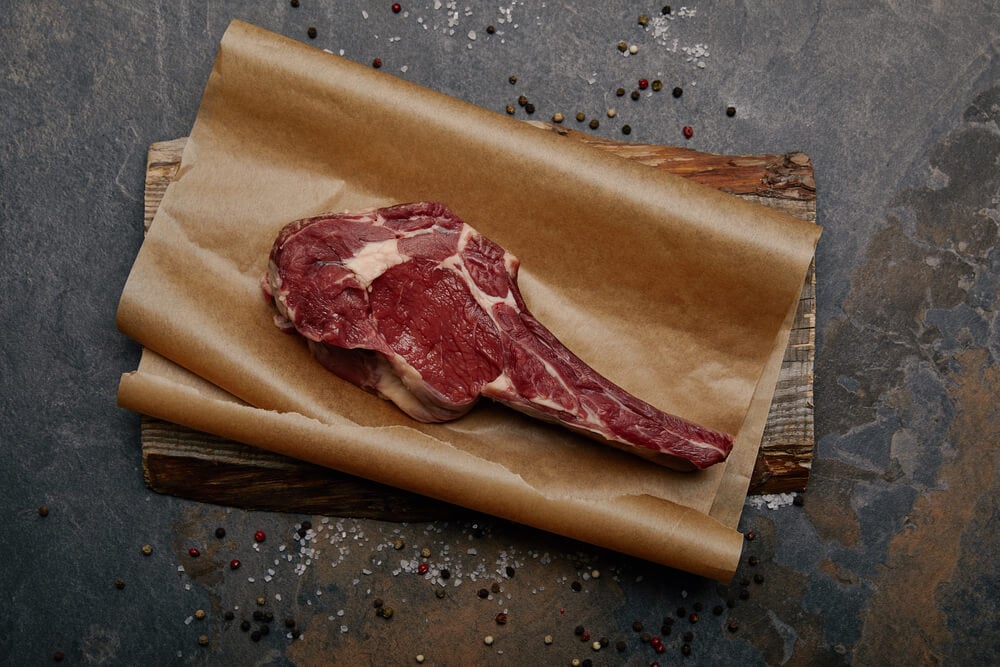
At the neighborhood butcher, a cut of beef or a pound of liver was wrapped in heavy paper and tied with string pulled from an overhead dispenser. Butchers learned the folding technique known as the drugstore wrap, which sealed a parcel tightly enough to survive a walk home with no tape at all.
The paper absorbed juices, and the family later reused it to wrap sandwiches or line a drawer. Skilled counter workers could wrap and tie a package in a few seconds.
Glass Milk Bottles Returned to the Dairy
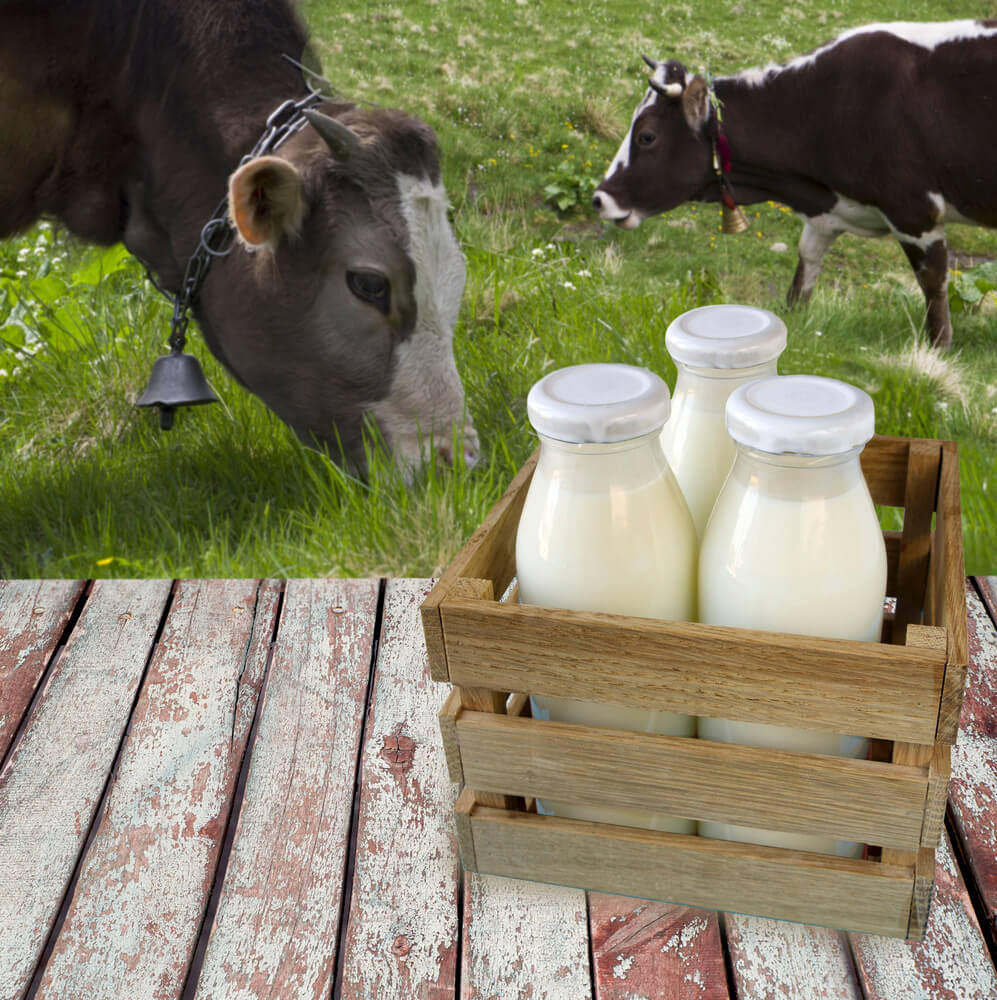
In 1884, Hervey Thatcher of Potsdam, New York, patented his “Common Sense” milk jar, which was sealed with a cardboard cap instead of a cork or a wire. Families left empties on the porch, and the milkman carried them back to be washed and refilled many times over.
The system worked because every bottle had a deposit and a dairy name molded or printed into the glass. Dairy-embossed bottles are collected today, but chips, stains, and missing caps affect the price.
Cheesecloth and Butter Muslin
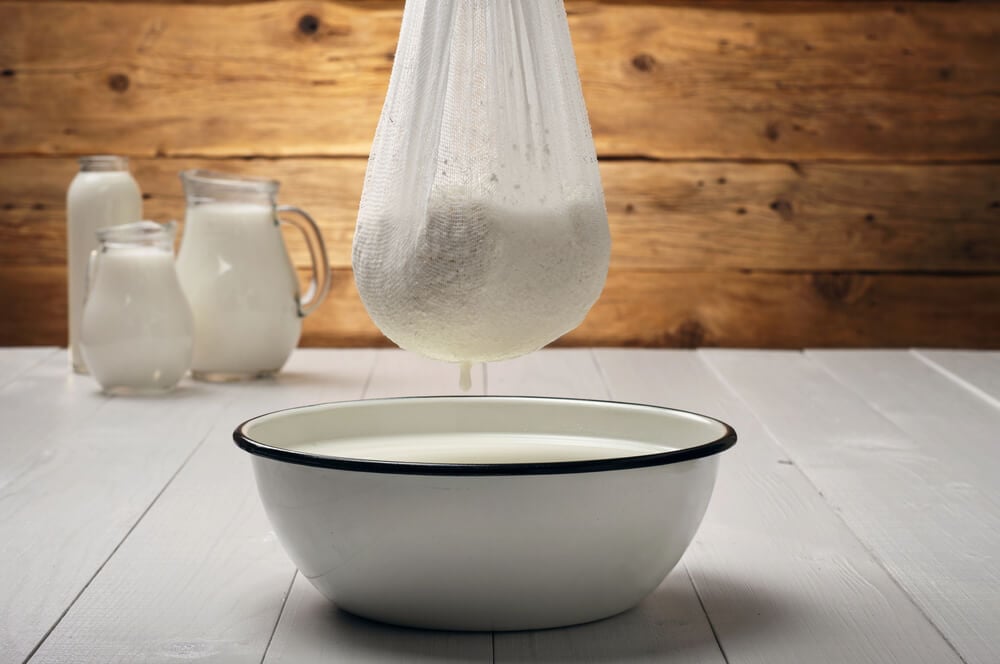
Soft woven cotton cloth wrapped cheese while it aged, strained jelly from boiled fruit, and covered rising bread. Cheesecloth is graded by thread count per inch, from loose weaves around grade 10 to tighter versions near grade 90.
A tighter weave held back curds and fine pulp, while a looser one suited a quick drain. After boiling, the cloth was ready to use again.
Wooden Barrels for Pickles, Crackers, and Flour
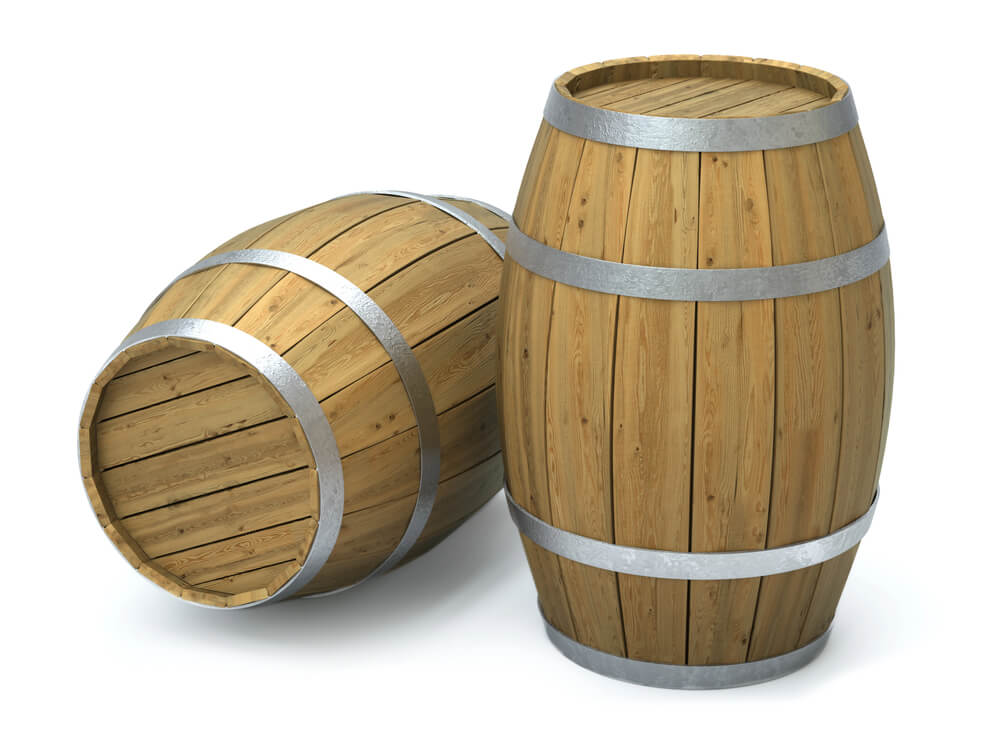
A cooper shaped wooden staves and bound them with metal hoops, with no nails or glue holding the barrel together. Tight cooperage held liquids such as cider and brined pickles, while slack cooperage held dry goods such as flour, apples, and crackers.
The cracker barrel in the corner of a general store gave rise to a phrase for plain, folksy talk. Families bought pickles by scooping them out with a fork, then carried them home in whatever jar or crock they had brought.
Butter Bells and Earthenware Butter Keepers
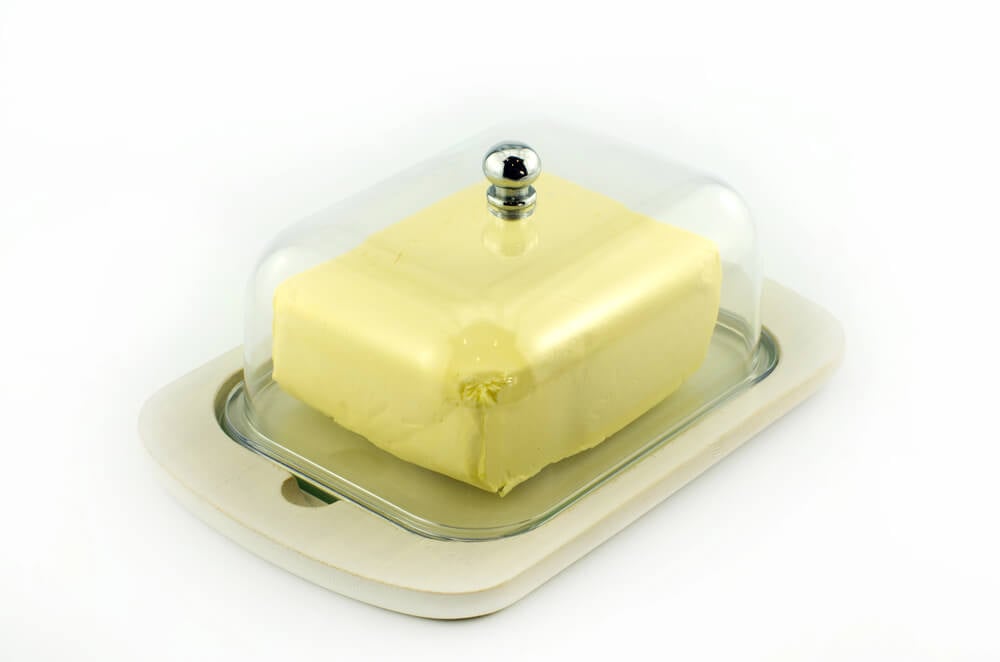
A butter bell packs soft butter into the inverted lid, which sits in a base holding a little cold water. The water forms a seal that keeps out air, so butter stays spreadable on the counter without turning rancid right away.
Households changed the water every couple of days. The design suited kitchens with no refrigerator and a family that went through butter quickly.
Tiffin Tins Carried Across Mumbai
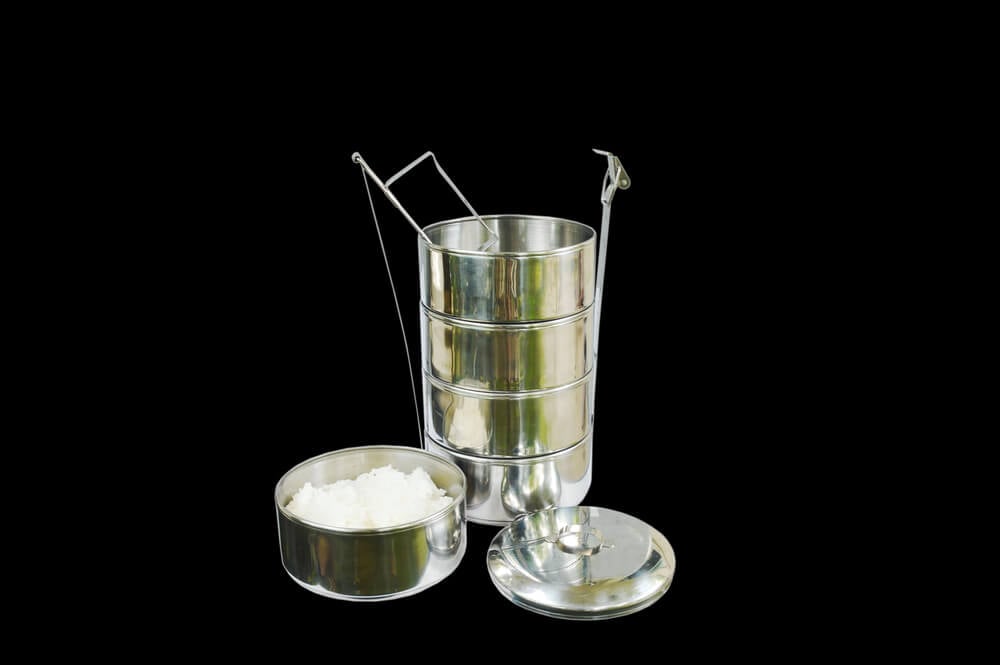
Stacked stainless or aluminum tiffin carriers kept rice, lentils, vegetables, and flatbread in separate compartments and clamped together with a metal bar. In Mumbai, the dabbawala network has moved home-cooked lunches from kitchens to office desks since the 1890s, reaching roughly 200,000 meals a day at its peak.
Carriers are marked with color codes and symbols that tell the sorters where each box belongs. Many workers still unclip the tiers at lunchtime and eat from the same tins their families packed at dawn.
Dried Gourds as Bowls, Bottles, and Dippers
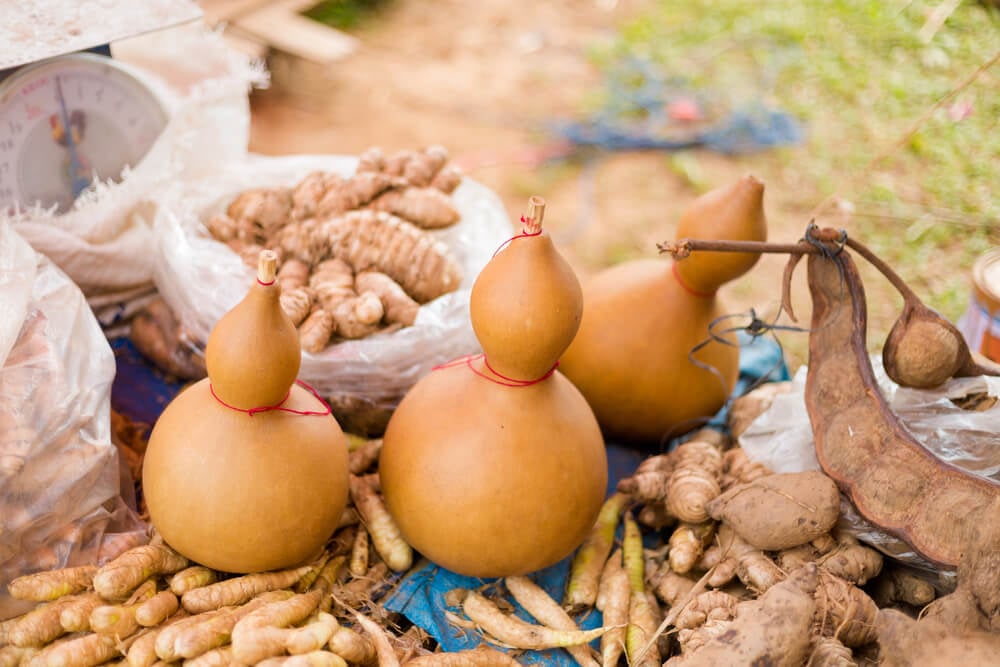
The bottle gourd is among the oldest cultivated plants used for containers, and a dried, hollowed one is light, watertight, and tough. Families cut them into dippers and bowls or left the narrow neck to serve as a water bottle.
In Hawaii, carved gourd containers called ipu held food and served as drums. The only upkeep was a rinse and a place in the sun to dry.
Banana Leaves for Steaming and Serving

Indonesian cooks wrap fish and spiced coconut into packets called pepes, then steam or grill them in banana leaves. In the Philippines, suman, a sticky rice treat, is tied into leaf bundles and boiled.
The leaf adds a faint grassy aroma and stands up to heat without melting or tearing. When the meal ends, the packaging goes straight to the compost pile.
Decorative Biscuit and Cookie Tins
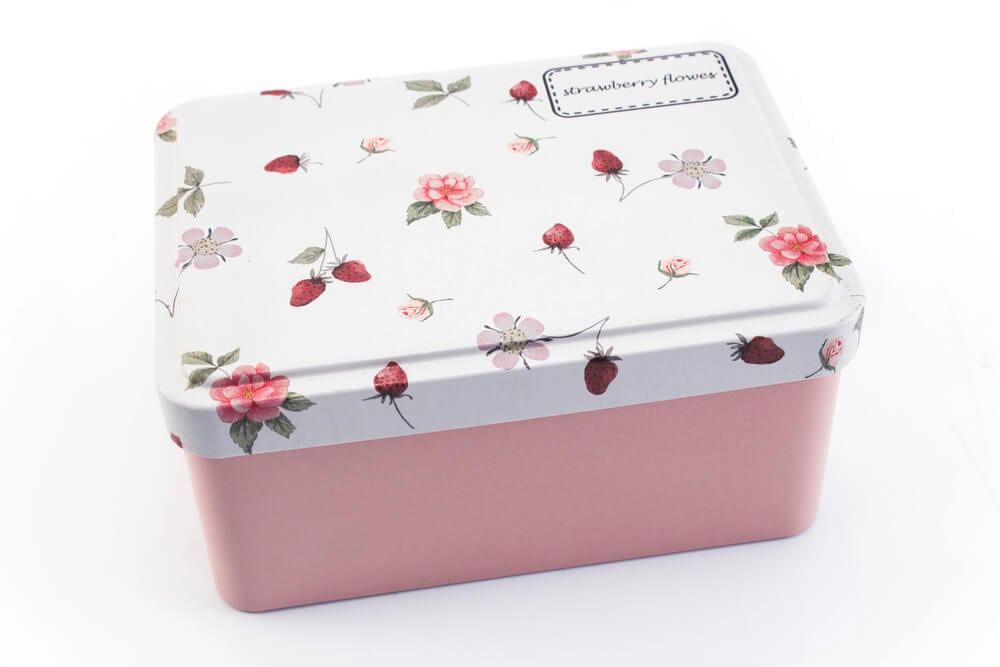
Huntley & Palmers of Reading, England, began selling biscuits in decorative tins in 1868, and the idea spread quickly across Britain and its empire. Once the biscuits were gone, the tin turned into a home for buttons, thread, photographs, or tea.
Many carried lithographed scenes, from castles to books to fanciful boxes shaped like objects. Vintage examples are collected, but dents, rust, and worn paint push prices down.
Wicker Baskets and Picnic Hampers
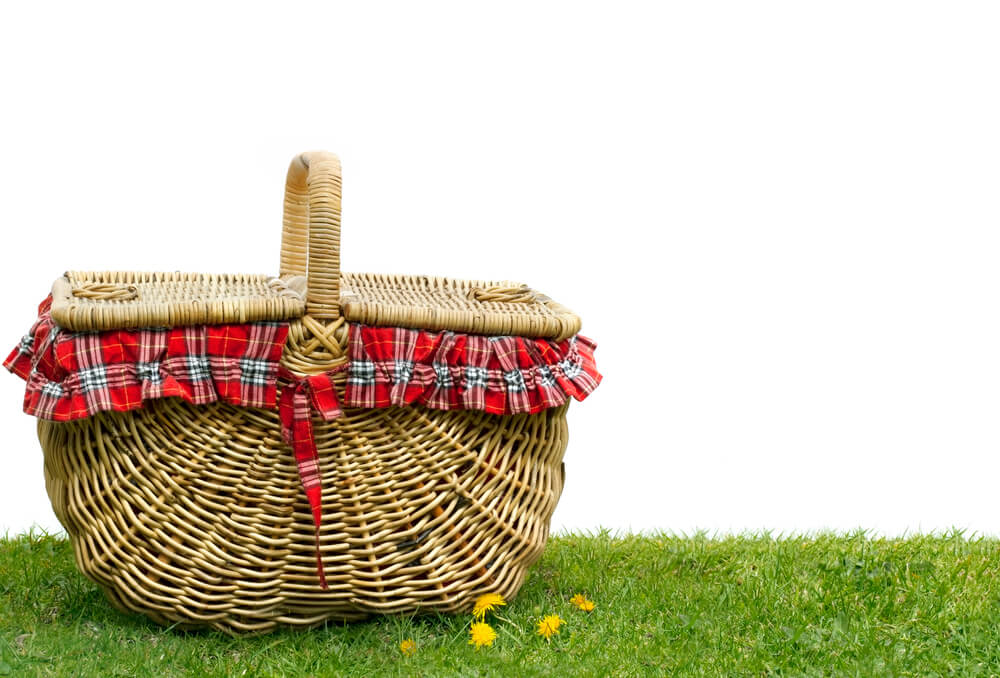
A woven basket carried eggs, bread, and market vegetables, and it let air circulate so produce did not sweat. The Victorian picnic hamper added leather straps, tableware, and compartments for bottles.
Fortnum & Mason, the London grocer founded in 1707, has sold picnic hampers for generations. Repairing a basket took only a few new strands, which is why many lasted through several owners.
Speckled Enamelware and Graniteware
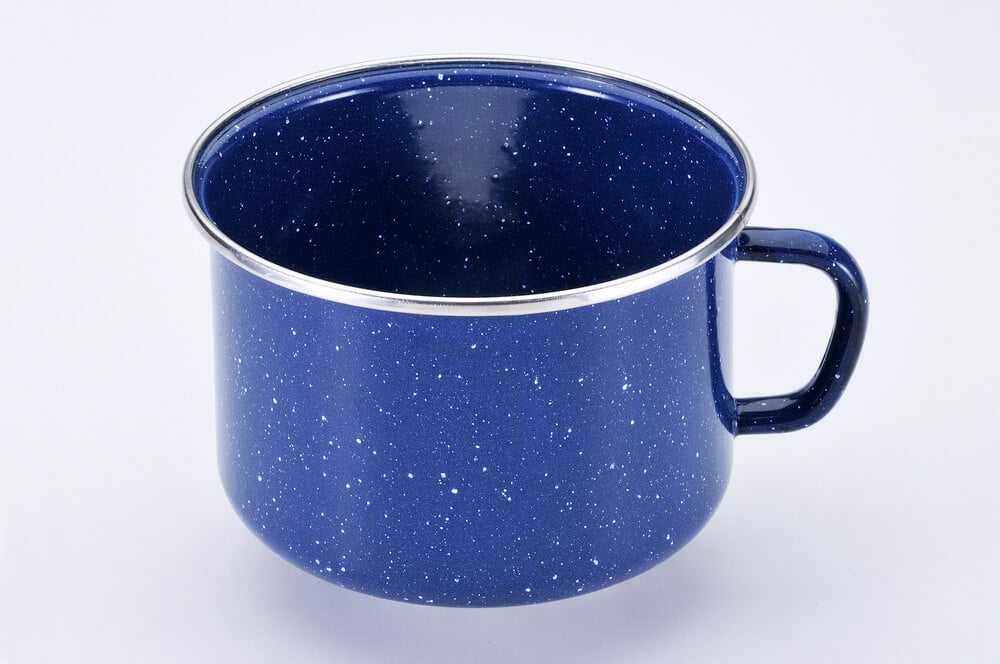
Steel coated in glass-like enamel gave families pails, pots, and storage bowls that would not rust or leave a metallic taste. The speckled blue-and-white finish known as graniteware became a fixture in farm kitchens.
Pieces were light, easy to scrub, and strong enough for the stovetop. Collectors pay for clean pieces, but chipped enamel exposes the steel and usually lowers the price.
Flat-Bottomed Brown Paper Bags
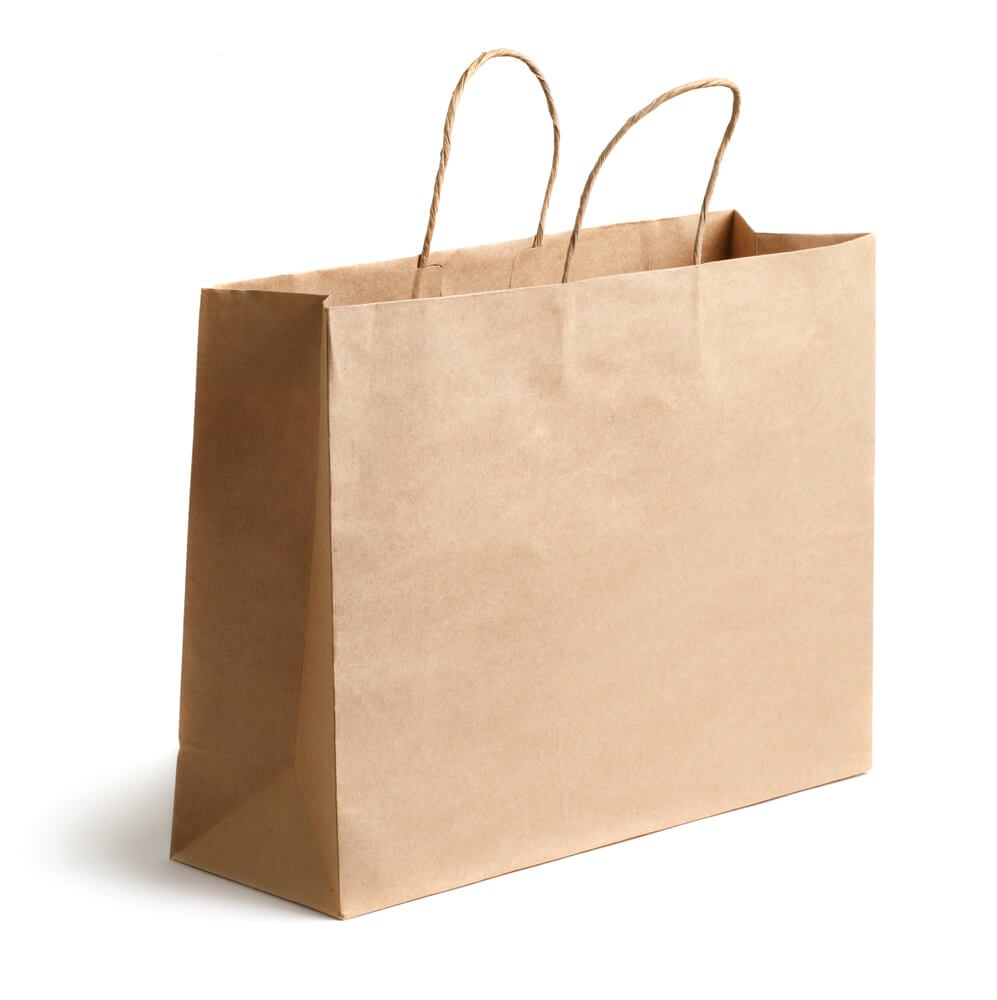
Early paper bags were shaped like envelopes and would not stand up on a counter. Margaret Knight developed a machine in 1871 that folded and glued flat-bottomed bags, and the design soon became the standard for grocery sacks.
A shopper could carry bread, apples, and flour home in one, and the bag later served as a book cover or a lunch sack. Few households threw out a bag until it had been folded and used again.
Tin Cans, Hammer, and Chisel
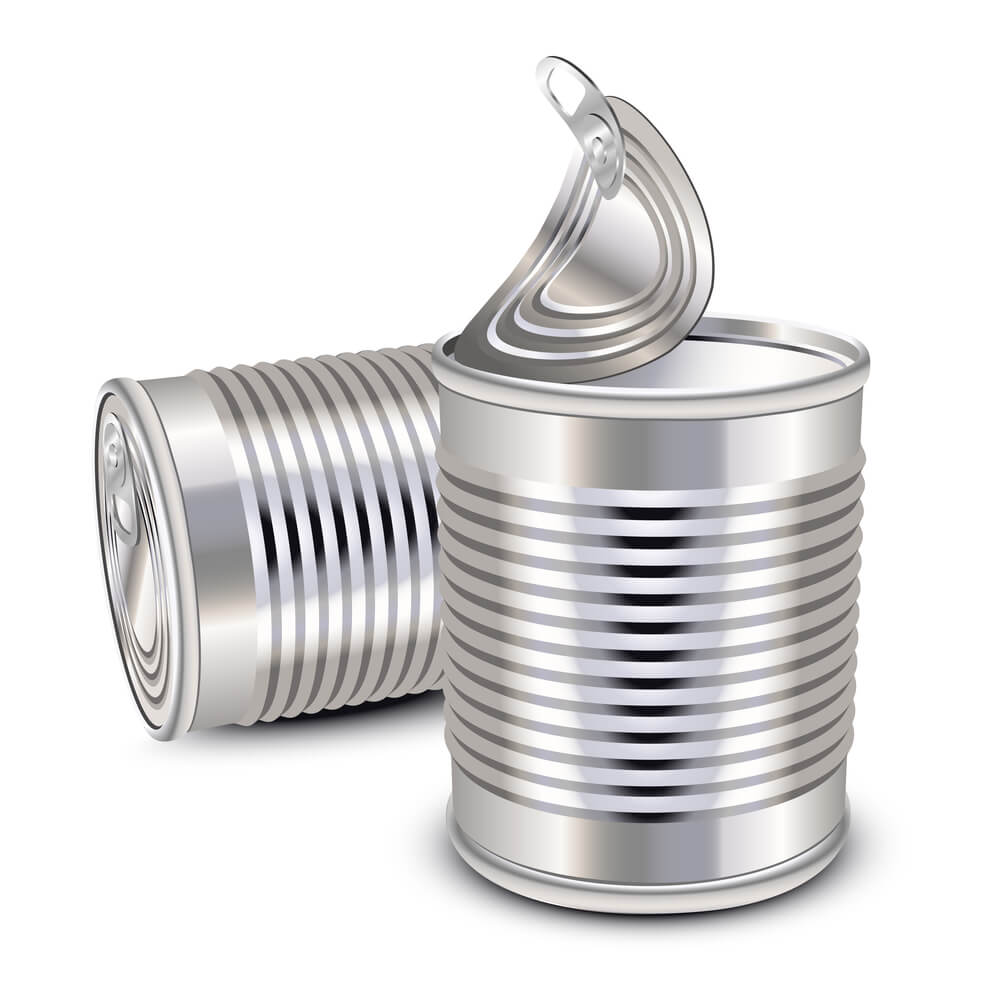
English merchant Peter Durand patented the idea of preserving food in tin containers in 1810, and cans soon fed sailors and soldiers. Early cans were thick and were opened with a hammer and chisel.
The can opener did not appear until 1858, almost half a century later. Families saved the empty cans, which became cups, seedling pots, and tool holders.
Reuse as the Original Recycling
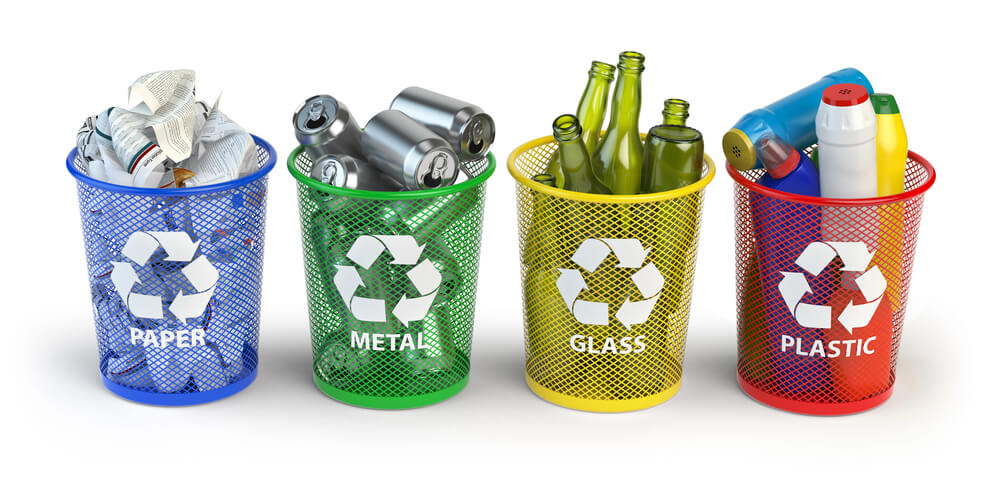
None of these vessels was designed to be thrown away. Their value came from being washed, repaired, and filled again, and a crock or a pail could stay in the family for a lifetime.
Packaging was something owned, not something bought along with the food.
The trade-offs were real, since glass broke, tin rusted, and cloth needed laundering. Still, the habits they encouraged, such as returning bottles and saving sacks, left far less to discard.
Looking at that old kitchen is a reminder that convenience is one choice among many ways to store a meal.
More from Go2Tutors!

- 27 Silver Dollars and Half Dollars Worth Keeping
- 28 Restaurant Menu Items Nobody Orders Anymore
- 17 Places Built in Seemingly Impossible Spots
- 27 Vintage Rings Worth More Than They Look
- 25 Restricted Sites Tourists Can’t Enter
Like Go2Tutors’s content? Follow us on MSN.