20 Time Capsule Objects That Captured Ordinary Life
The most valuable thing in a time capsule is rarely the most expensive item. It is the small, boring object that nobody thought to save, because everyone assumed it would always be around.
The objects below come from some of the best-documented capsules ever sealed, from a 1795 cornerstone box in Boston to the sealed chambers and buried tubes of the twentieth century. Each one says something about how people lived when the lid went on.
An Alarm Clock From 1939
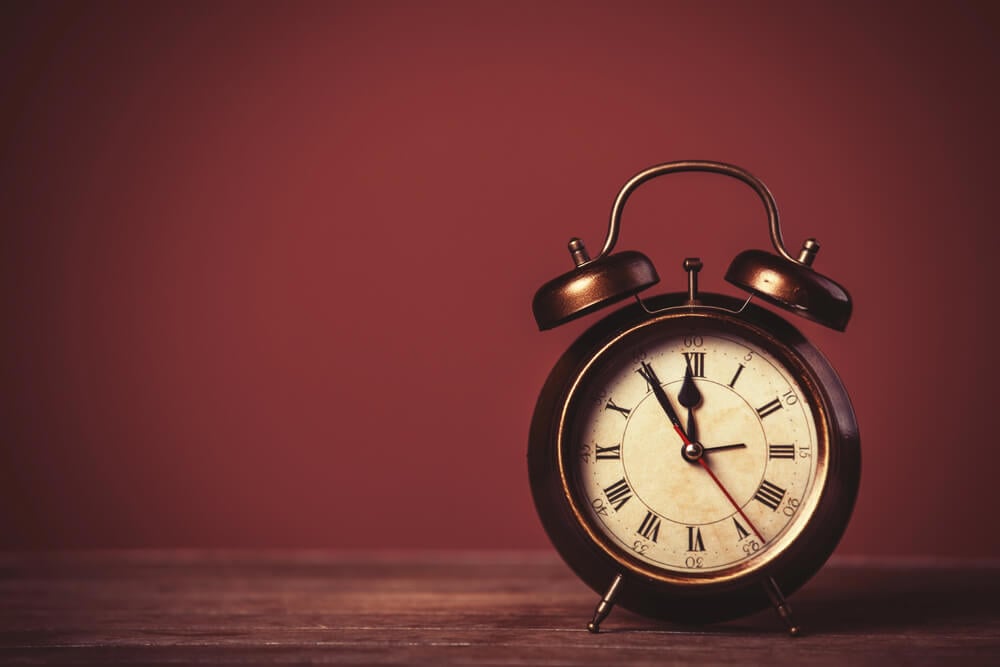
The Westinghouse Time Capsule buried at the 1939 New York World’s Fair holds an alarm clock, chosen as a symbol of ordinary morning life. Alarm clocks were common household items by then, so the choice reflected how normal they had become.
The capsule is meant to stay sealed for 5,000 years.
A Can Opener
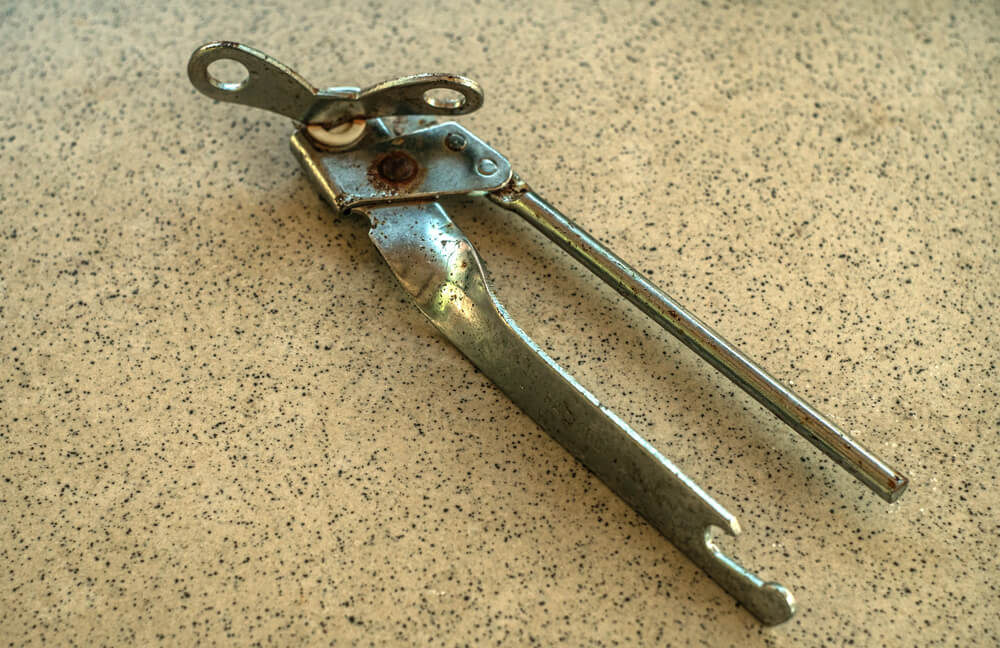
A can opener is among the everyday tools sealed in the Westinghouse capsule, and it says something about how thoroughly canned food had entered kitchens. The item was chosen from among competing options, and the selection was settled by lot where several products were of similar value.
Future readers will find a gadget that seems trivial and is anything but.
Bifocal Eyeglasses
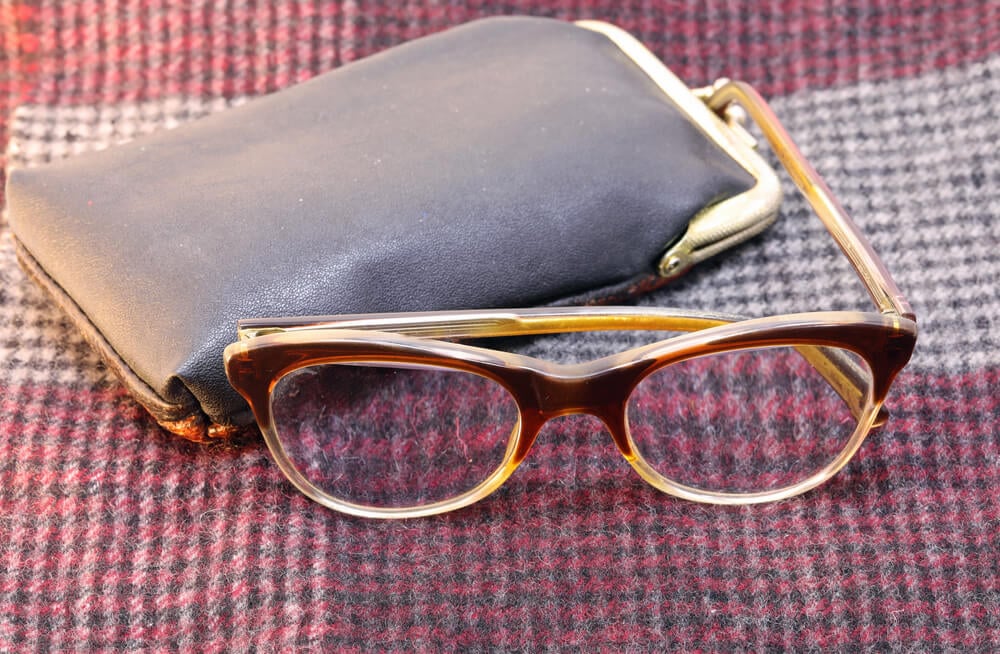
Bifocals from Bausch and Lomb are listed in the Westinghouse inventory, a reminder that eyesight correction was an everyday matter by 1938. The lenses are the kind of object that tells an archaeologist as much about a society’s habits as its tools do.
Reading glasses were so common that nobody would have thought of them as historic.
A Fountain Pen and Mechanical Pencil
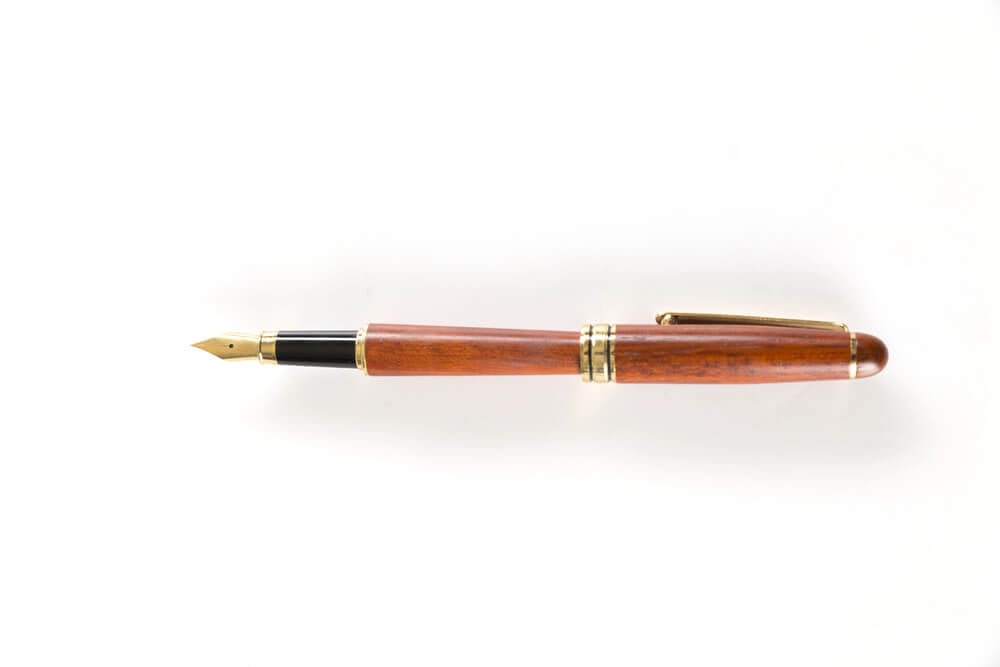
The Westinghouse capsule includes a Waterman fountain pen and a mechanical pencil, standard writing tools of the era. They sit alongside the printed record that explains the contents.
Pens and pencils are rarely preserved because they are used up, which makes a pristine pair unusual.
A Westinghouse Mazda Lamp
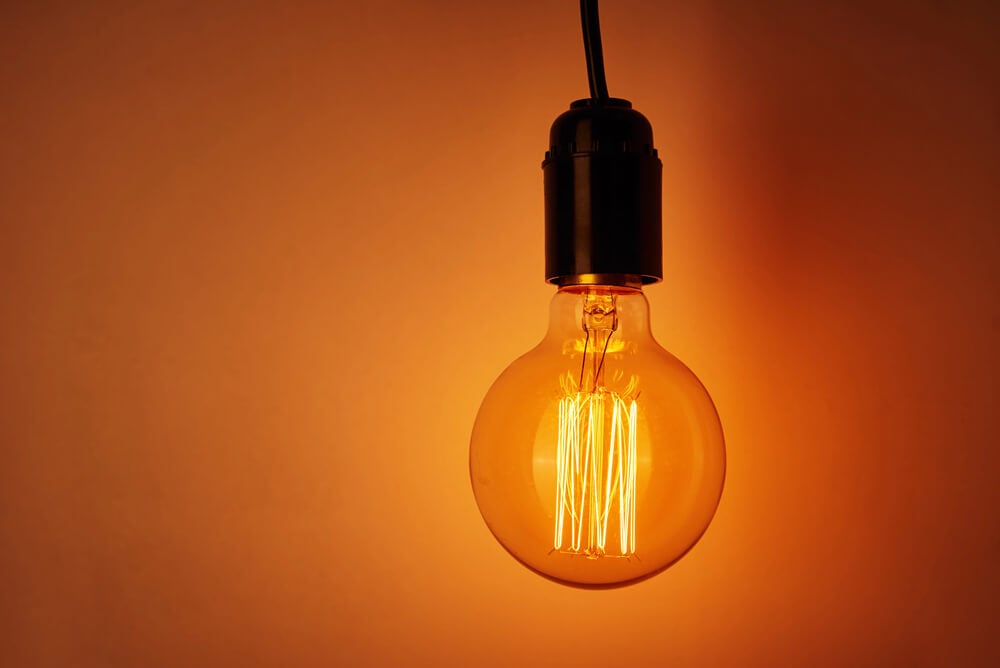
A 60-watt Mazda bulb made by Westinghouse sits in the capsule as an example of electric lighting in the home. The company included its own product, which was both advertising and a fair reflection of what ordinary rooms contained.
A bulb is a fragile thing to preserve, and its inclusion was a small act of confidence.
A Nail File, a Safety Pin, and a Toothbrush
— Photo by Daisy_83
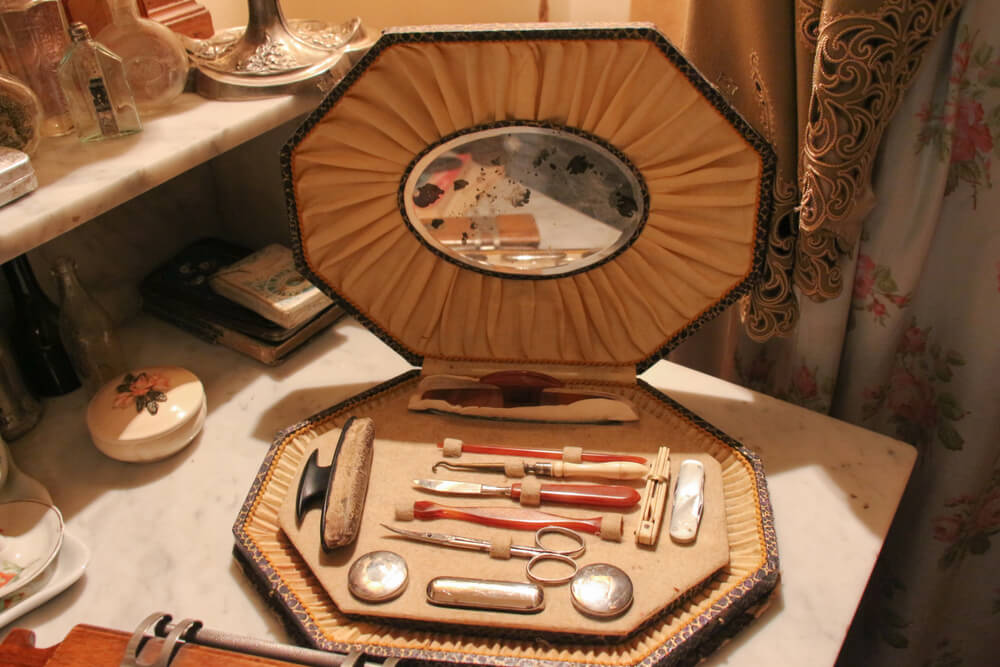
Humble grooming and sewing items sit in the Westinghouse capsule, including a nail file, a safety pin, and a toothbrush. Together they cover the routine of getting dressed and looking presentable, which rarely makes it into a history book.
The safety pin in particular is a design so settled that it has barely changed since.
A Toy Car and a Doll
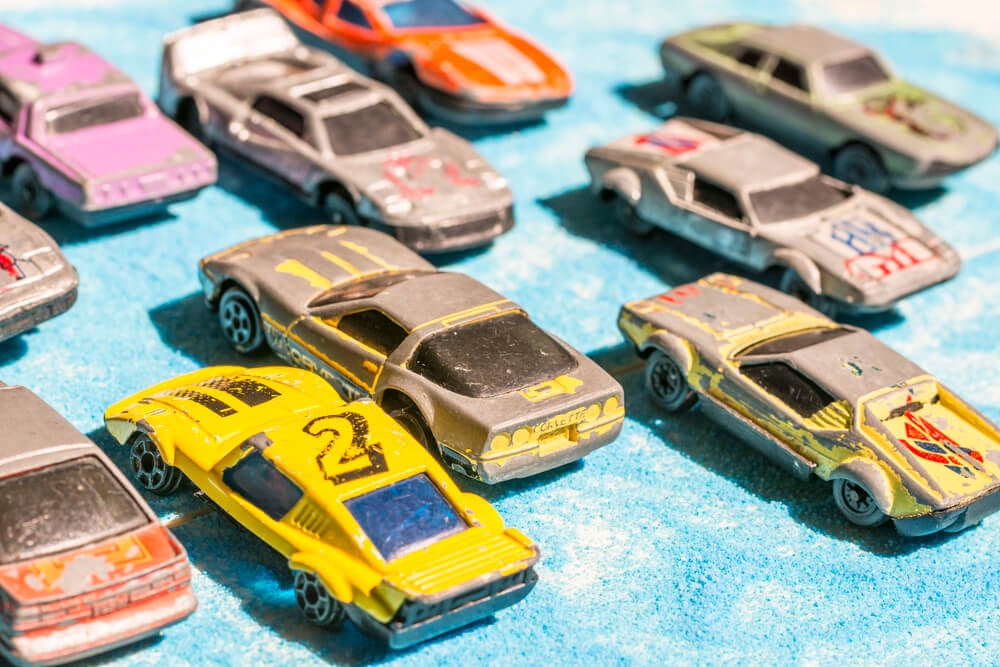
The capsule also includes a mechanical spring-driven toy car and a small doll, labeled in the inventory as the toys for a boy and a girl. The labels capture assumptions about childhood in 1938 as clearly as the toys themselves.
Future viewers will be able to see how the era divided its playthings.
A Mickey Mouse Cup
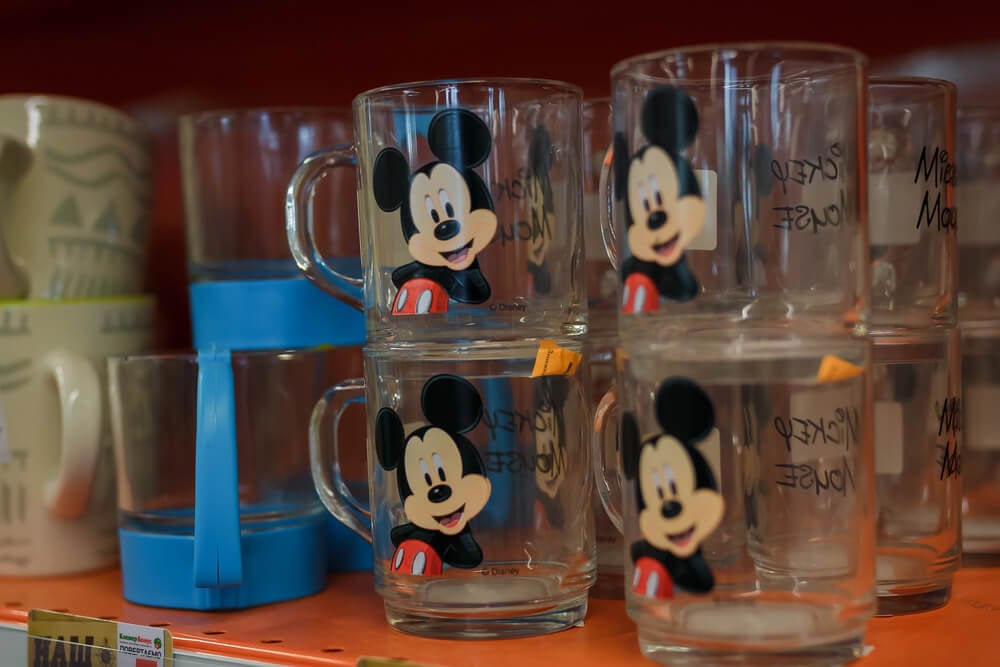
A child’s plastic cup decorated with Mickey Mouse is part of the Westinghouse collection, representing the popularity of cartoon characters on household goods. Mickey had appeared on screen only about a decade earlier and was already a merchandising force.
The cup is a quiet record of how quickly entertainment spilled into the nursery.
Seeds and Fabric Samples
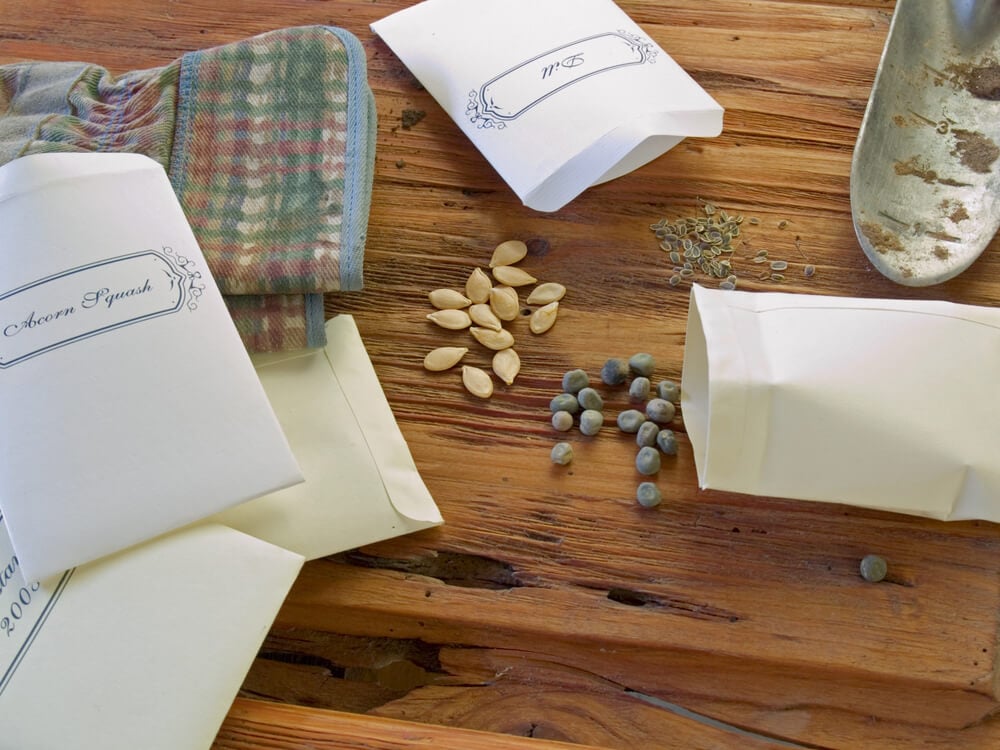
Among the contents of the Westinghouse capsule are seeds and textile samples, included so that future people could see what crops and cloth were common in the late 1930s. These items are the least glamorous in the collection and perhaps the most informative.
Fibers and grains reveal what people ate and wore in ways that grand documents cannot.
A Book of Record on Microfilm
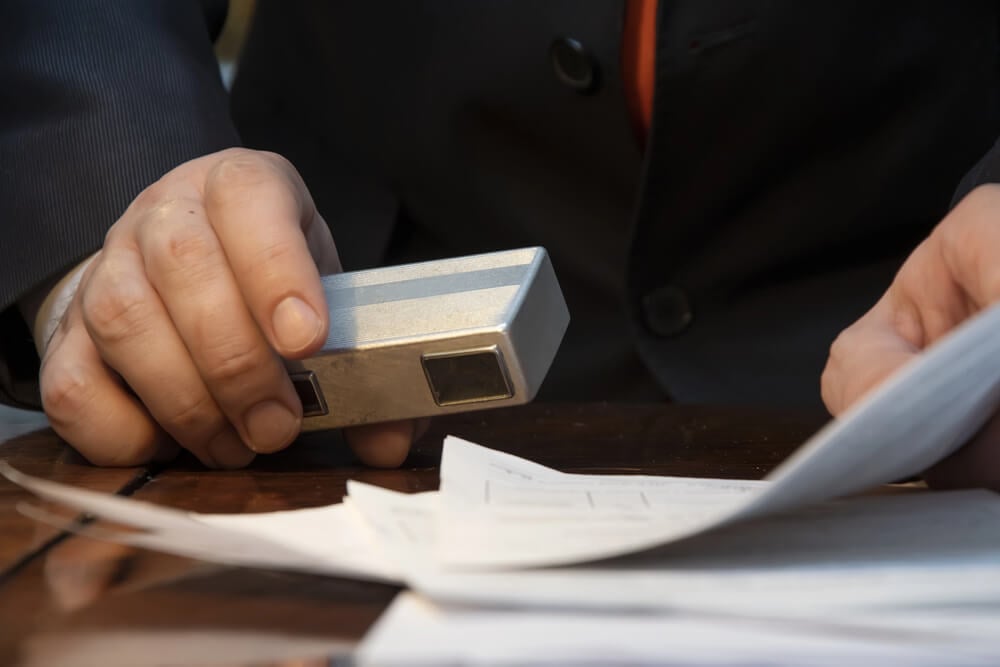
The Westinghouse capsule contains a Book of Record that lists its contents and explains how to find it, with pages photographed onto microfilm. The creators assumed that language and technology would change over thousands of years, so they included instructions for building a reader.
It is one of the earliest attempts to plan for the failure of future communication.
A Donald Duck Toy
— Illustration by nicescene
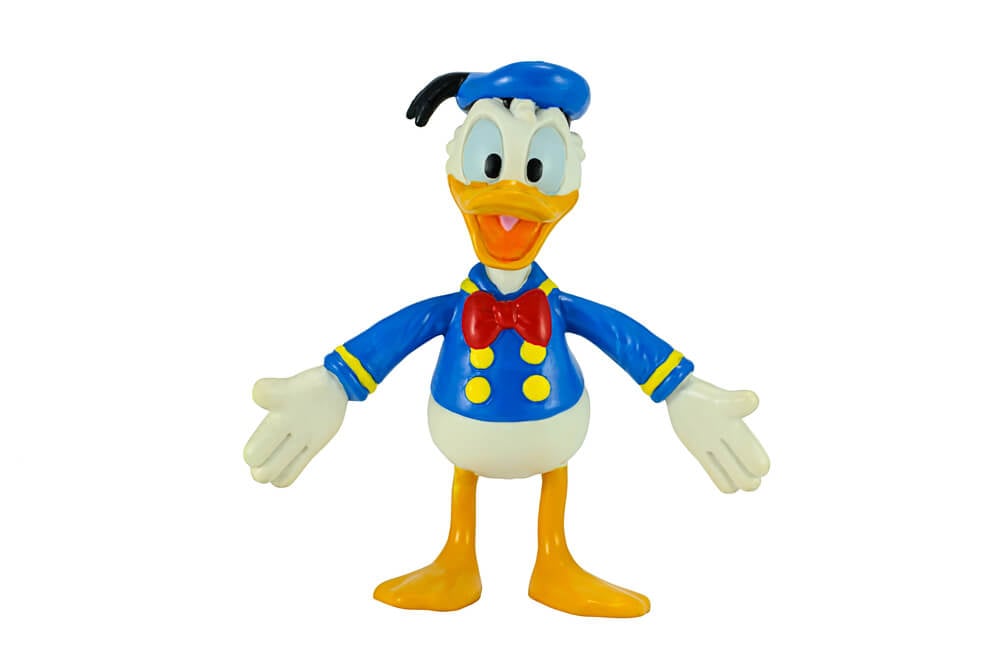
The Crypt of Civilization at Oglethorpe University in Atlanta, sealed in 1940, includes a plastic Donald Duck toy among its sealed contents. The inclusion of a cartoon character in a chamber filled with the world’s great books may seem odd, but it reflects what children actually played with.
It is a small joke that has lasted more than eighty years.
A Lionel Train and Lincoln Logs
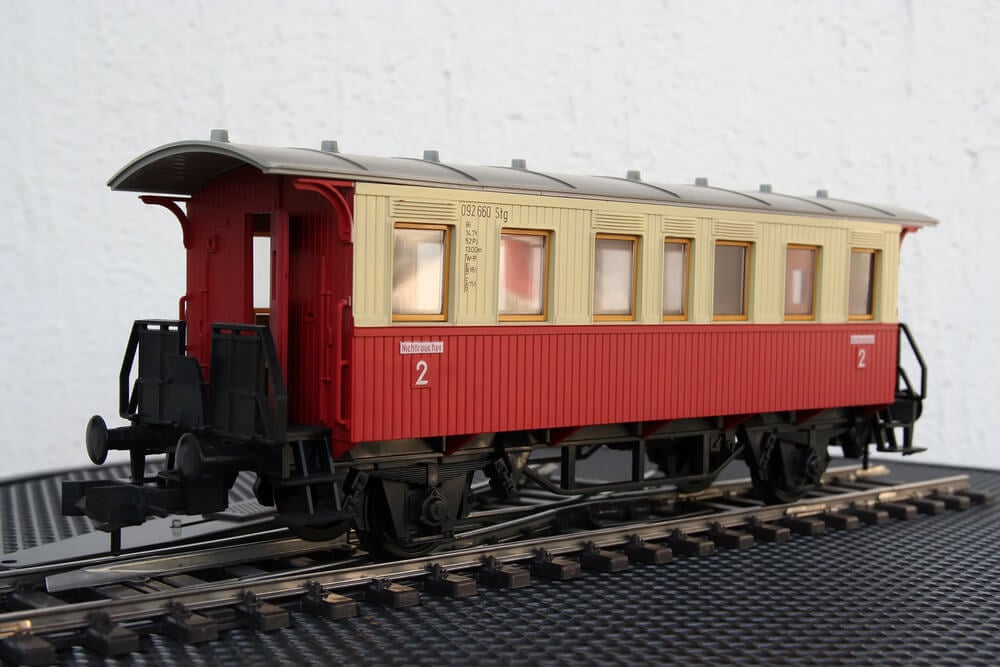
The Crypt also holds a Lionel model train set and a set of Lincoln Logs, two of the best-known American toys of the era. They are the kind of items that survive in attic boxes and rarely make it into museums.
Their presence in the crypt makes childhood part of the record.
Microfilmed Libraries of Knowledge
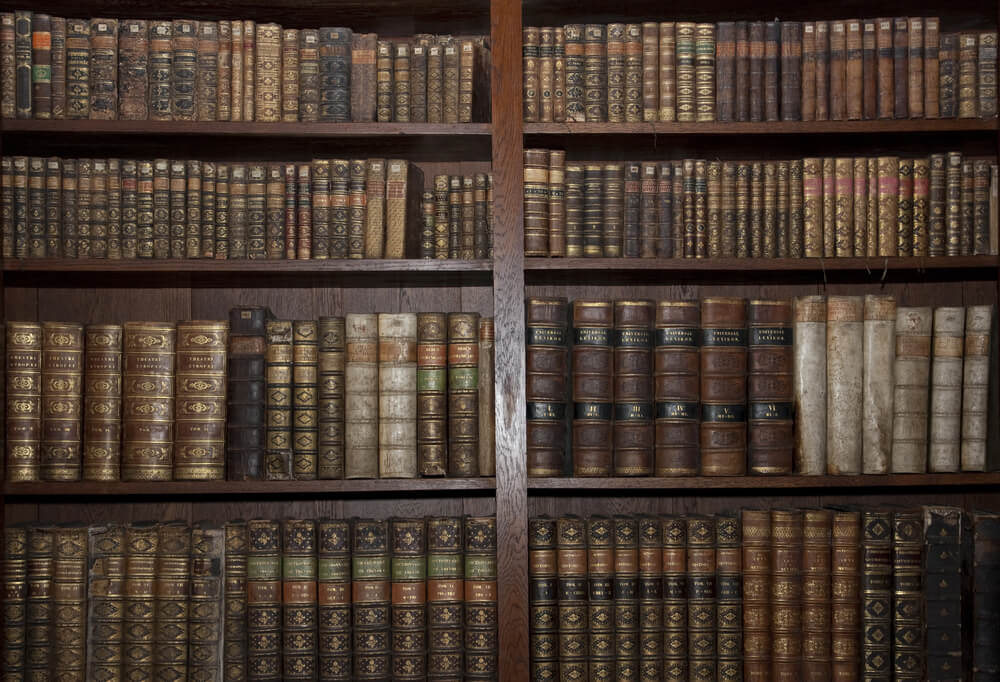
The Crypt of Civilization includes microfilm of hundreds of books on science, history, and the arts, and works of fiction. The organizers tried to compress the world’s knowledge into a single sealed chamber.
The result is a time capsule in the form of a library, designed to be read rather than admired.
A Language Integrator
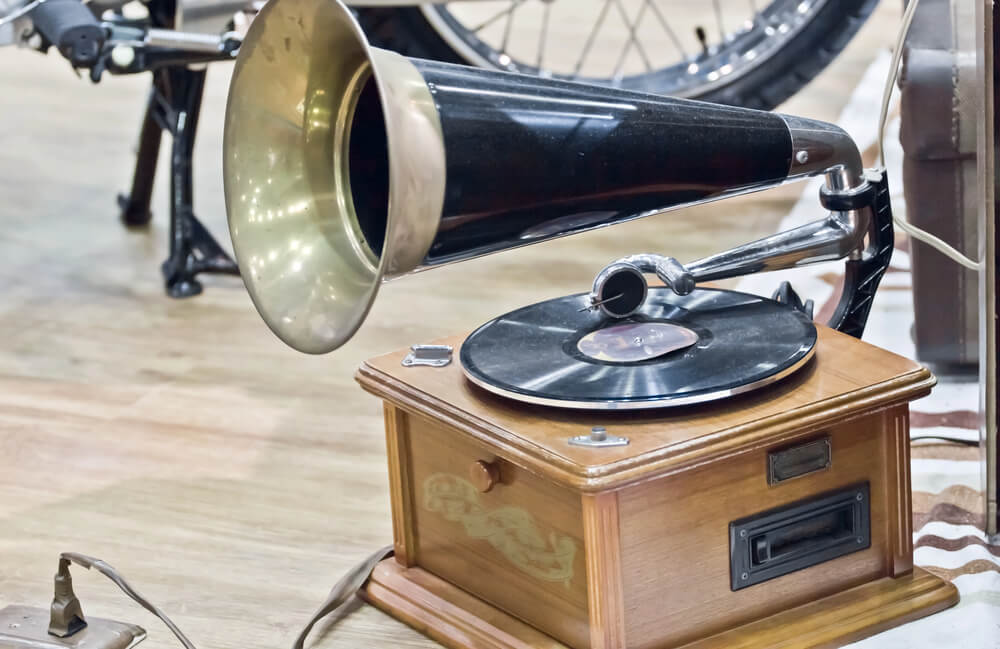
At the front of the Crypt of Civilization sits a machine built to teach those who open it how to speak English. The designers worried that the language would drift over thousands of years, so they included a device with recorded lessons.
It is a rare time capsule object that was designed to explain itself.
A Preserved Bottle of Budweiser
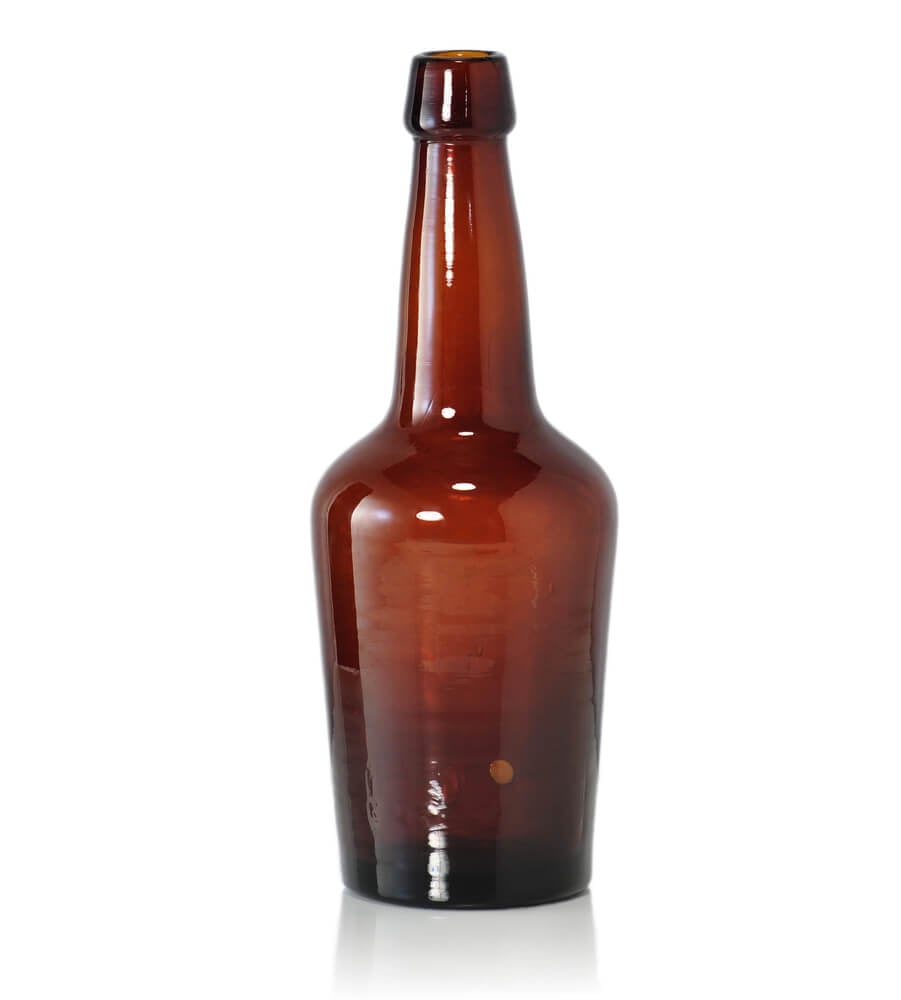
Among the Crypt’s contents is beer, preserved in a special material for future opening. Beer was an everyday pleasure in American life, and its inclusion records a taste rather than a technology.
The fact that it was chosen at all is a reminder that capsule planners did not limit themselves to the serious.
Phonograph Records
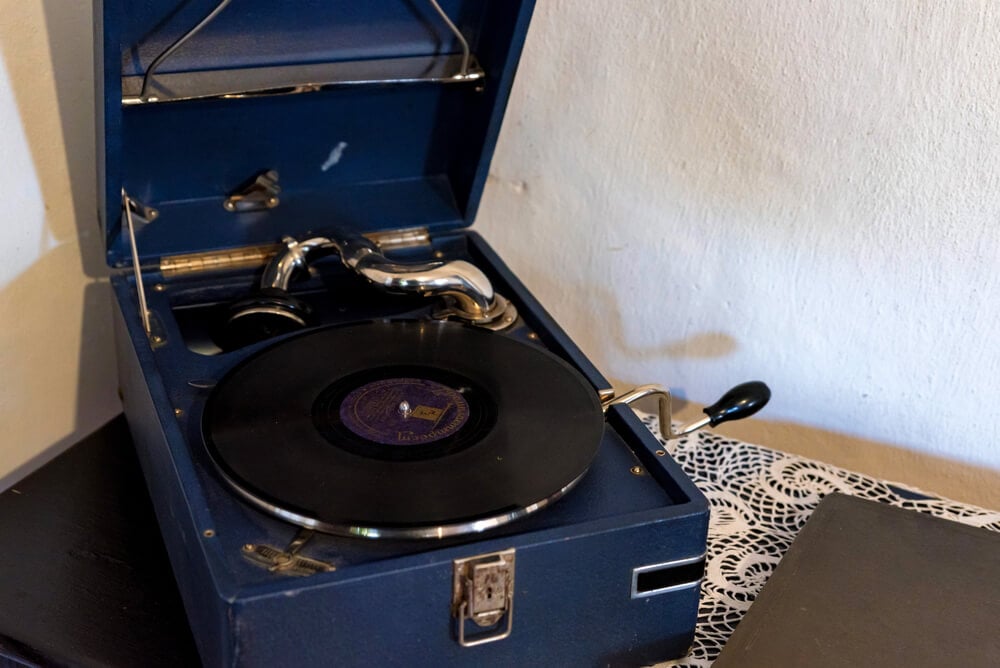
The Crypt contains phonograph records, which preserved the sound of speech and music from the period. Sound recording was still a young technology, and the discs were a way to carry voices into the distant future.
Whether a record player will exist when the chamber opens is a question the designers could not answer.
A 1652 Pine Tree Shilling
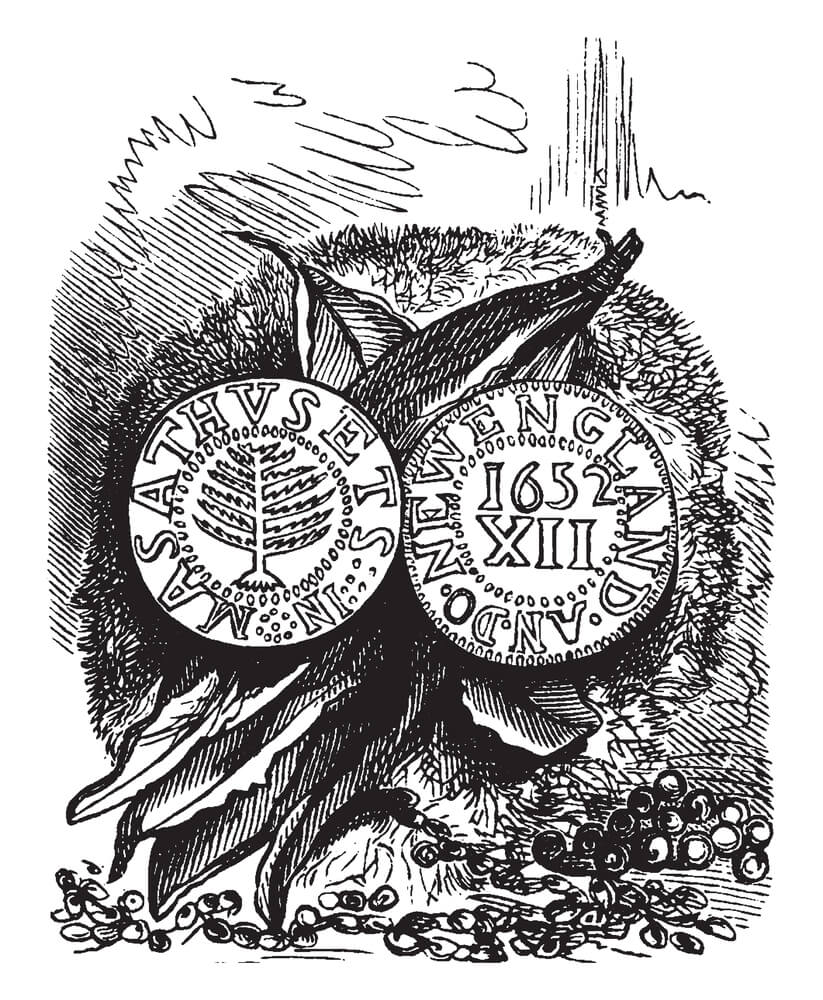
The 1795 time capsule placed under the Massachusetts State House cornerstone by Samuel Adams and Paul Revere contained a pine tree shilling dated 1652. When the capsule was opened in 2015, the coin was one of about two dozen found inside.
Coins are among the most durable records of everyday commerce, and one that was already well over a century old when it was buried says plenty about how long money circulates.
A Medal of George Washington

The Boston capsule includes a copper medal bearing the image of George Washington, a reminder of how quickly the first president became a national symbol. The medal was among the first objects revealed when the capsule was opened.
Its inclusion shows that the founding generation was already thinking about its own place in history.
A Silver Plaque Engraved by Paul Revere
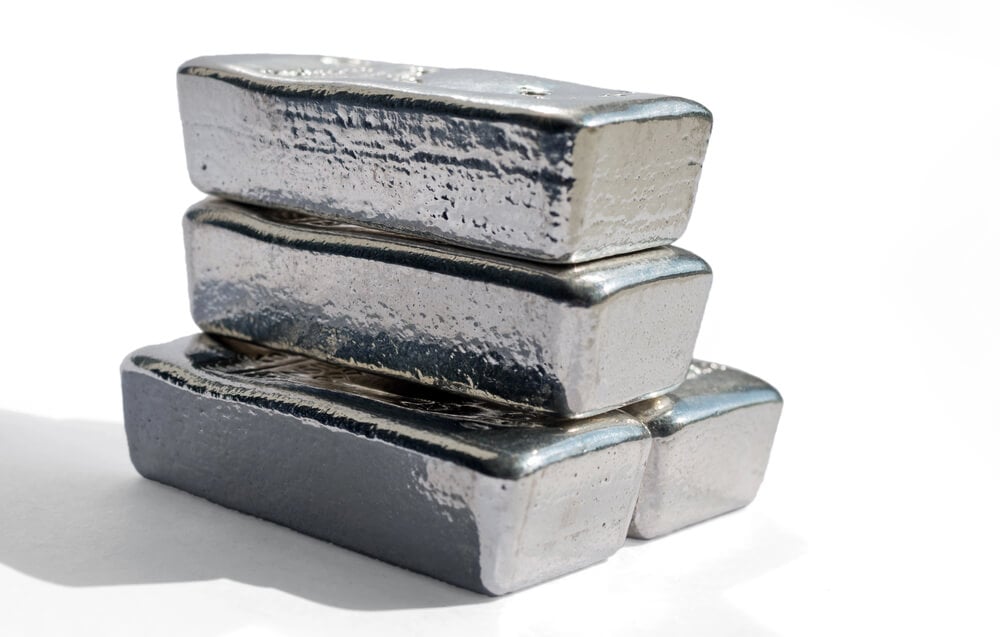
The capsule also holds a silver plaque that experts believe was engraved by Paul Revere, commemorating the laying of the cornerstone in 1795. A plaque is an unusual capsule object because it is a label rather than a relic.
It is also a rare surviving piece of a craftsman better known for a midnight ride.
Boston Newspapers From 1855
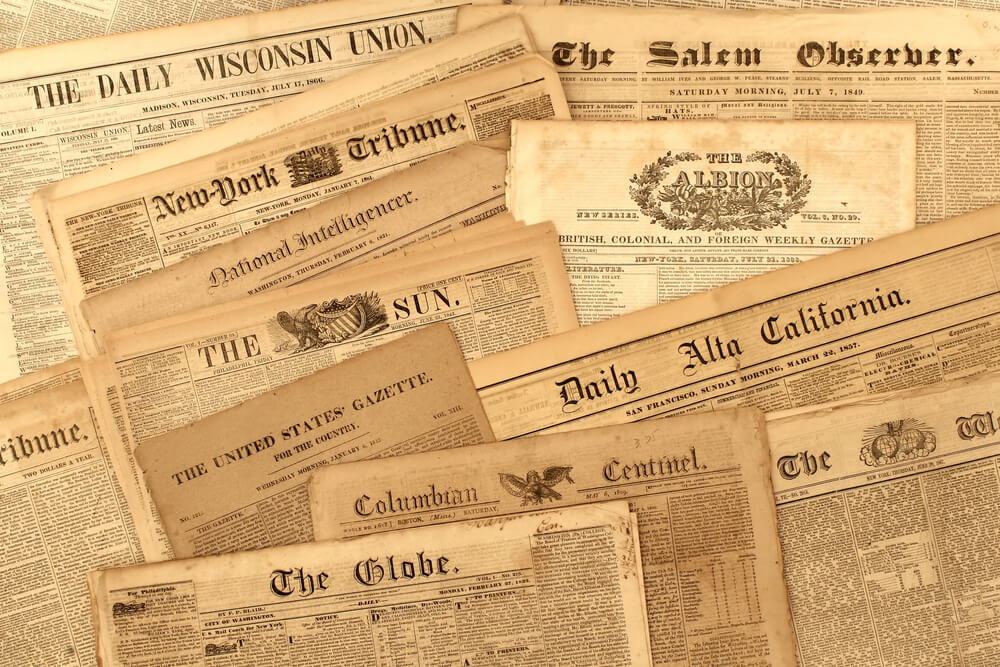
The Boston capsule was opened in 1855 for repairs, and newspapers from that year were added before it was sealed again. Newspapers are some of the best records of daily life because they capture prices, ads, and gossip that history books leave out.
The fact that they survived in a copper box for 160 years is testament to how well the seal worked.
What Ordinary Objects Leave Behind
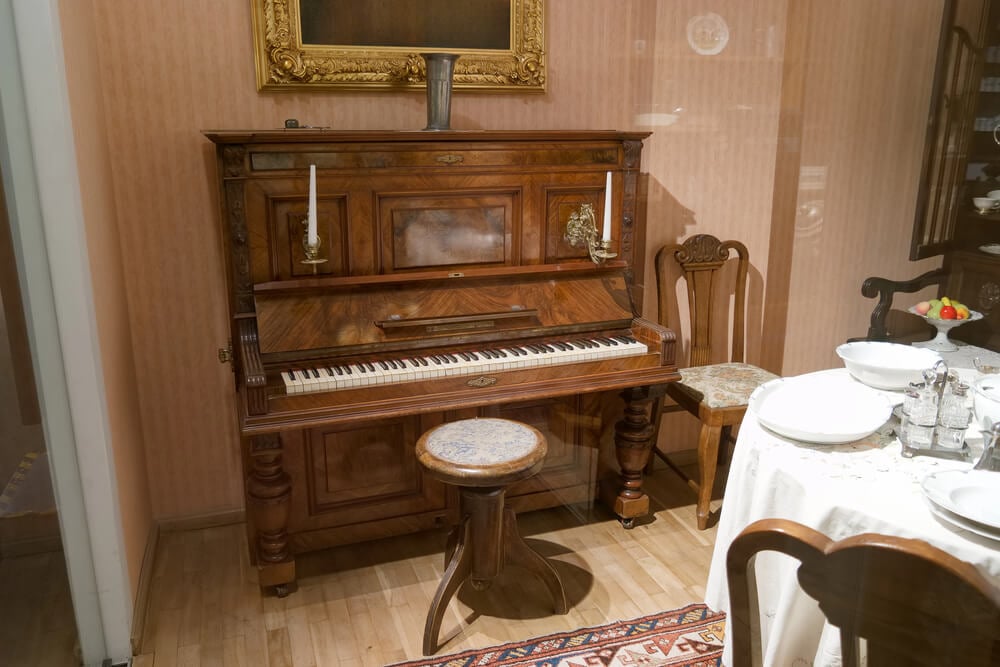
The most revealing capsule contents are the ones chosen without much thought. A toy, a cup, or an alarm clock says more about a time than a speech does, because it shows what people reached for every day.
Capsule builders spend years deciding what to include, and what survives is often the opposite of what they expected to matter. The lesson is to save the ordinary, because the extraordinary has a way of preserving itself.
More from Go2Tutors!

- 27 Silver Dollars and Half Dollars Worth Keeping
- 28 Restaurant Menu Items Nobody Orders Anymore
- 17 Places Built in Seemingly Impossible Spots
- 27 Vintage Rings Worth More Than They Look
- 25 Restricted Sites Tourists Can’t Enter
Like Go2Tutors’s content? Follow us on MSN.