The Most Iconic Mansions in the World
When it comes to grand living, some homes go way beyond what most of us can even imagine. These aren’t just houses with a few extra bedrooms.
We’re talking about properties with their own zip codes, staff larger than small companies, and price tags that could fund entire towns. From European palaces that have stood for centuries to brand-new billionaire playgrounds in Los Angeles, these mansions represent the absolute pinnacle of luxury and architectural ambition.
Here is a list of the most iconic mansions that exist around the globe today.
Biltmore Estate
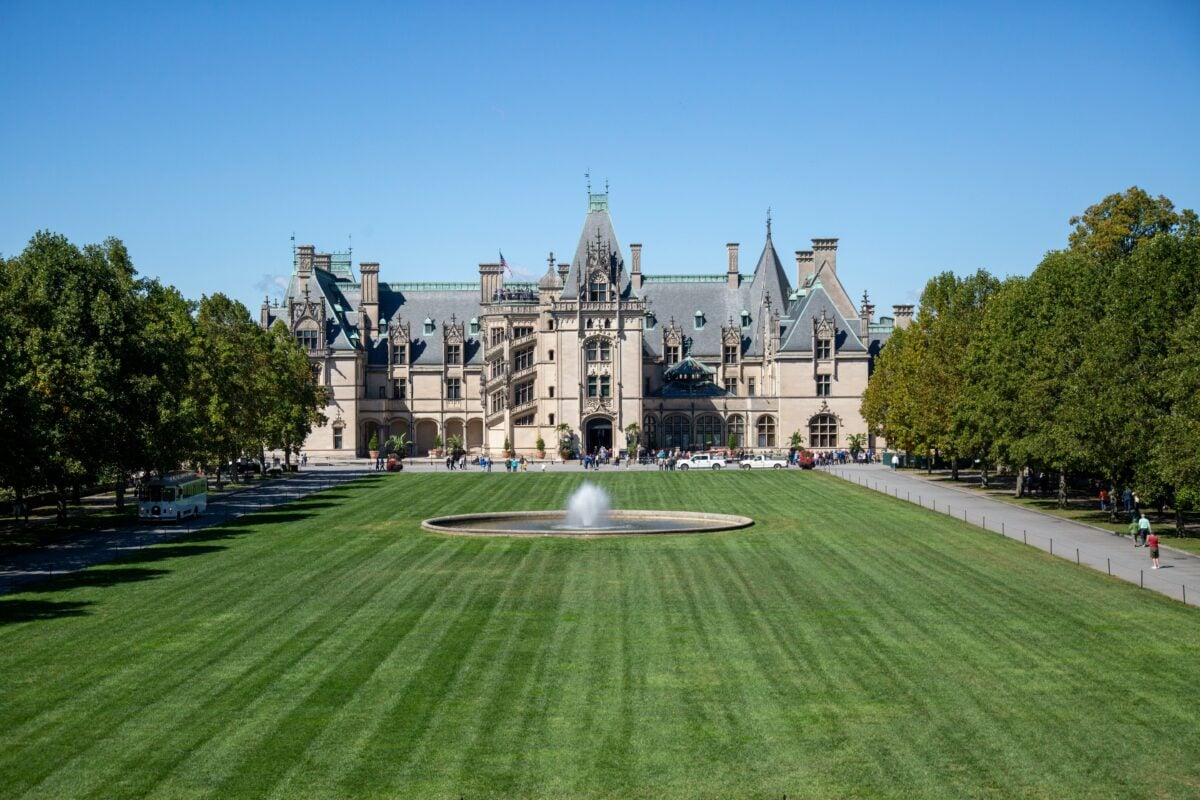
Sitting in the mountains of Asheville, North Carolina, this beast is the largest privately owned home in the United States at 175,000 square feet. George Vanderbilt built it between 1889 and 1895, packing in 250 rooms, 65 fireplaces, and enough Gilded Age opulence to make your head spin.
The estate sprawls across 8,000 acres and still operates as a working farm and winery, drawing over a million visitors each year who come to gawk at its French château-style architecture and meticulously maintained gardens.
Buckingham Palace
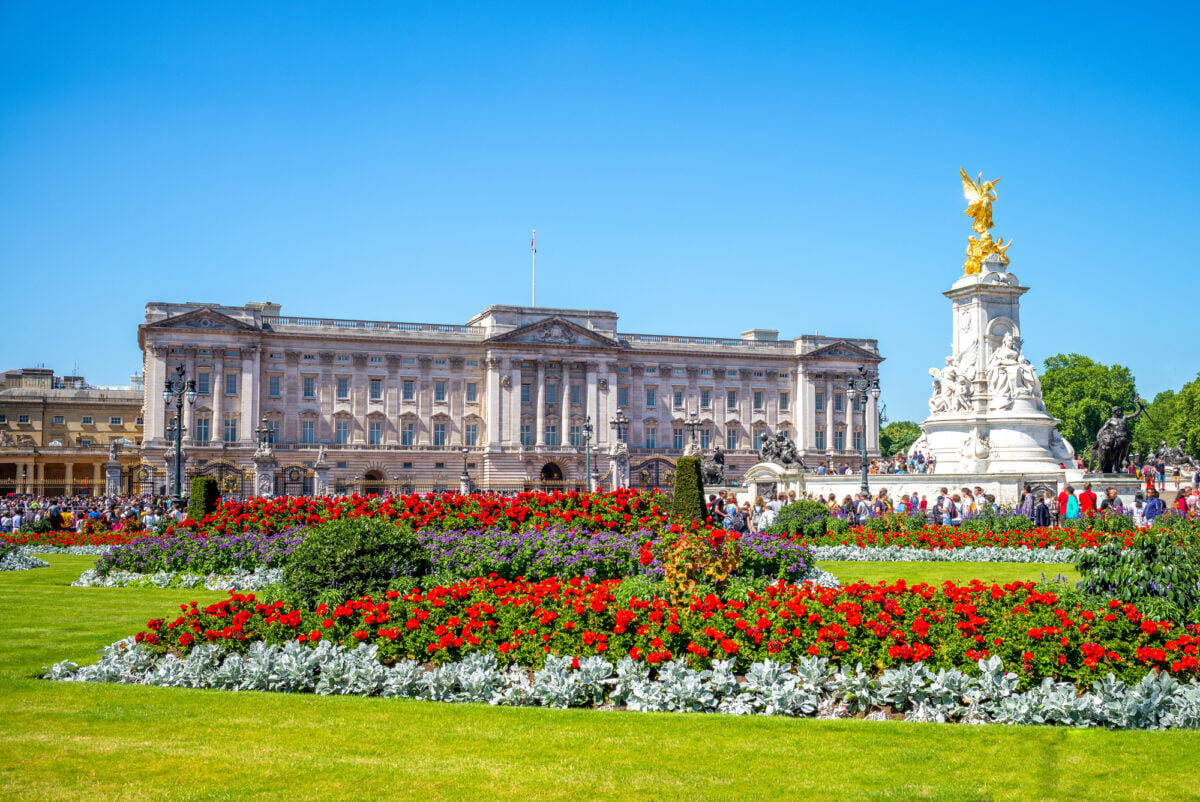
This is probably the most recognizable mansion on the planet, serving as the official London residence of the British monarch since 1837. With 775 rooms spread across the massive complex, it functions as both a home and the administrative headquarters for the royal family.
The State Rooms open to visitors each summer, revealing priceless Rembrandts and Vermeers hanging on the walls, gilded everything, and a level of formality that makes your average mansion look like a studio apartment.
Palace of Versailles
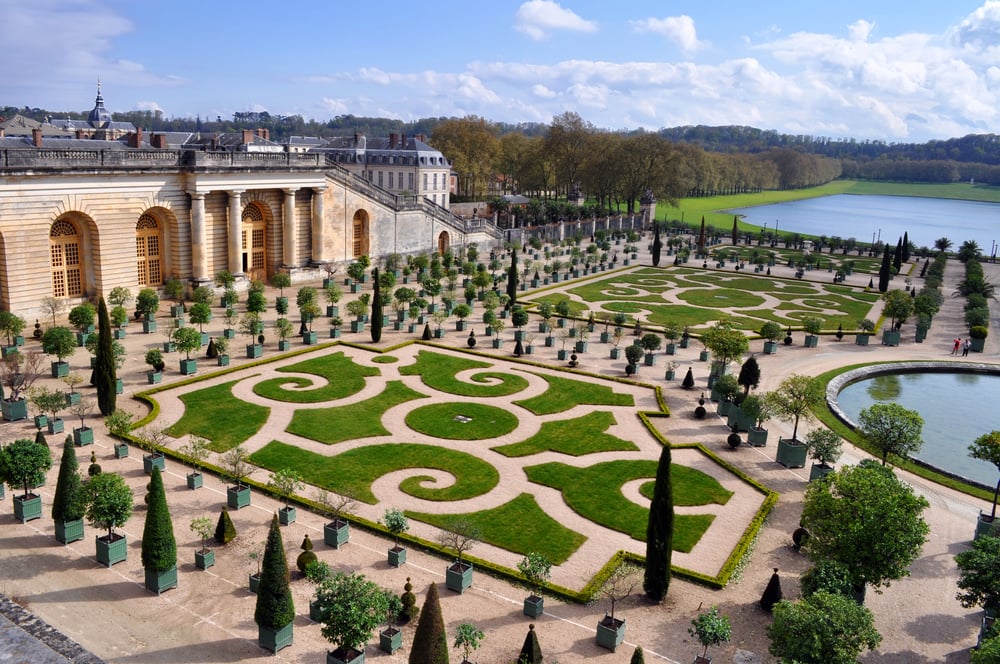
Originally a hunting lodge for King Louis XIII in 1623, his son Louis XIV transformed it into the ultimate power statement with 2,300 rooms sprawling across nearly 2,000 acres. The Hall of Mirrors alone stretches 240 feet long with 357 mirrors reflecting the gardens outside.
This was the center of French political power until the Revolution, and today it stands as a UNESCO World Heritage site that shows exactly what happens when kings have unlimited budgets and zero restraint.
Hearst Castle
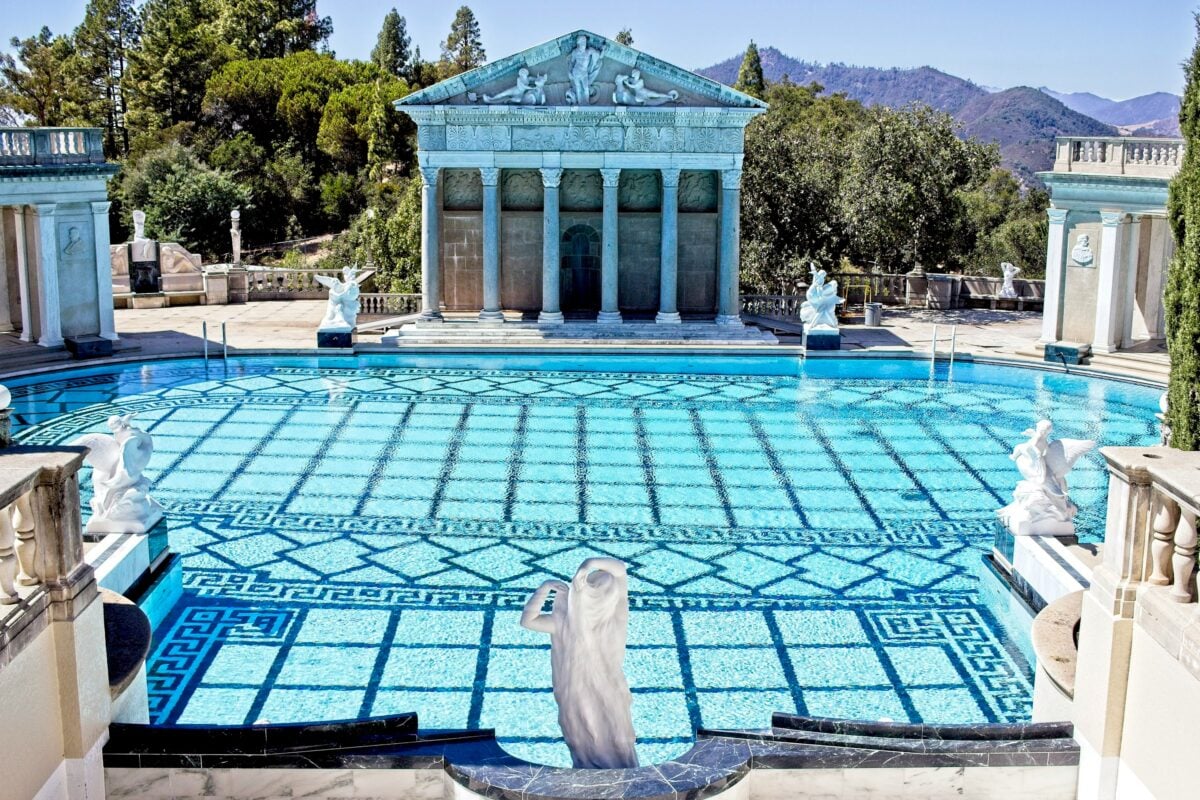
Perched on a hilltop overlooking California’s Central Coast, newspaper magnate William Randolph Hearst spent nearly three decades building this 68,500-square-foot palace with architect Julia Morgan. Construction ran from 1919 to 1947, creating an eclectic mix of Mediterranean Revival architecture stuffed with European antiques, art collections, and enough over-the-top details to inspire Citizen Kane.
The estate includes multiple guest houses, terraced gardens, and Neptune Pool that looks like it belongs in ancient Rome.
Alhambra
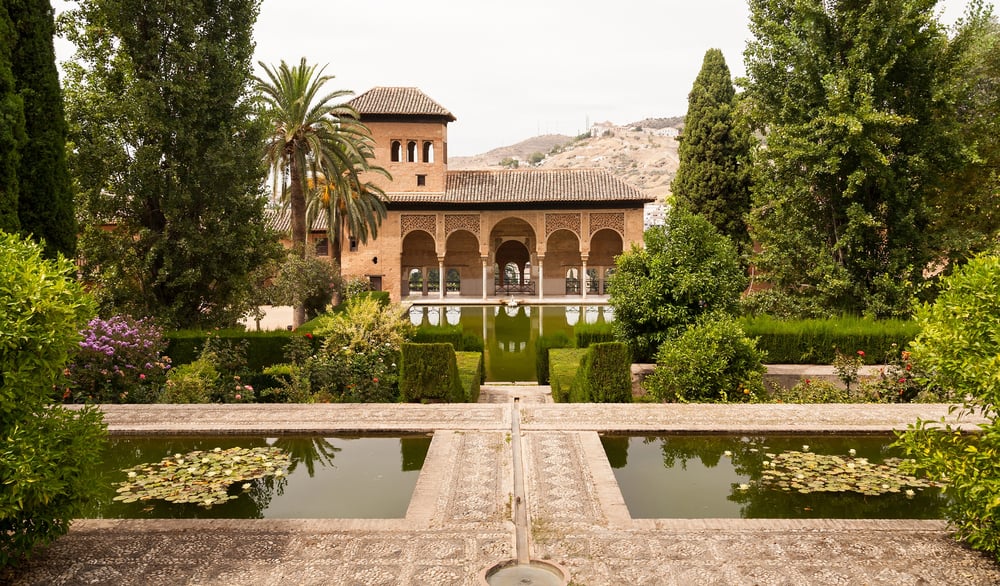
This fortress and palace complex in Granada, Spain, represents some of the finest Islamic architecture still standing in Europe. Built by Nasrid sultans starting in the 13th century, it features impossibly intricate carved stucco, colorful tile mosaics, and courtyards designed around reflecting pools and fountains.
The Court of the Lions alone could keep you staring for hours at the geometric patterns and Arabic calligraphy covering every surface. After Christian forces took Granada in 1492, they added a Renaissance palace that somehow doesn’t ruin the whole vibe.
Schönbrunn Palace
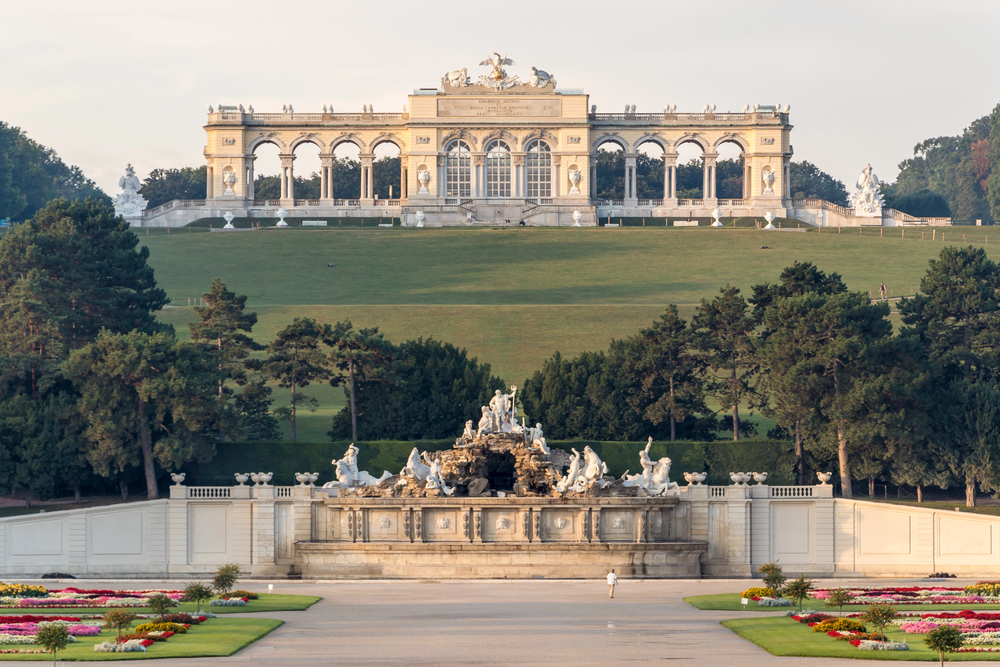
The Habsburg emperors used this 1,441-room Rococo palace as their summer residence just outside Vienna. Built between 1696 and 1712, it became the glittering center of imperial court life under Empress Maria Theresa. Mozart performed here in 1772, and the extensive gardens include the world’s oldest zoo, a maze, and the Gloriette marble summerhouse perched on a hill 200 feet above the grounds.
The warm yellow exterior and elaborate interiors make it one of Austria’s most visited attractions.
Oheka Castle
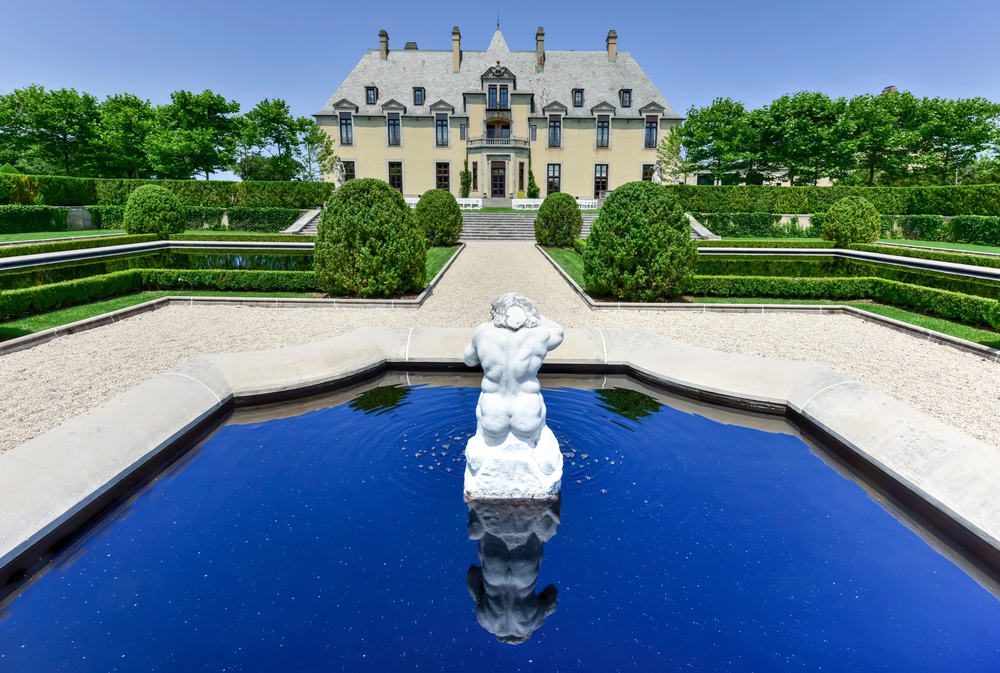
This French-style château on Long Island ranks as the second-largest private residence in the United States at 109,000 square feet. Financier Otto Hermann Kahn built it between 1914 and 1919 as a summer home, and the name comes from his initials. The estate inspired The Great Gatsby and has appeared in everything from Citizen Kane to Taylor Swift music videos.
Today it operates as a hotel and event venue, hosting lavish parties that would make Jay Gatsby proud.
Istana Nurul Iman
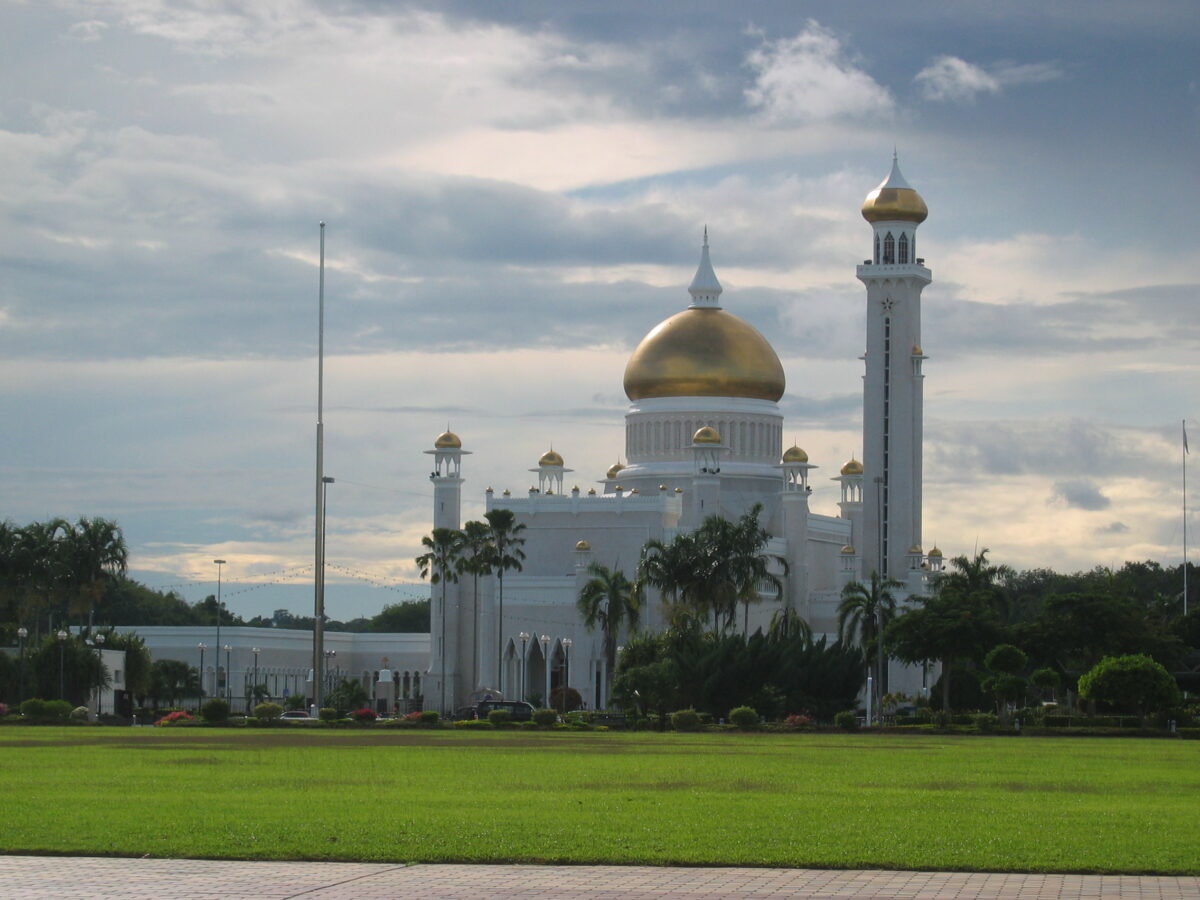
The Sultan of Brunei’s official residence holds the title of world’s largest residential palace at nearly 2.2 million square feet. Built in 1984 for about $1.5 billion, it contains 1,788 rooms including 257 bathrooms, a banquet hall that holds 5,000 people, a mosque for 1,500 worshippers, and an air-conditioned stable for 200 polo ponies.
The 110-car garage barely scratches the surface of the excess packed into this gleaming symbol of oil wealth.
Taj Mahal
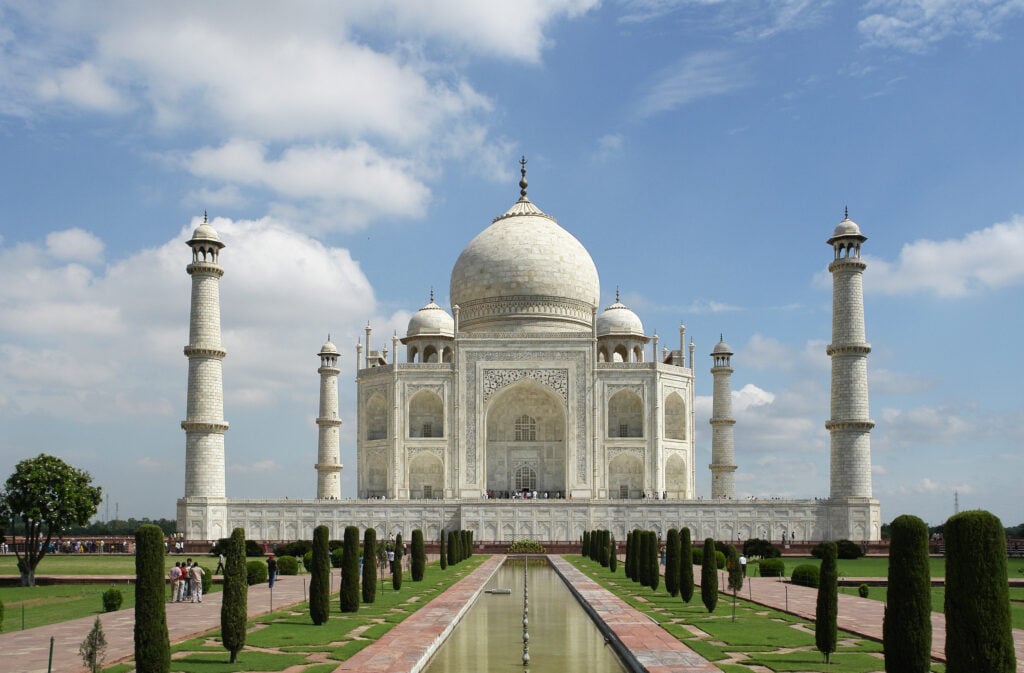
While technically a mausoleum rather than a residence, this white marble masterpiece in Agra has become one of the most iconic buildings on Earth. Mughal Emperor Shah Jahan built it between 1632 and 1647 to honor his deceased wife Mumtaz Mahal.
The structure changes color throughout the day, appearing pink at dawn, brilliant white at noon, and golden at sunset. Perfect symmetry defines every element, from the minarets flanking the dome to the reflecting pool and surrounding gardens divided into precise quadrants.
Mysore Palace
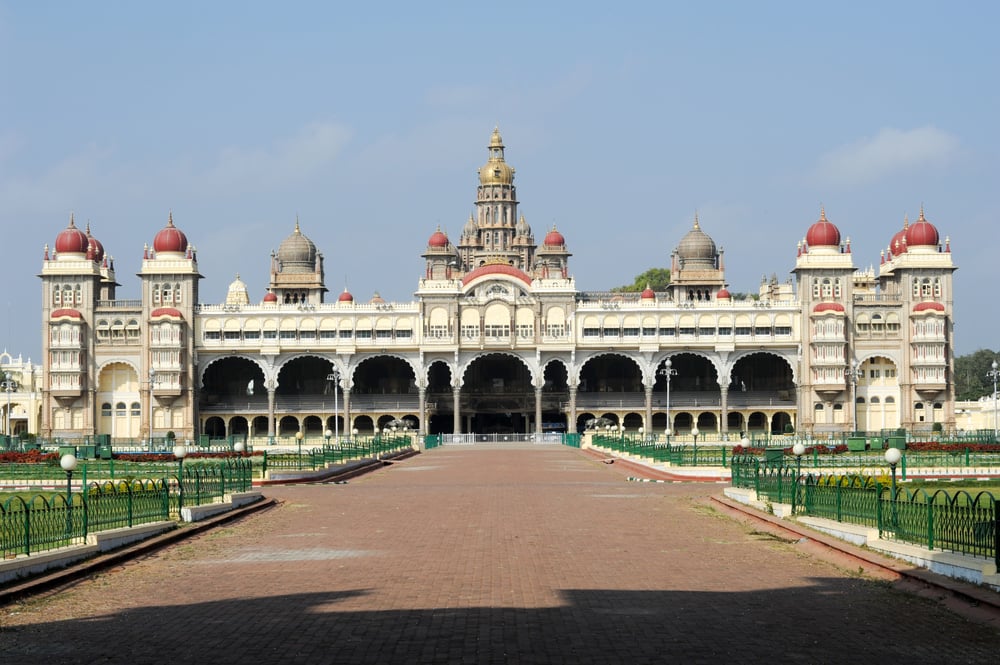
This Indo-Saracenic architectural marvel in Karnataka, India, combines Hindu, Mughal, Rajput, and Gothic styles into something completely unique. The current structure was completed in 1912, though palaces have stood on this site since the 14th century. Inside you’ll find 12 temples, elaborate durbar halls with carved columns, and details picked out in semi-precious stones.
Every evening, 97,000 lights illuminate the exterior, making it even more spectacular. After the Taj Mahal, this is India’s most visited monument.
Still Standing After All These Years
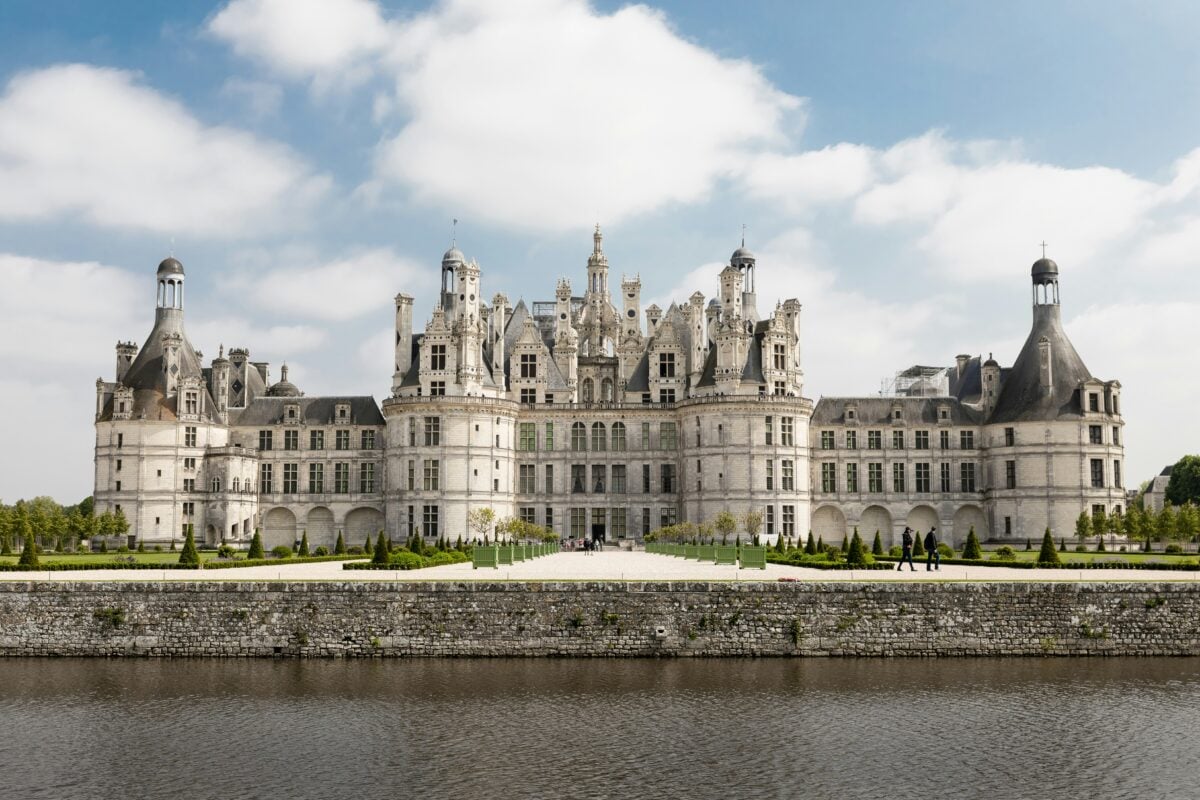
These mansions tell the story of how humans have always needed to show off, whether they’re 13th-century sultans, 19th-century railroad barons, or 21st-century tech billionaires. Some have survived centuries and now serve as museums teaching us about the past.
Others were built last decade and might be demolished in ten years when the next owner wants something different. What connects them all is the universal human impulse to build something so ridiculously large that everyone else has to stop and stare.
More from Go2Tutors!

- The Romanov Crown Jewels and Their Tragic Fate
- 13 Historical Mysteries That Science Still Can’t Solve
- Famous Hoaxes That Fooled the World for Years
- 15 Child Stars with Tragic Adult Lives
- 16 Famous Jewelry Pieces in History
Like Go2Tutors’s content? Follow us on MSN.