14 Ordinary Household Possessions Preserved in Museum Collections
Museums usually collect treasures, but some of their most revealing objects are the things people used every day. A pair of shoes, a loaf of bread, or a kitchen wall of pans can say more about a life than any crown.
The items below are preserved in museum collections and span more than five thousand years. Each shows how ordinary belongings can survive when circumstances line up.
The Tarkhan Dress
— Photo by ASphoto777
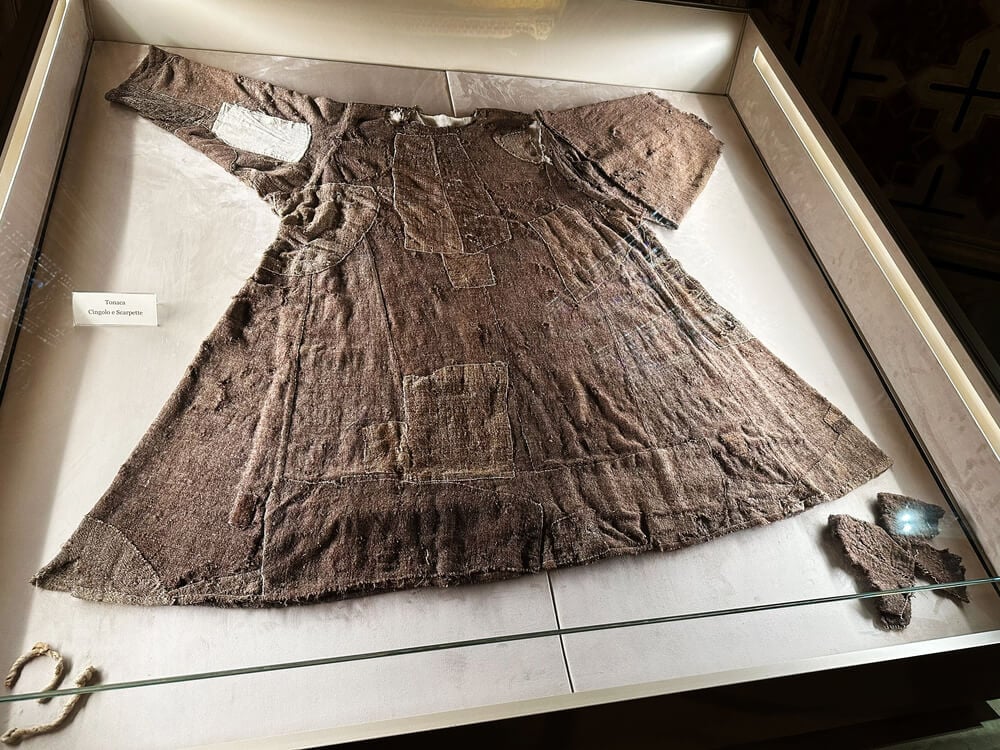
The Tarkhan Dress is a V-neck linen garment that Flinders Petrie excavated at Tarkhan, Egypt, in 1913. It lay unnoticed in a bundle of textiles until conservators at the Victoria and Albert Museum identified it in 1977. Radiocarbon testing in 2015 dated it to between 3482 and 3102 BC, and it is now held at the Petrie Museum in London. The garment was found inside out, as though pulled off over the head, with creases at the elbows from wear.
Skara Brae’s Stone Furniture
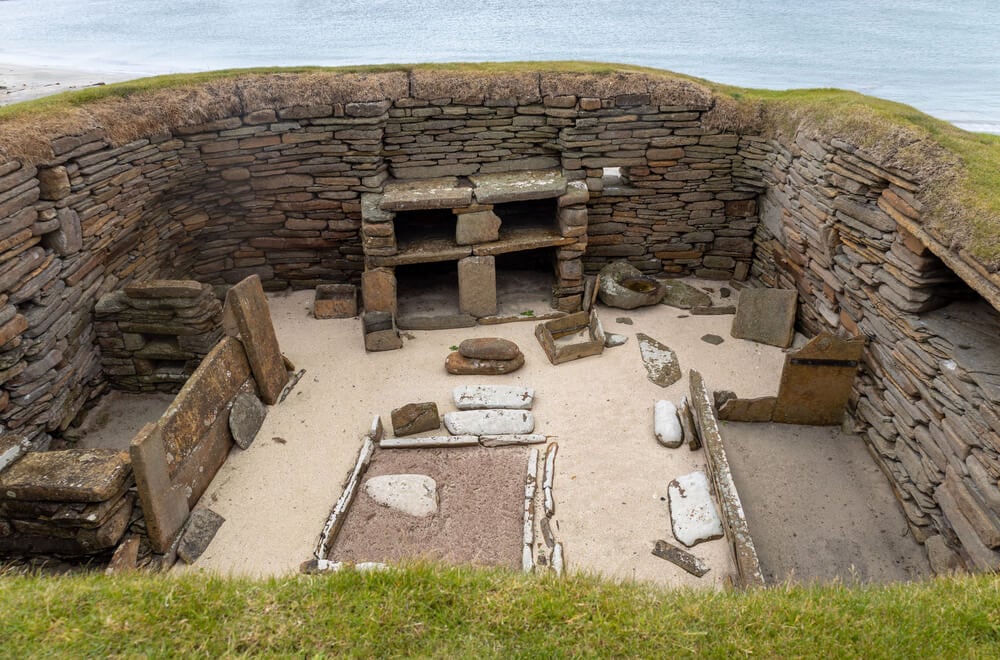
Skara Brae, a Neolithic village on Orkney, was uncovered when a storm in 1850 stripped the dunes that had covered it. Its houses contain stone beds, shelves, and dressers that survive because the builders used stone instead of timber. The settlement was occupied from about 3180 BC, making it older than the pyramids of Giza.
Merit’s Wig and the Tomb of Kha
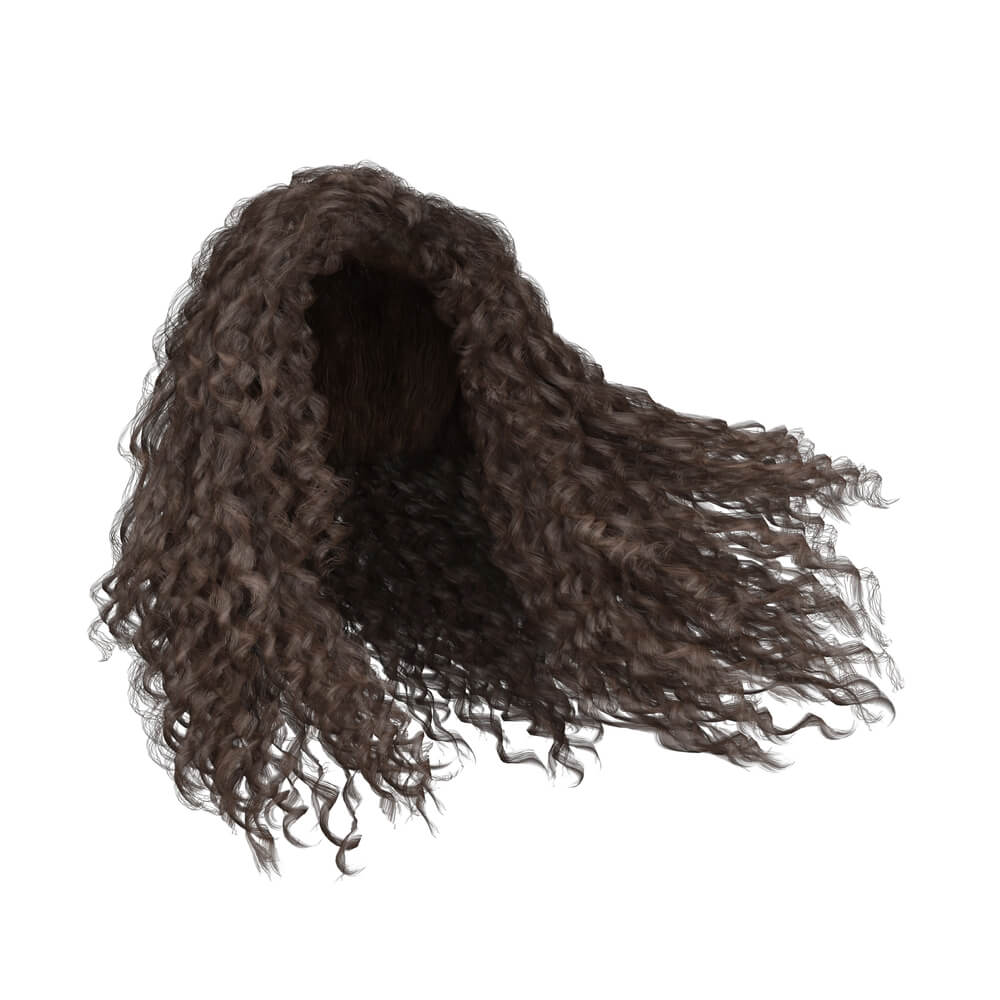
Ernesto Schiaparelli opened the intact tomb of the architect Kha and his wife Merit at Deir el-Medina on February 15, 1906. More than 500 objects came from the tomb, including furniture, clothing, tools, and food for the afterlife. Merit’s wig of human hair, coated at the tips with plant oil, is now in the Museo Egizio in Turin.
The Vindolanda Birthday Invitation

A wooden writing tablet found at the Roman fort of Vindolanda in 1985 carries an invitation to a birthday party, dated to about AD 97 to 103. Claudia Severa wrote to Sulpicia Lepidina, inviting her to a celebration on September 11. The closing greeting is in Severa’s own hand, and the tablet is held by the British Museum.
The Loaf of Herculaneum
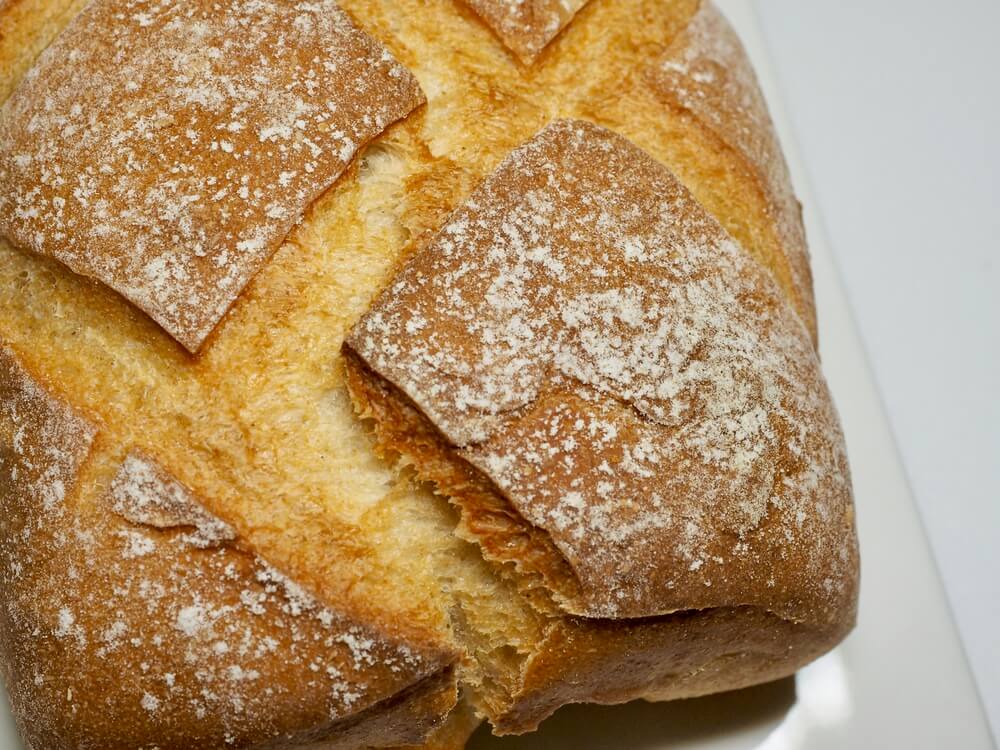
A carbonized loaf found in the House of the Stags at Herculaneum in 1930 bears a stamp reading Of Celer, slave of Quintus Granius Verus. The loaf was baked before Vesuvius erupted in AD 79, and it is now held in the National Archaeological Museum in Naples. Celer’s name appears on a later list of freed slaves, which suggests he survived the eruption.
The Oseberg Ship’s Household Goods
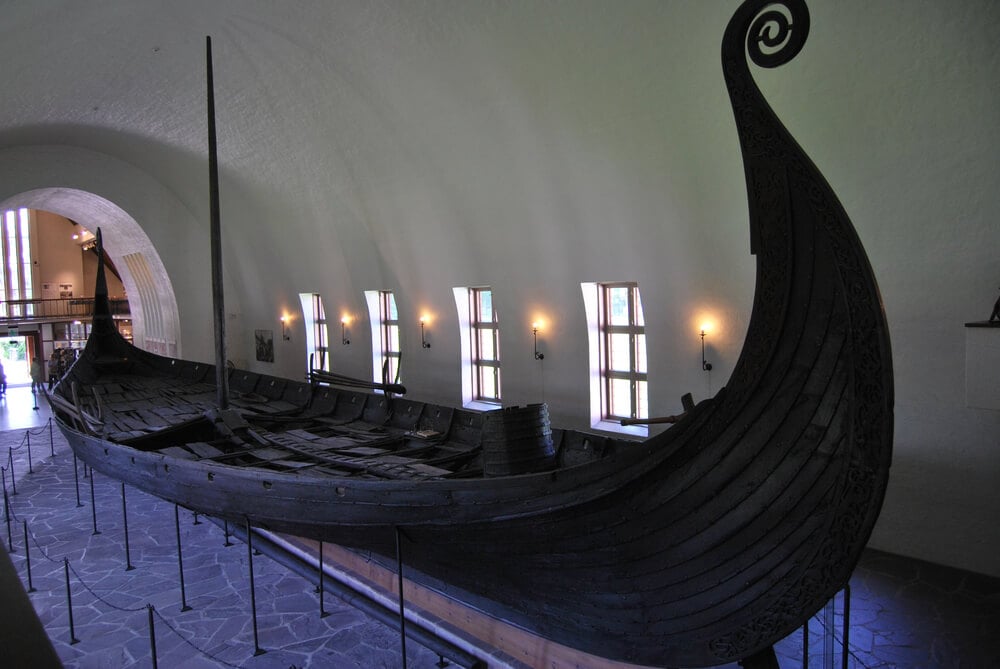
The Oseberg ship burial in Norway, dated by tree rings to AD 834, held beds, sleds, a wooden cart, and kitchen equipment. The ship was excavated in 1904 and 1905, and the household objects are now displayed at the Viking Ship Museum in Oslo. The goods show what a wealthy household needed for the next world.
Concealed Shoes of Northampton
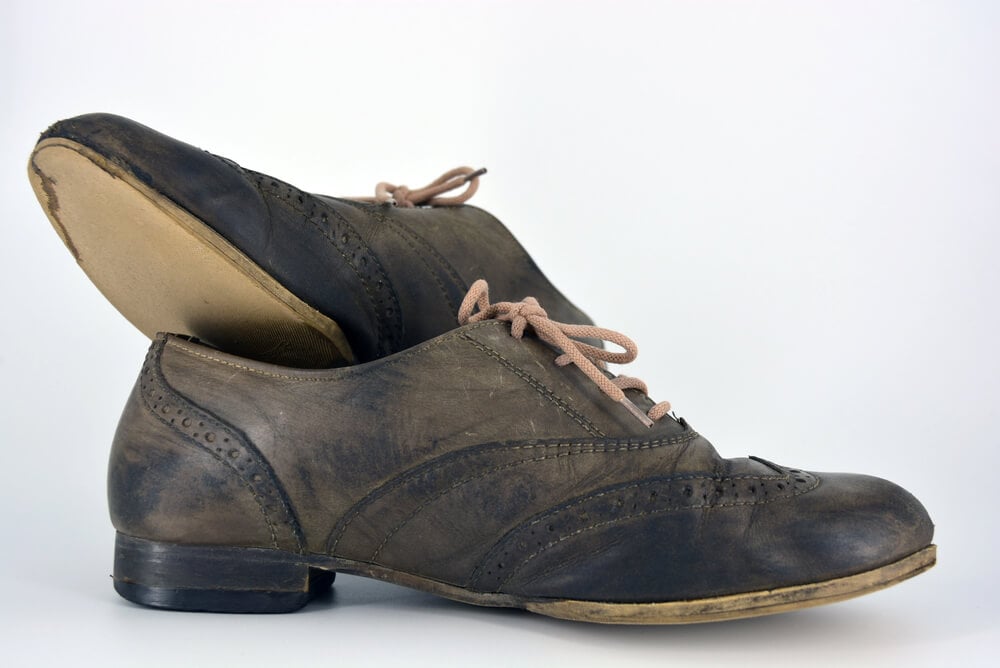
For centuries, people in Britain hid worn shoes in chimneys, walls, and roof spaces, probably to protect a home from evil spirits. June Swann began the Concealed Shoe Index at Northampton Museum in the 1950s, and it now records nearly 3,000 shoes. The shoes survived because they were hidden and forgotten.
Nit Combs from the Mary Rose
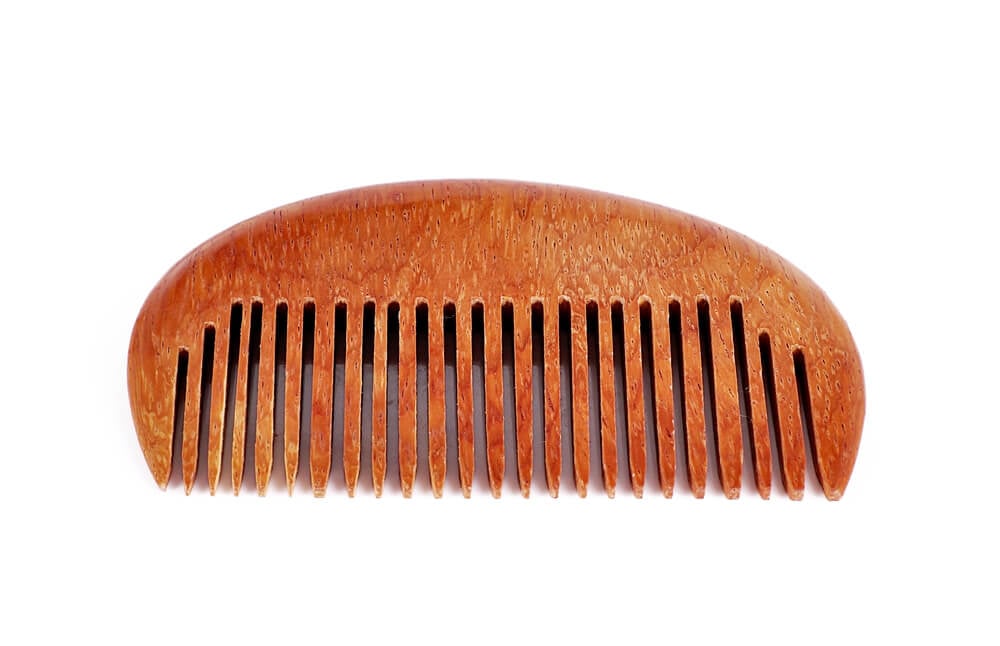
The warship Mary Rose sank in the Solent in 1545 and was raised on October 11, 1982. Divers recovered about 19,000 objects, among them more than 80 nit combs, along with wooden bowls, shoes, and shaving kits. Silt preserved them, and the Mary Rose Museum in Portsmouth opened in 2013.
The Frankfurt Kitchen
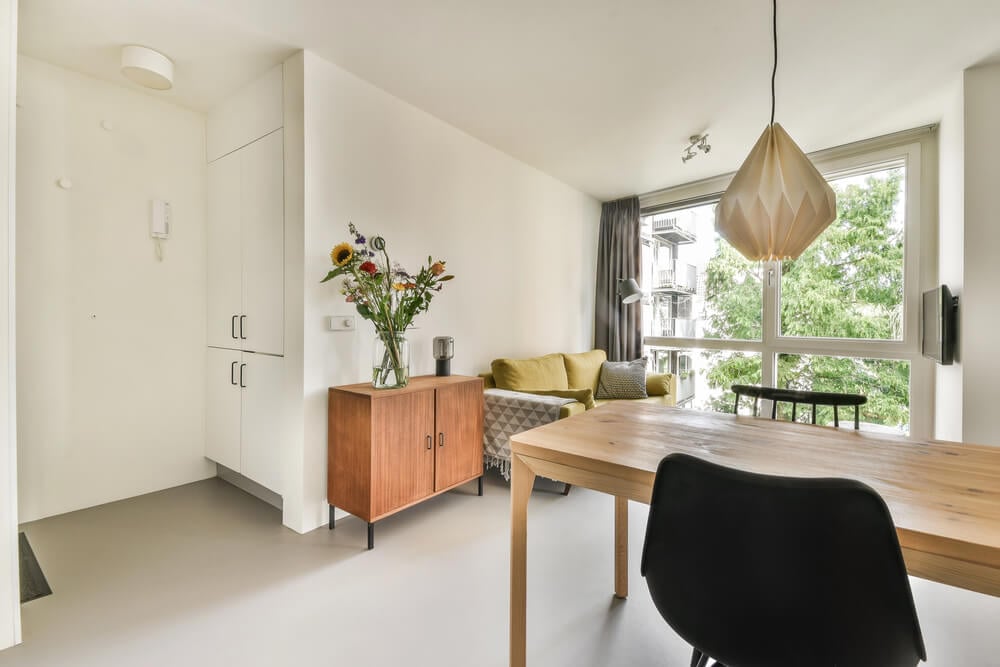
Margarete Schütte-Lihotzky designed the Frankfurt Kitchen in 1926 for the city’s public housing program. She modeled it on the compact kitchens of railway dining cars, with a layout meant to save steps. Thousands of units were installed, and examples are preserved in museums in Vienna and Frankfurt.
The Eames House
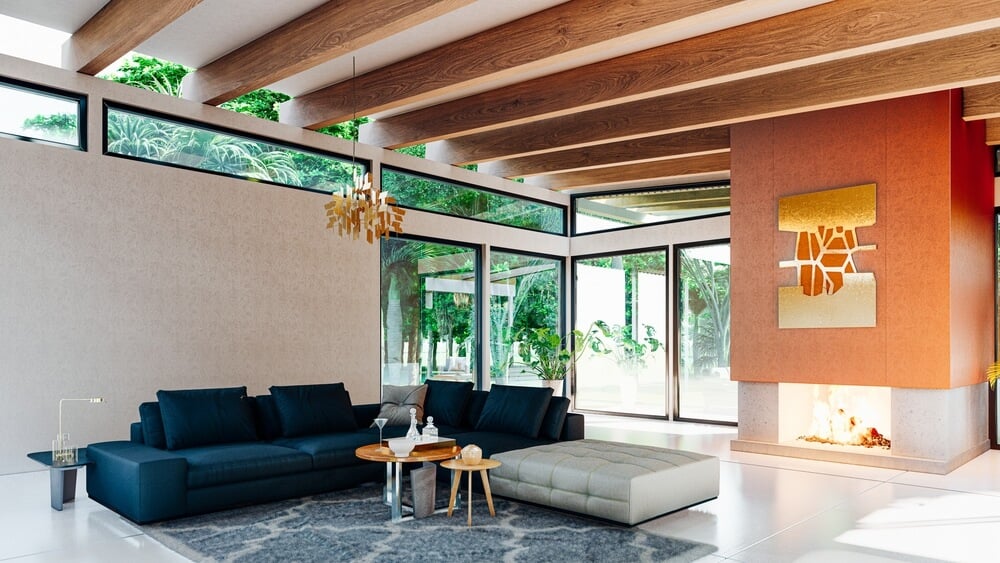
Charles and Ray Eames completed their house in Pacific Palisades, California, in 1949, as part of the Case Study House program. The couple lived there for decades, and the Eames Foundation has kept the interior and its contents in place. Shelves of toys, books, and collected objects remain as they left them.
The Kitchen of Julia Child
DepositPhotos
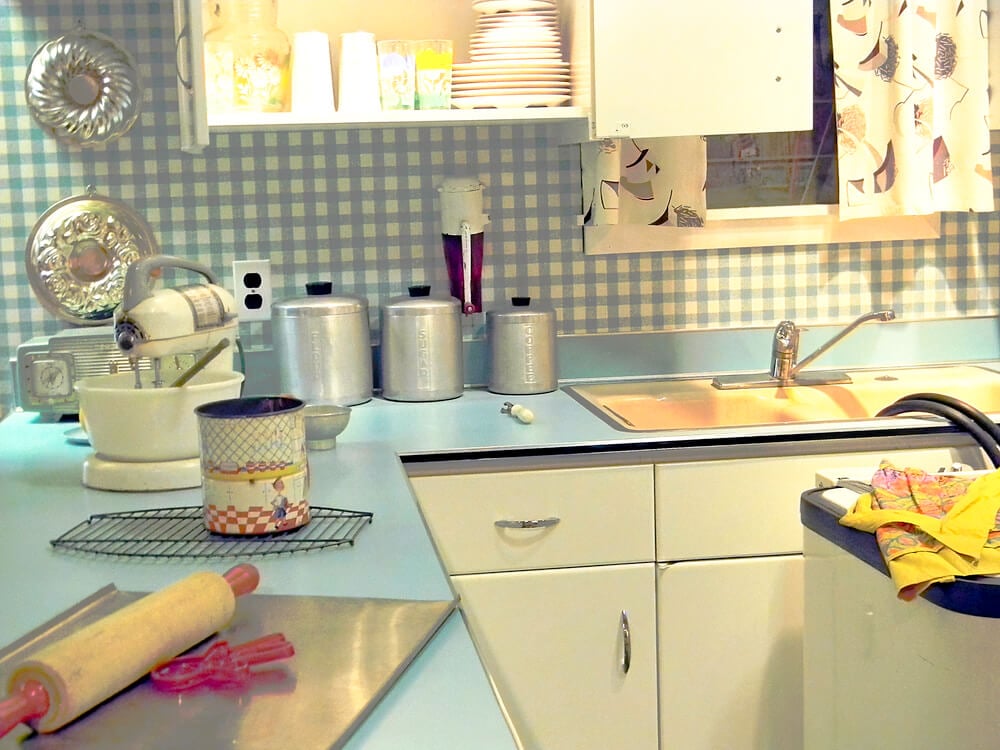
Julia Child donated her Cambridge, Massachusetts, kitchen to the Smithsonian in 2001, and it opened to the public on August 19, 2002. The display holds some 1,200 artifacts, and a blue pegboard where Paul Child drew outlines of each pot and pan so they could be returned to their places. Her copper pots were reunited with the kitchen in 2009.
Hill Top Farm
DepositPhotos
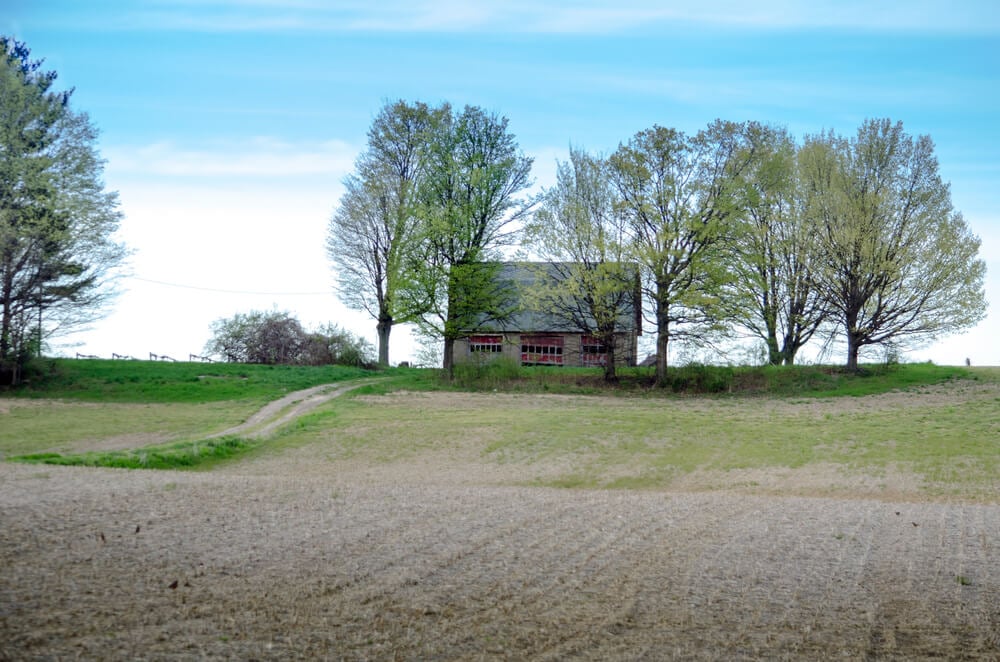
Beatrix Potter bought Hill Top in 1905 with the earnings from her books, and she left it to the National Trust in 1943 with the furniture arranged as she wished. The rooms still hold the china, rugs, and small objects that appear in her illustrations. Visitors can match details in the house to scenes in her stories.
The Tenement at 97 Orchard Street
DepositPhotos
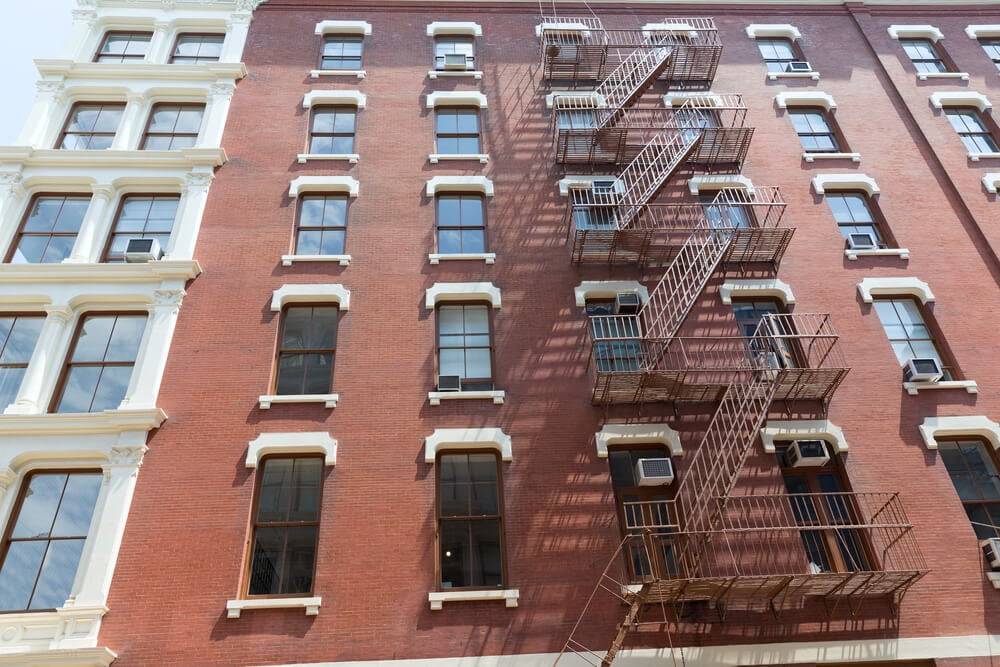
In 1935, the landlord of 97 Orchard Street in New York sealed the upper floors rather than make costly improvements. The apartments sat untouched until 1988, when the Tenement Museum was founded. About 7,000 people from 20 nations lived there between 1863 and 1935, and curators judged that the 14th layer of wallpaper in one apartment was the one in place at the time of the tenants’ departure.
Frida Kahlo’s Locked Bathroom

DepositPhotos
After Diego Rivera’s death in 1957, a bathroom in the Casa Azul in Mexico City was kept locked for decades. When it was opened in 2004, it yielded personal belongings, among them painted plaster corsets and a prosthetic leg. The discovery added to the picture of Frida Kahlo’s daily life.
The Archive Nobody Planned
DepositPhotos
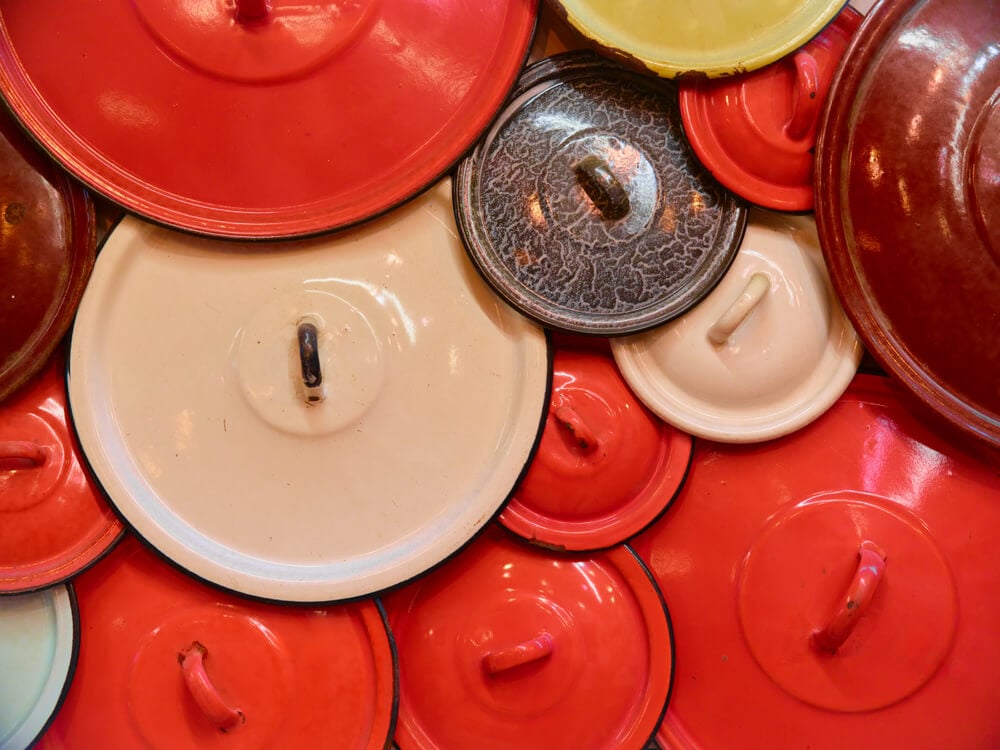
None of these objects was made to be remembered. A dress, a loaf, a pair of shoes, and a kitchen wall of pans were meant for use, then thrown away or left behind. What turned them into records was an accident of burial, sealing, or neglect.
The pattern points to what future museums might hold. The things a household owns today, from phone chargers to coffee mugs, are the likeliest to be forgotten and the likeliest to be needed. The ordinary is the part of history most easily lost.
More from Go2Tutors!

- 27 Silver Dollars and Half Dollars Worth Keeping
- 28 Restaurant Menu Items Nobody Orders Anymore
- 17 Places Built in Seemingly Impossible Spots
- 27 Vintage Rings Worth More Than They Look
- 25 Restricted Sites Tourists Can’t Enter
Like Go2Tutors’s content? Follow us on MSN.