30 Familiar Brands That Started With Different Products
Few companies end up selling what they first set out to sell. Some pivoted out of necessity, others followed a lucky accident, and a few simply outgrew their original trade.
The brands below are household names today, but their first products would surprise most customers. Each one shows how a business can survive by changing what it makes.
Nokia
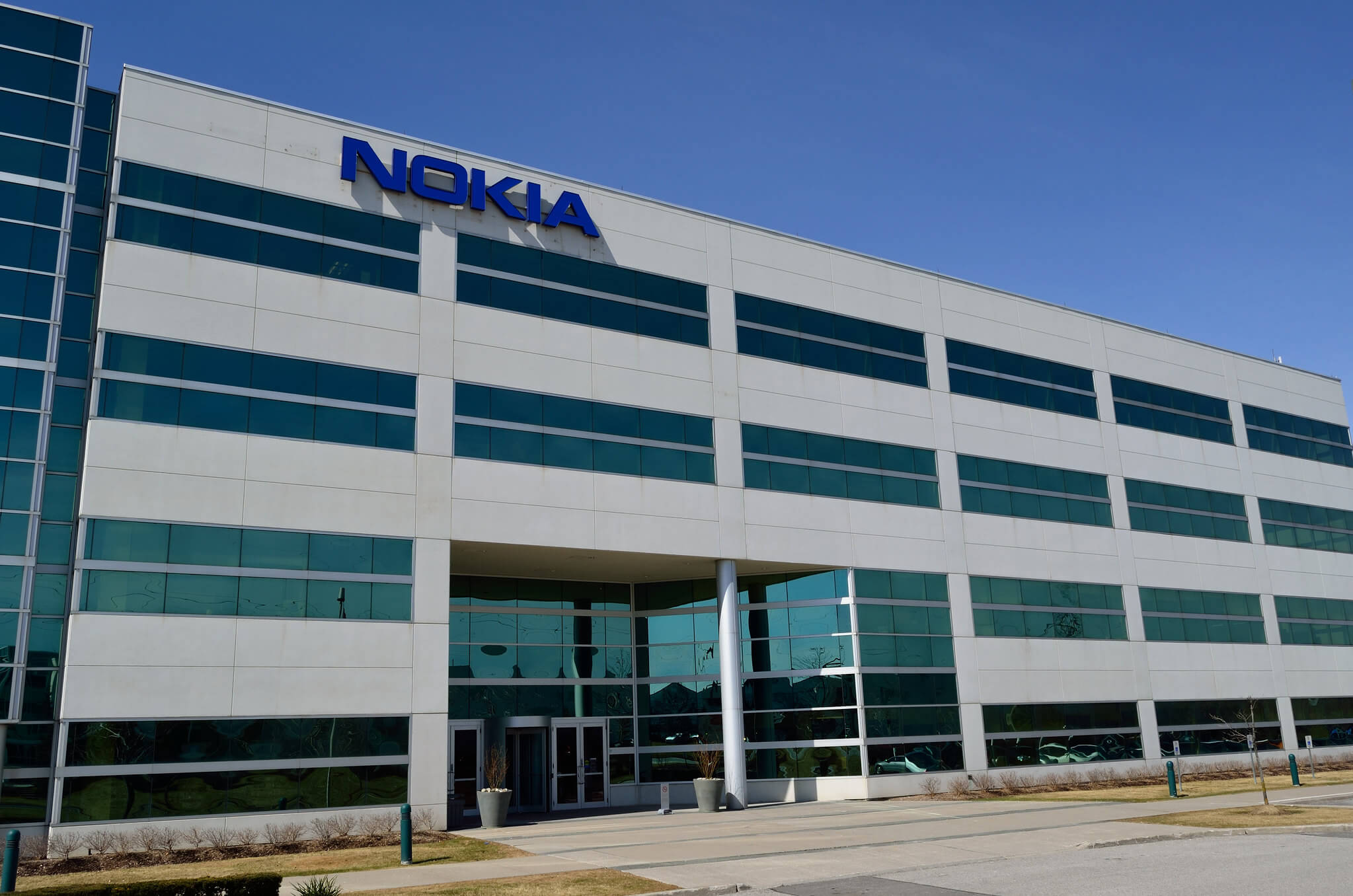
Fredrik Idestam founded Nokia in 1865 as a wood-pulp mill in Finland, and the name came from the Nokianvirta river where a second mill opened a few years later. The company spent decades making paper, rubber boots, and cables before turning to electronics.
It sold off nearly everything else in the early 1990s to focus on mobile phones.
Nintendo
Fusajiro Yamauchi founded Nintendo in Kyoto in 1889 to make handmade hanafuda, traditional Japanese playing cards. The company added Western-style cards by 1902.
Hanafuda cards are still made by Nintendo today, though they are now a footnote beside its video game consoles.
Samsung
Lee Byung-chul opened Samsung in Daegu, Korea, in 1938 as a small trading company exporting dried fish, fruit, and vegetables. The company also produced its own noodles.
The name means “three stars” in Korean.
Colgate
William Colgate opened a business on Dutch Street in New York City in 1806, making soap and candles. Starch was added later, and the company did not sell toothpaste until 1873, when it began offering an aromatic dental cream in jars.
The collapsible tube arrived in 1896.
Tiffany & Co.
Charles Lewis Tiffany and John B. Young opened Tiffany & Young on Broadway in 1837 with a $1,000 loan from Tiffany’s father. The shop sold stationery and fancy goods, including costume jewelry.
Fine jewelry came later and eventually defined the brand.
Play-Doh
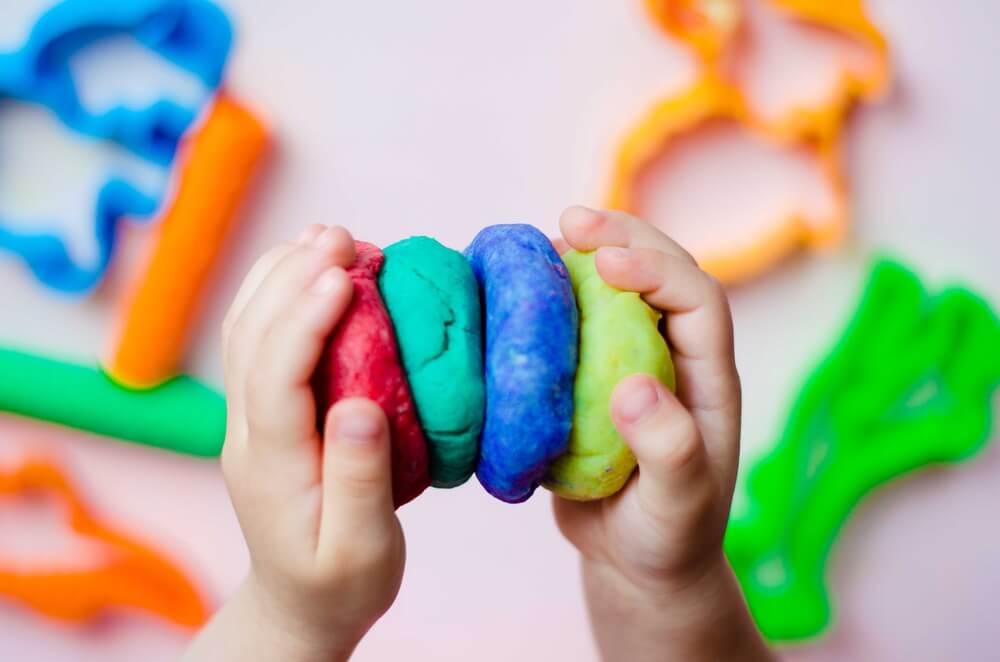
Cincinnati soap maker Kutol Products sold a putty-like wallpaper cleaner used to remove soot from walls. When coal heating declined and the product’s sales dropped, a schoolteacher named Kay Zufall noticed her students enjoyed modeling with it.
By 1956 it had been reborn as Play-Doh.
Wrigley
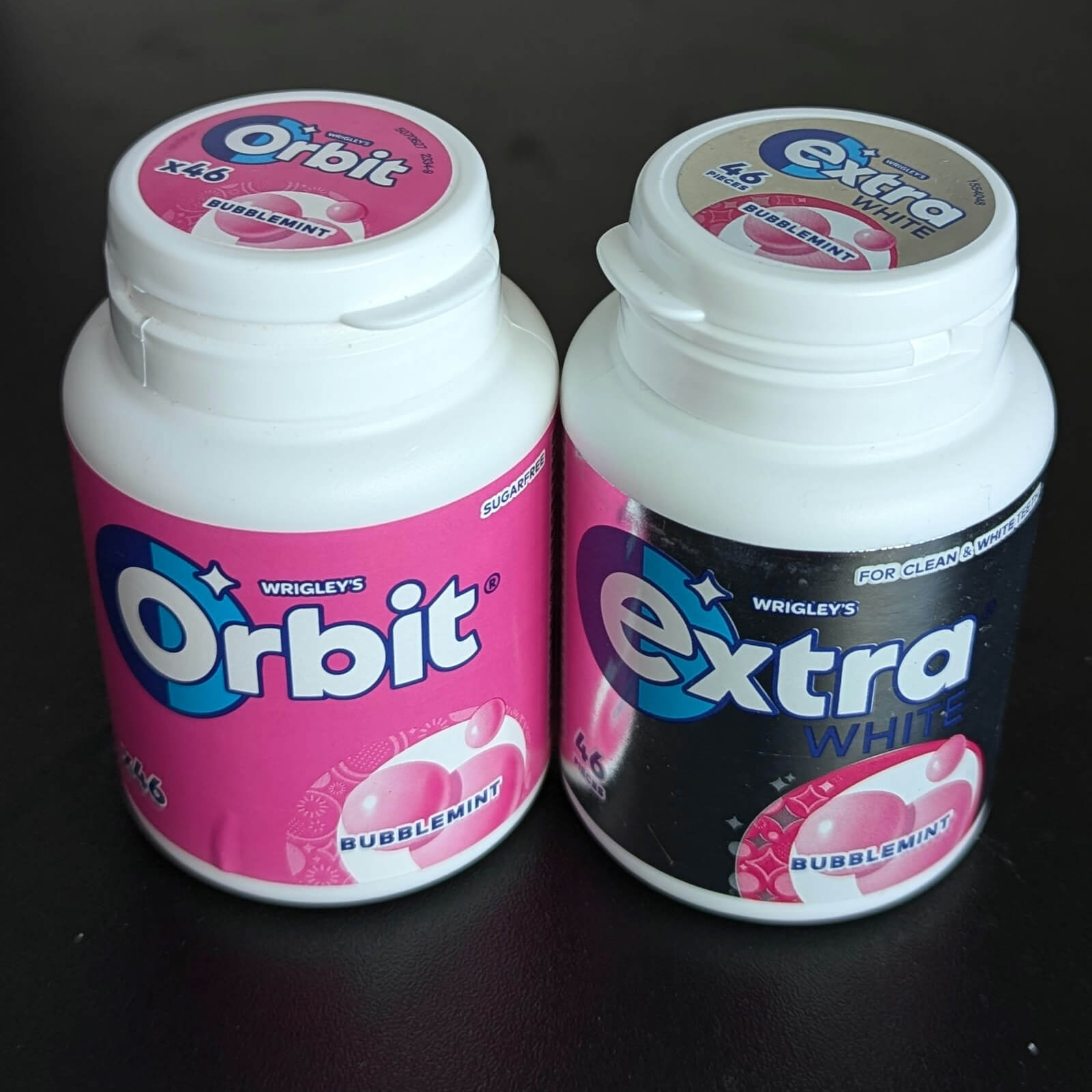
William Wrigley Jr. began selling soap and baking powder in Chicago in the early 1890s and gave away chewing gum as a bonus with each purchase. The gum proved more popular than the main product.
He shifted the entire business to gum.
Avon
David H. McConnell sold books door to door in New York and offered small perfumes as a gift with each sale. Customers preferred the perfume, so he began making and selling fragrances in 1886.
The firm was named the California Perfume Company before becoming Avon in 1939.
Twitter grew out of Odeo, a podcasting company whose founders were looking for a new direction after larger platforms moved into its space. An internal brainstorming session produced the idea for a short-message service.
The messaging platform was spun off in 2006.
YouTube
YouTube was founded in 2005 as a video-based dating site. Visitors were expected to upload clips introducing themselves to potential matches.
The site’s founders pivoted when users began posting all kinds of other videos, and Google bought it in 2006.
Kleenex
Kimberly-Clark developed a cotton-like absorbent material during the First World War for use in surgical dressings. After the war, the company marketed a version of it as a disposable cloth for removing cold cream, under the name Kleenex in 1924.
Customers began using it for colds, and the tissue business followed.
Lamborghini
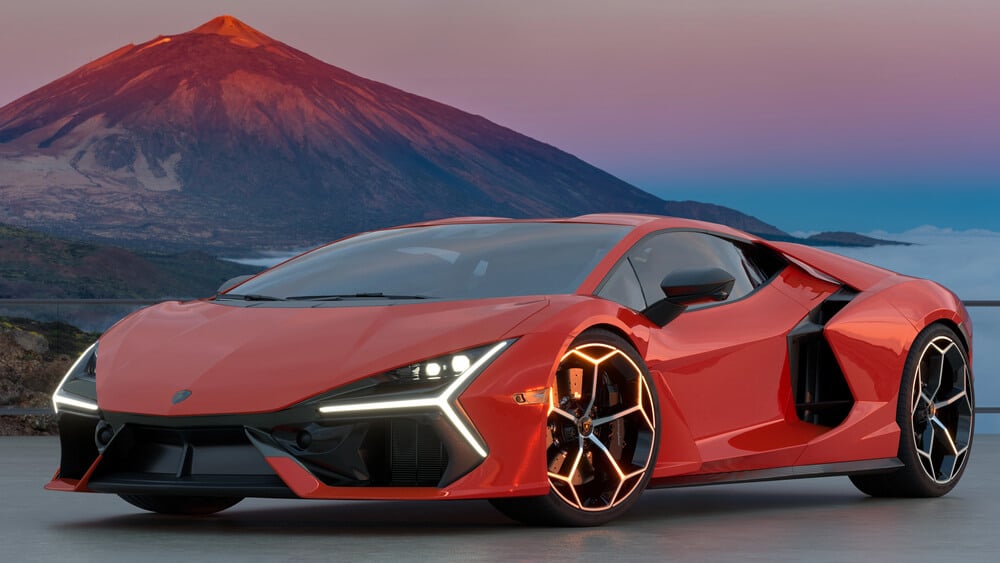
Ferruccio Lamborghini made his money building tractors from surplus military vehicles after World War II. The tractor business funded his later move into sports cars.
His car company followed in the 1960s, and tractors still carry his name today.
Suzuki
Michio Suzuki founded a loom-manufacturing company in Hamamatsu, Japan, in 1909. The business made weaving machines for the local silk industry.
It moved into motorized vehicles only decades later.
Toyota
Toyota grew out of Sakichi Toyoda’s automatic loom business, which made weaving machines that stopped themselves when a thread broke. His son Kiichiro opened an automobile division in the 1930s.
The family name was modified slightly in the company name.
Berkshire Hathaway
Before it became a conglomerate led by Warren Buffett, Berkshire Hathaway was a New England textile manufacturer. The company was formed through a merger of two mills in 1955.
Buffett took control in the 1960s and eventually shut the textile operations down.
Hasbro
The Hassenfeld brothers began a business in Rhode Island in 1923 selling textile remnants. They moved into pencil boxes and school supplies before turning to toys.
The company’s name is a contraction of Hassenfeld Brothers.
Mattel
Mattel was founded in 1945 by Harold Matson and Elliot and Ruth Handler, who first made picture frames. Elliot used scrap from the frames to build dollhouse furniture, and the miniatures outsold the frames.
The name blends Matson and Elliot.
Sears
Richard Sears began selling watches in 1886 after taking over a shipment from a jeweler who had refused it. His mail-order watch business led to a partnership with watchmaker Alvah Roebuck.
The catalog expanded to nearly everything.
Listerine
Listerine was formulated in 1879 as a surgical antiseptic and named in honor of Joseph Lister. It was also sold as a floor cleaner.
Its life as a mouthwash came later.
Coca-Cola
Pharmacist John Pemberton created Coca-Cola in Atlanta in 1886 and sold it as a tonic. It was sold at soda fountains for five cents a glass.
The medicinal claims faded as its popularity as a refreshing drink grew.
Shell

The Shell name goes back to a London trader who sold seashell curiosities and decorated shell boxes. His son built an oil-trading business that took the name.
The company’s scallop shell logo recalls that origin.
Slack

Slack began as an internal tool at a company that was building an online game called Glitch. When the game failed to find an audience, the team realized the messaging software was the valuable part.
Slack was released in 2013.

Instagram began as Burbn, a check-in app with many features, including photo sharing. Its founders noticed that users cared most about the photos, so they stripped the app down to focus on pictures.
The simpler product launched in 2010.
Lego
Ole Kirk Christiansen began making wooden toys in Denmark, in 1932. The name came from the Danish words for “play well.”
Plastic bricks arrived in the late 1940s and took over the line.
Yamaha
Torakusu Yamaha began by repairing a reed organ in 1887 and went on to build instruments. His company, Nippon Gakki, made pianos and organs for decades.
Motorcycles were added in the 1950s.
Hershey
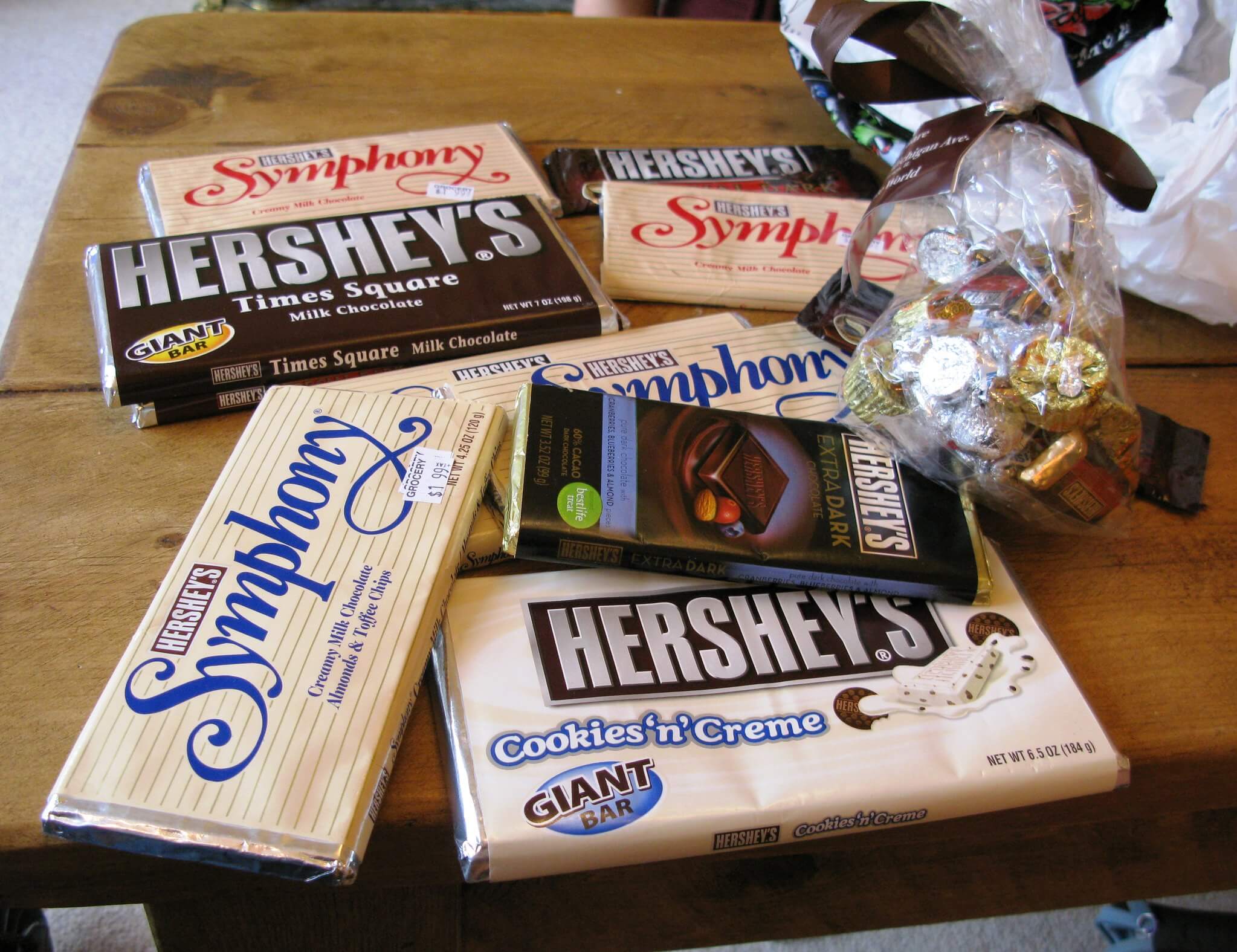
Milton Hershey made his fortune with a caramel company in Lancaster, Pennsylvania, before turning to chocolate. He sold the caramel business around 1900 to concentrate on chocolate.
His chocolate-coated caramels were the stepping stone to a new empire.
McDonald’s
Brothers Richard and Maurice McDonald opened a barbecue drive-in restaurant in San Bernardino, California, in 1940. They later closed it and reopened with a streamlined menu of hamburgers.
The system they developed became the model for the modern fast-food industry.
3M
The Minnesota Mining and Manufacturing Company was founded in 1902 to mine a mineral for use as an abrasive. The mineral turned out to be of little value, and the company nearly collapsed.
Its survival came through sandpaper and later tapes.
Xerox
Xerox began life as the Haloid Company of Rochester, New York, which made photographic paper. A partnership around an electrophotography process led to the first plain-paper copier.
The company renamed itself after the technology.
American Express
American Express was founded in 1850 as an express freight and package delivery company. Its founders included Henry Wells and William Fargo.
It moved into money orders and travelers’ checks in the following decades.
What a Company Really Sells
These stories suggest that a brand is less about its first product than about the capabilities behind it. A paper mill, a loom works, and a playing-card maker all had skills, customers, and cash flow that could be applied somewhere else.
The best pivots build on something the company already did well. They also show how often luck played a part.
A bonus gum, a failed game, and a ruined cleaner each pointed the way to something bigger. Companies that notice what customers actually want, rather than what they planned to sell, tend to survive.
More from Go2Tutors!

- 27 Silver Dollars and Half Dollars Worth Keeping
- 28 Restaurant Menu Items Nobody Orders Anymore
- 17 Places Built in Seemingly Impossible Spots
- 27 Vintage Rings Worth More Than They Look
- 25 Restricted Sites Tourists Can’t Enter
Like Go2Tutors’s content? Follow us on MSN.