Vegetables That Broke Weight Records
You see pumpkins at the grocery store and think they’re big. Then you stumble across photos from agricultural fairs where people grow vegetables so massive they need forklifts to move them.
These aren’t your average garden varieties. Competitive growers dedicate entire seasons to coaxing plants into producing specimens that defy what seems possible.
The results challenge everything you thought you knew about how large a vegetable can actually grow.
The Pumpkin That Weighed More Than a Car
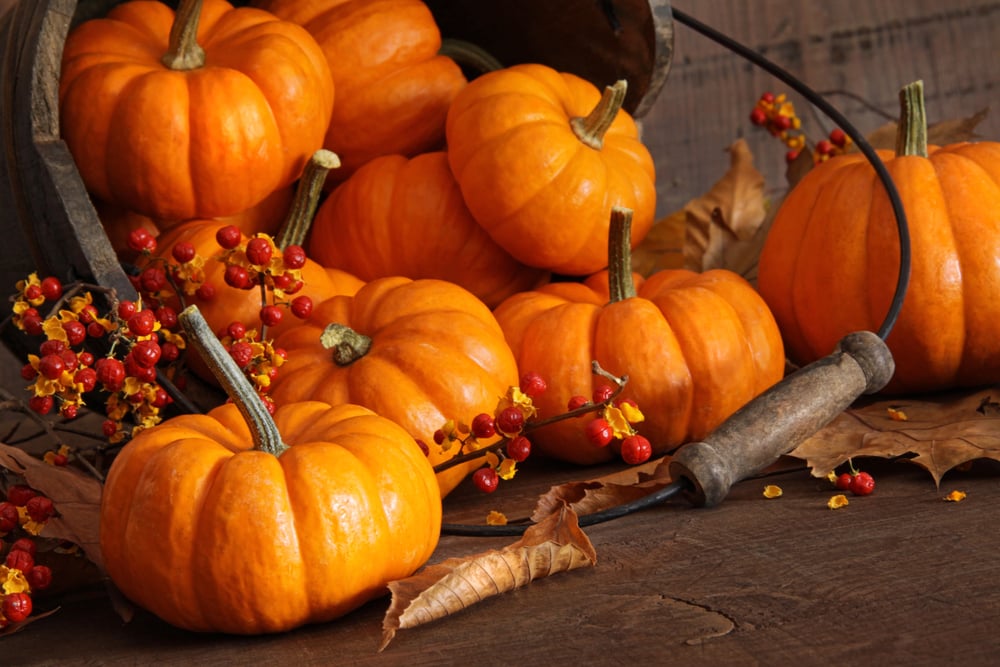
Dan Stelts grew a pumpkin in Minnesota that tipped the scales at 2,749 pounds in 2023. That’s heavier than most compact cars.
He didn’t just plant a seed and hope for the best. The process requires specific genetics, constant feeding schedules, and protection from weather and pests.
Growers often cover their giant pumpkins with shade structures and monitor soil moisture daily. One crack in the skin can end months of work in minutes.
A Cabbage the Size of a Beach Orb
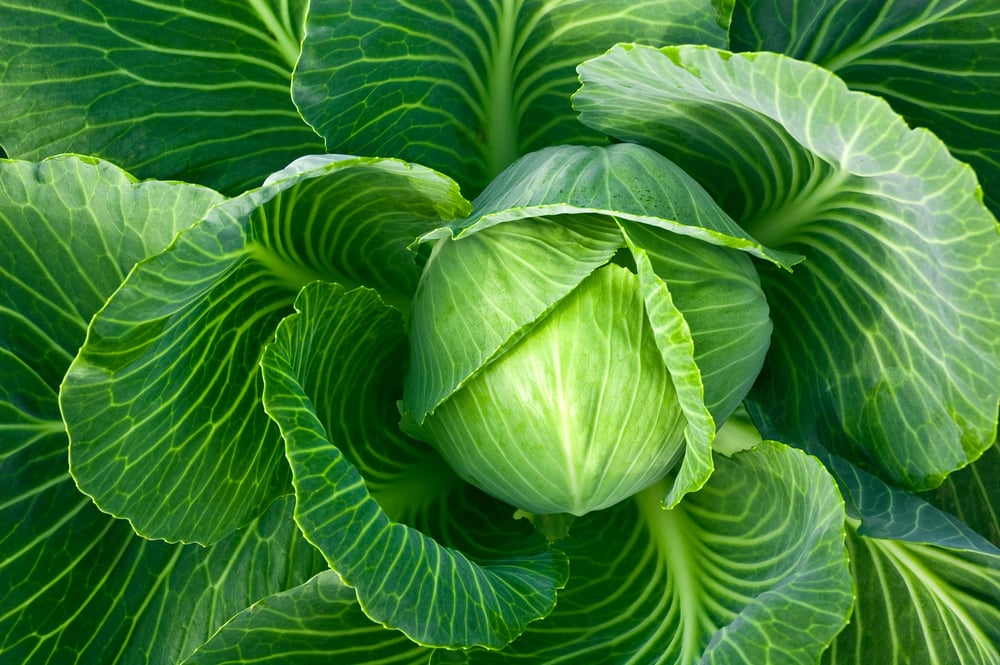
Scott Robb from Alaska produced a cabbage weighing 138.25 pounds. Alaska’s long summer daylight hours create ideal conditions for growing enormous vegetables.
The state hosts competitions that draw growers from around the world. Robb’s cabbage took up space normally reserved for small furniture.
You could feed an entire neighborhood with a single head that size, though most record vegetables never get eaten. They’re too valuable as trophies.
The Squash That Needed Its Own Trailer
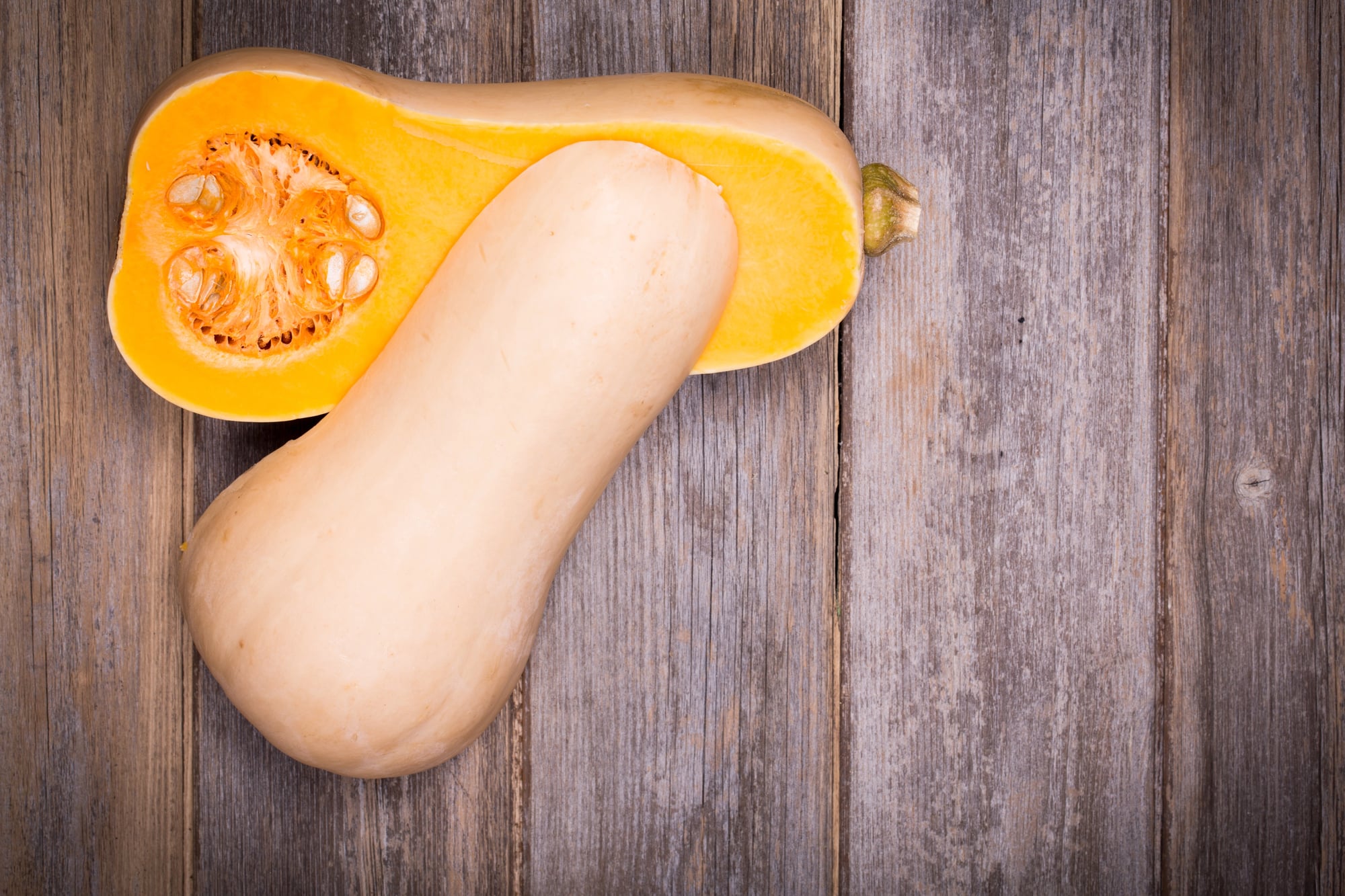
A squash grown by Joe Jutras weighed 2,118 pounds. Squash and pumpkins come from similar plant families, but their growth patterns differ enough to warrant separate categories in competitions.
This particular squash measured over five feet across. Moving it required specialized equipment and careful planning.
One wrong move during transport could damage months of careful cultivation.
A Carrot That Looked Like a Small Child
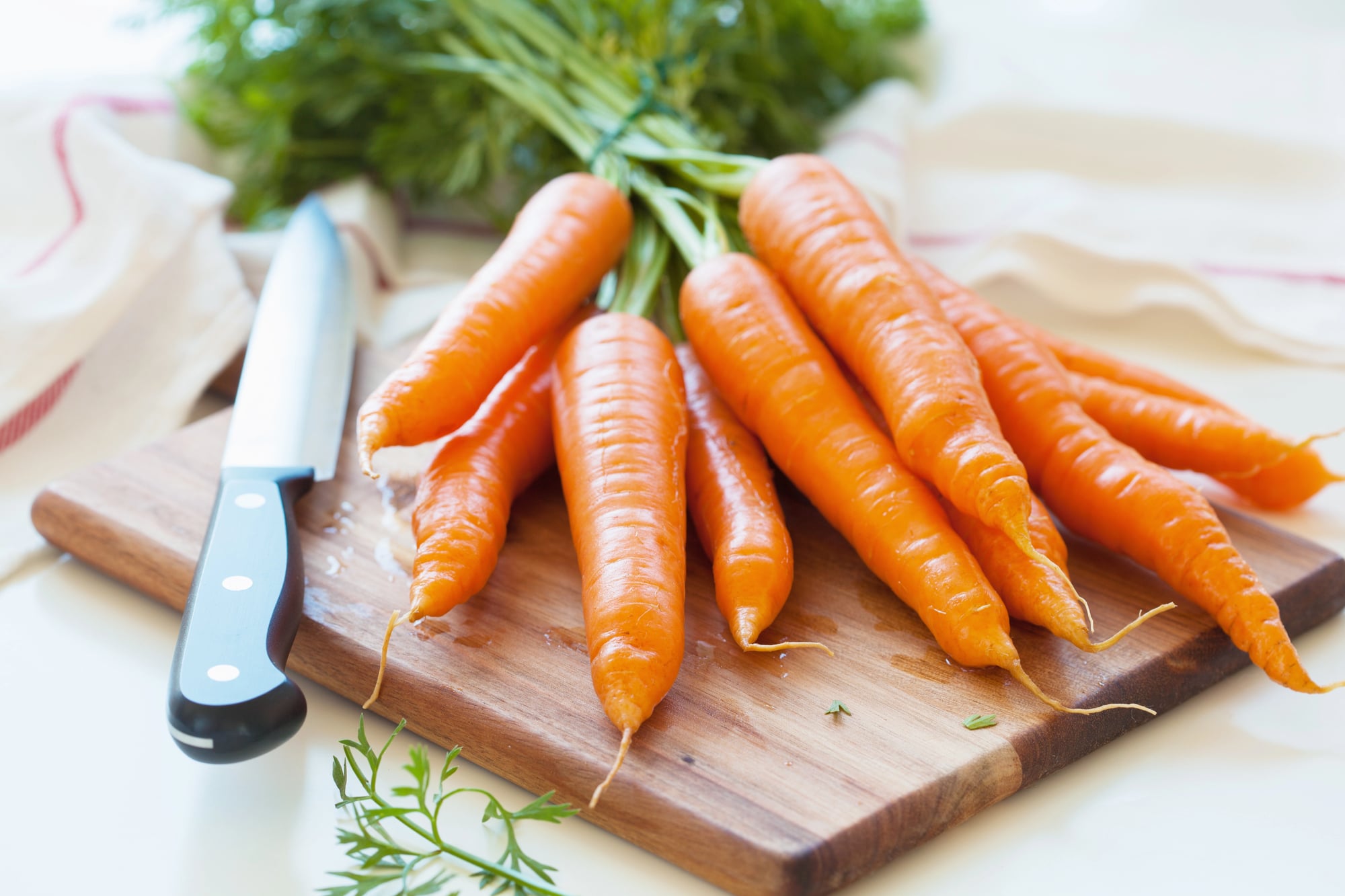
Peter Glazebrook from the UK grew a carrot weighing 22.44 pounds. Most carrots weigh a few ounces.
His carrot measured over three feet long and looked more like a tree root than something you’d put in a salad. Growing giant root vegetables requires deep, loose soil without rocks or obstacles.
Any resistance in the soil stunts growth or causes deformities. Glazebrook holds multiple world records for giant vegetables.
He’s been growing them for decades and understands the science behind cell expansion and nutrient uptake. But knowledge alone doesn’t guarantee results.
Weather, soil conditions, and plain luck all play their parts.
The Beetroot That Broke Expectations
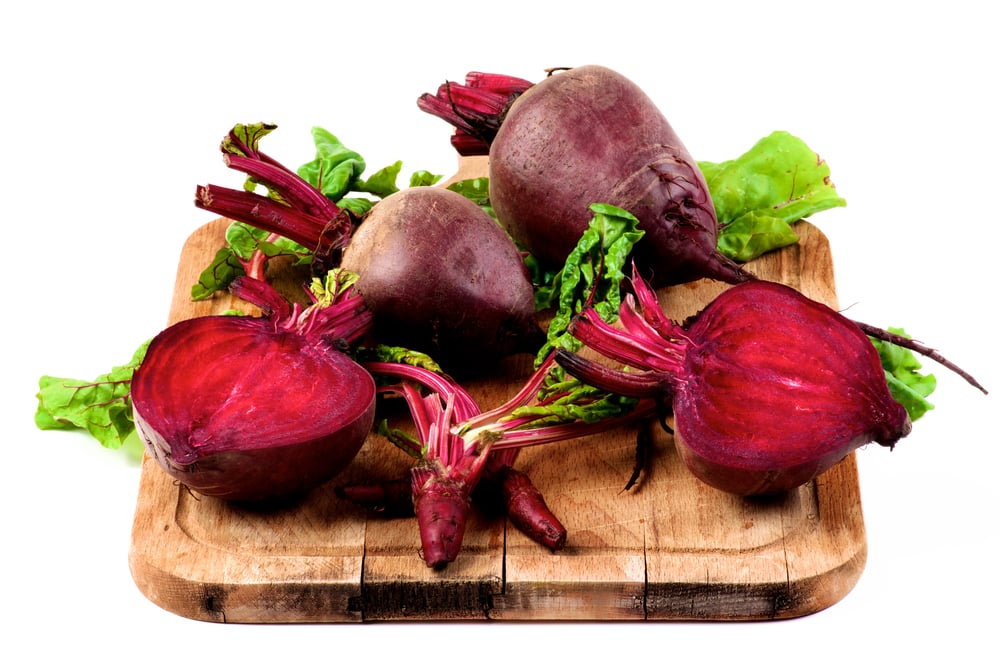
Ian Neale grew a beetroot weighing 51.48 pounds. Beets don’t usually get much attention in giant vegetable competitions, but this one changed that.
The typical beet you buy at the store weighs maybe a pound. This one weighed as much as a medium-sized dog.
The deep purple color remained consistent throughout the entire vegetable, which takes impressive nutrient management to achieve.
A Turnip Heavy Enough to Use as a Doorstop
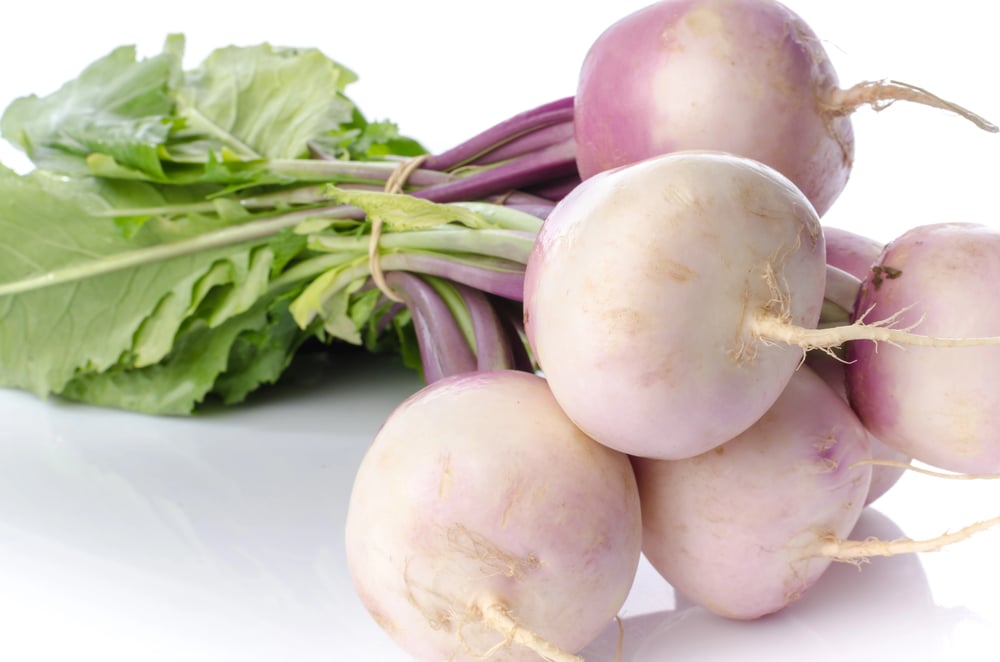
Scott and Mardie Robb grew a turnip in Palmer, Alaska that weighed 39.2 pounds. Turnips grow relatively quickly compared to other vegetables, but reaching that size still requires perfect conditions.
The Robbs compete regularly and understand how to push plants to their limits. Their turnip looked more like a boulder than something edible.
Alaska produces an unusually high number of record vegetables. The state’s summer growing season features nearly 24 hours of daylight in June and July.
Plants photosynthesize continuously, building mass at accelerated rates. The cooler temperatures also help.
Many vegetables prefer not-too-hot conditions, and Alaska delivers.
Celery Tall Enough to Reach Your Ceiling
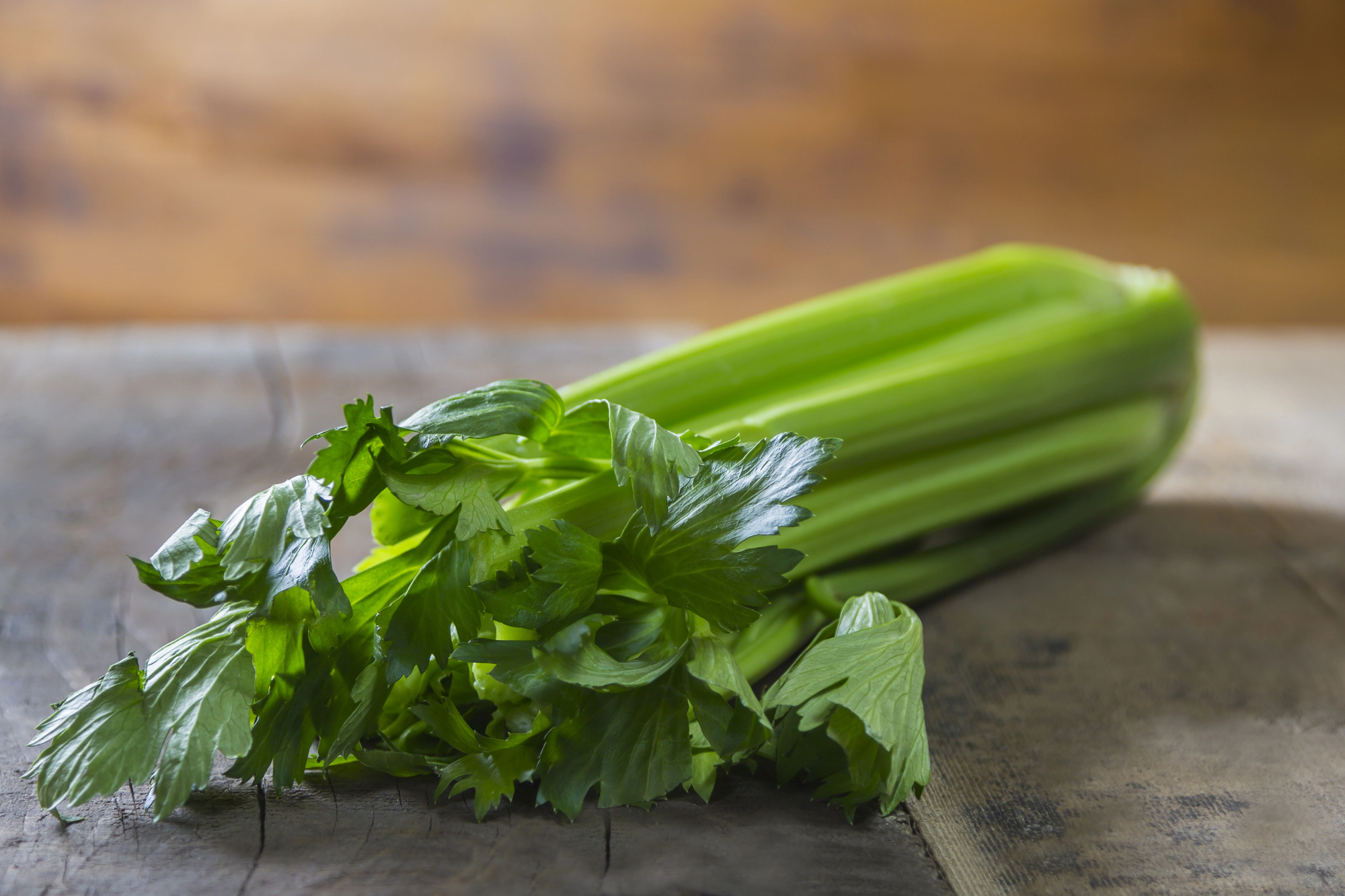
Ian Neale also holds the record for the heaviest celery at 63.49 pounds. Celery grows in stalks, so weight records get measured differently from round vegetables.
This celery bunch stood taller than most adult humans. The stalks remained crisp and didn’t turn woody, which happens when celery grows too large too quickly.
Growing giant celery requires constant moisture. The plant can’t dry out even slightly, or growth stops and the stalks become stringy.
Neale monitors his plants multiple times daily during peak growing season. That kind of dedication separates record holders from casual gardeners.
A Radish That Lost Its Spiciness
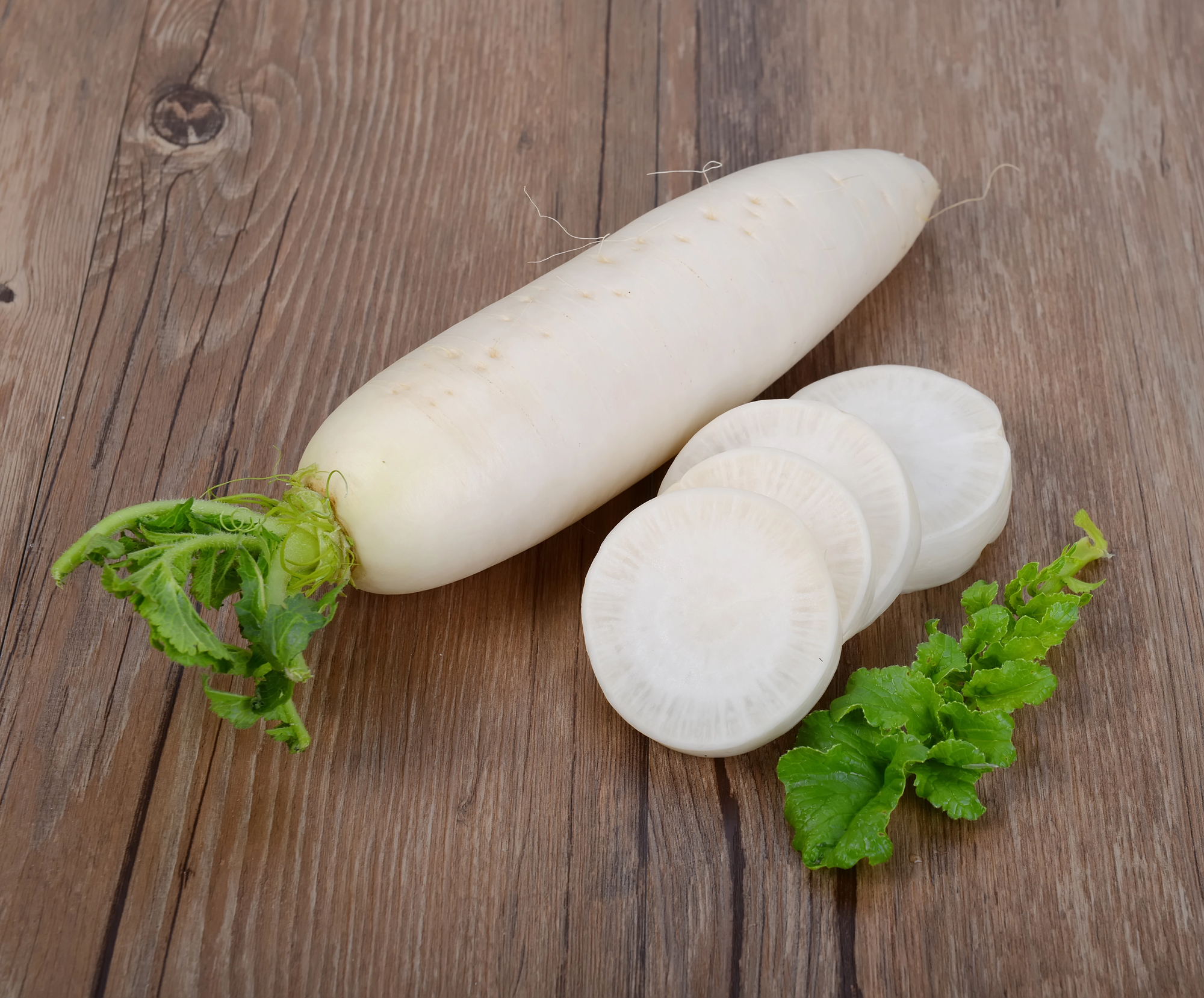
Manabu Oono from Japan grew a radish weighing 101.9 pounds. Japanese radishes, or daikon, grow larger than their Western counterparts naturally.
But this specimen exceeded normal by orders of magnitude. Most daikons weigh a few pounds at most.
This one required two people to lift. The flavor mellows considerably as radishes grow larger.
The spicy bite you expect from a small radish mostly disappears in giants.
The Cucumber That Stretched Like a Snake
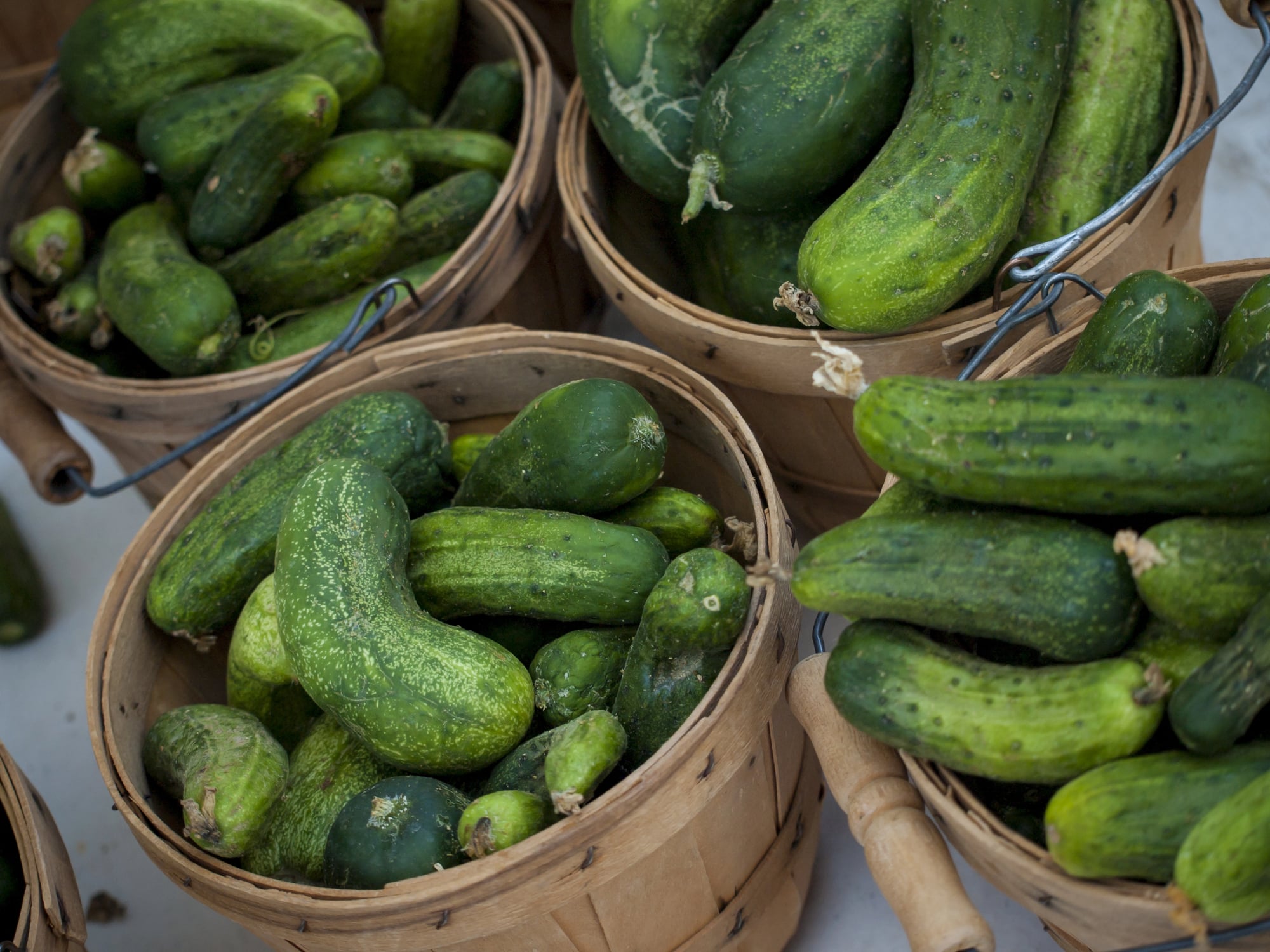
Alfred Cobb grew a cucumber in the UK weighing 27.5 pounds. Cucumbers contain mostly water, so reaching that weight means the plant processed enormous amounts of liquid and nutrients.
The cucumber measured over three feet long and stayed relatively uniform in diameter. Growing long vegetables presents different challenges than growing round ones.
They need support to prevent them from breaking under their own weight.
Broccoli That Fed a Small Army
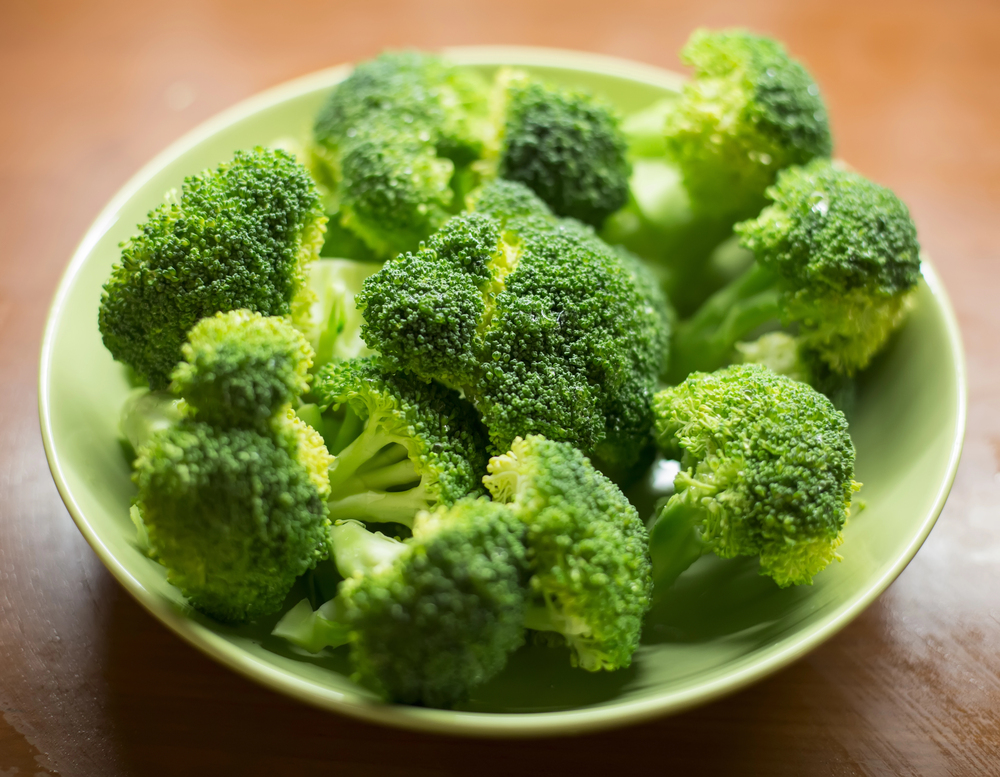
John Evans from Alaska grew a broccoli head weighing 35 pounds. Broccoli heads consist of thousands of tiny flower buds.
Getting them all to develop uniformly at that size takes precise timing. Evans harvested at exactly the right moment.
Wait too long and the buds begin to flower and the head loses compactness. Harvest too early and you miss potential growth.
Evans holds numerous records and approaches giant vegetable growing with scientific precision. He tests his soil constantly, adjusts fertilizer blends, and tracks weather patterns.
His greenhouse allows him to control variables that outdoor growers can’t.
The Kale Plant That Became a Small Tree
These giants exist because growers figured out how to give plants everything they need at exactly the right time. It starts with genetics—seeds from proven champion lines.
Then comes soil preparation, which often begins months before planting. Growers amend their soil with specific nutrients and ensure perfect drainage.
They test pH levels and adjust them to optimal ranges for each vegetable type. During the growing season, feeding schedules become crucial.
Plants receive precisely measured nutrients multiple times per week. Water gets monitored constantly.
Too much causes rot. Too little stops growth.
Temperature control matters too. Many growers use shade cloth to prevent heat stress.
Some build entire structures around individual plants. Pest and disease management requires vigilance.
A single aphid infestation or fungal outbreak can destroy months of work. Growers inspect their plants daily and treat problems immediately.
They also hand-pollinate flowers to ensure the best fruit set and remove all but the most promising specimens to focus the plant’s energy.
The Tomato That Defied Gravity
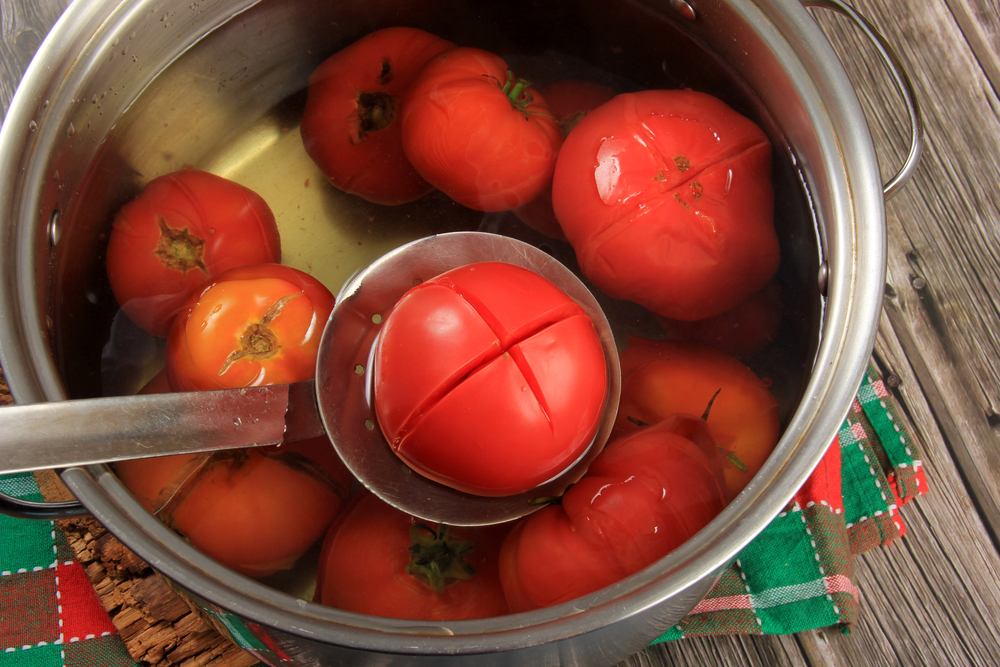
Dan Sutherland grew a tomato weighing 10.12 pounds in Washington State. Tomatoes get categorized differently from other vegetables in competitions.
This one measured over seven inches in diameter and maintained its structural integrity despite the weight. Most giant tomatoes develop cracks or splits, but proper watering prevents that.
Sutherland kept his tomato perfectly hydrated throughout development.
A Potato Bigger Than Your Head
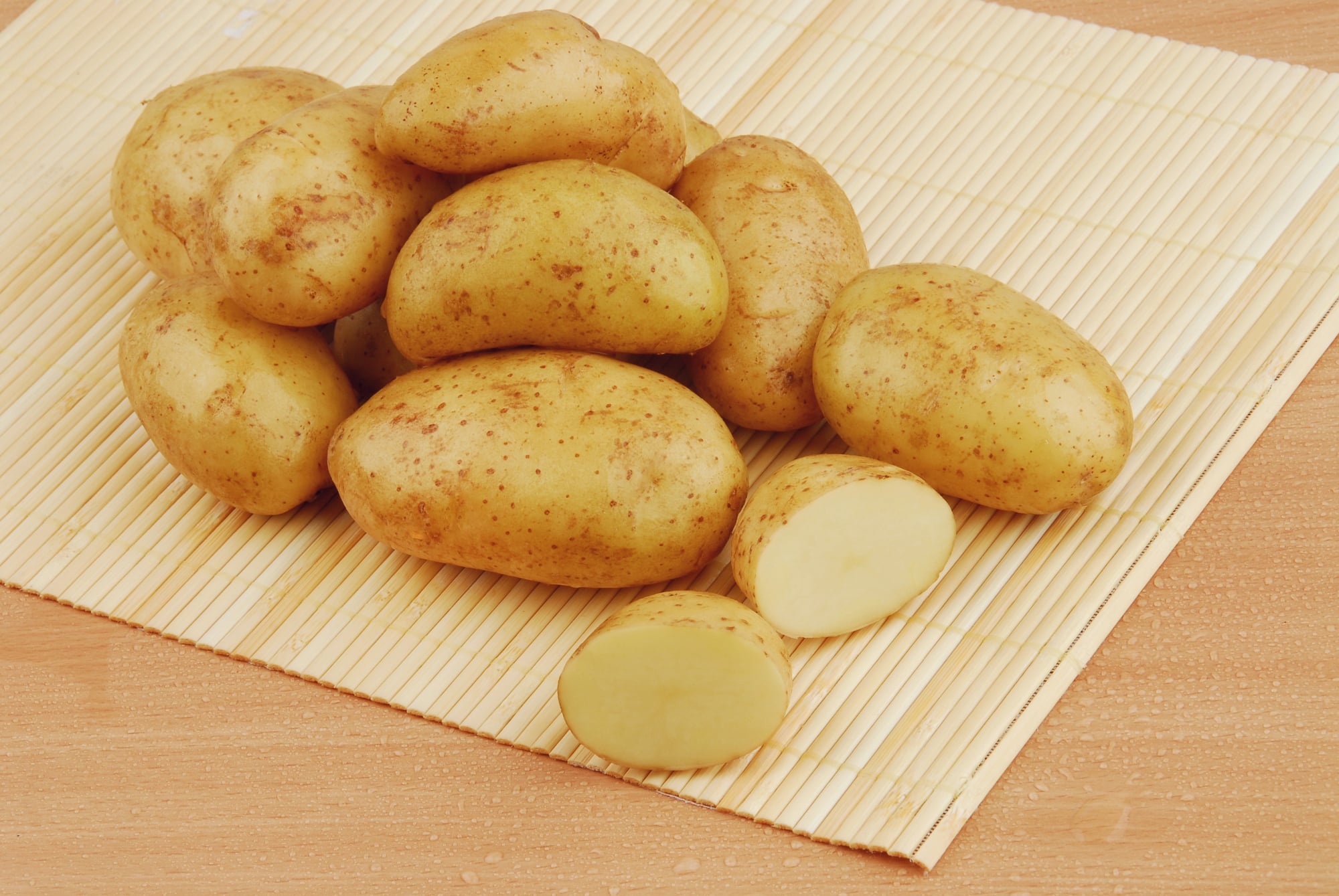
Peter Glazebrook also holds the potato record at 10.94 pounds. Potatoes grow underground, which makes them harder to monitor than above-ground vegetables.
You can’t see how they’re developing without disturbing the plant. Glazebrook relies on experience and timing to know when to harvest.
Dig too soon and you miss potential growth. Wait too long and the potato might start to rot.
The soil for giant potatoes needs to be perfectly friable—loose enough for the potato to expand without resistance. Any rocks or hard soil patches will deform the potato or limit its size.
Glazebrook prepares his potato beds months in advance, removing every stone and creating ideal growing conditions.
An Onion That Made Everyone Cry
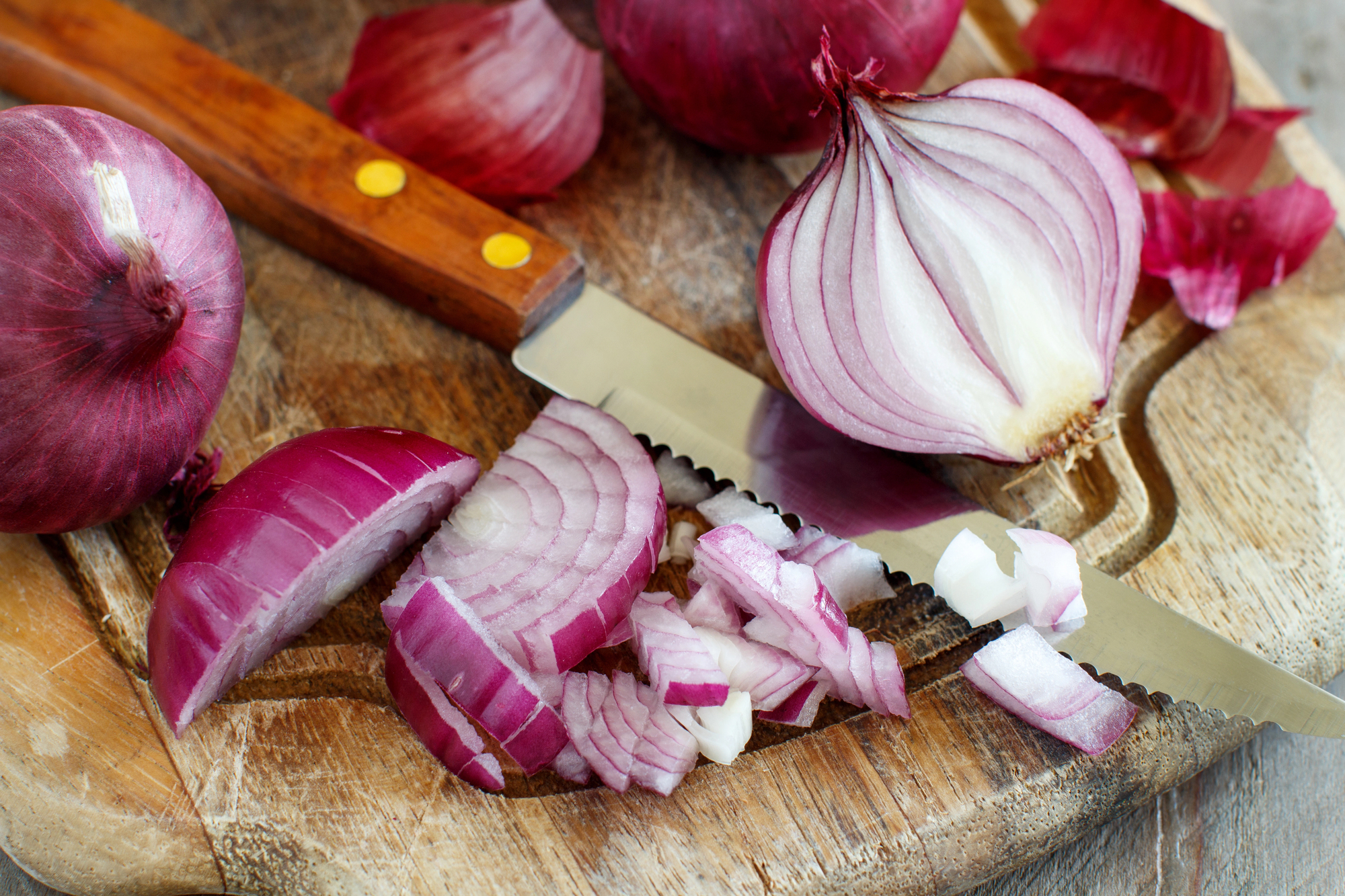
Tony Glover from the UK grew an onion weighing 18.99 pounds. Onions present unique challenges because they need to cure properly after harvest to qualify for records.
The outer layers must remain intact and the onion needs to hold together. Growing a giant onion requires long day lengths, which is why many records come from northern latitudes.
The plants need extended light to build the layers that create size. Onions also need specific temperature changes to trigger bulbing.
Growers manipulate day length and temperature to get exactly the right response. They thin plants aggressively, leaving only the strongest specimens with plenty of space to expand.
When Vegetables Become Art
These record vegetables exist in a space between gardening and sport. The growers aren’t farming for food production.
They’re pushing biological limits to see what’s possible. Each new record gets set by someone who studied previous champions, learned from their techniques, and added their own innovations.
The knowledge builds over time. The vegetables themselves often get displayed at fairs and competitions before eventually composting.
Some get preserved or cast in resin as permanent trophies. A few find their way to museums or exhibitions.
But most simply return to the soil, their seeds saved for next year’s attempt at something even larger. The appeal isn’t hard to understand.
Growing something bigger than anyone thought possible satisfies a deep competitive urge. It requires skill, dedication, and patience.
You can’t fake your way to a record vegetable. The plant either grows or it doesn’t.
And when it does grow beyond all expectations, you’ve created something genuinely remarkable—even if it’s just a really, really big carrot.
More from Go2Tutors!

- The Romanov Crown Jewels and Their Tragic Fate
- 13 Historical Mysteries That Science Still Can’t Solve
- Famous Hoaxes That Fooled the World for Years
- 15 Child Stars with Tragic Adult Lives
- 16 Famous Jewelry Pieces in History
Like Go2Tutors’s content? Follow us on