28 Ordinary Objects Recovered From Ancient Roman Homes
Museums tend to put Roman gold and marble at the front, but the objects that make the past feel close are usually humbler. A loaf of bread, a house key, a child’s shoe, or a lamp bought at a market stall can say more about daily life than a statue of an emperor.
The items below were recovered from houses, shops, and forts, mostly at sites preserved by volcanic ash or waterlogged soil. Each one is ordinary in its time, which is exactly why it is valuable now.
A Stamped Loaf From Herculaneum
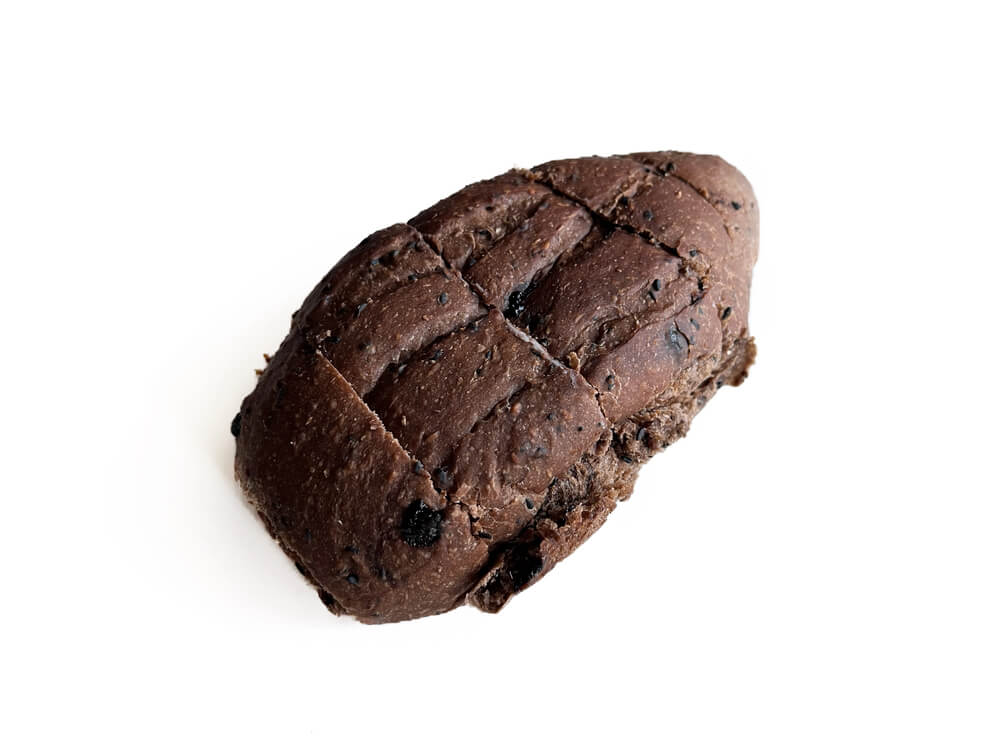
Excavators at Herculaneum found a round carbonized loaf stamped with the words “Celer, slave of Quintus Granius Verus.” The stamp let a household mark its own bread when it was baked in a shared oven.
The loaf survived because the eruption of Vesuvius in AD 79 charred it instead of destroying it.
Loaves in a Pompeii Oven
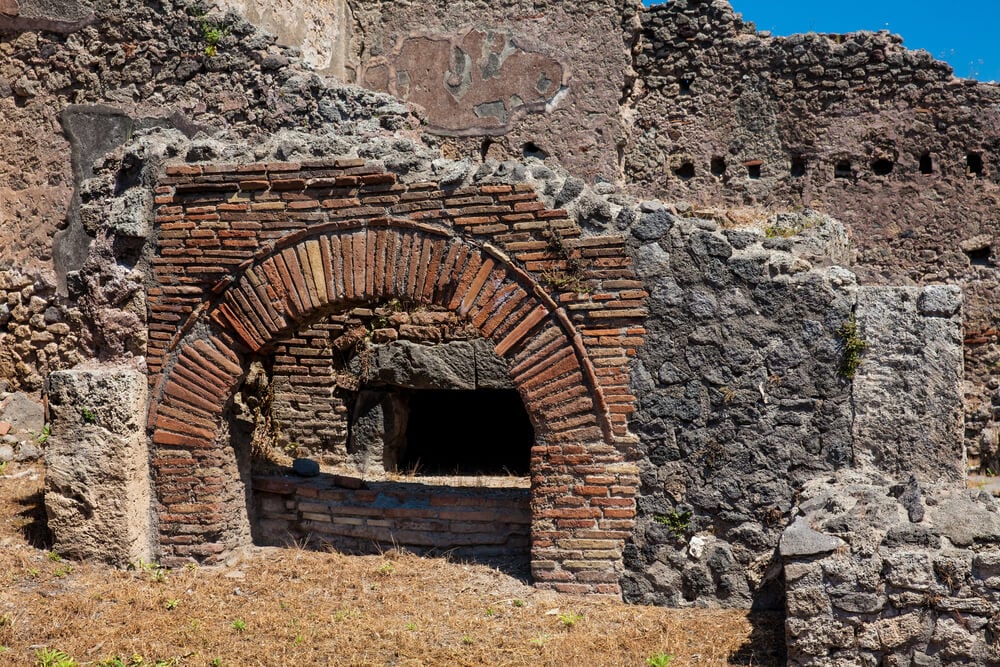
In a bakery at Pompeii, archaeologists found dozens of carbonized loaves still sitting in the oven where they had been left. The loaves were round and scored into wedges, much like some bread sold today.
They show that the baker had loaded the oven before the eruption ended the morning’s work.
Garum Jars of Umbricius Scaurus
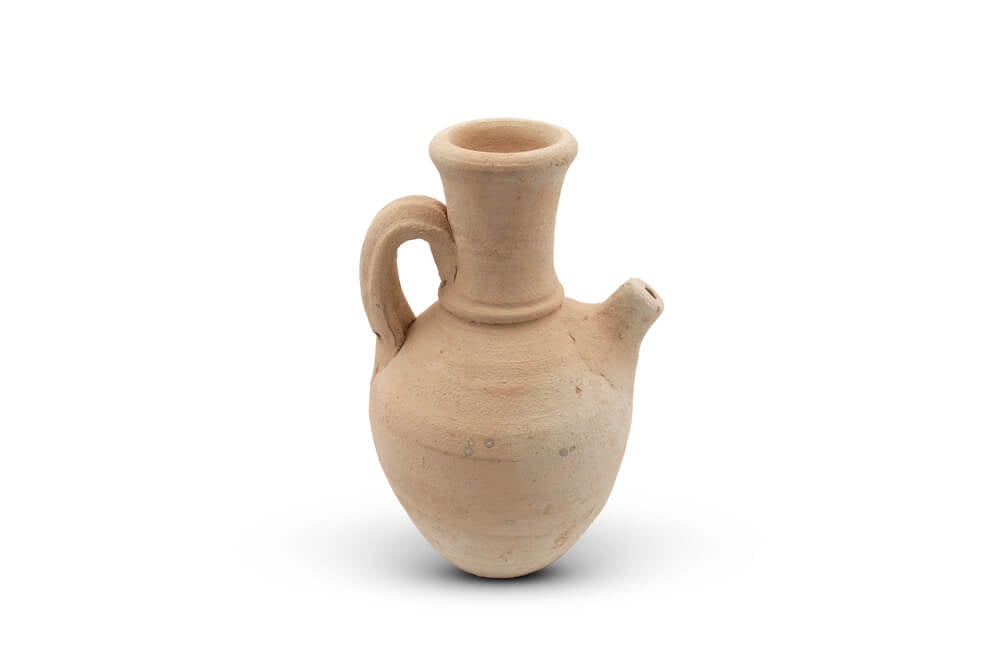
The house of Umbricius Scaurus at Pompeii had floor mosaics that showed jars of fish sauce, each labeled with his name and the quality of the product. Garum was a staple of Roman cooking, made from fermented fish.
The mosaics served as an advertisement set into the floor of an entrance hall.
The Wax Tablets of Caecilius Iucundus
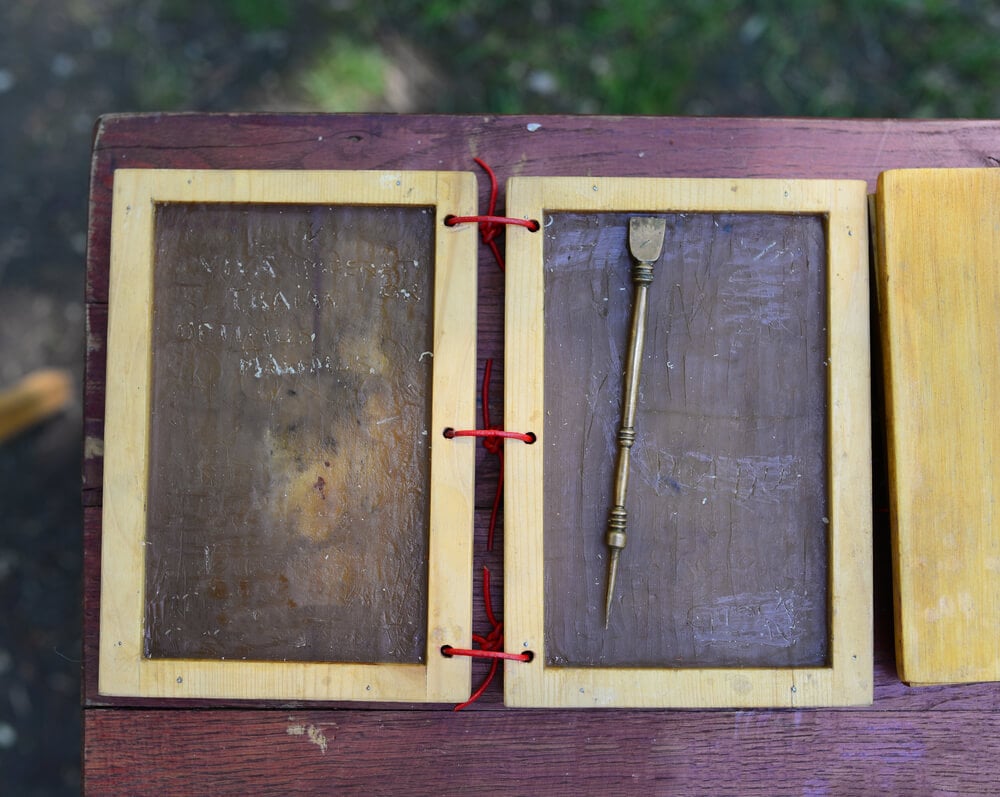
In 1875 excavators found 153 wooden wax tablets in the house of Lucius Caecilius Iucundus at Pompeii. The tablets record business deals, auction payments, and loans from a banker and auctioneer.
Their survival gives historians a view of ordinary financial life in a small Roman city.
The Surgeon’s Instruments
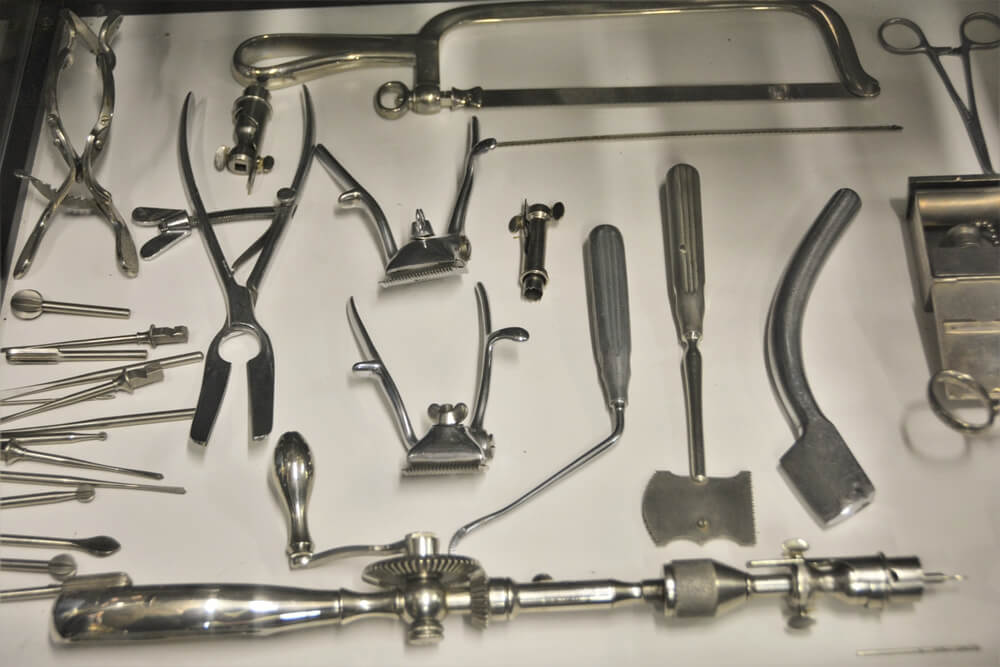
A house at Pompeii excavated in 1771 contained a large set of bronze medical tools, which gave it the name House of the Surgeon. The collection included scalpels, forceps, and other devices.
The instruments show a level of medical craft that surprises many visitors to the museum.
The Silver of the House of Menander
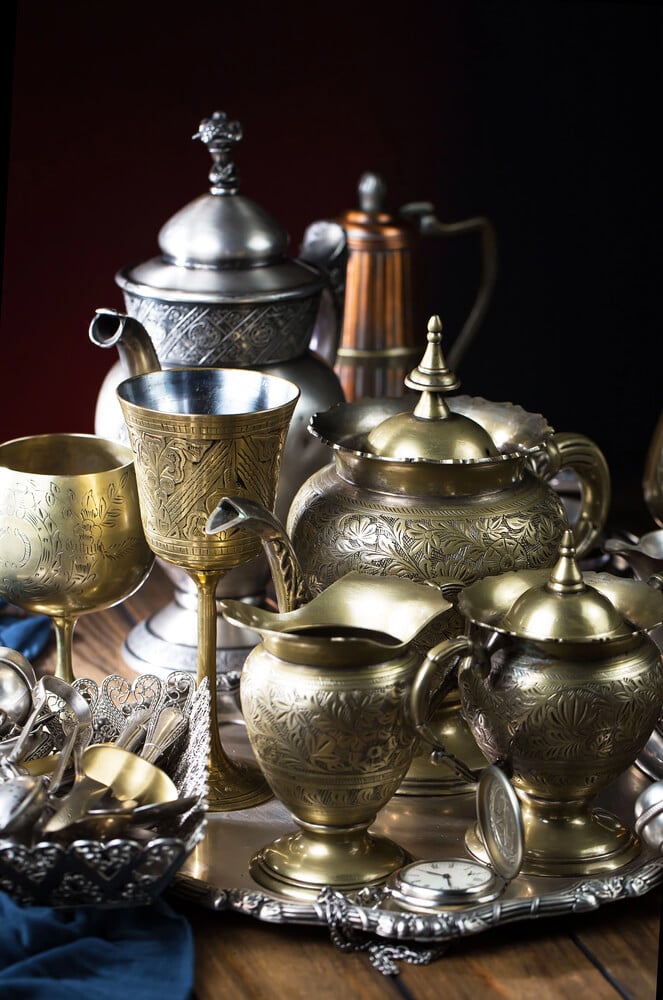
In 1930 excavators in the House of Menander at Pompeii found a cache of 118 pieces of silver tableware and jewelry. The pieces were stored in a chest in a cellar, likely hidden or protected during renovation work.
The cache shows how a wealthy household kept its valuables.
The Boscoreale Silver
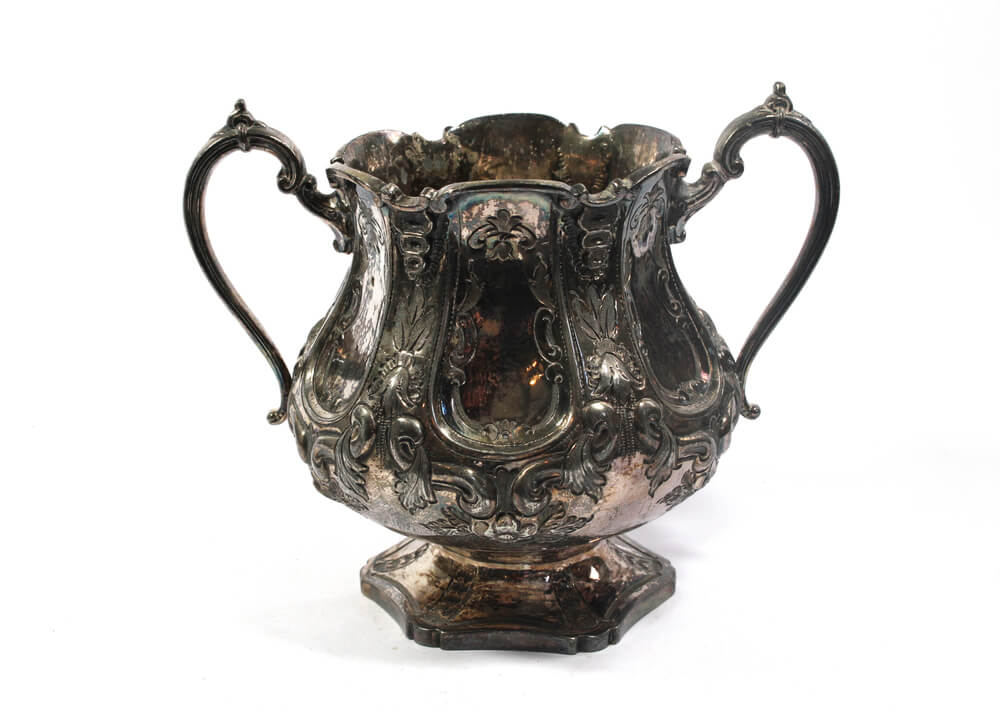
In 1895 a cistern at a villa near Boscoreale yielded 109 pieces of silver. The hoard included drinking cups, bowls, and mirrors, and it was found with a skeleton.
The pieces are now divided among major museums.
Carbonized Furniture at Herculaneum
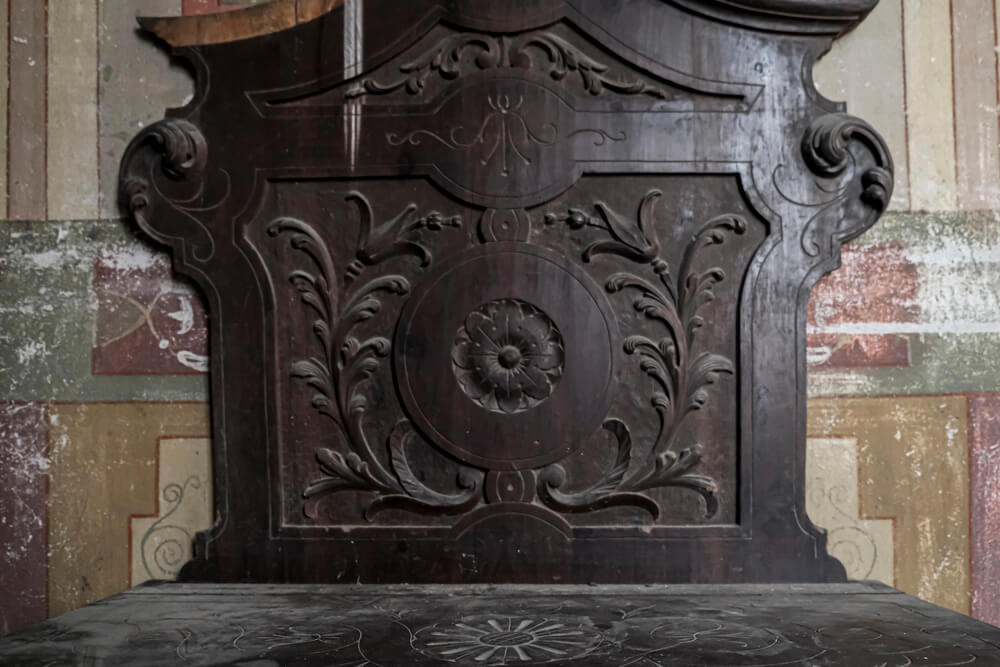
Because the ash at Herculaneum cooked organic material rather than burning it away, houses there yielded wooden beds, tables, and a cradle. Items like these almost never survive in other Roman towns.
They show what furniture looked like in a middle-class home.
A Birthday Invitation From Vindolanda

At the Roman fort of Vindolanda in northern England, excavators found thin wooden writing tablets from around AD 100. One is an invitation from Claudia Severa to her friend Sulpicia Lepidina, the wife of the fort’s commander, asking her to come to a birthday celebration.
A few words at the end appear to be in Severa’s own handwriting.
The Shoes of Vindolanda
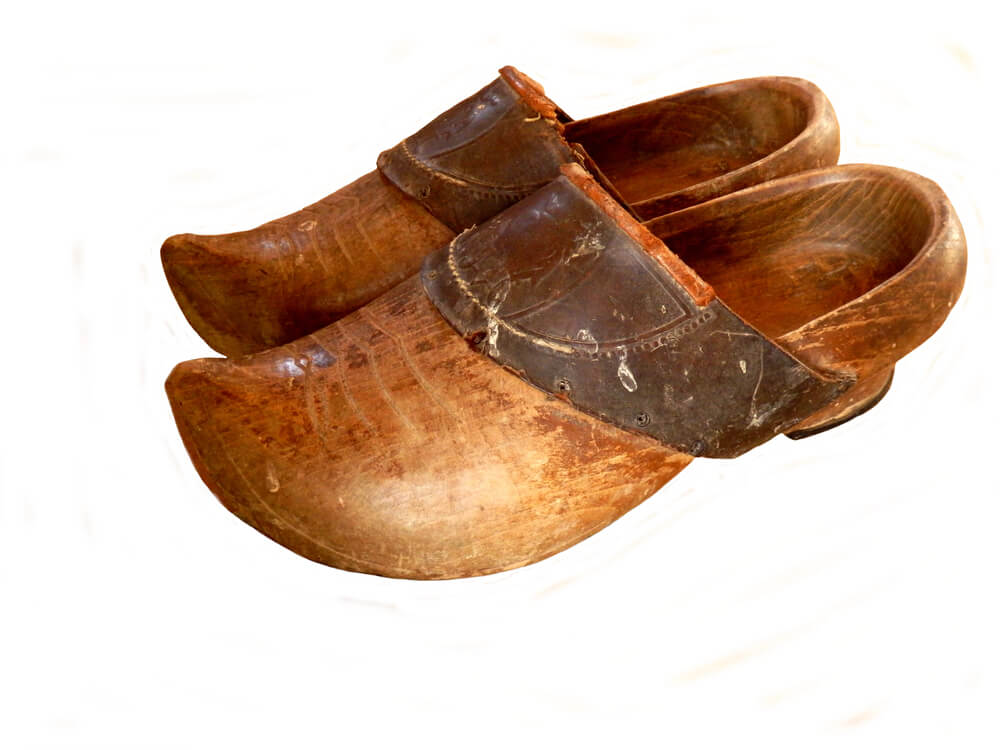
Wet, oxygen-poor soil at Vindolanda preserved thousands of leather shoes, including sandals, boots, and shoes made for children and women. Many are worn and patched.
They suggest that the fort was home to families as well as soldiers.
Mass-Produced Oil Lamps
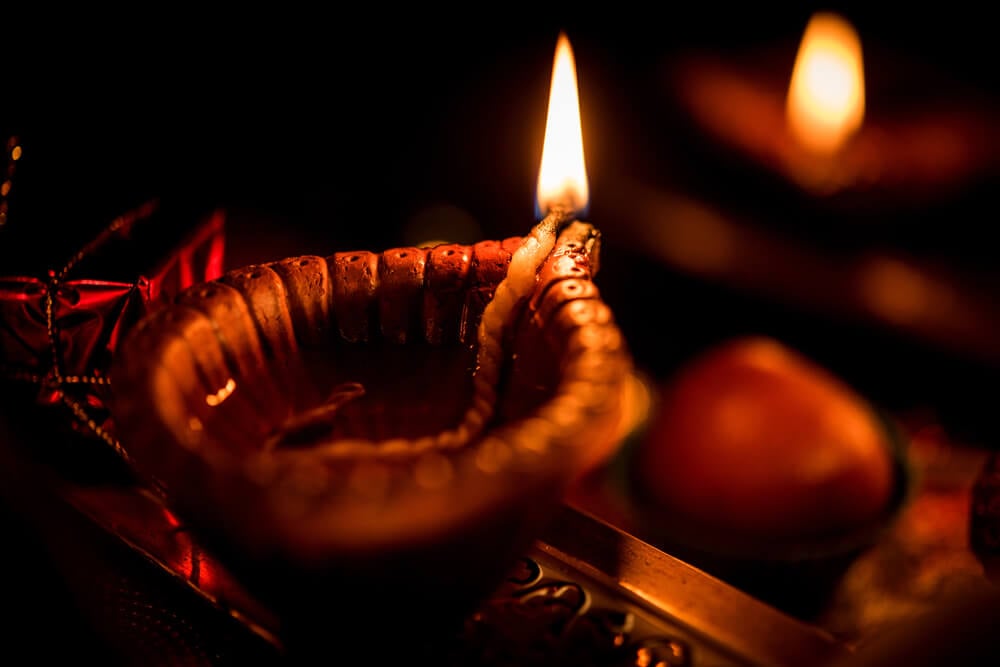
Terracotta oil lamps were the standard source of light in Roman homes, and many were made in molds by the thousands. A brand known as Fortis was exported across the empire.
Some lamps are decorated with gladiators, gods, and animals.
Household Shrine Statuettes
Many Roman homes had a lararium, a small shrine to the household gods called Lares. Excavators have found bronze statuettes in these shrines, often showing a dancing figure holding a drinking horn.
Families made offerings of food and wine to the figures each day.
Stamped Lead Pipes
Roman towns delivered water through lead pipes, and many of them were stamped with the names of the officials or owners responsible. The stamps allowed the authorities to track who was tapping into the supply.
In some cases a pipe has outlasted the house it served.
Glass Perfume Bottles
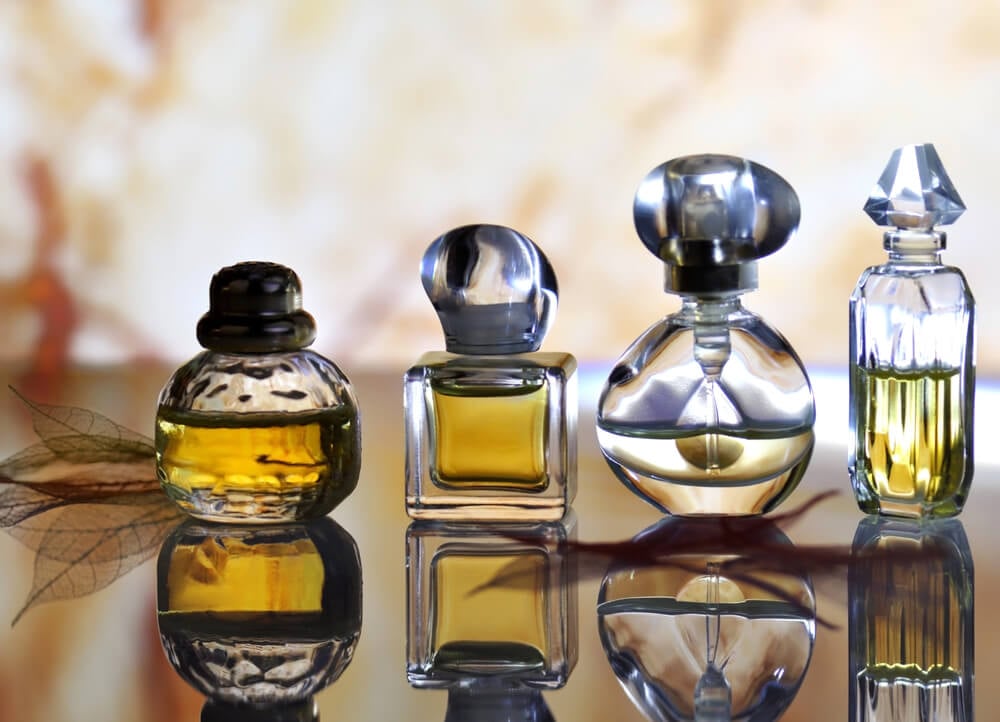
Small glass bottles known as unguentaria held oils and perfumes. They were made by blowing glass, a technique that spread in the first century BC.
The thin, fragile vessels turn up in graves and homes across the empire.
Samian Ware With Potters’ Stamps
Red tableware known as Samian ware, or terra sigillata, was made in Gaul and Italy and sold across the Roman world. Potters often stamped their names in the base of the vessel.
A single stamp can help archaeologists date a building.
House Keys

Roman keys came in several forms, including small bronze keys that could be worn as rings on a finger. Some opened padlocks and others fit door locks.
The finds show that locks were an everyday part of protecting a home.
Bone Hairpins
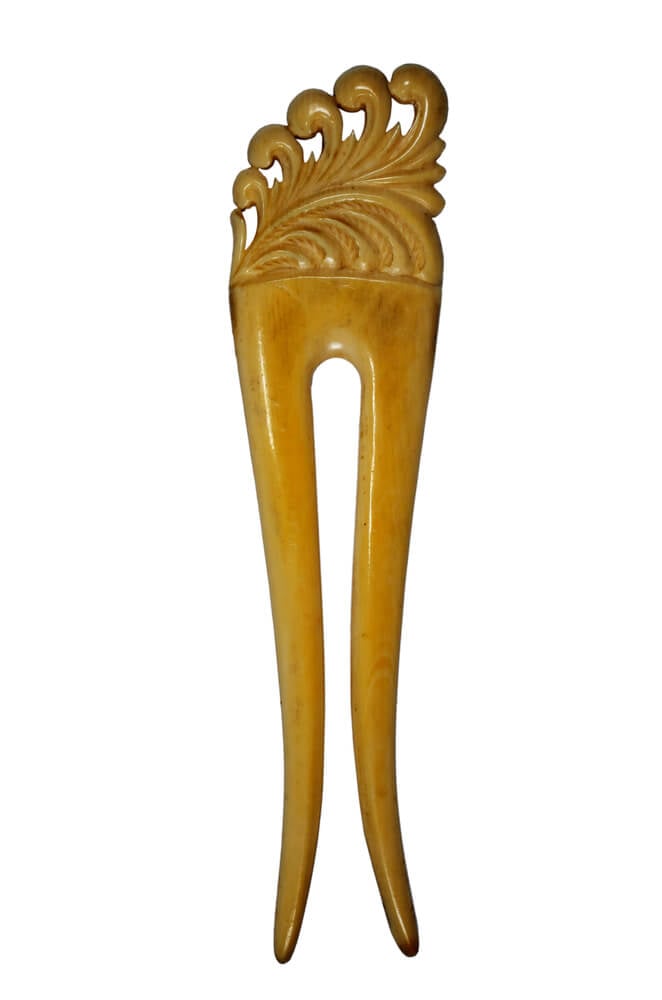
Roman women used long hairpins made of bone, bronze, or ivory to hold their elaborate hairstyles in place. Pins are among the most common finds in houses and graves.
Their heads were sometimes carved with figures or tiny decorations.
Polished Metal Mirrors
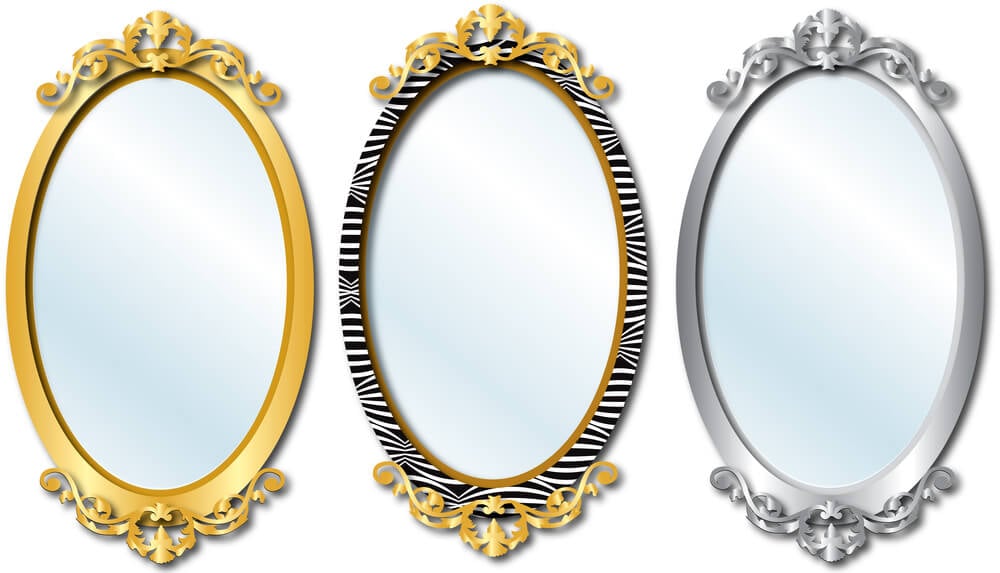
Roman mirrors were usually made of polished bronze or silver rather than glass. They gave a dimmer, warmer reflection than modern mirrors.
Examples have been found in homes at Pompeii and in the Boscoreale treasure.
Loom Weights
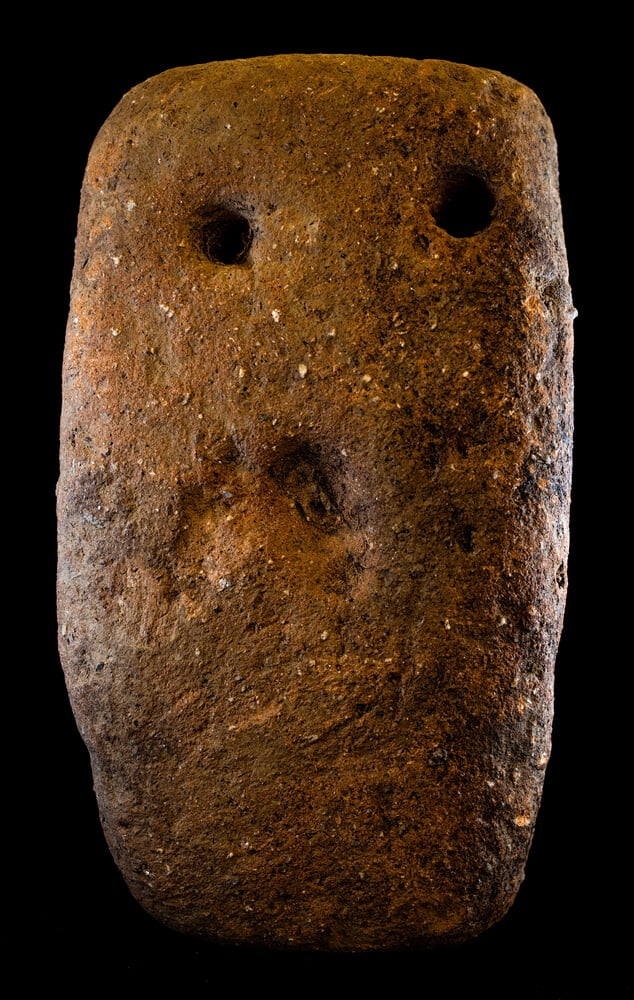
Clay and stone loom weights have turned up in houses across the Roman world, where they held the warp threads taut on upright looms. Many are found in rows, still lined up where the loom fell.
They are reminders that cloth was made at home as well as in workshops.
Hand Mills
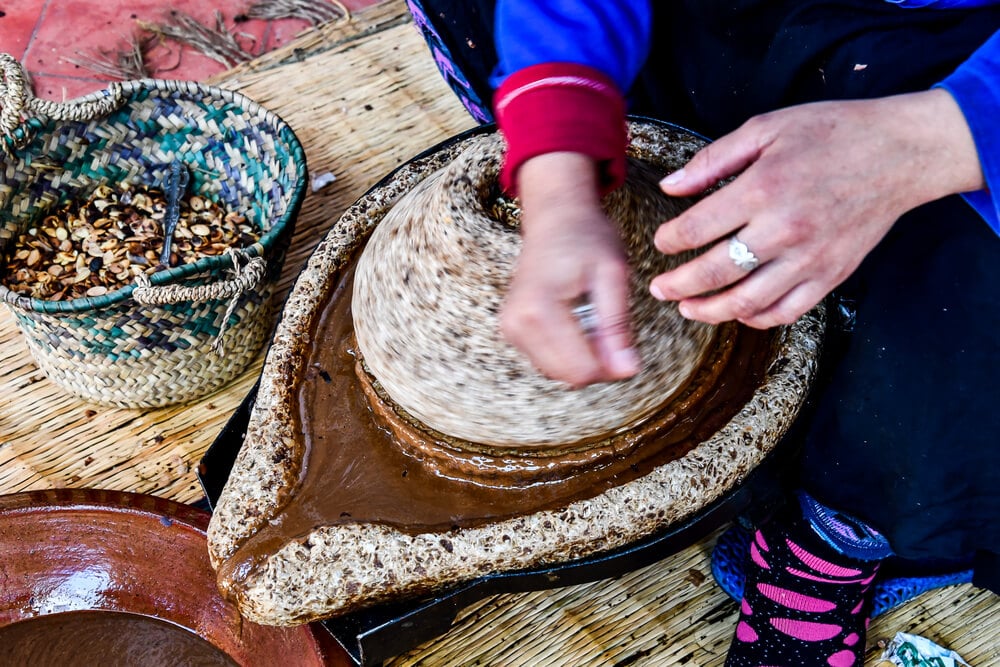
Pompeii’s bakeries contained large hourglass-shaped mills of volcanic stone that were turned by donkeys or slaves. Smaller hand querns ground grain in individual households.
The lava stone used for them was chosen because its rough surface stayed sharp.
Bath Scrapers
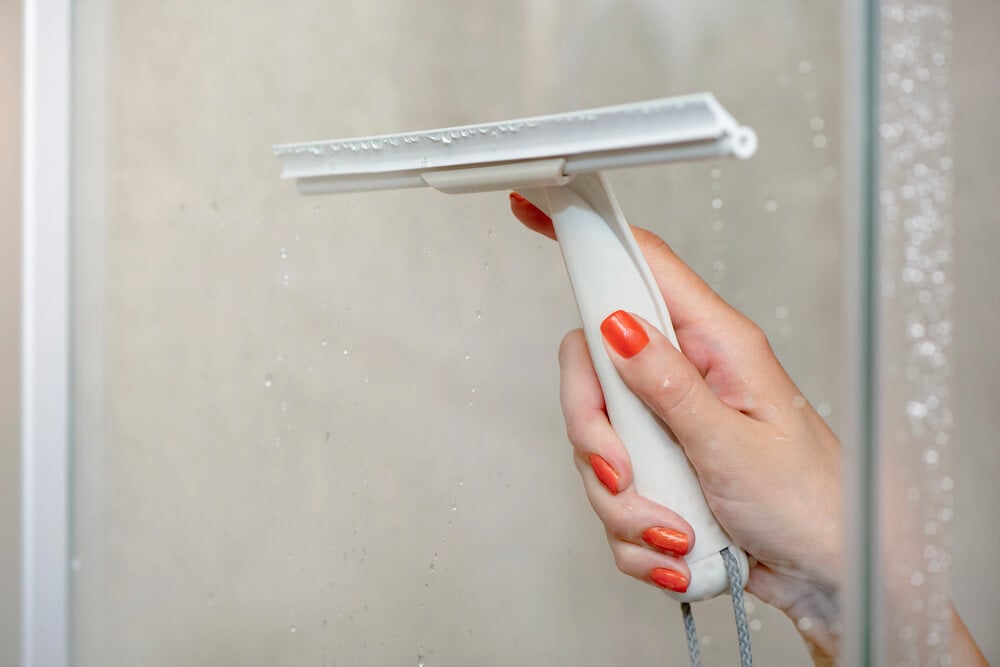
Romans cleaned themselves by rubbing oil on their skin and scraping it off with a curved metal tool called a strigil. Bronze strigils turn up in bathhouses and homes.
They were often carried on a ring along with oil flasks.
The Villa of the Papyri Scrolls
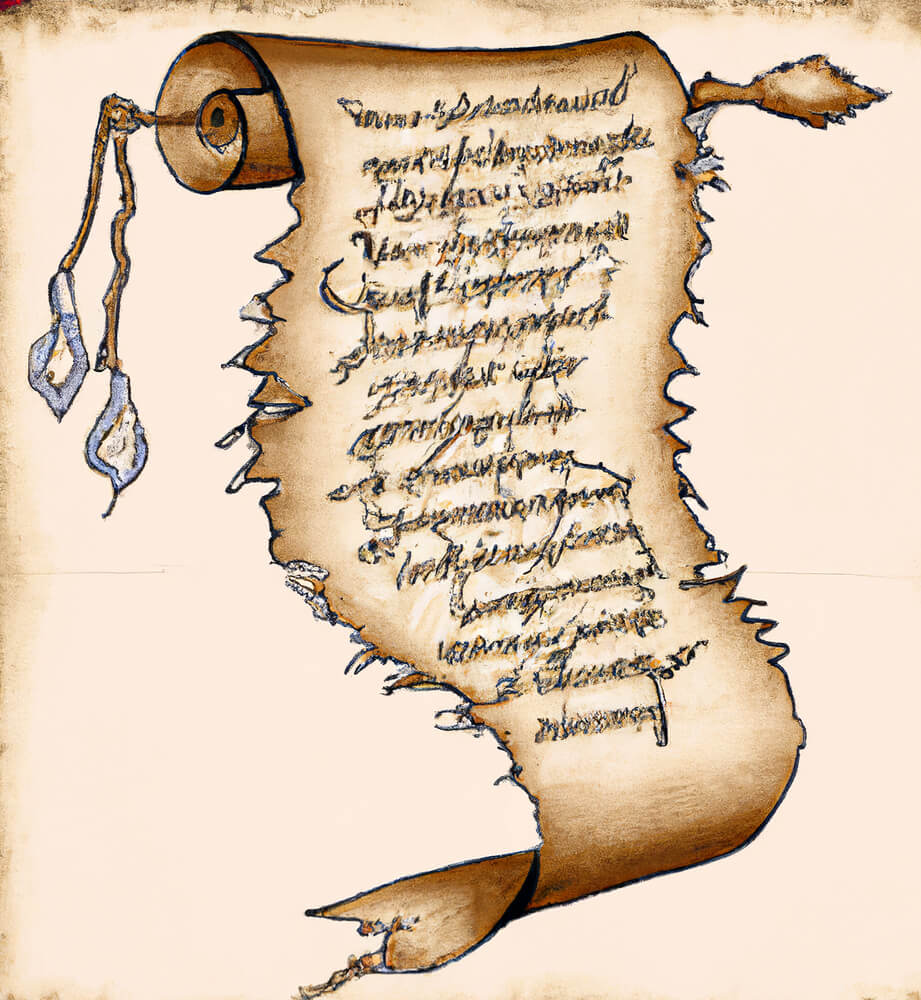
A luxurious villa at Herculaneum yielded more than 1,800 carbonized papyrus scrolls after discovery in the eighteenth century. They were too fragile to unroll for centuries.
In 2023, researchers using imaging and machine learning read the first word from inside one of them, the Greek word for purple.
Knucklebones
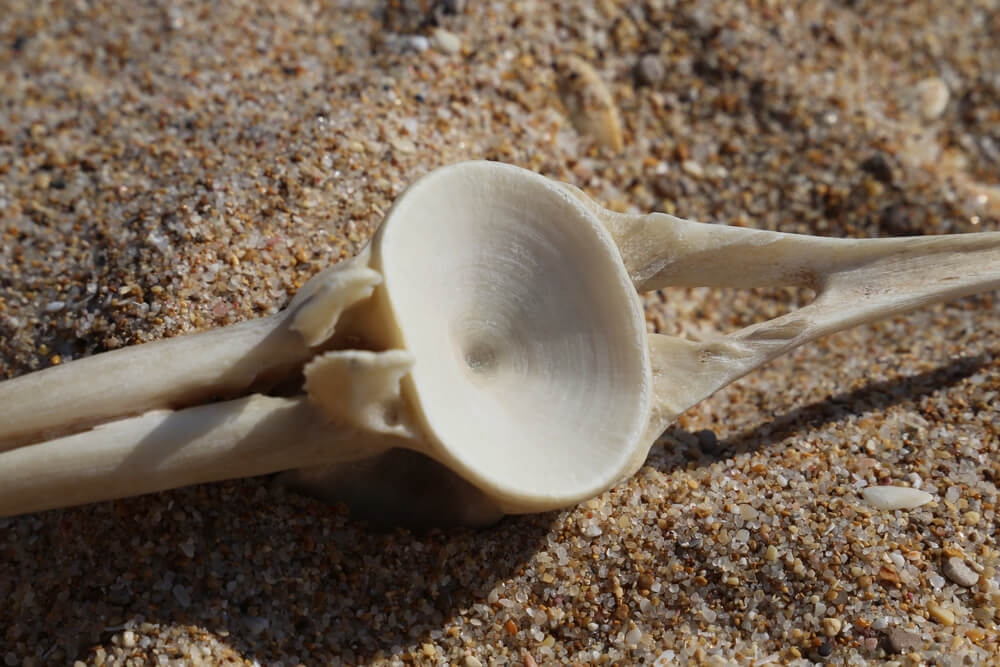
Roman children and adults played games with small bones from sheep or goats, called tali. Each side had a different value, and players threw them like dice.
Sets of knucklebones appear in homes and graves, sometimes made of bronze or glass.
Carbonized Fruit and Nuts

Pompeii and Herculaneum preserved food that was in kitchens and storerooms in AD 79, including figs, dates, walnuts, and almonds. The remains tell researchers what ordinary people ate.
They also give evidence of what grew in the region.
A Child’s Bulla
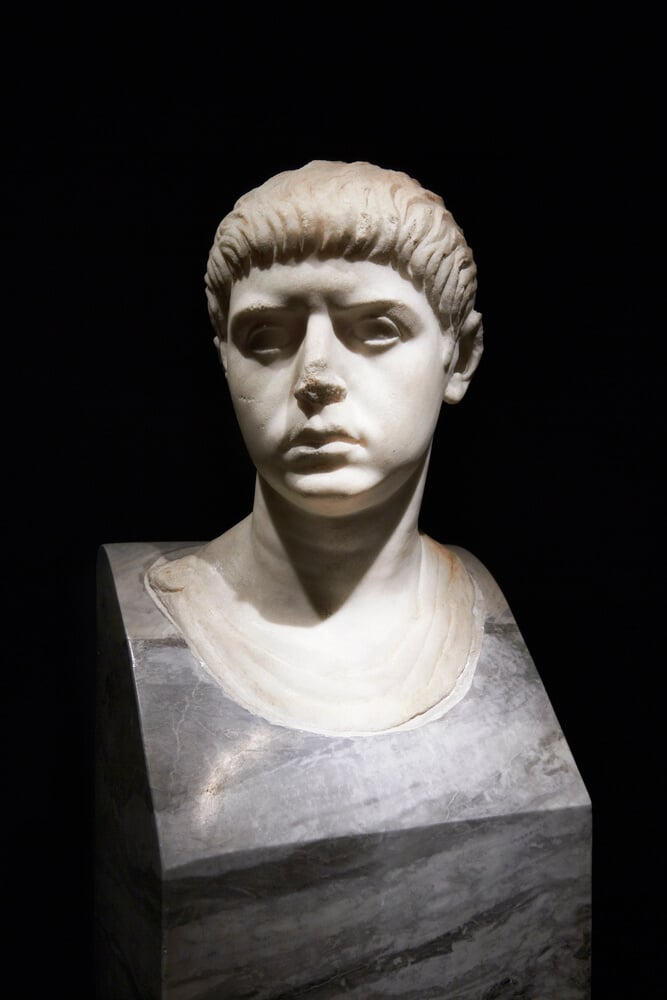
Roman boys of free birth wore a locket called a bulla around the neck as a protective charm. They stopped wearing it when they came of age.
Examples in gold, bronze, and leather have been recovered from graves and houses.
Bronze Cooking Vessels
Roman kitchens used bronze pots and pans in a variety of shapes, many with handles and spouts. Pompeii’s kitchens have yielded complete sets, some of them tinned inside.
The vessels are surprisingly close to what a modern cook might recognize.
Glass Gaming Counters
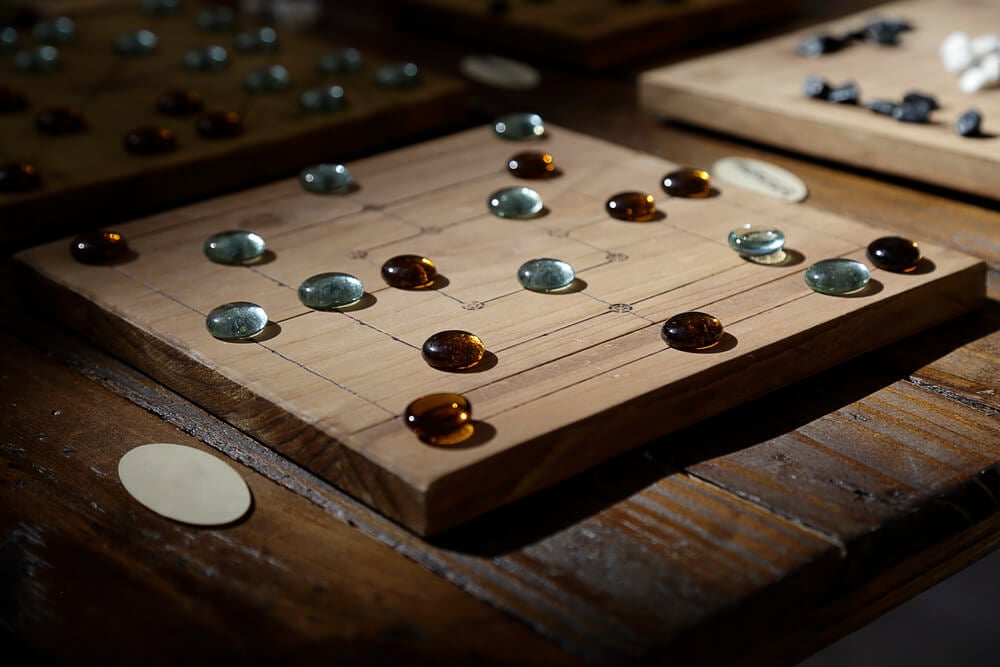
Small glass and bone counters were used in board games such as latrunculi, a game of strategy. They are found in houses and military sites, often in pairs of contrasting colors.
Gaming boards were scratched into stone steps and floors.
Bronze Inkwells
Roman writers used reed pens, bronze inkwells, and wax tablets with metal styluses. Inkwells have been recovered from houses and forts, some still with traces of dried ink.
They represent the everyday work of writing letters and keeping accounts.
What Daily Life Leaves Behind
Taken together, these items show a world that is closer than expected. People marked their bread, locked their doors, lit lamps, and wrote invitations to friends.
Their belongings look different from ours, but the habits they serve are familiar.
The survival of these items often depended on disaster or on unusual soil. Most of the Roman world’s ordinary objects have been lost, which makes the preserved examples especially precious.
They remind visitors that ancient history was lived in kitchens and workshops as much as in forums and palaces.
More from Go2Tutors!

- 27 Silver Dollars and Half Dollars Worth Keeping
- 28 Restaurant Menu Items Nobody Orders Anymore
- 17 Places Built in Seemingly Impossible Spots
- 27 Vintage Rings Worth More Than They Look
- 25 Restricted Sites Tourists Can’t Enter
Like Go2Tutors’s content? Follow us on MSN.