15 Things Banned in Olympic Games
Strict guidelines regarding what is and isn’t permitted are necessary to preserve the Olympic Games’ reputation as the highest level of athletic achievement. The International Olympic Committee has established a complicated web of rules to ensure the Games are safe and fair, outlawing everything from violent ancient sports to contemporary performance-enhancing substances.
The list of prohibited items, which ranges from drugs that unfairly benefit athletes to entire nations that have transgressed Olympic ideals, provides an intriguing glimpse into the evolution of the Olympics. These are 15 items that have historically been prohibited from the Olympic Games.
Performance-Enhancing Drugs

Growth hormones, stimulants, and anabolic steroids are among the many items on the World Anti-Doping Agency’s long list of banned substances. Olympic aspirations can be abruptly dashed by these drugs, as athletes like Ben Johnson, the 1988 100-meter champion who tested positive for stanozolol, have discovered the hard way. Hans-Gunnar Liljenwall, a Swedish pentathlete who lost his bronze medal in 1968 after consuming “two beers” to calm himself, was the first Olympic athlete to test positive.
Pankration

This ancient Greek sport combined boxing and wrestling with almost no rules, allowing everything except biting and eye gouging. Competitors fought without hand protection, making matches brutally violent affairs that often ended in serious injury or death. One famous competitor, Arrachion, reportedly died while competing in 564 B.C. but was posthumously declared the winner when his opponent surrendered just as Arrachion died of suffocation.
Live Pigeon Shooting
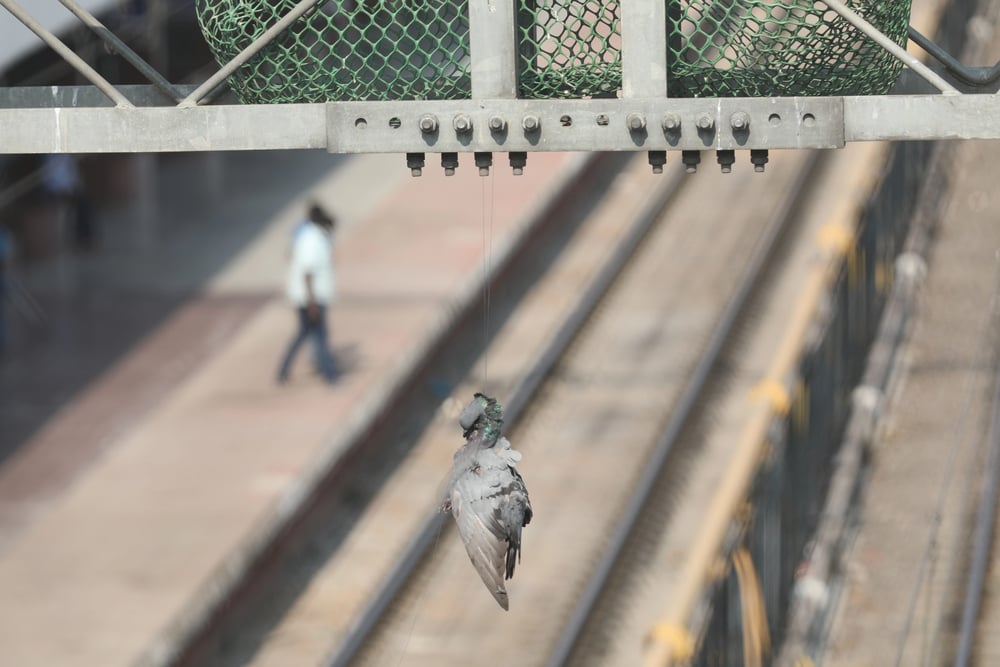
At the 1900 Paris Olympics, competitors shot live pigeons released into the air, with Belgian Leon de Lunden winning after killing 21 birds. The event resulted in over 300 dead pigeons littering the field with feathers and carcasses. Modern Olympic shooting events now use clay targets, providing the same test of marksmanship without the grim reality of using live animals for sport.
Russia (State-Sponsored Doping)

In 2018, the IOC took the unprecedented step of banning Russia from the Winter Olympics due to systematic state-sponsored doping. The scandal involved widespread manipulation of drug tests and cover-ups at the highest levels of Russian sport. Russian athletes were eventually allowed to compete as neutrals, but couldn’t wear their national colors or hear their anthem during medal ceremonies.
Pistol Dueling
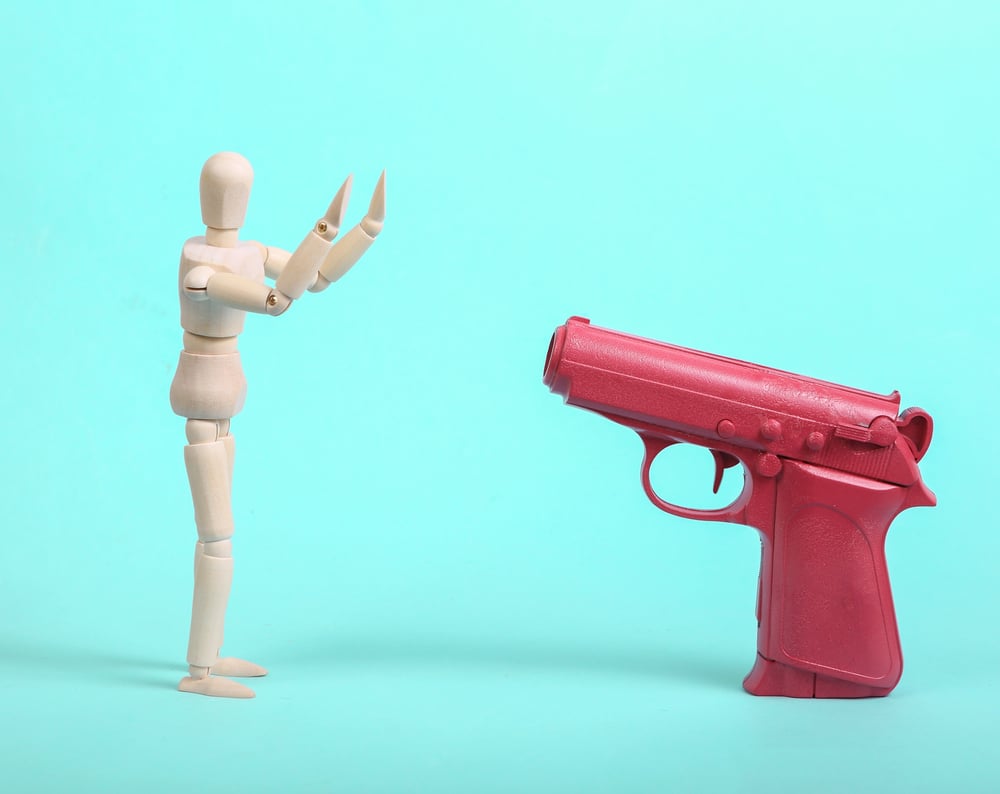
The 1906 Olympics featured pistol dueling, where competitors fired at human-shaped dummies with bull’s eyes on their chests. By 1908, organizers increased the danger by having athletes shoot wax bullets at each other while wearing protective gear, though injuries still occurred, including one athlete losing skin between his thumb and pointer finger. The event was retired after 1908 due to obvious safety concerns.
Tug of War

This beloved childhood game was an official Olympic sport from 1900 to 1920, featuring five-person teams in tests of pure strength. The sport stirred controversy at the 1908 London Olympics when Americans accused Liverpool police officers of foul play for wearing heavy boots. Despite its popularity, tug of war was discontinued as organizers streamlined the number of team events within athletics.
South Africa (Apartheid)

South Africa was banned from the Olympics from 1964 to 1992 due to its oppressive apartheid regime that enforced racial segregation. The IOC took this stand to uphold Olympic values of equality and human dignity. South Africa was finally readmitted to the Games in 1992 after dismantling apartheid and transitioning to democracy.
Underwater Swimming

This event at the 1900 Paris Olympics was ‘incredibly boring for spectators’ since swimmers disappeared beneath the surface, leaving audiences staring at empty water. Frenchman Charles Devendeville won by staying underwater for one minute and eight seconds, covering 60 meters. The lack of visibility for spectators made this one of the least engaging Olympic events, ensuring its quick removal from future Games.
Blood Doping and Transfusions

The prohibited list specifically bans the administration or reintroduction of any quantity of blood or red blood cell products into the circulatory system. This method artificially boosts an athlete’s oxygen-carrying capacity, providing an unfair endurance advantage. Athletes have tried various forms of blood manipulation, but modern testing methods can detect these violations through biological passport monitoring.
Motor Boat Racing

Motor boating was one of ten sports that completely disappeared from the Olympic schedule after appearing in early Games. The event didn’t align with the Olympic emphasis on human athletic achievement since success depended more on mechanical engineering than physical prowess. Like other discontinued motorized events, it was phased out as the Games focused more strictly on human-powered competition.
Diuretics and Masking Agents
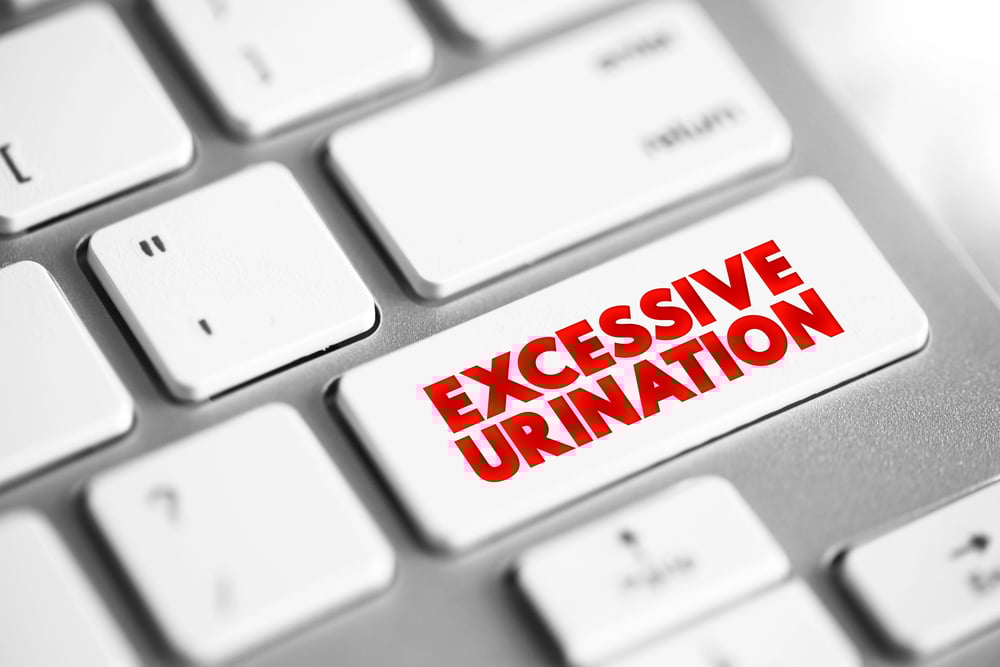
Diuretics increase urine flow, diluting and potentially masking the presence of other prohibited performance-enhancing substances. The IOC prohibited these substances not because they enhance performance directly, but because they help athletes cheat drug tests. Weight-class athletes sometimes misuse diuretics for rapid weight loss, but this practice poses serious health risks including dehydration and kidney damage.
Large Bags and Personal Items
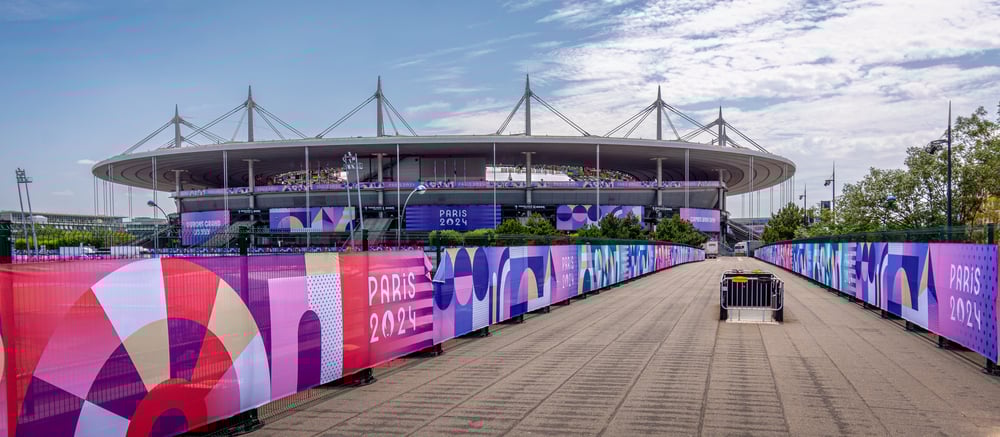
— Photo by HJBC
Olympic venue security restricts items that ‘may disrupt competition, obstruct the view of other spectators or create a safety hazard’. Spectators are typically allowed only one medium, soft-sided bag that can fit underneath a seat or on a lap. Items like bicycles, roller skates, and large equipment are banned from venues since they’re too large and would be a nuisance to other spectators.
Stimulants

Stimulants have been prohibited in Olympic competition since 1968, following deaths of cyclists at the 1960 Olympics and during the 1967 Tour de France. All seven athletes sanctioned at the 1972 Munich Olympics, four of whom won medals, had taken stimulants. These substances provide artificial energy and focus, creating an unfair advantage while potentially endangering athlete health.
Gene Doping

More drugs and other doping techniques, such as gene doping, have been added to WADA’s Prohibited List. Changing an athlete’s genetic composition to improve performance is a futuristic kind of cheating. In order to keep ahead of possible scientific advancements, the IOC preemptively banned gene doping, even though it is not yet technically possible on a practical scale.
Erythropoietin (EPO)

EPO is a hormone that boosts the production of red blood cells and their ability to carry oxygen, which makes it a great tool for endurance sports. Athletes began using EPO in the 1990s to improve their endurance performance, even though it wasn’t detectable until 1975. Although the substance gained notoriety in cycling, it has an impact on numerous Olympic sports where cardiovascular endurance gives athletes a competitive advantage.
The Evolution Continues

Since 1896, the Olympic Games have undergone significant change, with prohibited items reflecting advancements in social values, medical knowledge, and technology. Eight sports that were part of the early Olympic Games before World War II have since been discontinued, and modern organizers prioritize preserving fair competition through advanced anti-doping initiatives. What began as a straightforward list of blatant cheating techniques has developed into a thorough system intended to maintain the integrity that gives Olympic success significance. As long as the Olympic flame burns, the list of people banned will keep expanding due to the continuous conflict between those who would cheat and those who defend fair play.
More from Go2Tutors!

- 16 Historical Figures Who Were Nothing Like You Think
- 12 Things Sold in the 80s That Are Now Illegal
- 15 VHS Tapes That Could Be Worth Thousands
- 17 Historical “What Ifs” That Would Have Changed Everything
- 18 TV Shows That Vanished Without a Finale
Like Go2Tutors’s content? Follow us on MSN.