19 Famous Paintings With Documented Changes Beneath the Surface
A finished painting is often the last version of several. Artists scraped away figures, repainted backgrounds, and sometimes reused a canvas entirely, then covered the evidence with fresh paint.
Modern imaging has made those hidden stages visible. X-rays, infrared reflectography, and chemical mapping have shown conservators what the artists changed, and in many cases the discoveries have altered how the final paintings are understood.
The Blue Room
— Photo by photo-lime
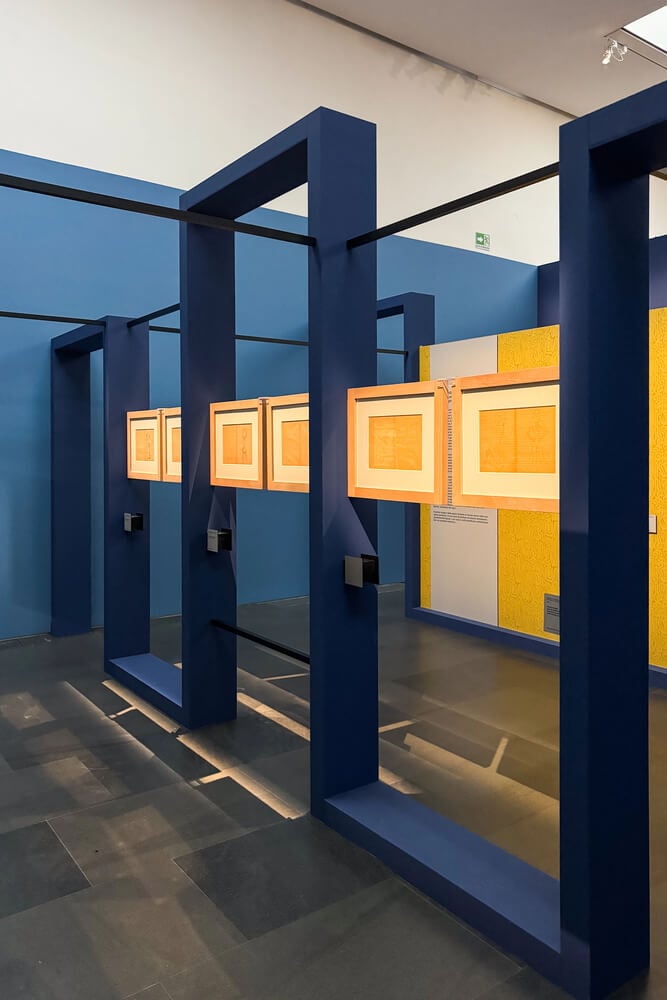
Milan, Italy – May 31, 2024: Exhibition room with blue frames and rows of framed Picasso drawings and sketches at Picasso Metamorphosis of Figure exhibition at Mudec, modern art
— Photo by photo-lime
Picasso’s The Blue Room of 1901 shows a woman bathing in a small interior. In 2008, researchers at the Phillips Collection used infrared imaging to reveal a hidden portrait of a man in a bow tie resting his head on his hand.
The figure sits in a position that runs at a different angle from the visible composition.
The Crouching Beggar
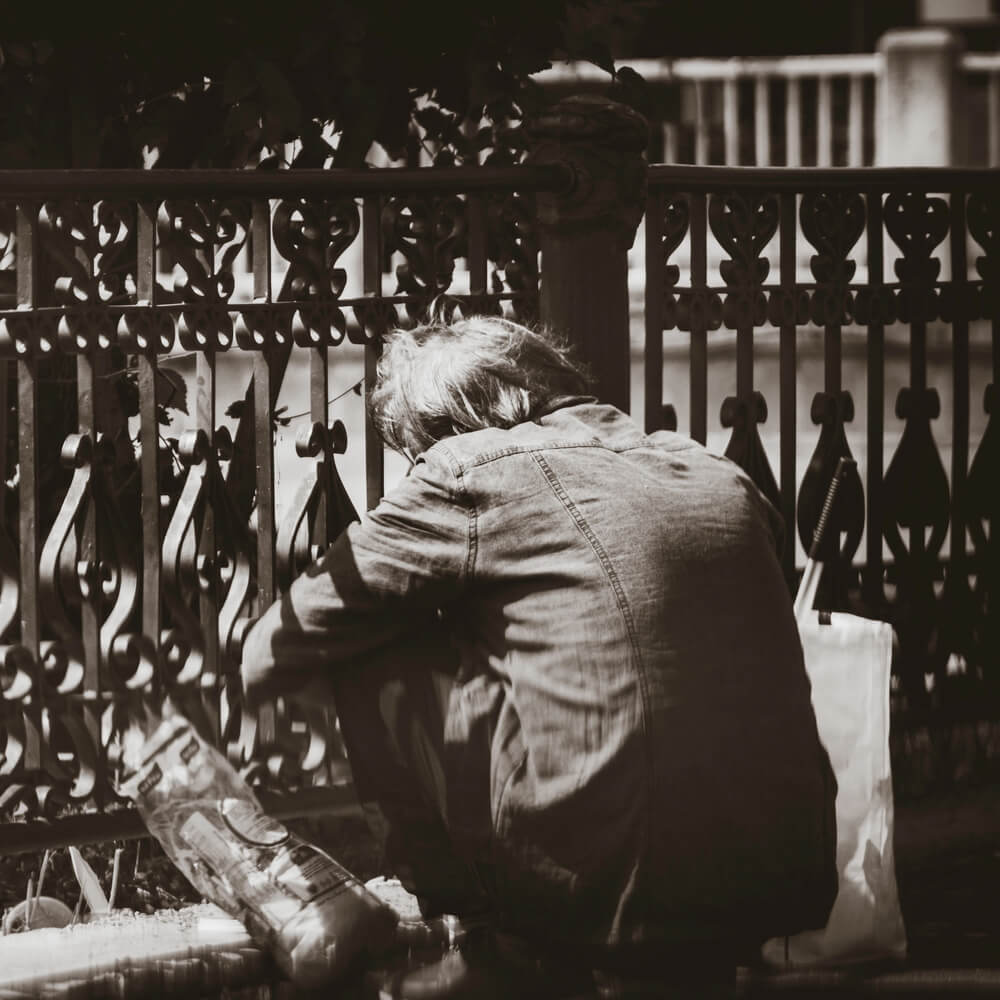
Picasso painted The Crouching Beggar in 1902, during his Blue Period, and it belongs to the Art Gallery of Ontario. Imaging done in 2018 revealed a hidden landscape beneath the figure.
Picasso was short of money, and reusing a canvas was a common solution.
La Vie
La Vie, painted in 1903, shows an unclothed couple facing a mother and child, but earlier stages of the composition were different. X-ray and infrared studies at the Cleveland Museum of Art showed that Picasso reworked the male figure, who bears the features of his late friend Carlos Casagemas.
Earlier versions gave the man a different identity and changed the relationships among the figures.
Patch of Grass

Vincent van Gogh painted Patch of Grass in Paris in 1887. X-ray analysis at the Kröller-Müller Museum showed a woman’s head hidden beneath the grass.
Van Gogh reused canvases regularly because he could not afford new ones.
Still Life with Meadow Flowers and Roses

Another painting in the Kröller-Müller Museum, Van Gogh’s Still Life with Meadow Flowers and Roses, hides two wrestlers. Researchers mapped the buried image with X-ray techniques.
The composition is entirely different from the bouquet above it.
Head of a Peasant Woman
— Photo by OlyaSolodenko
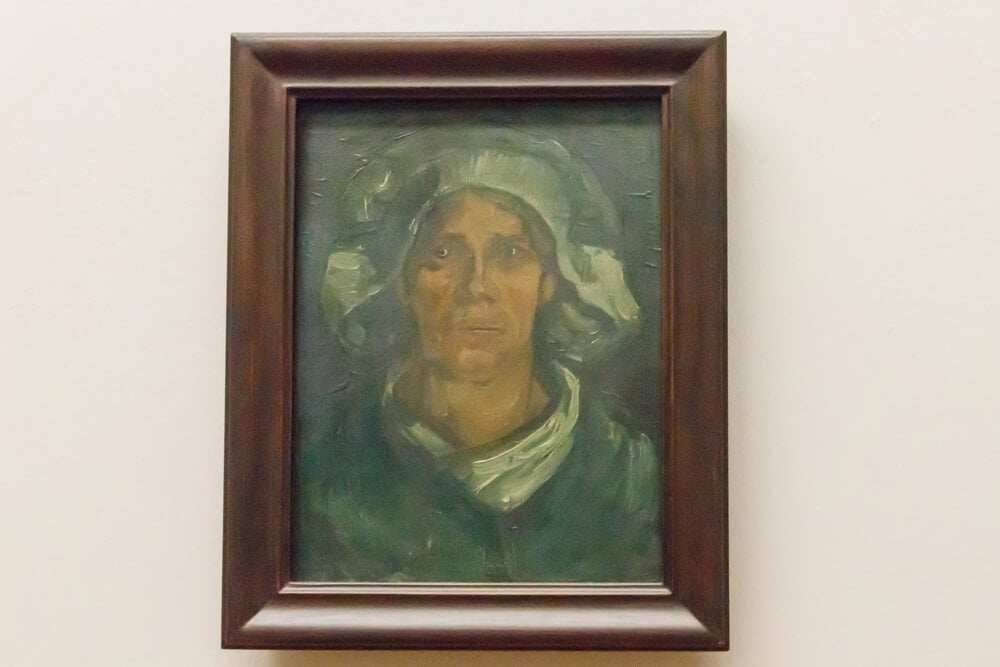
In 2022 the National Galleries of Scotland announced that an X-ray of Van Gogh’s Head of a Peasant Woman had revealed a self-portrait on the reverse side of the canvas. The portrait had been hidden behind cardboard for generations.
Van Gogh used both sides of his canvases when he was working in Nuenen.
An Old Man in Military Costume
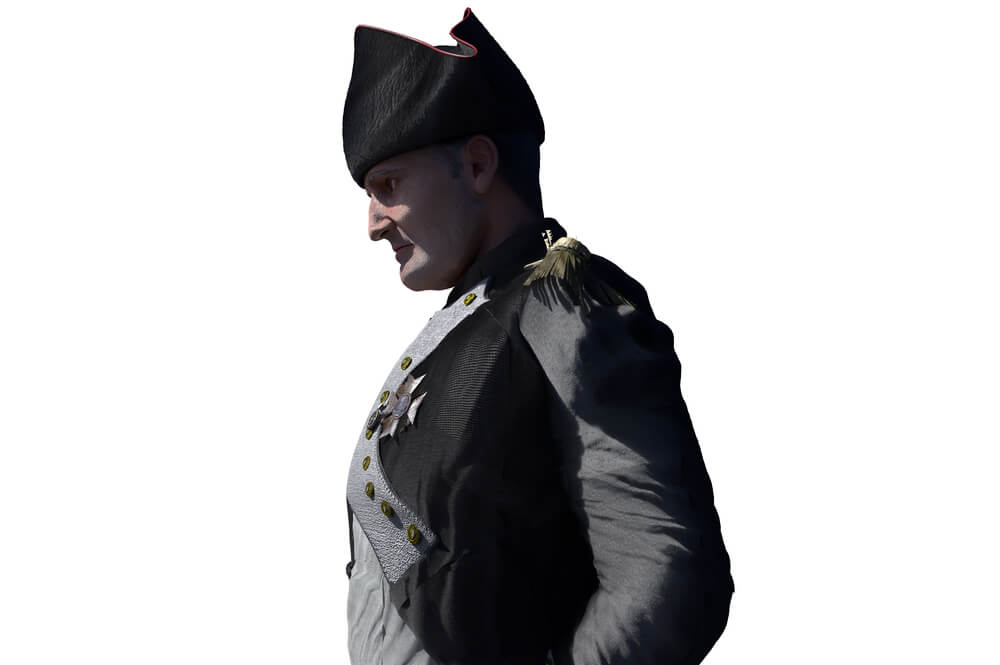
Rembrandt’s An Old Man in Military Costume at the Getty Museum conceals the portrait of a young woman. Researchers used macro X-ray fluorescence to map the hidden image through the paint.
The old man appears to have been painted on a canvas that already contained a different sitter.
Praxitella
The 1921 painting Praxitella by Wyndham Lewis, now at Leeds Art Gallery, covers an earlier work by the artist Helen Saunders. Researchers found that Lewis had reused her canvas to paint his portrait.
Saunders’s hidden work shows a view of Atlantic City.
Girl Reading a Letter at an Open Window

For centuries Vermeer’s painting in Dresden showed a plain wall behind the reading woman. Conservators discovered that the wall had once held a large painting of Cupid, which Vermeer himself had covered.
The restoration completed in 2021 removed the later paint and brought the Cupid back.
Girl with a Pearl Earring
— Photo by corvalola
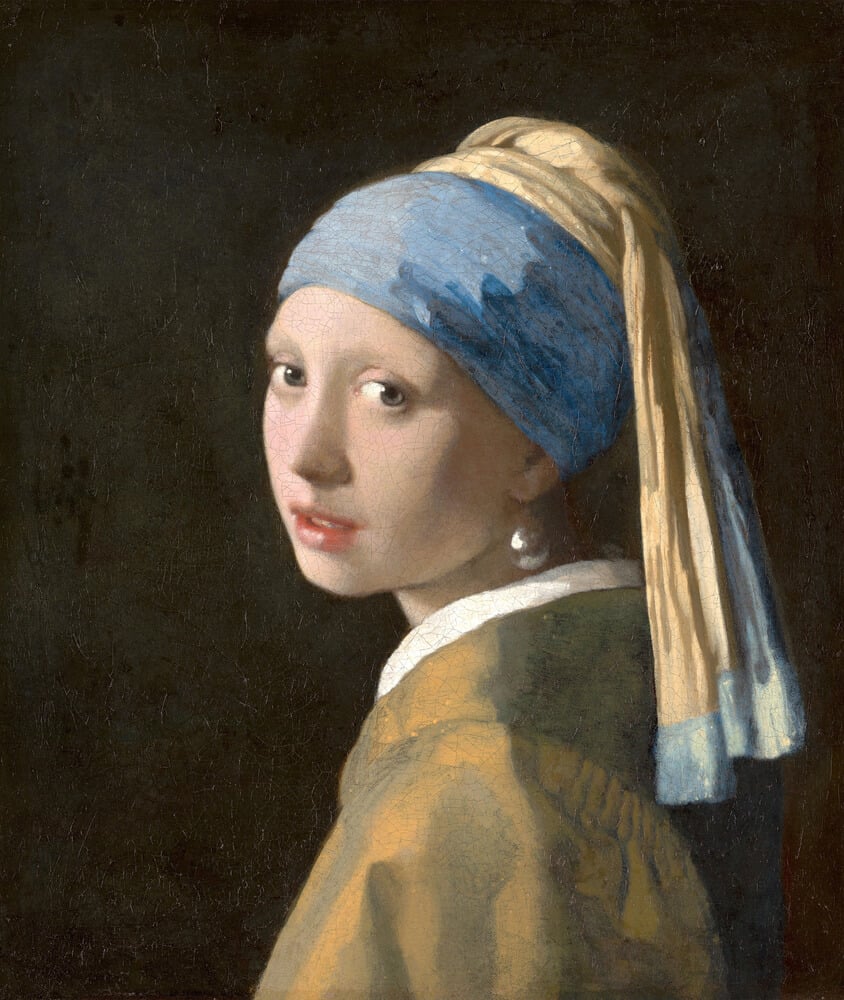
A research project in 2018 used scanning technology to study Vermeer’s best-known painting. The team found that the dark background was originally a deep green curtain.
Over time, the glaze that gave the curtain its color had faded, leaving the girl in front of an empty dark space.
The Tempest

Giorgione’s The Tempest in Venice has puzzled viewers for centuries because no one agrees about the meaning of its figures. X-rays in the twentieth century revealed that a seated woman once occupied the position now held by a standing soldier.
The change suggests that the painting’s subject evolved while Giorgione worked.
Lady with a Unicorn
— Photo by perseomedusa
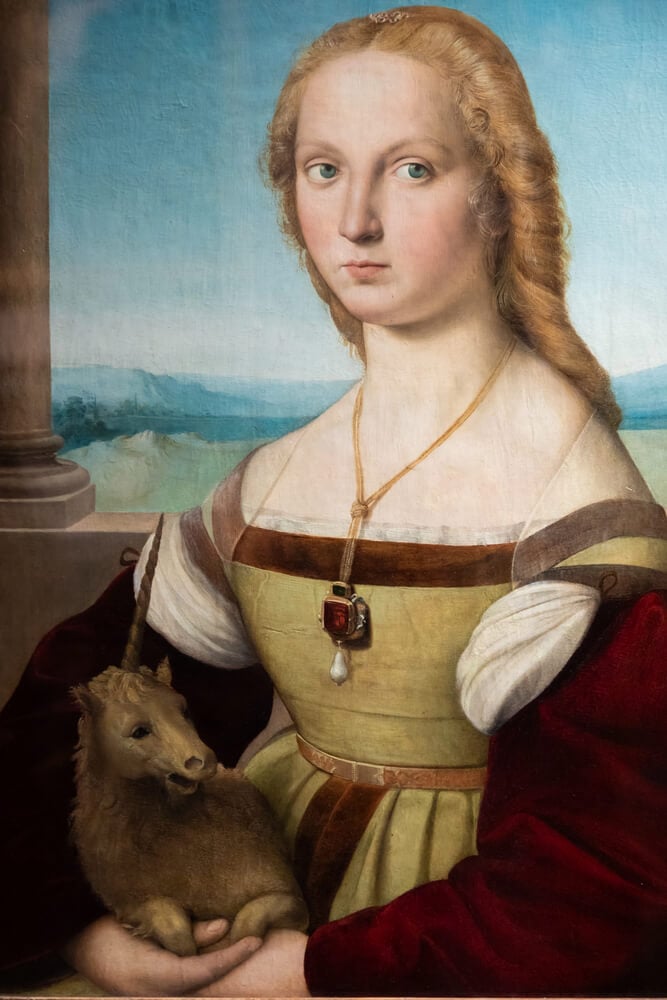
Raphael’s Lady with a Unicorn in the Galleria Borghese looks like a typical symbolic portrait, with a young woman holding a unicorn. X-rays showed that the animal was first painted as a small dog, a symbol of fidelity.
A later artist transformed it into a unicorn, and the wheel painted on the original composition was covered as well.
Madame X
John Singer Sargent’s portrait of Virginie Gautreau caused a scandal at the 1884 Paris Salon. In the original version, one of the jeweled straps of her dress had slipped off her shoulder.
Sargent repainted the strap into place after the outcry, and the change can be seen in surviving records.
Monk by the Sea
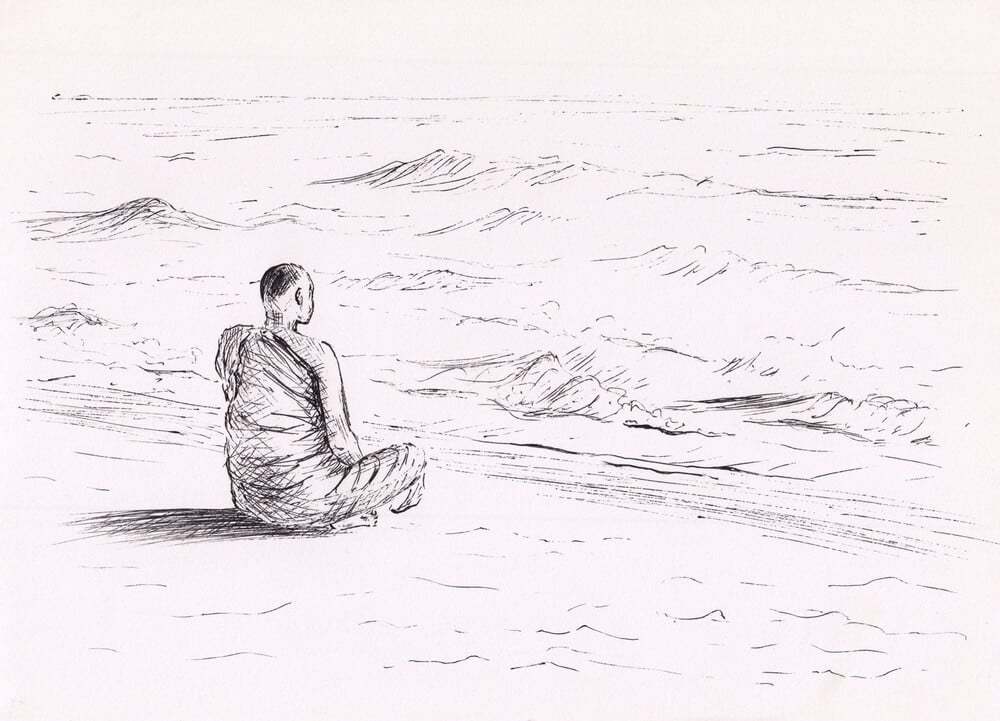
Caspar David Friedrich’s Monk by the Sea shows a lone figure on a shore under an immense sky. X-ray examination found that the artist had painted two sailing boats into the scene before removing them.
Without the boats, the painting became more austere and more empty.
The Reclining Woman of 1935
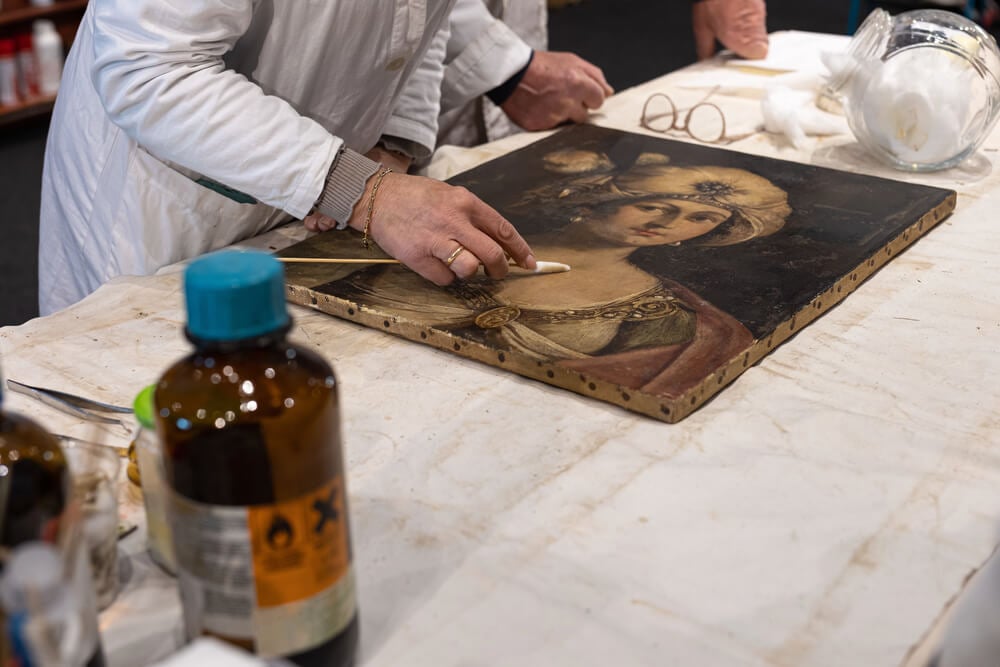
Henri Matisse’s large reclining woman of 1935, now in the Baltimore Museum of Art, was photographed in 22 stages as he worked. The photographs show a figure that changed from a detailed, rounded form to a flat, simplified one.
Matisse sent the photographs to friends to show how he reached the final version.
The Ghent Altarpiece
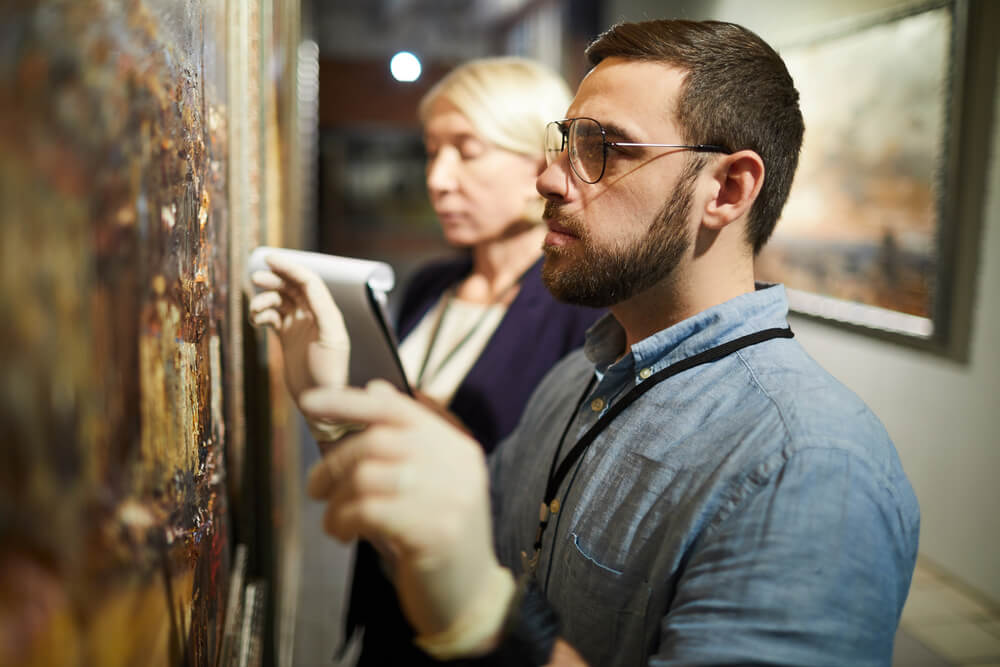
During a conservation campaign completed in 2020, restorers removed old overpaint from the Lamb of God in the Ghent Altarpiece. Under it they found a different face, with forward-facing eyes and a more human look.
The original image is strikingly different from the one people had seen for centuries.
Lady with an Ermine
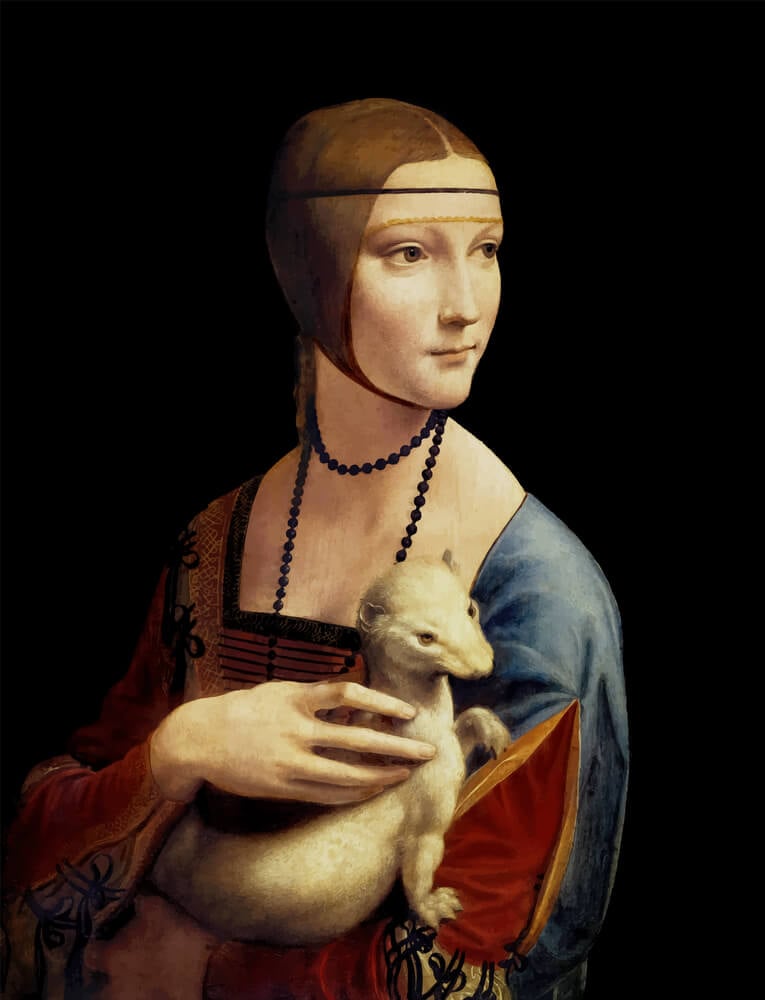
Using multispectral imaging in 2014, researcher Pascal Cotte found that Leonardo’s Lady with an Ermine had a different background from the one on view. The dark background was apparently added later by someone other than Leonardo.
Beneath it was a lighter blue-gray tone, and the study also found changes in the animal.
The Old Guitarist

Picasso’s The Old Guitarist in the Art Institute of Chicago looks like a single figure bent over a guitar. Infrared imaging in the late 1990s revealed other images underneath, including a woman with a child and an animal. Picasso painted over them to produce the final composition.
A Sunday on La Grande Jatte
Georges Seurat spent two years working on A Sunday on La Grande Jatte, and he continued to revise it after its first exhibition. He added a painted border of dots around the edges in 1889.
Some of the pigments he used have darkened over time, so the colors on view differ from those he intended.
The Layers Behind the Picture
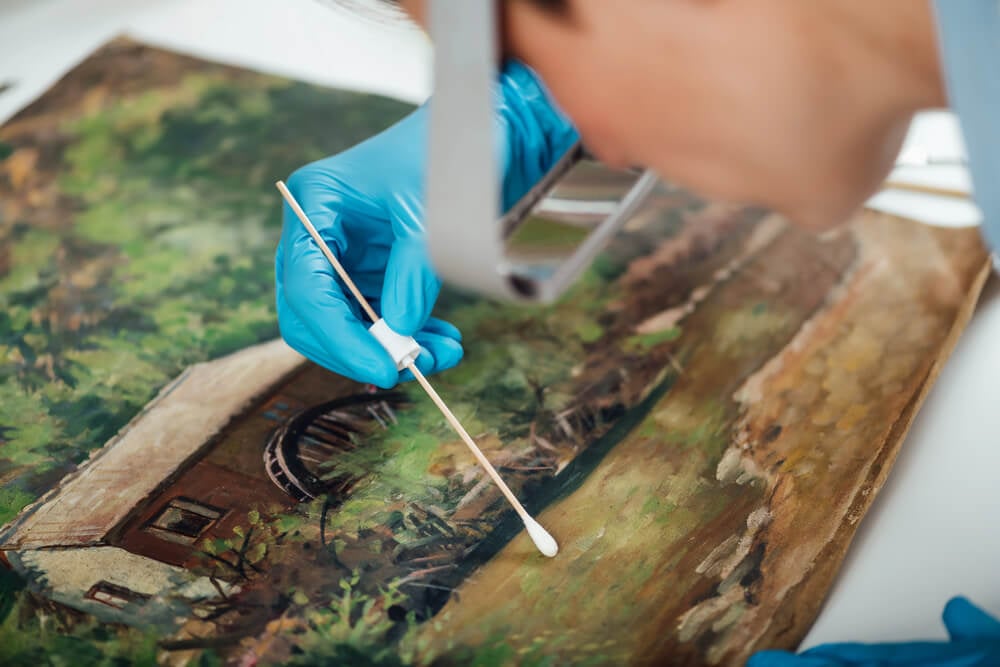
The paintings above show that changes are the rule rather than the exception. Artists reused canvases because of cost, changed their minds about symbols, and reacted to criticism by repainting. The hidden layers record decisions that the final surface was meant to conceal.
Technology has made these decisions legible. Every new scan can change a painting’s story, as a wall becomes a curtain or a dog becomes a unicorn.
The pictures in the museum are the visible part of a longer process, and imaging lets viewers see more of it.
More from Go2Tutors!

- 27 Silver Dollars and Half Dollars Worth Keeping
- 28 Restaurant Menu Items Nobody Orders Anymore
- 17 Places Built in Seemingly Impossible Spots
- 27 Vintage Rings Worth More Than They Look
- 25 Restricted Sites Tourists Can’t Enter
Like Go2Tutors’s content? Follow us on MSN.