14 Famous Public Squares Before Cars Took Over
Before the automobile, a public square worked as a market, a stage, a courtroom, and a parade ground, often within the same week. Pedestrians, carts, and horse-drawn vehicles shared the space at a pace that let a crowd gather in the middle of it.
The squares below each have a documented earlier life that looks very different from today’s traffic-filled or tourist-filled version. A few have since been pedestrianized, which makes the older pattern of use easier to picture.
Longacre Square Before It Became Times Square
— Photo by jovannig
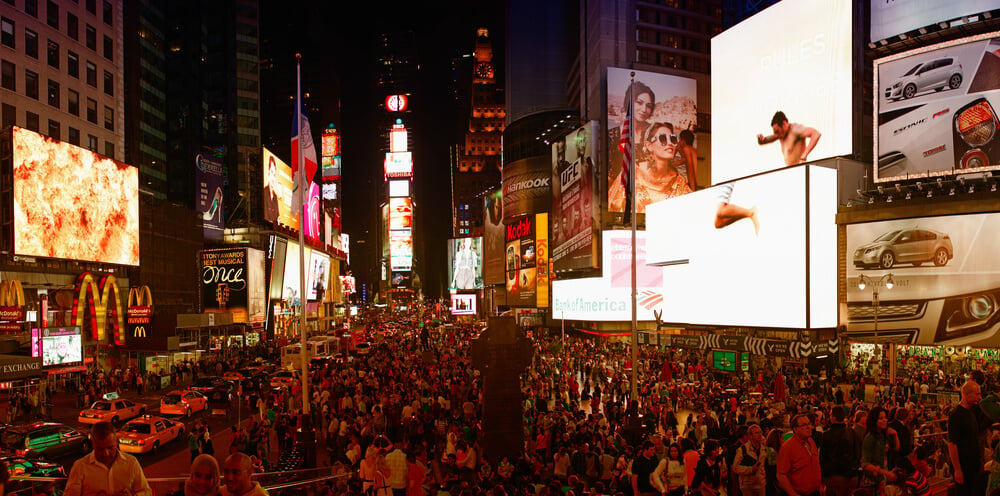
Until 1904, the area was called Longacre Square and served as the center of New York’s carriage trade, with carriage makers and stables lining the streets. It took its current name after the New York Times moved into a new tower there that year, and the first New Year’s Eve celebration followed on December 31, 1904.
Sections of Broadway were turned into pedestrian plazas in 2009, returning part of the crossroads to walkers.
Trafalgar Square Before the Lions
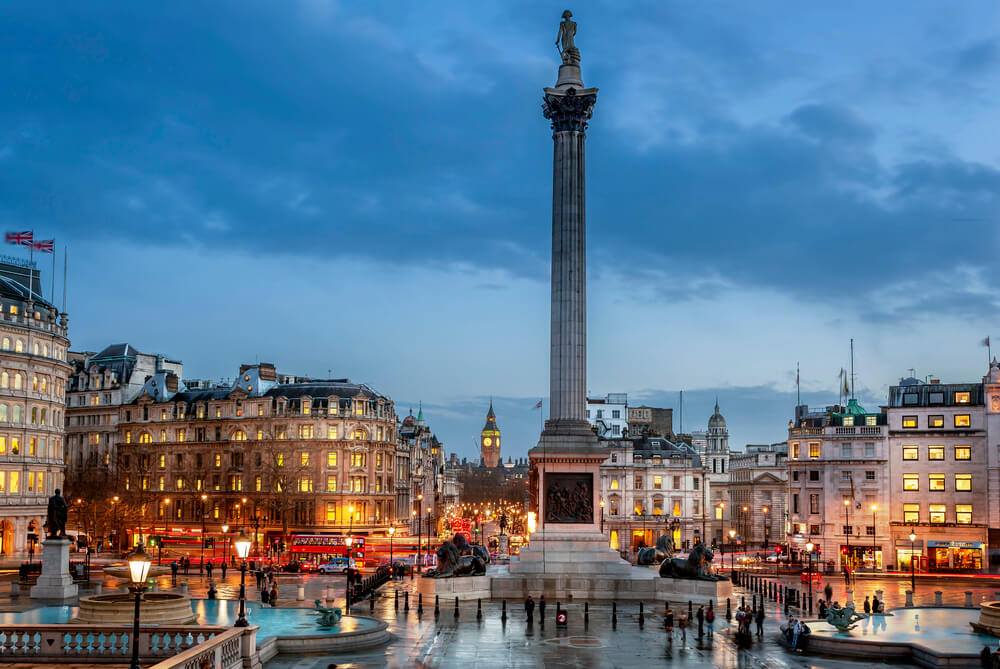
Trafalgar Square was laid out in the 1830s and 1840s, and Nelson’s Column was completed in 1843. The four bronze lions by Edwin Landseer were not added until 1867, so for more than two decades the column stood without them.
The north terrace was closed to through traffic and pedestrianized in 2003.
Place de la Concorde When It Was Place Louis XV
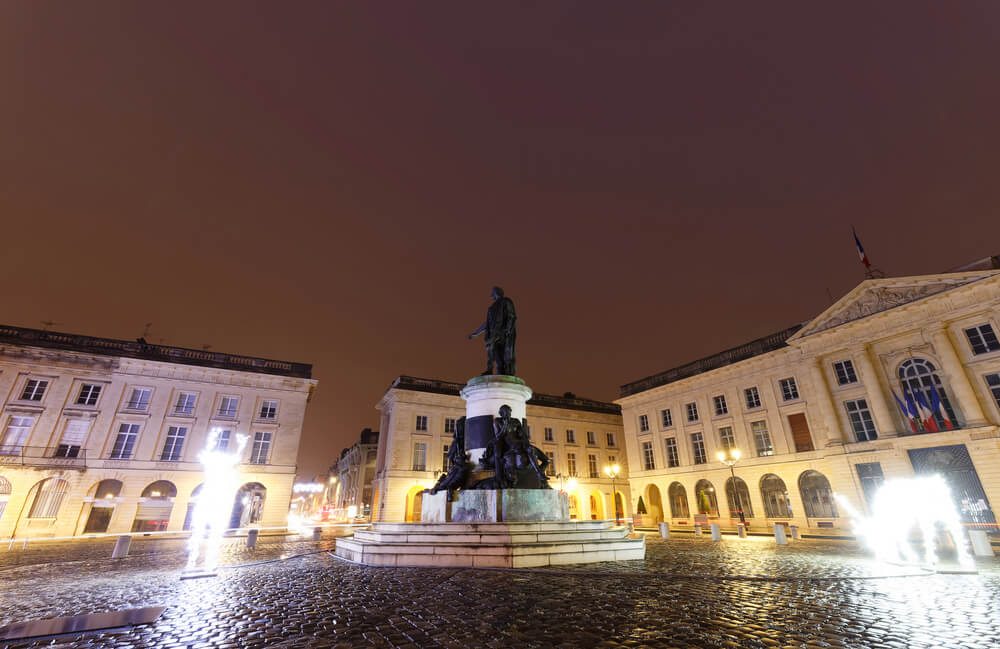
Designed by Ange-Jacques Gabriel in the middle of the eighteenth century, the square was first named for Louis XV and later renamed Place de la Révolution. Louis XVI was executed there by guillotine on January 21, 1793.
The Luxor Obelisk, brought from Egypt, was erected in the center in 1836 and replaced the earlier royal statue.
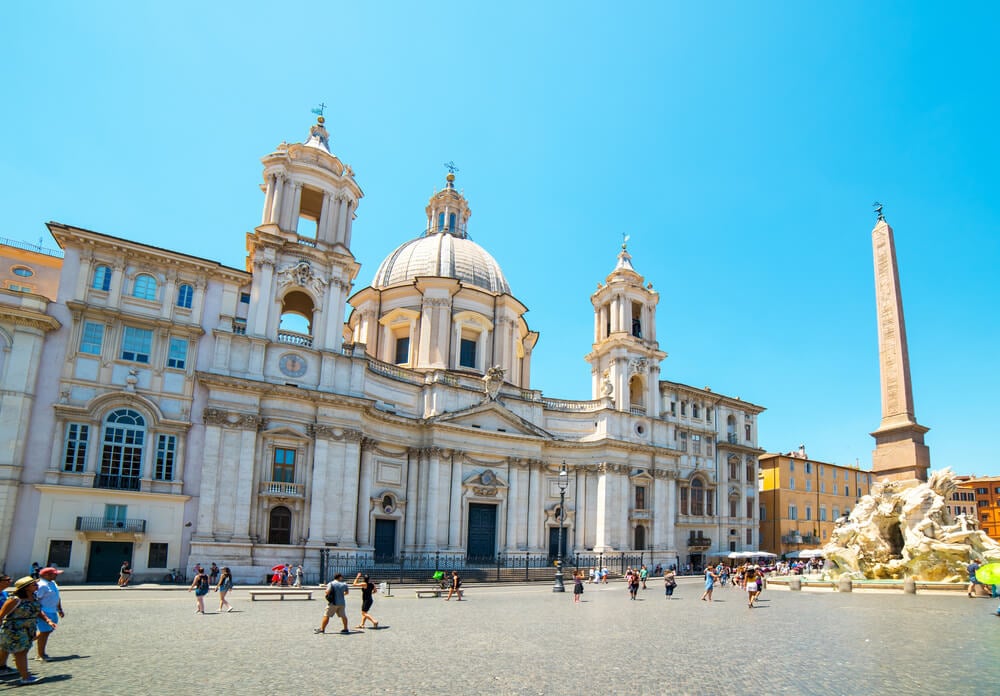
Piazza Navona’s Flooded Summers
— Photo by resulmuslu
Piazza Navona follows the outline of the Stadium of Domitian, which is why the square is long and oval-shaped. Bernini’s Fountain of the Four Rivers, finished in 1651, stands at its center.
In the following centuries, the square was sometimes flooded on summer weekends so that Romans could splash through it in carriages.
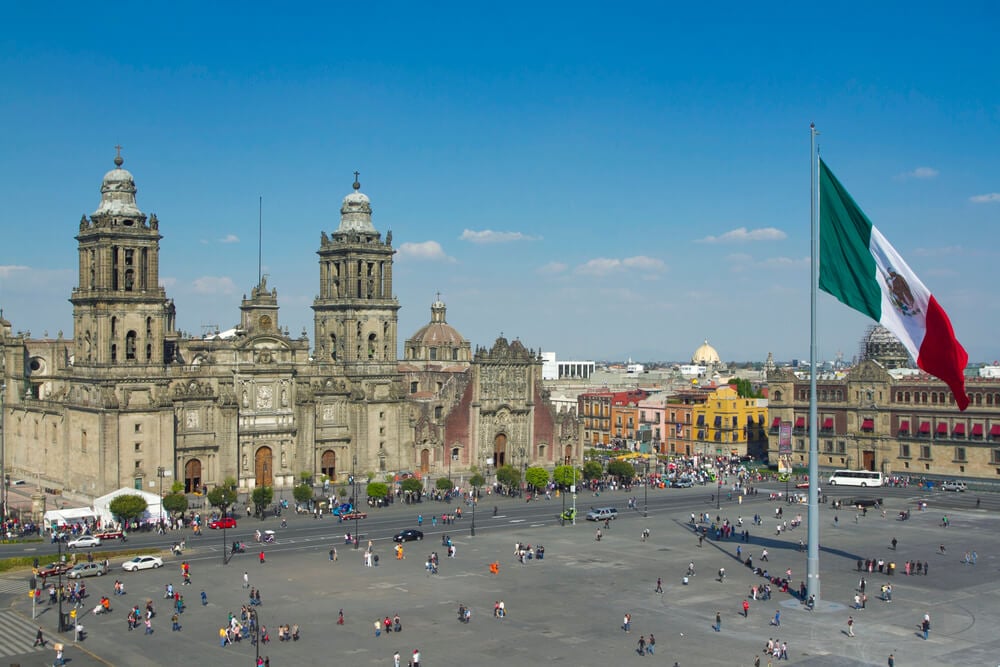
The Zócalo Before the Monument
DepositPhotos
Mexico City’s main square is officially the Plaza de la Constitución, and it sits atop the ceremonial heart of the Aztec capital, Tenochtitlan. The nickname Zócalo comes from the pedestal, or zócalo, laid in the 1840s for an independence monument that was never finished.
The base stayed in the square, and the name spread to the plaza and later to other main squares across Mexico.
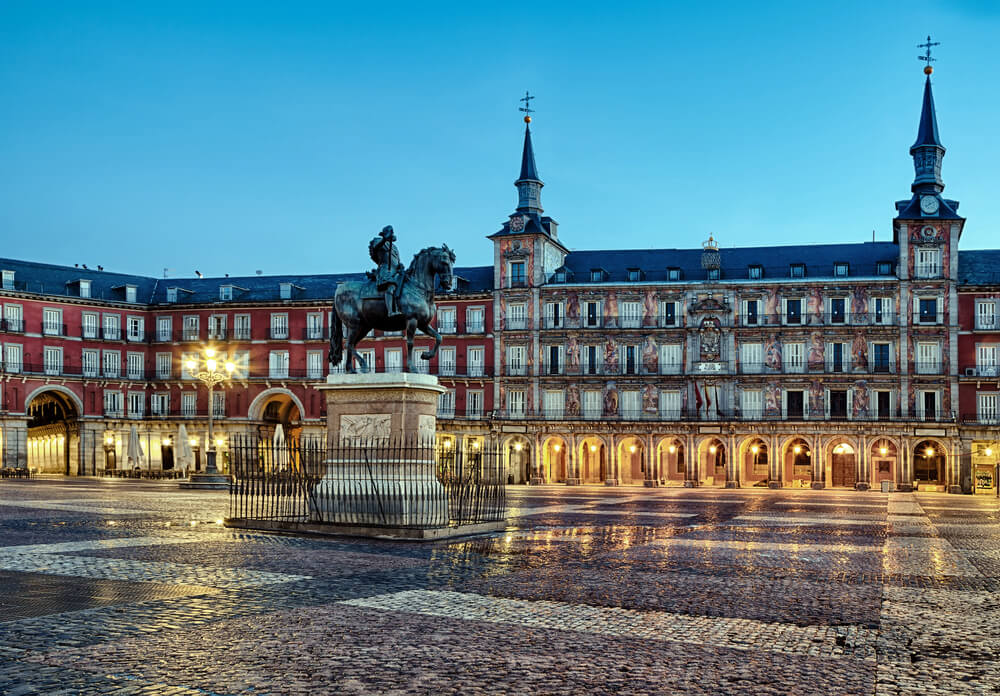
Madrid’s Plaza Mayor
Built between 1617 and 1619 under Philip III, the Plaza Mayor hosted bullfights, royal celebrations, and public executions. Autos-da-fé were held there, including one in 1680.
Fires burned the square more than once, and the rebuilt version is the one visitors see today.
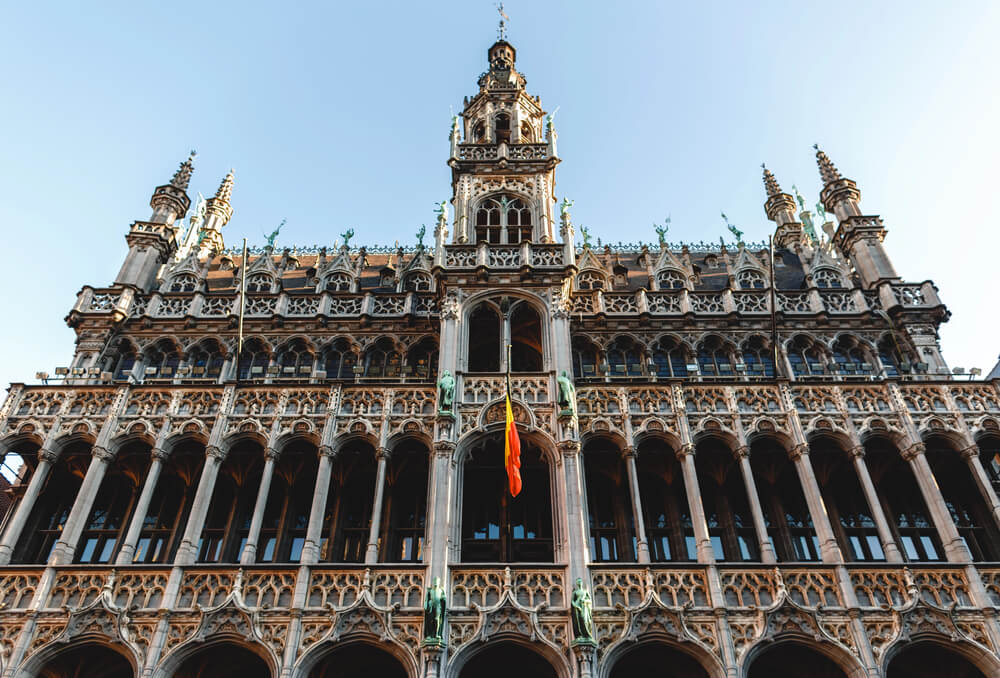
Brussels’ Grand Place After the Bombardment
In August 1695, a French bombardment under Louis XIV destroyed much of central Brussels, including most of the buildings around the Grand Place. The city’s guilds rebuilt their halls within a few years, giving the square its ornate, gilded look.
The town hall’s spire survived the shelling, and UNESCO recognized the square as a World Heritage Site in 1998.
Marienplatz When It Was the Grain Market
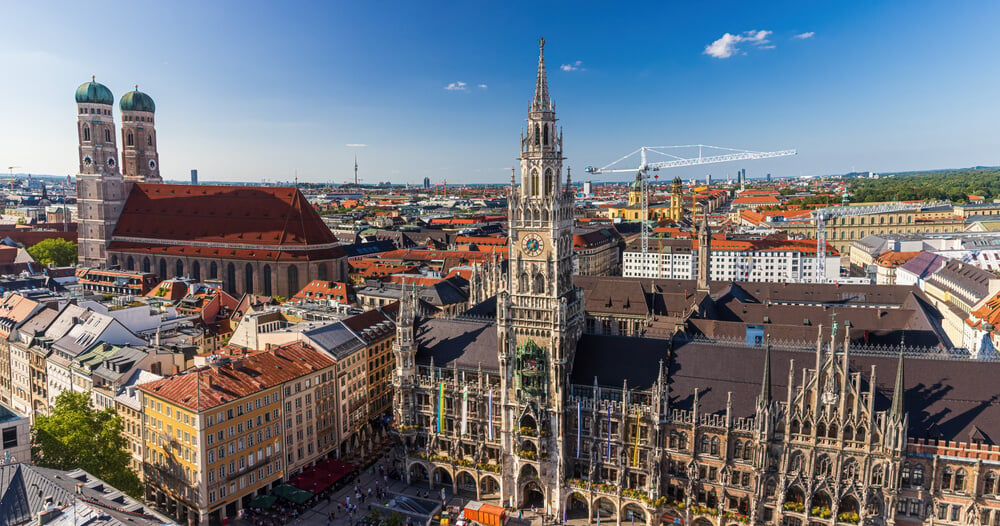
Munich’s central square was called Schrannenplatz, or grain market, until 1854. It took its current name from the Mariensäule, a column topped with a statue of the Virgin Mary that was erected in 1638.
The Glockenspiel on the New Town Hall, installed in 1908, now draws the crowds that grain merchants once did.
Place Stanislas in Nancy
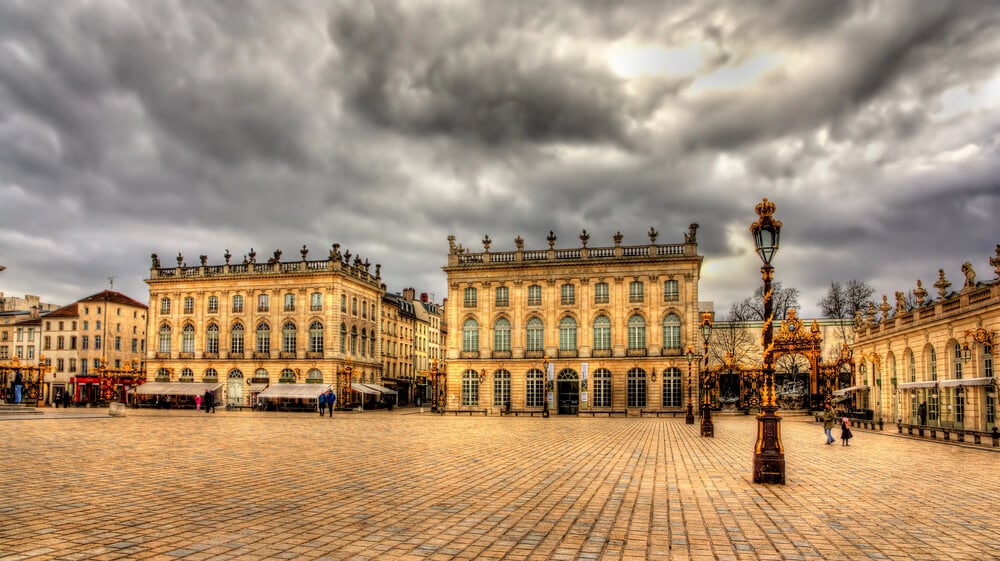
Stanislas Leszczyński, the deposed king of Poland and Duke of Lorraine, built the square in the 1750s to link the medieval Old Town with the newer part of Nancy. Its gilded wrought-iron gates were created by the ironsmith Jean Lamour.
UNESCO listed it as a World Heritage Site in 1983, and it stands as an example of eighteenth-century urban planning.
Piazza della Signoria and the Bonfire
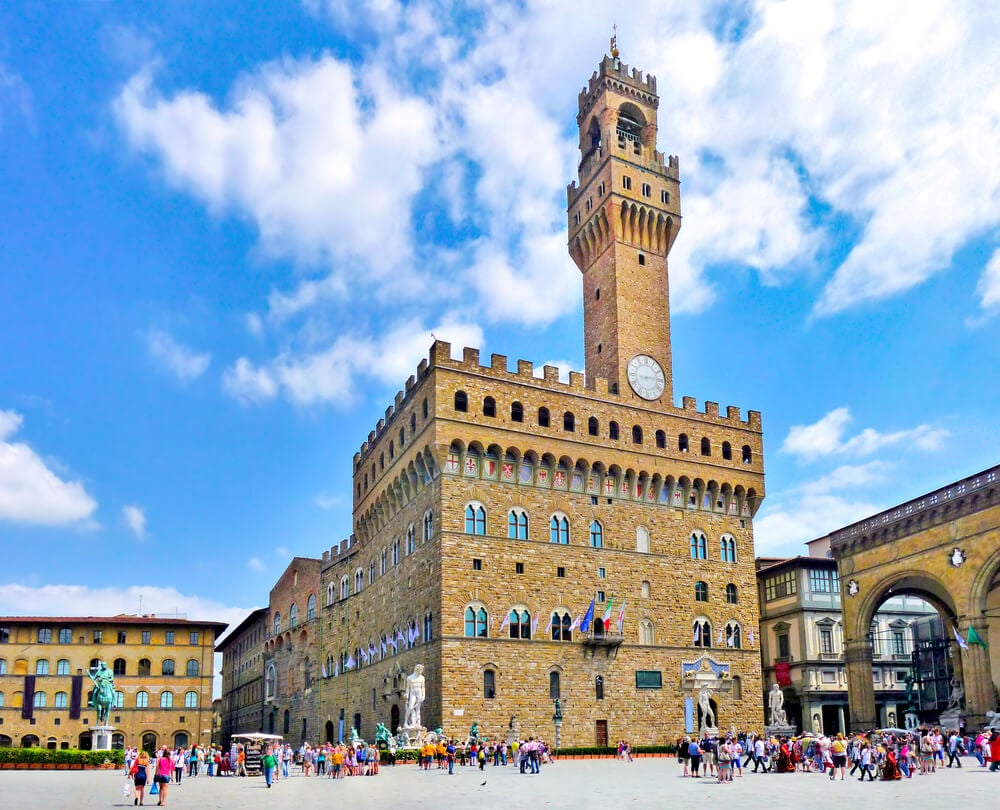
The Florentine friar Savonarola held his Bonfire of the Vanities in this square in 1497, and he was burned there himself on May 23, 1498. A replica of Michelangelo’s David has stood at the entrance of the Palazzo Vecchio since 1910, and the original was moved indoors in 1873.
The square has been a stage for Florentine politics for centuries.
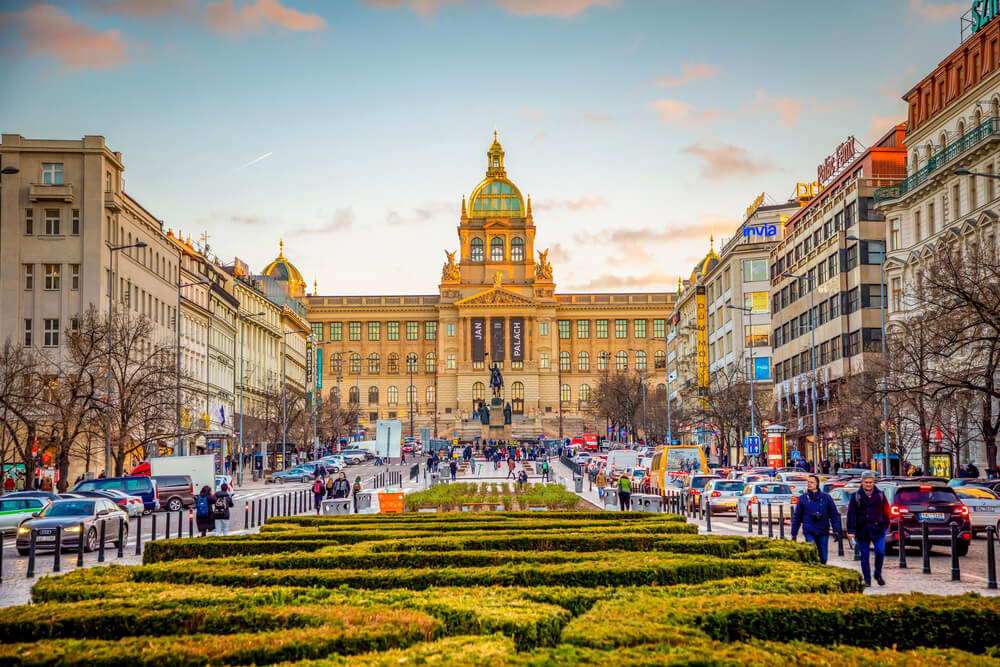
Wenceslas Square as a Horse Market
— Photo by DTatiana
Charles IV founded the square in 1348 as the Horse Market of Prague’s New Town. It was renamed Wenceslas Square in 1848, and a horse-drawn tramway began running there in 1875.
Long before cars arrived, the space was crowded with animals and traders.
Plaza de Mayo in Buenos Aires
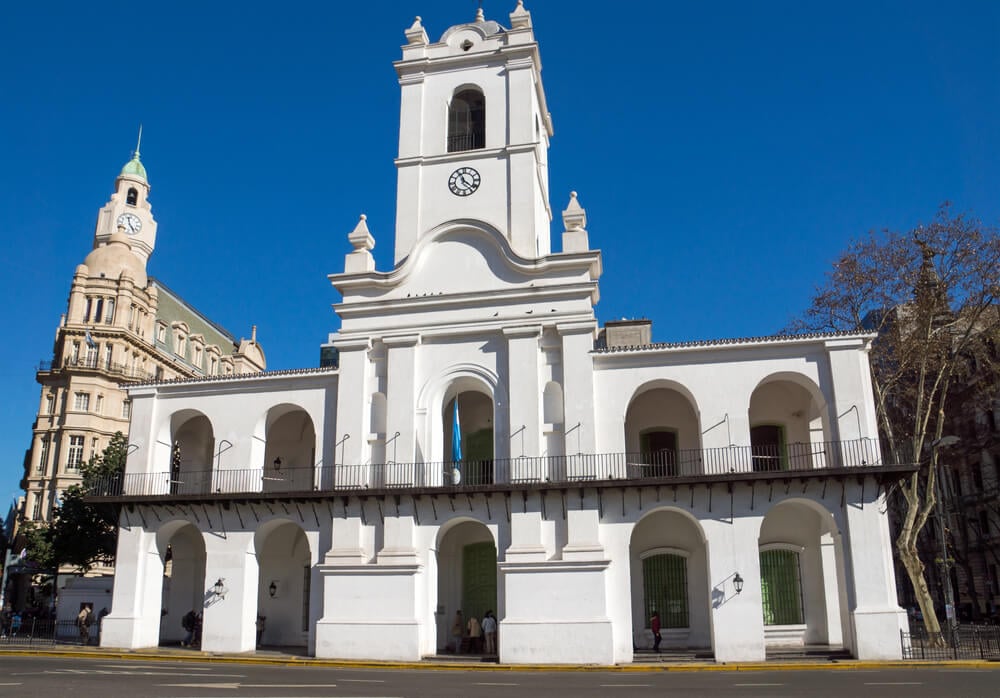
The plaza was laid out in 1580 when Juan de Garay refounded Buenos Aires. The Pirámide de Mayo, a monument at its center, was built in 1811 to mark the first anniversary of the May Revolution of 1810.
The Cabildo, the old colonial town hall, still stands on the square.
Dam Square in Amsterdam
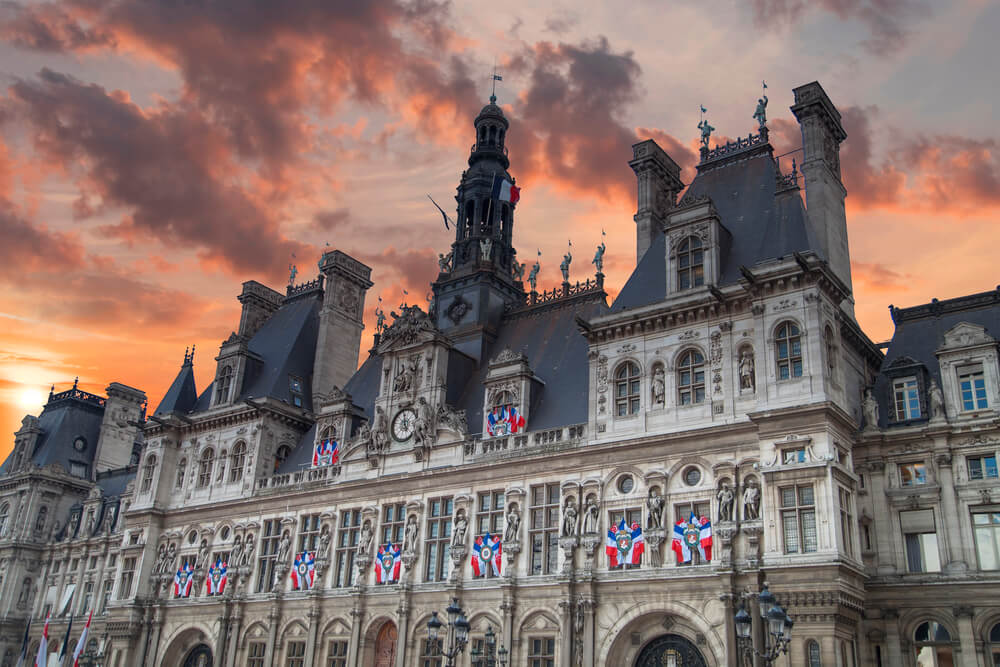
Amsterdam takes its name from a dam built across the Amstel River around 1270, and Dam Square marks that spot. The Royal Palace on the square was built as the city hall between 1648 and 1655.
Merchants, officials, and ordinary citizens crowded the square when it was the center of a trading empire.
Il Campo in Siena
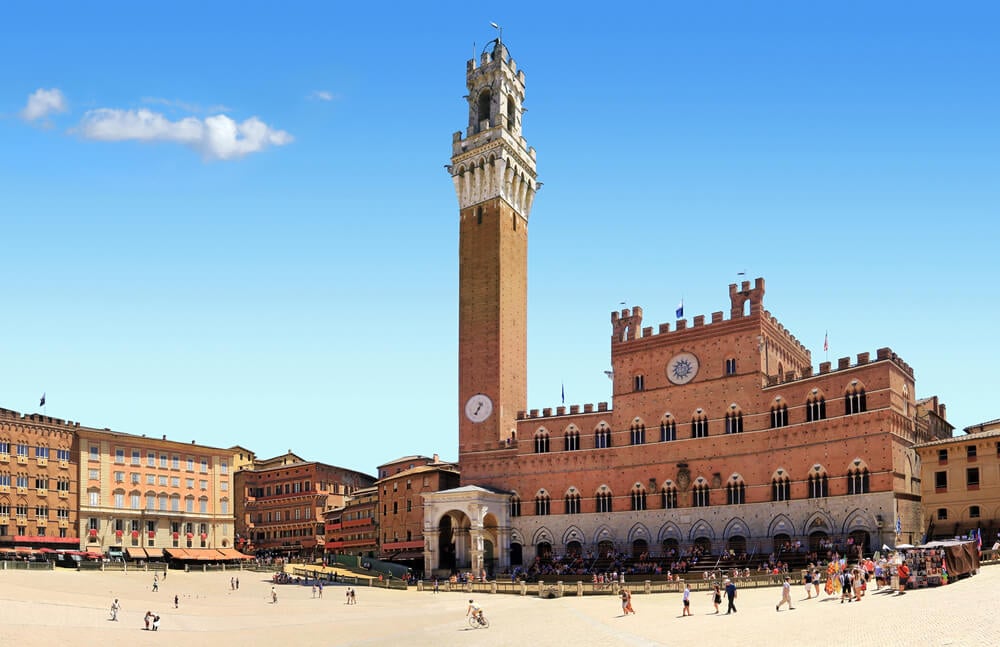
Siena’s shell-shaped brick square slopes toward the Palazzo Pubblico and is divided into nine sections that are commonly said to honor the Nine, the governing council of the medieval city. The Palio horse race is run there twice each summer, on July 2 and August 16, with a dirt track laid over the paving.
The square has never needed a pedestrian zone, because the pace of the place stayed human.
Streets Before the Engine
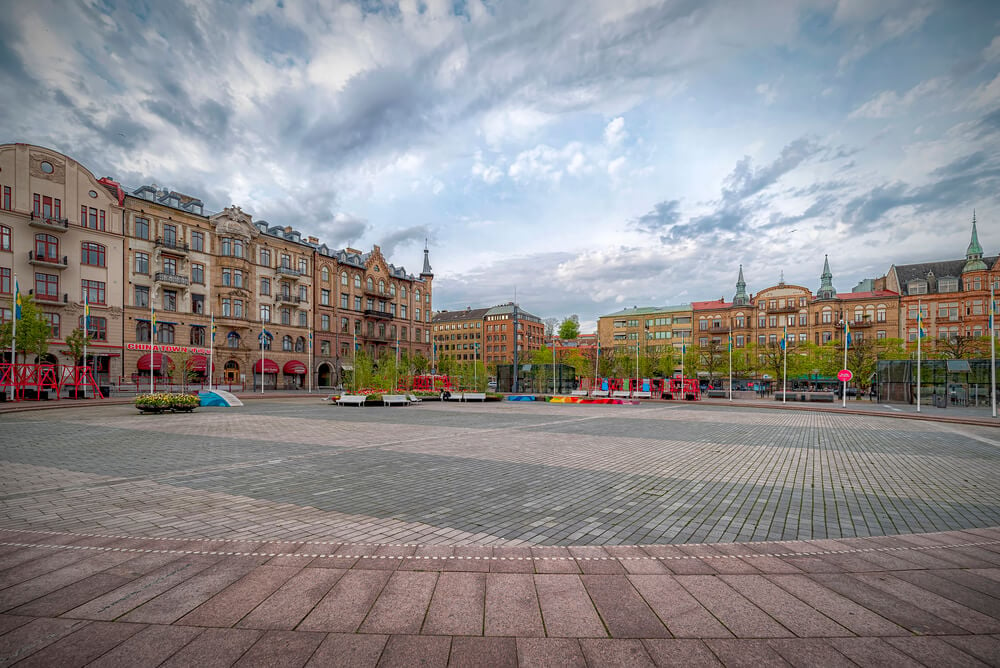
A square before the automobile was shaped by feet, hooves, and the carts of the market, and its design often reflected that. Sloping ground, wide open centers, and fountains placed for gathering crowds all made sense when no one had to share the space with an engine.
Many of the squares above kept those features even after the traffic arrived. The older patterns are easier to see where cars have been pushed to the edges.
Pedestrian plazas in New York and a closed terrace in London show that some squares are beginning to recover their original purpose. In others, the oldest layer of use survives mainly in the shape of the ground and in the names on the maps.
More from Go2Tutors!

- 27 Silver Dollars and Half Dollars Worth Keeping
- 28 Restaurant Menu Items Nobody Orders Anymore
- 17 Places Built in Seemingly Impossible Spots
- 27 Vintage Rings Worth More Than They Look
- 25 Restricted Sites Tourists Can’t Enter
Like Go2Tutors’s content? Follow us on MSN.