17 Familiar Tools and Their Surprisingly Weird Origins
The tools we use daily have fascinating histories that often go unnoticed. From kitchen gadgets to workshop essentials, many common implements started with purposes far different from their current applications.
These origin stories reveal how human innovation often comes from unexpected places and evolves through practical need. Here is a list of 17 familiar tools with origins that might surprise you.
Bubble Wrap
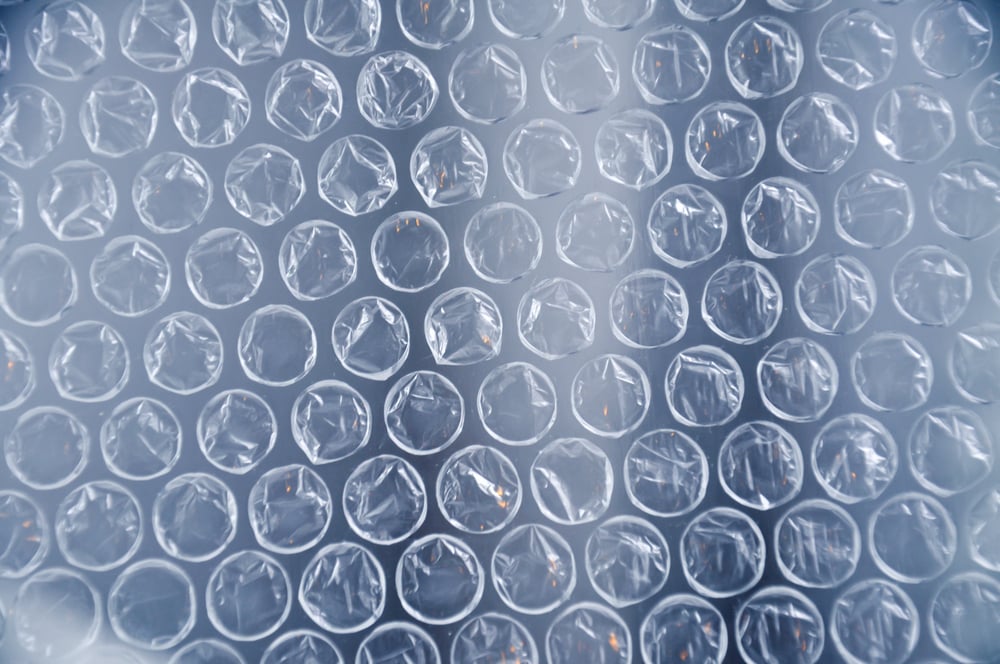
This common packing material was never intended to safeguard your delicate packages. Created as a textured wallpaper by inventors Alfred Fielding and Marc Chavannes in 1957, when that failed, they sold it as greenhouse insulation before eventually finding its ideal application as protective packaging in the 1960s.
Chainsaw

The chainsaw’s first incarnation would make anyone uncomfortable. It was invented in the late 18th century by two Scottish doctors as a surgical tool for assisting in childbirth.
This hand-cranked device helped remove diseased bone during complicated deliveries before antiseptics or anesthetics were available.
Play-Doh

This colorful modeling compound was initially created as a wallpaper cleaner. In the 1930s, Noah McVicker formulated the putty-like substance for Kutol Products to remove soot from wallpaper. When heating systems changed from coal to natural gas, the product became obsolete until it was repurposed as a children’s toy in the 1950s.
Kleenex
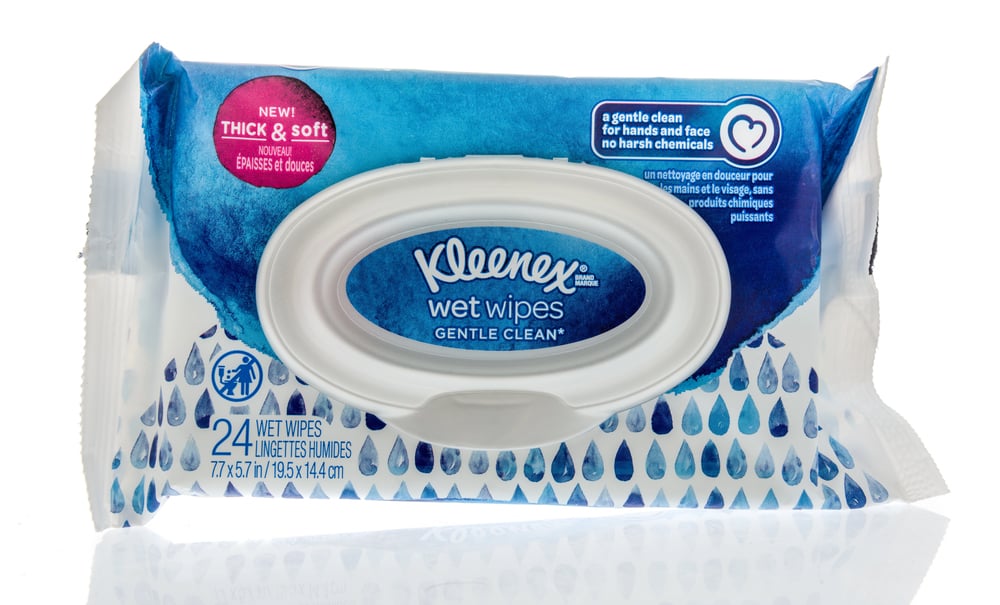
These disposable tissues were first marketed as cold cream removers, not for blowing noses. Kimberly-Clark introduced them in 1924 as “Kleenex Kerchiefs” specifically for women to remove makeup.
The company only shifted marketing toward cold and allergy relief after learning many customers were already using them this way.
Listerine

This common mouthwash began its life in 1879 as a surgical antiseptic and floor cleaner. Creator Dr. Joseph Lawrence named it after Joseph Lister, a pioneer in antiseptic surgery.
It was marketed for dozens of purposes, including treating dandruff and athlete’s foot, before finding success as an oral care product in the 1920s.
Jacuzzi
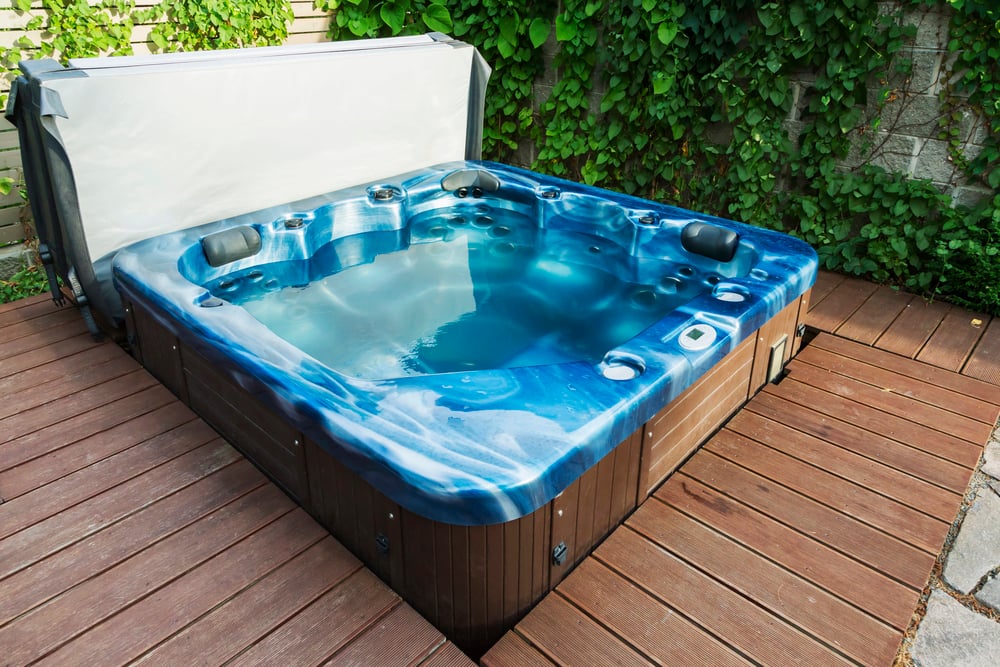
The relaxing whirlpool bath we know today started as a medical treatment. In 1956, Candido Jacuzzi invented a portable hydrotherapy pump for his son, who suffered from rheumatoid arthritis.
The family business later transformed this therapeutic device into the recreational hot tubs we enjoy today.
Coca-Cola
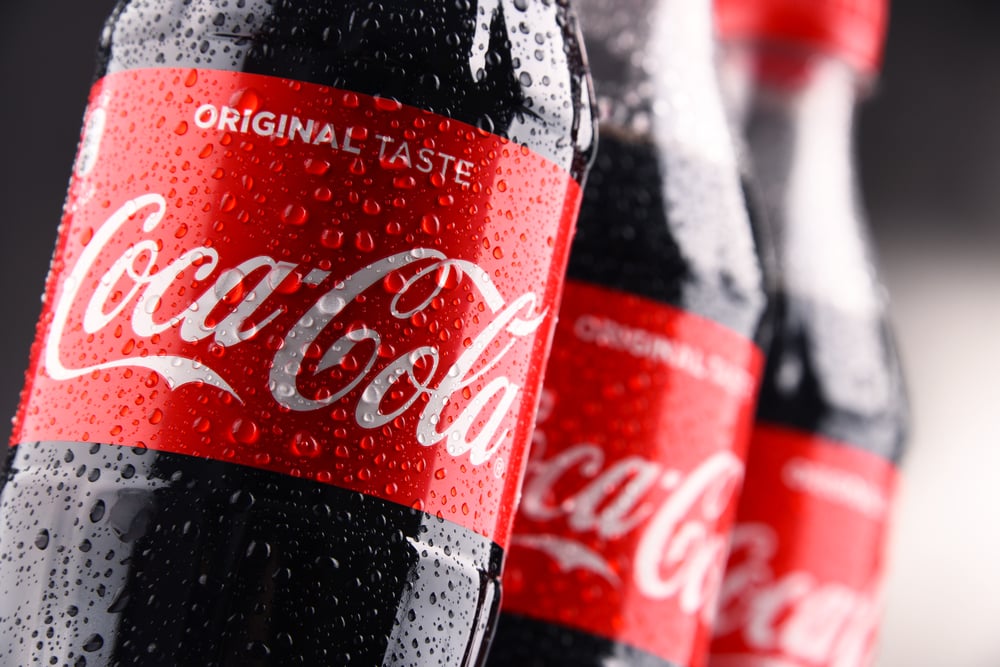
This world-famous beverage was created in 1886 by pharmacist John Stith Pemberton as a medicinal syrup. Originally containing cocaine from coca leaves and caffeine from kola nuts, it was marketed as a remedy for headaches and fatigue.
The cocaine was removed by 1903, but the stimulating drink retained its popularity.
WD-40
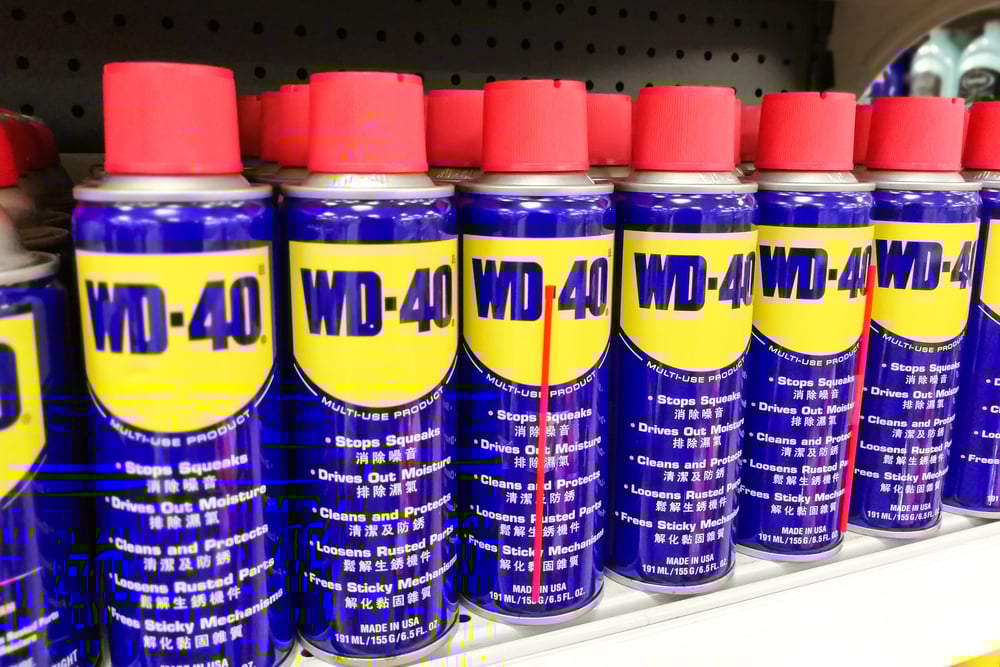
The familiar blue and yellow can was developed for the aerospace industry, not your squeaky door hinges. Norm Larsen created it in 1953 for the Rocket Chemical Company to prevent corrosion on Atlas missile parts.
The name comes from “Water Displacement, 40th formula” – the successful version after 39 failed attempts.
Super Glue
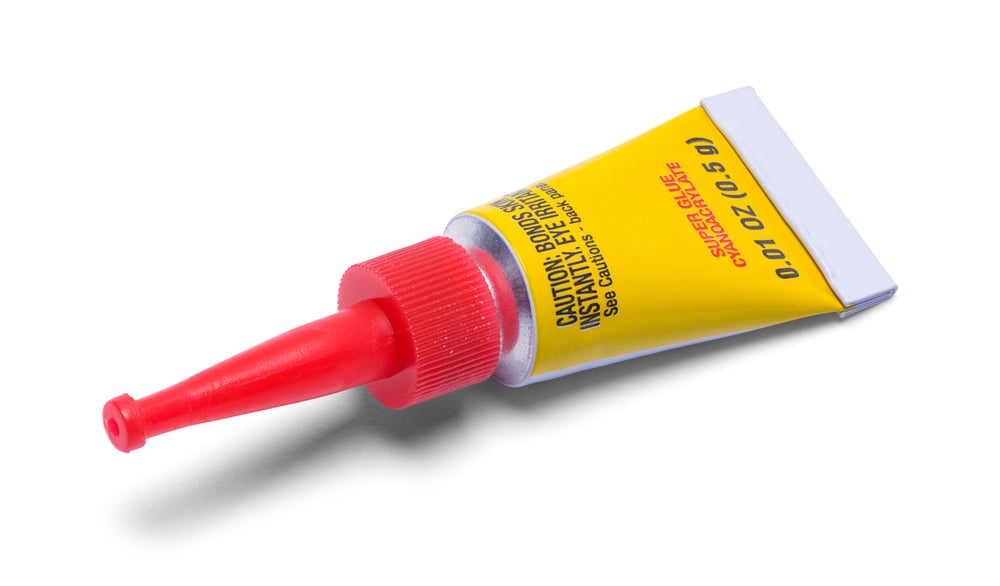
This powerful adhesive was discovered accidentally during World War II while scientists were trying to make clear plastic gun sights. Researcher Harry Coover initially dismissed the substance as too sticky to be useful.
He rediscovered its potential in 1951, and it was finally marketed as a commercial adhesive in 1958.
Viagra

The little blue pill that treats erectile dysfunction was originally developed as a medication for angina and hypertension. During clinical trials in the 1990s, Pfizer researchers noticed an unexpected side effect in male patients.
The drug was subsequently approved for ED in 1998, becoming one of the most successful pharmaceutical products ever.
Frisbee

These flying discs began as pie tins from the Frisbie Baking Company in Connecticut. Yale students discovered the empty tins could be tossed and caught, shouting “Frisbie” as a warning.
Entrepreneur Walter Frederick Morrison later designed an improved plastic version, which Wham-O purchased and renamed slightly differently to avoid trademark issues.
Slinky
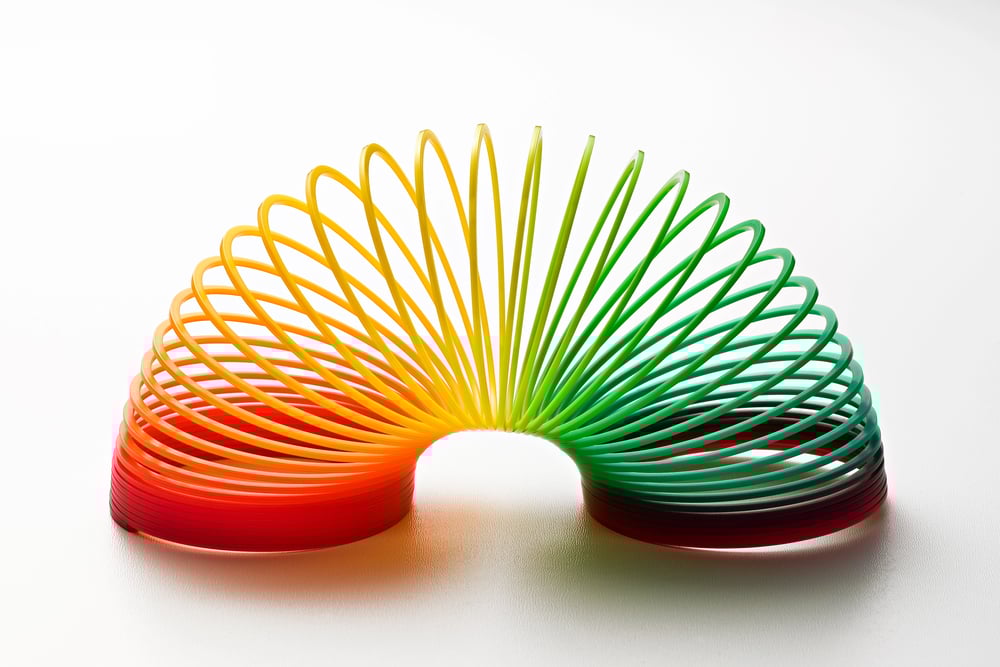
This simple yet captivating toy was born from a naval engineering project. In 1943, mechanical engineer Richard James was working with tension springs to stabilize sensitive equipment on ships.
After accidentally knocking one off his desk, he watched in amazement as it “walked” down instead of falling, inspiring the creation of a beloved toy.
Post-it Notes

These sticky notes resulted from a failed experiment. In 1968, 3M scientist Spencer Silver attempted to create a super-strong adhesive but instead produced one that stuck lightly and could be repositioned.
Years later, colleague Art Fry used the adhesive to create bookmarks for his hymnal, leading to one of the most popular office supplies ever.
Microwave Oven
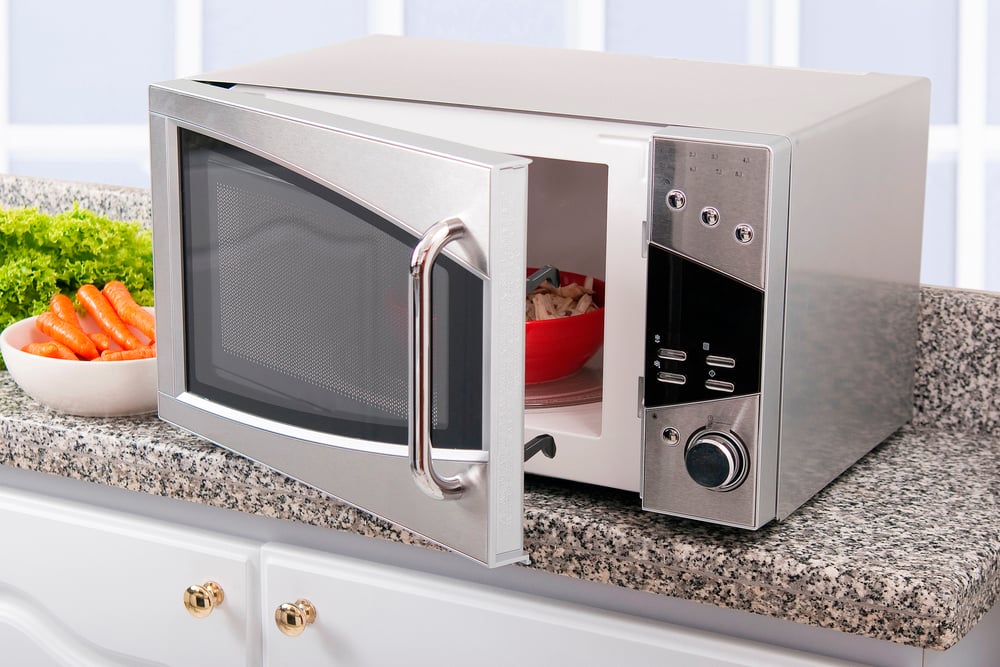
It was by chance that the kitchen appliance that transformed home cooking was found. Percy Spencer, a Raytheon engineer, was working close to an operational radar set in 1945 when he found a chocolate bar in his pocket had melted.
The first commercial microwave ovens were subsequently developed as a result of these food tests.
Silly Putty
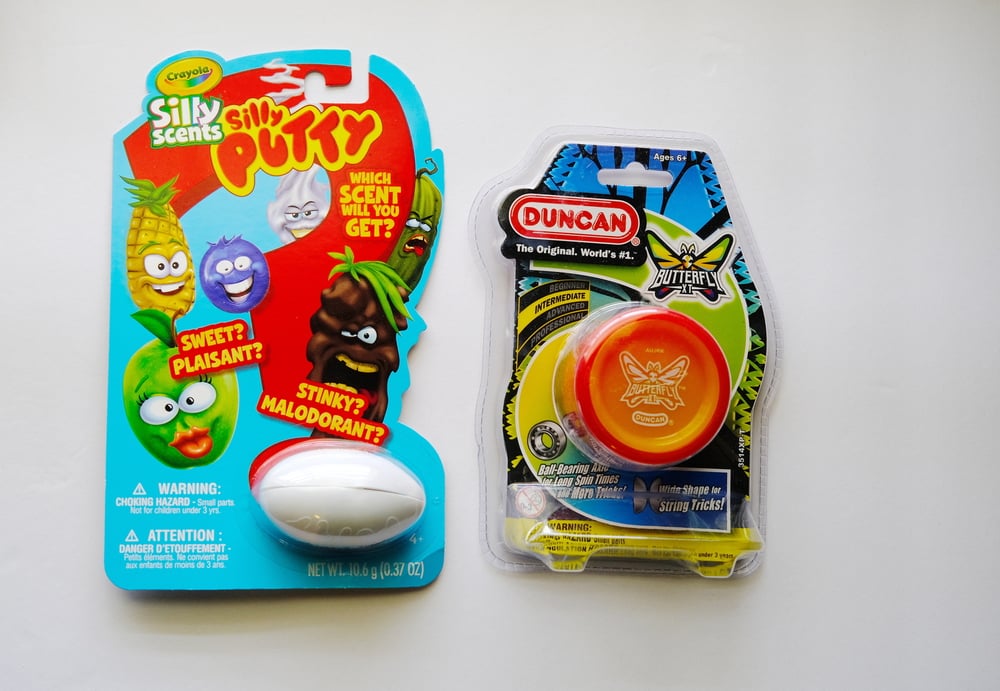
This rubbery, elastic material was developed during World War II rubber rationing. Engineer James Wright combined boric acid and silicone oil in an effort to create synthetic rubber substitutes.
Though not successful as a rubber substitute, its strange properties made it a hit as a toy after being marketed in plastic eggs by marketing executive Peter Hodgson in 1950.
Lysol
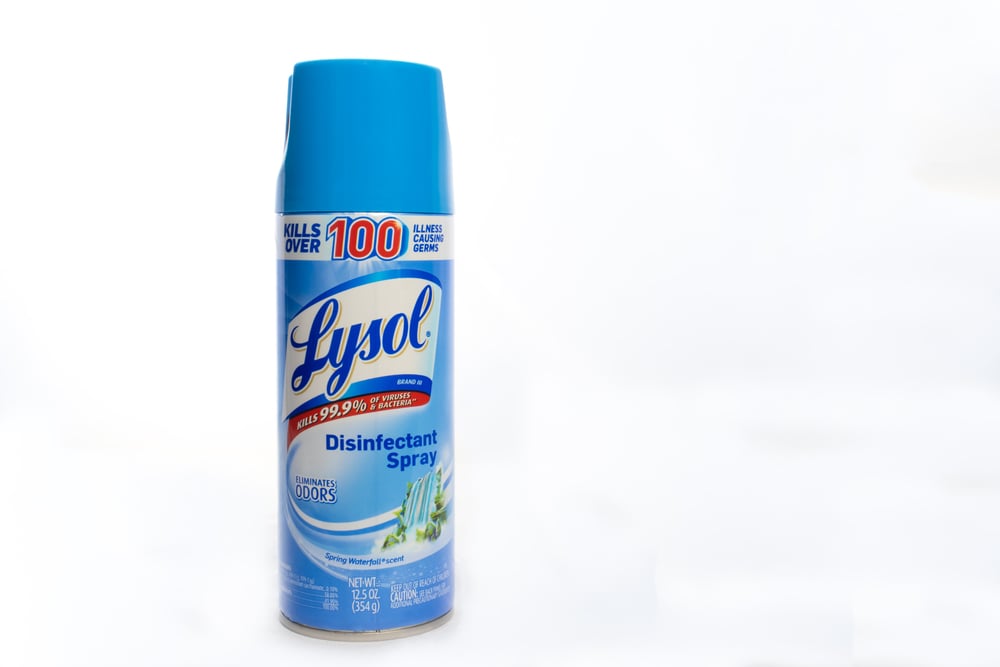
This household disinfectant was originally marketed in the 1920s as a feminine hygiene product and birth control method. The harsh chemicals were dangerous for intimate use, causing injuries and even deaths.
The product was reformulated and repositioned for household cleaning in the 1930s, eventually becoming the common disinfectant spray we know today.
Duct Tape

The versatile adhesive tape was originally developed during World War II as a waterproof sealing tape for ammunition cases. Called “duck tape” because of its water-resistant properties, it was made from cotton duck cloth with a rubber-based adhesive.
After the war, it found new applications in the heating and air conditioning industry, where its name evolved to “duct tape.”
Remarkable Reinventions

The unexpected origins of these everyday tools remind us that innovation often comes from adaptation rather than invention from scratch. Many of the items we rely on daily exist because someone saw potential beyond their original purpose.
These stories of reinvention demonstrate how human ingenuity transforms failures into successes and specialized tools into universal solutions.
More from Go2Tutors!

- The Romanov Crown Jewels and Their Tragic Fate
- 13 Historical Mysteries That Science Still Can’t Solve
- Famous Hoaxes That Fooled the World for Years
- 15 Child Stars with Tragic Adult Lives
- 16 Famous Jewelry Pieces in History
Like Go2Tutors’s content? Follow us on MSN.