What Home Movie Nights Needed Before Streaming
Today a movie night begins with a thumb on a remote and a few minutes of scrolling. For most of the twentieth century, it took planning, a trip to a store, a stack of equipment, and a bit of luck.
Each piece of that older routine had a history of its own, and many of them shaped how families gathered around a screen. The items below made up the machinery behind a movie night before streaming.
A Network Movie Night on Television
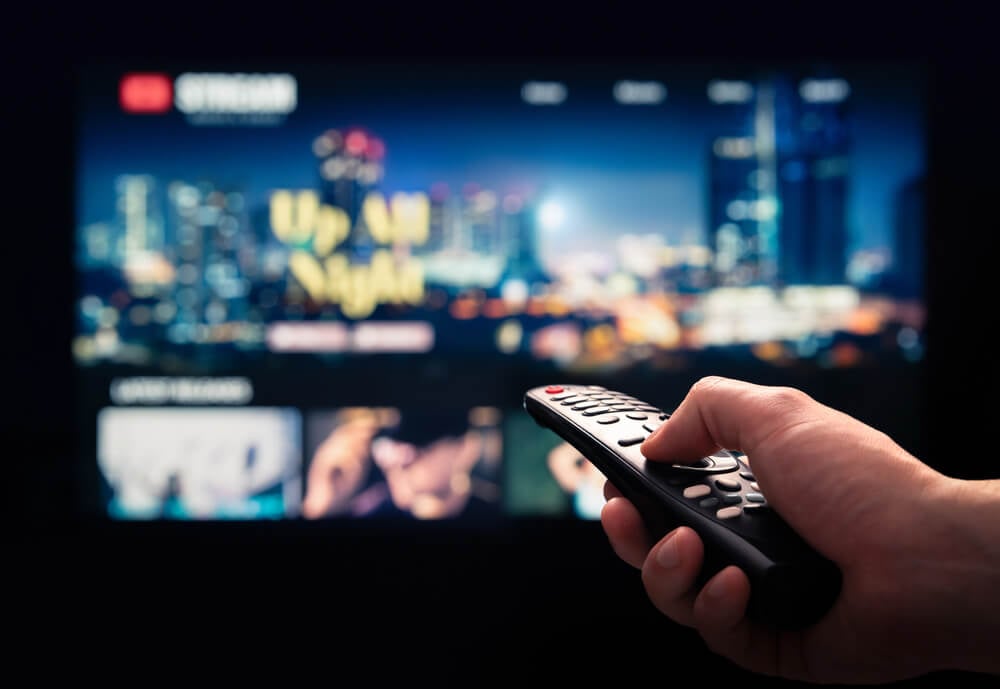
On September 23, 1961, NBC launched Saturday Night at the Movies, the first regular prime-time network showing of recent Hollywood films. Families who wanted to see a major film at home had to be in front of the set at the scheduled hour.
Missing the opening minutes meant missing the picture entirely.
The Printed TV Guide

TV Guide published its first issue in April 1953 and soon became the standard weekly listing for what would air. A family planning a movie night circled titles and times on the page.
The magazine made the television schedule a physical object that sat on the coffee table.
Rabbit Ear Antennas
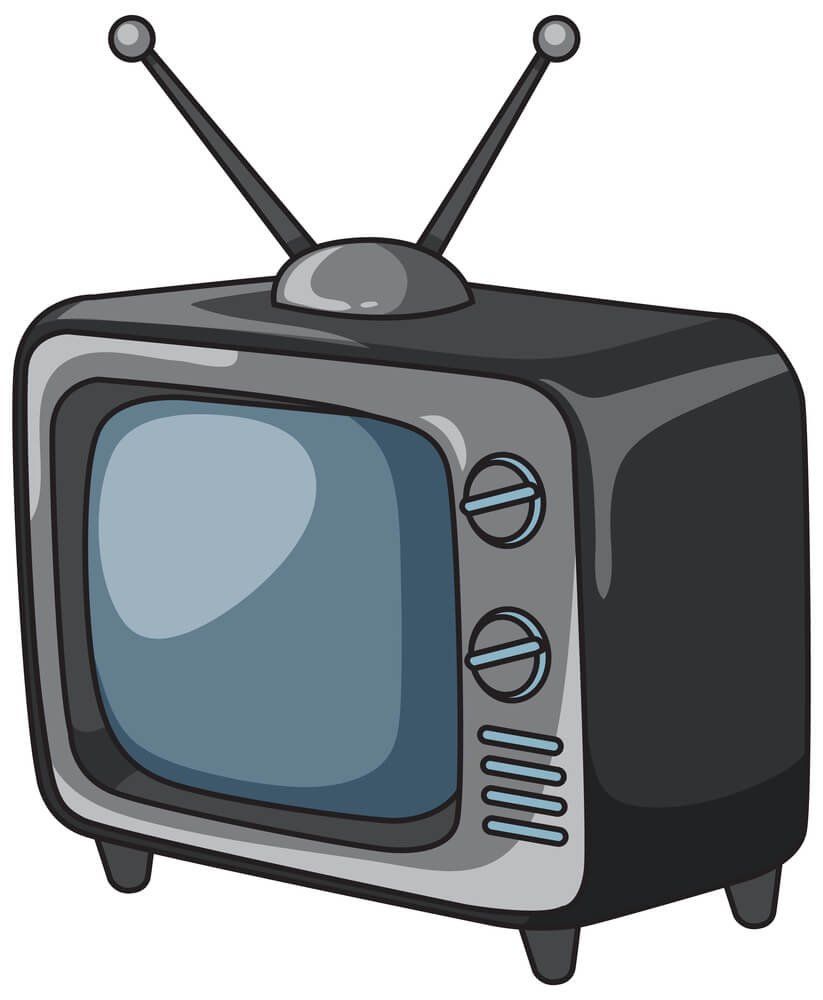
Before cable and streaming, a household’s reception depended on a metal antenna on the roof or a pair of rabbit ears on top of the set. Adjusting them meant standing at the television and tilting the arms until the picture cleared.
Weather, planes, and a neighbor’s appliances could all interfere.
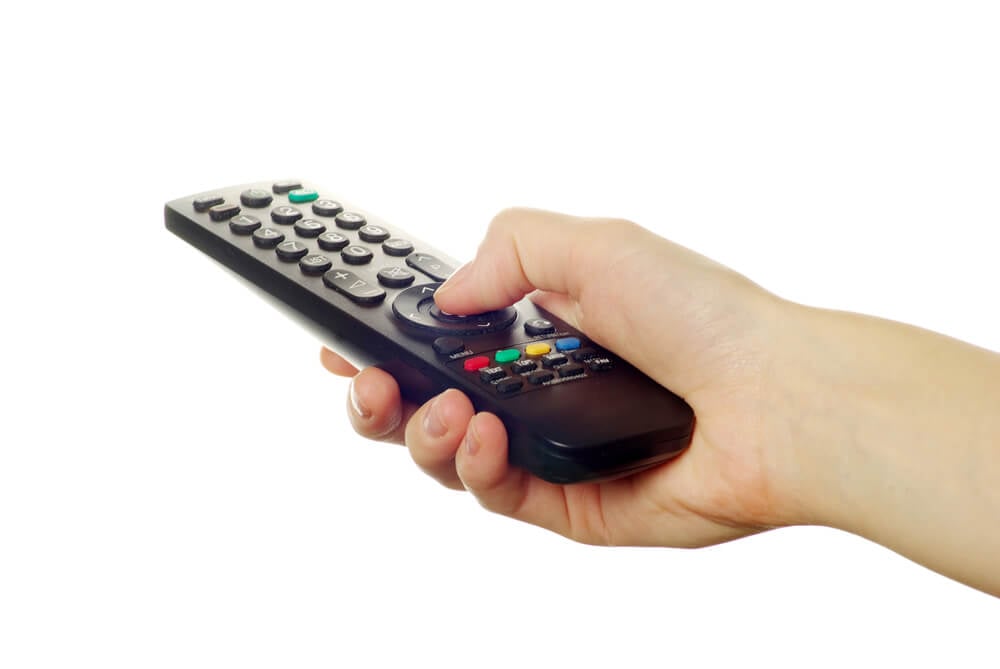
The Wired and Wireless Remote Control
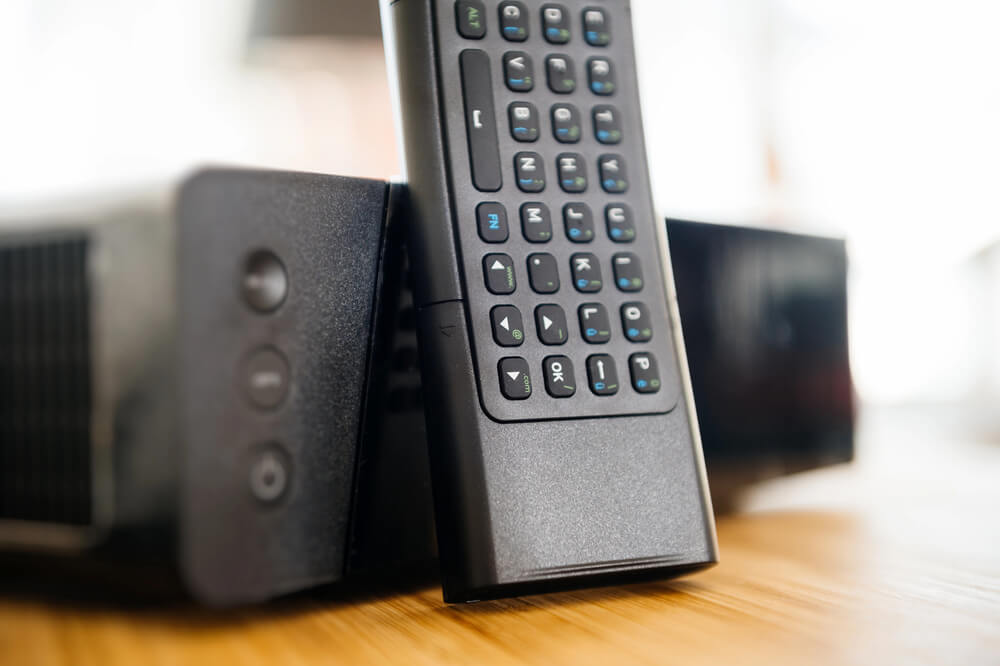
Zenith introduced its Space Command wireless remote in 1956, designed by engineer Robert Adler, after earlier wired versions had left cords stretched across living rooms. The device changed the channel with ultrasonic clicks rather than light.
Before it, anyone who wanted a different channel had to get up and turn the dial.
TV Trays and TV Dinners

Swanson introduced its first frozen TV dinner in 1953, a turkey meal in a compartmented aluminum tray. Folding TV trays let families eat in front of the set without gathering at the dining table.
The pair of inventions helped turn the living room into the center of the evening meal.
Jiffy Pop on the Stovetop

Jiffy Pop, invented by Frederick Mennen in the late 1950s, was a foil pan of kernels that puffed into a dome as it heated on the stove. The cook had to shake the pan continuously over the burner.
The puffing foil dome was half the entertainment before the movie began.
The VCR
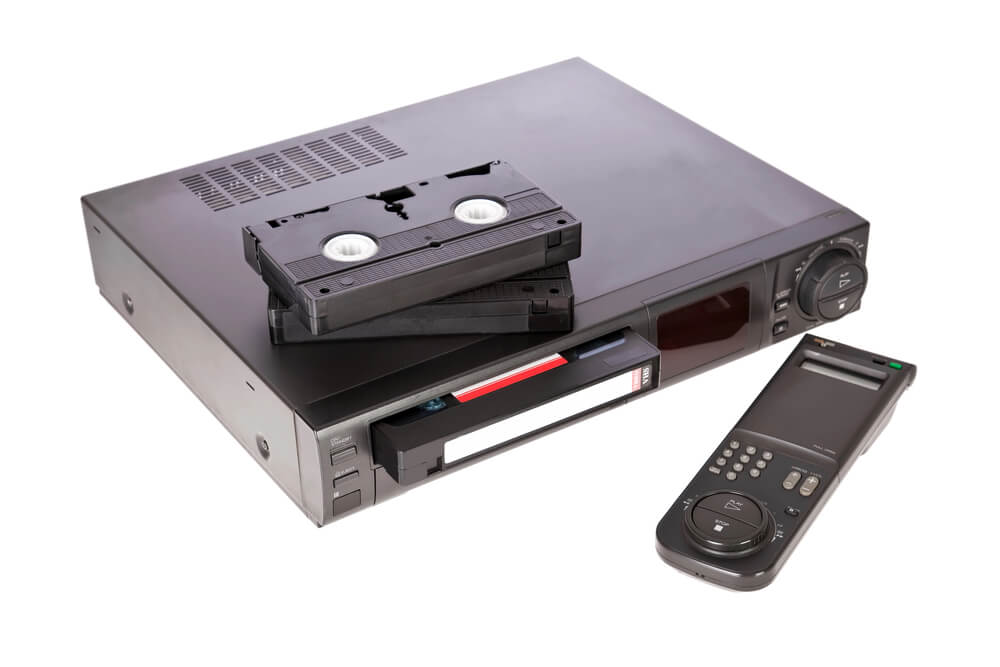
Sony’s Betamax appeared in 1975 and JVC’s VHS format followed in 1976, giving families a machine that could record television and play prerecorded tapes. VHS eventually won the format war.
For the first time, a household could choose a movie and an hour rather than wait for a broadcast.
The Video Store Membership Card

Blockbuster opened its first store in Dallas in October 1985 and grew into a national chain with a small plastic membership card for every customer. Presenting the card at the counter was the ritual that opened every rental.
A family without one could not take a tape home.
The Neighborhood Mom-and-Pop Video Shop

Before the big chains expanded, independent video stores filled strip malls with shelves of empty cassette cases. Customers carried the cases to the counter and traded them for the actual tapes behind it.
Many owners knew their regulars by name and could recommend titles by memory.
Be Kind, Rewind

Most rental stores asked customers to rewind tapes before returning them, and many stuck a small label on the cassette reminding borrowers to do so. A tape left unrewound could cost a fee at some shops.
Many households owned a dedicated rewinding machine to save wear on the VCR.
The Late Fee

A rental that came back after the due date often triggered a late charge, and the fee became a famous annoyance of the era. Families tracked return dates on the refrigerator, and a forgotten tape could cost more than the original rental.
The fee shaped how quickly people finished their movies.
The Blank Tape and the Timer Recording

Blank VHS tapes let a family record broadcasts for later viewing. Setting the timer meant programming the opening time, end time, and channel into the VCR, a task that defeated many users.
A mistake could leave a blank cassette or a recording of the wrong show.
HBO and the Cable Box
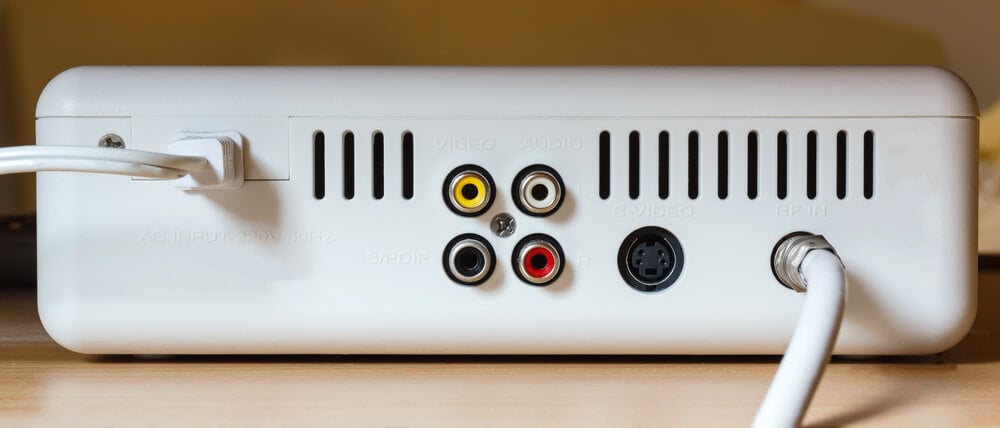
Home Box Office began on November 8, 1972, and became the first major pay channel to reach homes by cable. Subscribers rented a cable box that stood next to the television and unlocked additional channels.
The service made recent films available without leaving the house.
The Laserdisc
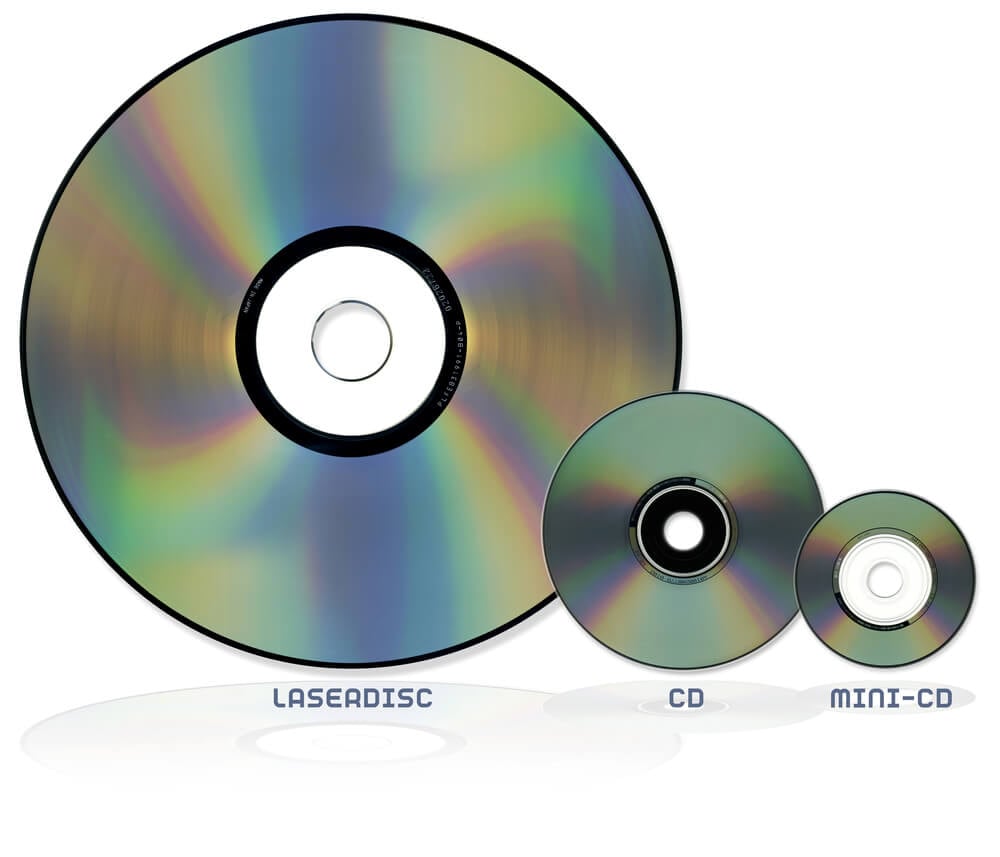
Laserdiscs reached U.S. consumers in 1978 and offered a sharper picture than tape, though the discs were large and expensive. Many players required flipping the disc halfway through a film.
The Criterion Collection, founded in 1984, built its reputation largely on this format.
The Super 8 Projector
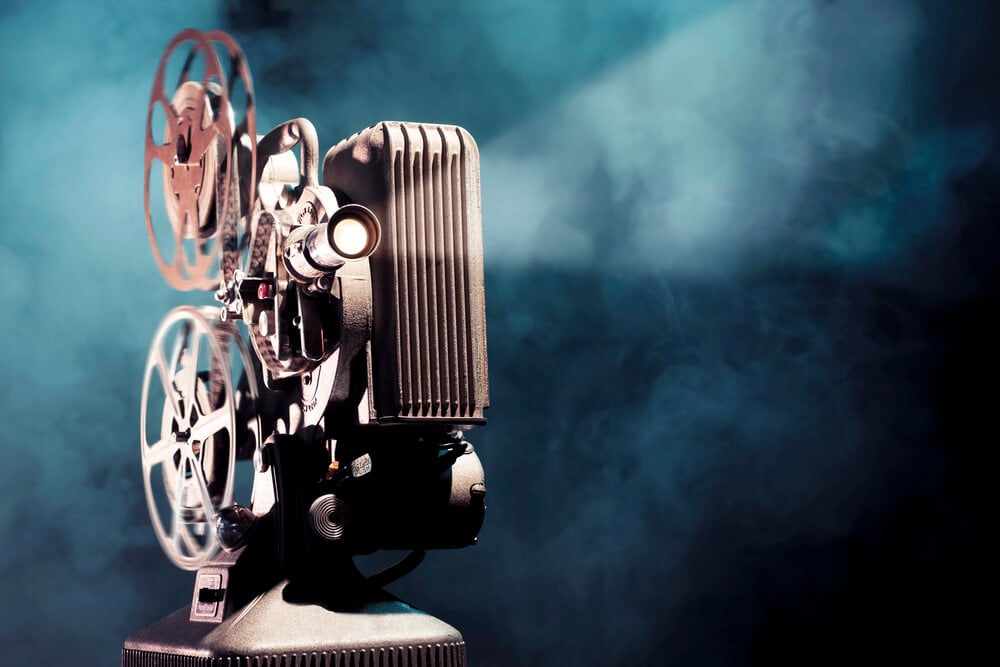
Kodak introduced Super 8 film in 1965, and families projected silent reels of vacations and birthdays onto a pull-down screen or a bare wall. Setting up meant threading the film through the machine and dimming the lights.
The whirring of the projector was part of the experience.
The Pizza Order by Phone

A movie night often included a pizza ordered over a landline telephone. The caller recited an address, waited for a delivery window, and hoped the pie would arrive before the film began.
The order was usually placed before the tape was even inserted.
The DVD Player
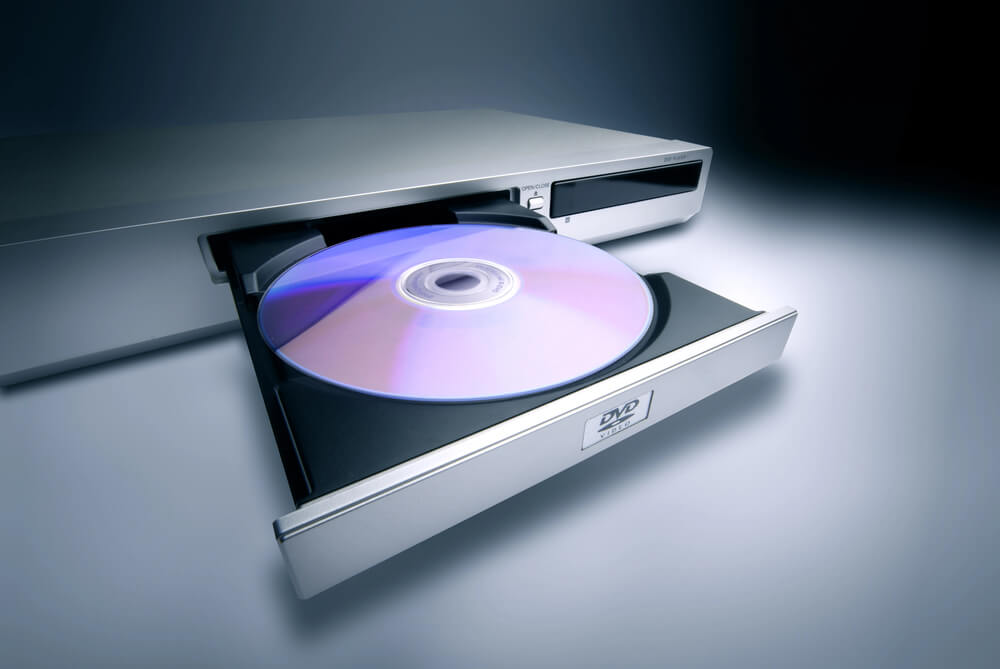
DVD players reached U.S. stores in March 1997 and soon replaced VHS in many households. The discs were smaller, offered a sharper picture, and let viewers jump straight to a scene.
Rental stores began to stock both formats side by side for years.
Netflix and the Red Envelope

Netflix began renting DVDs by mail in 1998, sending discs in distinctive red envelopes with a prepaid return label. Customers built a queue online and waited a few days for each shipment.
The service removed late fees but required patience.
Redbox and the Rental Kiosk
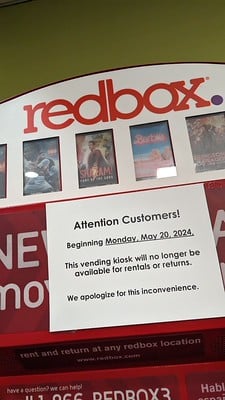
Rental kiosks placed in grocery stores and restaurants let customers pick up a disc for a small daily fee without entering a video store. The machine dispensed the disc after a swipe of a credit card.
It offered a last stand for physical rental before streaming took over.
The Camcorder Home Video Night
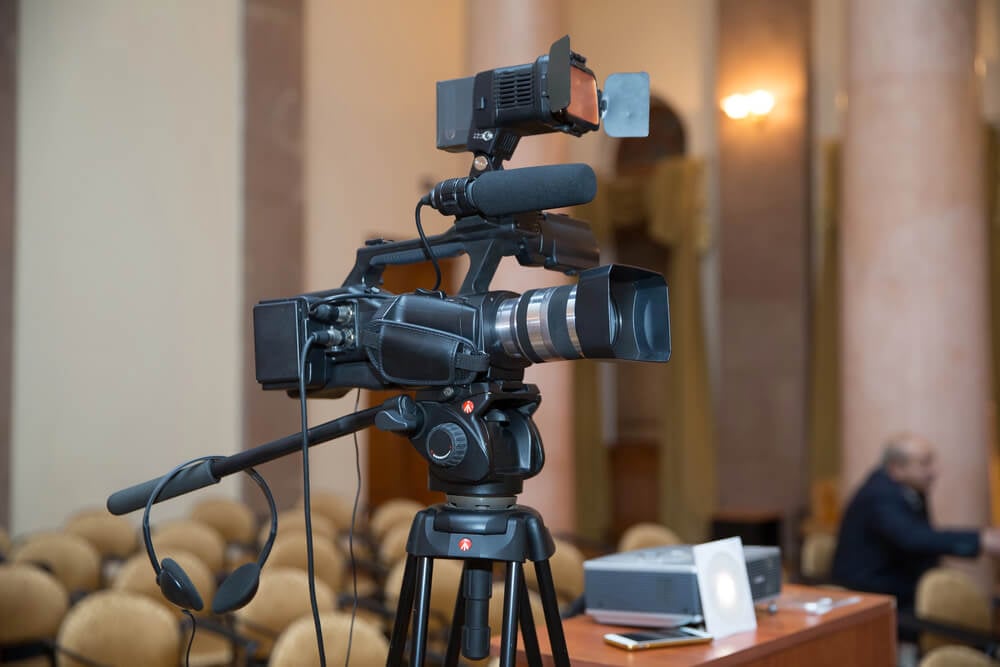
Camcorders let families shoot their own footage and play it back on the same television that showed rented films. Tapes were labeled and stacked in a cabinet for later screening.
A movie night could end with a viewing of the family’s own recordings.
The End of the Rewind
The rituals of the old movie night, from rewinding tapes to returning discs, all revolved around the idea that a film was a physical object that had to be found, carried, and cared for. The need to plan ahead gave the evening a sense of occasion, since a family had committed to a specific title before the lights went down.
The effort also guaranteed that everyone was in the room at the same moment.
Streaming has removed most of that friction and replaced it with an overwhelming number of choices. The convenience is real, but so is the loss of the shared errand of picking a movie.
Many people who grew up with tapes remember the walk through the video store as an event in itself.
More from Go2Tutors!

- 27 Silver Dollars and Half Dollars Worth Keeping
- 28 Restaurant Menu Items Nobody Orders Anymore
- 17 Places Built in Seemingly Impossible Spots
- 27 Vintage Rings Worth More Than They Look
- 25 Restricted Sites Tourists Can’t Enter
Like Go2Tutors’s content? Follow us on MSN.