26 Inventions That Sat Unused for Years Before Catching On
An invention rarely succeeds the moment it is built. A remarkable number of technologies now considered essential spent decades, sometimes centuries, waiting for the surrounding world, its infrastructure, its costs, or simply its habits, to catch up with what had already been invented.
Fax Machine
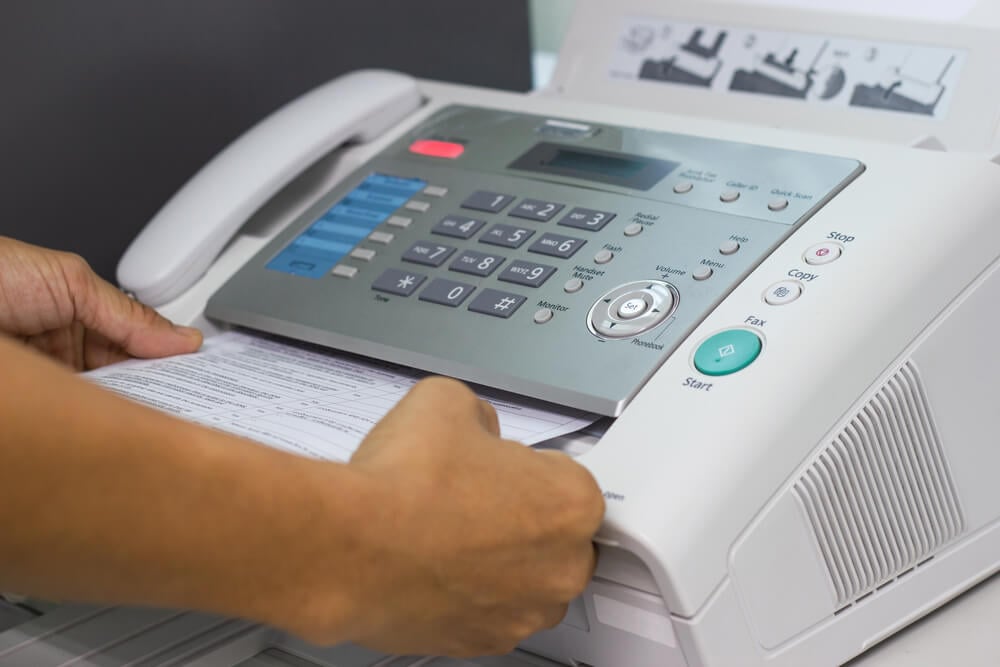
Scottish inventor Alexander Bain patented the basic concept of transmitting images over wire in 1843, decades before the telephone itself existed. Working versions slowly improved through the following century, but the technology remained a specialized tool for newspapers and government offices rather than a general business device.
It was not until fax machines became affordable and standardized in the 1970s and 1980s that offices worldwide adopted them as a daily necessity, more than a hundred and thirty years after Bain’s original patent.
Bar Code

Inventors Norman Woodland and Bernard Silver patented a bar code concept in 1952, adapting an idea Woodland reportedly sketched out using patterns drawn in beach sand. The technology existed for over two decades without a practical way to read it cheaply and reliably at scale.
The first commercial bar code scan of a retail product did not happen until 1974, at an Ohio grocery store, once laser scanning technology finally made the system affordable for everyday retail use.
Post-it Notes

Chemist Spencer Silver developed a weak, reusable adhesive at 3M in 1968 while actually trying to create a stronger glue, and the company had no clear use for an adhesive that deliberately failed to bond permanently. The idea sat mostly dormant for years until a colleague, Art Fry, used the material to keep bookmarks from falling out of his hymnal, prompting 3M to finally develop it into a consumer product.
Post-it Notes did not reach store shelves nationally until 1980, twelve years after Silver’s original discovery.
Velcro
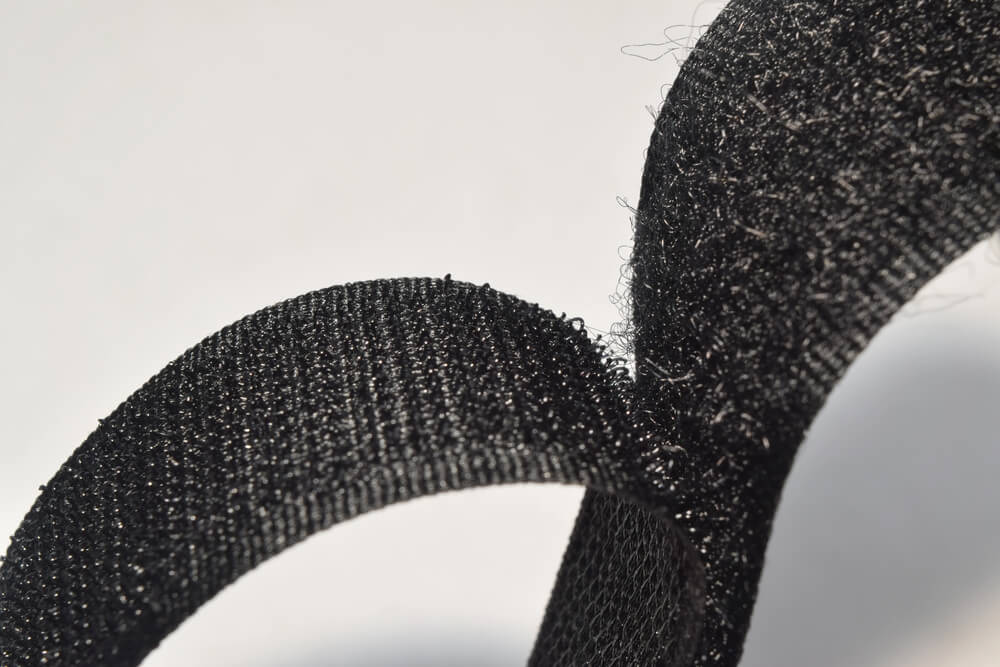
Swiss engineer George de Mestral developed this hook-and-loop fastener in 1941 after noticing how burrs clung to his clothing and his dog’s fur during a walk. He patented the concept in 1955, but manufacturers and consumers were slow to adopt it, largely dismissing it as a novelty rather than a serious replacement for buttons and zippers.
It took NASA’s use of the material in spacesuits during the 1960s space program to substantially boost its credibility and drive wider commercial adoption.
Bubble Wrap

Engineers Alfred Fielding and Marc Chavannes originally designed this material in 1957 as a textured wallpaper, sealing two shower curtains together to trap air bubbles between them. The wallpaper concept failed entirely in the marketplace, and the inventors spent time trying and failing to market it as greenhouse insulation before finally realizing its potential as protective packaging material.
IBM’s adoption of it to ship computers in the early 1960s finally established the use that made the product a lasting success.
mRNA Vaccine Technology

Researchers began studying messenger RNA as a potential basis for vaccines and treatments as early as the 1970s and 1980s, but the technology faced persistent technical obstacles around stability and delivery that kept it from reaching practical application for decades. Funding for the research was inconsistent, and several of the scientists working on it struggled for years to secure institutional support.
The COVID-19 pandemic finally created both the urgency and the funding needed to push the technology into widespread use in 2020, roughly four decades after the earliest foundational research began.
GPS Technology
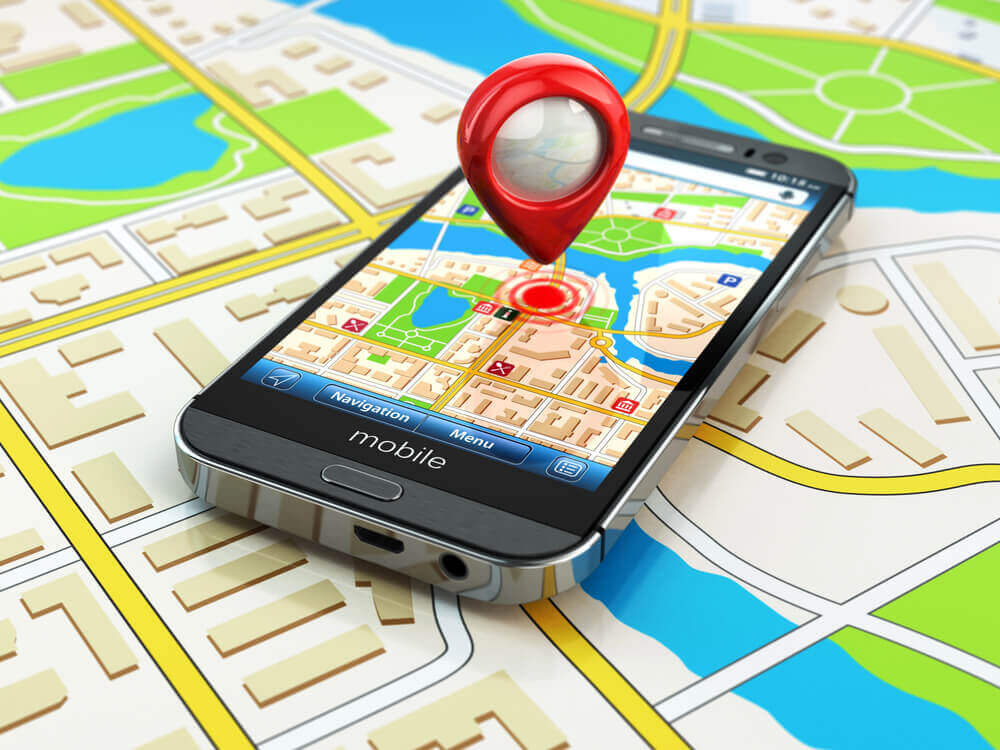
The United States military developed satellite-based positioning technology through the 1970s, launching the first operational satellites toward the end of the decade as a tool for military navigation. Civilian access remained deliberately degraded in accuracy for years afterward under a policy known as selective availability, limiting its usefulness for everyday applications.
The government did not disable that intentional degradation until 2000, opening the door to the precise civilian GPS navigation that phones and cars now rely on constantly.
Digital Camera

Kodak engineer Steven Sasson built the first working digital camera prototype in 1975, a device roughly the size of a toaster that recorded black-and-white images onto a cassette tape. Kodak, whose business depended heavily on film sales, was reportedly uneasy about a technology that threatened its own core product and did little to commercialize the invention for years.
Digital cameras did not become a mainstream consumer product until the late 1990s, more than two decades after Sasson’s original prototype, by which point other manufacturers had taken the technology further than Kodak itself did.
Touchscreen Technology

Engineer E.A. Johnson described an early capacitive touchscreen concept in 1965 while working on air traffic control systems, and further academic development continued through the following decades in research labs rather than consumer products. The technology remained largely confined to specialized industrial and military applications for years due to its cost and complexity.
It was not until touchscreen phones became commercially viable and affordable in the mid-2000s that the technology reached the mainstream, roughly forty years after Johnson’s original description.
LED
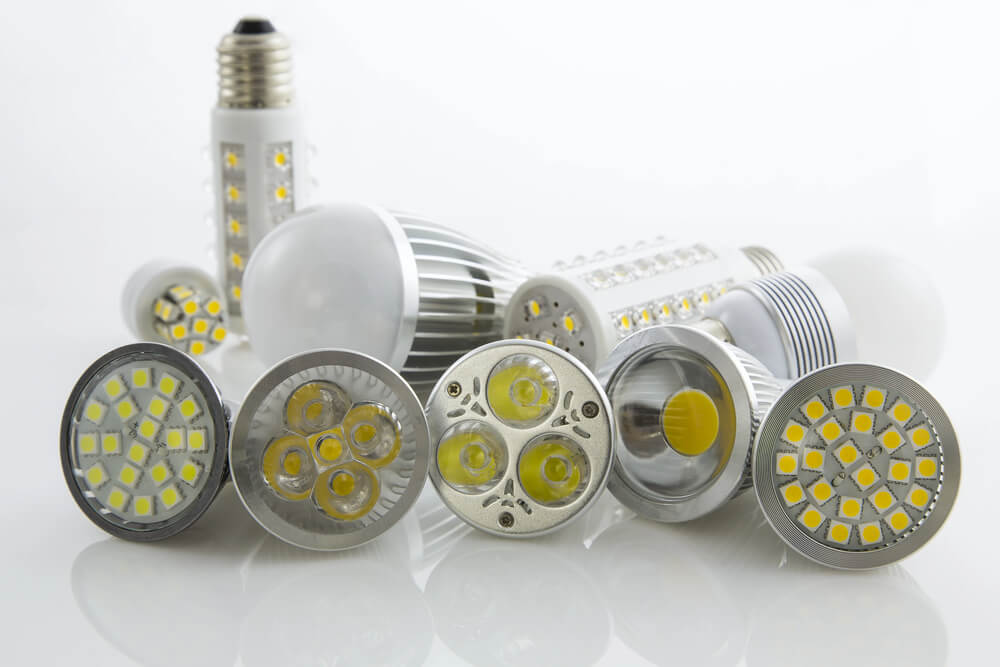
Engineer Nick Holonyak developed the first practical visible-light LED in 1962 while working at General Electric, initially producing only a dim red light suitable mainly for small indicator lamps. Decades of further research were needed before LEDs could produce enough brightness and a wide enough range of colors to seriously compete with incandescent and fluorescent lighting.
Practical, affordable LED lightbulbs for general home use did not become widely available until the 2000s, close to half a century after Holonyak’s original breakthrough.
Telephone Answering Machine
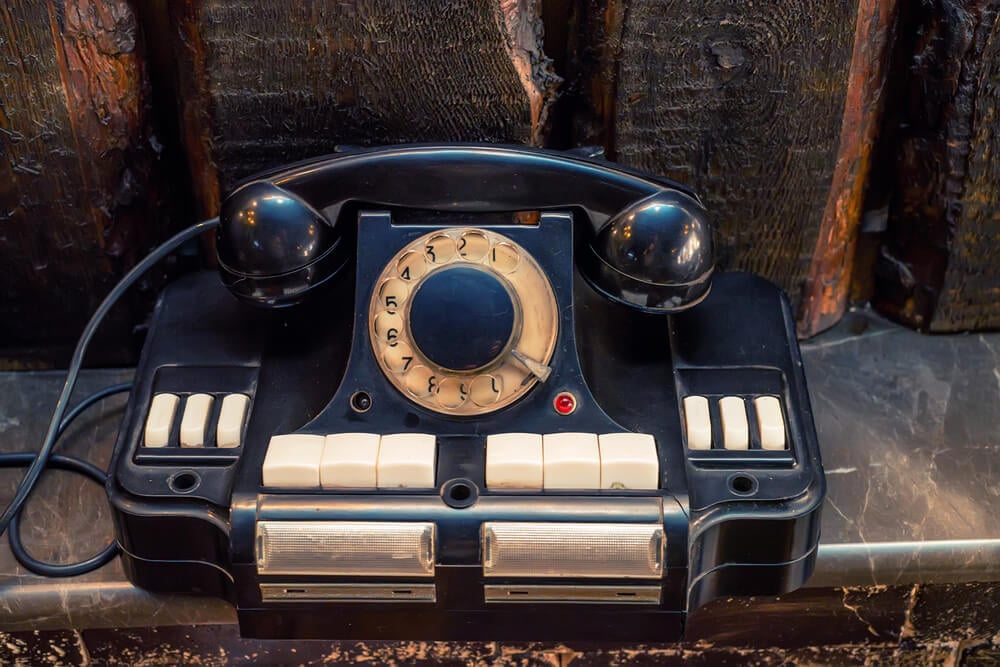
Inventors built working prototypes of automatic telephone recording devices as early as the 1930s and 1940s, but American telephone regulators and the dominant phone company actively restricted the connection of any non-approved equipment to the phone network for decades. That regulatory barrier, rather than any technical limitation, kept answering machines out of most American homes long after the underlying technology existed.
Deregulation of telephone equipment in the 1970s finally allowed the devices to become a common household fixture.
Escalator

Inventor Nathan Ames patented an early conceptual version of a moving staircase in 1859, though no working model was ever built from his patent. It took nearly forty more years before an actual functioning escalator was demonstrated publicly in 1896, and even then adoption in department stores and transit stations remained slow and limited for years afterward.
Escalators did not become a standard fixture of large public buildings until well into the twentieth century, long after the basic concept had first been patented.
Zipper
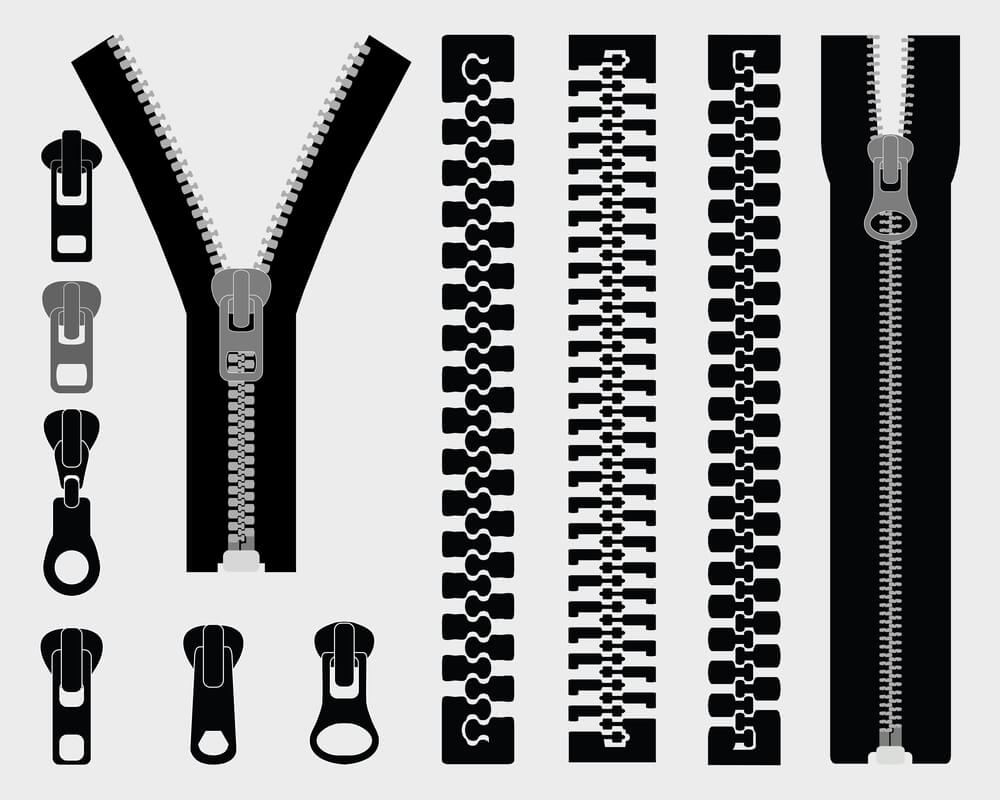
Inventor Whitcomb Judson patented an early clasp-locking fastener in 1893, but the mechanism was unreliable and prone to failure, and it drew little commercial interest for years. Engineer Gideon Sundback significantly refined the design in 1913, producing a version far more reliable than Judson’s original, yet clothing manufacturers remained slow to adopt it broadly.
The zipper did not become a standard feature on mainstream clothing until the 1920s and 1930s, roughly three decades after Judson’s original patent.
Three-Point Seatbelt
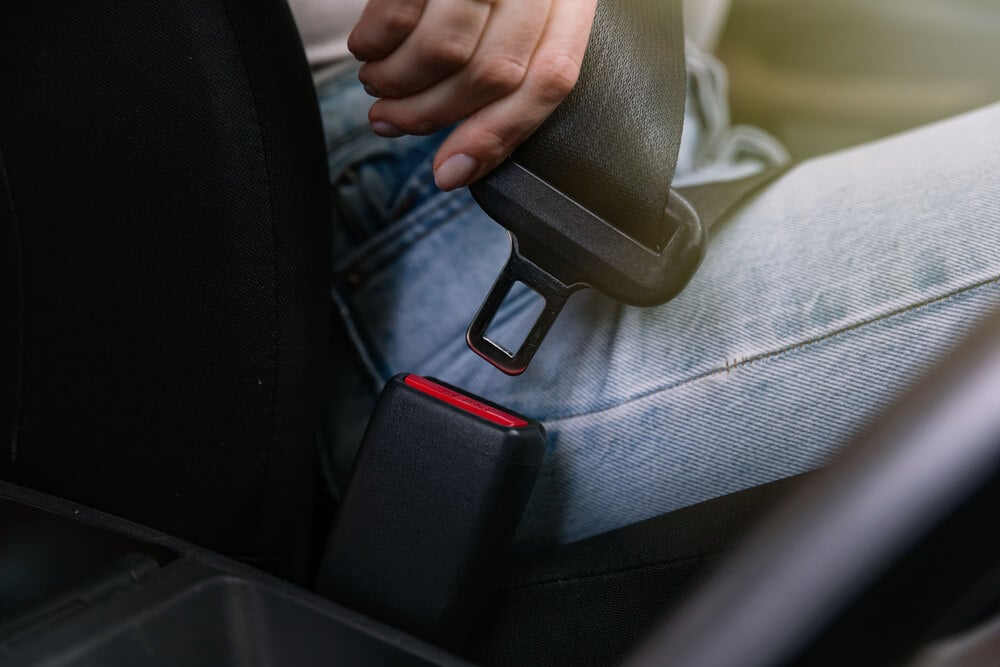
Volvo engineer Nils Bohlin designed the modern three-point seatbelt in 1959, a significant improvement over the simple lap belts used in most cars at the time. Volvo made the design freely available to competing automakers rather than restricting it through patent licensing, yet widespread adoption across the industry still took years, and mandatory seatbelt laws in many countries did not follow until the 1970s and beyond.
The delay between invention and legal requirement, in this case, was driven more by public and industry resistance than by any remaining technical barrier.
Airbags
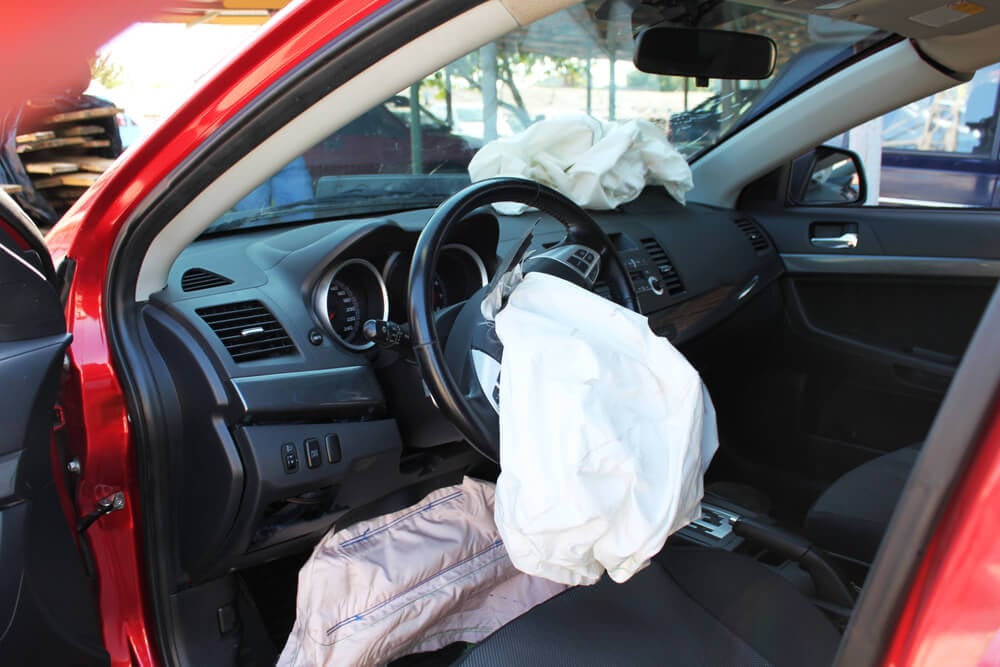
Engineers patented early automotive airbag concepts in the 1950s, but the sensors and inflation mechanisms available at the time were not reliable enough for practical use in a moving vehicle. Continued development through the 1960s and 1970s gradually solved these reliability problems, though manufacturers remained hesitant to add the cost to standard vehicles.
Airbags did not become mandatory equipment in new American cars until regulations phased in during the late 1980s and early 1990s, decades after the earliest patents were filed.
Instant Coffee

Chemists developed early versions of soluble instant coffee in the late nineteenth century, but the resulting product tasted poor enough that it never gained meaningful commercial traction. Nescafé introduced a substantially improved version in 1938 after years of refinement, yet mainstream adoption still lagged until wartime demand during the Second World War normalized instant coffee as a practical ration item for soldiers.
Consumer habits at home shifted only after that wartime exposure familiarized an entire generation with the product.
Microwave Oven
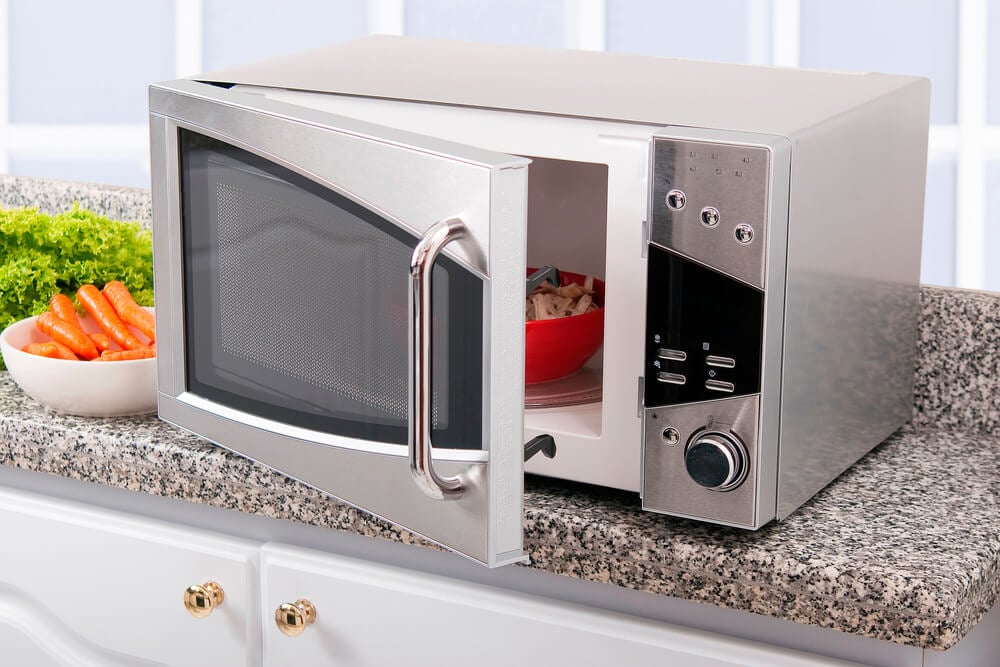
Engineer Percy Spencer noticed in 1945 that microwave radiation from radar equipment had melted a candy bar in his pocket, leading directly to the first microwave oven patent that same year. Early commercial units were enormous, expensive, and intended mainly for restaurants and institutional kitchens rather than home use.
Affordable countertop models did not reach typical American kitchens until the 1970s, roughly three decades after Spencer’s original accidental discovery.
Electric Car
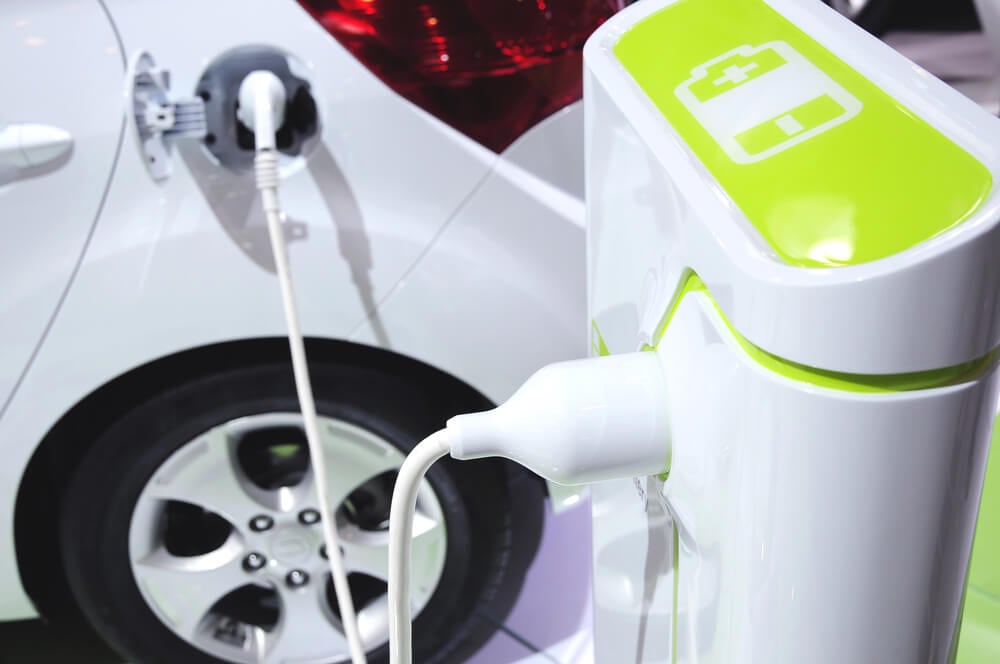
Inventors in the United States and Europe built practical electric automobiles as early as the 1890s, and electric cars briefly outsold gasoline vehicles in the United States around the turn of the twentieth century. Cheaper mass-produced gasoline cars, longer driving range, and the difficulty of recharging away from cities pushed electric vehicles out of the mainstream market by the 1920s.
It took roughly a century, along with major advances in battery technology, before electric cars returned to serious mainstream production beginning in the 2010s.
ARPANET

The United States Department of Defense funded the development of ARPANET beginning in 1969, connecting a small handful of university and research computers as an early experiment in resilient computer networking. For roughly two decades, the network and its early successors remained confined almost entirely to academic and government researchers rather than the general public.
It was not until the World Wide Web was introduced in the early 1990s that the broader internet became accessible and useful to ordinary households, more than twenty years after the original ARPANET connections went live.
Flush Toilet
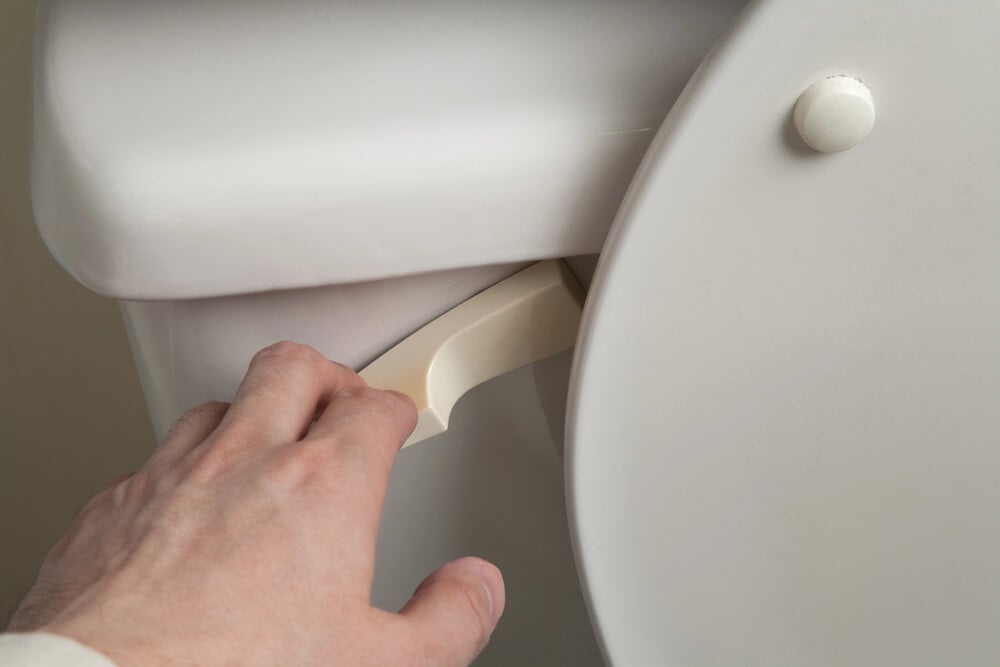
Courtier John Harington built and described a working flush toilet design in 1596, installing one for Queen Elizabeth I, yet the invention attracted little serious interest and was largely dismissed as a novelty. Widespread adoption did not occur for nearly three centuries, arriving only alongside the development of modern municipal sewage systems in the nineteenth century that could actually carry the waste away.
Without that supporting infrastructure, Harington’s working design had effectively nowhere useful to go.
Pasteurization
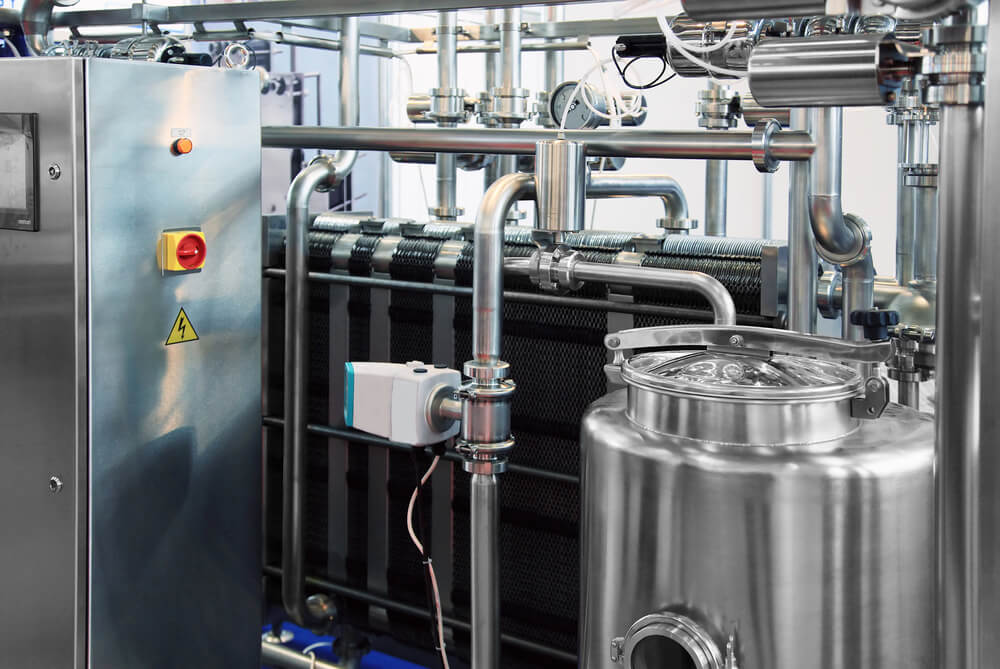
Louis Pasteur demonstrated that heating liquids could kill harmful bacteria in the 1860s, providing the scientific basis for what became known as pasteurization. Adoption by the dairy industry remained slow and inconsistent for decades, hampered both by the added cost of the process and by public skepticism about the underlying germ theory itself.
Widespread mandatory pasteurization of milk did not become standard practice in much of the United States until well into the twentieth century, long after Pasteur’s original research had already proven the method effective.
Sunscreen

Chemists developed early sun-protection formulas in the early twentieth century, but the products were often greasy, ineffective, or unpleasant enough that consumers used them inconsistently at best. Refinements through the following decades gradually improved both effectiveness and usability, yet sunscreen remained a niche product for years rather than a daily habit.
Regular sunscreen use did not become a mainstream part of personal care until public health campaigns in the second half of the twentieth century directly connected sun exposure to long-term skin damage.
Dishwasher
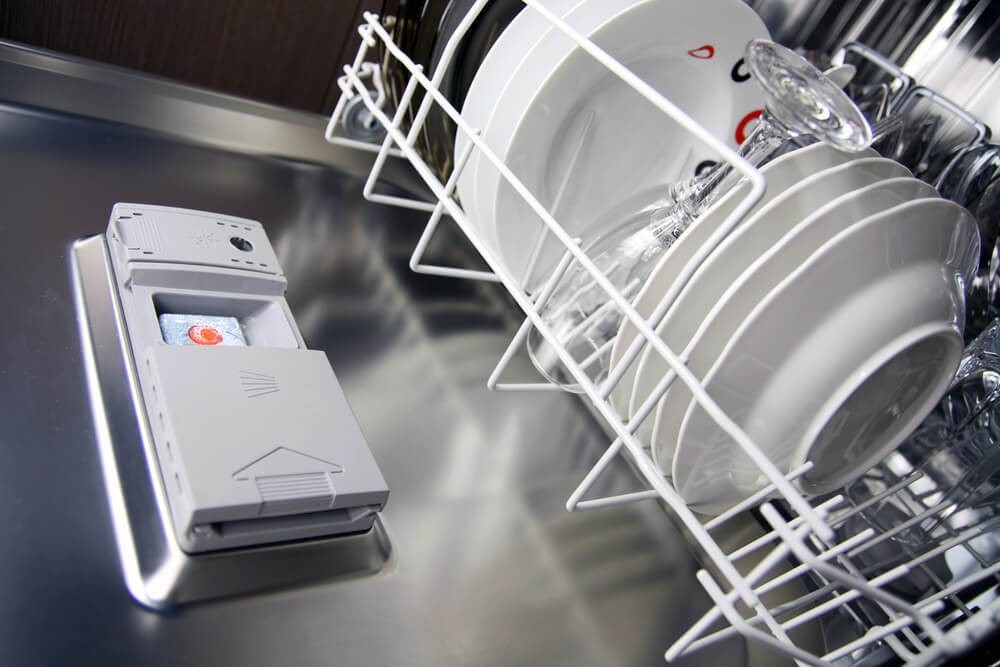
Josephine Cochrane patented a mechanical dishwashing machine in 1886, designing it initially for restaurants and hotels rather than for home kitchens, since few households at the time had the hot water supply the machine required. The invention remained largely confined to commercial kitchens for decades, with home adoption held back by both cost and the plumbing infrastructure most houses simply lacked.
Dishwashers did not become a common home appliance until the mid-twentieth century, once residential plumbing standards had caught up with what Cochrane’s machine actually needed.
Home Refrigeration

Engineers developed working mechanical refrigeration and compressor technology as early as the 1830s, primarily for industrial and commercial applications like food storage warehouses and breweries. Adapting the technology into a compact, safe, and affordable unit for individual homes took nearly a century of further engineering work.
Home refrigerators did not become widely affordable and common in American kitchens until the 1920s and 1930s, roughly a hundred years after the earliest compressor-based refrigeration systems were built.
Steam Engine
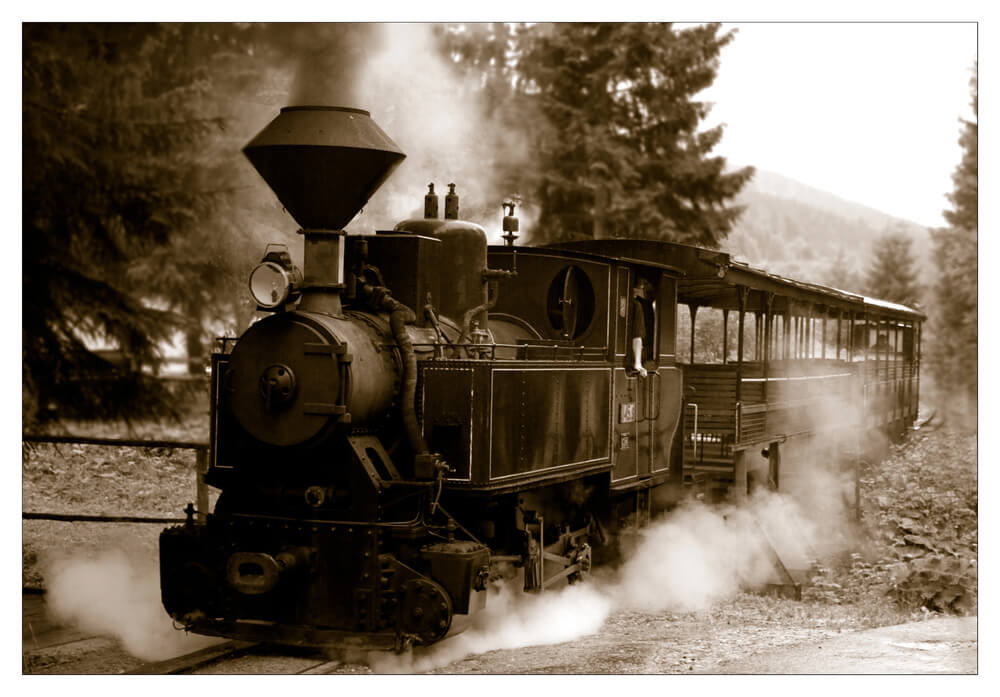
Ancient inventor Hero of Alexandria described a simple steam-powered rotating device, known as the aeolipile, in the first century CE, demonstrating that steam pressure could produce mechanical motion. The device was treated as a curiosity or a toy in the ancient world rather than pursued as a source of practical power.
It took roughly seventeen centuries before engineers in the eighteenth century, working with entirely different metallurgical and engineering capabilities, finally developed steam power into the industrial engines that helped drive the Industrial Revolution.
Solar Cells

Researchers at Bell Labs demonstrated the first practical silicon solar cell in 1954, capable of converting sunlight into usable electricity at a meaningful efficiency for the first time. The technology remained extremely expensive for decades afterward, limiting its early practical use mainly to space satellites where cost mattered far less than reliability.
It took until the twenty-first century, after sustained manufacturing improvements drove costs down dramatically, for solar panels to become an economically competitive source of electricity for ordinary homes and utilities.
The Gap Between Invention and Use
A striking number of these stories share the same basic shape: the hard technical problem was often solved decades before anyone figured out how to make the solution affordable, reliable, or simply welcome in ordinary life. The idea rarely waited for a better idea to replace it. It waited for the world around it to become ready.
That pattern is a useful corrective to the assumption that good ideas succeed quickly on their own merits. Most of the technologies people now treat as obvious necessities spent years, and in a few cases centuries, looking like failures right up until the exact moment they weren’t.
More from Go2Tutors!

- 27 Silver Dollars and Half Dollars Worth Keeping
- 28 Restaurant Menu Items Nobody Orders Anymore
- 17 Places Built in Seemingly Impossible Spots
- 27 Vintage Rings Worth More Than They Look
- 25 Restricted Sites Tourists Can’t Enter
Like Go2Tutors’s content? Follow us on MSN.