Strange Architectural Mysteries Of The Middle Ages
Walking through medieval towns across Europe, you can’t help but notice buildings that seem to defy explanation. Stone churches with impossible engineering, towers that shouldn’t still be standing, and construction techniques that modern architects struggle to replicate.
These aren’t just old buildings—they’re puzzles wrapped in mortar and mystery, each one holding secrets about knowledge that vanished along with the craftsmen who possessed it.
The Middle Ages left behind architectural riddles that continue to baffle experts today.
From cathedrals built without blueprints to underground chambers that serve no obvious purpose, medieval builders created structures that challenge everything we think we know about their capabilities and intentions.
Sainte-Chapelle’s Glass Walls
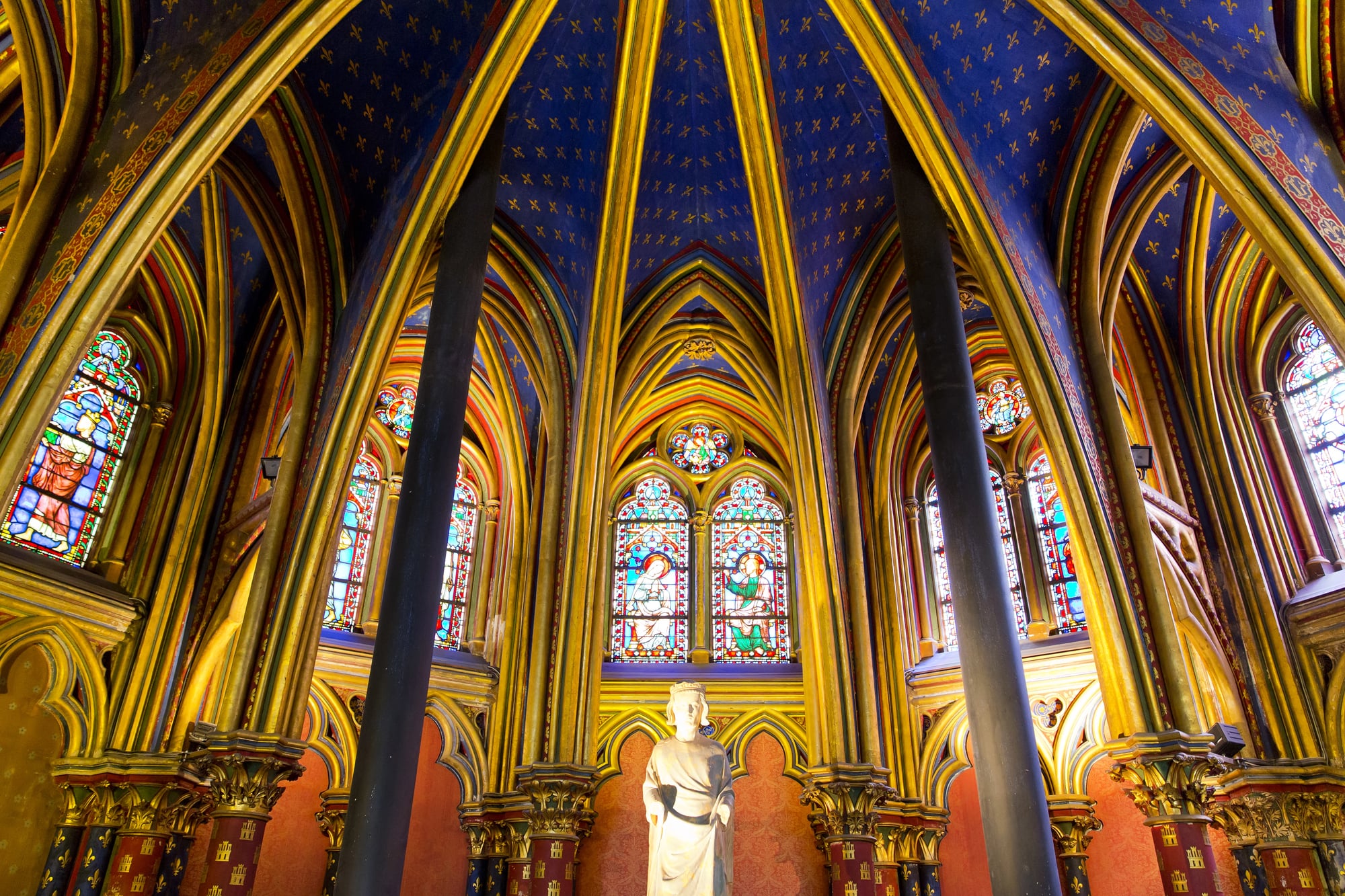
The math doesn’t work. Sainte-Chapelle in Paris has walls that are 75% stained glass, reaching 50 feet high.
Medieval engineering shouldn’t have been able to support that much glass in stone frames that thin.
Yet there it stands, untouched since 1248.
No surviving documents explain how they did it.
The stone tracery that holds those massive windows appears too delicate for the job, but seven centuries of earthquakes, wars, and weather haven’t brought it down.
The Leaning Tower Of Pisa’s Deliberate Tilt
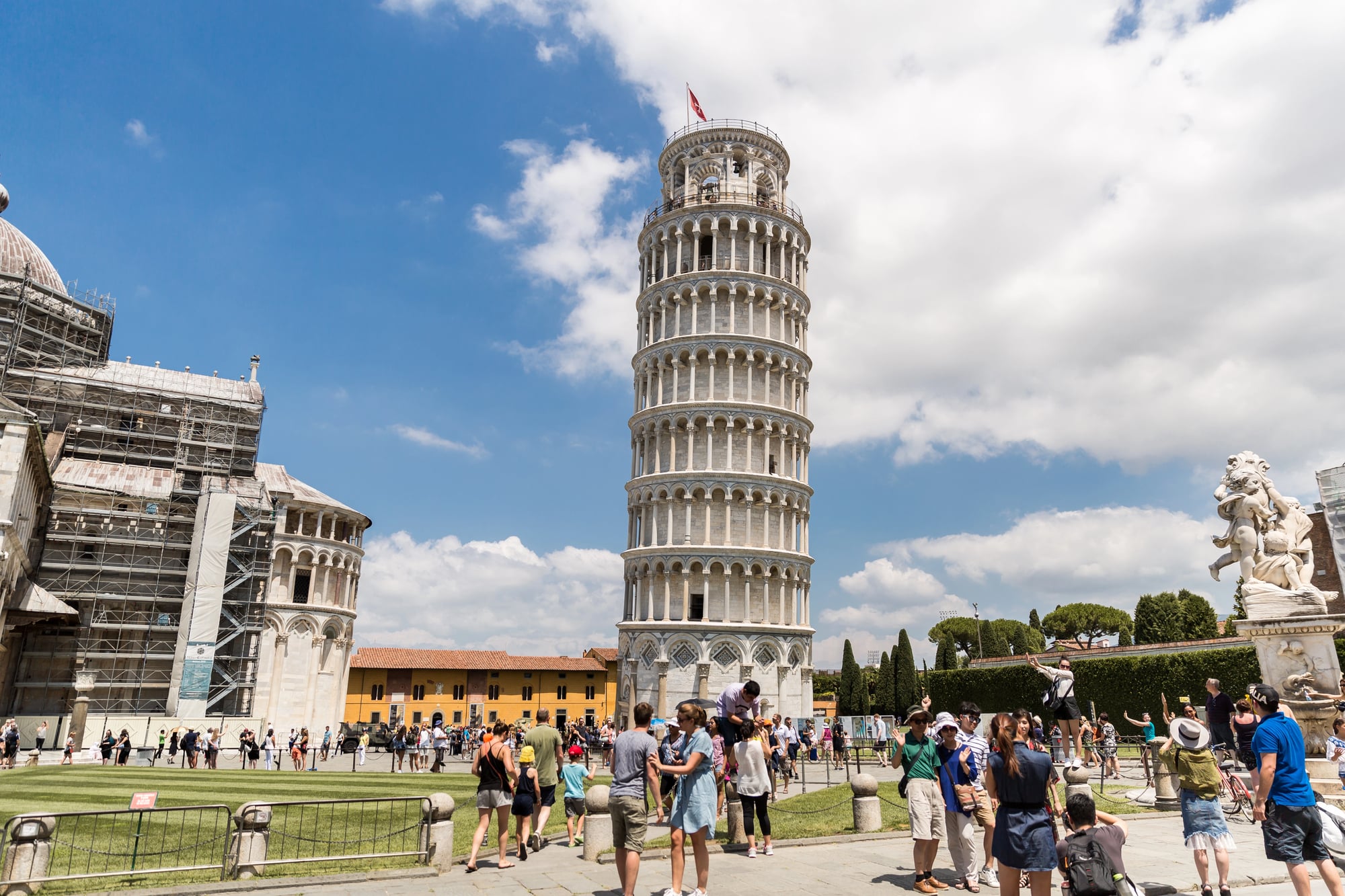
Everyone knows the tower leans, but here’s what doesn’t make sense (and what most people never hear): the builders knew it was tilting during construction and kept building anyway.
Not only that—they deliberately curved the upper floors in the opposite direction, creating an almost imperceptible S-shape that somehow keeps the whole thing from toppling over.
This wasn’t accident recovery, it was calculated engineering that modern architects still can’t fully explain, since the builders had no way to calculate the precise forces involved.
But somehow they did exactly what was needed, using nothing more than visual estimation and medieval intuition.
And yet the tower has survived multiple earthquakes that have leveled buildings constructed with modern engineering—which is saying something about knowledge that was never written down but somehow passed from master to apprentice through hands-on practice that died with the craftsmen.
Chartres Cathedral’s Acoustic Design
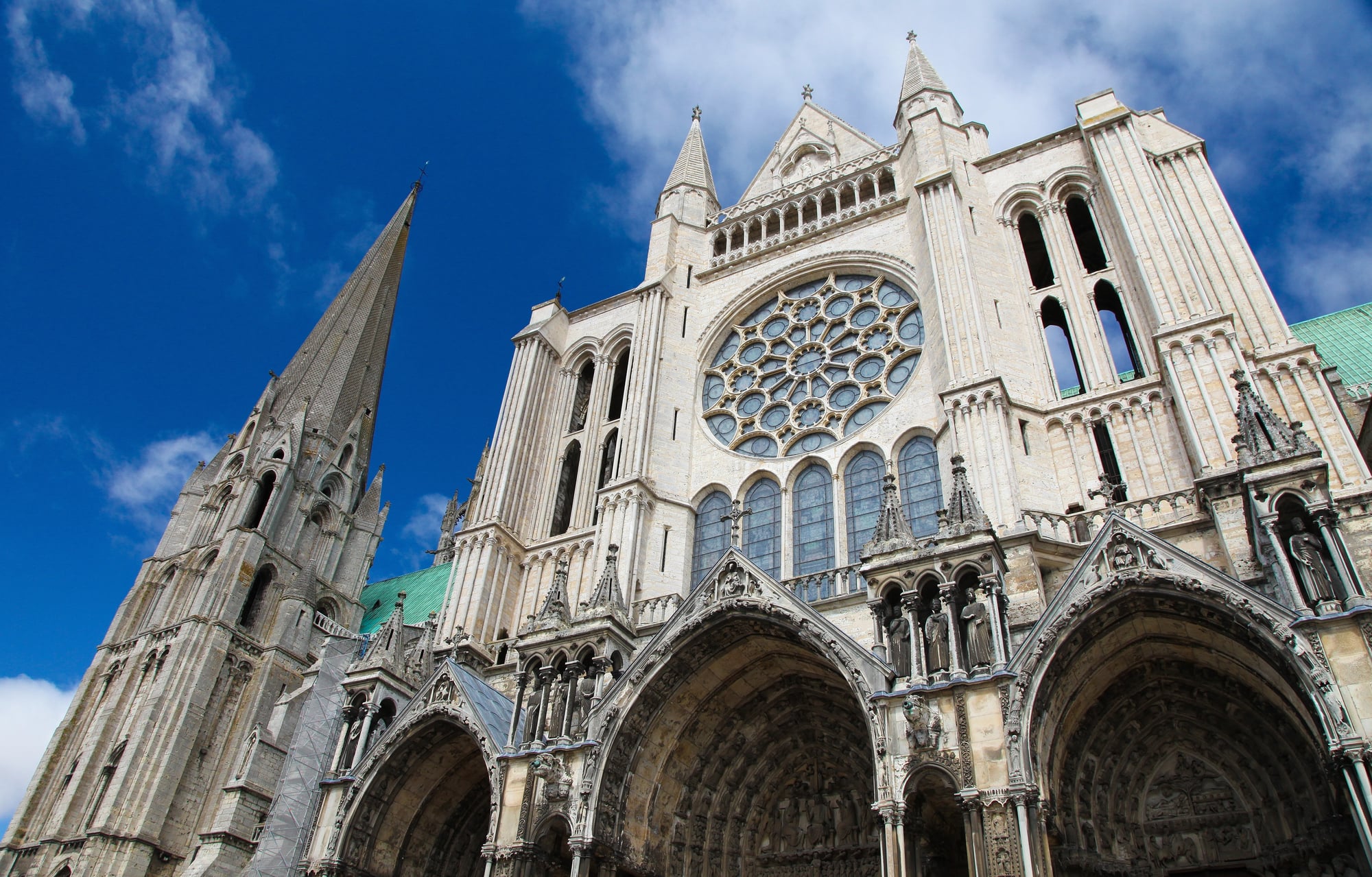
The cathedral makes no logical sense as a place to speak. Stone walls, massive spaces, and vaulted ceilings should create an echoing nightmare where every word gets lost in reverberations.
Instead, a whisper at the altar carries perfectly to the back of the nave.
Medieval builders somehow created acoustic engineering that rivals modern concert halls.
They had no way to measure sound waves or calculate acoustic properties, yet they tuned the entire building like a massive musical instrument.
The stones themselves seem positioned to channel sound in ways that science is still working to understand.
Rosslyn Chapel’s Unfinished Perfection
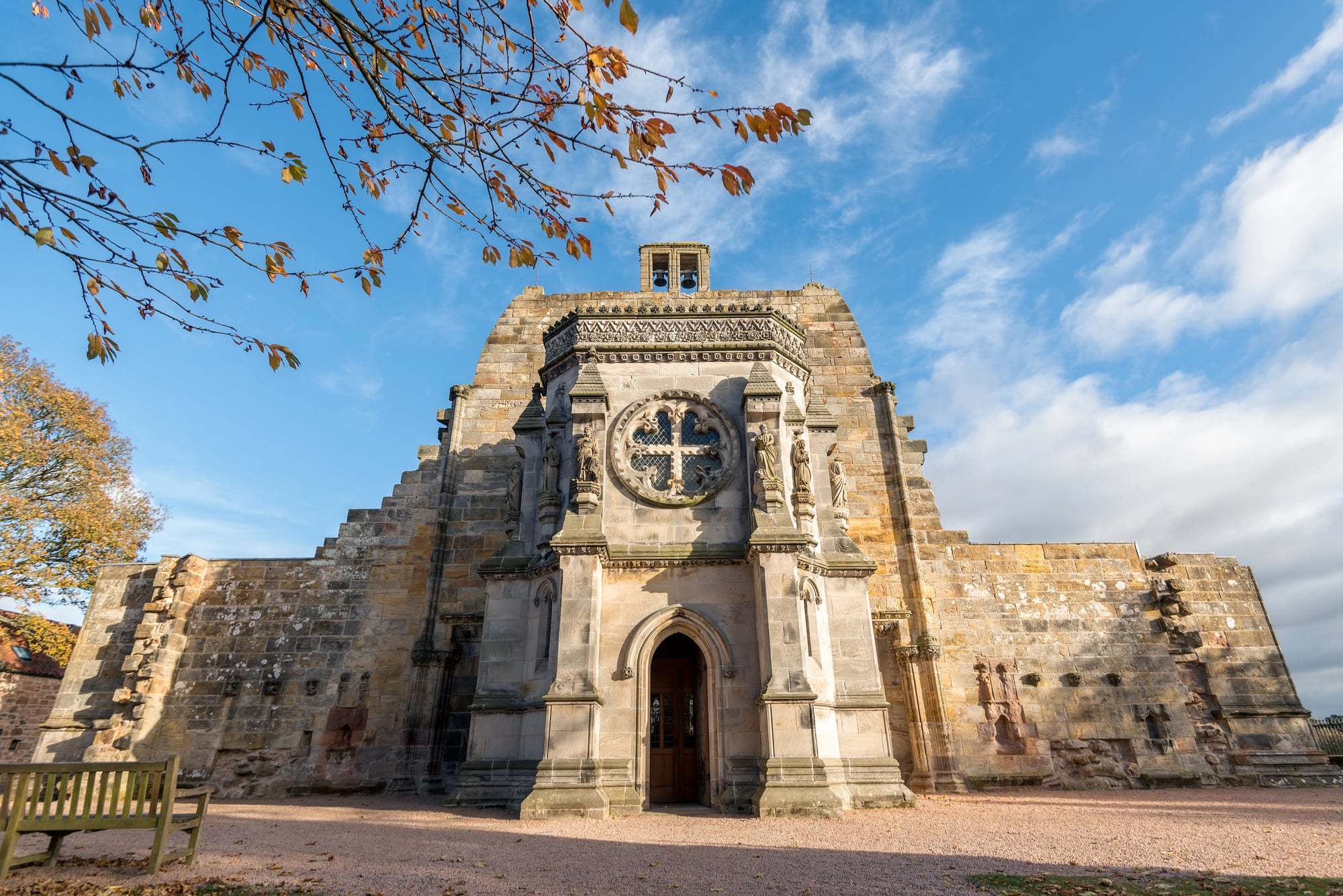
Every surface tells a story that nobody can read. Rosslyn Chapel in Scotland contains stone carvings so intricate they look like lacework, depicting plants that didn’t exist in Europe and symbols from traditions the builders shouldn’t have known about.
The level of detail is impossible—leaves carved so thin they’re translucent, faces with individual eyelashes rendered in stone.
Here’s what makes it stranger: the chapel was never finished, yet every completed section is flawless.
No practice runs, no rough drafts carved into hidden corners.
The quality never varies, as if whoever did this work had carved these exact designs a thousand times before.
Which raises questions about where they learned techniques that appear nowhere else in medieval European stonework.
So the mystery isn’t just what they carved, but how they achieved that level of precision on their first and only attempt.
The answers aren’t in any surviving records—they’re locked in stone that refuses to give up its secrets.
Winchester Cathedral’s Floating Foundation
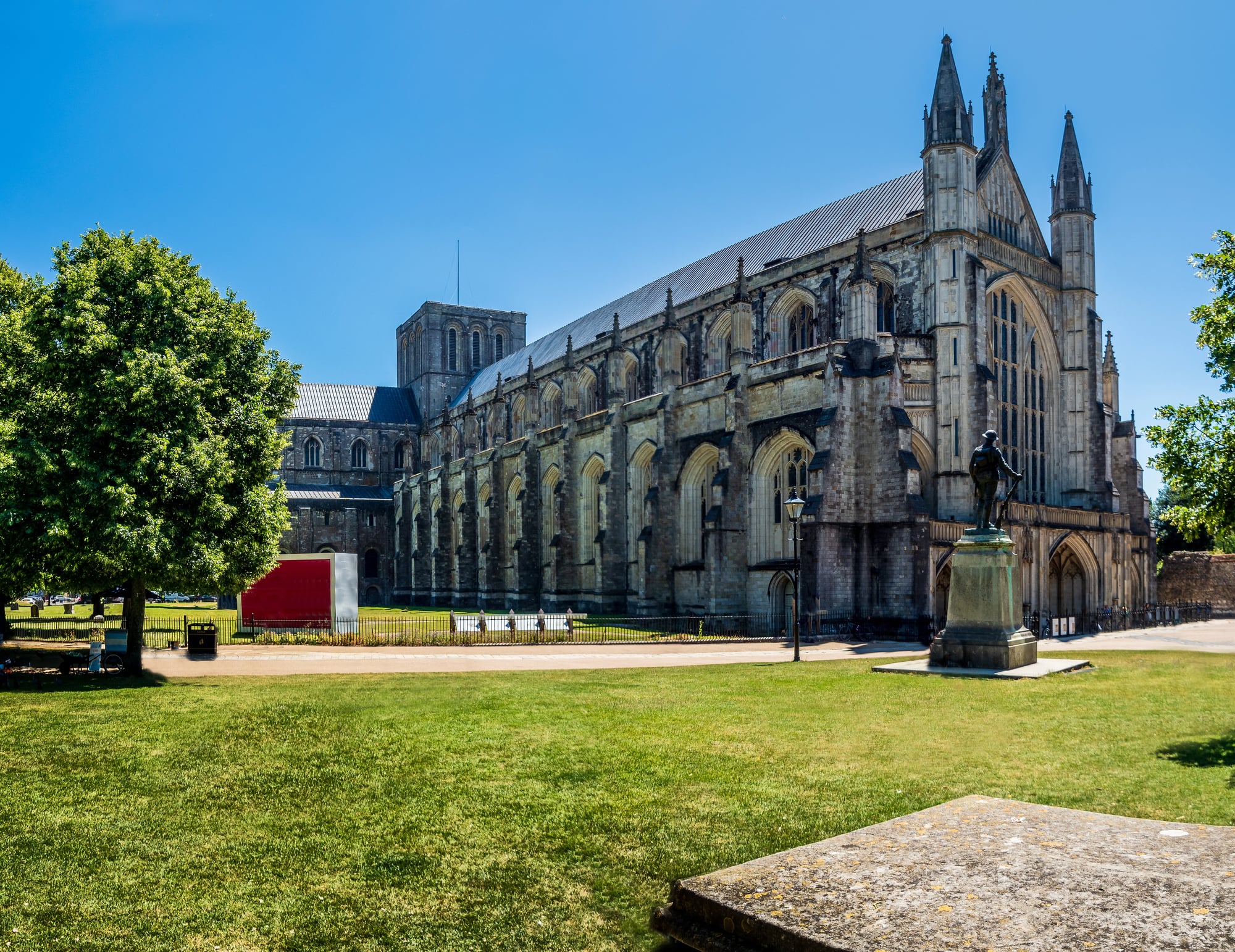
Winchester Cathedral sinks through marshland into a water table that should have swallowed it centuries ago.
The foundation rests on a raft of logs floating in wet peat, which sounds like medieval engineering at its most questionable.
Instead, it’s been stable for nearly a thousand years.
The logs should have rotted away completely by now.
Peat preserves organic material, but not indefinitely, and not under the weight of a massive stone cathedral.
Yet diving surveys of the foundation show the wooden supports remain intact, still bearing the load as if they were installed yesterday.
When Winchester’s foundation was finally examined in the early 1900s, engineers found a construction method they couldn’t improve on—and couldn’t fully explain.
The medieval builders had somehow created a foundation that flexes with seasonal ground movement while remaining perfectly stable, using nothing but logs and intuition.
The Mysterious Underground Chambers Of Caerleon
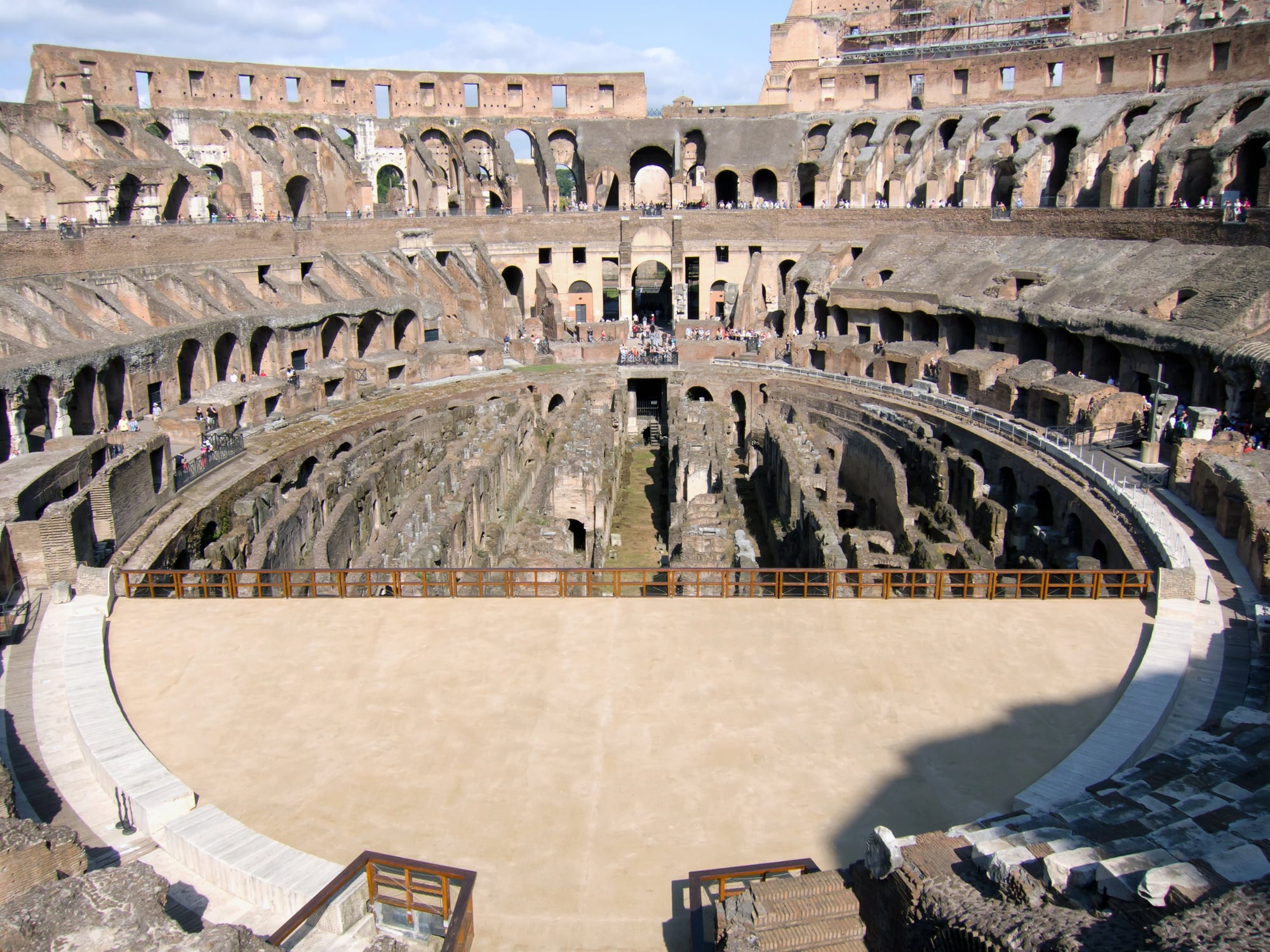
Beneath the ruins of medieval Caerleon in Wales lie chambers that serve no identifiable purpose.
These aren’t basements or storage areas—they’re perfectly round rooms carved from solid rock, connected by tunnels that form geometric patterns when viewed from above.
No artifacts, no obvious function, no records of what they were meant to do.
The chambers are too elaborate to be simple storage, too deep to be convenient for daily use.
Their walls show tool marks consistent with medieval construction, but the precision of the carving suggests craftsmen with skills that were rare even among master builders of the period.
Cologne Cathedral’s Impossible Timeline
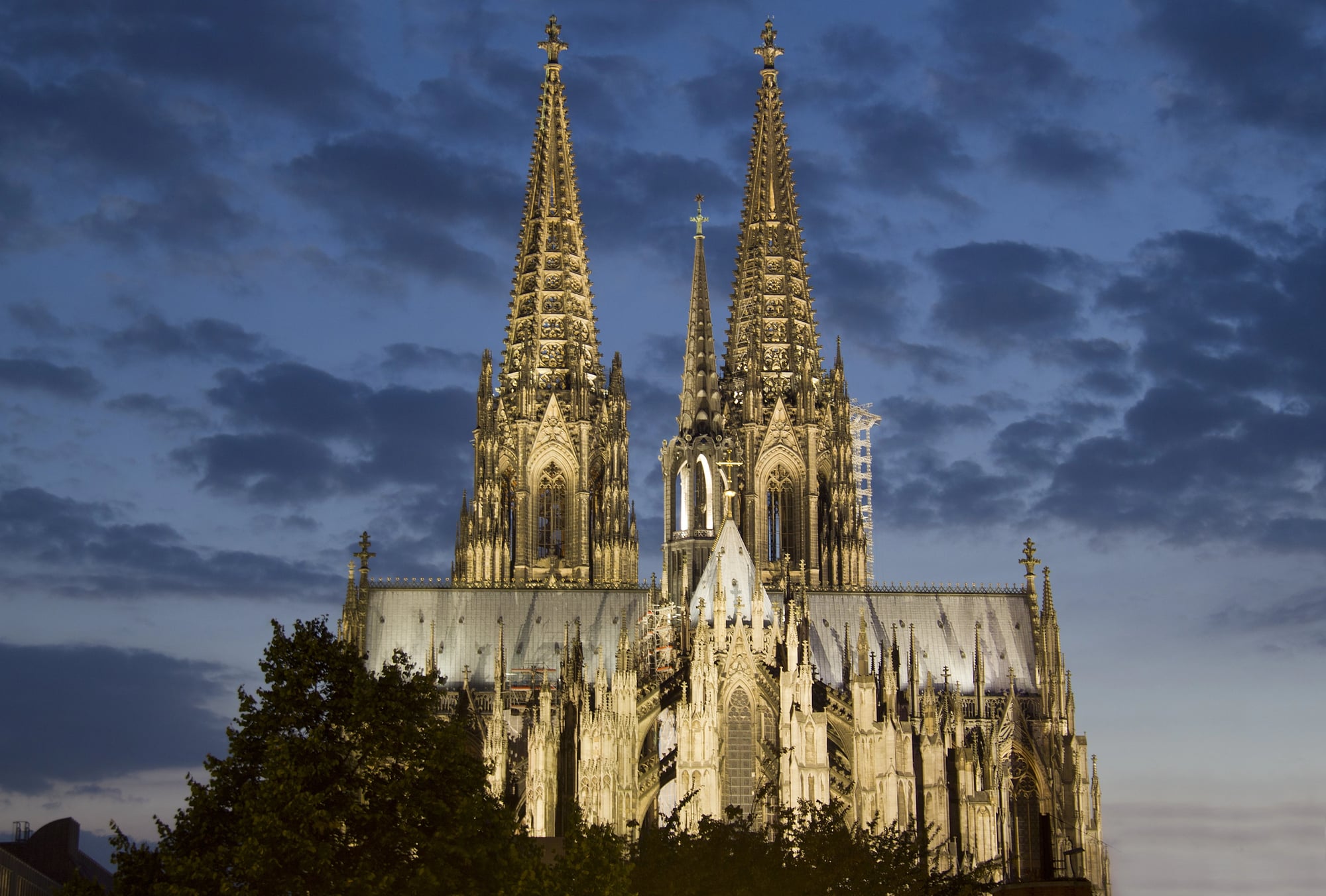
Construction began in 1248 and stopped abruptly in 1473, leaving behind a massive unfinished cathedral and detailed architectural plans that shouldn’t exist.
Medieval buildings evolved during construction—changes were made, problems were solved, designs were modified as work progressed.
Cologne is different.
The surviving medieval plans show every detail of a building that wouldn’t be completed for another 400 years.
Every stone, every arch, every decorative element was mapped out with engineering precision that medieval builders rarely achieved or needed.
When construction finally resumed in the 1800s, those ancient plans were still accurate enough to guide completion of the cathedral.
The Floating Stones Of Coral Castle

Edward Leedskalnin built Coral Castle in Florida using techniques he claimed were rediscovered from medieval stonemasons.
Working alone at night, he moved limestone blocks weighing several tons each, using tools and methods that neighbors reported were unlike anything in modern construction.
Leedskalnin insisted his techniques came from understanding how medieval cathedral builders moved massive stones without modern equipment.
Whether his claims were real or elaborate showmanship, the results speak for themselves—stone blocks positioned with precision that rivals medieval masonry, moved and placed by a single person using principles he took to his grave.
Durham Cathedral’s Stone Ribs
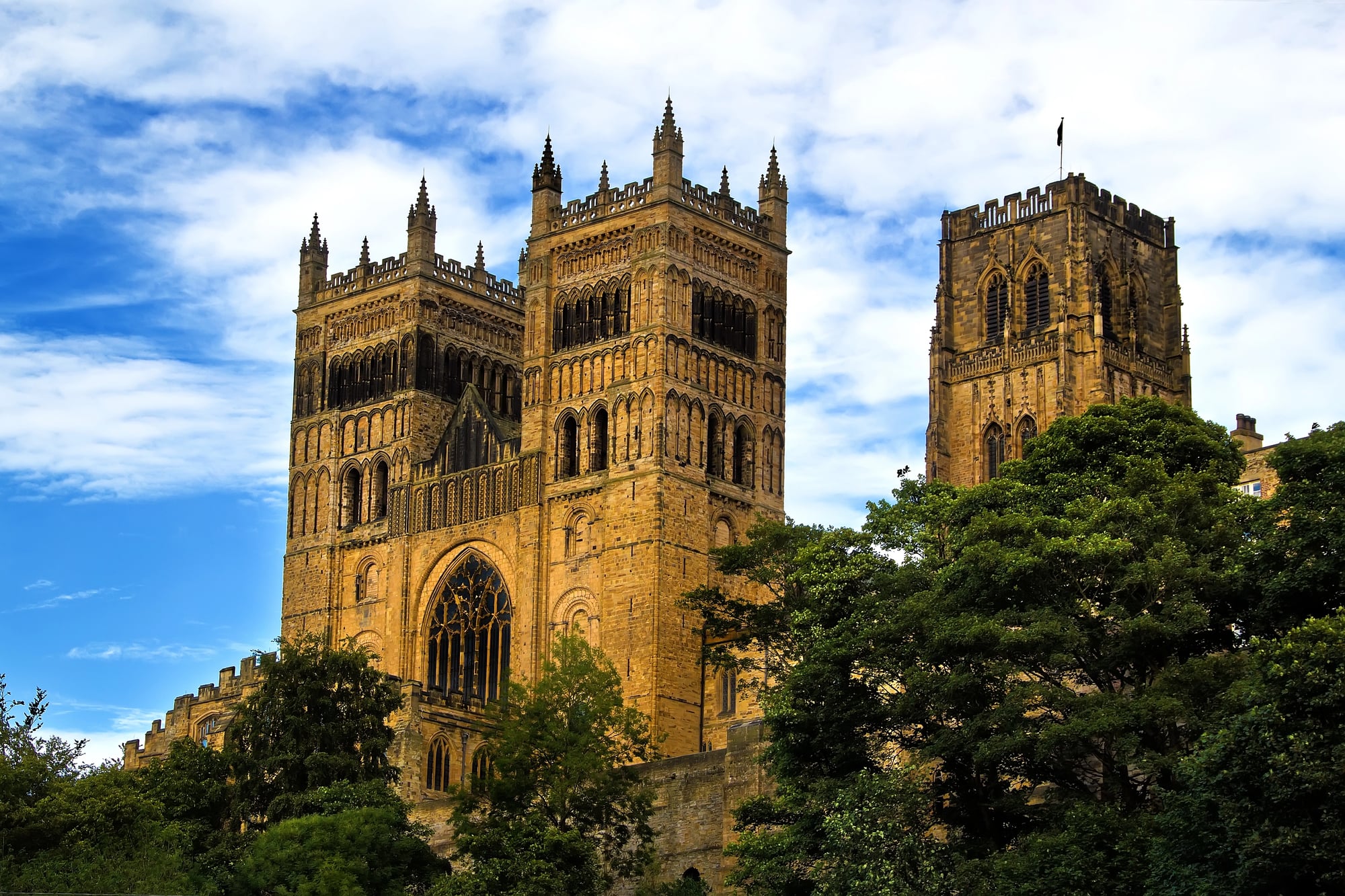
The ceiling shouldn’t work. Durham Cathedral features the first pointed stone ribs in European architecture, supporting a roof that by all rights should have collapsed during construction.
The builders were attempting something that had never been tried before, with no mathematical models to guide them and no examples to follow.
Each stone rib was cut and positioned while the mortar was still wet, requiring precise timing and flawless execution.
One miscalculation would have brought down the entire ceiling.
Yet Durham’s builders pulled off this engineering experiment on their first attempt, creating a technique that spread across Europe and defined Gothic architecture for centuries.
The Vanishing Blueprints Of Medieval Masters
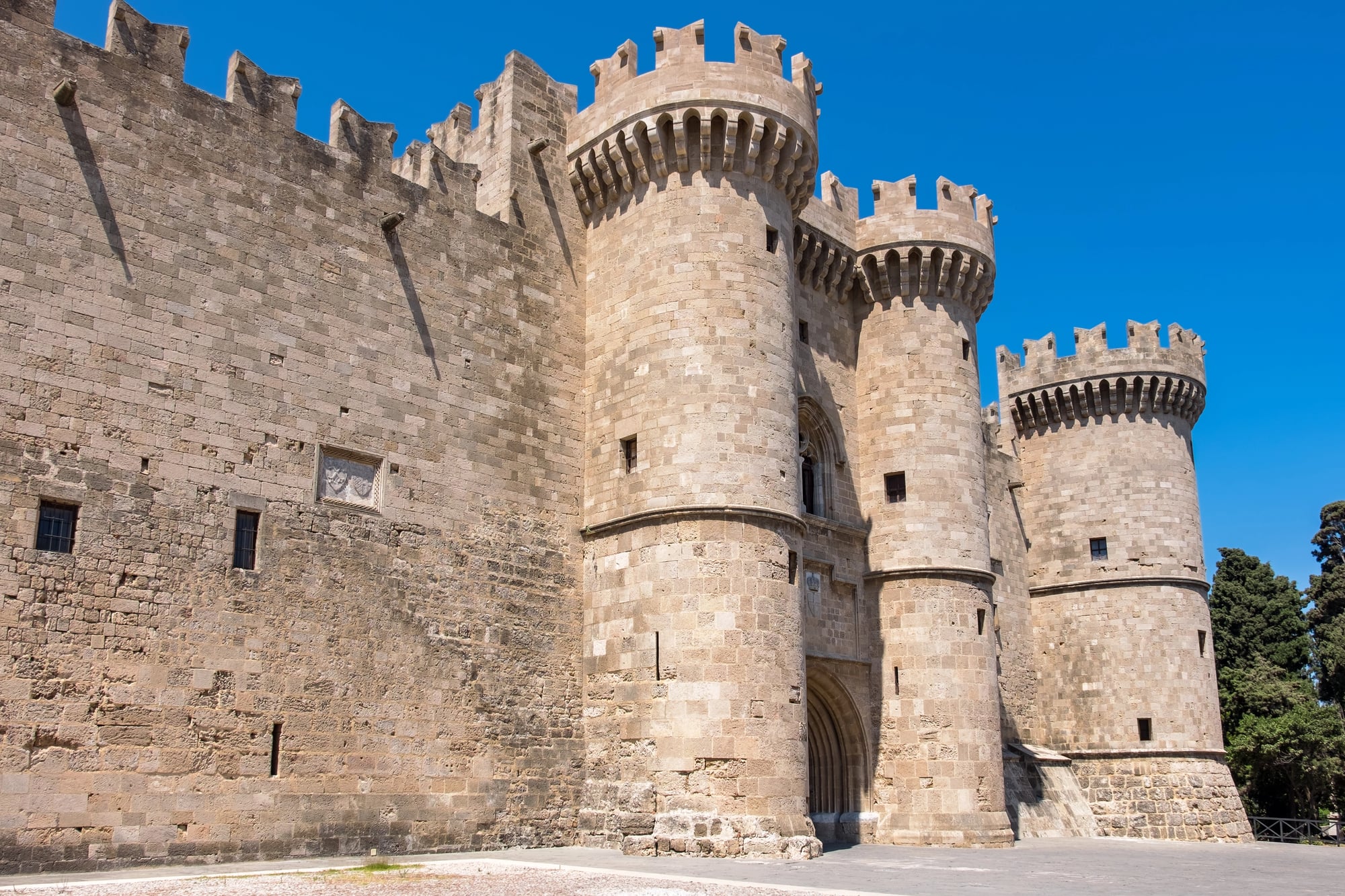
The most advanced medieval buildings were constructed without written plans.
Master builders carried entire cathedral designs in their heads, passing complex architectural knowledge through apprenticeship systems that left no written records.
When the guild system collapsed, that knowledge vanished.
This wasn’t simple construction—these buildings required understanding of complex engineering, precise stone cutting, and coordination among dozens of specialized craftsmen.
Yet the most sophisticated examples were built from memory and handed-down techniques that were never recorded and can’t be replicated today.
The Self-Supporting Spiral Stairs
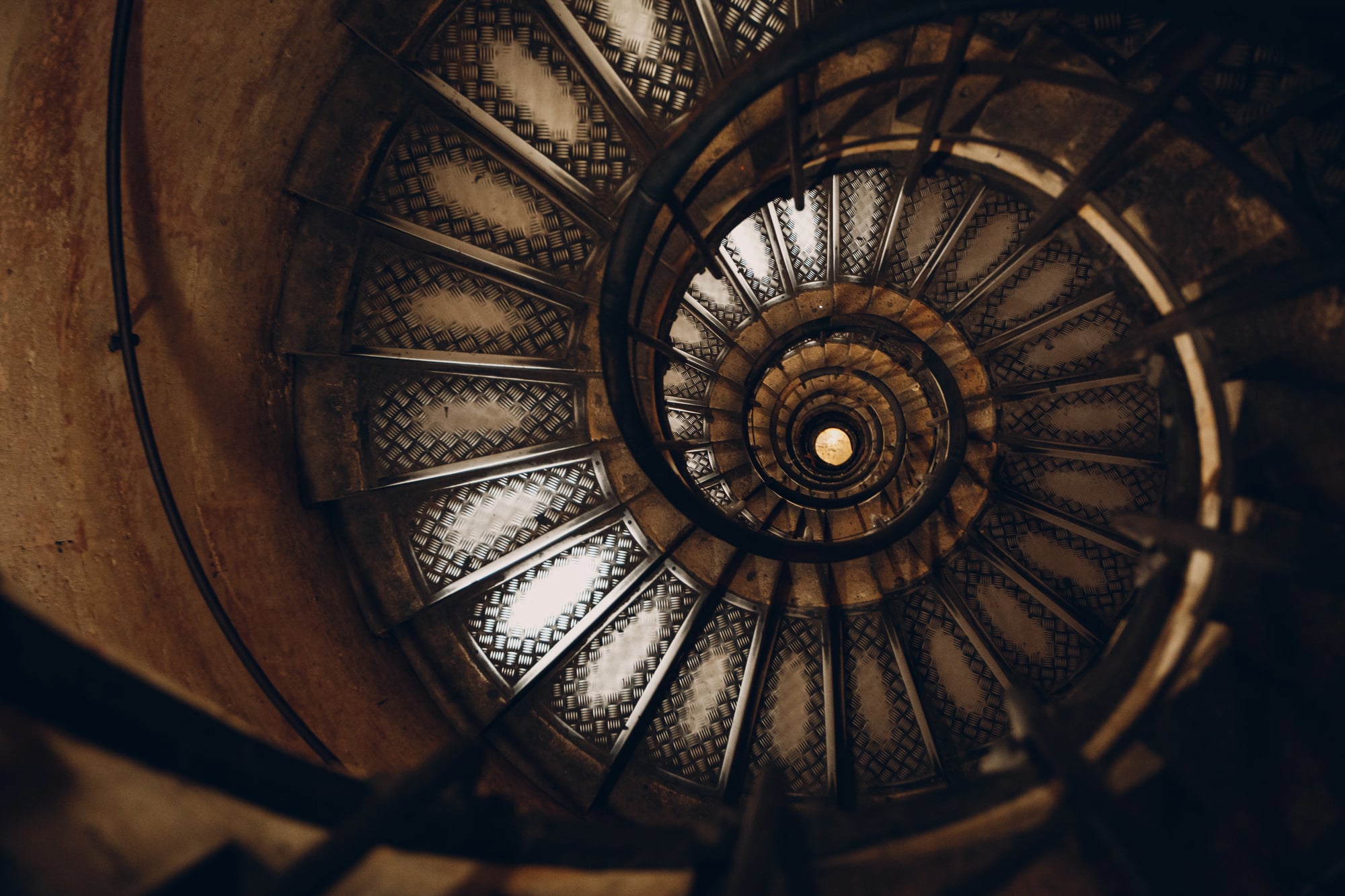
Medieval castles contain spiral staircases that seem to defy gravity.
Built without a central support column, these stone steps wind upward in perfect spirals, each stone supporting the next in an endless chain.
Remove any single stone and the entire staircase should collapse.
The technique for building self-supporting spiral stairs died with medieval stonemasons.
Modern attempts to replicate these staircases require temporary supports and precise calculations.
Medieval builders created them freehand, cutting each stone to fit perfectly with its neighbors in a three-dimensional puzzle that assembled itself as construction progressed.
Hagia Sophia’s Floating Dome

Built in 532 CE under Byzantine Emperor Justinian I, Hagia Sophia’s dome appears to float above the building without visible support, representing early Byzantine engineering rather than medieval architecture.
The dome rests on pendentives—curved triangular sections that transfer the dome’s weight to massive piers below—but the engineering is so seamless that the dome seems suspended in air.
Medieval descriptions of Hagia Sophia consistently mention the dome’s apparent weightlessness, as if the builders achieved some kind of architectural magic that made stone behave like clouds.
Modern analysis shows the engineering is sound, but the visual effect remains as mysterious today as it was to medieval visitors who couldn’t believe their eyes.
Sagrada Familia’s Medieval DNA
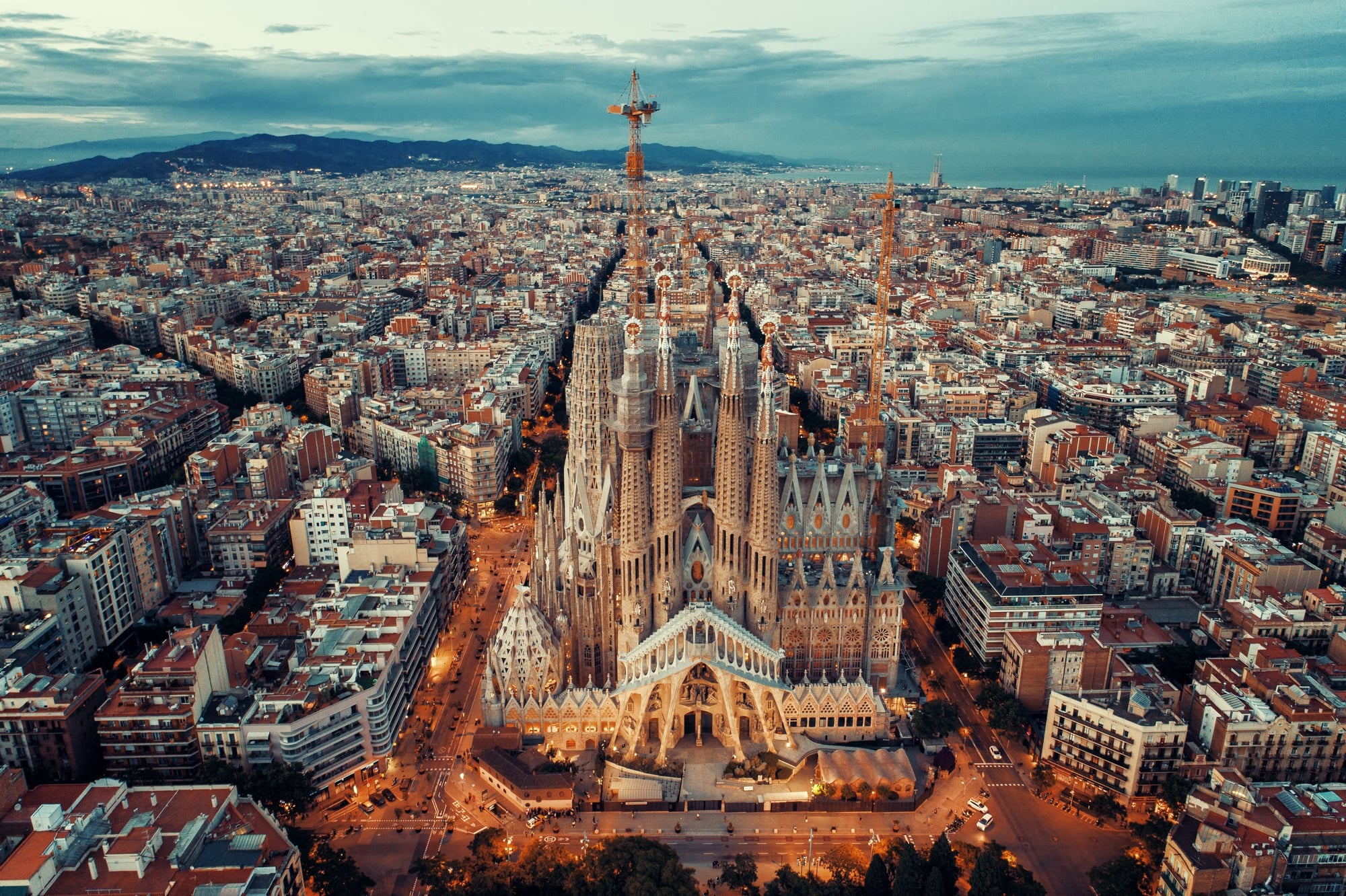
Antoni Gaudí claimed his design for Sagrada Familia came from studying medieval construction techniques that had been lost and forgotten.
His building methods mirror medieval practices—stone cut and fitted by hand, complex geometric relationships worked out through physical models rather than mathematical calculations, and construction techniques that evolve during the building process.
Gaudí insisted he was rediscovering principles that medieval builders understood intuitively.
Whether that’s true or not, Sagrada Familia demonstrates that medieval construction techniques still hold secrets that modern architecture is only beginning to understand.
The building continues to rise using methods that are part medieval craft, part modern engineering, and entirely mysterious in their effectiveness.
When Stone Remembers What We Forgot
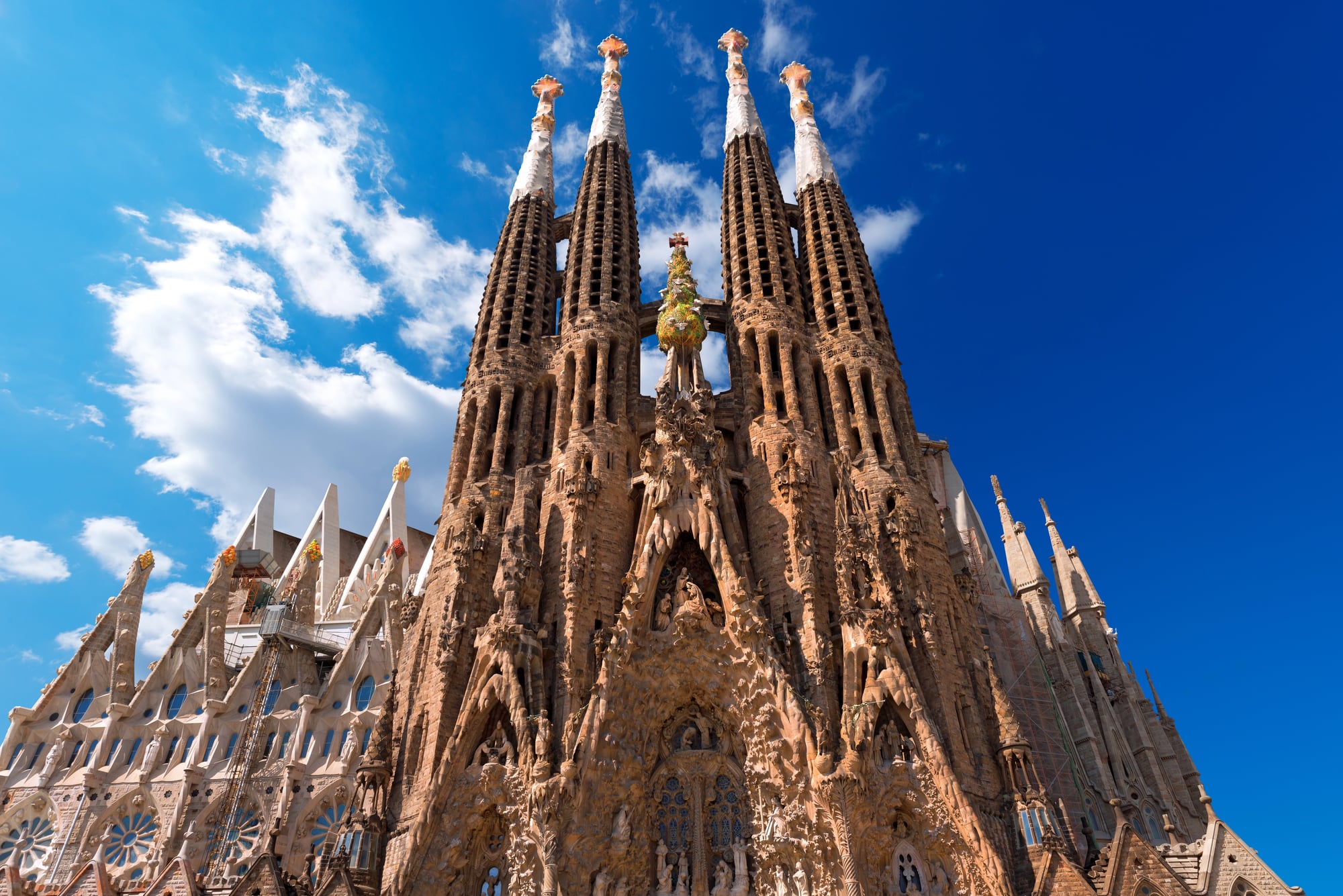
These medieval mysteries remind us that knowledge doesn’t always travel in straight lines.
Sometimes it gets carved into stone by craftsmen who never wrote down their secrets, leaving us to reverse-engineer wisdom that was once as common as sunrise.
The buildings remain, patient and permanent, waiting for us to remember what their creators knew by heart.
More from Go2Tutors!

- The Romanov Crown Jewels and Their Tragic Fate
- 13 Historical Mysteries That Science Still Can’t Solve
- Famous Hoaxes That Fooled the World for Years
- 15 Child Stars with Tragic Adult Lives
- 16 Famous Jewelry Pieces in History
Like Go2Tutors’s content? Follow us on MSN.