16 Historic Photos of Outdoor Classrooms Around the World
Early in the twentieth century, doctors and educators convinced themselves that fresh air could save children from tuberculosis, and that a classroom with the walls removed might be the cure. Schools opened in forests, on rooftops, and even aboard retired ferries, and the photographs that survive show children in heavy coats and blankets, copying lessons in winter air.
The idea began with sick or fragile pupils and spread to healthy ones, then reshaped school architecture for decades. These sixteen places trace that history from Berlin to Los Angeles.
The Waldschule in Charlottenburg

The Waldschule opened on August 1, 1904, in the Grunewald forest on the edge of Berlin, and it is widely regarded as the first open-air school. Its backers, Bernhard Bendix and Hermann Neufert, designed it for sickly children and those at risk of tuberculosis, and the architect Walter Spickendorff built the pavilions.
Children took lessons outdoors and rested between them, a routine that other cities soon copied.
Bostall Wood in Plumstead
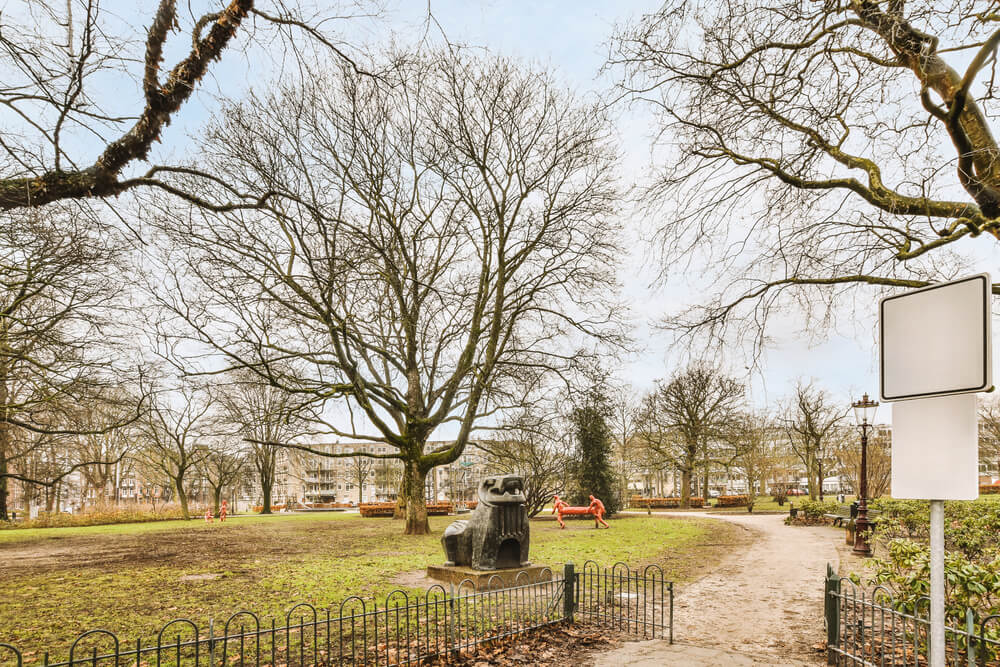
In 1907 the London County Council built an open-air school at Bostall Wood in Plumstead, the first of its kind in England. The council used the site for children weakened by illness, giving them lessons among trees rather than in smoky city classrooms.
The school helped establish open-air education as a public health measure in Britain.
Providence, Rhode Island

America’s first open-air school opened in Providence in 1908, led by Mary Packard and Ellen Stone, both Johns Hopkins graduates. The classroom occupied a second floor of an empty brick school, fitted with hinged floor-to-ceiling windows that stayed open in cold weather.
Children wore warm clothing and sat in rooms near the temperature outside.
Boston’s Two Experiments

Boston tried the idea twice in quick succession, first at Parker Mill in 1908 and then at Franklin Park in 1909. The two sites showed how easily an open-air classroom could be set up almost anywhere with a bit of land and a roof.
Boston’s quick adoption helped spread the concept through the Northeast.
The Ferry-Boat Southfield in New York
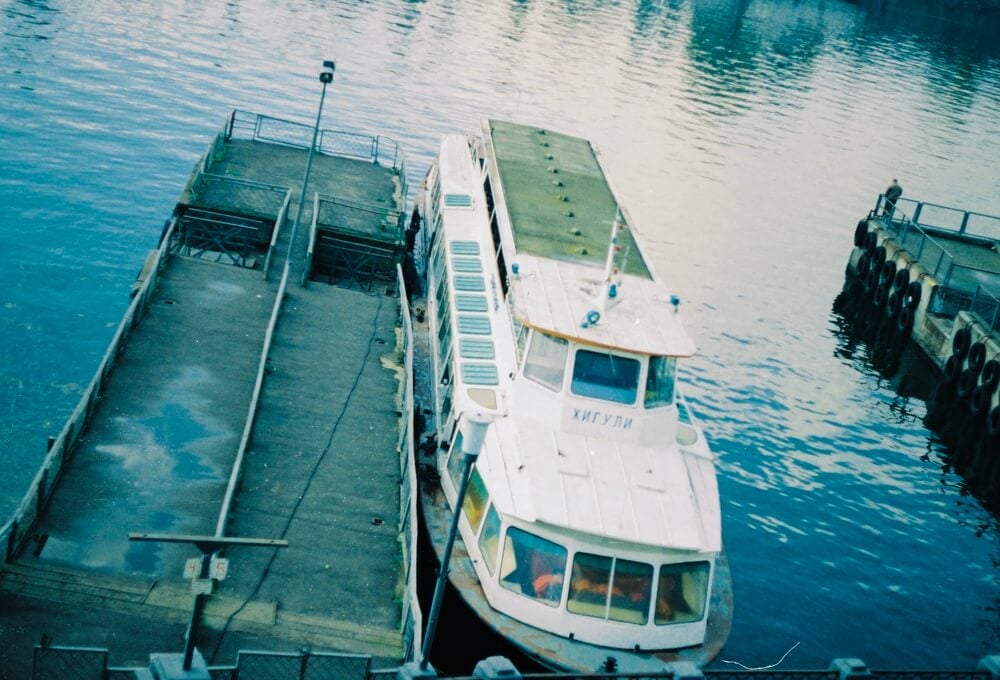
In 1908, New York converted the ferry-boat Southfield into a school, using the open deck as a classroom for children with or at risk of tuberculosis. Taking lessons over open water meant steady fresh air, and the boat’s size allowed a good number of pupils.
It remains one of the more unusual school buildings in American history.
The Elizabeth McCormick Open Air School in Chicago
Chicago’s Elizabeth McCormick Open Air School was the subject of a 1911 book titled “Open Air Crusaders.” Its pupils reportedly refused to take a Christmas vacation, preferring to stay in the school they enjoyed.
The story captures the enthusiasm that these schools produced among children who might otherwise have spent the year in sickrooms.
Indianapolis and Fort Wayne

Indianapolis opened its Lucretia Mott School in 1913, the first open-air school in Indiana. Fort Wayne followed in 1917 with the Perry Randall school.
The Indiana examples show the idea moving from large coastal cities into the Midwest within a decade.
The Horace Mann School Roof in New York
At the Horace Mann School in New York, classes were held on the roof, using open sky as the classroom ceiling. By the time two years had passed since Providence’s experiment, a reported 65 open-air schools had appeared in the United States.
The rooftop classes became a symbol of how quickly the movement had caught on.
Deptford and the Macmillan Sisters
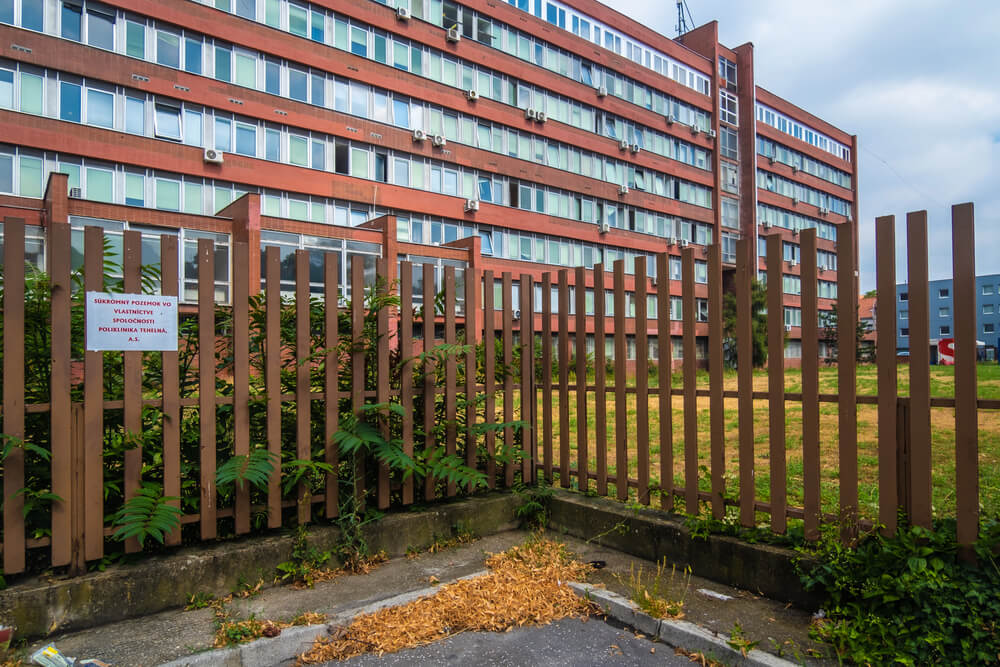
Rachel and Margaret McMillan opened an open-air school in 1914 in the garden of Evelyn House in Deptford, London. The children lived and slept under canvas, so the school was as much a way of life as a place to study.
Their work influenced nursery school education across Britain.
Knowle in Bristol
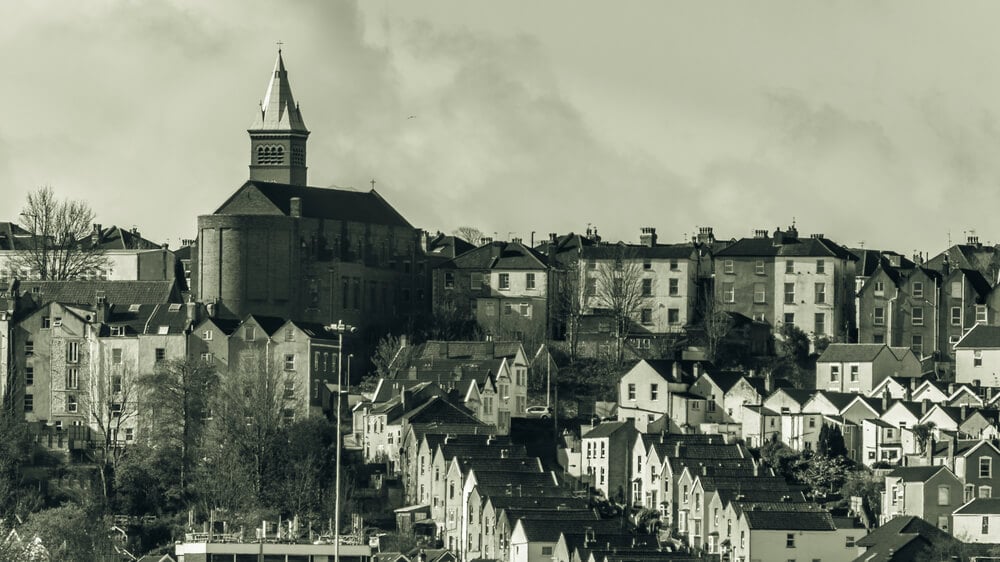
Bristol opened an open-air school at Knowle in October 1913. By 1937, Britain had 96 open-air day schools, and 53 of them also provided residential care.
Those numbers show how fully the movement had become part of the national school system.
Duiker’s Open-Air School in Amsterdam

Johannes Duiker designed the Openluchtschool voor het gezonde kind, built in Amsterdam between 1929 and 1930. The title translates to “open-air school for the healthy child,” a reversal of the early schools that had served sick children.
Its glass walls and concrete frame became a landmark of modern architecture.
Suresnes
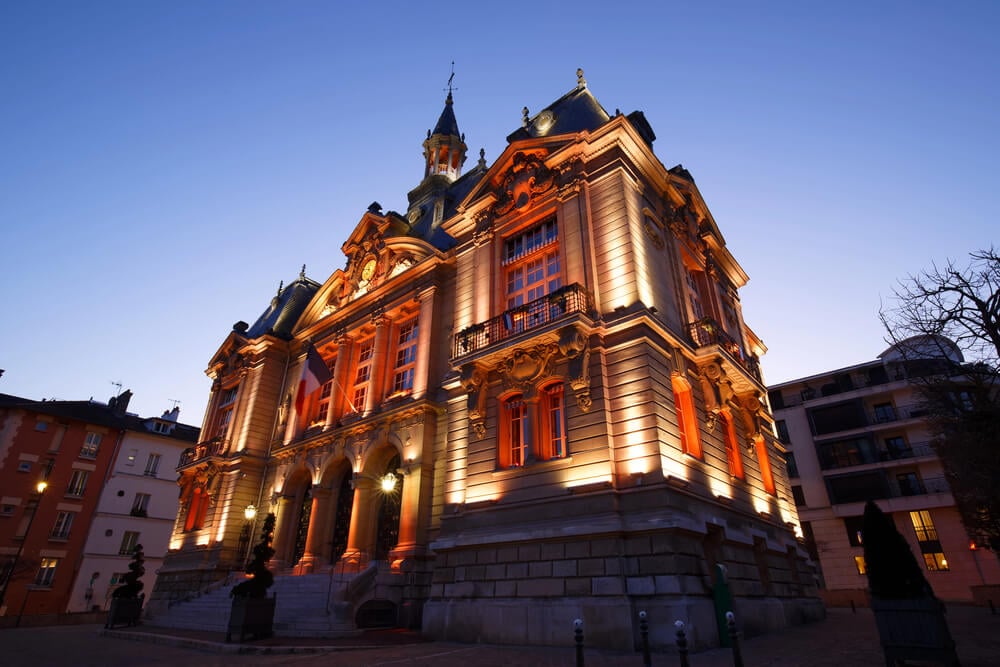
The open-air school at Suresnes outside Paris was built between 1932 and 1935 by architects Eugène Beaudouin and Marcel Lods for mayor Henri Sellier. It featured steel frames by Jean Prouvé, a main building 200 meters long, and eight pavilions.
The school is now a listed monument, protected as an example of modernist school design.
Aspen House School in Lambeth
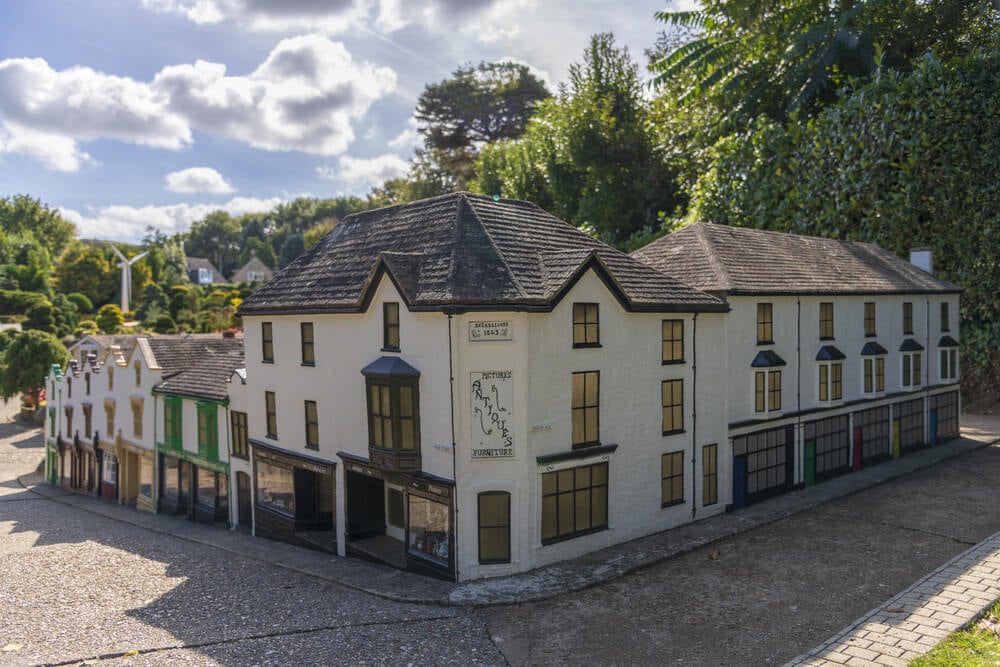
London’s Aspen House School in Lambeth used pavilions with large unglazed openings, letting air pass freely through the classrooms. Children dressed for the weather rather than closing windows against it.
The design shows how the open-air ideal shaped building plans as well as teaching routines.
Leysin and the School of the Sun
In Leysin, Switzerland, Dr. Auguste Rollier practiced sun therapy and ran what became known as the School of the Sun. Pupils with tuberculosis received lessons while exposed to mountain sunlight, tanned and wrapped in light clothing.
The town remained a center for alpine cures for many years.
Santiniketan

Rabindranath Tagore founded his school at Santiniketan in 1901, holding classes under trees rather than in rooms. The approach grew from a philosophy of learning close to nature, not from concerns about disease.
It shows that outdoor teaching had roots beyond the sanatorium movement.
The Modernists Take the Idea Further

Open-air principles continued to shape school design in the following decade. In Basel, the architect Baur completed an open-air school in 1938 and 1939, while Walter Gropius and Maxwell Fry designed Impington Village College in 1939.
In Los Angeles, Richard Neutra’s 1935 school opened classrooms directly onto outdoor spaces. Each reworked the idea for a new generation.
Fresh Air as a Design Philosophy

The open-air school began as a medical response to tuberculosis, but its legacy turned out to be architectural. Glass walls, courtyards, flat roofs, and classrooms that open to gardens all trace back to a movement that treated the outdoors as part of the lesson plan.
As antibiotics replaced fresh-air cures, many of the original schools closed or changed use. The buildings that survive, from Suresnes to Amsterdam, remain a record of a time when architects and doctors believed that the right kind of window could change a child’s future.
More from Go2Tutors!

- 27 Silver Dollars and Half Dollars Worth Keeping
- 28 Restaurant Menu Items Nobody Orders Anymore
- 17 Places Built in Seemingly Impossible Spots
- 27 Vintage Rings Worth More Than They Look
- 25 Restricted Sites Tourists Can’t Enter
Like Go2Tutors’s content? Follow us on MSN.