Forgotten Royal Titles With Strange Origins
Royal families love their fancy names and grand titles. But dig into history, and things get weird fast.
Some of these titles came from odd jobs, bizarre traditions, or events so strange that modern historians still scratch their heads. Many have vanished from use, buried under centuries of dust and diplomatic agreements.
Yet their stories remain, full of unexpected twists that reveal how power, politics, and pure absurdity shaped the way royals were addressed. Let’s explore some of the most unusual royal titles that time forgot.
King of Jerusalem

Claiming to rule a city you don’t actually control sounds like a joke, but European monarchs took this title seriously for centuries. After the Crusades ended and Christians lost Jerusalem, kings across Europe kept calling themselves rulers of the Holy Land anyway.
Spain’s monarchs still technically hold this title today, even though they’ve never set foot in Jerusalem as its leaders. The whole thing became a symbolic gesture, a way to claim religious authority without any real power behind it.
It’s like calling yourself the president of a country that doesn’t recognize you.
Lord High Steward of England

This title sounds impressive until you learn what it actually meant. The Lord High Steward originally managed the king’s household, basically running the royal kitchen and making sure everyone got fed.
Over time, the position grew more powerful and became linked to presiding over trials of nobles accused of treason. The catch? The role only exists temporarily now, appointed just for coronations or specific legal proceedings.
The rest of the time, nobody holds the title at all, leaving it in a strange state of semi-existence.
Hereditary Grand Almoner of France

French royalty created this position to handle charity work, which sounds noble enough. But the title came with an unusual perk: the Almoner got to keep the bed linens and nightclothes of any royal who died.
Apparently, selling off dead kings’ pajamas was considered a legitimate job benefit. The position disappeared after the French Revolution, along with most other hereditary titles that came with weird privileges.
Still, imagine putting ‘collector of royal bedsheets’ on your resume.
Prince-Bishop of Durham

England’s northern border with Scotland was dangerous territory for centuries, so someone had to defend it. The solution? Give a bishop the powers of a prince, including the right to raise armies and mint coins.
The Prince-Bishop of Durham ran what was essentially a mini-kingdom within England, complete with its own courts and laws. This arrangement lasted until 1836, when Parliament finally decided mixing military command with religious authority was getting too complicated.
The title still exists technically, but without any of the princely powers that made it interesting.
Master of the Queen’s Music

Composers competed fiercely for this position, which sounds like running a royal playlist. In reality, the Master wrote music for state occasions and basically served as the monarch’s personal musician.
The strange part? The title comes from ‘musick,’ the old spelling that also referred to entertainment in general, not just songs. Early holders were expected to organize everything from concerts to theatrical performances.
Today’s Masters still compose ceremonial pieces, but they don’t have to juggle fire or train dancing bears like their predecessors might have.
Dauphin of France

French crown princes were called Dauphins, which literally means ‘dolphin.’ This bizarre title came from the Dauphiné region, whose rulers used a dolphin as their heraldic symbol.
When the last independent ruler of Dauphiné sold his lands to France in 1349, the deal specified that the heir to the French throne would always hold this title. So for centuries, France’s future kings were officially named after an aquatic mammal.
The tradition ended with the monarchy in 1830, leaving the dolphin connection as a historical curiosity.
Warden of the Cinque Ports

Five English coastal towns formed a confederation called the Cinque Ports, tasked with defending England from invasion by sea. The Warden oversaw these ports and commanded their naval forces, wielding significant military power.
The position came with a residence in Dover Castle and the right to salvage any whale or sturgeon washed up on the shores of these towns. That last bit might sound trivial, but these ‘royal fish’ were valuable property.
The title still exists as a ceremonial honor given to distinguished individuals, though nobody’s fighting over beached whales anymore.
Hereditary Royal Falconer of England

Medieval nobles were obsessed with hunting birds, so naturally, someone had to manage the royal falcons. The Hereditary Royal Falconer held this position by birthright, passing it down through generations of the same family.
They trained the birds, organized hunts, and basically ran the king’s avian entertainment division. The role became obsolete as falconry fell out of fashion, but the title technically survived.
These days, it’s more of a historical footnote than an actual job, though the family that holds it still gets invited to coronations.
King of the Romans
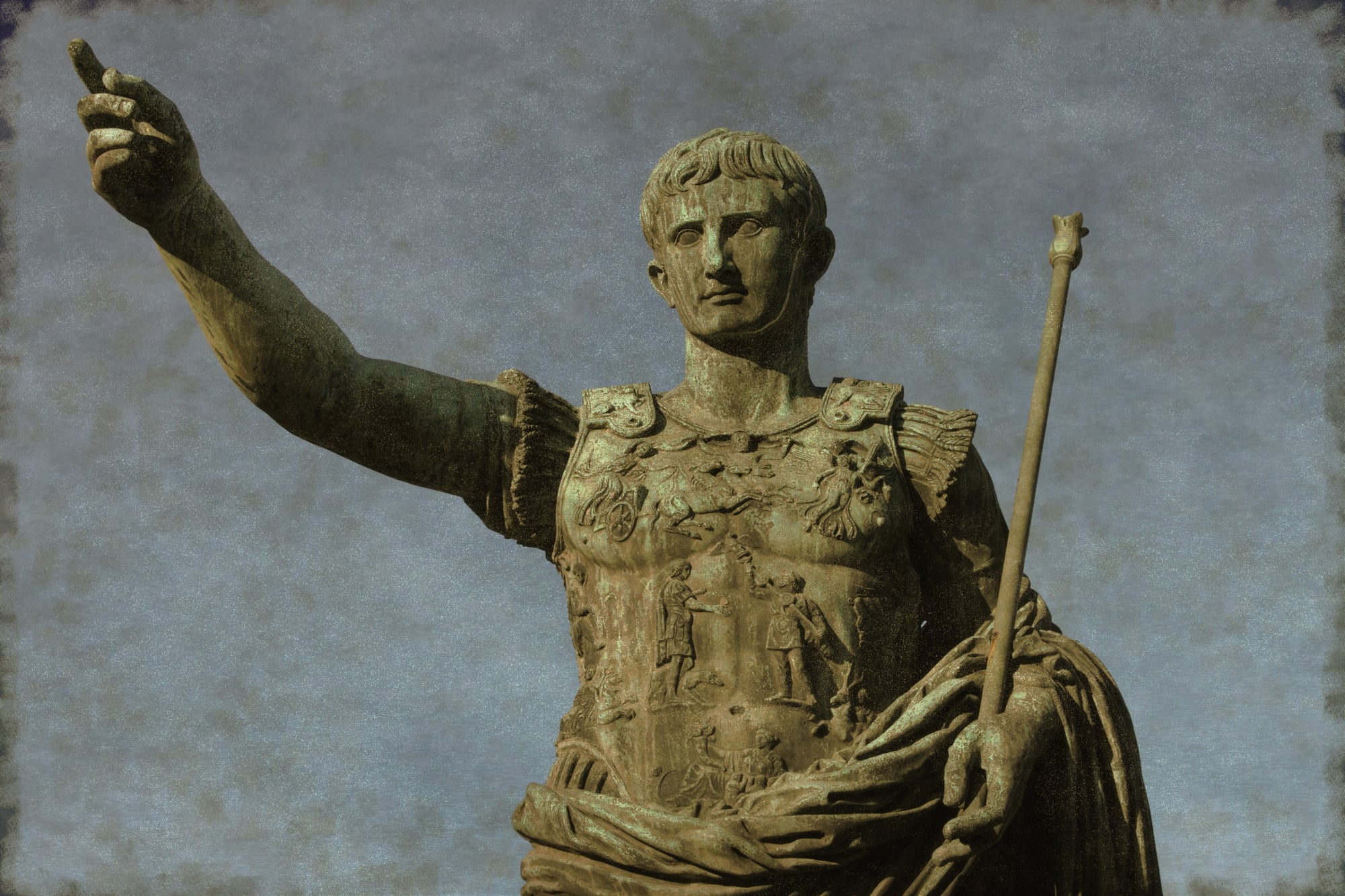
Holy Roman Emperors used this confusing title before their official coronation. Being ‘King of the Romans’ meant you were emperor-elect, waiting for the Pope to perform the full ceremony.
The problem? The Holy Roman Empire was mostly German, had little to do with Rome itself, and the Romans certainly didn’t elect these kings. It was a political theater designed to link Germanic rulers with the legacy of ancient Rome.
The title disappeared along with the Holy Roman Empire in 1806, ending centuries of pretending that Germans were somehow Roman royalty.
Lord Lyon King of Arms

Scotland’s chief herald holds this title, which sounds like it involves actual lions. Instead, the Lord Lyon manages heraldry, coats of arms, and genealogical records for Scottish clans.
The position comes with real legal authority, including the power to jail people who misuse Scottish heraldic symbols. This makes Lord Lyon one of the few heralds anywhere with actual enforcement powers.
The title dates back to at least the 14th century and still functions today, proving that Scotland takes its symbolic imagery seriously enough to threaten arrests.
Prince-Provost of Berchtesgaden

This tiny Alpine territory was ruled by a prince who was also the head of its monastery. The Prince-Provost combined religious and secular authority in one person, controlling both spiritual matters and everyday governance.
Berchtesgaden’s unique status let it survive as an independent ecclesiastical principality until 1803. Then Napoleon’s reorganization of German territories dissolved it, and the Prince-Provost position vanished overnight.
The town later became infamous as Hitler’s mountain retreat, which probably isn’t the legacy its former prince-monks imagined.
Hereditary Great Carver of Scotland

Somebody had to cut the king’s meat at formal dinners, and in Scotland, this job became a hereditary title. The Hereditary Great Carver wielded the knives at royal banquets, a position that sounds menial but carried significant prestige.
Standing that close to the monarch during meals meant access and influence that other nobles envied. The title descended through specific families for generations before losing relevance as court ceremonies became less elaborate.
Now it’s just another odd reminder that medieval royalty turned every task into a hereditary honor.
Count Palatine of the Rhine

German territories had various counts, but the Count Palatine of the Rhine held special status as one of the Holy Roman Empire’s prince-electors. This meant he helped choose emperors, giving him enormous political leverage.
The ‘Palatine’ part referred to his role as a palace official, though by the time the title became prominent, it had evolved far beyond palace duties. The position existed for centuries before being absorbed into Bavaria in 1777.
Its legacy lives on in place names like the Palatinate region, even though nobody’s counting anything there anymore.
Hereditary Grand Standard Bearer of Scotland

Someone had to carry Scotland’s royal banner into battle, and this person got a hereditary title for the privilege. The Grand Standard Bearer led ceremonial processions and held a position of honor in the royal household.
The job came with lands and revenues, turning what could have been a simple task into a lucrative family business. As warfare modernized and ceremonial roles diminished, the title lost its practical purpose.
It still exists as an honor, though nobody’s charging into battle with a flag anymore.
Duke of Saxe-Coburg and Gotha
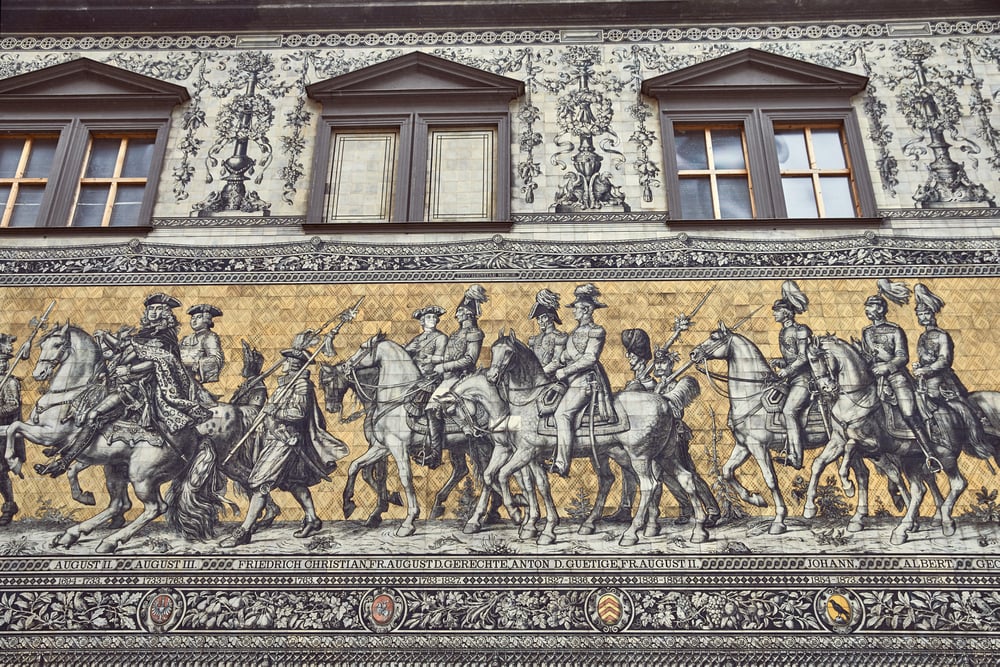
This little German duchy popped up in royal families more than you’d expect – thanks to well-planned weddings. Albert, who married Queen Victoria, carried that name; soon, relatives showed up everywhere from England to Bulgaria.
Once war hit, though, being linked to Germany didn’t sit right – the public wasn’t having it. So the British royals dropped Saxe-Coburg-Gotha, swapped it for Windsor, like wiping a name off a chalkboard.
Over time, the old duchy got folded into bigger regions, and nobody really talked about the title anymore – just awkward memories stuck to it.
Hereditary Lord High Admiral of the Wash

On England’s eastern shore sits a wide inlet named the Wash – someone once held hereditary control there. That slim stretch of sea meant power just over those waters, nothing more.
Next to the mighty Lord High Admiral, ruling a single bay feels oddly small. Back then, lords took any authority they could get, even if it covered barely any land.
Over time, navy oversight got pulled into central hands, so the role faded out – yet its strangely tight focus remains curious.
King of Mann and the Isles

The Isle of Man along with Scotland’s western islands used to make up a Norse realm known by this name. Back in the 900s, Viking leaders set it up – a sea-based rule that stuck around for ages.
Over time, Scotland took over, yet echoes of the old title remained in different shapes. Right now, the UK’s ruler still sort of carries the title ‘Lord of Mann,’ even if the word ‘Isles’ vanished years back.
People on the island run their own government and keep local customs going, holding onto a bit of that lost kingdom’s freedom.
Grand Squire of France

French kings had one guy just to hold the helmet – this job later turned into the Grand Squire gig. It grew beyond that, handling horse stables plus planning trips for the crown.
Being close to the king and running transport gave these guys real clout around court. When revolution hit France, they scrapped the role completely – wiped out with all royal staff titles.
Today, it’s nothing but a name in old books, showing how even tiny palace duties got fancy labels back then.
Where outdated names just fade away

These overlooked roles show what royal life was actually like – no magic involved. Holding power usually meant managing particular tasks, like guarding shorelines or even overseeing cutlery, each getting a fancy title of its own.
A lot of these names stuck around way past their use-by date, held back by habit and people’s love for inherited prestige. Now, some hang on as odd traditions; others faded into archives and family trees.
They prove that behind every crown were tons of precise, sometimes bizarre duties seen as vital – and made permanent – at the time.
More from Go2Tutors!

- The Romanov Crown Jewels and Their Tragic Fate
- 13 Historical Mysteries That Science Still Can’t Solve
- Famous Hoaxes That Fooled the World for Years
- 15 Child Stars with Tragic Adult Lives
- 16 Famous Jewelry Pieces in History
Like Go2Tutors’s content? Follow us on MSN.



