20 Vintage Whistles With Uses Beyond Children’s Toys
A whistle looks like a toy until someone depends on it. Over the past century and a half, small tubes of brass and plastic have directed crowds, guided ships, and saved lives.
Some of these whistles are collector’s items and others are still in production. Each one shows how far a single piercing note can travel.
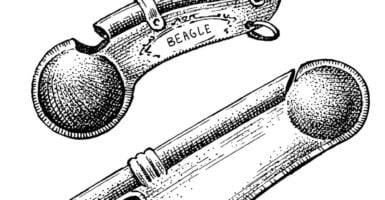
The Metropolitan Police Whistle
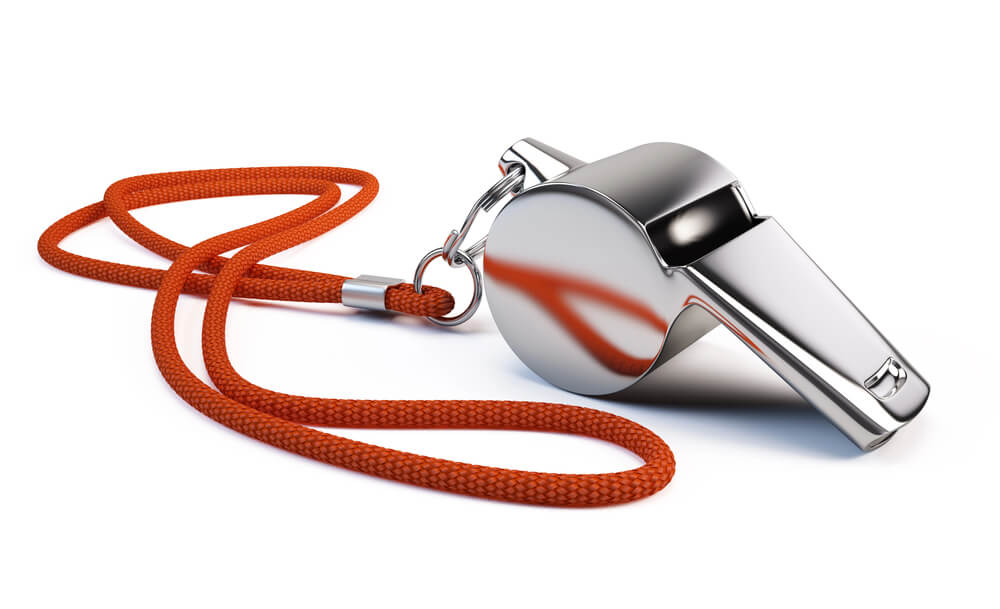
In 1883, J. Hudson and Co. of Birmingham made a whistle called The Metropolitan for London’s police. It gave officers a way to summon help across city blocks, replacing the wooden rattles they had carried.
The sound carried farther than a shout and was recognizable at a glance.
The Acme Thunderer
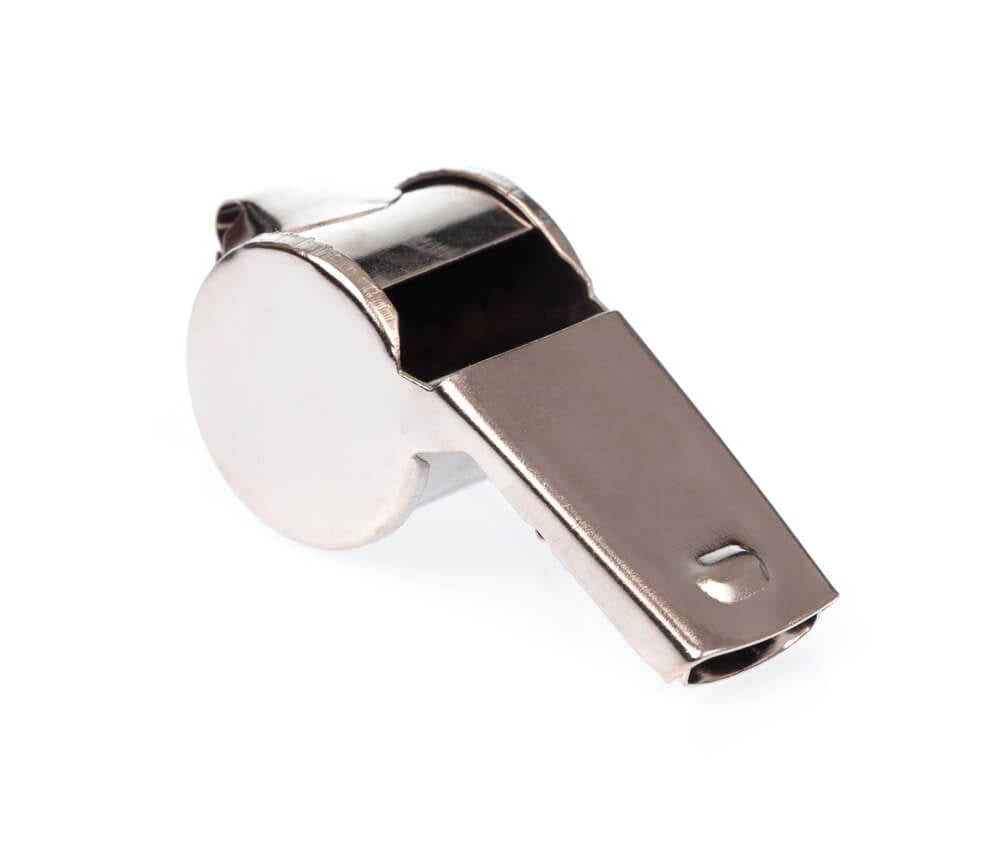
Joseph Hudson introduced the Acme Thunderer in 1884, and it is widely described as the first pea whistle. A small pellet inside the chamber produced a loud, trilling sound that cut through noise.
The design remains the staple of referees, train guards, and dog handlers worldwide.
The 1878 Match Whistle
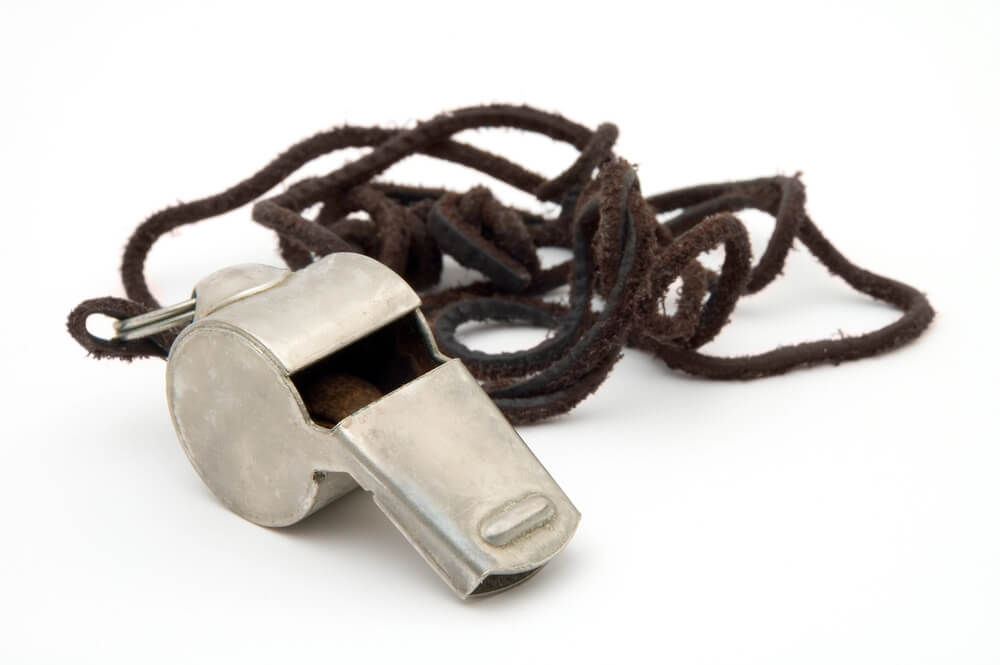
One famous story credits an 1878 match between Nottingham Forest and Sheffield Norfolk with the first use of a whistle by a referee. Historians dispute the date and the model, noting that the whistle may have been used by an umpire.
Whatever the truth, the legend marks the moment sport began to rely on a piercing note.
The Airfast Referee Whistle
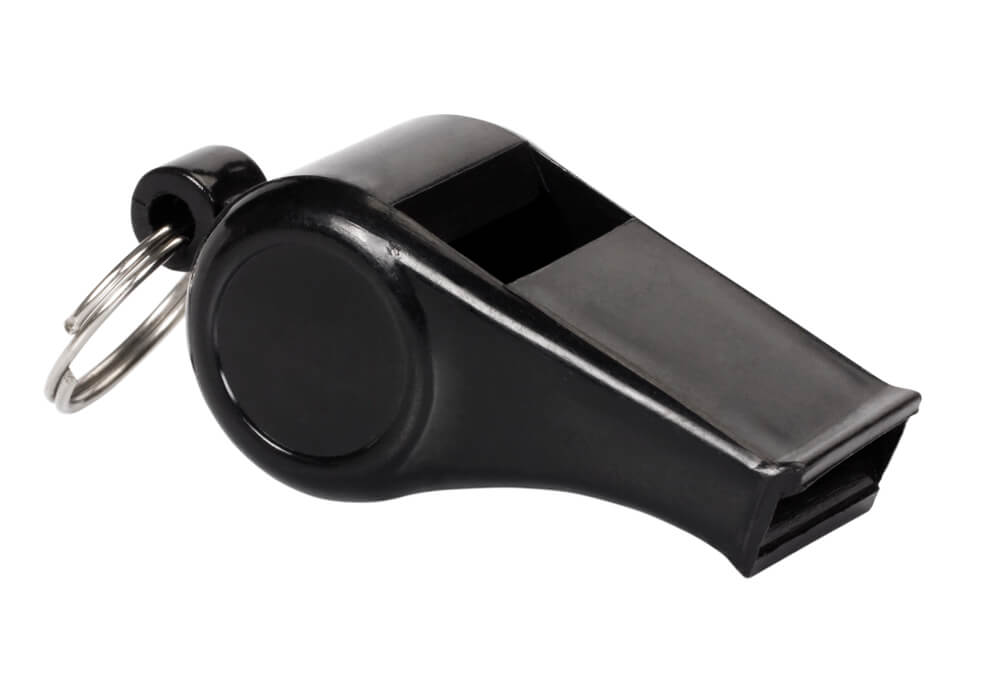
In 1909, Hudson’s company introduced the Airfast, described as the first referee whistle without a pea. The design avoided the problem of a pellet sticking when wet or cold.
Many officials still prefer pealess models for their consistent sound.
The Whistle From the 1966 World Cup Final
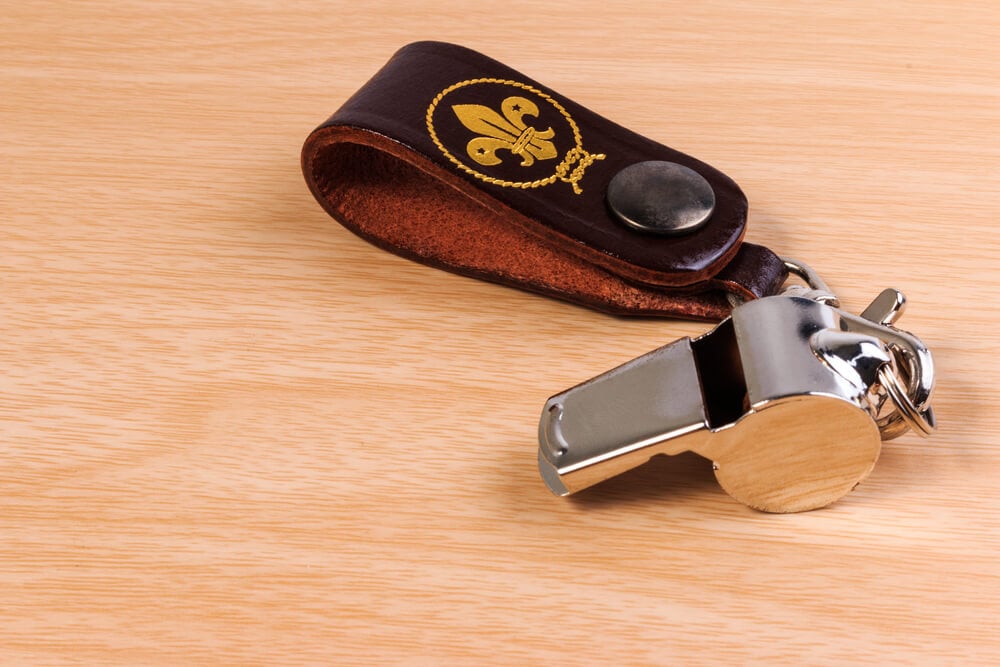
Swiss referee Gottfried Dienst reportedly used an Acme Thunderer to signal the end of the 1966 World Cup final. That whistle is said to reside in a soccer museum in Switzerland.
An ordinary piece of brass became a relic of a championship.
The Silent Dog Whistle
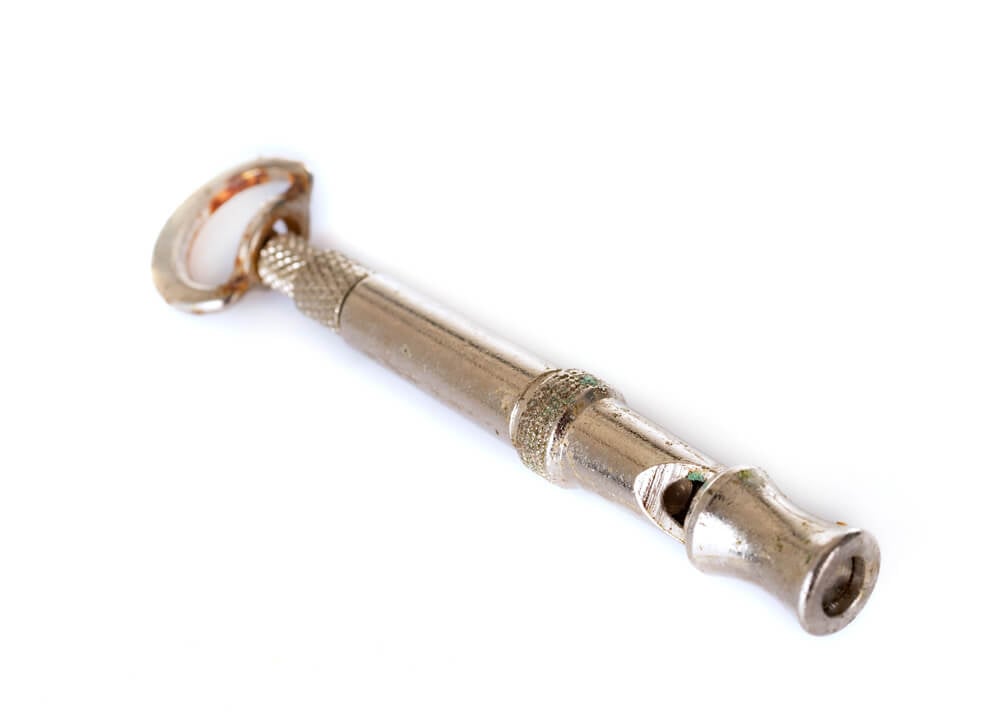
In 1935, Hudson’s firm introduced a silent dog whistle that produced a pitch humans could barely hear. Trainers could call animals without disturbing neighbors.
Working-dog models followed in 1950.
The Waterproof Lifesaving Whistle
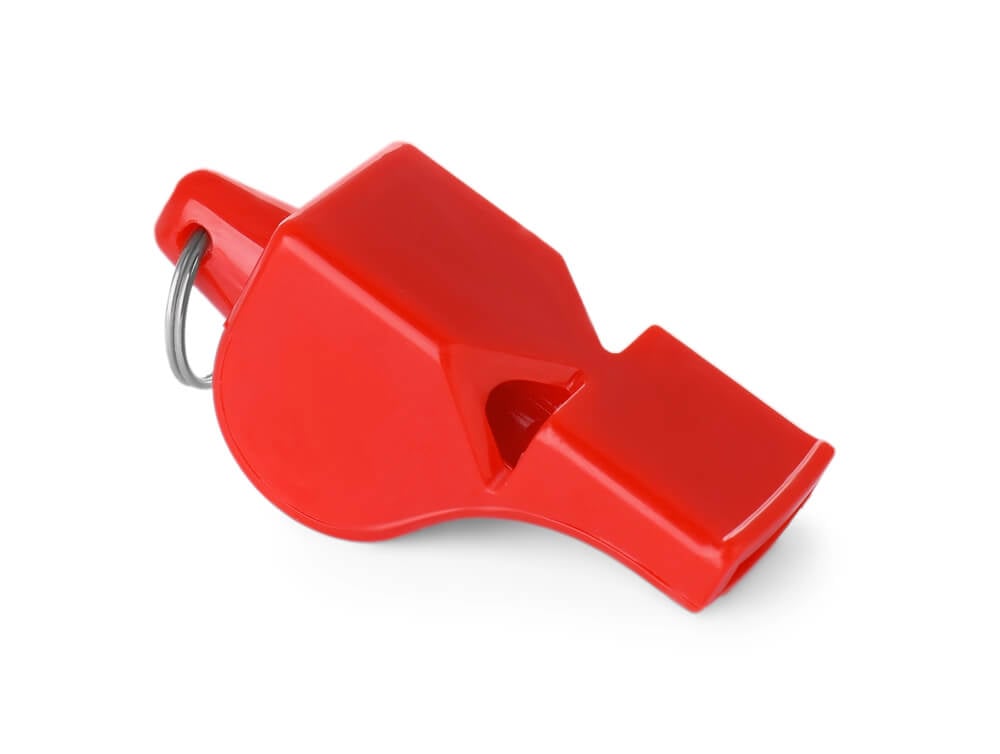
In 1949, the company introduced what it called the first waterproof lifesaving whistle. It was designed to signal for help from sea or shore.
Safety gear now routinely includes a whistle clipped to a life jacket.
The Acme Siren
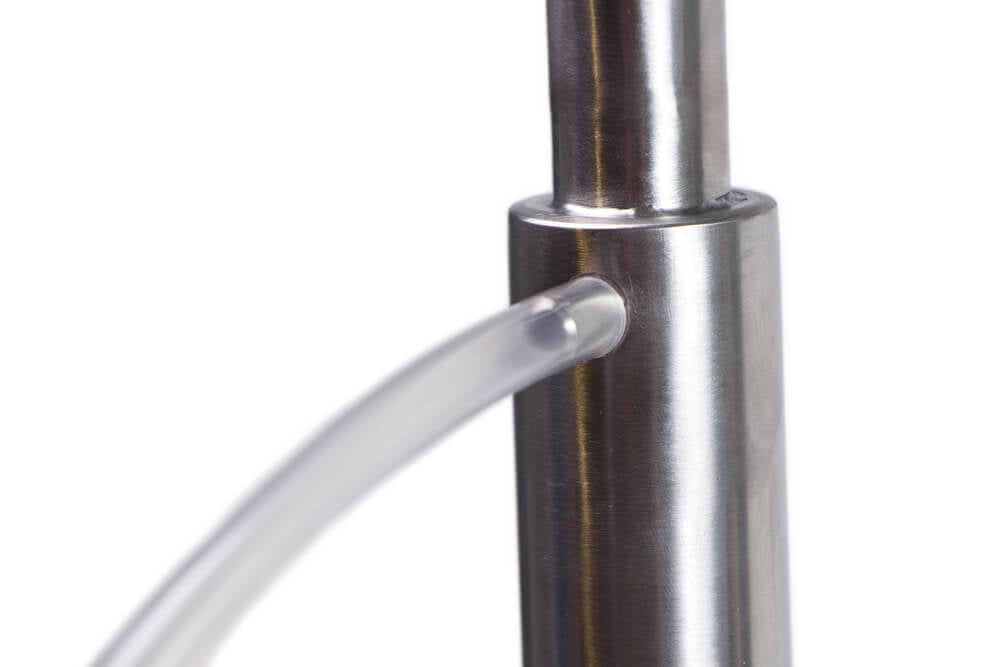
The Acme Siren appeared in 1895 and earned the nickname of the cyclist’s road clearer. Riders blew it to warn pedestrians and horse traffic ahead.
It was an early attempt at a polite horn.
The Adjustable Duck Call
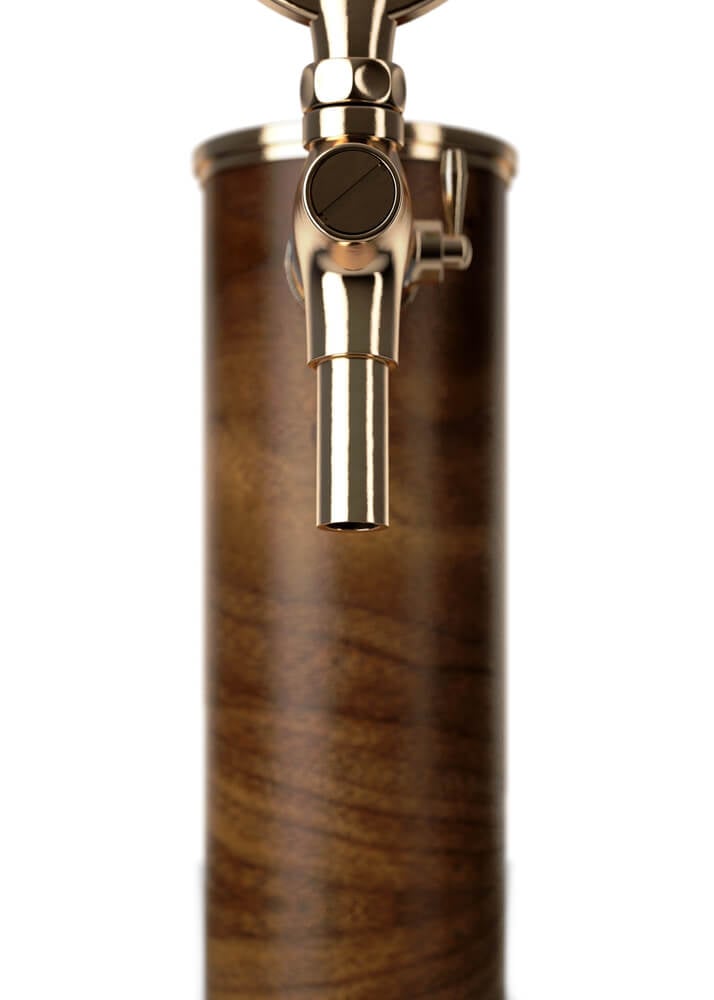
In 1897, Hudson’s company produced a brass reed adjustable duck call. The company went on to make goose and wild duck calls along with bird whistles.
Hunters relied on them to mimic the sounds of waterfowl across marshes.
The Boatswain’s Call
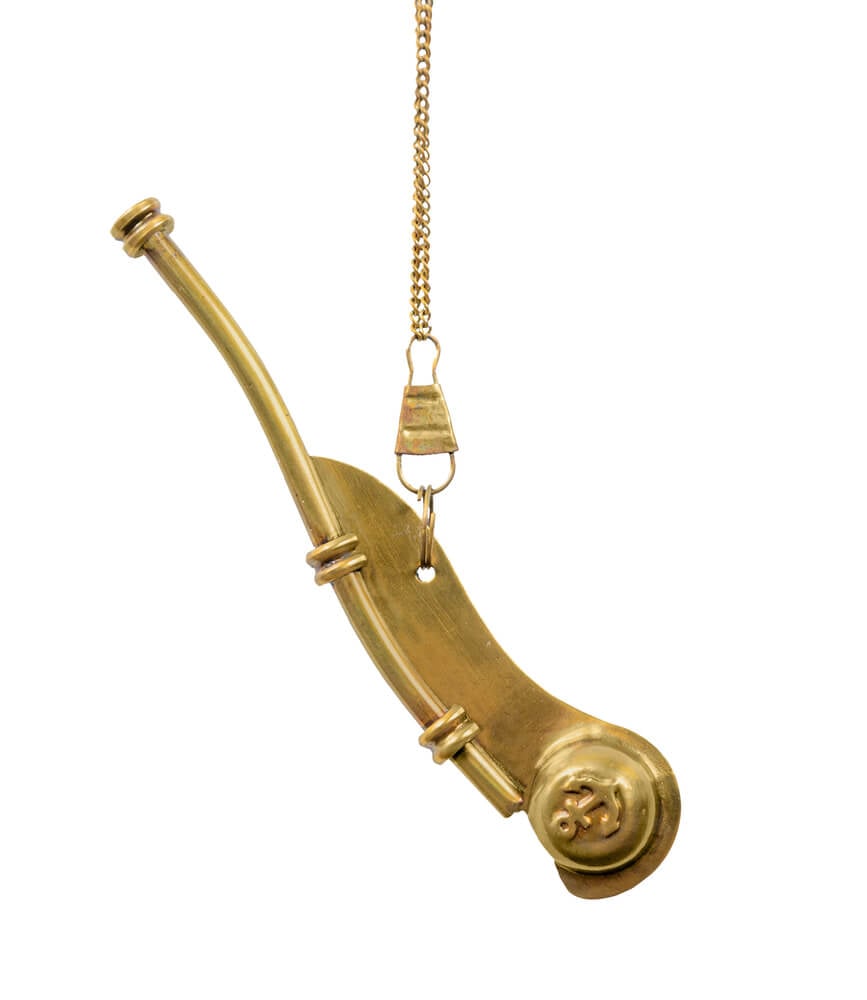
The boatswain’s call, or bosun’s pipe, was used aboard naval vessels in the age of sail to issue commands and to salute dignitaries. Different patterns of notes carried different orders across a noisy deck.
It remains part of naval ceremony today.
The Cap’n Crunch Bo’sun Whistle

In the mid-1960s, a plastic Bo’sun whistle went into boxes of Cap’n Crunch cereal. Early telephone hackers discovered that it produced a tone at about 2600 Hz, which could trick long-distance phone switches.
One enthusiast adopted the nickname Captain Crunch and appeared in a 1971 magazine article about the practice.
The Railway Guard’s Whistle
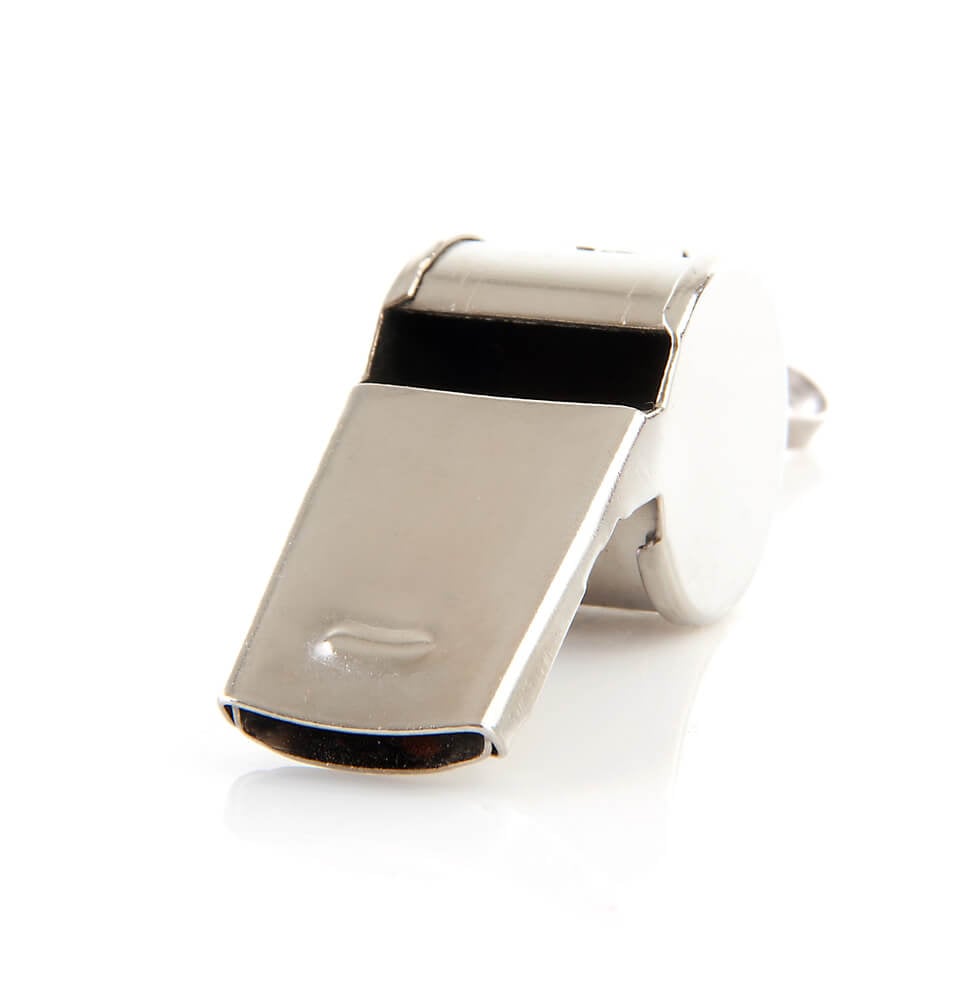
Train guards used whistles to signal departures and warn passengers on platforms. The sound told engineers when to move and when to wait.
Whistles of the Thunderer type were a standard tool of the railroad.
The Trench Whistle
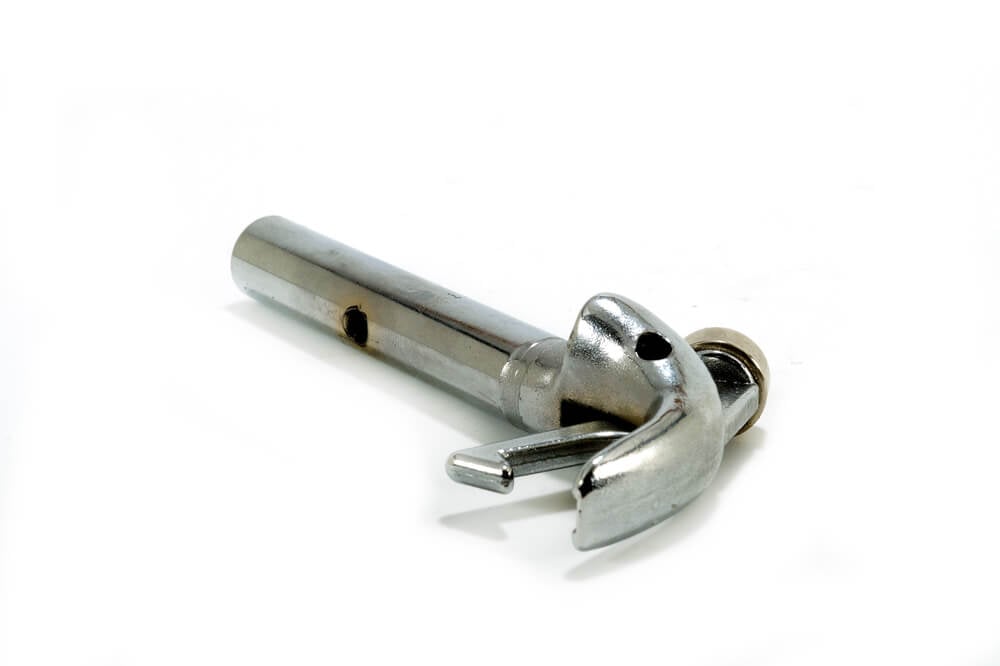
British officers in the First World War reportedly used whistles from Birmingham makers to signal attacks. The sound was meant to carry over gunfire and send troops forward together.
Surviving examples are now museum pieces.
The Steam Locomotive Whistle
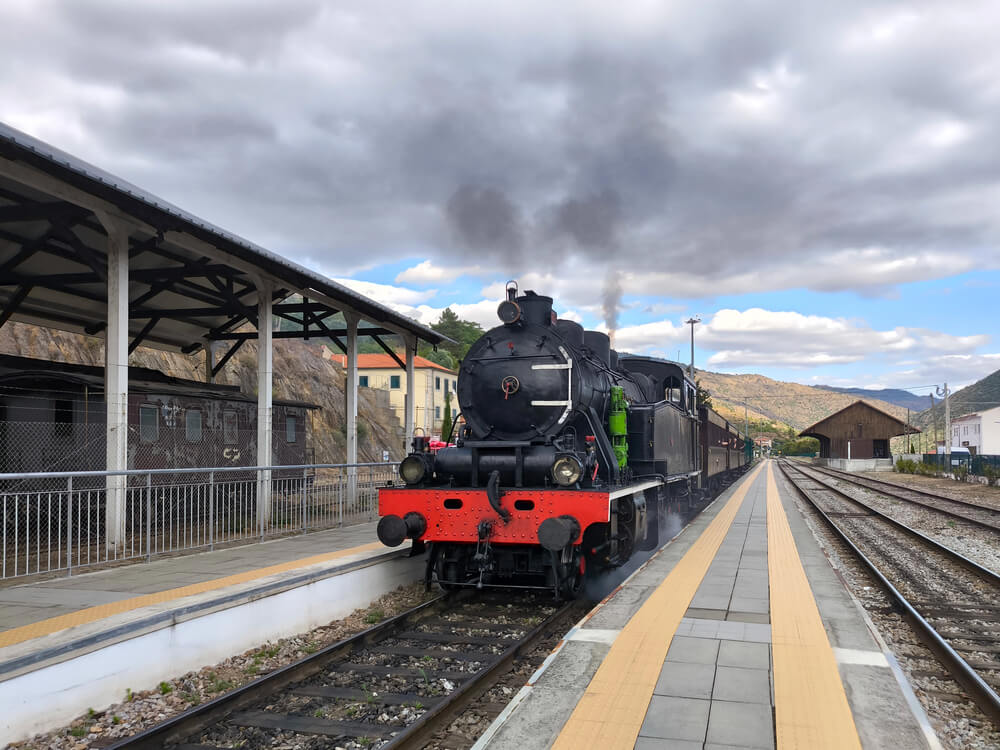
Steam locomotives used large whistles to signal crossings, stations, and emergencies. Engineers developed patterns of long and short blasts that communities learned to recognize.
A distant train whistle at night became part of rural life.
The Factory Shift Whistle
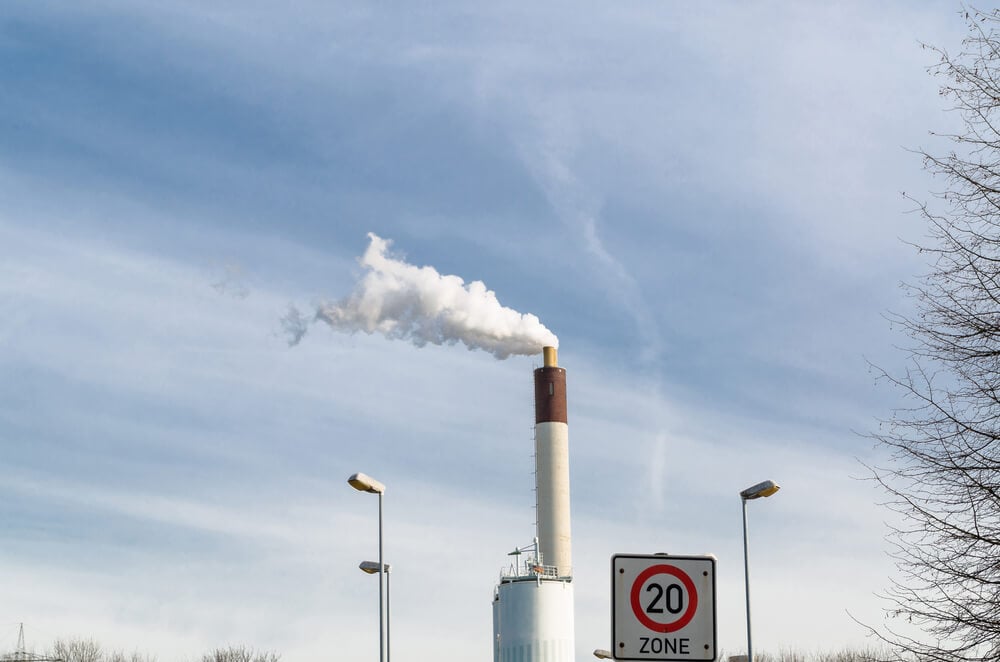
Factories and mills used steam whistles to mark shifts and lunch breaks. Entire towns set their routines by the sound.
When a plant closed, the silence was noticed by everyone.
The Whistling Kettle
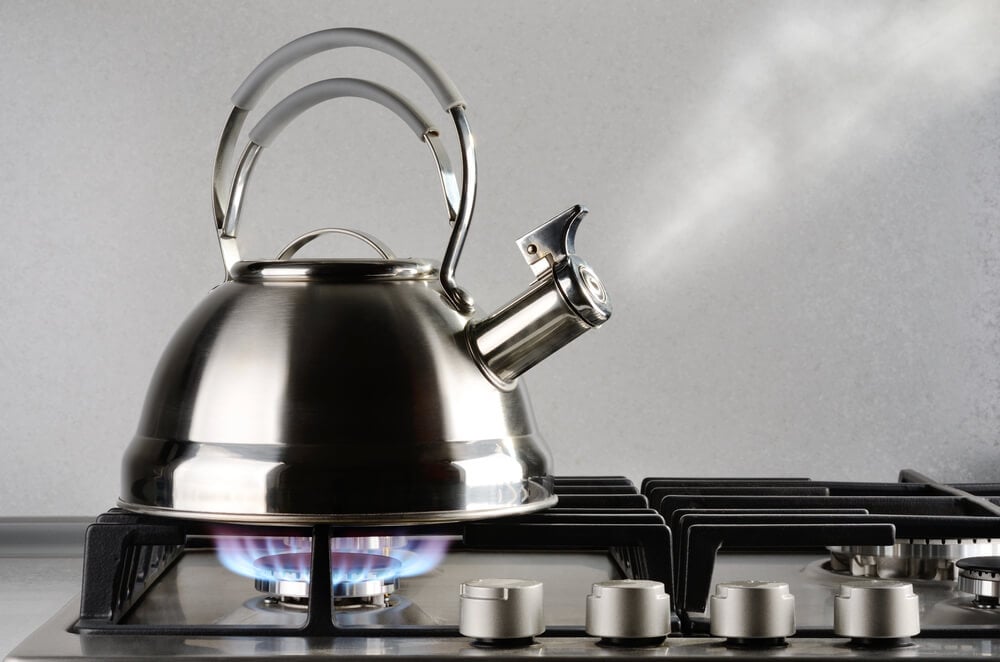
A spout with a built-in whistle announced a boiling kettle without requiring anyone to watch. The shrill note became a kitchen alarm that every household understood.
Many homes still rely on that single sound.
The Slide Whistle
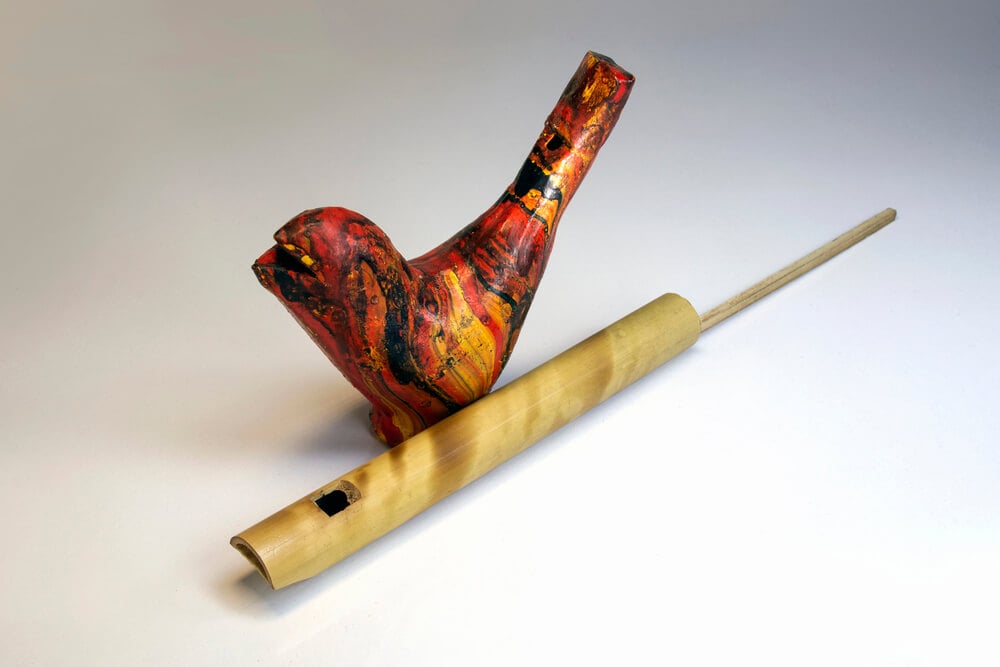
The slide whistle, sometimes called a swanee whistle, changes pitch as a plunger moves along the tube. It became a favorite sound effect in vaudeville and cartoons.
A single swoop could signal a fall or a punchline.
The Aztec Death Whistle
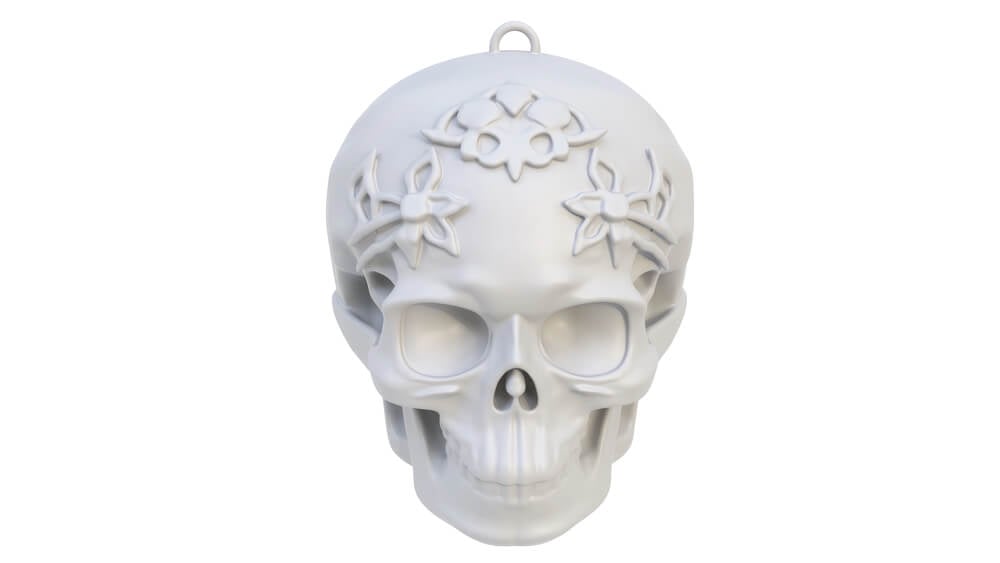
Archaeologists have recovered clay whistles in the shape of skulls from Aztec sites in Mexico. When blown, they produce a shrieking sound that resembles a human scream.
Scholars still debate whether they were used in ritual, in battle, or both.
The Pressure Cooker Whistle
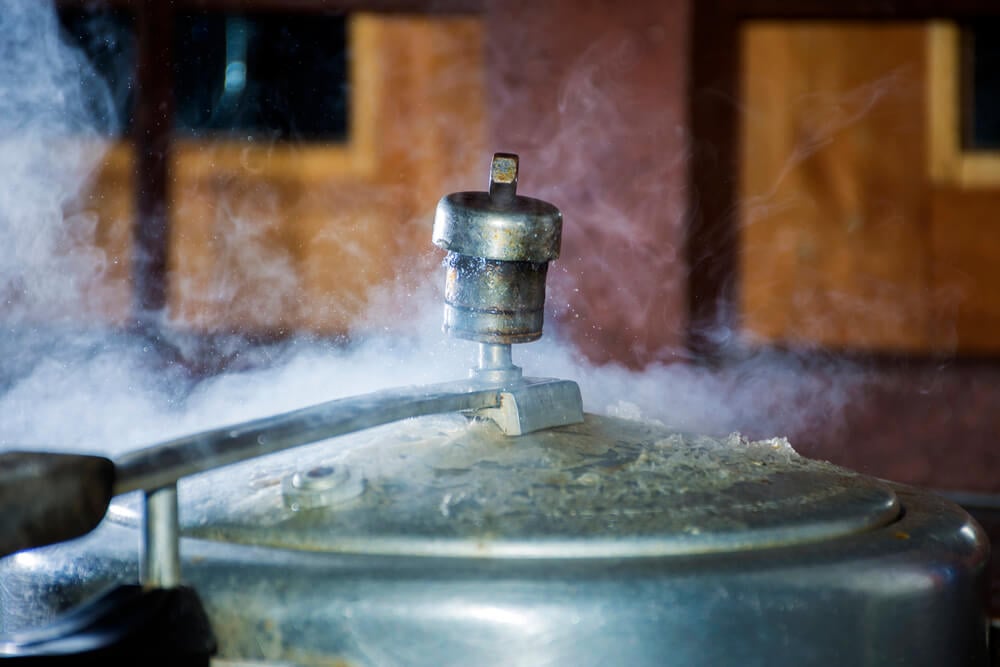
In many Indian kitchens, the weighted whistle on a pressure cooker serves as a timer. Cooks count the number of whistles to judge when rice or lentils are done.
The ritual passes from one generation to the next without written instructions.
The Tin Whistle
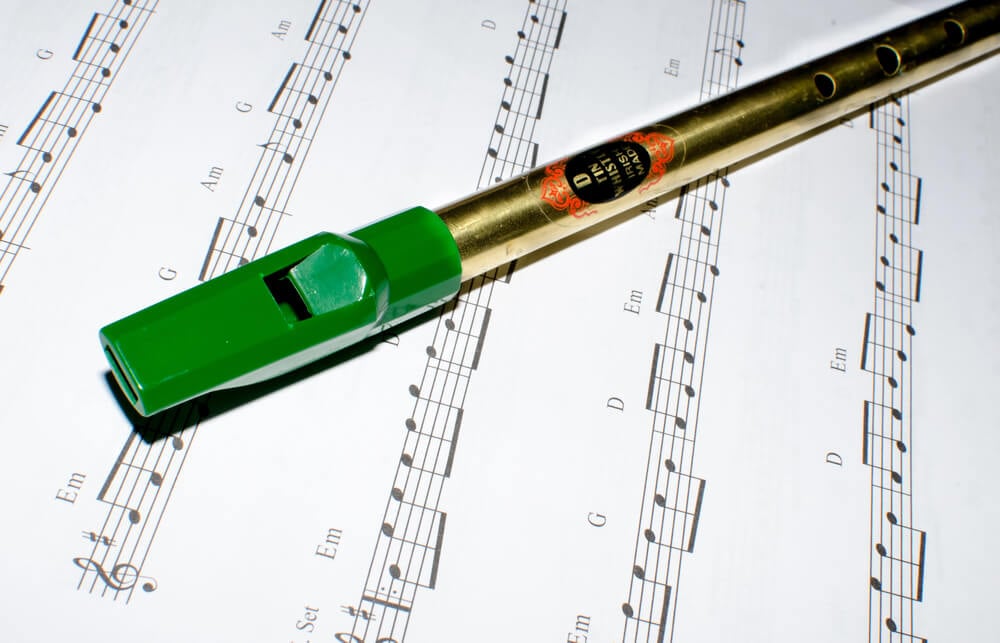
The tin whistle, also called the penny whistle, is a simple instrument with a handful of finger openings. It plays a central role in traditional Irish and Scottish music.
A cheap tube of metal can carry an entire reel.
Small Instruments of Command

Each of these whistles solved a problem that needed a loud, instant signal. They worked because the sound was unmistakable and required no batteries or electricity.
A person could use one with a breath and a little training.
Modern devices have taken over many of these tasks, but the whistle persists wherever reliability matters. A referee, a lifeguard, and a ship’s officer still reach for the same basic tool.
The design has barely changed because it never needed to.
More from Go2Tutors!

- 27 Silver Dollars and Half Dollars Worth Keeping
- 28 Restaurant Menu Items Nobody Orders Anymore
- 17 Places Built in Seemingly Impossible Spots
- 27 Vintage Rings Worth More Than They Look
- 25 Restricted Sites Tourists Can’t Enter
Like Go2Tutors’s content? Follow us on MSN.