How a Single Discovery Rewrote What Historians Believed for Generations
History has a habit of presenting itself as settled — a long, organized shelf of facts that scholars have already sorted, labeled, and agreed upon. Then something turns up in a field, a cave, a sealed archive, or a crumbling wall, and the shelf collapses.
What follows isn’t a tidy revision. It’s closer to a reckoning: textbooks pulled, careers reconsidered, long-held certainties quietly retired.
These moments happen more than the discipline likes to admit. And each one is its own kind of reminder that the past isn’t finished with us yet.
The Rosetta Stone
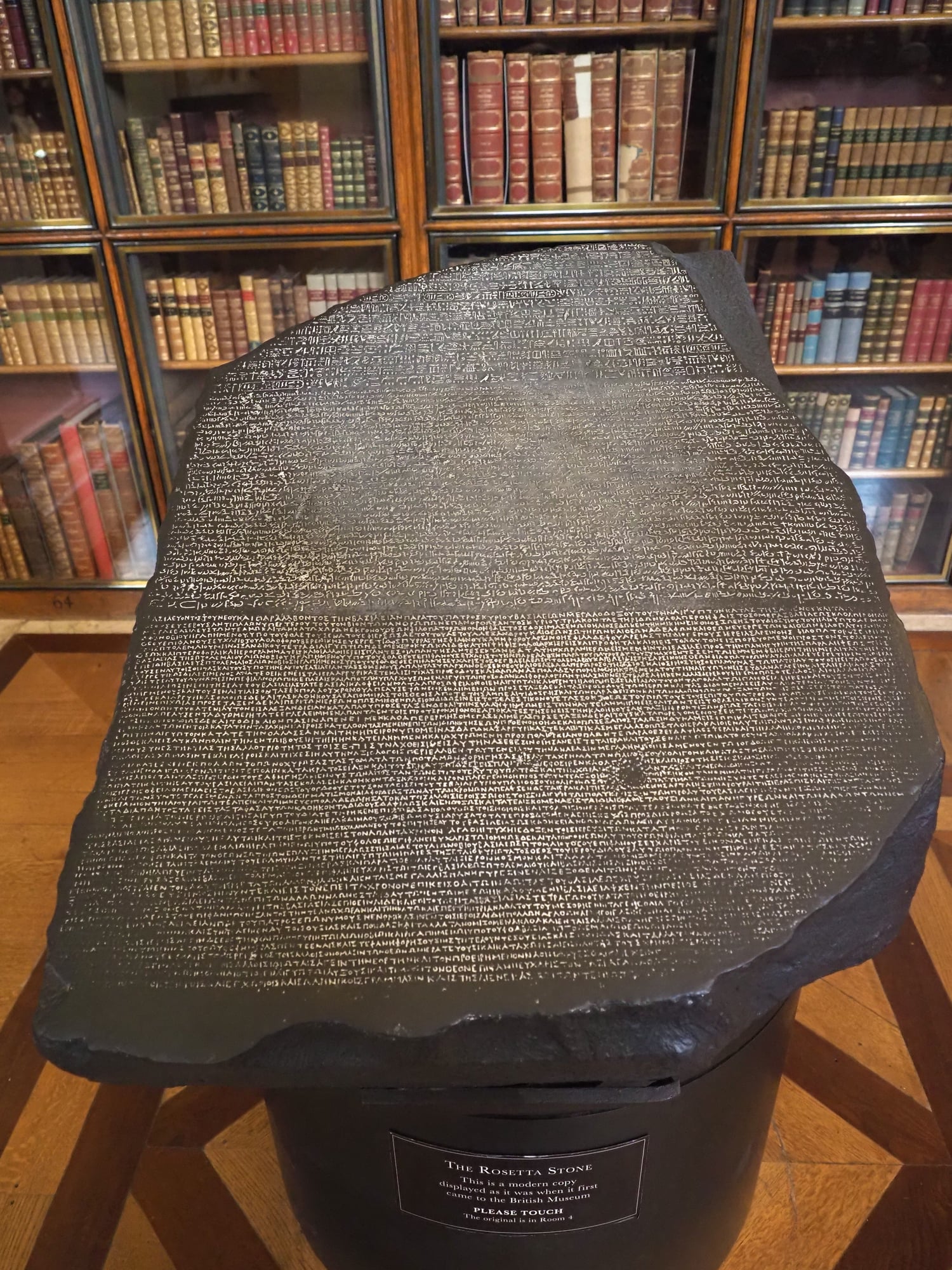
Three languages, one slab of granodiorite, and suddenly everything changed. Before its discovery in 1799 by French soldiers near the town of Rashid in northern Egypt, ancient Egyptian hieroglyphics had been decorative mysteries — beautiful, imposing, and completely unreadable to modern eyes.
Once scholars cracked the code using the parallel Greek text carved alongside the hieroglyphic and Demotic scripts, an entire civilization’s written record unlocked itself, and historians had to revisit millennia of assumptions about Egyptian religion, governance, and culture.
The Dead Sea Scrolls

The Dead Sea Scrolls rewrote the early history of Judaism and Christianity simultaneously, which is a rare and disorienting kind of disruption. A Bedouin shepherd stumbled on them in 1947, tossing stones into caves near Qumran on the northwest shore of the Dead Sea — and one of those stones landed differently, the sound of it hollow and wrong, the cave behind it full of ancient ceramic jars containing manuscripts some two thousand years old.
So what historians had reconstructed of Second Temple Judaism, largely from later sources written by outsiders, had to be measured against something far more intimate: the actual documents of a community living through that period. The picture that emerged was more fragmented, more contested, and far more human than anyone had expected.
The Antikythera Mechanism
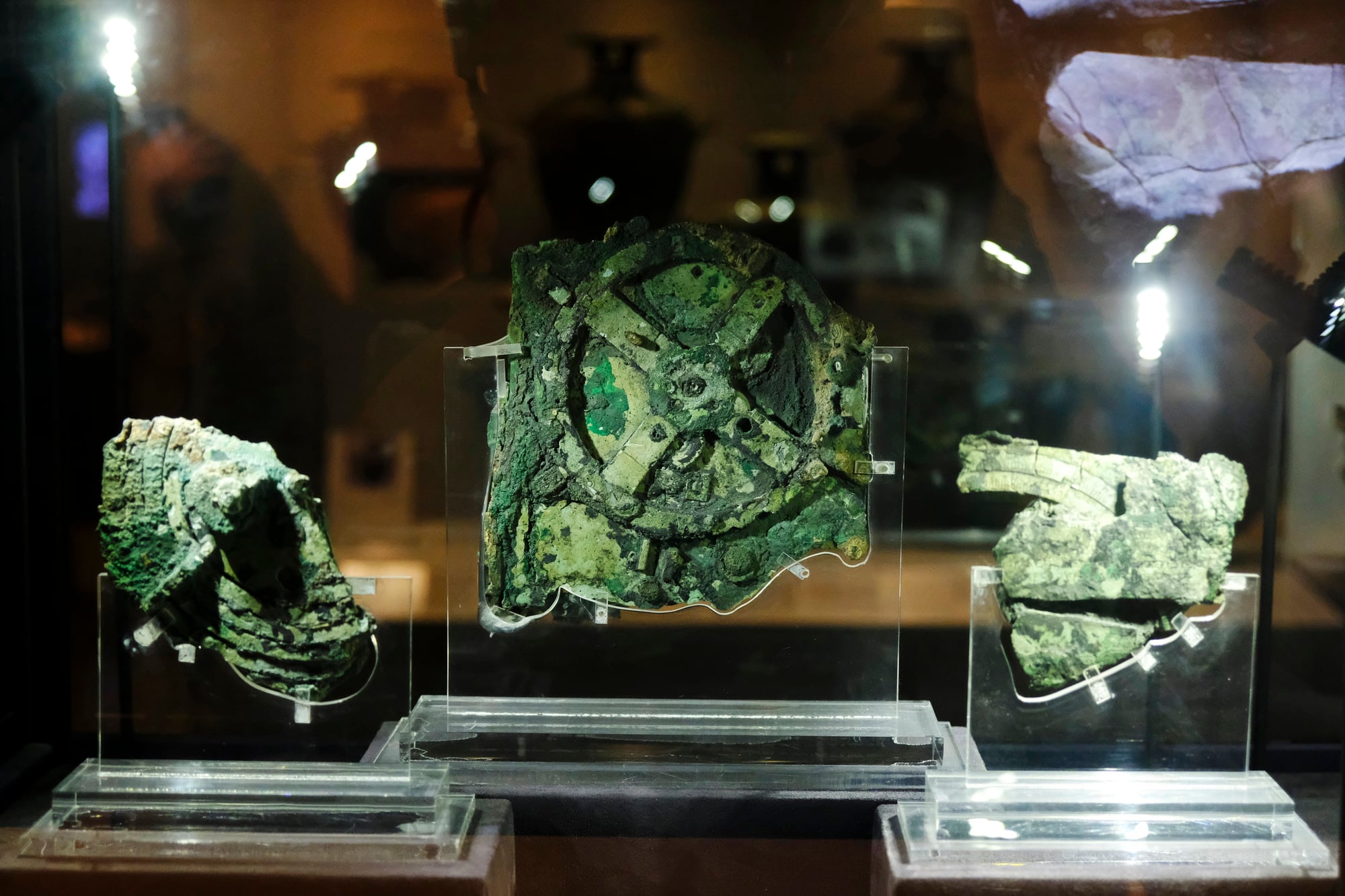
Ancient Greece, it turns out, built a working analog computer. Pulled from a shipwreck off the Greek island of Antikythera in 1901, the mechanism is a bronze device of extraordinary mechanical sophistication — gears within gears, tracking celestial cycles, predicting eclipses, calculating the positions of known planets.
The discovery shattered the comfortable assumption that complex mechanical engineering arrived with the Industrial Revolution, and it did so without apology.
Göbekli Tepe
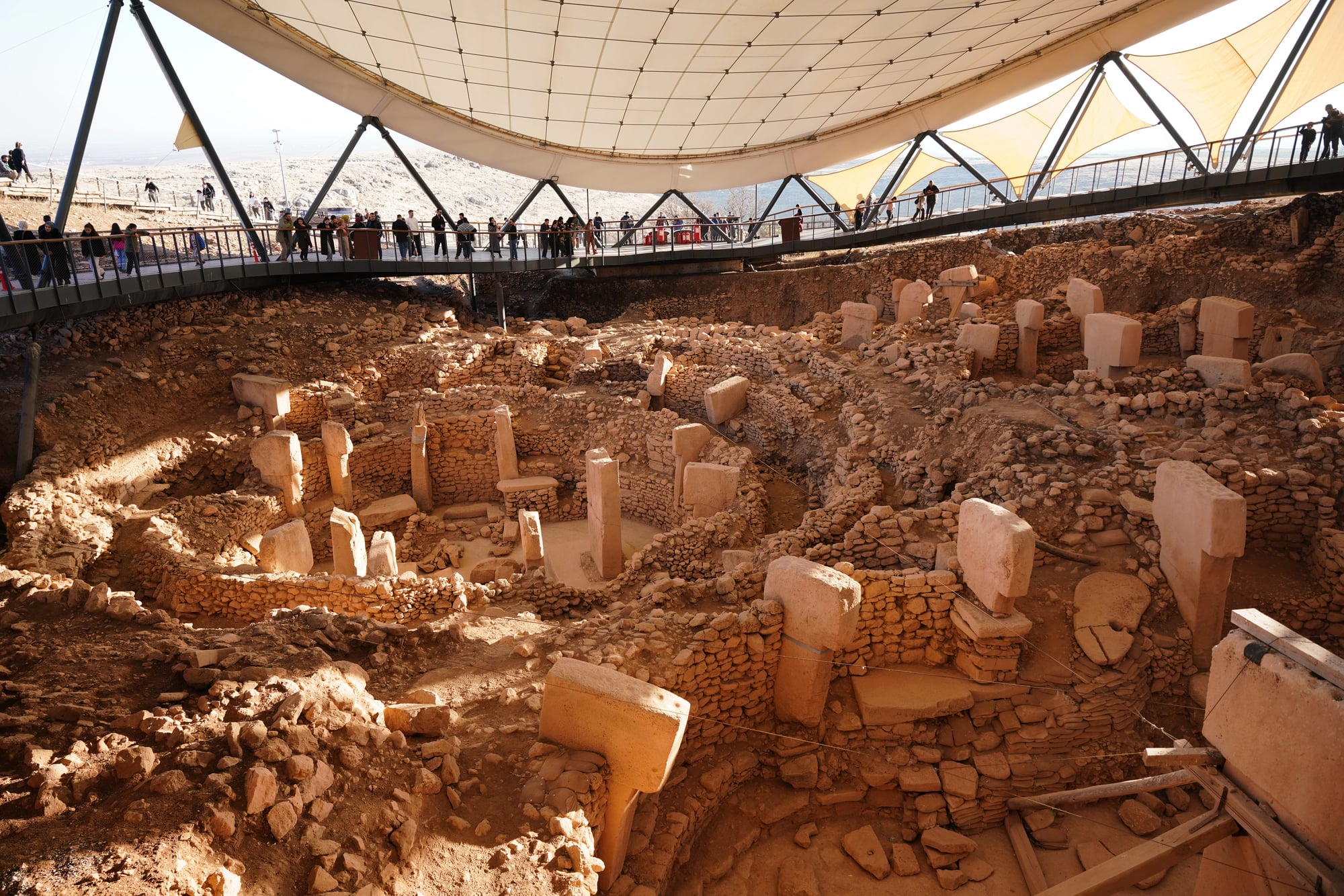
Everything historians thought they knew about the sequence of human civilization rested on a clean assumption: agriculture first, then settlement, then monuments. Göbekli Tepe, a site in southeastern Turkey dated to roughly 9600 BCE, dismantled that sequence entirely — its massive carved stone pillars, some standing nearly 18 feet tall and weighing several tons, were raised by hunter-gatherers who, by the old model, shouldn’t have had the social organization or the motivation to build anything of the kind.
The site sits on a hilltop, deliberate and enormous, and it suggests that the desire to build sacred spaces may have preceded farming rather than followed from it. Go figure.
The Vinland Sagas and L’Anse Aux Meadows
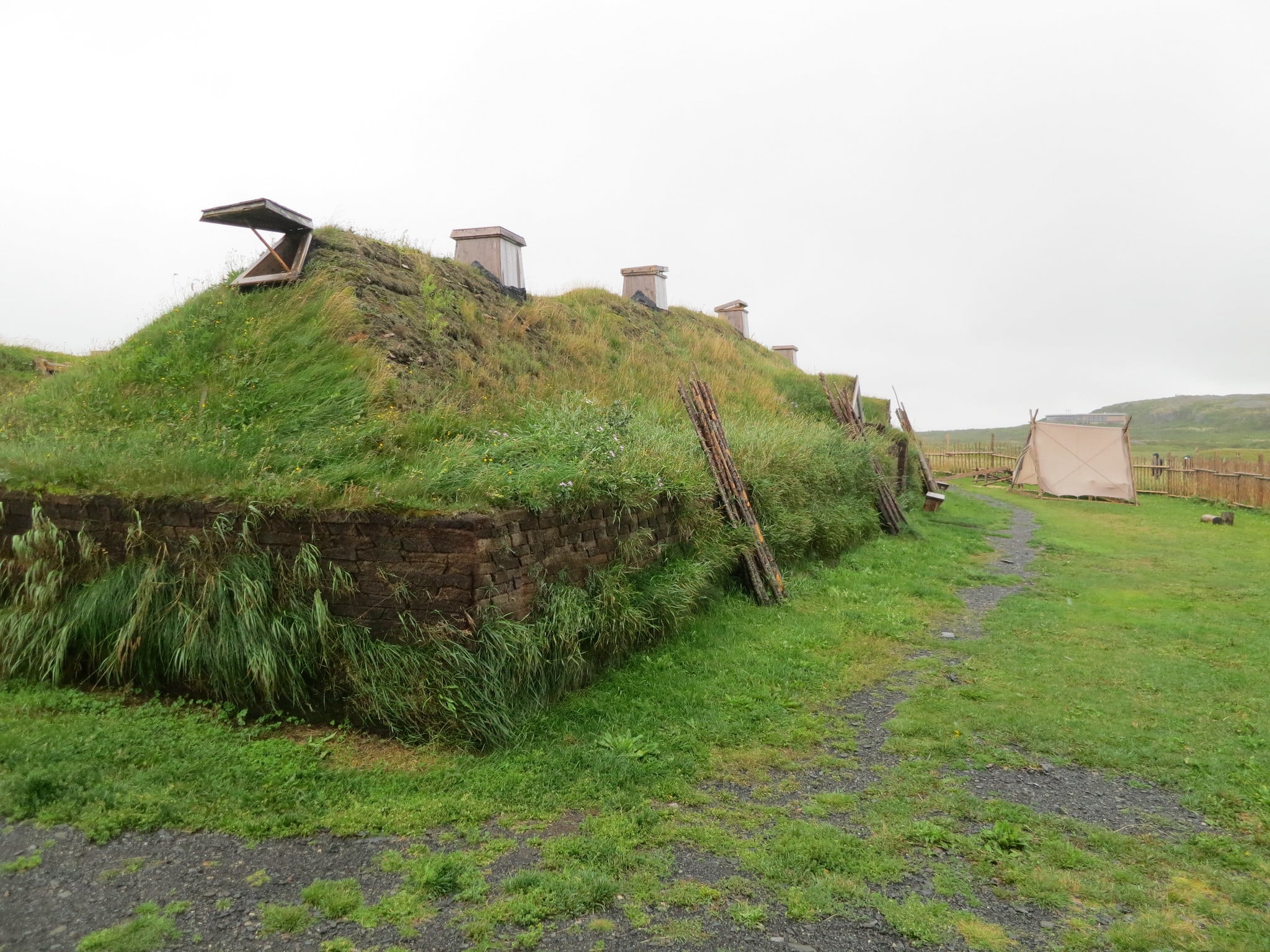
Historians spent a long time treating the Norse sagas’ descriptions of a western land called Vinland as compelling myth — vivid, probably exaggerated, and ultimately unprovable. Then, in 1960, a Norwegian explorer named Helge Ingstad and his wife Anne Stine began excavating a site at the northern tip of Newfoundland and found the unmistakable remains of a Norse settlement: turf longhouses, iron bog-ore smelting debris, and a distinctively Norse bronze cloak pin.
The discovery placed Europeans in the Americas roughly five centuries before Columbus arrived, and the story of who “discovered” the continent had to be told differently from that point forward.
The Terracotta Army
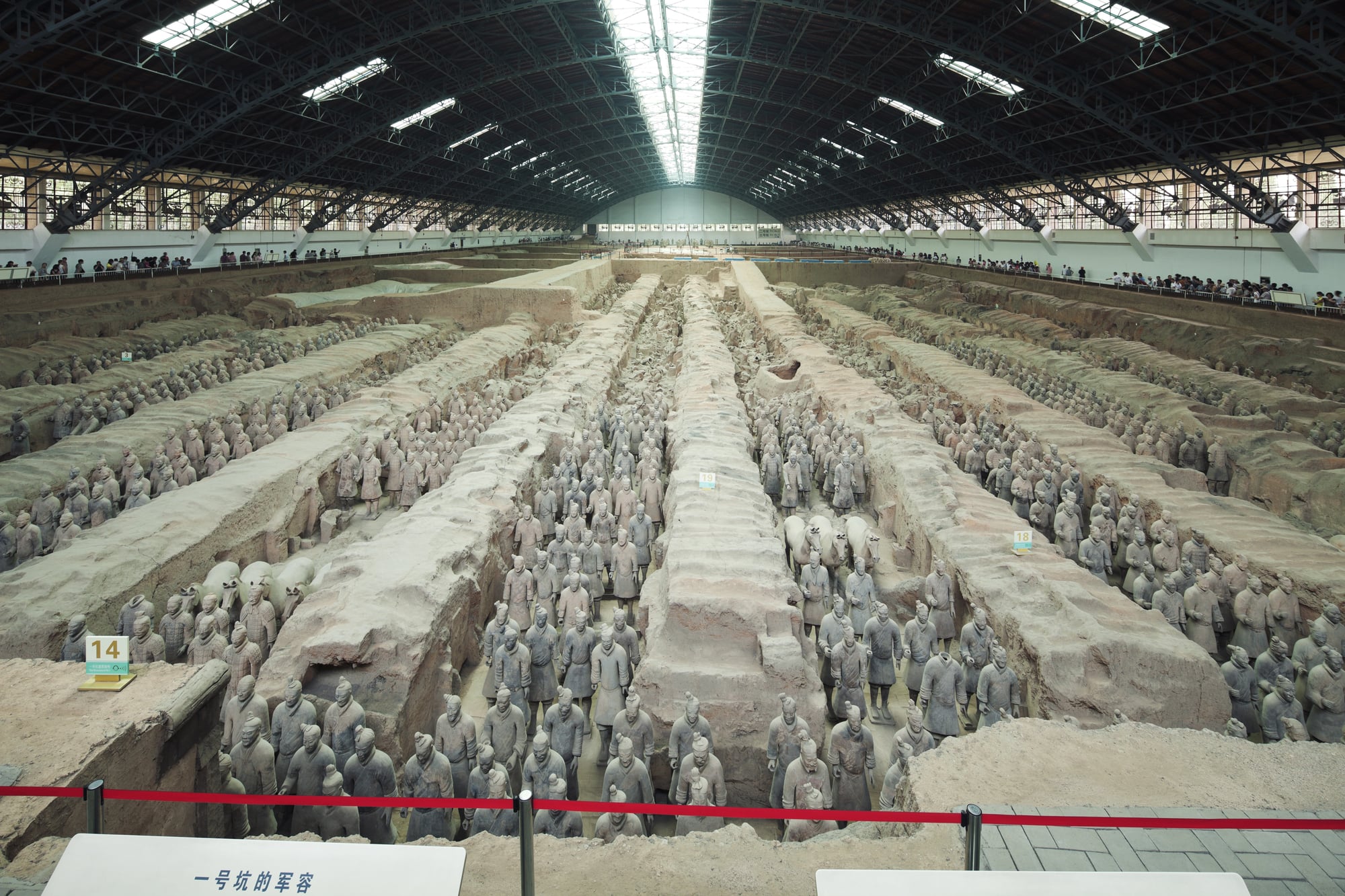
The scale of what a single farmer’s well-digging uncovered in 1974 near Xi’an, China, is still difficult to fully absorb. Thousands of life-sized terracotta soldiers, horses, and chariots — each face individually modeled, each figure unique — buried in military formation to guard the tomb of Qin Shi Huang, the first emperor of a unified China.
Historians already knew Qin Shi Huang was important, but the army revealed the sheer material and organizational ambition of a regime that had been known largely through texts written by people who despised it.
The Tollund Man

There is something arresting about a face that old looking so much like someone who simply fell asleep. The Tollund Man, discovered in a Danish peat bog in 1950, was so well preserved — skin intact, stubble still visible, a serene expression on a face more than two thousand years old — that police were initially called to investigate what they assumed was a recent death.
His discovery, along with dozens of similarly preserved bog bodies found across northern Europe, offered physical evidence of Iron Age ritual practices that written records had either ignored or distorted entirely.
The Nag Hammadi Library

Fifty-two texts, most of them previously unknown, bound in leather and buried in a sealed jar in the Egyptian desert near the town of Nag Hammadi — discovered in 1945, just two years before the Dead Sea Scrolls turned up. What they contained was the suppressed literature of early Gnostic Christianity: gospels, secret teachings, apocalyptic visions, and theological frameworks that the dominant church had declared heretical and apparently tried to eradicate.
The find forced historians to accept that early Christianity was far more plural, far more contested, and far less organized around a single coherent doctrine than the official record had suggested.
Troy
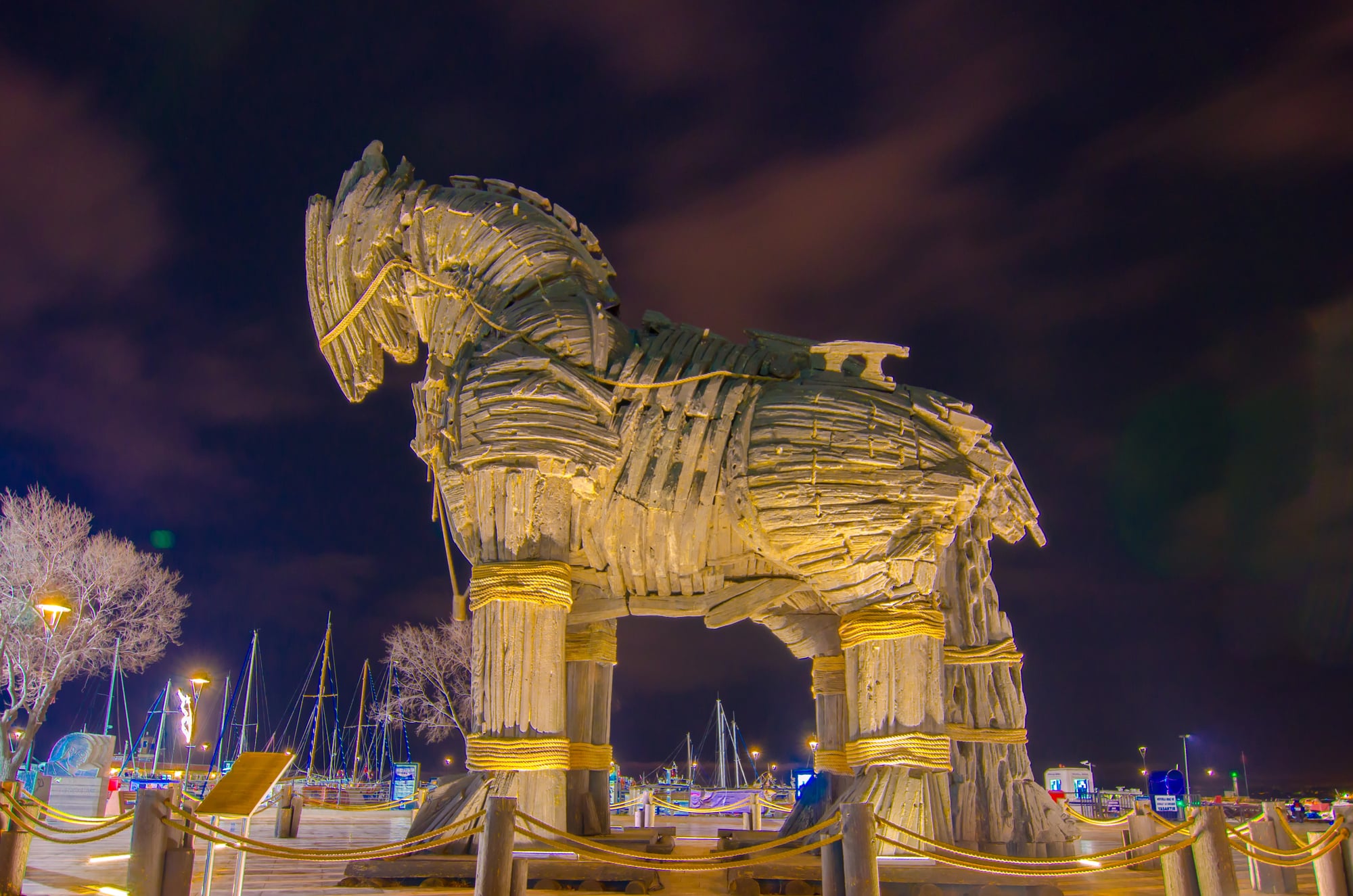
Heinrich Schliemann believed Homer’s Iliad described a real place, and the academic establishment of the 1870s considered that belief more or less embarrassing. He excavated anyway at a site called Hisarlik in northwestern Turkey, and what he found beneath the surface was not one Troy but several — a stacked sequence of ancient cities built atop one another over thousands of years.
The ruins were real, the walls were real, and the war that Homer described, whatever its actual shape, had a physical world to inhabit after all.
The Lascaux Cave Paintings
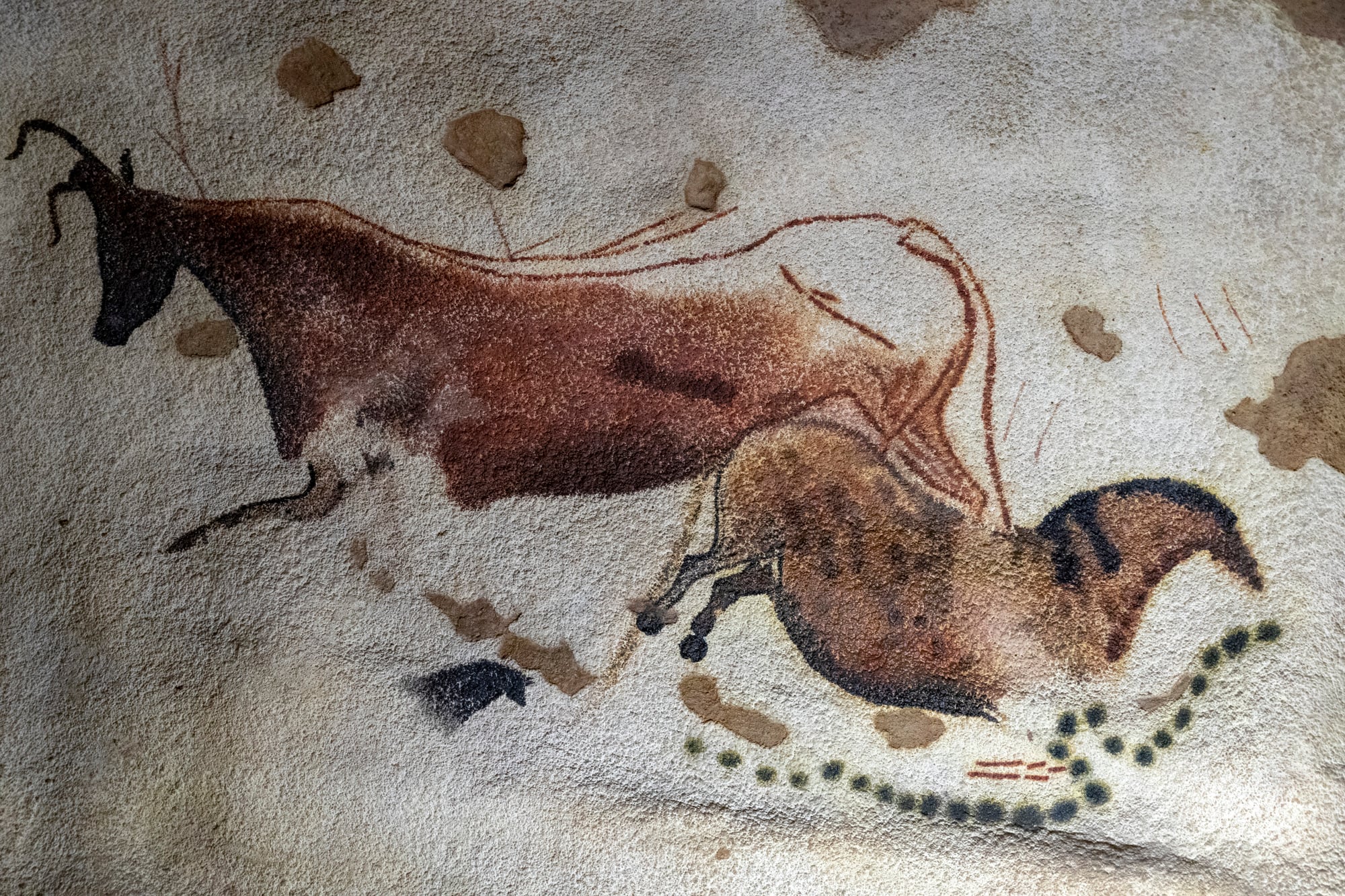
The Lascaux cave paintings in the Dordogne region of France, discovered in 1940, are not merely old. They are compositionally sophisticated, deliberately narrative, and painted by people who understood how the contours of a cave wall could animate the animals they depicted — who chose which rock face would make a bison look as though it were running, who returned to the same chamber over generations to add to what was already there.
What historians had quietly assumed about prehistoric humans — limited cognition, basic communication, no real inner life — could not survive contact with what those painters had left behind.
The Linear B Tablets
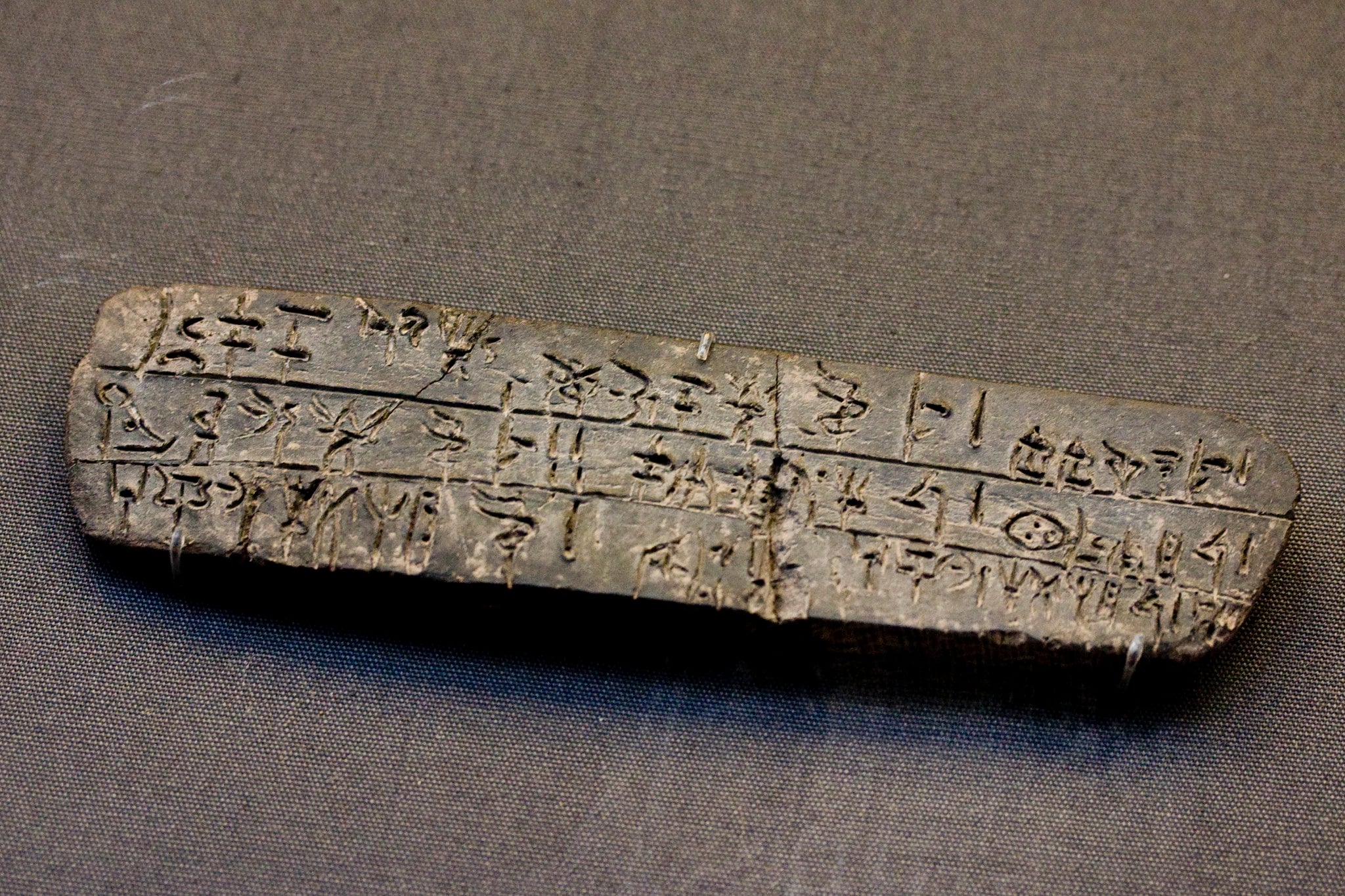
For decades, Linear B sat alongside Linear A as one of two undeciphered Minoan scripts, and most scholars assumed it was a language unrelated to anything they already knew. Michael Ventris, a British architect with no formal training in linguistics, cracked it in 1952 and revealed it to be an early form of Greek — suddenly the Mycenaean civilization, previously a shadowy predecessor to classical Greece, had a written administrative language, and the deep roots of Greek culture stretched back further than the history books had mapped.
The Ice Man (Ötzi)

A frozen body discovered in the Alps in 1991 looked, to the hikers who found it, like a recent mountaineering casualty. Ötzi turned out to be around 5,300 years old, and the preservation was so complete that scientists could analyze his last meal, identify his genetic relatives still living in the Tyrol region today, and determine — from a flint arrowhead lodged in his shoulder — that he was murdered.
He carried with him a copper axe at a time when historians believed copper toolmaking hadn’t reached that part of Europe, which quietly recalibrated the timeline for the spread of metallurgy across the continent.
The Codex Regius
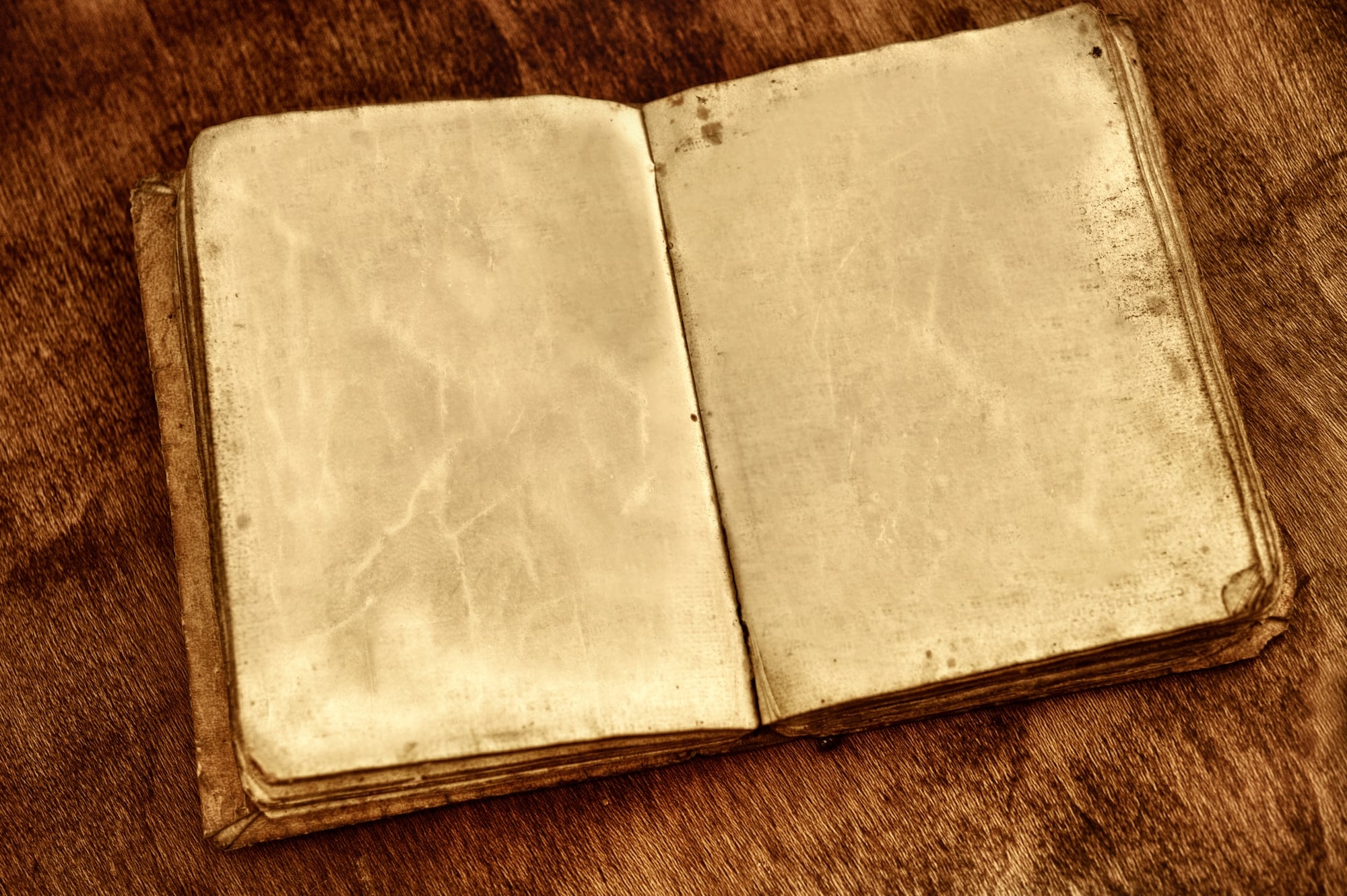
The Codex Regius is a 13th-century Icelandic manuscript — compact, unassuming, written on 45 vellum pages — that somehow survived for centuries in a Scandinavian bishop’s private collection before being identified in 1643 as the primary source for Norse mythology. Everything scholars, poets, and historians thought they knew about Odin, Thor, the creation of the world, and the end of it (Ragnarök) had been reconstructed from partial, secondhand references.
The Codex Regius was the source. Finding it was less like a discovery and more like finally finding the original when you’ve been working from someone else’s summary for four hundred years.
The Sutton Hoo Ship Burial
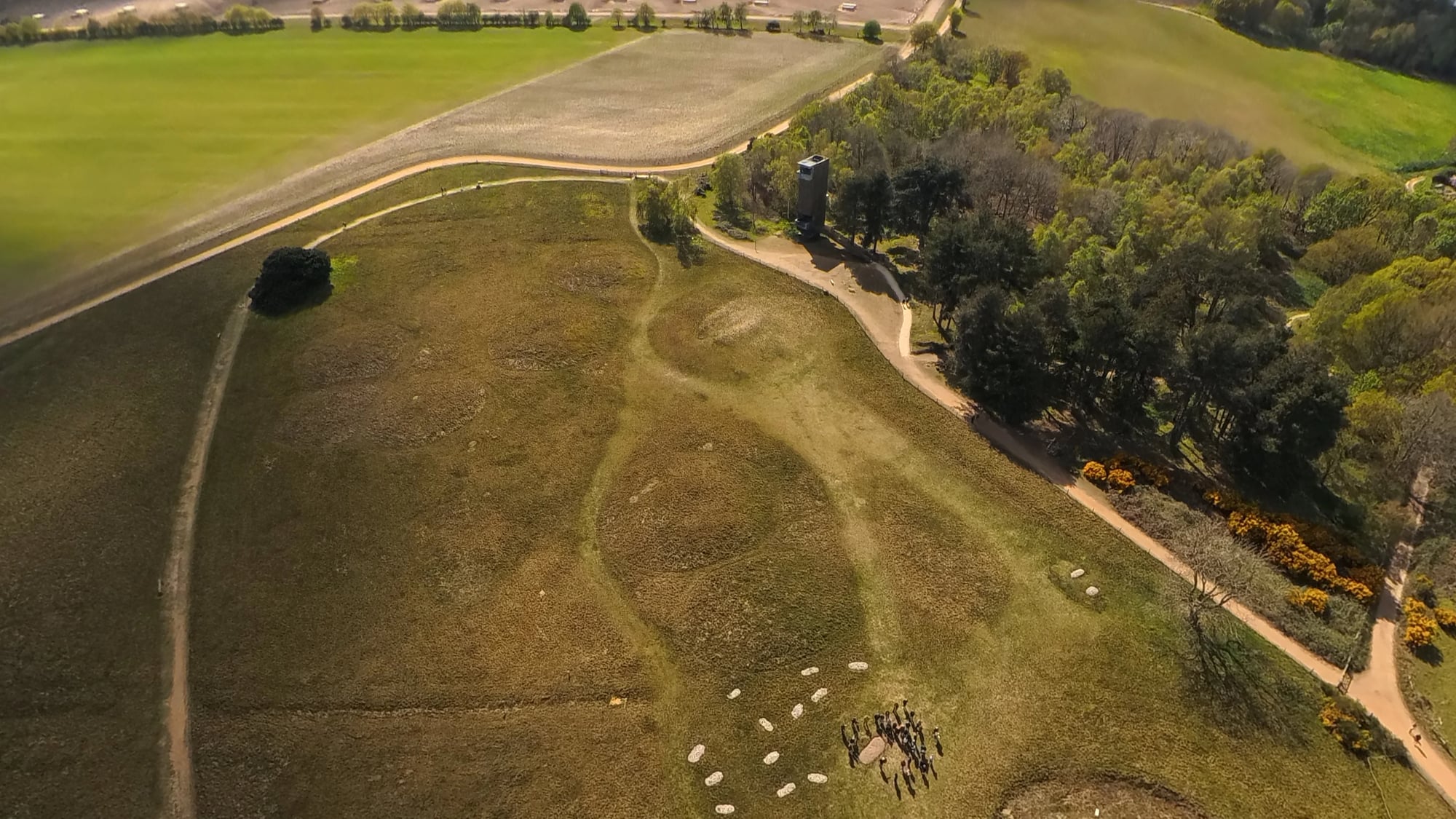
The assumption that the early medieval period in England was culturally thin — “the Dark Ages,” a phrase historians now use only to describe how wrong that label was — ran directly into Sutton Hoo in 1939. A burial mound in Suffolk, England, concealed a complete Anglo-Saxon ship burial containing a helmet, a sword, gold jewelry, an ornate shield, Byzantine silverware, and evidence of a prestige culture operating at a level of artistic refinement that the “dark” part of “Dark Ages” simply cannot accommodate.
It didn’t revise one corner of early English history. It revised the whole tone of it.
The Voynich Manuscript
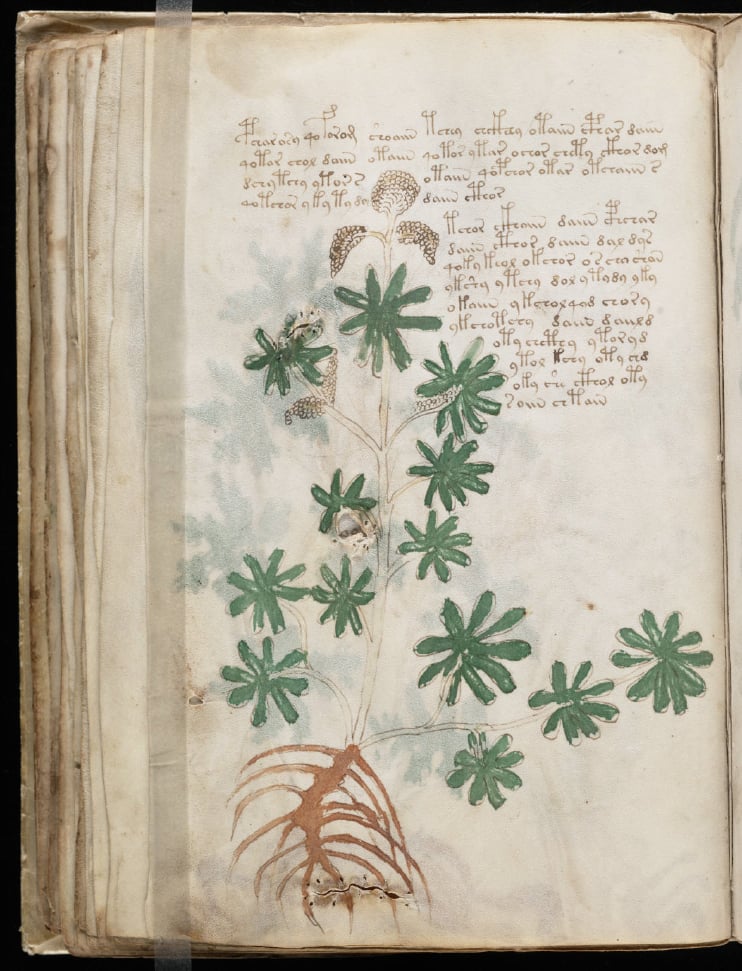
The Voynich Manuscript remains undeciphered, and that’s the point — it exists, it’s real, it’s carbon-dated to the early 15th century, and it is written in a script no linguist has ever successfully cracked. What it disrupted wasn’t a specific historical claim but something broader: the confidence that the historical record, given enough scholarly effort, can be fully decoded.
Some things survive but refuse to explain themselves, and the Voynich Manuscript is a stubborn reminder that the past keeps its own counsel on certain matters.
The Phaistos Disc
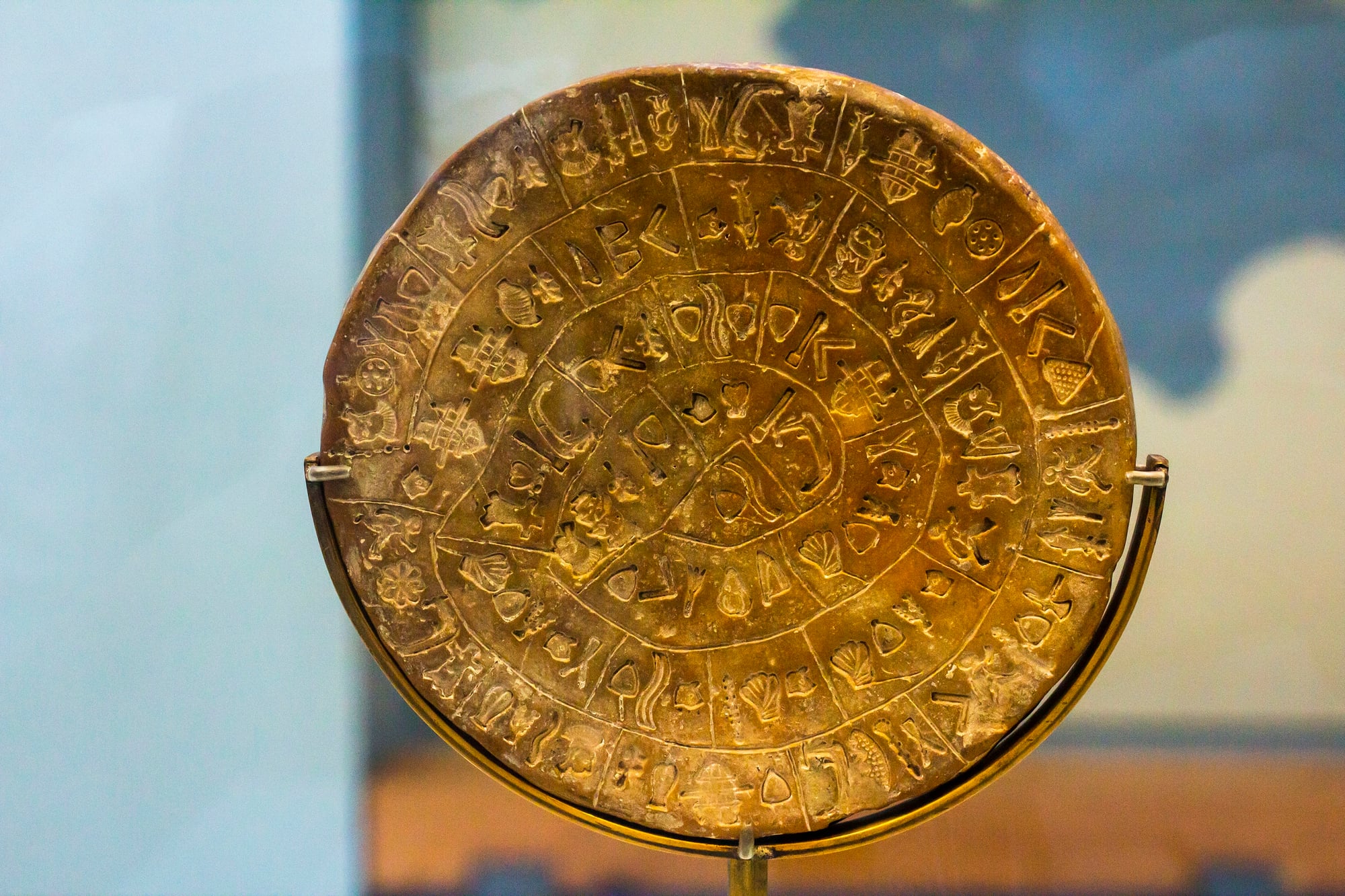
Found in 1908 in the ruins of a Minoan palace on the island of Crete and dated to around 1700 BCE, the Phaistos Disc is a fired clay tablet impressed with 241 symbols arranged in a spiral — and more than a century later, nobody agrees on what it says, what language it records, or even which direction it’s meant to be read. Its existence complicated the already murky picture of Minoan writing systems, and it introduced the disorienting possibility that the Bronze Age Aegean contained at least one writing system so isolated that it left no descendants and no close relatives.
Just the disc, sitting in a museum in Heraklion, waiting.
The Significance of What Gets Found Accidentally
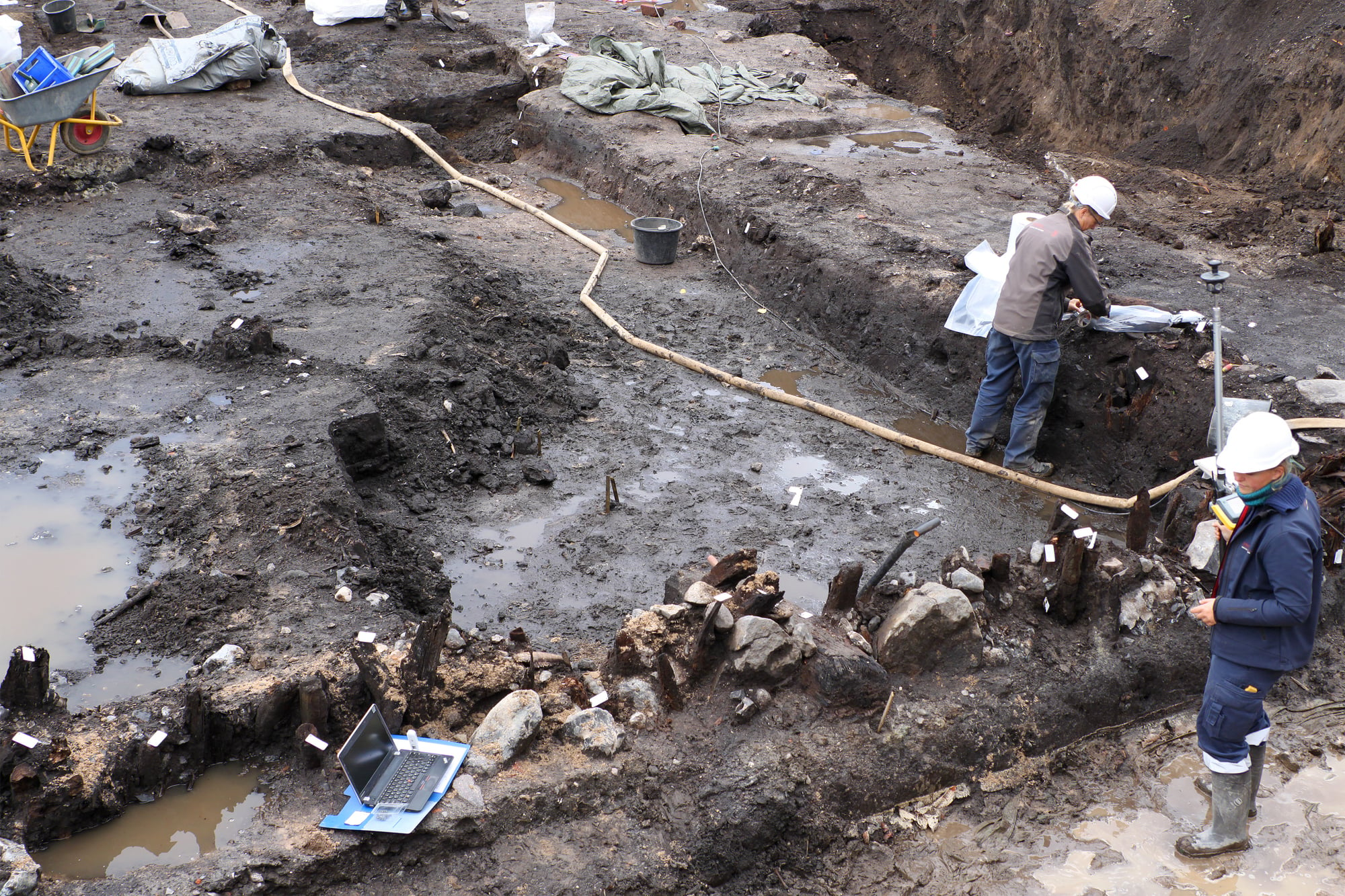
Most of these discoveries weren’t made by people looking for them. A farmer digs a well. Shepherds throw rocks into caves. Hikers cross a mountain in an early melt.
The formal search — the funded expedition, the organized excavation — matters, but history keeps an embarrassing proportion of its revelations for the people who weren’t looking at all. And what that suggests, quietly but persistently, is that the story isn’t finished yet — that somewhere under farmland, inside an unread archive, or sealed in a jar no one has yet noticed, the next rewrite is already waiting.
More from Go2Tutors!

- The Romanov Crown Jewels and Their Tragic Fate
- 13 Historical Mysteries That Science Still Can’t Solve
- Famous Hoaxes That Fooled the World for Years
- 15 Child Stars with Tragic Adult Lives
- 16 Famous Jewelry Pieces in History
Like Go2Tutors’s content? Follow us on MSN.



