27 Forgotten Promotional Gifts From Banks and Businesses
Until the late 1980s, when the financial services market was finally deregulated, very often the only thing separating one bank from another was what it gave away. Those premiums, as they were known, filled homes with calendars, glassware and coin banks, and they gave the free toaster its reputation as the ultimate joke about banking.
Gas stations, restaurants and grocery stores played the same game.
The gifts below range from the famous to the nearly forgotten. Many of them turn up in flea markets and estate sales, where condition and any original packaging decide what a collector will pay.
The Bank Toaster
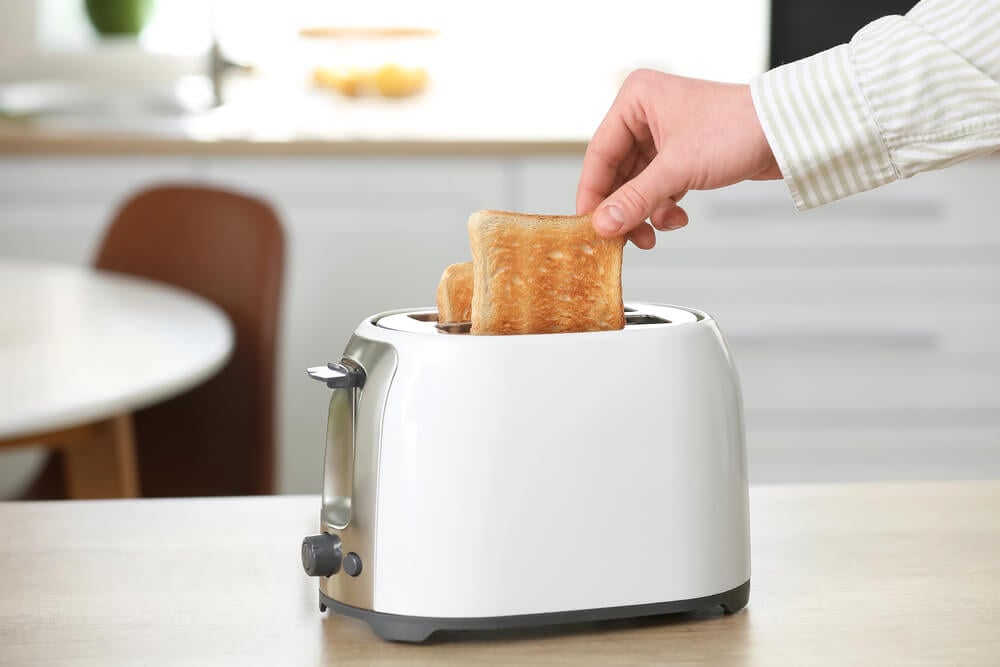
The free toaster became so closely linked with new bank accounts that it shaped how banks appear in movies and television. It was especially memorable in the 1960s, when opening a savings account could come with something useful for the kitchen.
The Wells Fargo archive notes that smaller giveaways like calendars and coin banks were actually more common, and the bank never gave away toasters at all.
The Blender
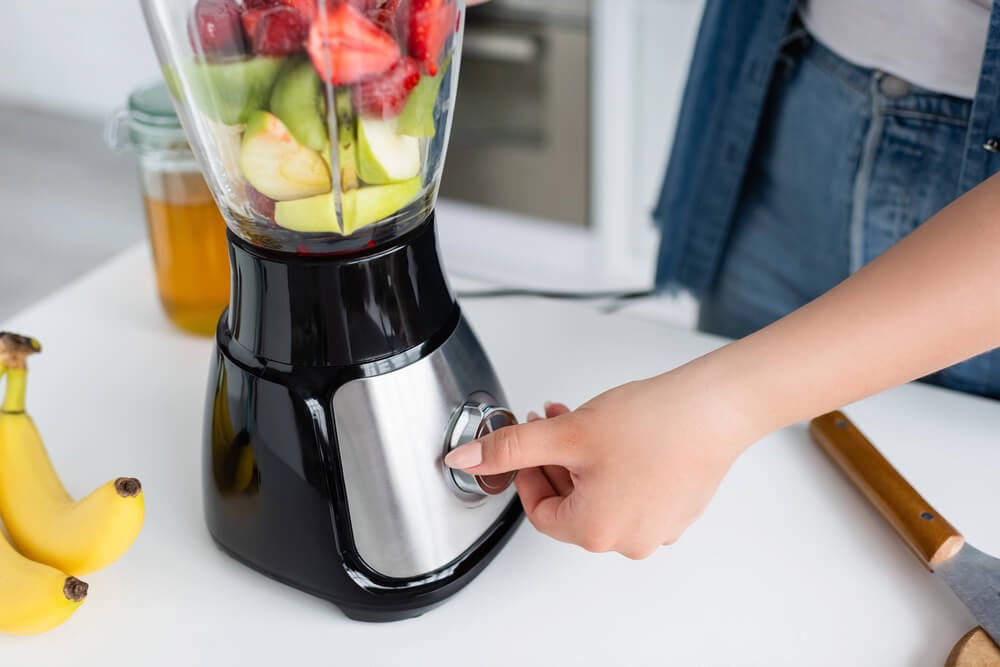
Banks were among the most consistent givers of free gifts, and a blender was a regular choice, advertised in local newspapers. Customers could walk out with an appliance after opening a new savings or checking account.
The gift targeted neighborhood customers, since banks were looking for people who would stay for life.
The $25 Savings Bond

A typical newspaper pitch offered a free $25 savings bond for opening a new savings or checking account. It combined the appeal of a gift with the practical value of an investment.
The offer sat alongside toasters and blenders as one of the most consistent bank promotions.
The Logo Piggy Bank

Many banks gave out piggy banks complete with the institution’s logo. Children treasured them, and parents appreciated a tool that taught saving.
Surviving banks vary widely in condition, and chipped paint or missing stoppers lower their appeal.
The Coin Bank

Wells Fargo records show that coin banks were among the common giveaways at branch openings. Customers left the bank with their passbook and money, plus a bank for loose change.
These small items carried the bank’s name into homes for decades.
The Stuffed Animal
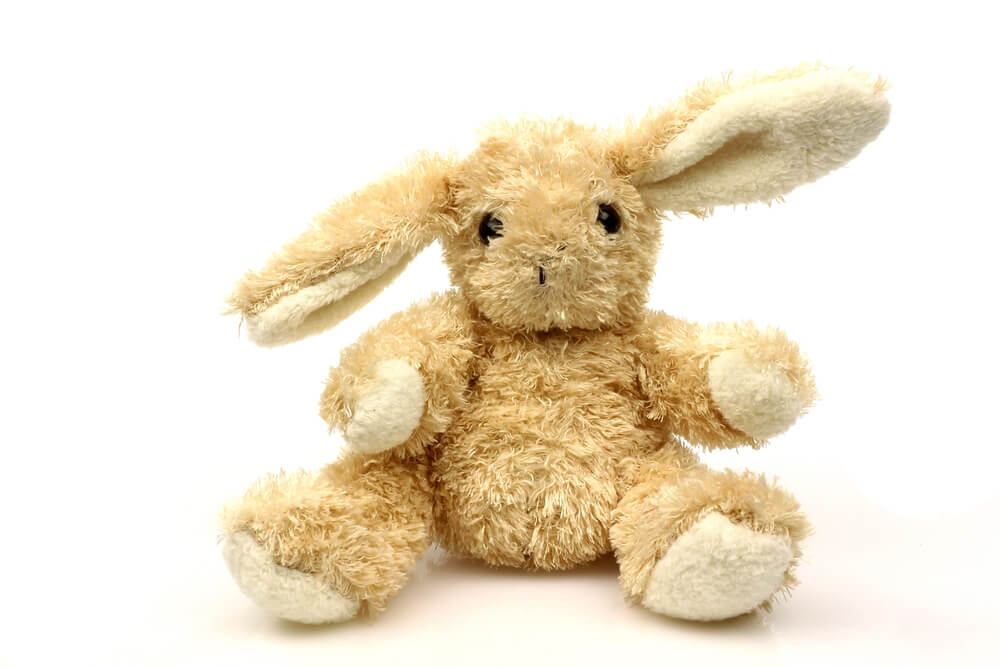
Stuffed animals were part of the giveaway mix at branch openings, especially for families with children. The soft toys made a friendly impression on young customers.
Few survive without wear, so clean examples with original tags are the most appealing.
The Purse
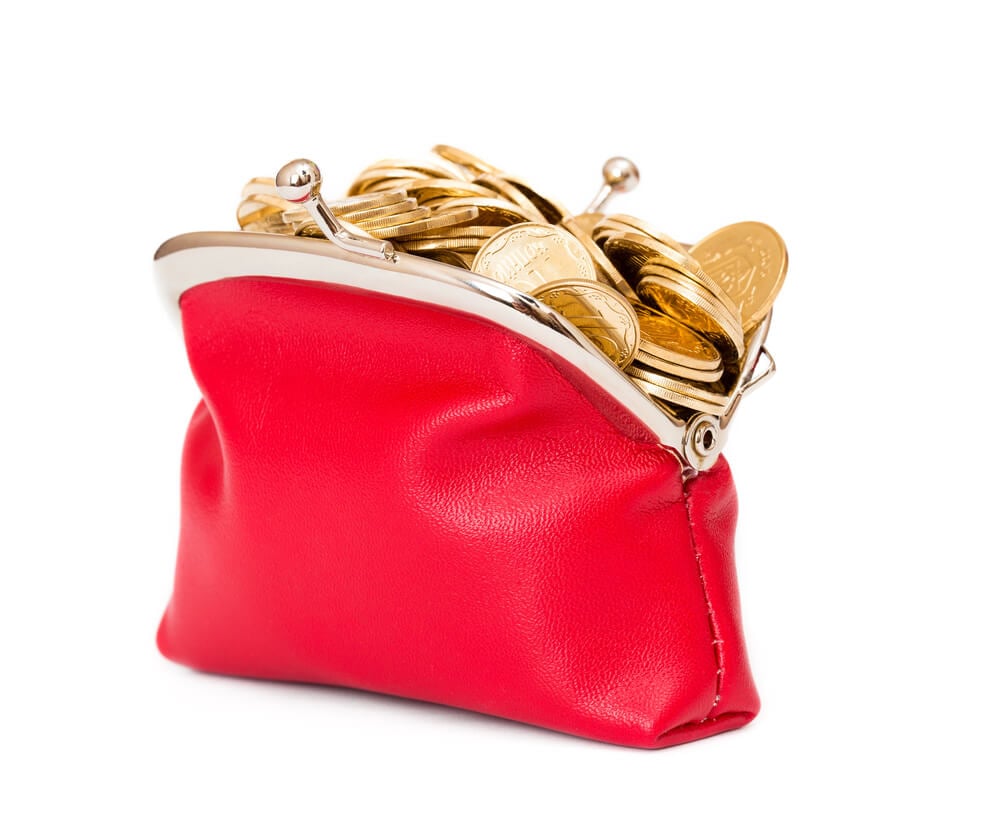
Banks also handed out purses as part of their promotions. The gift appealed to adult customers and carried the bank’s name wherever it traveled.
Vinyl or fabric purses from the era are fragile, and cracked material is a common condition problem.
The Sewing Kit
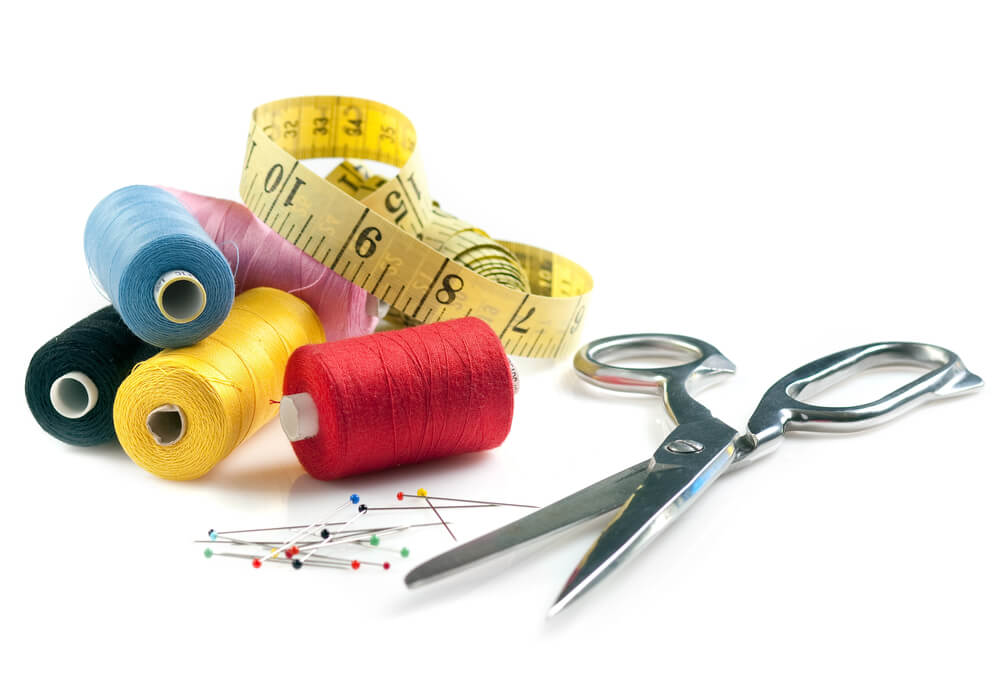
Sewing kits joined the list of small collectibles that banks gave away. They suited households that mended clothes regularly and were cheap enough to hand out in bulk.
A kit with its original needles and thread intact is worth more than a loose case.
The Free Calendar
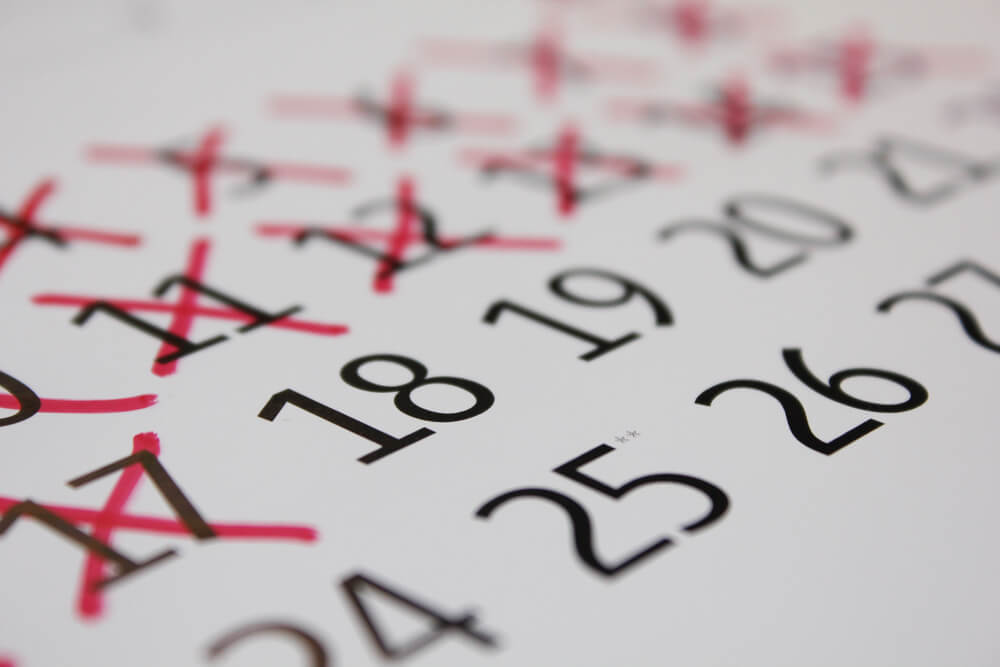
Calendars were probably the most common bank giveaway, hanging in kitchens and offices all year long. A late-night comedy list once joked about banks that hand out calendars one month at a time, which shows how closely they were tied to the industry.
Complete calendars with their original pages are rare, since most were thrown out after the year ended.
The Laundry Sack
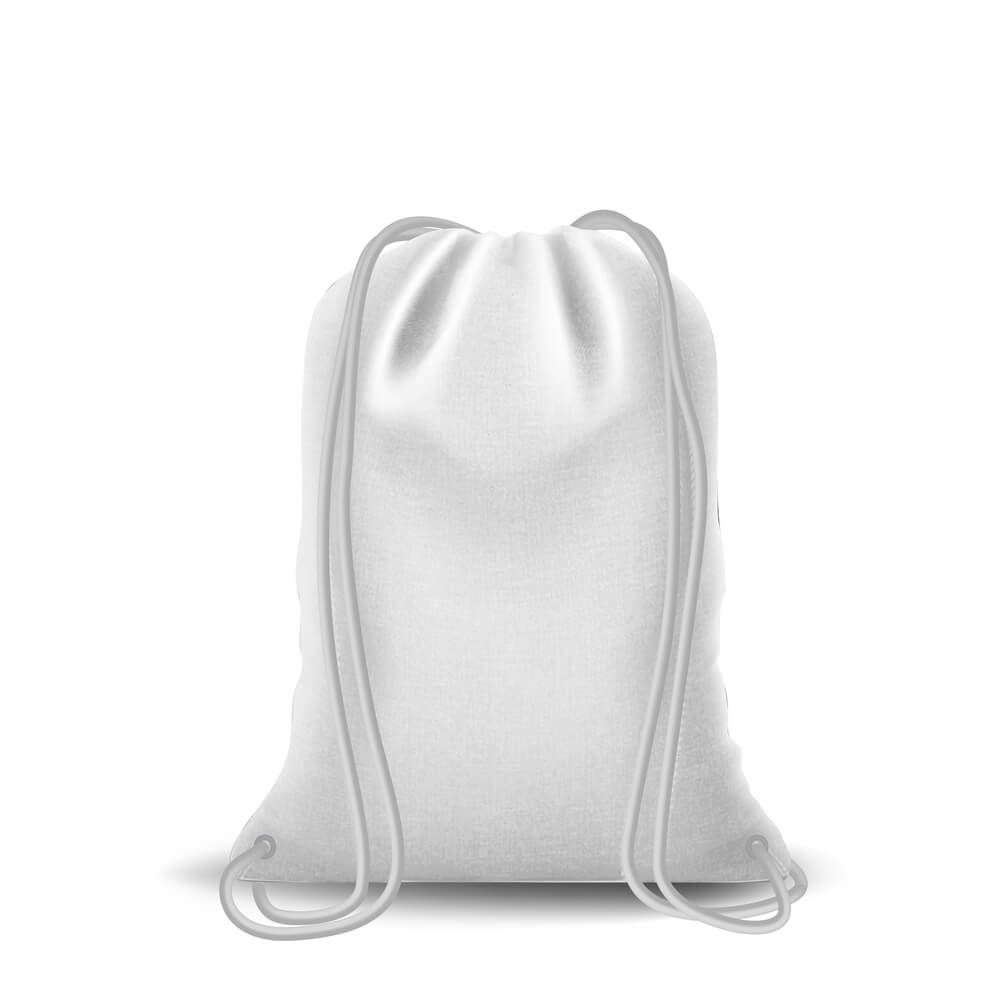
First National Bank of Portland offered a free laundry sack carrying its logo. The practical item went straight into a household’s daily routine.
It is an example of how banks turned everyday objects into advertising.
The Shetland Pony
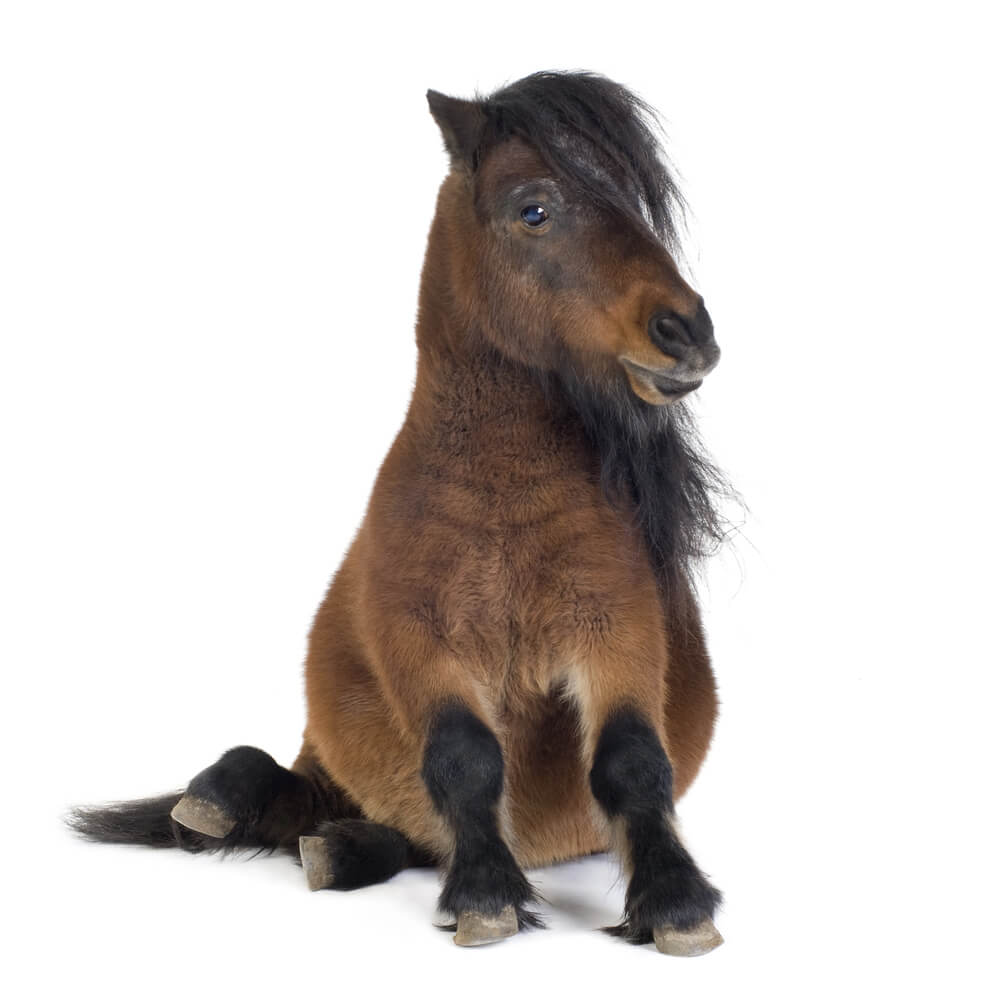
First National Bank of Portland also promoted a raffle for a free Shetland pony. A pony raffle may be the most extravagant item that ever appeared on a bank flyer.
It shows how far banks would go to draw crowds to a branch.
The Vacation Raffle
At branch openings, banks hosted huge affairs with small gifts and raffles for vacations. A trip gave the bank a memorable story to tell in its ads.
Winners returned with a souvenir that tied the bank to a happy moment.
The Brand-New Car

Some raffles at branch openings offered a brand-new car as the grand prize. The giveaway drew a crowd, and the bank hoped many would open accounts along the way.
The Floating Pen
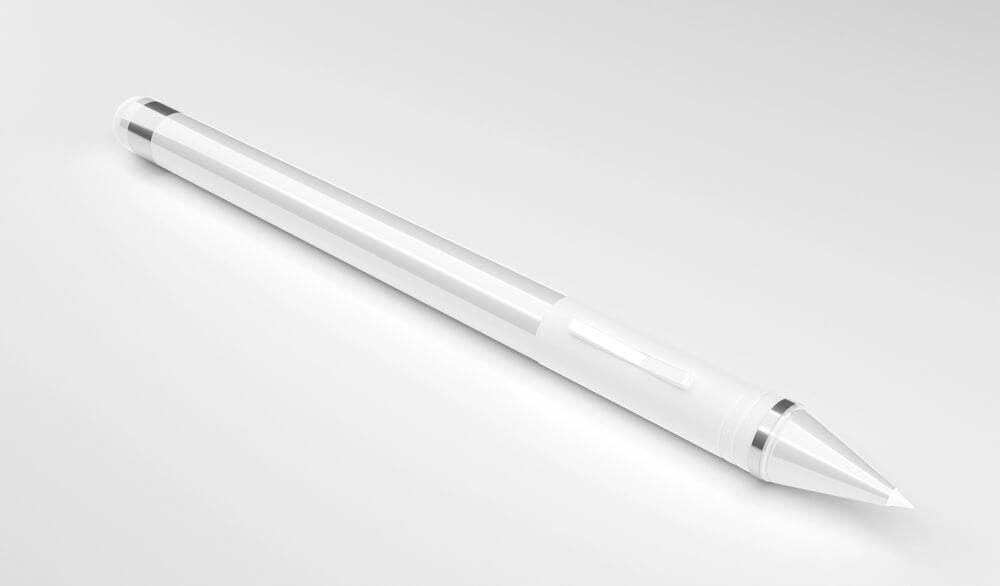
Floating pens, with a little scene that drifted inside the barrel, were among the novelties banks and other businesses handed out. They sat in desks and kitchen drawers for years.
Working versions with unclouded fluid are what collectors seek.
The Photo Postcard
Banks and businesses gave out photo postcards, often showing the building or a local scene. They were cheap to print and easy to mail.
Vintage cards in good condition with a clear image are collected for their local history.
The Vinyl Single
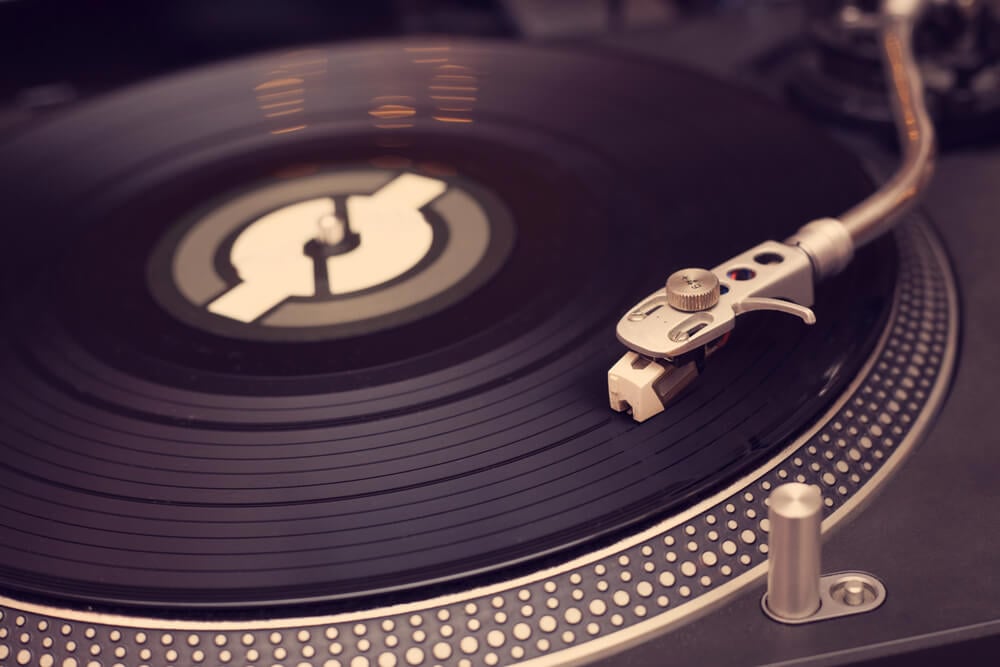
One bank filmed a commercial with a couple getting married to the song We’ve Only Just Begun, and it became an instant hit. The bank then used the vinyl single as a giveaway to new customers.
A single in its original sleeve with a clean surface is the version worth keeping.
The Gas Station Road Map

Gas stations handed out road maps as a free service for drivers. The maps carried the company’s branding and guided families on summer trips.
Folded originals with intact creases and covers are the ones that collectors look for.
The Juice Glass

Gas stations gave away juice glasses, and grocery stores handed out stamps, in the days when each business had its own trick for earning loyalty. The glasses were free with a fill-up or a purchase.
Chips and cloudy washing damage can ruin a set of them.
The Restaurant Matchbook
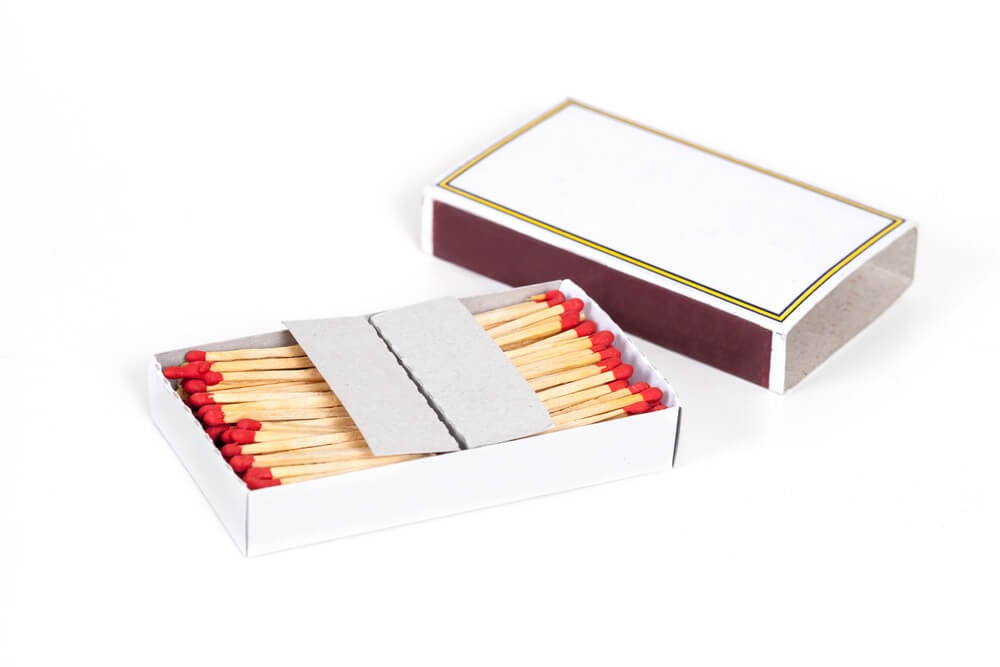
Restaurants kept matchbooks within easy reach at the counter, printed with the name and address of the business. They were a tiny, portable advertisement.
Unused books with clear printing are what collectors want.
The Jeep Drawing

A large bank’s marketing department once came up with the idea of holding a drawing for a Jeep. The big prize took the place of smaller gifts and aimed to attract attention across a region.
It reflected a period in which banks competed hard for new accounts.
The Branded Pen and Notepad
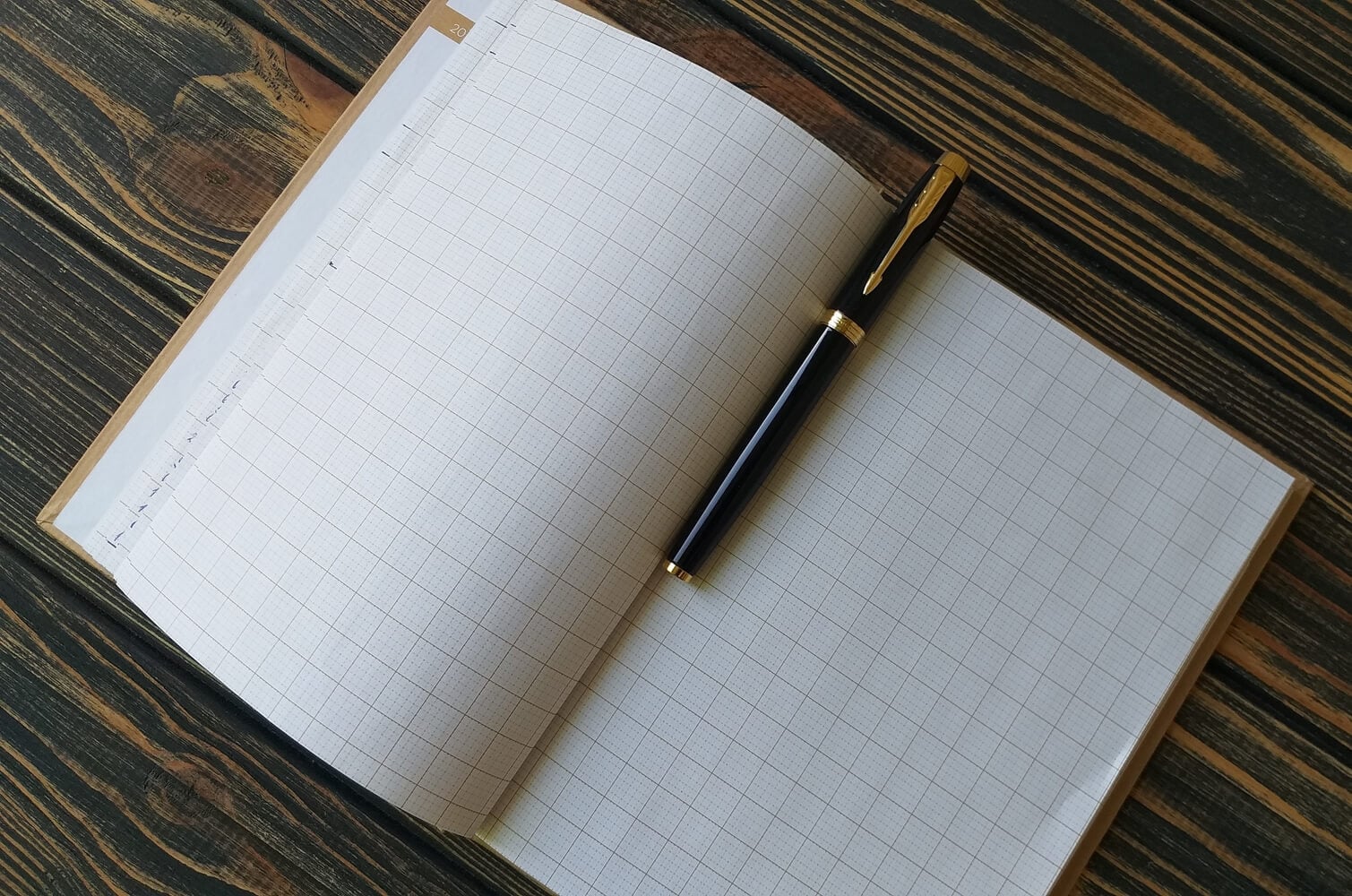
Branded pens are still the undefeated champion of promotional products, since they are cheap to produce, useful and easy to carry. A customer takes one home, a spouse uses it, and it ends up in a glove box or on a coworker’s desk.
Notepads work the same way, putting the bank’s name in front of the user each time they jot a note.
The Drink Bottle

Banks in Australia have handed out branded drink bottles alongside pens and notepads. The bottles are practical and reusable, so they keep the bank’s name in view.
They reflect how the modern promotional item has shifted toward useful goods.
The Coupon Book
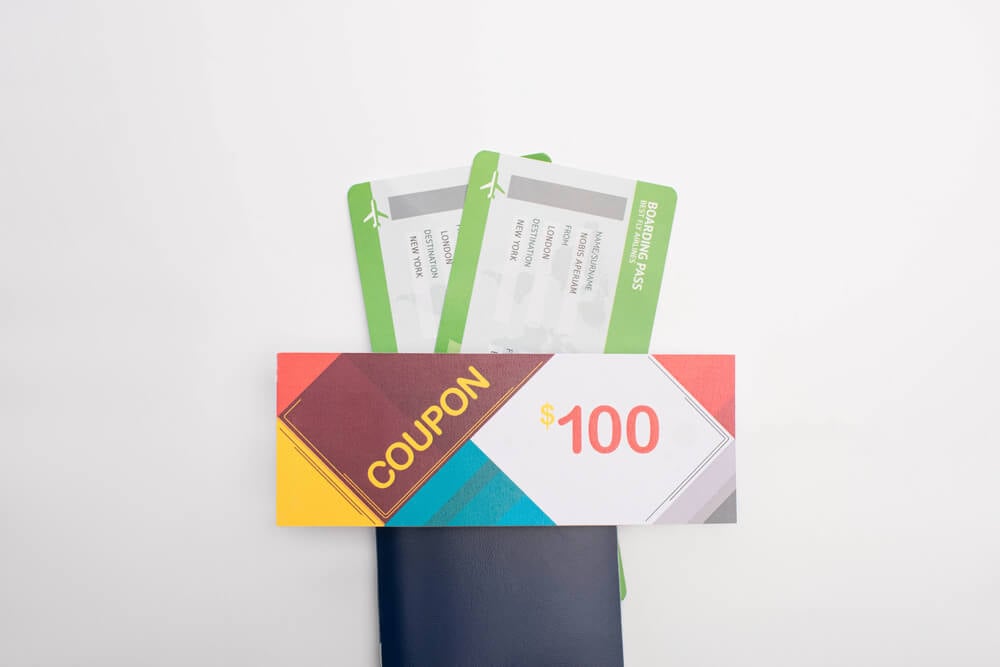
Coupon books arrived as an alternative to free toasters when deposit rates reached levels not seen since the era of Ozzie and Harriet. Banks across the country returned to 1950s-style giveaways to lure customers.
The books offered discounts at local businesses, linking the bank to the neighborhood.
The Grenade Bank
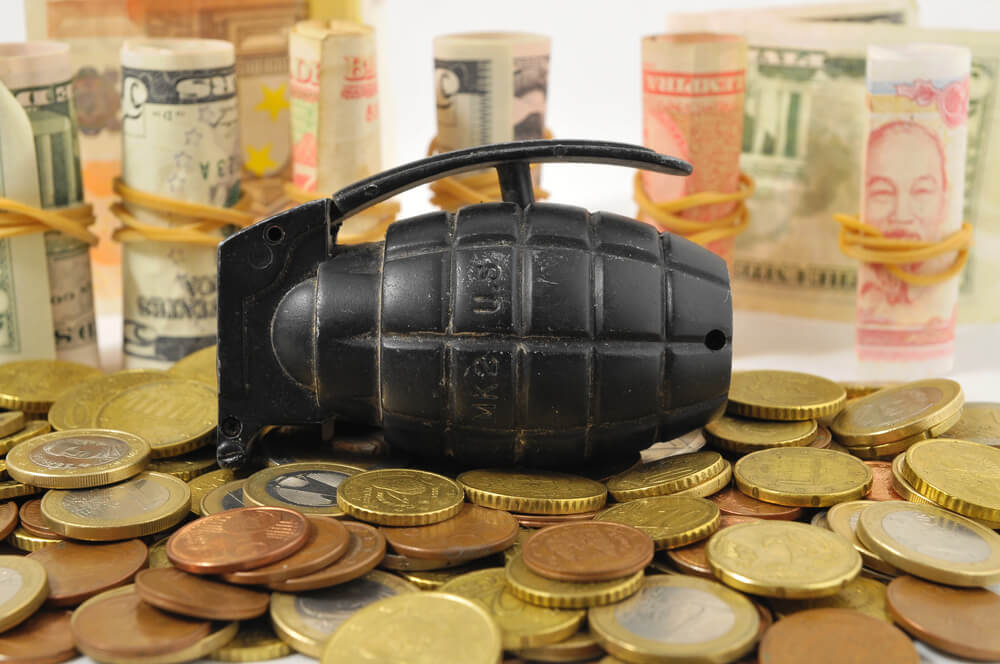
After World War I, a school savings effort distributed hand grenades converted into children’s savings banks. Kids borrowed them over vacation to contribute to the War Savings Stamps effort.
A child who saved enough for a stamp was allowed to keep the grenade bank.
Libbey Glassware
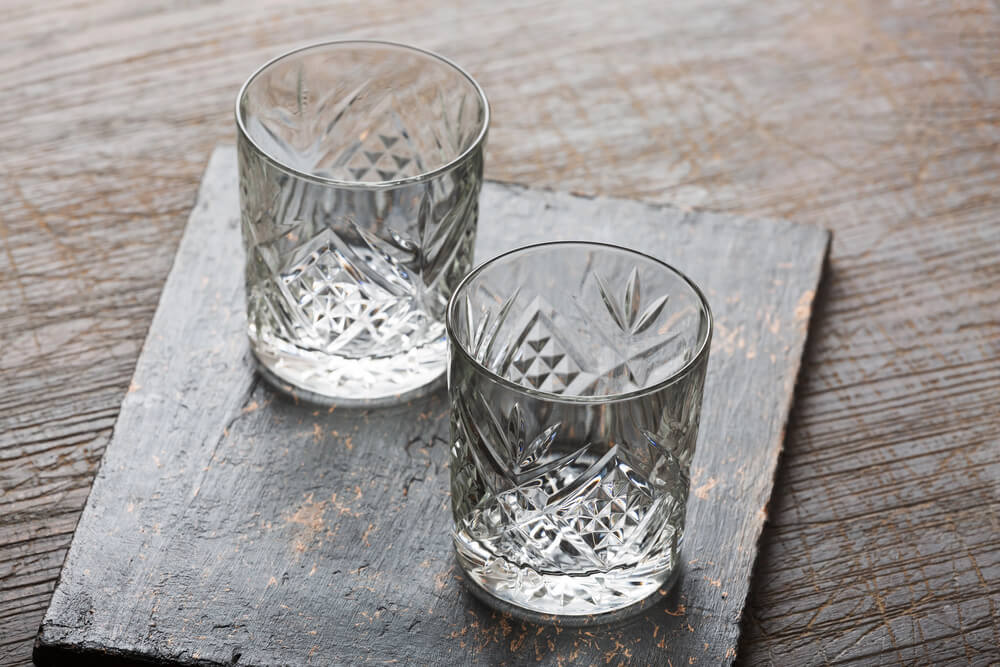
Libbey glassware was offered as a premium by trading stamp programs, and dealers at estate sales now snap it up. The glasses were everyday kitchen items that families earned rather than bought.
Matching sets with no chips or clouding are the ones that sell.
The Christmas Club Santa

A cardboard Santa Christmas tree ornament from 1924 carried a bag labeled with a message that Christmas Club checks and savings account books were the best gifts of all. It turned a decoration into an advertisement for a bank program.
Cardboard ornaments of this age are fragile, so crisp color and an intact hanger matter.
Pizza Pans and Car Vacuums
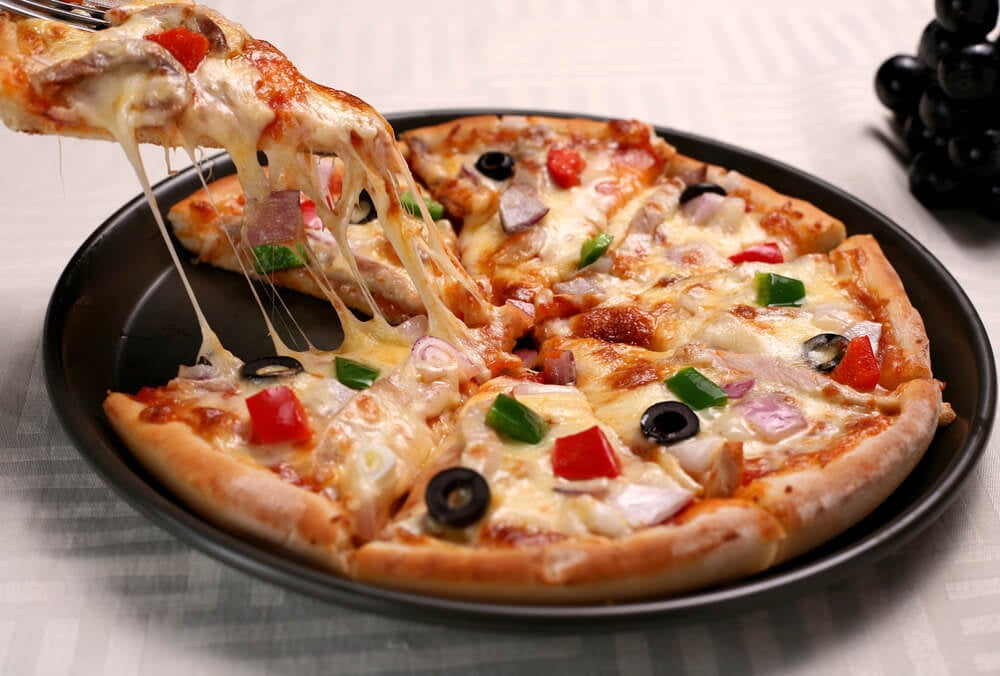
Modern banks and credit unions still try to bring in new customers with giveaways. One credit union offered a car vacuum to new checking members, while other banks have offered pizza stone sets and a Dolly Parton pizza pan for a small opening deposit.
Most banks have since moved to cash bonuses, which are easier to manage and far less likely to end up in a closet.
Gifts With Strings Attached, Gently
Every item on this list carried a quiet message about trust. A bank that gave a child a coin bank or a family a calendar hoped to be remembered when that child grew up or the family needed a loan.
The gift was small, but the intention was long-term.
Changes in banking regulations removed many of the barriers that made giveaways essential and set limits on expensive promotional items. The toaster may be gone, but pens, bottles and cash bonuses carry the same idea.
The next time a free pen turns up in a drawer, it is the direct descendant of the pony raffle.
More from Go2Tutors!

- 27 Silver Dollars and Half Dollars Worth Keeping
- 28 Restaurant Menu Items Nobody Orders Anymore
- 17 Places Built in Seemingly Impossible Spots
- 27 Vintage Rings Worth More Than They Look
- 25 Restricted Sites Tourists Can’t Enter
Like Go2Tutors’s content? Follow us on MSN.