18 Massive Fortresses Built in Impossible Places
Mountains stood in place of fortresses back then. Rivers acted like barriers without a builder’s hand.
Deserts kept invaders far away, long before any battle began. Harder paths meant fewer enemies got through.
Islands cut off by tides worked just fine as shelters. Distance shaped safety more than strength ever did.
Yet getting there wasn’t the hard part. Hauling rock, wood, meals, one worker after another – into places that fight back – took near madness.
Not walls alone. Messages carved in cliffside: we own what nature claims.
Buildings rise now where reason insists nothing could.
Masada

Masada rises roughly 1,300 feet above the Dead Sea on a sheer rock plateau in modern-day Israel. Fortified by Herod the Great in the first century BCE, it included storerooms, water cisterns, and palace complexes carved into the mountaintop.
The location made direct assault nearly impossible. When Roman forces besieged the site in 73 CE, they had to construct a massive earthen ramp to reach the walls.
Even today, standing at the base and looking up makes clear why defenders felt secure. The mountain itself served as the first line of defense.
Mont-Saint-Michel
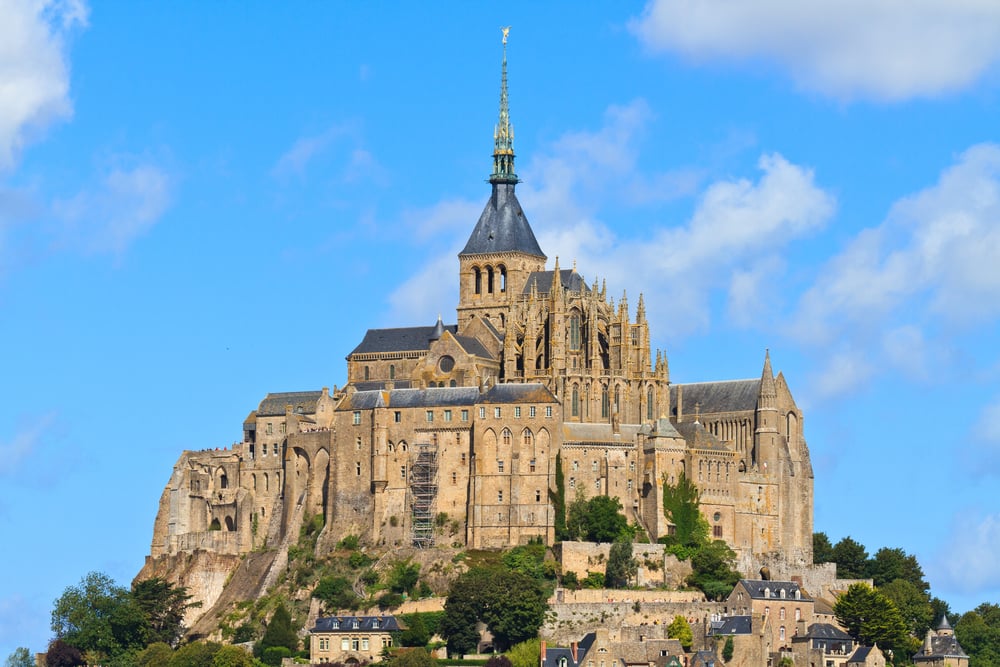
Off the coast of Normandy, Mont-Saint-Michel rises from tidal flats that disappear under rushing water during high tide. The island’s transformation between land bridge and isolated stronghold gave it a natural protective rhythm.
During the Hundred Years’ War, its fortified walls resisted repeated attempts at capture. The narrow approach and unpredictable tides discouraged large-scale siege tactics.
The sea handled much of the defensive burden before soldiers ever reached the gate.
Sigiriya
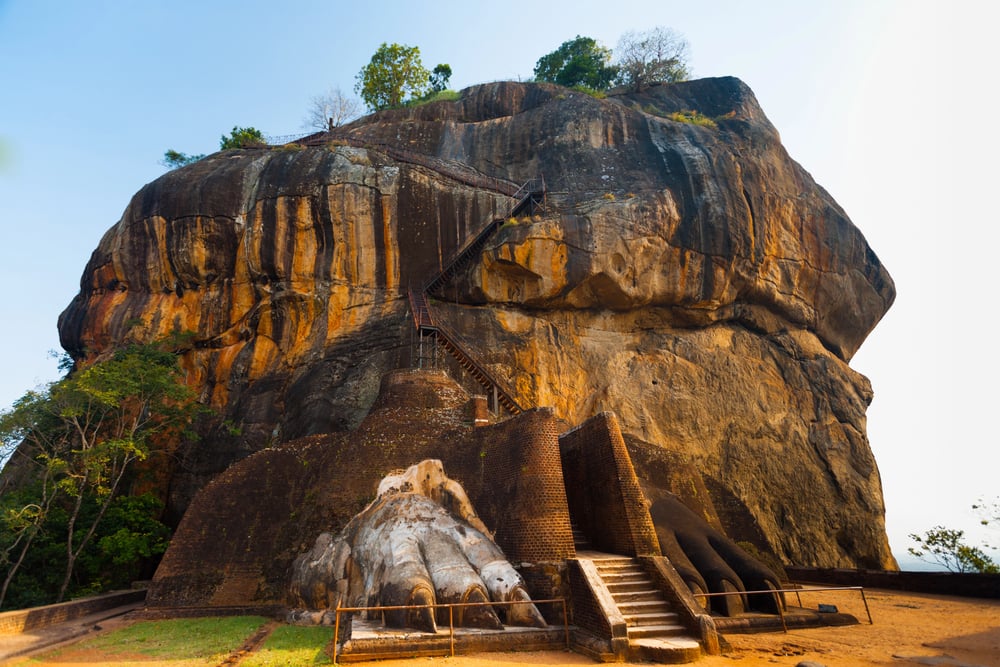
In Sri Lanka, Sigiriya towers nearly 660 feet above the surrounding jungle. Built in the 5th century CE, this fortress-palace complex crowned a massive column of rock with gardens and water features below.
Access required climbing steep stairways carved directly into the stone. From the summit, defenders could observe movement for miles across flat terrain.
The dramatic height turned isolation into advantage, making surprise attack nearly impossible.
Alamut Castle

Alamut Castle stood high in the Alborz Mountains of Iran, constructed in the 9th century and later controlled by the Nizari Ismailis. Its elevation and narrow access paths made it extremely difficult to conquer.
Supplies had to be hauled up steep slopes, but that same difficulty worked against invading forces. The fortress functioned less as a traditional castle and more as a mountain stronghold built to withstand prolonged siege.
Mehrangarh Fort

Mehrangarh Fort rises 400 feet above Jodhpur in Rajasthan, India. Its thick walls blend almost seamlessly into the surrounding rock face.
Approach roads wind sharply upward, exposing attackers to defensive fire. From its ramparts, the surrounding desert stretches for miles.
The fort’s placement ensured early warning and tactical dominance over the region.
Predjama Castle

In Slovenia, Predjama Castle was built directly into the mouth of a cave halfway up a 400-foot cliff. Its location made it nearly invisible from certain angles.
During sieges, defenders could access hidden tunnels leading to the rear of the cliff face. The structure merged architecture with geology so completely that separating the two feels impossible.
Himeji Castle

Himeji Castle in Japan stands on a hilltop surrounded by layered moats and maze-like pathways. Although not perched on a cliff, its defensive design relied heavily on elevation and confusion.
Attackers navigating its twisting approach faced constant exposure from higher ground. The fortress turned geography into psychological strategy, using complexity to slow and disorient.
Château de Peyrepertuse
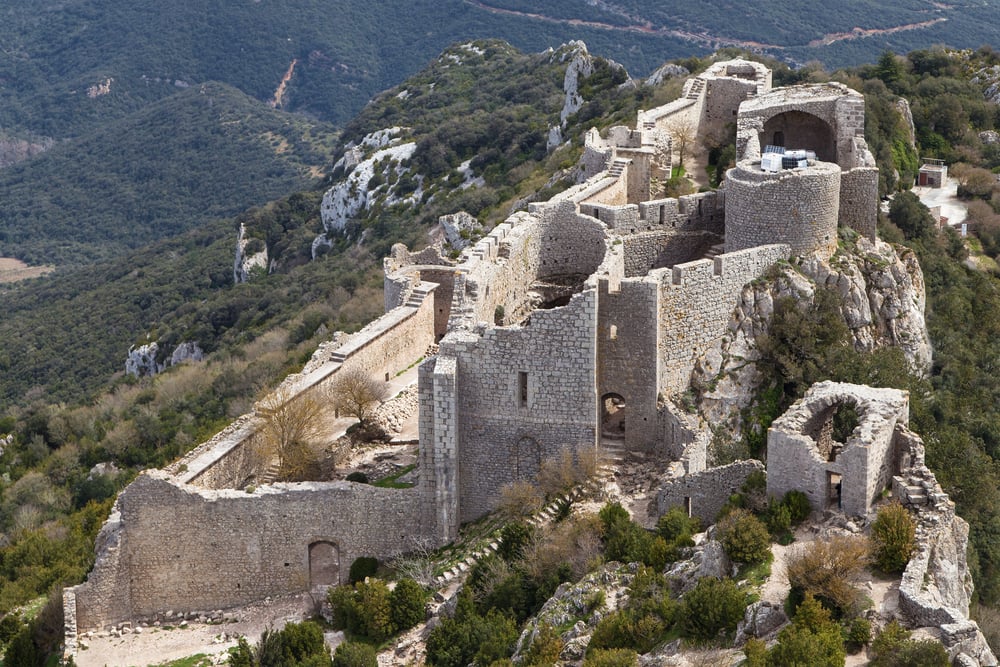
In southern France, Château de Peyrepertuse stretches along a limestone ridge nearly 2,600 feet above sea level. From a distance, it appears fused to the mountain itself.
Constructed in the 11th century, it guarded the border between French and Spanish territories. Its steep slopes made large-scale siege equipment nearly impossible to position.
Derawar Fort
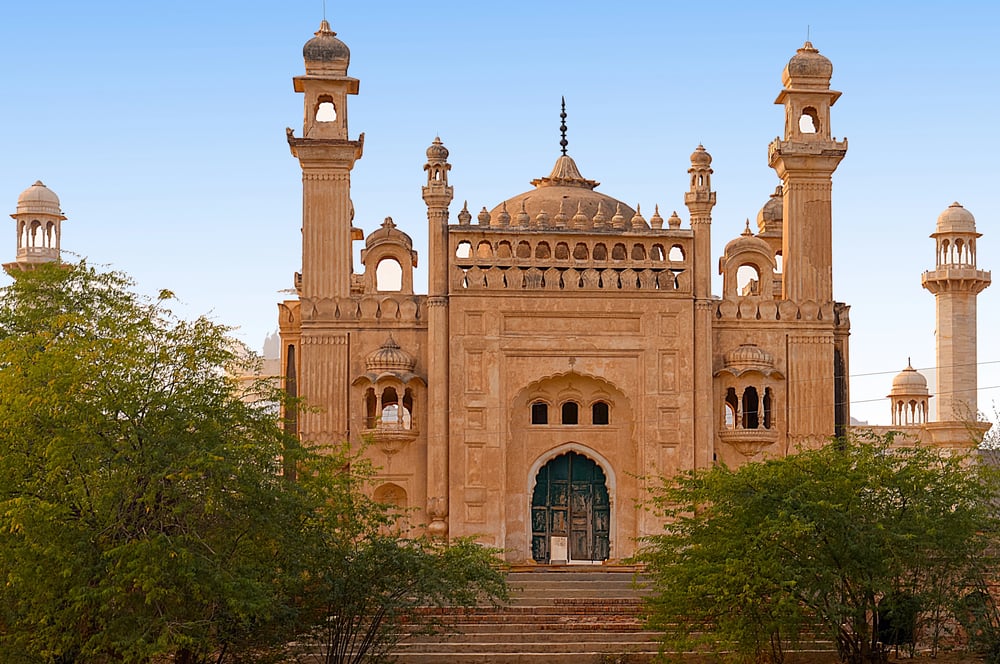
Located in Pakistan’s Cholistan Desert, Derawar Fort rises unexpectedly from flat, arid terrain. Surrounded by miles of harsh landscape, the desert itself acted as a barrier.
Its massive walls tower roughly 100 feet high. Supplying and maintaining such a structure in extreme heat demanded logistical discipline, but the remoteness discouraged attack.
Golubac Fortress
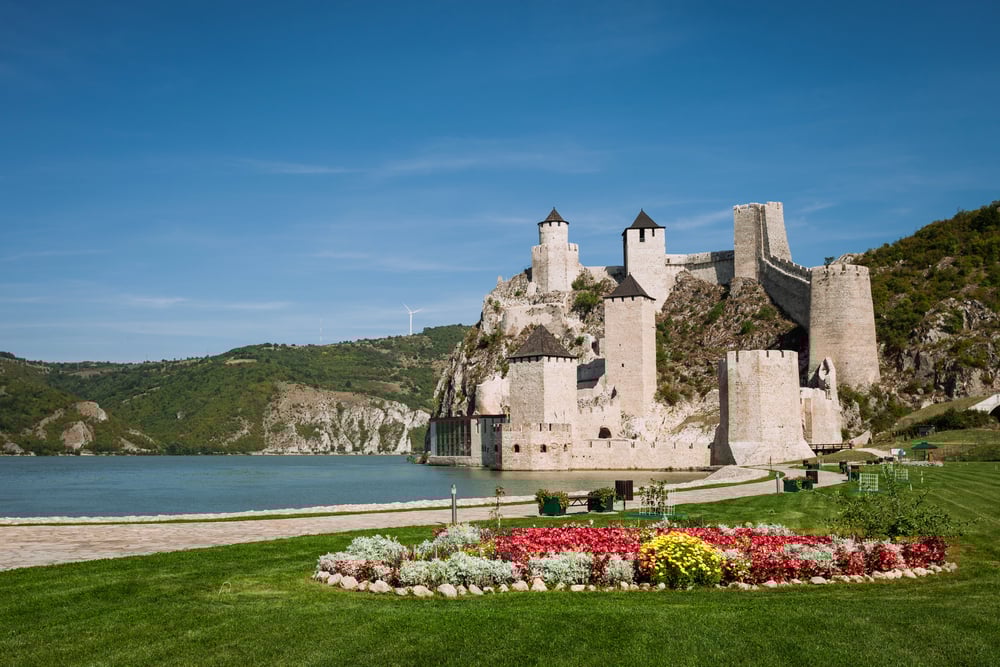
Golubac Fortress sits dramatically along the Danube River in Serbia, with sections built directly into cliffs that plunge toward the water. The river both protected and threatened the site.
Whoever controlled Golubac controlled river passage. The steep rock faces and flowing current made conventional siege approaches nearly impossible.
Edinburgh Castle

Edinburgh Castle rests atop an extinct volcanic plug rising sharply above the Scottish capital. Three sides drop off steeply, leaving only a single accessible approach.
The volcanic rock foundation made tunneling or undermining nearly impossible. Its elevated position offered unmatched visibility across surrounding plains.
Kumbhalgarh Fort
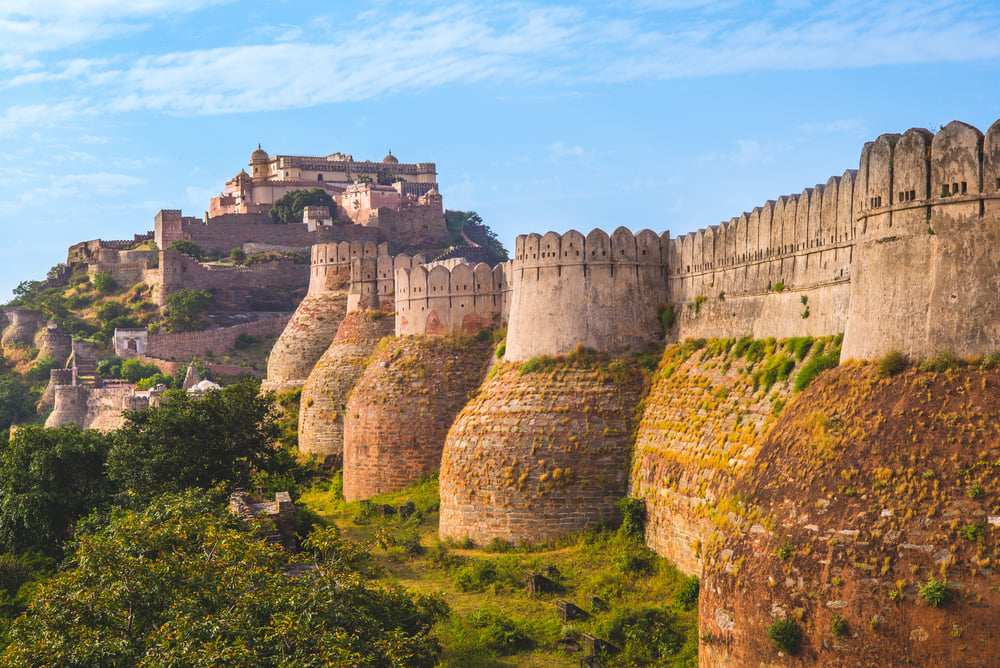
Kumbhalgarh in Rajasthan boasts walls stretching over 22 miles, often referred to as one of the longest continuous fortifications in the world. The fort sits atop the Aravalli hills.
The steep terrain, combined with massive ramparts, created layered defense. Building such expansive walls across uneven mountain ridges required engineering ambition on an extraordinary scale.
Castel del Monte
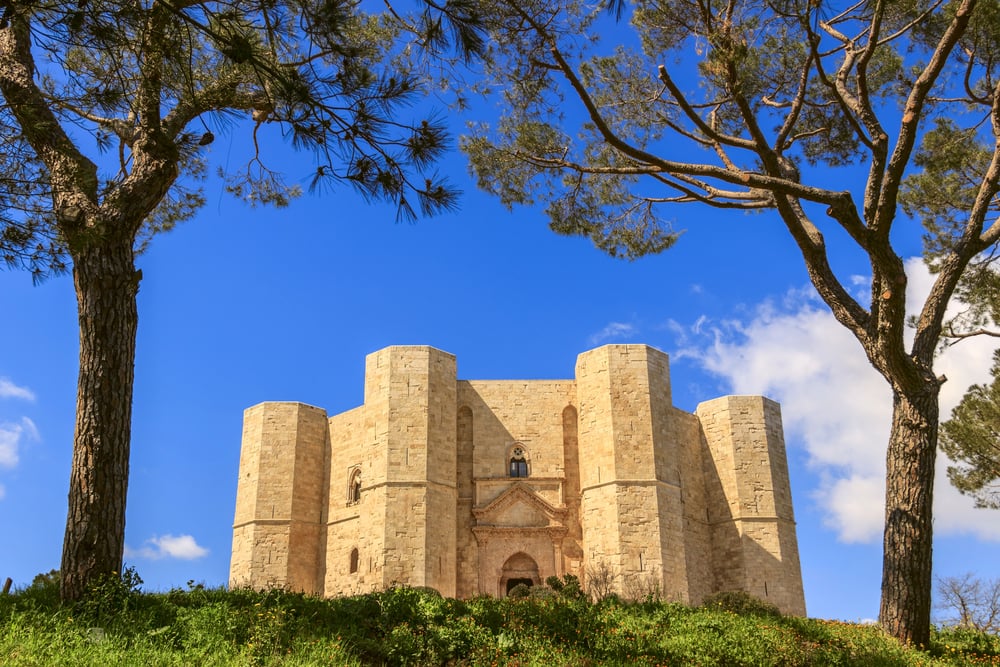
Built in 13th-century Italy under Emperor Frederick II, Castel del Monte sits isolated on a hilltop plateau. Its geometric precision contrasts with rugged surroundings.
While less obviously defensive than cliffside fortresses, its remote elevation made surprise approach difficult. The site blends symbolic architecture with strategic positioning.
Trosky Castle

Trosky Castle in the Czech Republic stands atop twin volcanic basalt towers. The two peaks, connected by walls, create a fortress suspended between natural rock spires.
The narrow access route ensured that defenders could control every approach. Its unusual shape makes it appear almost unreal against the skyline.
Murud-Janjira
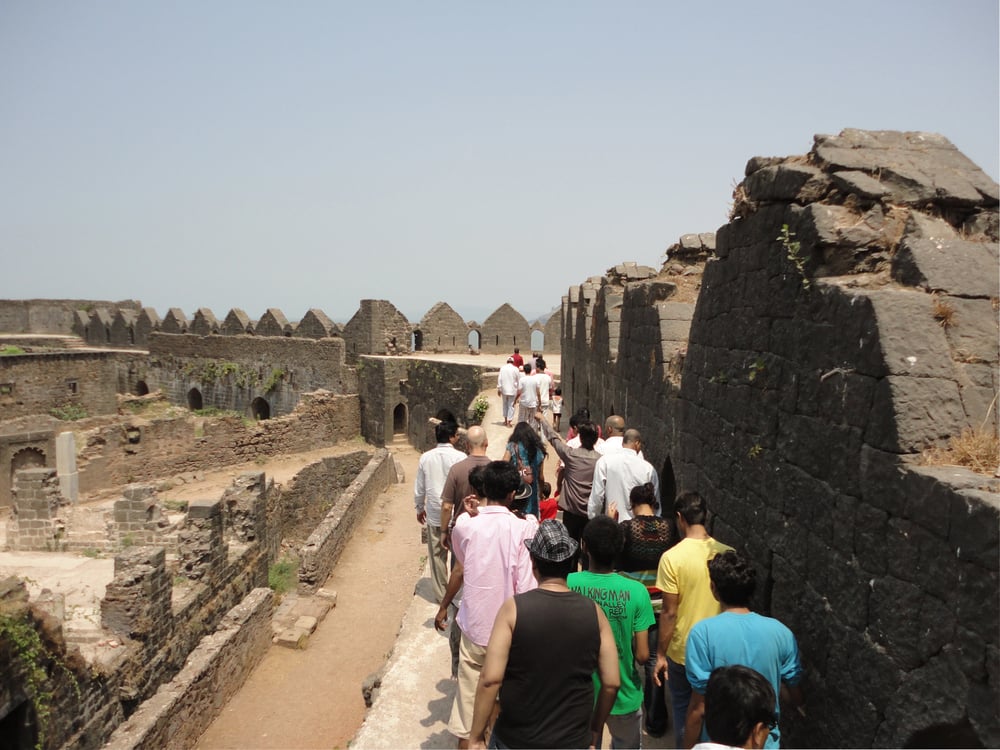
Off the coast of India, Murud-Janjira is a sea fort built on an island in the Arabian Sea. Surrounded entirely by water, it could only be accessed by boat.
Its walls rise directly from the ocean, making land-based siege tactics irrelevant. The constant movement of tides reinforced its isolation.
Fort Bourtange
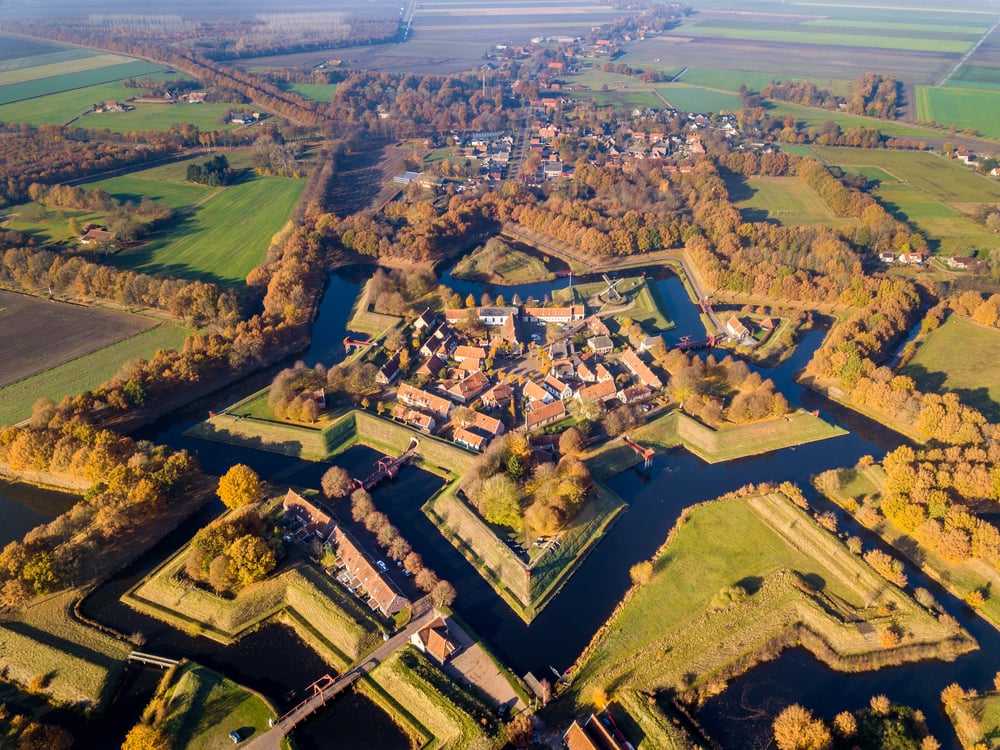
Constructed in the Netherlands during the Eighty Years’ War, Fort Bourtange was built in a marshy region. The surrounding wetlands served as a natural barrier.
Designed in a star shape, it used controlled flooding as defense. The landscape itself became an active participant in repelling the attack.
Skellig Michael Monastic Fortress
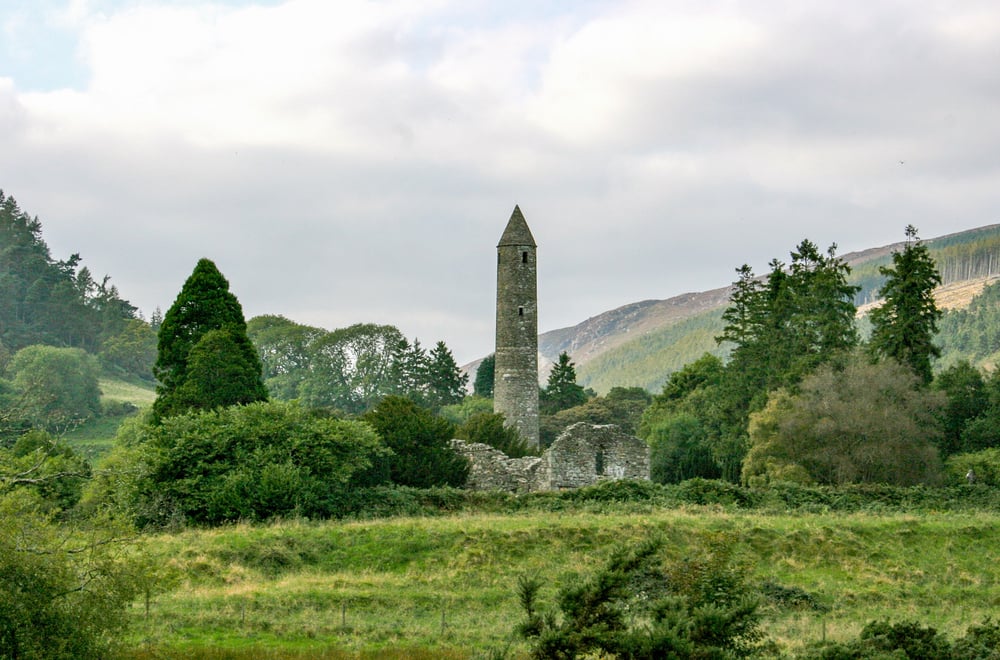
Though primarily a monastic settlement, Skellig Michael off Ireland’s coast functioned defensively due to its extreme isolation. Stone steps carved into steep rock led to structures perched high above the Atlantic.
Relentless waves and vertical ascent discouraged intrusion. The difficulty of reaching it remains apparent even today.
Krak des Chevaliers

Located in modern-day Syria, Krak des Chevaliers was constructed on a hilltop commanding surrounding valleys. Its layered walls and elevated design made it one of the most formidable Crusader castles.
The high vantage point allowed defenders to monitor movement across wide stretches of land. Elevation amplified every other defensive feature.
When Geography Became Strategy

Rulers, time and again through history, leaned on land when building power. Cliffs meant fewer walls were necessary.
Where water lay, moats became unnecessary. Peaks stood instead of built defenses.
Places called unreachable weren’t barriers. They were hidden strengths ready to be used.
Not just symbols of war, these castles speak to a deeper urge. Standing against harsh terrain shows how people have always pushed limits.
Without today’s machines, workers carried stone through rugged hills, vast deserts, oceans wide. What remains are monuments built by effort, now silent but towering.
Today you can still see what those buildings left behind. Not just old marks from battles, yet signals showing how plans grow from knowing terrain.
Where ground shape met design, places once thought weak turned tough to crack.
More from Go2Tutors!

- The Romanov Crown Jewels and Their Tragic Fate
- 13 Historical Mysteries That Science Still Can’t Solve
- Famous Hoaxes That Fooled the World for Years
- 15 Child Stars with Tragic Adult Lives
- 16 Famous Jewelry Pieces in History
Like Go2Tutors’s content? Follow us on MSN.