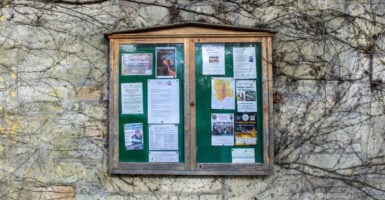
Community Bulletin Boards Before the Internet Took Over
Before neighborhood apps and group feeds, a square of cork did the work of a social network. People pinned up what they needed, what they sold and what they had lost, and strangers read it standing up.
The boards were free, local and impossible to scroll past without noticing something.
Many are still hanging, layered with expired flyers and fresh index cards. They were also a direct inspiration for the earliest computer message boards.
The Supermarket Entrance Board
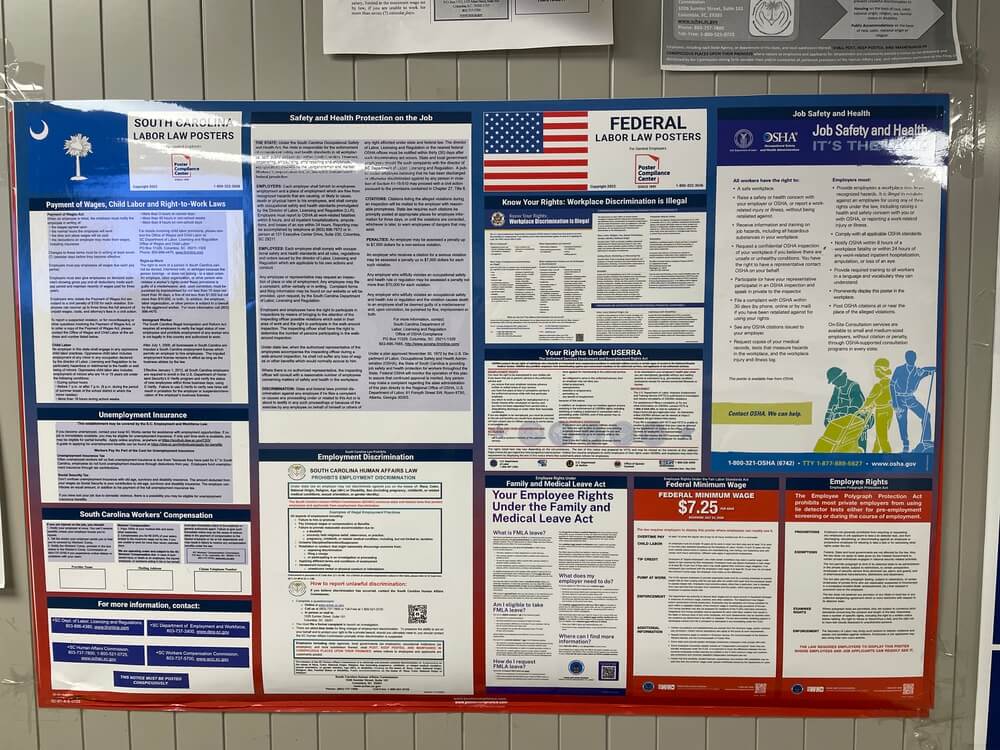
The corkboard by the supermarket door was the model many people pictured when they thought of a community board. Shoppers glanced at it after checkout, scanning for jobs, bands looking for members and notices from people hoping to hire.
One early computer bulletin board pioneer used the supermarket corkboard as his description of how a bulletin board system worked.
The Laundromat Wall
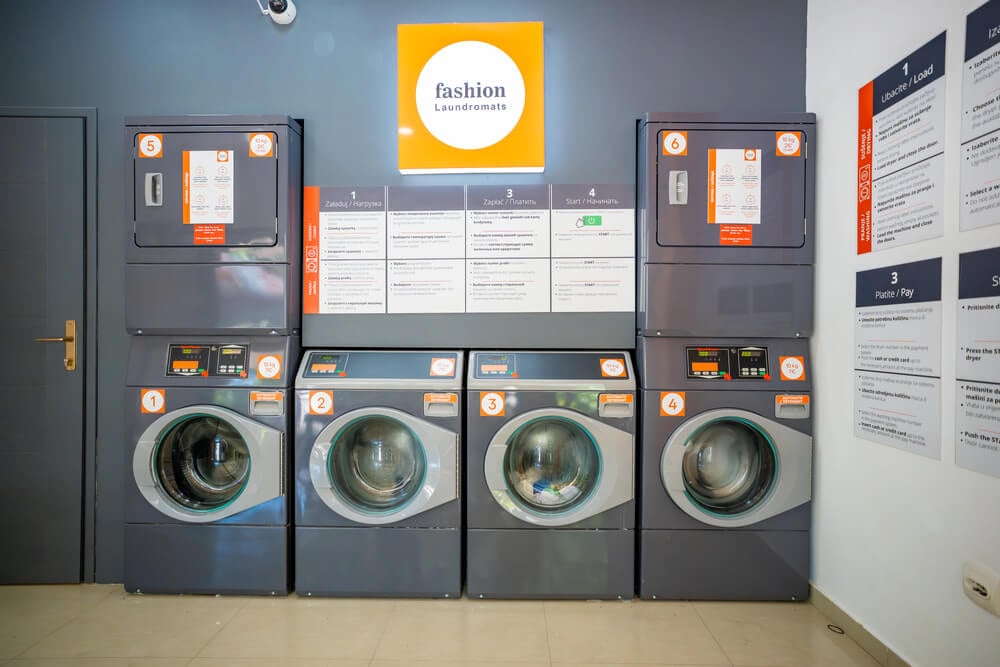
Laundromat walls were covered in notes with tear-off phone numbers, a perfect fit for customers who had nothing to do while their clothes tumbled. At a coin laundry in Mundelein, Illinois, a simple note taped near the door offered a service with a row of fringe tabs along the bottom.
Waiting patrons became an audience for neighborhood commerce.
The Convenience Store Between the Candy Machines

At many convenience stores, the community board hung between the candy machines and the shopping carts, where most people barely noticed it. A three-paragraph essay pleading for the return of a missing gray tabby cat sat on one such board.
Next to it, a police bulletin might ask for help finding a missing person, making the board a surprising mix of heartbreak and small-town business.
The Post Office Board
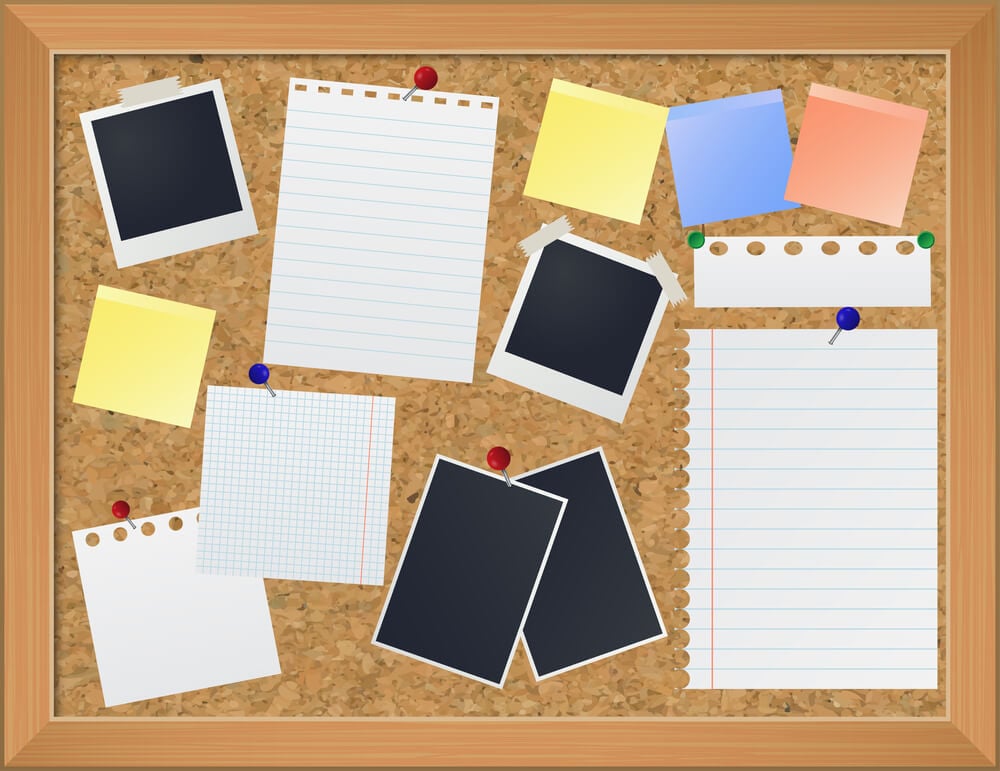
Post office lobbies offered a captive audience, since nearly everyone in town eventually passed through. Announcements posted there ranged from official notices to handwritten requests for help.
The location gave the board a quiet authority that a coffee shop wall never had.
The Village Hall Notice Board
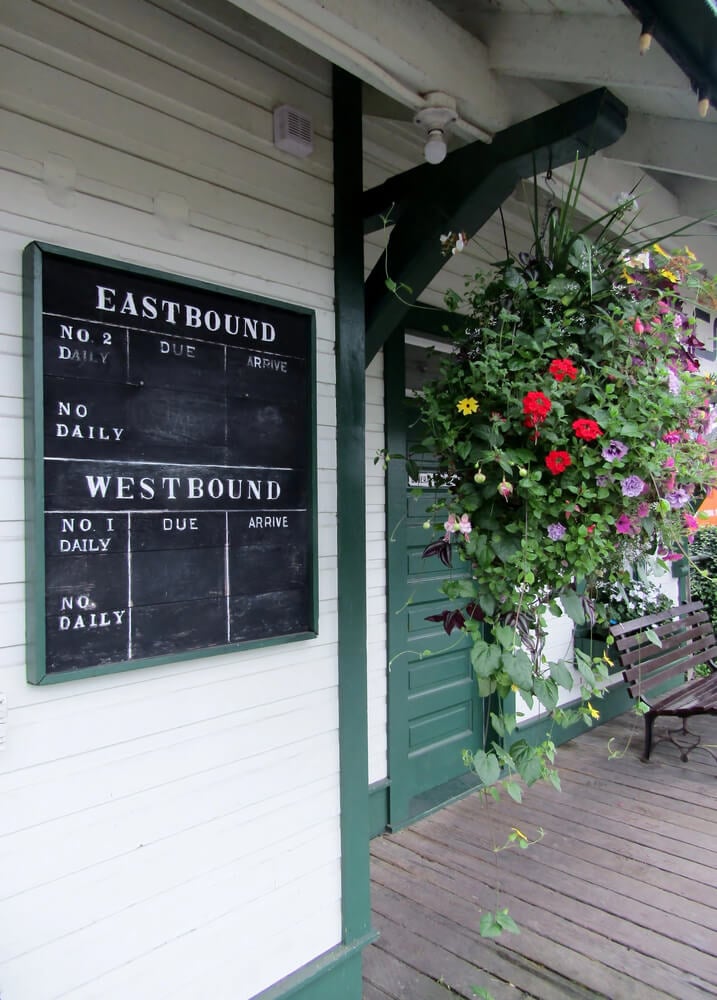
Village halls posted announcements of bazaars, rummage sales, lost pets and church dinners. Even houses for sale appeared on them, since a printed card was cheaper than a newspaper ad.
In small towns without home delivery of a local paper, the board did much of the newspaper’s work.
The Library Corkboard
Libraries kept boards for local events, club meetings and yard sales, all shared by word of mouth or pinned up for everyone to see. The quiet atmosphere meant readers actually studied what was posted.
A library board often held the most trustworthy notices in town, since staff usually kept the clutter in check.
The Town Square Post
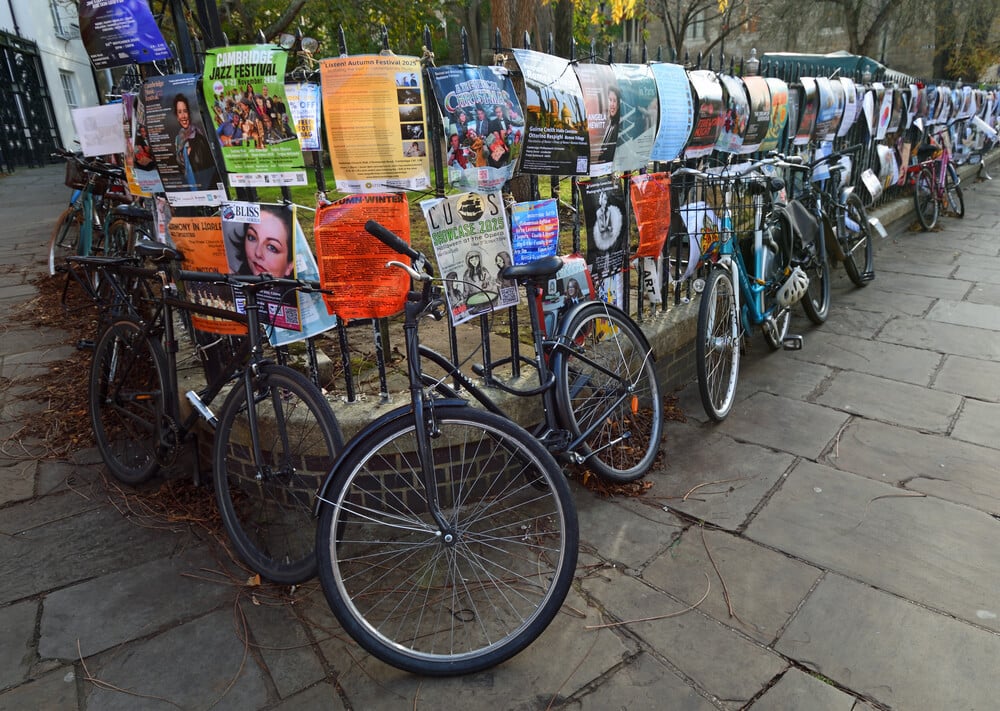
Before cork walls spread through stores, the town square carried community news on handwritten notes and colorful flyers. Local events, yard sales and club meetings could all be advertised there.
The tradition of posting in public places stretches back much further than any particular board.
The Independent Bookstore Board
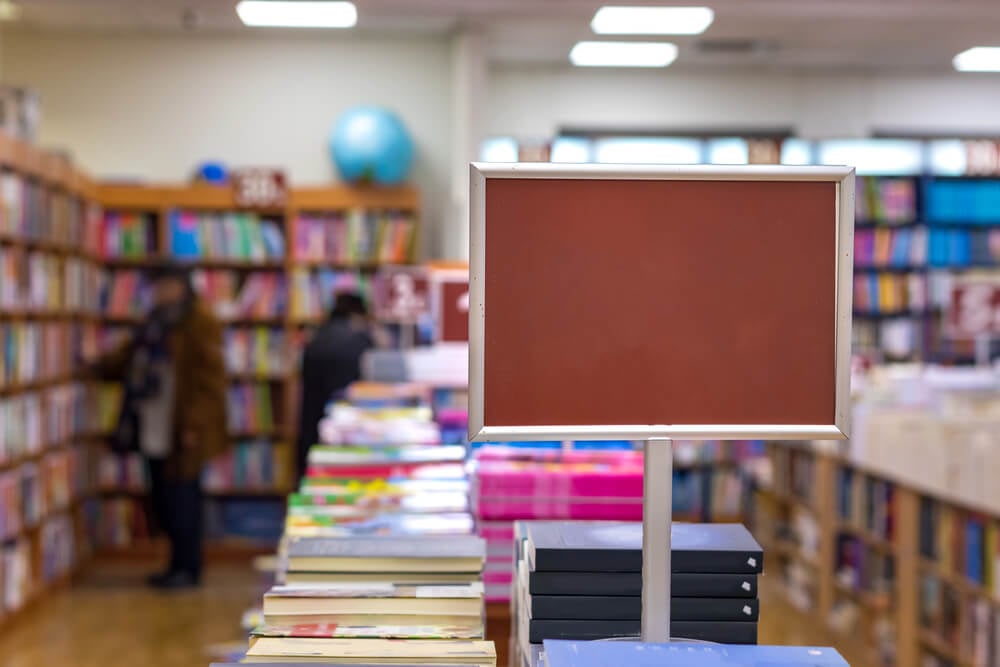
A cork board inside an independent women’s bookstore in Portland, Oregon, captured a sociological snapshot of the feminist and queer community in 1988. Do-it-yourself flyers with tear-off tabs overlapped, creating odd juxtapositions, such as a gluten-free support group sitting on top of an unrelated notice.
A single square of cork could reveal who lived in a neighborhood and what they cared about.
The General Store Board
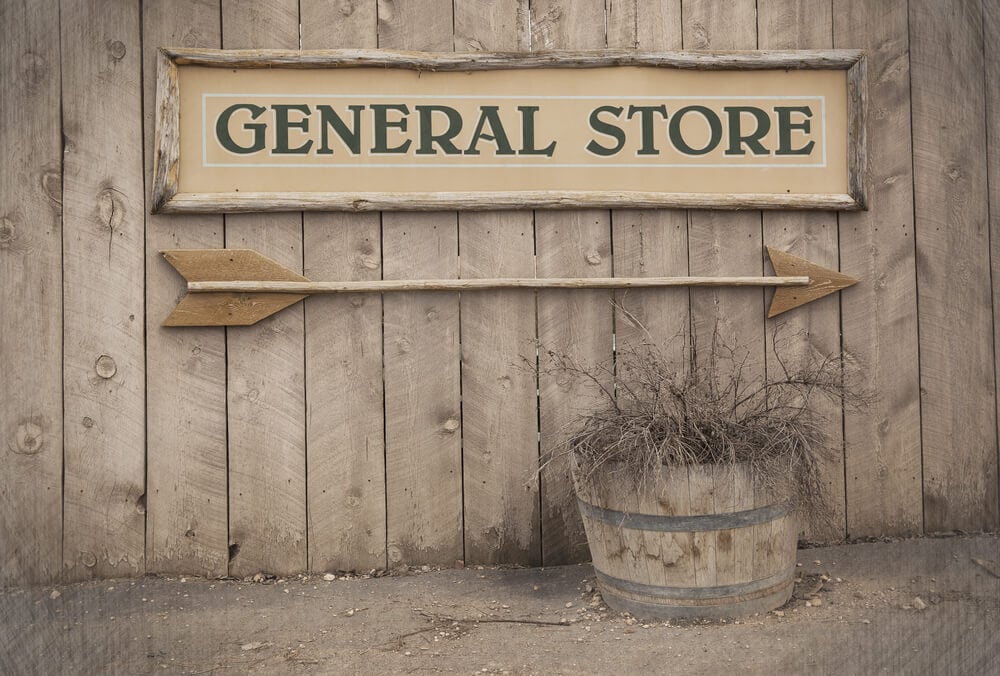
At a general store in a small town, the bulletin board acts as an informal archive of the community’s social fabric. It survives alongside vinyl records and the local paper as an analog relic that people still trust.
Residents have even thanked the store’s owners for the care they put into keeping the board alive.
Lampposts, Bollards and Trees
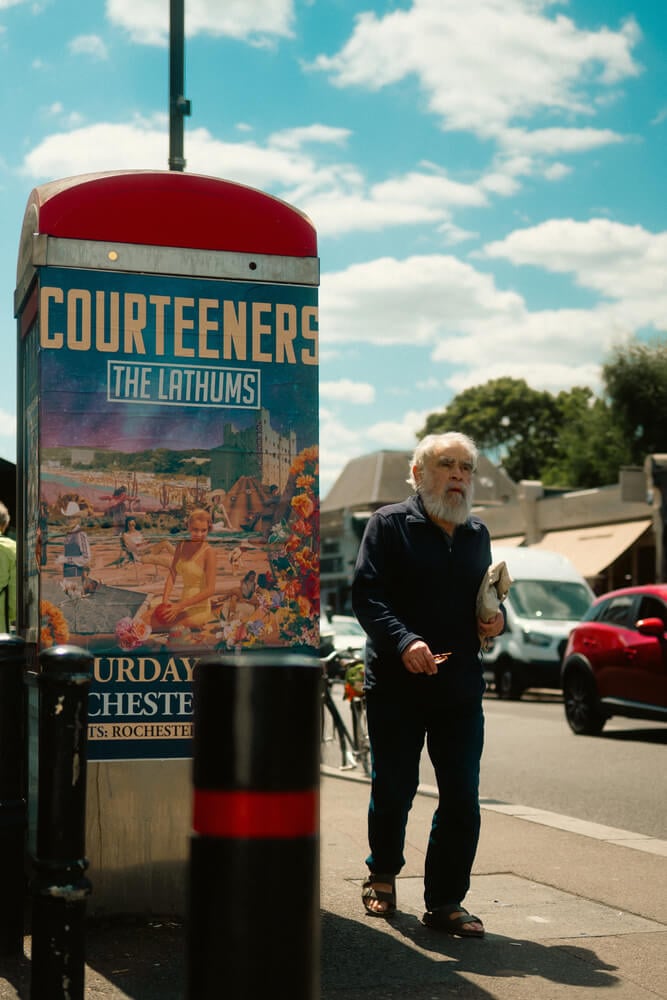
On university campuses and city streets, lampposts, bollards, trees and walls became impromptu posting sites wherever official boards were scarce. Students pinned notices for roommates, rides and concerts wherever there was a surface.
The informal posting ground showed how strongly people felt the urge to announce something in public.
The Infinite Corridor Board
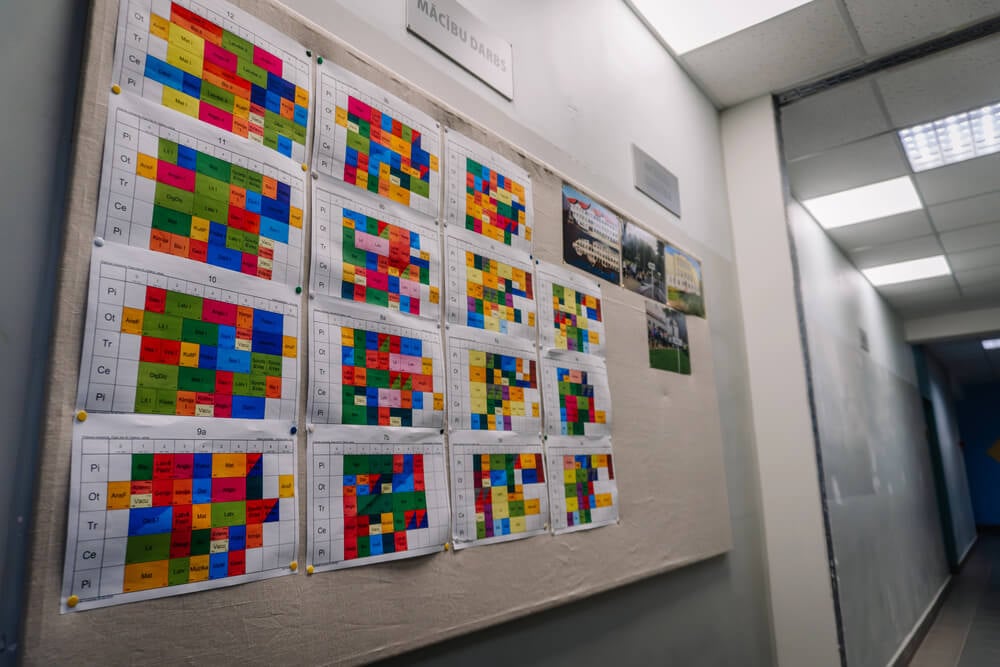
The Infinite Corridor at MIT hosts a famously well-used bulletin board, photographed in November 2004 as a dense layer of overlapping flyers. Campus groups competed for the same few inches of wall.
The board is a reminder that even technically sophisticated communities relied on paper to reach their neighbors.
The Tree Service and Firewood Tabs
Tree services and firewood sellers dominated the tear-off tabs on many boards, with tabs fringed along the bottom edge of their flyers. These small businesses relied on the boards because a phone number torn from a flyer cost nothing and went home in a pocket.
A bare flyer with every tab gone signaled to the next reader that the service was in demand.
The Lost Pet Poster
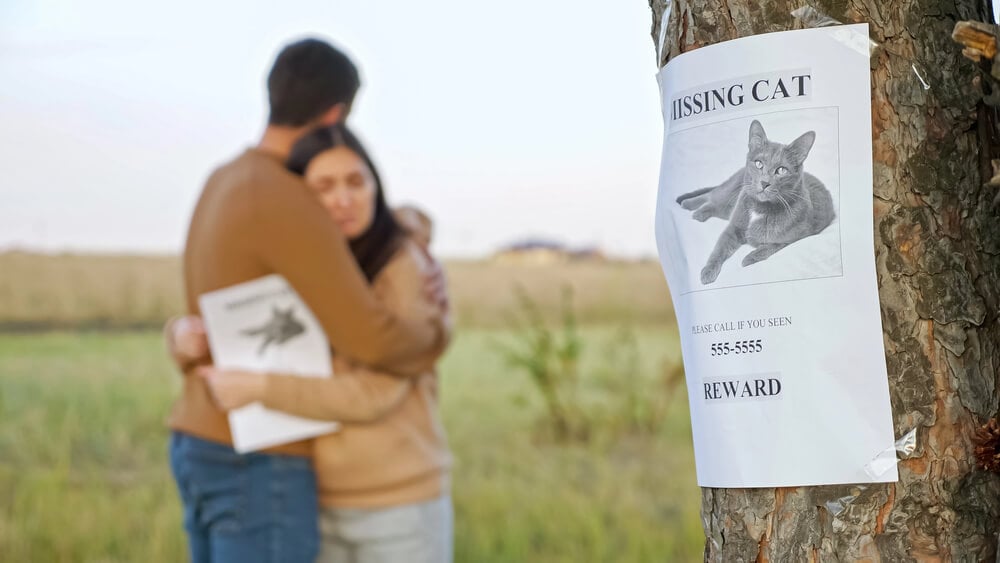
Lost pet posters turned a bulletin board into an emergency channel, often with a photo, a name and a plea for information. Tear-off phone number tabs let neighbors take the contact information with them.
Their emotional pull is why they have stayed a familiar sight long after most other notices moved online.
The Musicians Wanted Card
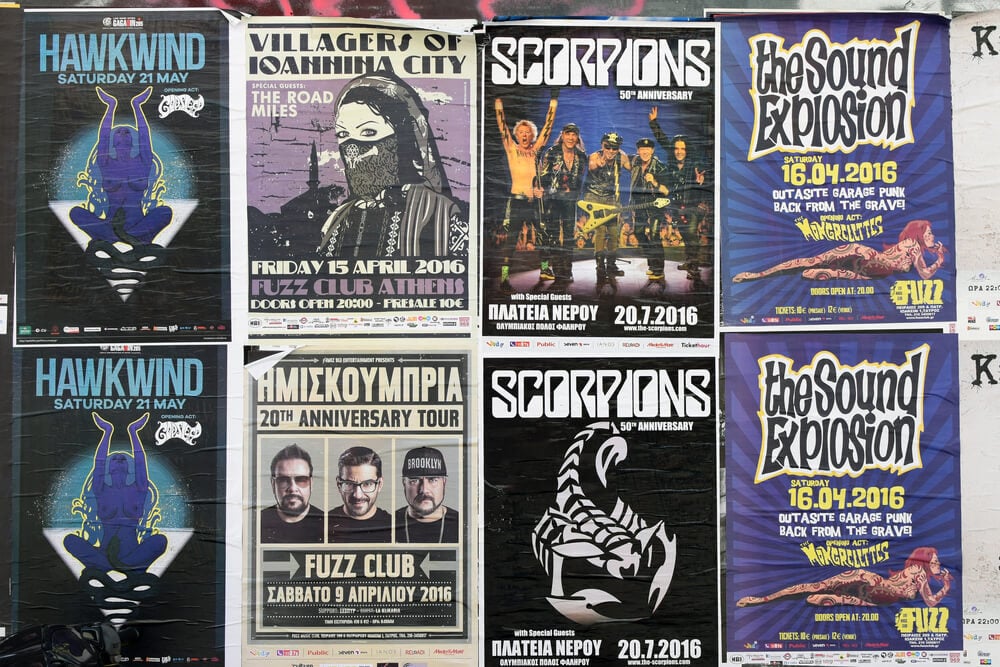
Anyone looking to join a band, hire someone or find work could count on the grocery store board to carry the word. Young musicians pinned index cards listing instruments, influences and phone numbers.
A well-placed card could turn into a rehearsal in someone’s garage by the end of the week.
The Chalkboard and Corkboard Combination

A patent issued in 1959 to W\.F. Lewis covered a combined chalkboard and bulletin board, merging two classroom staples into one. The idea reflected how popular the bulletin board had become in schools and offices.
The hybrid ensured a single wall could carry both temporary scribbles and pinned notices.
Paper Pinned to Cork

The bulletin board mattered because it gave strangers a way to speak to one another without an introduction. A note about a lost cat or a used bicycle asked for nothing except attention.
Every layer of flyers recorded a season of local life, with newer notices hiding older ones like leaves on a forest floor. The digital version has convenience but not the same texture.
A person standing at a corkboard sees things they were not looking for, which rarely happens in a search bar. For that reason, the humble board keeps surviving in stores, libraries and laundromats that still have a spare tack and a free corner.
More from Go2Tutors!

- 27 Silver Dollars and Half Dollars Worth Keeping
- 28 Restaurant Menu Items Nobody Orders Anymore
- 17 Places Built in Seemingly Impossible Spots
- 27 Vintage Rings Worth More Than They Look
- 25 Restricted Sites Tourists Can’t Enter
Like Go2Tutors’s content? Follow us on MSN.