30 After-School Hangout Spots in the ’90s That Every Teenager Knew By Heart
Remember when hanging out meant actually showing up somewhere? Before social media turned friendships into comment threads and group chats replaced real conversations, teenagers had to find each other in the wild. The ’90s were the last decade when being bored meant leaving the house, not scrolling through apps.
Every town had its unofficial headquarters for teenagers—places that weren’t designed for them but somehow became theirs anyway. These spots weren’t chosen by adults or marketed to teens. They just happened, the way good things used to happen back then.
The Mall Food Court
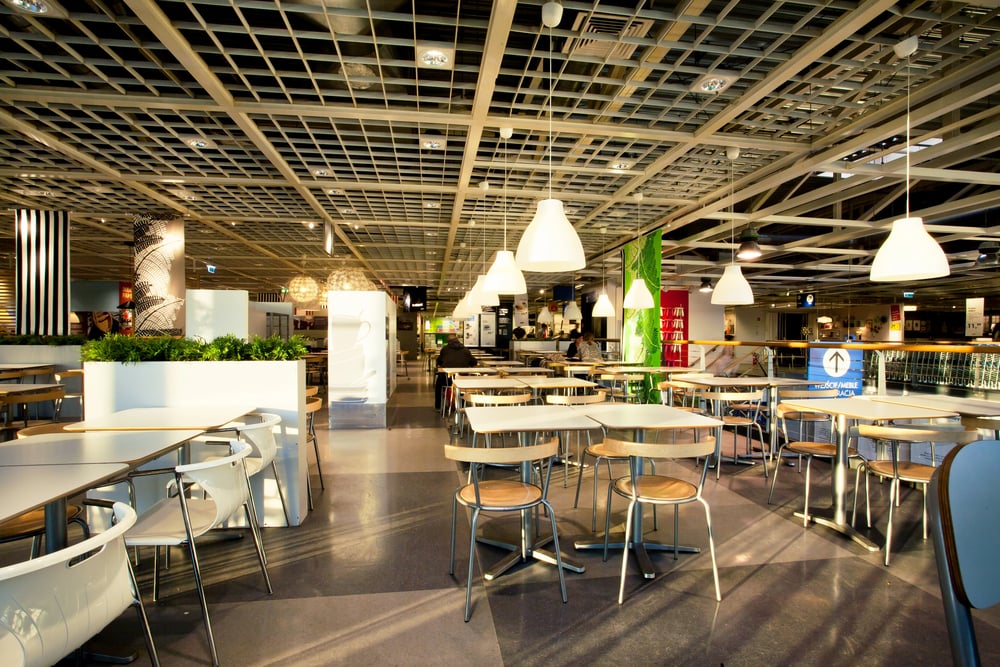
Fast food and awkward silences went hand in hand. You’d split a pretzel four ways and nurse a Coke for two hours while figuring out who liked who.
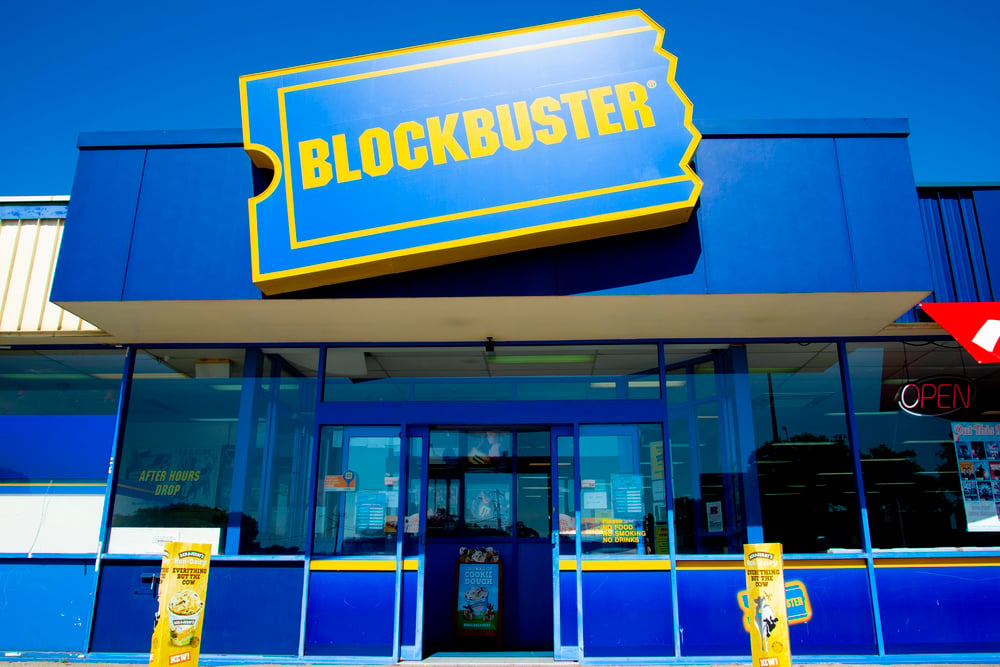
Blockbuster Video
— Photo by adwo@hotmail.com
Friday night meant wandering those blue-carpeted aisles for forty minutes, debating whether to risk the horror section or play it safe with comedy. The real entertainment was watching other people argue about movie choices.
7-Eleven Parking Lot
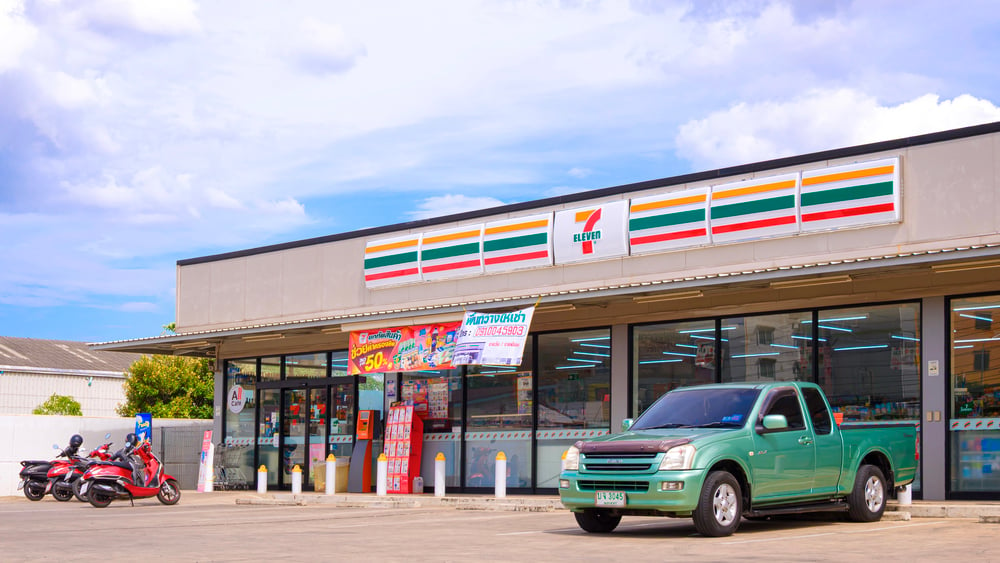
Something about the fluorescent glow and Slurpee machine made every 7-Eleven a magnet for teenagers with nowhere else to go (which was most teenagers most of the time). You’d lean against someone’s older brother’s car and pretend you had important things to discuss, when really you were just avoiding going home where your parents might assign you chores or ask about homework.
The parking lot became neutral territory—not quite public, not quite private, just the right amount of nowhere.
Pizza Hut
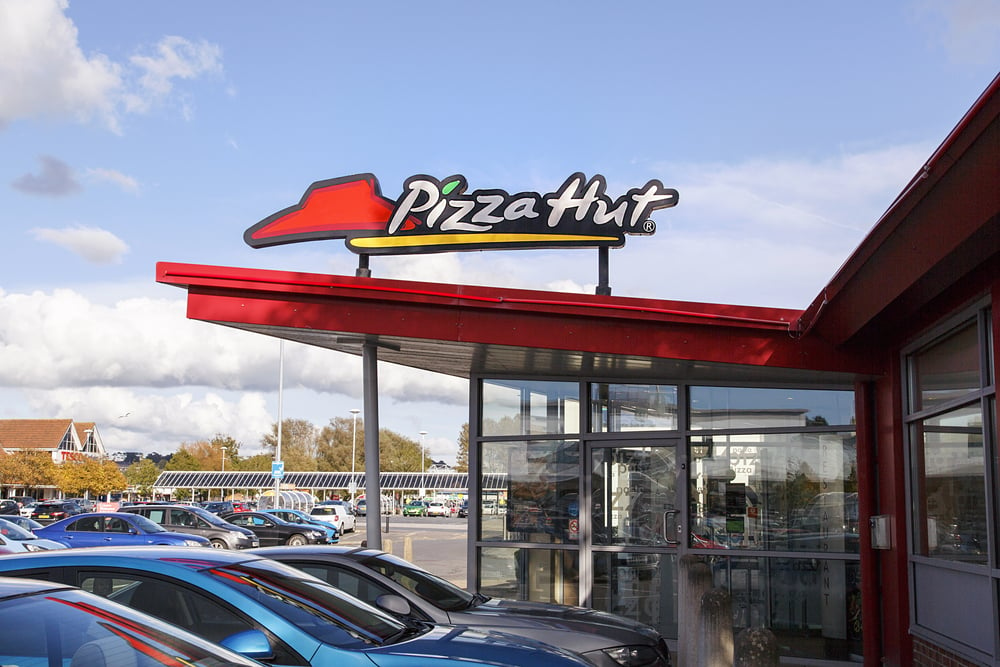
The red plastic cups held more than soda—they held entire afternoons of gossip, weekend plans, and the kind of conversations that felt earth-shattering at the time. Pizza Hut wasn’t just dinner; it was sociology.
McDonald’s
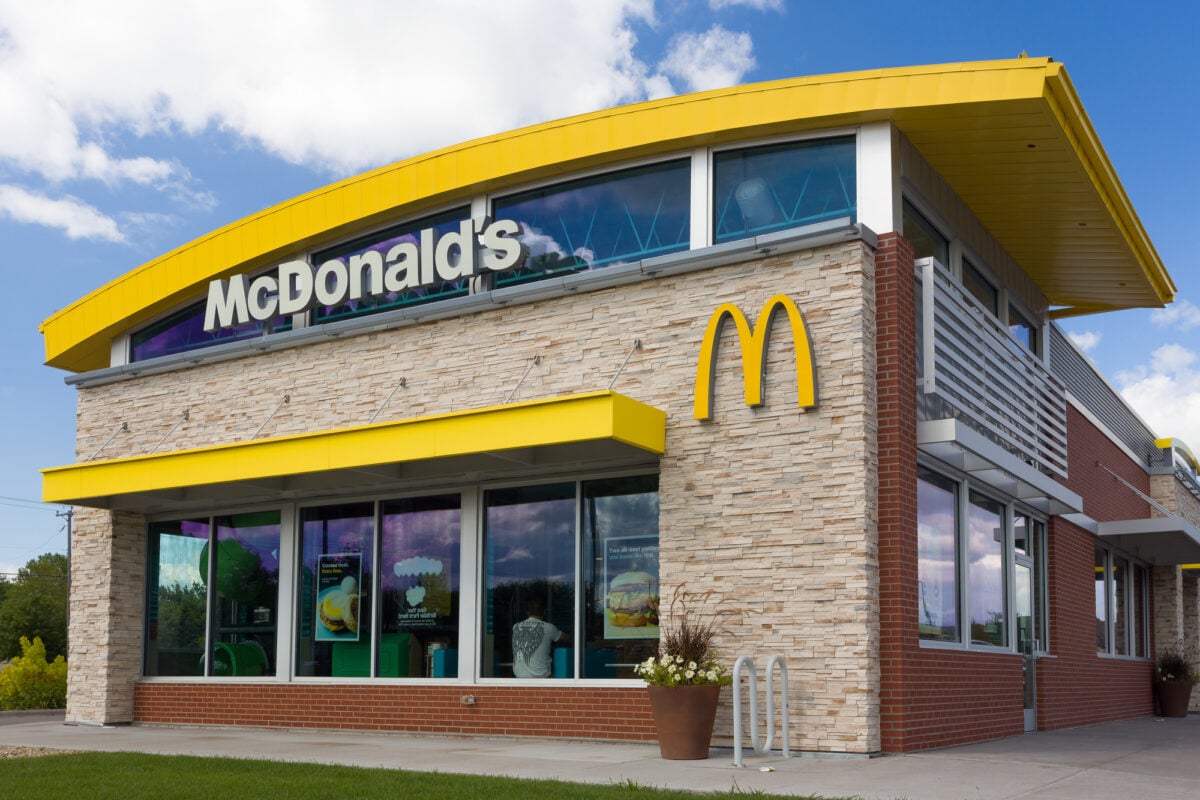
Those hard plastic booths weren’t built for comfort, but teenagers made them work anyway. McDonald’s had something other restaurants couldn’t offer: predictability that felt like freedom, prices that matched allowances, and staff who’d given up on enforcing time limits years ago.
You could order a small fries and stay until closing, watching the same cast of characters rotate through—other teenagers doing exactly what you were doing, which was nothing in particular but together. And somehow that nothing felt like everything.
Arcade
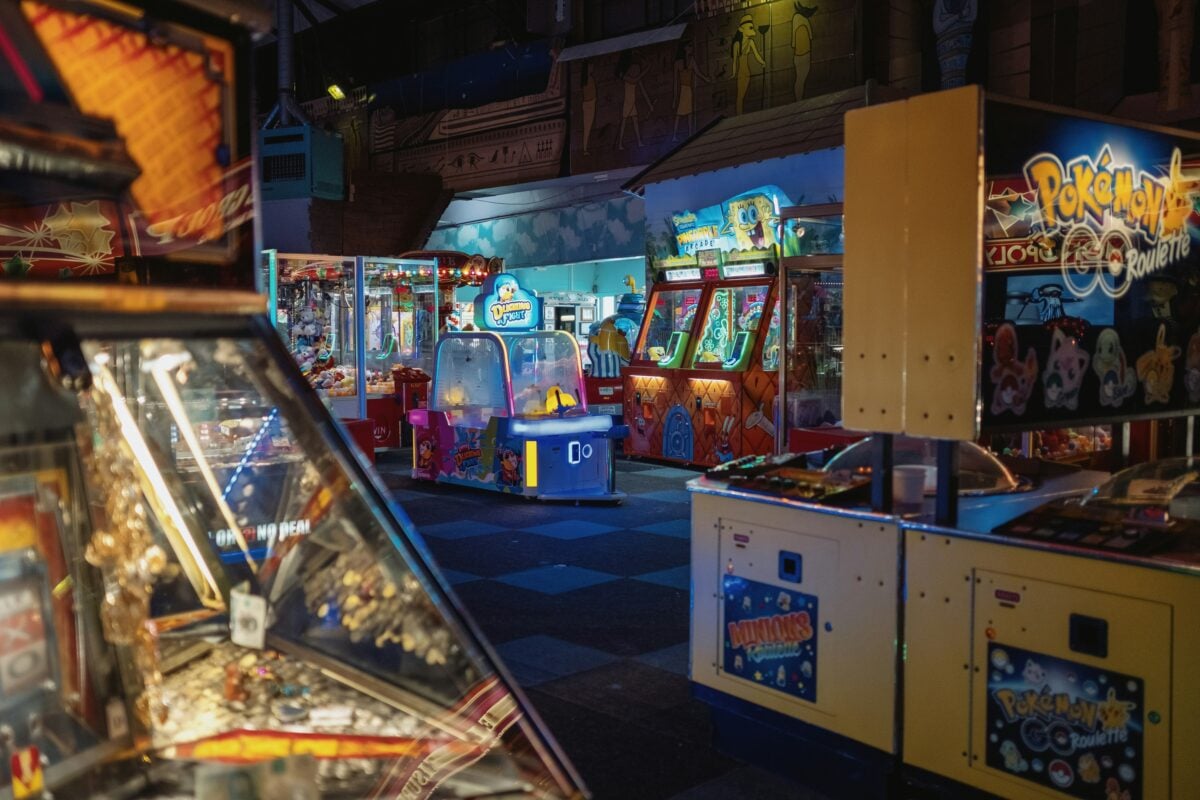
The quarters disappeared faster than allowances could refill them. But losing at Street Fighter felt better when everyone was losing together.
The Park
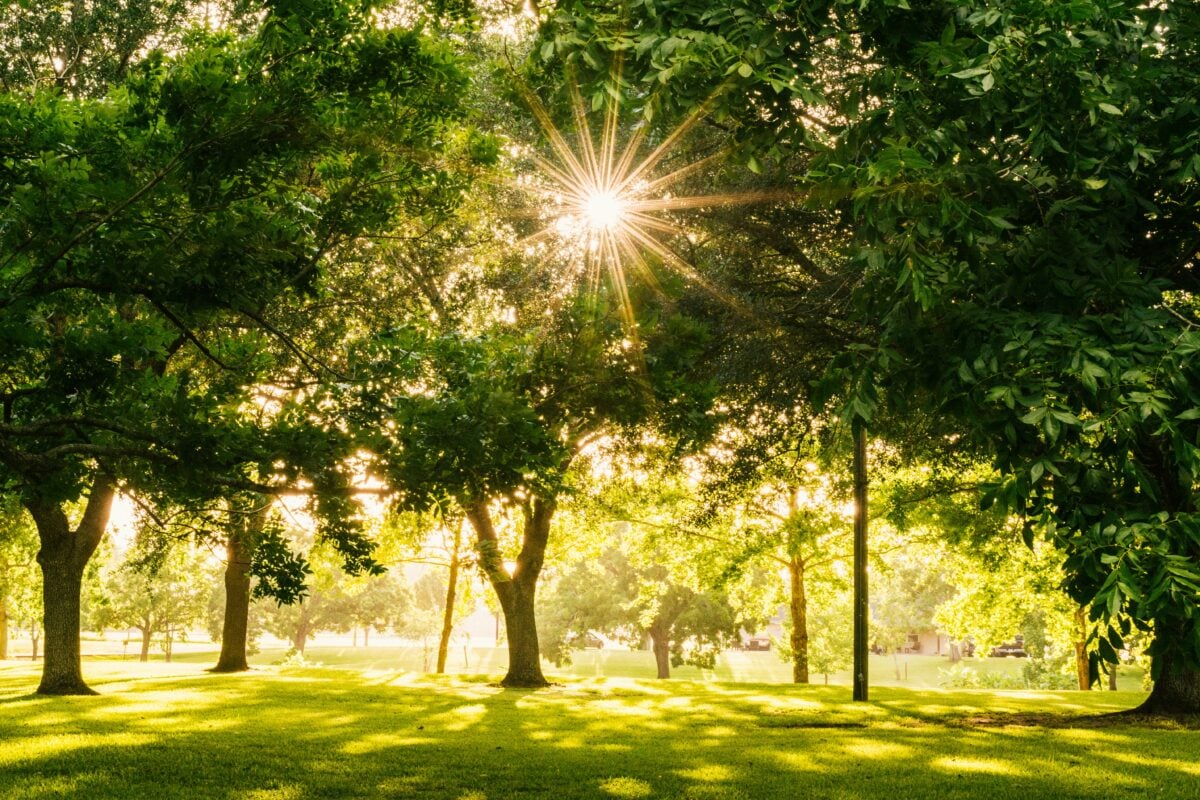
Not the playground—the actual park with benches and walking paths where you could sit and complain about everything adults didn’t understand. Which was everything.
Walmart Parking Lot
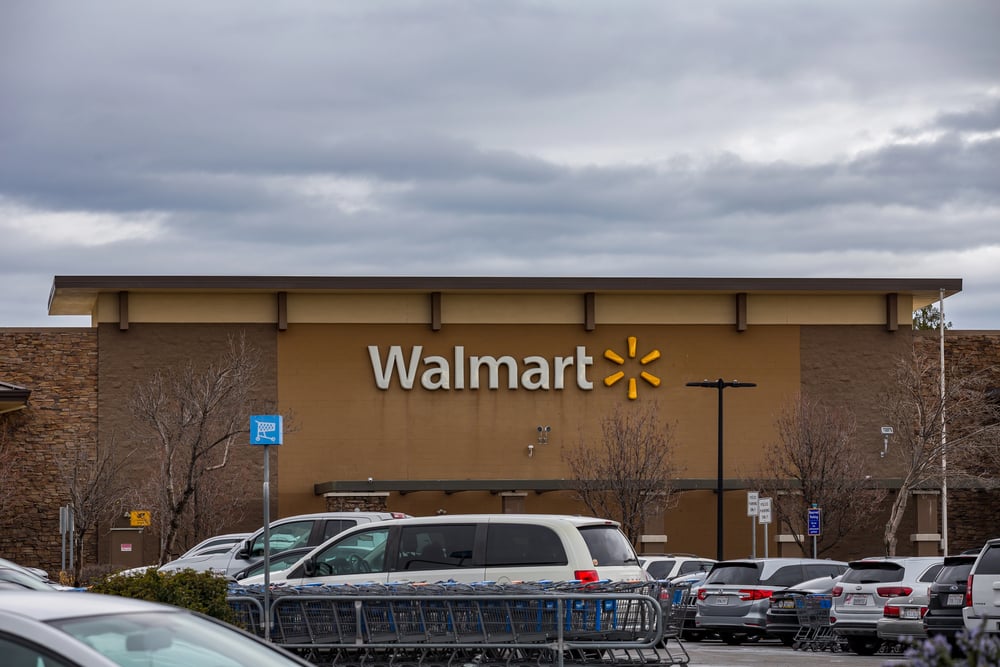
Walmart parking lots in the ’90s operated under their own physics, where time moved differently and every conversation felt more important than it probably was. The sheer size meant you could claim a corner and disappear into your own world, watching cars come and go while debating whether that person from third period actually liked you or was just being nice (spoiler: you’d never figure it out, but you’d spend hours trying).
These lots became accidental town squares—big enough for everyone, boring enough that only teenagers would choose to spend time there, and open late enough that parents couldn’t complain about curfew since technically you were just “at Walmart.”
Denny’s
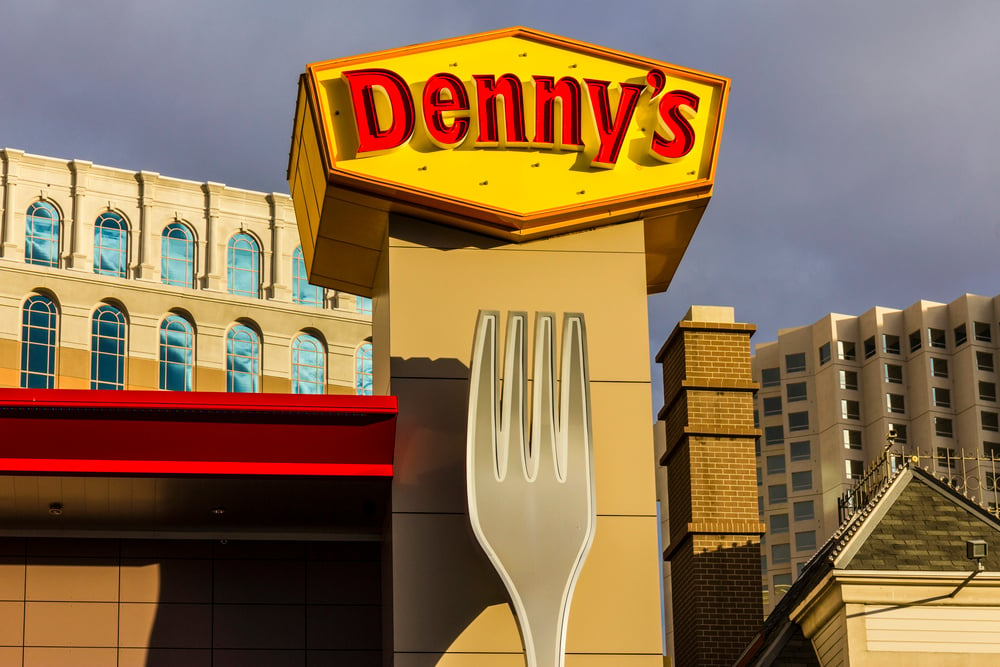
— Photo by jetcityimage2
The only restaurant that made you feel welcome at 11 PM when you had four dollars and an attitude. Denny’s understood teenagers better than teenagers understood themselves.
Taco Bell
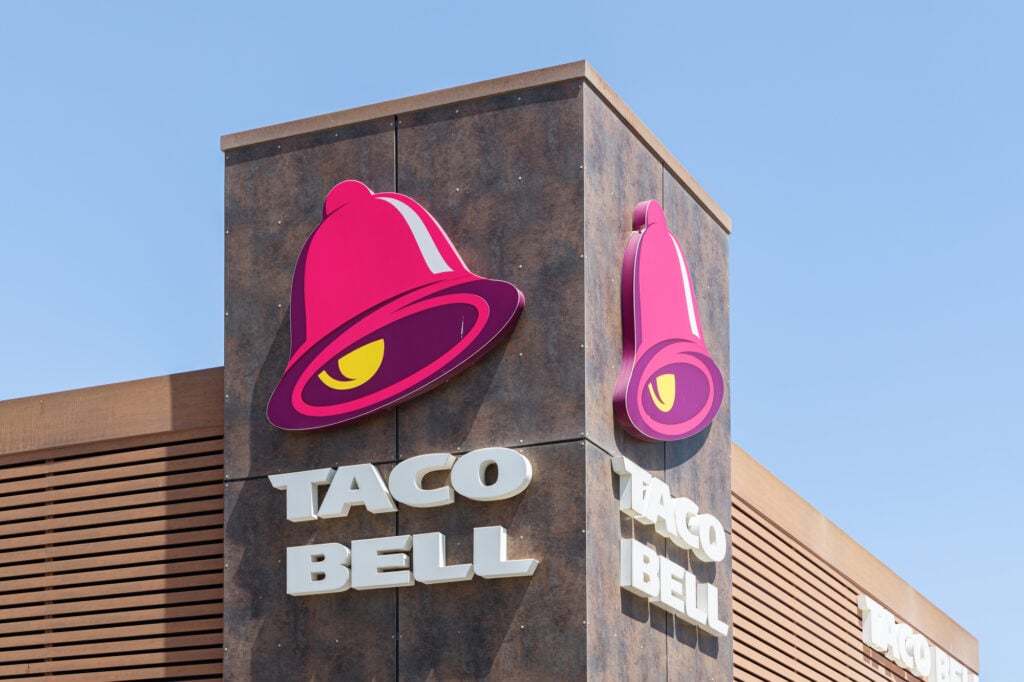
Cheap food and late hours made Taco Bell the unofficial sponsor of teenage social lives. You’d stretch one burrito into an entire evening of hanging out.
The Bowling Alley
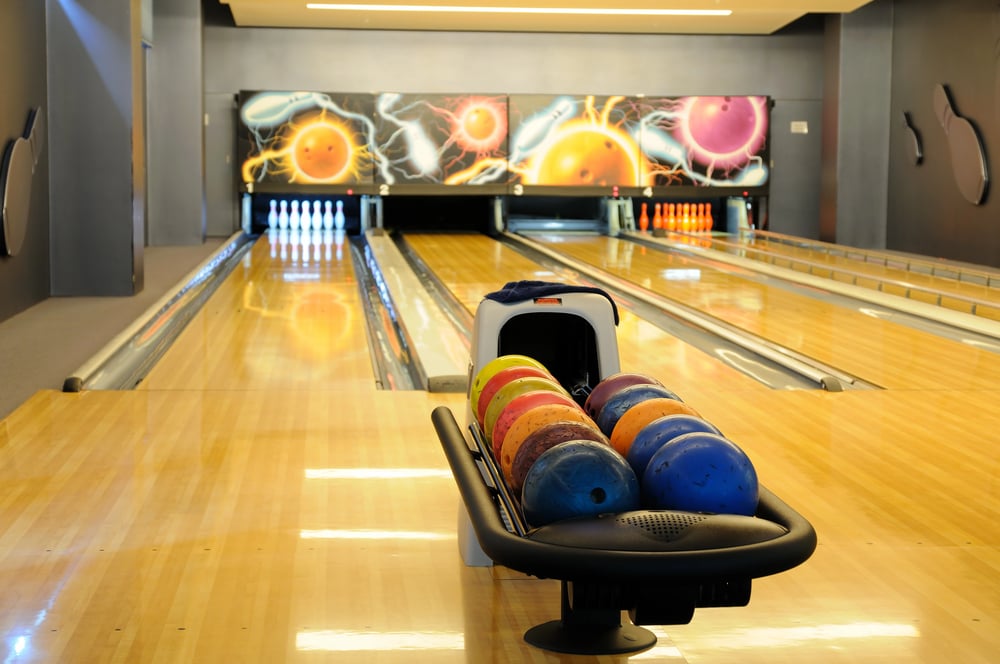
Bowling alleys in the ’90s weren’t really about bowling—they were about having somewhere to be that felt adult without requiring adult money or adult behavior. The rental shoes were hideous, the lanes were usually scratched, and half the pins would stick when they fell, but none of that mattered because bowling was just the excuse.
The real action happened between frames: the complicated negotiations over who would drive everyone home, the discussions about weekend plans that never quite materialized, and the careful dance of figuring out who was interested in whom without actually saying it out loud. So you’d roll a gutter orb and pretend to care about your score while actually caring about everything else.
The Mall in General
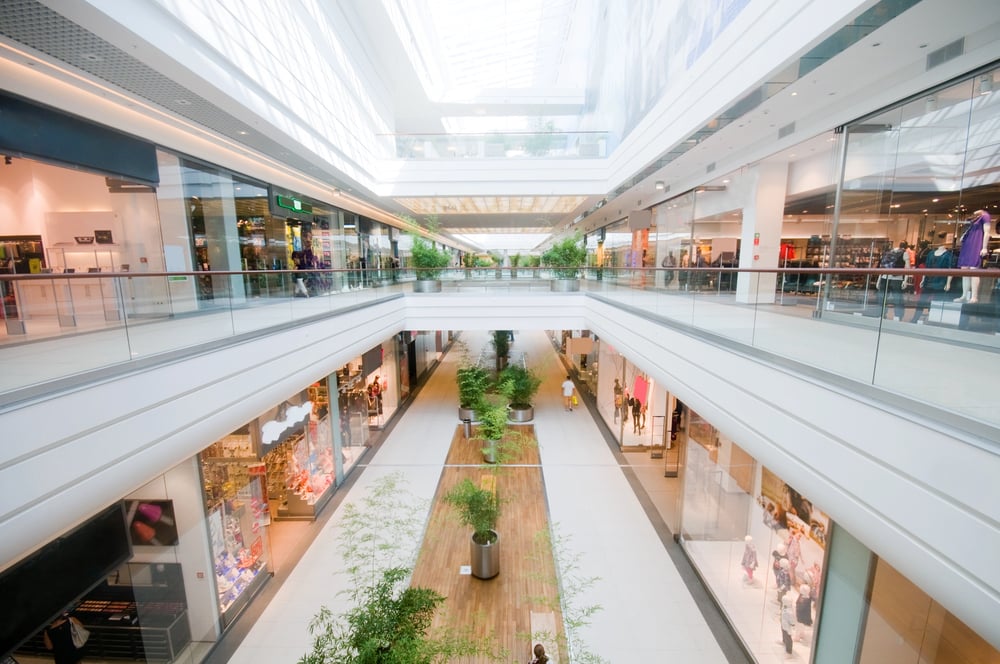
Before online shopping killed the experience, malls were teenage ecosystems. You’d spend entire Saturdays walking the same loop, seeing and being seen.
Gas Station
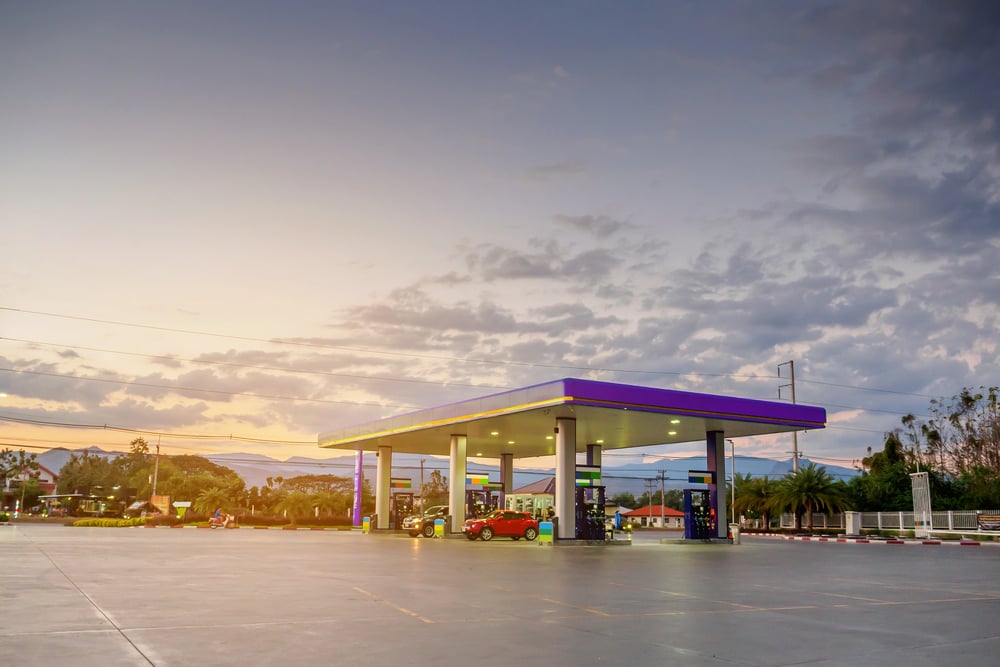
The gas station wasn’t a destination—it was a waystation between better places, but sometimes the waystation was exactly what you needed. You’d pool everyone’s change for snacks and sodas, then stand around the parking lot debating what to do next, which usually turned into doing nothing but talking.
Gas stations had that perfect combination of public and private: busy enough that you blended in, empty enough that you could claim space. And they were everywhere, which meant no matter where you ended up, there was always another gas station to migrate toward when the current one got boring.
Dairy Queen
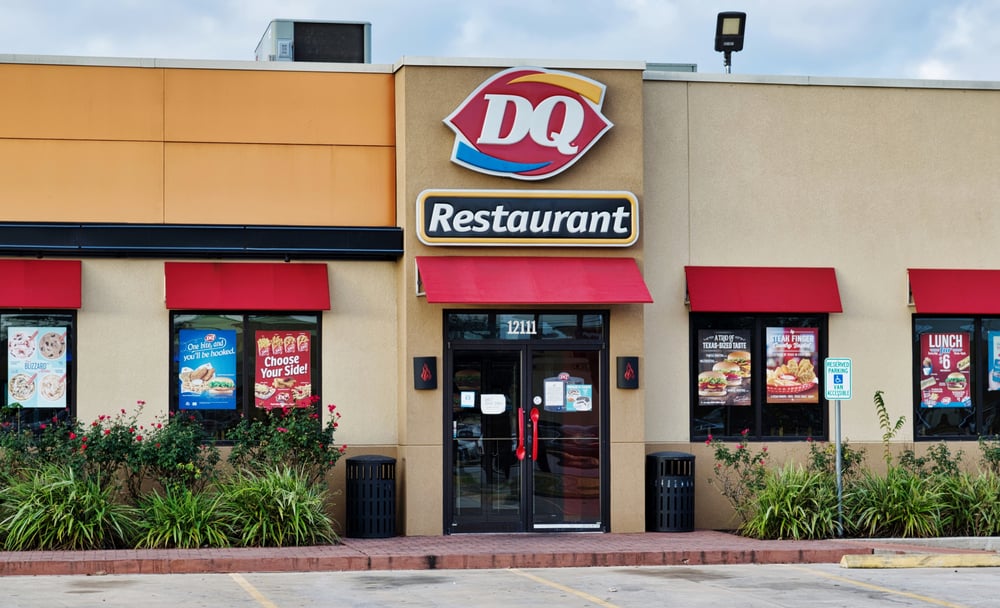
The picnic tables outside Dairy Queen became conference rooms for teenage diplomacy. Important decisions happened over Blizzards.
Best Buy
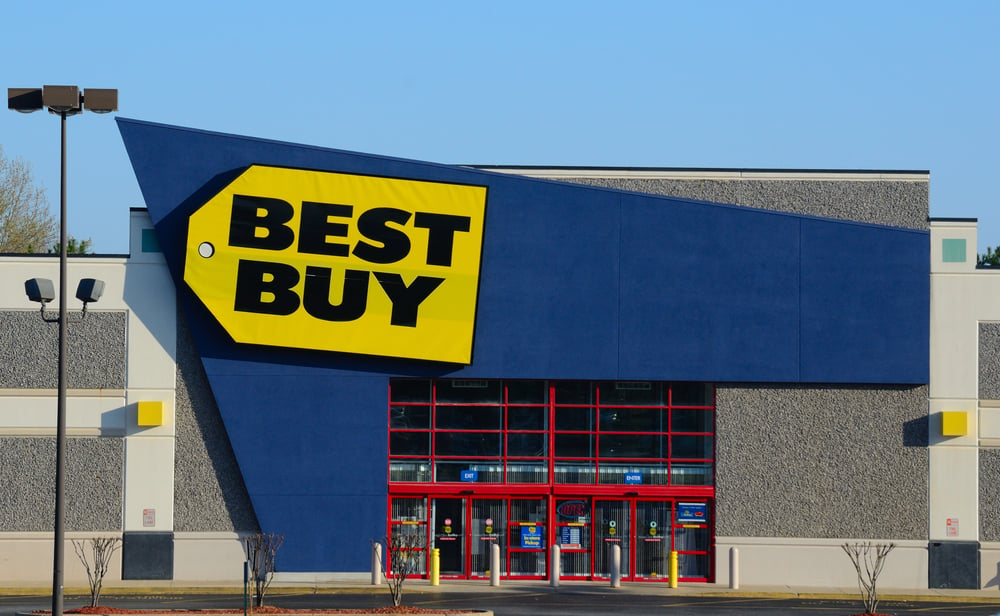
You couldn’t afford anything, but you could spend hours testing video games, comparing CD players, and pretending you were going to buy that expensive stereo system someday. The employees knew you weren’t buying anything, and you knew they knew, but everyone played along because Best Buy needed browsers as much as buyers—empty stores don’t feel successful, even when they’re full of teenagers who won’t spend money. The listening stations were your personal concert venues where you could preview entire albums, and the computer section was where you’d check email or play games until someone with actual money needed the machine.
The Beach or Lake
Summer meant gravitating toward water, even if nobody planned to swim. Sand and sun made everything feel more significant.
Skate Parks
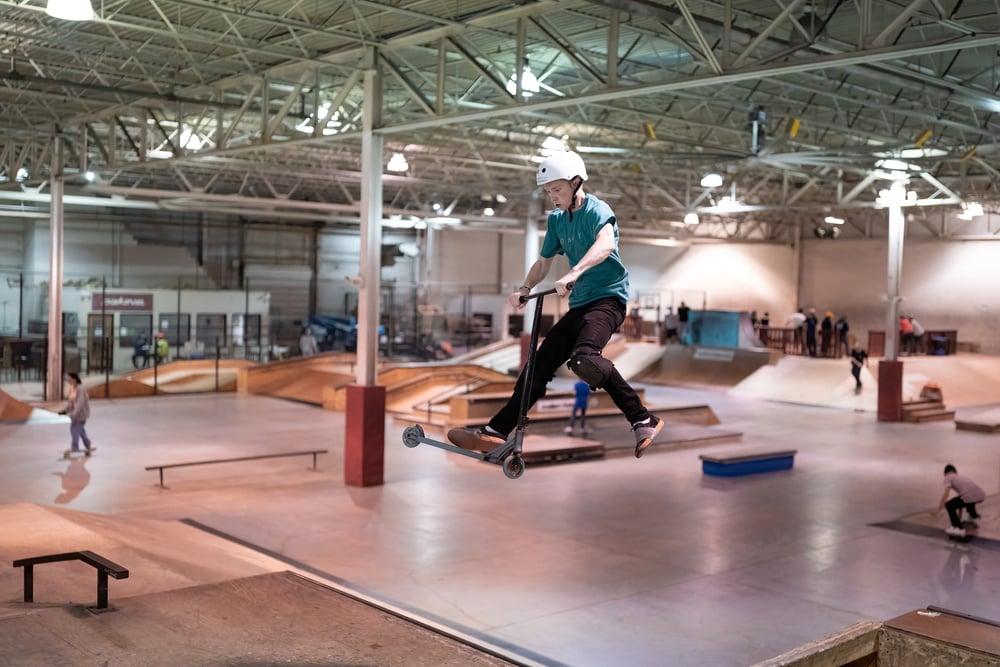
Whether you could actually skate or not didn’t matter. Skate parks were about the culture, the music, and the illusion of rebellion.
Behind the School
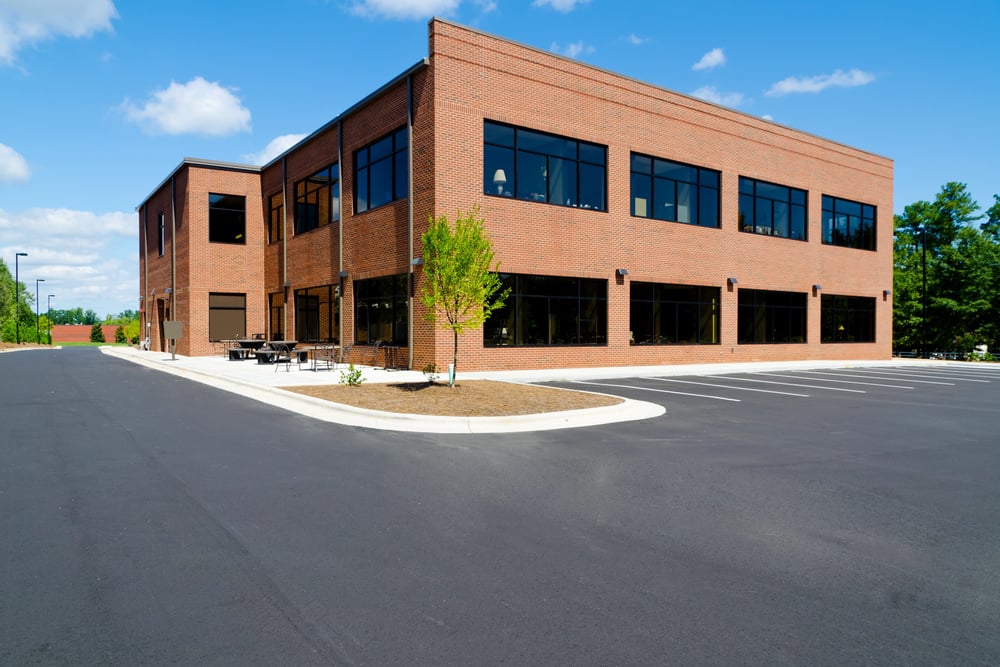
After hours, school property transformed from prison to playground (which says something about the prison part, but that’s another conversation entirely). The same hallways that felt oppressive during class hours became adventures when they were empty, and the parking lot that meant rushed mornings suddenly offered space to breathe and figure things out.
Behind the school was even better—away from streetlights and adult supervision, but familiar enough that you weren’t really breaking rules, just bending them. You’d sit on the steps or lean against the building and have the kinds of conversations that felt impossible during actual school hours, when everyone was performing their cafeteria roles instead of being themselves.
The Woods
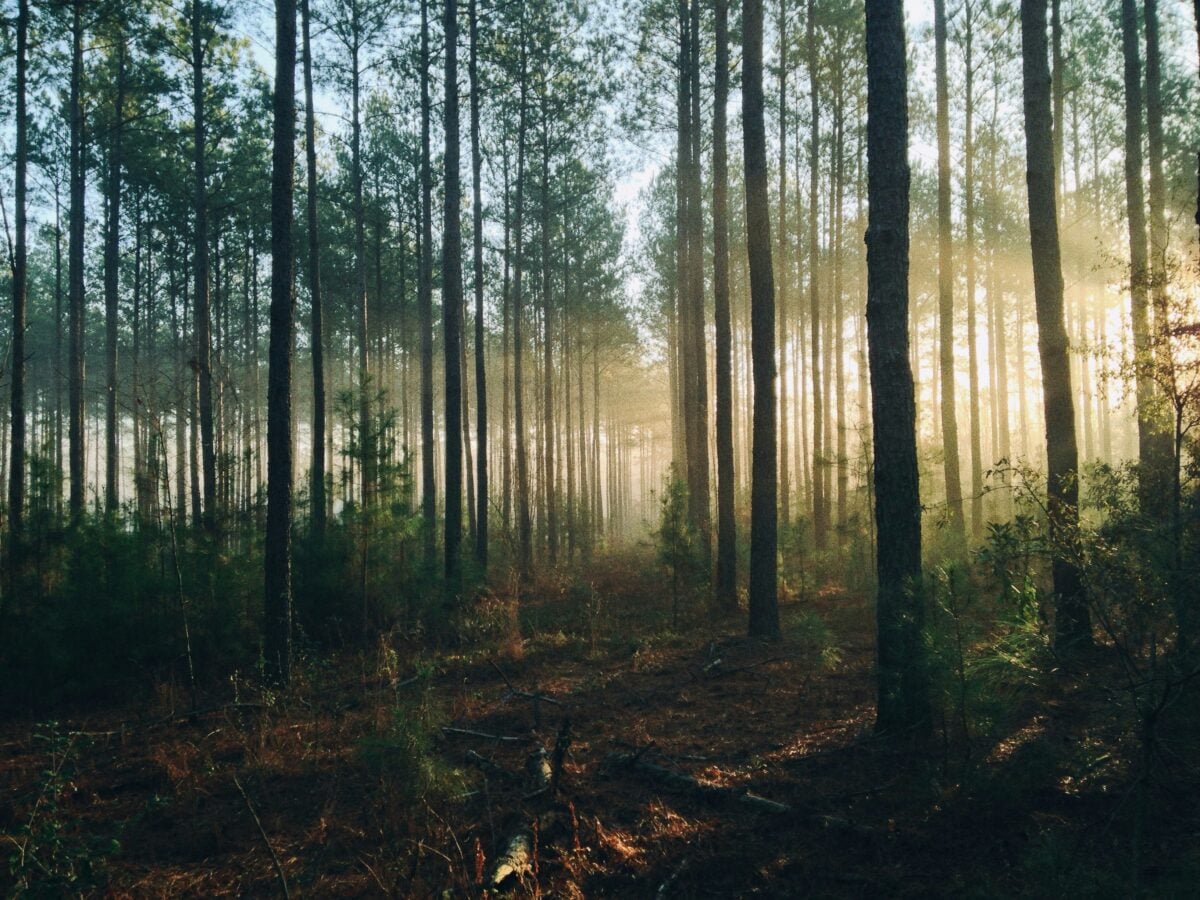
Every town had some version of “the woods”—that patch of trees where teenagers disappeared when suburbia felt too small.
Someone’s Basement
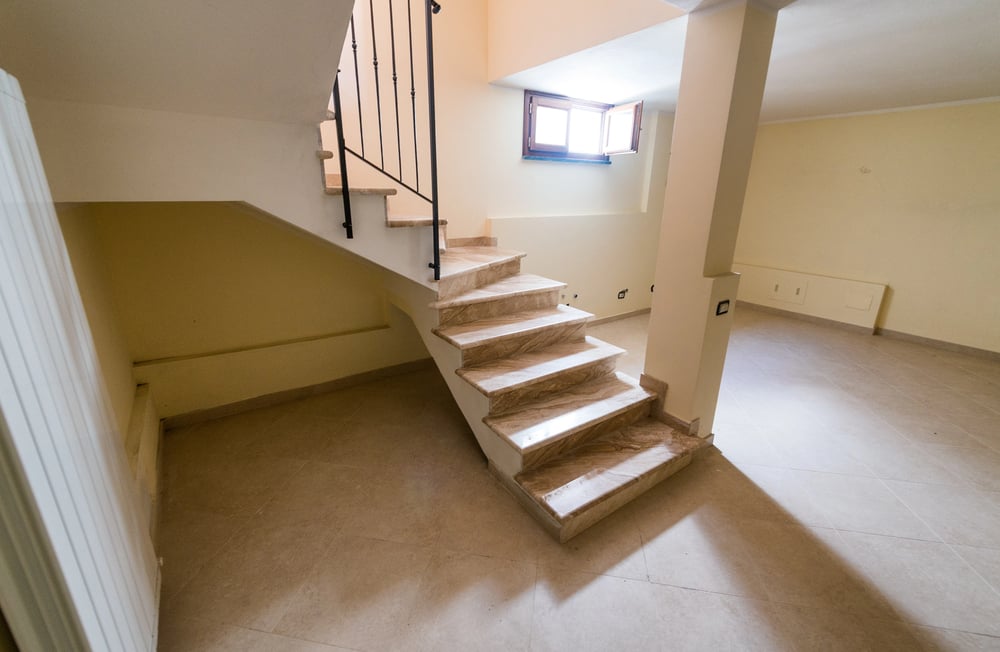
Basements were kingdoms ruled by teenagers, complete with old couches, questionable décor, and the kind of freedom that only existed when parents stayed upstairs. The lighting was always terrible—a combination of table lamps and overhead bulbs that made everyone look either washed out or shadowy—but somehow that added to the atmosphere rather than detracting from it.
Basements felt separate from the real world, like underground clubhouses where normal rules didn’t quite apply. You could be louder, weirder, more honest than you’d risk being anywhere else, and if things got awkward, there were always video games or movies to hide behind until the moment passed.
The Coffee Shop
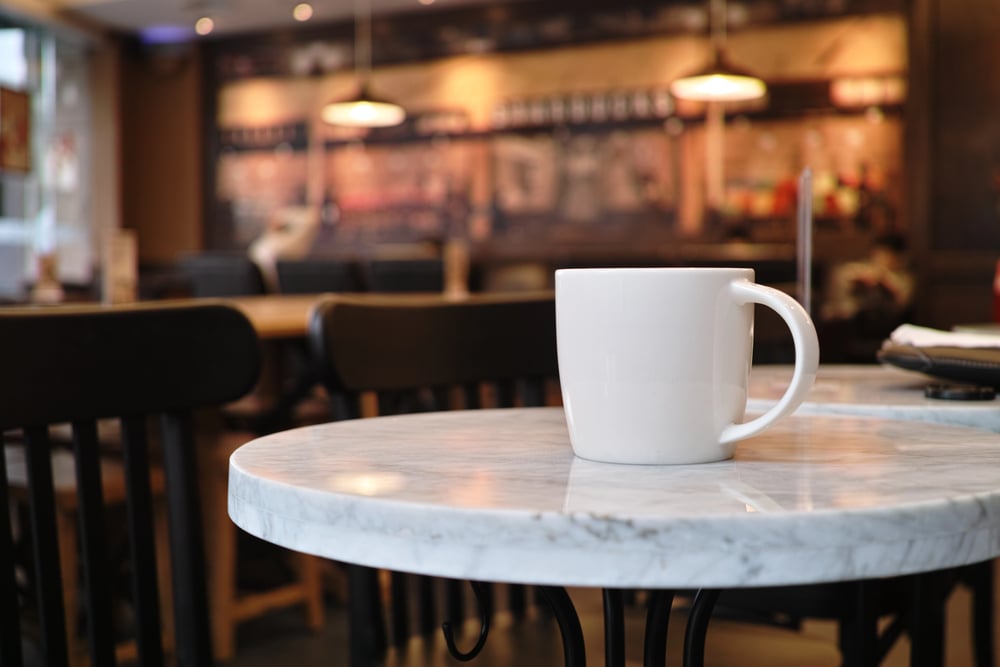
Coffee shops in the ’90s felt sophisticated in a way that fast food couldn’t match. You’d nurse one coffee for hours and feel worldly.
Parking Garages
The concrete echoes made every conversation feel more dramatic. Plus, multiple levels meant you could always find a quiet corner away from everyone else.
Comic Book Stores
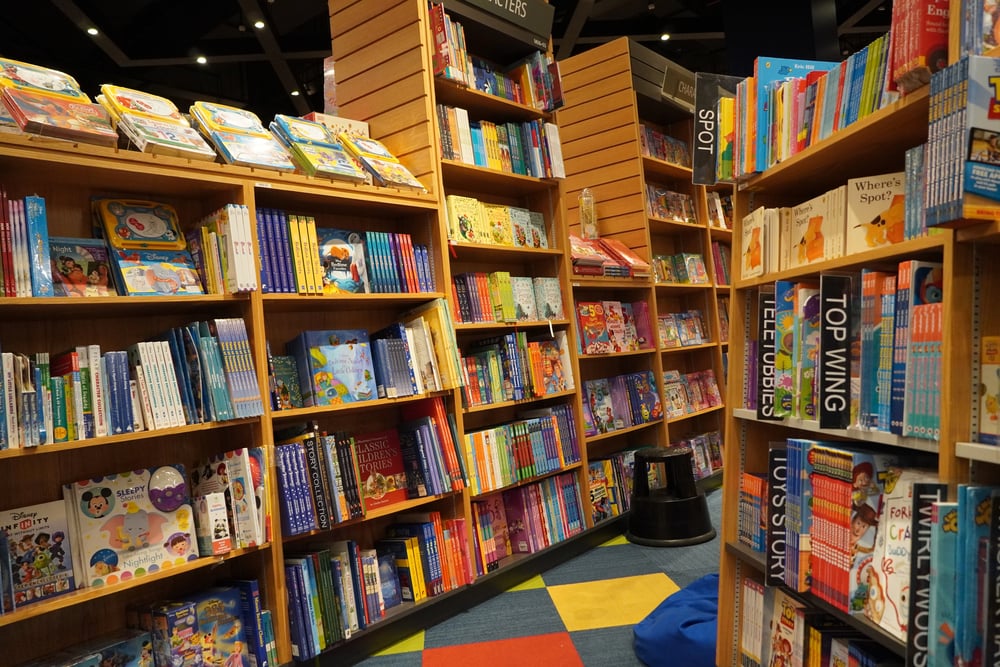
Comic book stores were sanctuaries for teenagers who’d given up on fitting in anywhere else—which turned out to be more teenagers than anyone expected. The narrow aisles and floor-to-ceiling shelves created a maze where you could disappear for hours, flipping through issues you couldn’t afford while listening to debates about storylines and character development that mattered more than anything happening in actual school.
These stores operated on different social rules: knowledge trumped popularity, passion counted more than coolness, and the weird kid who knew everything about X-Men suddenly became the most interesting person in the room. So you’d spend entire afternoons there, not buying much but absorbing everything—the culture, the conversations, and the rare feeling of being somewhere you actually belonged.
The Library
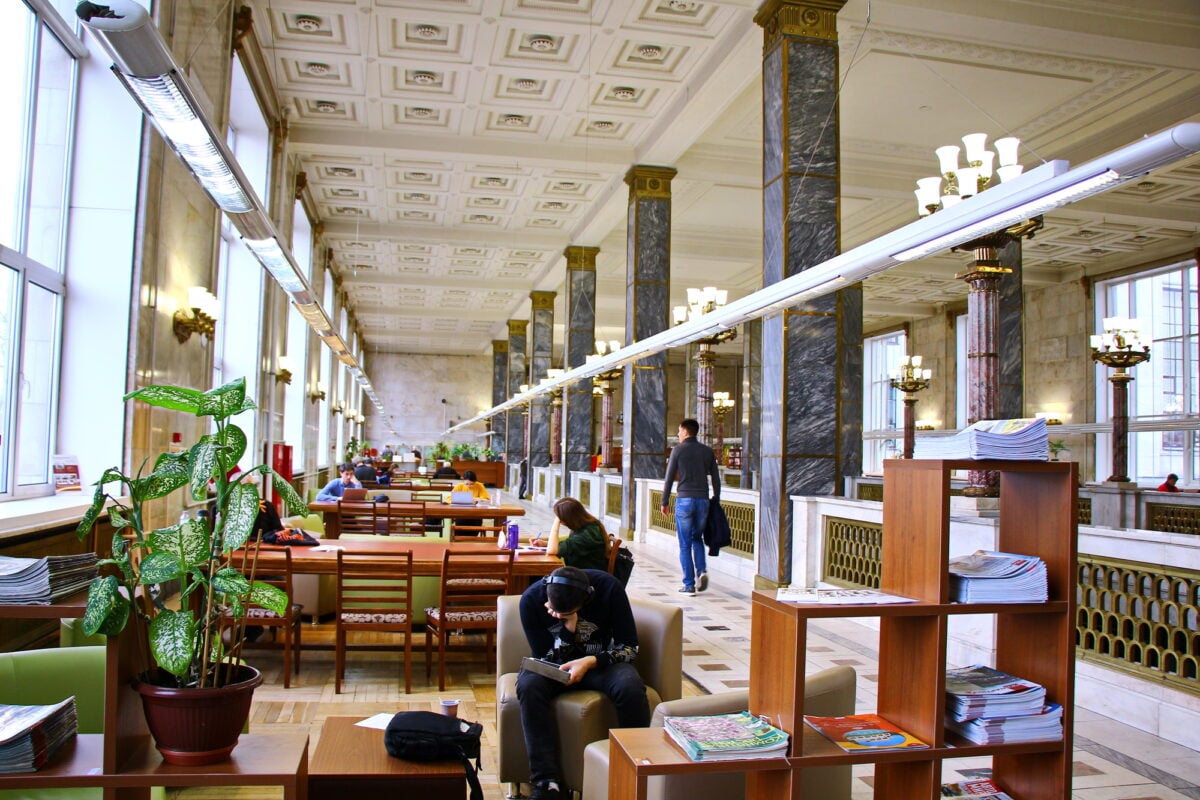
Libraries understood something about teenagers that most places missed: sometimes you needed somewhere quiet to exist without explanation or expectation.
Movie Theaters
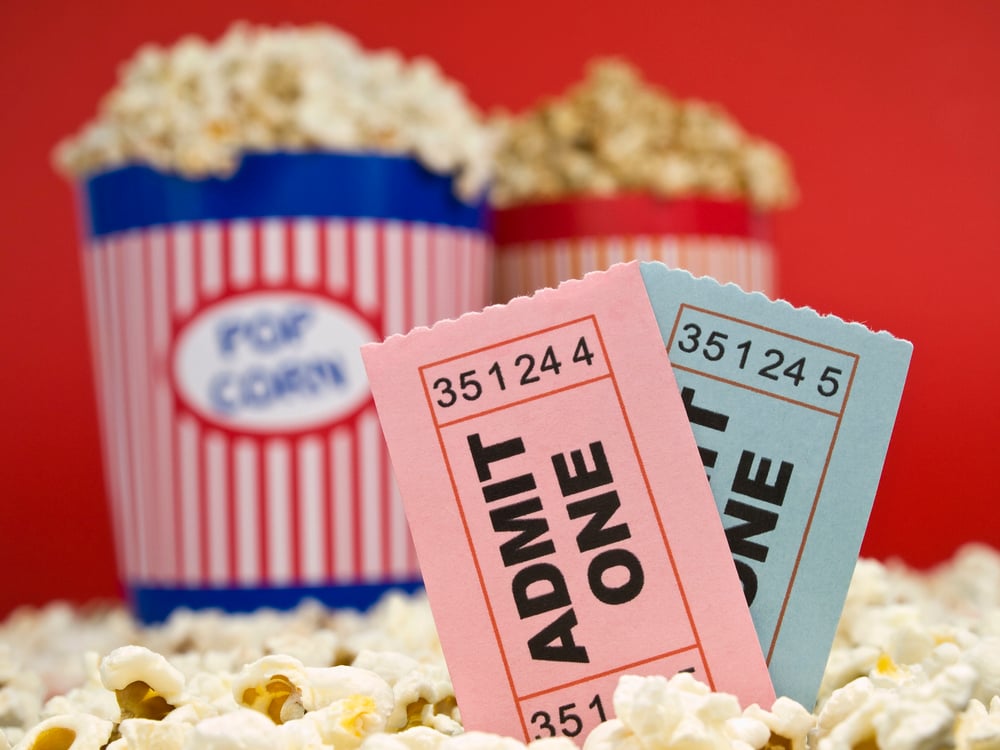
The lobby was almost as important as the movies. You’d arrive early and leave late, stretching two hours of entertainment into an entire social event.
Miniature Golf Courses
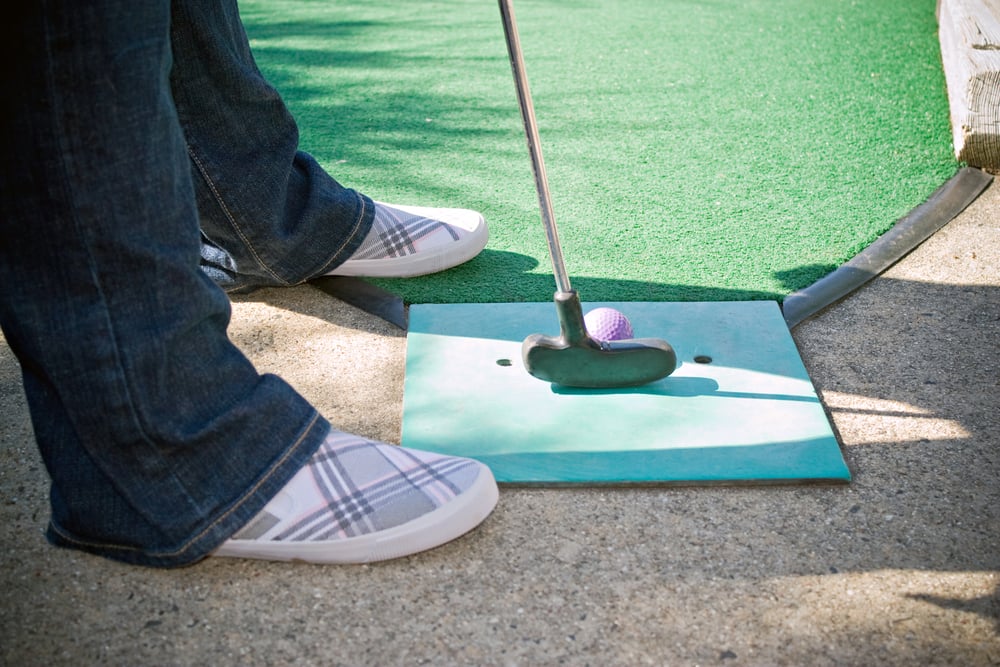
Miniature golf was the perfect balance of activity and socializing—competitive enough to be interesting, easy enough that skill didn’t matter. The courses were usually themed in ways that felt cheesy and wonderful at the same time: windmills that actually turned, castles with tiny doors, waterfalls that worked half the time and made weird noises the other half.
But the real attraction wasn’t the golf; it was having something to do with your hands while you talked, a reason to move from pit to pit when conversations got awkward, and built-in opportunities for the kind of light physical contact that teenagers spent entire days engineering. Plus, miniature golf had that rare quality of being equally appealing to groups and couples, so you could migrate between friend mode and flirting mode without anyone noticing the transition.
Church Youth Groups
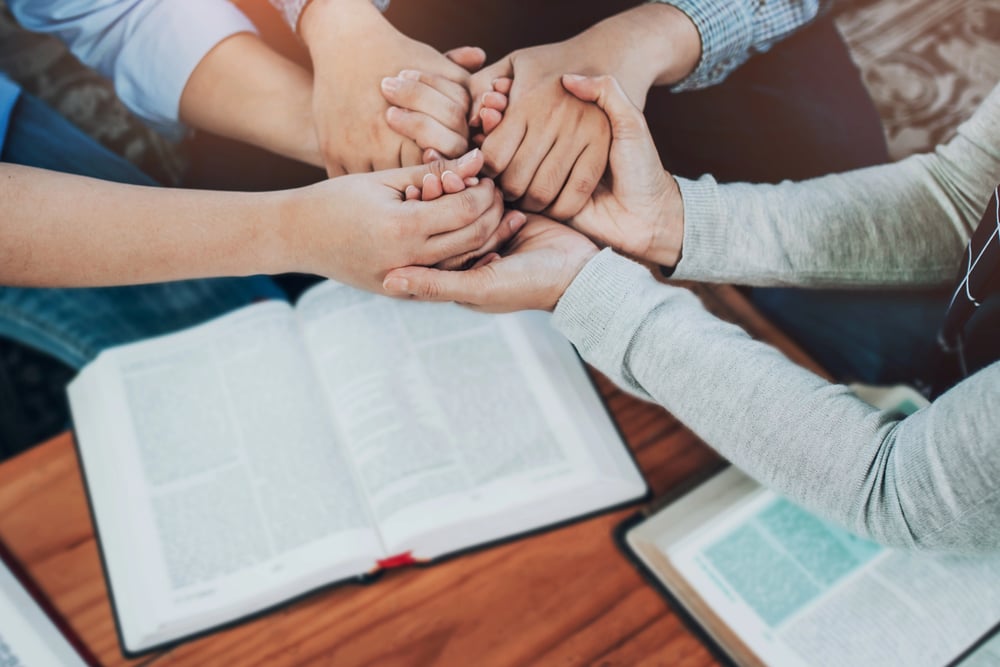
Even if you weren’t particularly religious, youth groups offered supervised freedom and organized activities that beat sitting at home.
The Pier
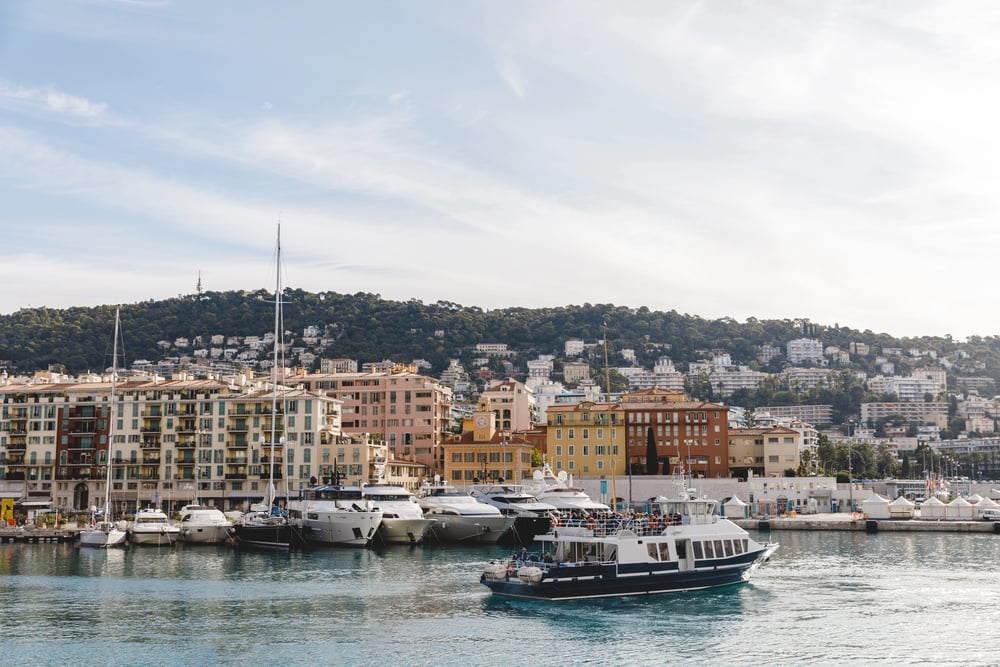
Piers felt like the edge of the world, where you could stare at water and contemplate the vastness of everything beyond your small town problems.
Local Diners
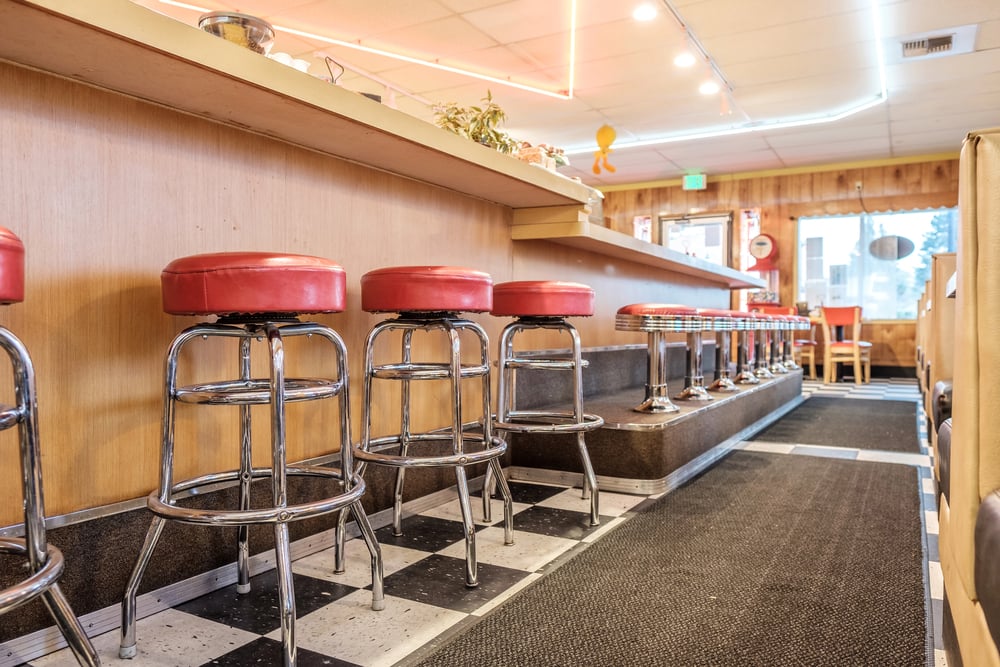
Diners were like time machines—they looked the same as they had for decades and somehow that made teenage problems feel both more important and less permanent. The booths were always slightly torn, the coffee was always too strong, and the waitresses had seen enough teenagers to know exactly how much drama could unfold over a shared plate of fries (answer: all of it).
You’d slide into those vinyl seats and suddenly feel like you were part of something larger—not just the immediate friend group arguing over whether to order pie, but the long tradition of teenagers figuring out life in public spaces that didn’t mind if you took forever to do it.
Swimming Pools

Public pools were democratic in the best way—everyone looked slightly ridiculous, so nobody had to worry about looking perfect.
Where the Memories Live Now
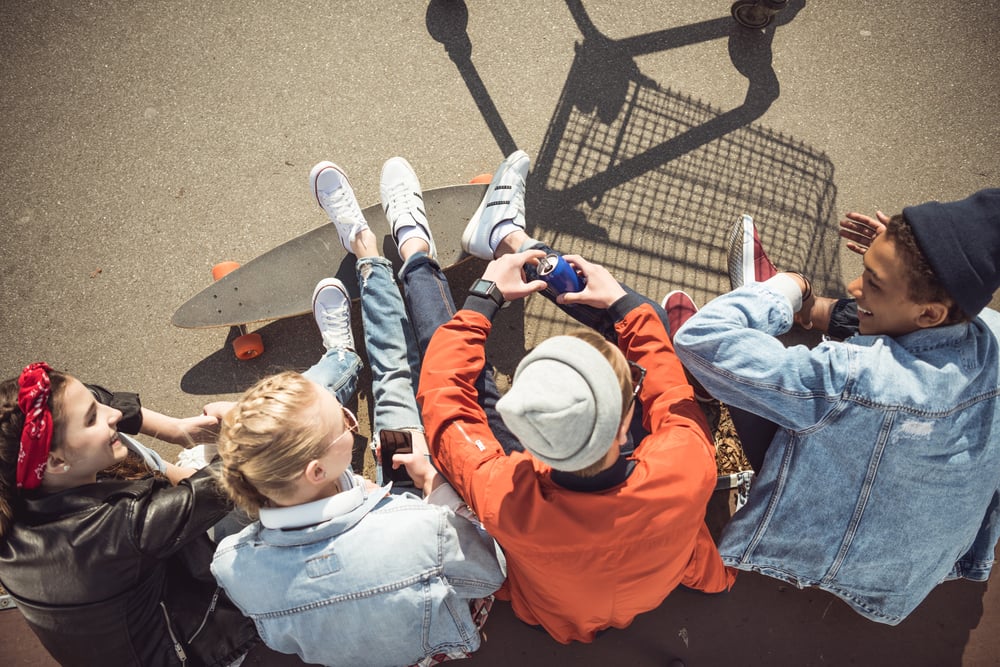
These places shaped more than just weekends—they shaped how an entire generation learned to be social. Today’s teenagers have different headquarters, different ways of finding each other, different problems to solve over shared snacks and stretched-out afternoons.
But the impulse remains the same: the need for spaces that belong to you, conversations that matter to no one but you, and friends who show up just because showing up is what friends do. The locations change, but the longing doesn’t.
More from Go2Tutors!

- The Romanov Crown Jewels and Their Tragic Fate
- 13 Historical Mysteries That Science Still Can’t Solve
- Famous Hoaxes That Fooled the World for Years
- 15 Child Stars with Tragic Adult Lives
- 16 Famous Jewelry Pieces in History
Like Go2Tutors’s content? Follow us on MSN.



