14 Lunch Meat Brands Families Once Bought
The refrigerator drawer marked for lunch meat was a small museum of brand loyalty. A family stuck with one name for bologna, another for ham, and a third for the turkey that appeared when someone decided to eat healthier.
The packaging, from yellow bands to thin plastic pouches, was as familiar as the taste. These brands filled sandwiches, school lunches, and late-night snacks for generations.
Some are still on shelves, a few changed owners and shapes, and several are remembered mostly by the people who ate them.
Oscar Mayer
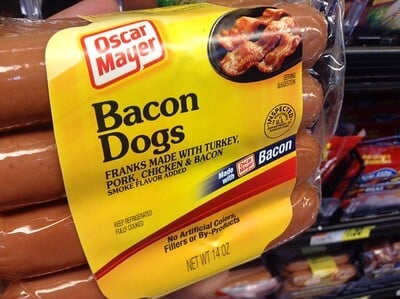
Oscar F. Mayer, a German immigrant, opened the family’s meat business in Chicago in 1883. The company first sold its products under the Edelweiss name before switching to Oscar Mayer Approved Meat Products, and in 1929 it began wrapping its sausage links in yellow paper bands carrying the brand name.
The Wienermobile and a famously catchy jingle followed, but the sliced bologna and ham in the refrigerator drawer did much of the daily work.
Lunchables

Oscar Mayer introduced Lunchables in 1988, packing crackers, sliced meat, and cheese into a plastic tray and creating a new product category of lunch combinations. The pitch was aimed at working parents, and by the late 1990s the brand dominated that category.
Kraft had taken over Oscar Mayer in 1989, which put the product on a national stage almost immediately.
Louis Rich
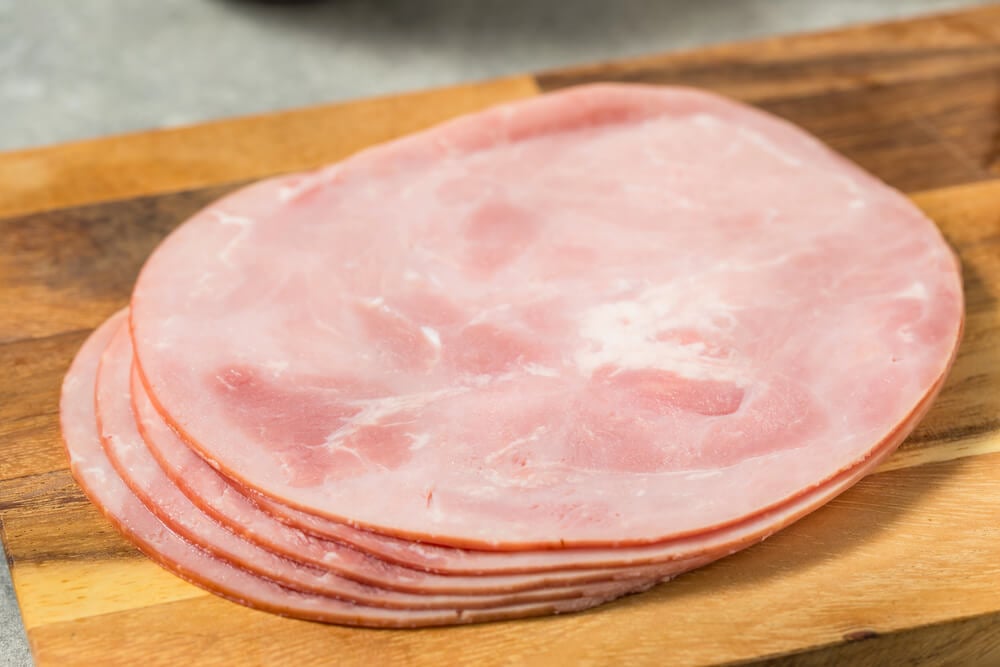
Oscar Mayer bought the Louis Rich company in 1979 and brought its turkey products into the sliced lunch meat aisle. Trademark filings from 1976 show how the brand was positioned, with entries for turkey shaped like a frankfurter and for smoked turkey bologna.
Turkey bologna and turkey frankfurters gave families a poultry option long before turkey became a standard sandwich choice.
Carl Buddig
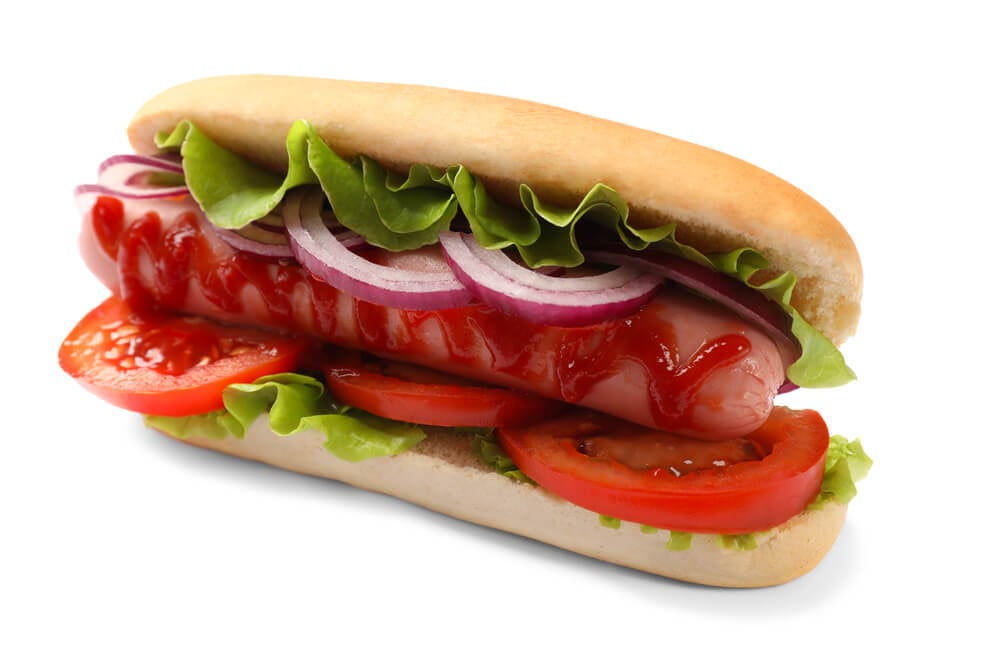
Carl Buddig began distributing meats around Chicago in 1943, and the company built its reputation on thin-sliced lean meat sold in small sealed packs. A first USDA-inspected facility followed in 1958, which allowed the product to be sold nationally, and the company is still based in Homewood, Illinois.
The stack of paper-thin slices piled into a sandwich is one of the more recognizable textures in lunch meat history.
Armour
Philip Danforth Armour founded the Armour packing business in Chicago in 1867, and Armour and Company became one of the Big Five meatpackers that dominated American meat in the early twentieth century. The Armour name lasted long enough to appear in the Armour-Eckrich Meats brand grouping listed among the leading sliced lunch meat makers in a 2015 industry profile.
A package of Armour bologna was a quiet fixture in countless refrigerators.
Swift Premium
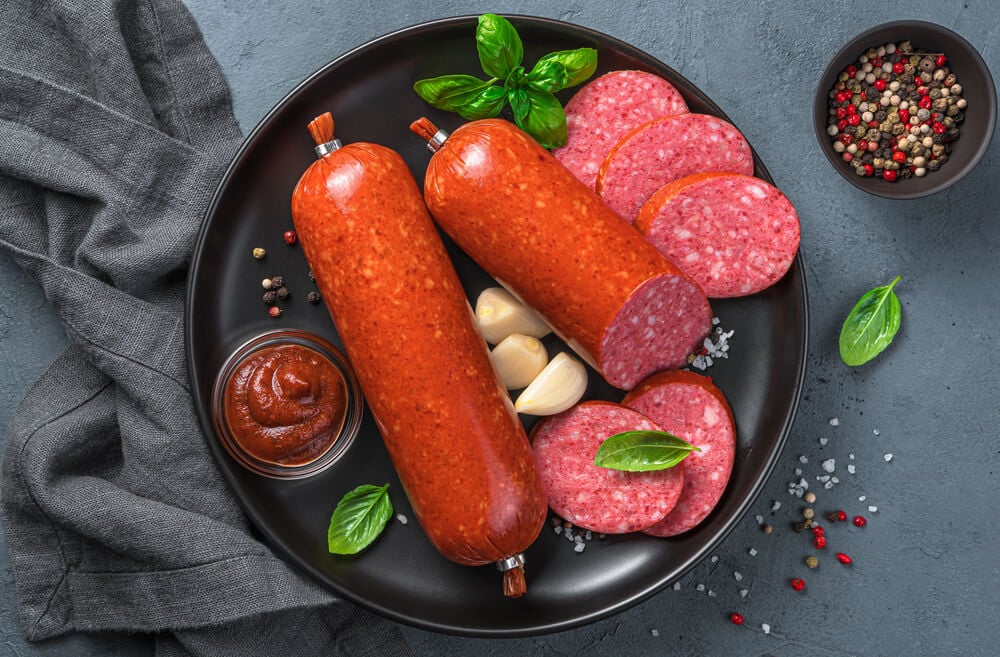
Gustavus Swift built Swift and Company in Chicago on a simple idea, which was to ship dressed beef in refrigerated rail cars instead of shipping live cattle. The Premium name on hams, bacon, and cold cuts told shoppers they were buying a recognized brand, not an anonymous deli product.
Swift was another of the Big Five packers, and its logo was familiar on supermarket shelves for decades.
Eckrich
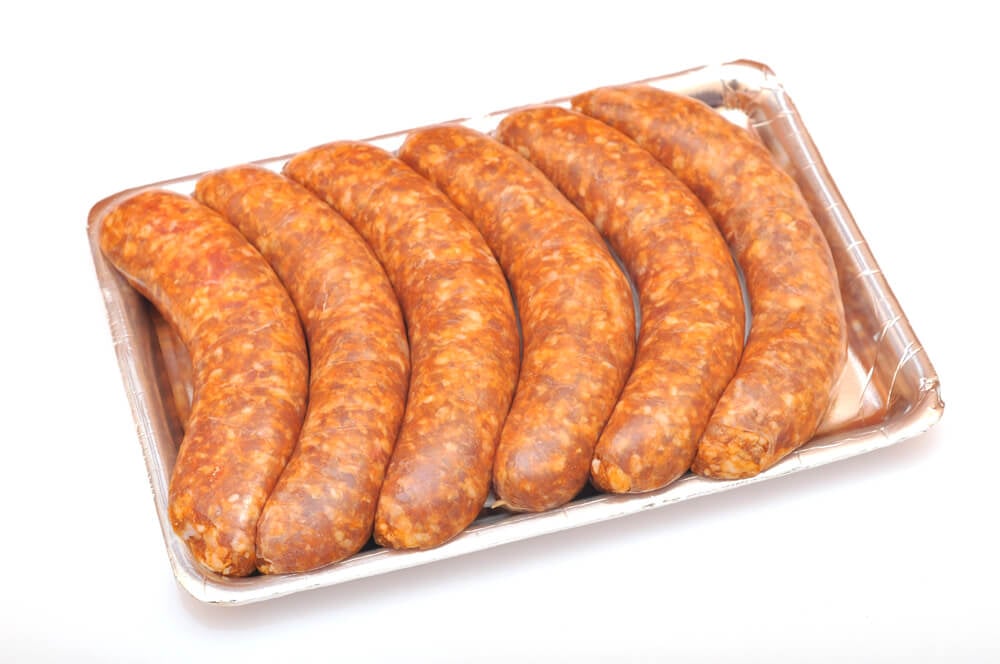
Peter Eckrich opened his sausage and meat business in Fort Wayne, Indiana, in 1894. His company grew into a regional name known for sliced bologna, smoked sausage, and ham that went into school lunches across the Midwest.
The brand later became part of the Armour-Eckrich Meats company, and it still turns up in lists of the leading sliced lunch meat brands.
Boar’s Head
Boar’s Head was founded in Brooklyn in 1905 by Frank Brunckhorst, who delivered his meats and provisions around the city by horse and wagon. The name grew from a neighborhood business into a premium deli brand sold at supermarket counters and by the pound.
A thick-cut slice of its ham or roast beef became a small marker of a sandwich that was worth a few extra dollars.
Dietz & Watson
Dietz & Watson began in Philadelphia in 1939, and the company is still family-owned. It built its name on deli meats and cheeses sold at supermarket service counters, where a clerk would slice a pound to order.
That counter-sliced pound, wrapped in white paper and marked with a grease pencil, was a regular stop on grocery trips.
Spam
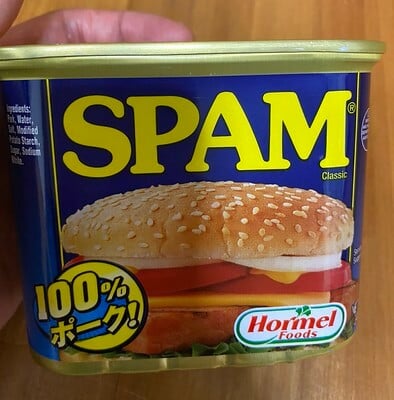
Hormel introduced Spam in 1937 as a spiced ham product in a can, and the name came from a naming contest won by Kenneth Daigneau, an actor and the brother of a Hormel executive, who received a $100 prize. The pink, salty slab turned up in sandwiches and fried slices, and its shelf life made it a staple during wartime.
It is not a deli product, but it filled the same role in many family lunches.
Underwood Deviled Ham
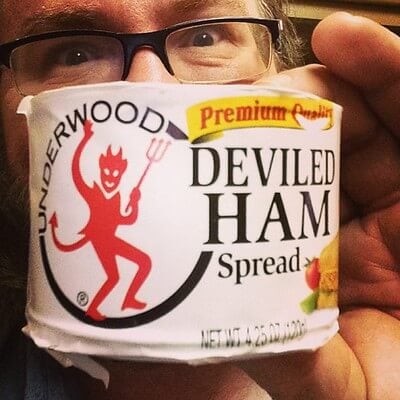
William Underwood Company of Boston began selling deviled ham in tins, and its red devil logo ranks among the oldest food trademarks still in use in the United States. The spread was mixed into sandwich filling with mayonnaise or pickles, then packed in a lunchbox.
A thin layer on white bread had a flavor entirely its own.
Usinger’s
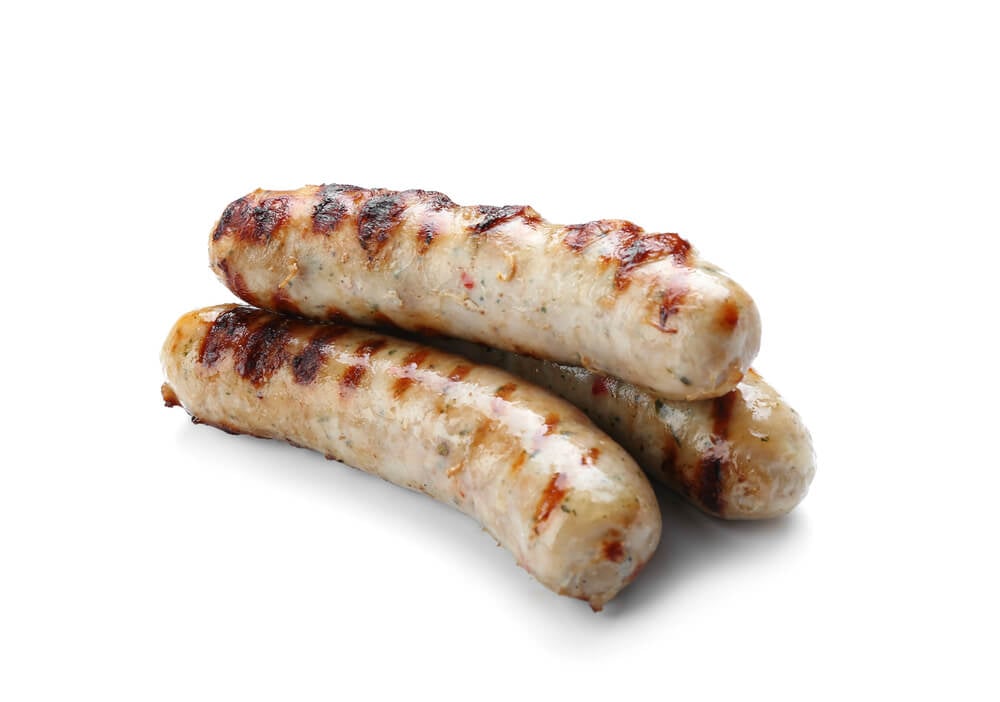
Fred Usinger opened his Milwaukee sausage shop in 1880, and the family business has stayed in operation ever since. It built a reputation on braunschweiger, a spreadable liver sausage that traveled well in a lunch box.
A slice of braunschweiger on rye is a throwback sandwich that still has devoted fans.
Esskay
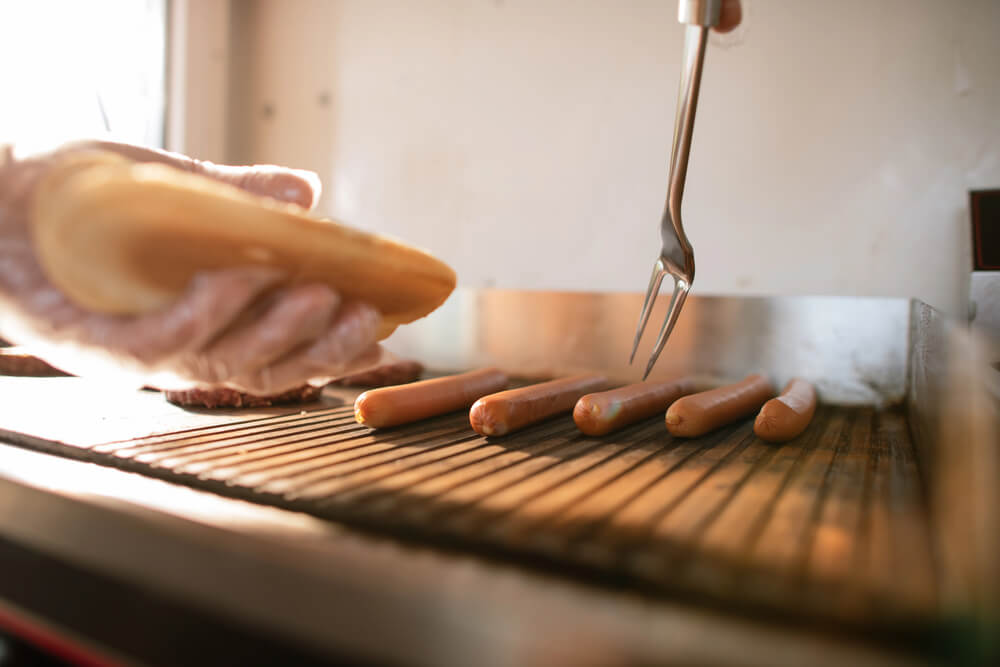
Esskay was the brand name used by the Schluderberg-Kurdle Company of Baltimore, spelled out from the initials S and K. Its hot dogs and cold cuts were sold throughout the Mid-Atlantic, and the name was a familiar one on local grocery shelves.
Regional brands like Esskay gave shoppers a source of pride that national labels could not match.
Healthy Choice
ConAgra introduced Healthy Choice in 1989 after its chairman, Charles “Mike” Harper, suffered a heart attack and began looking at the fat and sodium in processed food. The line began with frozen dinners and soon included deli meats marked as low in fat.
The green-and-white packaging became shorthand for a more careful sandwich.
What Sat Between Two Slices
A lunch meat brand was a family’s quiet statement about what mattered at the grocery store. Some households stayed loyal to a name for sentimental reasons, others for price, and a few for the way a particular slice folded in a sandwich.
The brand on the package also told a child what lunch would be like long before the bag was opened. Many of these companies have merged, relocated, or disappeared into larger food groups.
The yellow bands and thin plastic pouches, though, survive in memory as a small piece of American routine. A sandwich is still easy to build, but the old brand names gave it a character that a generic label does not.
More from Go2Tutors!

- 27 Silver Dollars and Half Dollars Worth Keeping
- 28 Restaurant Menu Items Nobody Orders Anymore
- 17 Places Built in Seemingly Impossible Spots
- 27 Vintage Rings Worth More Than They Look
- 25 Restricted Sites Tourists Can’t Enter
Like Go2Tutors’s content? Follow us on MSN.