20 Drugstore Counters Before Self-Service Took Over
A drugstore used to be a place where someone behind a counter handed over almost everything. The pharmacist filled prescriptions, a soda jerk poured fountain drinks, and a clerk turned film into photographs.
Customers waited, talked, and sat on a stool while somebody else did the work. Many of the drinks and treats people now buy in cans and cartons began at those counters.
The stools and tile are mostly gone, but the history behind them is richer than a self-checkout lane suggests.
The Fountain at Jacobs’ Pharmacy
Coca-Cola was first sold at the soda fountain of Jacobs’ Pharmacy in Atlanta on May 8, 1886, for five cents a glass. Pharmacist John Pemberton had created the syrup, and the drink was mixed with carbonated water and served as a headache and fatigue remedy.
A drugstore counter was the first place anyone ordered a Coke.
Morrison’s Old Corner Drug Store
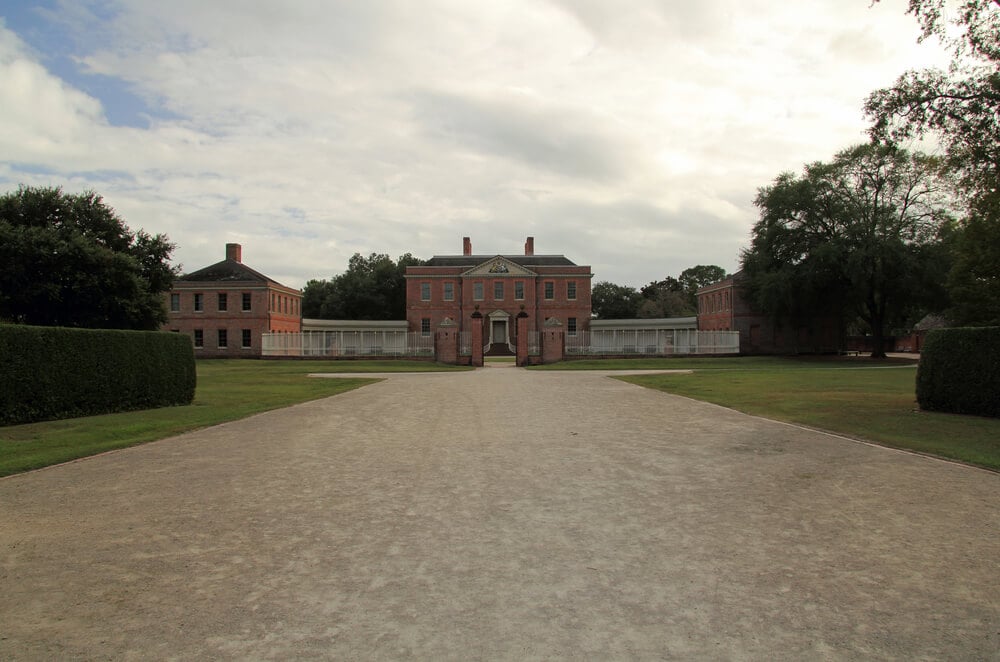
Charles Alderton, a pharmacist at Morrison’s Old Corner Drug Store in Waco, Texas, developed what became Dr Pepper in 1885. He mixed fruit syrups for fountain customers who wanted something different, and the drink caught on with the regulars.
The soda fountain was a laboratory as much as a place to sit.
Caleb Bradham’s New Bern Pharmacy
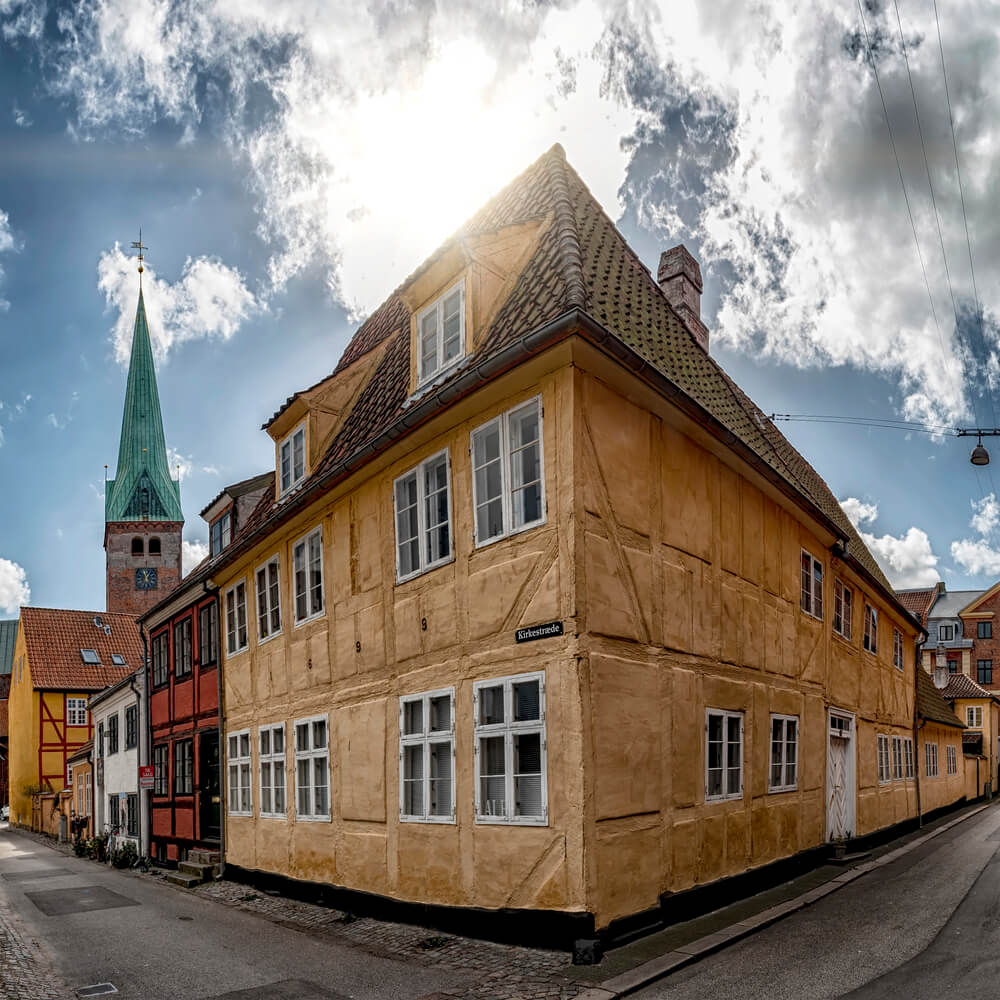
Caleb Bradham, a pharmacist in New Bern, North Carolina, first sold a fountain drink he called Brad’s Drink in 1893, and he renamed it Pepsi-Cola in 1898. He marketed it as a beverage that aided digestion, which is where the name Pepsi came from.
The drink came from a pharmacy counter before it filled supermarket shelves.
The Root Beer Counter
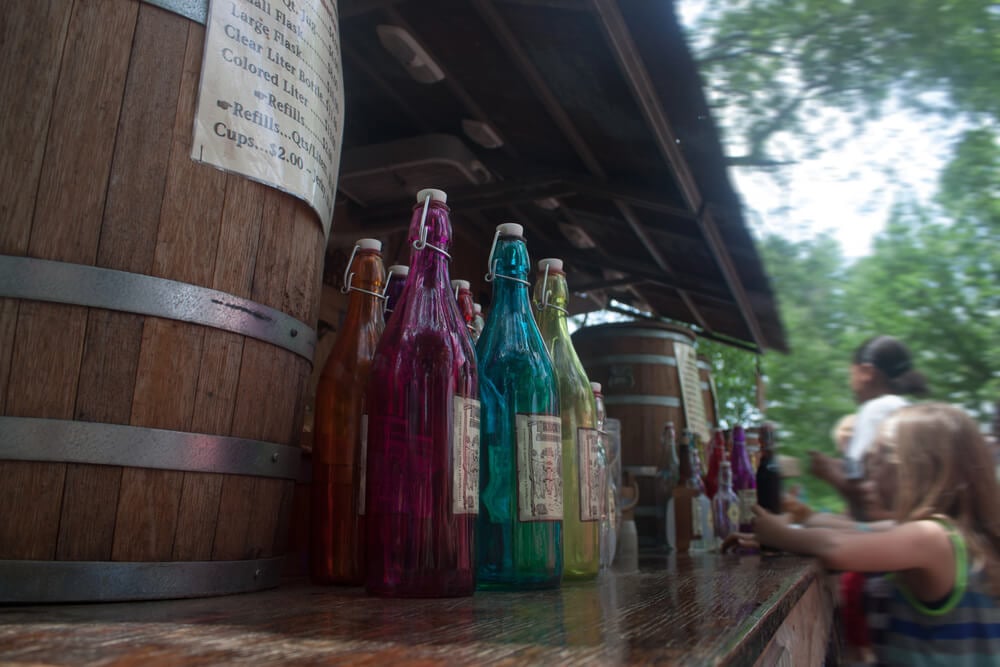
Charles Hires, a Philadelphia pharmacist, introduced his root beer at the 1876 Centennial Exposition and built a business on it. Drugstore fountains were an early place for customers to order it by the glass, and the mug of foam-topped root beer became a staple of soda counters.
A frosted mug and a paper straw made it feel like an event.
The Ice Cream Soda
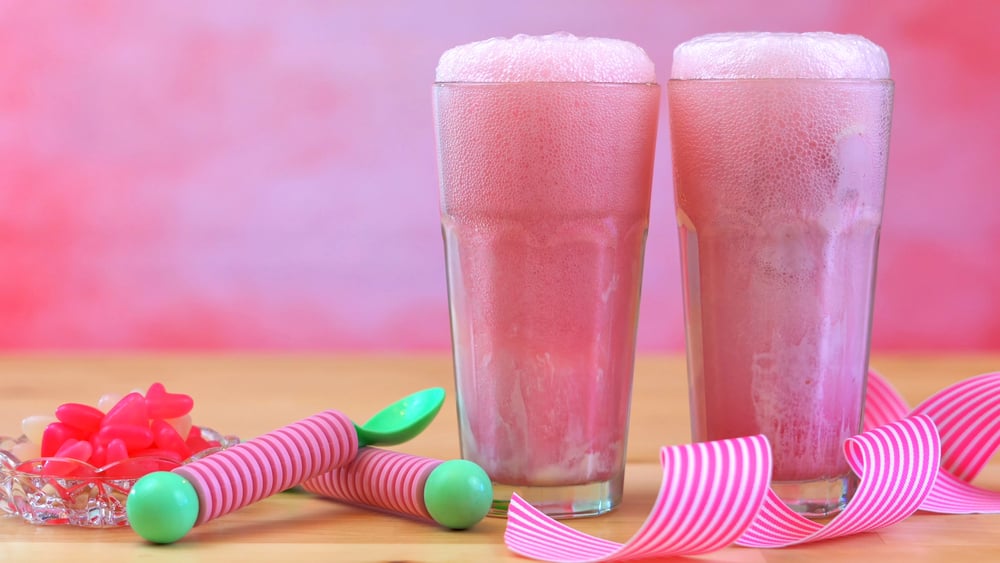
Robert Green is often credited with inventing the ice cream soda in Philadelphia in 1874, though the story is disputed. Whatever its origin, soda fountains made the drink a standard order, with a scoop of ice cream floating in flavored syrup and carbonated water.
A long spoon and a straw were part of the ritual, and drugstore counters were among the places that served it.
Tassel Pharmacy and the Banana Split
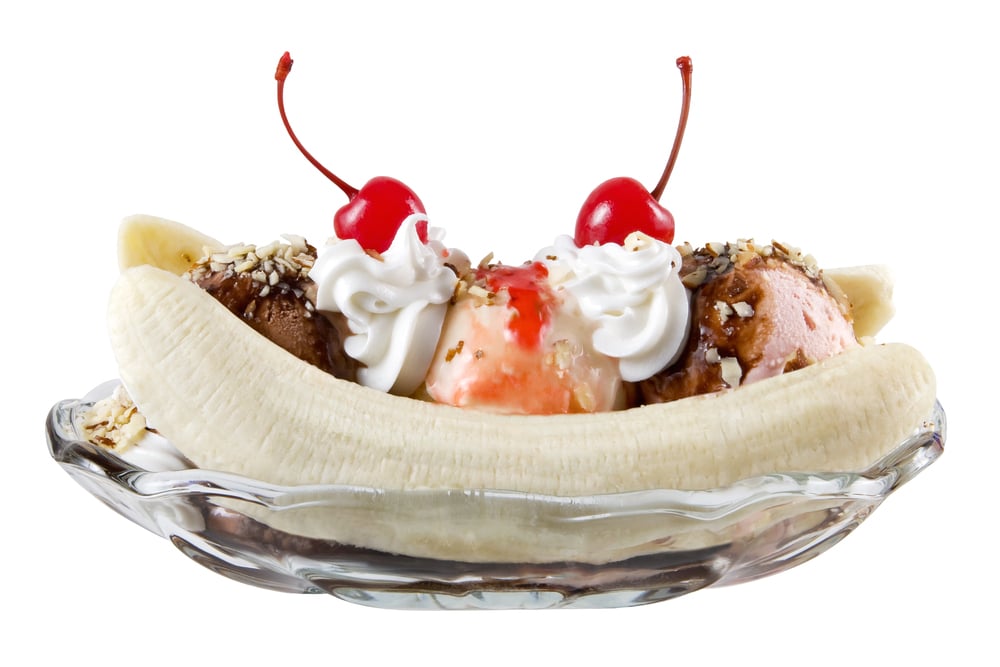
David Strickler, a pharmacist’s apprentice at Tassel Pharmacy in Latrobe, Pennsylvania, created the banana split in 1904, and it sold for ten cents. He served banana halves with three scoops of ice cream and toppings in a long dish.
The town of Latrobe has celebrated the dessert ever since, and it began at a drugstore counter.
The Walgreens Malted Milkshake
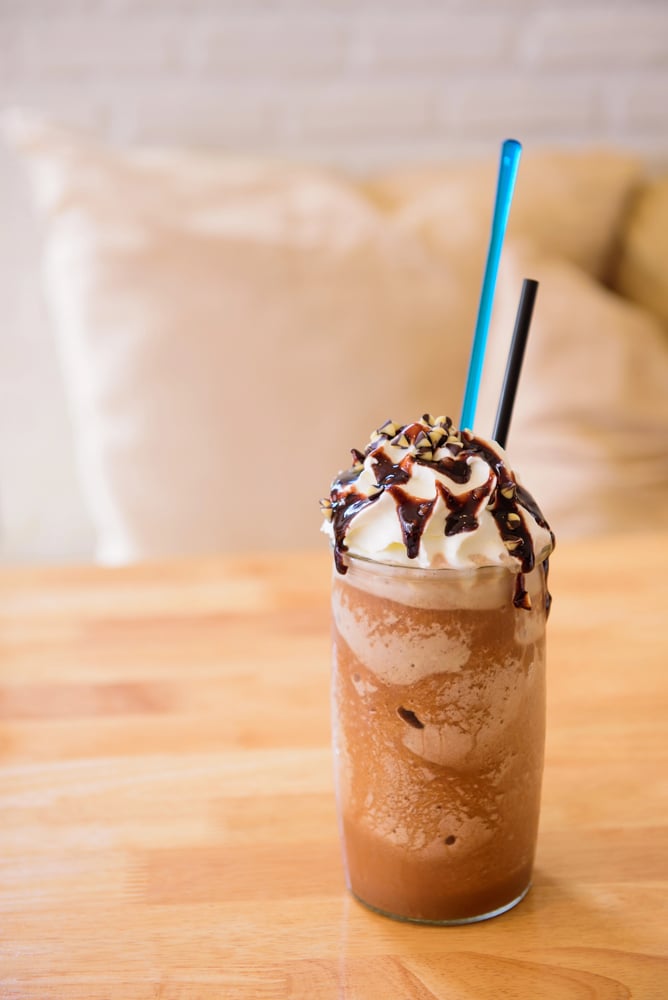
Ivar “Pop” Coulson, who worked at Walgreens, is credited with creating the chocolate malted milkshake at a Walgreens store in 1922. He added malted milk powder to a chocolate milkshake, and the drink became a menu staple in the company’s soda fountains.
A tall metal mixing cup with the extra pour sitting beside the glass was part of the show.
The Soda Jerk’s Station
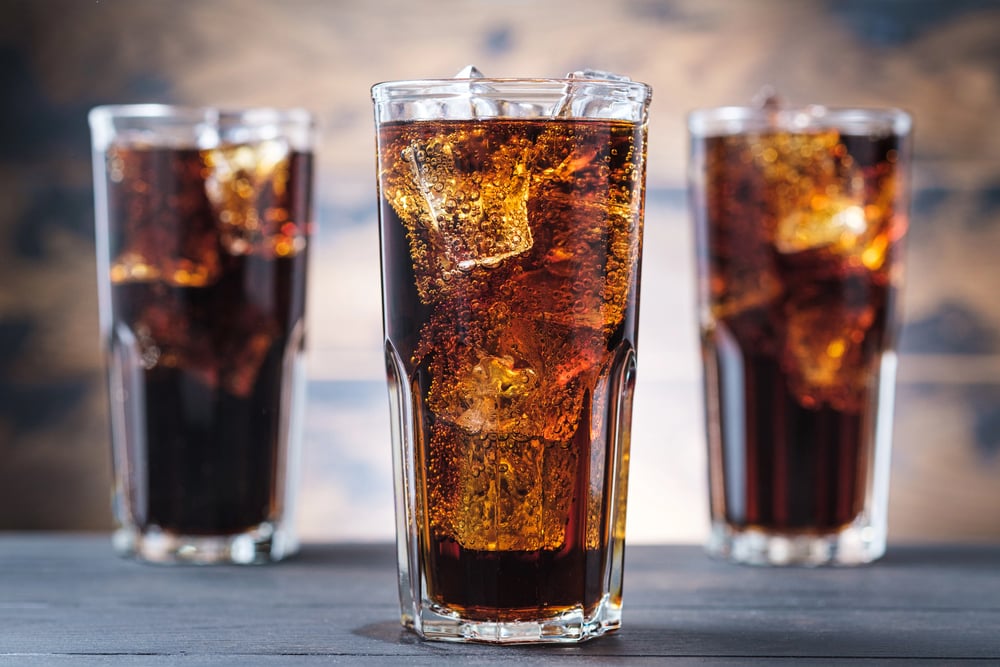
The term soda jerk came from the motion of pulling the fountain’s spigot handle with a quick jerk of the wrist. The workers wore white paper hats and aprons, and they were expected to mix drinks, scoop ice cream, and keep up a steady stream of conversation.
A fast one could build a flavored phosphate in seconds while chatting with three people.
The Lunch Counter
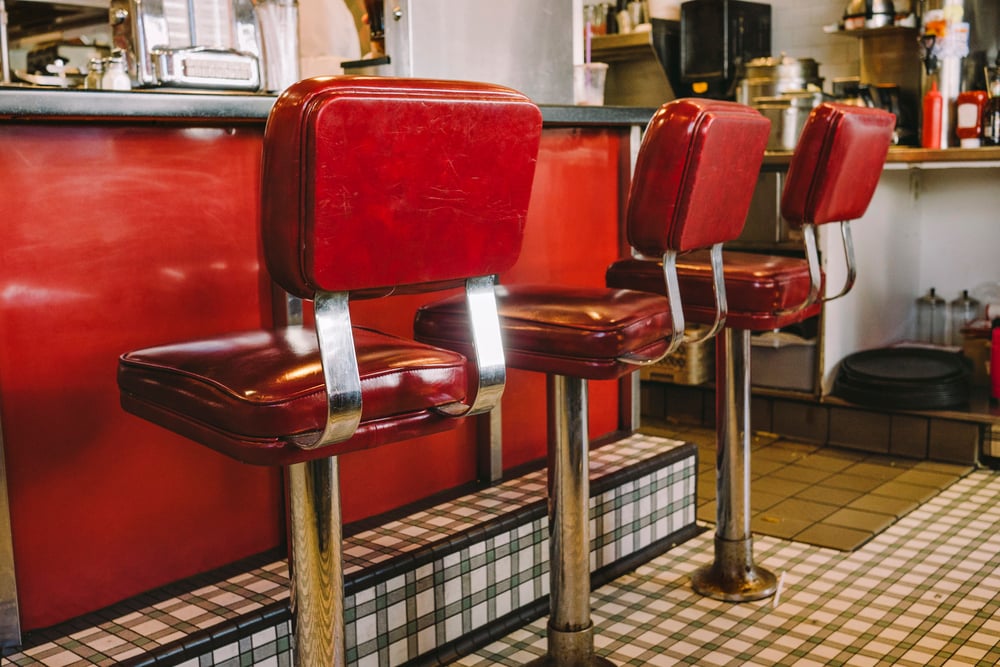
Many drugstores served grilled cheese sandwiches, tuna salad, and pie alongside the fountain, and the lunch counter became a place where a town ate. It was also a place where segregation was challenged.
In July 1958 members of the NAACP Youth Council in Wichita, Kansas, sat at the Dockum Drug Store counter, and sit-ins at Katz Drug Store in Oklahoma City followed, years before the better-known Greensboro protest of 1960.
The Prescription Counter
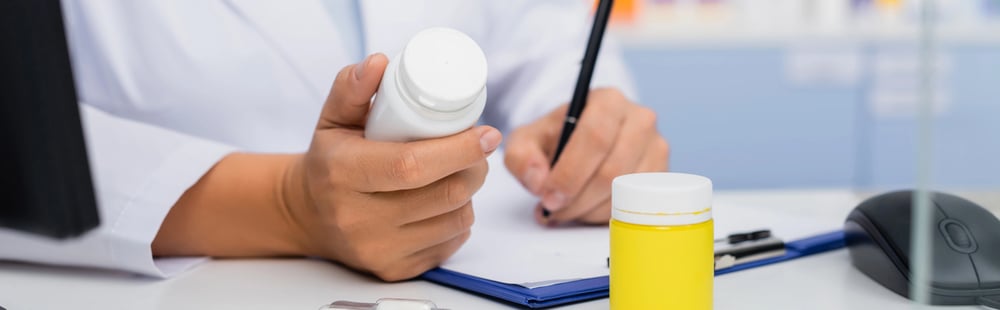
Behind the high prescription counter, a pharmacist in a white coat typed labels, counted pills on a small tray with a spatula, and handed over a paper bag stapled shut. The symbol Rx comes from the Latin word recipe, meaning take, and it appeared on every label.
Waiting for a prescription meant browsing the aisles while the pharmacist worked in plain sight.
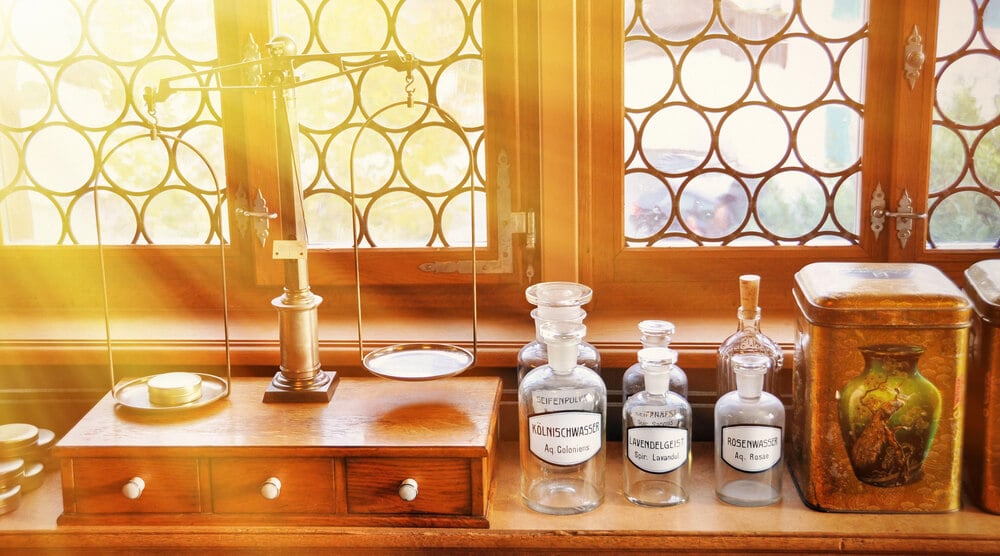
The Apothecary Show Globes
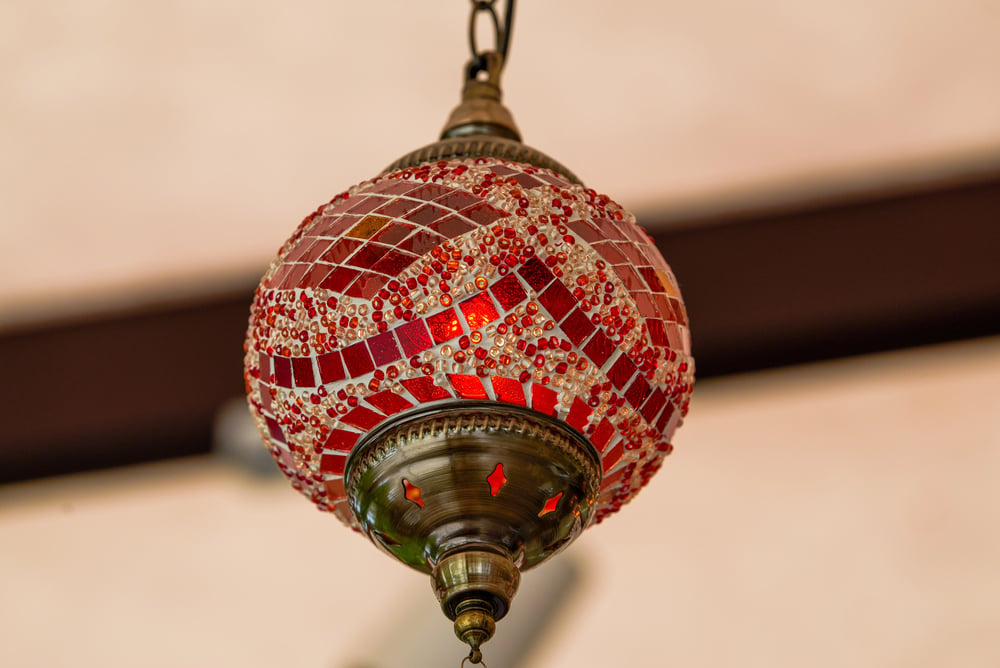
Large glass jars filled with colored water sat in drugstore windows as symbols of the pharmacy. Red, green, and blue globes glowed when lit from behind, and customers recognized the sign from the street.
The glass jars date back to the age of the apothecary, and some drugstores kept them in the window long after pharmacists stopped preparing medicines from scratch.
The Photo Counter
Customers dropped off rolls of film in small paper envelopes, filled in a name and number, and returned days later to pick up prints. Kodak’s Instamatic cameras, introduced with the 126 cartridge in 1963 and followed by the smaller 110 cartridge in 1972, made film easier to load and brought more customers to the counter.
The envelope also came back with the negatives inside, which is why old shoeboxes still hold them.
The Greeting Card Wall

Hallmark began as a postcard business founded by Joyce Hall in Kansas City in 1910, and its cards became a fixture of drugstore racks. Shoppers stood at the wall for ten minutes reading verses before picking one for a birthday or an anniversary.
A rack of cards with the price printed on the back was a small essential of the drugstore trip.
The Candy Counter
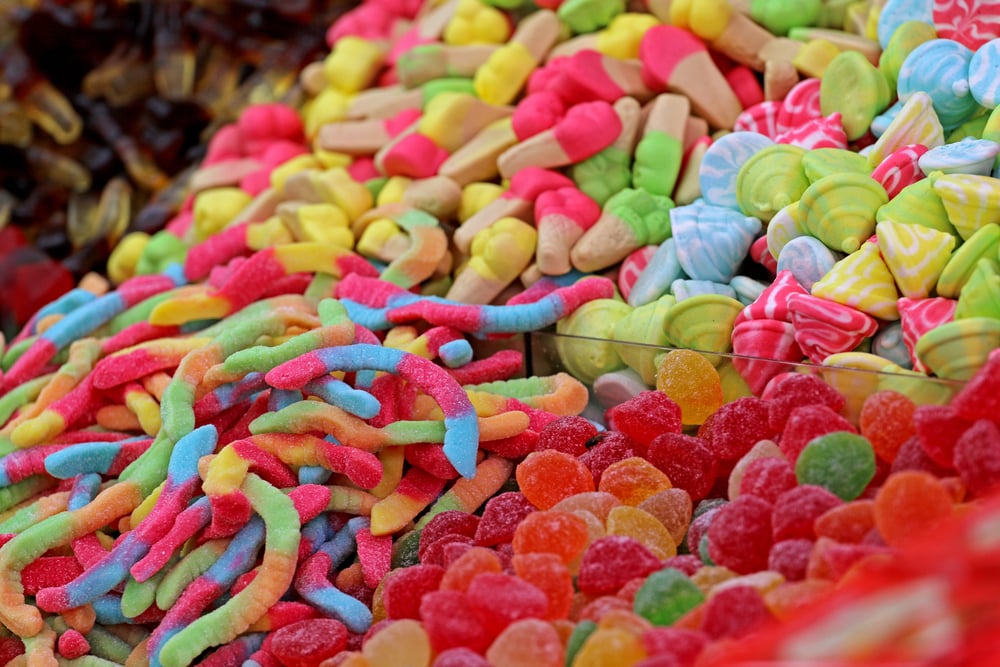
Glass jars and open bins held penny candy sold by the piece, including Mary Jane peanut butter chews, which the Charles N. Miller Company of Boston began selling in 1914. Children pointed at what they wanted and counted out coins on the glass while a clerk filled a small paper bag.
The Cosmetics Counter
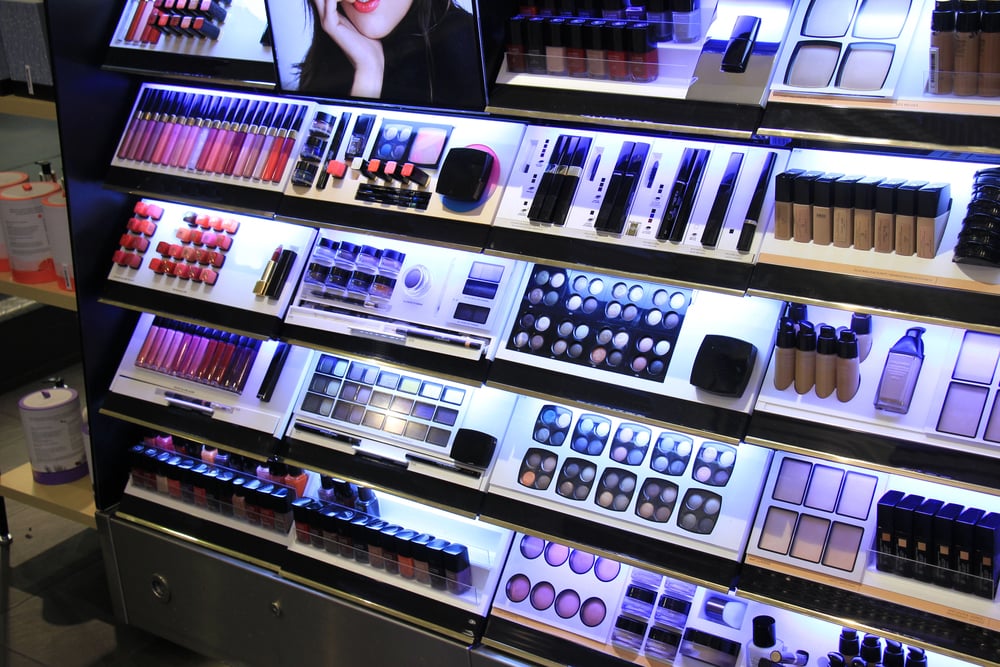
Charles Revson, his brother Joseph, and chemist Charles Lachman founded Revlon in 1932 with a nail enamel made with pigments instead of dyes, and drugstores became an early home for the line. Women stood at the counter comparing shades on small cards while a clerk offered samples.
A rack of lipsticks near the register tempted shoppers who had come in for aspirin.
The Magazine and Comic Rack
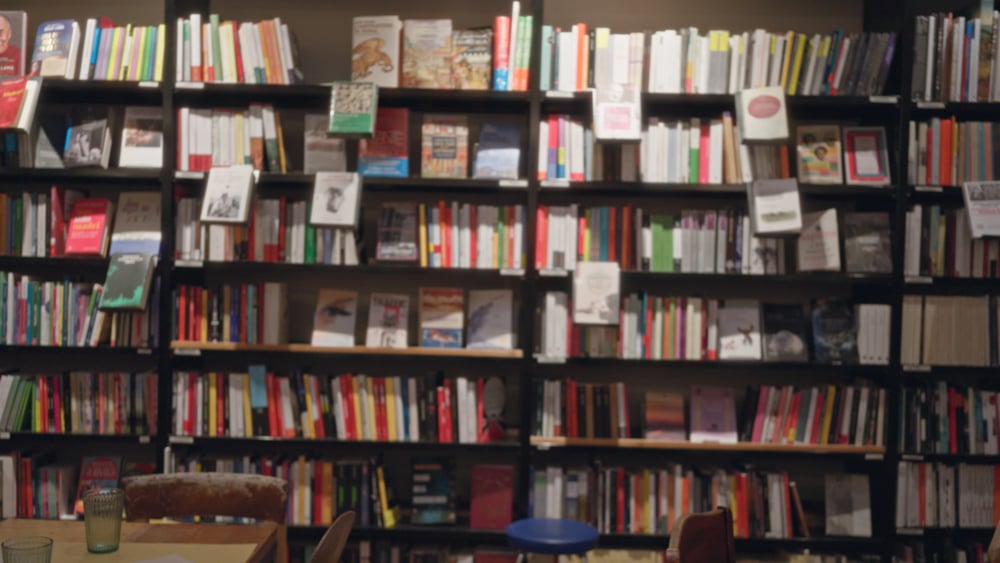
A wire spinner rack near the door held comic books priced at ten cents, including Action Comics No. 1, which introduced Superman in 1938. Children spun the rack to see every cover and stood for an hour reading without buying.
Racks of magazines and paperbacks lined the walls, and a trip to the drugstore often meant leaving with something to read.
The Penny Scale
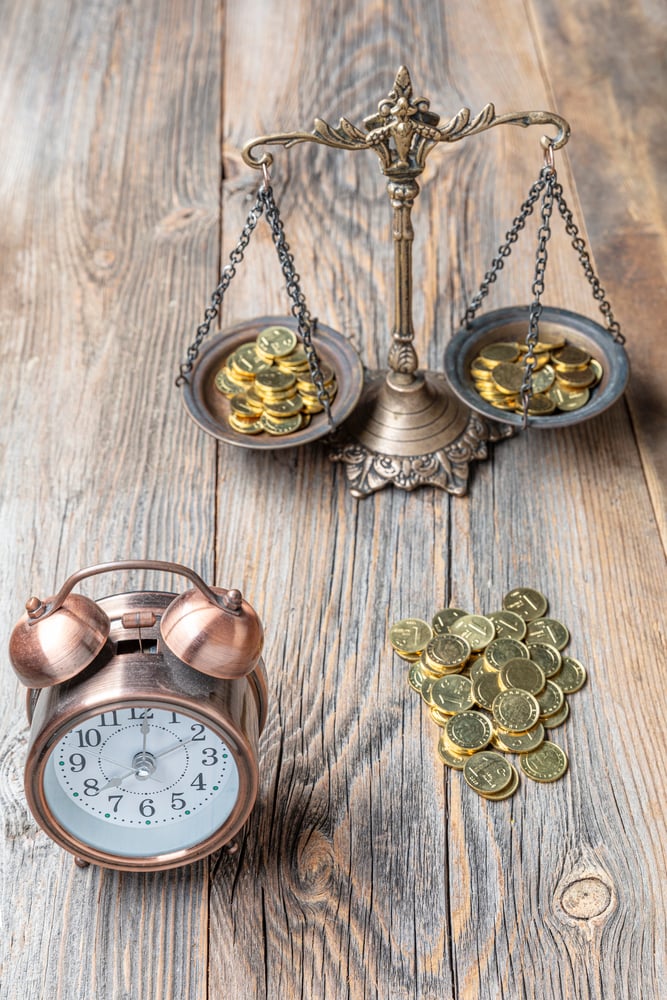
A coin-operated scale near the entrance weighed customers for a penny and often dispensed a small card with a fortune on the back. Children stepped up to be weighed and read their cards aloud.
The scale was a reliable source of small amusement and a quiet way for adults to check their weight in public.
The Vacuum Tube Tester
Television and radio sets ran on glass vacuum tubes, and many drugstores kept a self-service tester with a wall of replacement tubes in boxes. A customer pulled the tubes from the back of a set, carried them to the store, and checked each one on the machine.
A dead tube meant buying a new one from the display, which saved a household the cost of a technician’s house call.
The Cough Drop Display
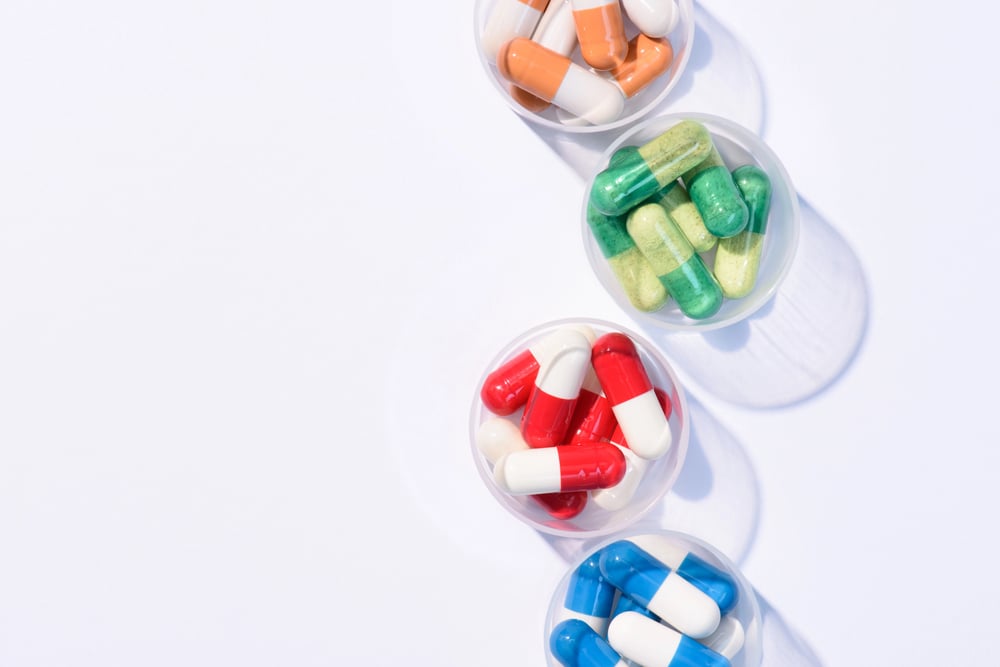
Smith Brothers cough drops were first sold in Poughkeepsie, New York, in the 1840s, and the box showed two bearded brothers labeled Trade and Mark. Many shoppers assumed those words were their names.
The red box on the counter was a small, familiar part of the cold-season routine.
The Boxed Chocolate Shelf
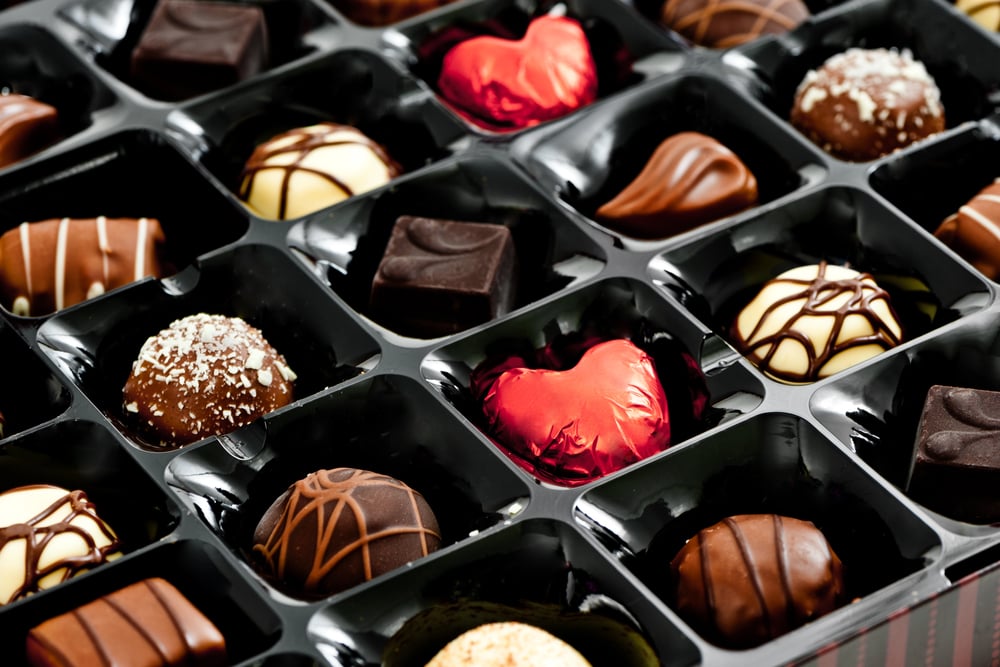
Whitman’s Sampler, introduced in Philadelphia in 1912, came in a yellow box with a diagram of every piece inside so a customer could avoid the flavors they did not like. A drugstore was a common place to pick one up for a holiday or a dinner party.
The tidy chart inside the lid was an early form of product transparency.
When the Pharmacist Also Poured
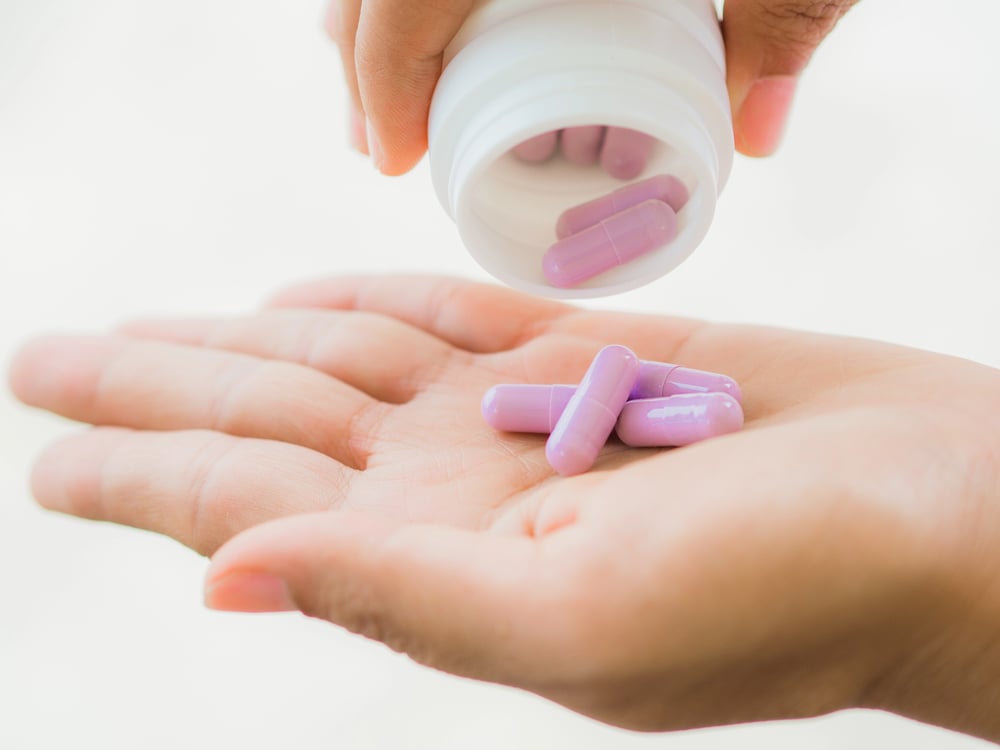
The drugstore counter was a place where chemistry, commerce, and conversation overlapped. The same building that filled prescriptions also served as a laboratory for soft drinks, a studio for photographs, and a meeting place for neighbors.
A single clerk might handle all three jobs in an afternoon. Self-service shelves made the experience faster and cheaper, but they also stripped away a lot of the daily contact.
Few chain stores keep a working soda fountain, and fewer still have a lunch counter with stools. What remains is a handful of independent shops that still pour a malted, and each one is a reminder of how the drugstore used to work.
More from Go2Tutors!

- 27 Silver Dollars and Half Dollars Worth Keeping
- 28 Restaurant Menu Items Nobody Orders Anymore
- 17 Places Built in Seemingly Impossible Spots
- 27 Vintage Rings Worth More Than They Look
- 25 Restricted Sites Tourists Can’t Enter
Like Go2Tutors’s content? Follow us on MSN.