What Americans Wore to Exercise Before Athleisure
Yoga pants at the office and sneakers at weddings make it easy to forget that workout clothes once stayed in the gym bag. For most of the twentieth century, exercise had its own wardrobe, and wearing it in public would have raised eyebrows.
The look changed slowly until the 1970s, when jogging and aerobics rewrote the rules.
Here is how Americans dressed to sweat before the leggings took over. Each piece reflects the habits, anxieties and fabrics of its decade.
Bloomers That Shrank Over the Decades

Women’s bloomer shorts from the 1900s were still around in the 1960s, though the length had climbed well above the knee. Their endurance shows how little women’s exercise clothing changed across much of the century.
Loose cut and heavy cotton were chosen for modesty first and movement second.
Satin Shorts and Skirt Separates

Pleated shorts, skorts and fitted shorts based on men’s styles became common sportswear for women, often cut from satin. Khaki cotton served as the durable alternative for hard use.
Shorts and tops sold as separates were another reliable option, and the basic formula stayed popular for decades.
The One-Piece Cotton Gym Suit

The one-piece cotton gym suit, a staple of school physical education, was worn from roughly the 1920s through the 1960s. It gave students a uniform look and kept dresses out of the way.
By the 1970s, it had become unfashionable, a sign that exercise clothing was about to be reinvented.
The Men’s Sweatsuit
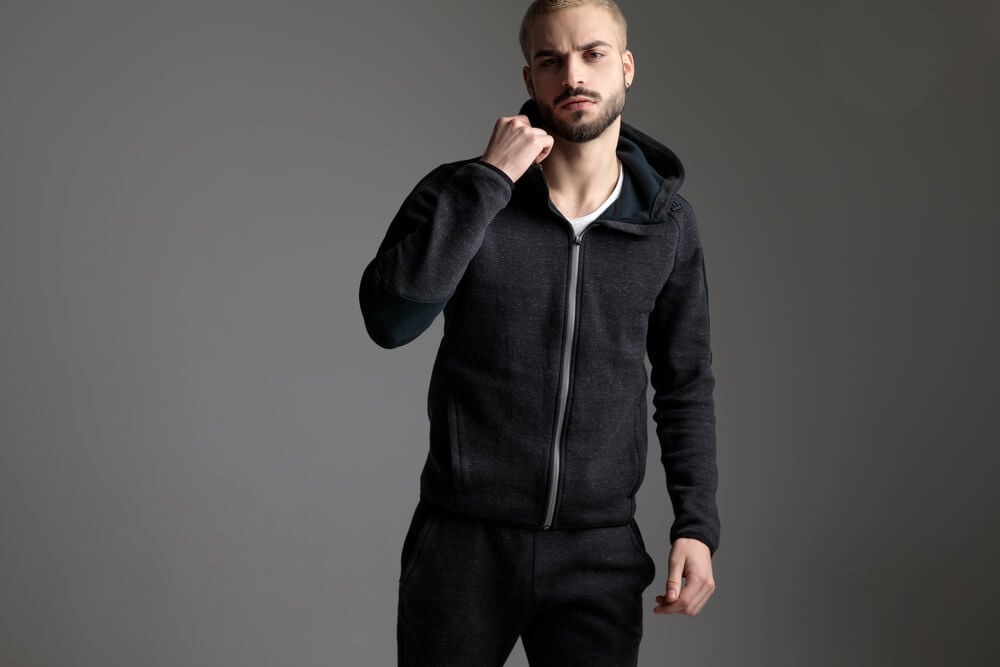
For the first half of the century, the sweatsuit was mostly a men’s workout set. Some women on weight-loss missions wore them too, believing they made the body sweat more.
By the mid-1960s, it had become an acceptable casual outfit, marking an early step toward wearing gym clothes in public.
The Vinyl Sweatsuit
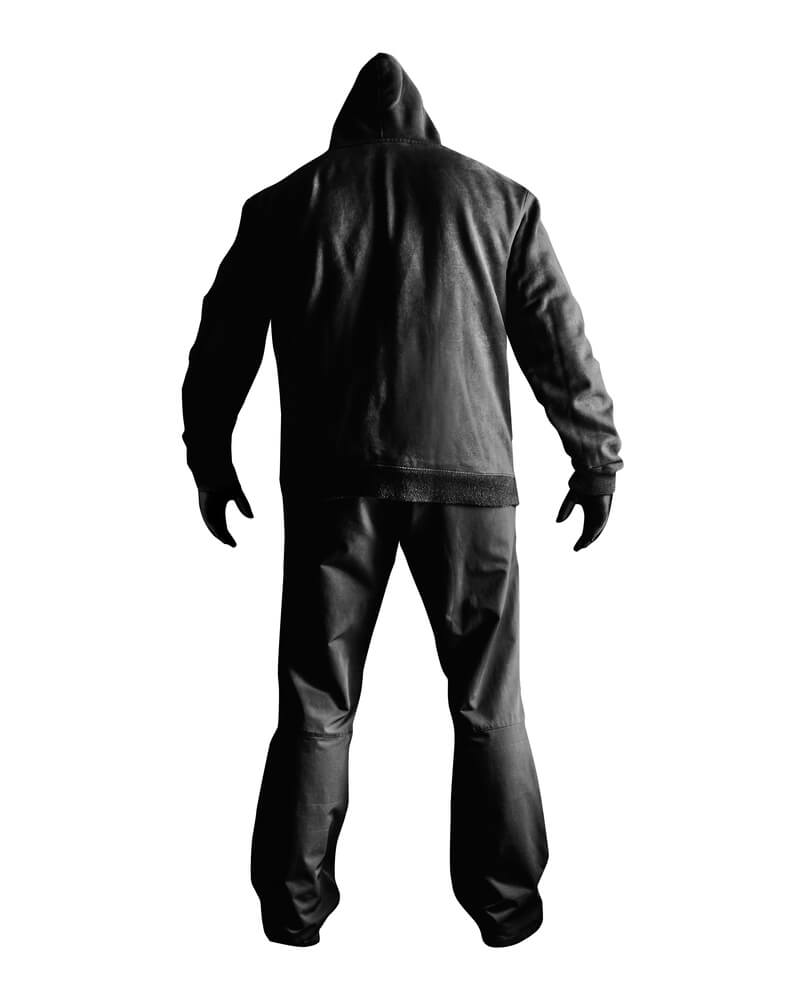
The vinyl sweatsuit took the sweating idea to its extreme, trapping heat so tightly that wearers felt every pound drip away. It was a gym fixture for people chasing quick weight loss.
The design morphed into the windbreaker tracksuit of the 1980s, which was cooler to wear and cooler looking.
The Early Tracksuit

The traditional tracksuit had been around since the early 1950s, before anyone thought to call it fashion. It offered a matching jacket and pants for warming up before athletic events.
The outfit later served as the foundation for the first jogging suits.
Leotards for the Studio

Up until the 1970s, leotards were usually reserved for performers, though they appeared in 1950s exercise settings. Eventually, the plain, colored one-piece became popular exercise wear in schools and fitness centers.
It marked the moment when dance clothing and gym clothing began to blur together.
Jack LaLanne’s Jumpsuit

Jack LaLanne became a household name with his television exercise program and a flamboyant style that included spandex-like jumpsuits. He opened what has been described as the first real health club for nonathletes, in Oakland, California.
His example taught a generation to exercise at home in front of the television.
The Jogging Suit
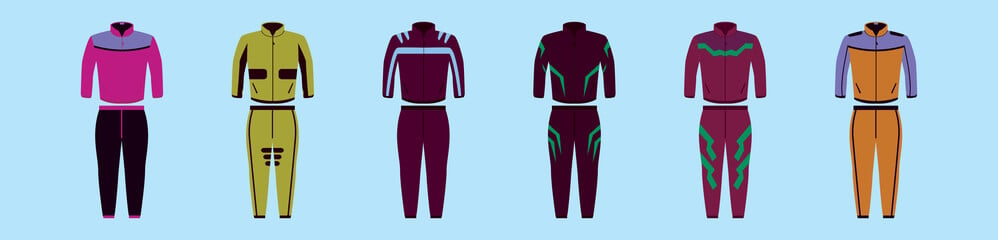
When jogging became a national obsession in the 1970s, people needed attire for running along streets and jogging in place at the gym. The first jogging suits were made from clothing that already existed, namely fleece sweatpants and hooded sweatshirts.
Designers soon realized a market had arrived and created a dedicated jogging wardrobe focused on comfort and breathability.
The Terry Cloth Outfit
Terry cloth outfits marked the 1970s, absorbent and soft in a way that suited sweaty workouts and lounging afterward. They arrived alongside the first wave of fitness crazes and sold in matching sets for men and women.
Few survive in good shape, since stretched fabric and faded colors are common.
The Wrestling Singlet

Wrestling singlets made taking an aerobics class trendy for men in the 1970s. The tight one-piece offered freedom of movement and showed off the physique of a gym regular.
The look appeared in studios and at home in an era when workout clothing had begun to turn bolder.
The Muscle Tank Top
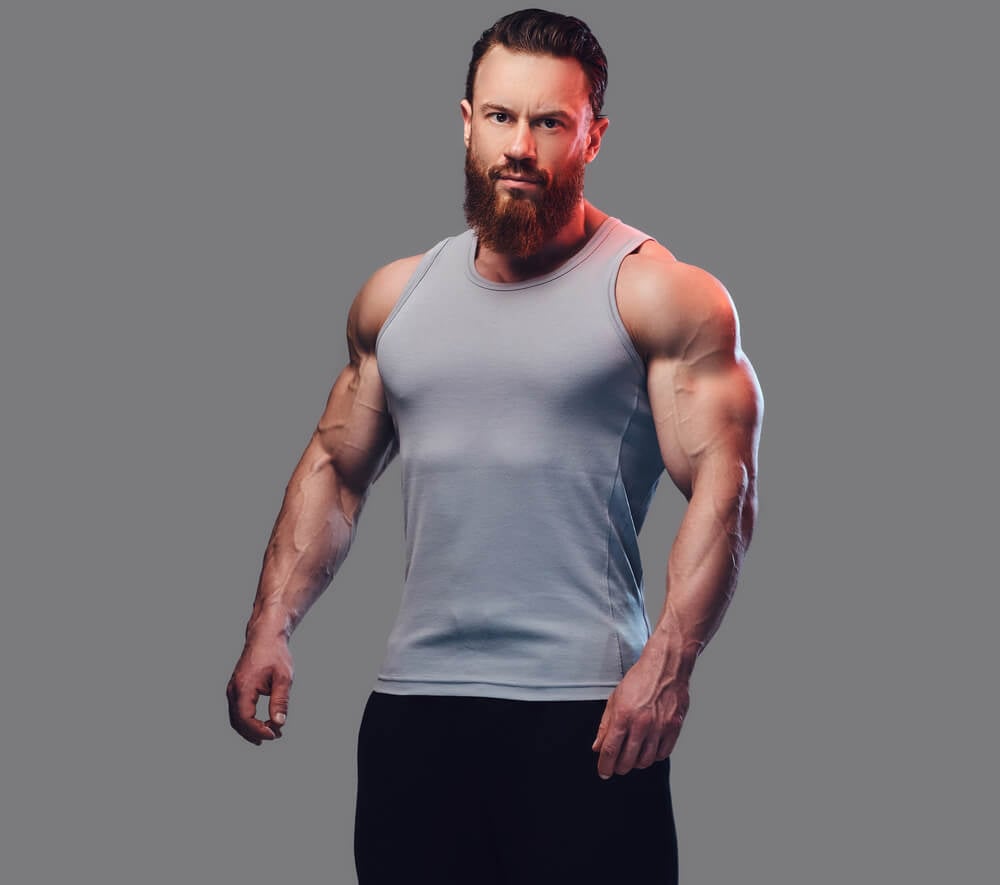
The muscle tank top became a gym clothing staple thanks to its loose fit and sleeveless design that did not restrict arm movement. Bodybuilders trained in it, and its popularity spread as weightlifting moved into the mainstream.
It remains a recognizable relic of 1970s gym culture.
Richard Simmons’s Short Shorts
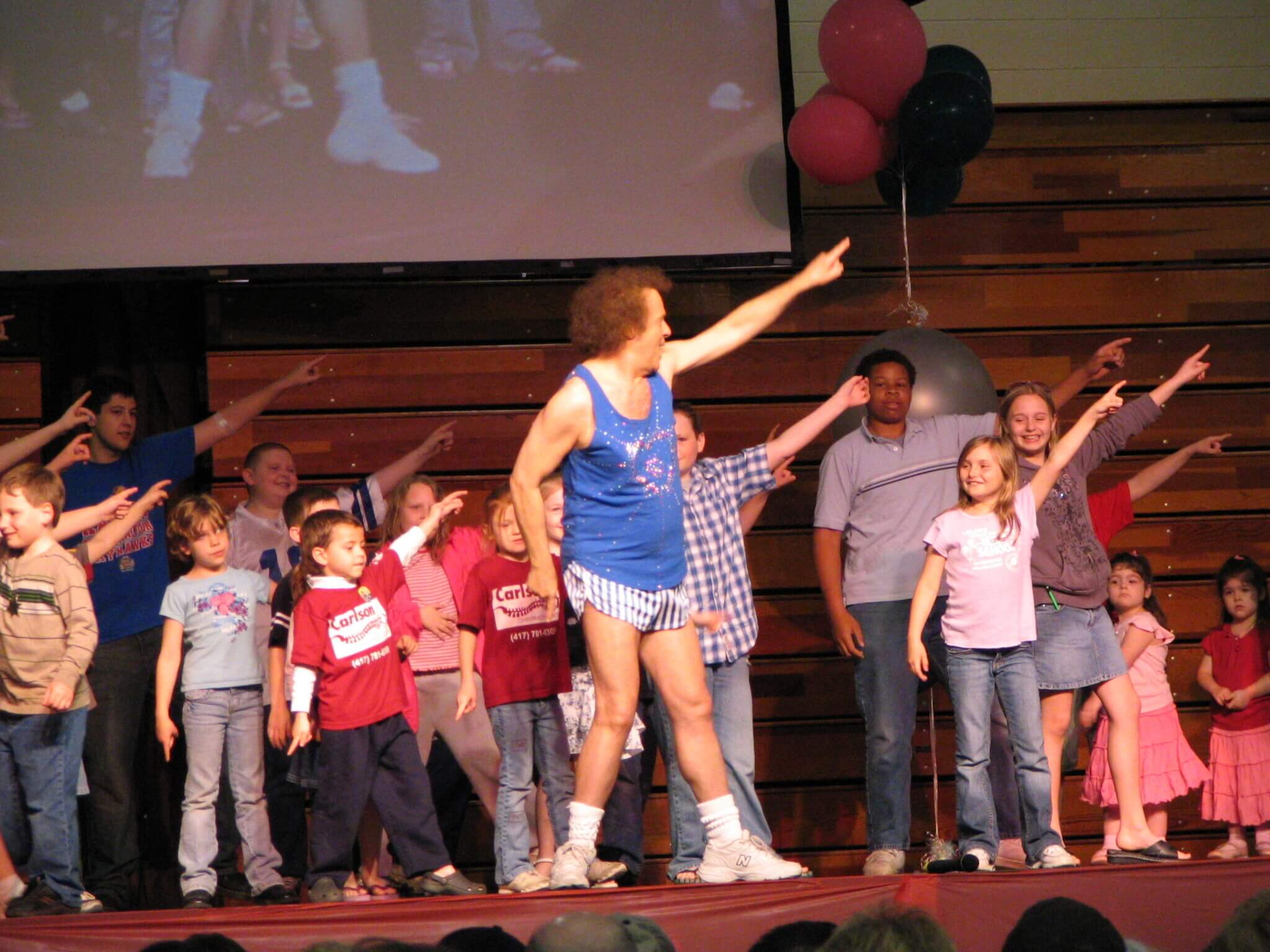
Richard Simmons founded the Anatomy Asylum in Beverly Hills in 1974, and he often dressed in short shorts and bold colors. His sweating-to-the-oldies tapes and morning show appearances made exercise a sparkling, friendly event.
The outfit became a symbol of an era when fitness clothing wanted to be seen.
Leg Warmers and Dance Aerobics
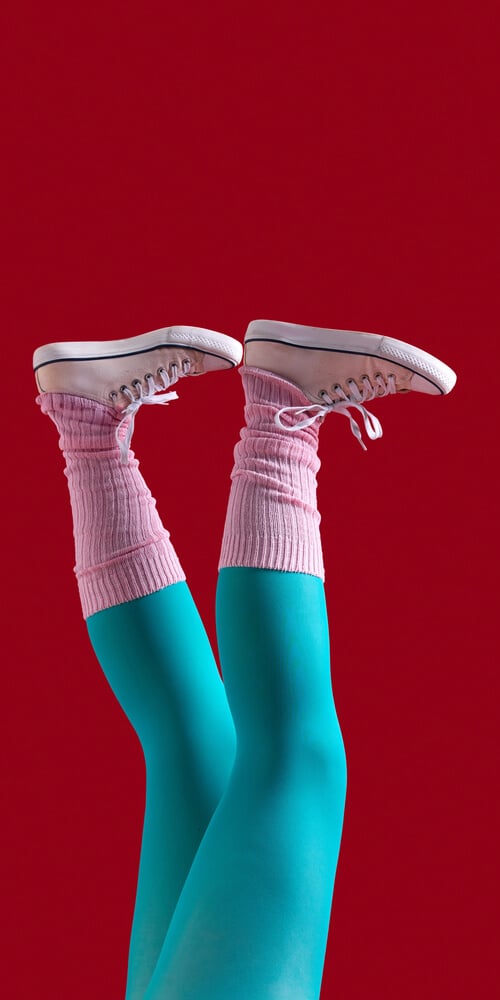
Dance aerobics defined the 1980s, and leg warmers and sweatbands became the uniform of the movement. People were obsessed, and fitness tapes sold millions of copies.
The accessories turned a studio class into a fashion statement.
Spandex Takes Over
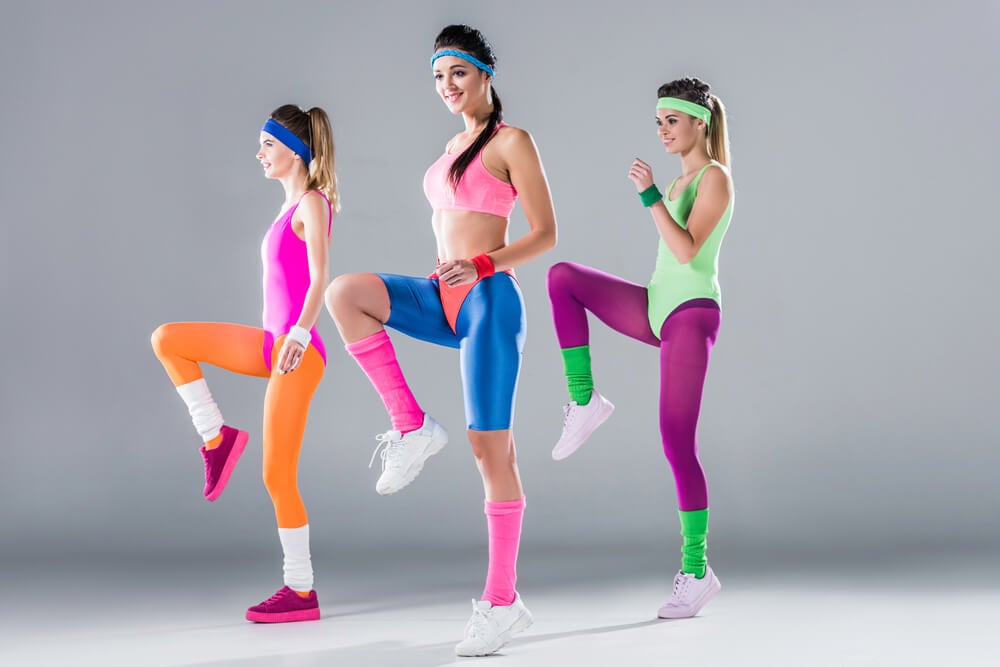
Spandex became so popular by 1987 that DuPont struggled to keep up with demand. It stretched around the body in a way that cotton never could, giving workout clothing its modern look.
The fabric remains the dominant material in exercise clothing today.
Waffle-Soled Running Shoes
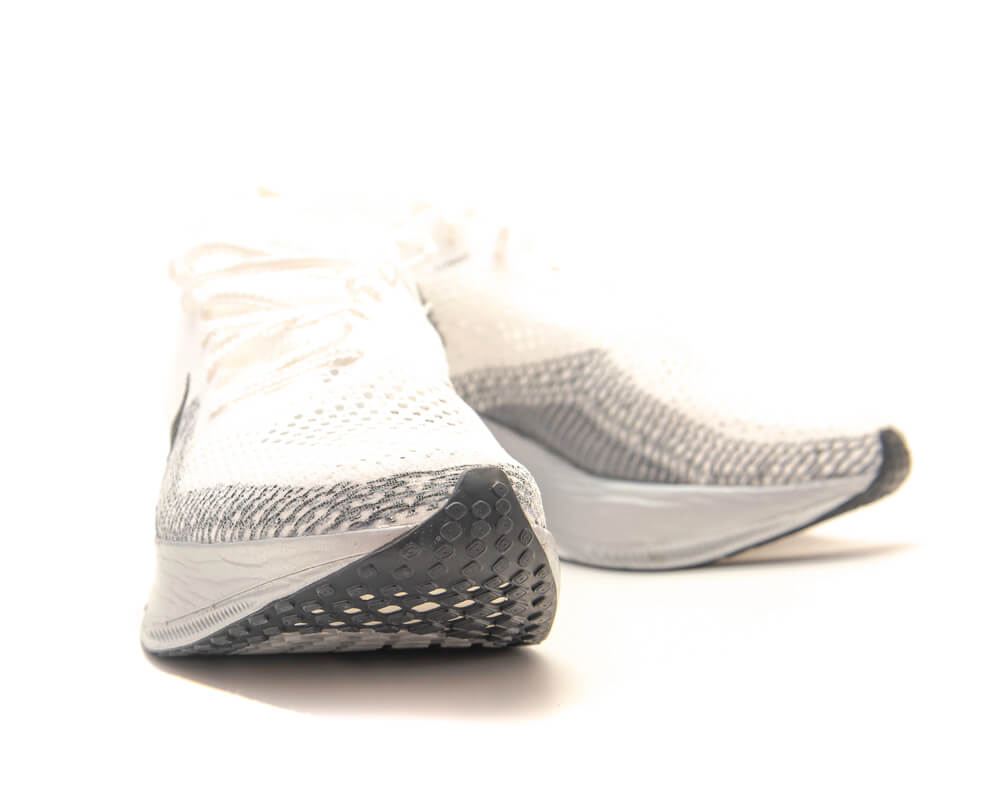
The lighter traction on running shoes was created by pouring latex into a waffle iron, and the rise of jogging sent runners everywhere to buy specialized footwear. These shoes were the first piece of exercise gear that people wore beyond the track.
They helped split exercise clothing from everyday clothing in a lasting way.
Before Clothes Became a Lifestyle

For decades, exercise clothing existed to protect modesty, manage sweat or follow a rule. Cotton, satin and vinyl each solved a narrow problem, and no one expected to wear them to lunch.
Jogging, aerobics and new fabrics changed that by making comfort and fashion part of the same piece. Athleisure did not appear overnight, since every item on this list pushed workout clothing a step closer to the street.
The yoga pant is simply the latest chapter in a long conversation between the gym and the closet. Anyone digging through a drawer of old sweatbands and terry cloth is holding evidence of how that conversation began.
More from Go2Tutors!

- 27 Silver Dollars and Half Dollars Worth Keeping
- 28 Restaurant Menu Items Nobody Orders Anymore
- 17 Places Built in Seemingly Impossible Spots
- 27 Vintage Rings Worth More Than They Look
- 25 Restricted Sites Tourists Can’t Enter
Like Go2Tutors’s content? Follow us on MSN.