Reasons Small-Town Libraries Once Served as the Center of Everything
In an era before internet connectivity, before multiplex entertainment centers, before suburban shopping malls drew commerce away from downtown districts, small-town libraries occupied a position of cultural centrality that would seem almost incomprehensible to modern residents of those same communities. Libraries were not quiet repositories for books but bustling community centers where nearly every significant social, intellectual, and civic function intersected.
The institution embodied values of public education, community improvement, and democratic access to information. Understanding why libraries held this position requires understanding the practical conditions and cultural assumptions of their era.
The Primary Source of Information Access

Before the internet, before television dominance, libraries held a near-monopoly on information access. Want to know about growing vegetables, fixing automobiles, or understanding a disease?
The library had books covering the topic. The librarian—often the most educated person in the community—could guide your research and recommend sources.
For a rural farmer or a working-class city resident, the library was the connection to all recorded human knowledge. The institution democratized information in a way that capitalism alone had not achieved.
A rich person could hire tutors or purchase personal libraries; a poor person could access the same resources at the library free of charge.
The Only Free Entertainment Option
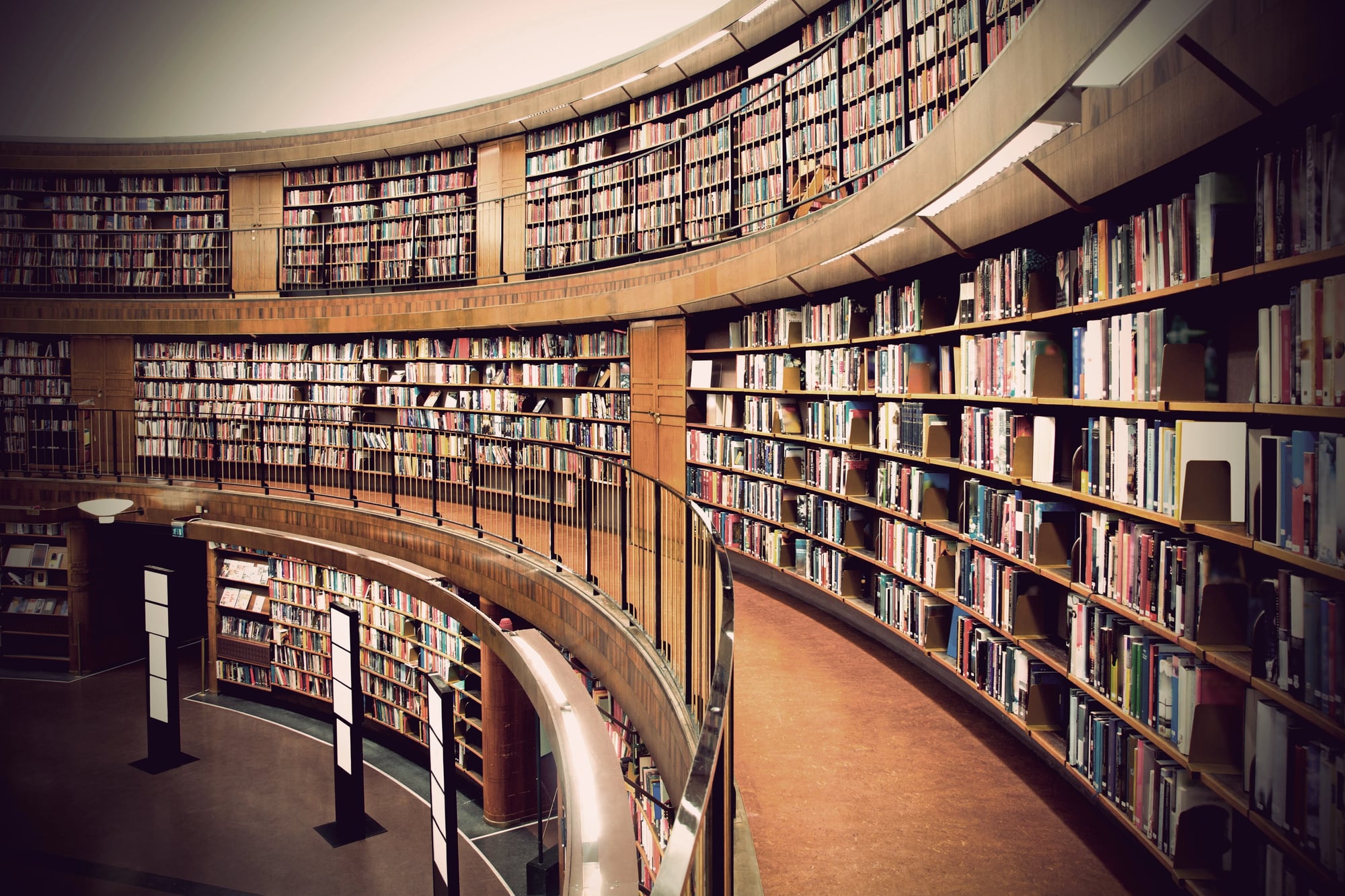
Borrowing books was free, making libraries the accessible recreation for families without disposable income. In the Depression era and beyond, libraries provided entertainment that cost nothing and required no consumption.
Before television, the public library’s reading materials constituted legitimate competition for people’s leisure time. The tradition of spending Saturday afternoons in the library browsing books was not fringe behavior but normal practice for many.
For children especially, the library was an escape into imagined worlds without economic barriers.
Community Meeting Space
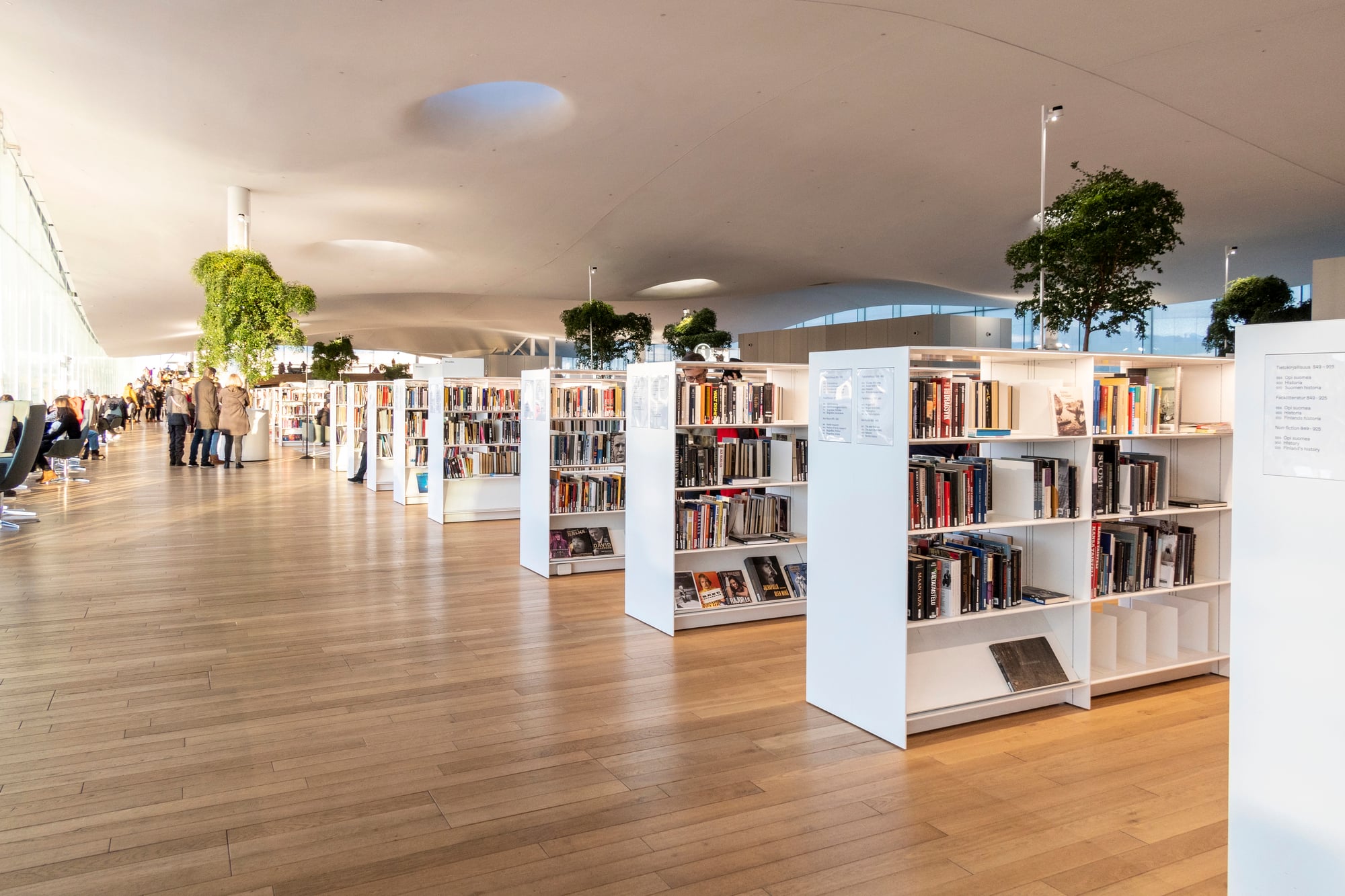
Small-town libraries provided spaces for public meetings, lectures, and community gatherings. Public libraries hosted author readings, educational lectures, civic meetings, and social events.
In communities with limited public spaces, the library often served as the primary gathering point for community deliberation and social connection. The library reading room allowed people to congregate, making the space function as part library, part community center.
Notices of community events were posted at the library, making it a natural gathering point for civic information.
Educational Supplement for Underfunded Schools

In many rural communities, schools were substantially underfunded and lacked adequate reference materials. Teachers directed students to the library for research projects, creating generations of students for whom library use was essential to education.
The library’s resources supplemented the school’s deficiencies, providing the reference materials, encyclopedias, and specialized books that schools could not afford. A librarian might review a student’s research project, effectively providing tutoring assistance that families could not otherwise afford.
Social Respectability and Cultural Aspiration

Libraries represented institutional commitment to culture and learning. A community with a library was a “civilized” community with aspirations to intellectual improvement.
For ambitious families, the library was proof that self-improvement through education was possible. Librarians were respected professionals, often among the most educated people in the community.
Using the library signaled participation in culture and education, providing social validation for intellectual aspirations. The library embodied the belief that ordinary people deserved access to the same knowledge and culture available to the wealthy.
Quiet Refuge from Crowded Homes

Before extensive home square footage became standard, many families lived in crowded housing with limited private space. The library provided a quiet space where students could study, where individuals could read undisturbed, and where one could escape the noise and crowding of home life.
For teenagers especially, the library offered refuge during hours when other public spaces were not available. The quiet reading room functioned as an extension of private space for those whose homes provided insufficient peace.
Social Function for Single Women

The library was one of the few public spaces where unaccompanied women could spend time without social disapproval. Libraries became gathering spaces for women, particularly older women and widows, who used the library not only for books but for social interaction.
The library’s respectability and public nature made it an appropriate destination for women traveling alone. Library staff were often female, creating spaces where women could interact with other women in professional contexts.
Community Record Keeping and History

Local libraries maintained newspaper archives, historical records, and local history collections. The library functioned as the community’s institutional memory, preserving documents about local history that might otherwise have been lost.
Genealogists consulted library records, researchers investigated local history, and the library served as an archive for the community’s past. This function increased as television and mobility diminished other forms of local history transmission.
The library became the repository for accumulated knowledge about the community itself.
Intellectual Community and Cultural Leadership
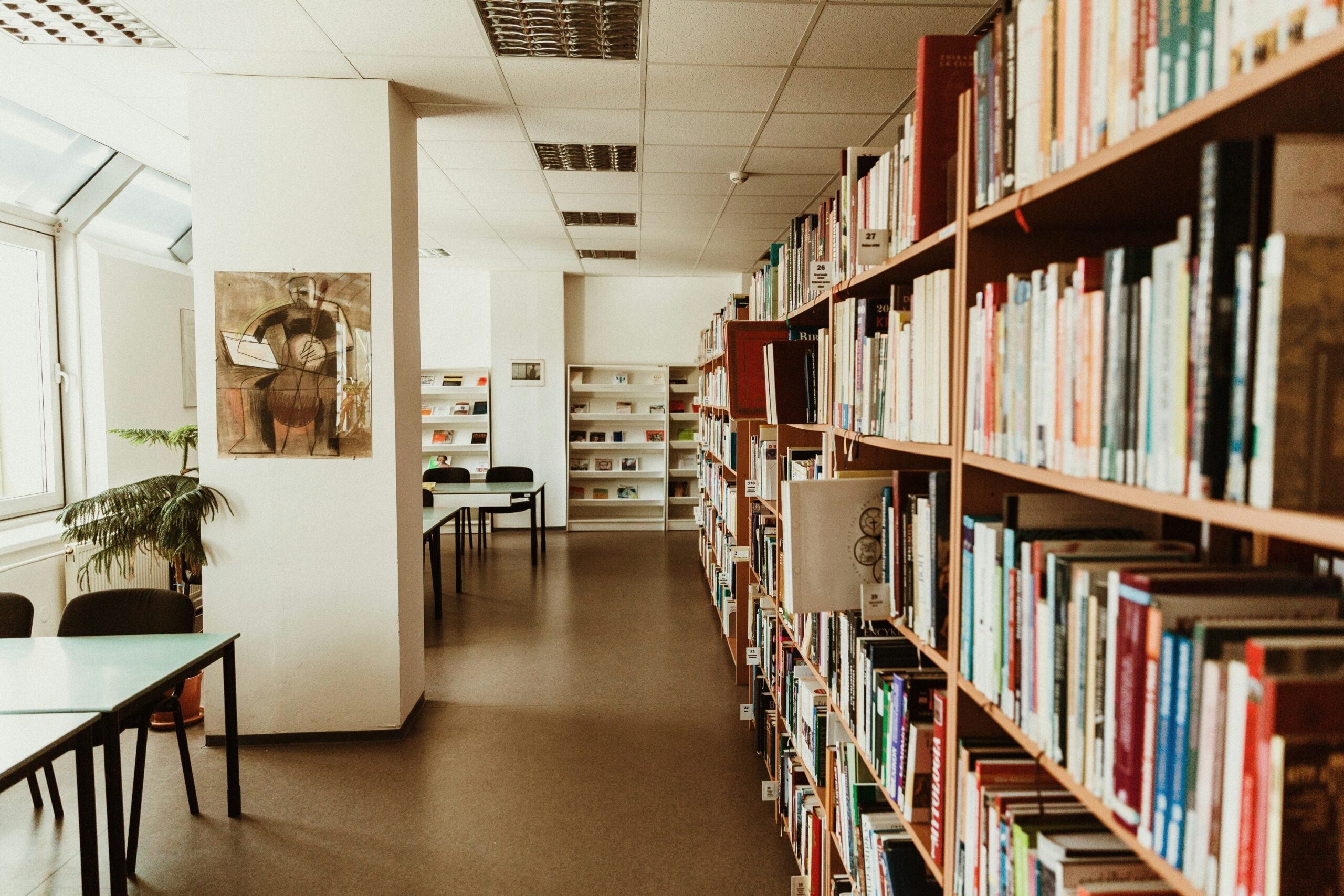
Librarians often provided intellectual leadership in small communities, selecting materials that guided reading and intellectual development. Librarians championed literacy, organized book clubs, and created reading recommendations that influenced community reading habits.
The librarian’s professional judgment about what constituted important literature carried weight in communities without alternative intellectual authorities. This gatekeeping function gave librarians significant cultural power and made the library a center for shaping community intellectual life.
Safe Space for Social Outsiders

The library’s non-judgmental access policies meant that individuals who might face social exclusion elsewhere could find refuge in its walls. Gay teenagers, religious minorities, intellectually curious individuals in anti-intellectual communities—all could find books addressing their interests and concerns.
The library’s non-discriminatory access policies made it a safe space for people whose identities or interests were marginalized in the broader community. This function became increasingly important as internet access later provided alternative pathways for discovering information about non-mainstream topics.
Employment Resource and Job Training

Libraries collected employment information, helped people draft resumes, and provided access to job listing publications. In an era before online job portals, the library was a crucial employment resource.
During economic downturns, libraries provided information about retraining opportunities, business formation, and career advancement. Librarians assisted people in navigating employment systems that otherwise seemed opaque and difficult to access.
This function was particularly crucial during the Depression and during economic transitions when traditional employment structures were disrupted.
Legal Information and Self-Help Resources
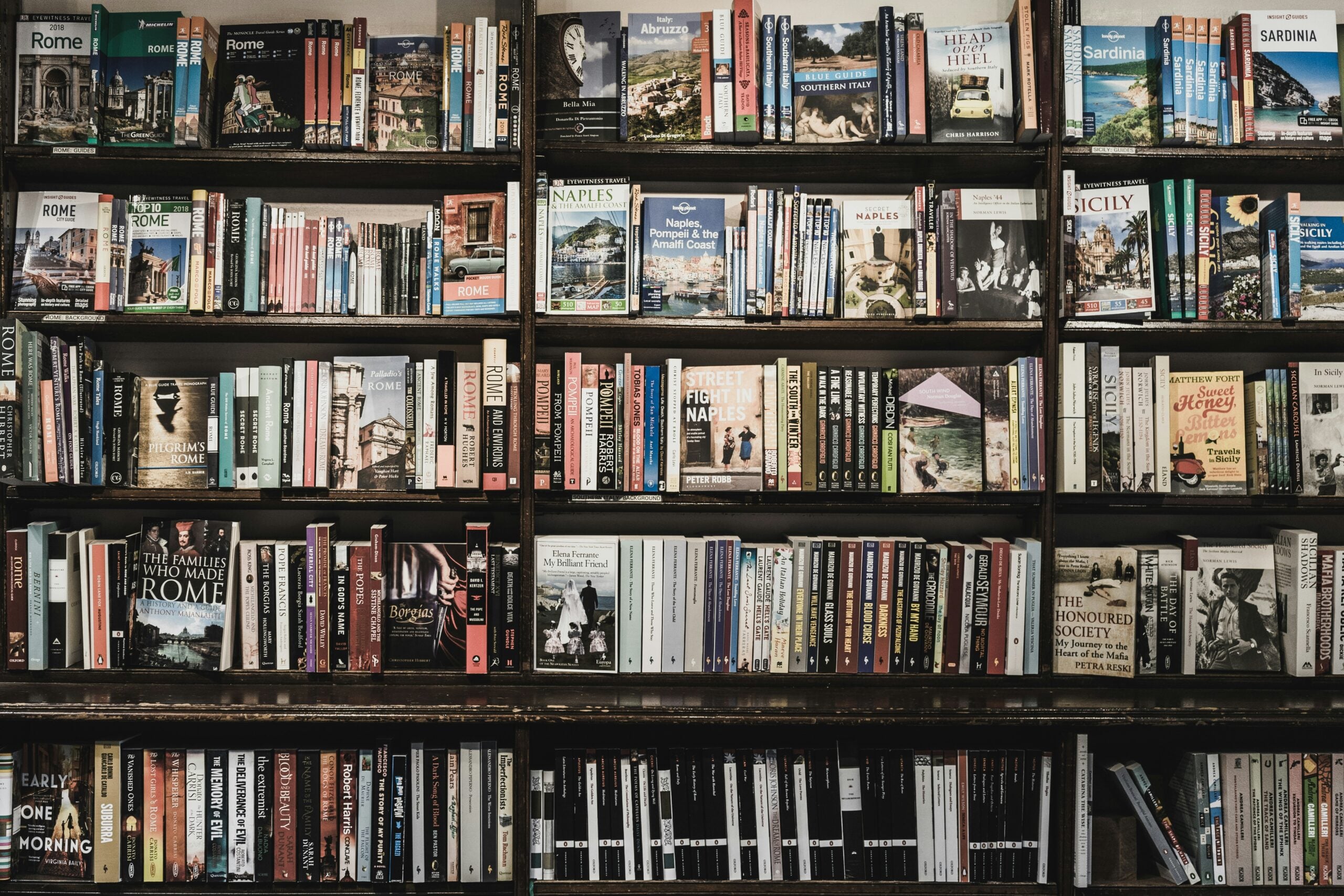
For people who could not afford lawyers, the library provided legal reference materials and self-help books covering wills, contracts, and legal procedures. The democratization of legal information through libraries allowed individuals to navigate legal systems without professional assistance.
This function was particularly crucial for poor people and rural residents who lacked easy access to legal services. The library’s role in making legal information accessible contributed to democratization of legal knowledge.
Health and Medical Information Access

Before modern medical internet resources, people consulted library medical references for health information. Librarians helped people locate information about diseases, treatments, and health maintenance.
The library was often the only accessible source for medical information beyond what a family doctor might provide. This function was particularly important in rural communities where access to medical professionals was limited.
The library’s medical references provided information that was often inaccessible through other means.
Cultural Validation and Social Hierarchy

Library membership and active patronage indicated cultural respectability and intellectual ambition. For upwardly mobile families, use of the library signaled participation in respectable culture.
The library differentiated between “good” reading and “trash” literature, with librarians’ selections reflecting (and shaping) community cultural standards. This gatekeeping function meant that the library’s collection and the librarian’s recommendations carried status implications.
Access to the library’s cultural authority became part of social aspiration.
Religious and Moral Education
In communities where public schools were explicitly Christian, libraries provided access to diverse religious and philosophical materials. The library’s collection included materials that schools excluded, making it a resource for exposure to ideas beyond the mainstream religious consensus.
This function was particularly important in homogeneous communities where exposure to diverse perspectives was limited. The library functioned as a counterbalance to institutional monoculture.
Arts and Performance Venue

Many libraries hosted musical performances, poetry readings, lectures, and theatrical productions. The library’s space was transformed for these events, making the institution function simultaneously as library and cultural center.
Local artists performed in library spaces, and community members attended cultural events that might not have been available otherwise. This function integrated the library into the cultural life of the community beyond its role as a book repository.
Research Support for Farmers and Small Businesses

Agricultural extension libraries provided research materials for farmers seeking to improve farming techniques, livestock management, and crop yields. Small business owners consulted library resources for business management, accounting, and industry information.
These practical information functions made the library crucial to the economic productivity of the region. The library’s research resources directly contributed to agricultural and business success in ways that were economically significant for the community.
Reading Group Leadership

Libraries organized and hosted reading groups, creating communities of readers who discussed literature together. These groups provided intellectual engagement for participants and created social communities around shared literary interests.
The librarian often facilitated group discussions, effectively providing literary education and intellectual engagement that was otherwise unavailable. Reading groups created communities that persisted beyond the library itself.
Children’s Programming and Education

Libraries provided storytelling hours, children’s programming, and educational activities that supplemented school-based education. Librarians became childcare providers during after-school hours, supervising children while parents worked.
The library’s children’s collections made quality literature accessible to families without resources to purchase books. This function meant that the library became integral to childhood experience and literacy development for many children.
Anti-Censorship Platform

Libraries served as platforms for intellectua freedom, resisting censorship efforts and maintaining access to controversial materials. In communities where political or religious authorities attempted to suppress certain ideas, the library often maintained access to forbidden materials.
Librarians became defenders of intellectual freedom, resisting pressure to remove books that powerful community members found objectionable. This function gave libraries and librarians significant cultural authority as defenders of open access to information.
Literacy Education Programs

Libraries taught literacy to adults, operated literacy programs, and provided materials for English-language learners. This educational function went beyond providing books to actively teaching people to read and to navigate the library’s systems.
The library’s role in adult literacy meant that the institution directly contributed to human development and opportunity in ways that extended beyond book lending.
Connection to Larger World

Through books, magazines, and newspapers, the library connected small communities to larger world. People learned about distant places, different cultures, and the broader world through library materials.
This connection function was particularly important for rural communities that might otherwise have been isolated from world events and diverse perspectives. The library functioned as a gateway to understanding the larger world beyond the community’s immediate experience.
More from Go2Tutors!

- The Romanov Crown Jewels and Their Tragic Fate
- 13 Historical Mysteries That Science Still Can’t Solve
- Famous Hoaxes That Fooled the World for Years
- 15 Child Stars with Tragic Adult Lives
- 16 Famous Jewelry Pieces in History
Like Go2Tutors’s content? Follow us on MSN.