Exotic Pets Owned By The Super Rich
When most people think about getting a pet, they picture a trip to the local shelter or maybe a reputable breeder for a purebred dog.
The ultra-wealthy, however, operate on an entirely different plane.
For them, a Labrador or tabby cat just won’t cut it.
Instead, they’re dropping six figures on Bengal tigers, housing chimpanzees in custom-built enclosures, or casually adding a rare arowana fish worth more than a luxury sedan to their ornamental pond.
It’s a world where animals become accessories, status symbols, and living proof that when you have enough money, even the wildest creatures can end up on your estate.
The exotic pet phenomenon among the super-rich isn’t exactly new, but it’s reached levels of extravagance that would make ancient royalty envious.
From sprawling private zoos to single animals that cost more than most people’s homes, the wealthy have turned pet ownership into yet another arena for displaying their resources.
Let’s take a closer look at the fascinating, often controversial world of exotic animals in the hands of those who can afford literally anything.
The Big Cats That Live Like House Cats
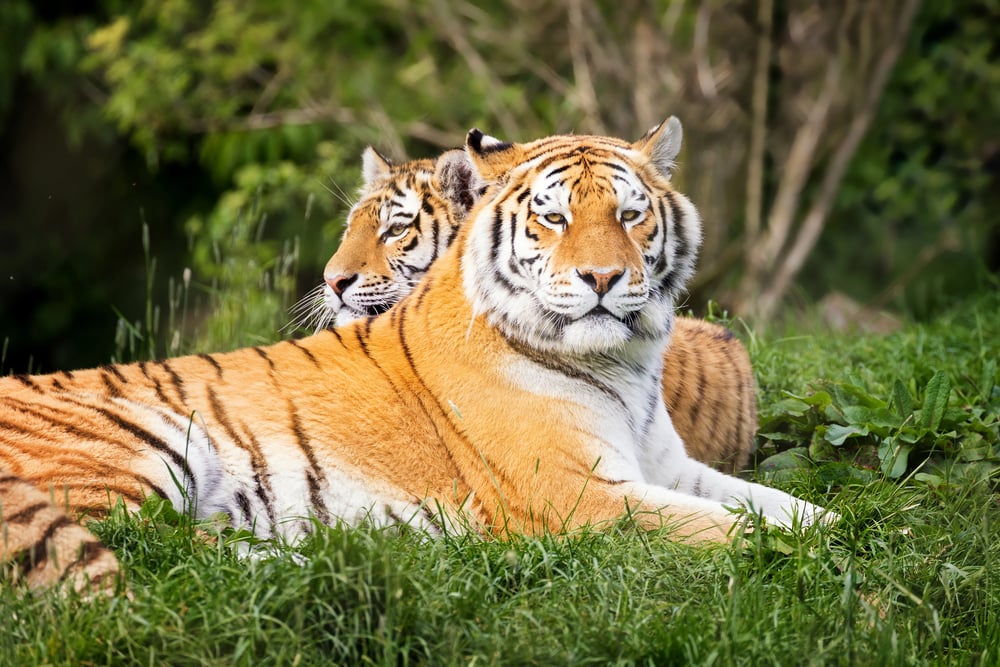
Few exotic pets make a statement quite like a tiger, and Mike Tyson famously owned three Bengal tigers that lived at his Las Vegas mansion.
He reportedly played with them like house cats and spent thousands on their care before eventually giving them up for safety reasons.
His favorite, a white Bengal tiger named Kenya who weighed 550 pounds, even slept in his room.
The experiment ended badly when Kenya tore off a neighbor’s arm during an unexpected visit, costing Tyson $250,000 in compensation.
White Bengal tigers remain one of the ultimate exotic pets for those who can afford them, with costs hovering around $30,000.
But the price tag is just the beginning.
These animals require specialized care, massive secure environments, and round-the-clock attention from trained handlers.
Actress Tippi Hedren took her love of lions to another level, welcoming the large cats into her home and raising them alongside her human family, including daughter Melanie Griffith.
It’s the kind of lifestyle choice that makes sense only when you have unlimited resources and apparently a very understanding insurance company.
Beyond tigers, the caracal has become a fashionable choice among the wealthy, priced between $1,500 and $20,000.
This wild cat features a sleek, muscular body and striking tufted ears, though it’s not exactly a pet for the faint of heart.
Still, for someone with a sprawling mansion and a team of caretakers, what’s one more wild predator roaming the grounds?
Primates as Status Symbols

Monkeys and apes have long captivated the wealthy, probably because they’re intelligent, interactive, and undeniably exotic.
Michael Jackson’s chimpanzee Bubbles became one of the most famous animal companions of the 1980s, attending award shows and traveling everywhere with the pop star before eventually moving to a sanctuary.
Justin Bieber made headlines for acquiring a capuchin monkey named OG Mally, possibly illegally, only to abandon him with customs officials in Munich.
The incident highlighted how casually some celebrities treat these animals as disposable accessories rather than lifelong commitments.
Capuchin monkeys remain popular among exotic pet collectors, costing between $5,000 and $7,000.
They’re prized for their intelligence and ability to be trained for basic tasks, having even served as service animals.
But the real cost comes afterward.
These tiny primates need constant stimulation, social interaction, and specialized diets, essentially functioning like tiny toddlers with a hefty price tag to match.
Green monkeys, typically bred for research, can fetch upwards of $50,000 and require even more extensive care.
In Culiacan, Mexico, a city known for wealth displays linked to drug cartels, a two-year-old spider monkey named Emilia has become a social media sensation.
Owned by Zulma Ayala, Emilia appears in fashionable attire including jeans and crop tops, sporting Armani perfume and enjoying spa days and gym visits.
The fact that owning spider monkeys is illegal in Mexico, where they’re critically endangered, apparently doesn’t diminish their appeal as status symbols among the ultra-wealthy.
Reptiles and Ancient Creatures

For those seeking longevity in their exotic pets, nothing beats a giant tortoise.
The Aldabra giant tortoise can live over 100 years and is often passed down through generations of wealthy families, with prices ranging from $2,500 to $5,000.
Leonardo DiCaprio purchased a Sulcata tortoise for $400 at the North American Reptile Breeders Conference, with the ten-year-old expected to live another 70 years.
It’s the kind of pet purchase that becomes part of your estate planning.
Nicolas Cage took exotic reptile ownership to extreme levels, having owned two albino king cobras named Moby and Sheba that cost him $276,000.
These cobras are known for their highly potent venom, and Cage reportedly told interviewers that he felt the snakes were casually ‘plotting his death’.
He also kept an octopus, a shark, and a crocodile at various points, raising serious questions about appropriate animal welfare and housing conditions.
The appeal of reptiles extends to smaller, more manageable species too.
Actor Chris Pratt has shown off his bearded dragon Leo on social media, celebrating ‘take your lizard to work’ moments.
Compared to venomous cobras, a bearded dragon seems downright responsible.
Designer Hybrid Animals

Why settle for an ordinary cat when you can have one that looks like it belongs in the African savanna?
The Savannah cat, a hybrid of a wild serval and a domestic cat, costs between $10,000 and $20,000.
With its long, graceful body, large ears, and wild appearance, it offers a mix of exotic beauty with domestic cat behavior.
They’re energetic, playful, and need plenty of space to roam, making them ideal for wealthy folks living in sprawling mansions.
Dogs haven’t been left out of the exotic pet trend either.
The Tibetan Mastiff has become one of the world’s most expensive dogs, with typical specimens costing between $3,000 and $10,000, while rare bloodlines have sold for as much as $1.9 million.
With its ancient roots as a guardian breed in the Himalayas, this majestic dog features a powerful frame and luxurious, lion-like mane.
When you factor in vet bills, grooming, and food, these dogs would drain most people’s bank accounts entirely.
Billionaire philanthropist Michael Steinhardt has zedonks—half-zebra, half-donkey hybrids—roaming his 55-acre private estate north of Manhattan.
The brown pack animals covered in black stripes represent the ultimate in designer pet breeding, though camels nearby barely draw attention by comparison.
Fish Worth More Than Sports Cars

Not all exotic pets are cuddly or even particularly interactive.
The golden dragon fish, a type of arowana, ranks among the most coveted pets worldwide, with its shimmering golden scales and association with good luck and prosperity making it a symbol of wealth in Asian cultures.
The most prized golden arowanas cost anywhere from $5,000 to $300,000, depending on color, size, and rarity.
In particularly special circumstances, they can even sell for millions.
These fish require elaborate aquariums with carefully maintained environments.
Wealthy folks keep these fish in ornamental ponds as symbols of prosperity and good luck, or simply as status symbols.
It’s an awful lot of money for a pet you can’t even pet, but when the goal is displaying wealth rather than companionship, practicality becomes irrelevant.
When Ordinary Wild Animals Become Extraordinary Pets

Sometimes the exotic appeal comes not from rarity but from sheer audacity.
Actress Audrey Hepburn adopted a fawn named Pippin after working with the animal on the set of Green Mansion.
The animal trainer asked her to take the deer home to acclimate better with it, and she became so attached that she couldn’t part with Pippin after production ended.
Artist Frida Kahlo owned a deer named Ganizo.
Paris Hilton owned a kinkajou, a rainforest animal that lives high in treetops and rarely interacts with other animals or humans, naming it Baby Luv.
The heiress and her furry companion were inseparable until Baby Luv did what wild animals do and bit Paris, resulting in an emergency room trip and a new home for the kinkajou.
Actress Kirstie Alley built a lemur enclosure in her backyard to keep over a dozen of these unique pets close at all times.
Thankfully for the California resident, the west coast climate resembles Madagascar’s native habitat.
Even Martha Stewart has history with exotic pets, having grown up with wolf-dog hybrids that were treated like family pets rather than wild animals.
The Private Zoo Phenomenon

For some billionaires, individual exotic pets aren’t enough.
They want entire collections.
Michael Steinhardt, the hedge fund billionaire who helped create Birthright Israel, maintains a 55-acre private zoo with at least 30 species of animals and more than 100 birds.
Visitors encounter red kangaroos, marmosets, wallabies, tortoises, and those aforementioned zedonks during walks through spiral bamboo structures and rope bridges.
Historically, newspaper magnate William Randolph Hearst’s estate featured the Hearst Garden of Comparative Zoology, where guests drove through fenced fields populated with exotic wild animals roaming the hillsides.
White fallow deer were most numerous with over 300 animals, alongside African and Asian antelope, zebras, both two-humped and one-humped camels, various deer species, llamas, kangaroos, ostriches, emus, and various sheep species.
Additional animals including bears, big cats, primates, and an elephant lived in menagerie cages.
More recently, Anant Ambani, son of one of the world’s richest men, established Vantara, a controversial 3,000-acre facility in Gujarat, India, that houses thousands of animals including many endangered species.
While portrayed as a sanctuary, critics question whether it’s actually a private zoo in disguise, particularly given its massive acquisitions of big cats and lack of transparency about breeding practices.
The Psychology and History Behind It
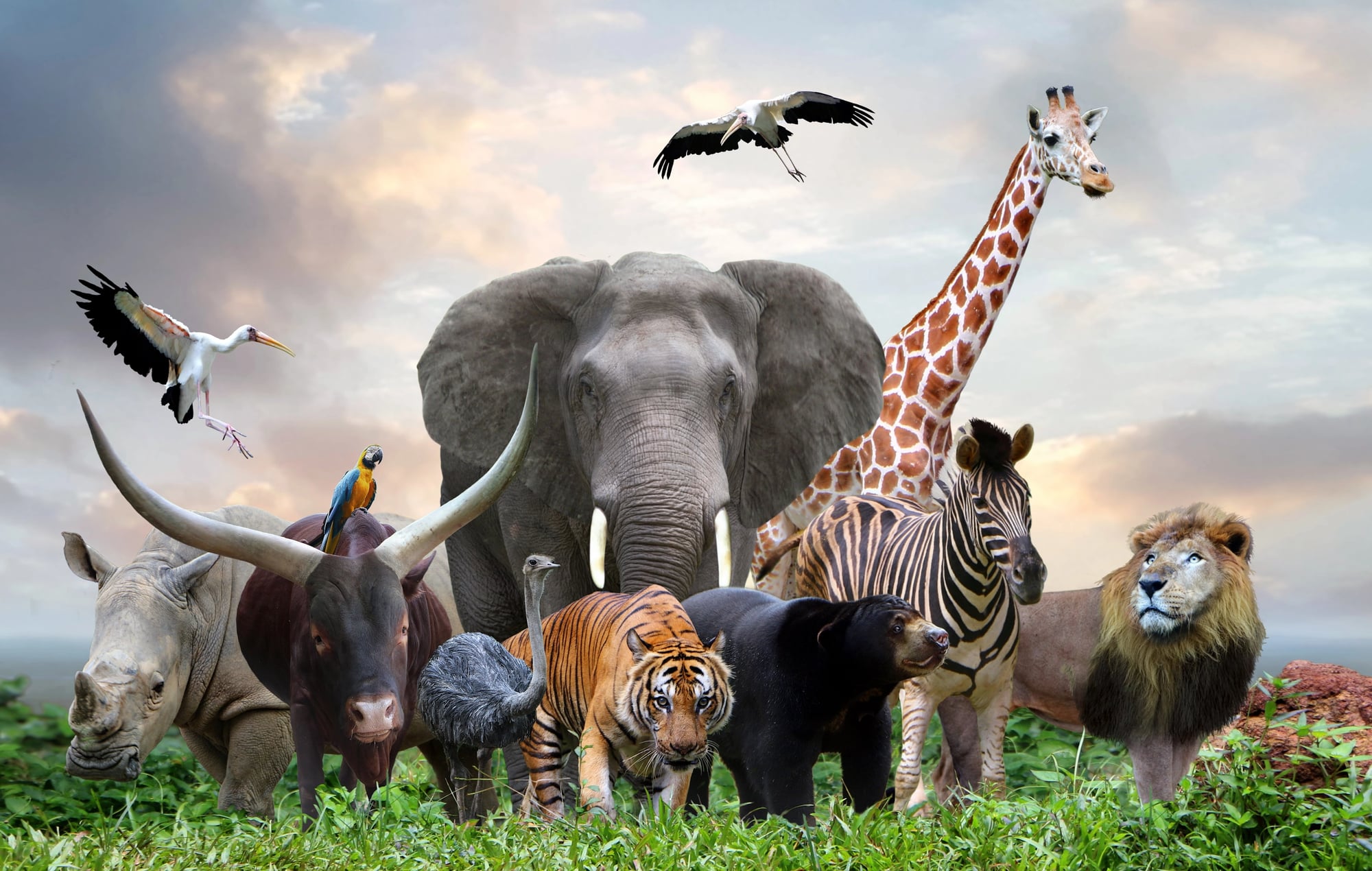
The tradition of wealthy individuals keeping exotic animals dates back millennia, with the Egyptian capital of Hierakonpolis housing a royal collection of captive elephants, hippopotamus, and other creatures as early as 3500 BCE.
The Mongol emperor Kublai Khan kept leopards, cheetahs, tigers, elephants, and 200 species of birds in his private park, while the famous Royal Menagerie at the Tower of London was established in 1210.
The true allure of owning an exotic animal likely stems from their untamability—unlike domestic cats and dogs, lions and bears haven’t been bred for docility over generations.
For the extremely wealthy, wildness itself becomes a commodity, a living reminder of human command over the natural world.
When you’ve already conquered business, accumulated unimaginable wealth, and bought every luxury imaginable, perhaps owning nature’s most formidable creatures represents the ultimate power move.
Legally, the situation remains surprisingly lax in many jurisdictions, with states like Nevada, Alabama, and South Carolina requiring no permits or licenses to own big cats.
At least a dozen more states require only simple paperwork and small permit fees.
Even in places where it’s technically illegal, loopholes exist through USDA exhibitor licenses that almost anyone can obtain.
Why It Still Matters
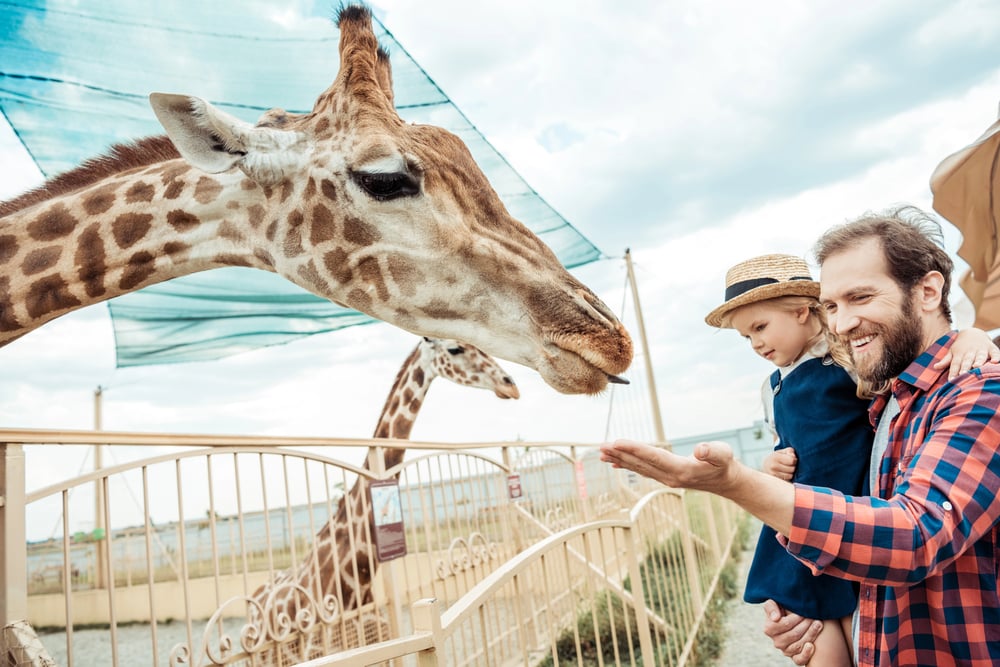
The exotic pet industry has become a multi-billion dollar business, operating in the regulatory gray area between legal and black markets.
There are roughly twice as many tigers in the United States—between 5,000 and 10,000—as exist in the wild globally, with the vast majority belonging to private owners rather than zoos.
That statistic alone reveals how dramatically the super-rich have reshaped wildlife populations through their purchasing power.
The ethical implications extend beyond individual animal welfare.
Many celebrities treat exotic animals as accessories rather than living beings with complex needs, with some like Paris Hilton and Justin Bieber discarding them when they become inconvenient.
Conservation experts worry that facilities like Vantara could fuel exotic animal trade rather than protect species, particularly when breeding programs lack clear release-to-wild plans.
The super-rich will likely continue pursuing exotic pets as the ultimate status symbol, regardless of legal restrictions or ethical concerns.
For those with unlimited resources, owning a tiger or building a private zoo represents more than just animal companionship.
It’s a declaration that literally nothing remains beyond their reach, not even creatures that belong in jungles, savannas, and rainforests.
Whether that’s fascinating or deeply troubling probably depends on whether you’re writing the check or worrying about the welfare of the animals involved.
More from Go2Tutors!

- The Romanov Crown Jewels and Their Tragic Fate
- 13 Historical Mysteries That Science Still Can’t Solve
- Famous Hoaxes That Fooled the World for Years
- 15 Child Stars with Tragic Adult Lives
- 16 Famous Jewelry Pieces in History
Like Go2Tutors’s content? Follow us on MSN.



