29 Familiar Hymns Once Given Different Lyrics
Congregations tend to assume the hymn they sing on Sunday is the one its author wrote. In practice, nearly every durable hymn has been edited, shortened, retranslated, or even set to an entirely different text.
Editors changed a word to fix the meter, a missionary swapped a line for doctrinal reasons, and a folk tune borrowed new words for a new century. These twenty-nine hymns and songs all existed in an earlier form that sounds quite different from the one most people know today.
Some changes were tiny, such as a single opening word, while others replaced entire stanzas or even the original language.
Amazing Grace
John Newton wrote the text in the early 1770s for his congregation at Olney, England, and it ran to six stanzas. The final stanza most people sing today, about the promise of ten thousand years in heaven, was not part of his original poem and was added by later editors.
The melody now attached to it, known as New Britain, was matched with the words in the 1830s in the American shape-note collection Southern Harmony. The song in its familiar form is therefore a composite of Newton’s words, a borrowed stanza, and a folk tune.
O Come, All Ye Faithful
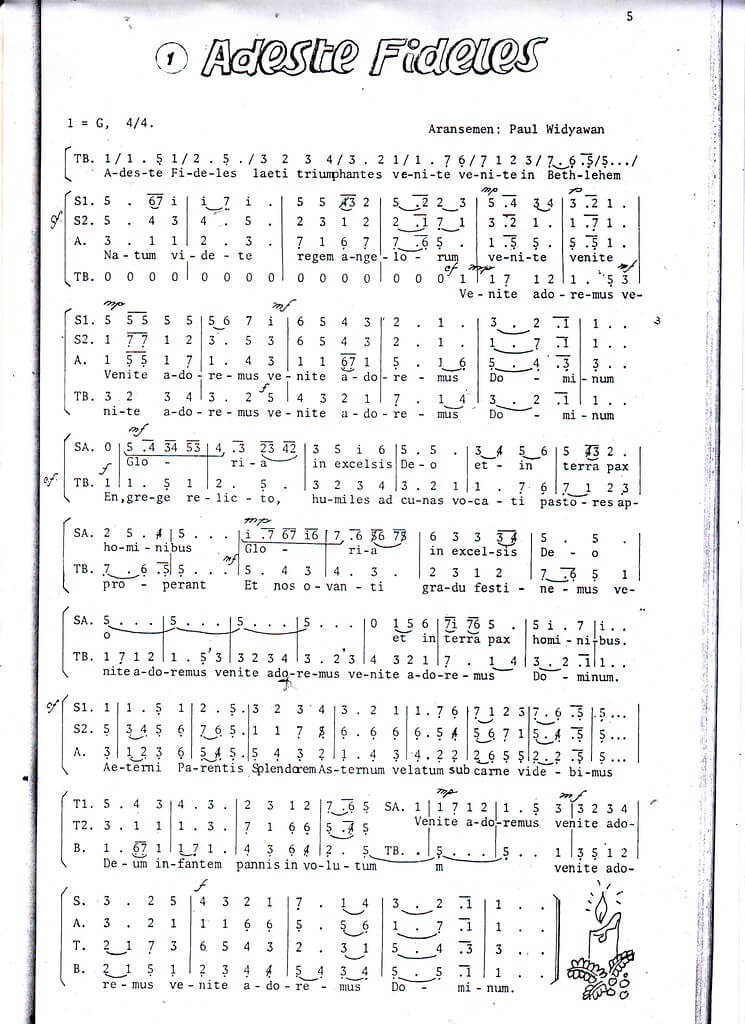
The hymn began as the Latin Adeste Fideles in the eighteenth century, and the first popular English version, by Frederick Oakeley in 1841, opened with a different phrase than the one sung now. Oakeley’s first line addressed the faithful as people who should approach rather than come.
Later editors revised it to the familiar opening line, and different hymnals still use slightly different verses. The change shows how a translation can settle into a version its first translator did not choose.
Hark! The Herald Angels Sing
Charles Wesley published the hymn in 1739, and it began with a very different opening that referred to the welkin, an old poetic word for the sky, ringing with glory to the King of Kings. George Whitefield altered the first line in 1753 to the herald angels wording that is sung today.
The melody everyone knows comes from a Mendelssohn cantata of 1840, which William Cummings adapted for the text in 1855. Wesley himself reportedly disliked the idea of the words being set to a lively tune.
O God, Our Help in Ages Past
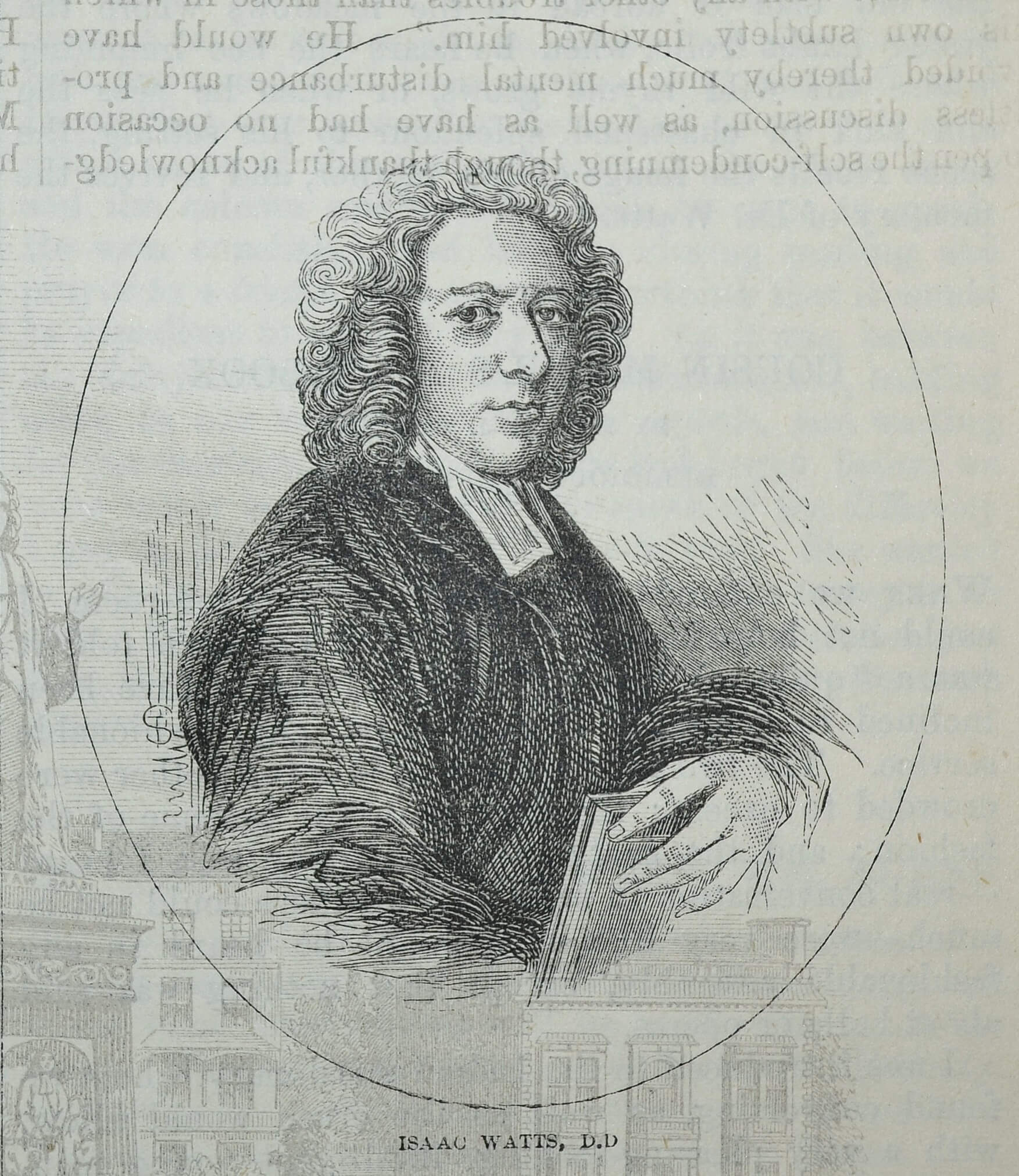
Isaac Watts wrote this hymn in 1719 as a paraphrase of Psalm 90, and his first line began with a different opening word than the one sung today. John Wesley changed that opening word when he reprinted it in 1738, and the altered version became the standard.
Wesley also trimmed the number of stanzas, so most congregations sing a shortened text. The result is a hymn whose most famous first line is the work of an editor rather than its author.
O Come, O Come, Emmanuel
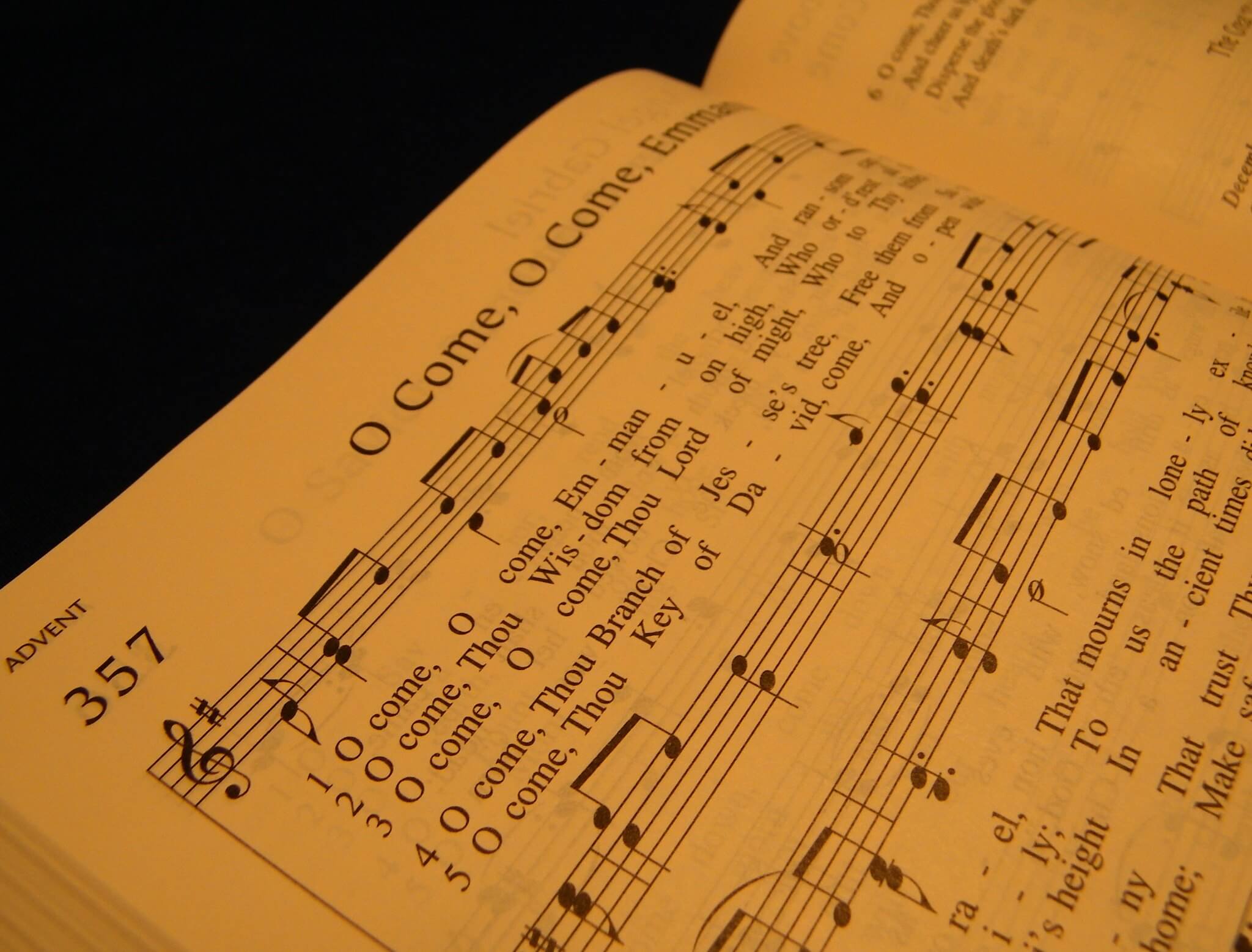
The hymn grew out of the seven O Antiphons, Latin texts sung before Christmas, and John Mason Neale produced English translations in the mid-nineteenth century. His 1851 version opened with a different verb of approach, and the familiar repeated opening came with a revision published in 1861.
The melody comes from a separate source, a French processional, and the two were joined later. Each stanza still follows one of the original antiphon titles, such as Wisdom and Dayspring.
Away in a Manger
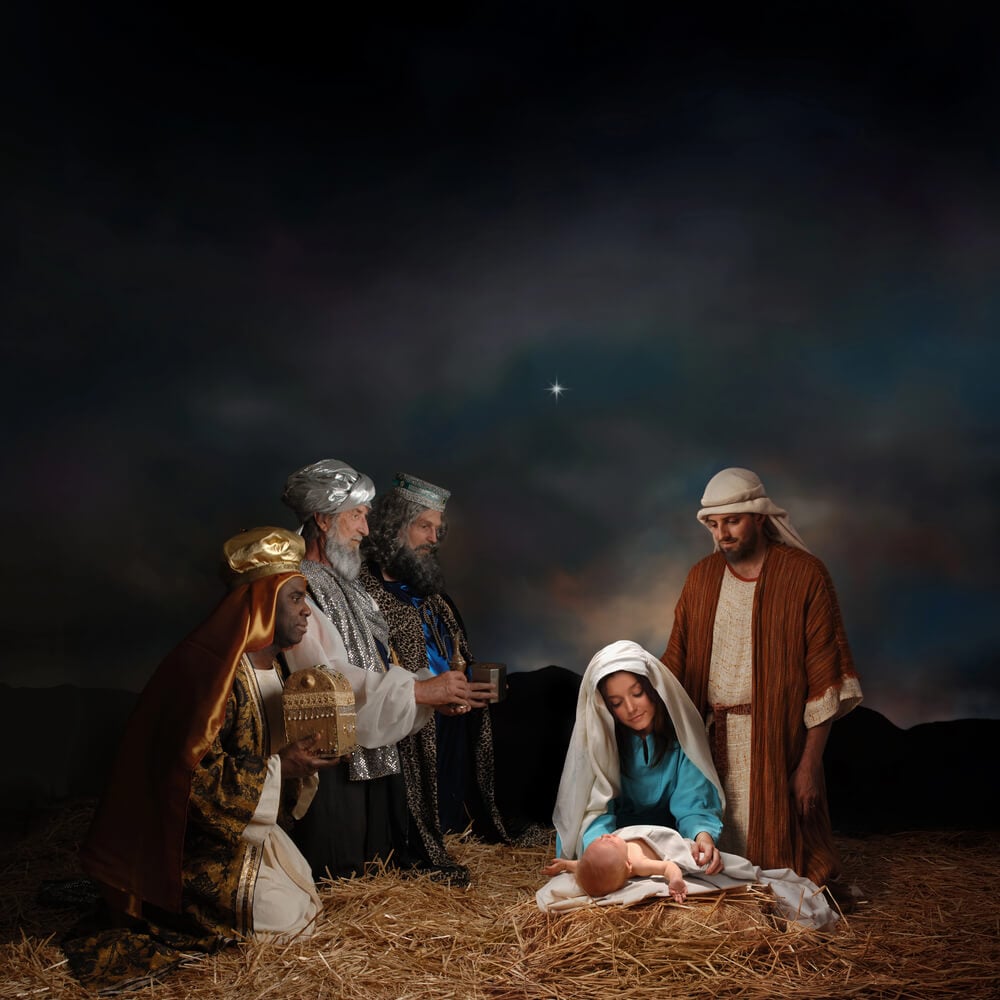
For many years the hymn was credited to Martin Luther, but no evidence supports that, and the first two stanzas appeared in an American Lutheran children’s book in 1885. The third stanza, which turns from description to a prayer for the child, was added by John Thomas McFarland in 1904.
Multiple melodies exist, and British and American congregations typically sing different tunes. The text as most people know it is therefore the work of at least two writers, neither of them Luther.
Jesus Loves Me
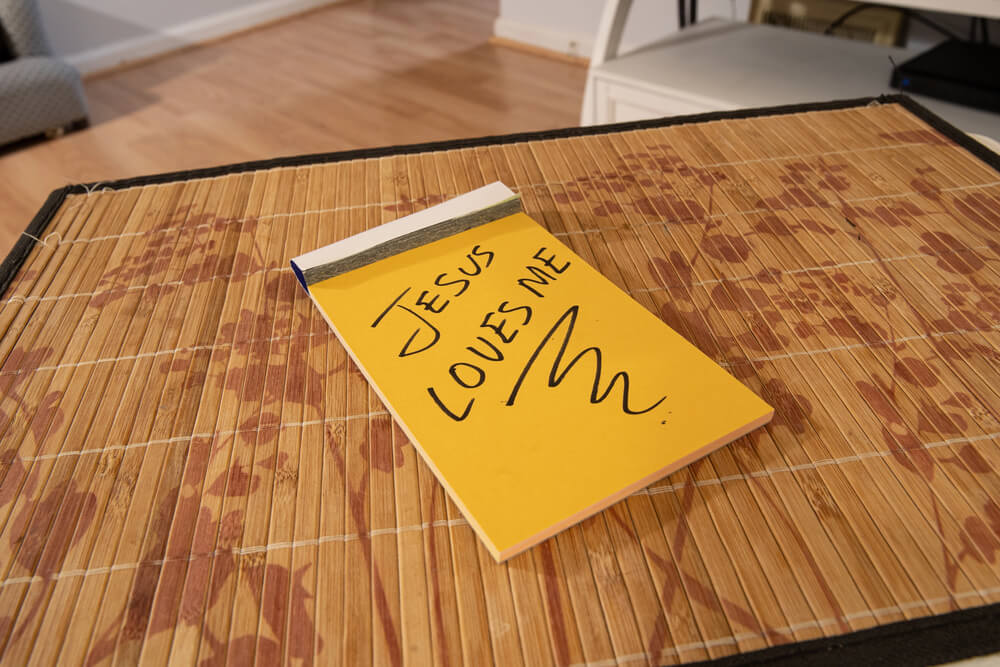
Anna Bartlett Warner wrote the poem for the 1860 novel Say and Seal, where it was spoken to comfort a dying child. William Bradbury set it to music in 1862 and added the chorus that most singers now consider inseparable from the song.
Warner’s text on its own has no refrain, so the version children learn today combines her stanzas with Bradbury’s addition. A hymn born as a deathbed scene became one of the first songs many people ever learn.
Battle Hymn of the Republic
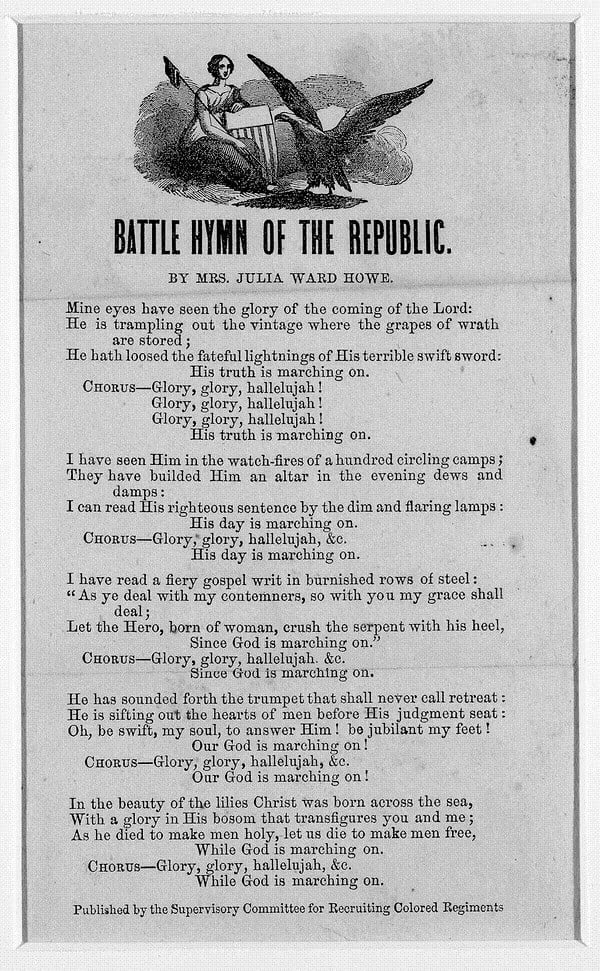
Julia Ward Howe wrote the text in November 1861 after visiting Union troops near Washington, and the Atlantic Monthly published it in February 1862. She fitted her words to a popular marching tune, which had been used for a soldiers’ song about John Brown.
That earlier song, with the refrain Glory, Hallelujah, itself drew on a camp-meeting hymn. The tune thus carried three different sets of words within a few years.
Joyful, Joyful, We Adore Thee
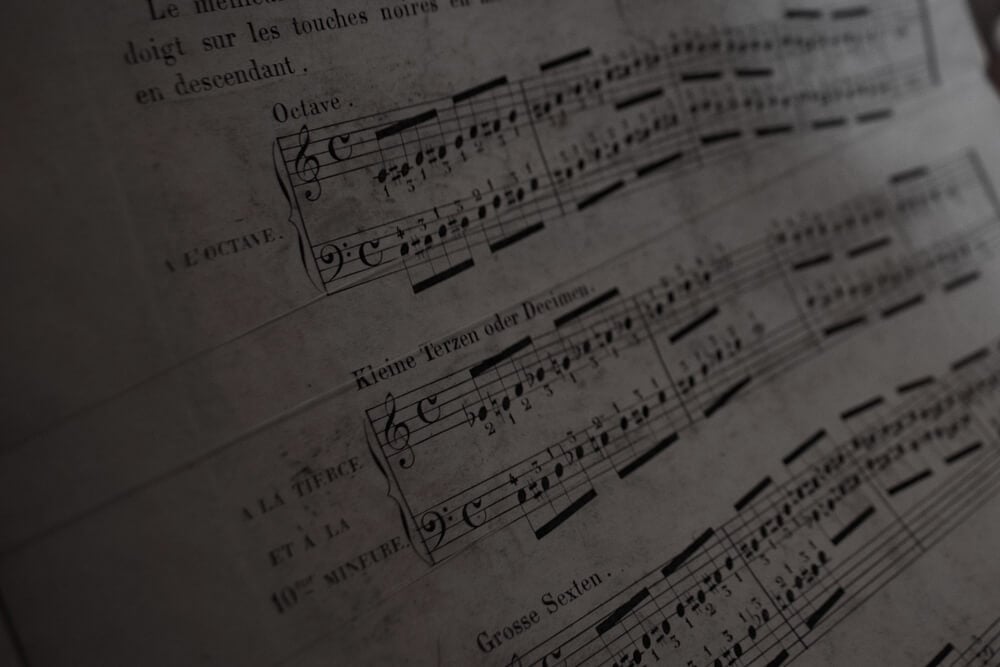
Henry van Dyke wrote this text in 1907 and fitted it to the melody of the final movement of Beethoven’s Ninth Symphony. Beethoven’s choral finale had set Friedrich Schiller’s 1785 poem An die Freude, an ode to joy and brotherhood.
Van Dyke’s words replace that secular text with a hymn of praise to God. The same tune is therefore known with two entirely different sets of lyrics.
Faith of Our Fathers
Frederick William Faber wrote the hymn in 1849 as a Catholic text, and one stanza in his version refers to the prayers of Mary winning England back to the faith. Protestant hymnals adapted it by replacing that reference with wording about faith and prayer winning nations.
The melody, written by Henri Hemy and James Walton, is shared by both. The result is a hymn sung by different denominations with a slightly different message in one key line.
Crown Him with Many Crowns
The hymn exists as a combination of two separate texts. Matthew Bridges, a Catholic, published a version in 1851, and Godfrey Thring, an Anglican, wrote a set of replacement and additional stanzas in 1874.
Modern hymnals mix verses from the two writers, so the version sung depends on which book is in the pew. The tune, Diademata, was composed by George Elvey in 1868.
Come, Thou Fount of Every Blessing
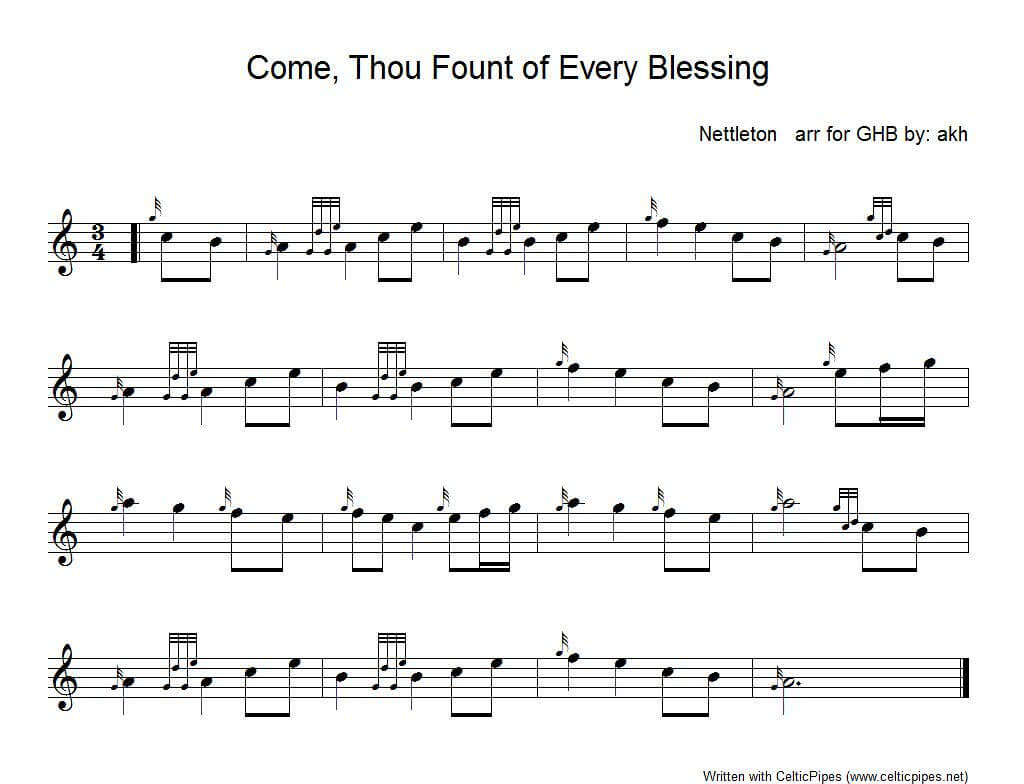
Robert Robinson wrote the text in 1758, and one of its stanzas contains a reference to raising an Ebenezer, a biblical memorial stone that has puzzled many singers. Some modern hymnals replace that line with an alternative about finding a greatest treasure, because the old reference is no longer familiar.
The tune most people associate with it, Nettleton, was a later American pairing. The change shows how an archaic image can be dropped to keep a hymn singable.
Eternal Father, Strong to Save
William Whiting wrote this hymn in 1860 for sailors, and it speaks of those in peril on the waves. Later versions added stanzas for other kinds of danger, including verses for those who fly, which led to its use by the Air Force as well as the Navy.
The U.S. Navy adopted it, and it is sometimes called the Navy Hymn. The text has grown to match the services that sing it.
O Holy Night
The song began as a French poem, Minuit, chretiens, written by Placide Cappeau in 1843 and set to music by Adolphe Adam in 1847. John Sullivan Dwight, an American abolitionist, produced the English version in 1855 and shaped it with his own convictions.
His translation includes a stanza about the slave being a brother and oppression ending, a theme the French text did not contain in the same way. The English words are thus partly a new composition.
Christ the Lord Is Risen Today
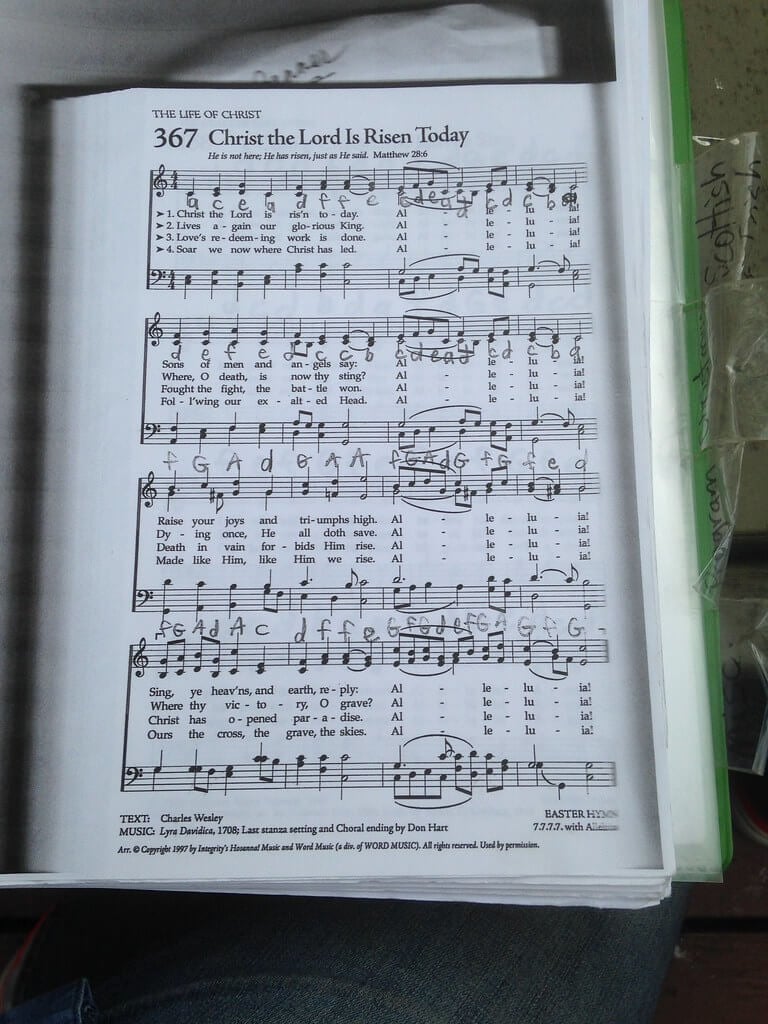
An earlier anonymous Easter hymn, which had a different opening and was published in 1708 in a collection called Lyra Davidica, served as the base for this text. Charles Wesley revised it in 1739, expanding it to eleven stanzas.
The alleluias that punctuate each line were part of the earlier hymn and were retained in Wesley’s revision. Later editors reduced the length again, so the hymn sung in churches today is shorter than the version Wesley published.
America the Beautiful

Katharine Lee Bates wrote the original poem in 1893 after a trip to the summit of Pikes Peak in Colorado, and it was first printed in 1895. She revised the wording in 1904 and again in 1913, and the 1913 version is the one in common use.
The tune most people associate with it, Materna by Samuel Ward, was paired with the words in 1910. Before that, the poem had been sung to a variety of different melodies.
Thine Be the Glory
Edmond Budry wrote a French hymn, A toi la gloire, in 1884, and R. Birch Hoyle produced the English version in 1923. The tune comes from Handel’s oratorio Judas Maccabaeus, from a chorus welcoming a conquering hero.
The English words are not a literal translation, so singers of the French and English versions are in fact singing noticeably different texts. A battlefield melody became an Easter hymn.
Morning Has Broken
Eleanor Farjeon wrote the words in 1931 for a hymn book, set to the tune Bunessan. That melody already belonged to a Gaelic Christmas carol, usually called Child in the Manger, whose words were by Mary MacDonald of the Isle of Mull.
Cat Stevens recorded a popular version in 1971. The same tune thus carries two very different texts, one about a nativity and one about creation at dawn.
O for a Thousand Tongues to Sing
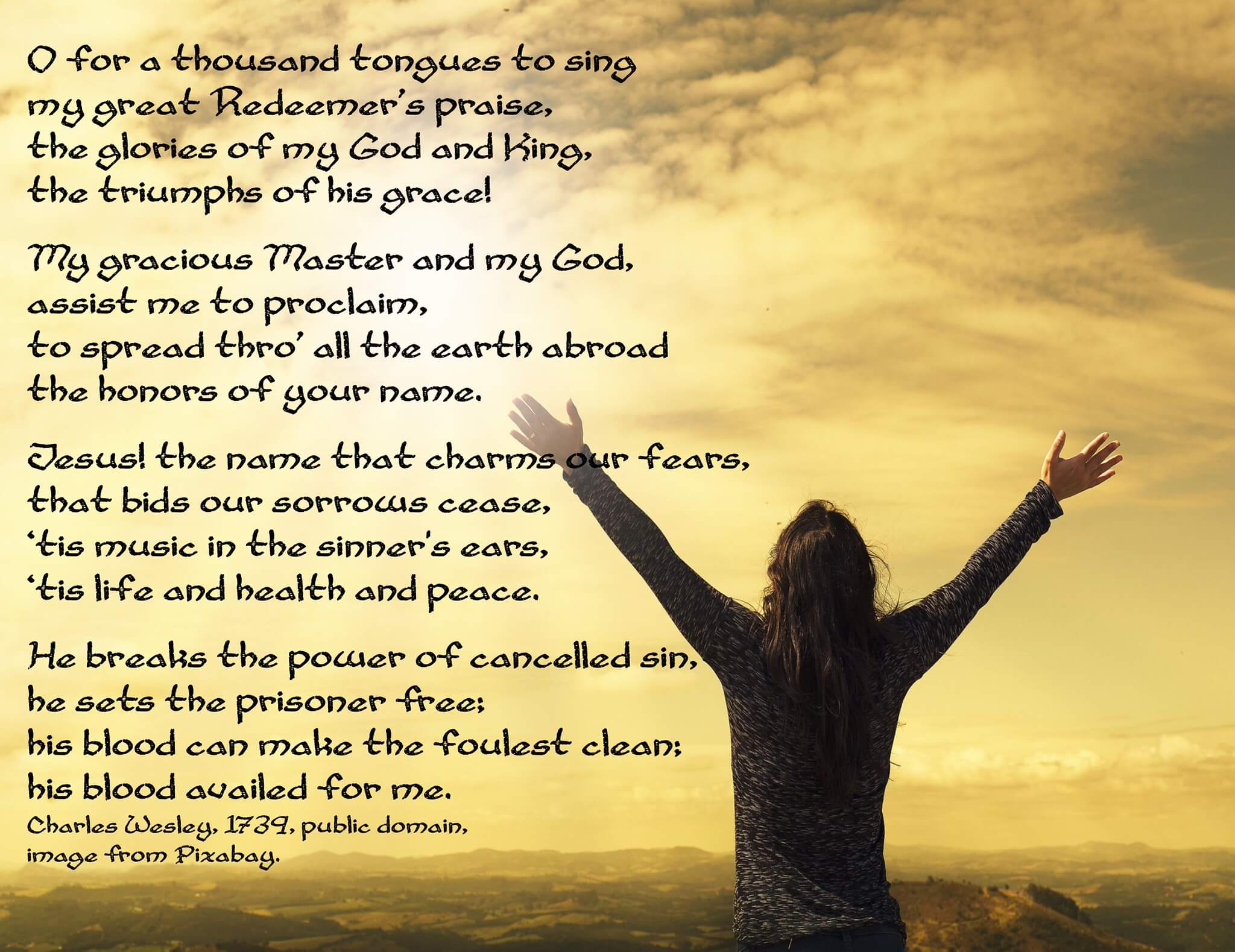
Charles Wesley published a long hymn in 1740 on the anniversary of his conversion, and it ran to eighteen stanzas with a different opening line. The famous thousand-tongues line was originally the seventh stanza, not the first.
In the 1780 Collection of Hymns for the Use of the People Called Methodists, the hymn was reorganized to open with it. The first stanza most people know is therefore one that Wesley himself had placed much later.
I Heard the Bells on Christmas Day
Henry Wadsworth Longfellow wrote the poem Christmas Bells on Christmas Day in 1863, while the Civil War was underway and his son Charles was recovering from a serious wound. Two stanzas of the original describe the guns of the war and the despair they caused.
These were left out when the poem was adapted into a carol, so the cheerful tone most people associate with it is the result of editing. Johnny Marks set an abridged version to music in 1956.
Good Christian Men, Rejoice
The carol is based on In dulci jubilo, a medieval song written in a mix of Latin and German, traditionally attributed to the mystic Heinrich Seuse. John Mason Neale produced an English text in 1853 that dropped the mixed-language structure.
His version reads as a single English poem with different phrasing from the original. The tune is the same ancient melody, which is more than six hundred years old.
All Things Bright and Beautiful
Cecil Frances Alexander published the hymn in 1848 in her collection Hymns for Little Children. A stanza in the original described the rich man in his castle and the poor man at his gate as ordered by God, and many modern hymnals omit it.
Its social message is now widely seen as uncomfortable, so the stanza has largely disappeared from congregational singing. The remaining verses about creation became popular on their own.
Lord of the Dance
Sydney Carter wrote this text in 1963 and set it to the melody of the Shaker song Simple Gifts, composed by Joseph Brackett around 1848. The Shaker lyrics were about humility and simple living, and Carter replaced them with a retelling of the life of Jesus, narrated by Jesus himself as a dancer.
The two songs share only the tune. A melody written for a religious community in Maine took on an entirely new meaning.
Holy God, We Praise Thy Name
The hymn is an English adaptation of a German text, Grosser Gott, wir loben dich, from the late eighteenth century, which itself drew on the ancient Latin Te Deum. Clarence Walworth translated it into English in 1853.
The English version is looser than a literal translation and has different phrasing from the German. A text that passed from Latin to German to English was changed at each stage.
How Great Thou Art
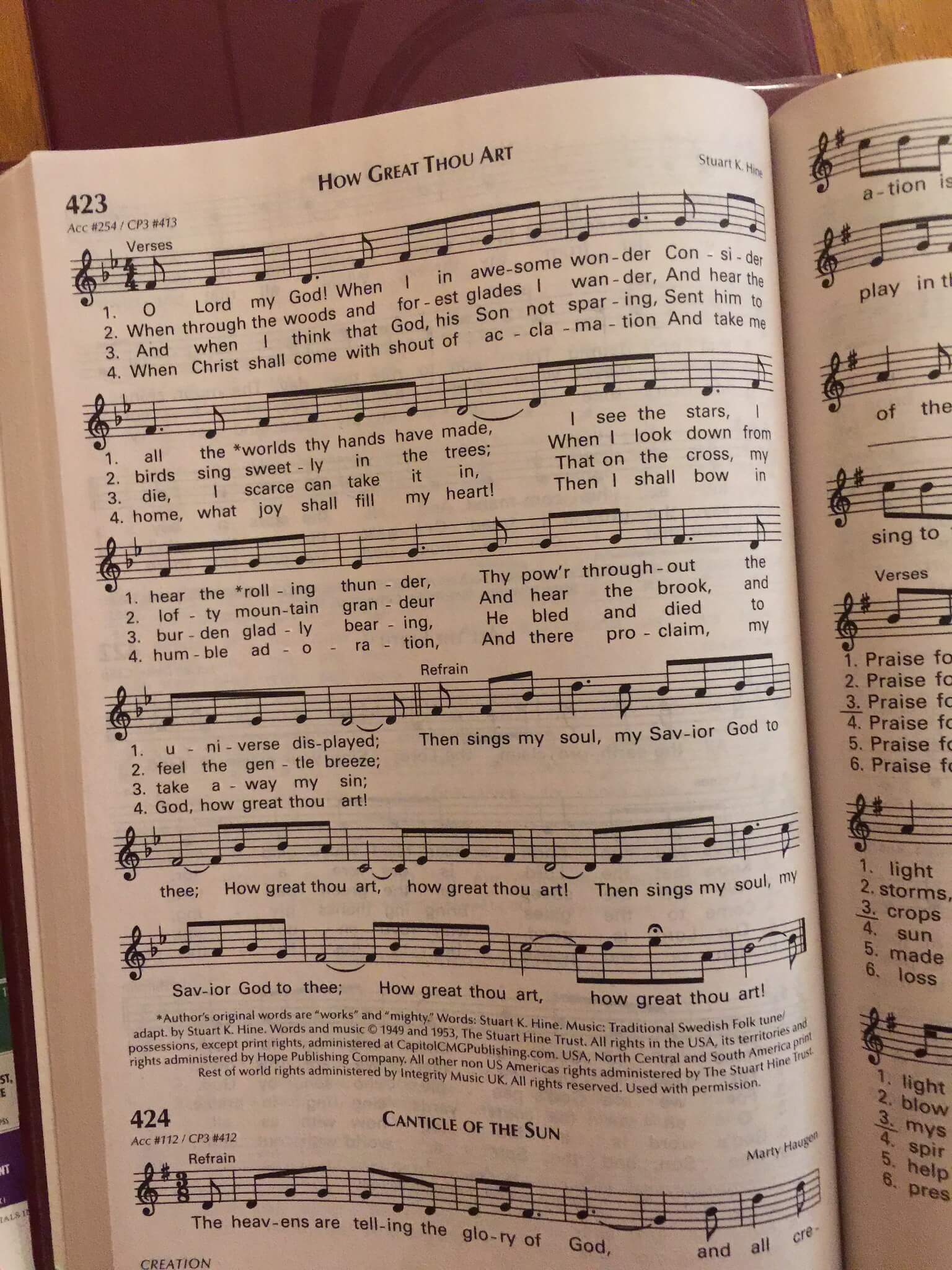
Carl Boberg wrote the Swedish poem O Store Gud in 1885, after a thunderstorm and the sound of church bells. It was translated into German and then Russian before the English missionary Stuart K. Hine learned it and produced the English version in the twentieth century.
Hine’s English lyrics are not a direct translation of the Swedish and include stanzas he wrote himself. The best-known English version is thus an adaptation of an adaptation.
The Doxology
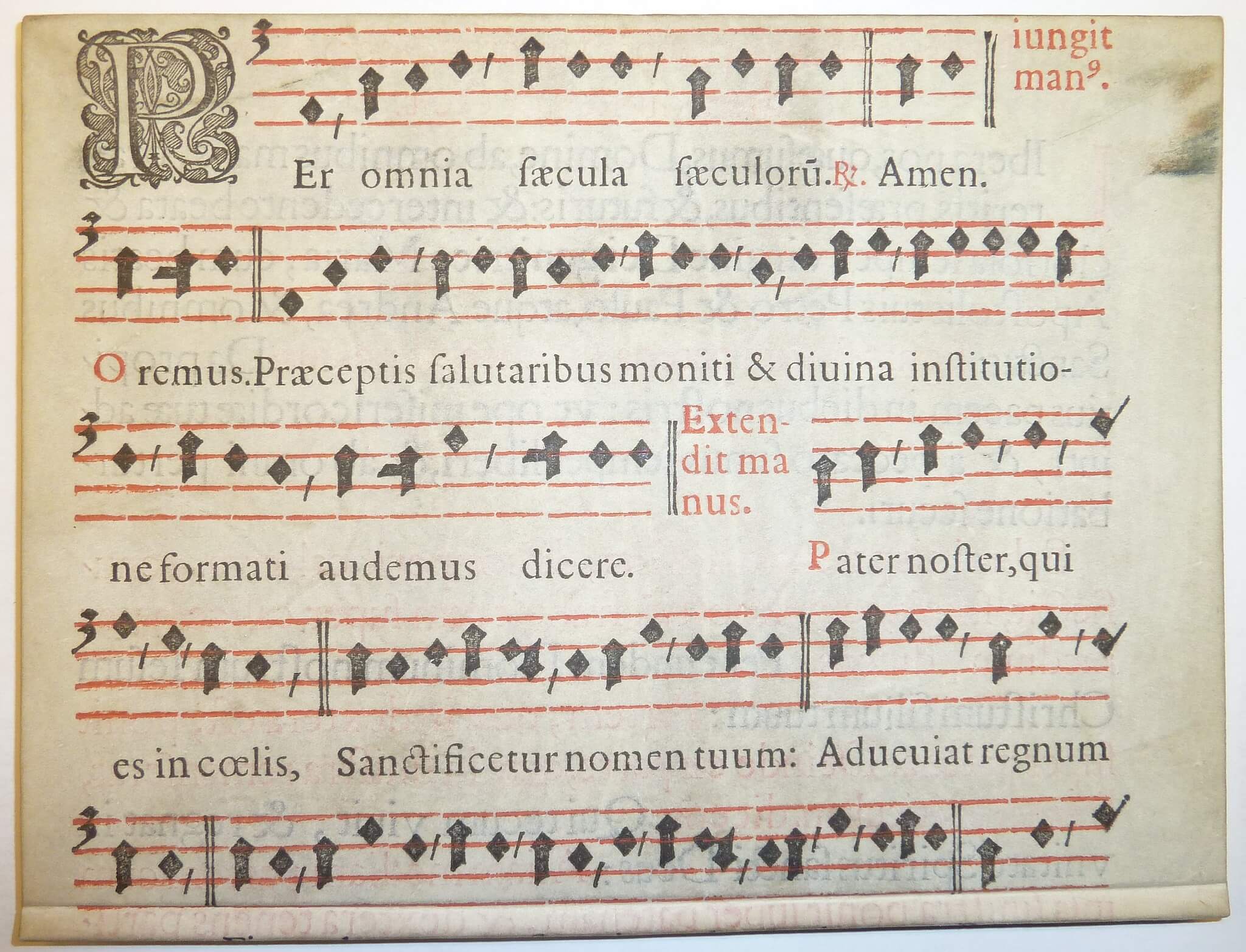
Thomas Ken wrote the four lines of the Doxology in the late seventeenth century for the boys of Winchester College. The words are usually sung to the Old Hundredth tune, which dates to the Genevan Psalter of the 1500s.
Many modern hymnals replace the word Ghost with Spirit in the final line, and some use inclusive wording throughout. The short text has been adjusted by almost every generation that has sung it.
Be Still, My Soul
Katharina von Schlegel wrote the German poem in the eighteenth century, and Jane Borthwick translated it into English in 1855. The tune most people know today was borrowed much later from Finlandia, the orchestral work by Jean Sibelius.
Finlandia itself had no words at first, and a separate Finnish text by Veikko Koskenniemi was written for it in 1940. The English hymn and the Finnish song therefore share a melody but nothing else.
Silent Night
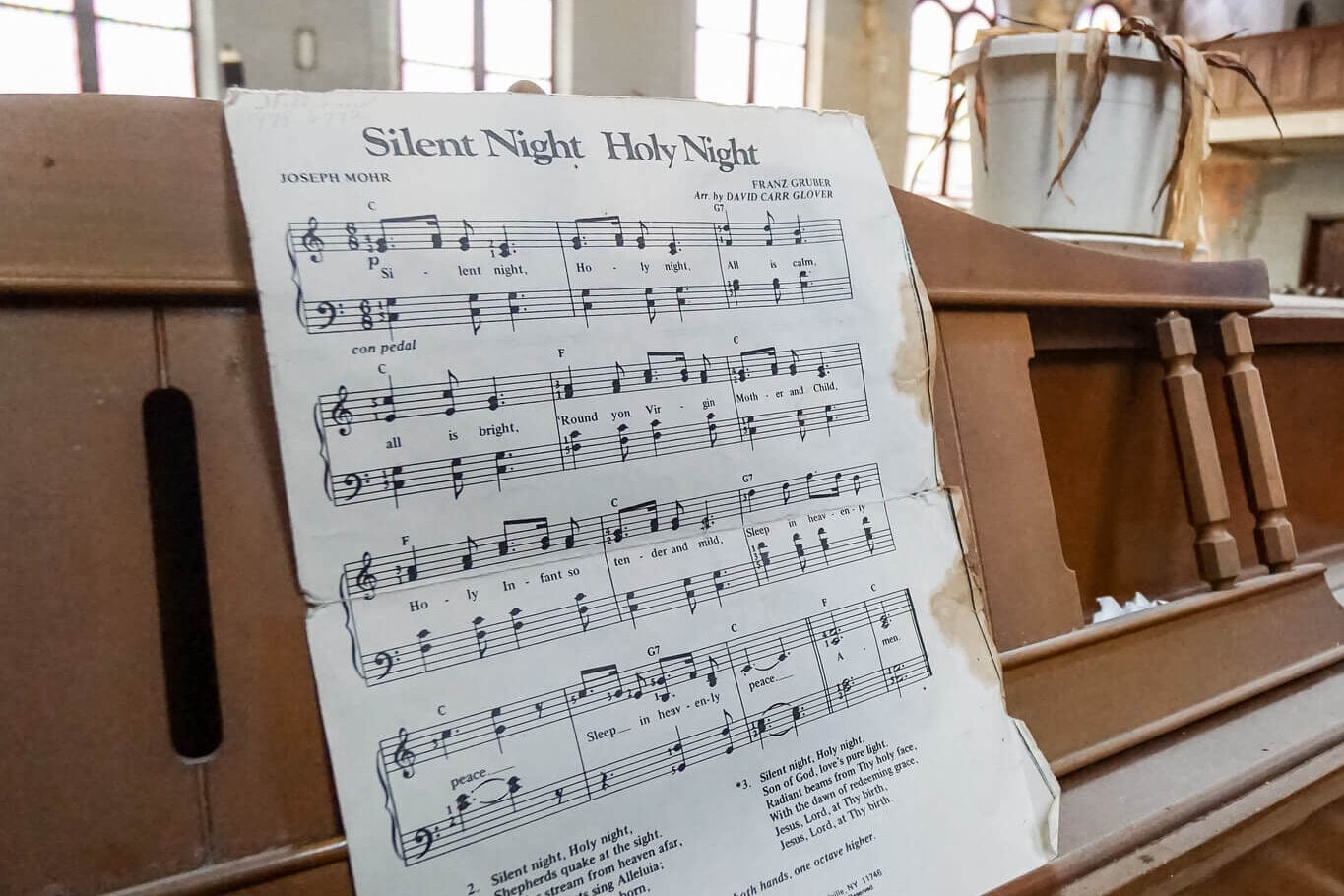
Joseph Mohr wrote the poem Stille Nacht in 1816 with six stanzas, and it was first performed with a melody by Franz Gruber on Christmas Eve in 1818. The English version most people sing was translated by John Freeman Young in 1859 and normally uses only three stanzas.
Congregations therefore sing a shortened text, and the German original runs twice as long. A short-notice composition for a small church in Austria became one of the most widely sung carols.
Be Thou My Vision
The hymn is based on an Old Irish poem, probably from the eighth century or later, which Mary Byrne translated into English prose in 1905. Eleanor Hull turned that translation into verse in 1912 so it could be sung.
The tune, Slane, comes from an Irish folk melody. The words most people sing are therefore a verse adaptation of a translation of a very old poem.
Words That Outlive Their First Singers
Every hymn on this list changed because someone cared about it enough to edit it. Editors wanted a smoother line, a shorter version, a different denomination’s doctrine, or a more singable tune.
Few of them thought of themselves as rewriting a masterpiece, and most considered the changes to be small improvements. The practical lesson for singers and collectors is to check the hymnal.
An old book may carry a stanza that newer ones have dropped, a different opening line, or an author’s name that has since been corrected. The words in the pew today are only the latest stage in a long conversation.
More from Go2Tutors!

- 27 Silver Dollars and Half Dollars Worth Keeping
- 28 Restaurant Menu Items Nobody Orders Anymore
- 17 Places Built in Seemingly Impossible Spots
- 27 Vintage Rings Worth More Than They Look
- 25 Restricted Sites Tourists Can’t Enter
Like Go2Tutors’s content? Follow us on MSN.