20 Playground Chants Passed Between Childhood Friends
No teacher ever assigned these rhymes, and no textbook printed them. They moved from child to child at recess, on sidewalks, and in the back of school buses, changing a word or a beat with every new group.
A chant learned in first grade could survive for decades. Many of these rhymes are older than the schools where they were recited.
Folklorists have found versions that stretch back centuries, and children kept them alive without any help from adults.
Miss Mary Mack
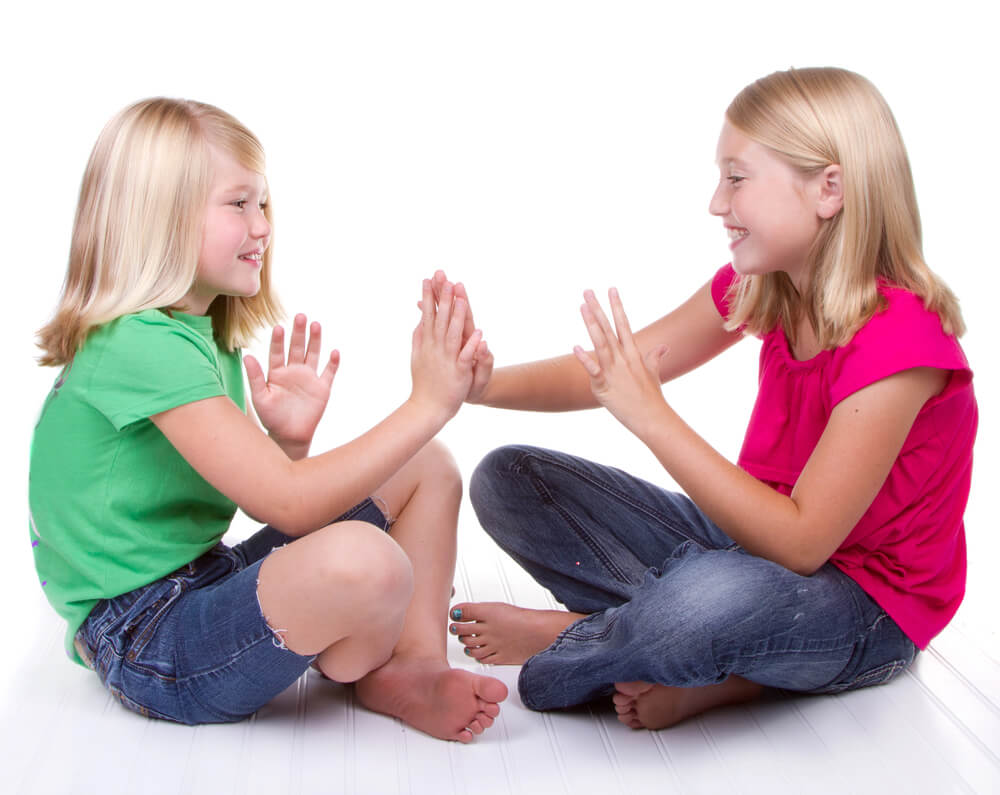
Miss Mary Mack is a clapping game for two, with partners facing each other and slapping hands in a fixed pattern while reciting a rhyme that spells out the title character’s name. The rhythm speeds up as the verses move along, and a missed clap means going back to the beginning.
Countless versions exist, with different verses depending on the neighborhood and the year.
Ring Around the Rosie
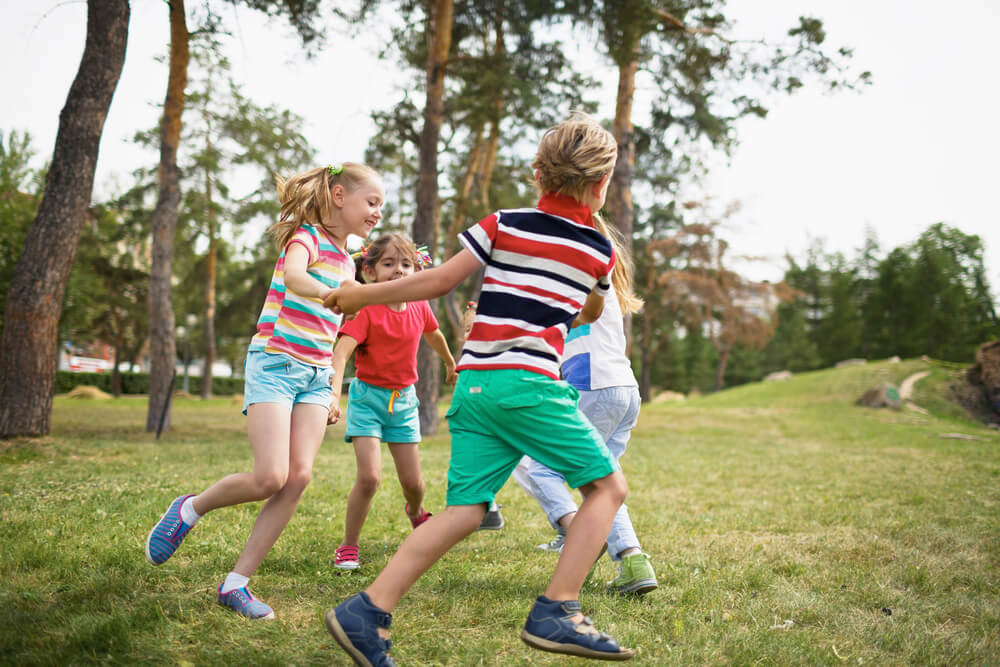
Children join hands in a circle, walk around, and drop to the ground together at the end of the rhyme. The earliest known printed version appeared in 1881 in Kate Greenaway’s Mother Goose.
A popular story ties the rhyme to the Black Death, but folklorists reject that claim, noting that the rhyme does not appear in print until centuries after the plague.
Pat-a-Cake

Pat-a-Cake is one of the oldest hand-clapping rhymes in English, with an early printed version in Thomas D’Urfey’s 1698 play The Campaigners. A parent claps a baby’s hands together while reciting the lines, and the final move marks the cake with the child’s initial.
The game is often a child’s first clapping game, taught long before the playground.
Cinderella Dressed in Yella
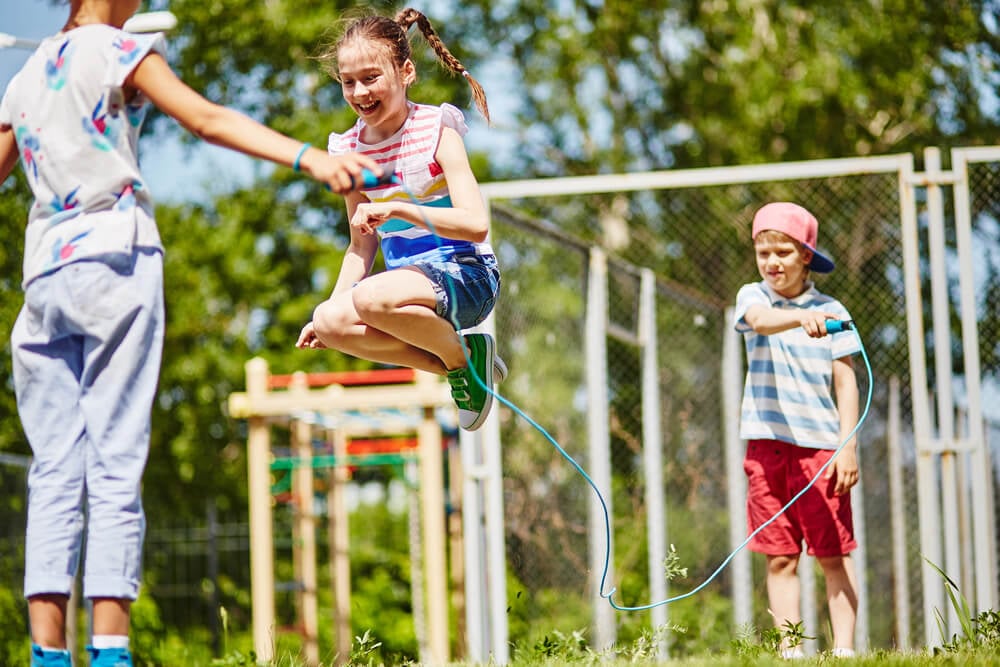
This jump rope rhyme turns a fairy tale into a counting game. Two children turn the rope while a third jumps, and the rhyme poses a question that is answered by counting jumps until the jumper trips.
The rope speeds up with each repetition, so the contest is as much about nerve as skill.
Down Down Baby
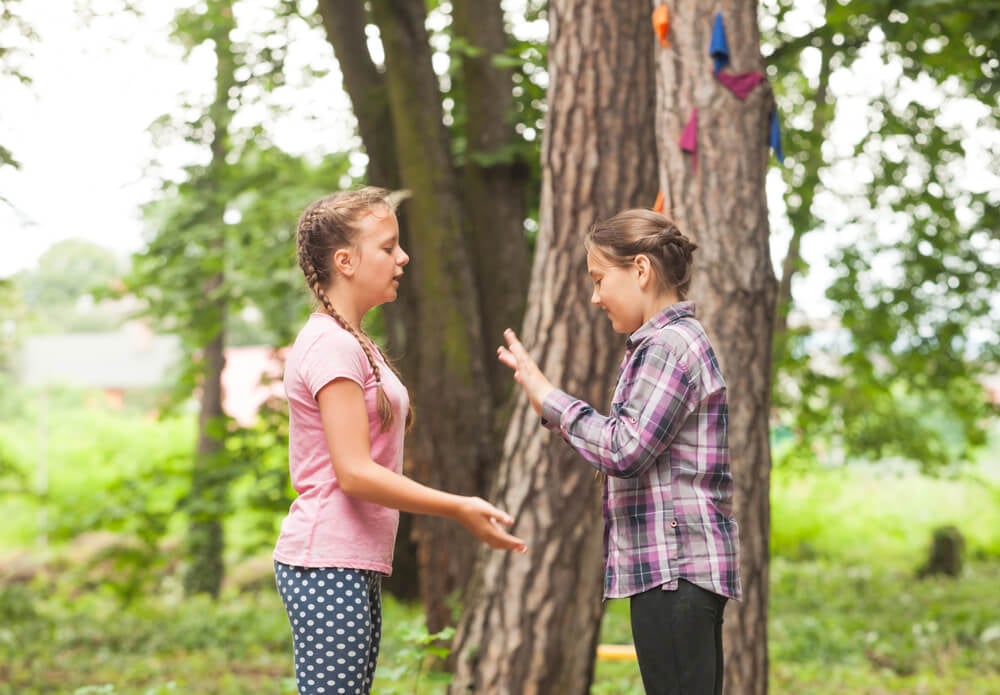
Down Down Baby is a clapping game in which partners swing their arms in a sweeping motion while the rhythm builds. The chant is built around a call that gets faster and louder, and hands slap thighs and each other in a set order.
A group of kids at recess could perform it so quickly that the movements blurred.
A Sailor Went to Sea

In this hand-clapping rhyme, partners tap out a beat while chanting a verse about a sailor who goes to sea. The twist is that each repeated verse replaces a word with a gesture, such as touching the eye or tapping the chest, until every key word is silent.
The humor comes from the pun on sea, see, and the letter C, and the game grew funnier with each round.
One Potato, Two Potato
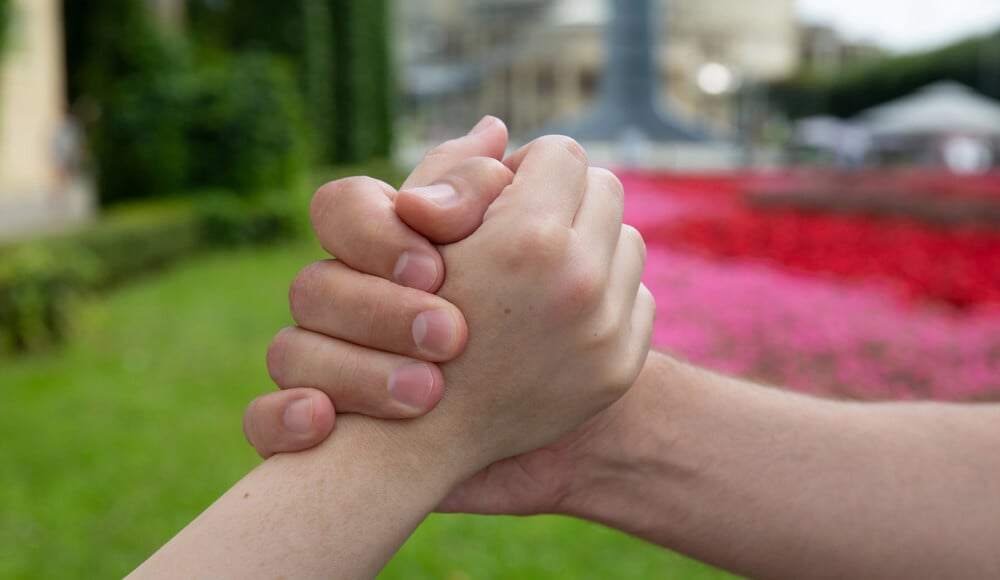
Players make fists and hold them out in a row, and one child taps each fist in turn with a counting rhyme. The fist that lands on the final count is tucked behind a back, and the process repeats until one fist is left.
It was a fair way to pick who would be it, and no adult needed to settle the argument.
Eeny, Meeny, Miney, Mo
This counting-out rhyme was a standard way to pick a player for a game, with each word landing on a different child. Variants have been recorded in many languages, with the English version being one of the most widely recited.
The child on whom the last word fell was out, or it, depending on local rules.
Duck, Duck, Goose
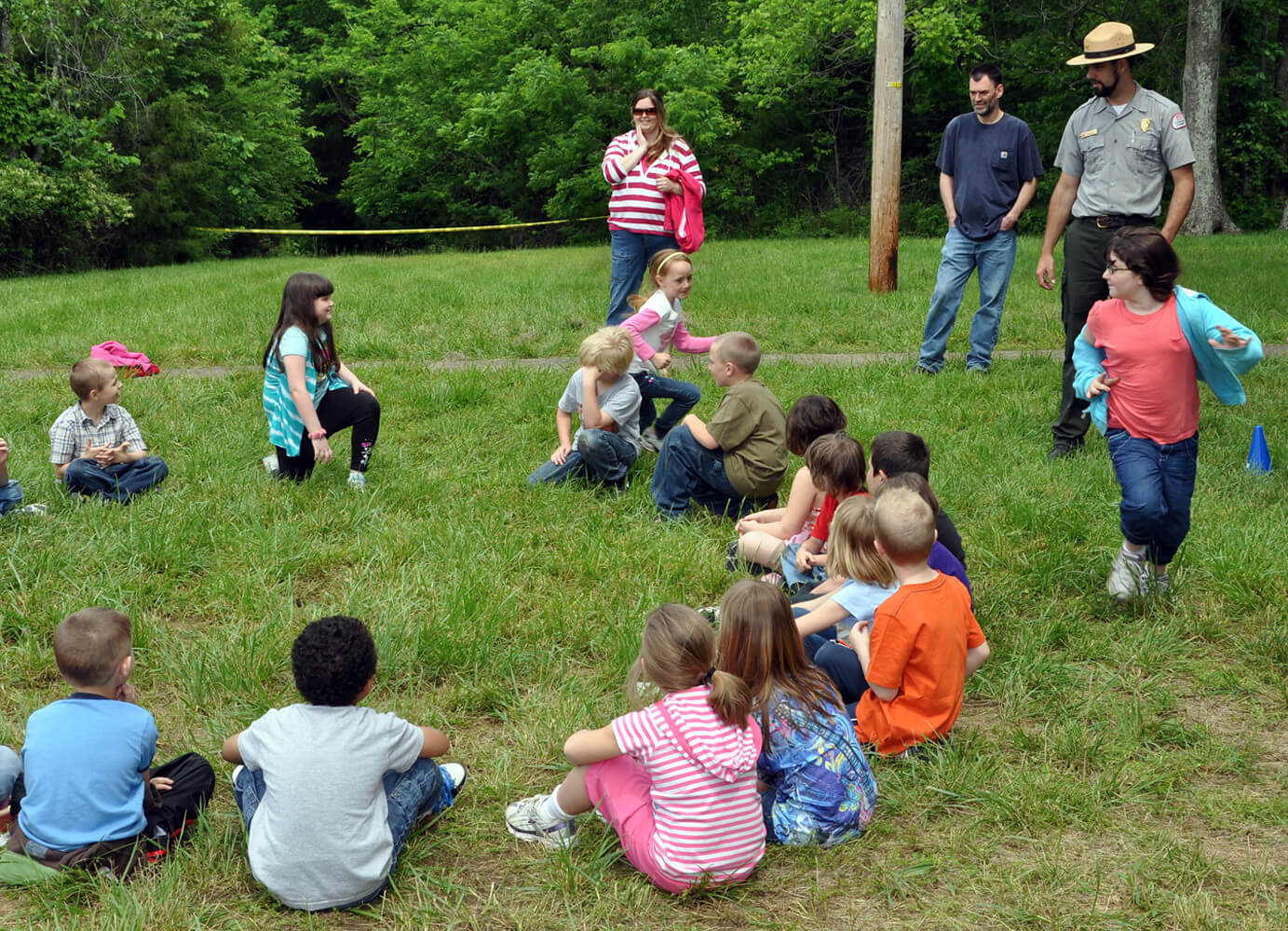
One child walks around a seated circle, tapping heads and calling each one duck until choosing a goose, who jumps up and chases the first child around the circle. In Minnesota and nearby states the game is traditionally called Duck, Duck, Gray Duck.
The race for the empty spot is the entire point, and the seated players cheer from the ground.
Red Rover

Two lines of children stand facing each other with linked arms, and one side calls a player from the other team to run across and try to break through. The chant that invites the runner is shouted across the gap.
A runner who broke the chain claimed a player for their side, and the tension of waiting to be called was half the fun.
London Bridge

Two children form an arch with raised arms while the rest file through, singing a tune that appears in print in various versions by the middle of the 1700s. At the end of the verse the arch drops and traps whoever is passing under it.
The captured child chooses a side, and the game continues until one team has everyone.
Step on a Crack
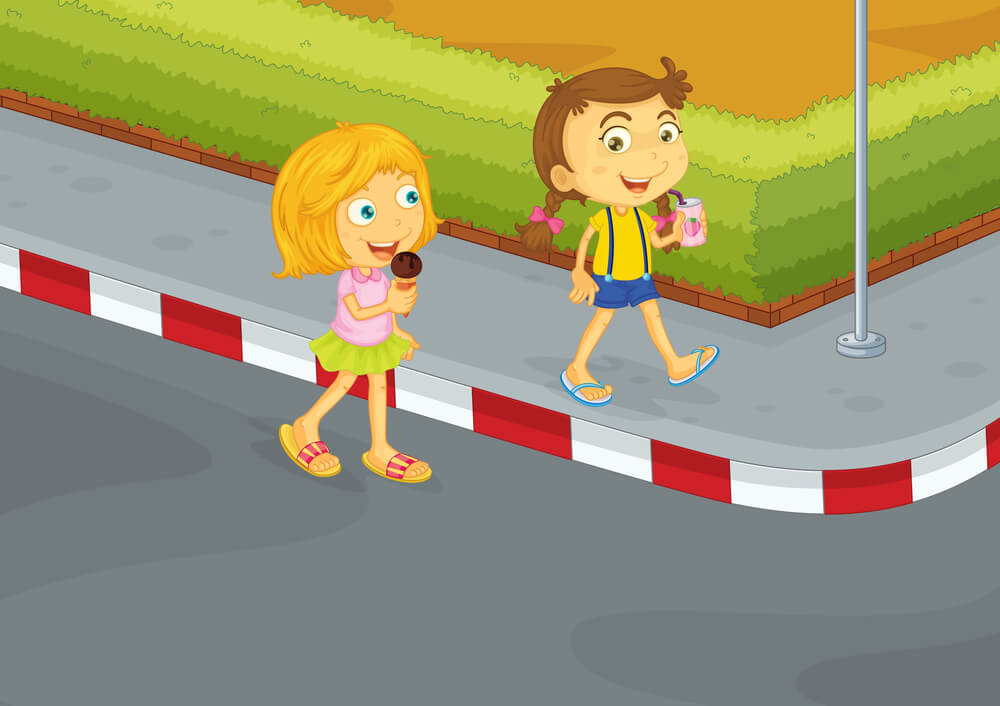
A sidewalk turns into a field of hazards in this superstition chant, which warns that stepping on a crack brings harm to a parent. Children carefully swerved around the seams in the concrete on the walk to school.
The rhyme is a good example of a game that needs no equipment, only a sidewalk and a belief.
Sticks and Stones
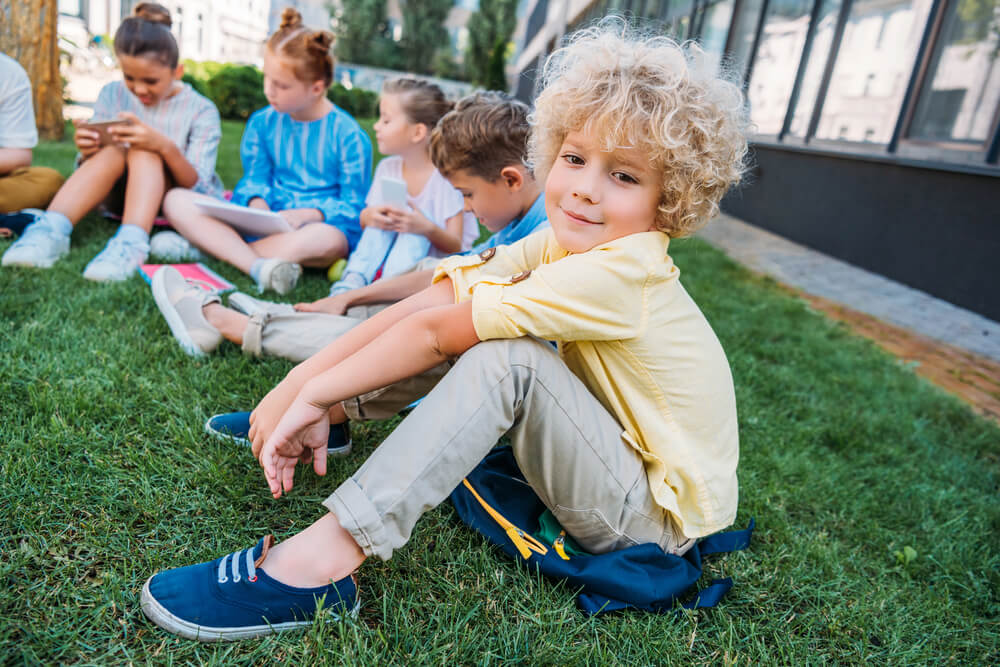
The retort about sticks and stones is a standard comeback to a taunt, intended to protect the speaker from words. A version appeared in print in 1862, which means children had been using it as armor for generations.
Every child learned it, and many learned it did not work very well.
Cooties
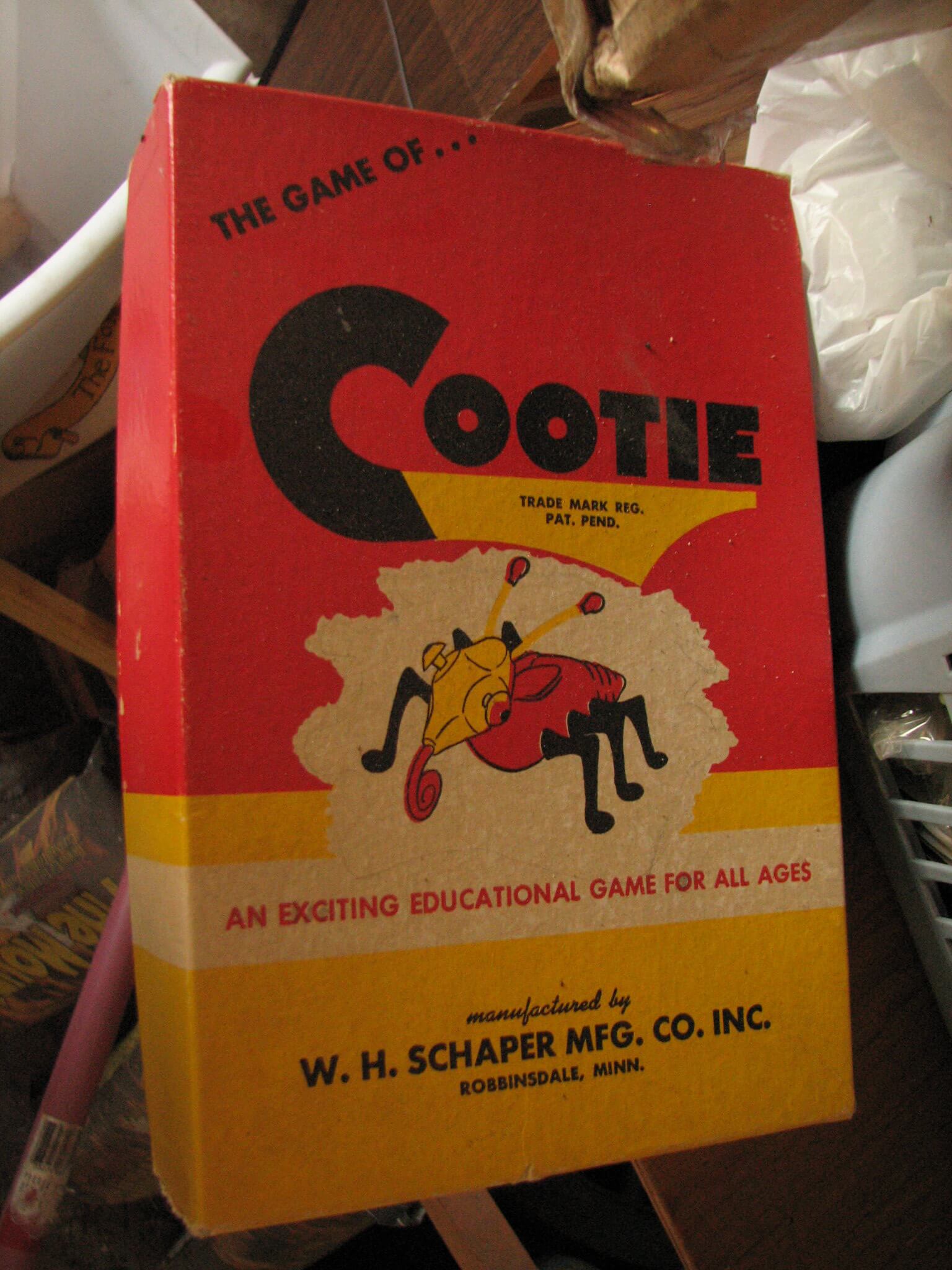
Cooties began as soldiers’ slang for body lice in World War I, and on playgrounds it became an imaginary contagion carried by the other group. Children invented rituals to guard against it, including a cootie shot administered with a finger on the arm.
The plastic game Cootie, made by Schaper in Minnesota in 1949, gave the word a second life.
Rock, Paper, Scissors
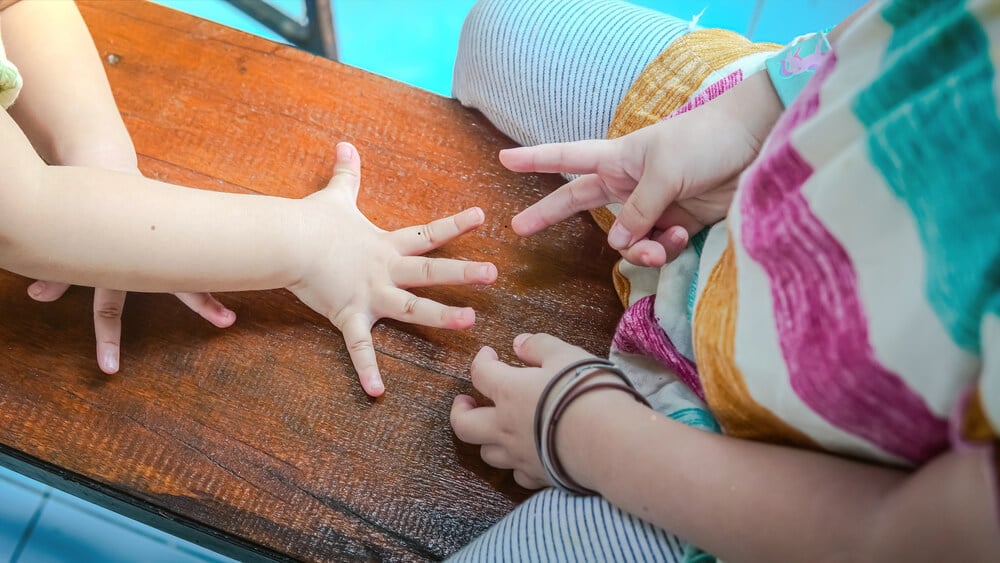
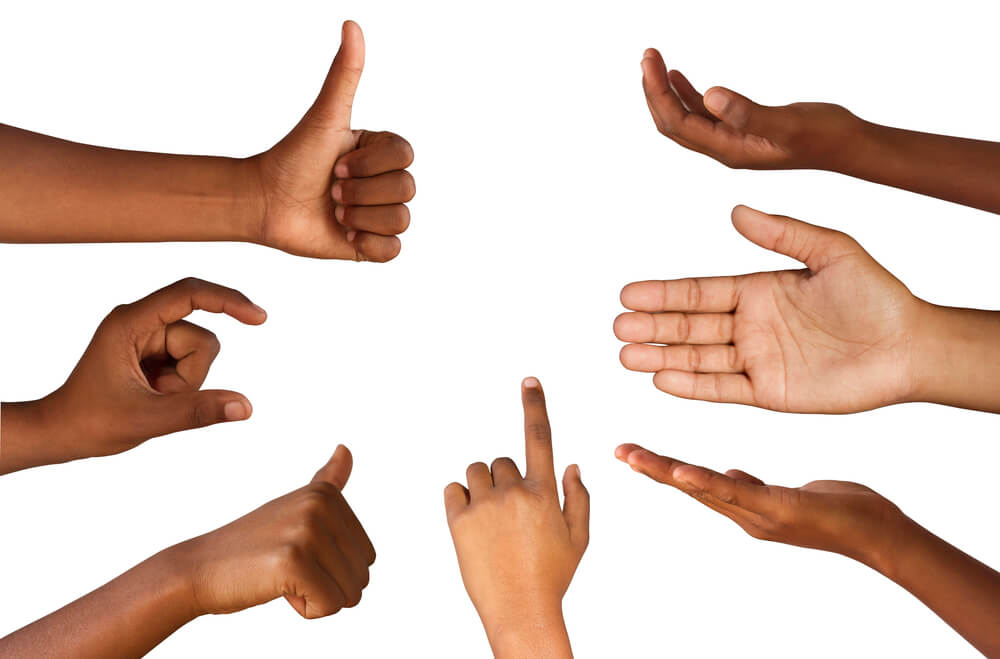
Two players pump their fists together on a count and then reveal a hand shape, with rock beating scissors, scissors beating paper, and paper beating rock. The game traces to hand games in China and was refined in Japan as janken, and it spread worldwide.
Children used it to settle who went first, who chose the game, and who got the last cookie.
Teddy Bear, Teddy Bear
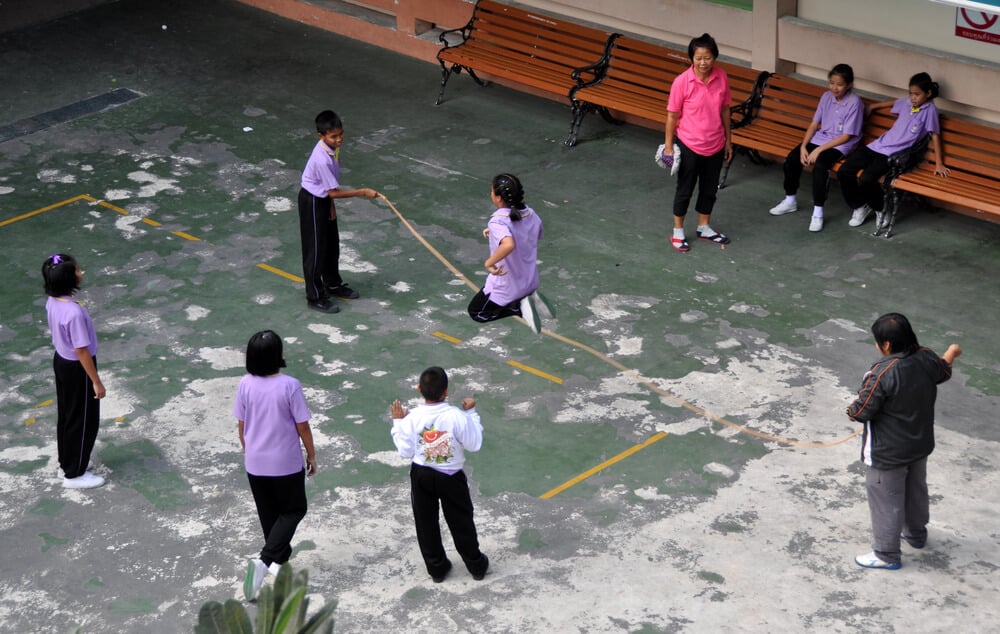
This jump rope rhyme tells a teddy bear to perform a series of actions, such as turning around, touching the ground, and going upstairs. The jumper acts out each instruction while the rope keeps turning, and a misstep ends the turn.
It was a favorite for younger children because the rhyme told them what to do at each step.
Bubble Gum in the Dish
Another counting-out rhyme, this one is built around bubble gum and a dish, with each word pointing to a different child. The last word eliminates a player, and the cycle repeats until a winner remains.
It gave a group of kids a fast, fair way to choose who would be it.
Ice Cream Soda
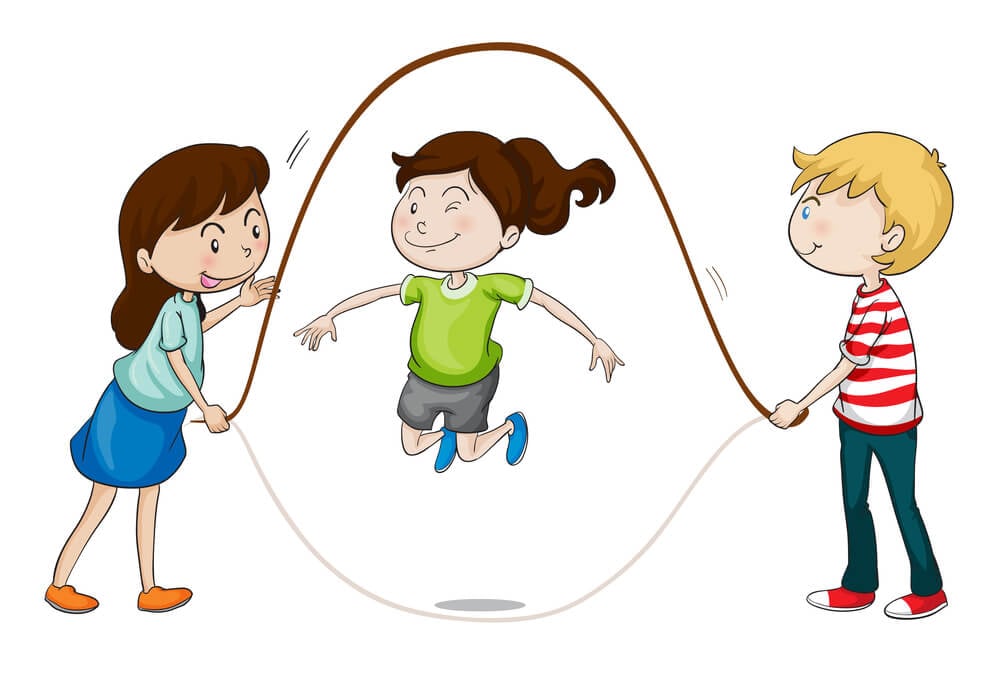
Jumpers recite the rhyme while the rope turns, and then call out letters of the alphabet with each jump until they miss. The letter where the jumper trips is said to be the first initial of a future sweetheart.
A jumper who tripped on a letter that matched a classmate’s name was teased for the rest of recess.
Double Dutch
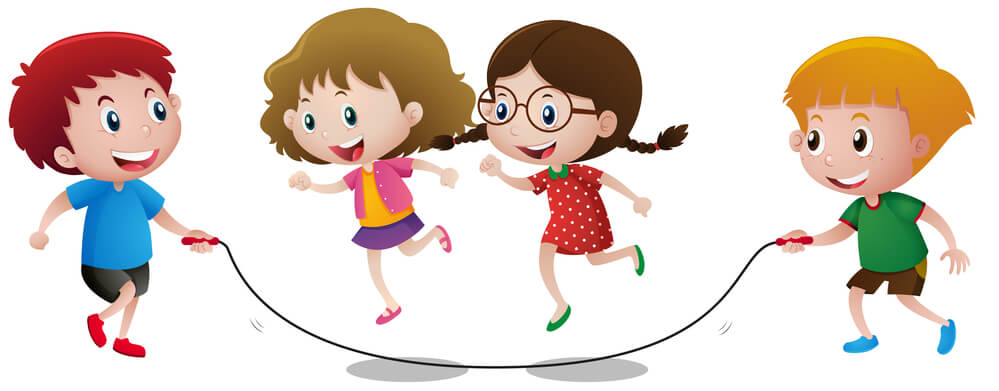
Double Dutch uses two ropes turned in opposite directions, and the jumper must enter the pattern while chanting a rhyme to keep rhythm. The sport grew out of sidewalk play in New York City, and two city police officers formed the American Double Dutch League in 1973.
Today it is a competitive sport, and the old chants still set the pace.
Miss Susie Had a Steamboat
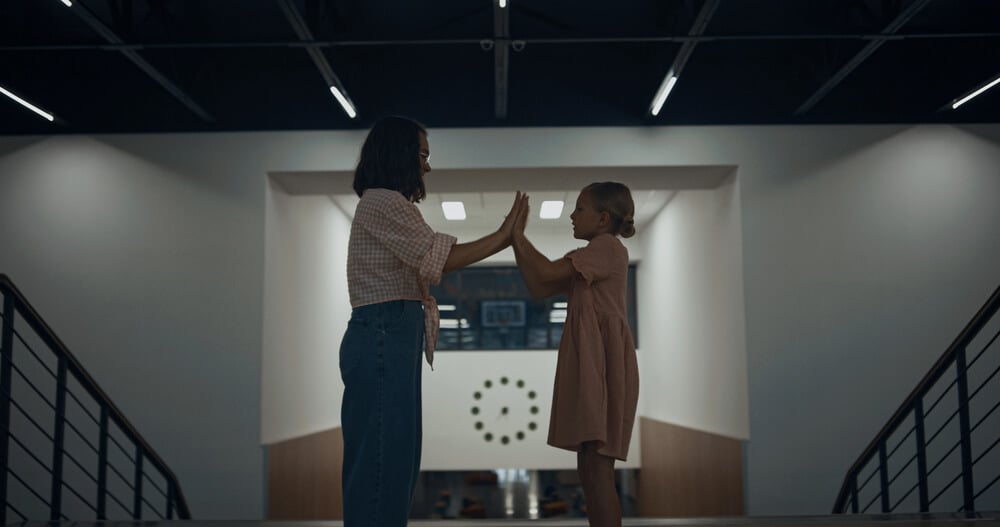
This clapping rhyme follows a sing-song pattern about Miss Susie and her steamboat, with hand claps that speed up as the verses move along. Partners slap palms and cross arms in a set sequence.
The rhyme ends in a silly punch line that sent players into laughter and usually broke the rhythm.
Rules Nobody Wrote Down
These chants spread without any official help. They moved through neighborhoods and schools by repetition, each generation adding a verse and dropping a line.
A rhyme that worked in one city could be rewritten in the next within a few weeks. Adults often dismiss them as nonsense, but the chants teach turn-taking, fairness, rhythm, and teamwork.
A child who learned them also learned how to settle an argument with a counting game instead of a fight. That quiet education still takes place wherever a group of kids has an open stretch of pavement.
More from Go2Tutors!

- 27 Silver Dollars and Half Dollars Worth Keeping
- 28 Restaurant Menu Items Nobody Orders Anymore
- 17 Places Built in Seemingly Impossible Spots
- 27 Vintage Rings Worth More Than They Look
- 25 Restricted Sites Tourists Can’t Enter
Like Go2Tutors’s content? Follow us on MSN.