Historic Gold Rush Towns You Can Still Explore Today
There’s something magnetic about walking down a dusty main street where fortune seekers once rushed with pickaxes and pans, chasing dreams that glittered just out of reach. The American West is scattered with towns that sprang up overnight when someone shouted “Gold!” — places where saloons outnumbered churches and a good claim could make you rich by sundown.
Most of these boomtowns went bust as quickly as they boomed, but many survived, their weathered buildings and mining equipment telling stories of ambition, heartbreak, and the occasional spectacular success.
Today, these gold rush towns offer something different than what those early prospectors found. Instead of precious metal, visitors discover preserved slices of history where the past feels close enough to touch.
Whether it’s a fully restored Victorian mining town or a collection of crumbling foundations slowly being reclaimed by sagebrush, each location holds echoes of an era when the promise of sudden wealth could convince thousands to abandon everything they knew and head west.
Deadwood
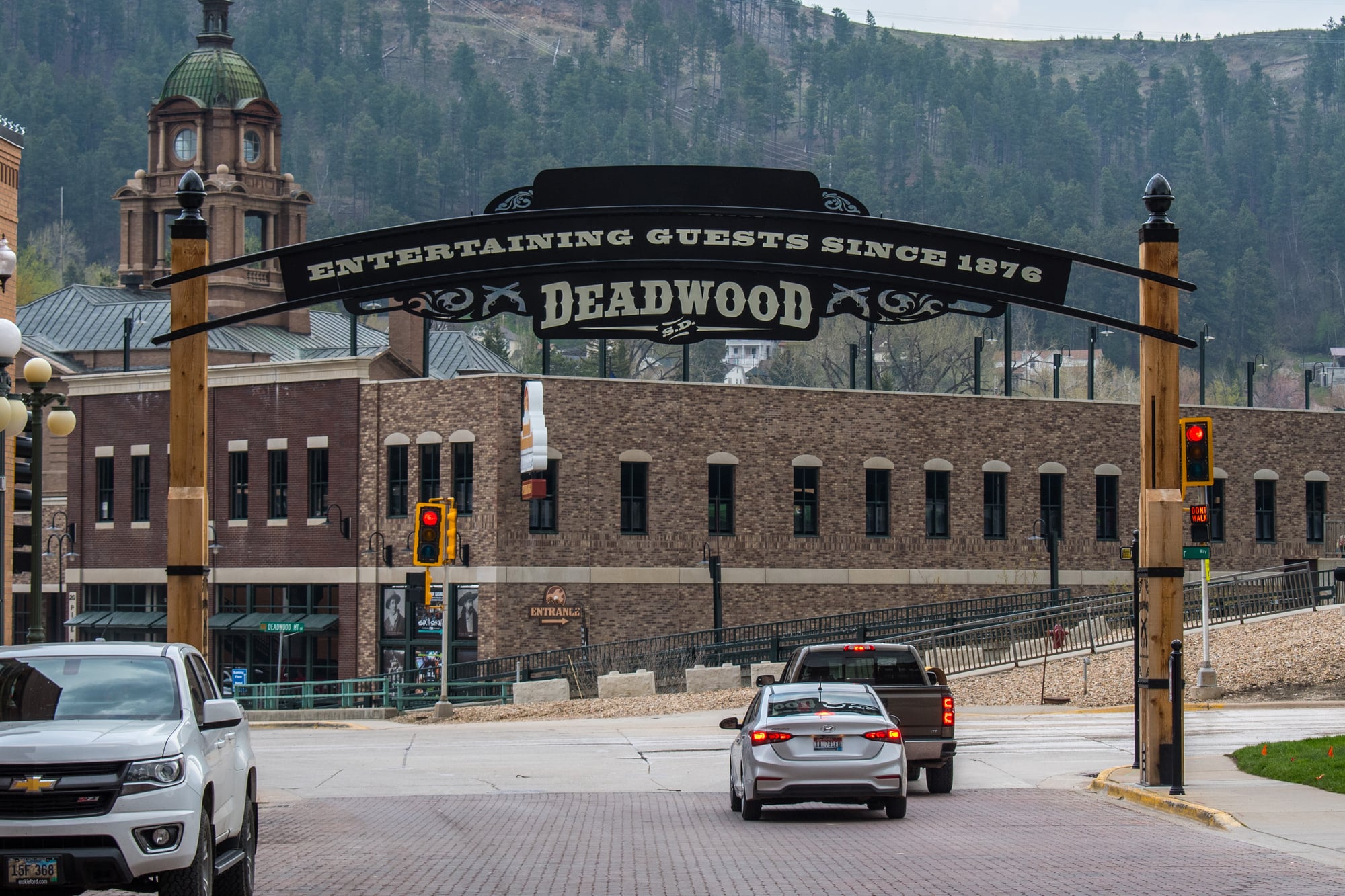
This South Dakota town doesn’t apologize for its rough past. Wild Bill Hickok was shot here.
Calamity Jane drank here. The whole place ran on whiskey, gambling, and the kind of optimism that comes from finding gold in the ground.
The main street still looks like a movie set, except it’s real. Historic saloons serve drinks where actual outlaws once stood.
You can tour underground tunnels or try your luck at modern casinos built where the original gambling halls operated.
Nevada City
Montana’s Nevada City exists in a strange state of preservation (not to be confused with California’s Nevada City, which we’ll get to). This isn’t a town where people moved in and modernized everything — it’s more like someone hit pause in 1875 and never pressed play again.
And yet, the effect isn’t quite what you’d expect, because while the buildings remain authentically weathered and the boardwalks still creak under your feet, there’s something almost theatrical about how perfectly imperfect everything appears, as if the decay itself has been carefully maintained.
But then you step inside the old music hall and hear a vintage player piano, or you watch a blacksmith actually working at his forge (not performing for tourists, just working), and the strangeness of the place makes sense.
Nevada City doesn’t feel like a museum because it never quite stopped being a town.
The whole place operates as a living history experience during summer months, with costumed interpreters who know their stuff and aren’t afraid to admit when they don’t.
Bodie
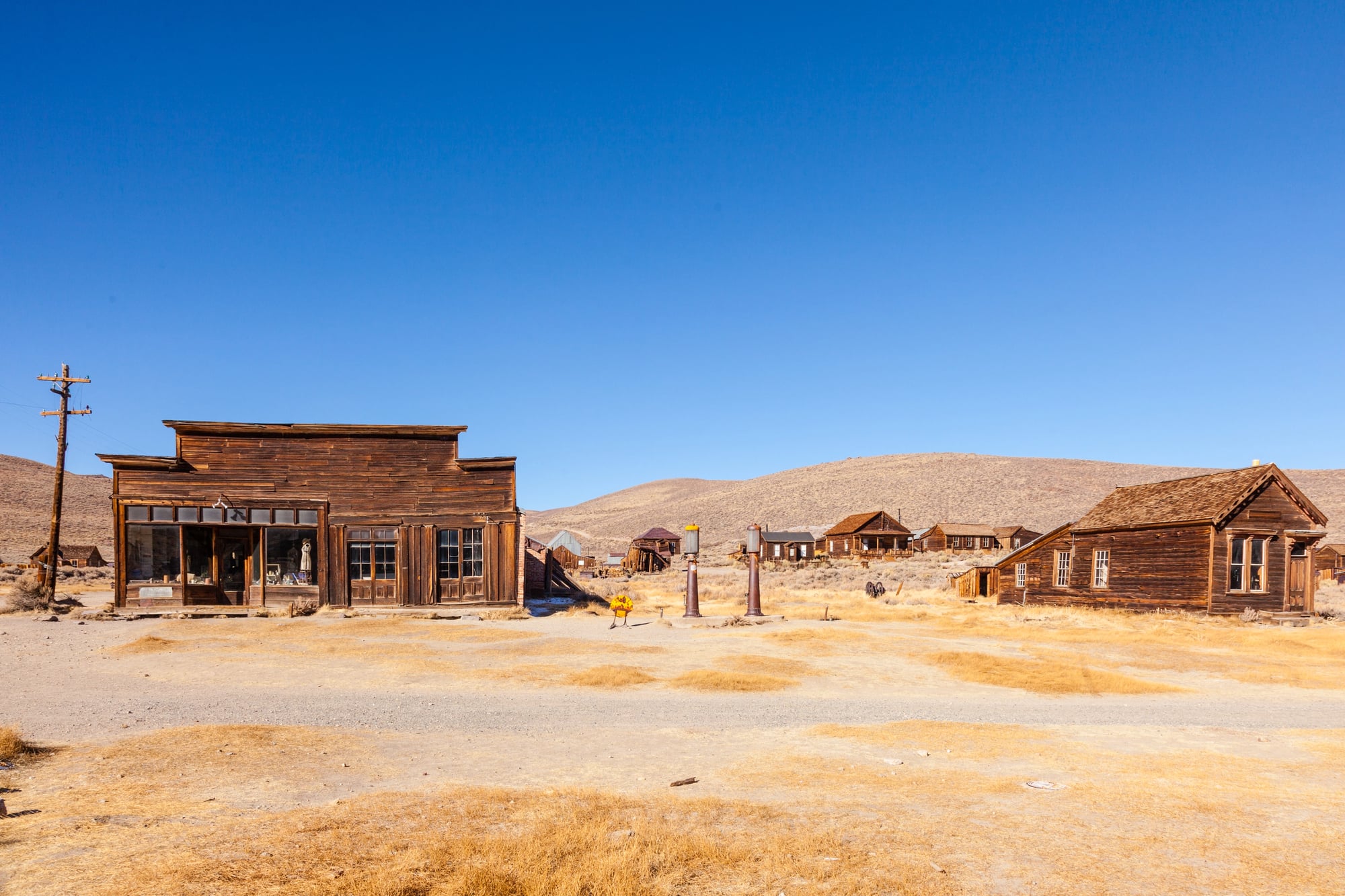
California’s Bodie is what honest preservation looks like. No gift shops.
No restored facades hiding modern interiors. Just a genuine ghost town maintained in what the park service calls “arrested decay.”
At its peak, 10,000 people lived here. Now it’s home to maybe 200 buildings slowly returning to dust under the high desert sun.
The isolation is part of the appeal — Bodie sits at the end of a dirt road, miles from anything resembling civilization. Winters are brutal enough to close the place entirely.
Walk through houses where families just seemed to vanish, leaving behind dishes on tables and clothes in closets. It’s eerie in the best possible way.
Bannack
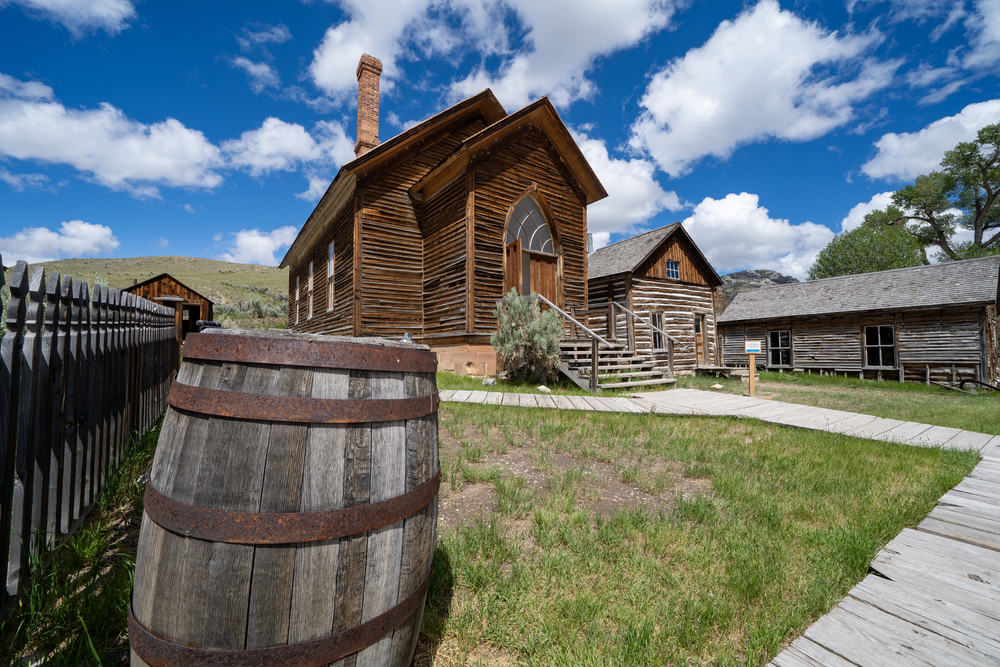
Montana’s first territorial capital tells the whole boom-and-bust story in one location, and there’s something particularly compelling about the way Bannack refuses to dress up its decline — the town peaked in the 1860s, then spent the next century slowly emptying out as the gold played out and people moved on to more promising strikes, but instead of disappearing entirely, it just… lingered, like a conversation that never quite found its natural ending.
So you end up with this odd collection of buildings from different eras: the early log cabins from the rush years sitting next to later frame houses built by people who decided to stay even after the excitement died down, and then there are the remnants of more ambitious structures (a three-story hotel, a proper church) that suggest someone really believed this place had a future.
And maybe they were right, just not the future they imagined.
The preservation work here focuses on stabilizing rather than restoring, which means you’re seeing something closer to what time actually does to buildings when people stop maintaining them.
Cripple Creek
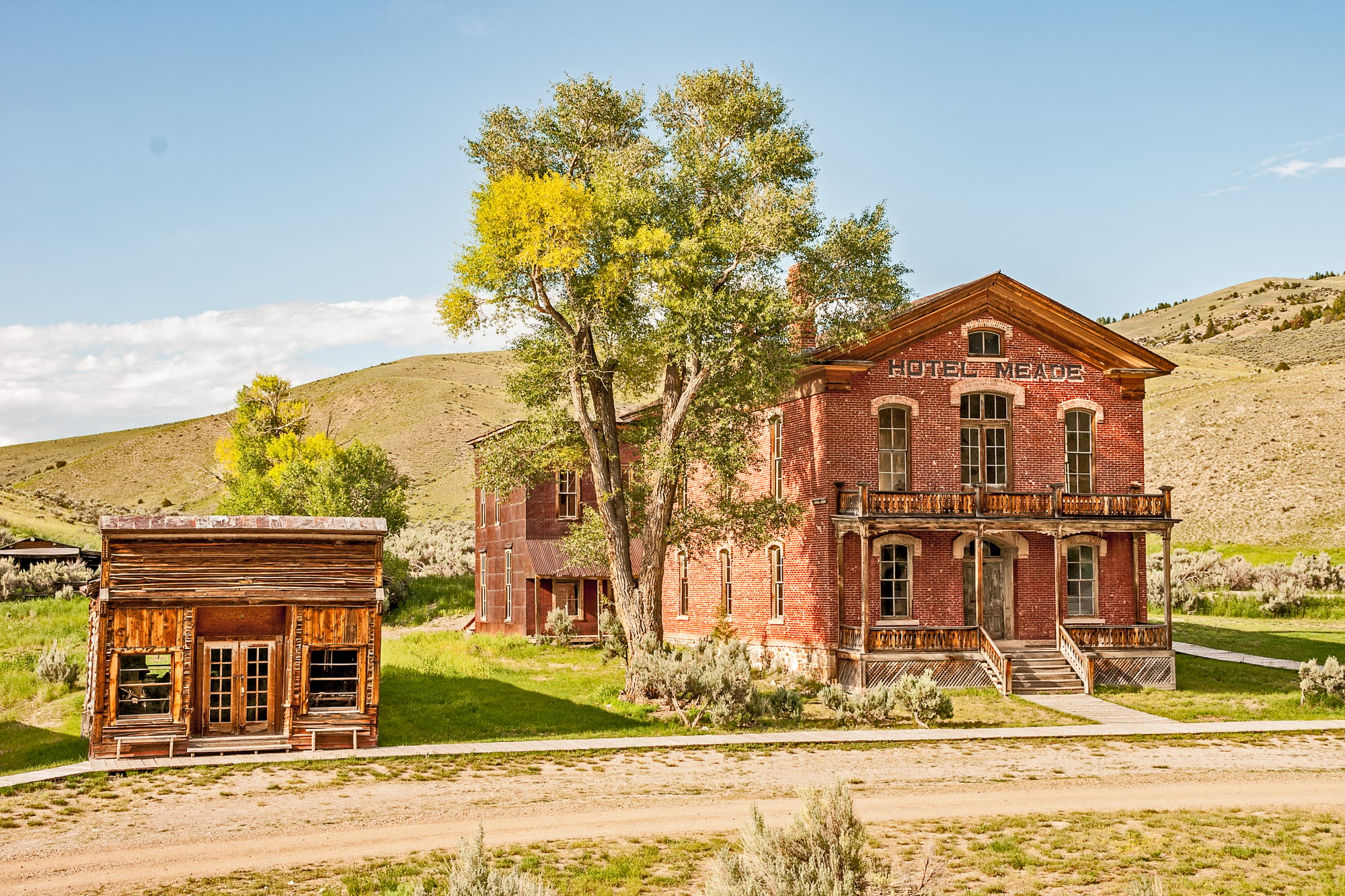
Colorado’s Cripple Creek figured out how to survive the end of gold mining. When the ore ran out, gambling came in.
The town reinvented itself as a casino destination while keeping enough of its mining heritage visible to feel authentic.
The contrast works better than it should. You can descend into an actual mine shaft in the morning, then play blackjack in a restored opera house by evening.
The surrounding mountains still show scars from hydraulic mining operations that moved millions of tons of rock.
Historic buildings house modern casinos, but they’ve been restored rather than replaced. The gambling feels like a natural extension of the risk-taking spirit that built the place.
Calico
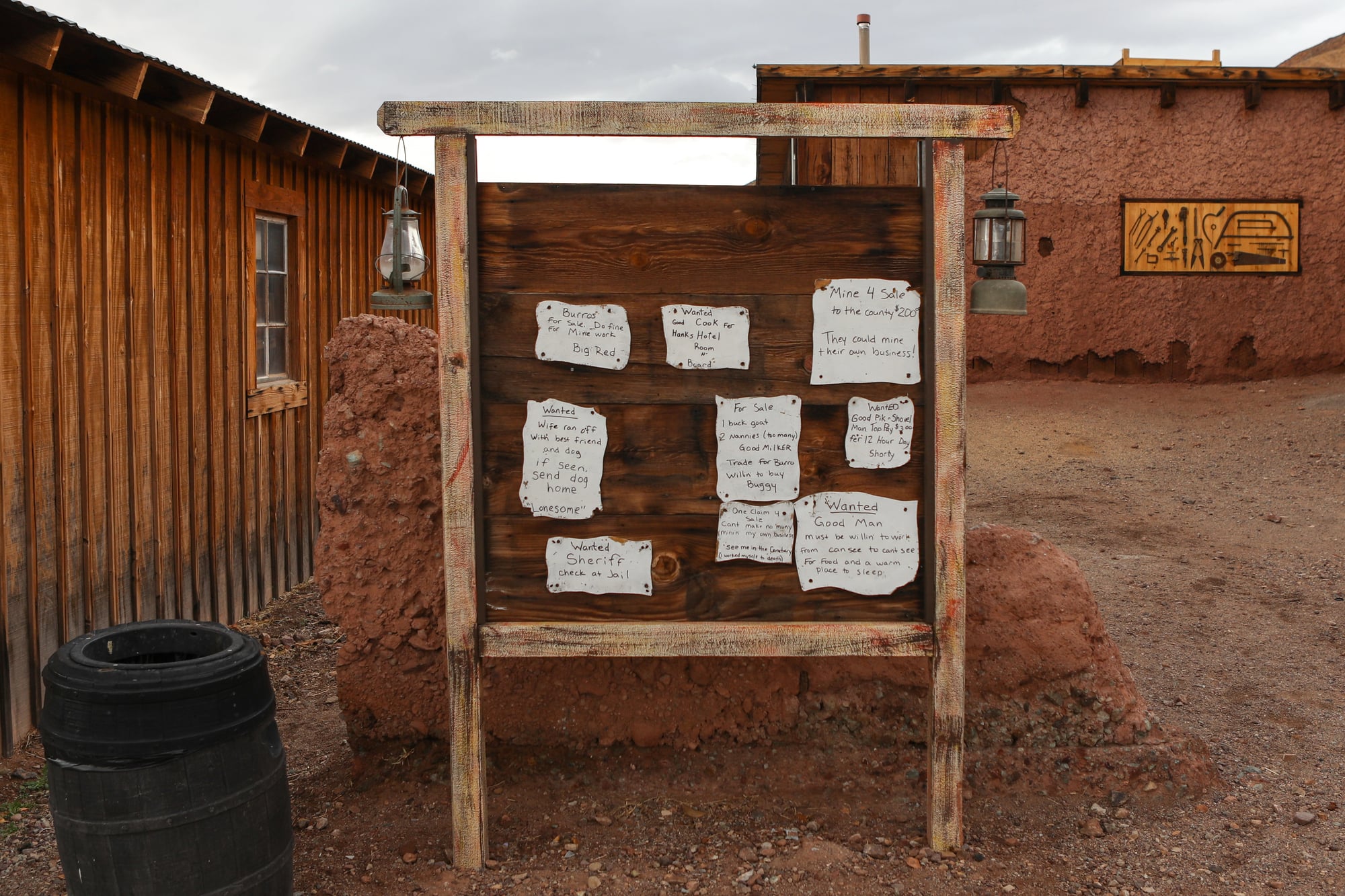
There’s a particular kind of charm that belongs to places that have been forced to reinvent themselves, and Calico, California, wears its second life with the confidence of someone who has nothing left to prove. This former silver mining town (though silver rushes and gold rushes blur together in the popular imagination) went completely bust by the 1890s, sat empty for decades, then got rescued and rebuilt as a tourist attraction in the 1950s.
The reconstruction isn’t historically precise in every detail, but it captures something true about the optimism and improvisation that characterized these boom towns.
The buildings have the right proportions and weathered wood, even if some of the weathering is artificial.
The narrow streets climbing the hillside create the same sense of a community built in a hurry by people who weren’t sure how long they’d be staying.
What makes Calico work is that it doesn’t pretend to be something it isn’t.
This is Old West entertainment, not a strict historical site, and the distinction matters less than you’d think when you’re walking through a mine shaft or watching a gunfight reenactment.
Oatman
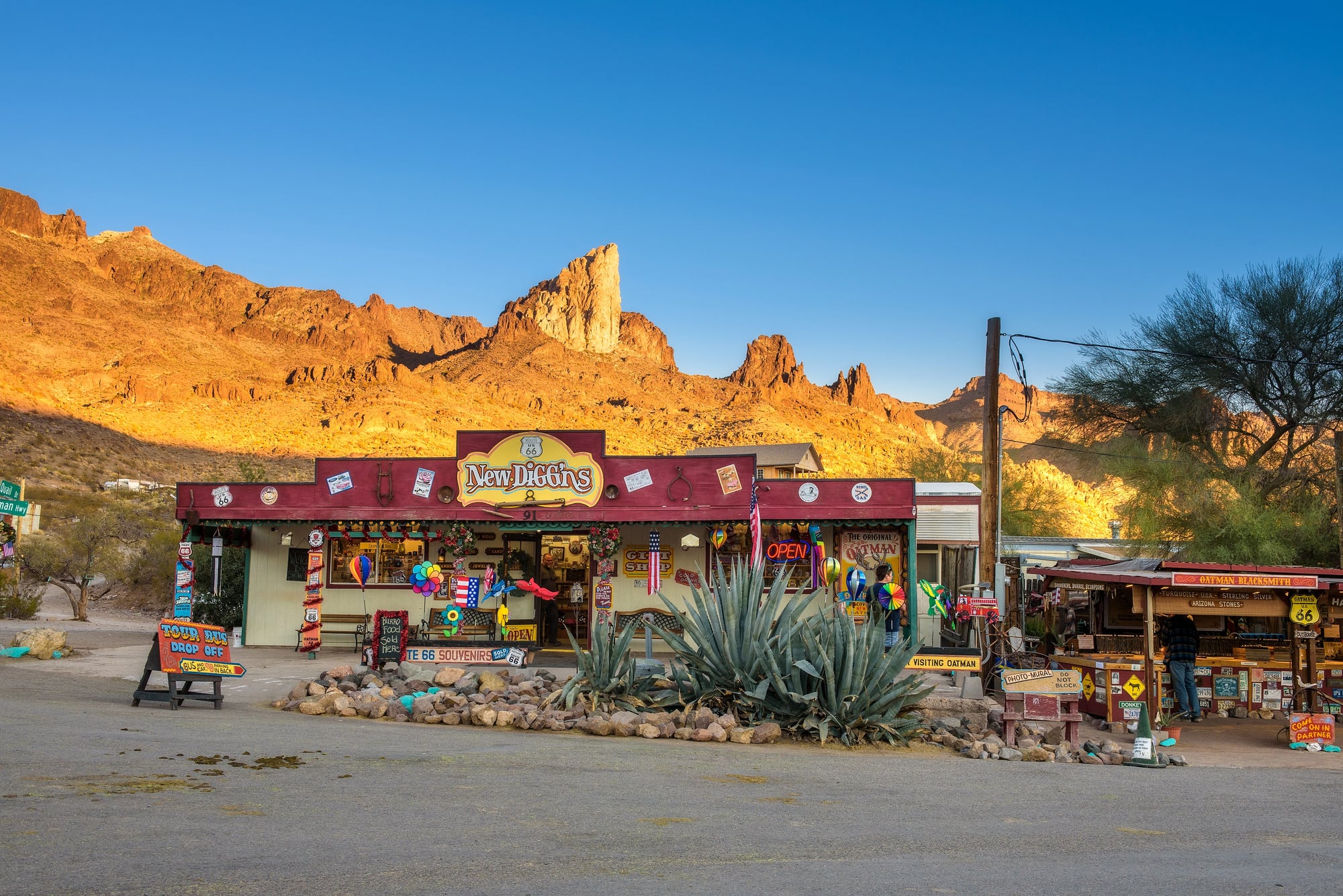
Arizona’s Oatman has wild burros wandering the main street. They’re descendants of pack animals abandoned by miners when the gold played out.
The burros have become the town’s primary attraction, which seems appropriate for a place that has always operated according to its own logic.
Route 66 runs right through Oatman, though the highway bypassed the town decades ago.
The remaining businesses cater to tourists, but the setting is authentically remote. Desert mountains rise on all sides, and the silence between passing cars feels profound.
The daily gunfight shows are campy fun, but the real appeal is simpler: feeding carrots to burros while standing in a place where people once got genuinely rich digging pits in the ground.
Virginia City
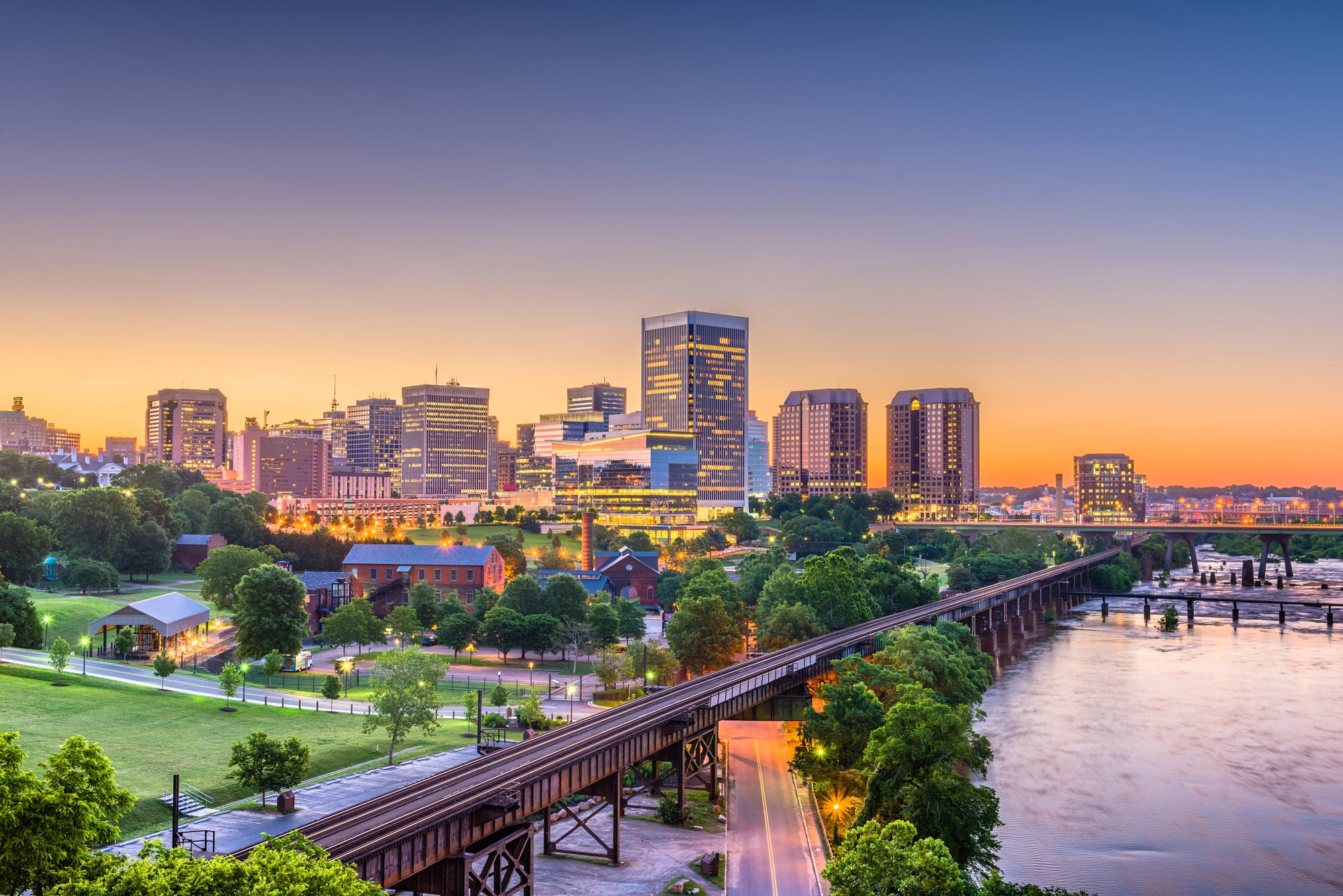
Nevada’s Virginia City built the West’s first millionaires, and the town has never quite gotten over the fact that such wealth came from a single mountainside (the famous Comstock Lode produced roughly $400 million worth of silver and gold, which translates to billions in today’s money, and that kind of success changes not just individual lives but the entire character of a place, creating an expectation that fortune should be a normal part of daily existence rather than a rare stroke of luck).
But what’s fascinating is how the town adapted when the mining wealth disappeared — instead of abandoning the Victorian mansions and elaborate commercial buildings that all that mining money built, Virginia City doubled down on its own grandness, turning the physical evidence of its golden age into the foundation of its tourist economy.
And yet the preservation work here goes deeper than simple nostalgia, because the town has maintained not just the buildings but many of the institutions: newspapers still publish, saloons still serve drinks, and the Opera House still hosts performances, creating a sense of continuity that most mining towns lost when the ore ran out.
The Comstock mines produced Mark Twain, who worked as a journalist here before anyone knew his name.
That literary connection adds another layer to a place already rich with history.
Tombstone
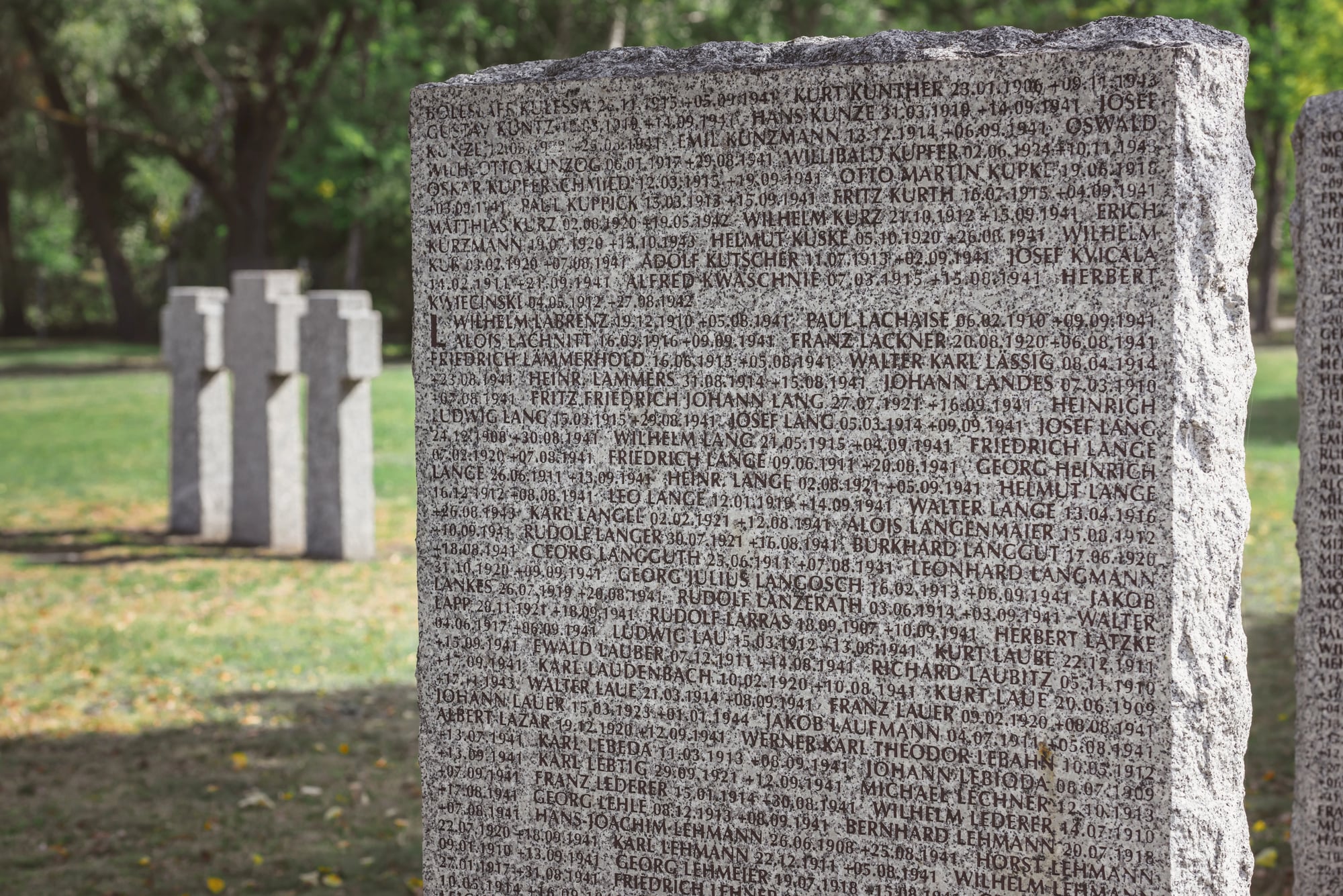
Arizona’s Tombstone is famous for the gunfight at the O.K. Corral, but the silver mining boom built the town.
The Wild West reputation came from the rapid wealth that attracted gamblers, outlaws, and lawmen in roughly equal numbers.
Today’s Tombstone plays up the gunfighter angle with daily reenactments and themed attractions.
The approach borders on theme park territory, but the core buildings are authentically preserved.
The Birdcage Theatre, Crystal Palace Saloon, and Tombstone Courthouse all operated during the boom years.
The surrounding desert provides context that no amount of commercialization can diminish.
This really was the edge of civilization when Wyatt Earp walked these streets.
Grass Valley
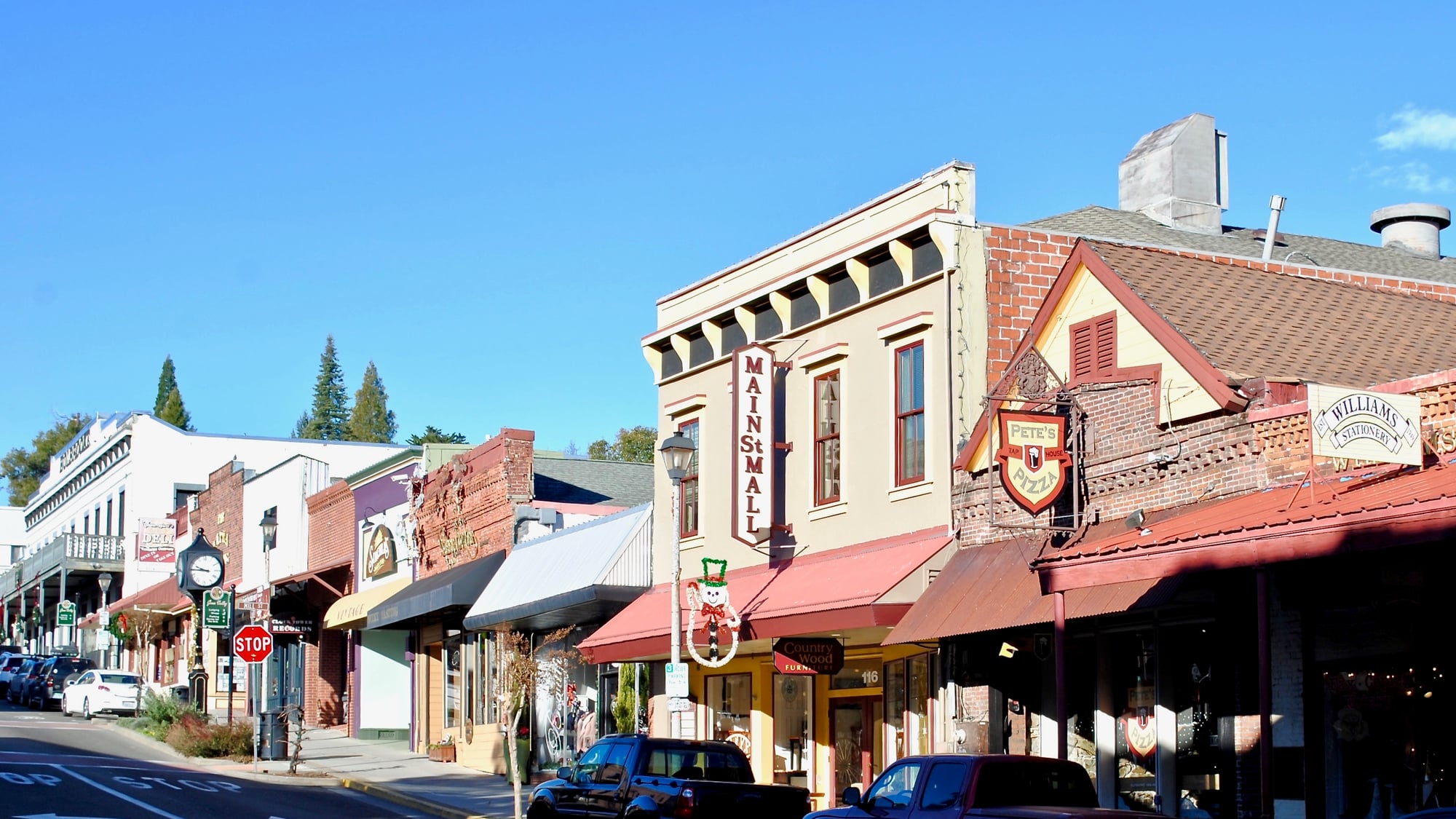
California’s Grass Valley struck it rich and stayed rich long enough to build something permanent, which explains why the town today feels less like a preserved artifact and more like a place where history simply accumulated in layers rather than stopping abruptly when the mines closed.
The Empire Mine operated here for over a century, producing 5.8 million ounces of gold and creating the kind of sustained prosperity that allowed for proper city planning, substantial architecture, and the development of civic institutions that could outlast the mining industry.
So when you walk through downtown Grass Valley now, you’re seeing what happens when a gold rush town has enough time and money to become a real city: Victorian houses with room for expansion, commercial buildings designed to last, and a street layout that assumes people will be living here for generations rather than just until the next big strike elsewhere.
The Empire Mine State Historic Park preserves the industrial side of gold mining with restored equipment and mining buildings that show the transition from individual prospectors to corporate extraction.
Barkerville
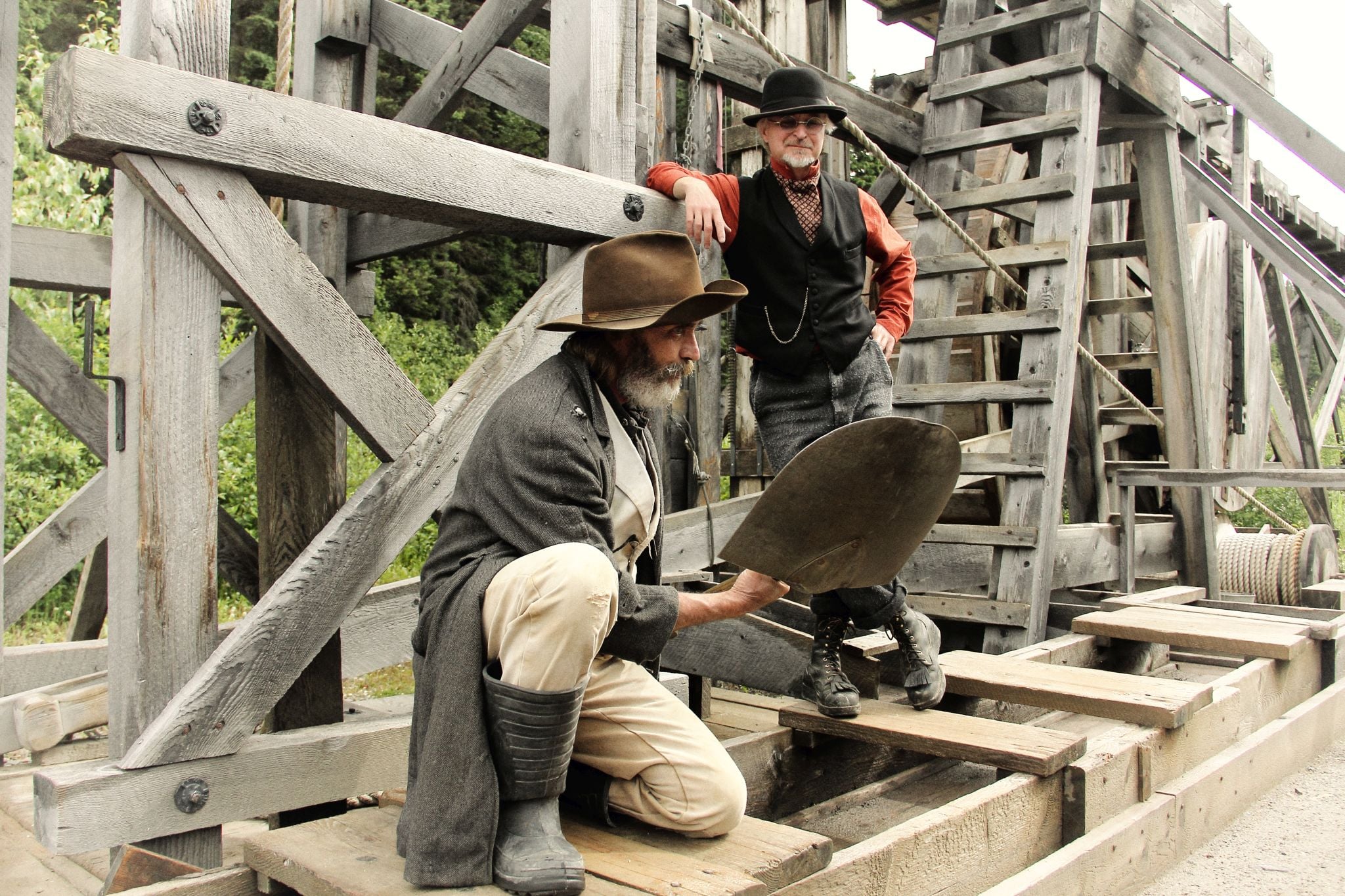
British Columbia’s Barkerville represents the Canadian side of the gold rush story. The town boomed in the 1860s when Billy Barker struck gold in Williams Creek.
At its peak, Barkerville was the largest city north of San Francisco and west of Chicago.
The reconstruction here is thorough and historically rigorous. Costumed interpreters demonstrate period crafts and trades in buildings restored to their 1870s appearance.
The bakery still produces sourdough bread using historical methods.
What sets Barkerville apart is its isolation. Getting here requires commitment, and the surrounding wilderness remains essentially unchanged since the mining days.
The town feels genuinely remote in a way that few historic sites can claim.
Silverton
Colorado’s Silverton sits at 9,300 feet elevation in a valley surrounded by mountains that still show mining scars.
The town never completely emptied when silver prices collapsed, but it came close enough that much of the Victorian architecture survived simply through neglect.
The Durango & Silverton Narrow Gauge Railroad still runs steam trains to Silverton, following the same route that brought supplies to miners and carried ore out to market.
The train ride is half the experience — 45 miles through mountain wilderness that looks essentially unchanged since the 1880s.
Main Street retains its authentic proportions and many original buildings.
During winter, the town becomes nearly inaccessible except by snowmobile, creating the kind of isolation that mining families once endured.
Georgetown
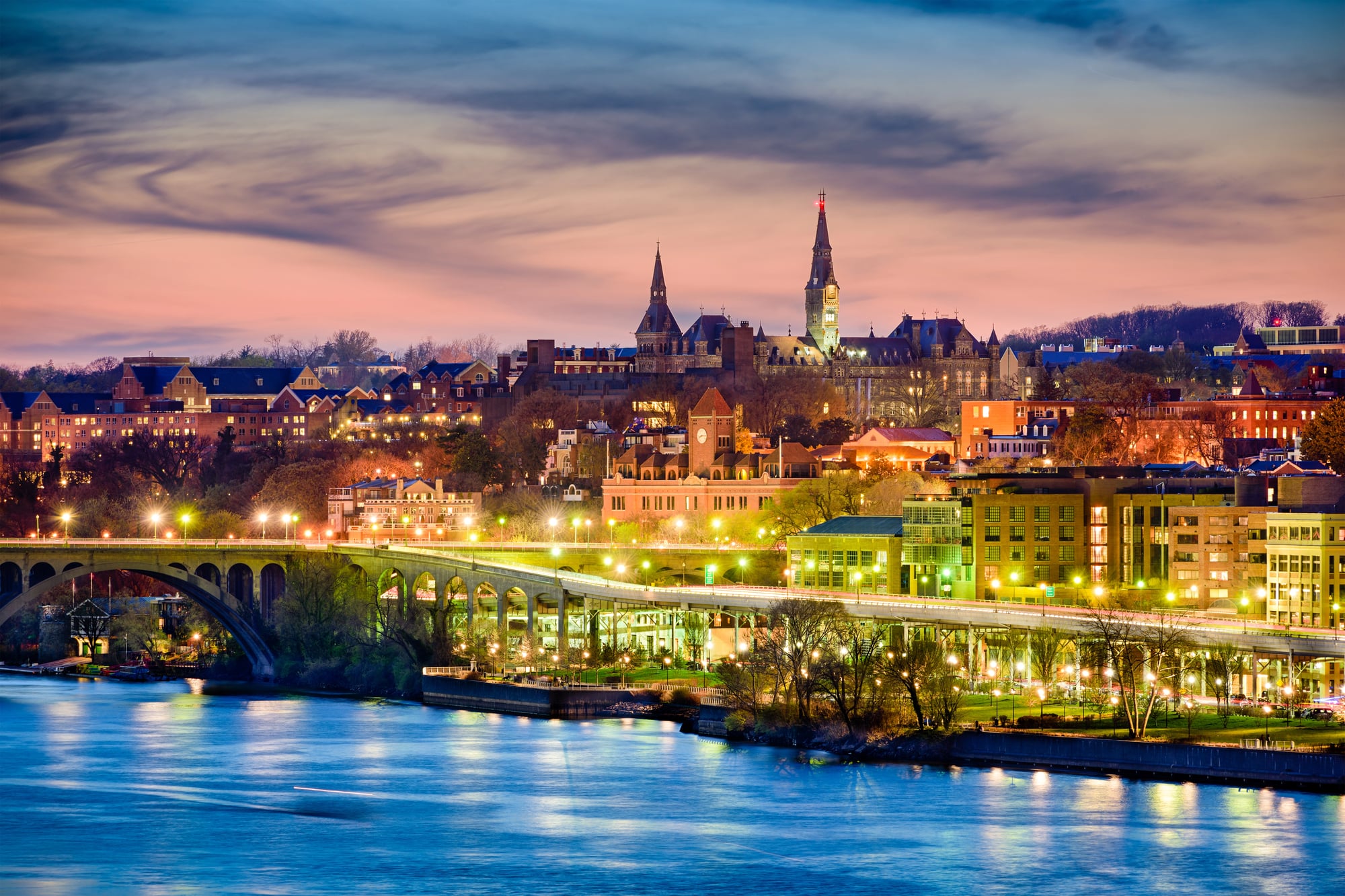
Georgetown, Colorado, proves that some mining towns were built to last from the beginning, and there’s something almost stubborn about how well the place has weathered the decades since silver stopped flowing from the surrounding mountains — the Victorian houses climbing the hillsides show the kind of attention to detail that suggests their owners planned to stay put regardless of how long the mines remained profitable.
And the commercial district along the main street still maintains the scale and proportions of a town that expected to keep growing even after the initial boom settled into something more sustainable.
But Georgetown also illustrates how geography can preserve a place almost by accident, because while other Front Range mining towns were eventually absorbed into the expanding Denver metropolitan area, Georgetown remained just isolated enough (tucked into a narrow valley, accessible by one winding mountain road) to avoid both complete abandonment and total modernization.
And yet the town never quite became a tourist destination in the way that places like Aspen or Vail did, which means the historical preservation happened more organically, driven by residents who simply maintained their houses and businesses rather than deliberately creating a museum.
The Georgetown Loop Railroad, a narrow-gauge line that spirals through the mountains to Silver Plume, operates vintage trains on the same tracks that once carried silver ore to Denver.
Skagway
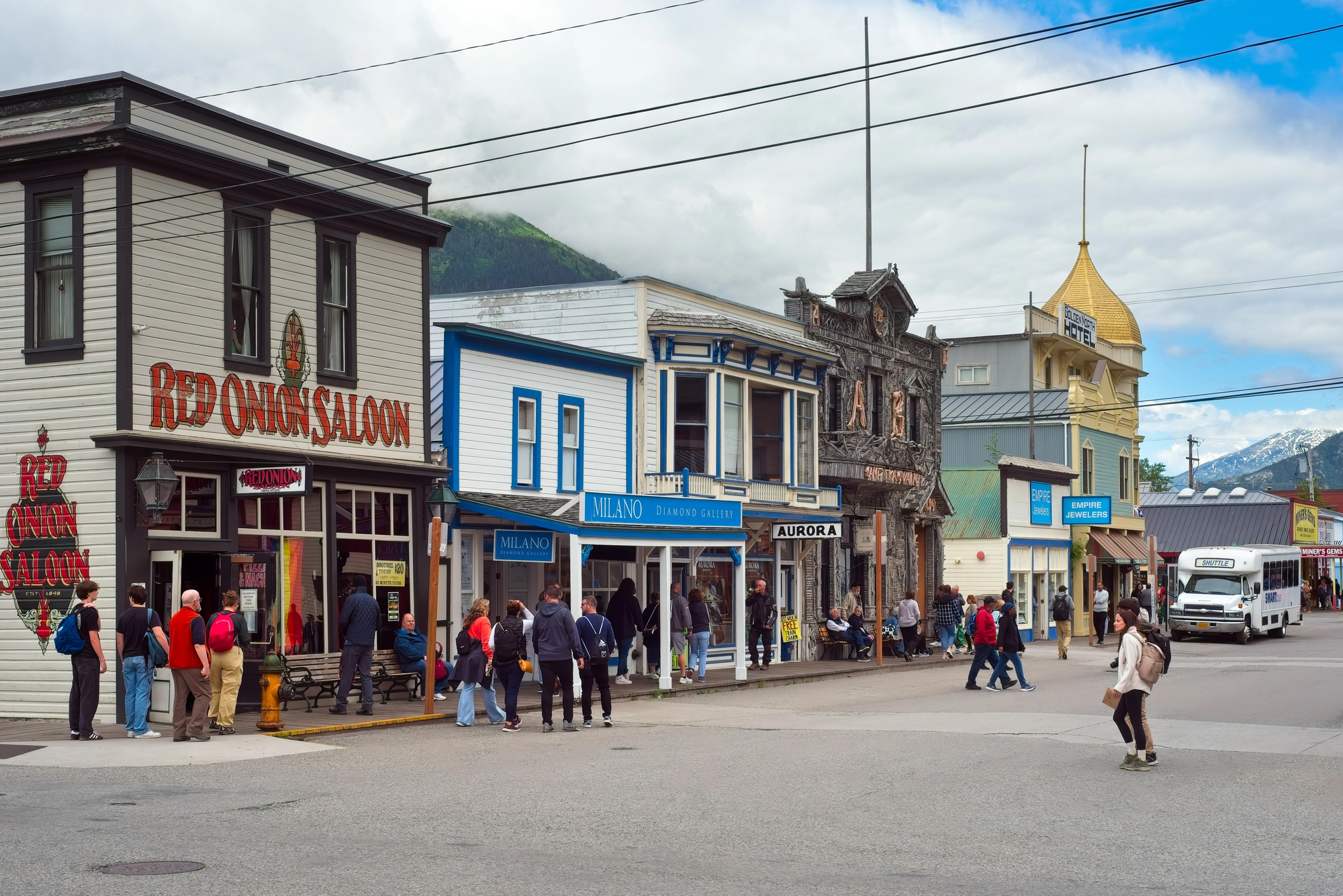
Alaska’s Skagway wasn’t technically a gold rush town — it was the gateway to the gold rush. Klondike prospectors landed here before tackling the Chilkoot Trail to reach the Canadian goldfields.
The distinction matters less than the fact that Skagway boomed and busted with the same dramatic timing as any mining camp.
The National Park Service maintains most of the historic district, which means professional preservation rather than tourist-oriented reconstruction.
The buildings look exactly as substantial as they need to be for a town that expected to host thousands of transient prospectors.
Skagway’s setting provides drama that few places can match.
Mountains rise directly from tidewater, and the town sits in a narrow corridor between peaks that funnel weather systems like a wind tunnel.
The harshness is part of the appeal.
Dawson City
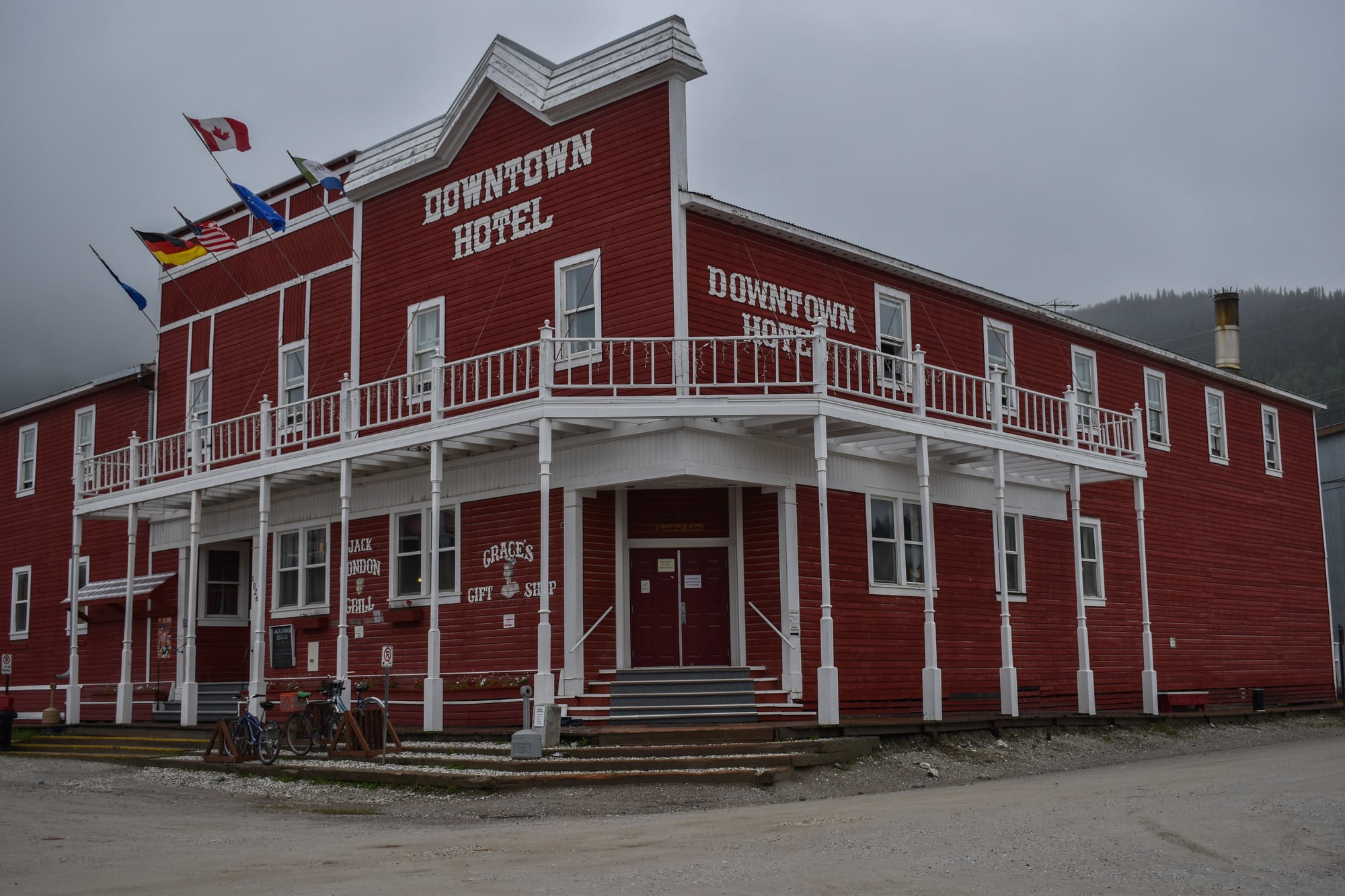
Canada’s Dawson City was the actual destination of the Klondike Gold Rush. Prospectors who survived the journey from Skagway found a boomtown that sprang up practically overnight in the Yukon wilderness.
The preservation work here focuses on maintaining the frontier atmosphere rather than creating a polished tourist experience.
Buildings lean at odd angles due to permafrost shifting, and nobody bothers to straighten them.
The effect is more authentic than most restoration projects achieve.
Summers bring midnight sun and a surprisingly active cultural scene.
Winters bring darkness and temperatures that would have challenged even the hardiest sourdoughs.
The seasonal extremes are part of what makes Dawson City feel genuinely remote.
Echoes In The Mountains
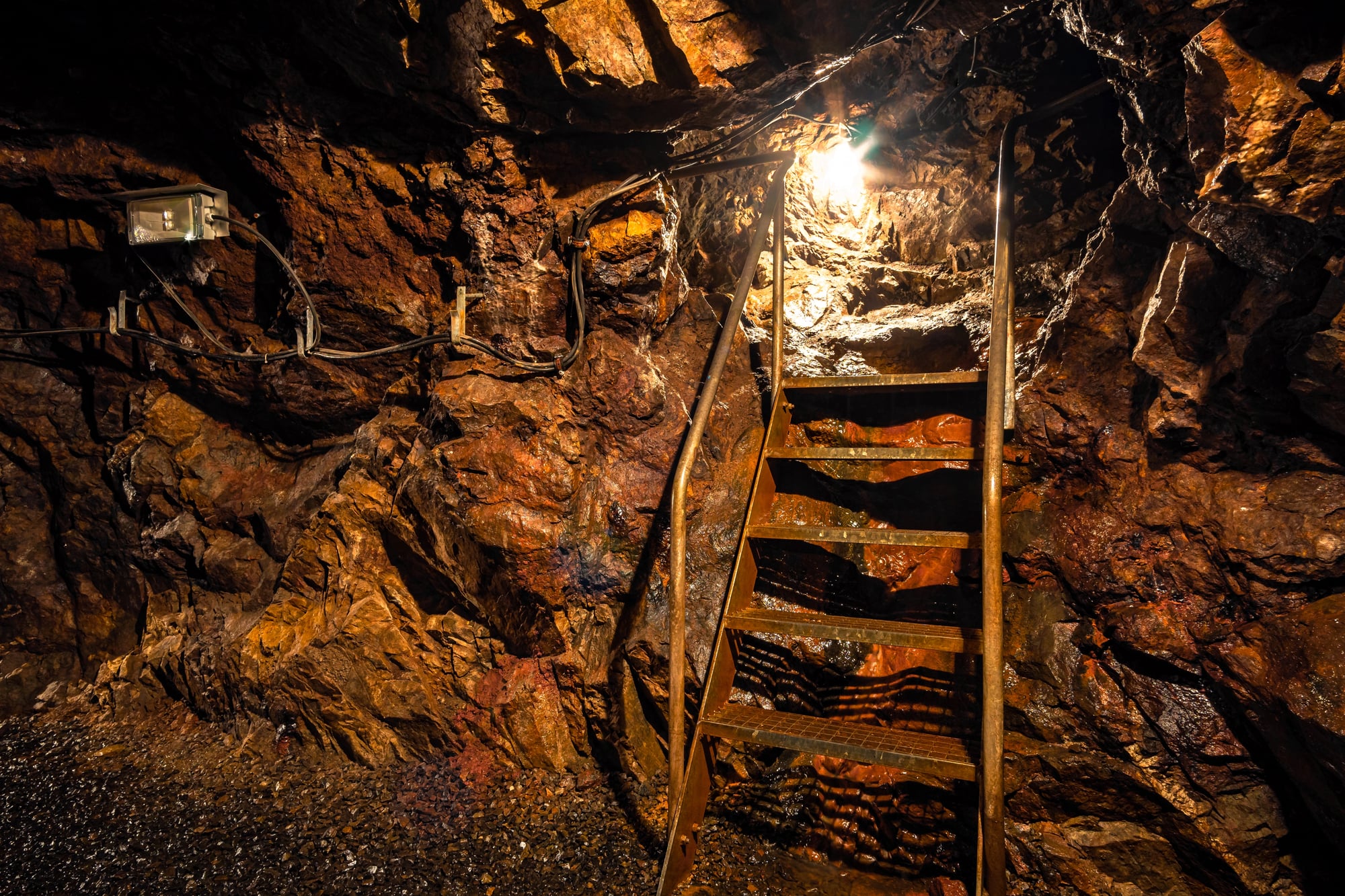
These towns survived because they found ways to matter after the gold ran out. Some became tourist destinations, others remained working communities, and a few simply endured through stubbornness and isolation.
But they all share something that no amount of modern development can replicate: the particular atmosphere that comes from places where people once believed, even briefly, that anything was possible.
Walking their streets today, you can almost hear the echoes of pickaxes hitting rock and the conversations in saloons where fortunes were made and lost over card games.
The buildings may be preserved and the mine shafts may be tourist attractions, but the dreams that built these places still feel close enough to touch.
More from Go2Tutors!

- The Romanov Crown Jewels and Their Tragic Fate
- 13 Historical Mysteries That Science Still Can’t Solve
- Famous Hoaxes That Fooled the World for Years
- 15 Child Stars with Tragic Adult Lives
- 16 Famous Jewelry Pieces in History
Like Go2Tutors’s content? Follow us on MSN.