15 Old Border Crossings Before Modern Checkpoints
Before biometric gates and scanning booths, a border could be a rope across a road, a bridge with a guard hut, or a line painted through a library. Some crossings carried so much history that they became landmarks in their own right.
The fifteen below were famous for who passed through them, who was stopped, and the moments when a gate opened or closed.
Checkpoint Charlie
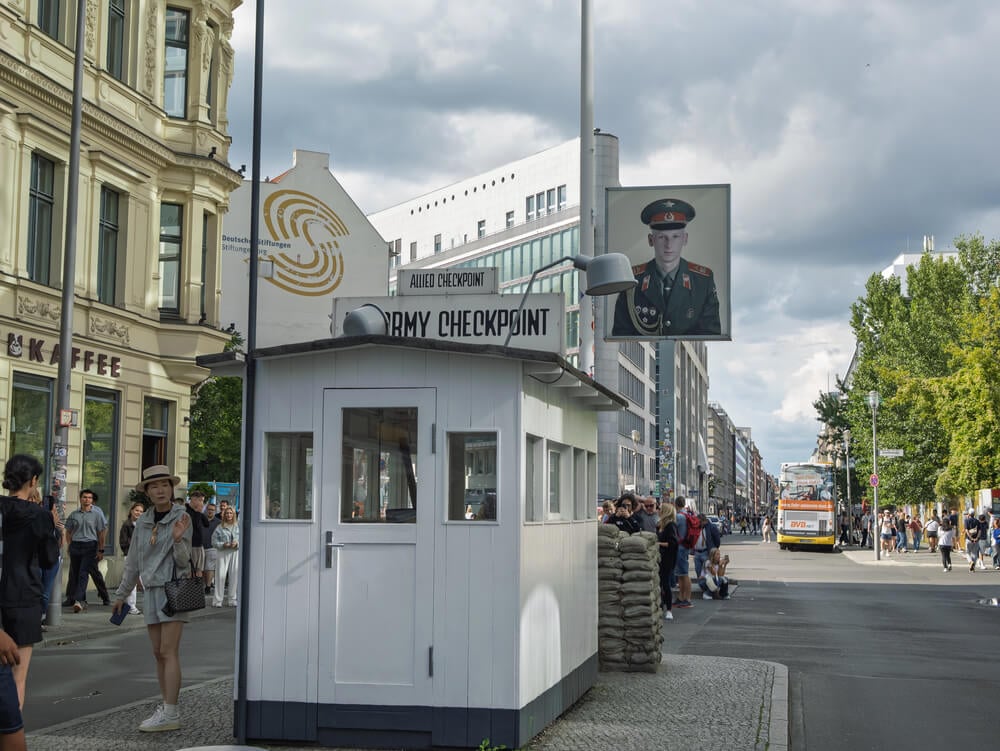
The best-known crossing of the Berlin Wall was a small guard post on Friedrichstraße. In October 1961, American and Soviet tanks faced each other there in a tense standoff.
The checkpoint closed on 22 June 1990, and a replica of the original booth stands near the site today.
The Glienicke Bridge
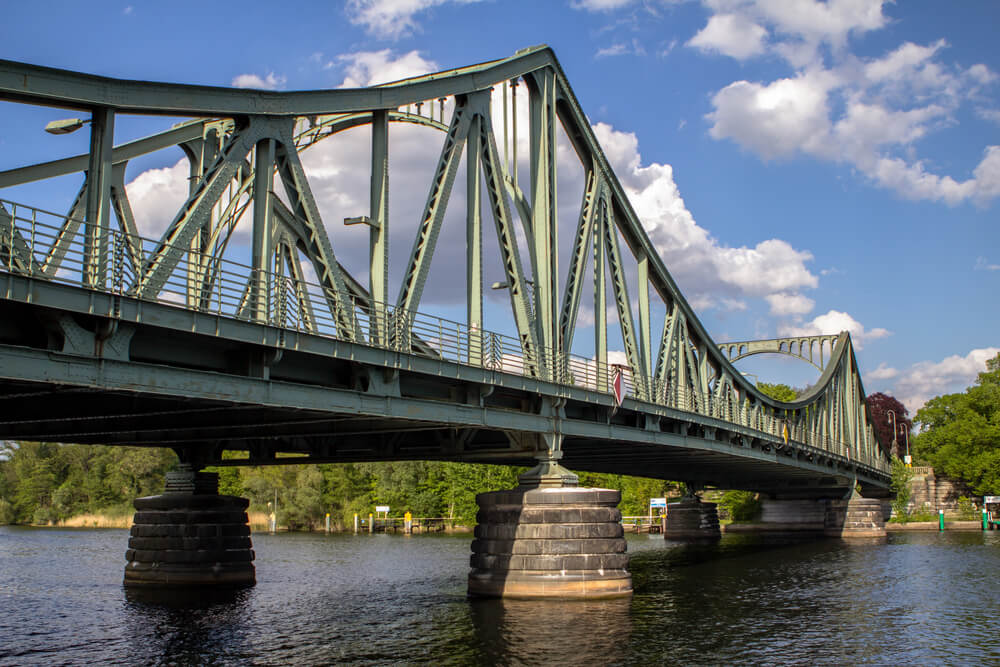
The Glienicke Bridge linking Potsdam and Berlin was used for spy exchanges during the Cold War. The American pilot Francis Gary Powers was traded there for the Soviet agent Rudolf Abel in 1962.
Further exchanges followed in 1985 and 1986, including the release of the dissident Anatoly Shcharansky.
Bornholmer Straße
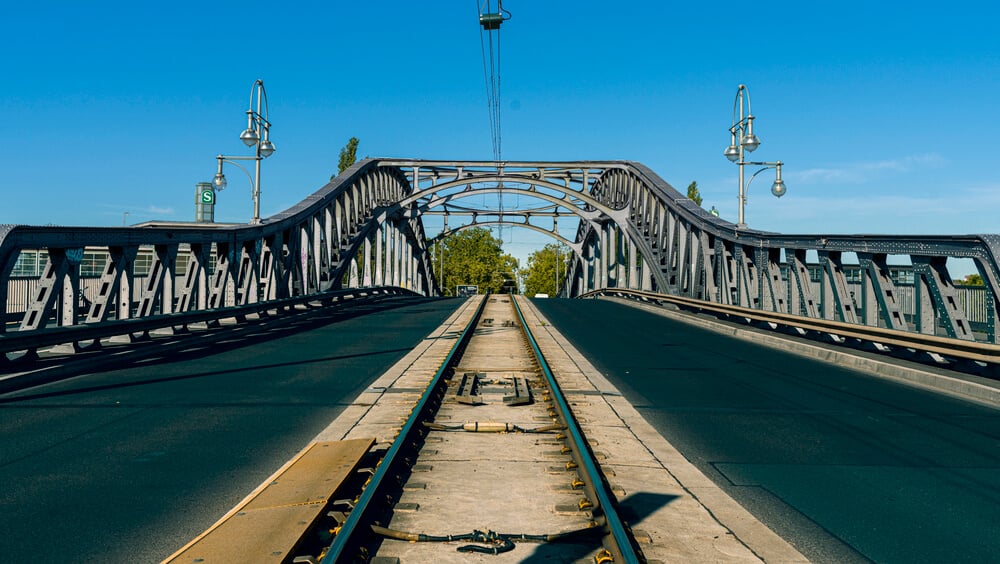
On the night of 9 November 1989, crowds gathered at Bornholmer Straße and pressed the guards until the gate was opened. It was the first crossing in Berlin to let people through that night.
The bridge above it later became a gathering place for anniversary commemorations.
The Helmstedt–Marienborn Crossing
The main transit point on the Autobahn between West Germany and East Germany was a vast complex of inspection lanes, towers, and offices. Drivers waited for hours while guards examined documents and vehicles.
After reunification, the Marienborn site was preserved as a memorial.
The Pan-European Picnic at Sopron
On 19 August 1989, a picnic held on the Austrian–Hungarian border near Sopron briefly opened a gate in the fence. About 600 East Germans used the chance to cross into Austria.
The event became a turning point, as it showed that the border could be breached without gunfire.
The Schengen Agreement Signing
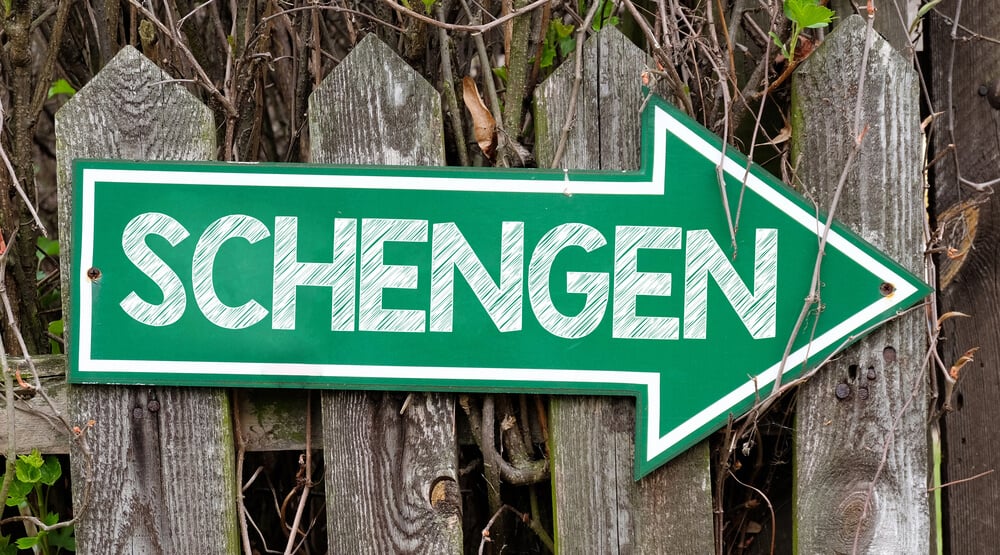
The agreement that began removing European border checks was signed on 14 June 1985 aboard the ship Princess Marie-Astrid on the Moselle River. The place was chosen because Luxembourg, France, and Germany meet near the village of Schengen.
The setting is a pointed contrast with the guarded crossings it eventually replaced.
Gibraltar and La Línea
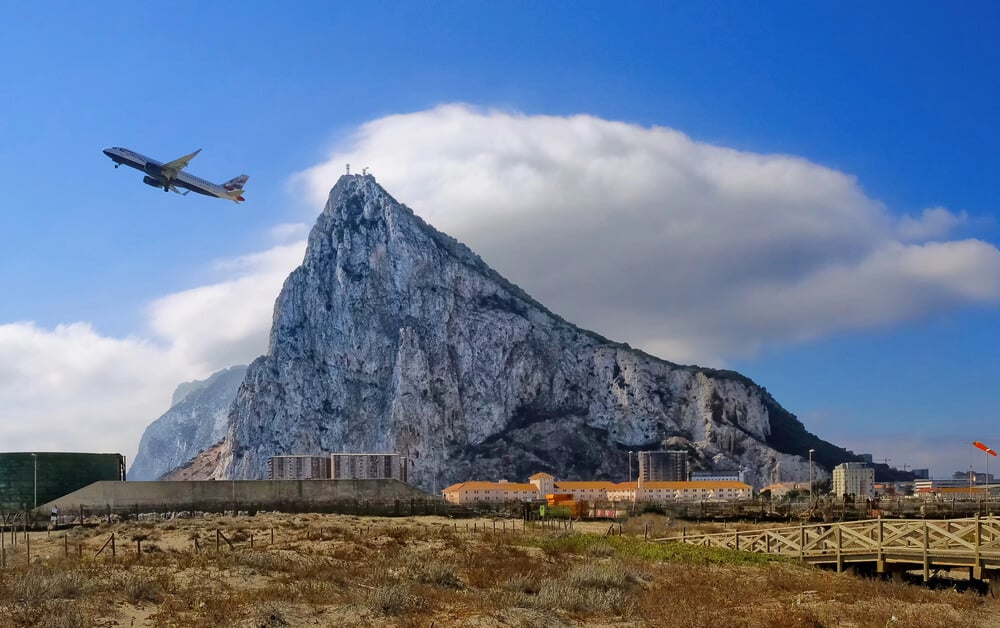
Spain closed its border with Gibraltar in 1969, cutting families off from one another. Pedestrians were allowed to cross again in 1982, and full reopening for vehicles came in 1985.
Residents on both sides remember the years when the gate stayed shut and neighbors could see one another but not meet.
The Mandelbaum Gate
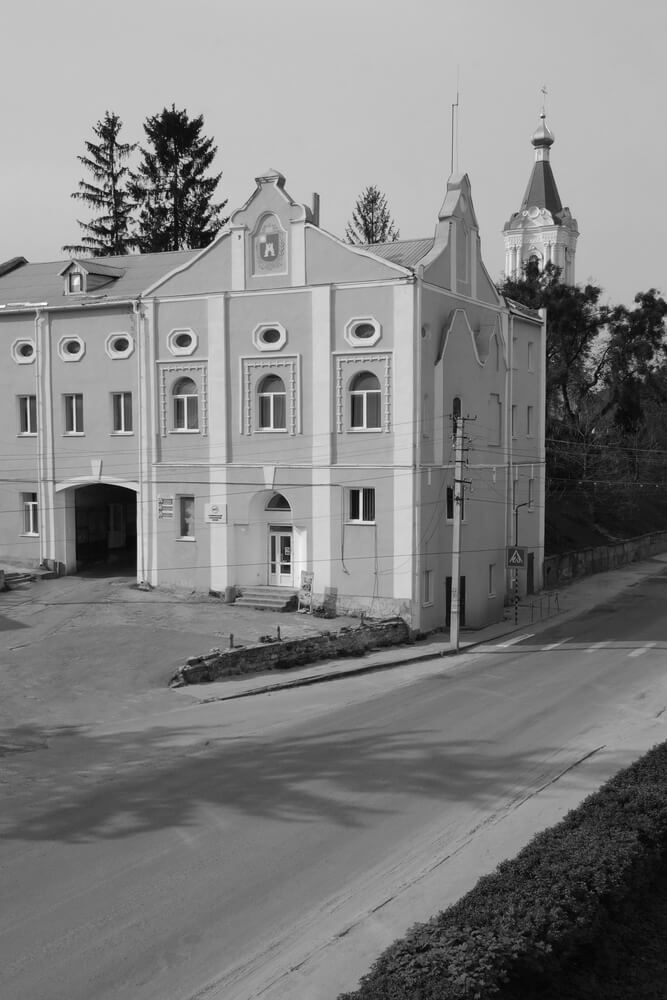
From 1948 to 1967, the Mandelbaum Gate was the only passage between the Israeli and Jordanian sides of divided Jerusalem. It was named for a nearby house rather than a real gate.
Pilgrims, diplomats, and United Nations staff crossed there under close inspection.
The Peace Arch
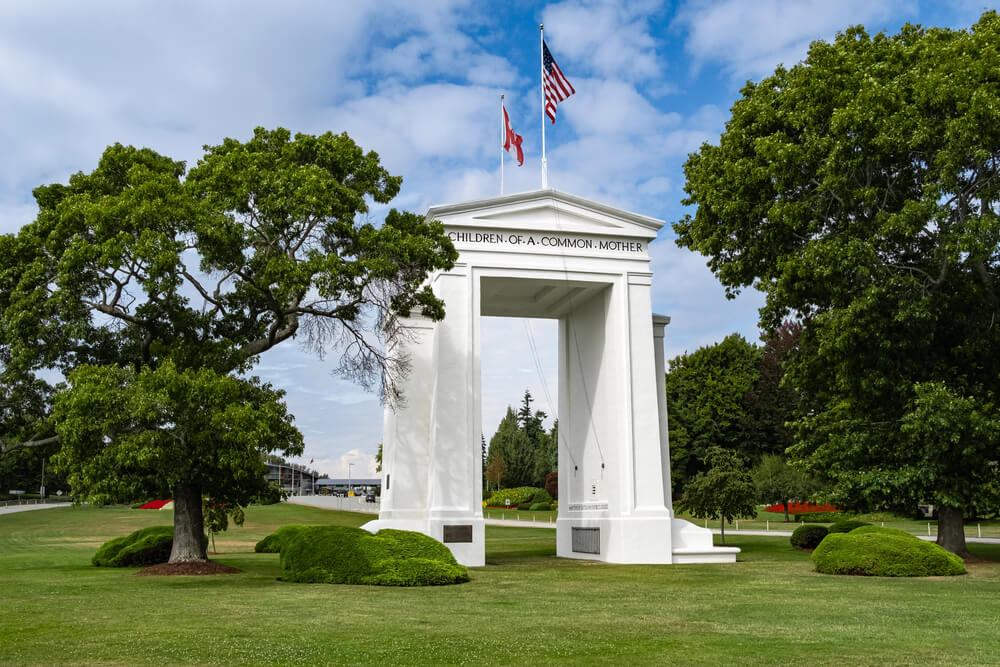
The Peace Arch, dedicated in 1921, stands directly on the line between Washington State and British Columbia. Visitors from both countries can stand within the park and meet across the line without a formal crossing.
It marks a century of peace on a border that is among the longest unguarded boundaries in the world.
The Peace Bridge
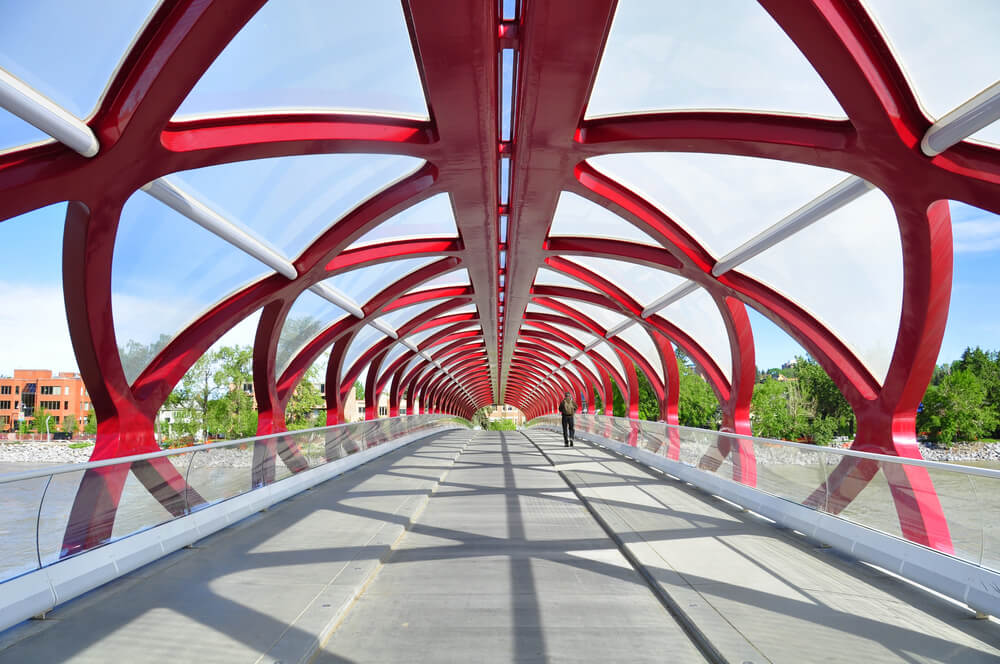
The Peace Bridge between Buffalo and Fort Erie opened in 1927 to celebrate more than a century of peace between the United States and Canada. It was built partly with donations from both nations.
Its name reflects the optimism with which it was dedicated.
The Ambassador Bridge
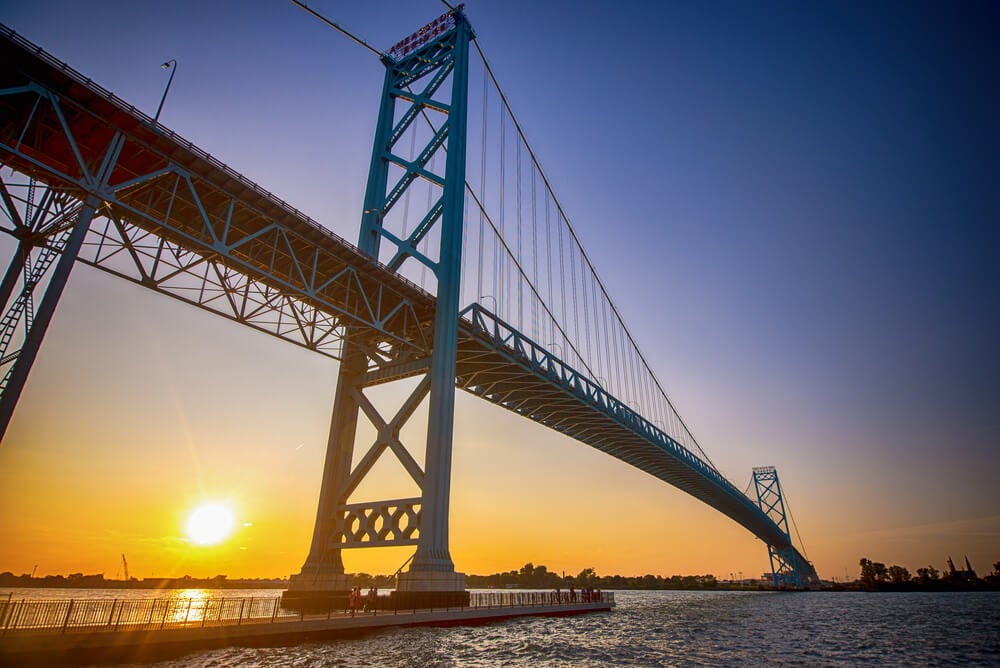
The Ambassador Bridge between Detroit and Windsor opened in 1929 and quickly became one of the busiest crossings in North America. Trucks carrying auto parts crossed it constantly, tying two automotive industries together.
Its steel towers dominate the river skyline.
The Haskell Free Library

The Haskell Free Library and Opera House at Derby Line, Vermont, and Stanstead, Quebec, opened in 1904 with the international boundary running through the building. A line on the floor of the reading room marks where the countries divide.
Patrons from both nations have long used the building without formally crossing.
The Attari–Wagah Crossing
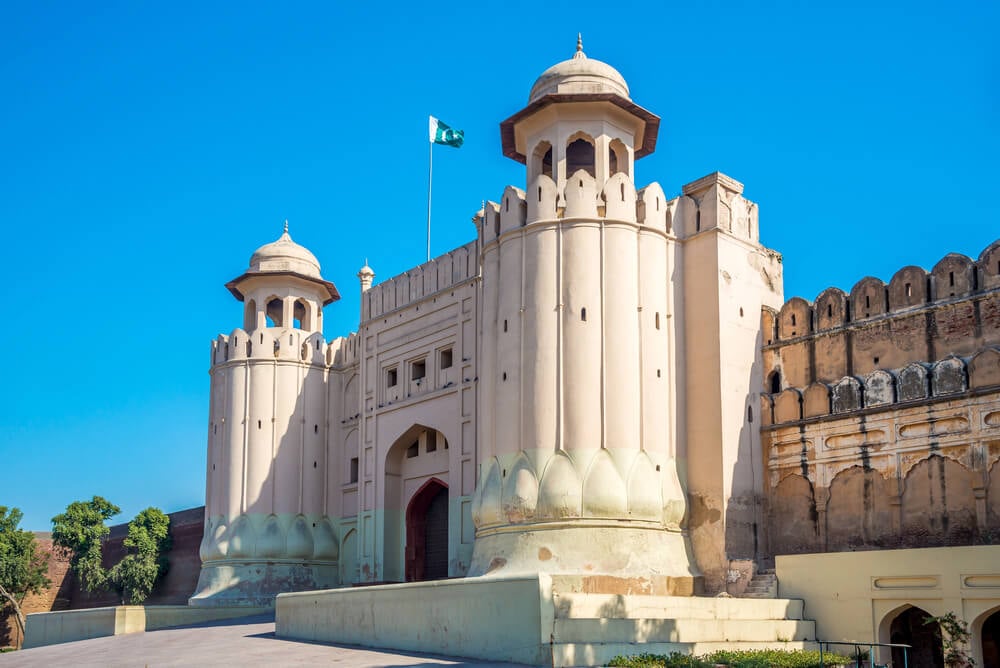
Soldiers from India and Pakistan perform a daily lowering-of-the-flags ceremony at the Attari–Wagah border, a tradition that dates to 1959. The gates are thrown open briefly, and the guards stamp and salute in elaborate fashion.
Crowds fill the stands on both sides to watch.
Nathu La
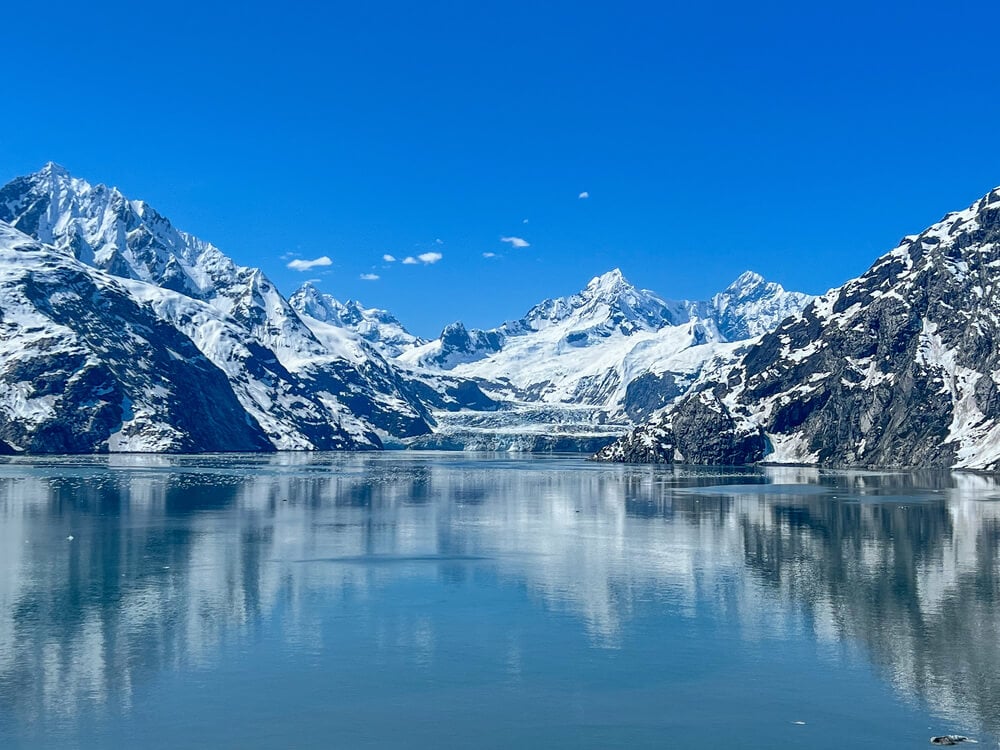
The Nathu La pass between Sikkim and Tibet was an old trade route that closed after the 1962 war between India and China. It reopened for border trade in 2006.
Traders now cross at 14,000 feet in thin air, carrying goods that once moved on mule trains.
The Bridge of No Return
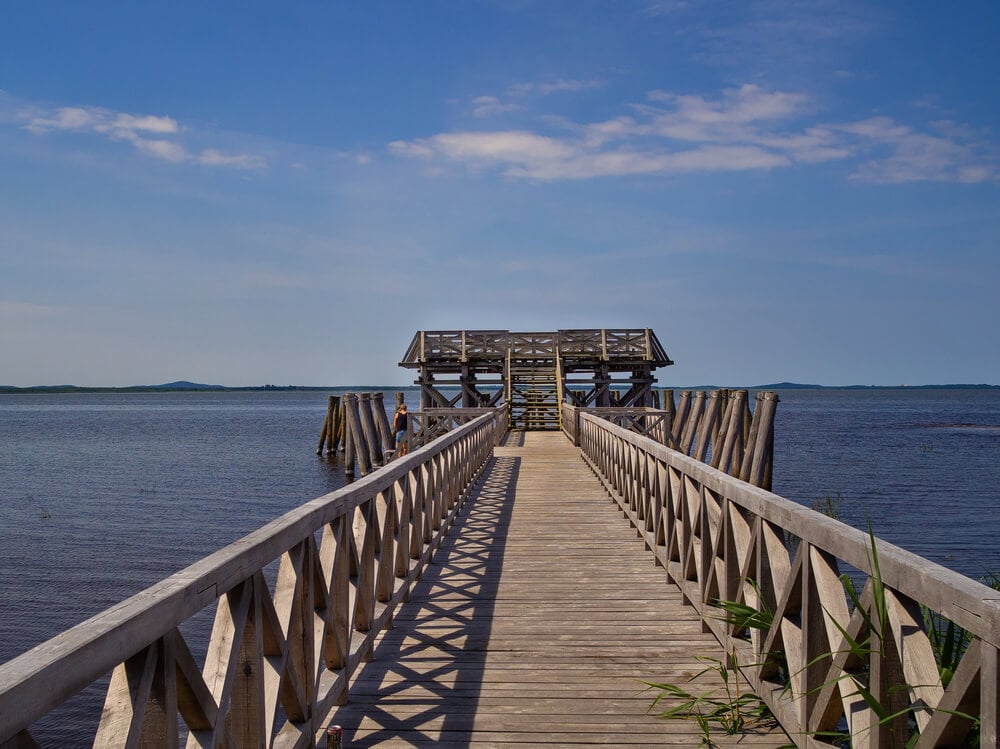
At Panmunjom, a small bridge crosses the line between North and South Korea. Prisoners were given the choice to cross and could not return.
The crew of the USS Pueblo came back over it on 23 December 1968, after eleven months in captivity.
When a Line Becomes a Place
A border is an idea first and a structure second. The crossings above show how quickly a post, a gate, or a bridge can take on a meaning far beyond its materials, whether as a place of tension, a place of exchange, or a place where a barrier finally fell.
Many of them have since been preserved, rebuilt, or repurposed. They draw visitors because the story lives in the physical object, and a closed gate or an empty guard hut can make clearer than a textbook how much a line on a map once cost.
More from Go2Tutors!

- 27 Silver Dollars and Half Dollars Worth Keeping
- 28 Restaurant Menu Items Nobody Orders Anymore
- 17 Places Built in Seemingly Impossible Spots
- 27 Vintage Rings Worth More Than They Look
- 25 Restricted Sites Tourists Can’t Enter
Like Go2Tutors’s content? Follow us on MSN.