Oldest Buildings Still in Use
Older things often feel delicate. Though most constructions aim for many years, hardly any target thousands, yet durable stuff still fades eventually.
Still, scattered around Earth, rare edifices ignore this rule entirely. These aren’t locked behind glass or crumbling into dust.
Daily routines include walking inside, praying within, making decisions there, sharing space like it’s nothing out of the ordinary.
Old walls stand because they kept changing. Through wars, tremors, uprisings, cultural tides – these places bent without breaking.
Time passes, makers fade, still they serve. Lasting this long never happens by chance.
Meaning helps, attention matters, usefulness carries weight. A building lives when it finds new roles beyond its first reason for being.
Peeking into ancient walls that still serve people now. These places hum with life despite their age, held up by time rather than erased by it.
One stands where traders once walked, another shelters prayer under cracked stone roofs. Their purpose bends but does not break.
Centuries pass, yet doors open daily for work, worship, or gathering. Not frozen relics – alive in slow motion.
Each step inside echoes older steps, worn into floors like memories. Function shifts gently instead of vanishing.
Some host voices every morning, others feed communities from foundations laid long before maps existed. They do not shout about durability – they simply remain.
Pantheon
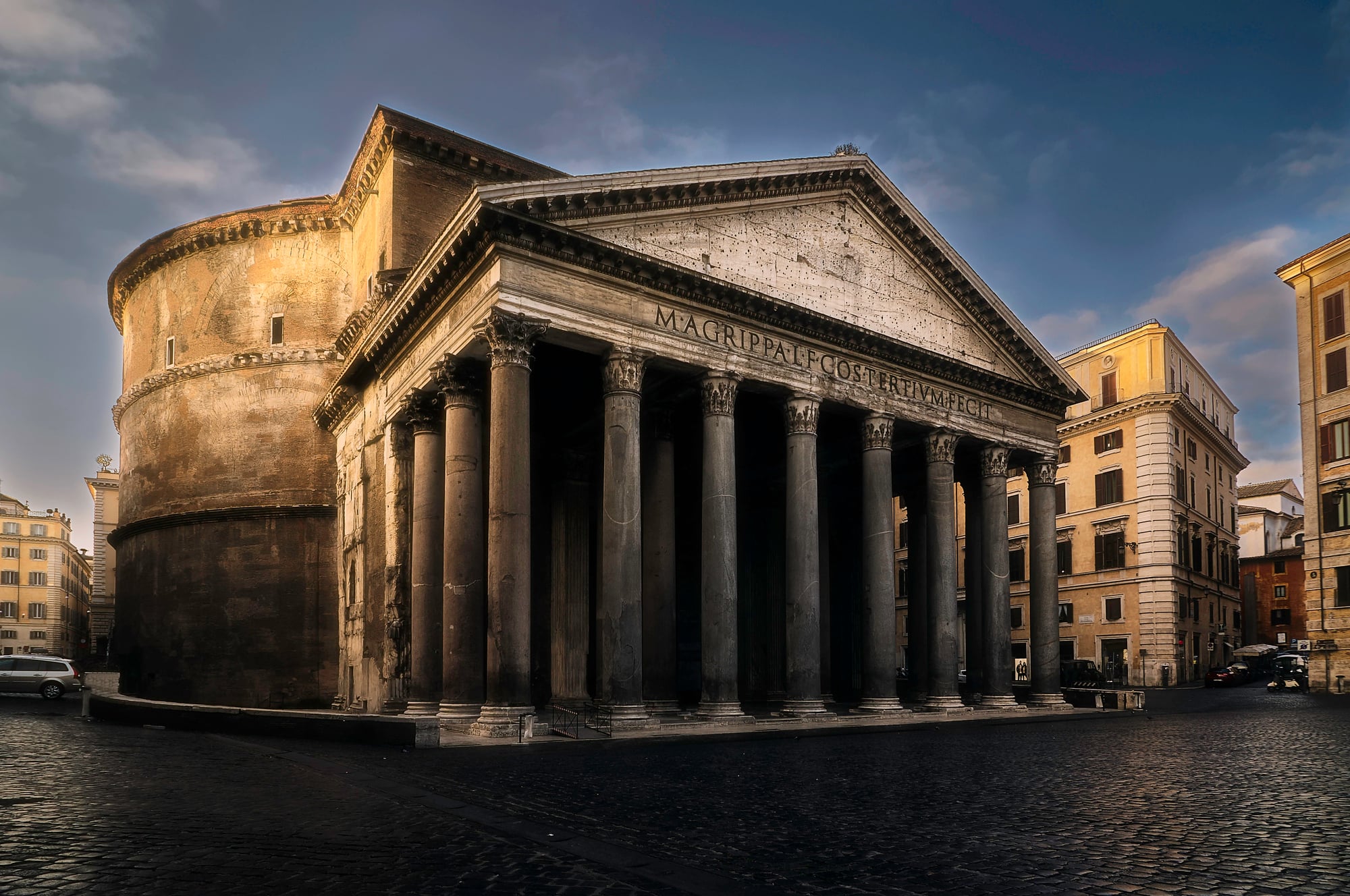
Completed nearly two thousand years ago, the Pantheon remains one of the most influential buildings ever constructed. Originally built as a Roman temple, it was later converted into a Christian church, a transition that helped ensure its survival when many pagan structures were abandoned or dismantled.
The massive concrete dome, still the largest unreinforced dome in the world, continues to inspire architects today. The building remains an active place of worship, open daily to visitors.
Its continued use shows how adaptive reuse can protect even the most ancient structures from neglect.
Hagia Sophia
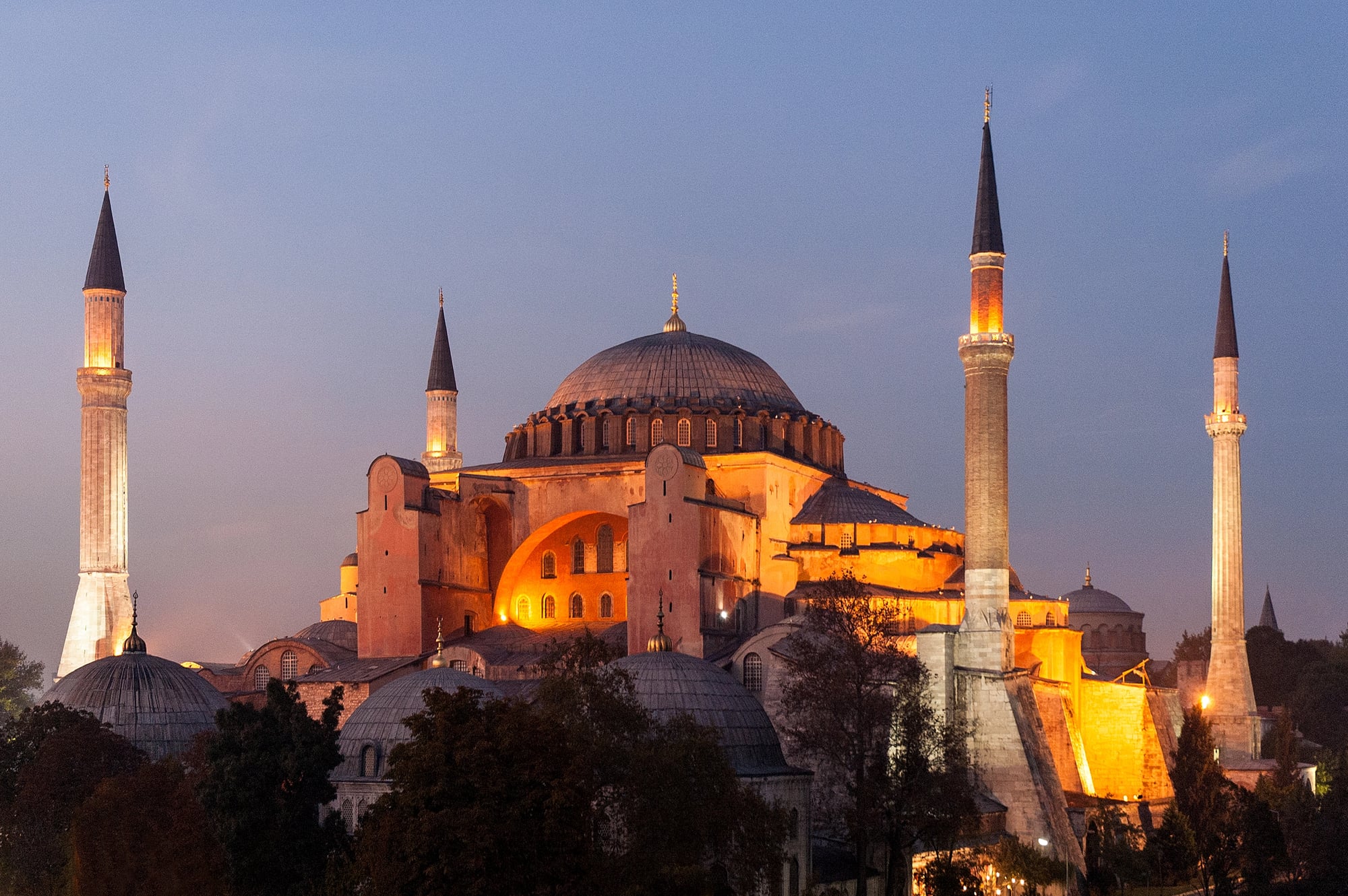
Hagia Sophia has served multiple roles over nearly fifteen centuries. Built as a cathedral in the Byzantine Empire, it later became a mosque, then a museum, and more recently returned to use as a mosque.
Each transition layered new meaning onto the same structure. Its vast interior and pioneering dome design changed architectural history.
Despite earthquakes and political upheaval, the building remains active, hosting daily visitors and religious services. Few places illustrate continuity through change as clearly as Hagia Sophia.
Church of the Nativity
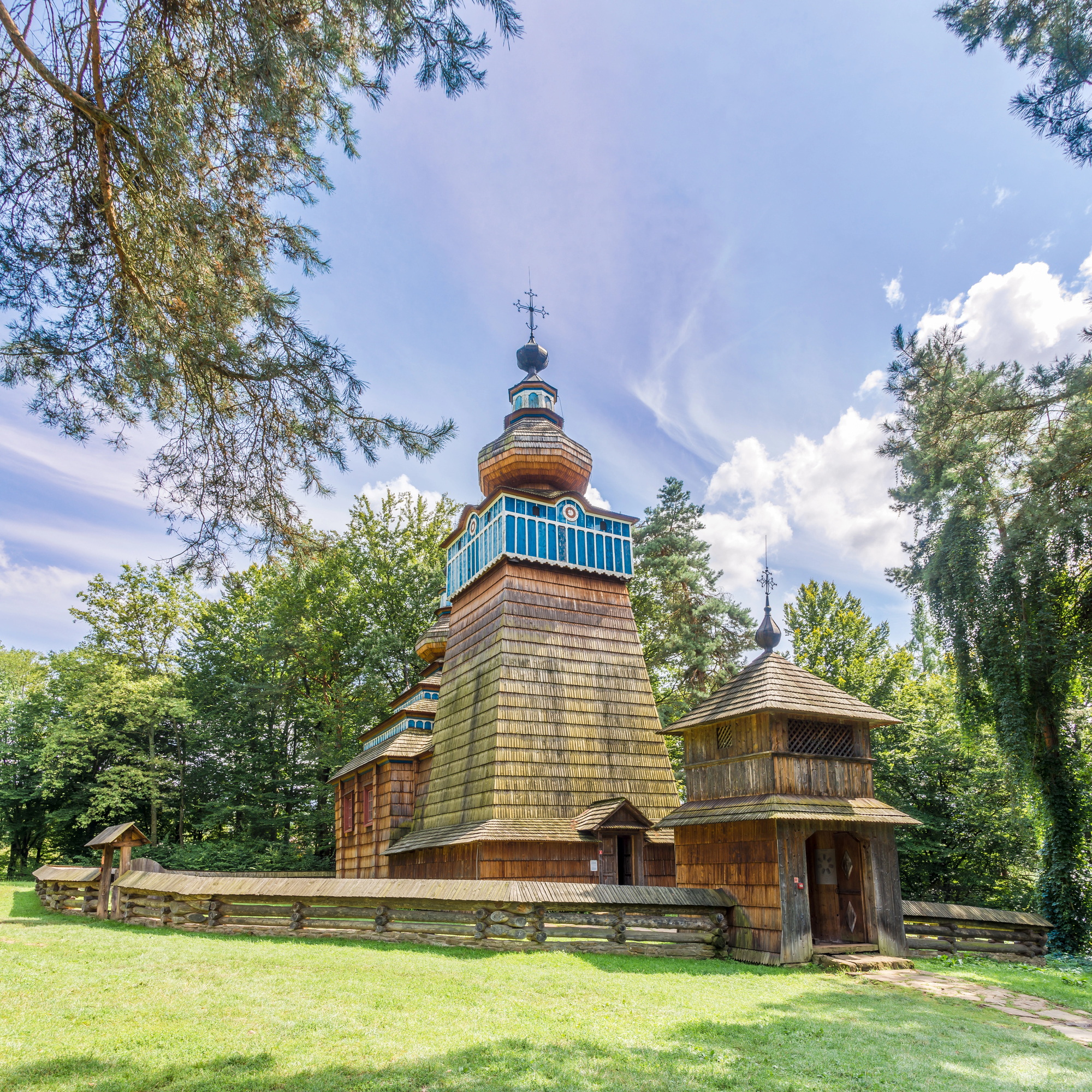
The Church of the Nativity stands on a site revered for centuries. Tradition holds that it marks the birthplace of Jesus, making it one of the oldest continuously used religious buildings in the world.
Its origins date back to the fourth century. Despite fires, invasions, and long periods of neglect, the church never ceased functioning as a place of worship.
Ongoing restoration efforts have preserved its structure while allowing daily services to continue. Its endurance reflects the power of shared responsibility across generations.
Al-Khazneh (The Treasury)
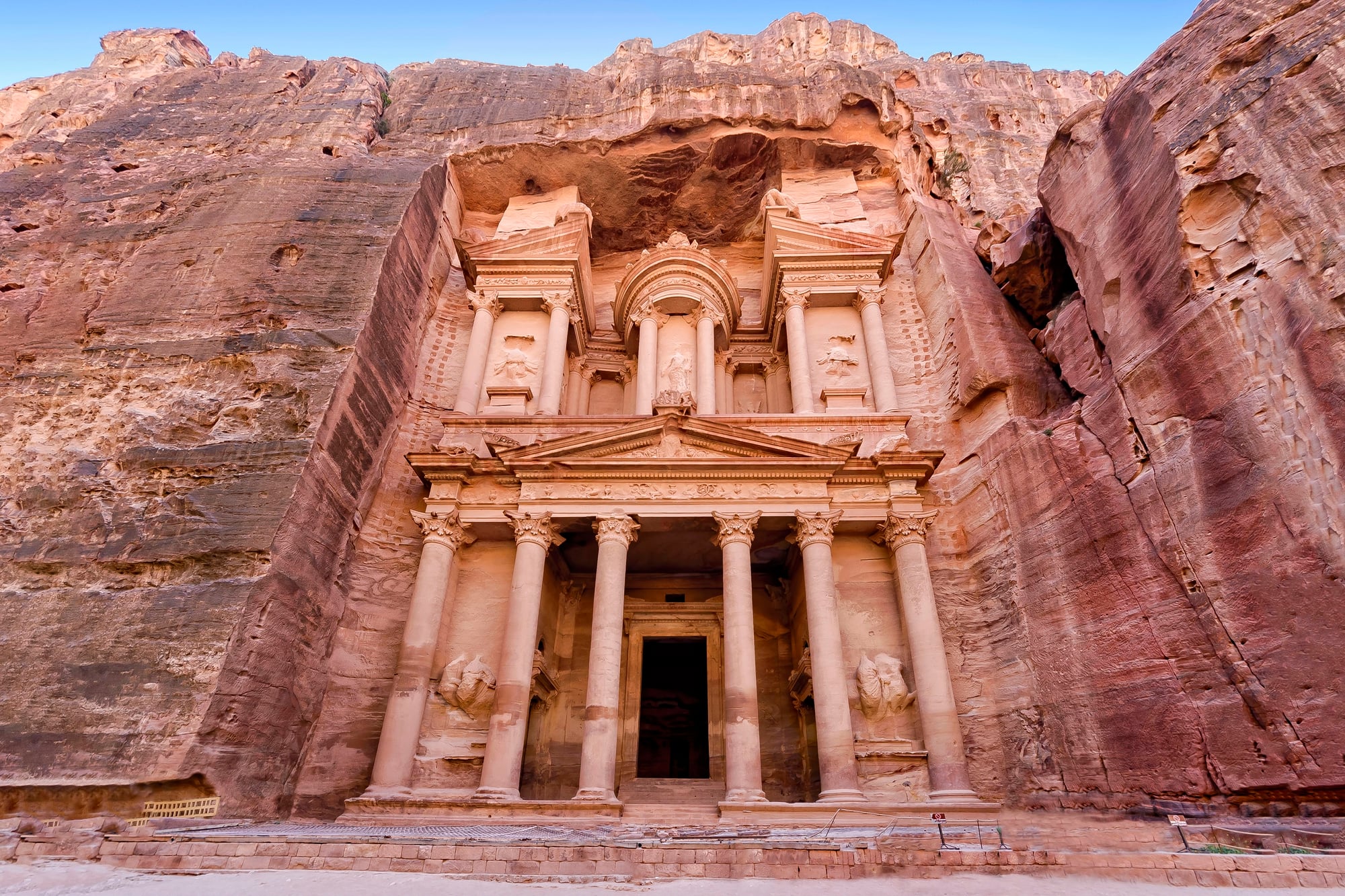
While Petra is best known as an archaeological site, some of its carved structures remain in limited use. Al-Khazneh, carved directly into rose-colored rock over two thousand years ago, was originally a royal tomb or ceremonial space.
Though no longer used in its original form, the broader Petra complex continues to host cultural activity and local presence. Its survival highlights a different form of use, where historical spaces remain woven into living landscapes rather than sealed away entirely.
Tower of Hercules
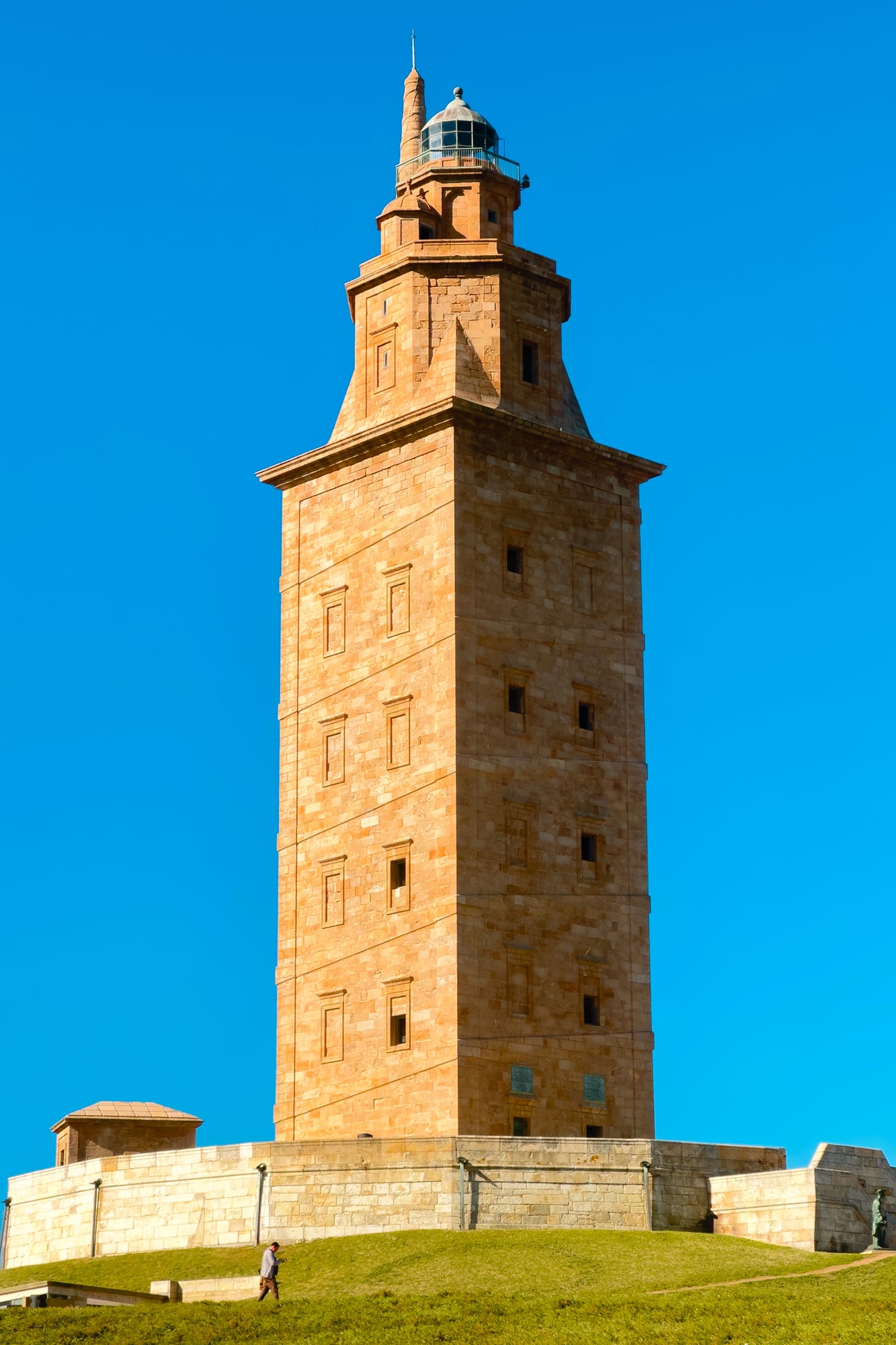
The Tower of Hercules is the oldest working lighthouse in the world. Built by the Romans in the second century, it continues to guide ships along Spain’s northwestern coast.
Though restored over the centuries, its core structure remains Roman. Its continued operation shows how infrastructure, when maintained and adapted, can far outlast its original builders.
The lighthouse still performs the same function it did nearly two thousand years ago.
Knap of Howar
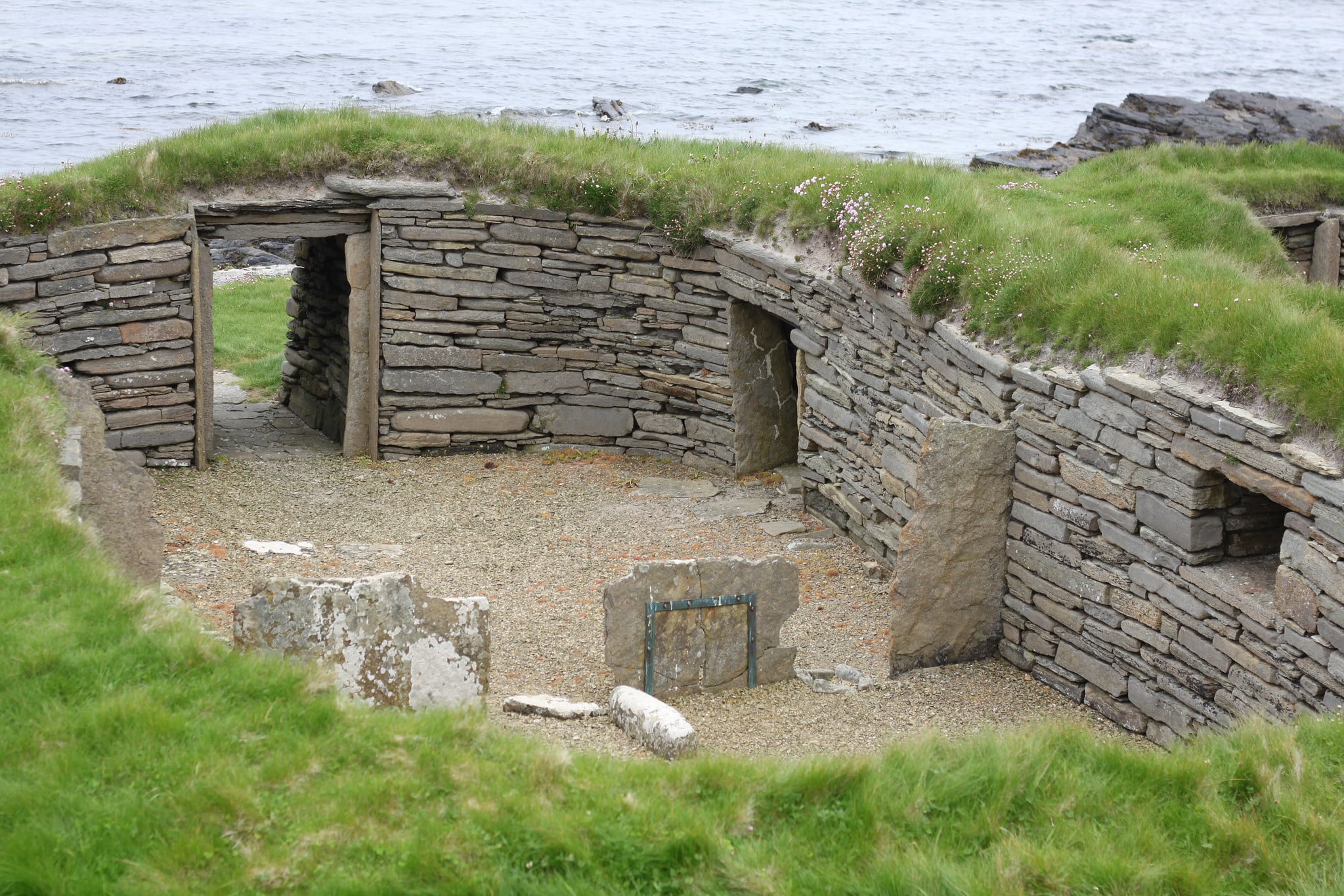
Dating back more than five thousand years, the Knap of Howar is one of the oldest preserved stone houses in Europe. While not used as a residence today, it remains accessible and actively maintained as a heritage site.
Its stone walls and layout offer insight into daily life during the Neolithic period. The structure’s survival speaks to the durability of simple design and local materials.
It remains in use as an educational and cultural space rather than a static ruin.
Shirakami-Sanchi Shrines
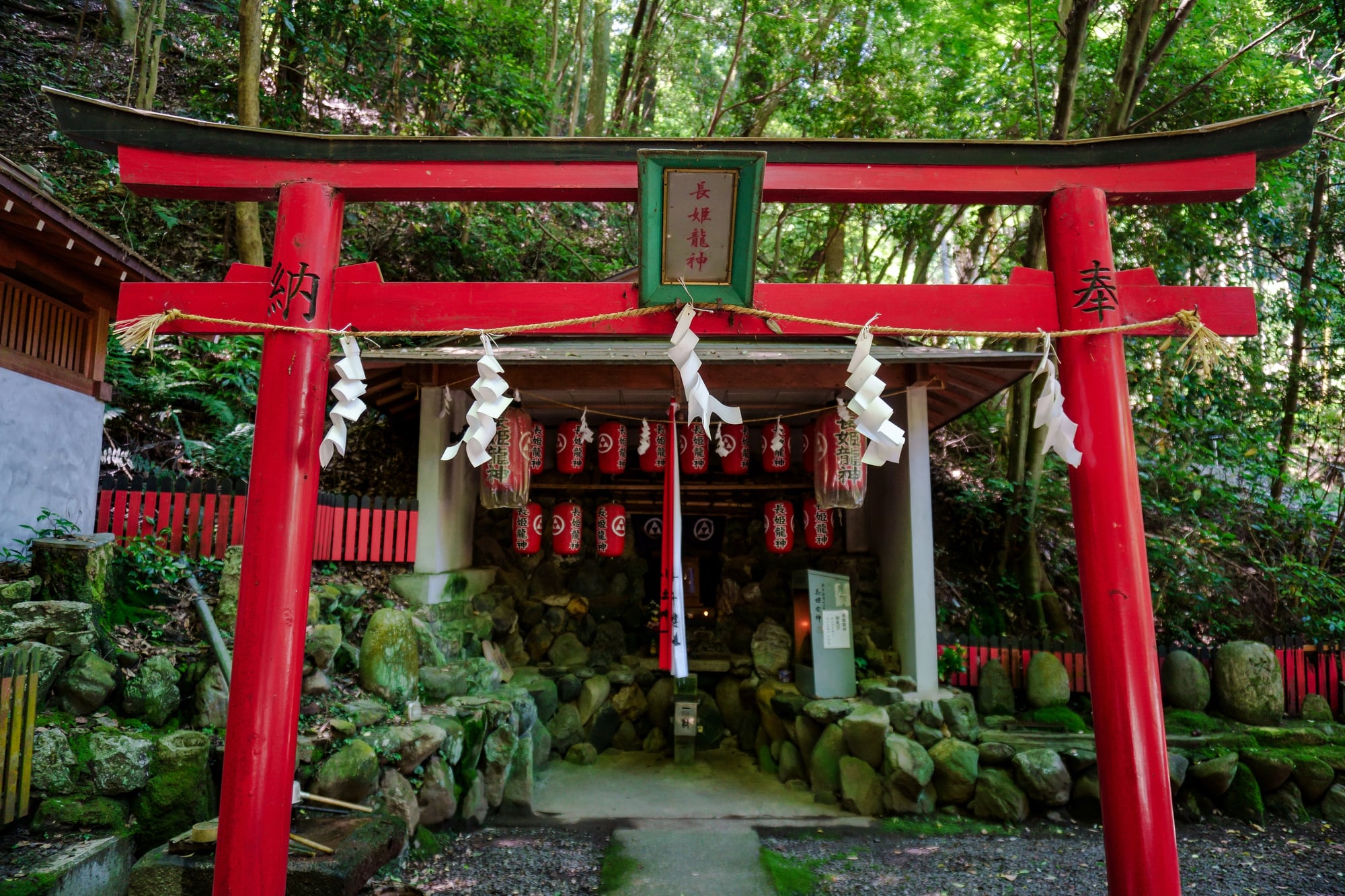
Japan is home to several ancient shrines rebuilt repeatedly on the same sites. In regions like Shirakami-Sanchi, shrines maintain continuity through ritual reconstruction rather than static preservation.
While individual buildings may be renewed, the sites themselves remain in continuous use for centuries. This approach challenges Western ideas of authenticity, showing that continuity of purpose can matter more than original materials.
Basilica of San Vitale
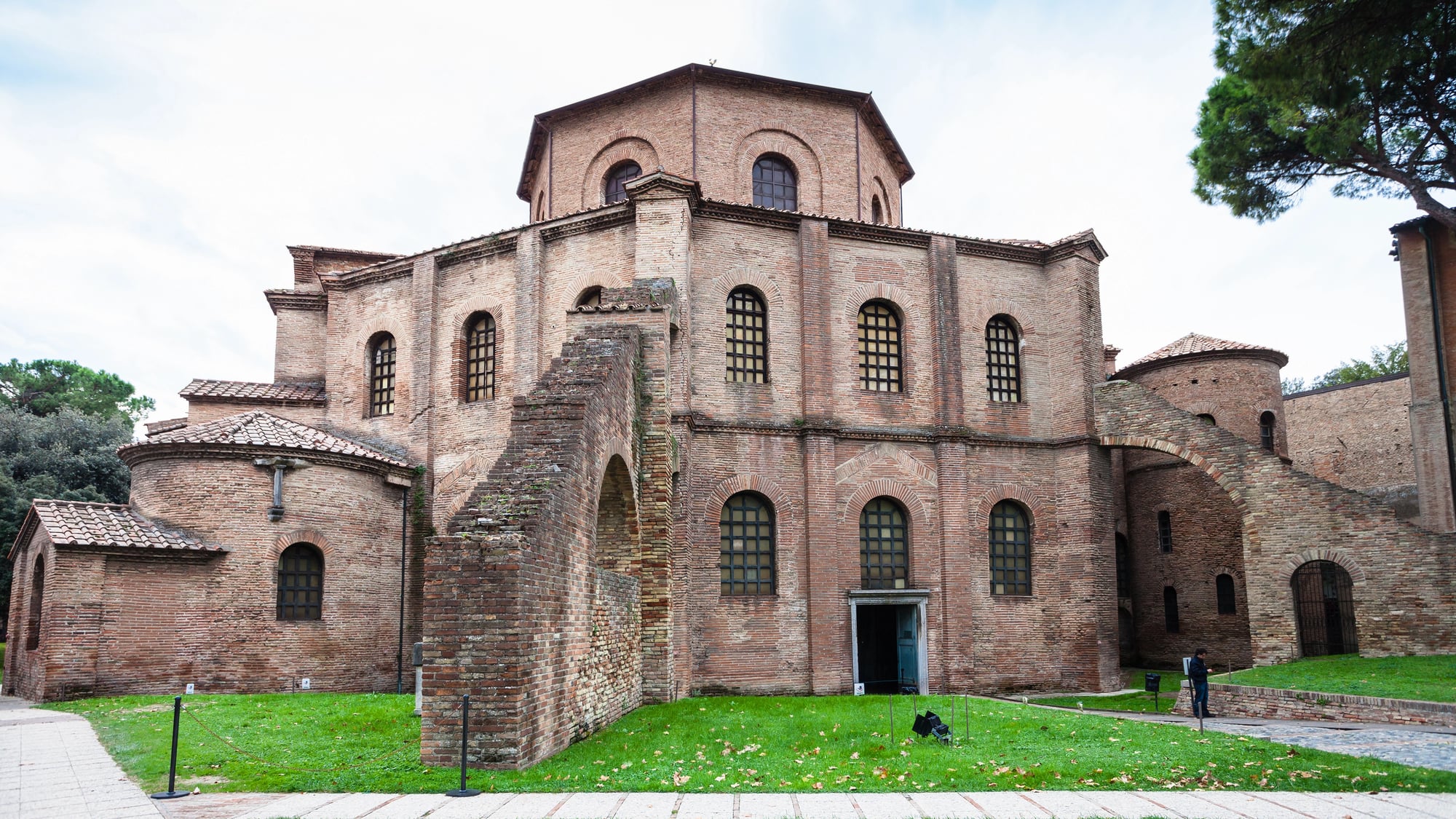
Completed in the sixth century, the Basilica of San Vitale is renowned for its mosaics and architectural innovation. It remains an active church and a major cultural landmark.
Its preservation is tied to consistent use. Religious services, tourism, and ongoing conservation work have kept the building structurally sound.
The basilica demonstrates how beauty and function together can justify long-term care.
Citadel of Aleppo
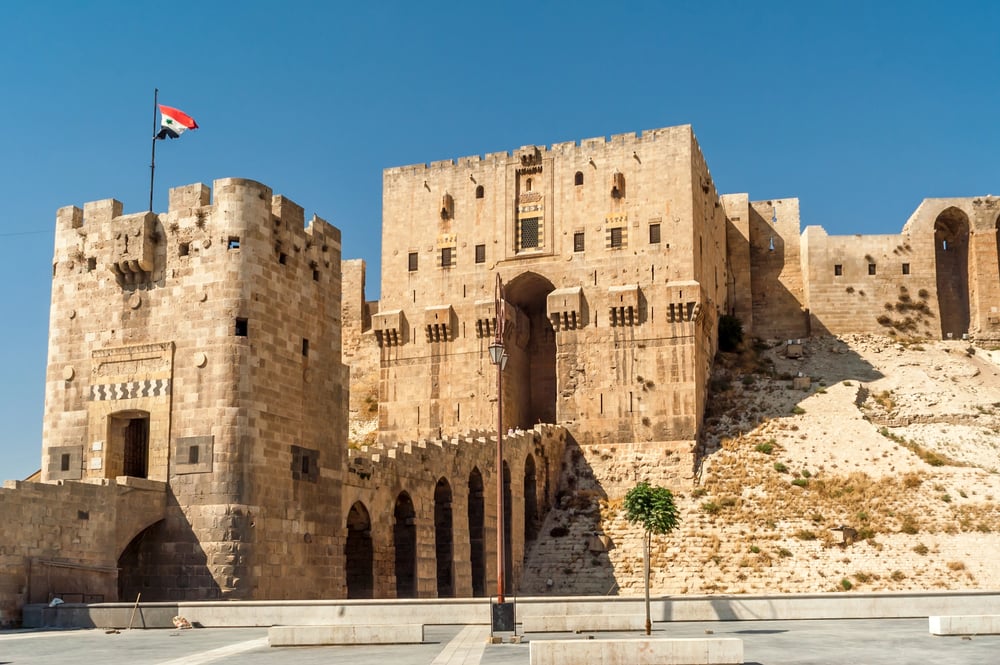
The Citadel of Aleppo has been continuously occupied for thousands of years, serving as a fortress, palace, and defensive stronghold. Though damaged in recent conflicts, restoration efforts are underway to return parts of it to use.
Its long history reflects layers of civilizations building atop one another. Even after severe damage, the intention to restore and reuse the site highlights how deeply embedded it remains in the city’s identity.
Roman Theatre of Orange
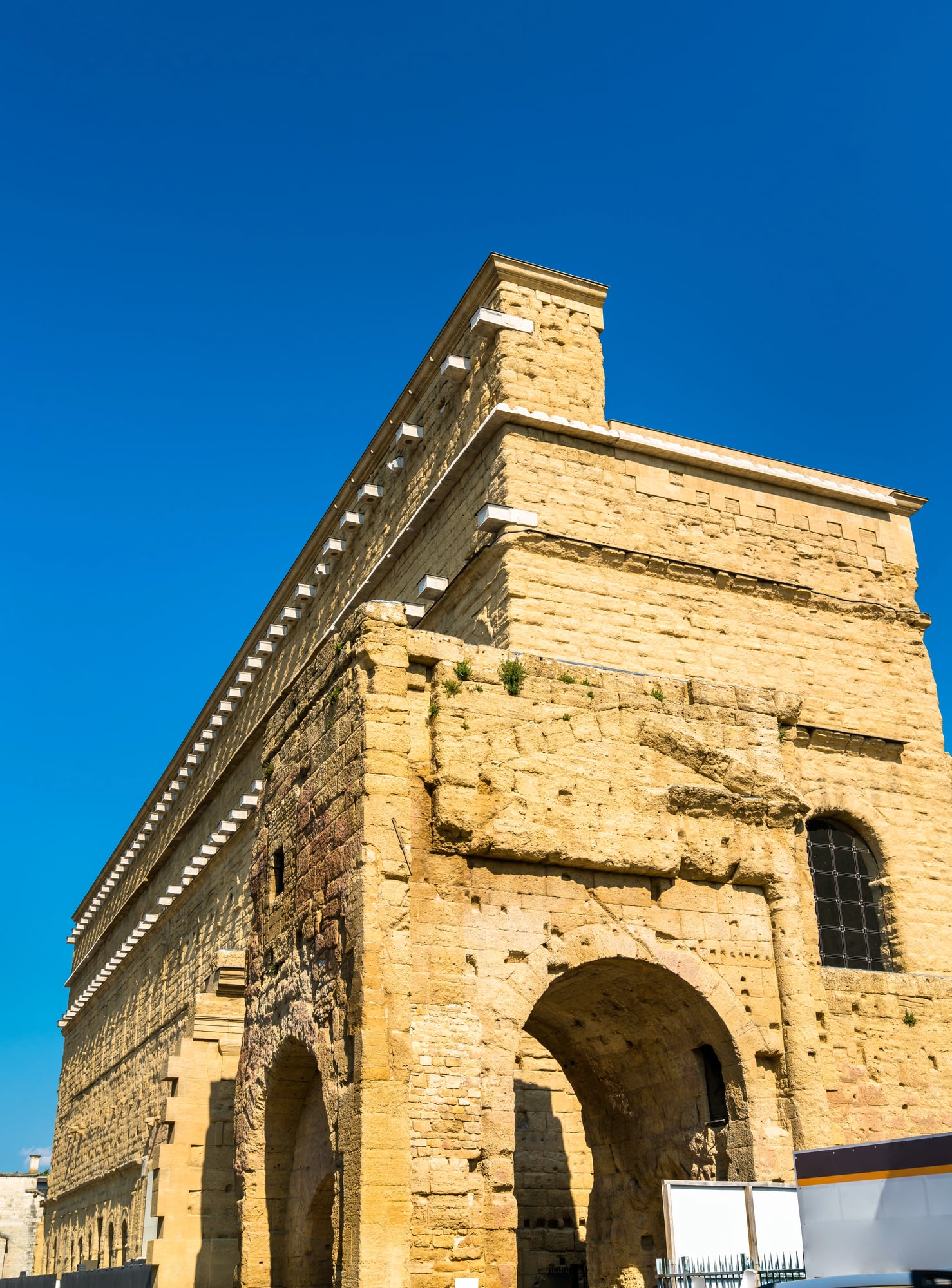
Built in the first century, the Roman Theatre of Orange remains one of the best-preserved Roman theaters in existence. Unlike many ancient performance spaces, it is still used for concerts and cultural events.
Its massive stage wall and acoustics continue to serve their original purpose. The theatre’s survival underscores how public spaces designed for gathering can retain relevance across centuries.
Why Continuous Use Matters
Buildings that remain in use are less likely to fall into ruin. Occupation creates incentive for repair, adaptation, and investment.
When a structure serves a purpose, it gains defenders who argue for its survival. Still, continuity does not mean stagnation.
Many of these buildings changed function over time. Temples became churches, fortresses became landmarks, and ceremonial spaces became civic icons.
Their ability to evolve protected them from abandonment.
Maintenance as Cultural Memory
The oldest buildings still in use are maintained not just with tools, but with tradition. Skills are passed down, restoration methods refined, and decisions debated across generations.
Care becomes part of cultural identity. In some cases, communities accept visible wear as part of authenticity.
In others, renewal is embraced as a form of respect. Both approaches aim to keep buildings relevant without erasing their past.
Why These Structures Still Stand
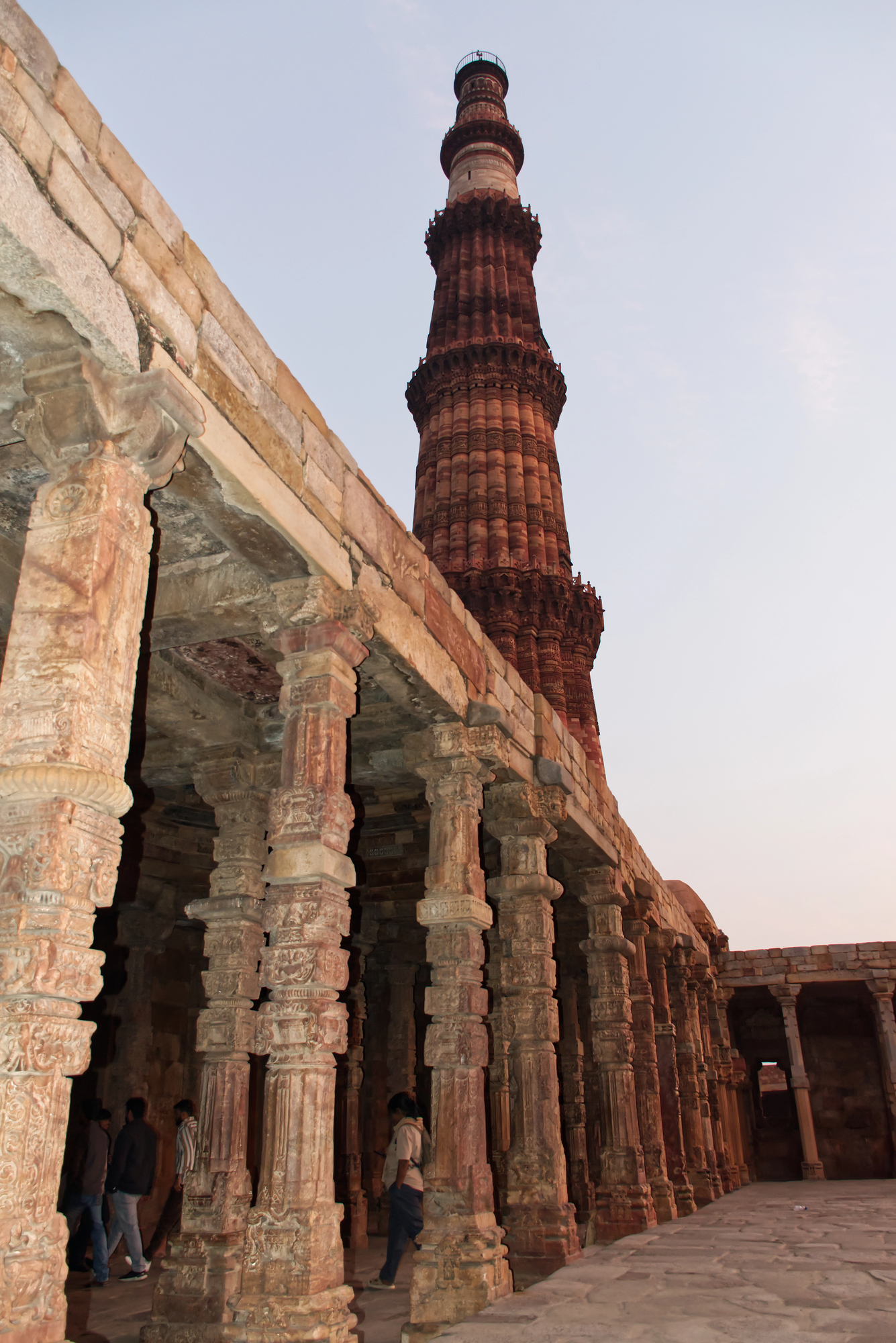
Longevity often comes down to alignment. When a building’s purpose aligns with community values, survival becomes a shared priority.
Political power, religious significance, or practical utility can all contribute to that alignment. Geography also plays a role.
Some structures survived simply because they were never replaced. Others endured because rebuilding was harder than preserving what already existed.
Living History in Plain Sight
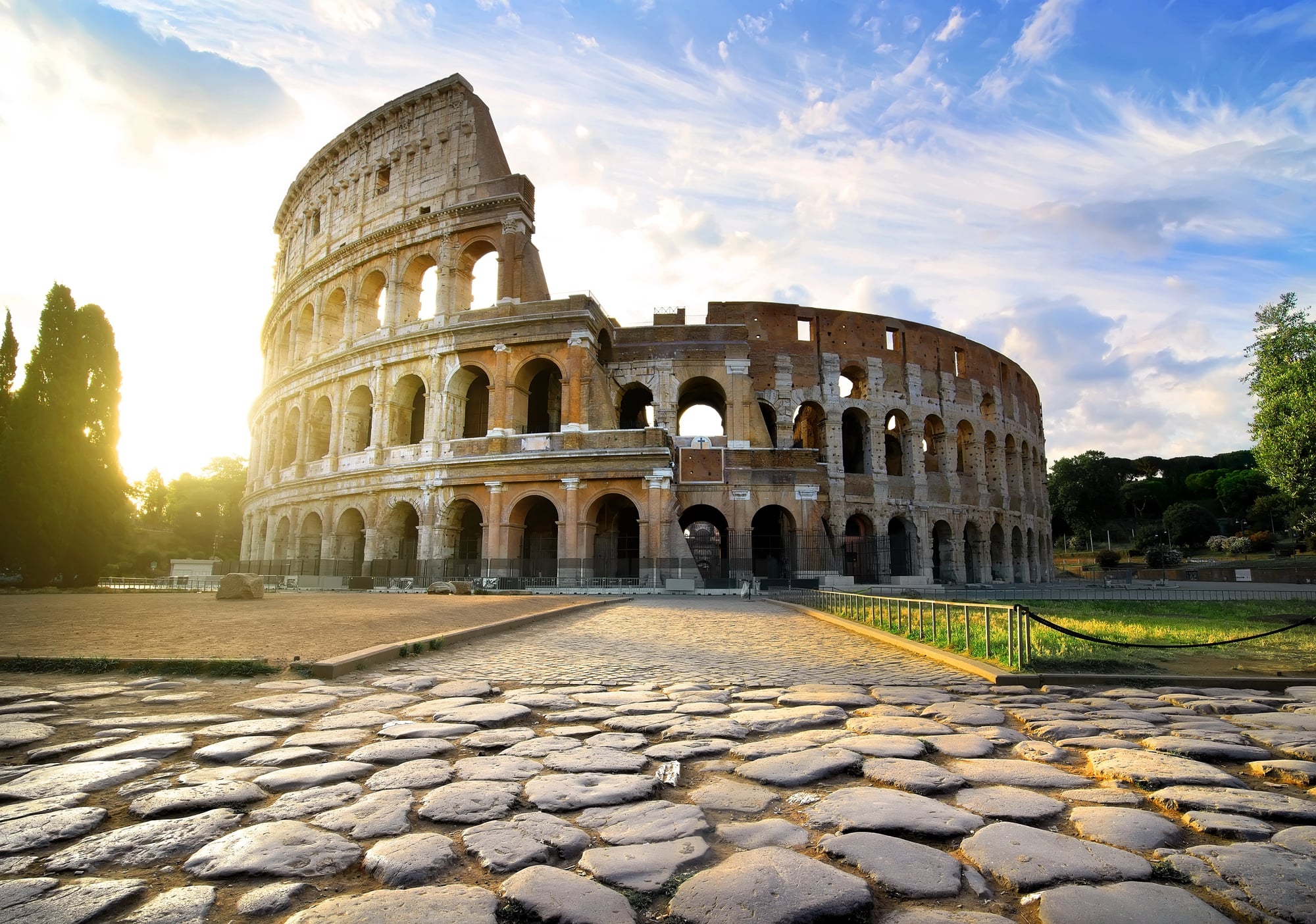
Old stones keep standing, long after their builders have gone. Where folks meet today once echoed with voices from centuries back.
Not relics locked away, but living parts of daily life. Still holding up roofs, hosting talk, seeing change come and go.
Still standing, they teach without speaking – slow wisdom lasting longer by being tended gently. Well before today’s talk of saving things started, these structures showed how careful keeping lets something survive long past its time.
More from Go2Tutors!

- The Romanov Crown Jewels and Their Tragic Fate
- 13 Historical Mysteries That Science Still Can’t Solve
- Famous Hoaxes That Fooled the World for Years
- 15 Child Stars with Tragic Adult Lives
- 16 Famous Jewelry Pieces in History
Like Go2Tutors’s content? Follow us on MSN.