13 Old Hair Dryers With Display Appeal
The hair dryer began as a hazard with a motor and became, over a century, an object designers took seriously. Some old models belong on a shelf as much as in a bathroom.
The thirteen below range from gas-heated salon contraptions to cool Modernist classics. Condition drives value for all of them, and none should be plugged in until the cord and wiring have been checked.
Godefroy’s Gas-Heated Bonnet
In 1888 the French hairdresser Alexandre-Ferdinand Godefroy built a hood that connected to the chimney of a gas stove. The client sat under it while heated air dried her hair.
It was bulky, tied to a kitchen, and only practical in a salon, but it is generally credited as the first dryer of its kind.
The 1911 Kazanjian Patent
Gabriel Kazanjian, an Armenian-born American inventor, received a US patent for a hair dryer in 1911. The design moved the principle from the salon toward something a household could imagine owning.
Original patent models are museum pieces, while later copies of the design turn up at flea markets in rough condition.
The Name Fön
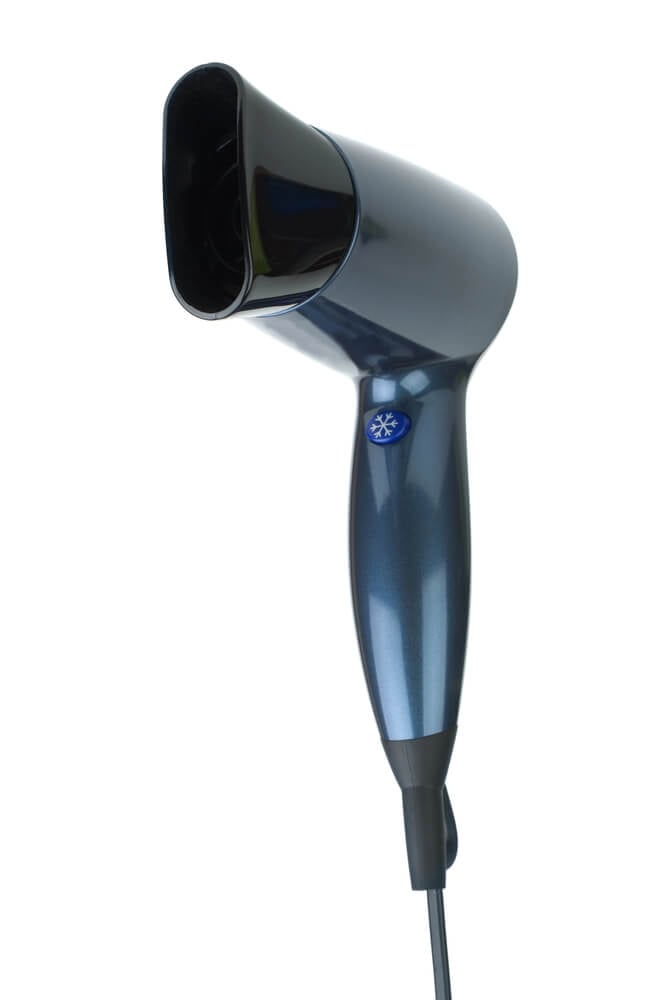
In German, a hair dryer is called a Fön, a word borrowed from the warm Alpine wind known as the Föhn. The brand name was registered as a trademark in the early twentieth century and became the generic word for the entire product category in German.
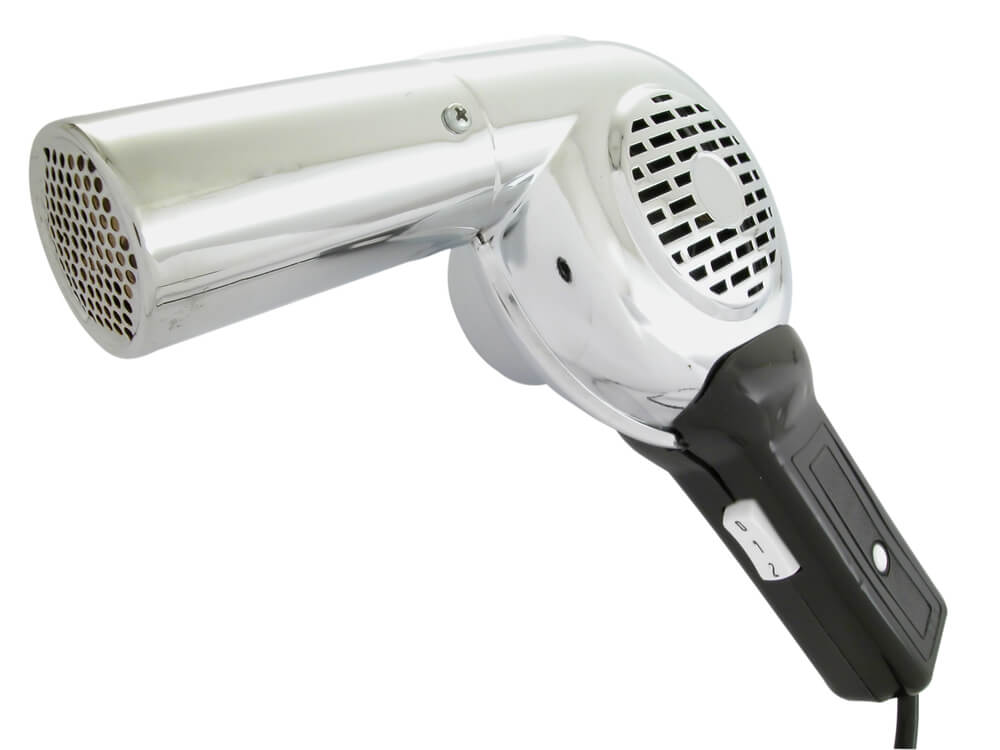
Vintage chrome and Bakelite Fön dryers are popular with collectors for their sturdy, almost industrial bodies.
The Early Handheld Models
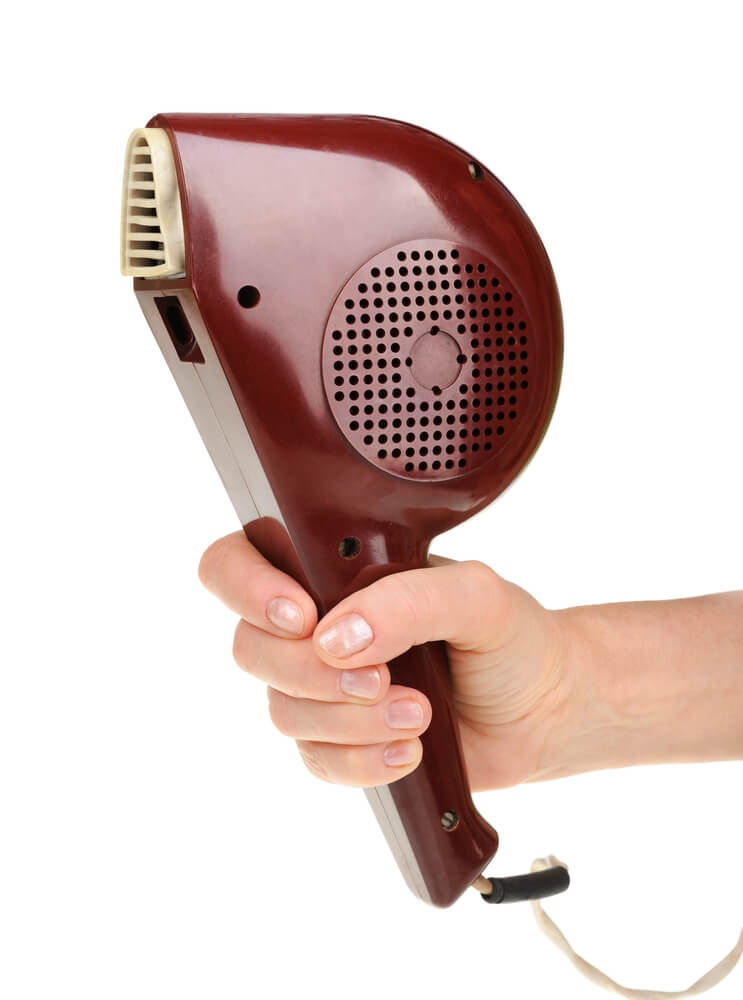
Handheld dryers of the 1920s were heavy, often around two pounds, and slow, and makers such as the Racine Universal Motor Company of Wisconsin sold them to consumers. Many were nickel plated and shaped like small cannons.
Collectors look for intact plating and original cloth cords, since a re-wired example loses much of its value.
The Bakelite Pistol Grip
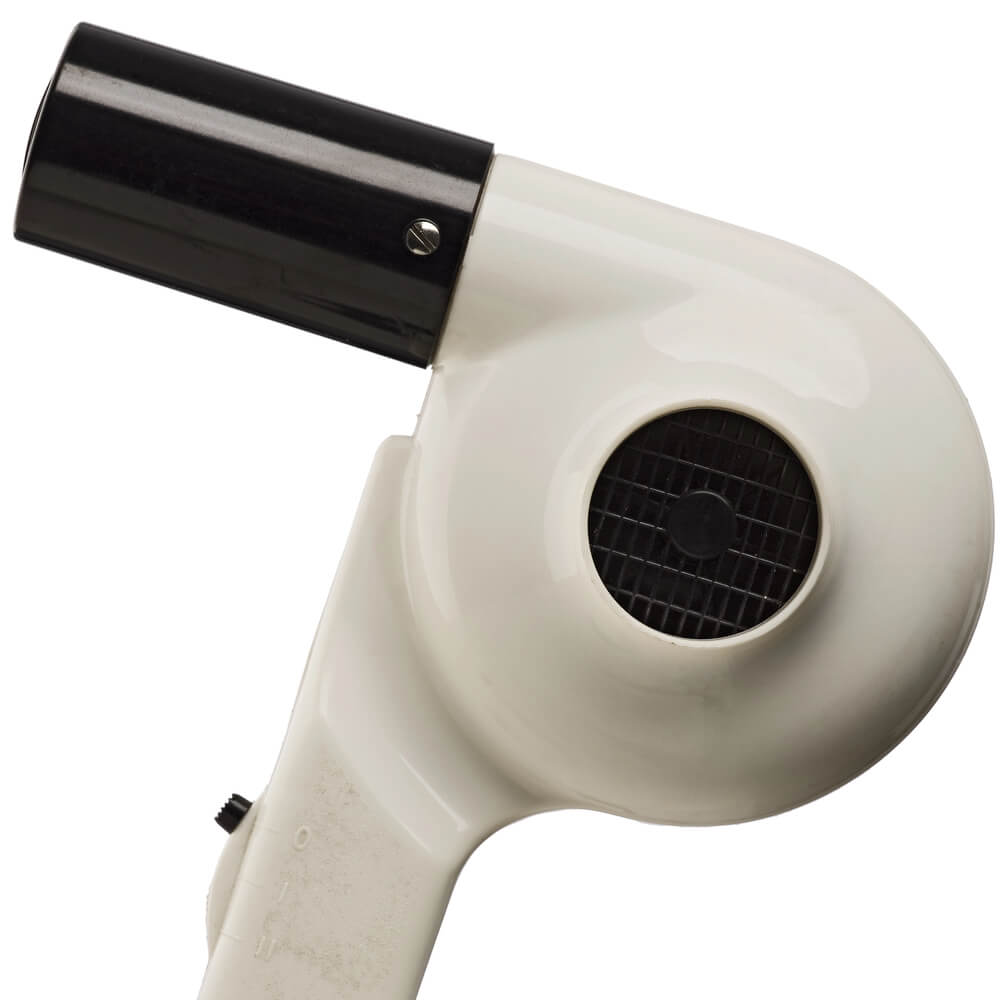
By the middle of the twentieth century, the familiar pistol shape had arrived, with a barrel for the motor and a handle underneath. Molded Bakelite and early plastic housings came in cream, turquoise, and pink.
Cracks in the housing near the screws are common and sharply reduce what a buyer will pay.
The Portable Bonnet Dryer
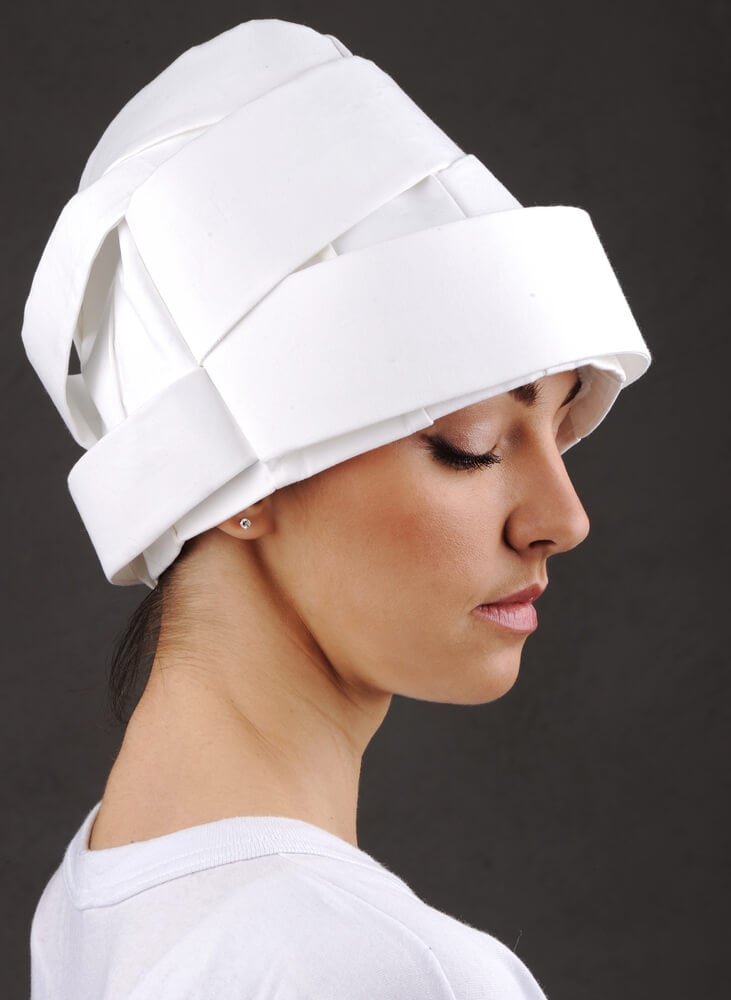
The soft bonnet dryer pushed warm air through a tube into a vinyl cap that tied under the chin, and the little motor lived in a carrying case with a handle. It let women set their hair at home on a sofa instead of in a salon chair.
Cases in pastel leatherette with the original bonnet are the most sought after.
The Rigid Hood Dryer
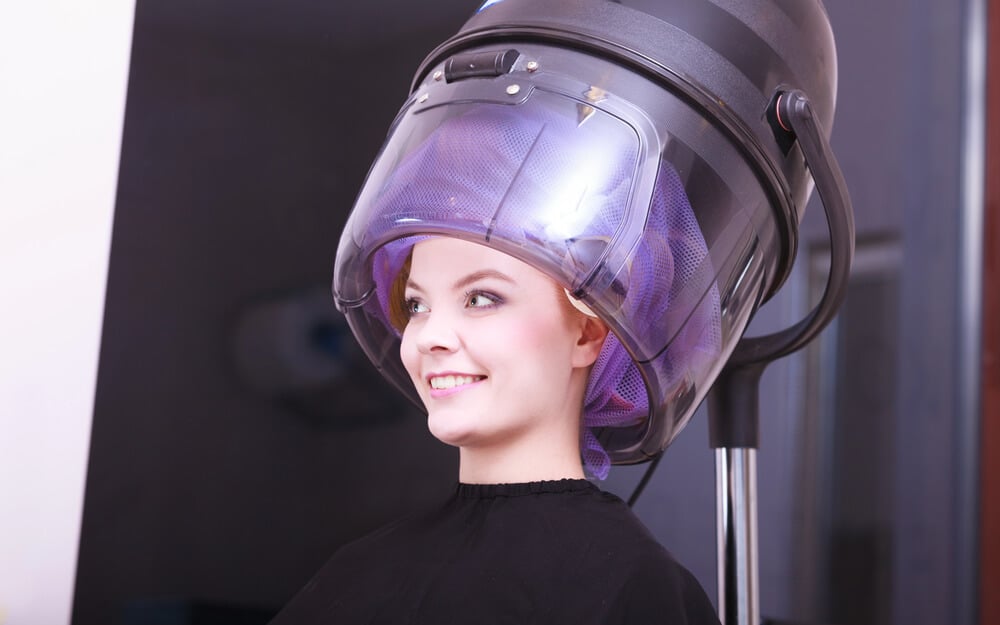
Salons favored the standing hood dryer, a dome of metal or plastic on an adjustable pole with a rolling base. Clients sat beneath it with their hair in rollers for half an hour or more.
Large and awkward to ship, these are collected mainly by local buyers and by stylists decorating retro salons.
The Wall-Mounted Dryer
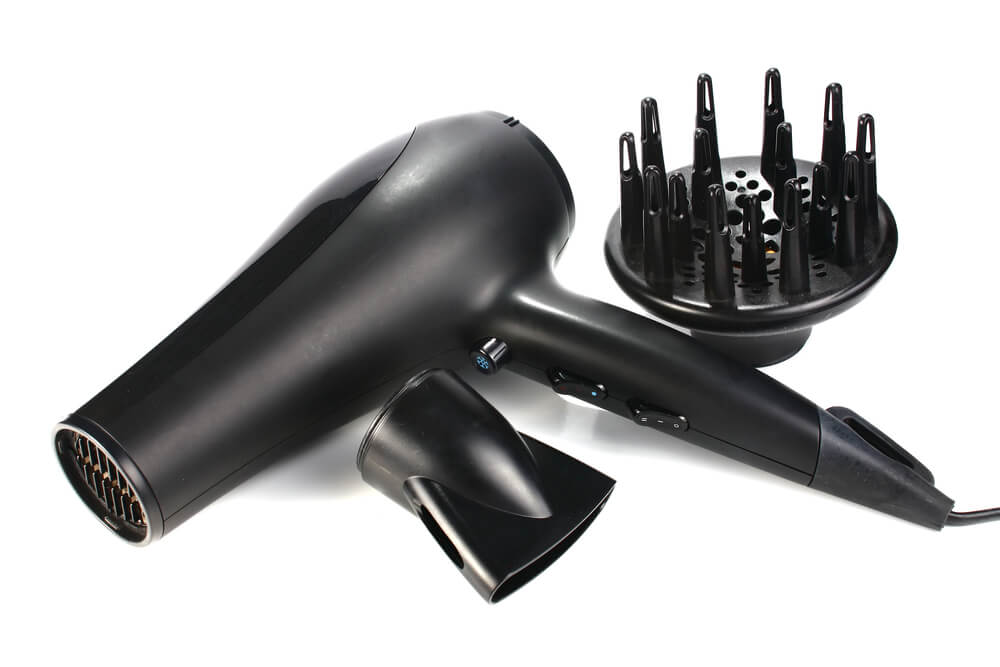
Hotels, gyms, and pools bolted hair dryers to the wall on coiled cords, a design that kept them from walking off with guests. Many were chrome and finished with a push button that had to be held down.
Working vintage units are rare, so most displayed today are decorative shells.
The Folding Travel Dryer
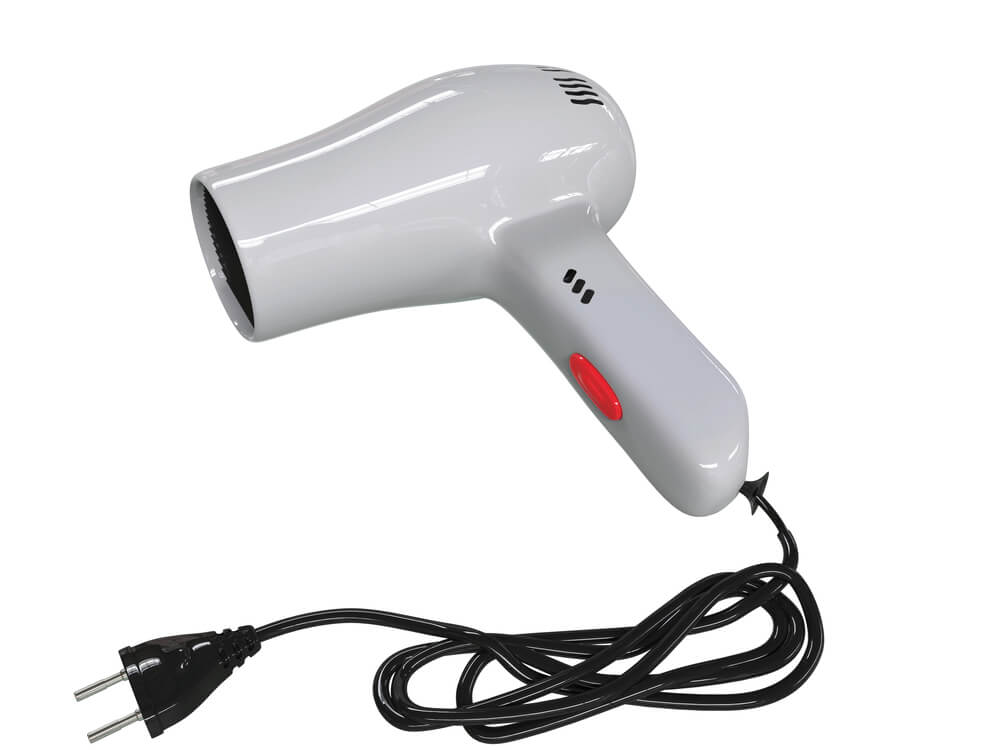
Makers added folding handles in the later twentieth century so a dryer could fit into a suitcase. Dual-voltage switches and compact barrels followed.
Original zip pouches add noticeably to the price, as they tend to be lost first.
Braun’s HLD 2
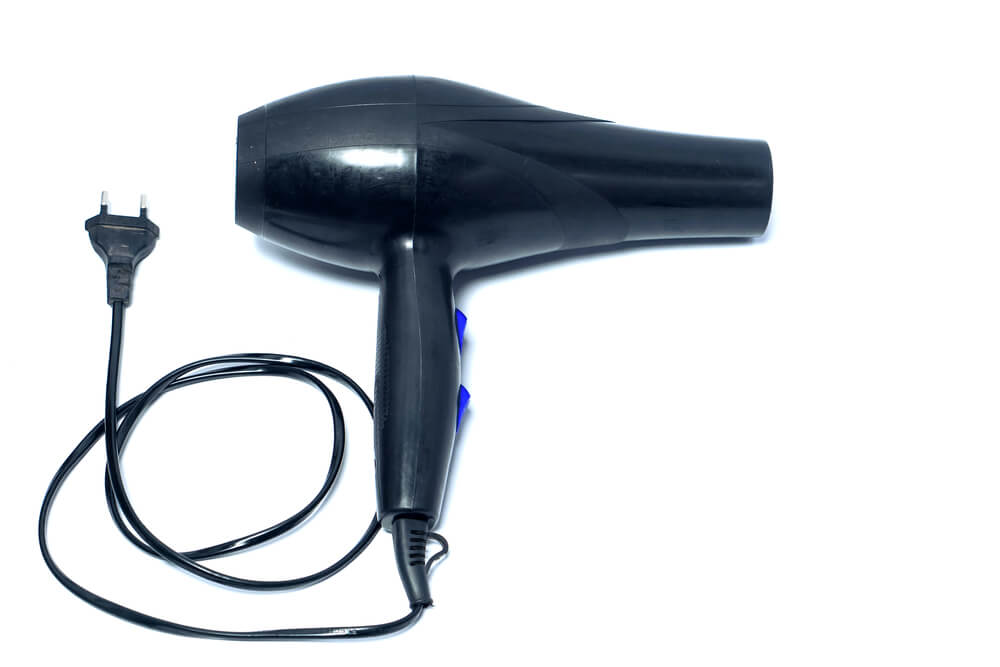
Braun entered the hair dryer market in the 1960s with designs by Reinhold Weiss, whose HLD 2 had a rounded barrel and a restrained surface. It reflected the company’s broader approach of treating household appliances as design objects.
Surviving examples with the original finish are scarce, because the plastic scratches easily.
Dieter Rams’s HLD 4
Dieter Rams designed the Braun HLD 4 in 1970, and it remains the only hair dryer he is known to have designed. The housing is a rounded rectangle with a slotted grille, finished in a bold color that stood out in a bathroom.
Examples sit in several design museum collections, and clean originals are among the most prized in the category.
The Space Age Plastic Dryer
Dryers from the 1960s and 1970s borrowed the language of the Space Age, with rounded nose cones, vents like jet intakes, and colors in orange, avocado, and white. They were marketed through department stores and catalogs.
Sun-faded plastic is the main problem, and units with even color command a premium.
The Chrome and Enamel Counter Dryer
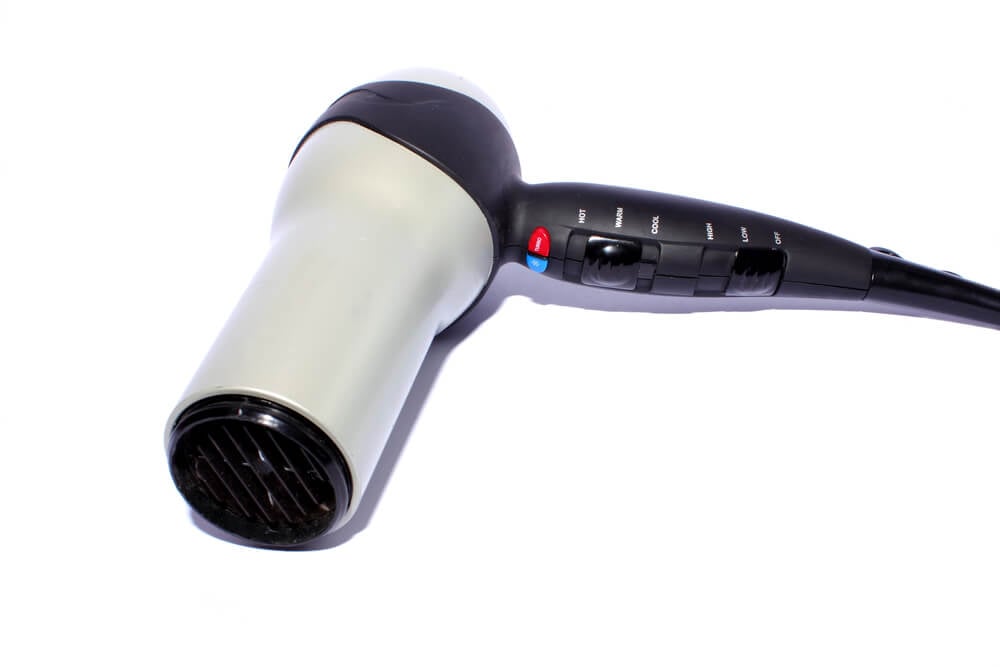
Salons and barbershops used heavy counter-top dryers finished in chrome and white enamel, built to survive years of daily use. Many had a fan guard shaped like a sunburst.
Because they were made to be repaired rather than replaced, a surprising number still work.
Why Appliances Earn a Shelf
A dryer sits in a daily routine, which makes it an unusually honest record of its time. Its materials, colors, and shape show what people thought the future would look like and how much they trusted a motor near their heads.
The ones worth displaying tend to be the ones whose designers cared about the object. A nickel barrel, a Bakelite grip, or a Braun grille shows that someone decided even a hair dryer could be handsome, and the rest of the room benefits from the example.
More from Go2Tutors!

- 27 Silver Dollars and Half Dollars Worth Keeping
- 28 Restaurant Menu Items Nobody Orders Anymore
- 17 Places Built in Seemingly Impossible Spots
- 27 Vintage Rings Worth More Than They Look
- 25 Restricted Sites Tourists Can’t Enter
Like Go2Tutors’s content? Follow us on MSN.