15 Strangest Product Tie-Ins in Advertising History
Throughout marketing history, brands have created some truly head-scratching partnerships in their quest to expand their audience. While some collaborations make perfect sense, others leave consumers wondering what exactly was discussed in those marketing meetings.
Here is a list of 15 of the strangest product tie-ins that somehow made it from brainstorm to store shelf.
KFC Sunscreen
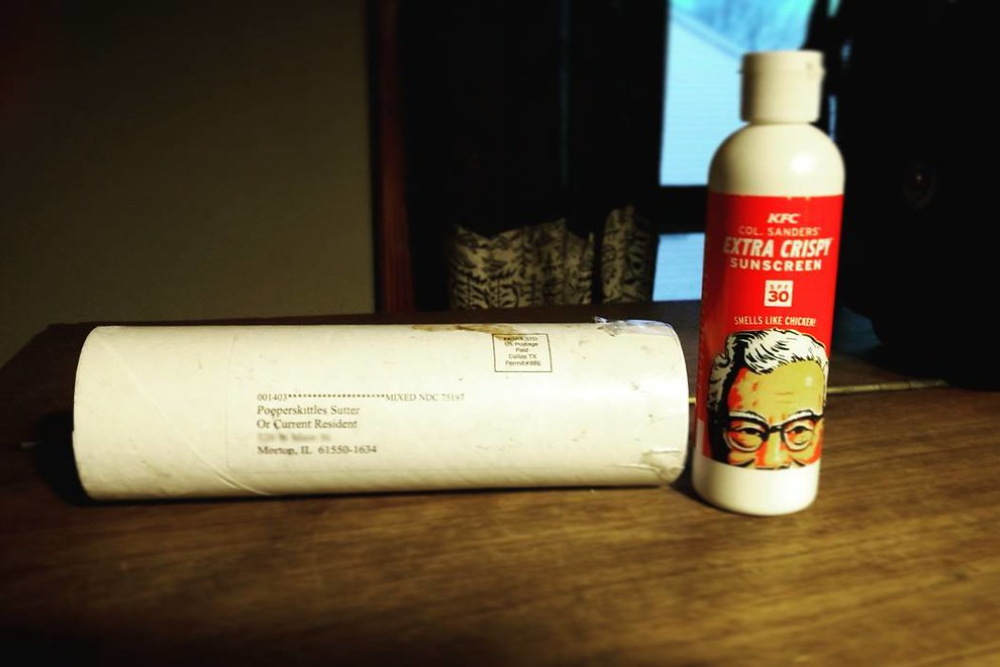
Kentucky Fried Chicken once released a sunscreen that smelled exactly like their famous fried chicken. The “Extra Crispy Sunscreen” promised to protect your skin while making you smell like you’d just walked out of one of their restaurants.
The limited-edition SPF 30 sunscreen wasn’t sold in stores but was given away for free online, with supplies running out almost immediately.
KISS Coffin

Though they pushed it with the KISS Kasket, rock band KISS has always been open about merchandising. The band’s logo and pictures of all four members playing adorned this coffin. Marketed under the slogan “This is the ultimate KISS collectible,” the item sold for $4,700.
‘Fans can now rock and roll all night and revel every day in eternity,’ Gene Simmons even said.
Cheetos Perfume

Chester Cheetah launched “Cheeteau,” a perfume that smelt like the brand’s renowned cheese-flavored snacks, onto the luxury fragrance market in 2014. Resembling premium perfume packaging, the limited-edition scent arrived in a beautiful bottle and gift box.
Though it was ridiculous, many really queued to get this corny aroma.
Colgate Frozen Dinners

Toothpaste giant Colgate once thought it would be a great idea to expand into frozen meals. Their reasoning seemed to be that after eating, people would remember to brush their teeth with Colgate toothpaste.
The line of ready-made dinners failed spectacularly, as consumers couldn’t get past the mental connection between toothpaste and their food. This remains one of the most puzzling brand extensions in marketing history.
Harley-Davidson Cake Decorating Kit

Nothing says “rugged motorcycle culture” quite like delicately frosting a birthday cake. Harley-Davidson, a brand built on rebellion and freedom of the open road, once licensed their name and logo for a cake decorating kit.
The kit included Harley-themed cake toppers, stencils, and decorating instructions to help baking enthusiasts create motorcycle-themed desserts.
Zippo Perfume

Zippo, famous for their durable lighters, decided to launch a fragrance line for men and women. The Zippo fragrances came in containers shaped like their iconic lighters but contained cologne instead of fuel.
While the company obviously couldn’t replicate the smell of lighter fluid, they tried to capture the “essence” of the brand with masculine, woody scents that left consumers confused rather than captivated.
Fender Guitar Polish
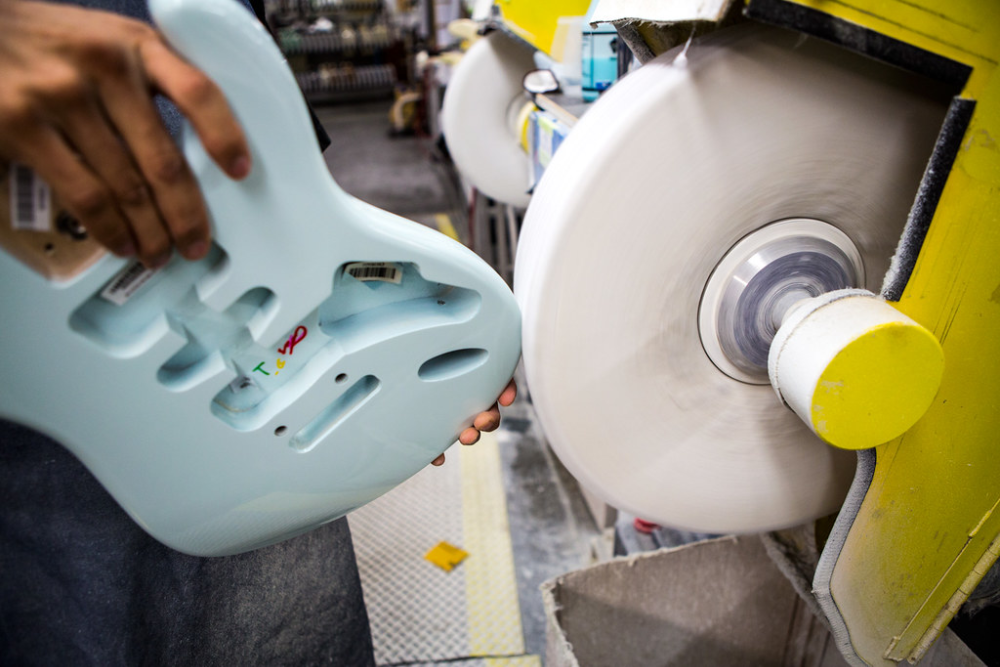
Fender, maker of legendary guitars, once released a line of car wax and polish. The thinking was that the same people who take meticulous care of their guitars might also want to maintain their vehicles with the same level of dedication.
Fender claimed their auto polish used “the same quality ingredients” they used on their instruments, promising a “stage-worthy shine” for your car.
Life Savers Soda

The makers of Life Savers candy in the 1980s believed their well-liked tastes would transfer nicely to fizzy drinks. Though it lacked market appeal, the soda came in familiar tastes including pineapple, lime, and cherry.
While they liked the sweets, they found it difficult to transition to a liquid form. Dismal sales caused the product to be removed from shelves.
Bic Underwear
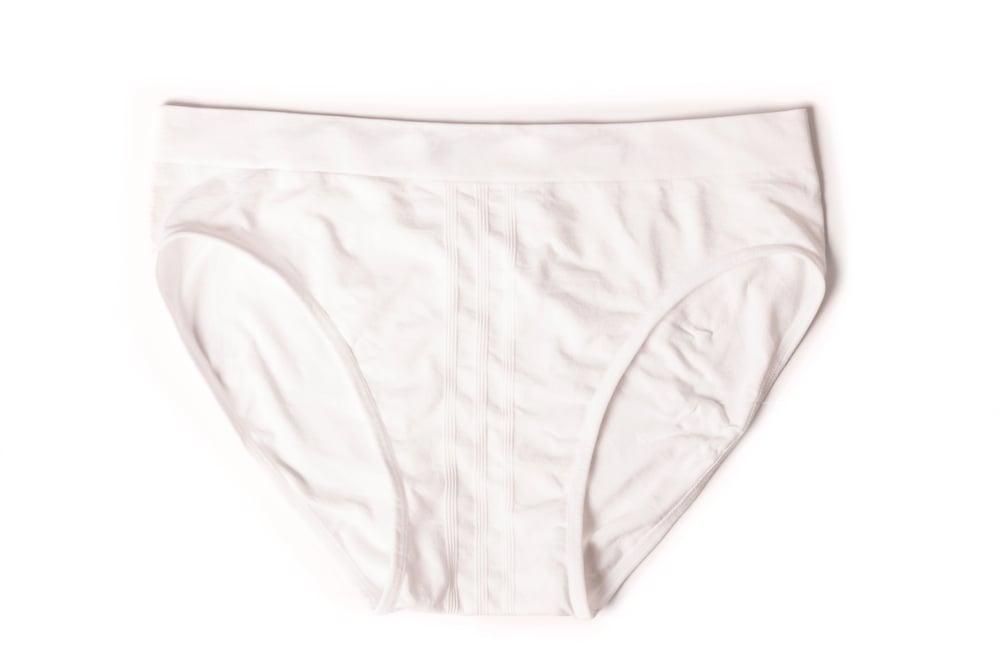
Once, Bic, famous for disposable pens, lighters, and razors, chose to venture into the underwear business. Their “disposable culture” philosophy didn’t fit well with apparel.
People were understandably wary about purchasing underwear from a brand linked to disposable goods. The undertaking turned out to be brief; Bic soon went back to what they knew best.
Evian Water Bra

Evian water partnered with Argentinean lingerie company Promesse to create a water-filled bra. The bra featured pouches filled with Evian mineral water, supposedly to keep wearers cool.
Although positioned as a luxury item, consumers were understandably wary of wearing water-filled garments close to their bodies. The partnership remains one of fashion’s most perplexing moments.
Trump Steaks

Before his political career, Donald Trump lent his name to a line of premium steaks sold exclusively through The Sharper Image, a gadget retailer not known for food products. The high-priced cuts of meat (packages started at $199) were available alongside massage chairs and electronic gadgets.
Despite Trump’s enthusiastic promotion, the steaks were discontinued after just two months of disappointing sales.
Heinz EZ Squirt Colored Ketchup

Heinz took their classic ketchup and transformed it into something barely recognizable with their EZ Squirt line. Coming in colors like green, purple, and blue, these condiments were aimed at children who apparently wanted their food to look like it came from another planet.
Initially popular as a novelty, parents quickly tired of having their children’s meals look like art projects gone wrong.
NASCAR Romance Novels

NASCAR partnered with Harlequin Romance novels to create a series of racing-themed love stories. Titles like “Speed Bumps” and “On the Edge” featured race car drivers as the leading men.
The unlikely partnership aimed to capture the female NASCAR fan demographic, estimated to be about 40% of their audience. Though strange, the series actually performed well enough to generate multiple books.
Paula Deen Butter-Flavored Lip Balm

Celebrity chef Paula Deen, known for her liberal use of butter in cooking, once released a line of butter-flavored lip balm. The product promised to give users the taste of butter without the calories.
While fans of her cooking might appreciate butter in their food, having it continuously on their lips proved less appealing. The product quickly disappeared from store shelves.
Pepto-Bismol-Flavored Ice Cream

For a limited time, an ice cream shop in New York offered Pepto-Bismol-flavored ice cream, complete with the medicine’s signature pink color. This bizarre creation was meant to be both a dessert and a remedy for upset stomachs potentially caused by eating too much ice cream.
Unsurprisingly, most customers opted for more traditional flavors over medicinal dairy treats.
When Brand Extensions Go Too Far

These peculiar product tie-ins remind us that even successful companies can misjudge what consumers actually want. While brand expansion can be lucrative, these examples demonstrate that staying within your lane sometimes makes the most sense.
The next time you see a truly bizarre product on store shelves, remember it might join this hall of fame of marketing missteps.
More from Go2Tutors!

- The Romanov Crown Jewels and Their Tragic Fate
- 13 Historical Mysteries That Science Still Can’t Solve
- Famous Hoaxes That Fooled the World for Years
- 15 Child Stars with Tragic Adult Lives
- 16 Famous Jewelry Pieces in History
Like Go2Tutors’s content? Follow us on MSN.



