25 Coins Worth Checking Before Spending
Pocket change gets handed over without a second glance most of the time, but a handful of coins still turn up in ordinary circulation that are worth dramatically more than their face value. Numismatists check every coin that passes through their hands for a reason, and a few minutes of attention before spending a roll of change can catch what most people miss entirely.
1943 Copper Wheat Penny
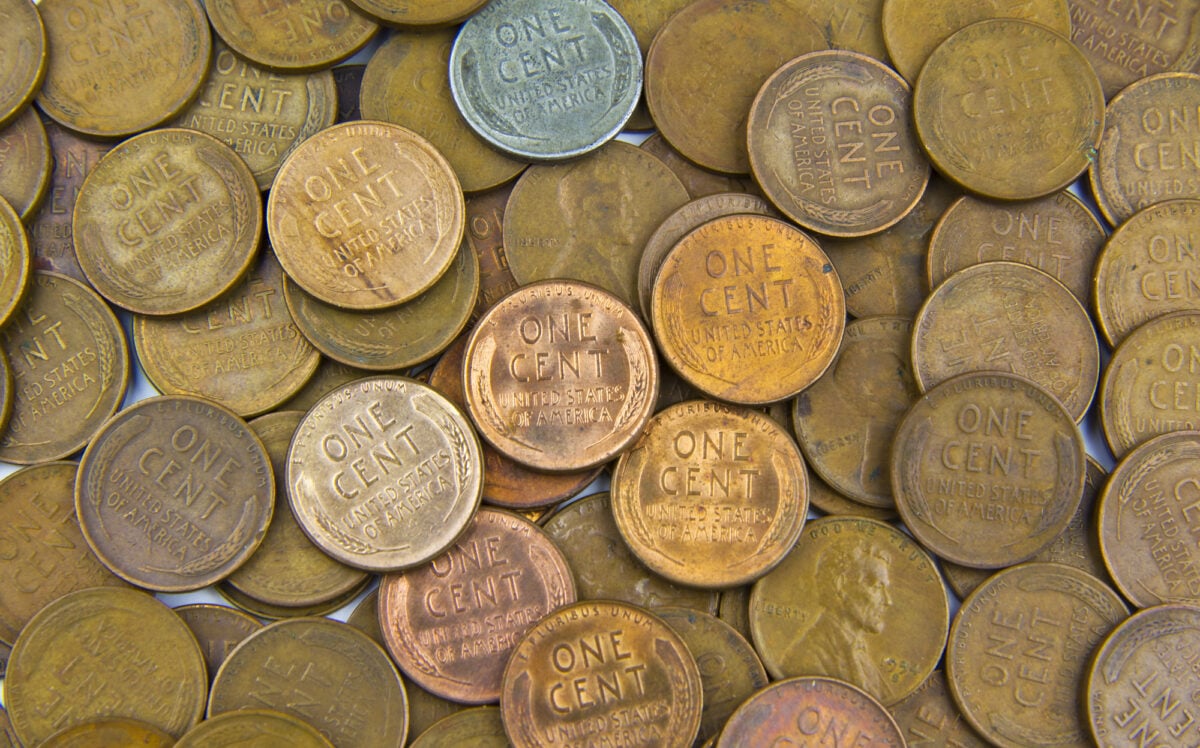
During World War II, the United States Mint switched penny production to zinc-coated steel to conserve copper for the war effort, but a small number of copper planchets were mistakenly struck with 1943 dies before the switch was fully implemented. A genuine 1943 copper penny, verified by a professional grading service, is one of the most valuable error coins in American numismatics.
1955 Doubled Die Penny
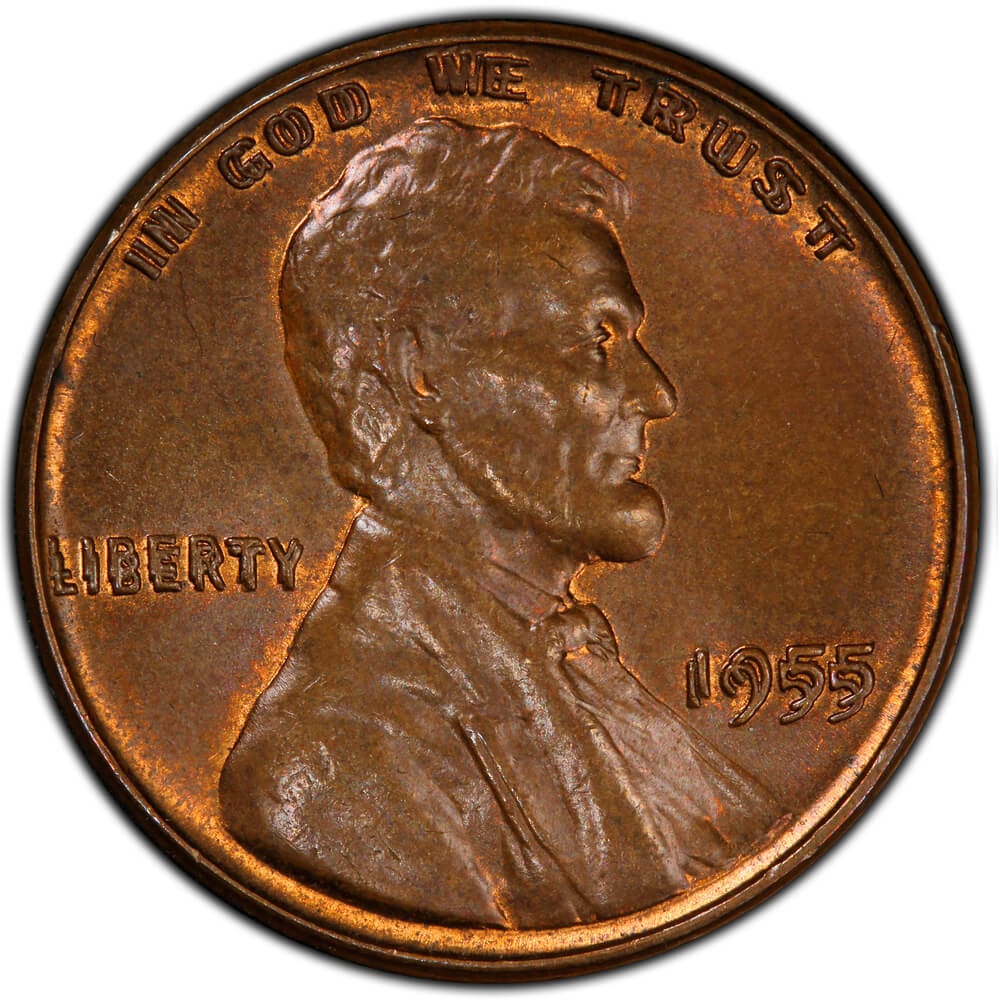
A striking error at the Philadelphia Mint in 1955 caused the date and lettering on that year’s penny to appear doubled, a defect visible without any magnification. Examples still found in circulation or old coin jars are immediately recognizable by the blurred, doubled appearance of “1955” and “LIBERTY.”
1969-S Doubled Die Penny
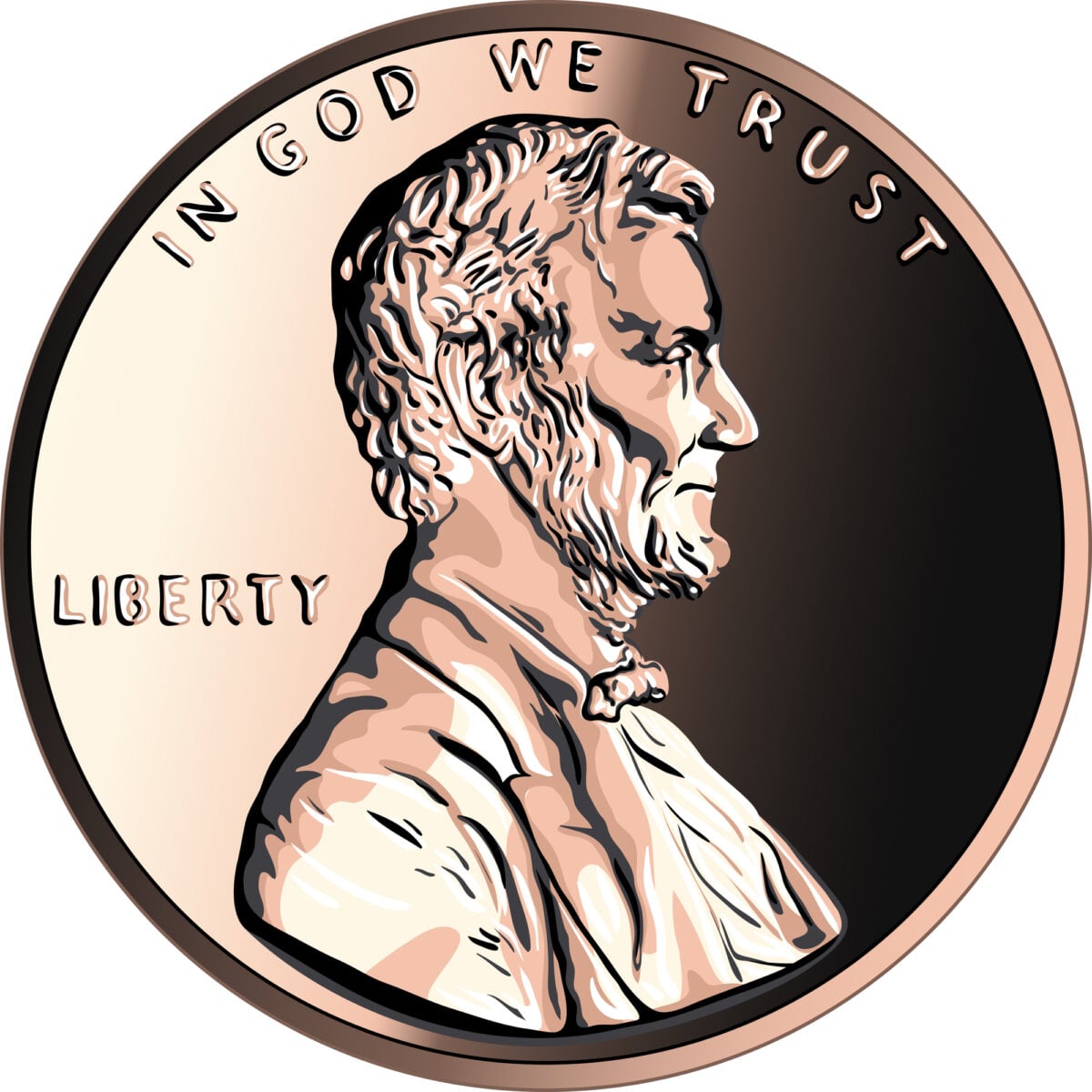
Similar to the more famous 1955 error, a doubled die variety struck at the San Francisco Mint in 1969 produced pennies with visibly doubled lettering, though genuine examples are far rarer than the 1955 version and require careful authentication to rule out common machine doubling. A verified example sells for a substantial sum well beyond its face value.
1932-D and 1932-S Washington Quarters
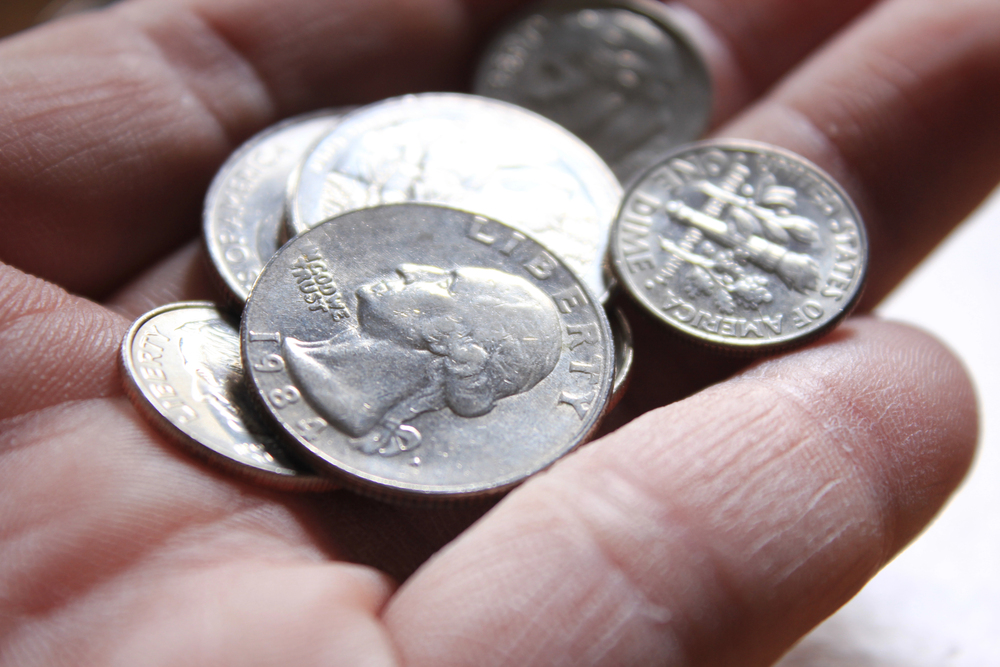
The first year of the Washington quarter’s production included two low-mintage varieties from the Denver and San Francisco mints, both scarcer than the more common Philadelphia strikes from the same year. Collectors check quarter jars specifically for these mint marks, since a worn example can still bring a meaningful premium over face value.
1970-S Small Date Lincoln Penny
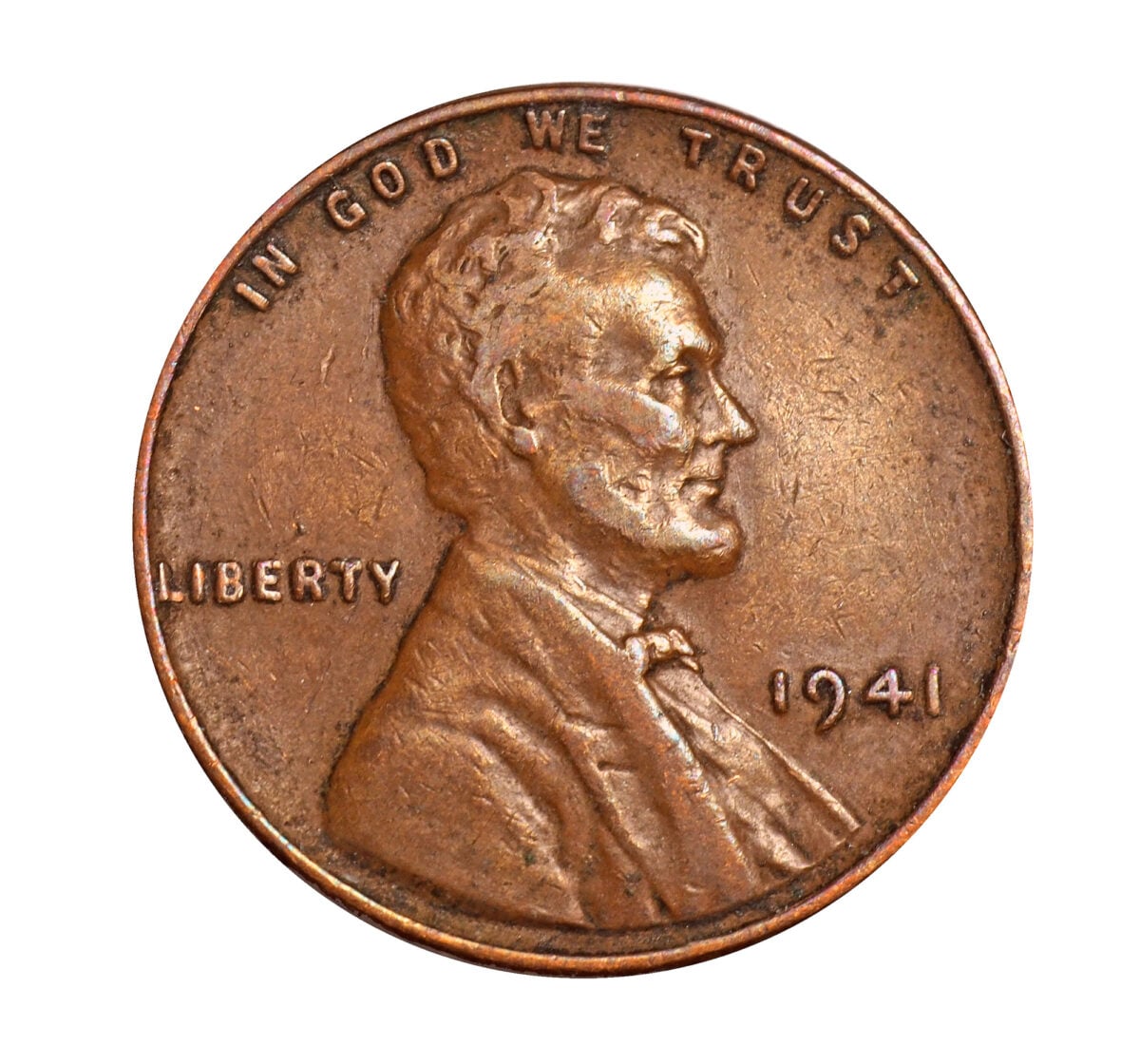
A subtle date-size variation on the 1970-S penny, caused by two different date punches used that year, created a scarcer small-date version that is easy to overlook without comparing it directly to a standard example. The difference in numeral size and spacing is the key detail collectors check for.
Silver Roosevelt Dimes Pre-1965
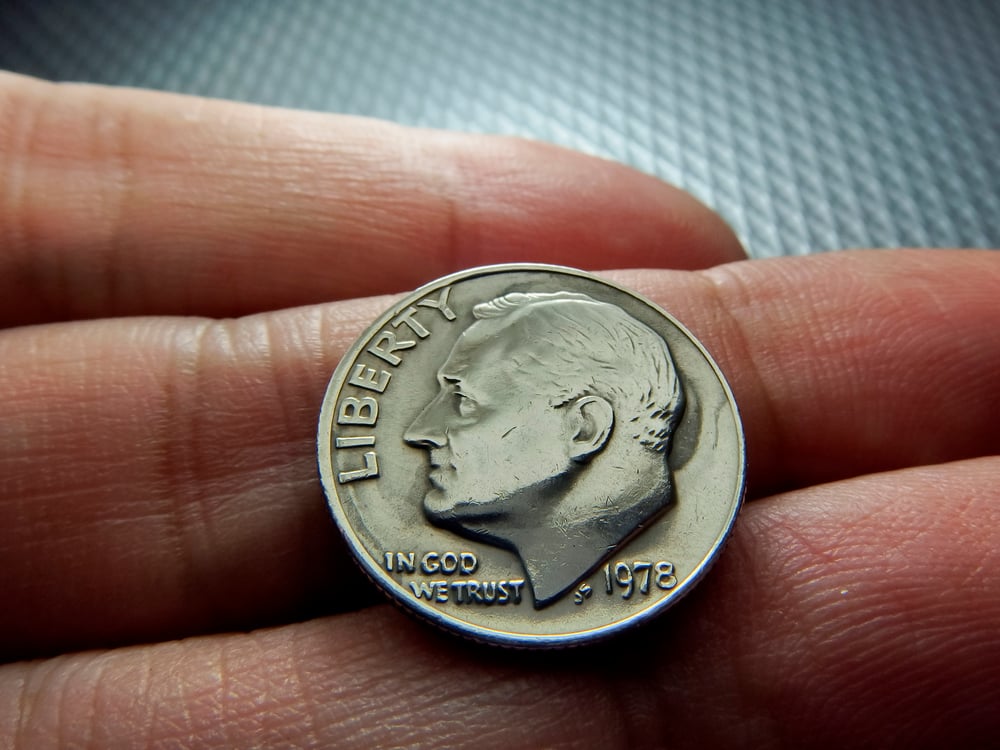
Dimes struck before 1965 were made from ninety percent silver, a composition abandoned when the Mint moved to a copper-nickel clad design in response to rising silver prices. Any dime dated 1964 or earlier found in circulation is worth several times its face value in silver content alone, independent of any collector premium.
1972 Doubled Die Penny
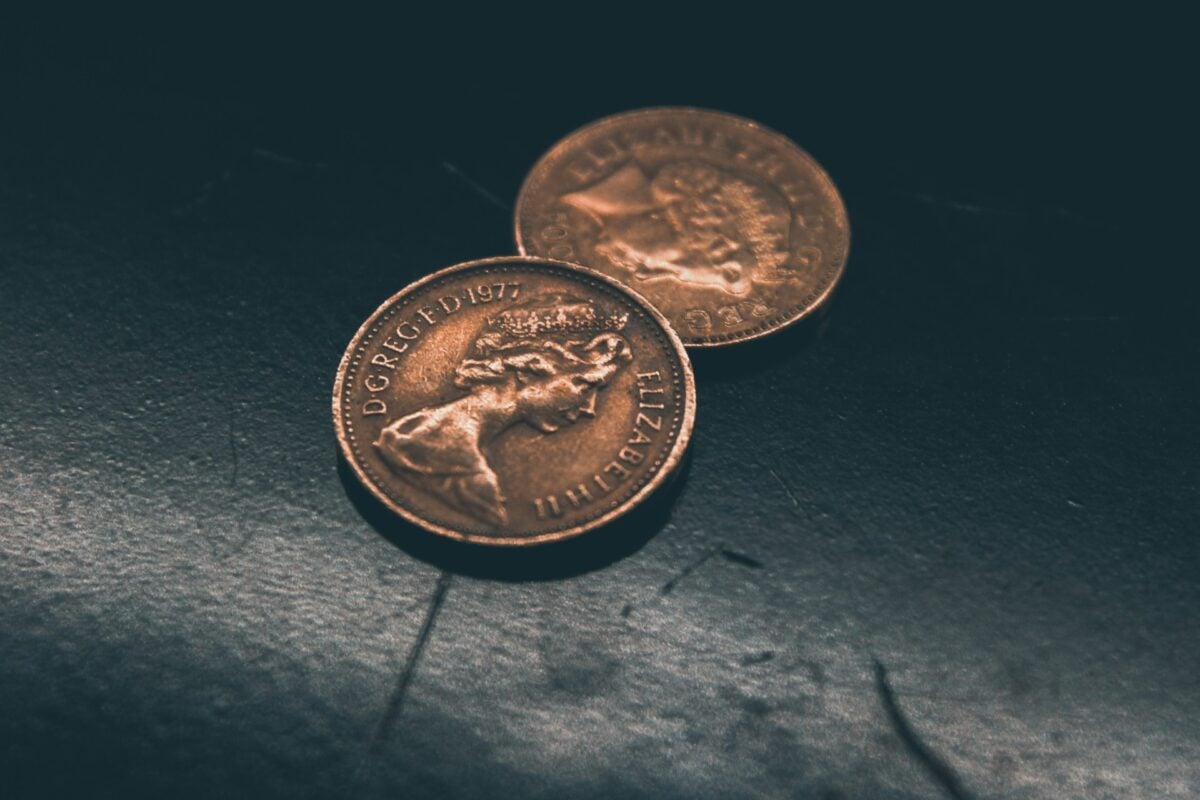
A doubling error affecting the date and lettering on 1972 pennies produced a variety distinct enough to spot without magnification, similar in visibility to the well-known 1955 error from the same series. Genuine examples, confirmed against known diagnostic points, sell for considerably more than a standard 1972 penny.
1937-D Three-Legged Buffalo Nickel
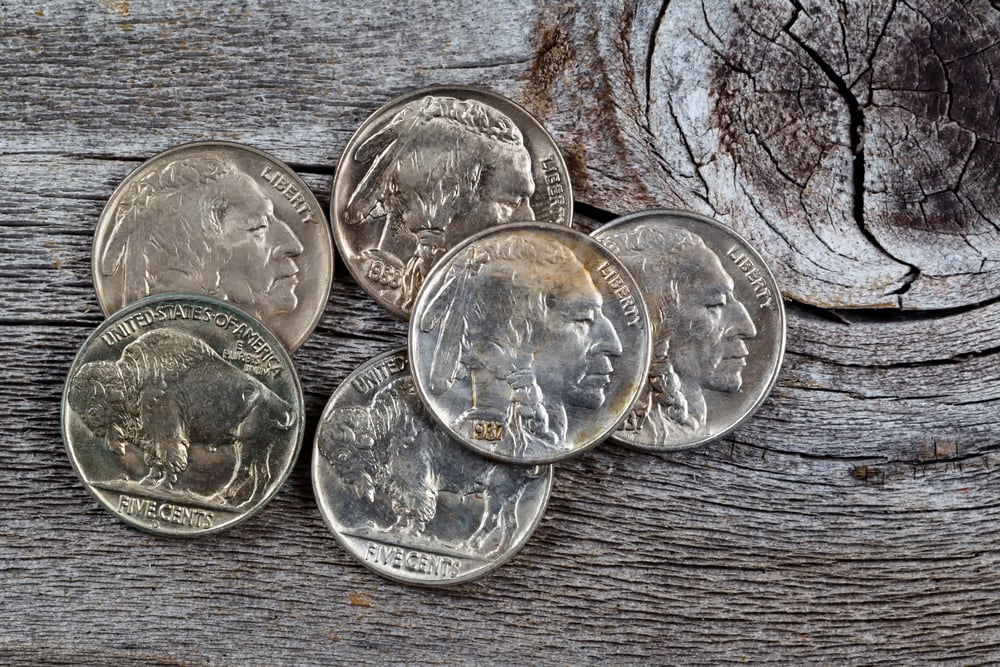
An over-polishing error at the Denver Mint in 1937 removed one of the front legs from the buffalo depicted on the nickel’s reverse, creating one of the most famous error coins in American history. The missing leg is immediately visible and has made this variety a frequent target for counterfeiters, so authentication matters more here than with most error coins.
1922 No D Lincoln Penny
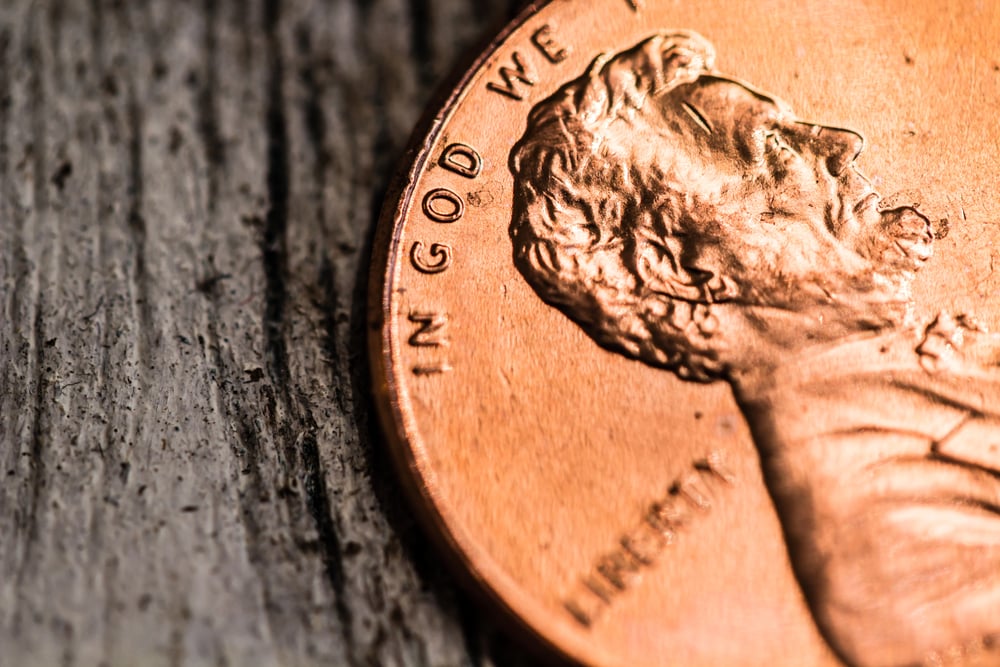
A worn die at the Denver Mint in 1922 struck some pennies without the “D” mint mark that should have distinguished them from Philadelphia issues, since Philadelphia produced no pennies that year at all. A weak or missing mint mark on an otherwise legitimate 1922 penny is the detail collectors specifically check for.
Silver Washington Quarters Pre-1965
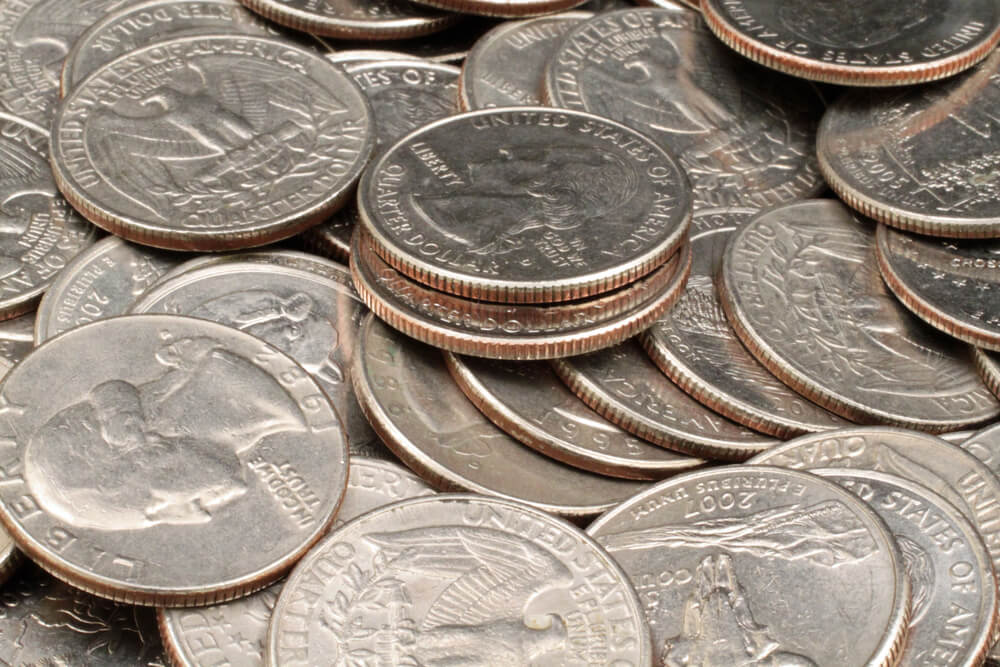
Like their dime counterparts, Washington quarters struck before 1965 contain ninety percent silver, making any pre-1965 quarter worth substantially more than face value based on metal content alone. Rolls of ordinary change are still periodically searched specifically for these older silver issues.
1943-D Copper Buffalo Nickel
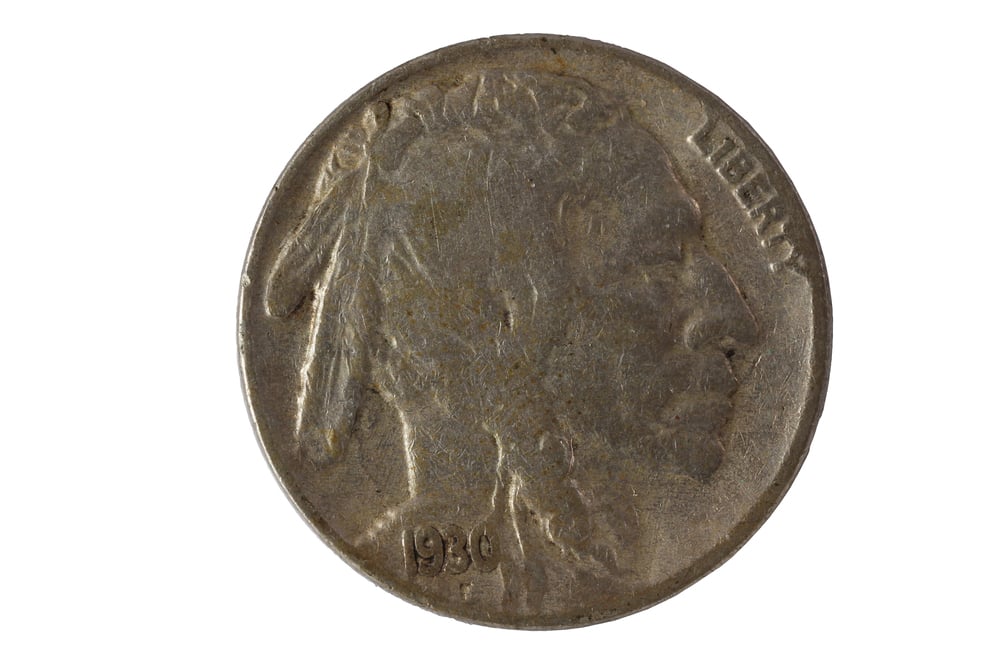
Errors involving copper alloy nickels from the World War II steel-cent period are exceptionally rare, and a small number of transitional wartime nickel varieties struck on the wrong planchet are among the scarcest error coins from the era. Authentication from a recognized grading service is essential before assuming a genuine find.
1982 No Mint Mark Roosevelt Dime
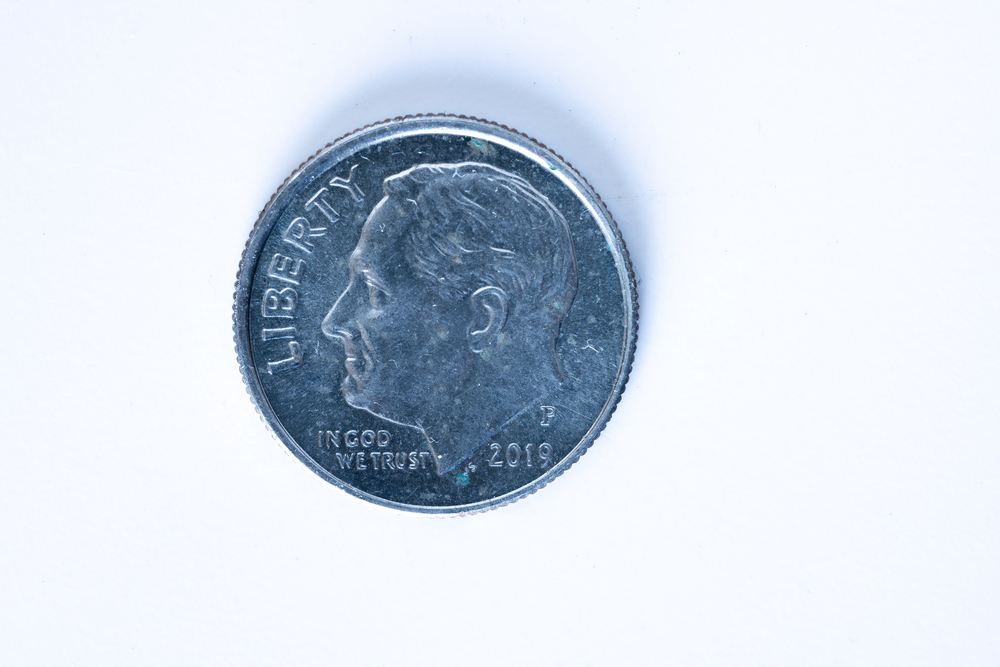
A production error in 1982 resulted in a small number of Philadelphia-struck dimes missing their mint mark entirely, a mistake that should not have occurred given the standard practice of the time. Examples confirmed to be missing the mark sell for a considerable premium over an ordinary 1982 dime.
Bicentennial Quarters Struck in Silver
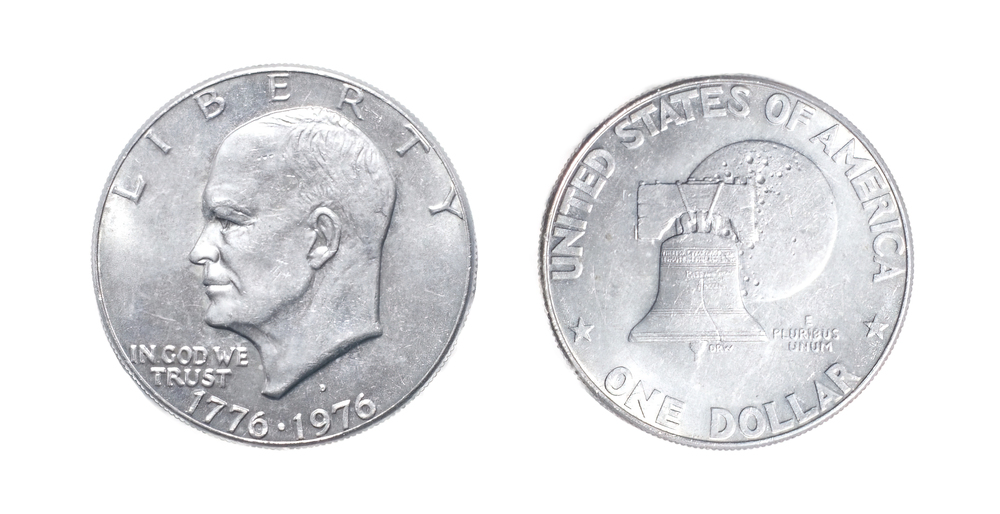
Special forty-percent silver versions of the 1976 Bicentennial quarter were struck for collector sets alongside the standard copper-nickel clad circulation coins, and the two are sometimes confused by casual sorters. A silver Bicentennial quarter has a distinctly different edge appearance and weight compared to the common clad version.
1909-S VDB Lincoln Penny
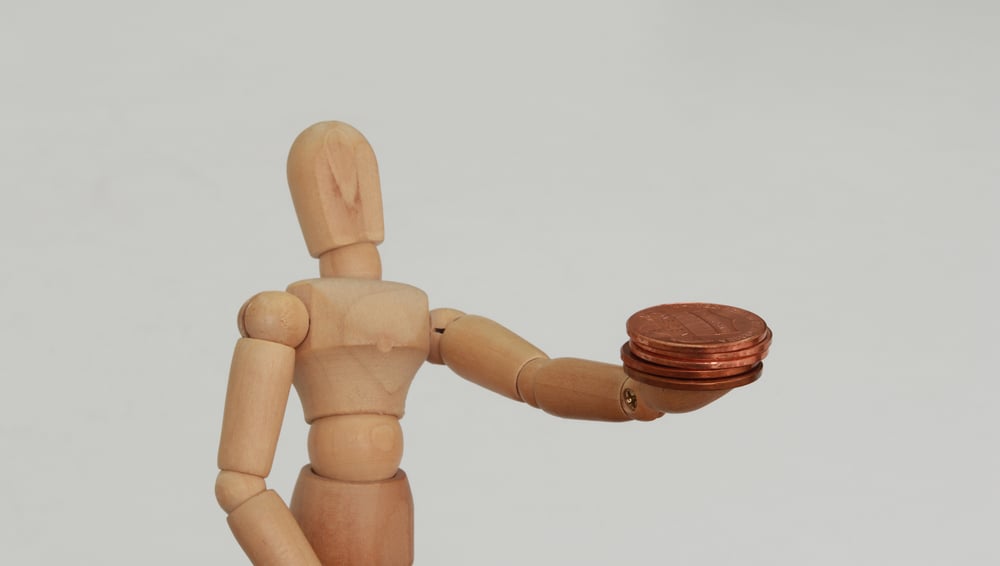
The first year of Lincoln penny production included designer Victor David Brenner’s initials on the reverse, a detail removed later that same year after public objection, making the San Francisco-struck 1909-S version with the initials intact one of the most recognized key-date pennies in American collecting. A genuine example, verified for authenticity, commands a serious premium even in worn condition.
1938-D Buffalo Nickel Over 1938-D
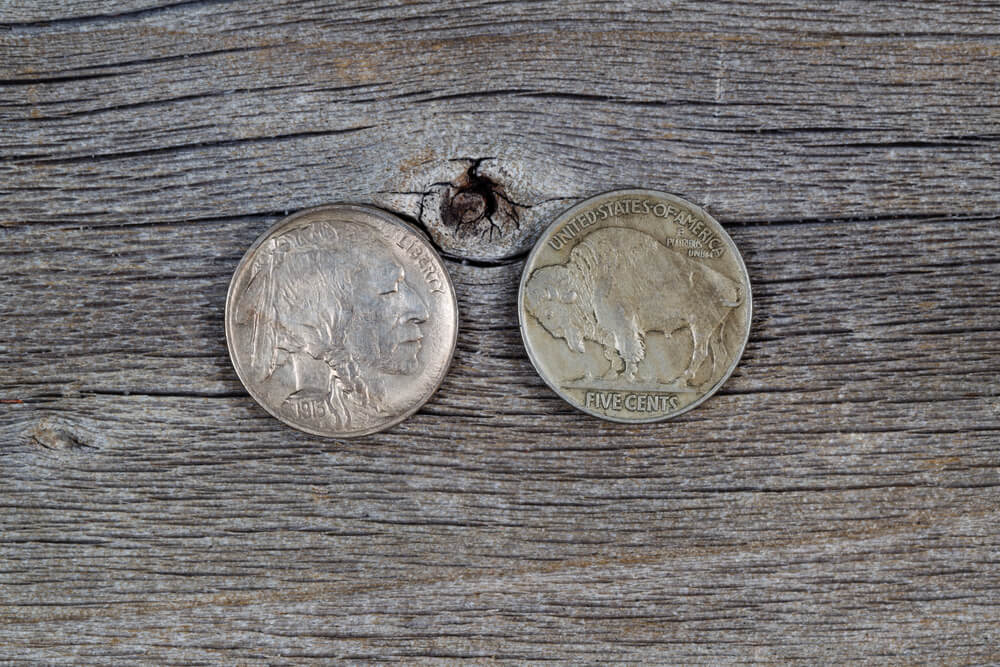
A rare overdate variety on the Denver-struck 1938 buffalo nickel occurred when a die intended for reuse was repunched with a new date over the old one, leaving faint traces of the earlier numerals visible under magnification. This is a variety collectors specifically look for among ordinary Denver-mint buffalo nickels from that year.
2000-P Sacagawea Dollar Wounded Eagle
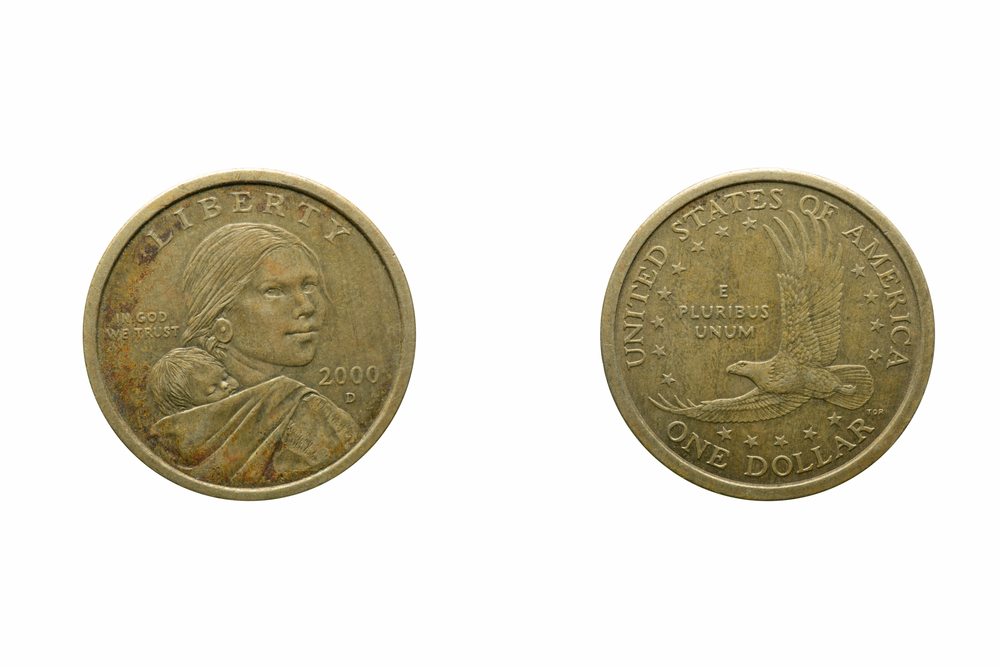
A minor die gouge error on some early Sacagawea dollar strikes created what collectors nicknamed the “wounded eagle” variety, referring to a mark that appears across the reverse eagle design. While not as valuable as major error coins, examples in strong condition still draw premium prices from dollar coin specialists.
1972 Type 2 Eisenhower Dollar
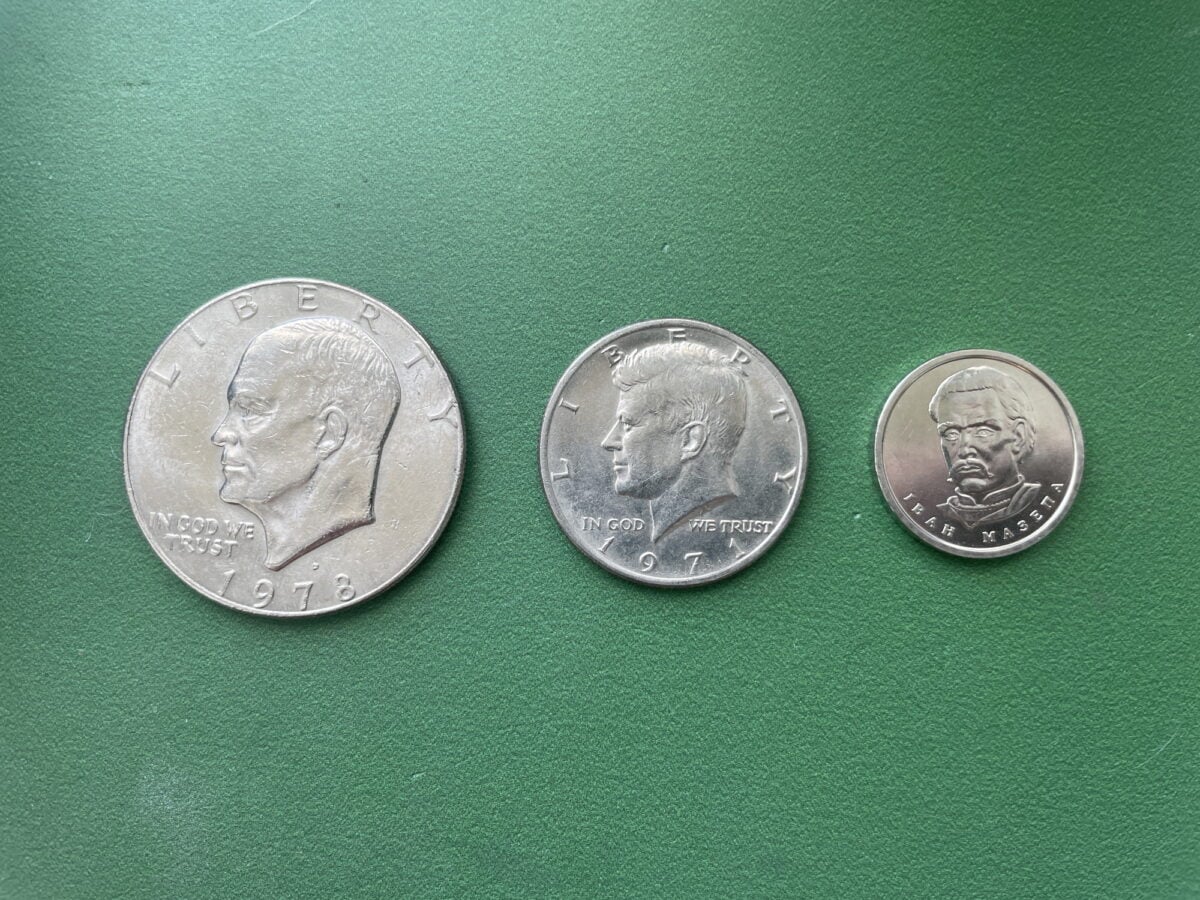
A design variation among 1972 Eisenhower dollars, distinguished by subtle differences in the reverse Earth image’s clarity and the visibility of certain landmasses, created a scarcer Type 2 version that is easy to misidentify without a side-by-side comparison. Collectors specifically sort circulated Eisenhower dollars by this detail.
1955 Doubled Die on Jefferson Nickel
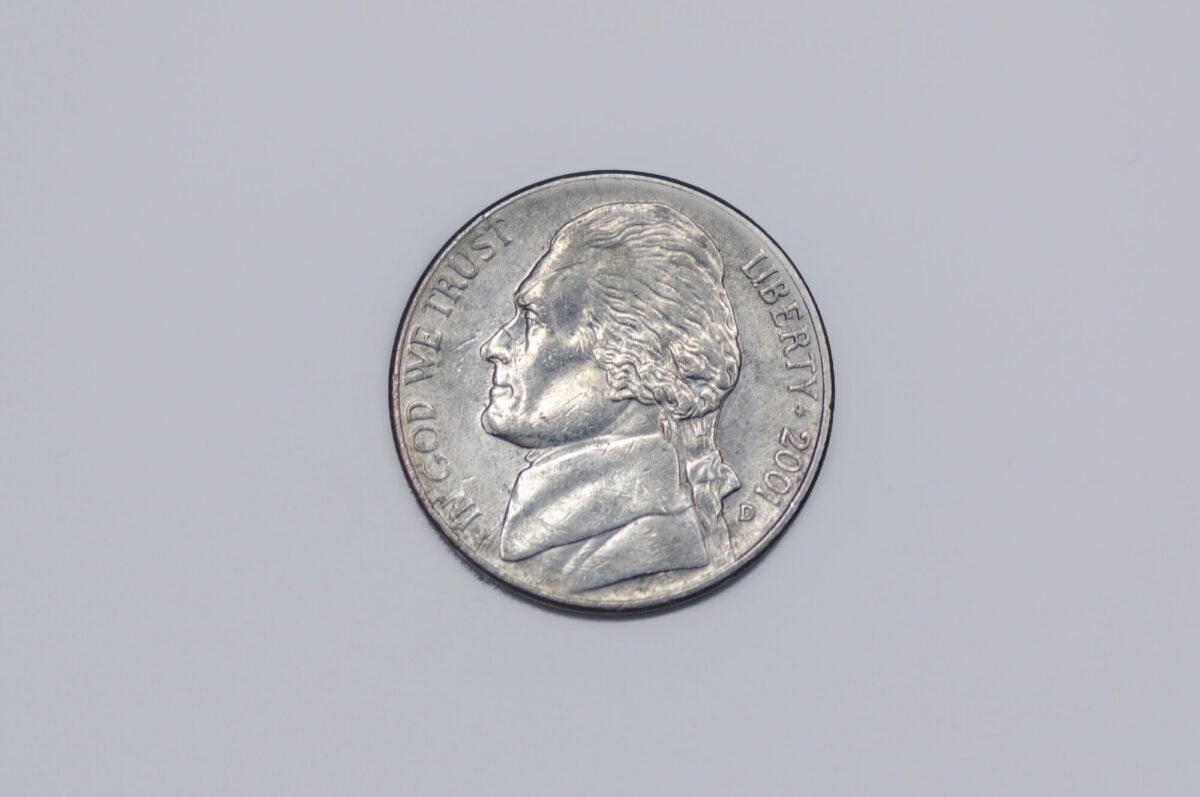
Separate from the far more famous 1955 penny error, a lesser-known doubling variety exists on some 1955 Jefferson nickels, visible primarily in the lettering around the coin’s rim. Genuine examples are considerably scarcer than the well-documented penny variety from the same year and require careful comparison to confirm.
1974 Aluminum Lincoln Penny
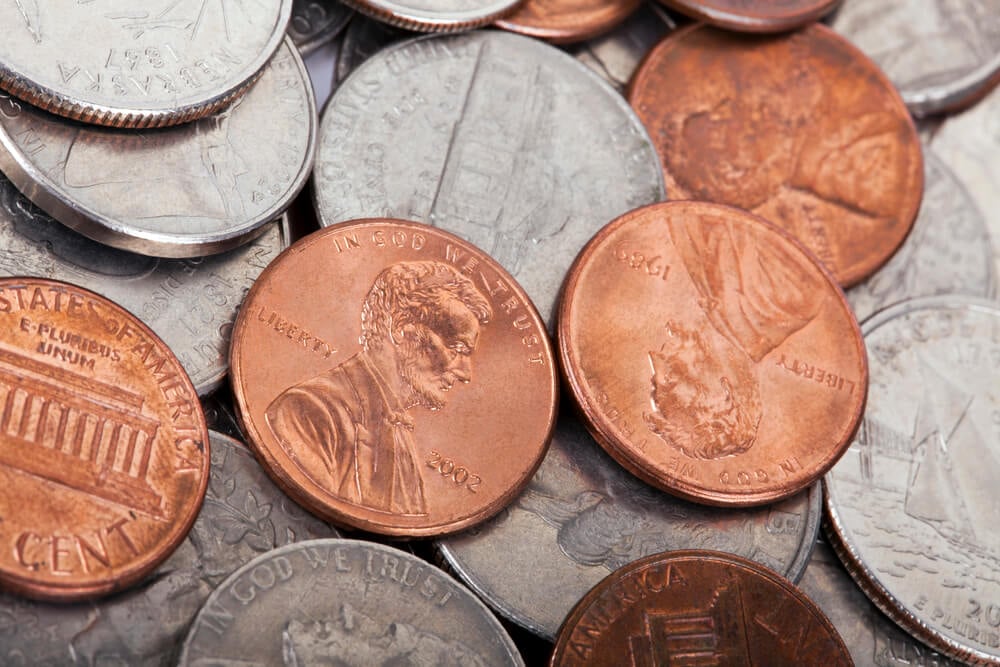
A small test batch of pennies struck in aluminum in 1974, intended to explore a lower-cost alternative to copper amid rising metal prices, was never officially released and most known examples remain in government hands, making any example found in private circulation an object of intense scrutiny and legal questions. Their extreme rarity keeps them a subject of ongoing interest among error coin specialists.
Morgan Silver Dollars
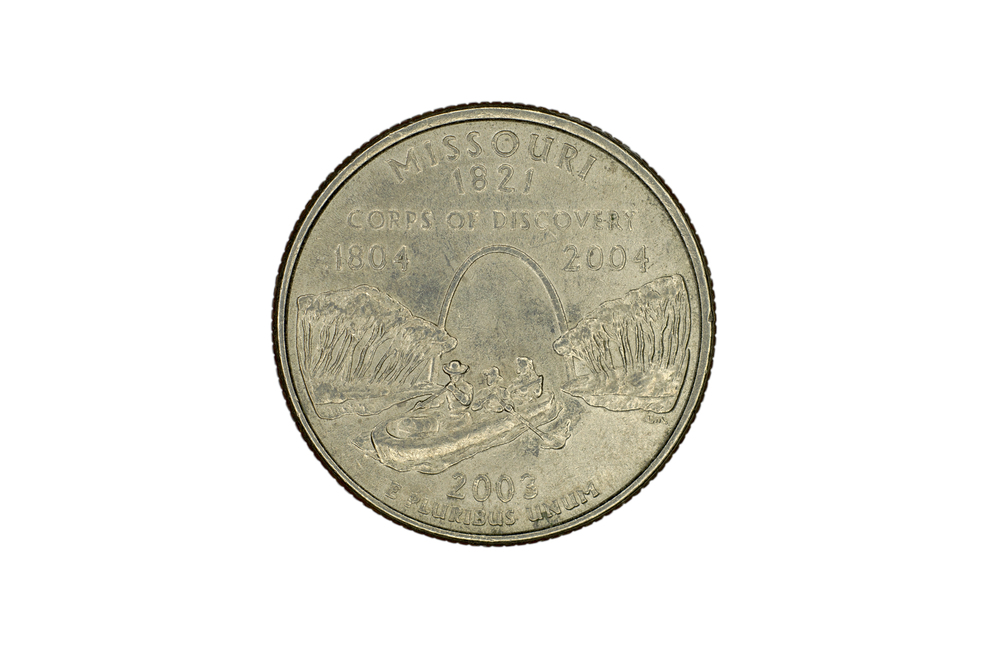
Morgan silver dollars, struck from 1878 through 1904 and again briefly in 1921, remain widely available in worn condition but carry solid silver content that makes even common examples worth notably more than their original face value. Certain mint marks and years within the series are considerably scarcer and worth researching individually before assuming a standard price.
1943-S Doubled Die Penny
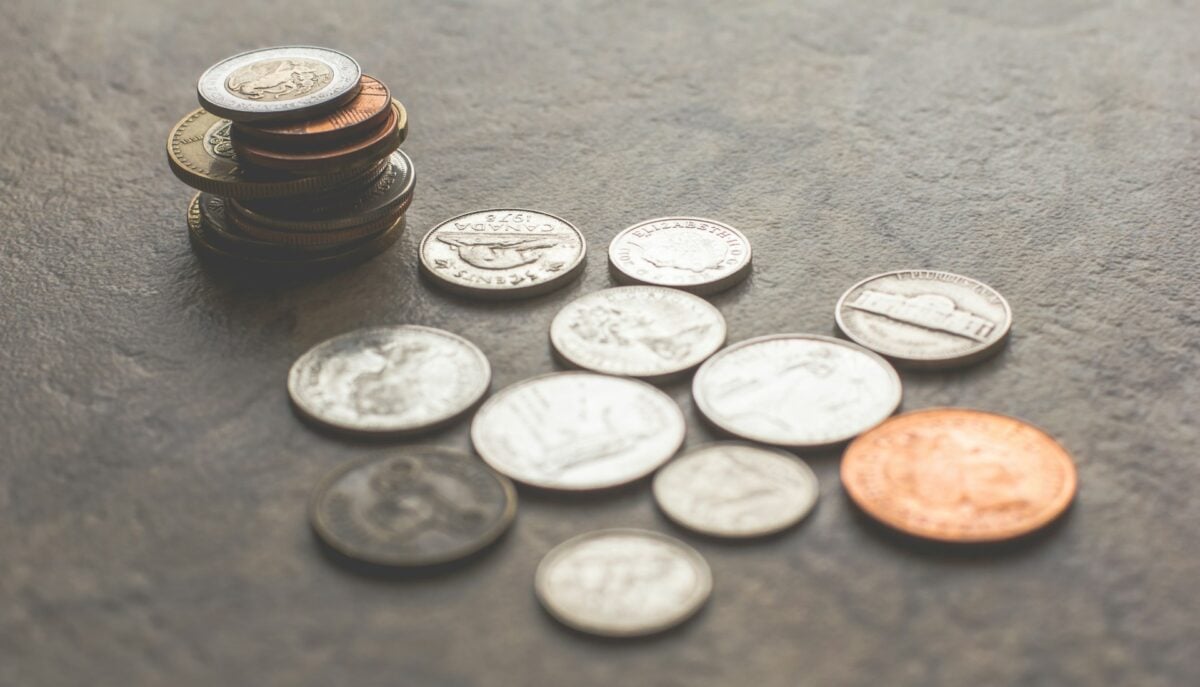
A doubling error affecting the 1943 steel penny struck at the San Francisco Mint produced a scarce variety distinct from the far better-known copper 1943 error from the same year. Genuine examples require authentication, since the visual difference from a standard 1943 steel penny is more subtle than many other doubled die varieties.
Kennedy Half Dollars Pre-1971
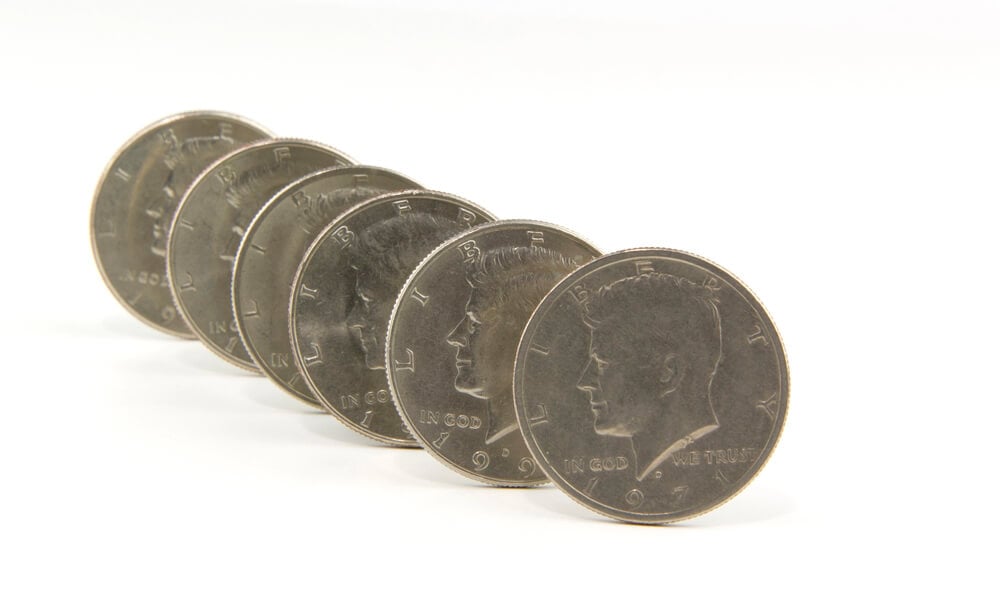
Kennedy half dollars struck in 1964 contained ninety percent silver, and those struck from 1965 through 1970 contained forty percent silver before the composition switched entirely to copper-nickel clad in 1971. Any Kennedy half dollar dated 1970 or earlier found in ordinary change is worth checking for its silver content alone.
1972-D Eisenhower Dollar with Weak Reverse
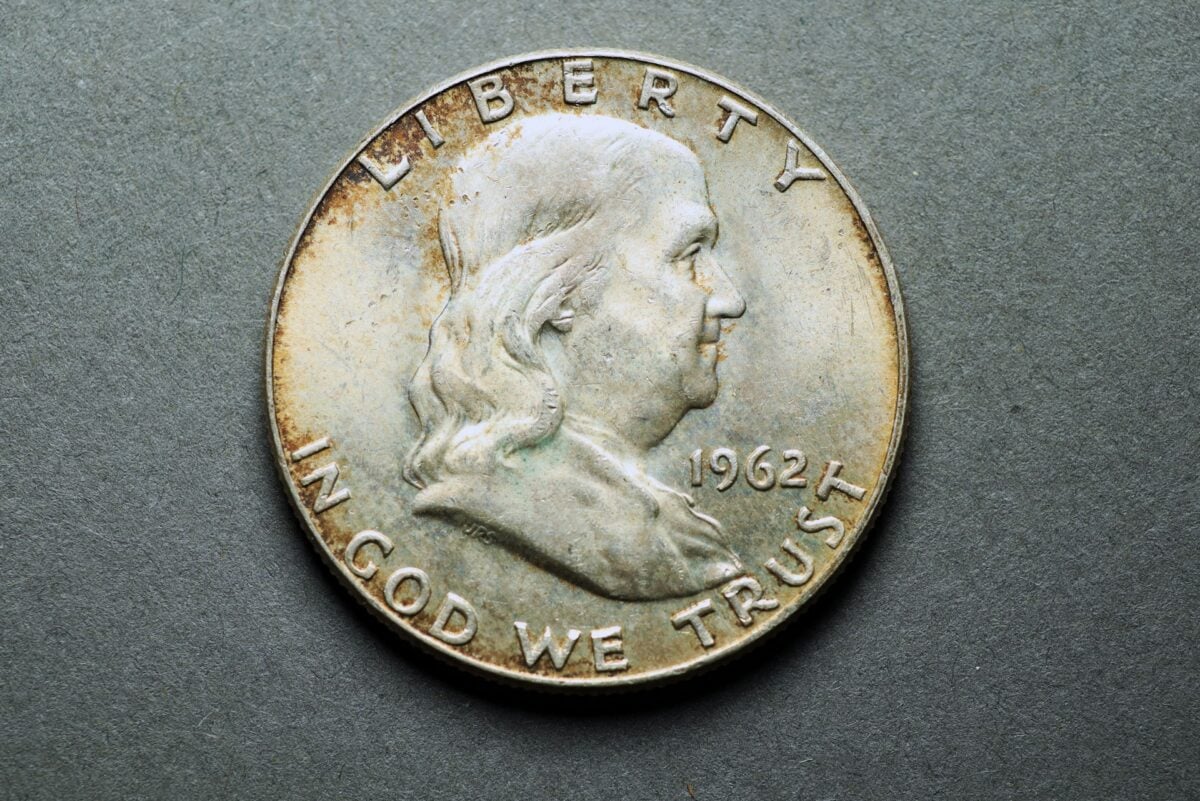
A die-wear variety on some 1972 Denver-struck Eisenhower dollars produced a noticeably weaker strike on the reverse Earth design compared to standard examples from the same year and mint. While less documented than the Philadelphia Type 2 variety, specialists in the series still check for this distinction when sorting circulated Eisenhower dollars.
What Change Actually Holds
Most coins that pass through a cash register are exactly what they appear to be: ordinary currency worth precisely its printed value and nothing more. The coins on this list are the exceptions, produced by a mint error, a metal composition since abandoned, or a low print run that nobody anticipated at the time.
None of them look dramatically different from an ordinary coin at a glance, which is exactly why they keep turning up in circulation decades after they were struck. The only thing separating a coin worth face value from one worth considerably more is whether someone bothered to look closely before handing it over.
More from Go2Tutors!

- The Romanov Crown Jewels and Their Tragic Fate
- 13 Historical Mysteries That Science Still Can’t Solve
- Famous Hoaxes That Fooled the World for Years
- 15 Child Stars with Tragic Adult Lives
- 16 Famous Jewelry Pieces in History
Like Go2Tutors’s content? Follow us on MSN.