14 Ancient Food Discoveries That Survived Centuries
Food rarely lasts, which is why the finds below are so striking. Dry caves, deep bogs, volcanic ash, and sealed jars have preserved meals that people ate thousands of years ago.
The fourteen discoveries here range from the oldest known bread to cheese more than three thousand years old.
The Shubayqa Flatbread
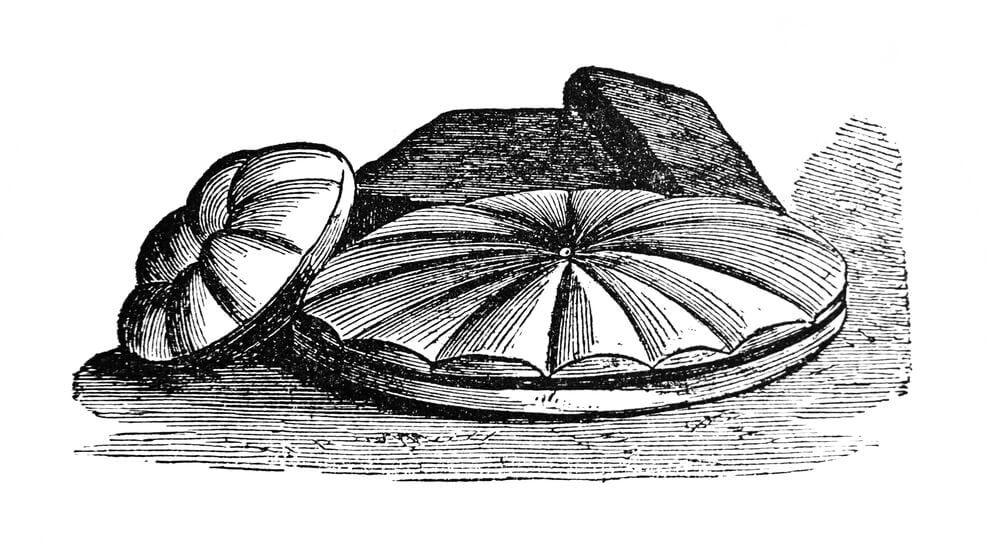
Charred remains of flatbread found at the Shubayqa 1 site in Jordan’s Black Desert are about 14,400 years old. That makes it roughly 4,000 years older than the first farming.
The find suggests that people were baking bread long before they grew grain.
Raqefet Cave Beer
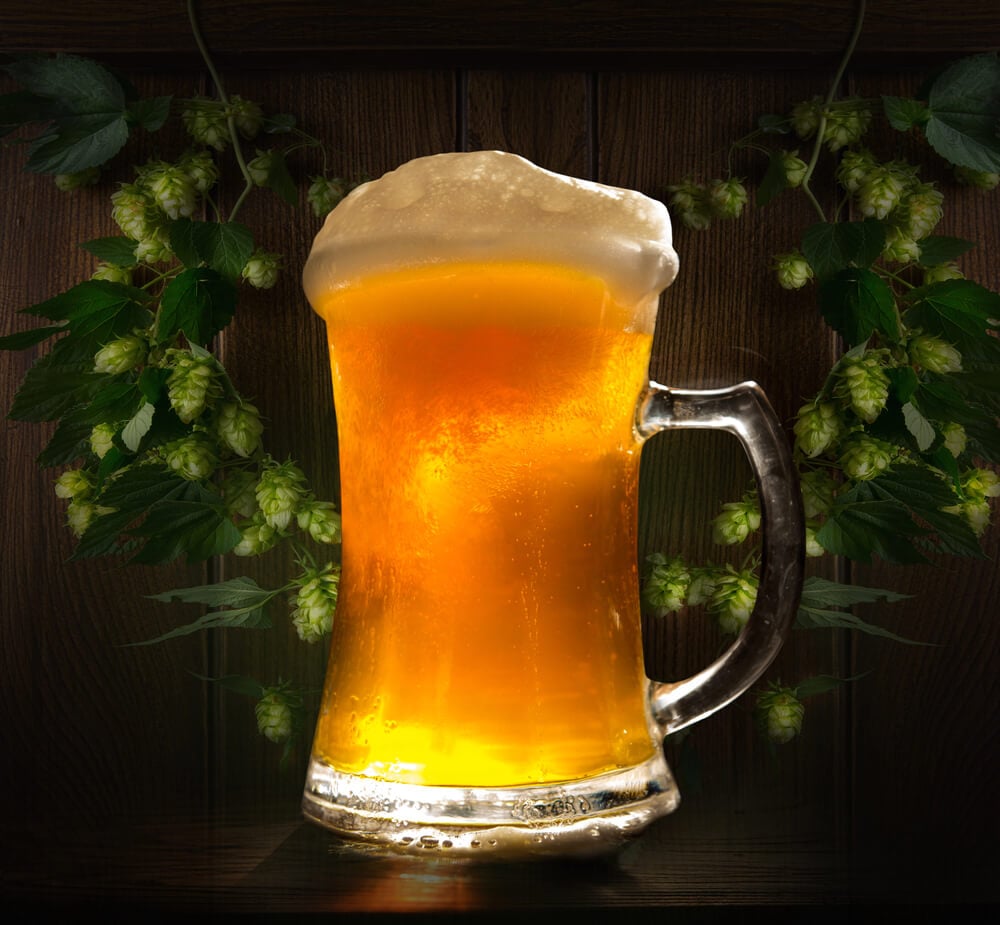
Residue in stone mortars at Raqefet Cave in Israel indicates that the Natufian people brewed a form of beer about 13,000 years ago. It would have been made from wild cereals.
The discovery pushes alcohol production back well before agriculture.
The Xiaohe Kefir Cheese
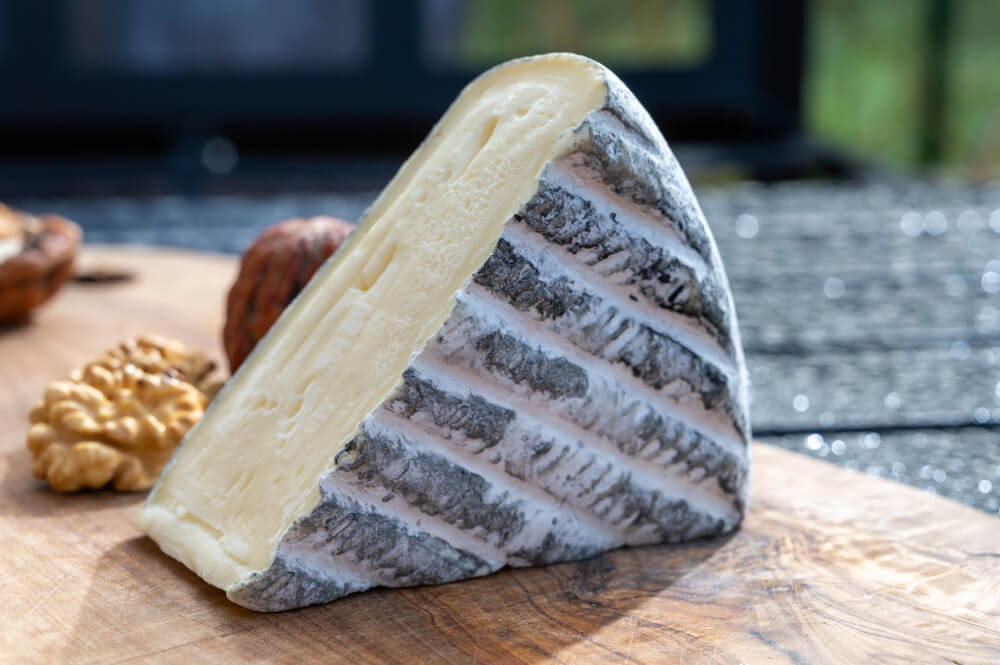
Cheese found with mummies at the Xiaohe cemetery in China’s Tarim Basin is about 3,600 years old. A 2024 study in the journal Cell found it was made using kefir cultures from cow and goat milk.
The previously oldest known cheeses were Egyptian, at 3,200 to 2,900 years.
Ötzi’s Last Meal

— Photo by sergio_pulp
The Iceman, discovered in the Alps in 1991, died around 3300 BC. His stomach held ibex meat, red deer, and einkorn wheat.
Researchers could even tell that the last meal was fatty, rich food suited to a high mountain climb.
The Danish Bog Porridge
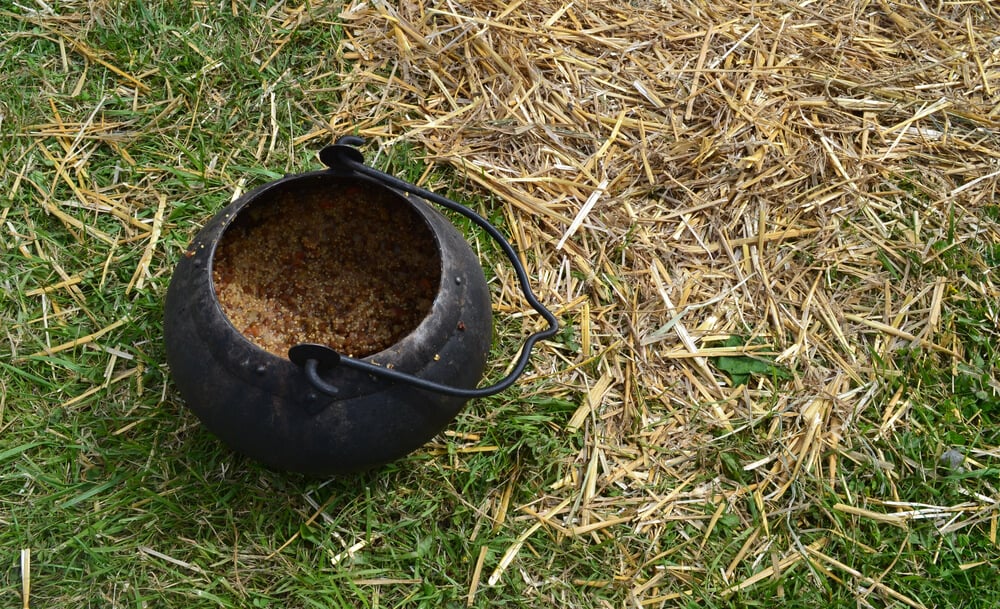
Iron Age bodies recovered from Danish peat bogs in the twentieth century held a last meal of porridge made from grains and wild seeds. The bog preserved his stomach contents almost intact.
The meal is a snapshot of a plain Iron Age diet.
The Bog Butter
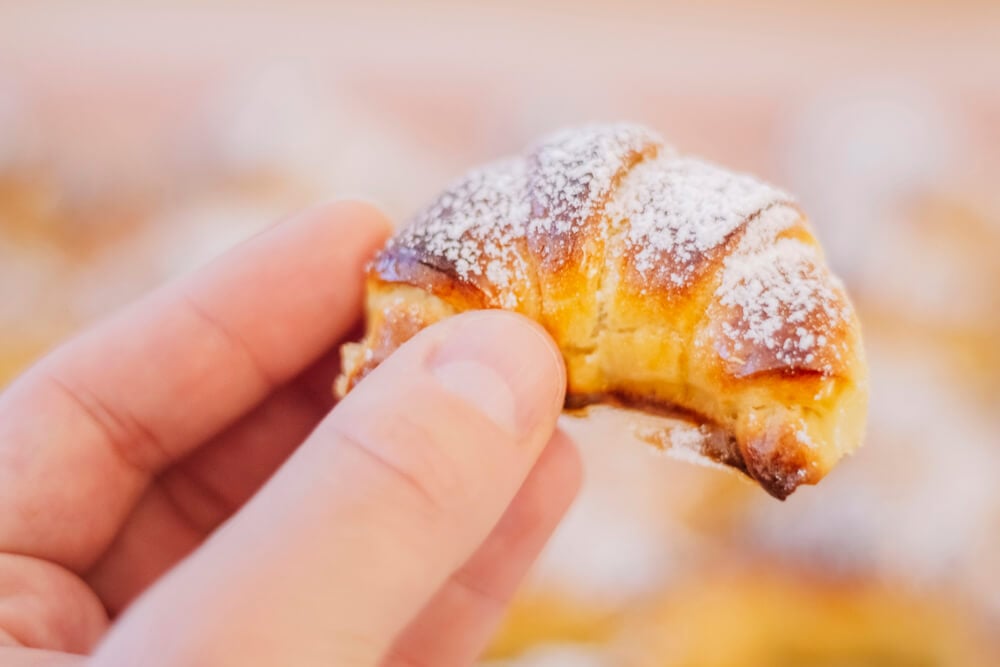
Lumps of butter and animal fat have been dug out of peat bogs in Ireland and Scotland, some of them thousands of years old. They were stored in wooden containers or wrapped in bark.
Why people buried them remains uncertain, but the cold, airless peat kept them edible-looking.
The Lajia Noodles
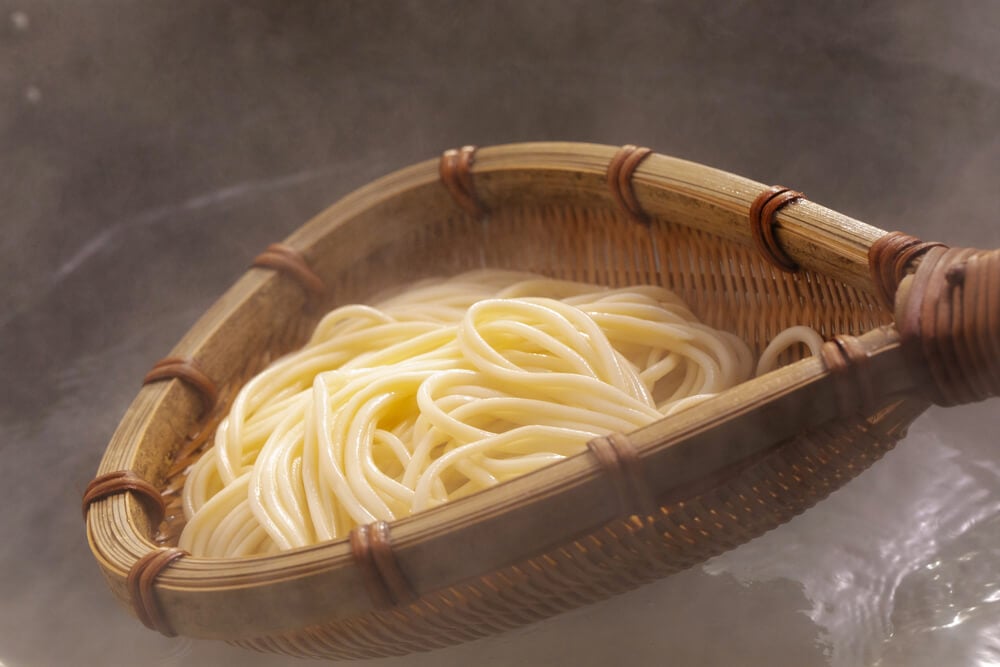
A bowl of noodles was found upside down in the ruins at Lajia in China, dated to about 4,000 years ago. The noodles were made from millet.
The 2005 report in Nature suggested they might be the oldest known example of the food.
The Stamped Roman Loaf
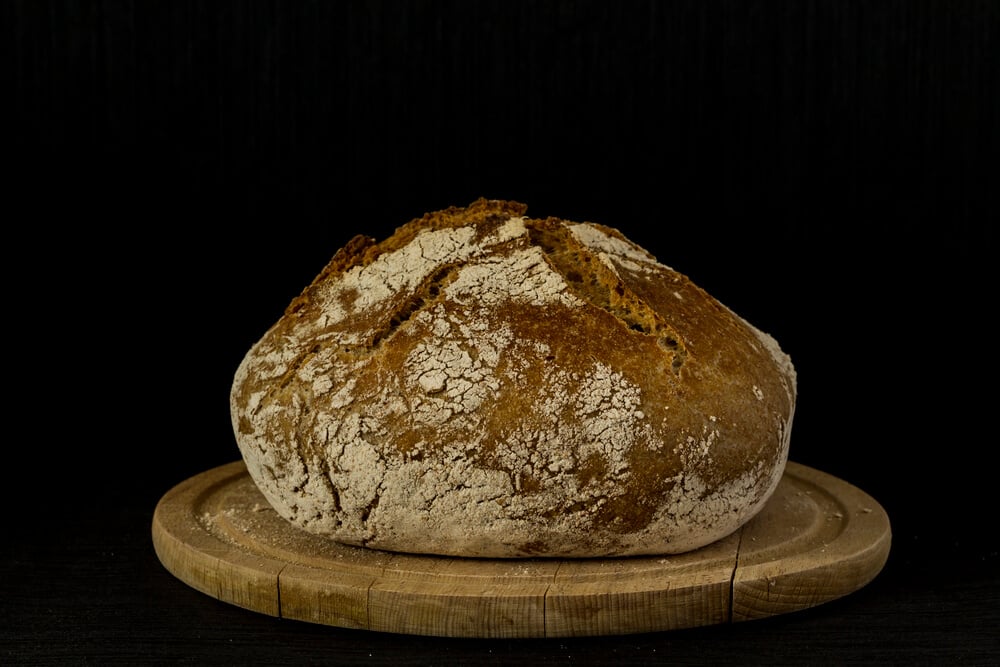
Carbonized bread found at Herculaneum was stamped with the name of its owner to mark the baker’s work. The volcanic eruption of 79 AD turned it to charcoal while keeping its shape.
Visitors can still see the round loaf with its scored top.
The Pompeii Thermopolium
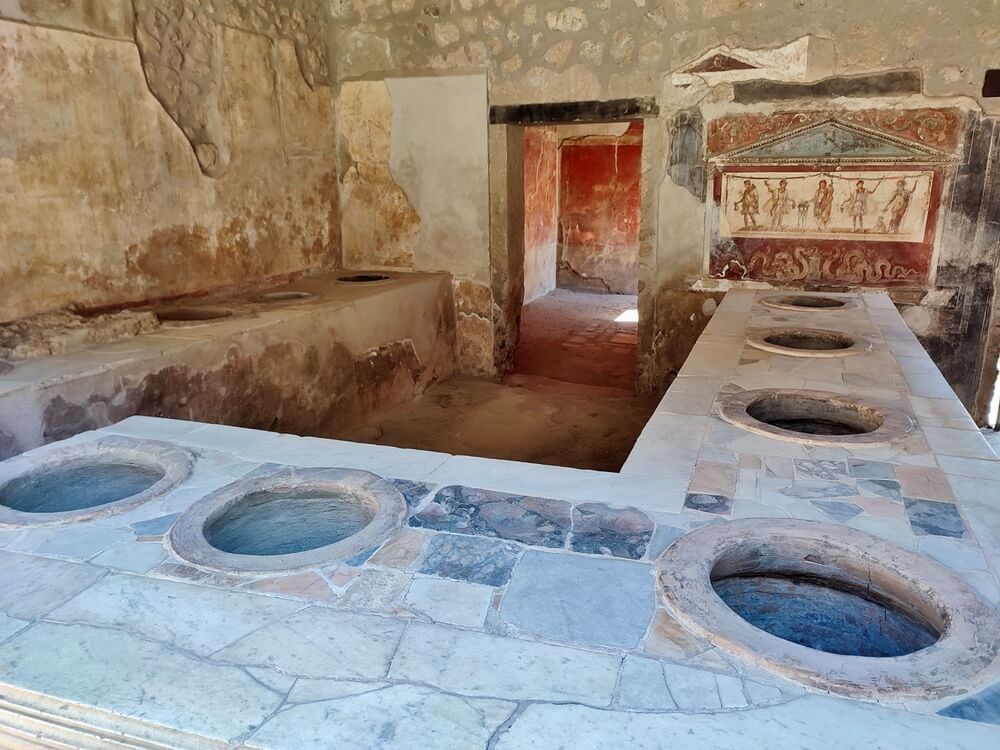
— Photo by Lucamato
A fast-food counter in Pompeii was unearthed in 2020, with painted decorations and serving jars sunk into the counter. Residues in the pots showed remains of duck, pork, fish, and snails.
It is the best-preserved street food stall from the ancient world.
Tutankhamun’s Wine Jars
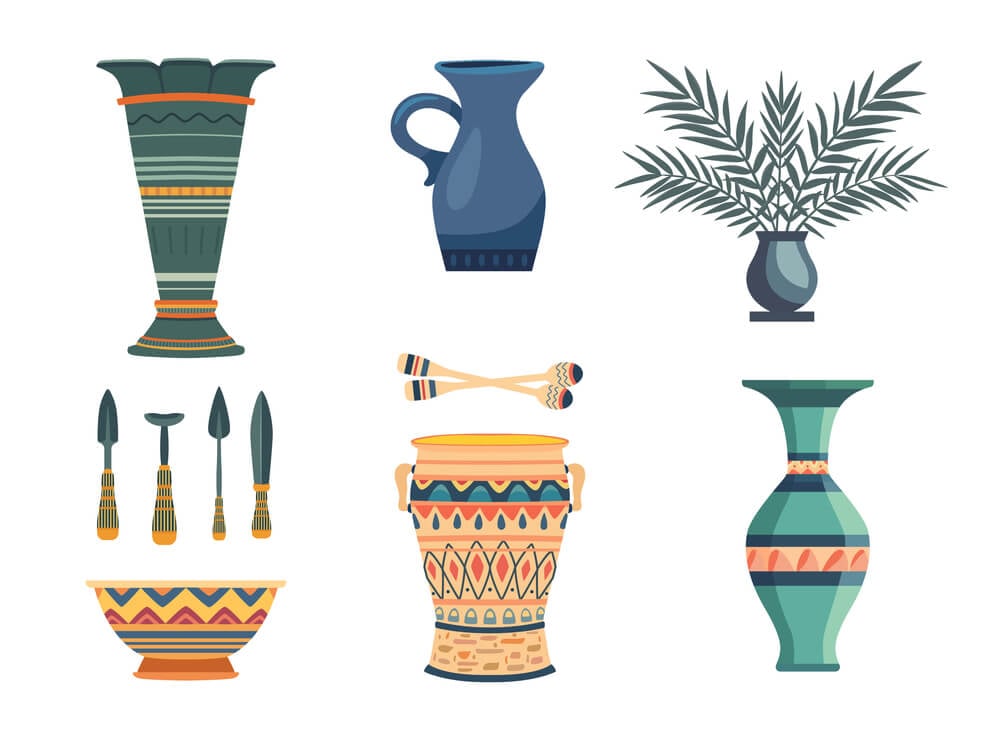
Jars in Tutankhamun’s tomb carried labels stating the year, the vineyard owner, and the vintner. This is detailed record-keeping for wine, centuries before modern appellations.
It shows that Egyptians cared about vintages.
The Tel Kabri Cellar
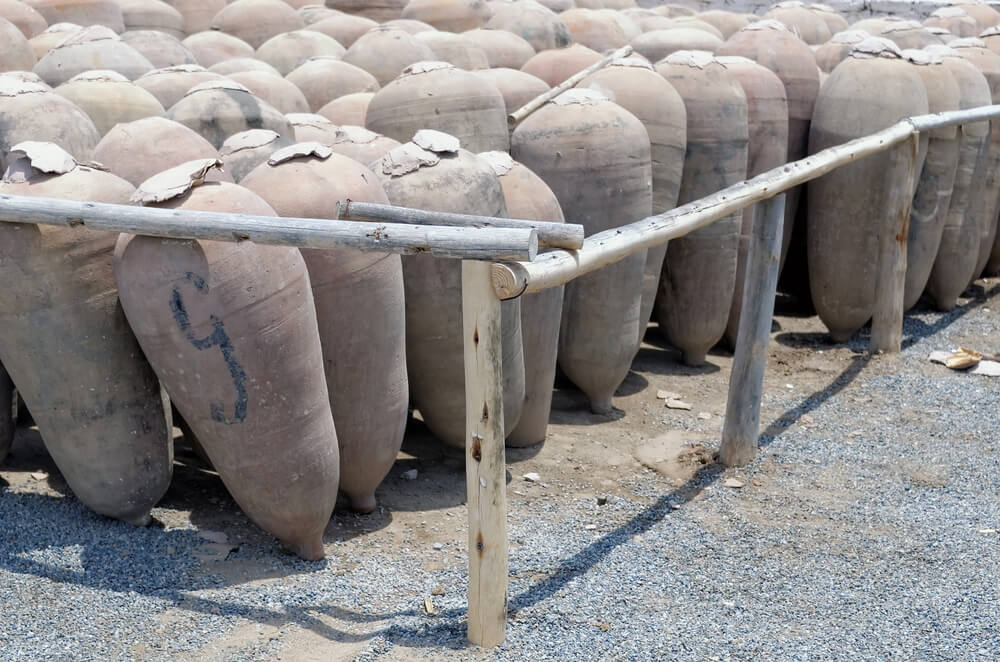
A palace cellar at Tel Kabri in northern Israel held about 40 jars of wine, dated to roughly 3,700 years ago. Chemical analysis found traces of herbs and resins.
It is one of the oldest known wine cellars.
The Areni-1 Winery
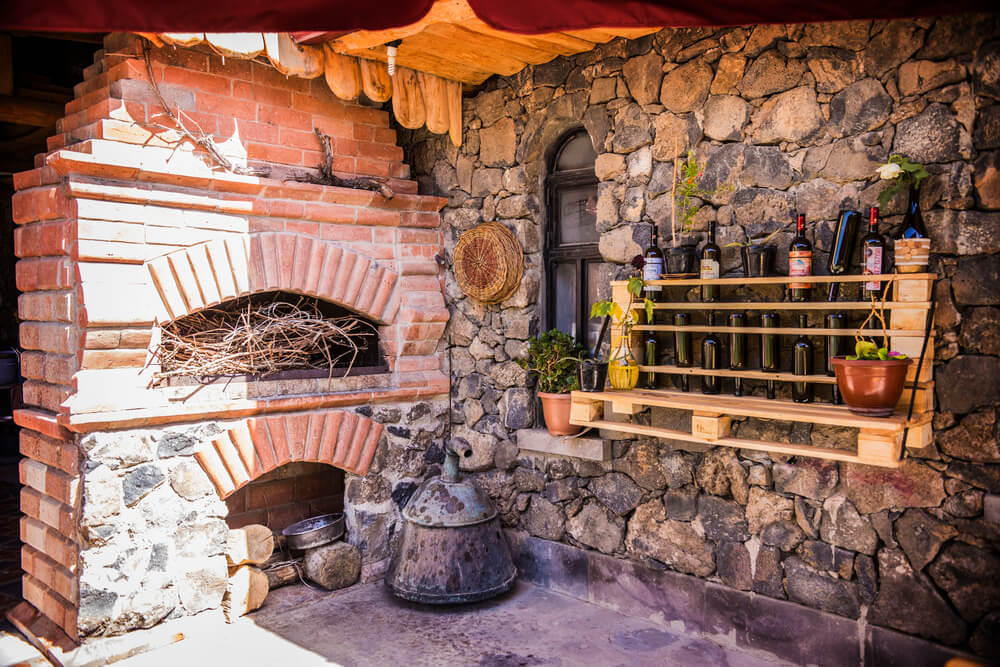
A cave in Armenia holds a winemaking setup with a press, fermentation vats, and storage jars, dated to about 6,100 years ago. The discovery was reported in 2011.
It is the earliest known winery of its kind.
The Methuselah Date Palm
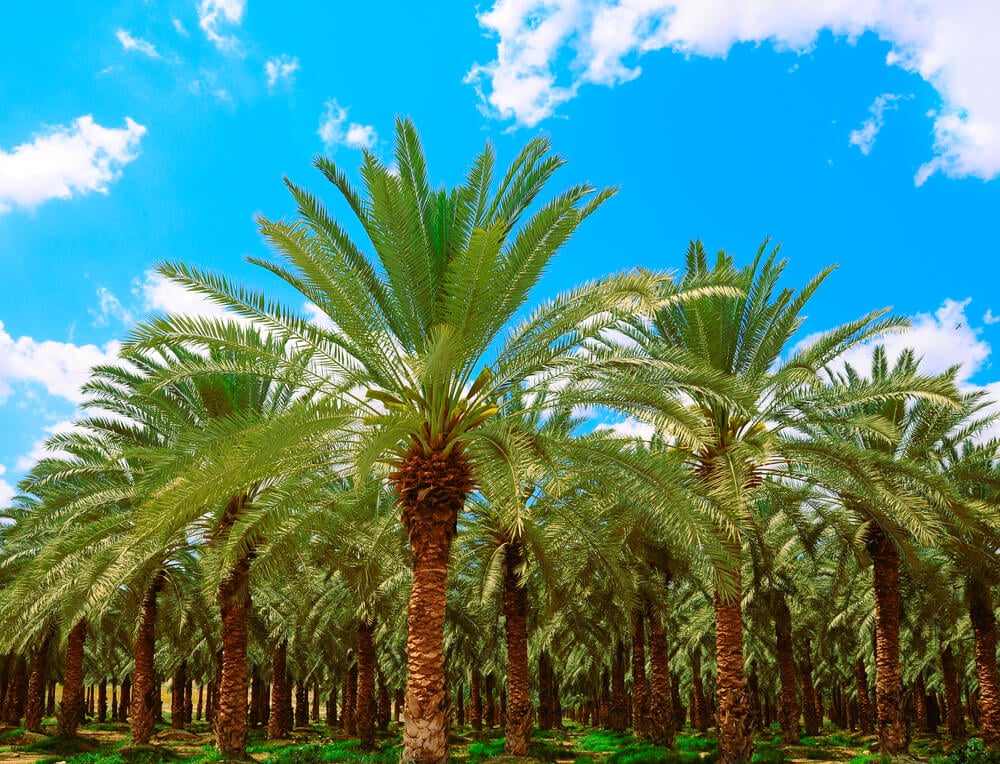
Seeds found at Masada, in Israel, were about 2,000 years old when scientists germinated one in 2005. The palm sprouted and grew.
It is one of the oldest seeds ever to be revived.
The Ecuadorian Cacao
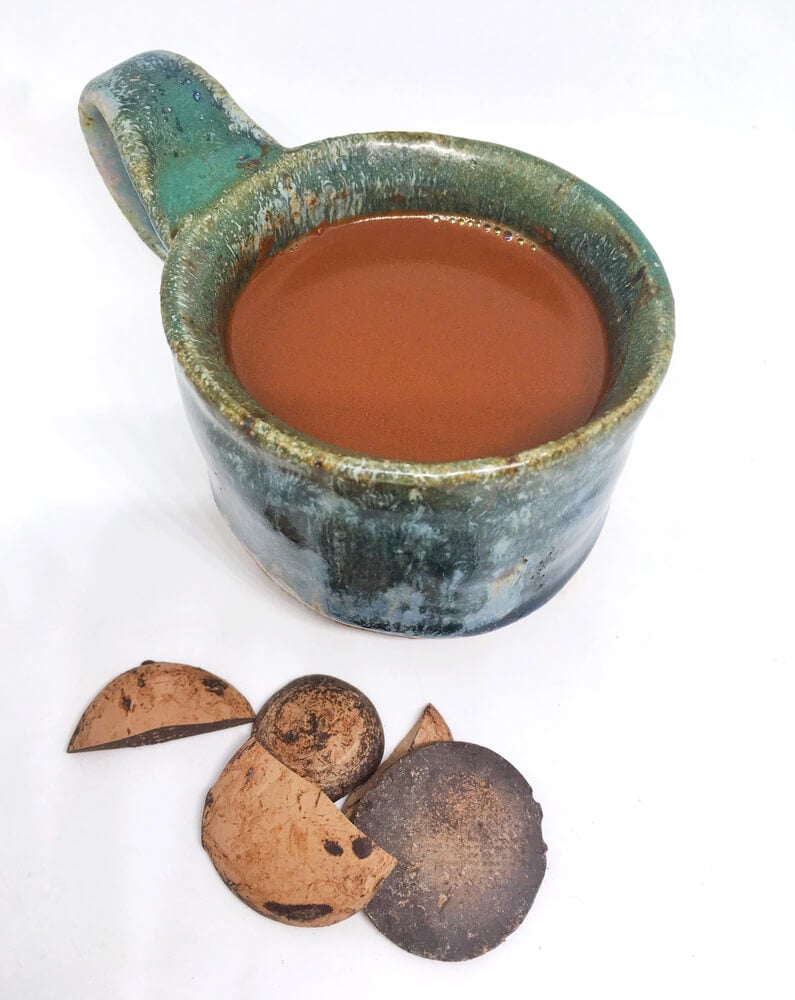
Traces of cacao found in pottery at Santa Ana-La Florida in Ecuador date to about 5,300 years ago. The finding pushed the origin of chocolate to South America.
It overturned the long-held idea that it began in Mesoamerica.
Meals That Outlasted Their Cooks
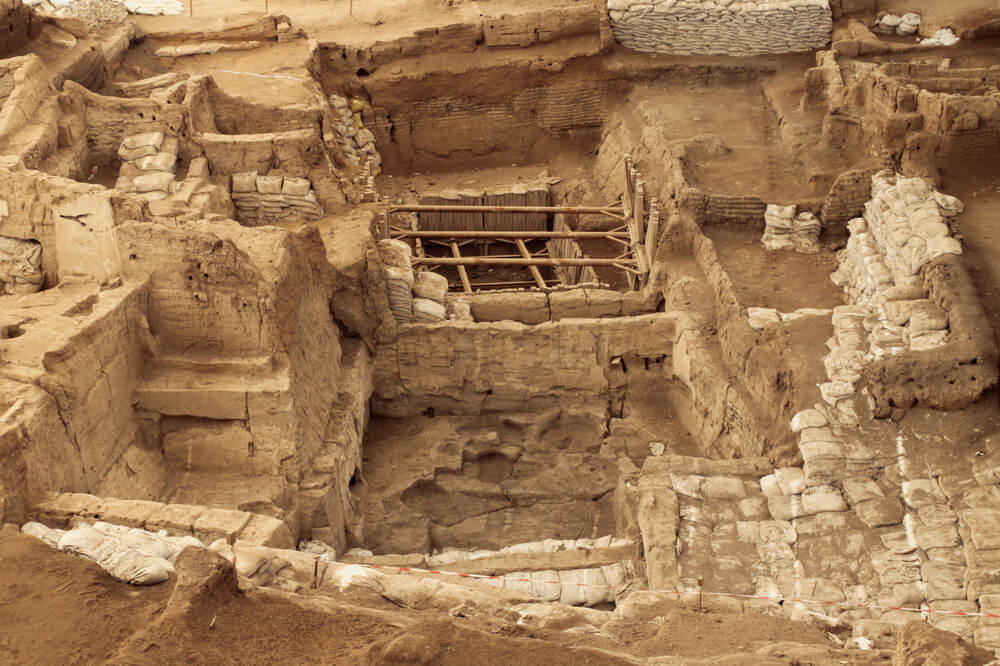
Food is the most intimate of artifacts, because it was made to be eaten and gone. When one survives, it brings the ordinary routines of the past into close range.
The recurring pattern is that preservation comes from accident: a dry cave, a flooded bog, a volcanic cloud. Each discovery is a reminder that the past ate well enough to leave plenty of evidence behind.
More from Go2Tutors!

- 27 Silver Dollars and Half Dollars Worth Keeping
- 28 Restaurant Menu Items Nobody Orders Anymore
- 17 Places Built in Seemingly Impossible Spots
- 27 Vintage Rings Worth More Than They Look
- 25 Restricted Sites Tourists Can’t Enter
Like Go2Tutors’s content? Follow us on MSN.