Christmas Eve Traditions You Didn’t Know Existed
Most people think of Christmas Eve as a night for church services, cookies for Santa, and maybe opening one present before bed. Those traditions feel universal, like everyone everywhere celebrates the same way.
But travel around the world and Christmas Eve looks completely different depending on where you land. Some countries have families roller skating to church, others hide small figures of people going to the bathroom in nativity scenes, and at least one place warns children about a giant cat that eats people who don’t get new clothes.
These traditions developed over centuries, mixing old folklore with religious customs and local culture into something unique. The strangest Christmas Eve customs often make perfect sense once you know their backstory.
Here are traditions that might surprise you.
Venezuelans roller skate to morning church service
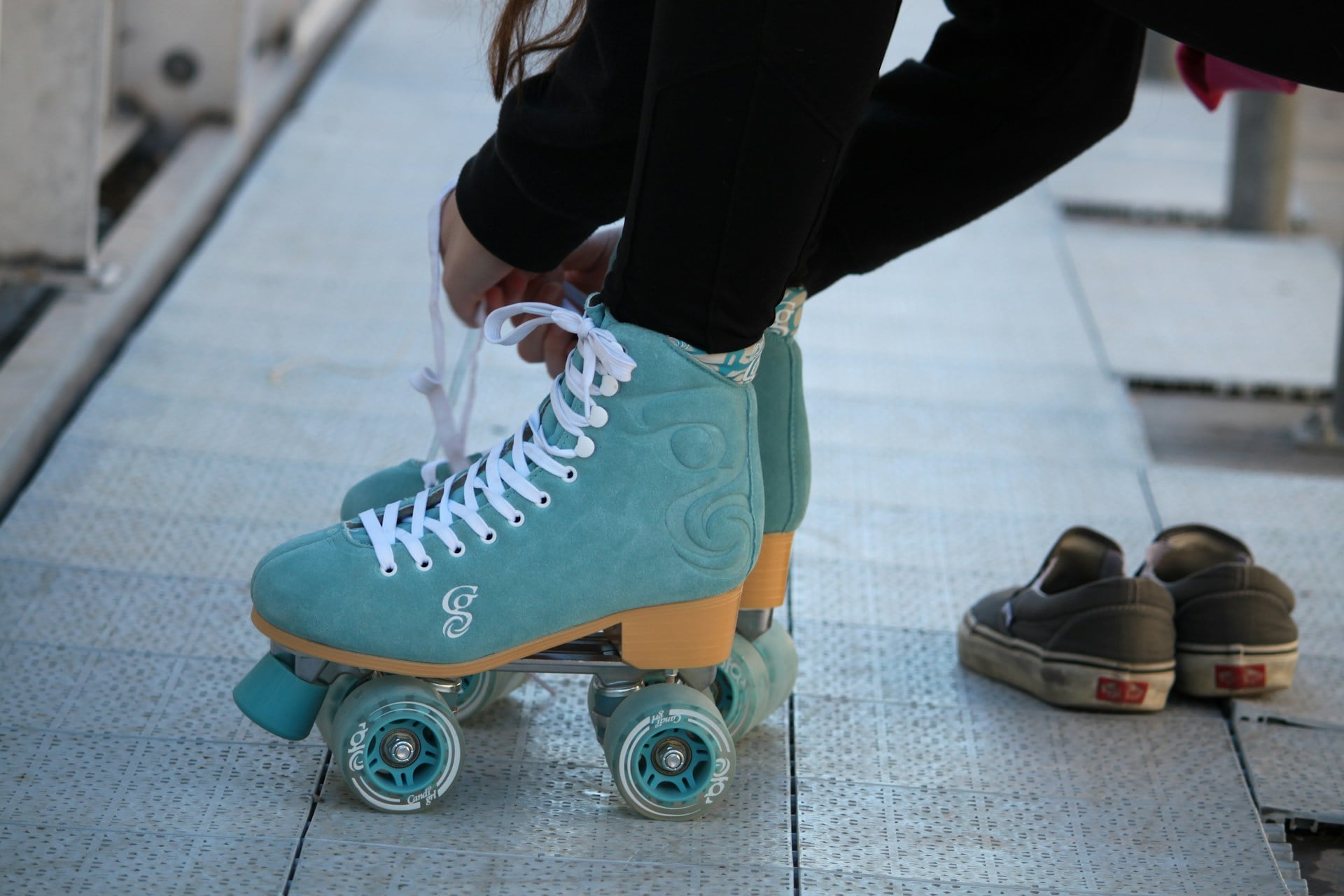
In Caracas, the capital of Venezuela, thousands of people strap on roller skates and glide through closed streets to attend early morning mass on Christmas Eve. The tradition became so popular that the city closes roads to traffic from 8am to allow skaters safe passage to church.
Children even tie one lace from their roller skates to their big toe at night, leaving the other skate dangling out the window so friends can wake them up with a tug on the lace. This tradition started in the 1960s and remains one of Venezuela’s most distinctive Christmas customs.
Iceland has 13 different Santas who leave rotten potatoes
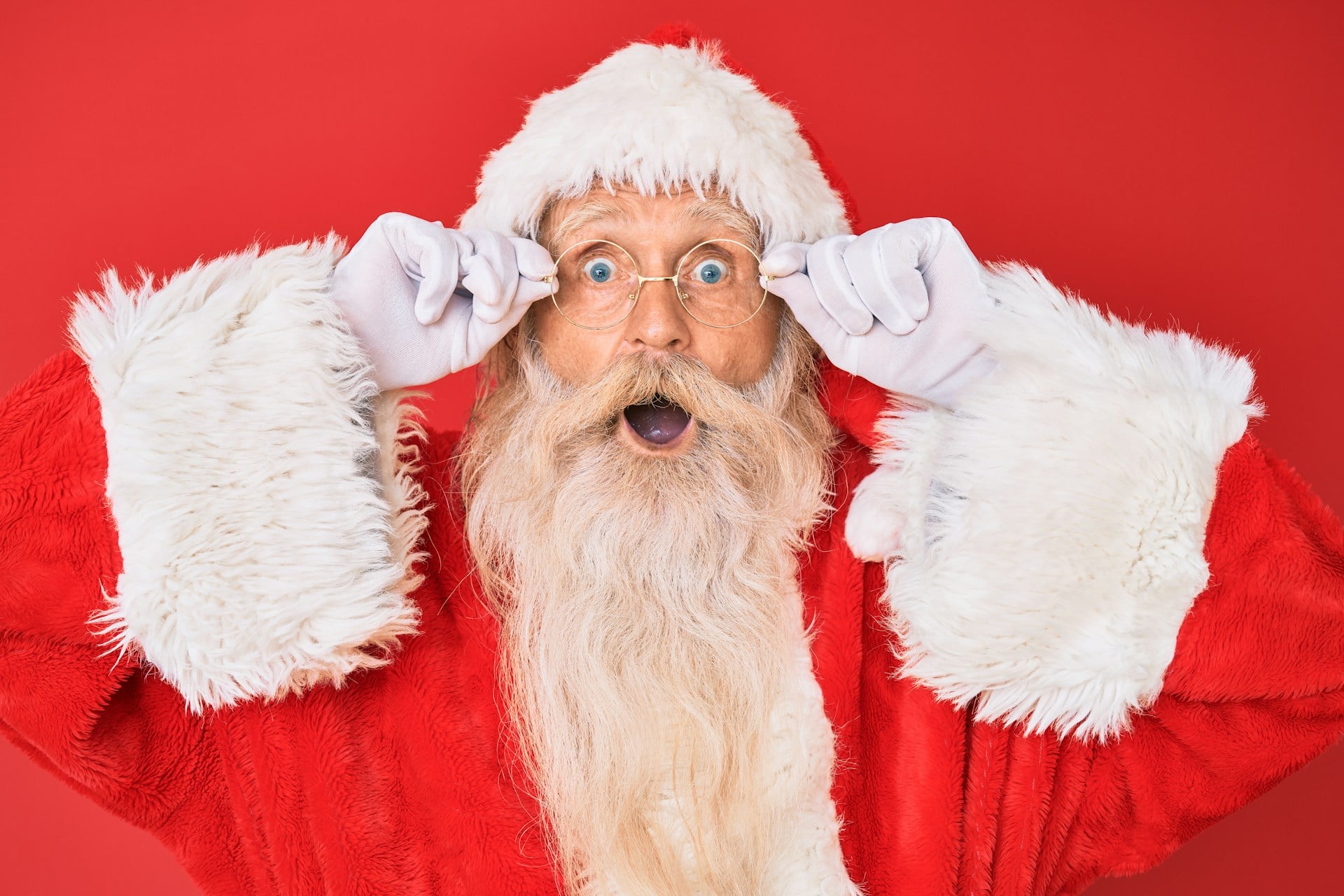
Instead of one Santa Claus, Iceland celebrates with 13 Yule Lads who arrive one by one on the 13 nights before Christmas. Children place shoes on their windowsills each night starting December 12th.
Well-behaved kids find small treats or gifts, while naughty children wake up to discover a rotten potato in their shoe. Each Yule Lad has a distinct personality and name like Spoon Licker, Door Slammer, and Sausage Swiper.
These characters started as scary troll figures used to frighten children into good behavior, but over time they transformed into friendlier gift-givers similar to Santa Claus.
Norwegians hide their brooms on Christmas Eve
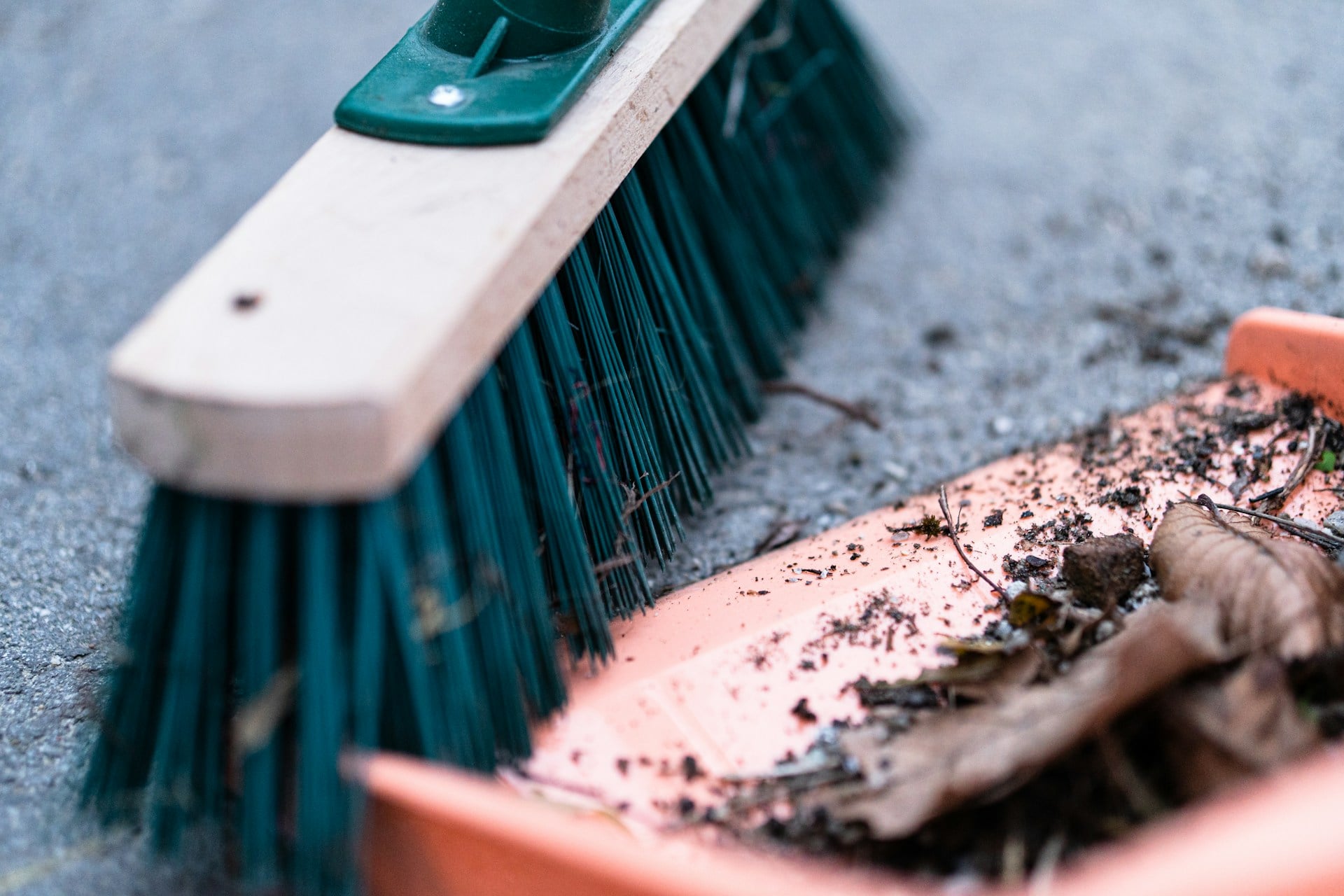
Norwegians believe that Christmas Eve coincides with the arrival of evil spirits and witches, so households hide all their brooms before going to sleep. The concern is that witches might steal brooms for joyrides through the night sky, ruining Christmas morning when families discover broken brooms scattered around.
This tradition blends ancient pagan beliefs about winter solstice with Christian Christmas celebrations. While fewer modern Norwegian families actually hide their brooms today, the folklore remains a well-known part of the country’s Christmas storytelling.
Catalonia features a log that poops out presents
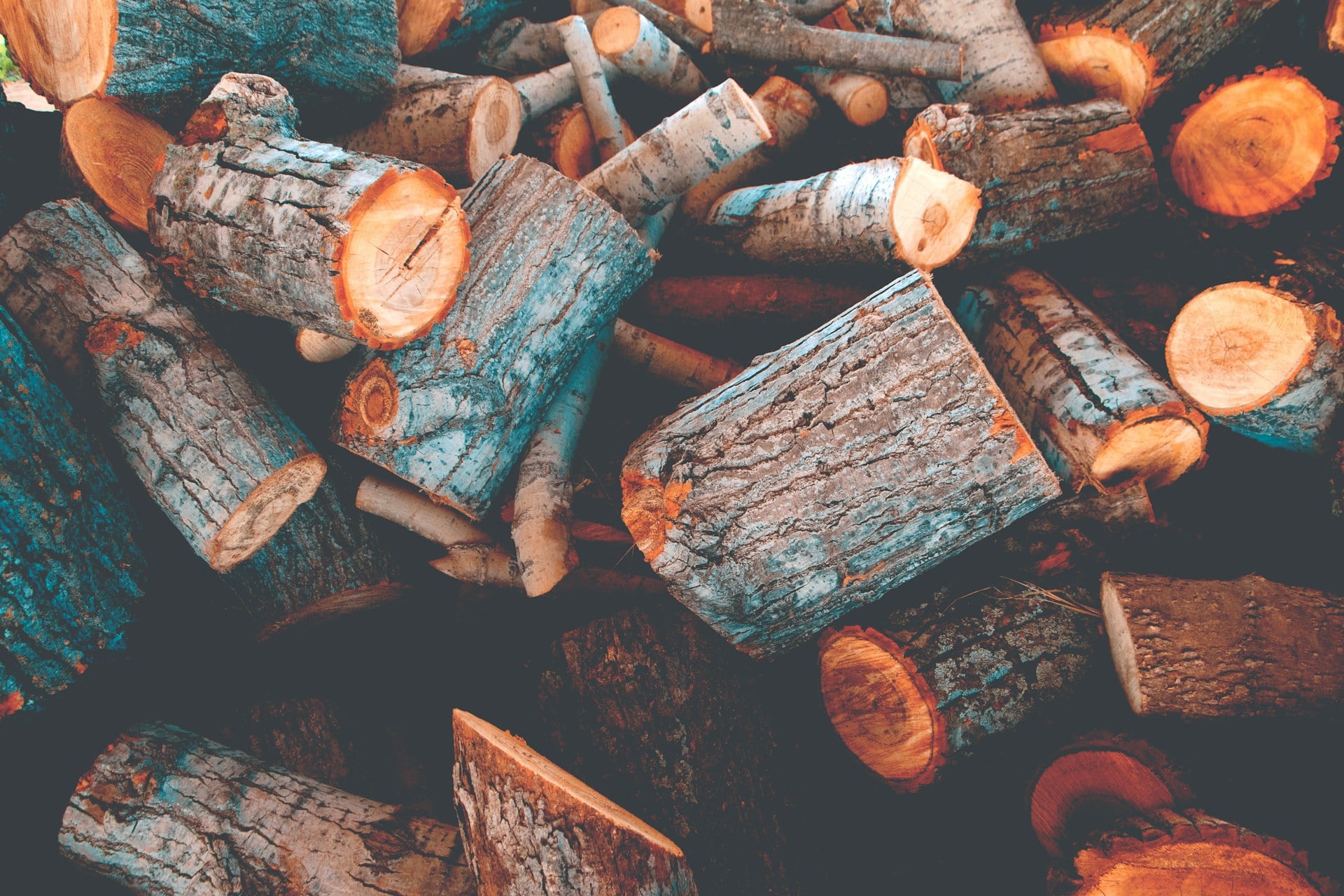
In Catalonia, Spain, families celebrate with the Caga Tio, which translates directly to ‘pooping log,’ where children feed a hollow log decorated with a painted face starting December 8th. On Christmas Eve, kids beat the log with sticks while singing traditional songs that command it to defecate gifts and candy that parents have secretly hidden underneath.
The log wears a little blanket to keep warm between feedings. This tradition embraces bathroom humor with total affection and delight, viewing it as a charming children’s custom rather than anything inappropriate.
The tradition demonstrates how different cultures find joy in vastly different ways during the holiday season.
Guatemala burns the devil in massive bonfires
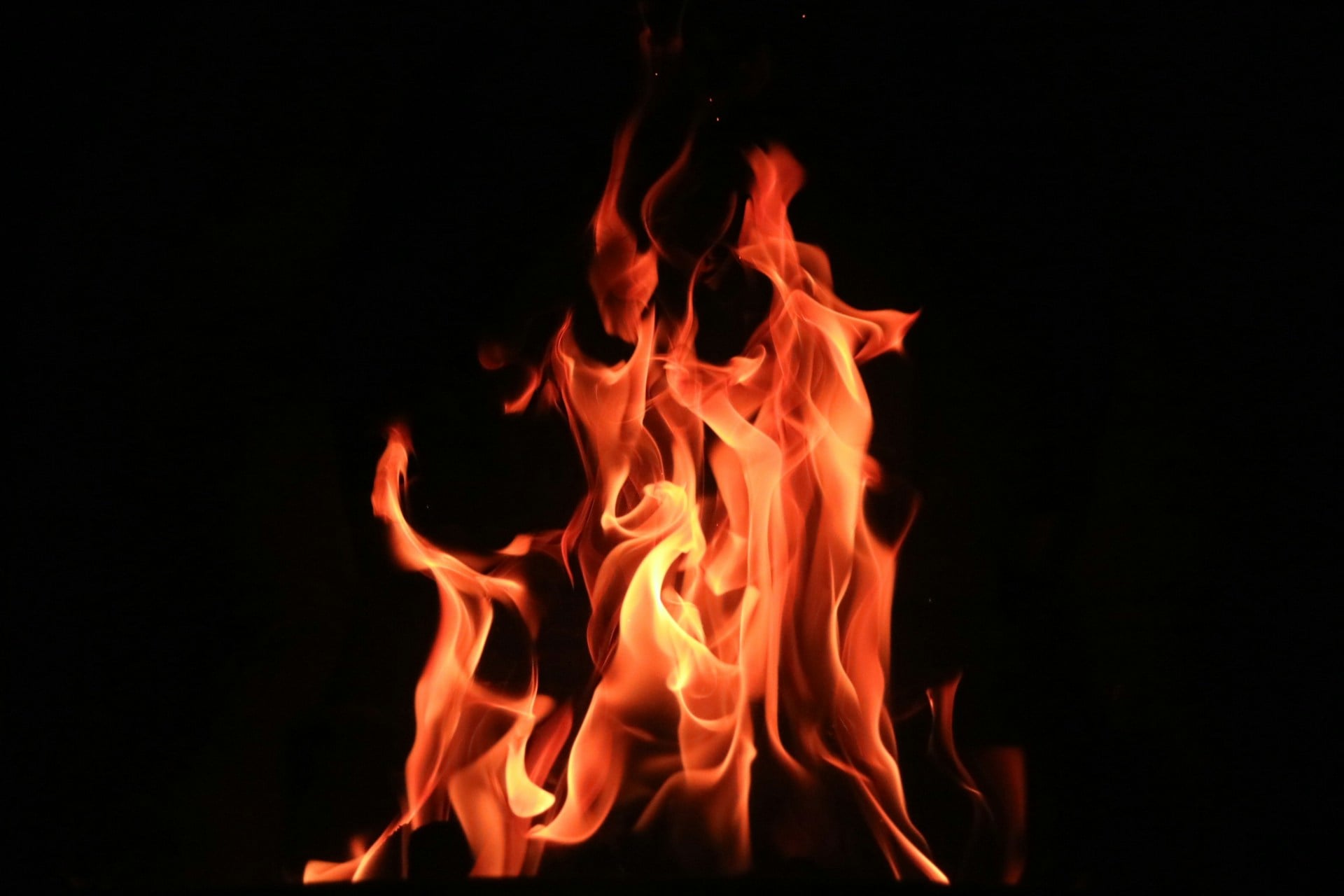
Guatemalans believe that the devil and evil spirits hide in dark, dirty corners of homes, so they spend the week before Christmas sweeping up and collecting rubbish into huge piles outside. On December 7th, families place an effigy of the devil on top of these garbage heaps and set everything on fire in a tradition called La Quema del Diablo or the Burning of the Devil.
The practice symbolizes burning away all the bad from the previous year and starting fresh from the ashes. Entire neighborhoods participate, creating a city-wide event with bonfires lighting up streets throughout Guatemala.
Finland’s Christmas sauna honors dead ancestors
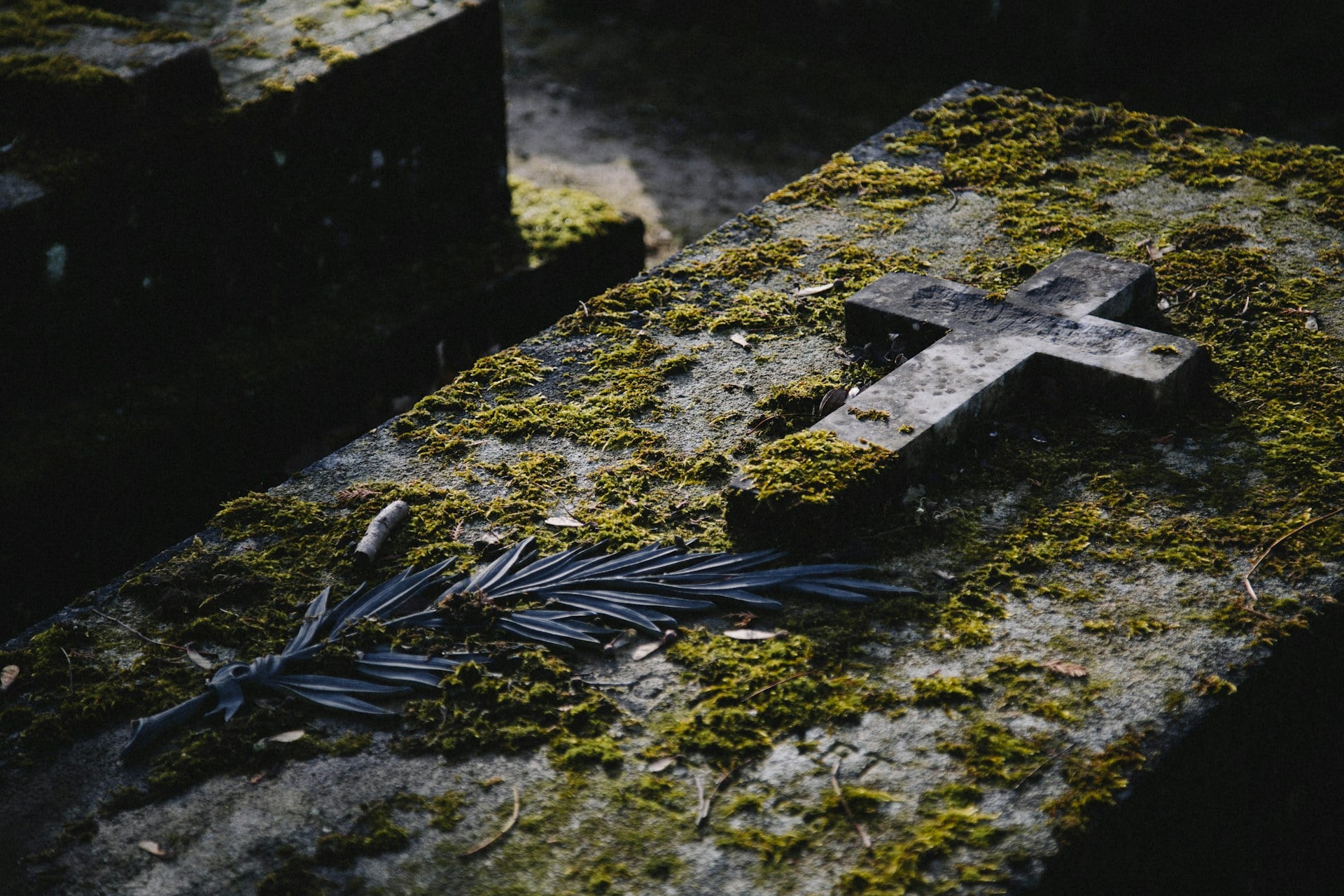
About 75% of Finnish families visit cemeteries on Christmas Eve to place candles on graves of deceased loved ones, and many also observe joulusauna or Christmas sauna. Traditionally, all family members bathe in the sauna on Christmas Eve afternoon, and according to Finnish beliefs, every sauna has its own sauna elf or saunatonttu that families should respect and leave treats for.
The sauna is considered a sacred space associated with ancestors. After the family finishes their session and heads to evening celebrations, the spirits of ancestors are believed to take their place in the warm sauna.
Poland serves exactly 12 meatless dishes
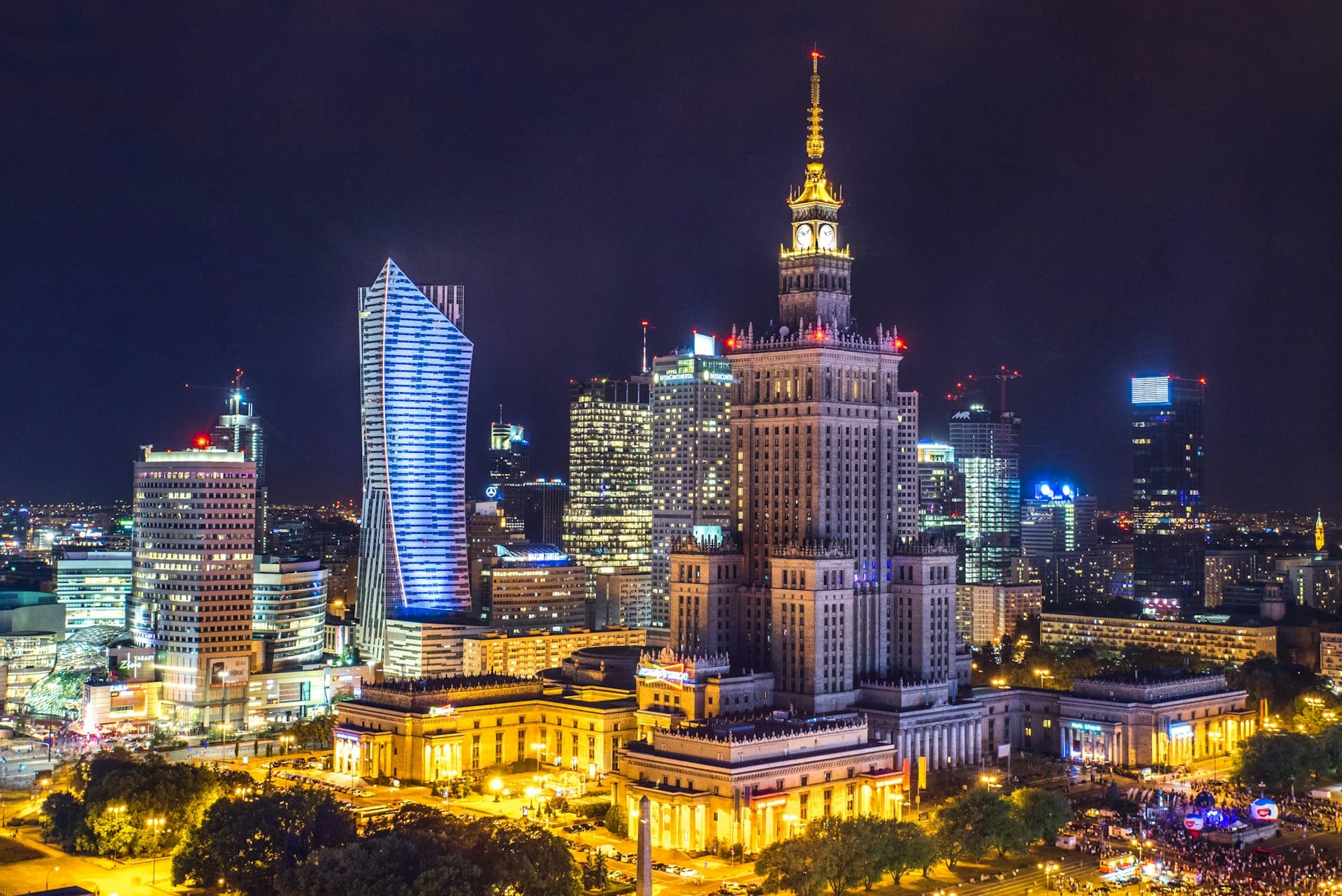
Poland’s Wigilia feast on Christmas Eve features precisely 12 meatless dishes, with each dish representing one of the 12 apostles. Families wait for the first star to appear in the evening sky before beginning the meal, and an extra place is often set at the table for unexpected guests or deceased family members.
The meal includes traditional foods like barszcz soup, pierogi, and carp. Some families place straw under the Christmas Eve tablecloth to symbolize the manger where Jesus was born.
This elaborate feast represents hours of preparation and serves as the most important meal of the entire Christmas season.
Japan celebrates with Kentucky Fried Chicken
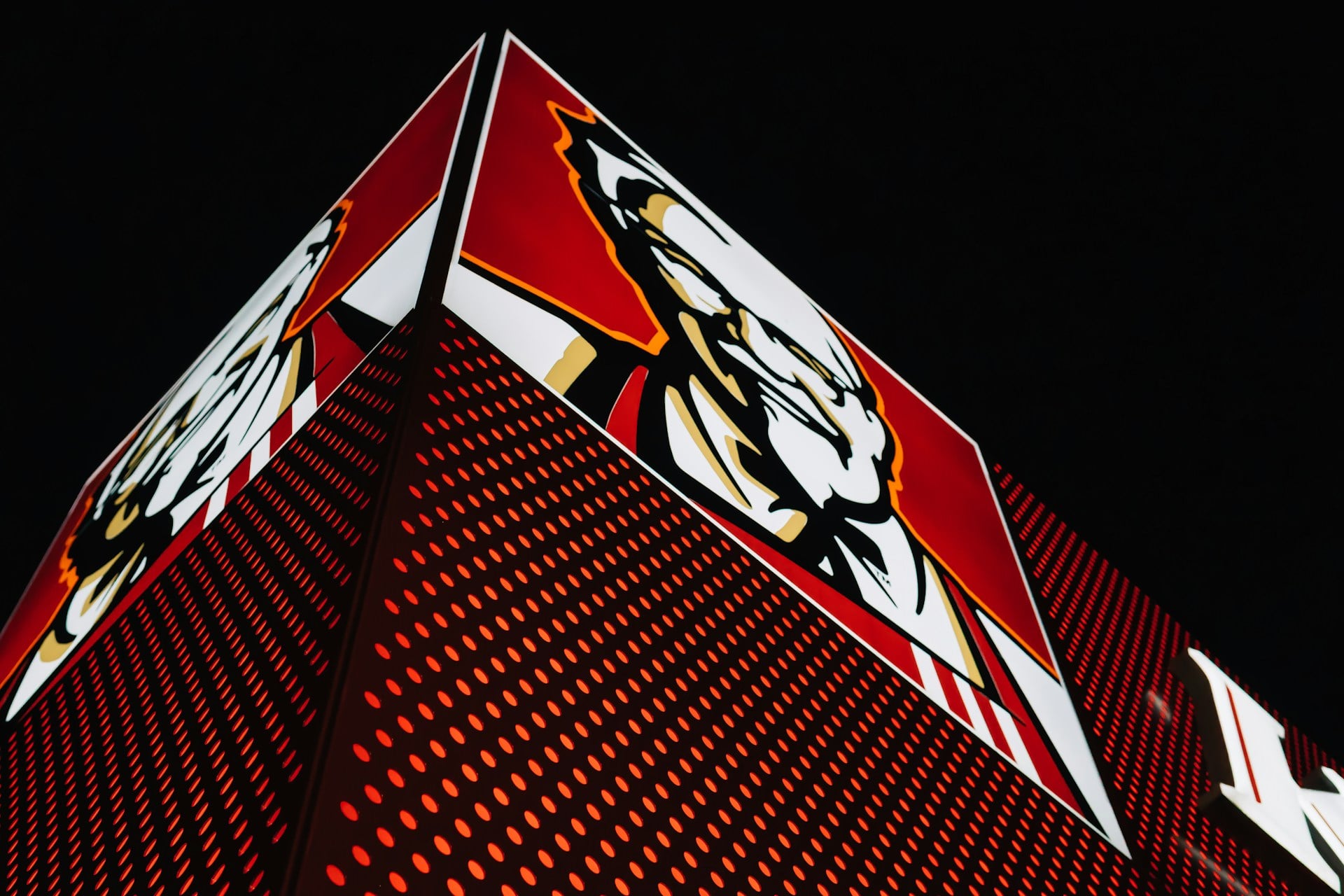
An estimated 3.6 million Japanese families gather to share KFC buckets on Christmas Eve, thanks to a successful 1974 marketing campaign called ‘Kentucky for Christmas.’ Despite only about 1% of Japan’s population being Christian, the country embraced Christmas celebrations after World War II.
KFC becomes incredibly busy throughout December, with customers placing pre-orders weeks in advance to guarantee their festive chicken dinner. The tradition started when a foreign customer mentioned missing turkey on Christmas and settling for fried chicken instead.
KFC seized the opportunity and turned it into one of the most successful marketing campaigns in history.
Czech women toss shoes to predict marriage

On Christmas Eve, unmarried Czech women stand with their backs to the door and toss one shoe over their shoulder. If the shoe lands pointing toward the door, tradition says the woman will marry within the year.
If it points away from the door, she’ll remain single. This fortune-telling tradition represents just one of many superstitions practiced on Christmas Eve throughout Central and Eastern Europe.
Similar customs exist for predicting everything from weather to crop harvests, but the shoe-tossing ritual remains one of the most widely recognized.
Ukraine decorates trees with spider webs
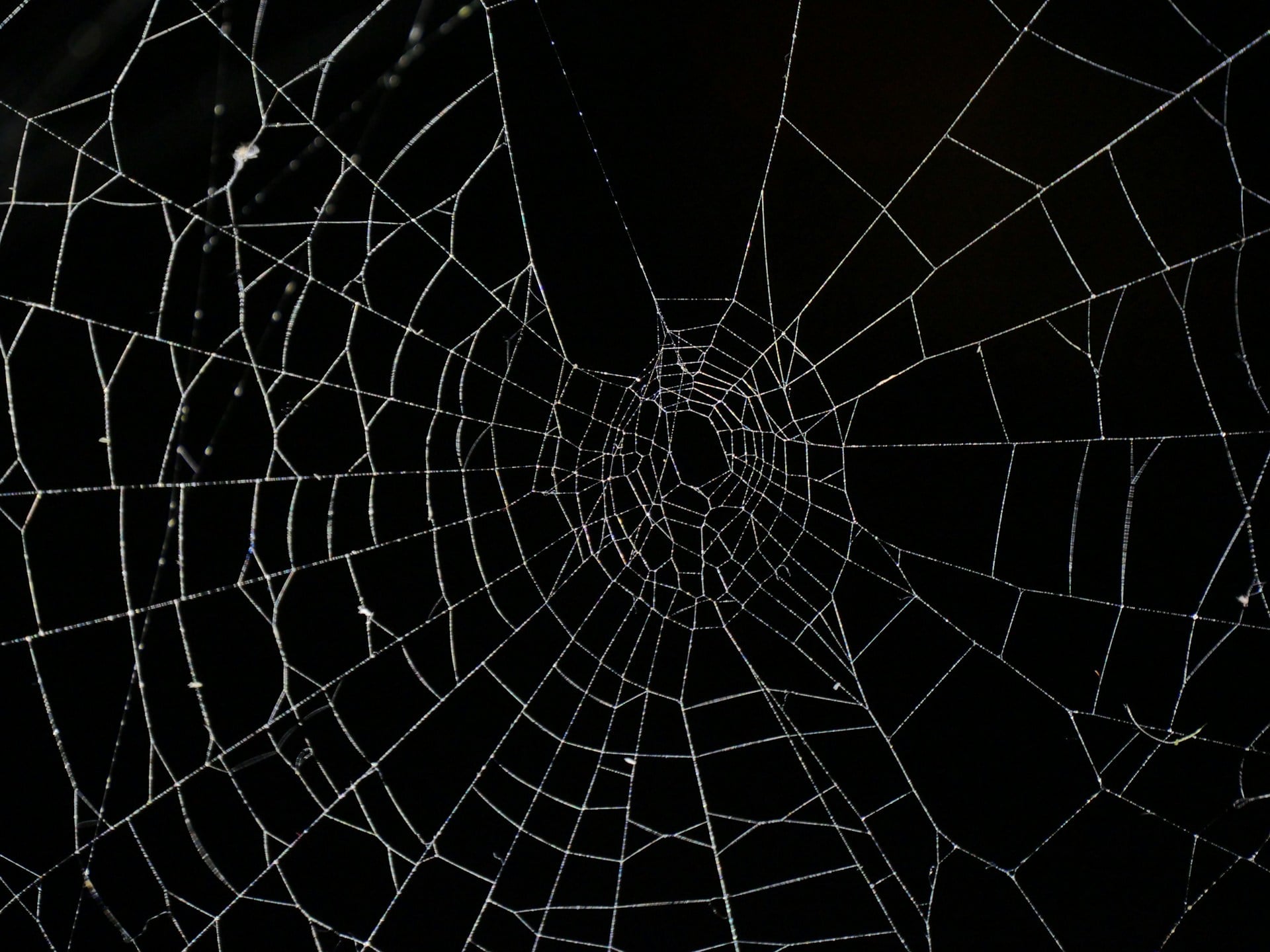
In Ukraine, families add artificial spiders and webs to their Christmas trees alongside regular ornaments like tinsel and lights. The tradition comes from an old folk tale about a poor woman who couldn’t afford to decorate her tree.
She woke on Christmas morning to discover a spider had covered it in beautiful webs that sparkled in the sunlight. The story celebrates finding beauty and joy even without money, making it especially meaningful during difficult economic times.
Today, spider ornaments are sold specifically for Christmas trees, and many Ukrainian families consider their tree incomplete without one.
Sweden watches Donald Duck every Christmas Eve afternoon
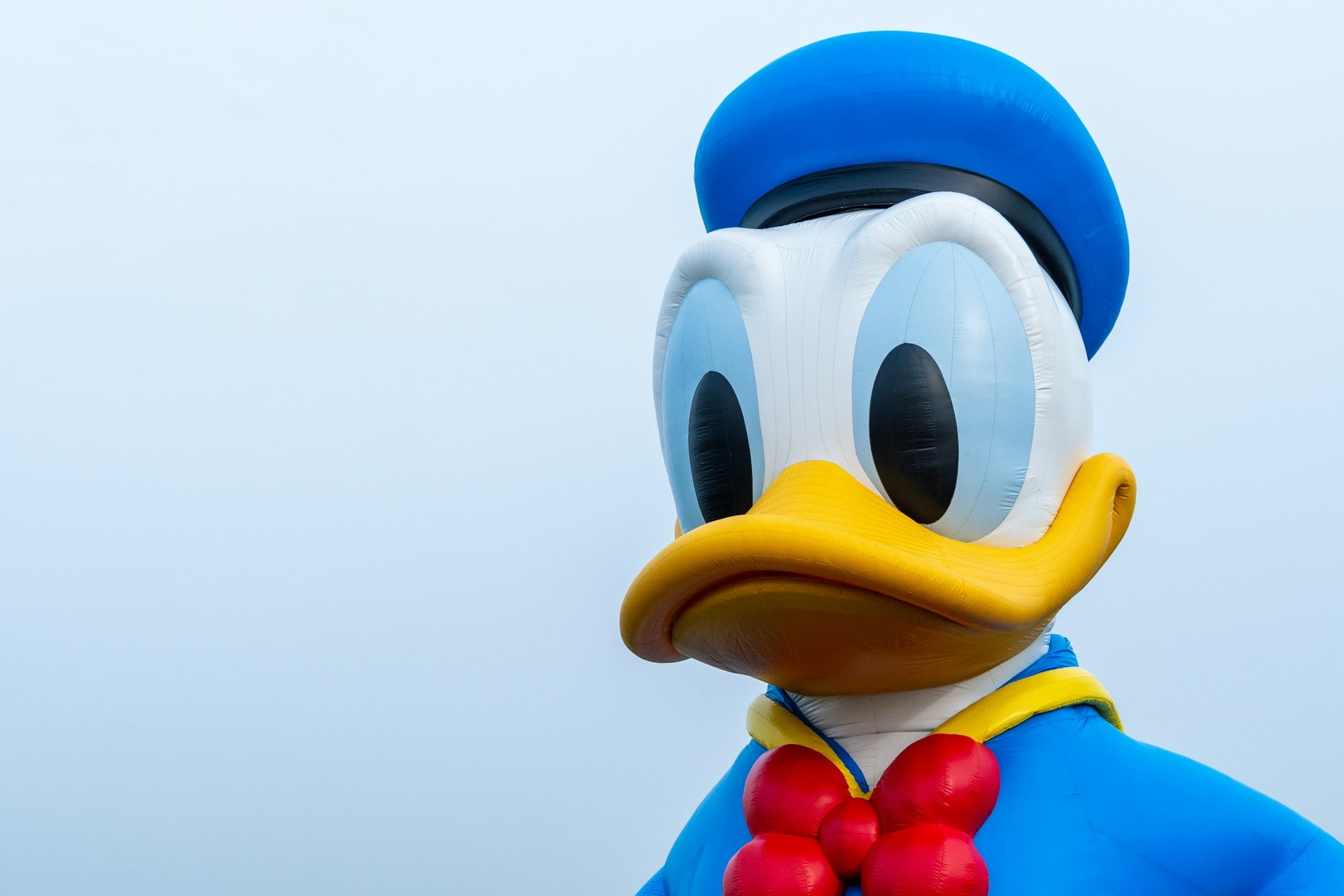
Swedish families plan their entire Christmas Eve around watching a 1958 Disney television special called ‘Kalle Anka och Hans vänner önskar God Jul’ or ‘Donald Duck and his friends wish you a Merry Christmas.’ The tradition dates back to the 1960s when Sweden had only two television channels and Disney cartoons were rare treats.
Watching this specific program at 3pm on Christmas Eve became a national ritual, with millions of Swedes tuning in every year. The broadcast has aired annually since 1960 and attracts about 40% of Sweden’s population.
Modern streaming services haven’t diminished its popularity because watching together at the same time remains part of the tradition’s appeal.
Portugal sets extra places for deceased relatives
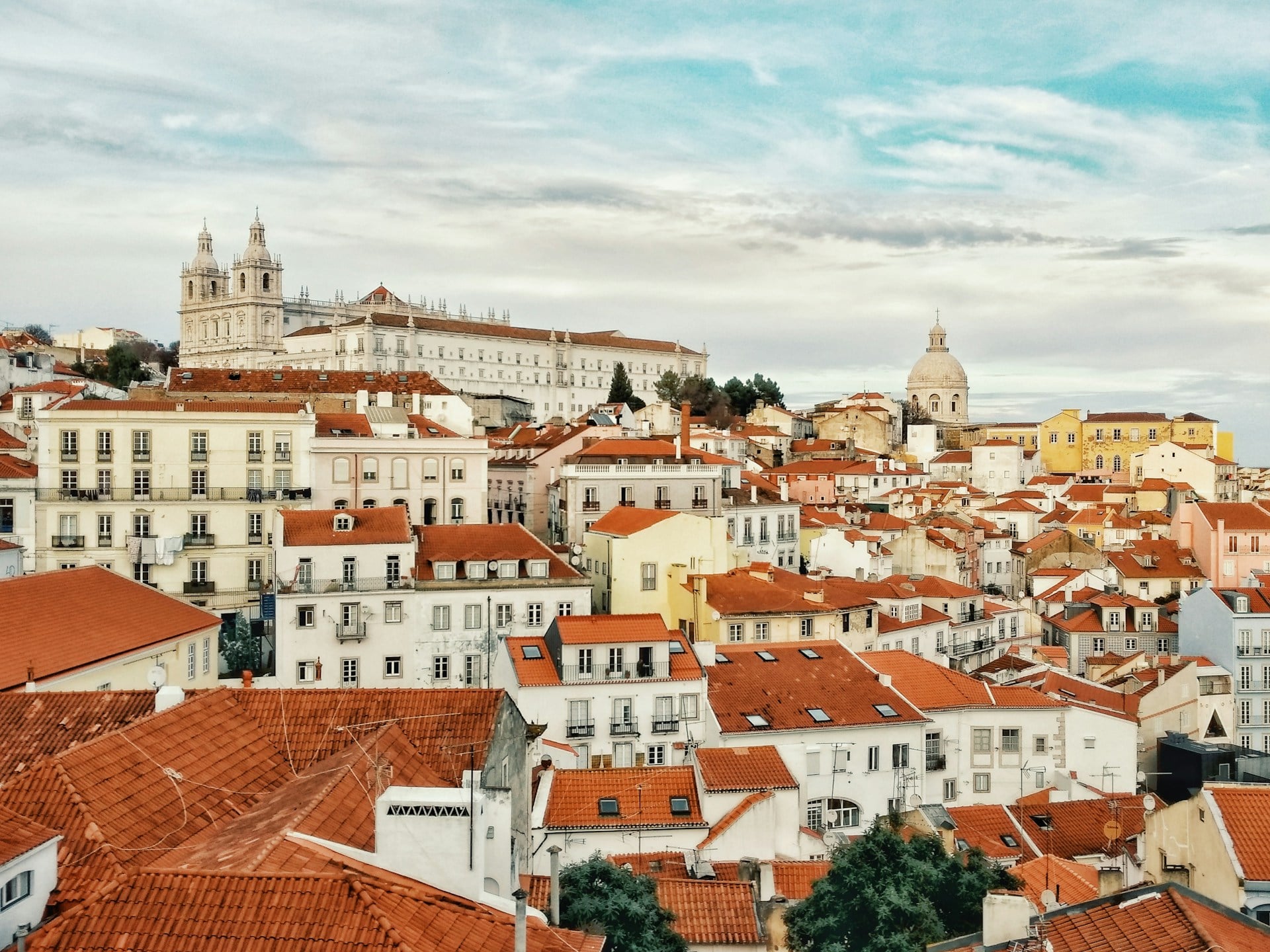
Portuguese families sometimes set extra places at the dining table during Consoada, the traditional Christmas Eve supper, specifically for deceased relatives. Some families also leave crumbs on the hearth and keep a candle or lamp lit throughout the night to comfort and warm the souls of departed loved ones.
The meal typically features salted cod and other dishes, served either before or after midnight mass. This practice reflects the belief that Christmas Eve is a time when the boundary between the living and dead becomes thinner, allowing families to honor and include those who have passed.
Spain hides 12 grapes for good luck
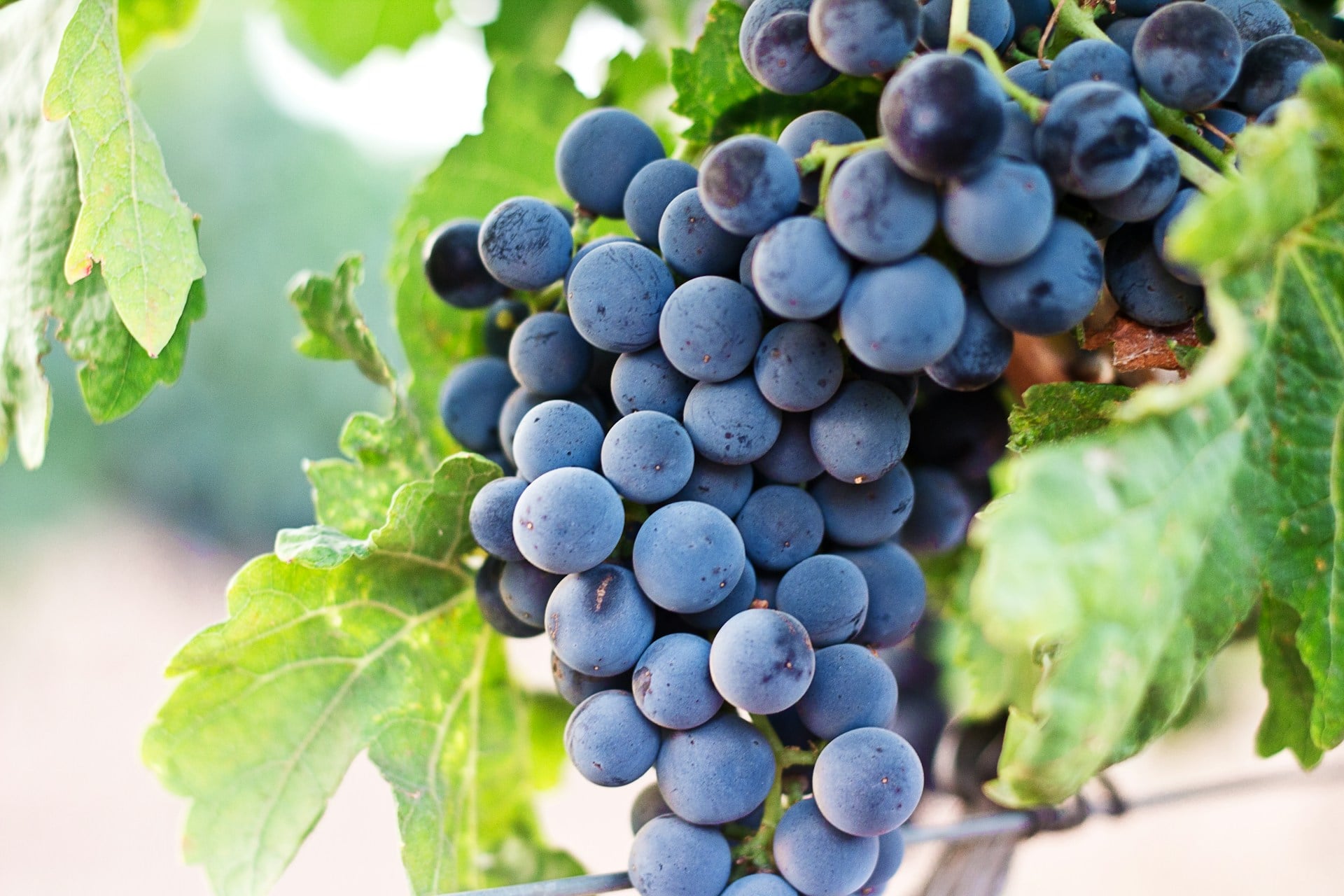
In Spain, people eat 12 grapes at midnight on Christmas Eve, with each grape representing good luck for one month of the coming year. The tradition requires eating all 12 grapes within the 12 chimes of midnight, which proves harder than it sounds.
Missing the timing or choking on a grape supposedly brings bad luck. The custom originated in the early 1900s when grape growers had a surplus harvest and needed creative ways to sell their product.
What started as a marketing scheme became a deeply embedded tradition practiced by millions of Spaniards every Christmas Eve.
Mexico breaks piñatas filled with Christmas treats
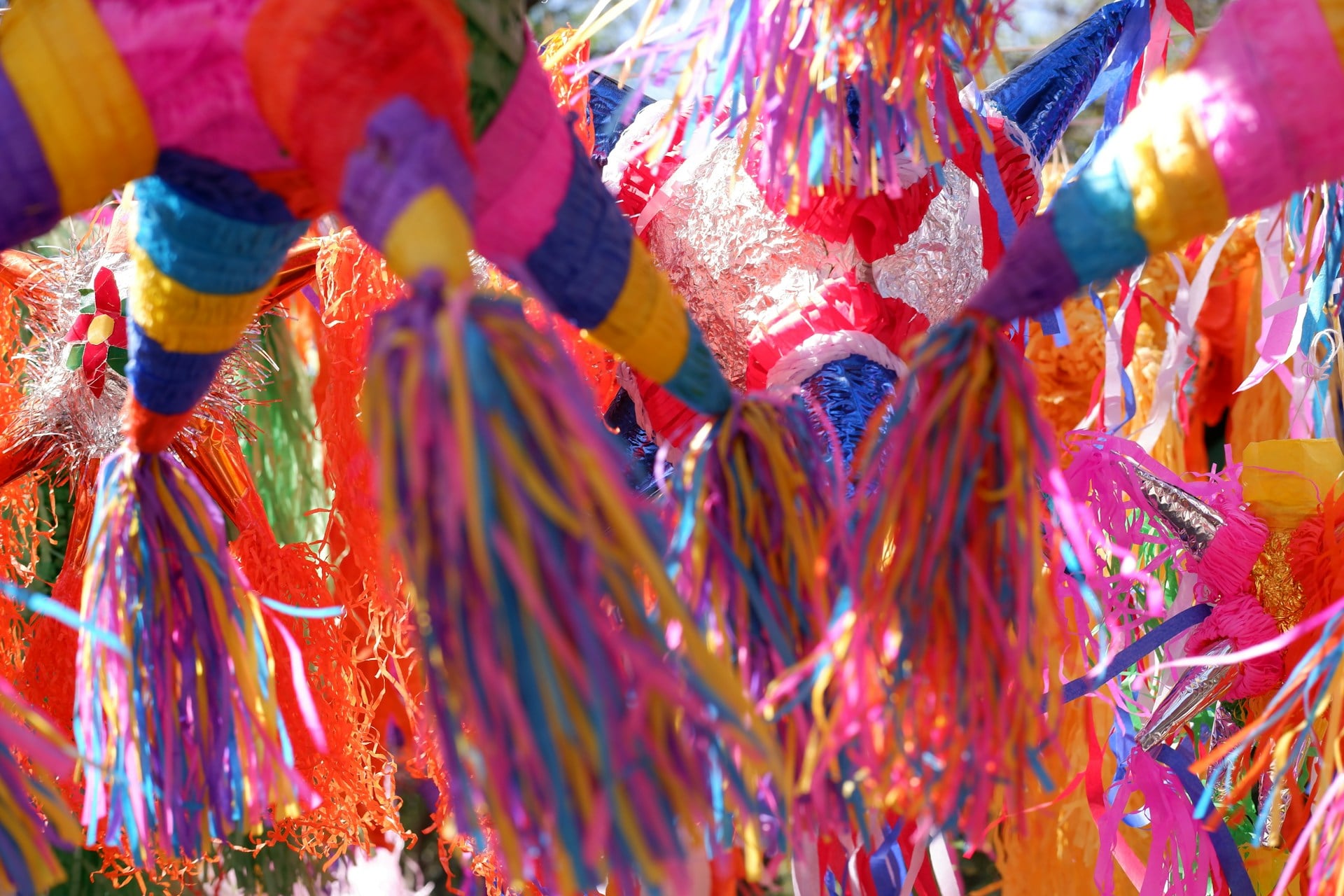
Under starry skies, Mexican homes hum with warmth on December twenty fourth. Nine evenings lead up to this night – Las Posadas – a slow walk through memory and tradition.
Young ones take turns hitting paper animals dangling sweets inside, laughter bursting when treats spill out. Before dessert comes duty: midnight mass draws crowds wrapped against the cold.
Grandmothers stir pots where corn dough hides spicy meats beneath banana leaves. Hours pass while cousins chase each other past glowing altars crowded with candles.
At some point, someone kneels near a tiny crib tucked among mossy rocks and plastic sheep. The infant statue slips into straw just after twelve, quiet yet full of meaning.
Night deepens but nobody rushes bed; stories stretch longer than shadows on tile floors. Dawn arrives soaked in leftover joy, coffee steam curling above empty platters.
This is how time folds – the holy moment lands not with fanfare, but a whisper placed in hay.
A monster cat stalks Iceland each December

This beast moves through snowy fields after dark, hunting those missing fresh garments by Christmas night. Getting just gloves or a hat before the 24th stops its wrath cold.
Farmers long used the tale to push autumn work faster – finish your wool jobs or face the claws. Now families wrap sweaters under trees so no one risks being swallowed whole.
Stone versions rise near shops every year, lumpy and wide-eyed, pulling tourists off icy sidewalks for photos with sharp-toothed charm.
A hidden pickle dangles among pine needles each December
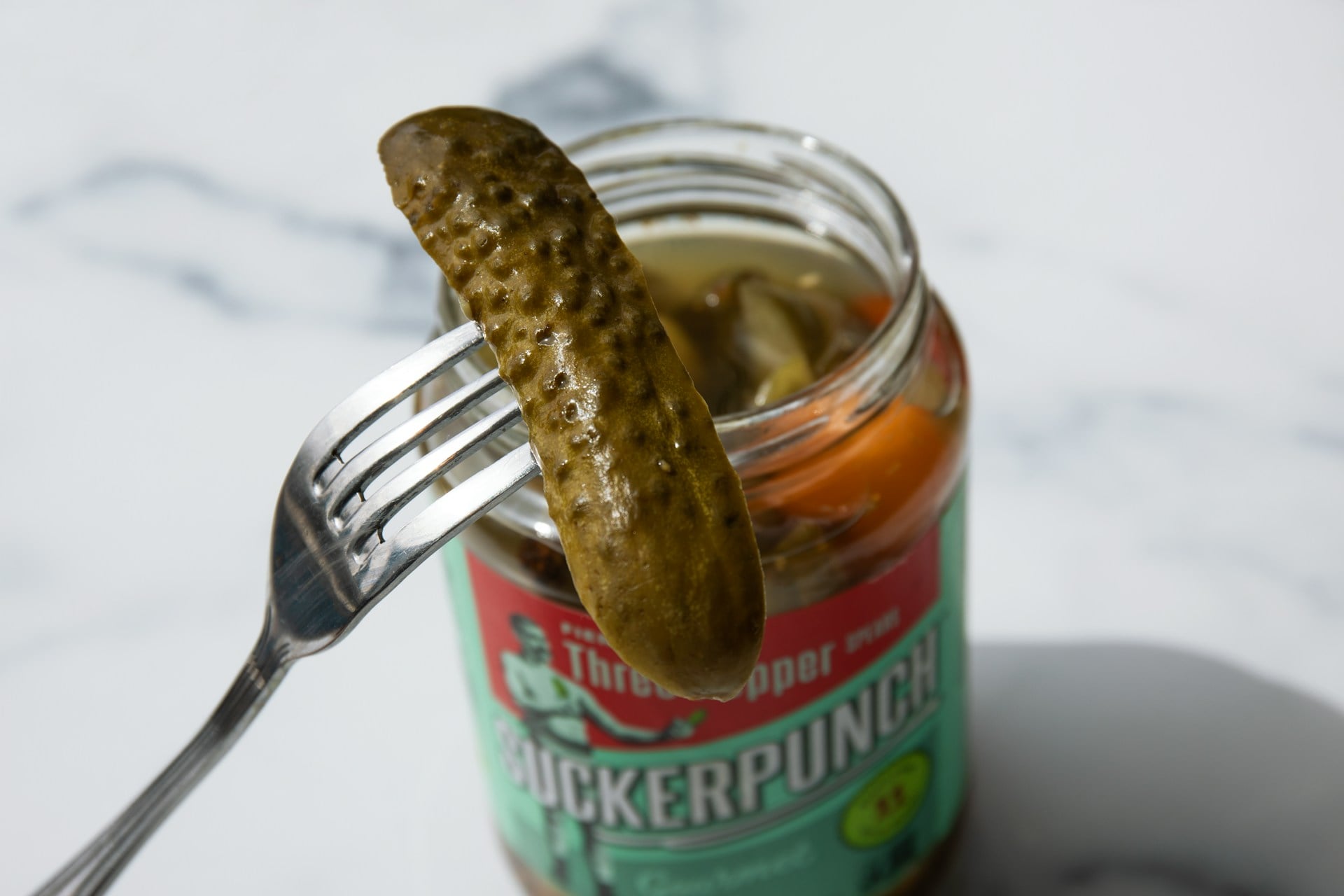
One lucky kid spots it before the others, then unwraps a gift ahead of schedule. That small glass shape brings a bonus moment at dawn.
A tale from far off tells how Saint Nick freed captives sealed in a jar full of sour cucumbers. Not everyone agrees where the idea began.
Plenty of people in Germany just shrug when asked about brine-colored baubles. It could’ve been dreamed up elsewhere, maybe across the ocean.
Still, shops stock those odd trinkets every winter. They hang them high now, even if roots are fuzzy.
Greenland serves whale skin and fermented birds

Whale skin with fat, known as mattak, often shows up on Greenlandic holiday plates – foods like these aren’t common elsewhere. Fermented seabirds tucked inside a seal body, called kiviak, also make an appearance alongside reindeer meat during festive meals.
Survival shaped what people eat here; cold months once demanded food that could last without spoiling. When the final workday before Advent arrives, lights go up in every office window in the form of star-shaped displays.
Kids get their moment on the twenty-fourth, older folks on the next day, then younger adults follow one day later. By early January, after the sixth, decorations come down quietly, ending the stretch of celebration.
When folklore meets festive meals
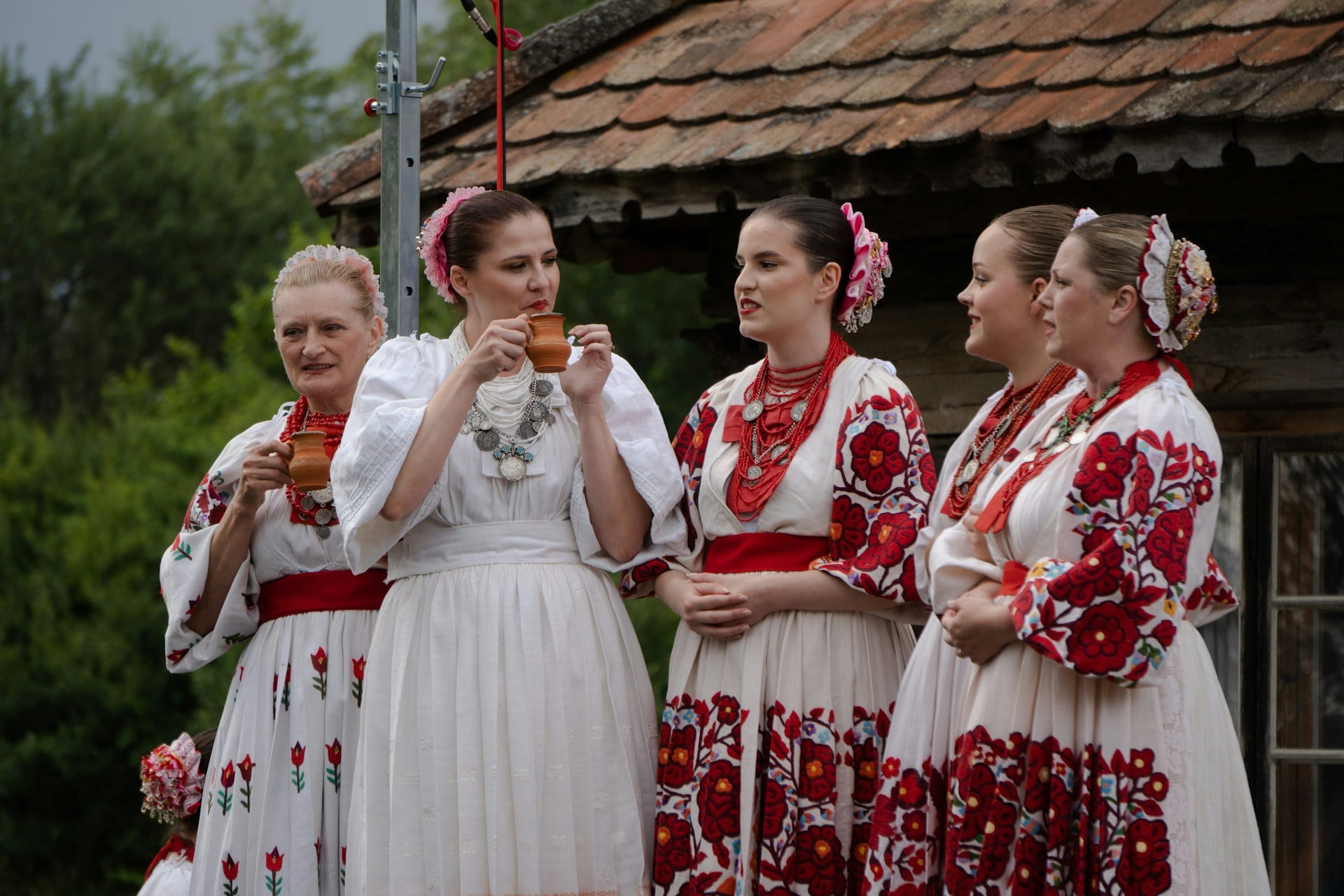
Midwinter celebrations differ across nations, yet all reach for warmth when days are shortest. One land’s routine feels strange to another – like fried cod in Norway or sausages on rooftops in Croatia.
Gifts of wool sweaters in Iceland support local craft; Portugal sets extra plates for ancestors who never left the table. Even corporate ideas stick if they fill a gap, such as Japan lining up for chicken dinners.
Rituals survive not because they make sense but because they gather people. A wooden log that drops sawdust in Barcelona holds meaning just like gliding on ice paths to mass in Caracas.
In Stockholm, laughter rings at cartoons shown once a year. It is the rhythm, not the act, that stays with us.
More from Go2Tutors!

- The Romanov Crown Jewels and Their Tragic Fate
- 13 Historical Mysteries That Science Still Can’t Solve
- Famous Hoaxes That Fooled the World for Years
- 15 Child Stars with Tragic Adult Lives
- 16 Famous Jewelry Pieces in History
Like Go2Tutors’s content? Follow us on MSN.