18 Cities Rebuilt After Devastating Fires
Most cities remember their fires the way families remember a flood or a funeral, as a break between before and after. What came next was rarely a simple restoration, because the ashes gave planners a rare chance to rewrite streets, rules, and materials.
The cities below burned badly, then rebuilt with new street plans, new building codes, and sometimes entirely new identities. Each fire left a mark that visitors can still read in the streets today.
Rome, 64 CE
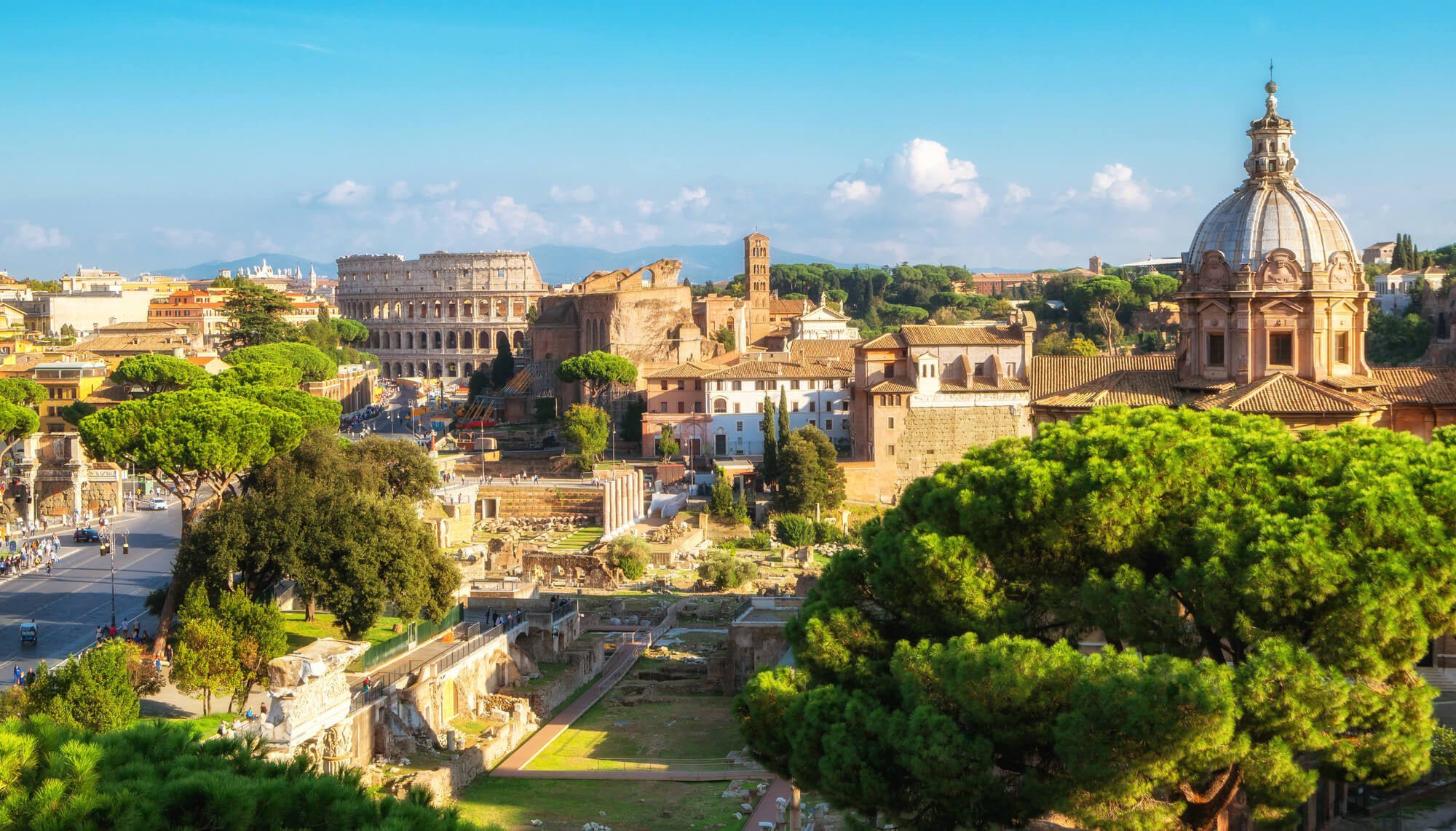
The fire that began near the Circus Maximus in July of 64 CE burned for days, and the historian Tacitus reported that only four of Rome’s fourteen districts escaped damage, with three destroyed outright. Emperor Nero’s reconstruction rules called for wider streets, limits on building height, and fire-resistant stone in key parts of buildings, along with porticoes to help fight future fires.
Nero also built the Domus Aurea, a vast palace on cleared land that drew bitter criticism, and the story that he played a fiddle during the blaze is a later invention.
Edo, 1657
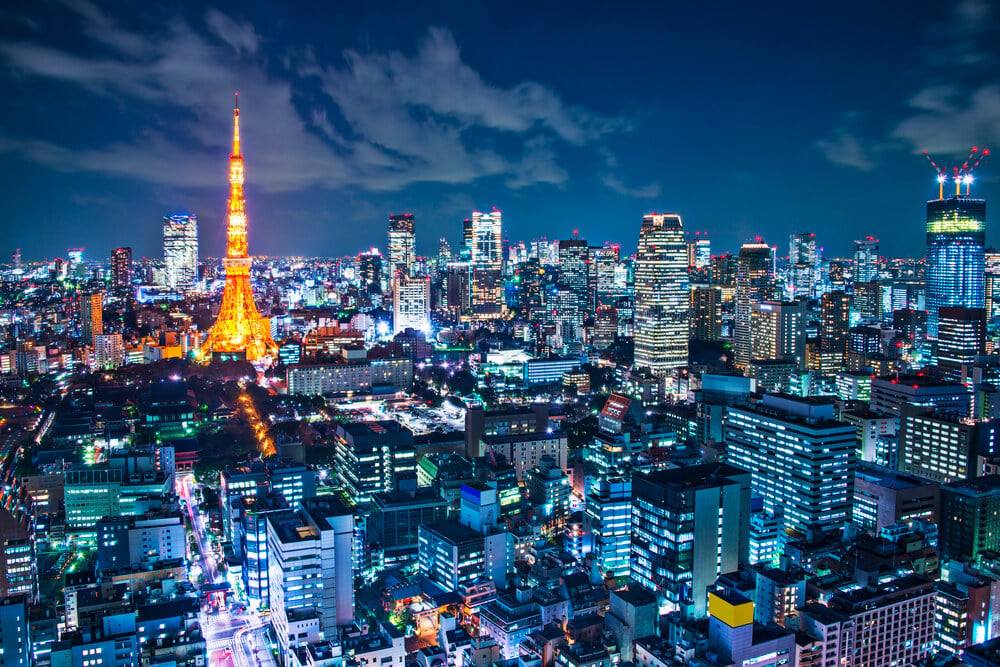
The Great Fire of Meireki burned across Edo, now Tokyo, in March 1657 and killed an estimated 100,000 people, one of the deadliest urban fires in history. The keep of Edo Castle was lost and never rebuilt, and the shogunate widened streets, created firebreaks, and moved temples and some noble estates outward.
It also built the Ryōgoku Bridge over the Sumida River, since fleeing residents had been trapped against its banks, and organized a government firefighting brigade in 1658.
London, 1666
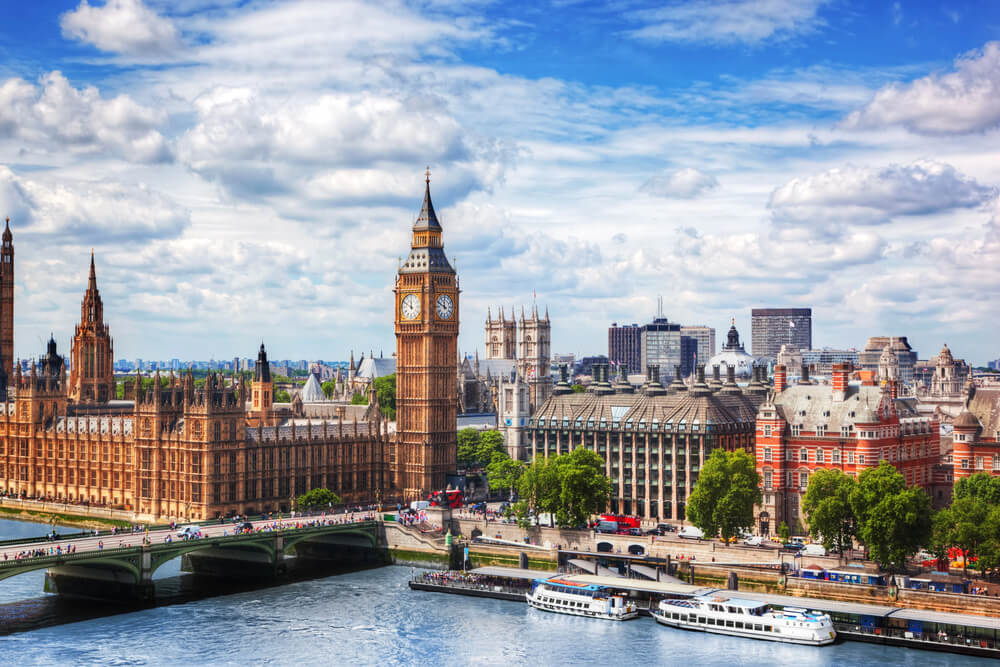
The Great Fire began on September 2, 1666, in a bakery on Pudding Lane and destroyed about 13,200 houses, 87 parish churches, and the old St. Paul’s Cathedral. Rebuilding laws required brick or stone and wider streets, and Christopher Wren designed 51 new churches along with the cathedral that now dominates the skyline.
The Monument to the fire stands 202 feet tall, exactly the distance from its base to the bakery where the fire began.
Moscow, 1812
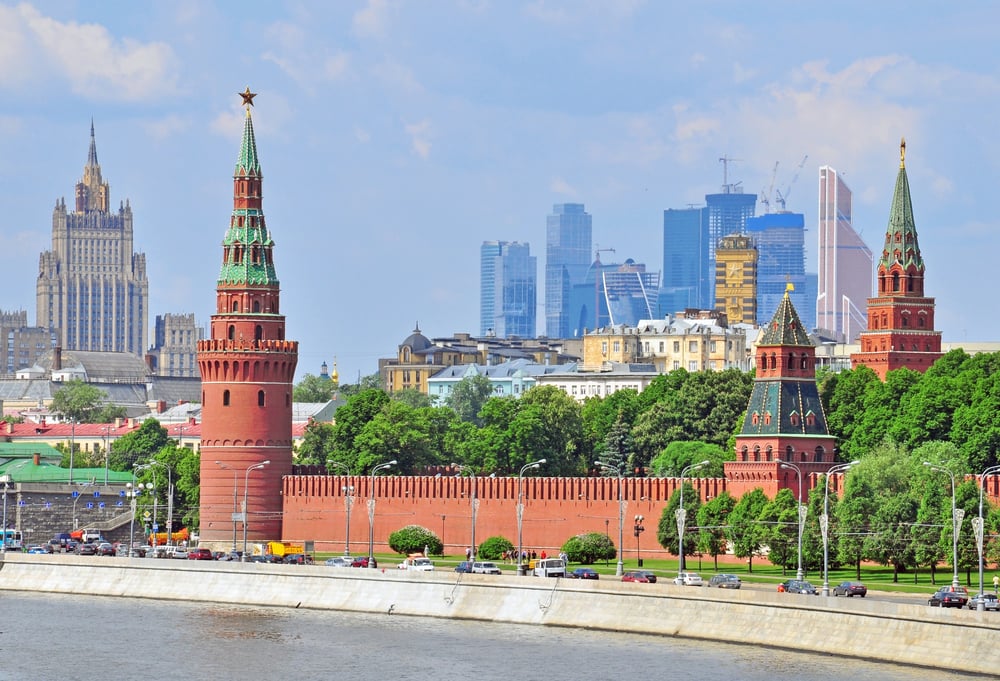
Much of Moscow burned in September 1812 after Napoleon’s army entered the city, and most of its largely wooden buildings were lost. A Commission for the Construction of the City of Moscow was formed in 1813, and the architect Osip Bove led the rebuilding in a Neoclassical style.
The wide boulevards and stucco facades that characterize the center of Moscow date largely from this period.
Turku, 1827
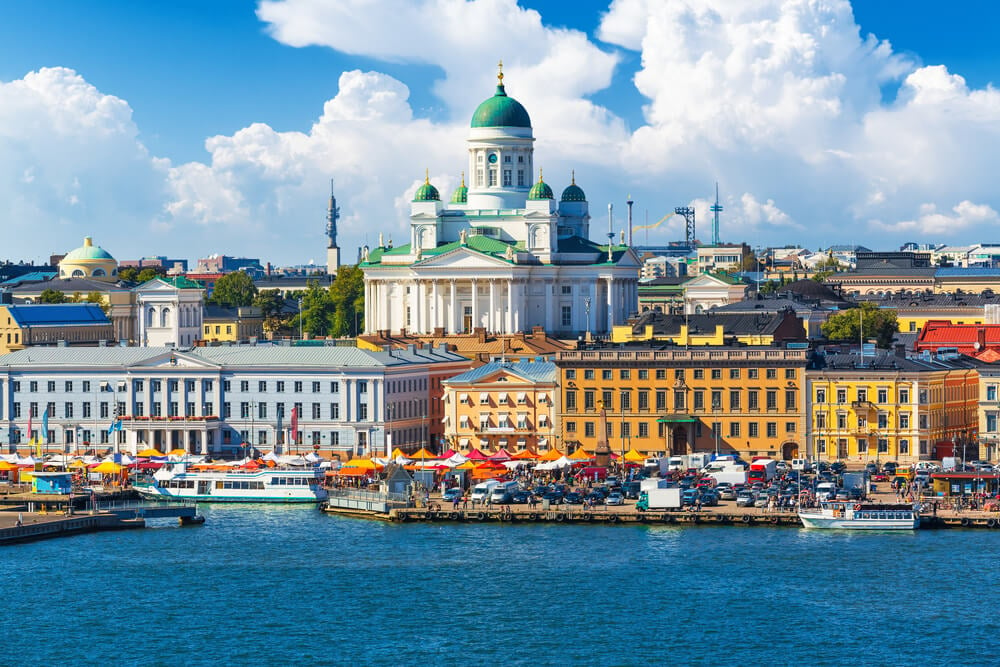
On September 4, 1827, a fire swept through Turku, then the largest city in Finland, destroying most of its buildings. The architect Carl Ludvig Engel produced a new plan with wide, straight streets meant to prevent fires from spreading.
The Royal Academy of Turku moved to Helsinki in 1828 and eventually became the University of Helsinki, which gave the new capital a new intellectual center.
New York, 1835
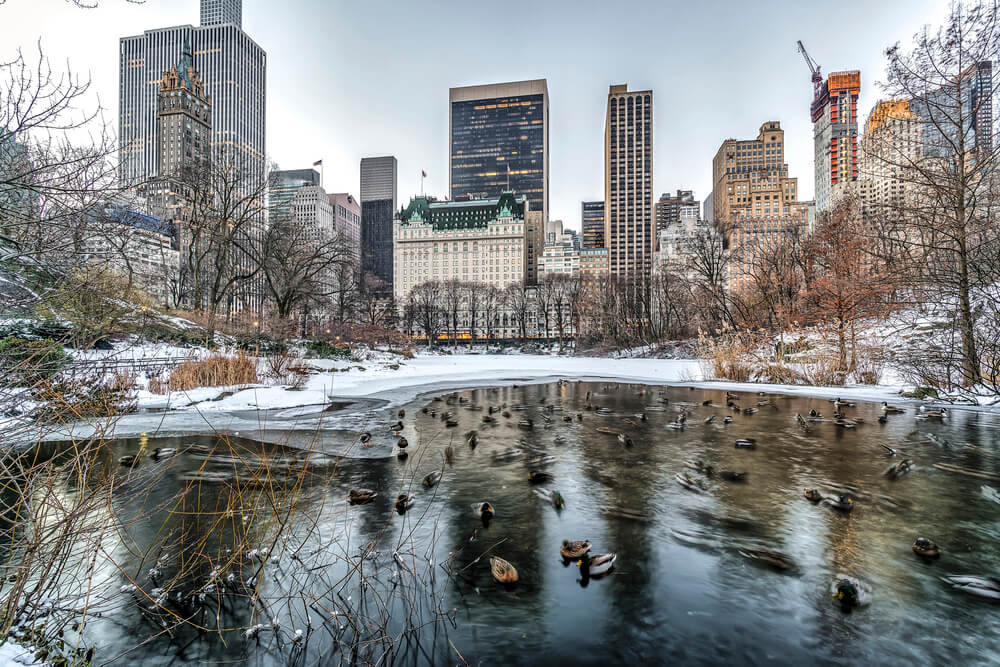
The Great Fire of New York began on a bitterly cold night in December 1835, when the water supply froze and firefighters struggled to fight the blaze in the commercial district at the southern end of Manhattan. Hundreds of buildings were destroyed, and firefighters eventually used gunpowder to blow up buildings and create firebreaks.
The disaster strengthened the case for a larger reliable water supply, and the Croton Aqueduct began delivering water to the city in 1842.
Hamburg, 1842
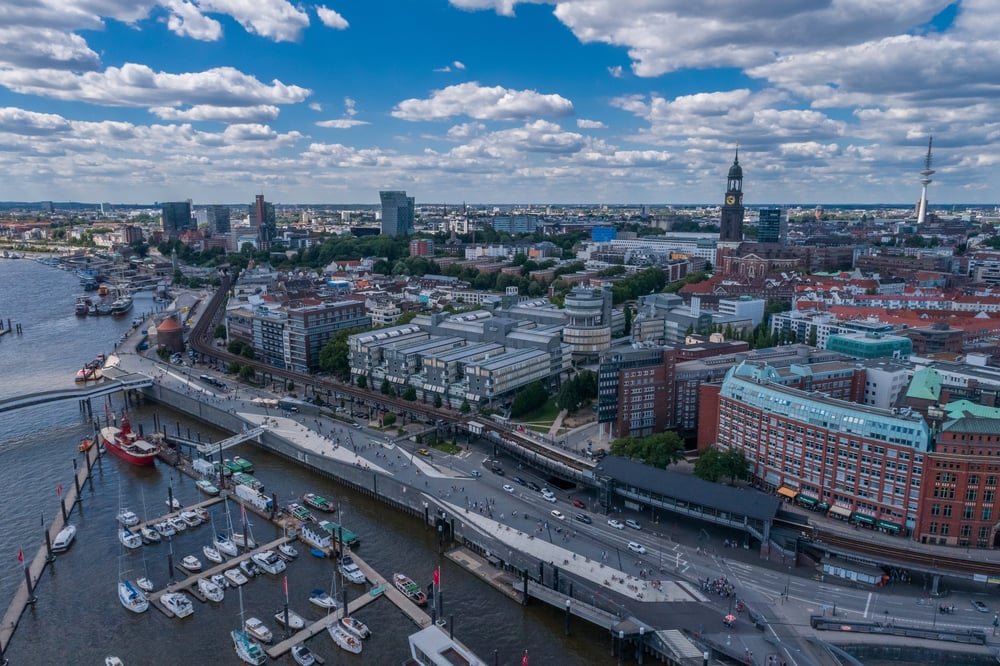
The Great Fire of Hamburg burned for four days in May 1842, and firefighters blew up buildings, including the old city hall, to create firebreaks. The English engineer William Lindley drew up a plan for rebuilding that included a pioneering sewer network.
New arcades along the Alster lake followed, and the present city hall, completed in 1897, rose in the years after the fire.
Chicago, 1871
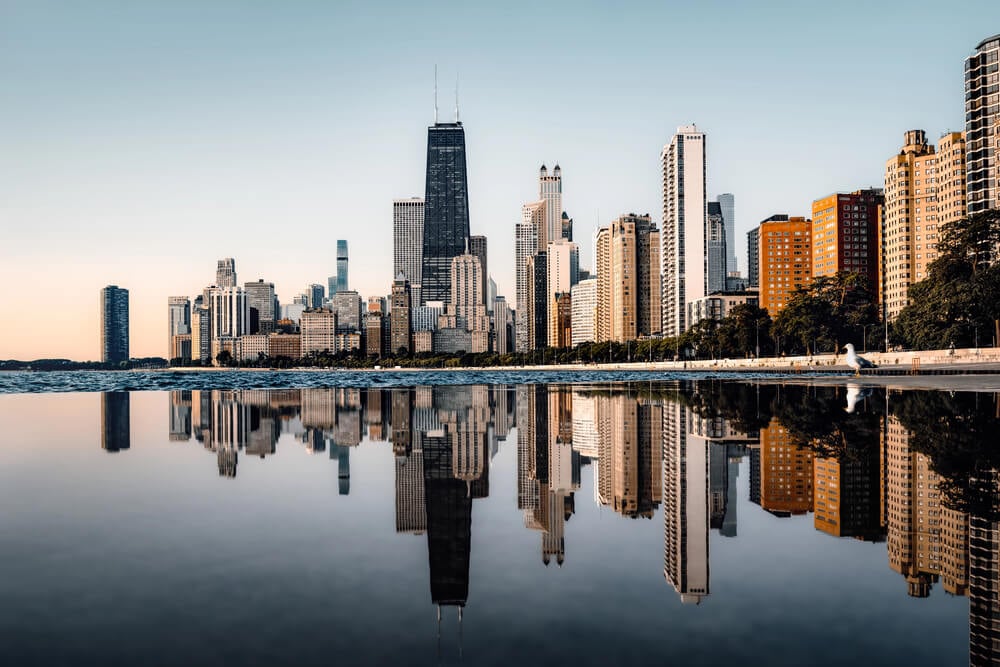
The Great Chicago Fire burned from October 8 to 10, 1871, killing about 300 people, destroying more than 17,000 buildings, and leaving roughly 100,000 residents homeless. The city rebuilt quickly with steel, stone, and brick, and the Home Insurance Building, completed in 1885, is often cited as the first skyscraper.
The Chicago Water Tower survived the fire and still stands on Michigan Avenue.
Boston, 1872
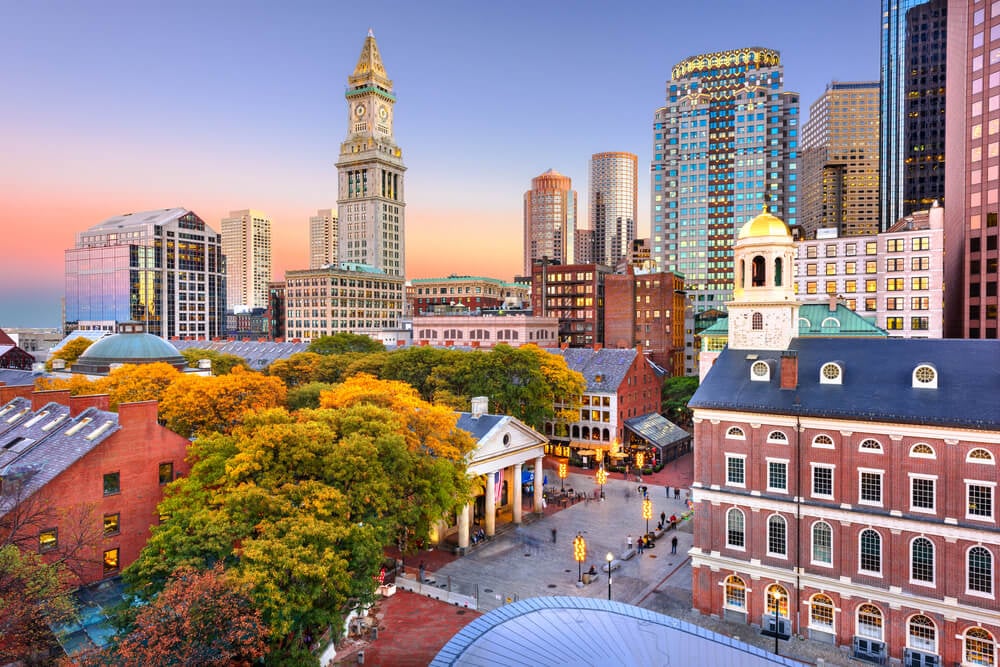
The Great Boston Fire began on the night of November 9, 1872, and burned about 65 acres of the downtown, destroying roughly 776 buildings. A horse illness that was spreading through the city’s stables slowed the arrival of fire engines, which in some cases had to be pulled by hand.
Rebuilding brought wider streets, stricter building rules, and many of the granite commercial blocks that still stand downtown.
Vancouver, 1886
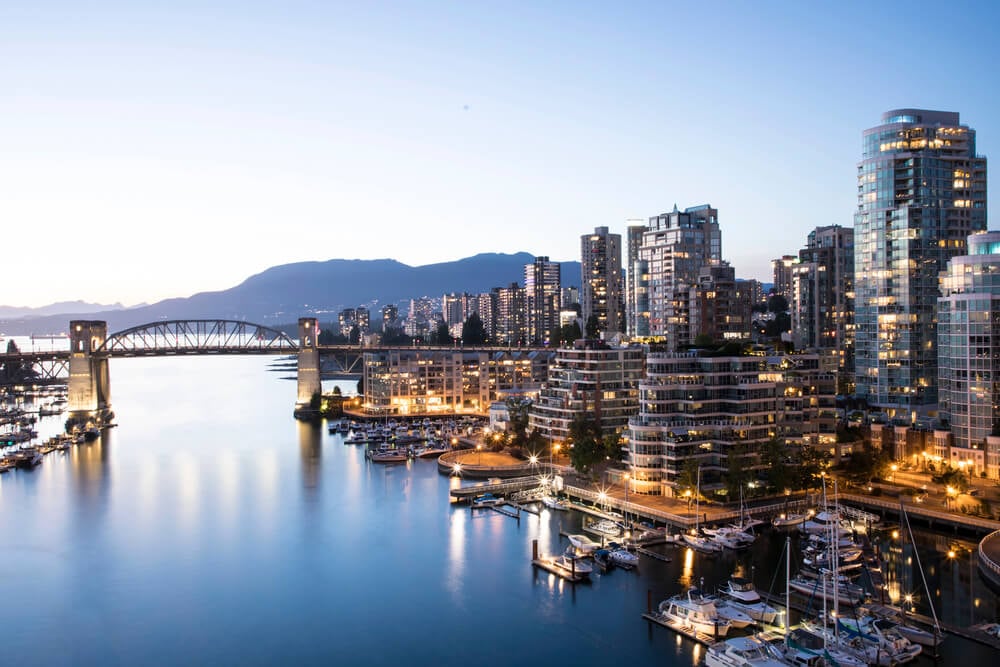
Vancouver had been incorporated for just over two months when a brush-clearing fire swept through it on June 13, 1886, burning most of the young city in under an hour. Residents immediately resumed building, and a fire department followed soon after.
The Canadian Pacific Railway’s arrival the next year helped ensure the new city grew rapidly.
Seattle, 1889
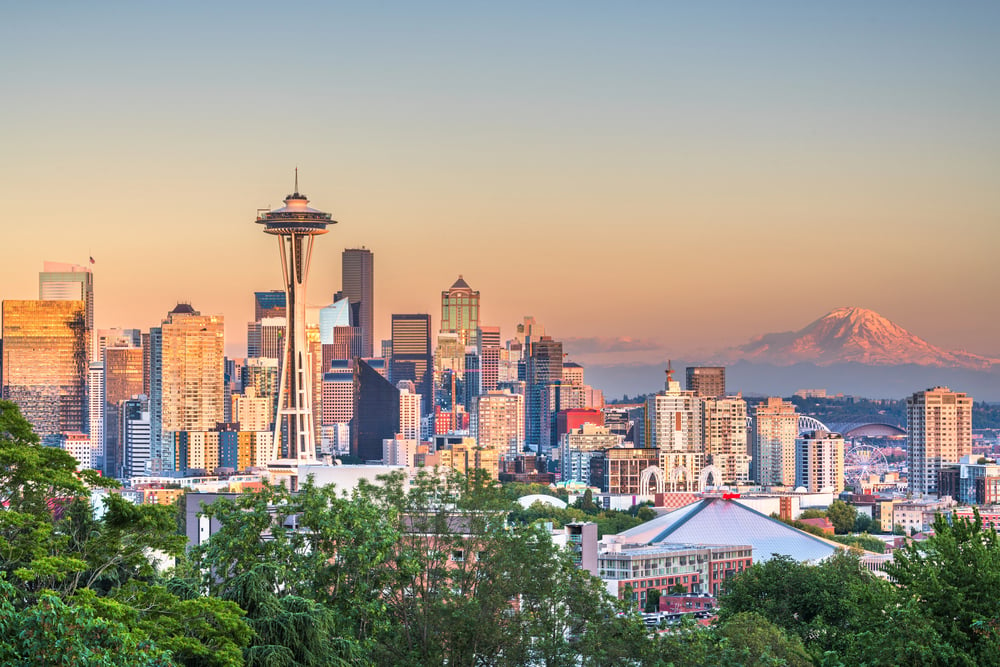
The Great Seattle Fire of June 6, 1889, reportedly began when a glue pot boiled over in a cabinet shop and destroyed about 25 city blocks of the business district. The city rebuilt in brick and stone and raised its streets, in places by more than a dozen feet, to fix drainage problems.
The original ground-level storefronts became underground passages that are now part of a popular tour.
St. John’s, 1892
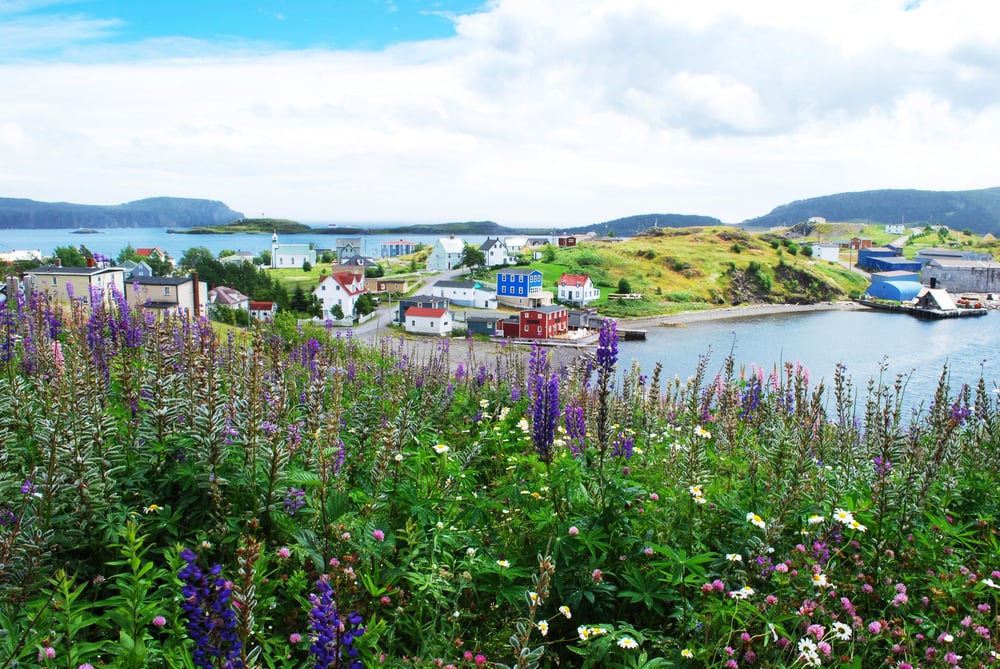
On July 8, 1892, a fire swept through St. John’s, Newfoundland, destroying most of the city’s buildings and leaving roughly 11,000 people homeless. Donations arrived from across Canada, the United States, and Britain, and rebuilding favored brick and stone.
The disaster reshaped the commercial center around Water Street.
Jacksonville, 1901
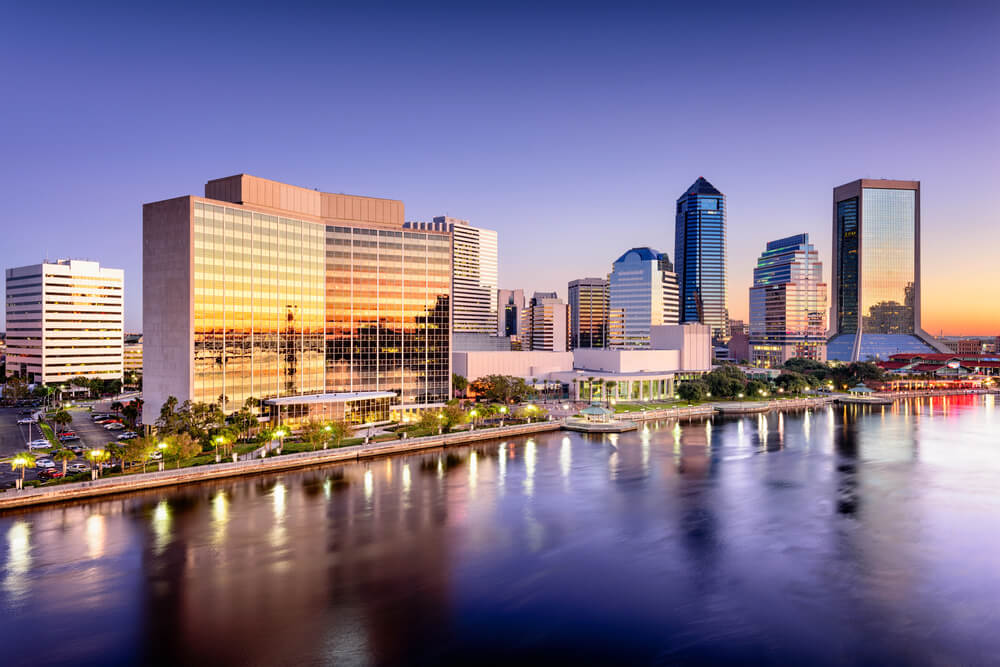
The Great Fire of 1901 began on May 3 at a fiber factory in Jacksonville, Florida, when sparks reportedly ignited drying Spanish moss. It destroyed 2,368 buildings across 146 city blocks and left about 10,000 people homeless.
The architect Henry Klutho designed a number of new buildings in the Prairie School style, giving downtown a look unlike any other Southern city.
Baltimore, 1904
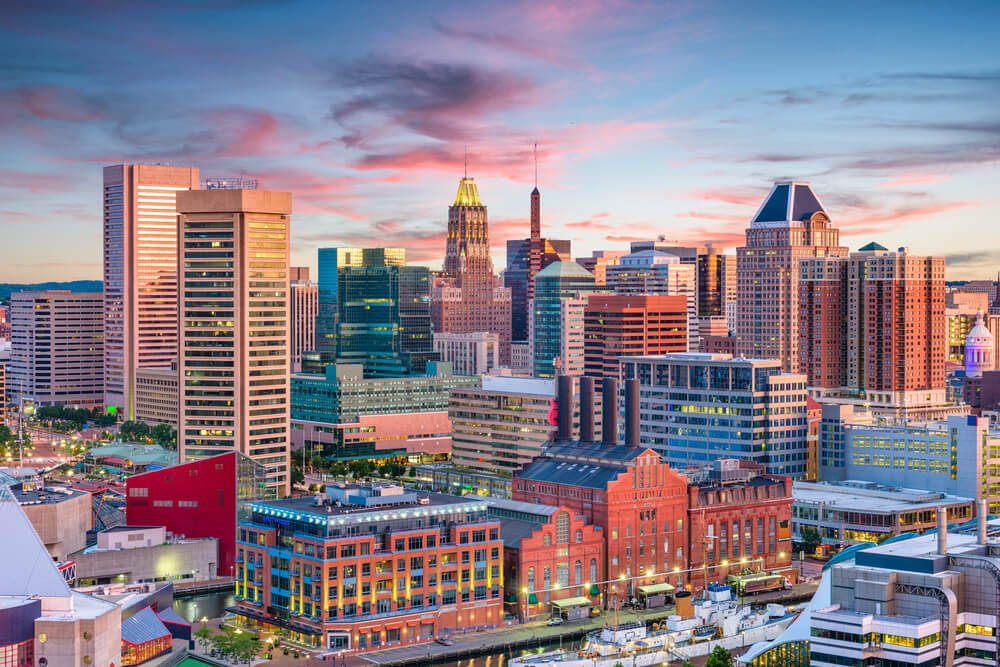
The Great Baltimore Fire began on the morning of February 7, 1904, and burned for about 30 hours, destroying around 1,500 buildings across the downtown. Fire companies came from several cities by train, but their hoses did not fit Baltimore’s hydrants, a failure that helped push the country toward standardized fittings.
The city used the rebuilding to widen streets and improve its harbor area.
Ålesund, 1904
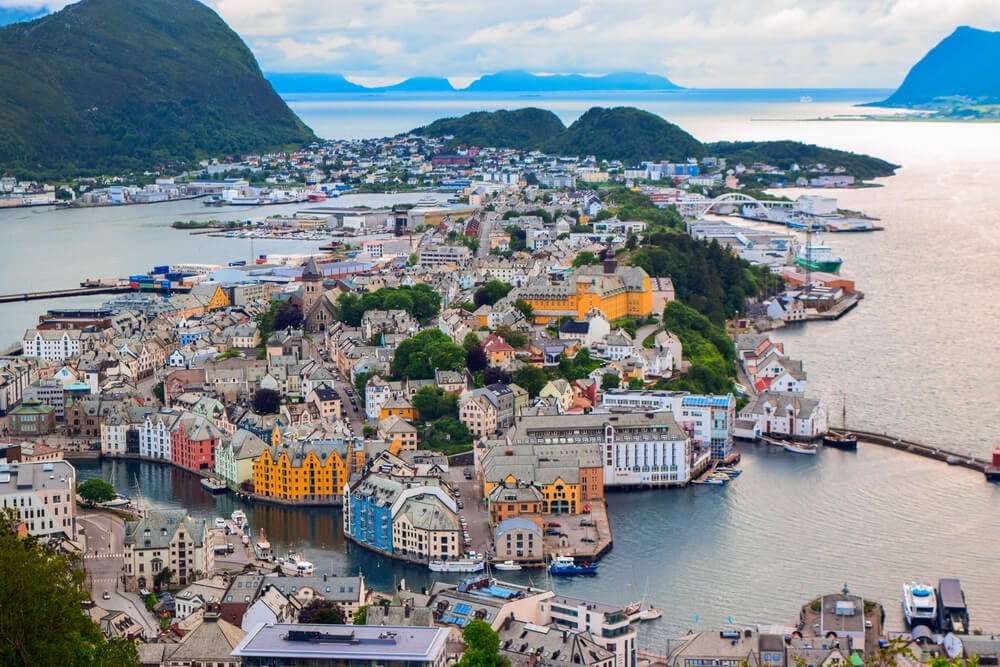
On January 23, 1904, a fire in Ålesund, Norway, left about 10,000 people homeless but killed only one person. Kaiser Wilhelm II, who loved the area, sent ships with supplies and aid.
Norwegian architects, many trained abroad, rebuilt the center within about three years in the Art Nouveau style, and the result is one of the best-preserved examples of the style in Europe.
San Francisco, 1906
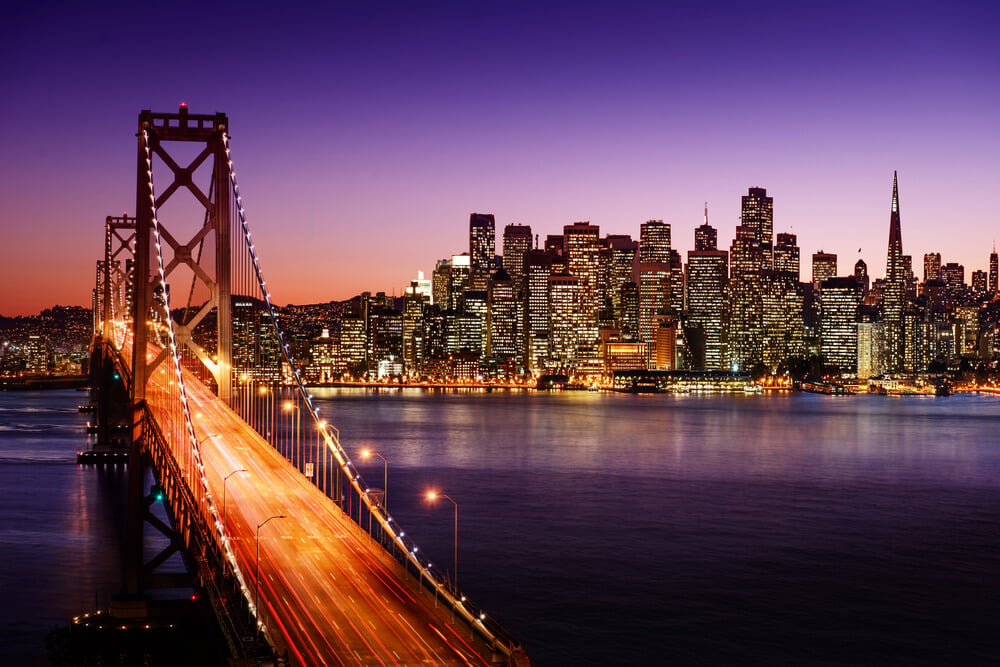
The earthquake of April 18, 1906, broke gas and water mains, and the fires that followed burned for three days, destroying about 28,000 buildings across roughly 500 city blocks. More than 3,000 people died, and about 225,000 were left homeless.
Within a decade the city hosted the 1915 Panama-Pacific International Exposition to show that it had recovered.
Thessaloniki, 1917
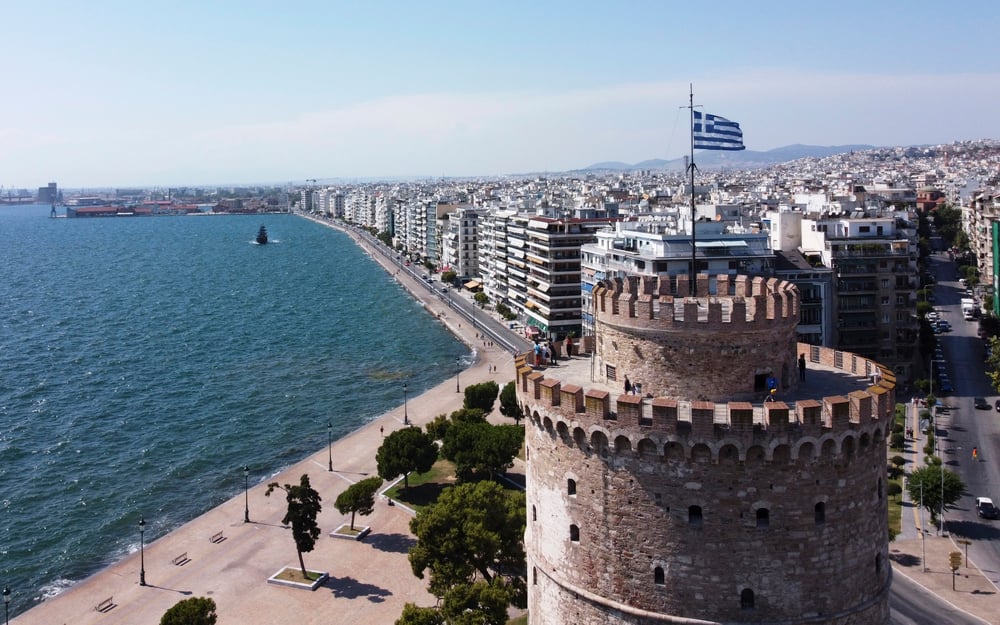
A fire that began on August 18, 1917, burned for more than a day in Thessaloniki, destroying about a third of the city and leaving roughly 70,000 people homeless, many of them from the Jewish community. The government commissioned the French architect Ernest Hébrard to draw up a new plan, which added wide boulevards and large public squares.
Aristotelous Square, laid out in the plan, remains the center of the city.
Tokyo, 1923
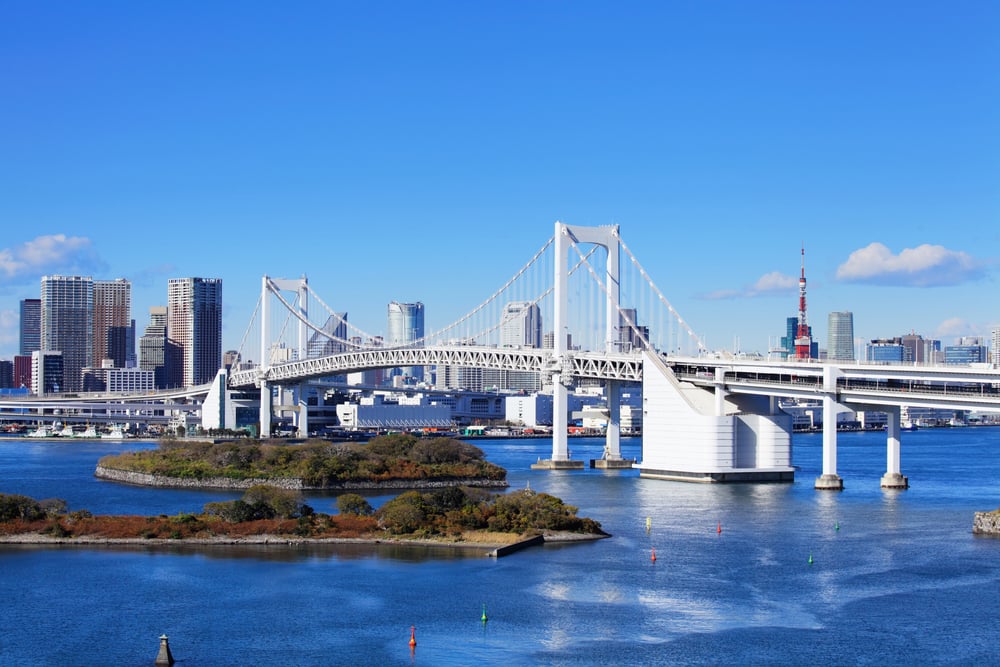
The Great Kantō earthquake struck on September 1, 1923, and fires that followed destroyed much of Tokyo and Yokohama. About 38,000 people died when a firestorm swept through an open area where residents had gathered, and the total death toll for the disaster exceeded 100,000.
The reconstruction, led by Gotō Shinpei, widened roads, built new parks that doubled as firebreaks, and replaced many schools with reinforced concrete.
Ashes as a Blueprint

Burned cities share a strange advantage, because the old map is gone and the owners are desperate to rebuild quickly. Planners used that moment to widen streets, require stone or brick, and add reliable water systems.
Tokyo, Thessaloniki, and Turku show that a disaster can reshape a city’s priorities in ways ordinary politics rarely allows.
The pattern is not always benevolent, since rebuilding also reflects who had money, power, and land. Even so, nearly all of these cities ended up safer and better organized than before.
A fire is a terrible way to learn that lesson, yet city after city has taken it..
More from Go2Tutors!

- 27 Silver Dollars and Half Dollars Worth Keeping
- 28 Restaurant Menu Items Nobody Orders Anymore
- 17 Places Built in Seemingly Impossible Spots
- 27 Vintage Rings Worth More Than They Look
- 25 Restricted Sites Tourists Can’t Enter
Like Go2Tutors’s content? Follow us on MSN.