This Rare Metal Costs More Than Pure Gold
Most people assume gold sits at the top of the precious metals hierarchy. After all, it’s been the universal symbol of wealth for thousands of years. But there’s a metal that quietly outprices gold by nearly double, and chances are you’ve never heard of it.
That metal is rhodium, and it’s currently trading at around $7,125 per ounce compared to gold’s $3,858. The funny thing about rhodium is that you probably interact with it almost every day without realizing it.
While gold gets all the attention in jewelry stores and investment portfolios, rhodium is working behind the scenes in one of the most crucial environmental technologies of our time. It’s a silver-white metal that looks almost identical to platinum, but its real value comes from what it does rather than how it looks.
What makes rhodium so extraordinarily expensive comes down to two factors: it’s ridiculously rare, and the world desperately needs it. Rhodium is about 100 times rarer than gold, which already puts it in an exclusive club. But rarity alone doesn’t explain the price tag. The real story is in demand.
The Exhaust System Savior

Around 80% of all rhodium produced worldwide goes into catalytic converters, those boxy components tucked underneath your car that you probably never think about. These converters do something genuinely important: they transform toxic nitrogen oxides from your exhaust into harmless nitrogen and water vapor.
Rhodium acts as the catalyst that makes this chemical magic happen, and nothing else works quite as well.
Think of rhodium as the unsung hero of cleaner air. Every time stricter emissions regulations roll out somewhere in the world, the demand for rhodium spikes. Countries from the EU to India are tightening emissions rules, which means automakers need more catalytic converters, which means they need more rhodium.
It’s a straightforward supply-and-demand situation, except the supply side has a serious problem.
A South African Monopoly

South Africa produces about 80% of the world’s rhodium supply, with Russia and Canada contributing smaller amounts. This geographic concentration creates a bottleneck that keeps prices volatile and generally high. When South African mines face strikes, equipment failures, or political instability, the entire global supply can take a hit. There’s no backup plan, no alternative source that can quickly fill the gap.
Mining rhodium isn’t like digging for gold either. It typically comes as a byproduct of platinum mining, which means you can’t just decide to mine more rhodium when prices go up.
The metal exists in incredibly small concentrations in ore, requiring massive amounts of processing to extract even tiny quantities. About 25 tons of rhodium are mined globally each year, compared to around 3,000 tons of gold. That’s a huge difference in scale.
Like Go2Tutors’s content? Follow us on MSN.
The Price Rollercoaster
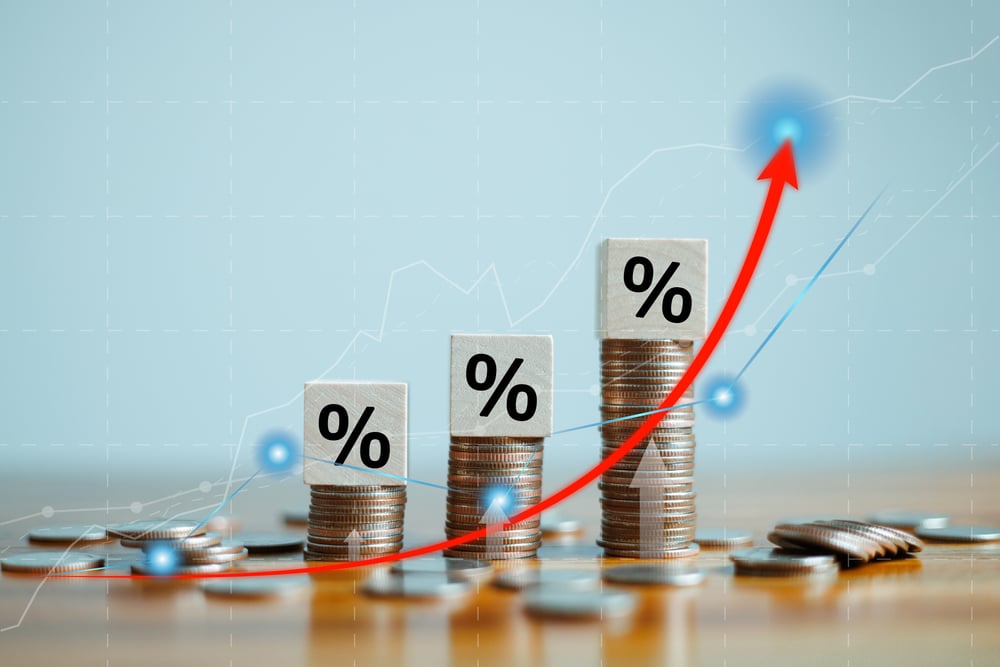
Rhodium’s price history reads like a financial thriller. In 2008, its price reached over $10,000 per ounce, making it worth roughly eight times more than gold at the time. Then came the global financial crisis, and the price crashed as car sales plummeted.
By March 2016, rhodium had fallen to about $685 per ounce. But that wasn’t the end of the story.
The metal staged a comeback as the automotive industry recovered and emissions standards got stricter worldwide. As of September 2025, rhodium is trading at $7,125 per ounce, up 50.79% compared to the same time last year.
This volatility makes rhodium a tricky investment, but it also reflects just how critical the metal has become to modern life. When the world needs cleaner cars, rhodium’s price climbs.
Recycling has become an important part of the rhodium supply chain. Approximately 10 tons per year of rhodium return to the market through recycling, mostly from old catalytic converters. This explains why catalytic converter theft has become such a problem in recent years.
Thieves know these parts contain valuable platinum-group metals, with rhodium being the crown jewel.
Beyond the Tailpipe

While catalytic converters dominate rhodium consumption, the metal has other uses that take advantage of its unique properties. Its extreme reflectivity makes it useful in searchlights and mirrors. Rhodium is also used as plating in jewelry, especially on white gold, giving pieces that bright, reflective finish that wears away over time.
The metal has industrial applications in chemical processing, where it serves as a catalyst for various reactions. Glass manufacturers use it in the production of flat-panel displays and fiberglass. These secondary uses don’t drive the price the way automotive demand does, but they demonstrate why rhodium earns its place among the most valuable materials on Earth.
The Investment Gamble

So can you invest in rhodium like you would in gold? Investment-grade rhodium bullion bars and rounds only became available in 2009, making it a relatively new addition to the precious metals investment world. Some dealers sell rhodium bars in sizes ranging from 0.1 ounce to 5 ounces, and there’s even an exchange-traded fund backed by physical rhodium.
But here’s the catch: rhodium doesn’t behave like gold. Gold is a stable store of value that investors flock to during uncertain times. Rhodium, on the other hand, is primarily an industrial metal whose price swings wildly based on automotive production and emissions regulations. The possibility of rhodium prices rising over $10,000 per ounce might be attractive, but this isn’t a guarantee, nor is it a steady market. You’re essentially betting on continued demand for internal combustion engines and stricter environmental standards.
The rise of electric vehicles adds another layer of uncertainty. EVs don’t need catalytic converters, which means they don’t need rhodium. As battery-electric vehicles gradually take over the market, demand for rhodium could eventually decline. But that transition is happening slowly, and in the meantime, hybrid vehicles still require catalytic converters. Analysts project rhodium demand to grow by 5-7% annually through 2030, especially as hybrid vehicles dominate emerging markets.
Like Go2Tutors’s content? Follow us on MSN.
A Metal for Our Times
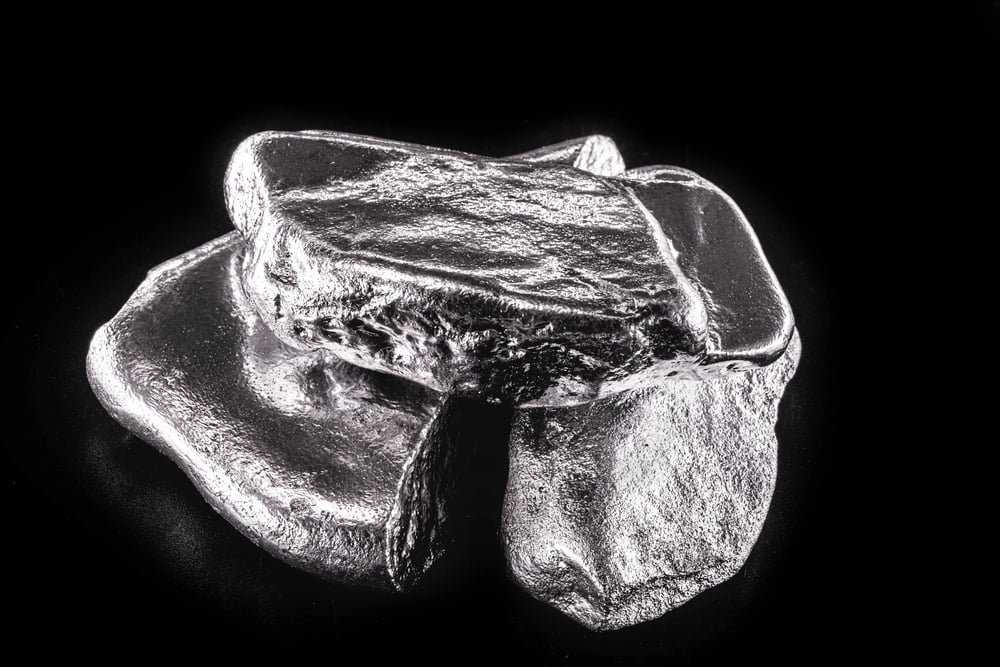
Rhodium has a high melting point of about 1,964°C (3,567°F), which is higher than most other precious metals, including platinum. This extreme durability under heat is precisely why it works so well in catalytic converters, where temperatures regularly exceed 1,000 degrees. The metal doesn’t corrode, doesn’t react with most chemicals, and maintains its catalytic properties even after years of exposure to hot exhaust gases.
What rhodium represents, more than anything, is the hidden cost of environmental protection. We’ve collectively decided that cleaner air matters, which means we need catalytic converters, which means we need rhodium. The metal has become essential to reconciling our desire for personal vehicles with our need for breathable air. That’s not a bad legacy for something most people have never heard of.
The Invisible Heavyweight

Gold built civilizations, inspired wars, and continues to capture imaginations worldwide. Rhodium, meanwhile, quietly does the unglamorous work of making modern life possible. As of now, rhodium is the most valuable precious metal on the planet, worth nearly double what gold commands per ounce. Yet it remains largely unknown outside industrial and investment circles, working away in millions of exhaust systems without fanfare or recognition. Sometimes the most valuable things are the ones we never see.
More from Go2Tutors!

- 16 Historical Figures Who Were Nothing Like You Think
- 12 Things Sold in the 80s That Are Now Illegal
- 15 VHS Tapes That Could Be Worth Thousands
- 17 Historical “What Ifs” That Would Have Changed Everything
- 18 TV Shows That Vanished Without a Finale
Like Go2Tutors’s content? Follow us on MSN.