15 Strange Things That Can Be Found in Human Blood
Blood is often called the river of life, flowing through our bodies and carrying essential nutrients, oxygen, and immune cells to every tissue. While most people are familiar with red blood cells, white blood cells, and platelets, our bloodstream contains many surprising and unusual components that serve critical functions or sometimes indicate underlying health conditions.
Here is a list of strange things that can actually be found in human blood, many of which might surprise even those with a background in biology or medicine.
Microchimerism Cells

Some people carry cells with different DNA than their own, a phenomenon called microchimerism. These foreign cells most commonly come from pregnancy, where fetal cells enter maternal circulation and can persist for decades.
Mothers may carry cells from their children in their bloodstream for up to 38 years after giving birth, creating a lasting biological connection beyond pregnancy.
Nanobacteria
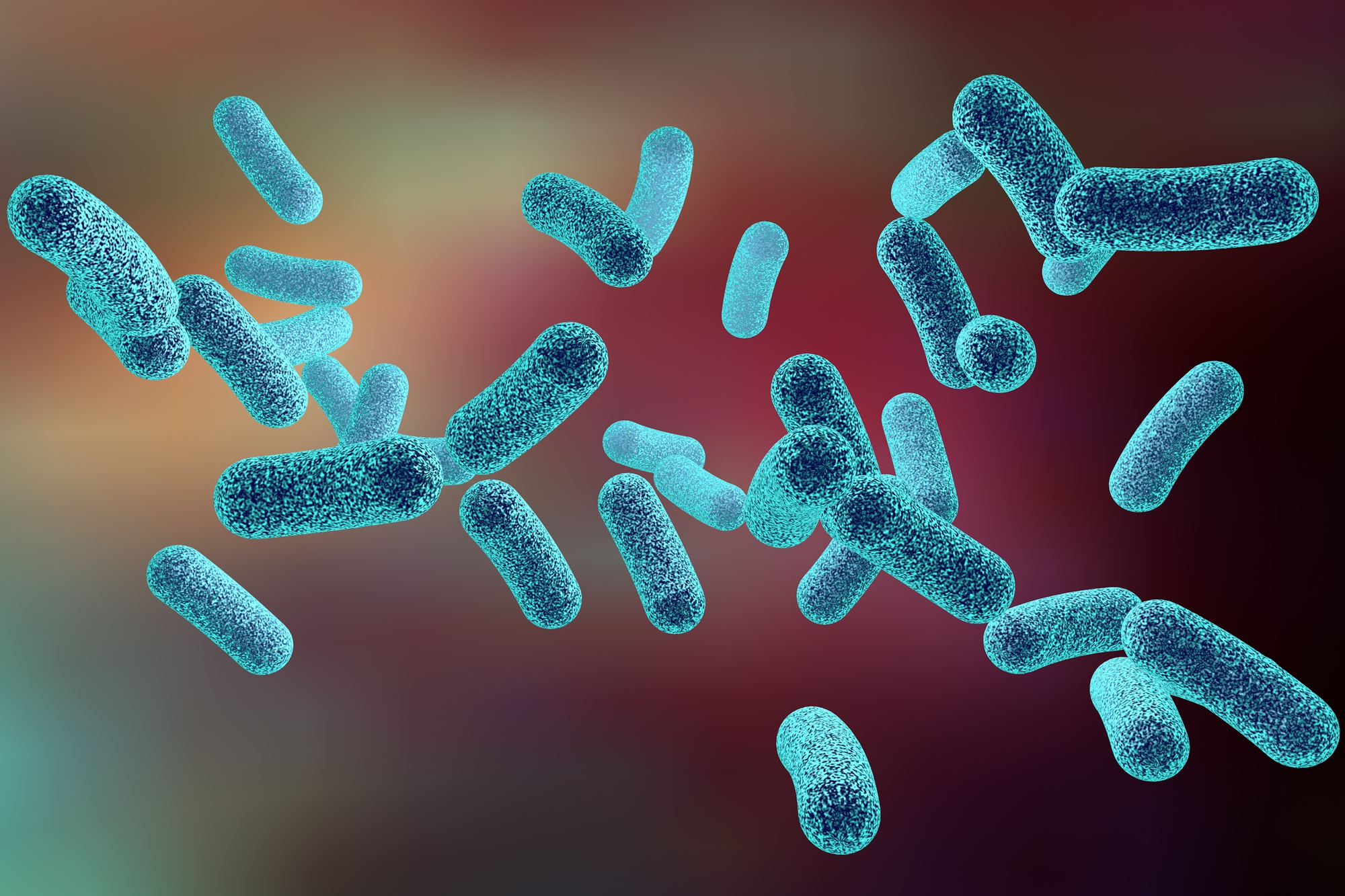
Scientists have discovered tiny, controversial structures in blood sometimes called nanobacteria. These calcifying nanoparticles are 100 times smaller than regular bacteria and have been associated with kidney stones and arterial plaque.
Their exact nature remains debated—some researchers believe they represent a primitive life form while others consider them mineral formations rather than living organisms.
Cell-Free DNA
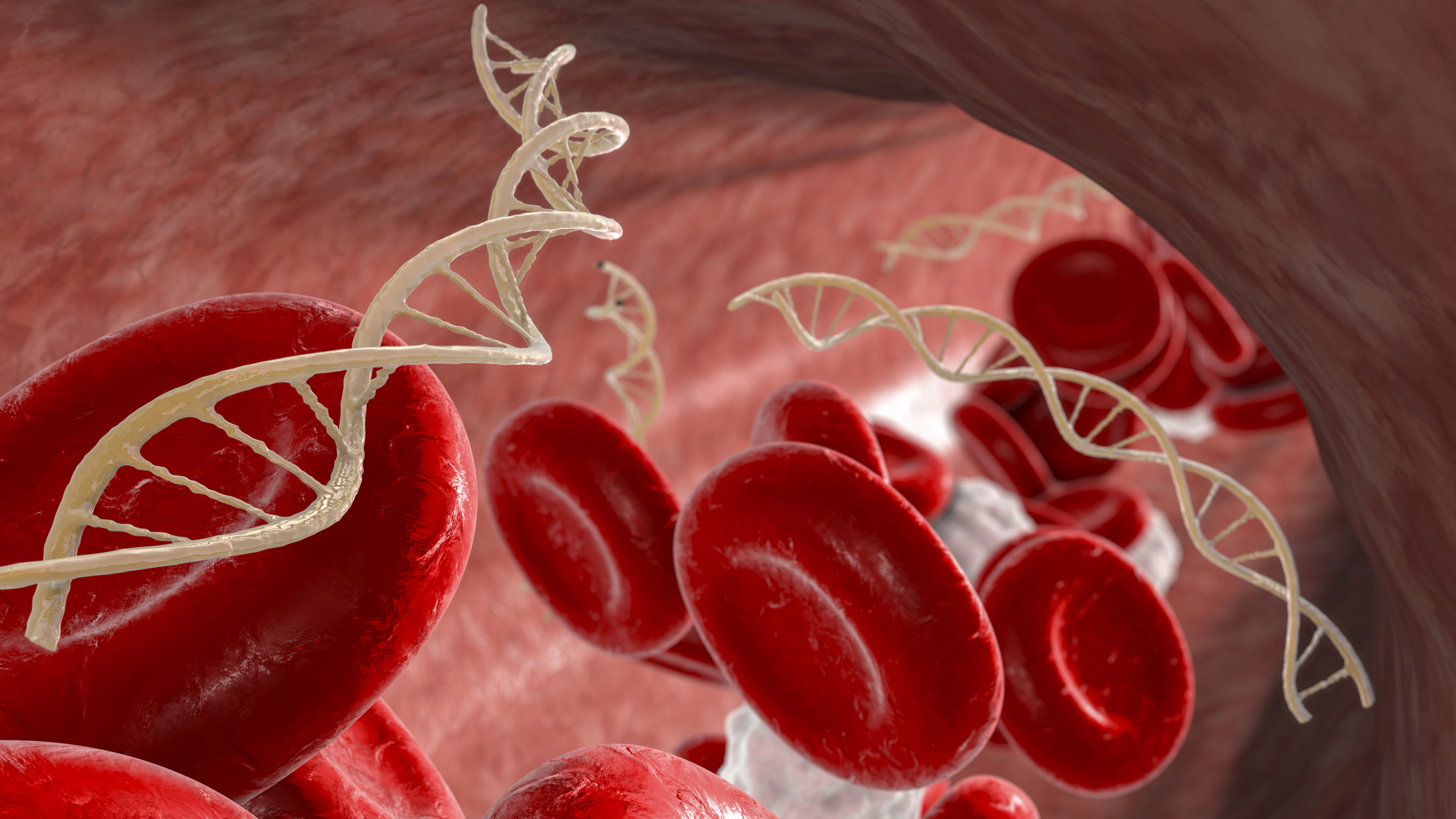
Released as cells die through natural turnover, bits of DNA float freely in our bloodstream. Modern medicine has become mostly dependent on cell-free DNA since it allows non-invasive prenatal diagnostics and cancer liquid biopsies.
These DNA fragments become much more concentrated under some medical disorders, which makes them useful indicators for illness diagnosis.
Caffeine Metabolites
Coffee drinkers have caffeine and its breakdown products in their system hours after consumption. The principal metabolite, paraxanthine, is still detectable for up to 12 hours and influences neurotransmitter activity in different ways than caffeine itself.
These substances help to explain why most people’s effects from coffee linger longer than the initial energy surge.
Microscopic Plastic Particles

Microplastic particles found in human blood have lately attracted attention since they mirror the general plastic pollution of our modern environment. These tiny synthetic fragments—some smaller than red blood cells—can cross from the digestive system or lungs into the bloodstream.
Scientists are still looking at how these particles can influence human health and whether they might build up in organs over time.
Artificial Sweetener Compounds
Chemicals from artificial sweeteners can enter the bloodstream after ingestion and persist longer than natural sugar compounds. Some studies suggest these compounds may alter gut bacteria populations and potentially affect glucose metabolism.
The body processes these synthetic molecules differently than natural sugars, sometimes leading to unexpected metabolic responses.
Viral DNA Fragments
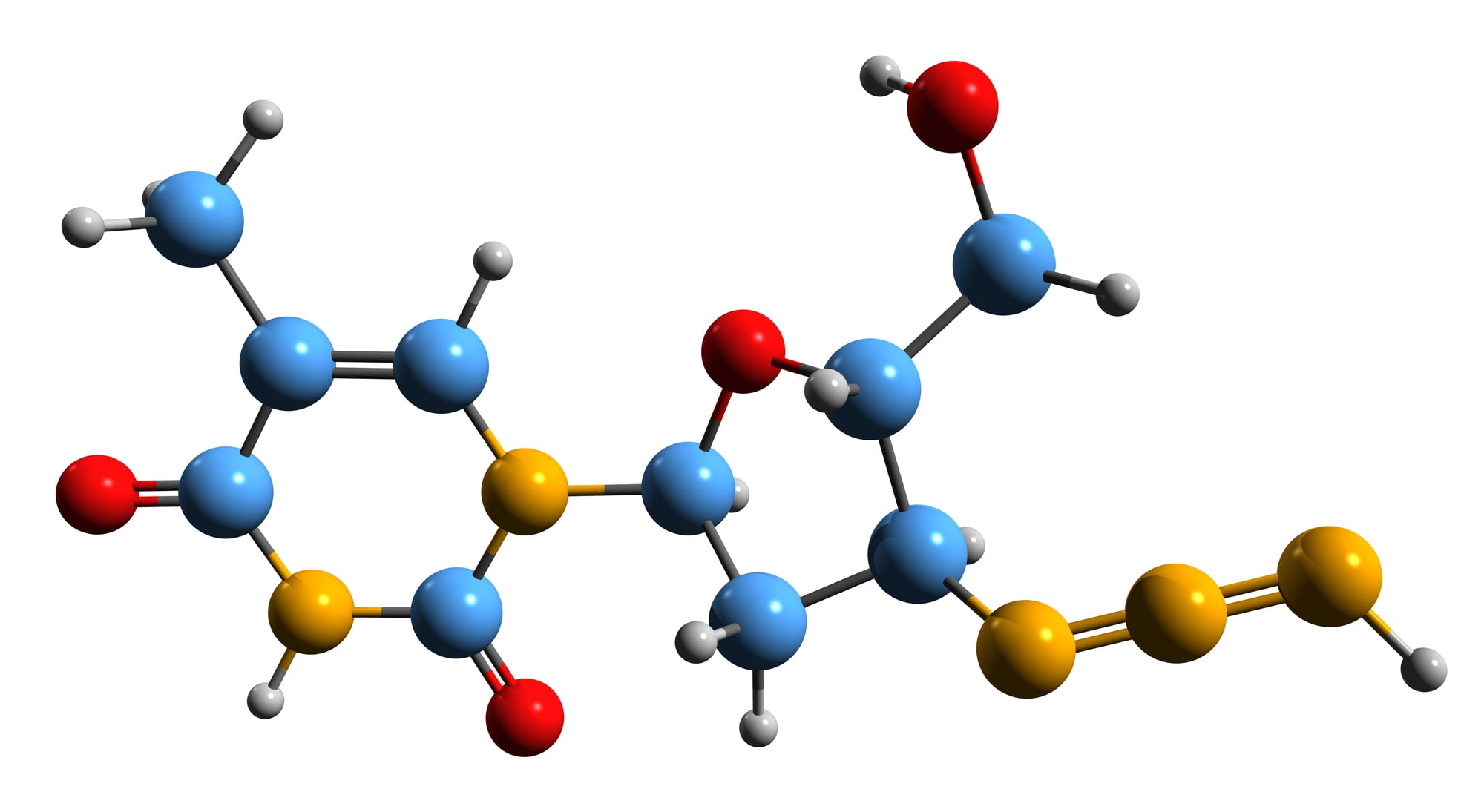
Ancient viral DNA has integrated into the human genome over millions of years through viral infections of our ancestors. Some of these viral genes remain active and produce proteins that circulate in our blood.
Remarkably, these domesticated viral elements now serve important functions in human pregnancy and immune response regulation.
Alcohol-Related Metabolites

When alcohol is consumed, the liver produces various breakdown compounds that enter the bloodstream. Beyond ethanol itself, metabolites like acetaldehyde cause many alcohol-related effects and can be detected hours after drinking has stopped.
These compounds explain why blood alcohol tests can reveal consumption long after someone feels sober.
Food-Derived Plant Compounds

Plant pigments called polyphenols enter the bloodstream after eating colorful fruits and vegetables. These compounds give blueberries and red wine their vibrant colors and provide antioxidant effects throughout the body.
The presence of these plant-derived molecules in human blood demonstrates how our diet literally becomes incorporated into our biochemistry.
Gold Nanoparticles
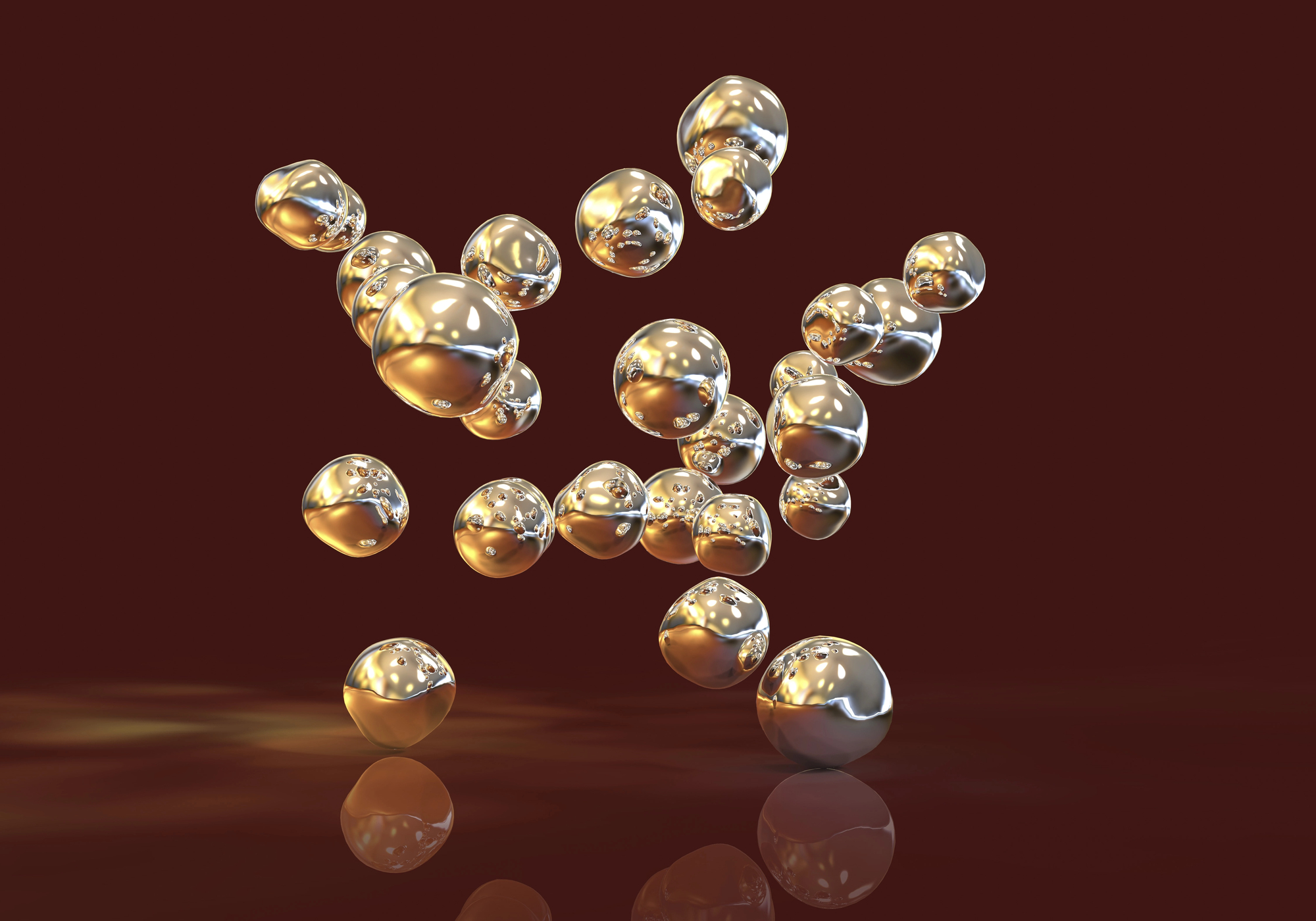
In patients receiving certain gold-based medications or specialized treatments, actual gold nanoparticles circulate in the bloodstream. These tiny gold particles have been used therapeutically for conditions like rheumatoid arthritis for decades.
Modern medical research explores using engineered gold nanoparticles for targeted drug delivery and cancer treatment.
Cloned Immune Cells
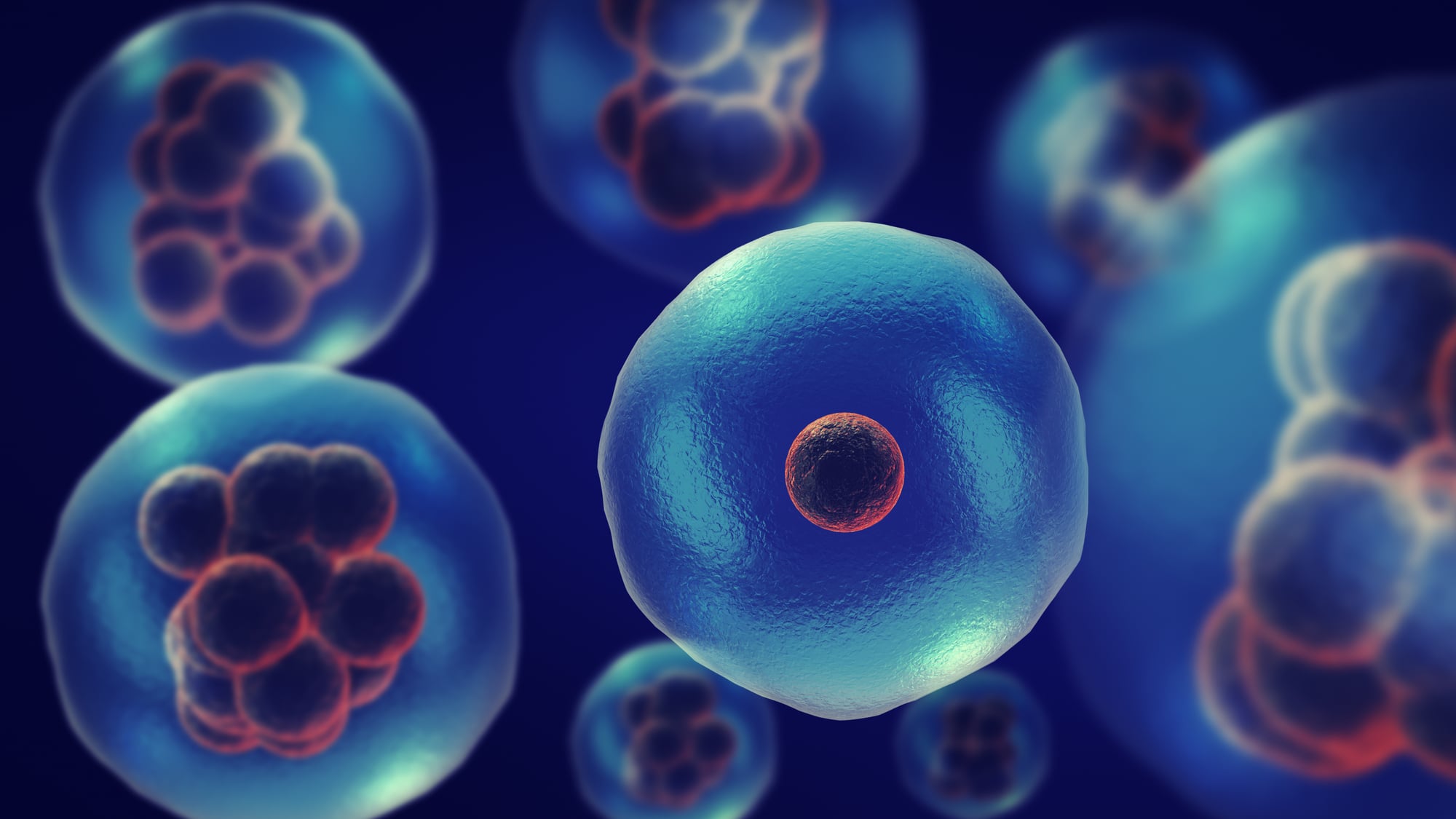
During infection, successful immune cells multiply rapidly, creating thousands of identical copies in the bloodstream. This process, called clonal expansion, produces armies of cells all targeting the same specific threat.
During severe infections, up to 80% of certain immune cell types may consist of these identical cellular clones, all programmed to fight the same invader.
Bacterial Translocation Products
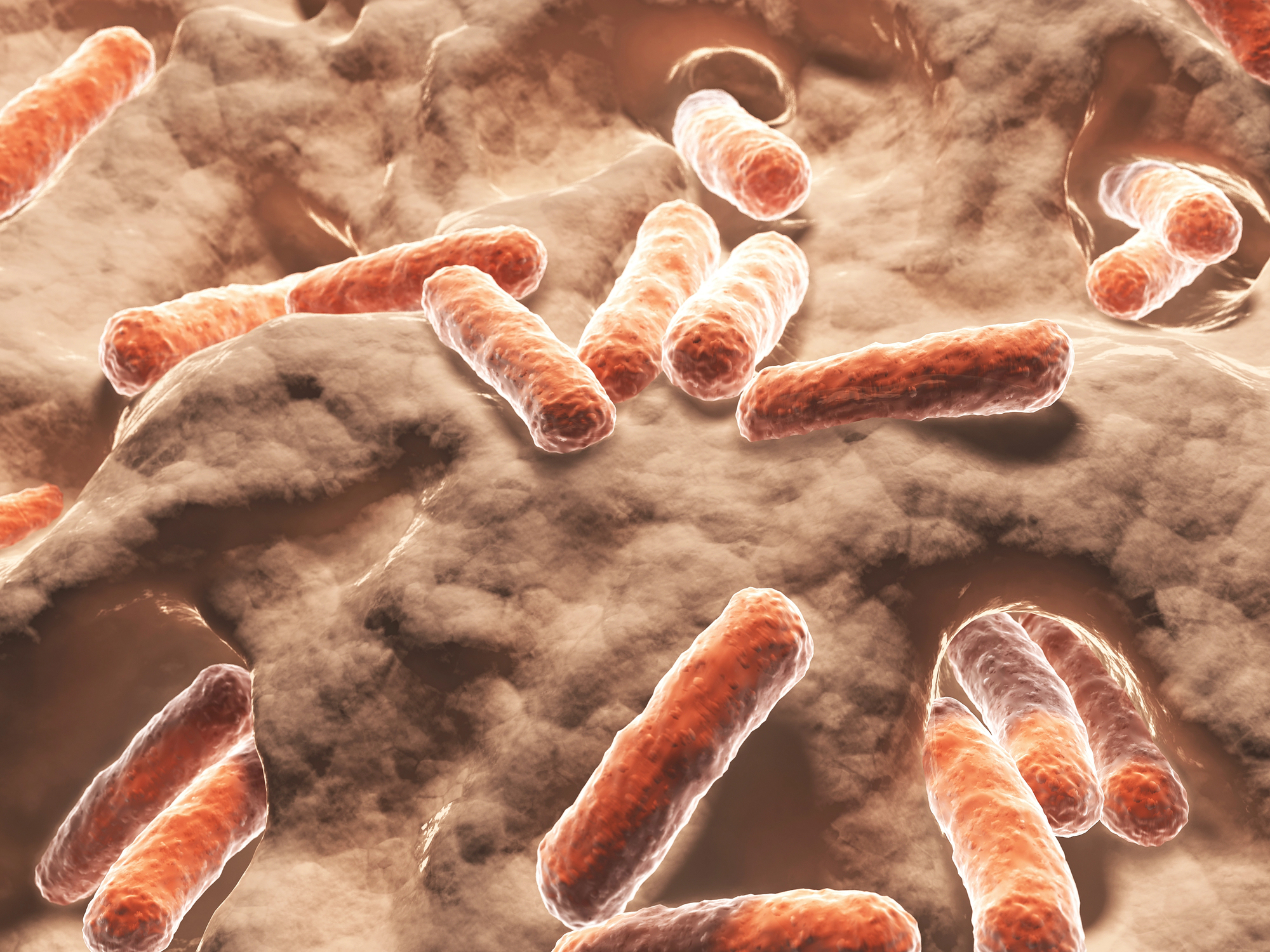
Fragments of gut bacteria regularly enter the bloodstream, especially after meals or during intestinal inflammation. These bacterial components train our immune system and help maintain appropriate immune vigilance.
The increased presence of these bacterial products in blood can signal increased intestinal permeability, sometimes called ‘leaky gut syndrome.’
Fetal Hemoglobin in Adults
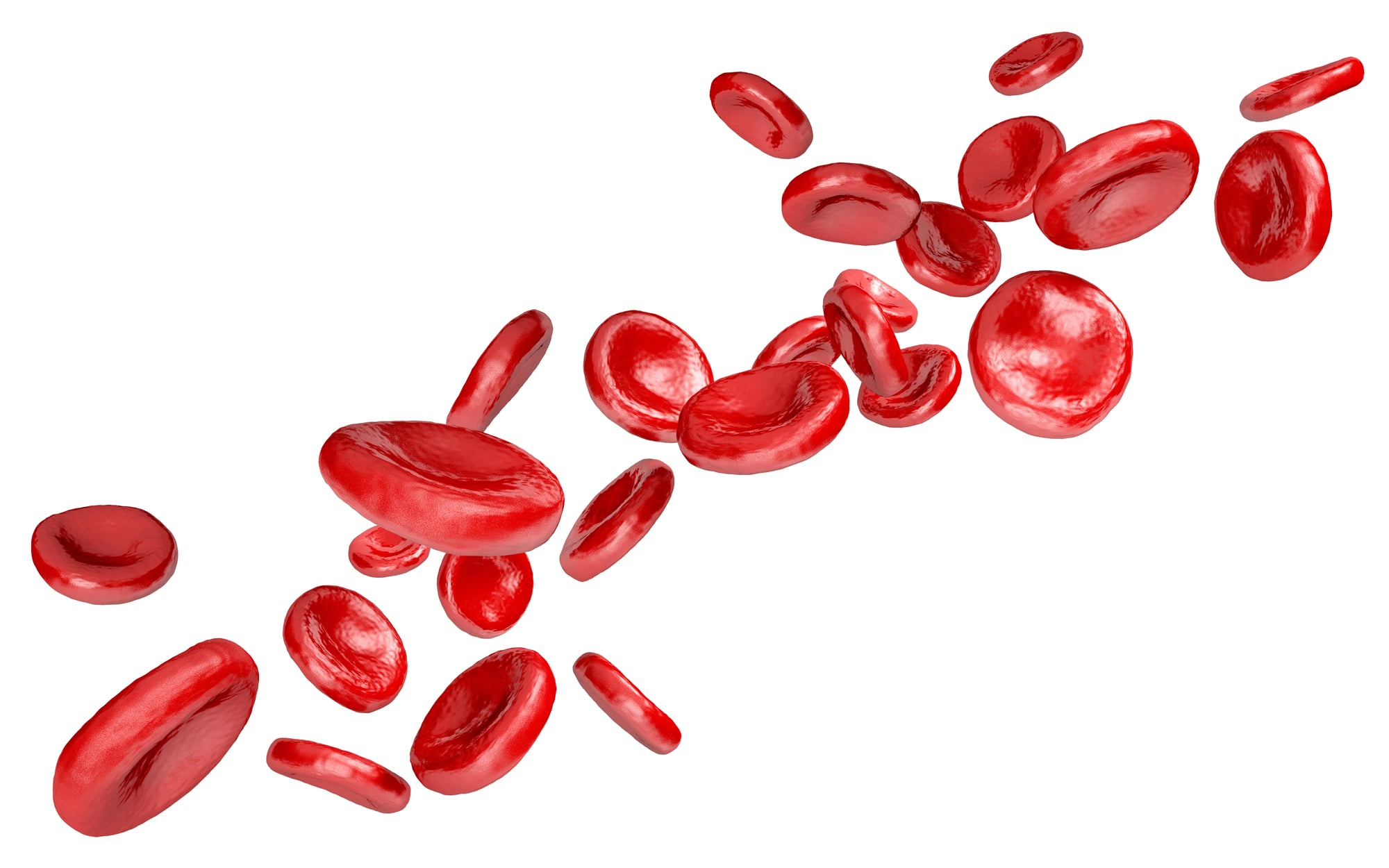
Some adults retain fetal hemoglobin—the oxygen-carrying protein normally replaced shortly after birth. This fetal protein binds oxygen more strongly than adult hemoglobin, giving it special properties.
Medical treatments for certain blood disorders aim to reactivate fetal hemoglobin production because of its therapeutic benefits in conditions like sickle cell disease.
Stress Exosomes

Tiny membrane-bound packets called exosomes increase dramatically in the bloodstream during stress. These microscopic messengers carry microRNA and proteins between distant cells and organs, essentially sending stress signals throughout the body.
Scientists have recently discovered that these stress exosomes can even cross the blood-brain barrier and affect brain function.
Environmental Contaminants

Modern humans carry traces of hundreds of synthetic chemicals in their bloodstream that didn’t exist a century ago. From flame retardants to pesticides and industrial byproducts, these compounds enter through food, water, air, and skin contact.
Biomonitoring studies routinely detect synthetic chemicals in blood samples from people worldwide, making them an unfortunate feature of modern human biology.
Beyond Red and White
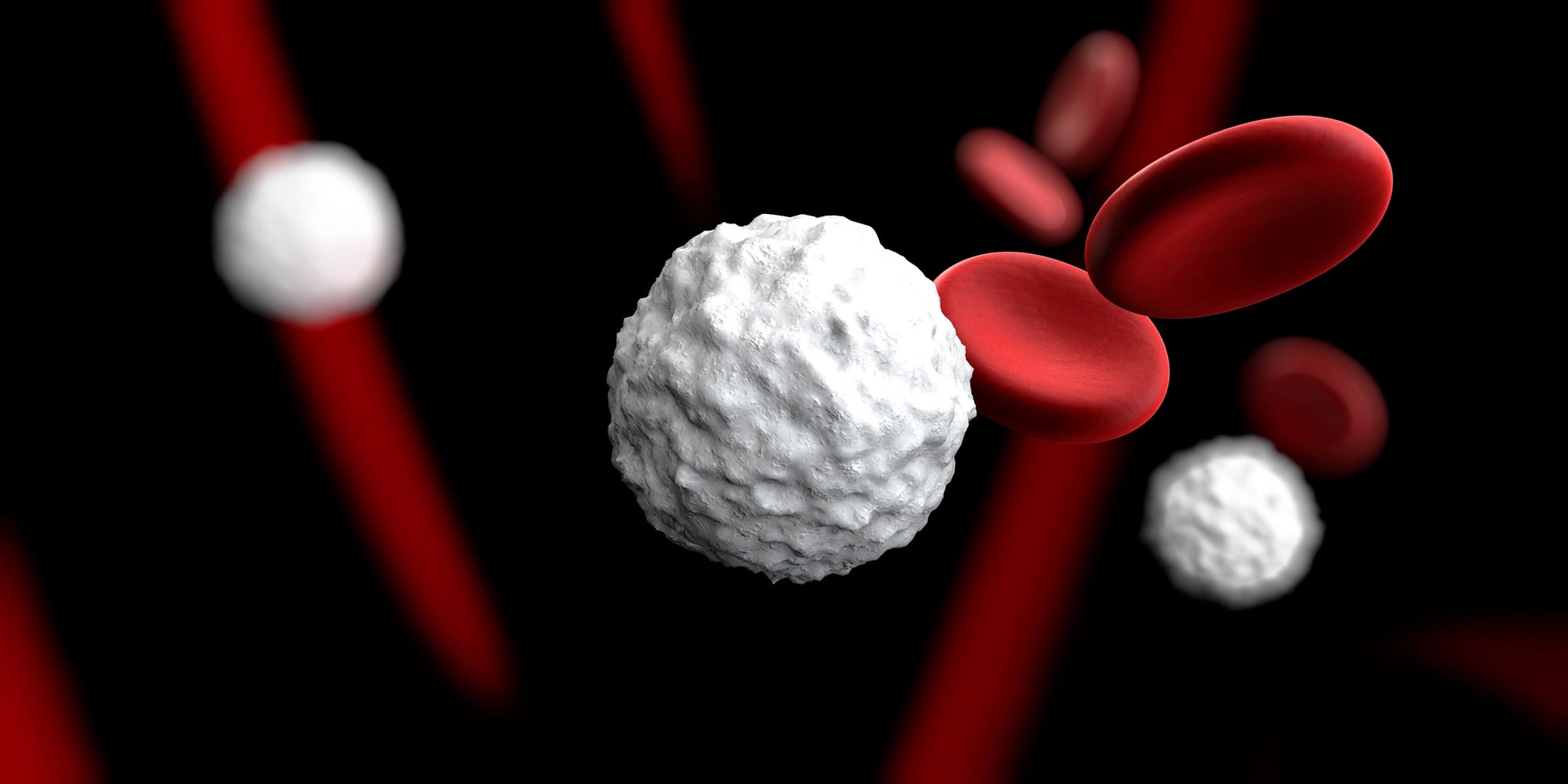
The strange components circulating in our bloodstream reveal how our bodies constantly interact with our environment, diet, and experiences. What flows through our veins represents not just our own biology but a dynamic record of our exposures, activities, and even our relationships with other living beings.
As medical technology advances, scientists continue uncovering new blood components that tell stories about our health, habits, and the increasingly complex world we inhabit. The bloodstream serves as both an internal transport network and a remarkable archive of our biological history, carrying far more than just oxygen and nutrients throughout our bodies.
More from Go2Tutors!

- The Romanov Crown Jewels and Their Tragic Fate
- 13 Historical Mysteries That Science Still Can’t Solve
- Famous Hoaxes That Fooled the World for Years
- 15 Child Stars with Tragic Adult Lives
- 16 Famous Jewelry Pieces in History
Like Go2Tutors’s content? Follow us on MSN.