15 Rare Color Photos From Before Color Cameras
Before color photography became commonplace in the mid-20th century, capturing the world in its full spectrum required creativity, artistry, and often painstaking manual work. Yet some of the most stunning color images from history predate the invention of reliable color cameras by decades.
These photographs reveal a vibrant past that challenges our mental picture of earlier eras as existing only in black and white.
The Autochrome Lumière Brothers’ Garden
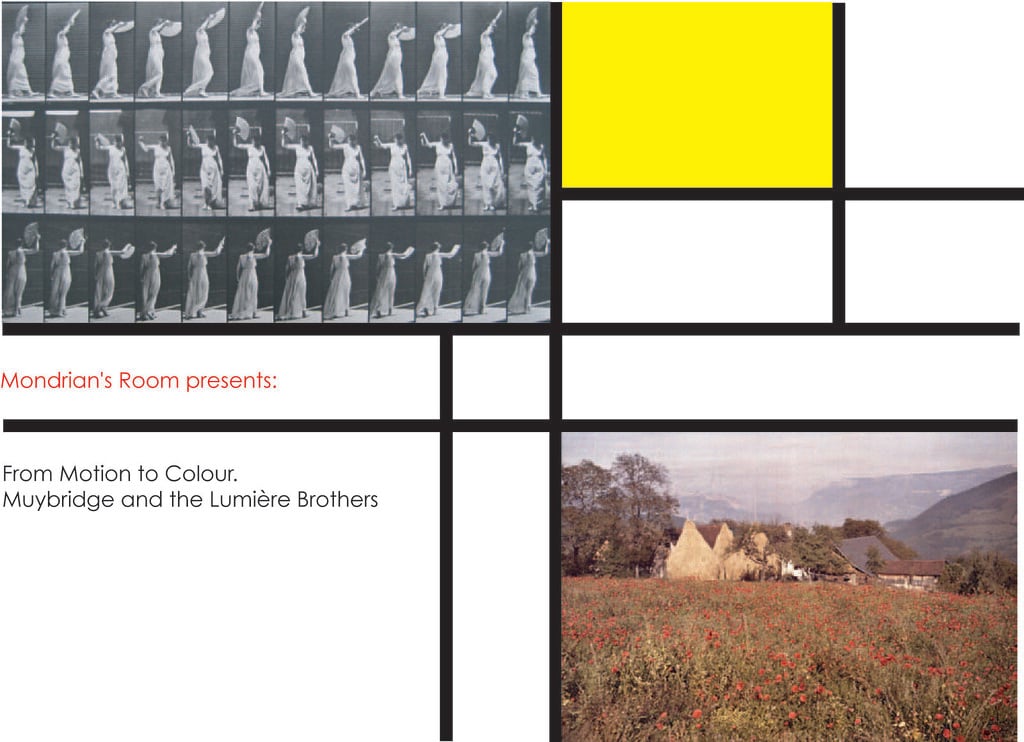
The Lumière brothers didn’t just pioneer cinema. Their autochrome process, patented in 1903, created the first practical color photographs, and naturally, they tested it in their own backyard.
The surviving image shows a lush French garden with roses so red they seem to pulse off the glass plate.
This wasn’t photography as we know it. Each plate was dusted with millions of microscopic potato starch grains dyed red, green, and blue, then coated with photographic emulsion.
Light filtered through these tiny colored dots created a pointillist effect that Seurat would have envied.
Russian Empire in Full Color
Sergei Prokudin-Gorsky convinced Tsar Nicholas II to fund his ambitious project: documenting the Russian Empire in color between 1909 and 1915. His technique involved taking three separate black-and-white photographs through red, green, and blue filters, then combining them during projection.
The results captured a world about to vanish (and the photographer knew it, even if the Tsar didn’t). His images of the Emir of Bukhara in magnificent silk robes, or workers along the Trans-Siberian Railway, preserve a Russian Empire that would be swept away within a decade, but here it exists in living color — stubborn in its refusal to fade into sepia-toned memory.
Hand-Tinted Daguerreotypes
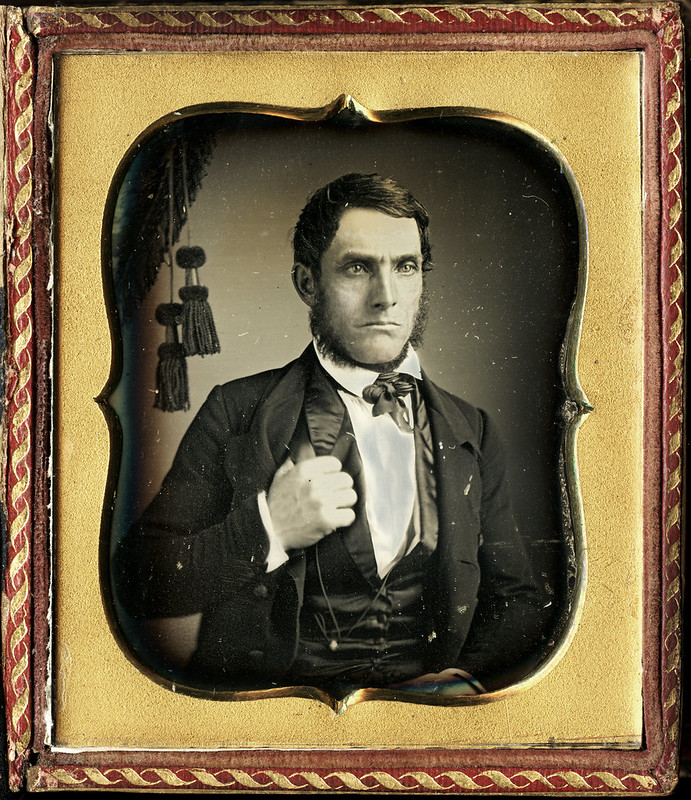
There’s something almost defiant about the earliest hand-colored photographs from the 1840s and 1850s. The daguerreotype process produced images on polished silver-plated copper, and artists would carefully apply pigments with fine brushes to selected areas.
A woman’s coral brooch. The blue ribbon in a child’s hair. The golden chain of a pocket watch.
These weren’t photographs trying to become paintings. They were photographs insisting they could be both — that mechanical reproduction didn’t have to mean surrendering beauty to utility.
The colors sit on the surface like whispered secrets, so delicate that breathing too close might disturb them.
Civil War Soldiers in Living Color
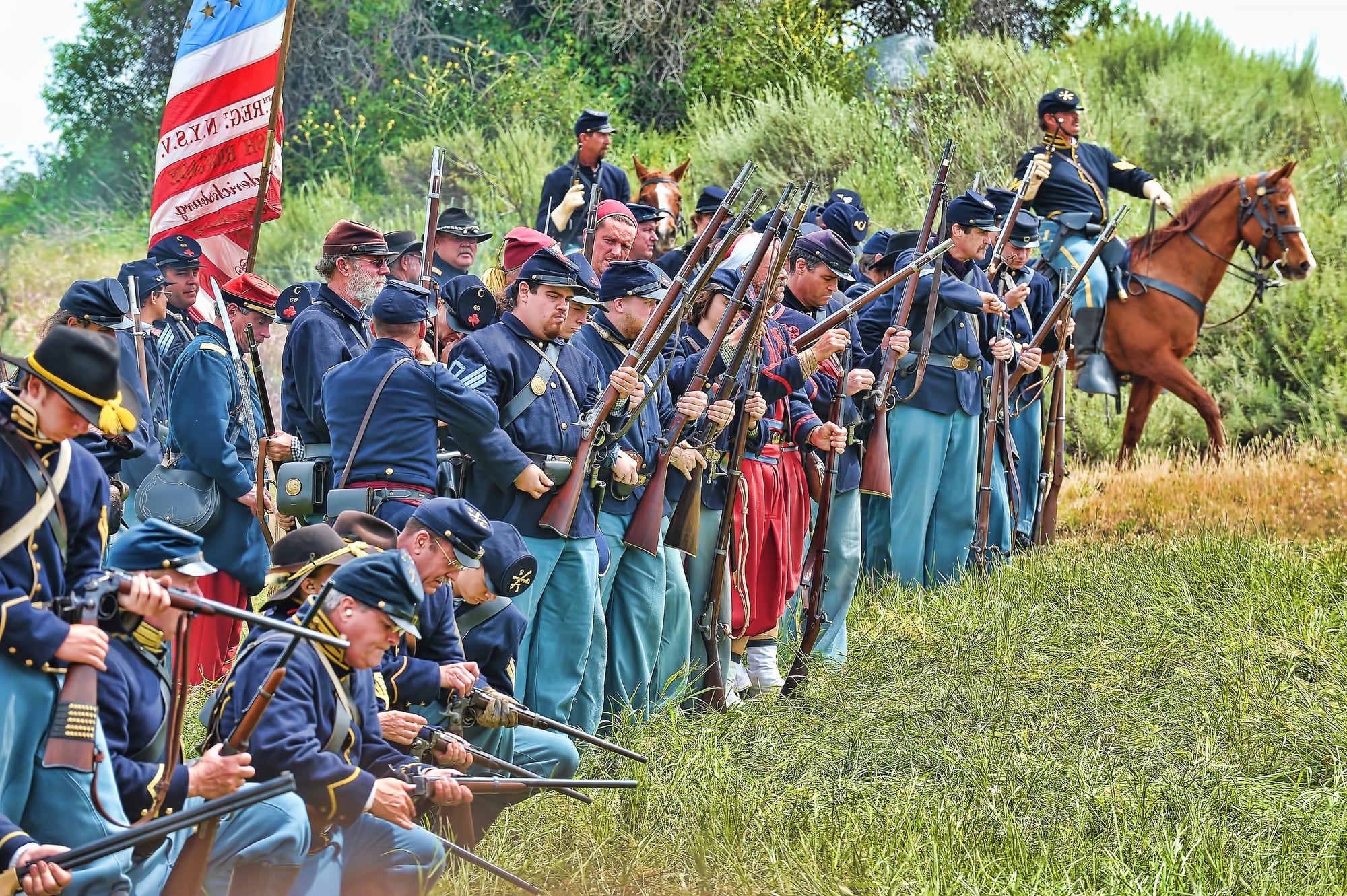
Hand-colored ambrotypes from the Civil War era destroy the myth that the past was colorless. Union soldiers posed in their blue wool uniforms, brass buttons gleaming.
Confederate officers in gray and gold braid that catches the studio light. These men knew they might not return from war, and somehow the added color makes their youth and uncertainty more real.
The coloring wasn’t random decoration. Families paid extra for it because they understood what black-and-white couldn’t capture: the particular shade of their son’s eyes, the exact hue of his hair, the human details that memory would need to hold onto.
Victorian Children in Bright Clothing
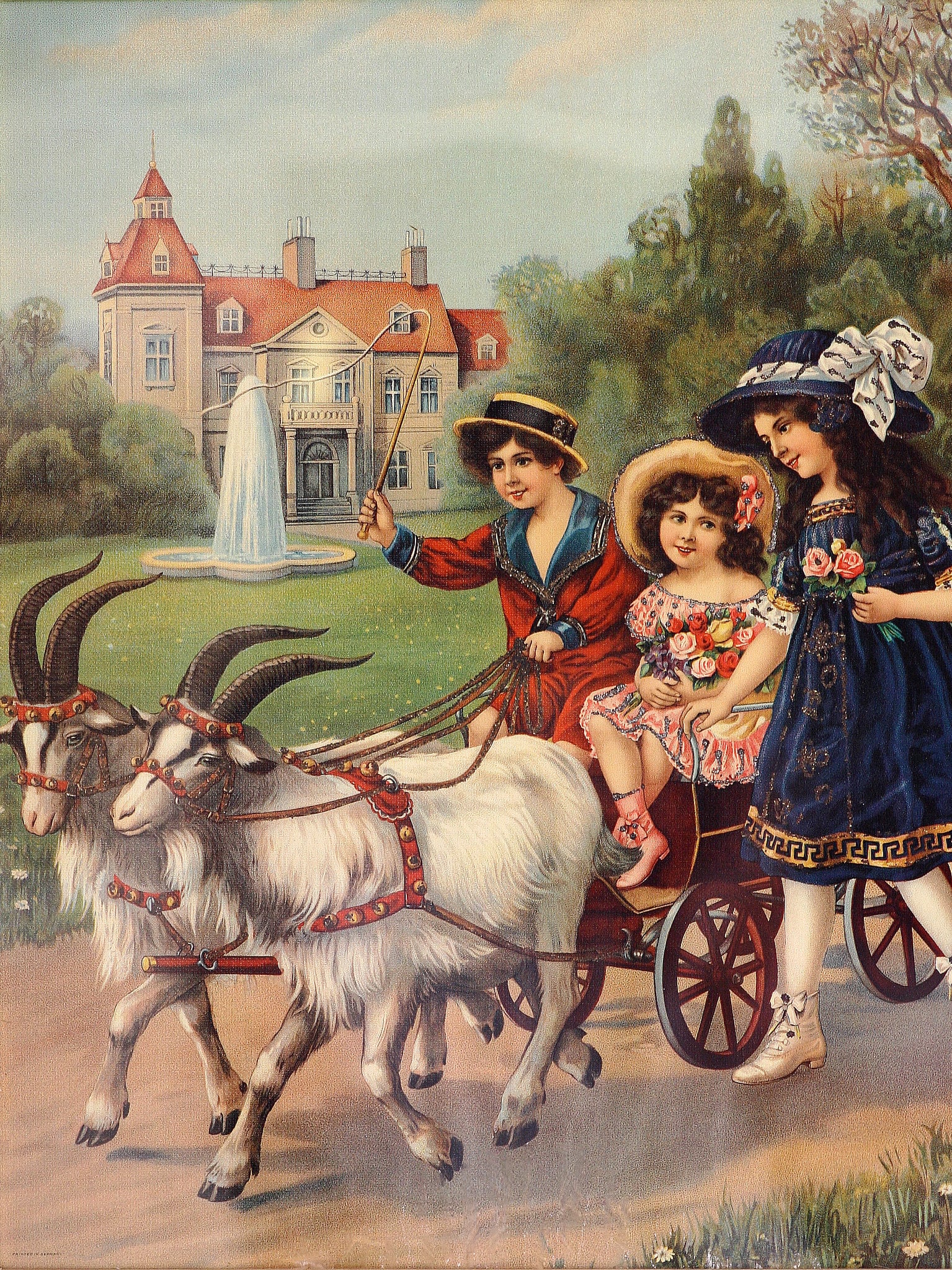
Victorian portrait studios employed teams of colorists who specialized in bringing children’s photographs to life. A girl’s pink dress becomes radiant against the dark studio backdrop.
A boy’s sailor suit takes on its proper navy blue. Red coral teething rings and golden lockets emerge from monochrome shadows.
These images challenge our assumptions about Victorian childhood being uniformly somber and restrained. The colors reveal a world where children wore bright clothing and parents wanted to remember them that way — not as miniature adults in funeral dress, but as the vivid, living beings they were.
Early Fashion Photography
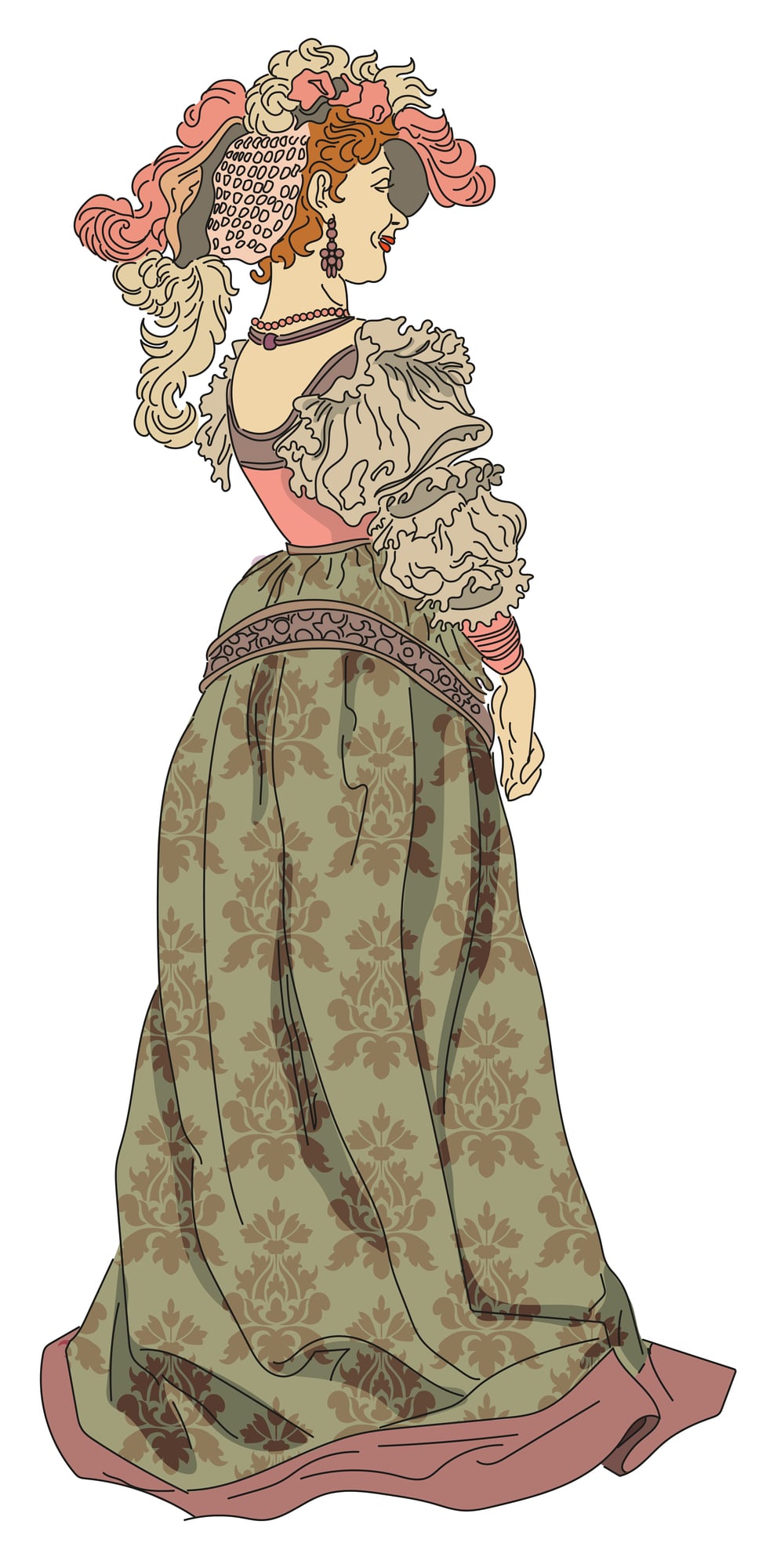
Before Vogue, before glossy magazines, fashion photographers were already experimenting with color. Hand-tinted photographs from the 1890s show elaborate gowns in emerald silk and rose-colored taffeta.
The intricate beadwork on an evening jacket catches light in ways that black-and-white simply couldn’t convey.
Fashion has always been about color, texture, and light interacting in specific ways. These early images prove that photographers understood this long before color film made it easy.
They painted their fashion photographs because anything less would have been a lie about what the clothes actually were.
Japanese Tourist Destinations
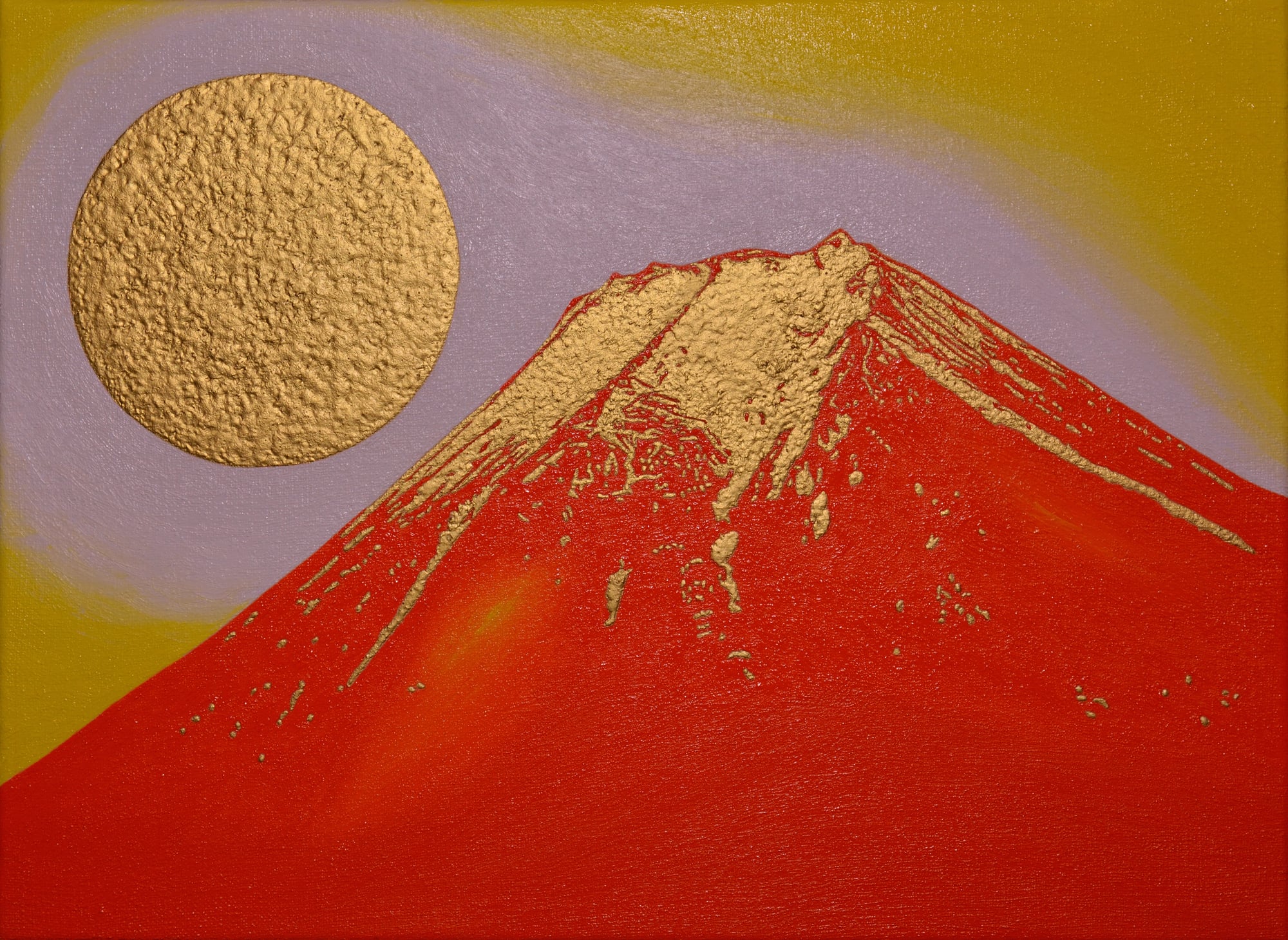
Japanese photographers mastered hand-coloring techniques in the late 19th century, creating souvenir photographs for Western tourists. Mount Fuji appears in delicate pinks and purples.
Cherry blossoms bloom in soft whites and pale rose. Traditional kimonos display their full spectrum of colors — deep indigo, bright orange, subtle lavender.
These weren’t just pretty pictures for tourists (though they were that, too). They were deliberate acts of cultural presentation.
So much gets lost when you reduce a culture to black and white. Color was how Japan chose to introduce itself to the world — not through the austere lens of Western photography, but in its own terms, with its own palette.
The precision of these hand-colored photographs borders on the miraculous. Each cherry blossom petal was painted individually.
Every fold in a silk kimono received its proper shade and shadow.
American Western Landscapes
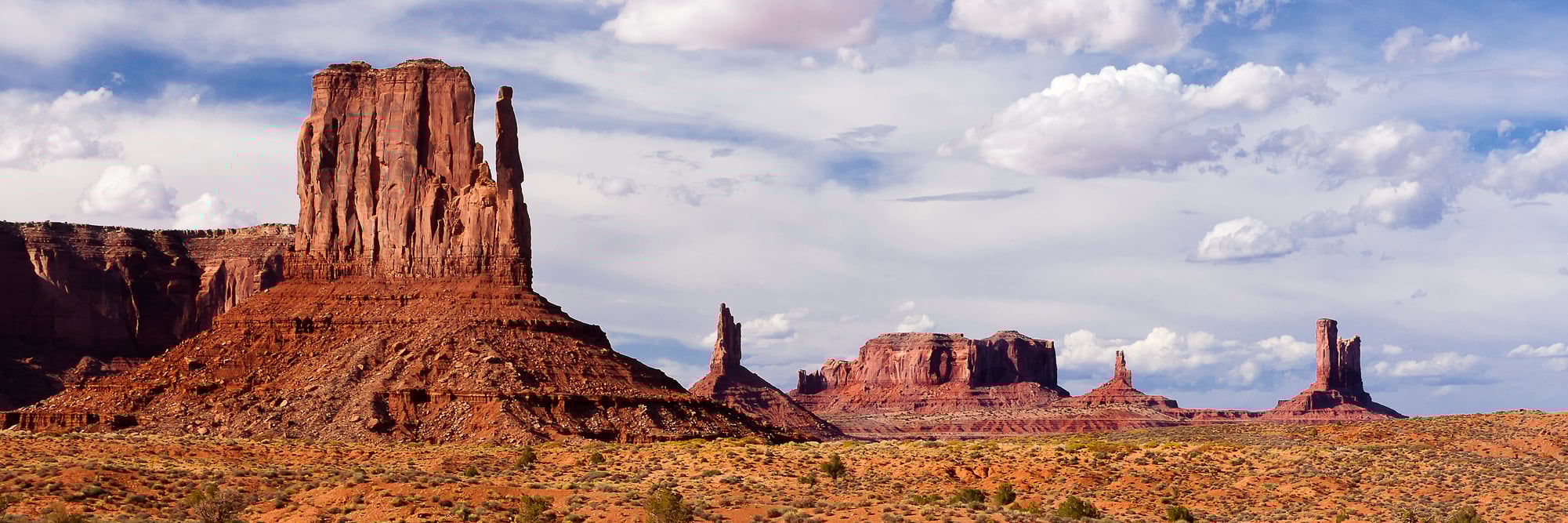
Photographers traveling through the American West in the 1870s and 1880s brought along teams of colorists to document the landscapes they encountered. The Grand Canyon appears in its full spectrum of reds and oranges.
Yellowstone’s geysers steam against impossibly blue skies. Desert sunsets burn across glass plates in ways that black-and-white could never suggest.
These images served a practical purpose: convincing Eastern investors and potential settlers that the West was worth the journey. Color was marketing, but it was also truth-telling.
The raw beauty of these landscapes demanded more than monochrome could deliver, and the photographers knew it.
European Street Scenes
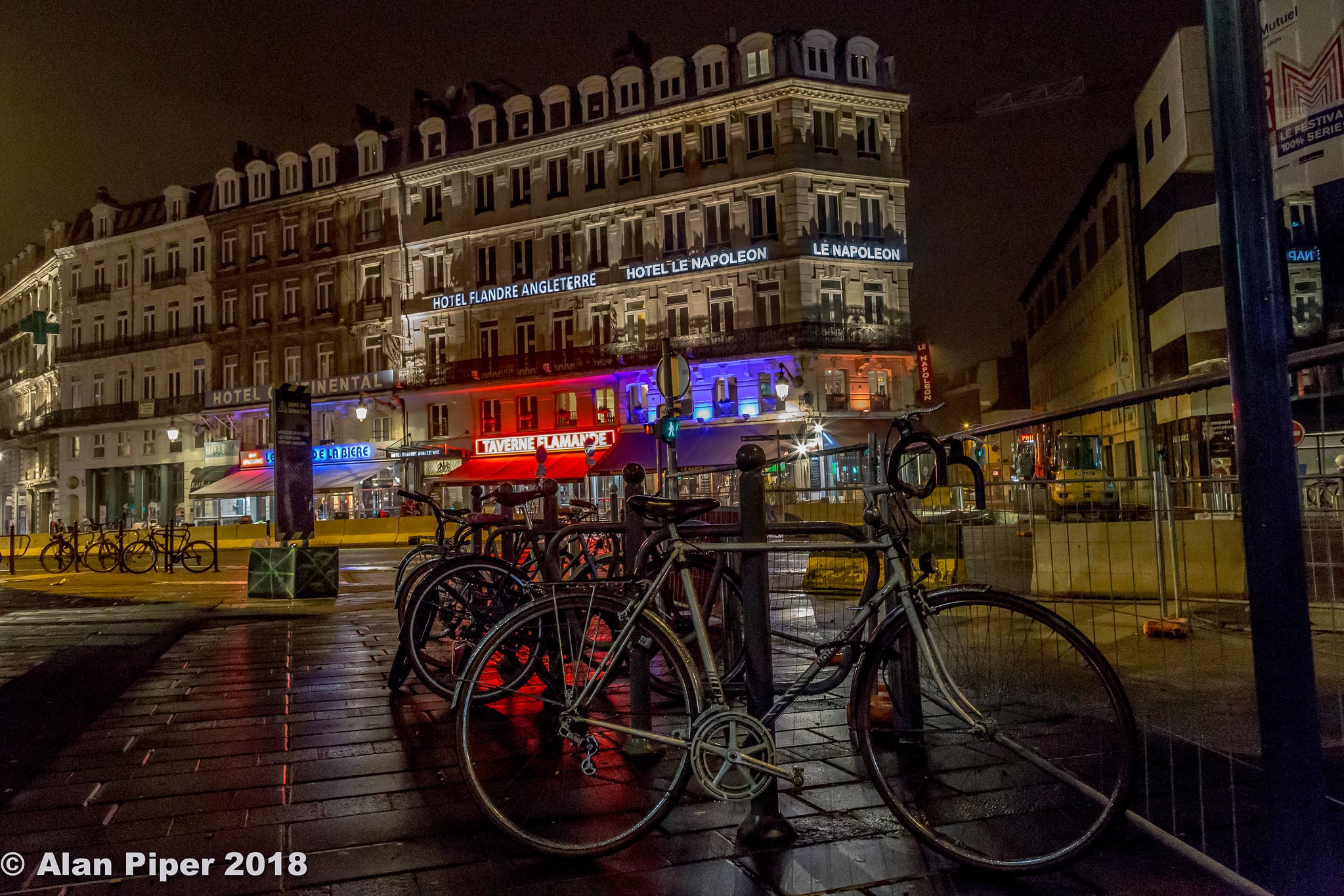
Hand-colored photographs of European cities from the 1890s reveal daily life in full color. Paris boulevards show elegant women in burgundy coats and yellow parasols.
London street vendors display their wares — bright red apples, golden oranges, green vegetables arranged in wooden carts.
The awnings over shops bloom in stripes of blue and white, red and gold.
Street photography was already becoming an art form, and color was part of the artistic vision. These photographers understood that cities are fundamentally colorful places — that the interplay of architecture, clothing, commerce, and light creates palettes that deserve preservation.
Portrait Photography Studios

Professional portrait studios employed colorists who could transform a formal black-and-white photograph into something approaching a painted miniature. A woman’s ruby earrings would be carefully painted to match her jewelry.
A man’s brown eyes would be tinted to their exact shade. Wedding photographs showed brides in white dresses with pale pink roses and ribbons of sky blue.
These weren’t photographs pretending to be paintings. They were portraits that understood color as essential information — the kind of details that separated a generic image from a true likeness of a specific person at a particular moment in their life.
Scientific Expedition Photography

Scientists and explorers commissioned hand-colored photographs to document their discoveries accurately. Botanical specimens appear in their natural colors — the deep purple of exotic flowers, the varied greens of unfamiliar leaves, the bright orange of tropical fruits.
Geographic surveys show rock formations in their actual mineral colors rather than generic gray.
Color wasn’t decoration here; it was data. Scientists understood that accurate documentation required capturing the full visual spectrum.
A red rock formation and a brown one might look identical in black-and-white, but they told completely different geological stories.
Early Advertising Photography
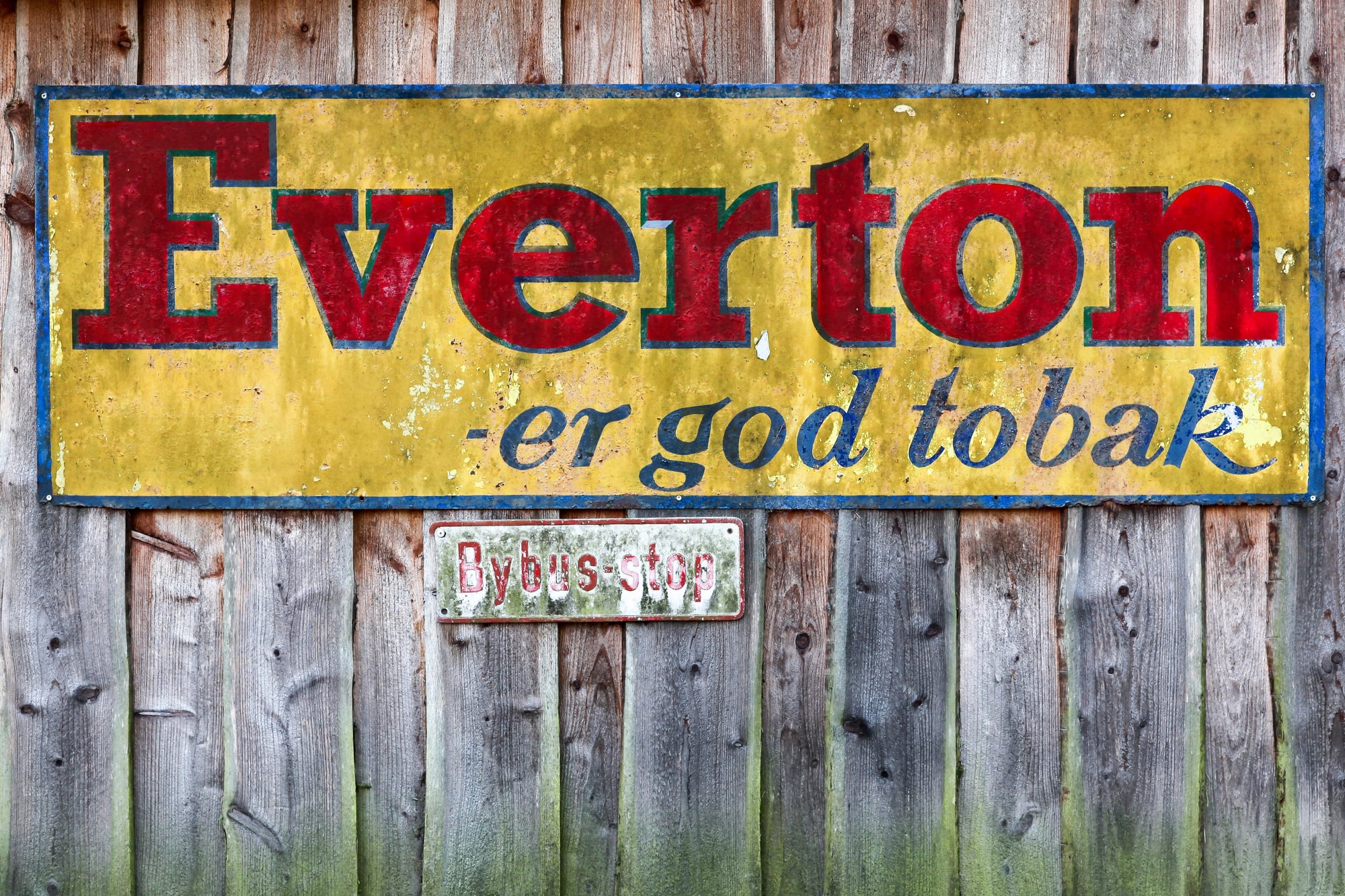
Advertisers quickly realized that hand-colored photographs could sell products more effectively than black-and-white images. Soap advertisements showed the pink and white complexions that their products promised to deliver.
Food photography revealed the golden brown of fresh bread, the red of ripe tomatoes, the green of fresh lettuce.
Product photography was born understanding that color drives purchasing decisions. These early advertising images weren’t just selling soap or food — they were selling the idea that daily life could be more colorful, more appealing, more desirable than the monochrome world suggested.
Military Uniform Documentation

Military photographers hand-colored official portraits to preserve the exact appearance of dress uniforms. French cavalry officers appear in their blue coats with gold braiding.
British guards stand at attention in their famous red tunics. American naval officers pose in their white summer uniforms against blue studio backdrops.
Military precision extended to color accuracy. These photographs served as historical records of exactly how uniforms looked, which ribbons indicated which campaigns, and how rank was displayed through color and insignia.
Getting the colors wrong would have been a form of military inaccuracy.
Theatrical Photography
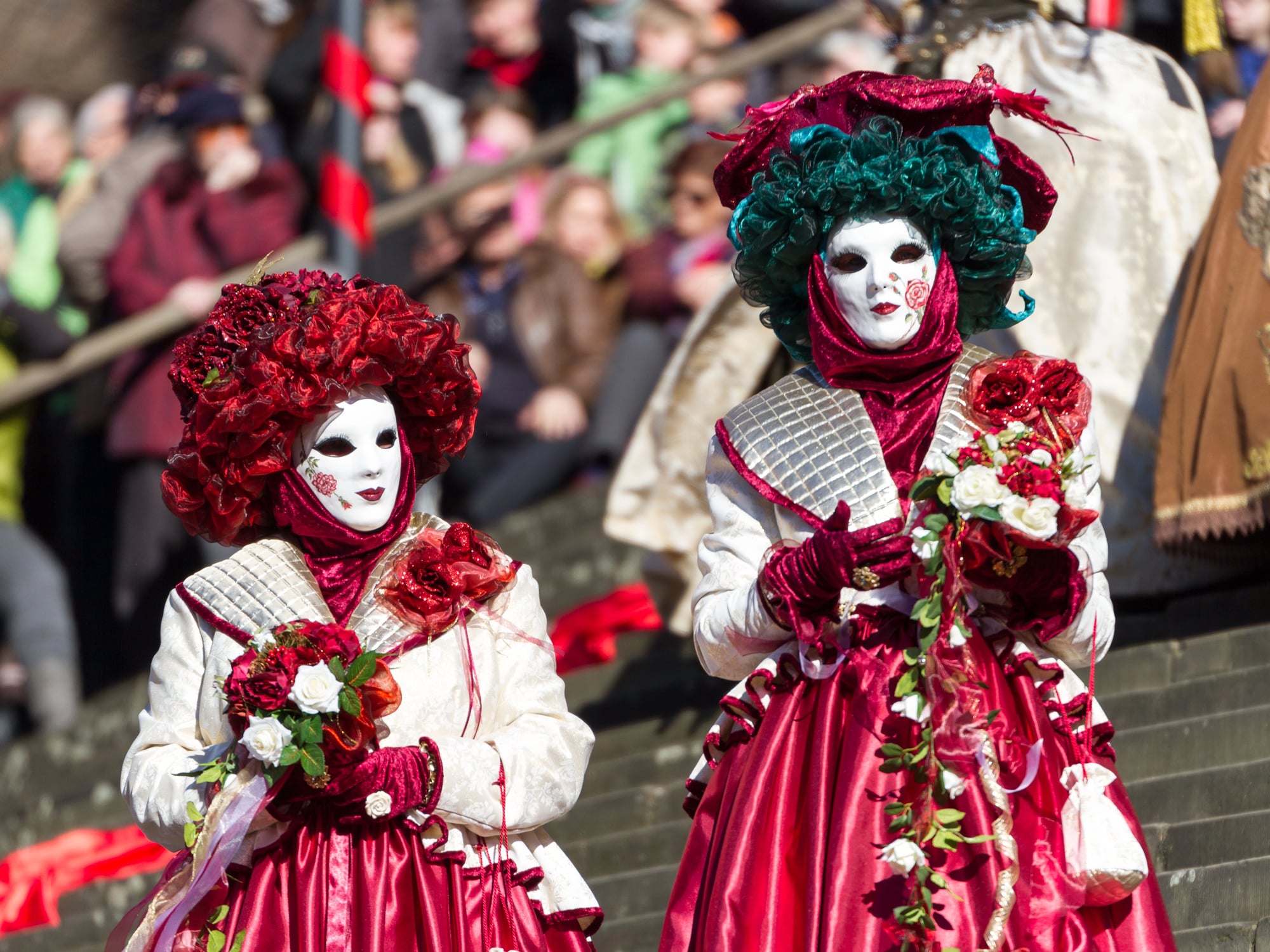
Actors and actresses commissioned elaborate hand-colored photographs to capture their stage personas. A soprano appears in the full costume of her opera role — emerald velvet gown, golden jewelry, flowers in her dark hair.
A Shakespearean actor poses in doublet and hose, the rich purples and deep reds of his costume suggesting the drama of the stage.
Theater has always been about transformation, and these photographs captured performers in their moments of artistic metamorphosis. Black-and-white could show costumes and poses, but color was what made the theatrical magic visible to those who hadn’t seen the performance.
International Exhibition Displays

World’s fairs and international exhibitions hired photographers to document their displays in full color. The 1893 World’s Columbian Exposition in Chicago appears in hand-colored photographs that show the gleaming white buildings against blue skies, colorful flags from dozens of nations, and elaborate displays of products and artwork from around the world.
These exhibitions were designed to dazzle visitors with color, texture, and visual spectacle. Documenting them in black-and-white would have missed the entire point.
The hand-colored photographs preserved not just what these exhibitions looked like, but how they felt to experience — overwhelming, beautiful, and definitely not monochrome.
Colors That Refuse to Fade

DepositPhotos
Looking at these hand-colored photographs today feels like discovering that the past had a secret. The careful application of pigments to glass plates and paper prints created colors that have outlasted many of their full-color successors.
While color films from the 1970s have shifted to magenta or faded to yellow, these hand-tinted images retain their original vibrancy.
Maybe that’s the real revelation here — not just that the past was colorful, but that the people living in it cared enough about preserving that color to paint it back onto their photographs, one careful brushstroke at a time.
They knew something we sometimes forget: that color isn’t just decoration. It’s information, emotion, and memory all mixed together on the tip of a brush.
More from Go2Tutors!

- The Romanov Crown Jewels and Their Tragic Fate
- 13 Historical Mysteries That Science Still Can’t Solve
- Famous Hoaxes That Fooled the World for Years
- 15 Child Stars with Tragic Adult Lives
- 16 Famous Jewelry Pieces in History
Like Go2Tutors’s content? Follow us on MSN.