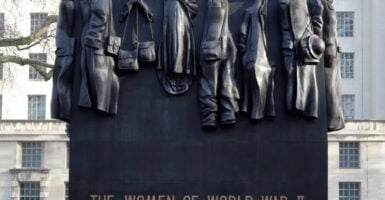
Photos of the Berlin Wall Going Up and Coming Down
The Berlin Wall stands as one of history’s most powerful symbols – a concrete reminder of division that became, paradoxically, a monument to the human desire for unity.
For 28 years, this barrier split not just a city, but families, friends, and an entire nation. The photographs documenting its construction and eventual destruction tell a story that goes far beyond politics, capturing moments of desperation, hope, defiance, and ultimately, joy.
These images serve as historical witnesses to one of the most dramatic chapters of the Cold War. They show us the faces of people whose lives were forever changed by a wall that appeared almost overnight and the celebration that erupted when it finally fell. Through these photographs, we can trace the evolution of a city, a people, and a world divided.
Construction Begins
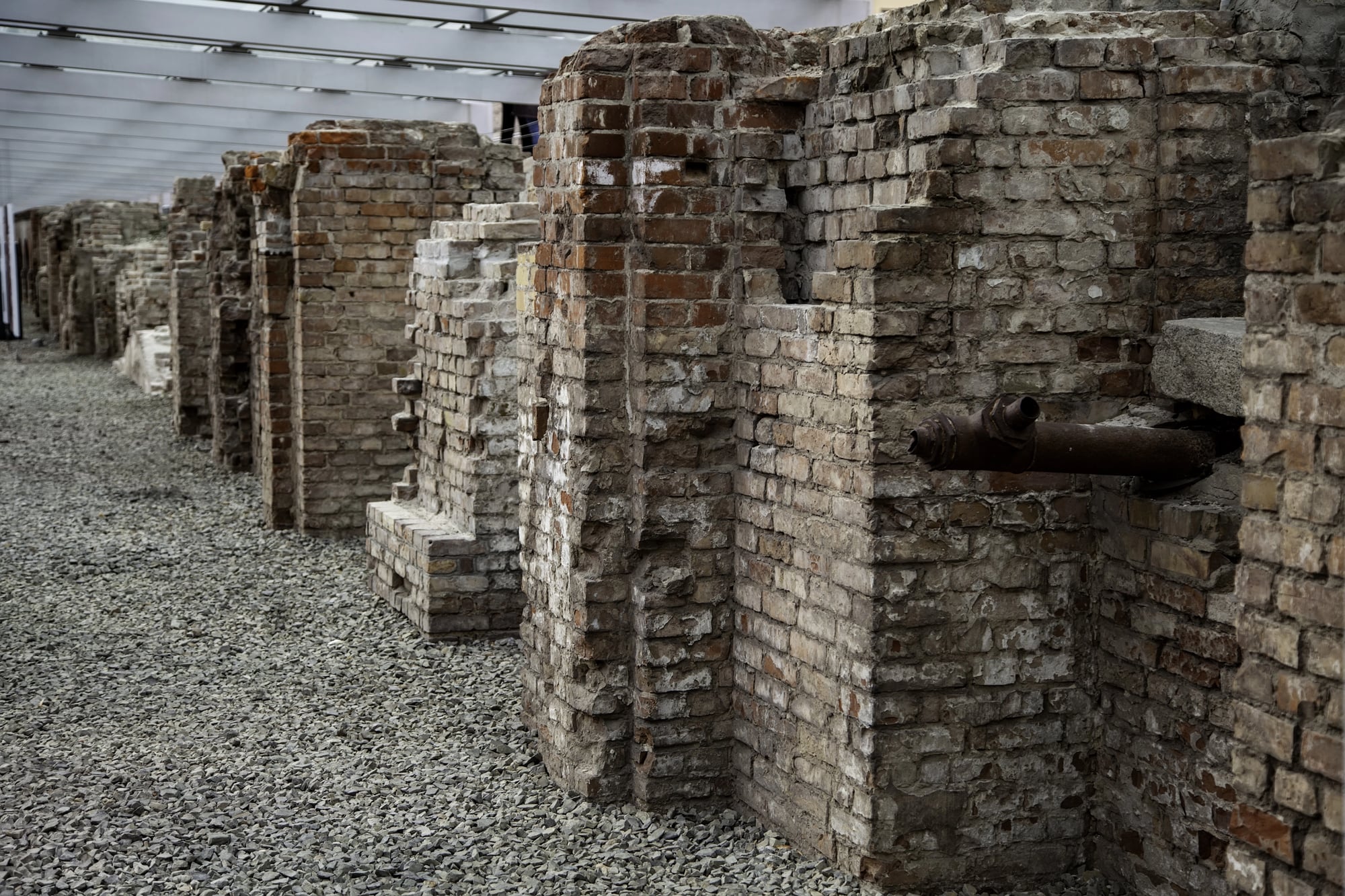
The first photographs from August 13, 1961, show East German workers rolling out barbed wire across Potsdamer Platz at dawn. No dramatic machinery.
No grand announcements. Just men in work clothes following orders that would reshape Berlin forever.
Early Escape Attempts
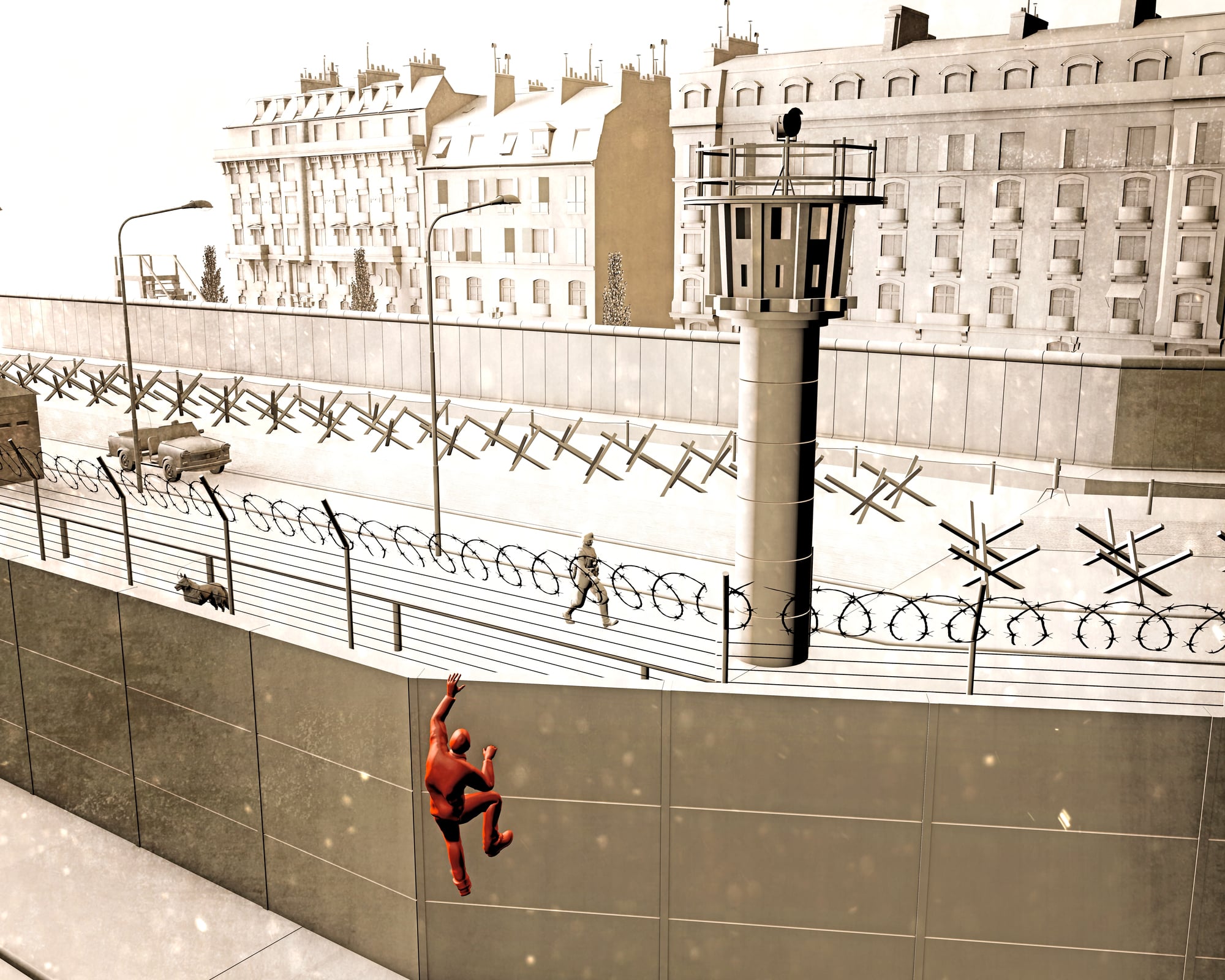
Within days of the initial barrier, photographers captured desperate scenes of East Berliners making split-second decisions to flee.
Images show people leaping from apartment windows into nets held by West Berlin firefighters, their faces etched with a mixture of terror and determination that no amount of political rhetoric could convey.
The Wall Takes Shape
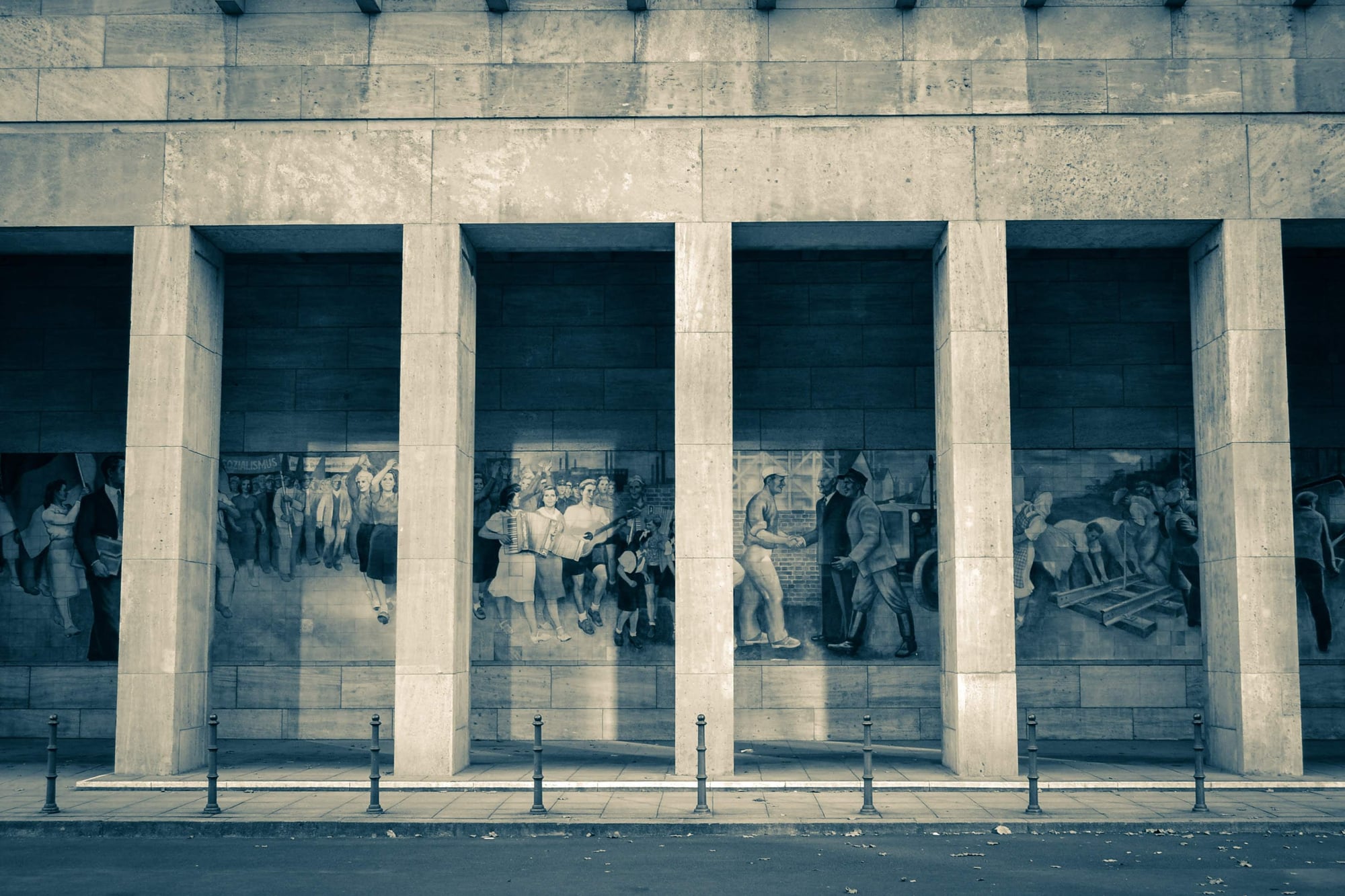
What started as barbed wire quickly evolved into something more permanent, and the photographs document this transformation with an almost clinical precision.
Concrete blocks replaced wire, then taller sections appeared, then the infamous curved top designed to prevent climbing.
Each addition was captured by photographers who understood they were witnessing history unfold in real time, one photograph at a time. The images don’t just show construction; they reveal the methodical way freedom gets dismantled. Brick by brick.
Guard Posts and Checkpoints
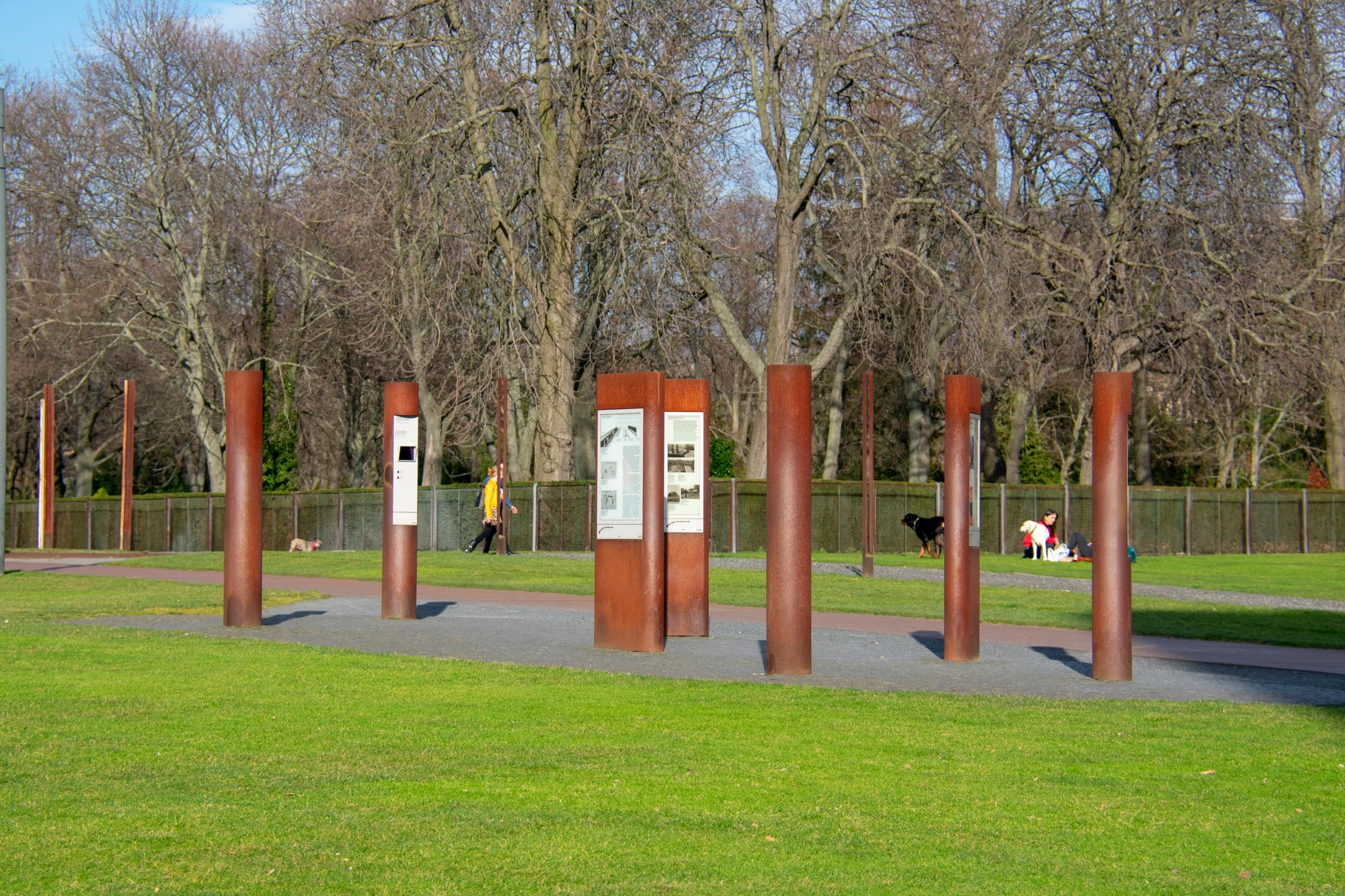
The most famous checkpoint photographs come from Checkpoint Charlie, but images from other crossing points tell equally compelling stories.
Heavily armed guards, document inspections, and the tense faces of those lucky enough to have permission to cross capture the bureaucracy of oppression in stark detail.
Family Separations

Photography becomes witness when words fail, and nowhere is this more evident than in the images of families separated by the wall’s sudden appearance.
An elderly woman reaches through barbed wire toward a grandchild she may never hold again, while a man presses his palm against concrete where a doorway used to be.
The wall didn’t just divide a city; it severed the small, daily connections that make life meaningful.
Life Along the Death Strip
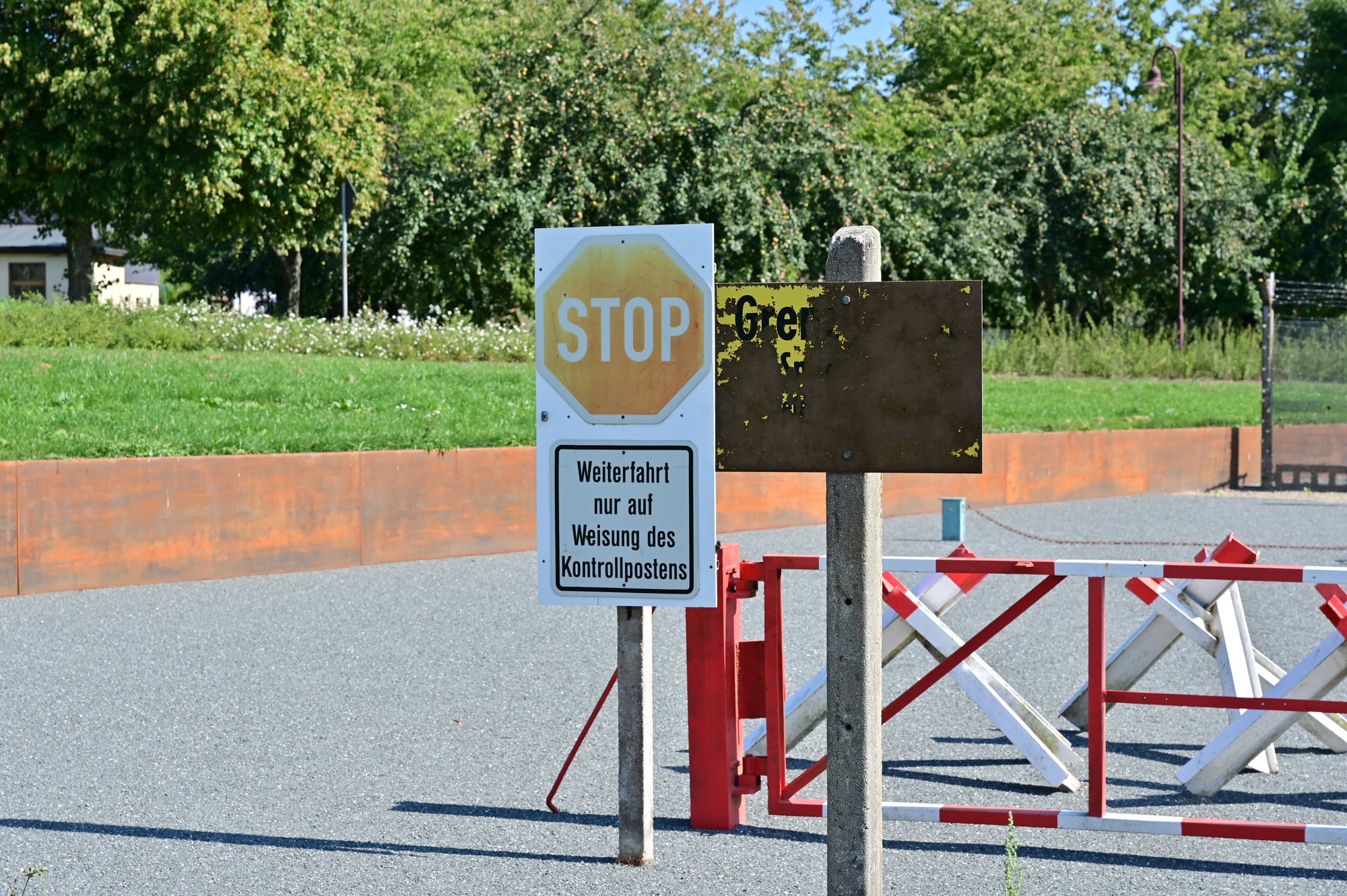
The most surreal photographs show how normal life attempted to continue alongside a monument to division.
West Berliners picnicked within sight of guard towers, children played games incorporating the wall into their rules, and vendors sold postcards to tourists observing catastrophe.
The absurdity of routine existing beside oppression is captured without comment, only observation.
Graffiti and Protest Art
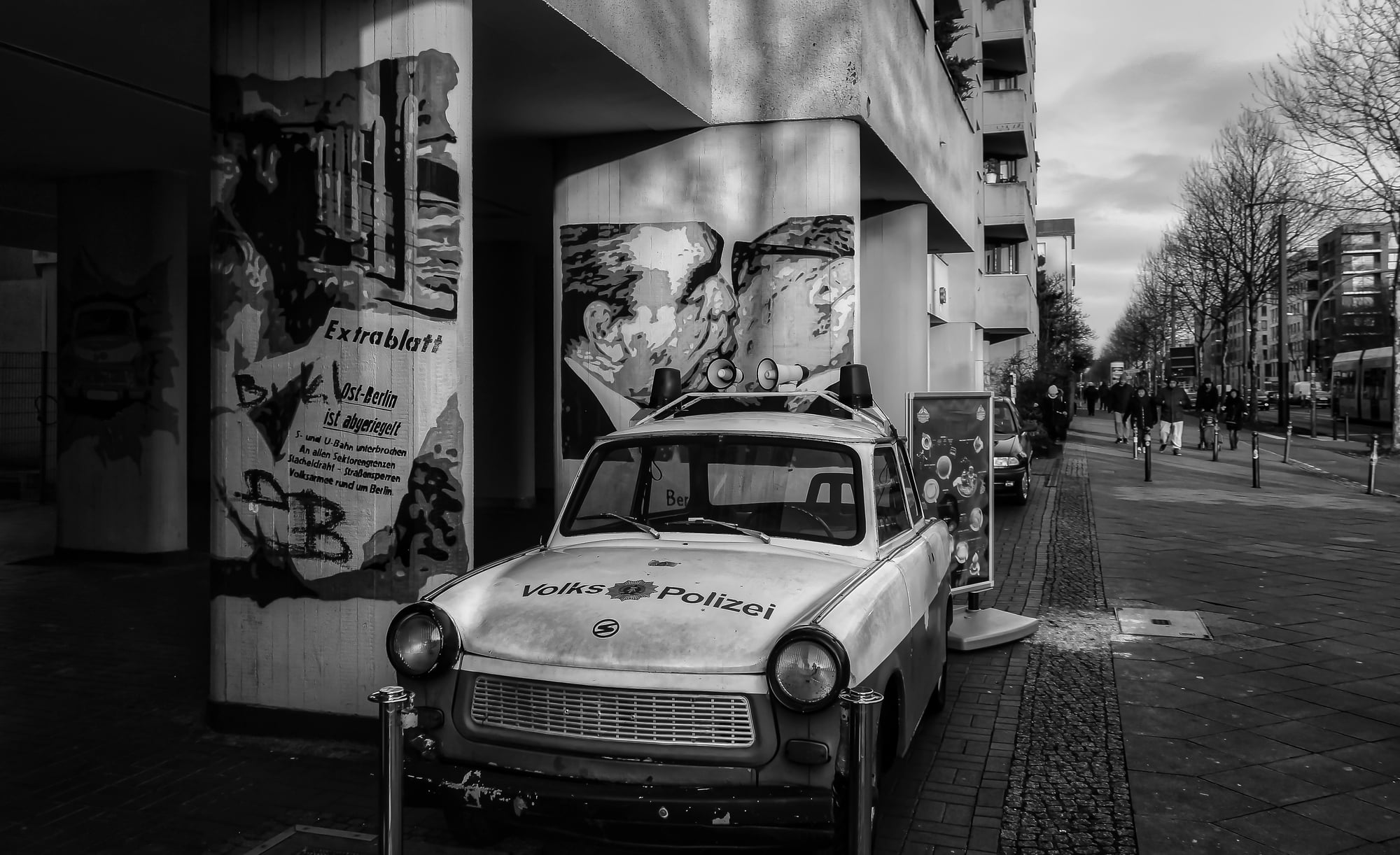
By the 1970s and 80s, the western side of the wall had become the world’s longest canvas.
Photographs document its transformation from blank concrete to a riot of color and commentary. Each spray-painted message and mural becomes a visual form of resistance.
Art becomes proof that creativity cannot be contained, even by the most determined authoritarianism.
The Cracks Begin to Show
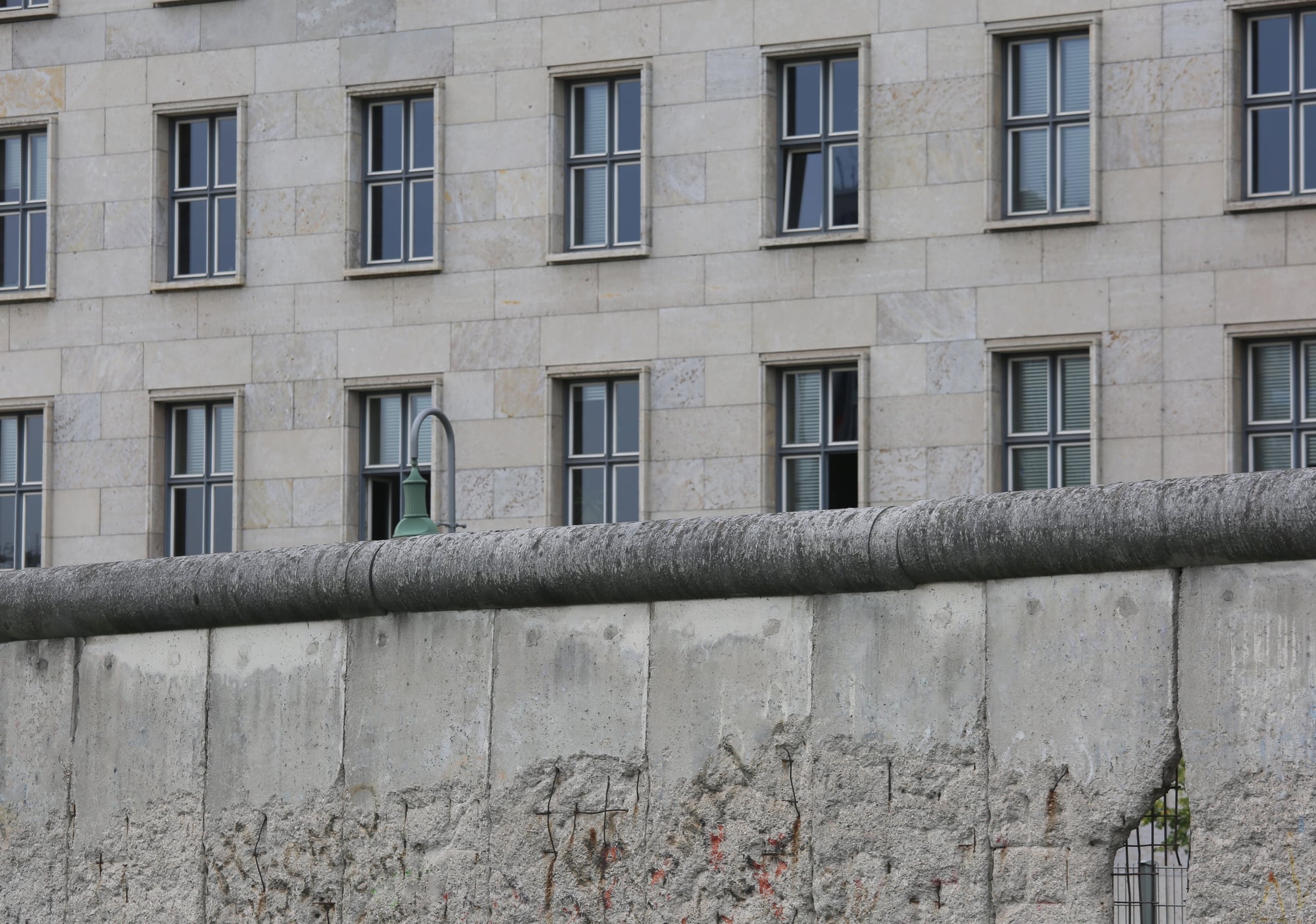
The photographs from 1989 capture a shift in atmosphere that is visible in faces and crowds.
Demonstrations grow larger, border guards appear uncertain, and photographers begin documenting not just oppression, but its unraveling.
November 9, 1989
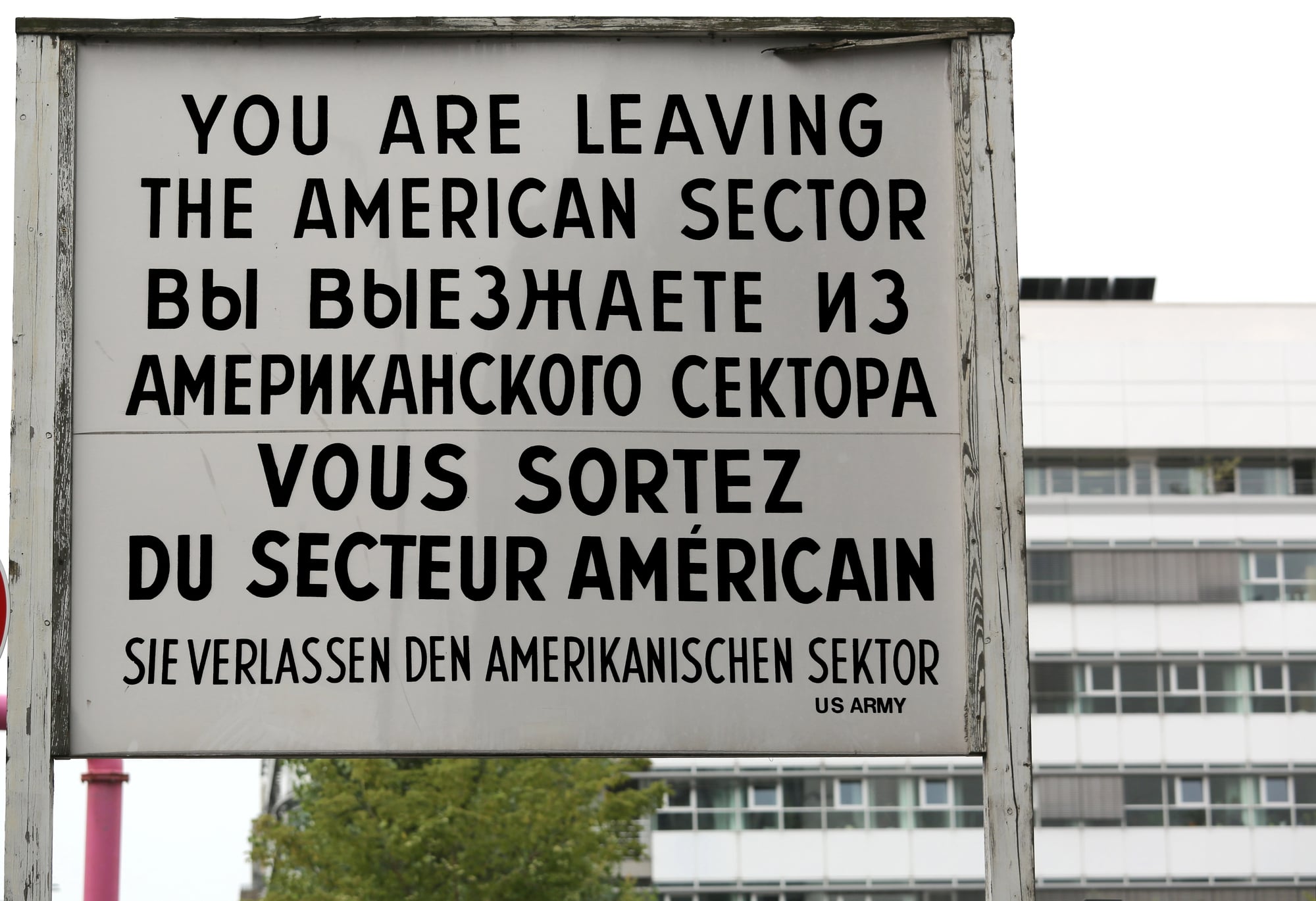
The fall of the Berlin Wall was not planned as a photogenic moment, but it became one of the most documented events in history.
Images from that night show people dancing on the wall, embracing strangers, and striking concrete with tools as fragments fly into the air.
People Power
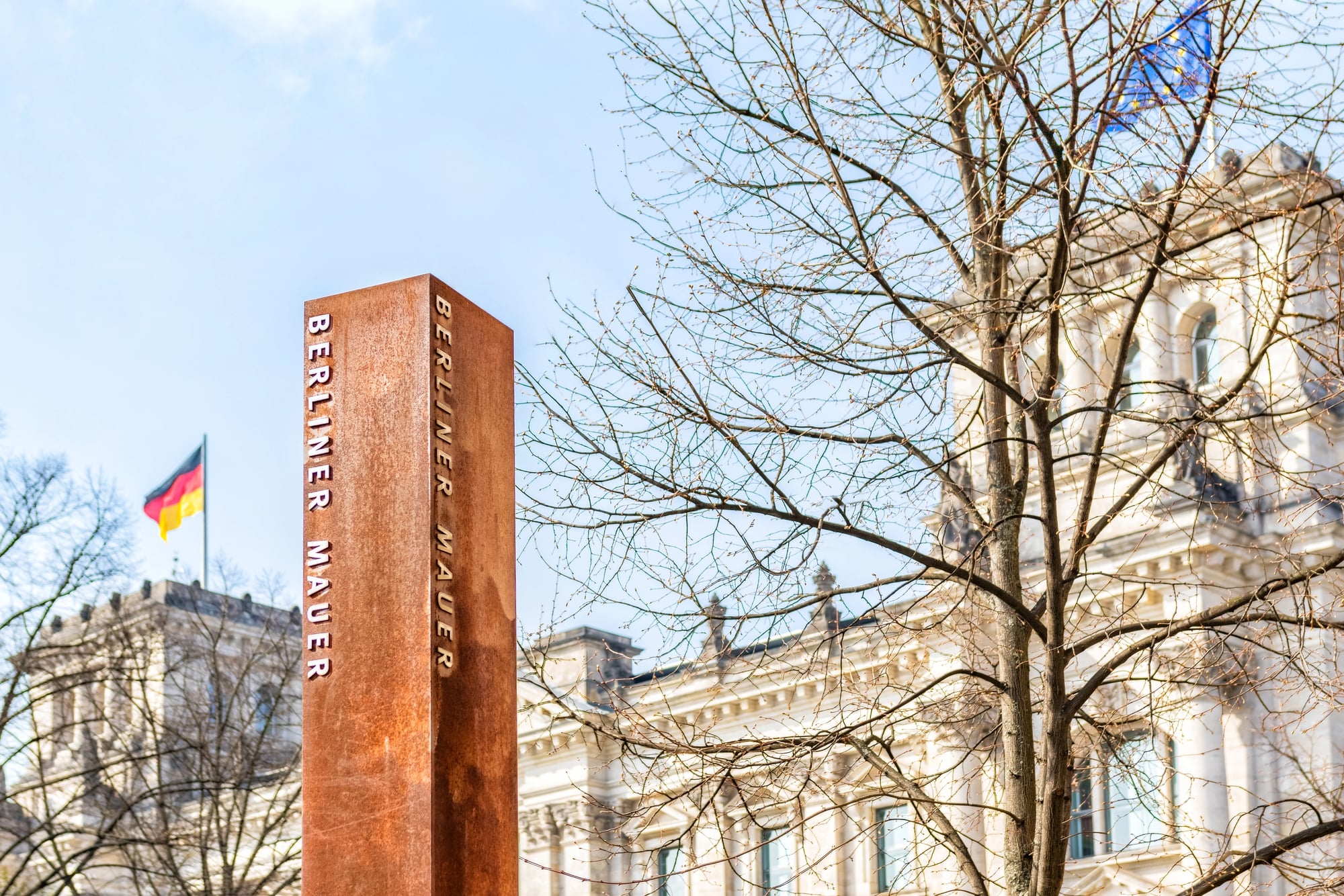
Some photographs show official demolition, but the most powerful images capture citizens dismantling the wall themselves.
Families, teenagers, and elderly couples use whatever tools they can find, turning personal history into physical action.
Hammers and Pickaxes
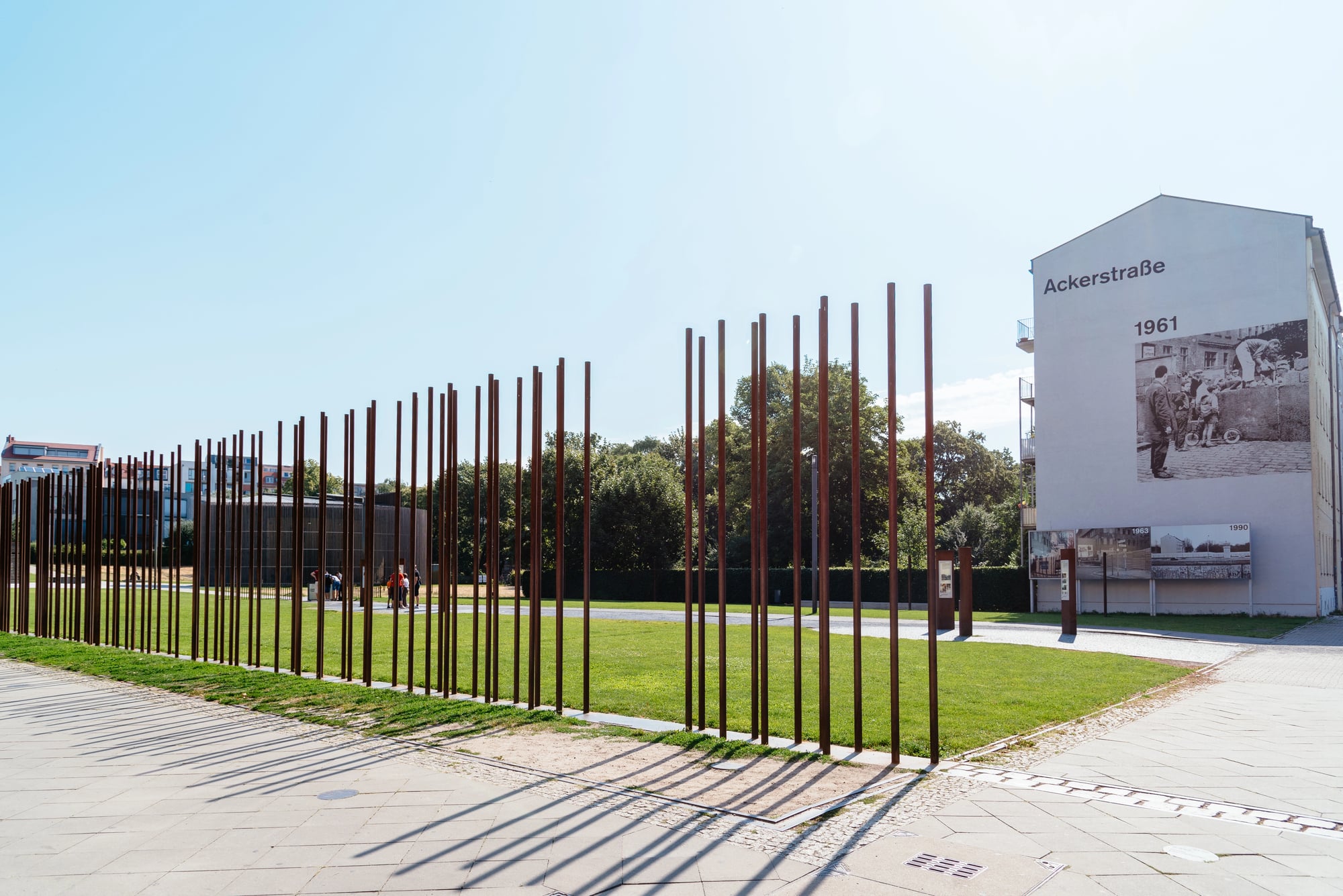
The “Mauerspechte” (wall woodpeckers) are captured in iconic images chipping away at concrete.
Each swing of a hammer carries decades of frustration, finally directed at something tangible.
Reunited Families

Photographs of reunions after nearly three decades of separation capture overwhelming emotion.
Parents meet adult children they last saw as teenagers, and grandparents hold grandchildren they never knew. The images document joy intertwined with the loss of time that can never be recovered.
The Aftermath
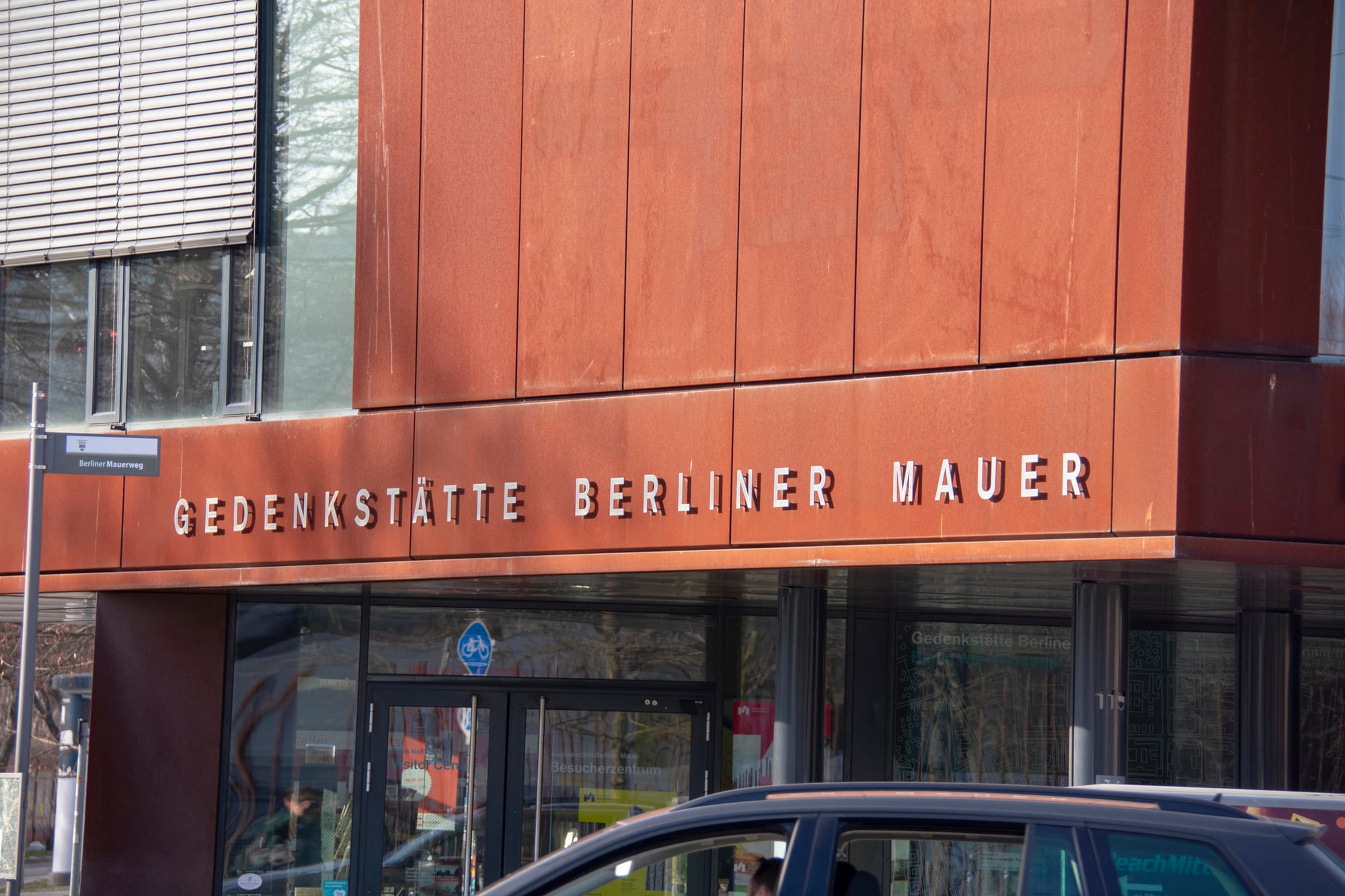
Cleanup photographs show massive concrete slabs being removed, guard towers disappearing, and open space replacing barriers.
Grass begins to grow where division once stood, signaling how quickly physical symbols of oppression can vanish.
Pieces of History
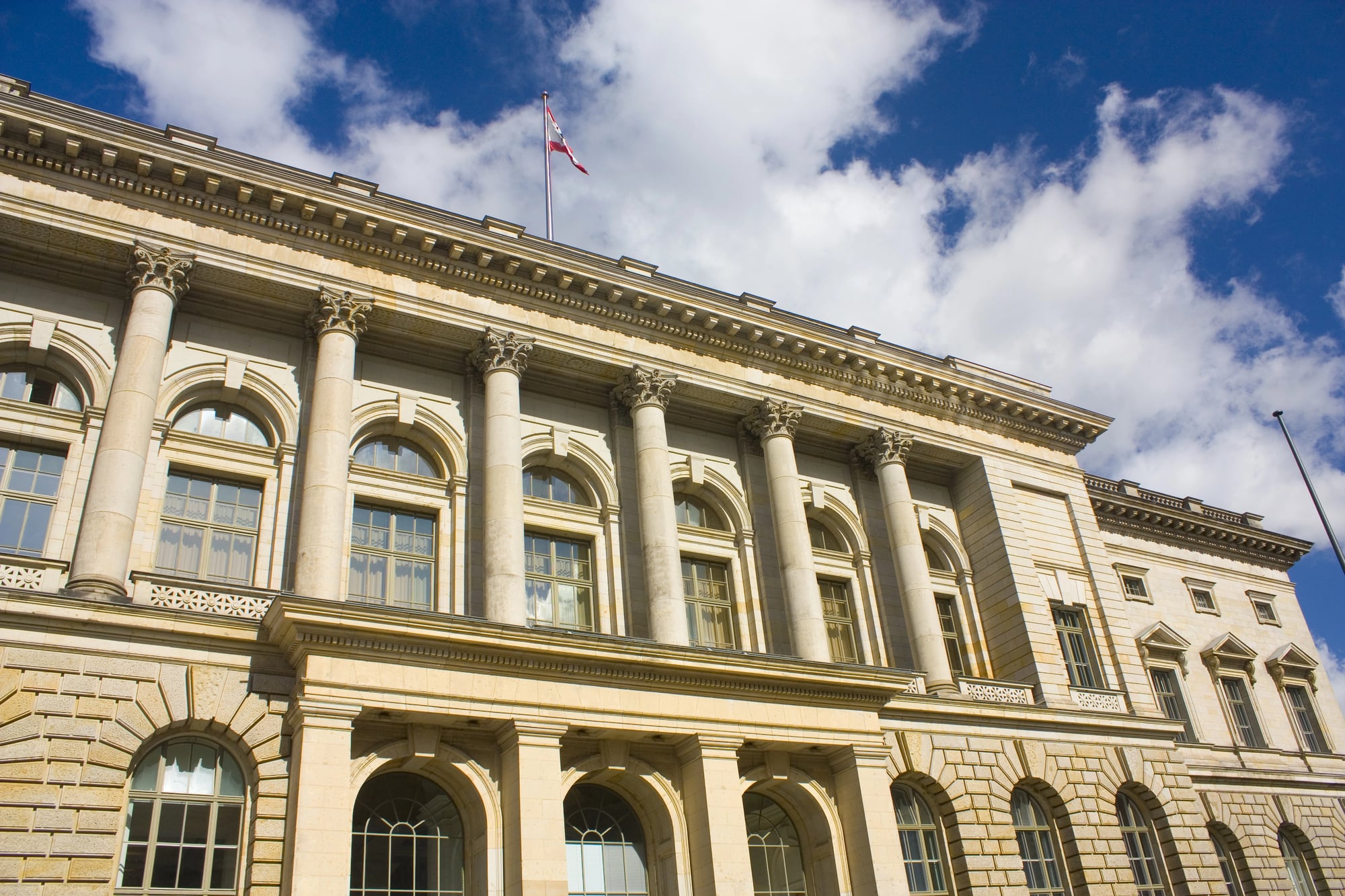
Today, fragments of the Berlin Wall sit in homes and museums around the world.
The photographs ensure that the story is remembered: walls built to last forever can fall in a single night, and the desire for connection ultimately outlasts the structures built to prevent it.
More from Go2Tutors!

- The Romanov Crown Jewels and Their Tragic Fate
- 13 Historical Mysteries That Science Still Can’t Solve
- Famous Hoaxes That Fooled the World for Years
- 15 Child Stars with Tragic Adult Lives
- 16 Famous Jewelry Pieces in History
Like Go2Tutors’s content? Follow us on MSN.