Video Game Plot Twists No One Saw Coming
Video games have this unique power to make you feel smart and then completely destroy your confidence within seconds. You think you’ve figured out where the story is going, you’re feeling pretty good about yourself, and then the game pulls the rug out from under you so hard you need to sit there staring at the screen for ten minutes.
These plot twists didn’t just surprise players. They fundamentally changed how people thought about the entire game.
BioShock’s “Would you kindly”

The phrase “would you kindly” seemed like polite dialogue throughout the game. Atlas kept using it when giving you directions and it felt natural.
Just a courteous way of asking you to do things in this underwater dystopia. Then the game reveals you’ve been mind-controlled the entire time.
Every time someone said “would you kindly,” you were compelled to obey without question. Your entire journey wasn’t your choice.
You were a puppet following programming disguised as politeness. Players went back through the game looking for every instance of the phrase.
The realization that you never had free will in a game about free will hit differently. The twist worked because it commented on gaming itself.
You always do what the game tells you to do. BioShock just made it part of the plot.
Knights Of The Old Republic Reveals Your Identity

You spend the whole game as a Republic soldier hunting down Darth Malak and trying to find the mysterious Dark Lord of the Sith named Revan. The story keeps referencing Revan as this legendary figure who disappeared.
Turns out you are Revan. The Jedi Council wiped your memory and gave you a new identity after you were betrayed.
You’re not hunting the Sith Lord. You are the Sith Lord everyone’s been talking about.
The twist recontextualizes everything. Your companion’s reactions make sense now. The visions you kept having were memories.
Players felt betrayed by the game in the best possible way.
Metal Gear Solid 2 Switches Protagonists

The marketing showed Solid Snake as the main character. Trailers featured him heavily.
Players are expected to play as Snake for the entire game as they did in the first one. Then the game pulls Snake away and makes you play as Raiden, a rookie agent nobody asked for.
The community was furious at first. People felt tricked by the bait-and-switch marketing.
But the twist was intentional commentary on sequels, player expectations, and how information gets manipulated. The game was messing with you on multiple levels.
Years later, people recognize it as brilliant even if they hated it at the time.
The Last of Us kills Joel

The sequel brought back Joel and Ellie, characters people had grown attached to over years of waiting. Joel was the protagonist of the first game. He was the character players controlled and identified with.
Then the game kills him brutally in the first few hours. No heroic sacrifice.
No dramatic final battle. Just a sudden, violent death that feels unfair and wrong.
Players were devastated and angry. Some refused to keep playing.
The game forced you to then play as his killer and understand her perspective. Whether you think it worked or not, nobody saw it coming.
The twist was designed to hurt.
Spec Ops: The Line wasn’t a standard military game

The game looked like every other military action game on the market. Generic cover-based shooting in a desert setting.
Nothing about the marketing suggested anything unusual. Then it reveals you’ve been the villain the entire time.
The white phosphorus scene where you unknowingly kill civilians is horrifying. The game keeps showing you the consequences of treating war like a video game power fantasy.
The twist is that there is no twist. You did exactly what the game told you to do, and those actions had terrible consequences.
The game judges you for playing it. Most people picked it up expecting a fun action game and got an existential crisis instead.
Final Fantasy VII kills Aerith

JRPGs didn’t kill main party members permanently back then. Characters might get knocked out or temporarily removed, but they always come back.
Aerith was marketed as the female lead and primary love interest. The game kills her halfway through and she never comes back.
No resurrection spell works. She’s just gone.
Players kept her in their party thinking she’d return eventually. She doesn’t.
The death scene became iconic, but the real twist was that she stayed dead. Games didn’t do that.
The rules of the genre said important characters survive. Final Fantasy VII broke those rules and traumatized an entire generation of players.
Portal Reveals GLaDOS Is Lying

The testing chambers seemed strange but the game presented them as legitimate science experiments. GLaDOS guided you through with her monotone announcements.
Everything felt clinical and official. Then you see behind the scenes.
The facility is abandoned. The tests are pointless.
GLaDOS is a malfunctioning AI that kills everyone and keeps running experiments on you because that’s what she was programmed to do. The cake was always a lie.
The promised reward at the end doesn’t exist. You’re a rat in a maze being tormented by a broken computer system.
The dark humor throughout the game suddenly makes sense once you realize you’re trapped with an insane AI.
Red Dead Redemption Betrays John Marston

The game spends dozens of hours showing John trying to leave his outlaw past behind. He does everything the government asks.
He tracks down his former gang members. He fulfills his end of the bargain.
Then the government shoots him anyway. They never intended to let him go free.
After all that work building a new life, they gun him down on his own property. The game could have ended there as a tragedy.
Instead, it jumps forward and lets you play as his son seeking revenge. The betrayal stings because John earned his redemption and they killed him anyway.
Sometimes doing the right thing doesn’t matter.
Silent Hill 2 Was Always About Guilt

The game presents itself as a horror story about a man searching for his dead wife in a haunted town. Monsters attack, strange things happen, and the mystery deepens.
Standard horror game setup. The twist is that James killed his wife.
The town isn’t haunted. It’s manifesting his guilt and self-hatred.
Every monster represents his psychological trauma. Pyramid Head is his desire for punishment.
The whole game is his mind torturing itself. Players debated the ending for years.
The subtle hints were there from the beginning, but most people missed them on the first playthrough. The game trusted players to figure it out without spelling everything out.
Undertale Judges Your Actions
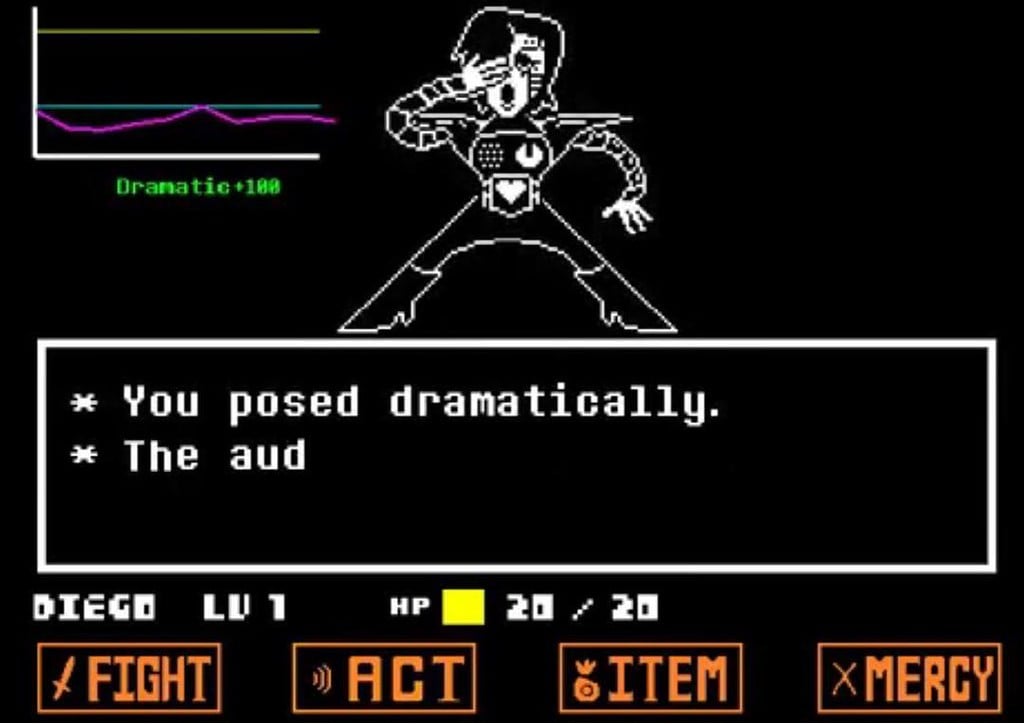
The game seems like a quirky indie RPG where you can befriend monsters instead of fighting them. The pacifist route encourages you to spare everyone and find peaceful solutions.
Cute characters, silly humor, nothing too serious. Then you try the genocide route.
The game knows what you’re doing and hates you for it. Characters remember your actions across playthroughs.
The game gets harder and less fun on purpose. Sans breaks the fourth wall to call you out for treating the game like a toy. The twist is that your choices actually matter.
Most games let you be evil without real consequences. Undertale makes you feel terrible about it and refuses to let you undo what you’ve done.
Completing the genocide route permanently affects your game file.
Batman: Arkham City Poisons You Immediately

The opening cutscene shows Joker looking sick. He captures Batman and reveals that Batman is infected with the same disease.
They’re both dying. You have hours to find a cure.
Players spent the whole game looking for a cure, expecting to save Batman at the last minute. Standard video game logic says the hero survives.
You find the cure. Everything should be fine.
Then Joker dies anyway. Batman had the cure in his hand and Joker knocked it over.
Batman could have saved him but Joker’s paranoia killed him. The twist isn’t that Batman dies.
It’s that Joker’s death was his own fault and Batman couldn’t prevent it.
Chrono Trigger Lets You Lose
Most games make you feel powerful. You level up, get stronger, and eventually beat the final boss.
That’s how JRPGs work. You’re the hero and you win.
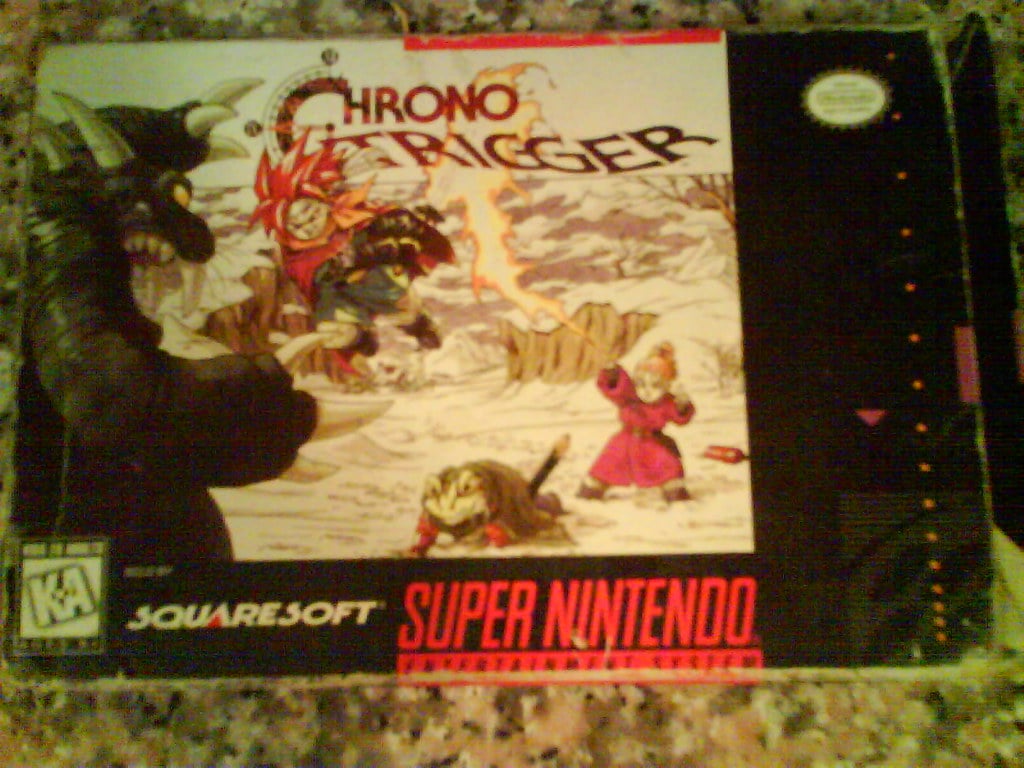
Chrono Trigger lets you fight the final boss at the beginning of the game. You’re massively underleveled and you lose instantly.
Lavos destroys you and then destroys the world. You watch the apocalypse happen.
Then the game sends you back in time and shows you how to prevent it. The twist is that the bad ending isn’t theoretical.
You saw it happen. Now you have to earn a good ending by actually being strong enough to change fate.
Shadow of the Colossus makes you the villain
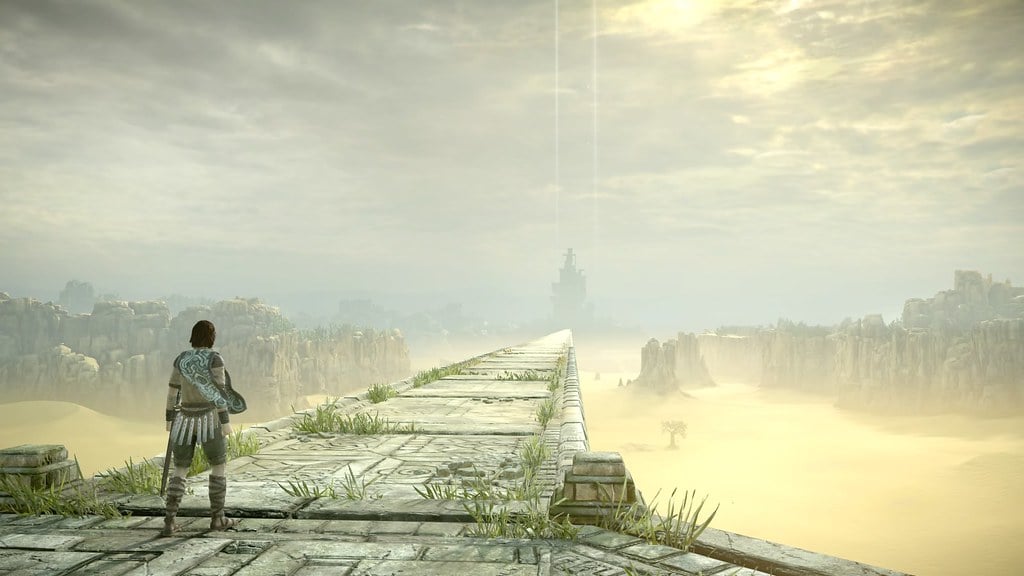
You’re killing colossi to bring back a dead girl. The game frames it as a quest to save someone you love.
Each colossus is a boss fight and defeating them feels like progress toward your goal. But the colossi aren’t threatening anyone.
They’re just existing in their territories. You’re hunting them down and killing them for your own purposes.
Each death makes you physically darker and more corrupt. The ending reveals you’ve been releasing an ancient evil by killing them.
Your quest to save one person potentially dooms everyone else. The game made you feel heroic while doing terrible things.
You were the monster the whole time.
When games break their own rules

These surprises hit hard since they go against what players quietly expect. Rules exist in games – patterns guide the way.
But heroes usually make it through, decisions can be undone, and protagonists don’t just drop dead for no reason. Yet these titles flipped the script, smashing norms.
That’s why folks still bring up those scenes years after playing. The hurt hits close to home since you spent hours, plus real feelings, getting caught up in those places.
This is why they stick around in your mind
More from Go2Tutors!

- The Romanov Crown Jewels and Their Tragic Fate
- 13 Historical Mysteries That Science Still Can’t Solve
- Famous Hoaxes That Fooled the World for Years
- 15 Child Stars with Tragic Adult Lives
- 16 Famous Jewelry Pieces in History
Like Go2Tutors’s content? Follow us on MSN.