15 Foods That Come with a Story Stranger Than Fiction
Foods aren’t just about flavors and textures, many have fascinating backstories that rival the most creative fiction. From accidental discoveries to ancient mysteries, the origin tales behind some of our favorite dishes can be downright bizarre.
Here is a list of 15 foods with histories so peculiar you might think they were made up.
Popsicles
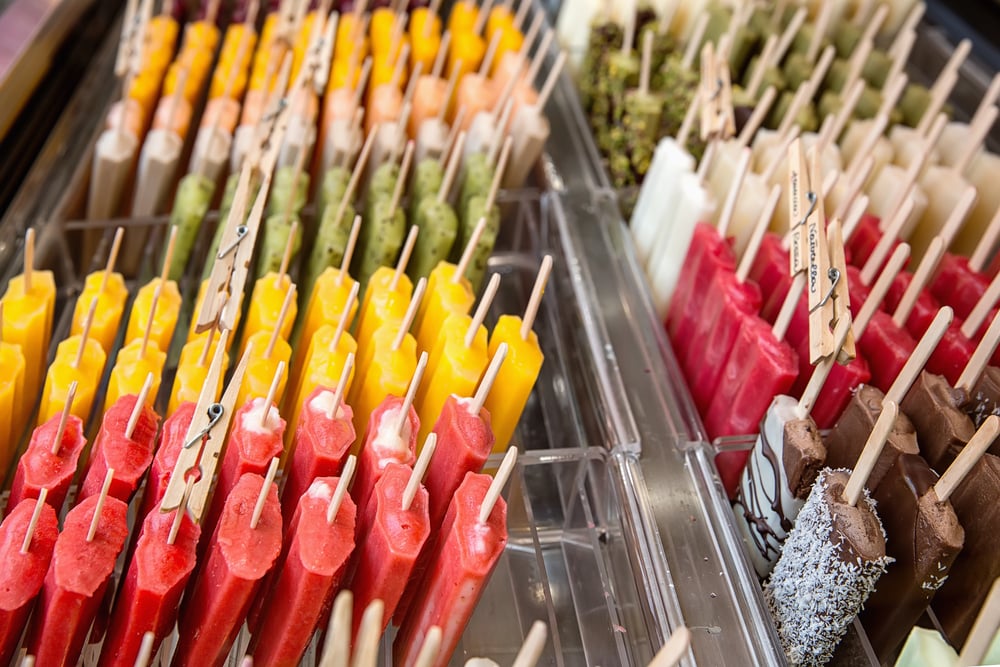
In 1905, 11-year-old Frank Epperson accidentally left a cup of soda with a stirring stick on his porch overnight during freezing temperatures. The next morning, he discovered the world’s first “Epsicle,” which he later renamed and patented as the Popsicle.
This childhood mistake became a multimillion-dollar industry all because a kid forgot to bring his drink inside.
Potato Chips
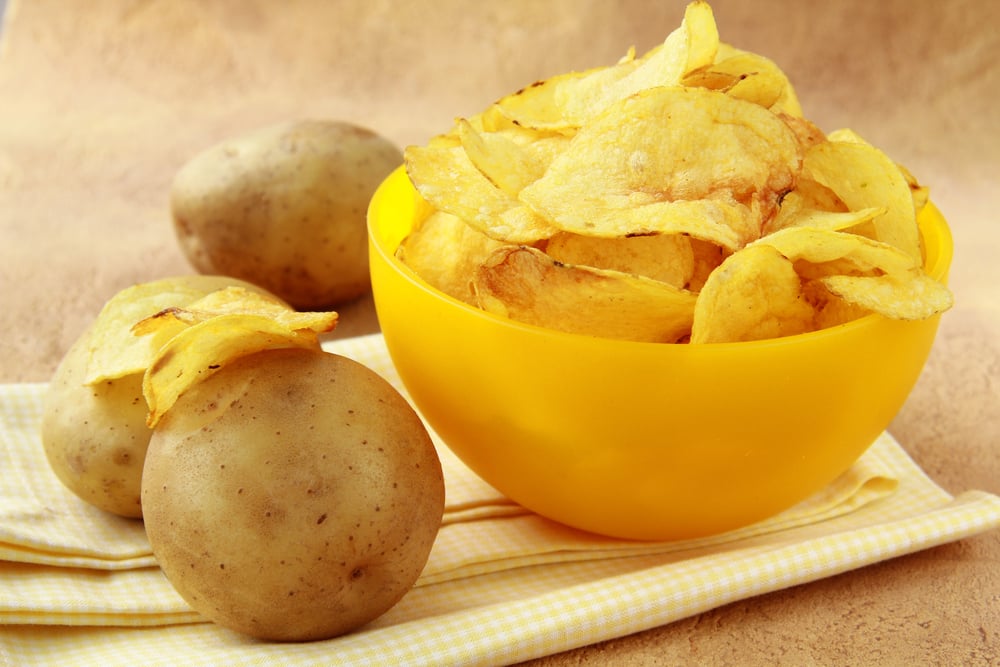
In 1853, a customer at Moon’s Lake House in Saratoga Springs repeatedly complained that his potatoes weren’t thin enough. Chef George Crum, frustrated by the complaints, sliced potatoes paper-thin, fried them to a crisp, and oversalted them as revenge, expecting the customer to hate them.
Instead, the customer loved the crunchy creation, and what began as an act of culinary spite became one of America’s favorite snacks.
Coca-Cola
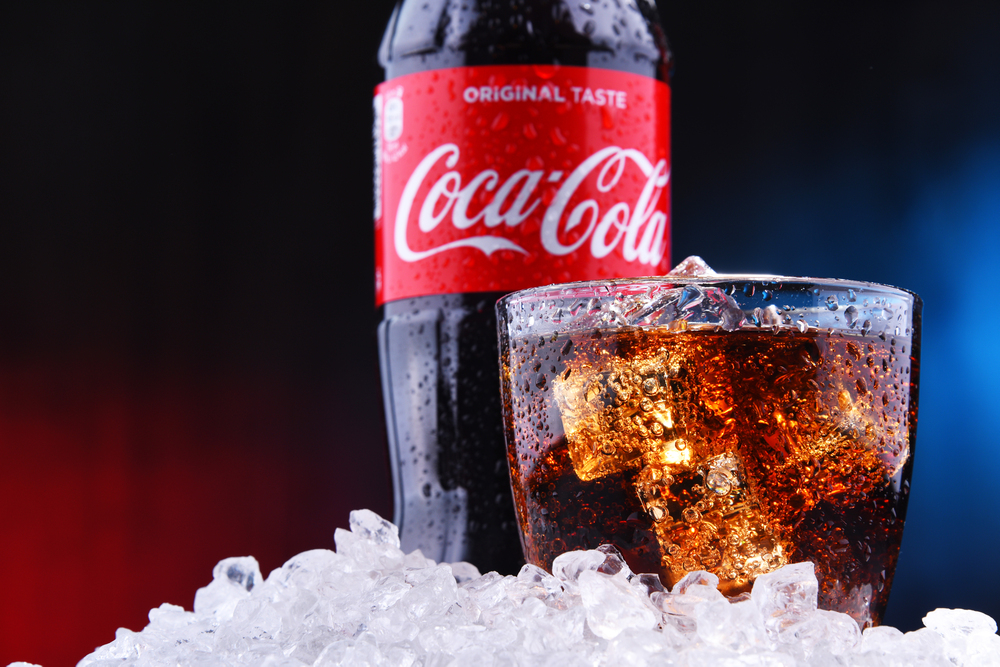
Originally developed as a medicinal tonic by pharmacist John Pemberton in 1886, Coca-Cola contained actual cocaine from coca leaves until 1903. Pemberton created it as a cure for his morphine addiction, marketing it as a remedy for headaches and fatigue.
The product that now defines American soft drinks began as a drug withdrawal solution with ingredients that would be highly illegal today.
Champagne

The signature bubbles in champagne were once considered a serious wine flaw. Dom Pérignon, contrary to popular belief, actually spent years trying to prevent the secondary fermentation that causes carbonation.
The cold winters in the Champagne region of France would halt fermentation, which would restart when temperatures warmed, creating unwanted bubbles. What was once seen as a regional production problem eventually became the drink’s most celebrated characteristic.
Worcester Sauce
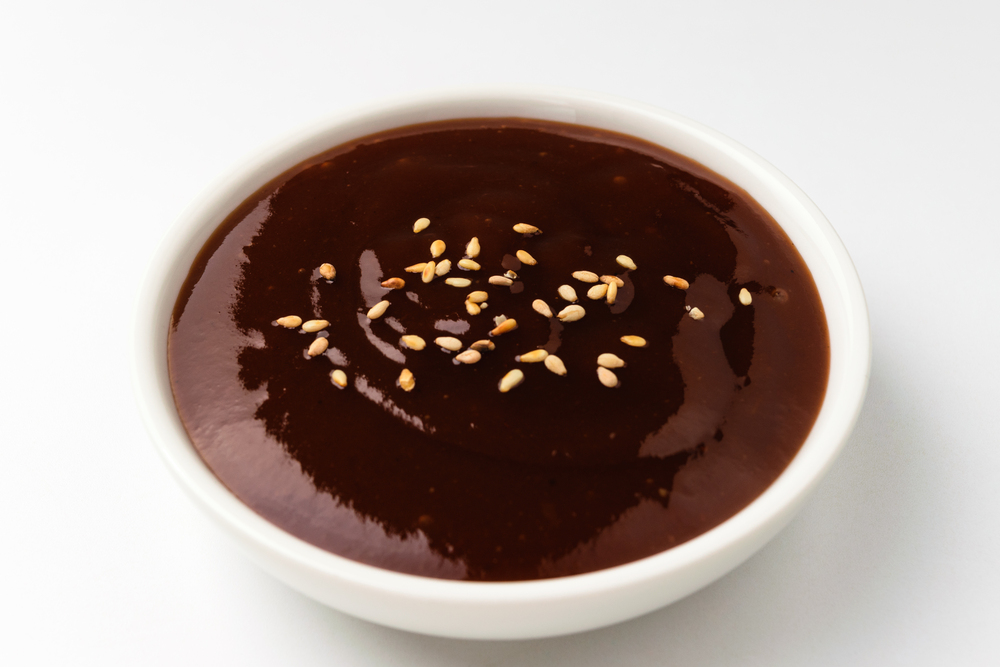
In the 1830s, Lord Sandys commissioned chemists John Lea and William Perrins to recreate a sauce he’d enjoyed in India. Their creation was so awful they stored the barrel in their basement and forgot about it.
Years later, they rediscovered the barrel and tasted it again, fermentation had transformed the horrible mixture into something delicious. The sauce they nearly threw away is now a kitchen staple around the world.
Chocolate Chip Cookies
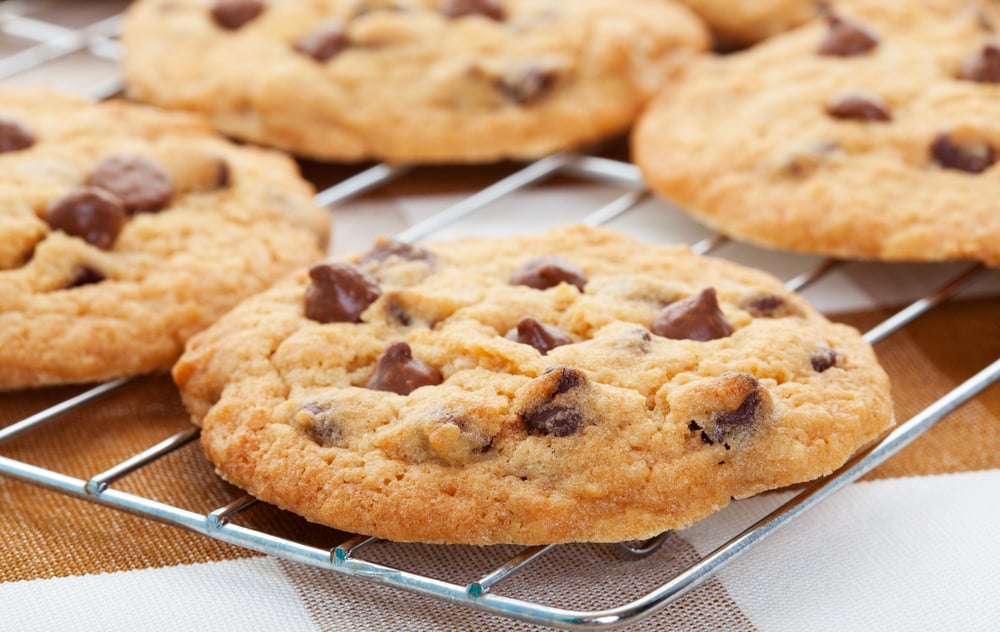
Ruth Wakefield, owner of the Toll House Inn, was making chocolate cookies when she ran out of baker’s chocolate. She substituted broken pieces of Nestlé semi-sweet chocolate, expecting them to melt completely.
When they retained their shape, the chocolate chip cookie was born. Nestlé eventually bought the rights to her recipe, which is why “Toll House” appears on their chocolate chips to this day.
Corn Flakes
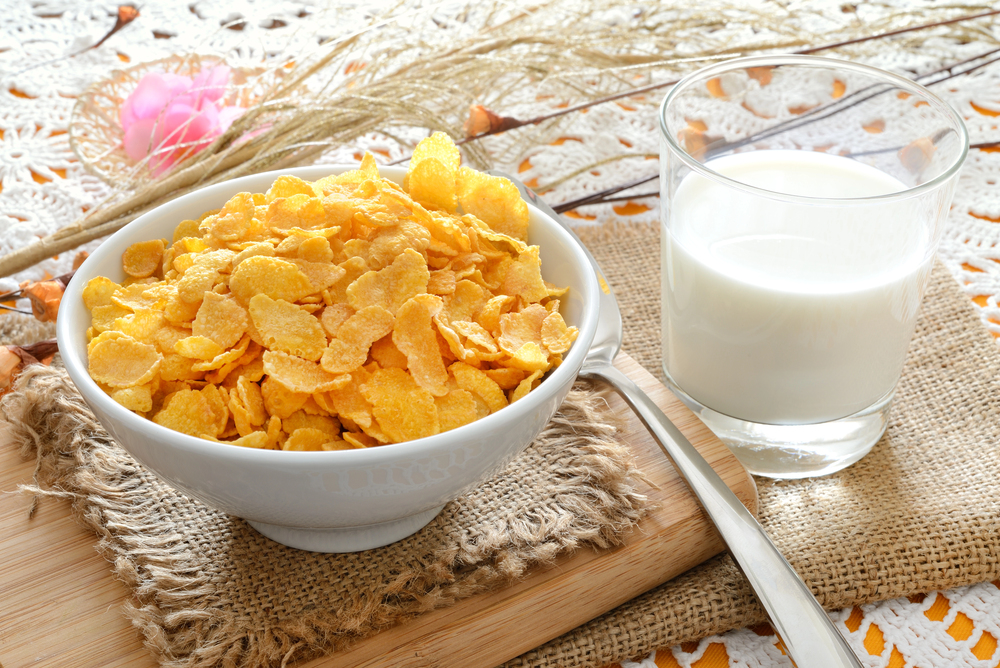
Dr. John Harvey Kellogg, a strict Seventh-day Adventist, created corn flakes in 1894 as part of a bland diet he believed would reduce passions and promote moral behavior among patients at his sanitarium. The original cereal was developed as a health food with a decidedly puritanical purpose.
His brother Will later added sugar against John’s wishes and marketed it to the masses, causing a lifelong rift between them.
Pineapple on Pizza
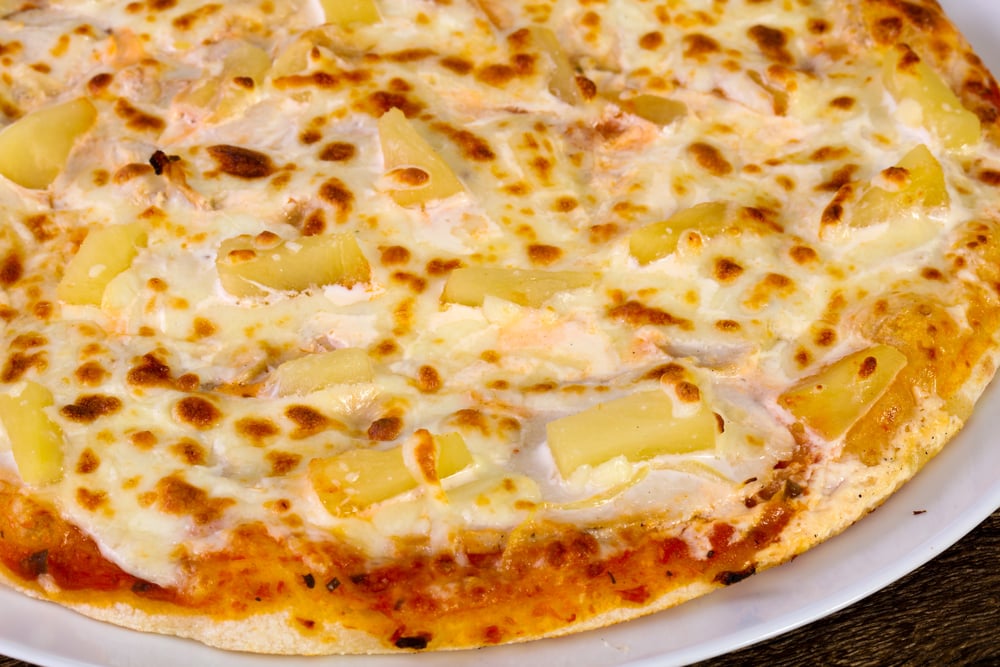
The controversial Hawaiian pizza wasn’t invented in Hawaii or Italy, but in Canada by Greek immigrant Sam Panopoulos in 1962. Panopoulos was experimenting with Chinese-American fusion dishes in his restaurant when he decided to try canned pineapple on pizza.
The sweet-savory combination that divides pizza lovers worldwide is actually a Greek-Canadian invention inspired by Chinese cuisine.
Tarte Tatin
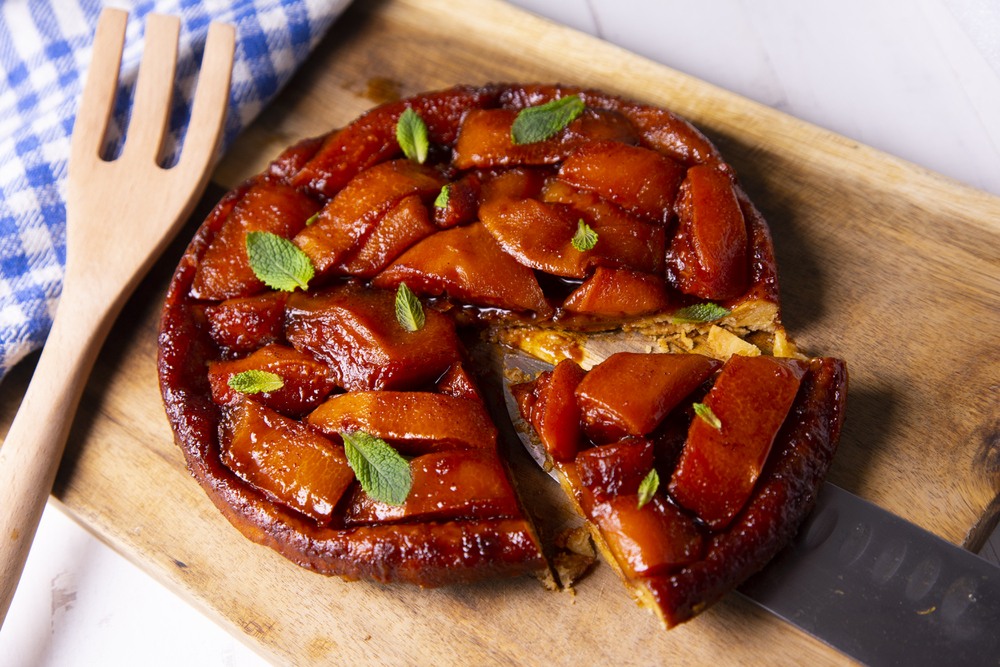
In the 1880s, hotel owner Stéphanie Tatin was making a traditional apple pie when she became distracted and left the apples cooking in butter and sugar too long. Realizing her mistake, she tried to salvage the dessert by putting the pastry crust on top of the caramelized fruit and baking it anyway.
After flipping it over to serve, the upside-down caramelized apple tart became a signature dessert at the hotel and is now a classic French pastry.
Pink Lemonade
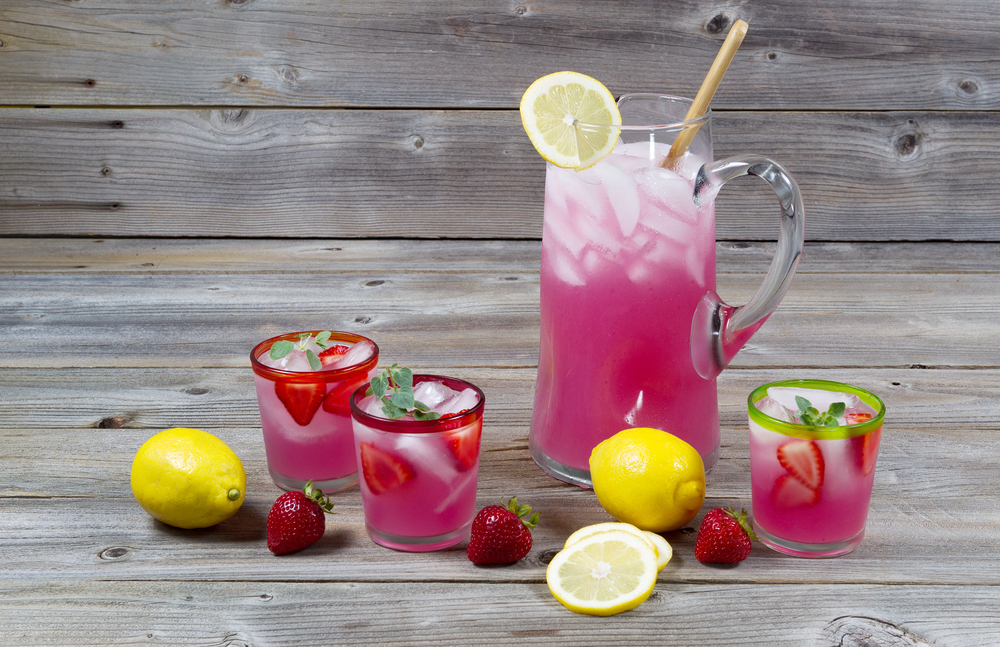
The origin of pink lemonade has two equally bizarre origin stories. One claims it was invented in 1857 when circus worker Pete Conklin ran out of water for lemonade and used water from a tub where performers had just washed red-colored tights.
The other attributes it to Henry E. Allott, who accidentally dropped red cinnamon candies into his lemonade. Either way, this circus-connected beverage began with a distinctly unappetizing origin.
Nashville Hot Chicken
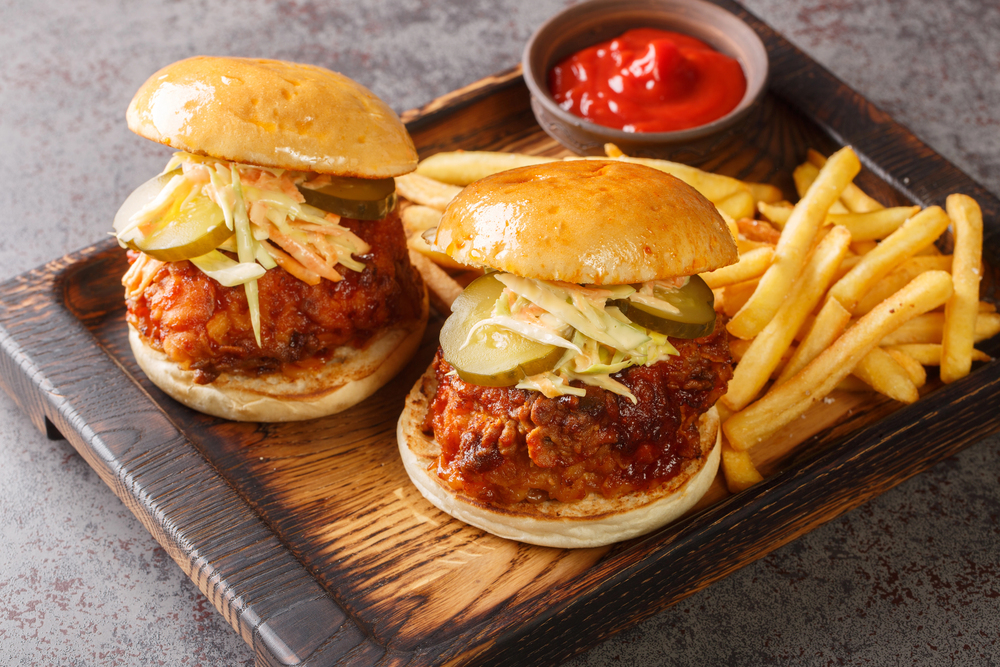
This fiery fried chicken was allegedly created as revenge by a scorned girlfriend of Thornton Prince in the 1930s. After Prince came home late one night, his girlfriend made him breakfast chicken doused with extra peppers and spices, hoping to punish him.
Instead, he loved it and eventually opened a restaurant featuring the dish. A meal intended as punishment became a regional specialty now enjoyed nationwide.
Chimichangas
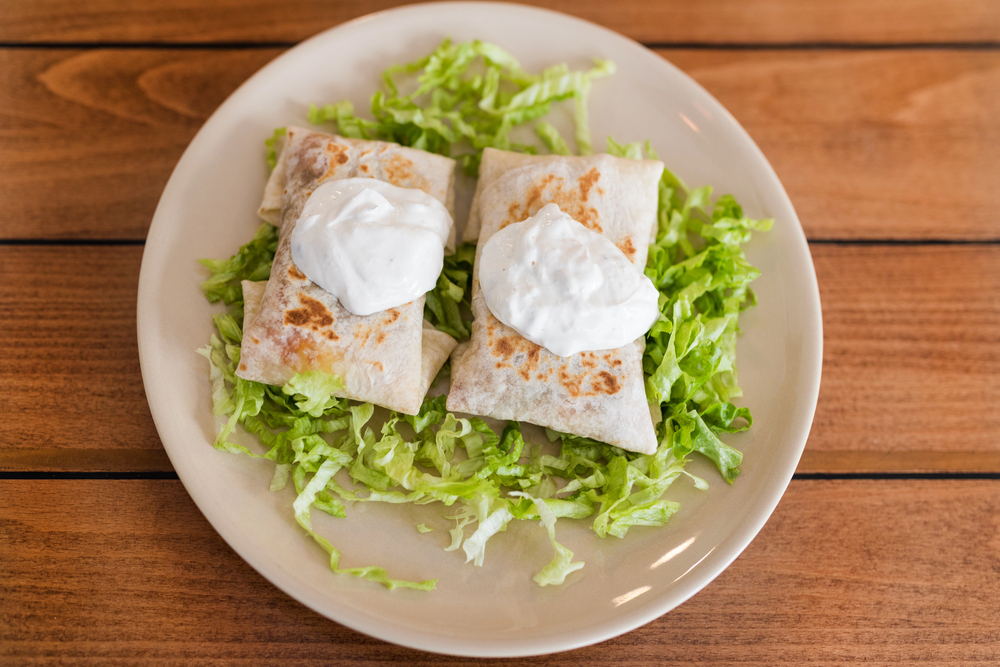
The deep-fried burrito was supposedly invented when Arizona restaurant owner Monica Flin accidentally dropped a burrito into the deep fryer. About to curse in front of children, she stopped herself mid-word and instead exclaimed “chimichanga”—a made-up word that sounded like a Spanish expletive.
This culinary accident created one of the most popular items in Tex-Mex cuisine and saved young ears from colorful language.
Graham Crackers
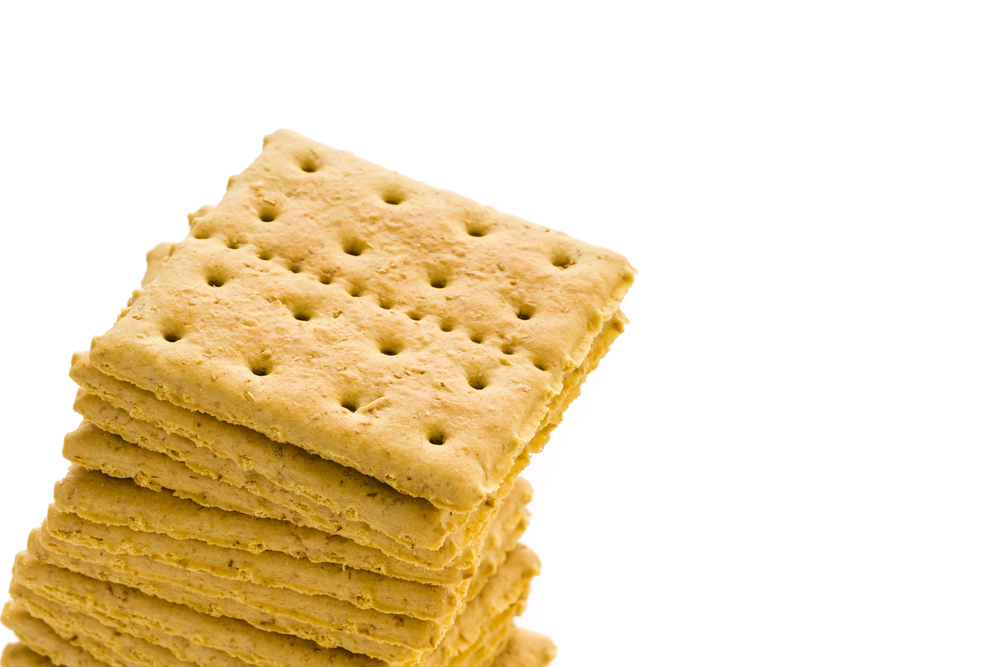
Created by Presbyterian minister Sylvester Graham in the 1830s, these crackers were originally part of the “Graham Diet,” designed to suppress what he considered unhealthy desires. The bland, whole wheat crackers we now use for s’mores were actually created as an anti-pleasure food.
Graham believed that spicy or sweet foods increased passions, so he created a plain cracker as part of his moral crusade, quite the opposite of their usage in today’s desserts.
Slurpees
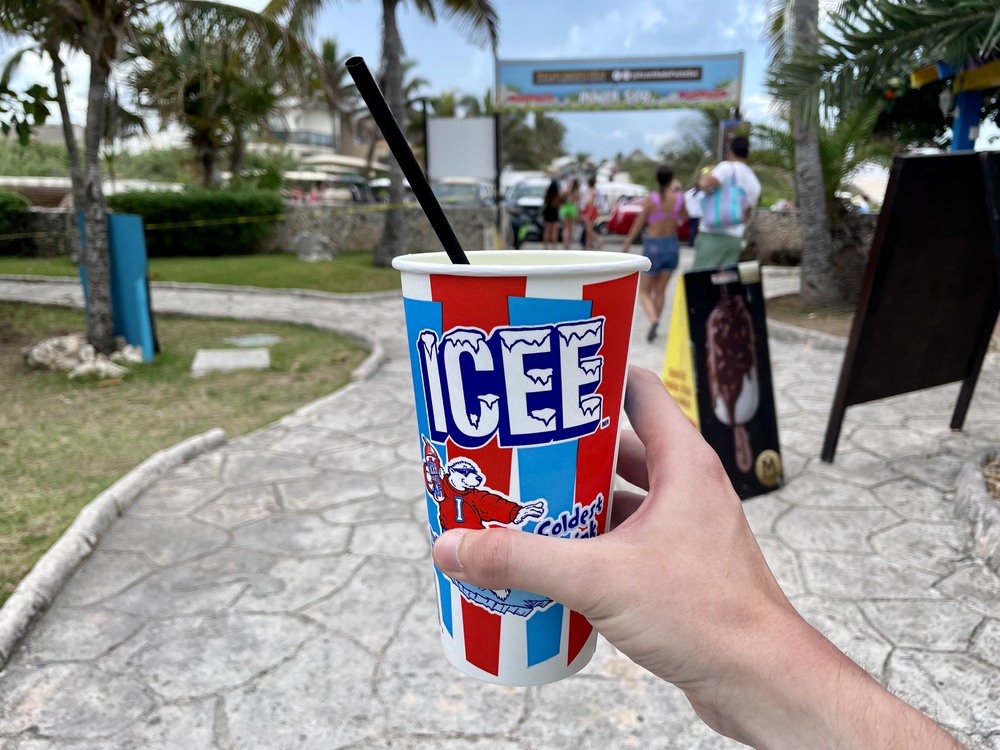
Dairy Queen owner Omar Knedlik accidentally created the predecessor to Slurpees when his soda fountain broke in the late 1950s. He started keeping bottles in his freezer, and customers loved the slushy texture of the half-frozen drinks.
He later developed a machine to consistently create the effect and called them “ICEE.” When 7-Eleven licensed the technology in 1967, they renamed it “Slurpee” because of the sound made when drinking through a straw.
Kombucha
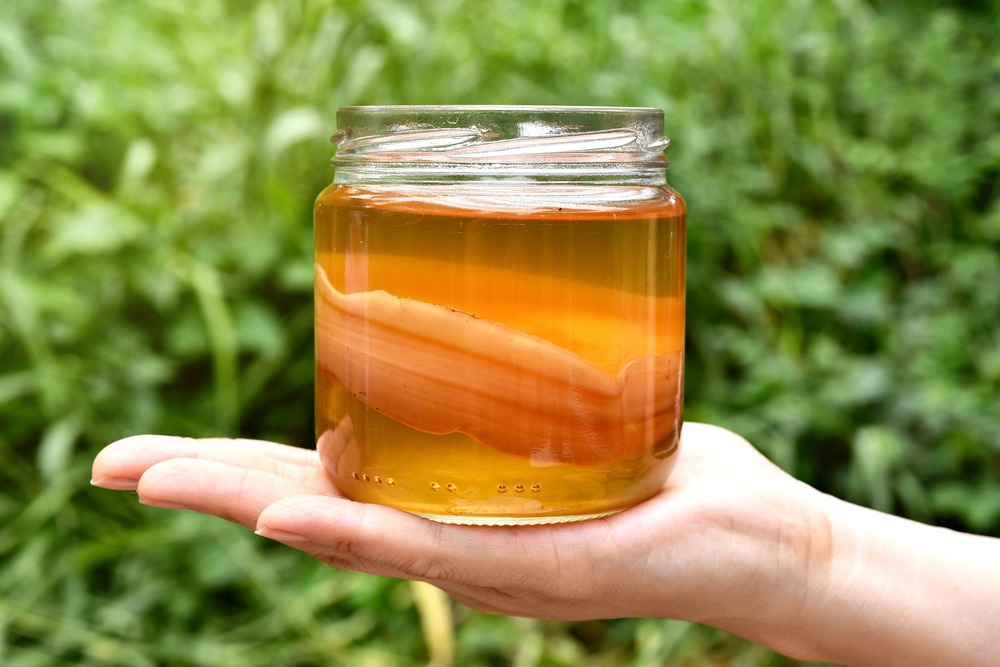
This trendy health drink has one of the strangest origins of all. The fermented tea has been around for over 2,000 years, allegedly starting when Emperor Qin Shi Huang sent a messenger in search of immortality elixirs.
The messenger returned with a strange living mass—the SCOBY (symbiotic culture of bacteria and yeast)—that was used to create the first kombucha. A failed quest for immortality gave us one of today’s most popular probiotic beverages.
Food for Thought
These unusual food origin stories remind us that culinary innovation often comes from mistakes, revenge, accidents, or bizarre cultural beliefs rather than careful planning. Many of our favorite foods exist because of happy accidents or curious circumstances that could never have been intentionally designed.
The next time you enjoy these foods, remember the strange twists of fate that brought them to your plate, proving once again that truth is indeed stranger than fiction.
More from Go2Tutors!

- The Romanov Crown Jewels and Their Tragic Fate
- 13 Historical Mysteries That Science Still Can’t Solve
- Famous Hoaxes That Fooled the World for Years
- 15 Child Stars with Tragic Adult Lives
- 16 Famous Jewelry Pieces in History
Like Go2Tutors’s content? Follow us on MSN.