34 Archaeological Digs That Accidentally Uncovered Civilizations Nobody Knew Existed
Archaeology has a reputation as a patient science — teams spending years planning excavations, carefully extracting objects layer by layer, writing measured papers that are revised three times before publication. This reputation is accurate, and it coexists perfectly with the other reality of the discipline: that a significant proportion of the most important discoveries in the field were made by farmers digging wells, construction workers extending subway lines, children falling into caves, and flood victims picking up objects from newly exposed ground that turned out to be Bronze Age.
The history of archaeology is substantially a history of accidents. Beneath that: the realisation, repeated every generation, that the map of human civilisation we carry in our heads is missing entire chapters.
Göbekli Tepe (Turkey, 1994)
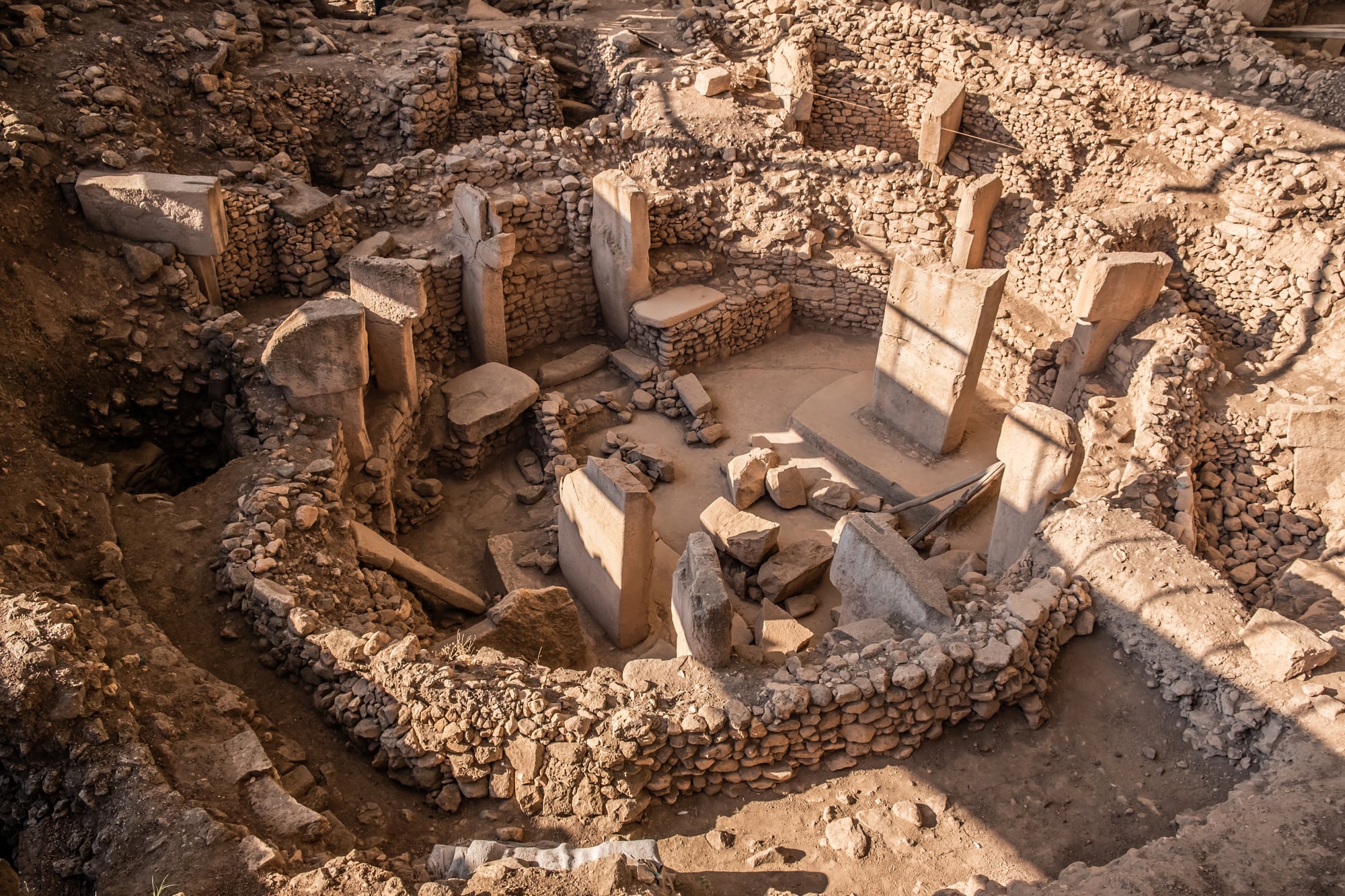
The site at Göbekli Tepe in southeastern Turkey had been noticed by archaeologists in the 1960s but dismissed — the limestone slabs visible on the surface were assumed to be mediaeval gravestones. In 1994, German archaeologist Klaus Schmidt visited and recognised them for what they were: the tops of massive carved pillars, twelve thousand years old, arranged in circles that nobody had previously imagined it was possible to build at that date.
Göbekli Tepe predates Stonehenge by around seven thousand years and was constructed by hunter-gatherers who were not supposed to have been capable of this kind of organised, monumental architecture. The discovery did not merely add a site to the map — it forced a fundamental revision of what hunter-gatherer societies could do.
The Terracotta Army (China, 1974)
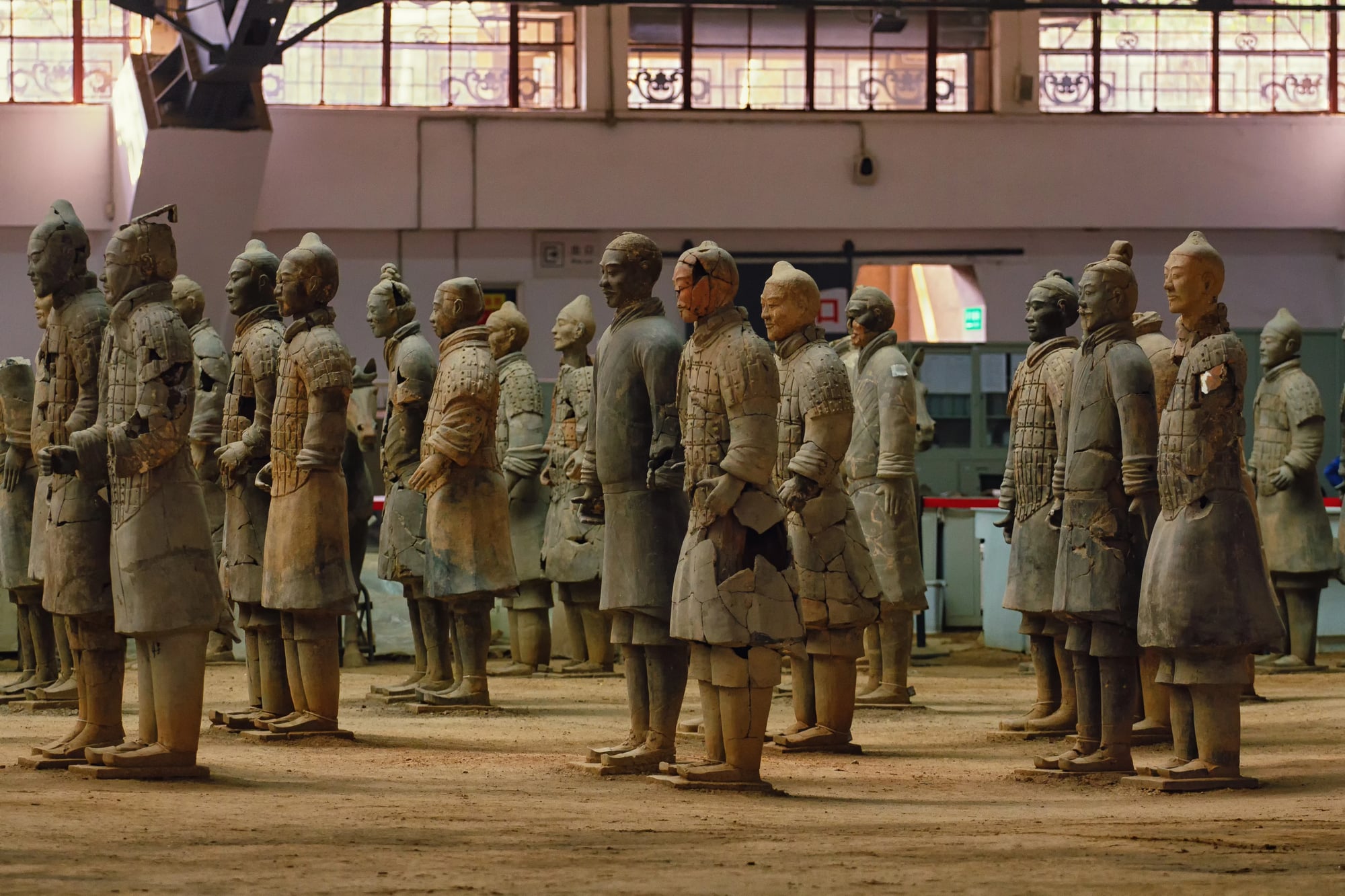
In March 1974, Yang Zhifa and his brothers were digging a well near Xi’an in Shaanxi province when they hit fragments of terracotta at a depth of about four metres. They kept digging.
What emerged was the Terracotta Army — over eight thousand life-sized soldiers, horses, and chariots buried with Qin Shi Huang, the first emperor of China, to protect him in the afterlife. No text had described the army’s location, scale, or composition with sufficient accuracy to prepare archaeologists for what was there.
The site is still only partially excavated. The central tomb of Qin Shi Huang himself, reportedly protected by rivers of mercury, has not yet been opened.
Mohenjo-Daro (Pakistan, 1922)
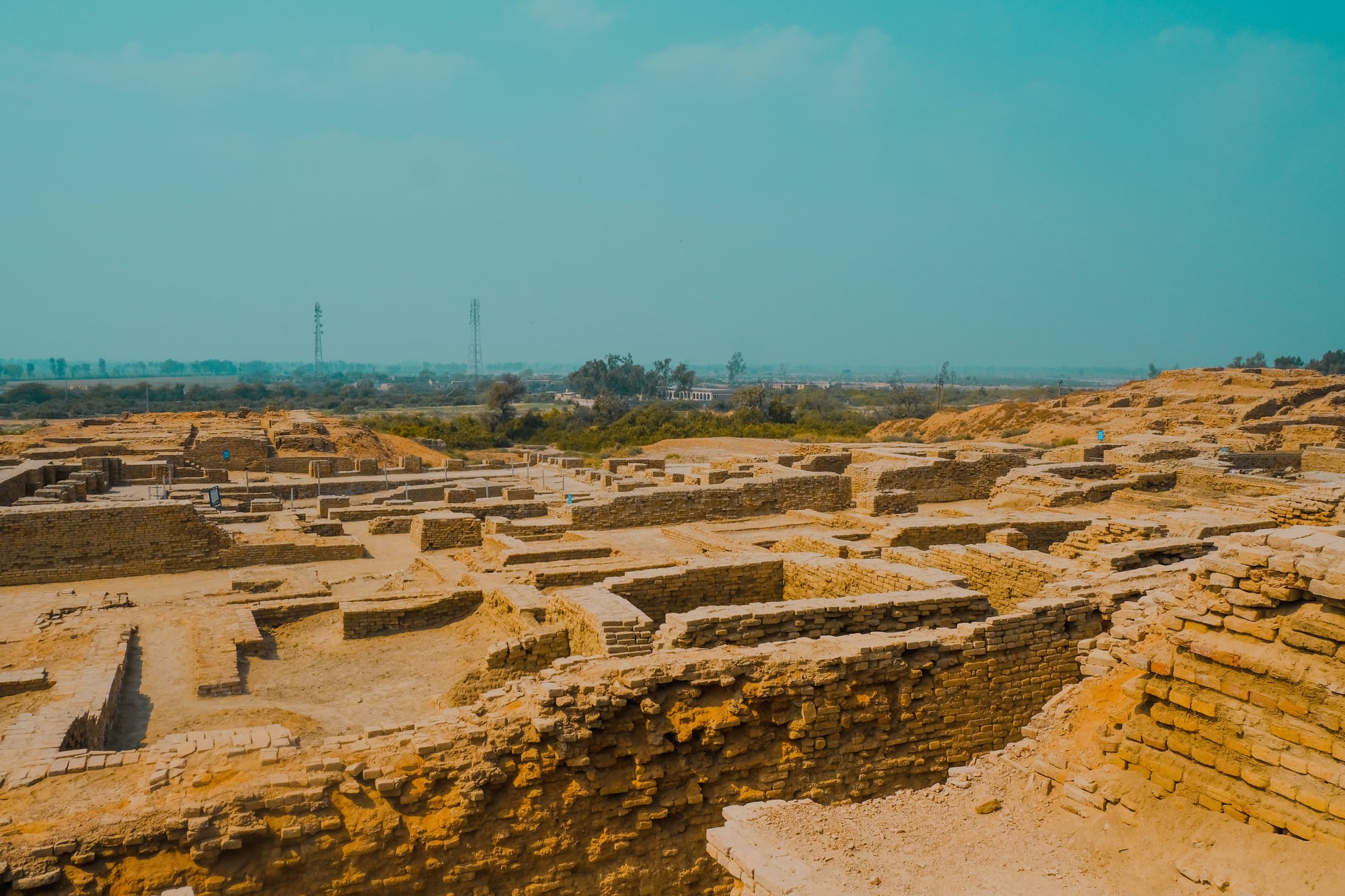
When Indian archaeologist R.D. Banerji visited a Buddhist stupa mound in the Sindh region in 1919, he noticed flint tools and pottery that seemed far older than the Buddhist structure on top. Excavations begun in 1922 revealed the city of Mohenjo-daro — one of the two largest cities of the Indus Valley Civilisation, a sophisticated urban culture of roughly five million people at its peak that had flourished between 3300 and 1300 BCE.
At the time of discovery, the Indus Valley Civilisation was entirely unknown. A culture larger than contemporary Egypt or Mesopotamia had simply not been in any historical account.
Caral (Peru, 1990s)
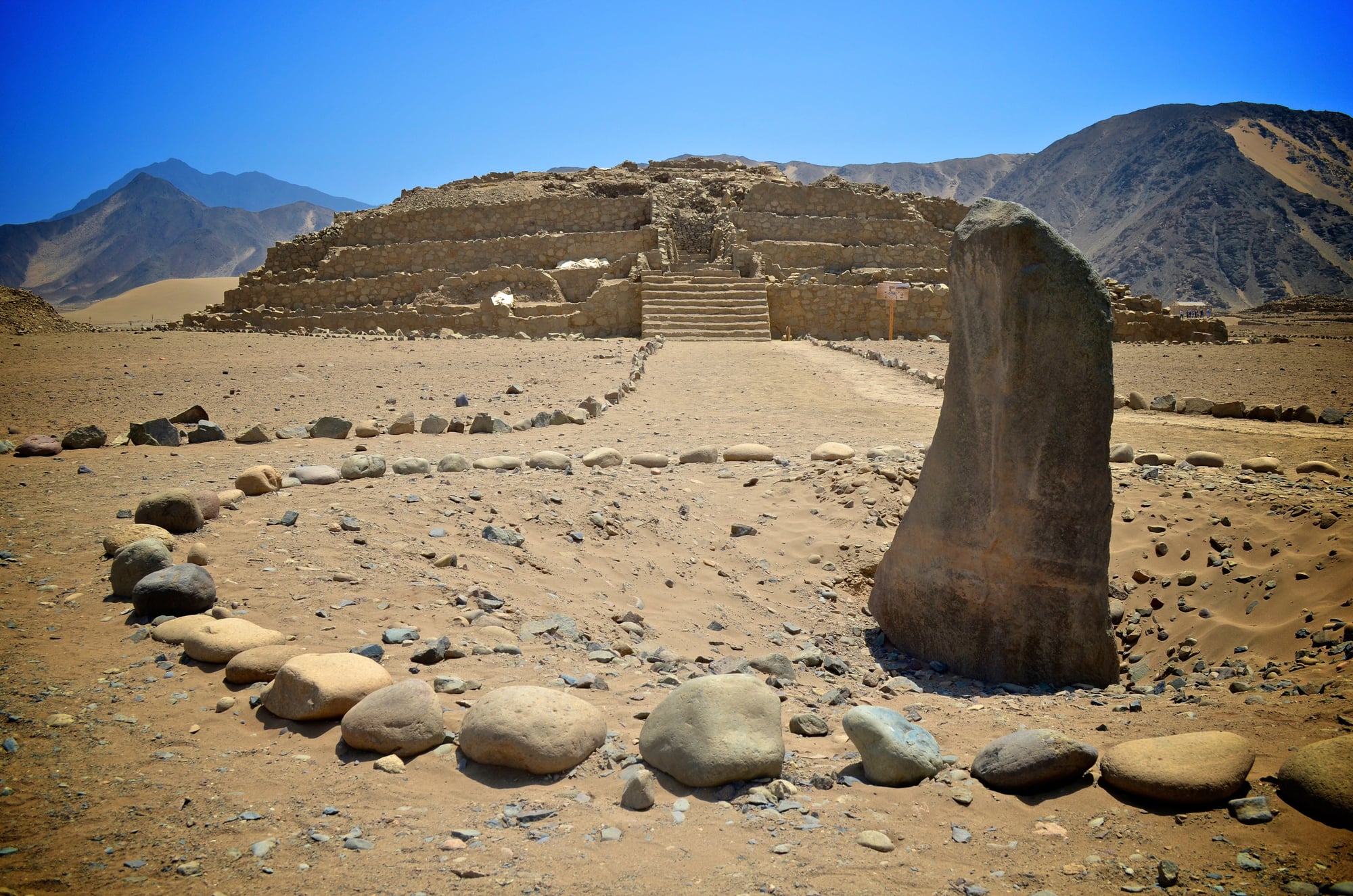
The mounds of the Supe Valley in coastal Peru had been visible for decades — large earthen platforms that locals knew about and that archaeologists had intermittently surveyed. It was not until the 1990s, when Peruvian archaeologist Ruth Shady Solís conducted systematic excavations, that the scale of what was there became clear: the city of Caral, the oldest known city in the Americas, dating to approximately 3000 BCE.
It predated any other known Andean civilisation by more than a thousand years and had been sitting in the desert, partially visible, while the entire academic history of Andean culture was being written around it.
The Dead Sea Scrolls (Qumran, 1947)
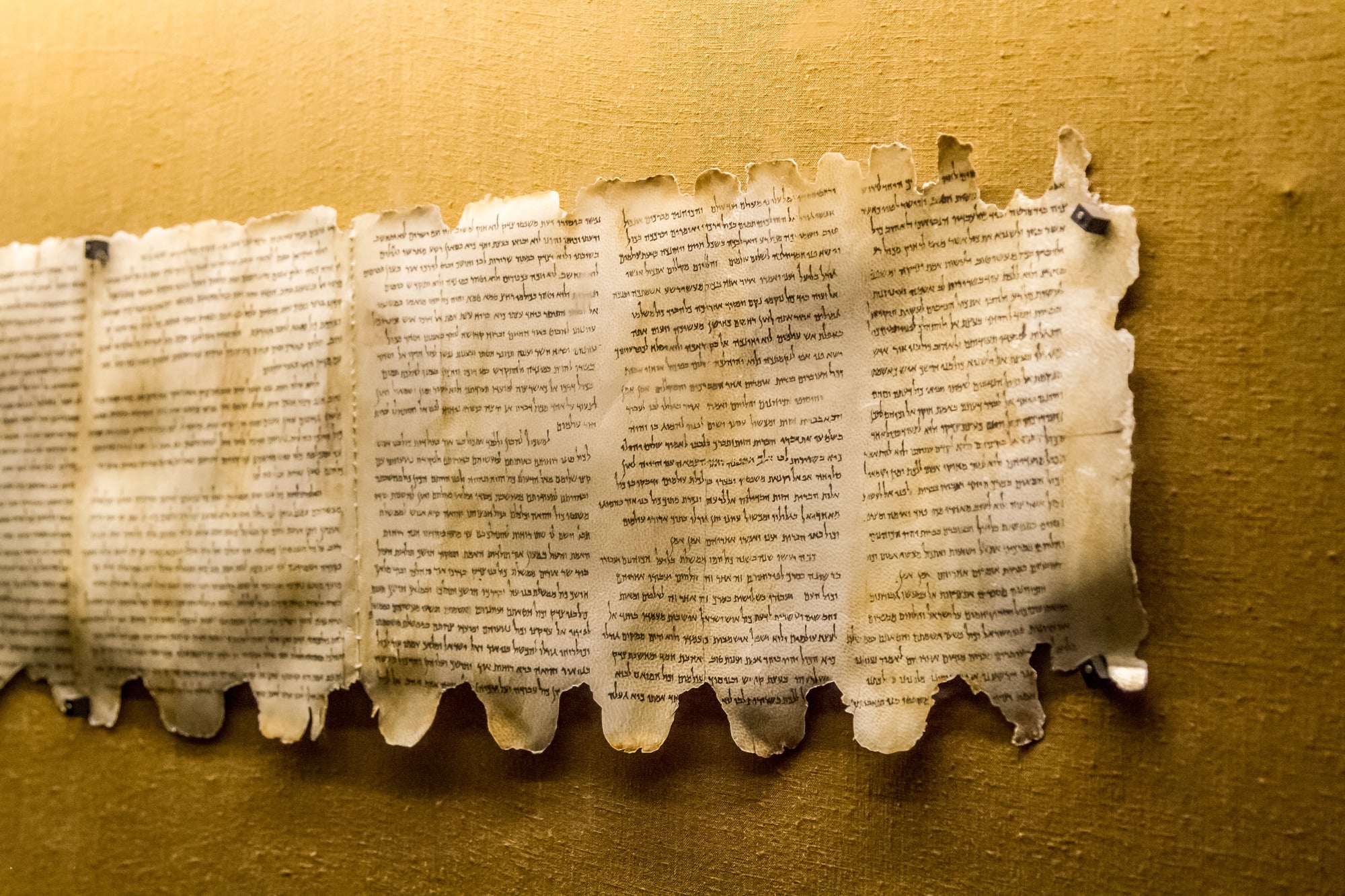
A Bedouin shepherd named Muhammad edh-Dhib was looking for a lost goat near the Dead Sea in early 1947 when he threw a stone into a cave and heard pottery breaking. Inside were terracotta jars containing leather scrolls — manuscripts dating from roughly 300 BCE to 70 CE that included the oldest known copies of books of the Hebrew Bible and texts describing a previously unknown Jewish sect.
The scrolls transformed understanding of Jewish religious diversity in the Second Temple period and provided source material that scholars are still publishing analyses of more than seventy years after their discovery.
Pompeii (Italy, 1748)
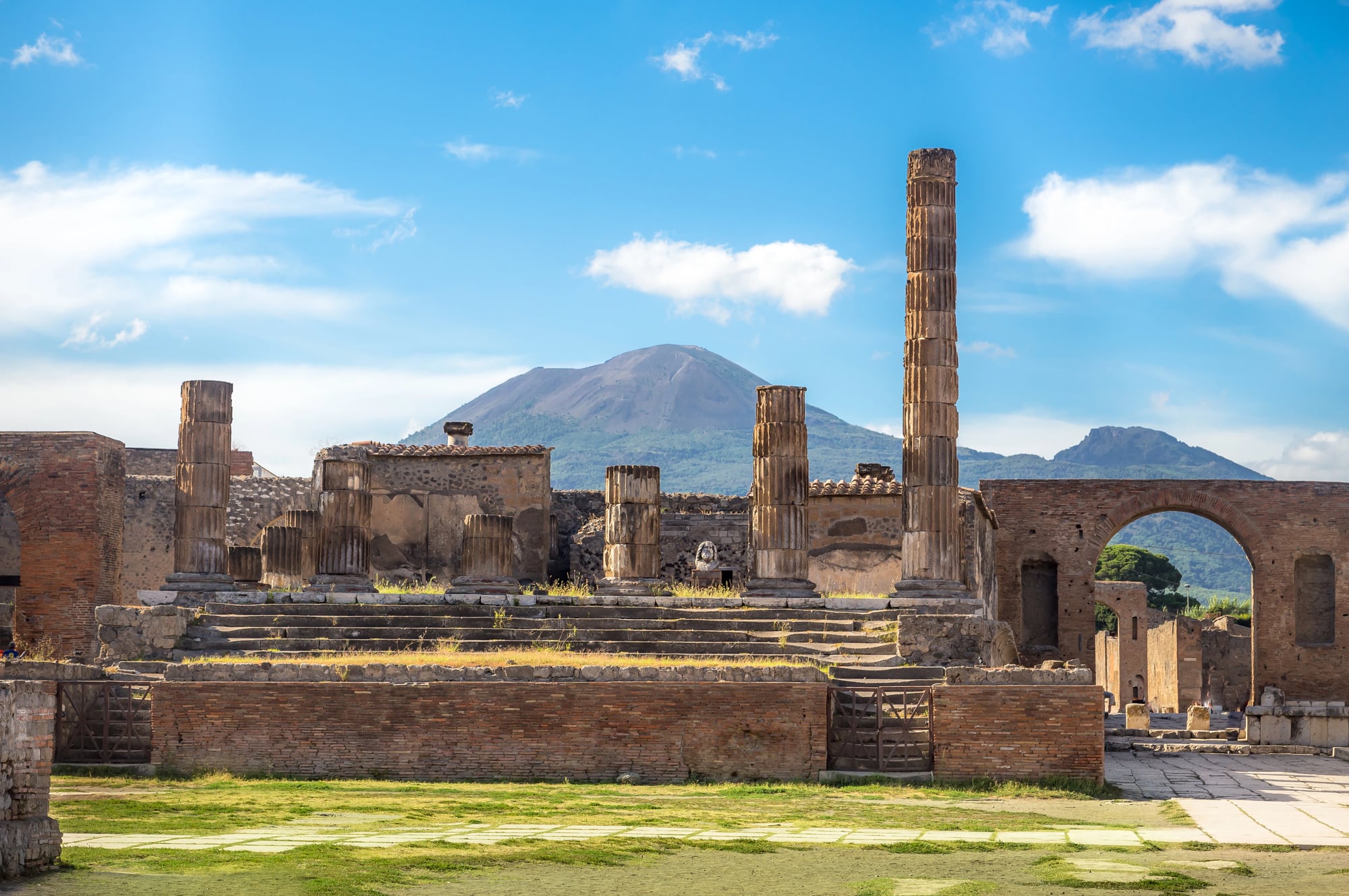
The city of Pompeii had been partially known since the sixteenth century, when excavations for a water channel uncovered some of its walls. But the systematic rediscovery began in 1748 when workers excavating ground for the King of Naples struck walls, frescoes, and eventually complete houses, theatres, and streets preserved under four to six metres of volcanic ash from the 79 CE eruption of Vesuvius.
What they found was not simply a city — it was a moment. The preservation was so thorough that bread was still in the ovens, graffiti was still on the walls, and the plaster casts of the bodies of people killed by the eruption showed their final postures.
The Lascaux Cave Paintings (France, 1940)
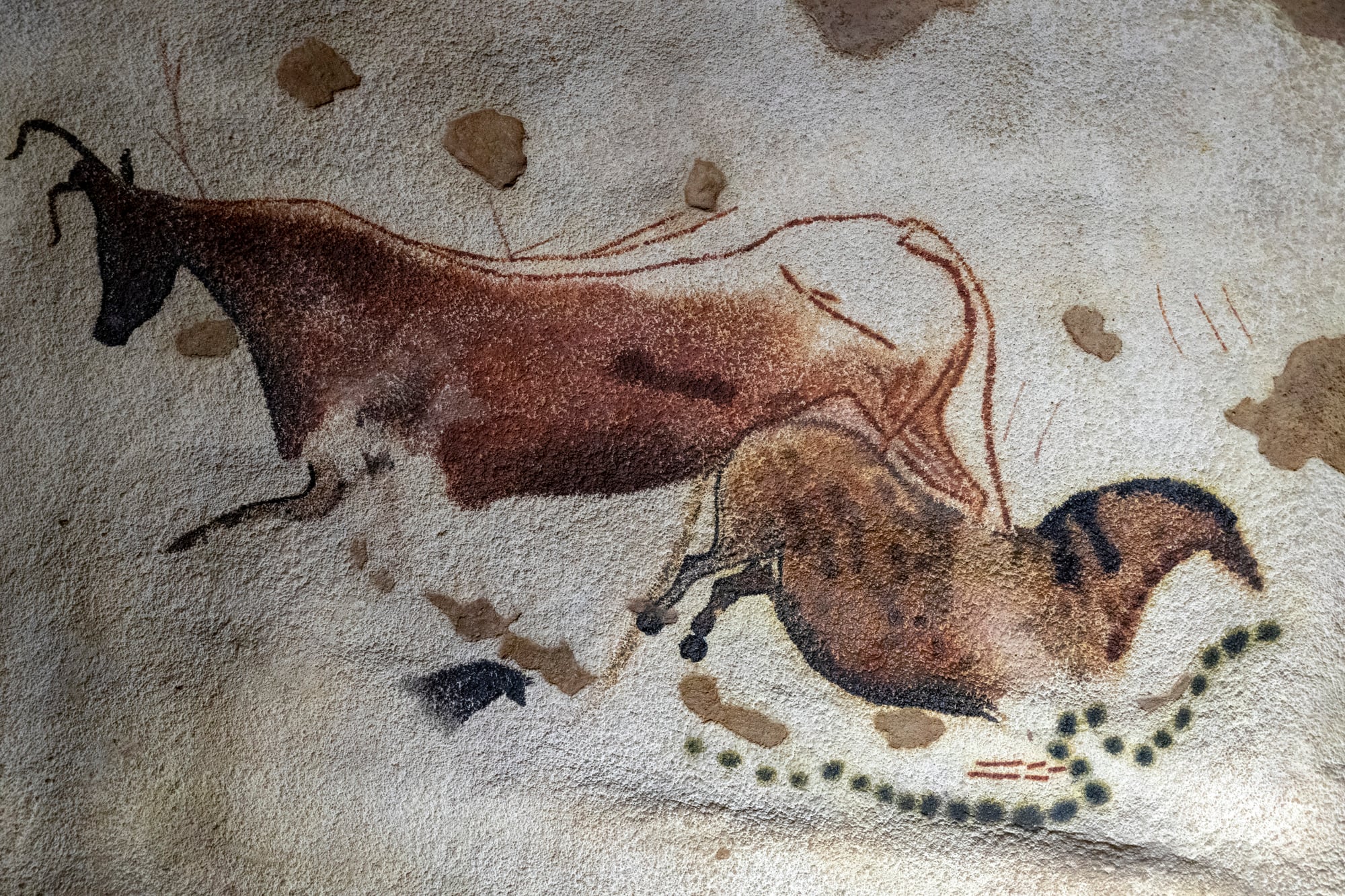
On 12 September 1940, four teenagers following a dog into a pit in the ground near Montignac in the Dordogne stumbled into a cave system whose walls were covered in paintings of horses, aurochs, stags, and other animals. The paintings at Lascaux are approximately 17,000 years old.
The cave contained over six hundred painted figures and around 1,500 engravings. When Henri Breuil, the leading specialist in prehistoric art, visited in 1940 and confirmed their authenticity, he is reported to have called it the Sistine Chapel of prehistoric art — a description that understates the impact, because the Sistine Chapel was built by people whose existence historians already knew about.
Sanxingdui (China, 1929 and 1986)
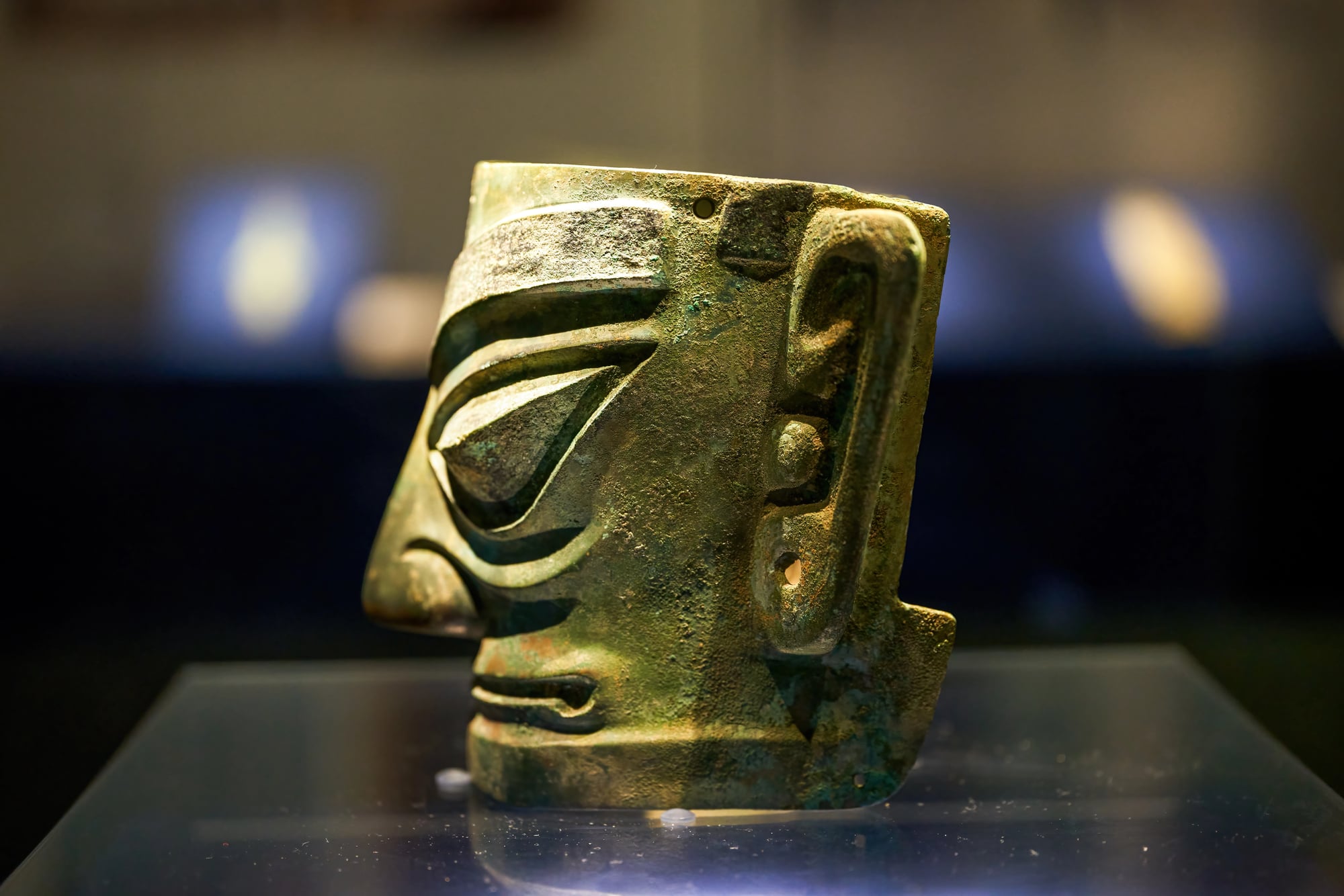
In 1929, a farmer digging an irrigation ditch in Sichuan province unearthed a cache of jade and stone artefacts, which were dispersed among collectors. In 1986, archaeologists working in the same area uncovered two more pits full of bronze sculptures, gold objects, jade, and elephant tusks — the product of a Bronze Age civilisation that had been entirely unknown until that first accident.
The Sanxingdui civilisation, dating to roughly 1700–1100 BCE, produced bronze masks and figures unlike anything in the known Chinese Bronze Age artistic tradition. The style suggests contact with cultures outside the usual sphere — or an entirely independent tradition of extraordinary sophistication.
The Jiroft Civilisation (Iran, 2001)
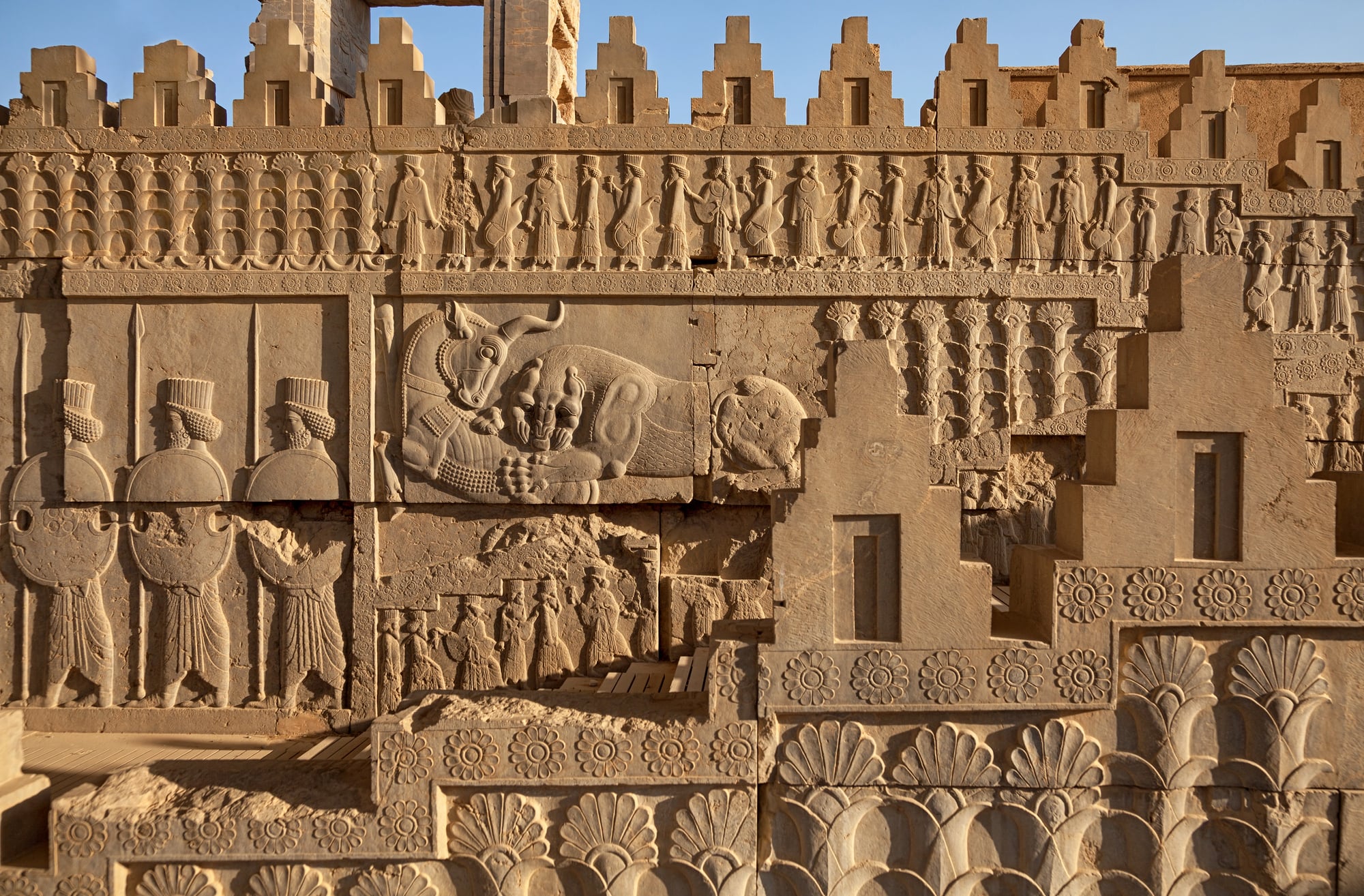
Severe flooding along the Halil River in southeastern Iran in 2001 exposed thousands of artefacts from ancient burials. Local people began excavating and selling them on the black market before Iranian archaeologists could intervene.
When systematic excavations followed at the site of Konar Sandal, they revealed a major Bronze Age civilisation — the Jiroft culture — dating to roughly 2500–2200 BCE. Decorated chlorite vessels characteristic of Jiroft had been appearing at archaeological sites across the ancient Middle East for decades, labelled as objects of unknown origin.
The discovery of Jiroft gave those objects a home and revealed a significant trading culture that connected Mesopotamia to the Indus Valley.
Çatalhöyük (Turkey, 1958)
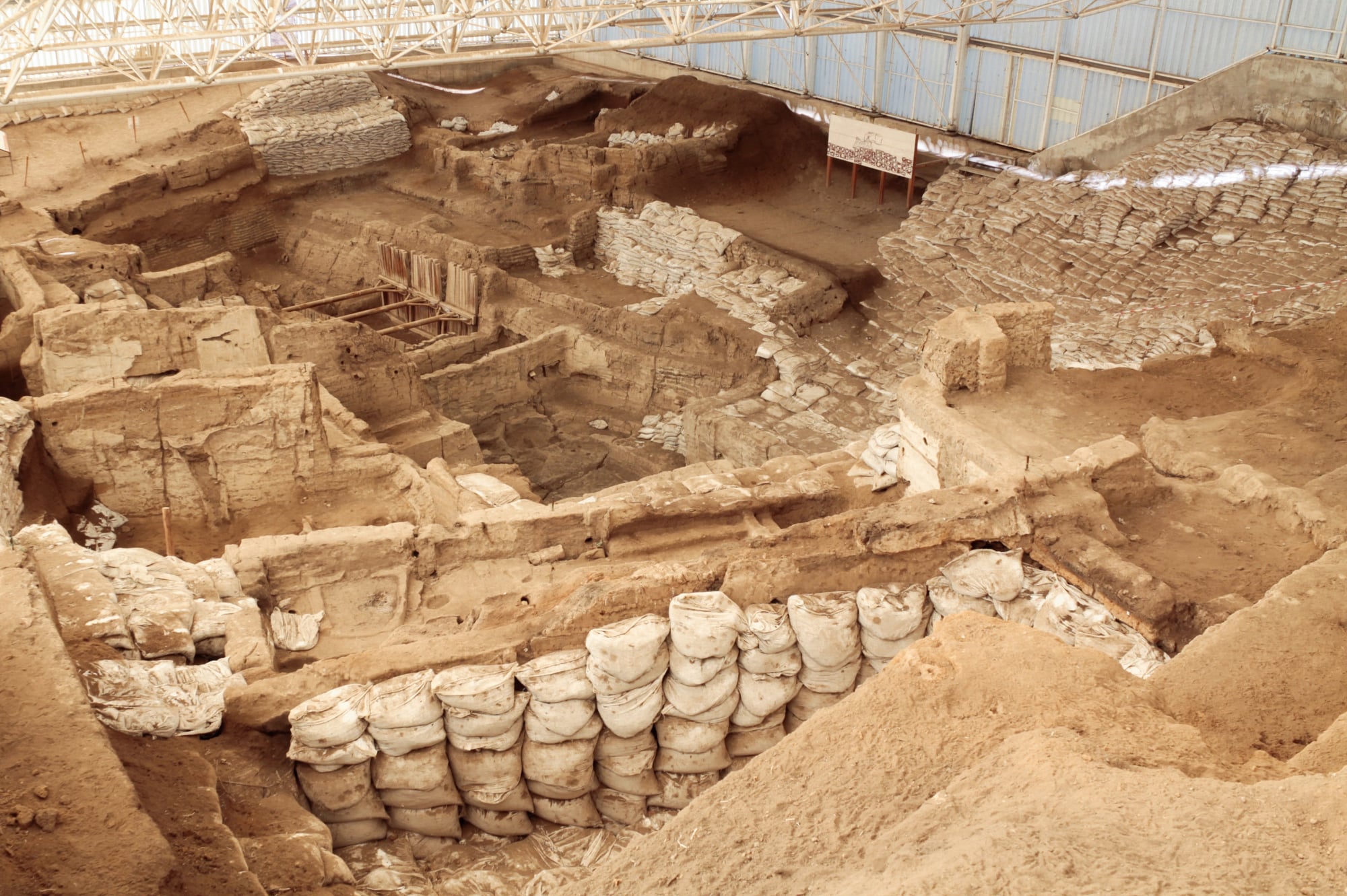
British archaeologist James Mellaart was surveying the Konya Plain in central Turkey in 1958 when he noticed two large mounds that he had not expected to find there. Excavations begun the following year revealed Çatalhöyük — one of the world’s first urban settlements, inhabited from approximately 7500 to 5700 BCE and home to as many as eight thousand people at its peak.
The city had no streets: its houses were accessed through rooftop doors, and people moved around by walking across each other’s roofs. The walls of its houses were painted with elaborate murals, and human skulls were buried beneath the floors.
Çatalhöyük was a settlement of a scale and complexity that no one had previously attributed to the early Neolithic period.
Nabta Playa (Egypt, 1973)
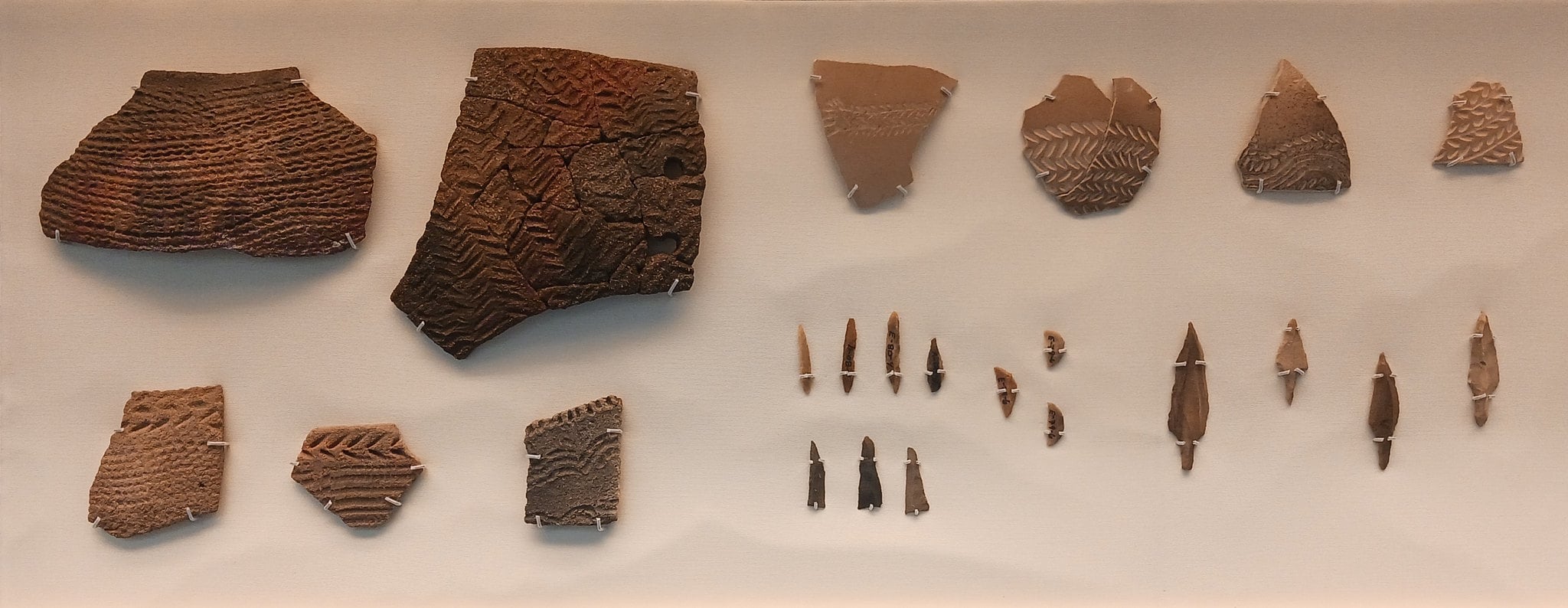
Anthropologist Fred Wendorf became stranded during a sandstorm in the Egyptian Sahara in 1973 and took shelter near a dry lake basin that turned out to be Nabta Playa. On the exposed ground around him were ceramics and stone artefacts indicating human habitation in what is now one of the most arid regions on Earth.
Subsequent excavations revealed a cattle-herding culture dating to 7000 BCE, with stone circles aligned to the summer solstice that predate Stonehenge by several thousand years. This culture inhabited a Sahara that was, at the time, considerably wetter than today, and some scholars believe its descendants contributed to the cultural developments that produced Pharaonic Egypt.
Templo Mayor (Mexico City, 1978)
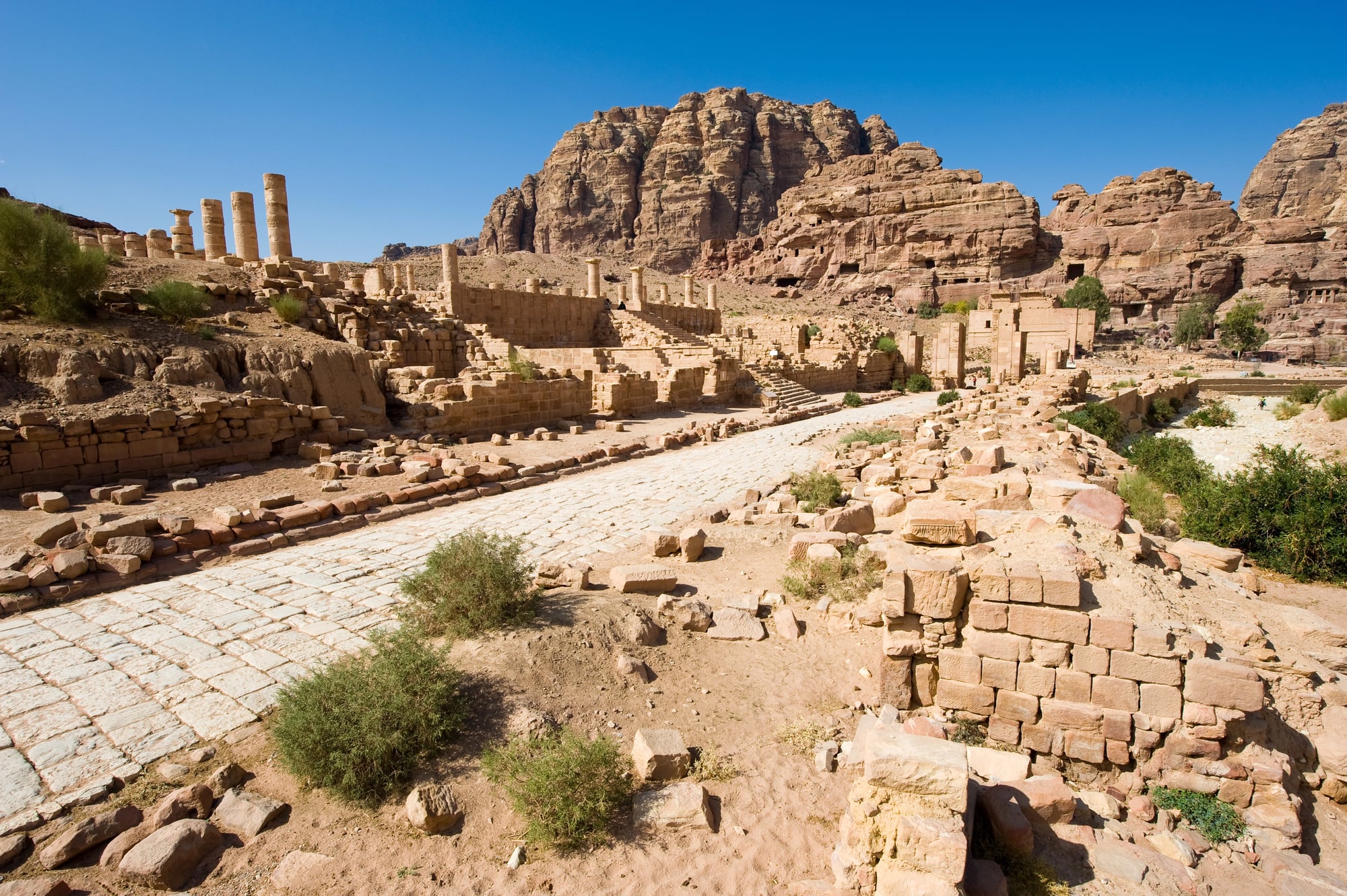
Workers laying electrical cables in the heart of Mexico City on 21 February 1978 struck a carved stone disc approximately three metres in diameter, depicting the dismembered body of Coyolxauhqui, the Aztec moon goddess. Excavations that followed revealed the Templo Mayor — the main ceremonial temple of the Mexica empire, built directly beneath the colonial-era streets of the city.
Over the following years, archaeologists excavated seven successive phases of construction, recovered thousands of ritual objects, and established a picture of Aztec religious practice far more complex than any Spanish colonial account had conveyed.
The Rosetta Stone (Egypt, 1799)
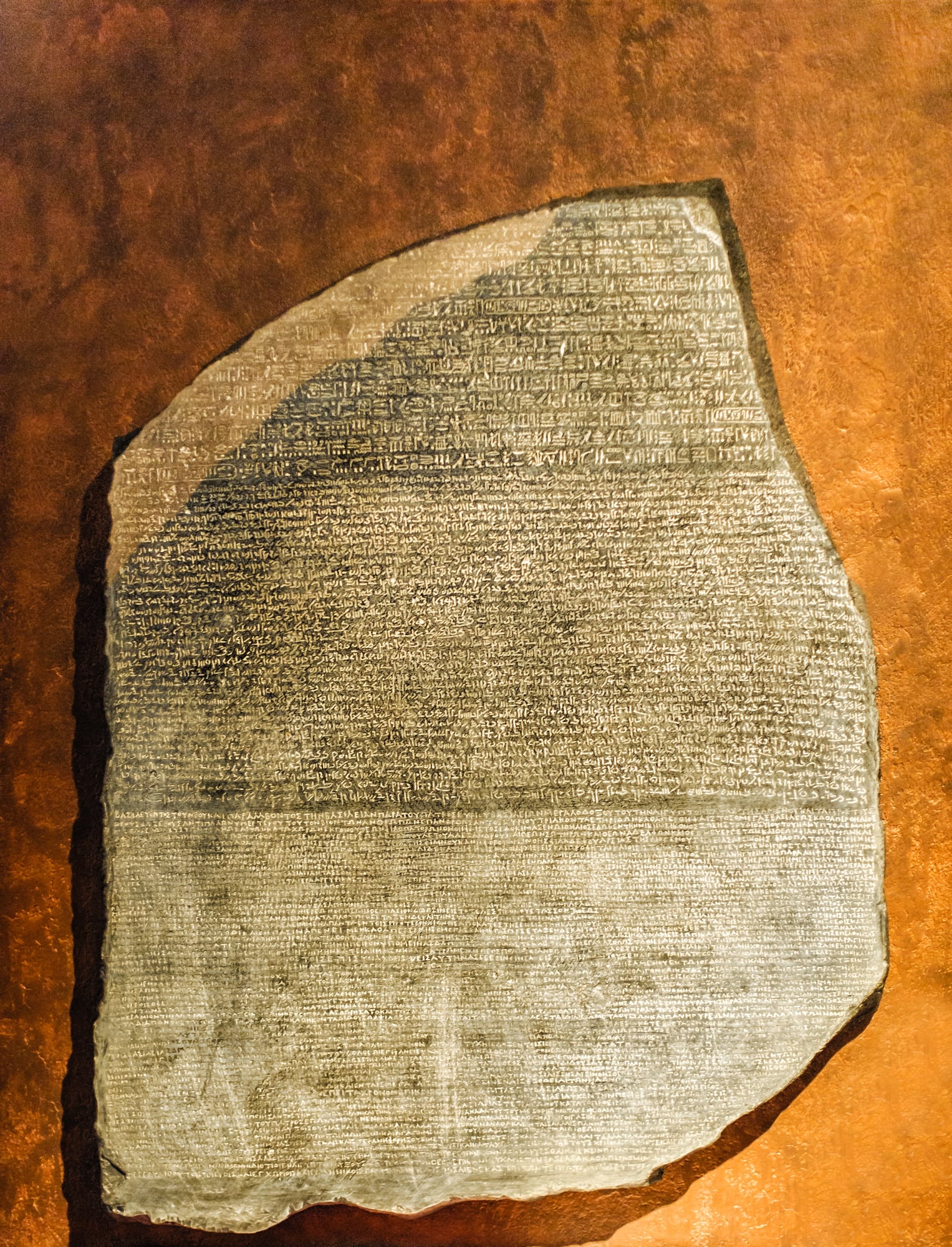
French soldiers rebuilding a military fortification at Rashid (Rosetta) in the Nile Delta in 1799 uncovered a stone slab bearing the same priestly decree in three scripts: Ancient Greek, Demotic, and Egyptian hieroglyphics. The Rosetta Stone was not itself a civilisational discovery, but what it unlocked was: the ability to read hieroglyphics, which had been undeciphered since the fourth century CE.
Every piece of ancient Egyptian writing — every inscription, every administrative record, every religious text — became legible as a consequence. A single accidentally found stone opened an entire civilisation’s written record.
Nineveh’s Library (Iraq, 1849)

British archaeologist Austen Henry Layard and his assistant Hormuzd Rassam excavated the remains of Nineveh, the ancient Assyrian capital, through the 1840s and 1850s and recovered the remnants of the Library of Ashurbanipal — an ancient archive of over thirty thousand clay tablets collected by the seventh-century BCE Assyrian king. The tablets included the Epic of Gilgamesh, one of the world’s oldest works of literature, and the Enuma Elish, the Babylonian creation epic.
Before these excavations, neither text was known to exist. The library’s existence meant that ancient Mesopotamia had a literary culture far more sophisticated and extensive than anyone had previously established.
Machu Picchu (Peru, 1911)
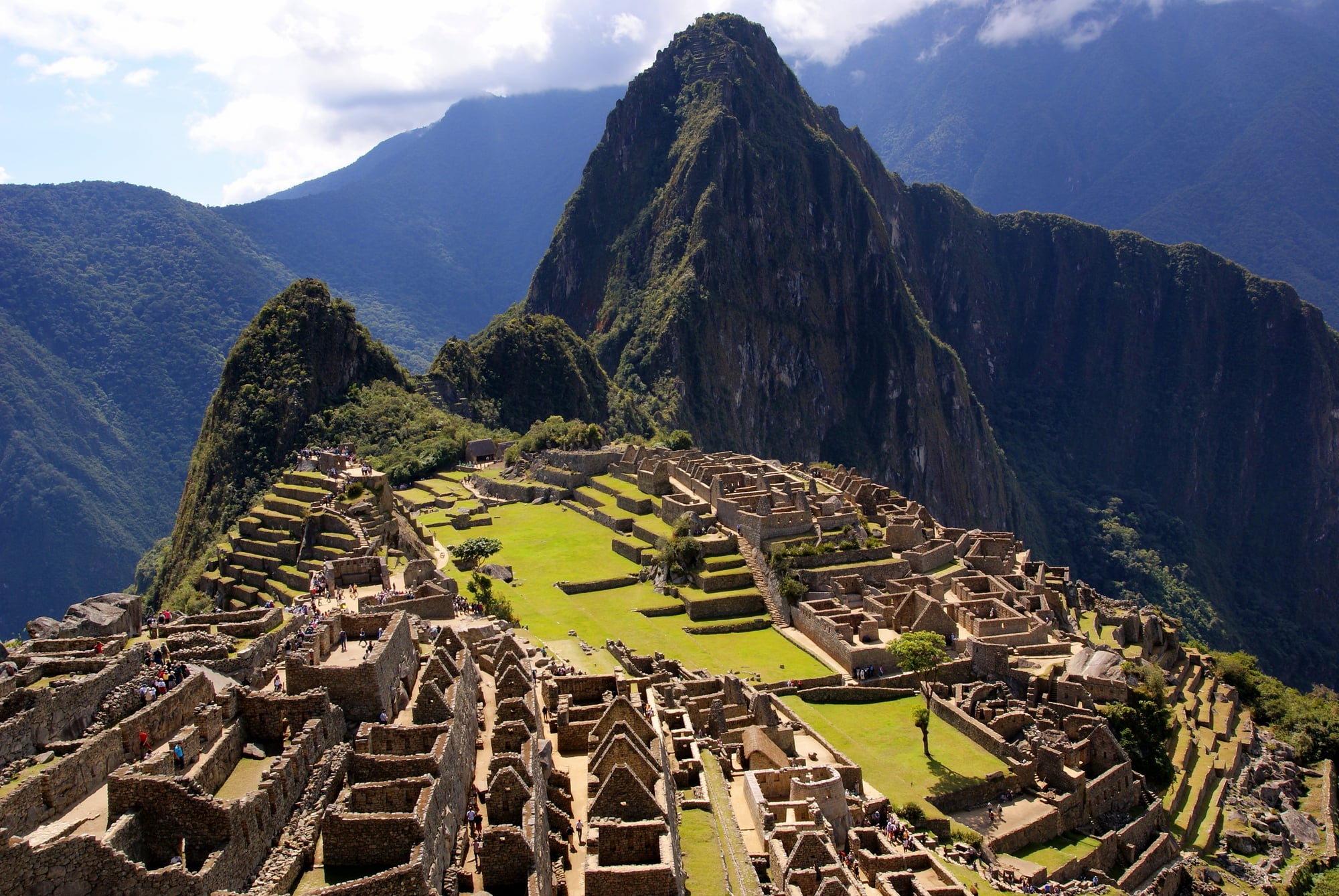
Hiram Bingham III, an American historian, was guided to the site in 1911 by a local farmer who had been growing crops among the ruins for years. The site was not exactly unknown to local people — its existence was well established in the surrounding region — but it had not been brought to international scholarly attention.
What Bingham found was an Inca city of extraordinary architectural sophistication, abandoned in the mid-sixteenth century and reclaimed almost entirely by vegetation. Machu Picchu became one of the world’s most famous archaeological sites, though scholars still debate whether it was a royal estate, a religious sanctuary, or a combination of purposes.
The Indus Valley Civilisation at Harappa (Pakistan, 1826)
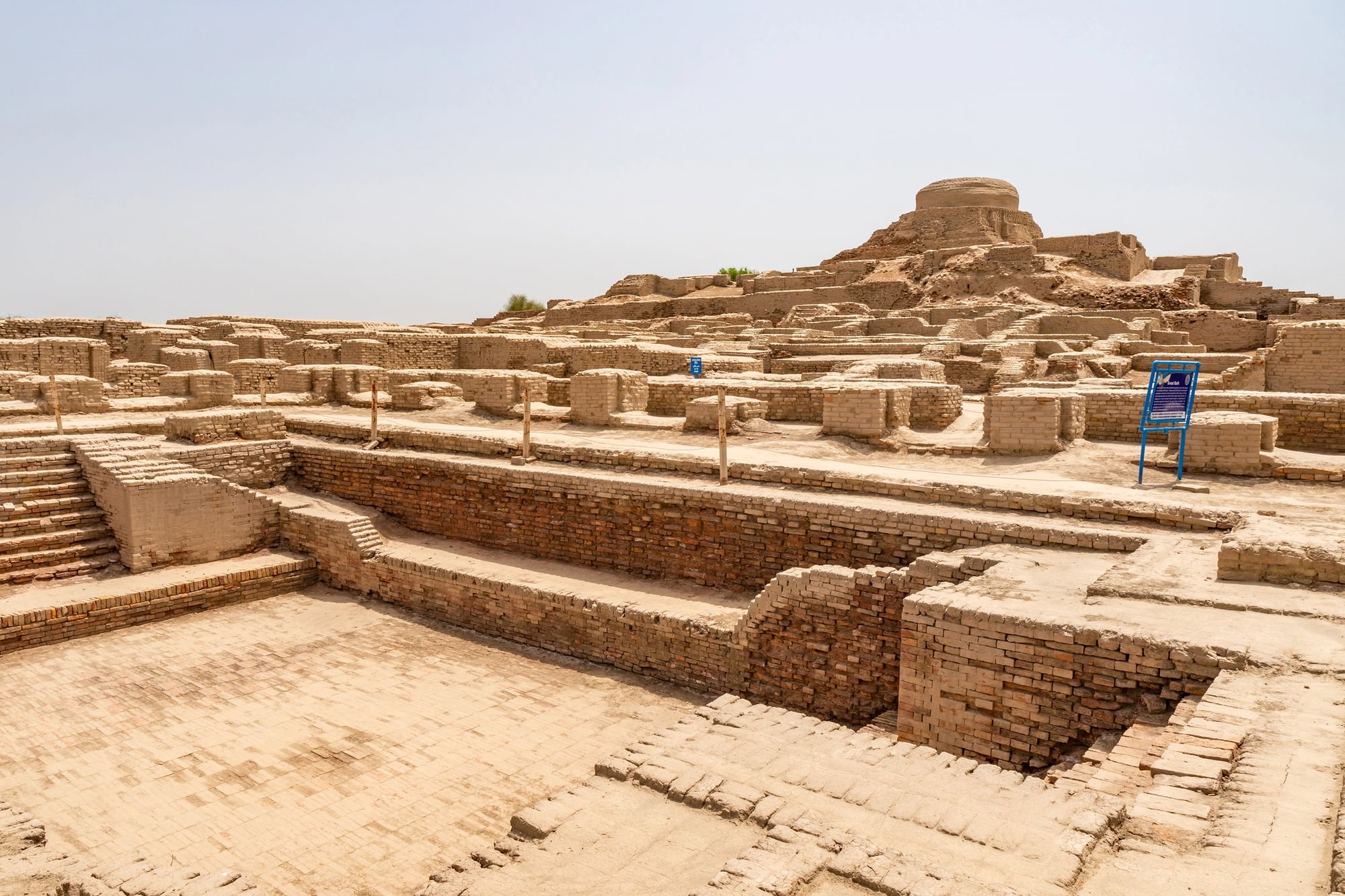
British officer and engineer Charles Masson noticed what appeared to be an ancient ruined city in the Punjab in 1826 while travelling through the region. He noted the presence of bricks that appeared to come from a substantial settlement.
The site was Harappa — one of the two great cities of the Indus Valley Civilisation. Systematic excavations only began in 1920, under the Archaeological Survey of India, and revealed a planned city with drainage systems, standardised weights, and a written script that has not yet been fully deciphered.
The Indus Valley Civilisation it belonged to was larger, in geographic extent, than contemporary Egypt and Mesopotamia combined.
The Norte Chico Civilisation (Peru, Formally Identified 2001)
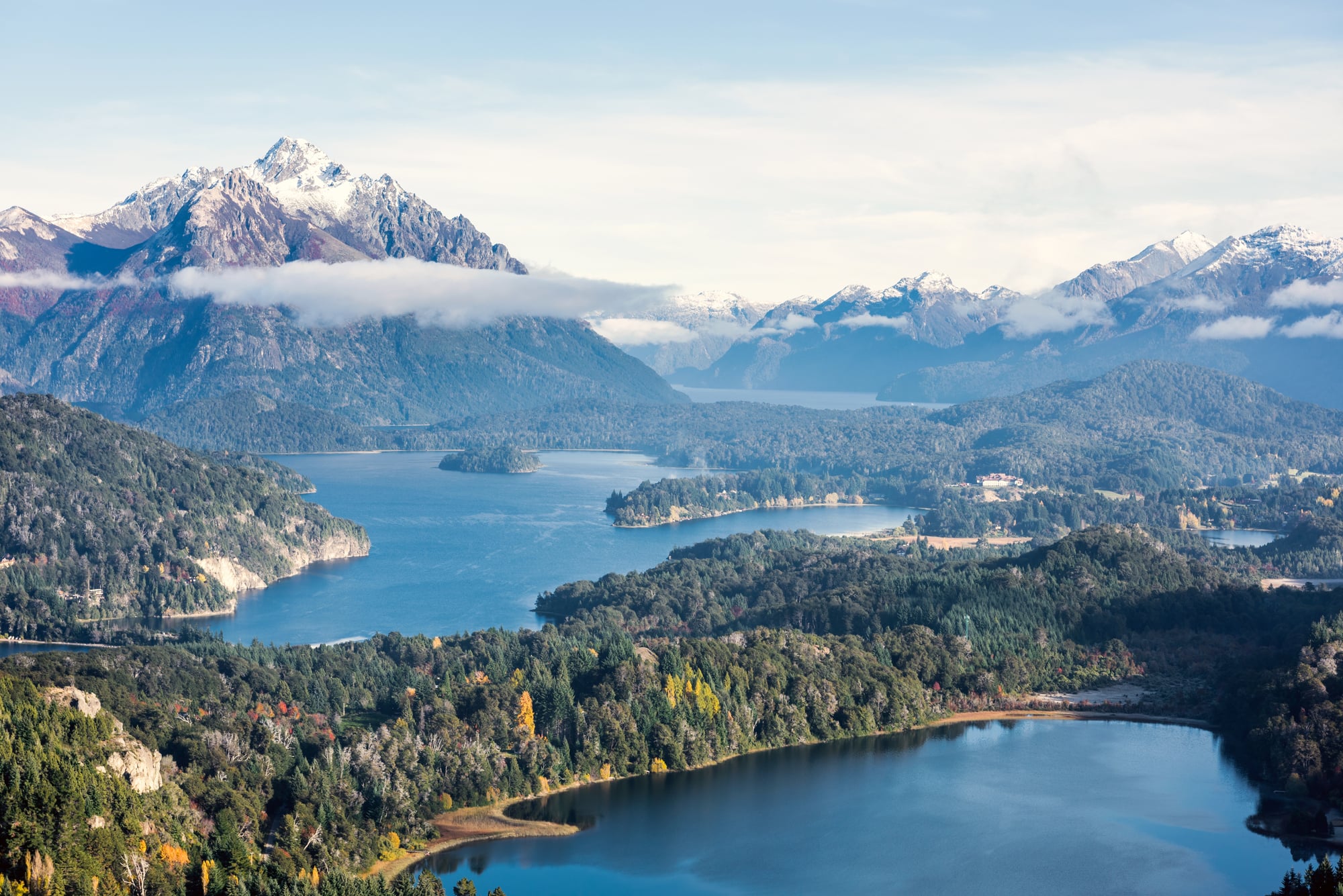
The earthwork mounds of the Supe Valley north of Lima had been surveyed by archaeologists since the early twentieth century, but their age and significance were systematically underestimated. In 2001, Ruth Shady Solís and an American colleague published research establishing that the Norte Chico civilisation — also known as the Caral-Supe civilisation — was the oldest known civilisation in the Americas, dating to approximately 3000–2500 BCE.
It had monumental architecture, complex social organisation, and evidence of trade across the region, but no ceramics and no visual art. An entire ancient American civilisation had been sitting in the desert for five thousand years, partially visible, while the academic map of the ancient Americas was drawn without it.
Troy (Turkey, 1870)
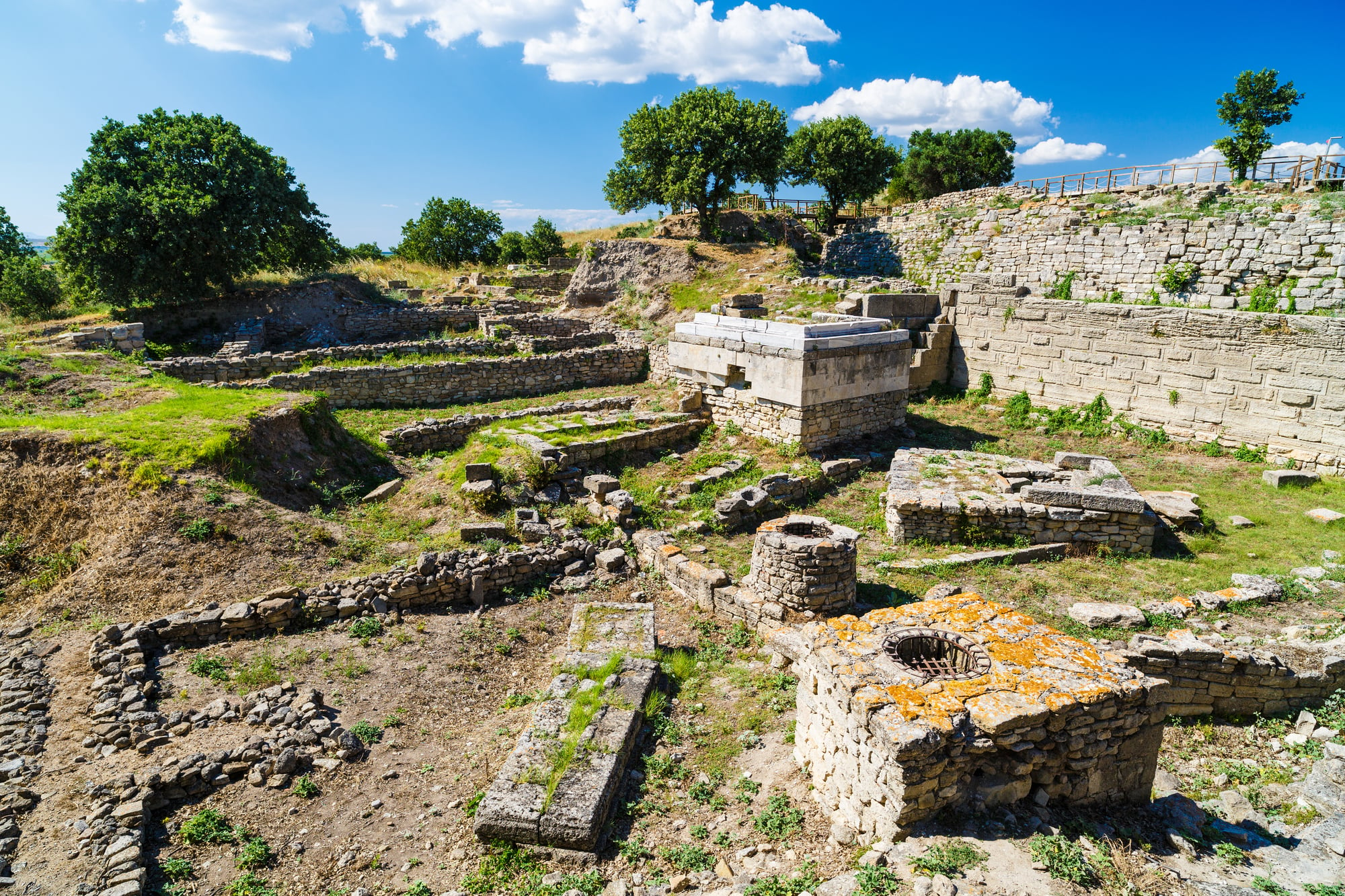
Heinrich Schliemann’s excavation at Hissarlik in northwestern Turkey beginning in 1870 was controversial in method — he dug through multiple archaeological layers with a haste that destroyed significant amounts of evidence — but what he found was real: the site of the ancient city associated with the Homeric epics of the Trojan War. The discovery demonstrated that a city of substantial size and antiquity existed at the location described in ancient sources, suggesting that oral tradition had preserved genuine geographical memory across thousands of years.
The Antikythera Mechanism’s Context (Greece, 1900)
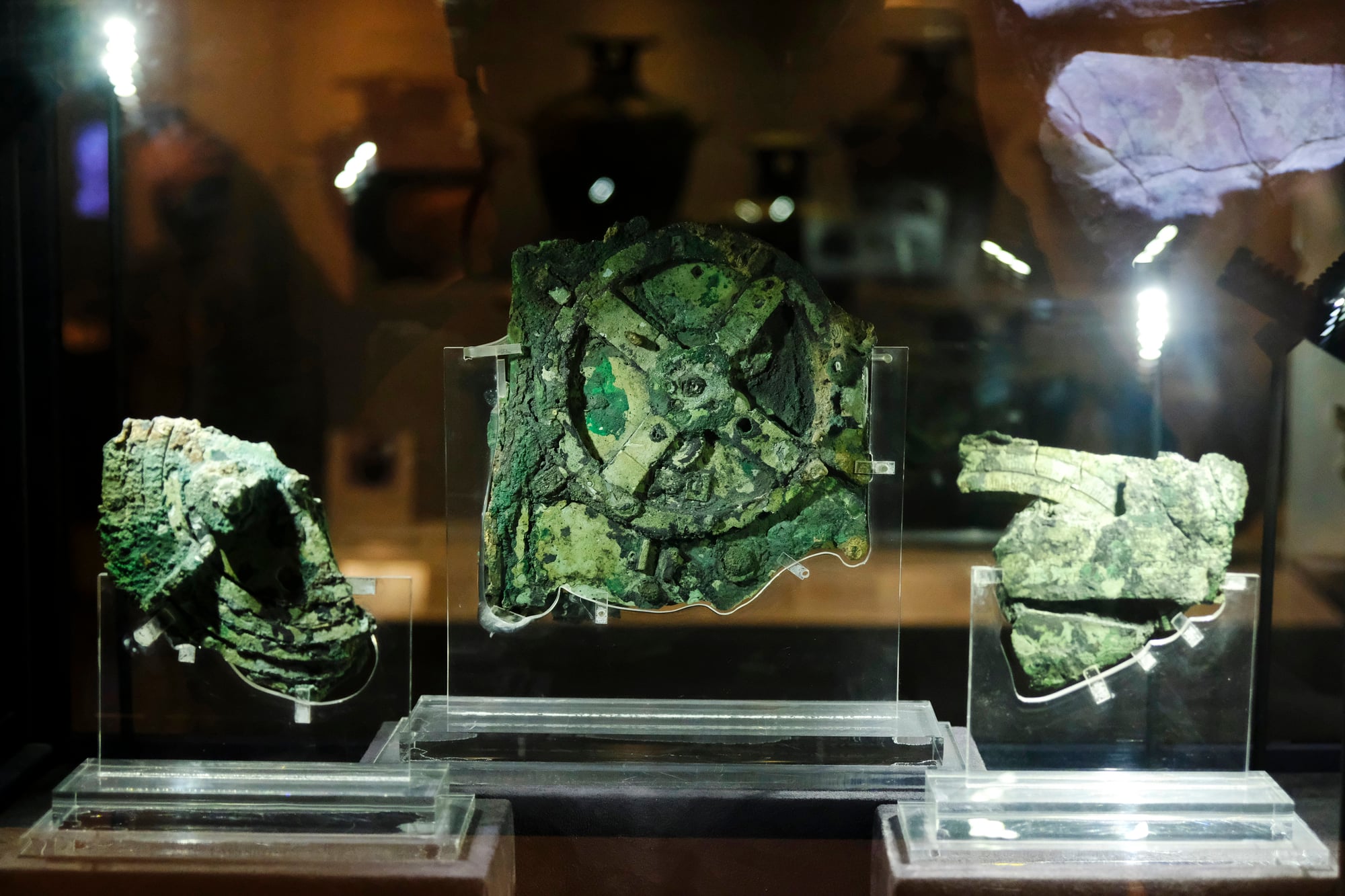
A Greek sponge diver named Elias Stadiatos surfaced in 1900 reporting that the seabed near the island of Antikythera was covered in rotting horses and human bodies. He was describing the cargo of a Roman-era ship that had sunk around 70–60 BCE.
Among the recovered objects was a corroded bronze lump that, when later cleaned, revealed a complex geared mechanism — the Antikythera mechanism — that tracked astronomical cycles with a sophistication not seen again in any known instrument for over a thousand years. The discovery implied the existence of a tradition of mechanical engineering in the ancient Greek world of which no other evidence had survived.
Vergina (Greece, 1977)
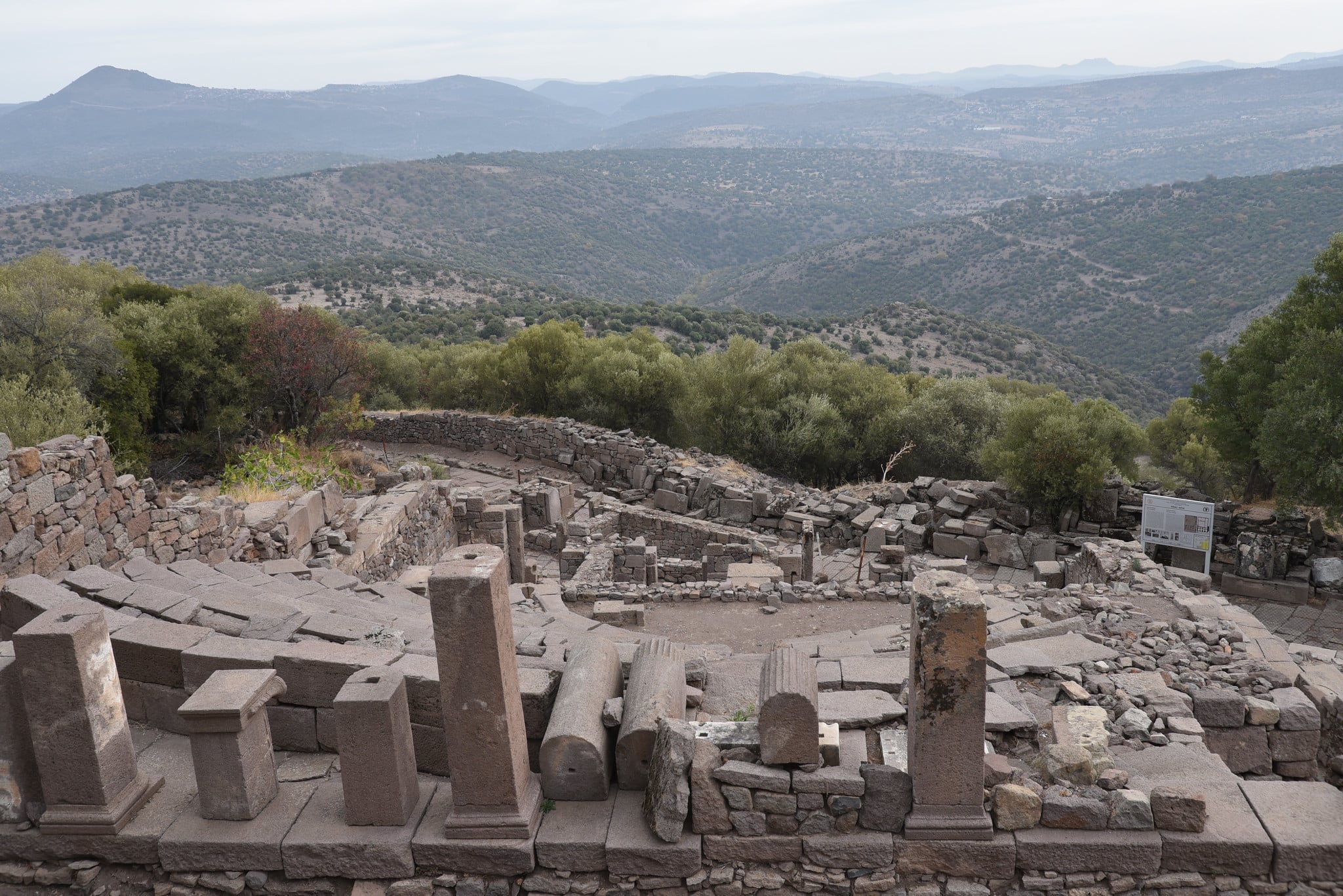
Greek archaeologist Manolis Andronikos was excavating a large mound near the modern village of Vergina in northern Greece in 1977 when he discovered an intact Macedonian royal tomb. Inside was a golden larnax — a funerary box — containing cremated bones and a golden wreath.
The tomb, dating to the fourth century BCE, was richly furnished with weapons, gold objects, and ivory. Andronikos identified the tomb as that of Philip II of Macedon, the father of Alexander the Great, though this identification remains contested by some scholars.
The tomb was undisturbed. A sealed royal burial from one of the most studied dynasties in ancient history had been sitting beneath a mound in Greek farmland.
c
The Staffordshire Hoard (England, 2009)
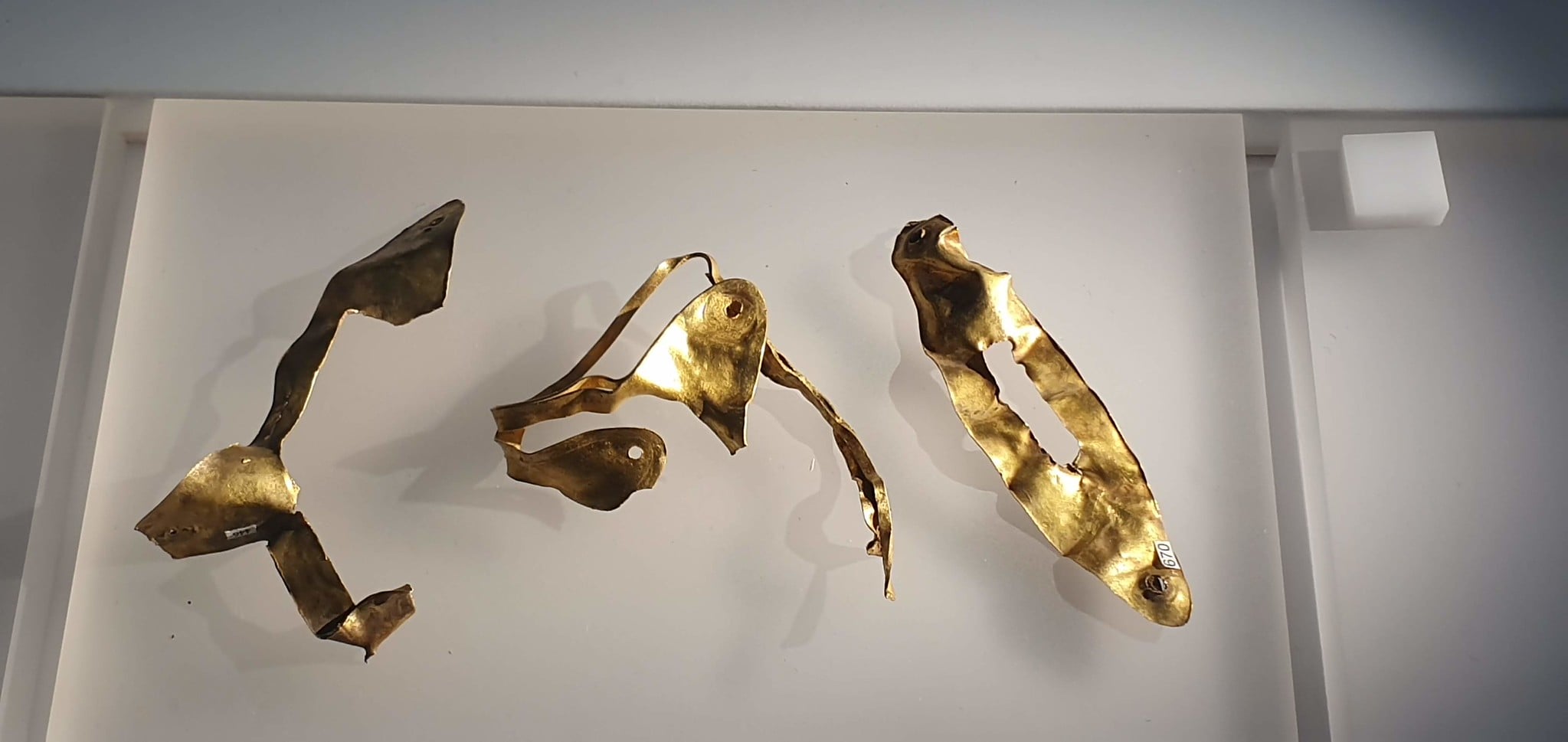
Metal detectorist Terry Herbert was searching a farmer’s field in Staffordshire with the owner’s permission in July 2009 when he began recovering golden objects — fragments of Anglo-Saxon sword fittings, helmet mounts, and decorative strips. Over the following days, he and his associates recovered what proved to be the largest hoard of Anglo-Saxon gold ever found: over 5,000 objects, all from military contexts, dating to the seventh century CE.
The hoard had no explanation that anyone could provide. It represented an extraordinary concentration of high-status military equipment, buried in a field in the English Midlands, with no surviving written account of why.
The Naica Crystal Caves (Mexico, 2000)
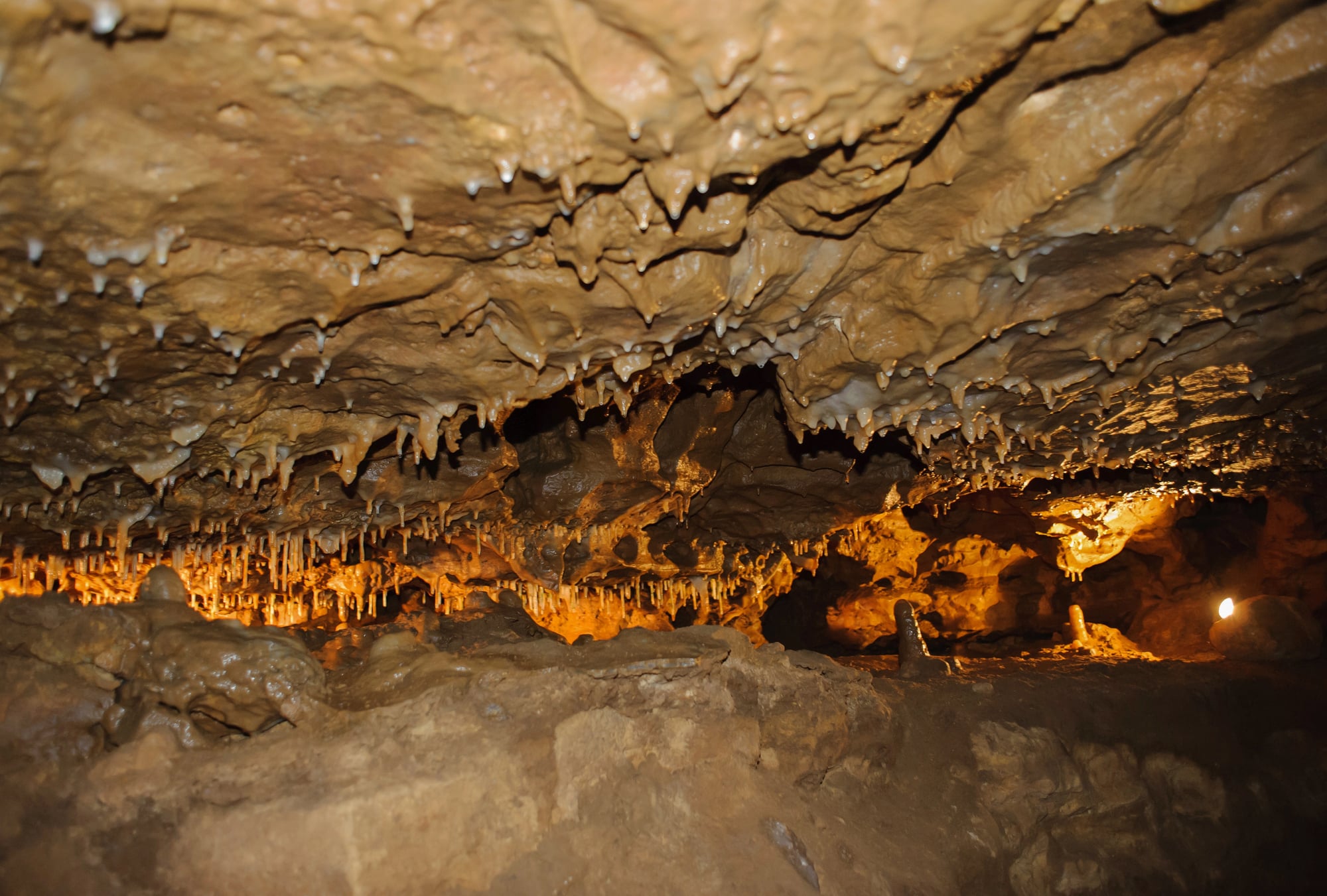
Miners working in the Naica lead and zinc mine in Chihuahua state were draining a lower chamber in 2000 when they broke through into a cave containing selenite crystals up to twelve metres long — the largest natural crystals ever recorded. The caves had been saturated with mineral-rich water at a stable temperature for hundreds of thousands of years, allowing the crystals to grow continuously undisturbed.
While not a human civilisation, the discovery revealed a geological environment whose existence had not been suspected and whose conditions for preservation had no parallel in known natural history.
Richard III’s Grave (England, 2012)
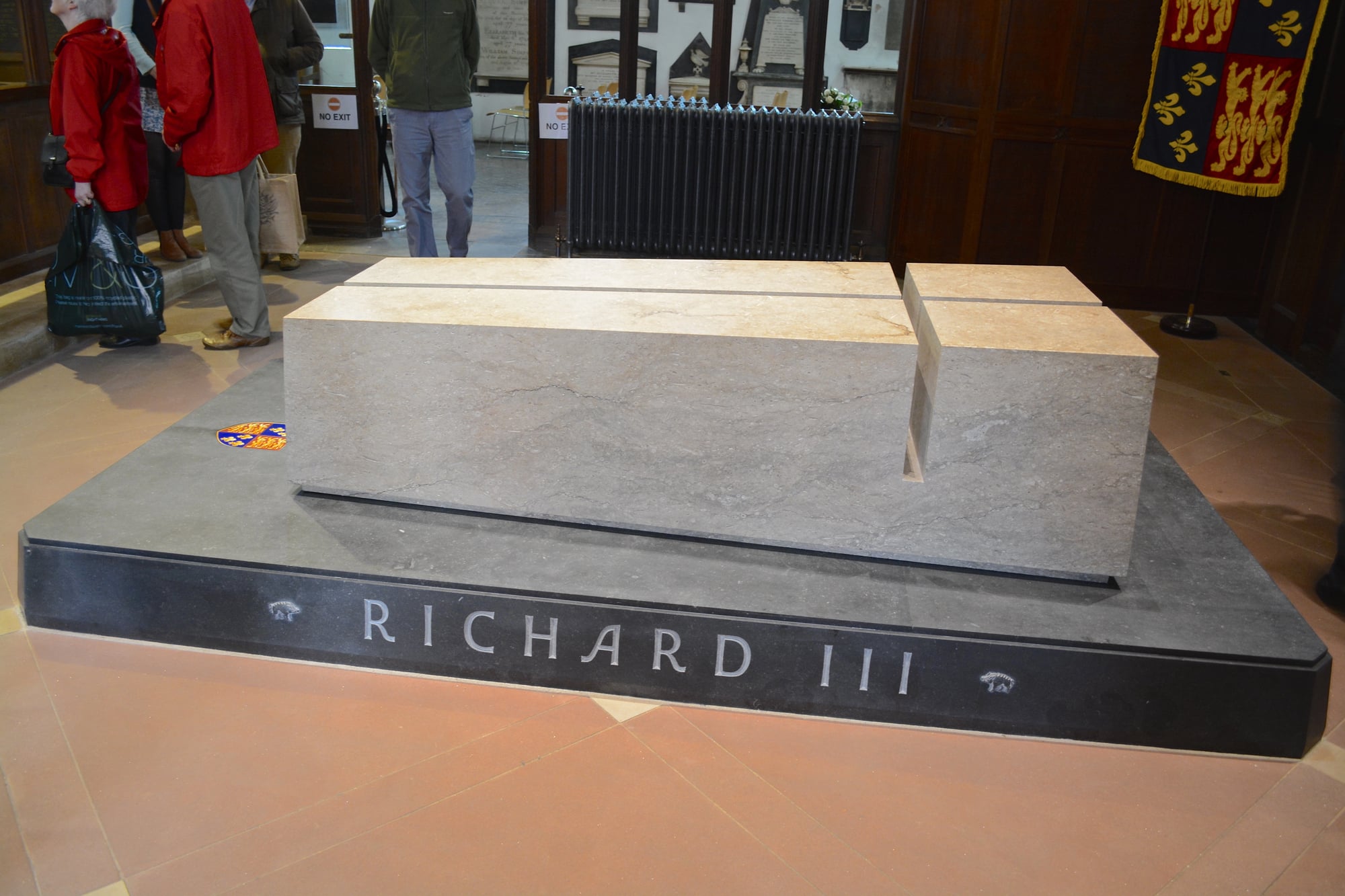
The University of Leicester’s search for the grave of Richard III, England’s last Plantagenet king killed at Bosworth in 1485, began with archival research suggesting that his body had been buried at Greyfriars Priory in Leicester. The priory had been dissolved under Henry VIII and its site built over.
In August 2012, the first exploratory trench opened in what was then a council car park hit a skeleton within hours. It was Richard III — identified by mitochondrial DNA matched to a living descendant, by the scoliosis visible in his spine that matched historical accounts, and by the traumatic wounds consistent with battlefield injuries.
The burial site had been a car park for decades.
The Uluburun Shipwreck (Turkey, 1982)
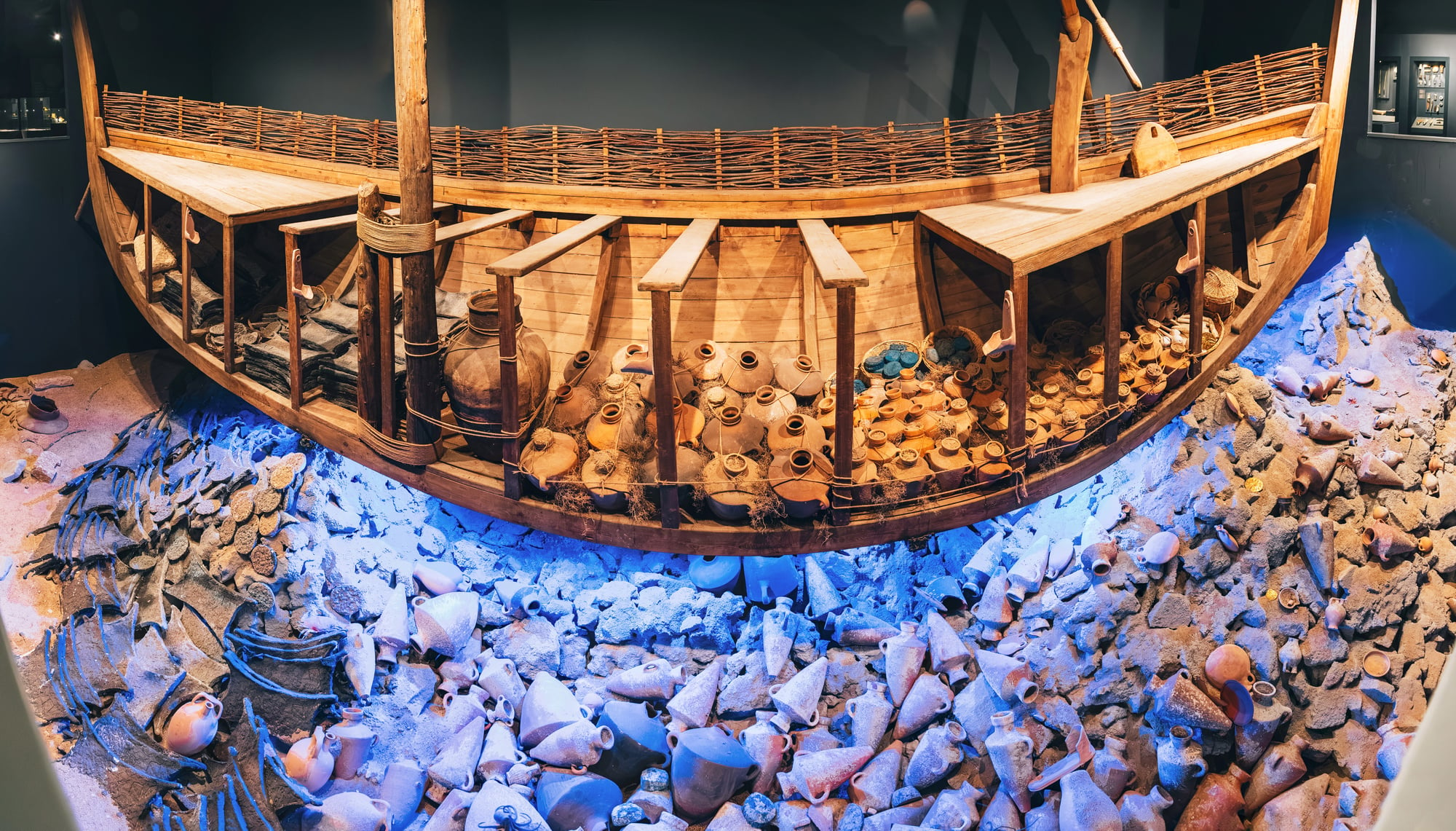
A local sponge diver named Mehmed Çakir reported seeing “metal biscuits with ears” on the seabed near Cape Uluburun in Turkey in 1982. Those biscuits were ten-ton copper ingots from a Late Bronze Age ship that had sunk around 1300 BCE.
The Uluburun wreck turned out to be one of the most significant archaeological discoveries of the twentieth century: the ship was carrying cargo from at least seven distinct cultures — Egyptian, Canaanite, Cypriot, Mycenaean Greek, Kassite Babylonian, Assyrian, Nubian, and possibly others. It provided direct physical evidence of the scale and complexity of Bronze Age Mediterranean trade at a level that no text or previous excavation had established.
Çayönü Tepesi (Turkey, 1964)
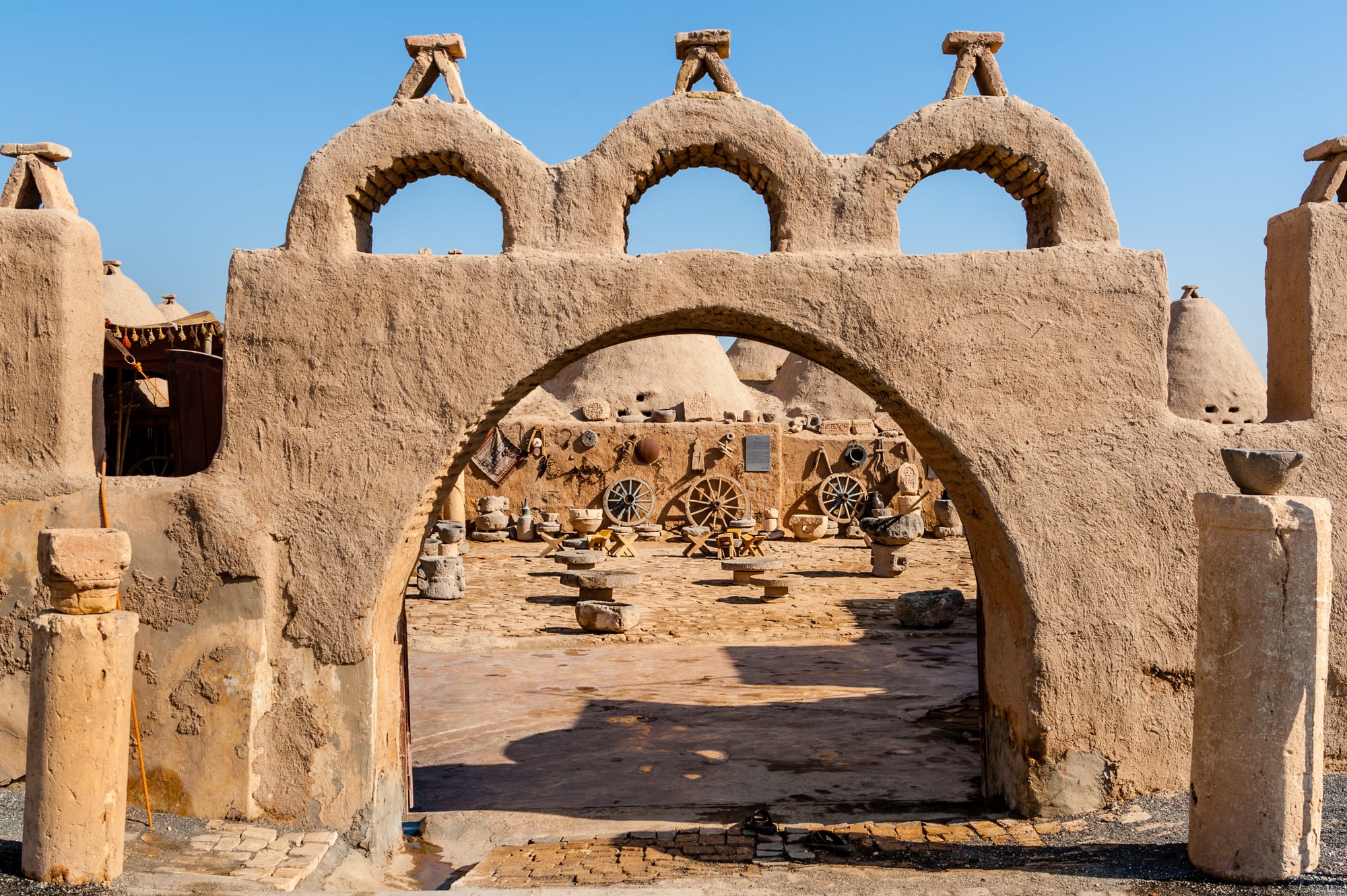
Excavations at Çayönü in southeastern Turkey beginning in 1964 revealed a Neolithic settlement dating to approximately 7250–6750 BCE — among the earliest known agricultural villages in the world. The site contained evidence of some of the earliest known use of copper tools, of complex architectural forms including public buildings and a structure associated with ritual activity, and of a large building containing large quantities of human skulls and bones alongside obsidian blades — an arrangement that archaeologists have interpreted as a place of sacrifice.
The sophistication of the settlement forced continuous upward revision of estimates of early Neolithic social complexity.
The Bronze Age Mound of Kerma (Sudan, 1913)
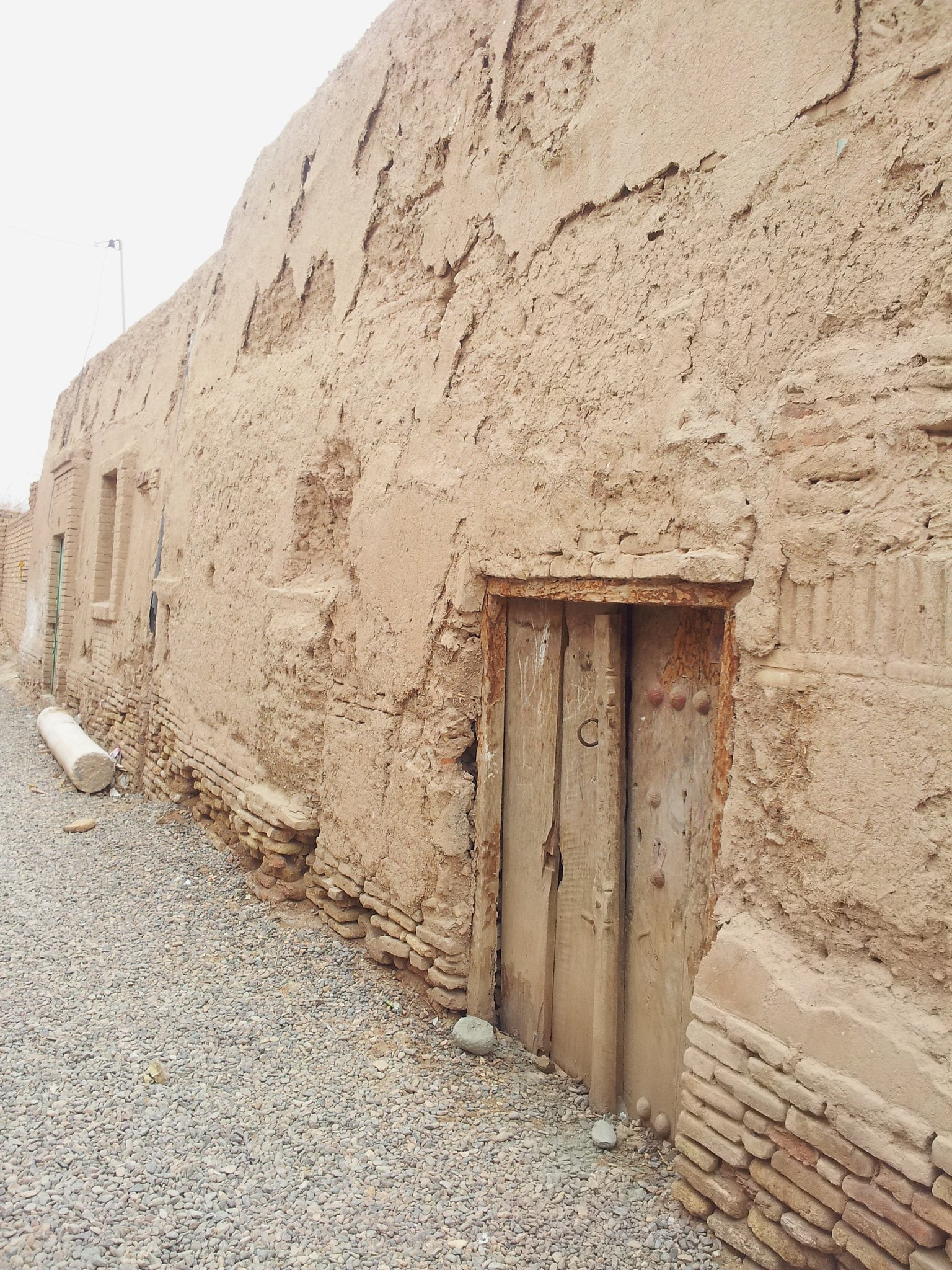
American archaeologist George Reisner began excavating at Kerma in Sudan in 1913, initially thinking he was excavating Egyptian sites. What he found were the remains of Kerma — the capital of the Kingdom of Kush, a sophisticated African state that had traded with and occasionally fought Egypt for over a thousand years.
The kingdom had developed independently on the upper Nile, produced its own distinctive pottery and architecture, and left mud-brick structures whose remains survived. Kerma had been completely absent from accounts of African civilisation before its discovery and remained marginal in popular histories for decades after.
The Varna Necropolis (Bulgaria, 1972)
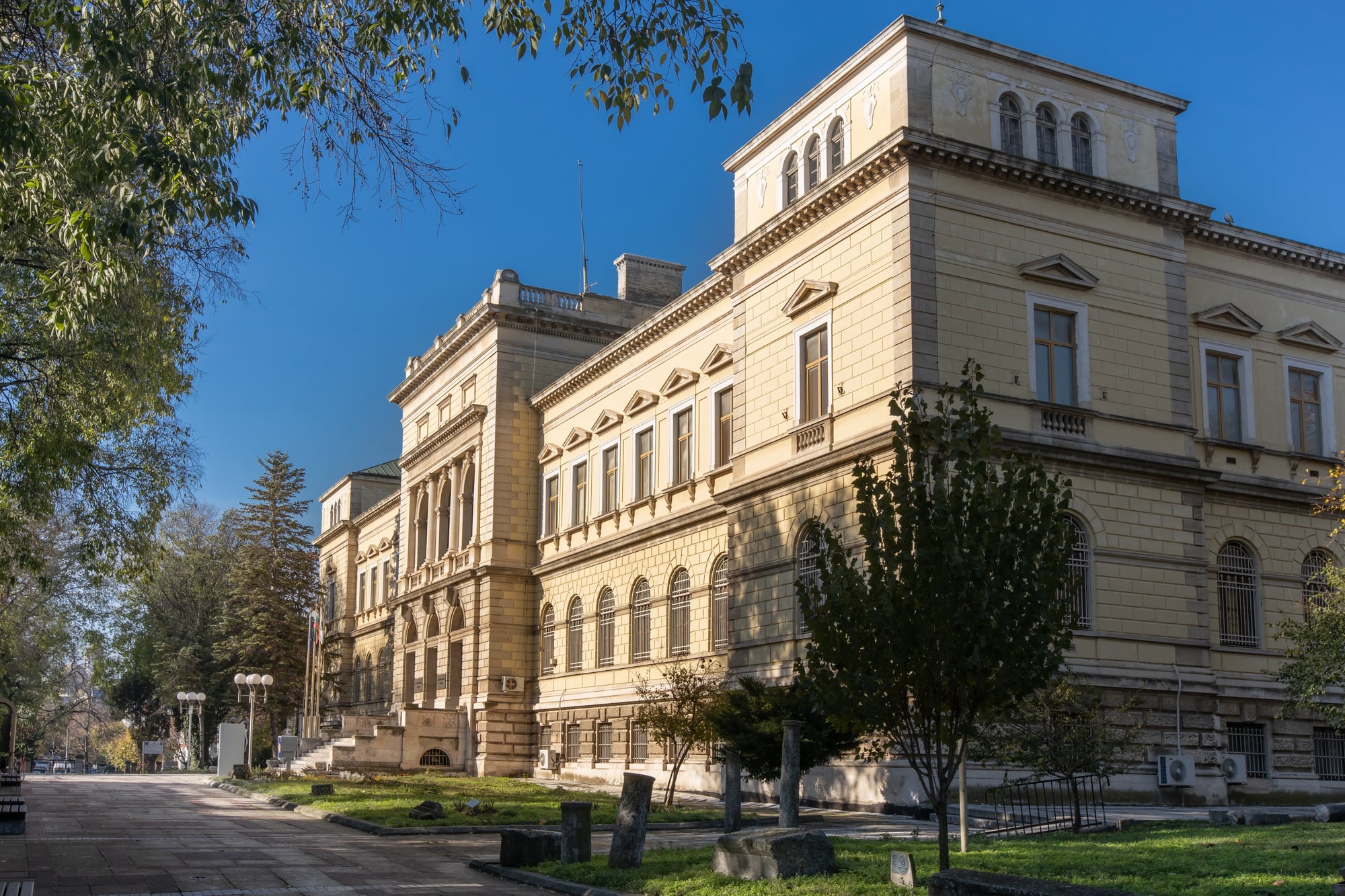
Construction workers building an industrial facility near the city of Varna on the Bulgarian Black Sea coast in 1972 uncovered a Copper Age cemetery that proved to be the oldest known site in the world where significant quantities of worked gold have been found. The graves, dating to roughly 4400–4100 BCE, contained over six kilograms of gold objects in concentrated burials, demonstrating levels of social inequality and craft specialisation in a culture that no one had previously placed in that era.
The people buried at Varna predated the Egyptian pharaohs by more than a thousand years.
Altamira Cave (Spain, 1868)
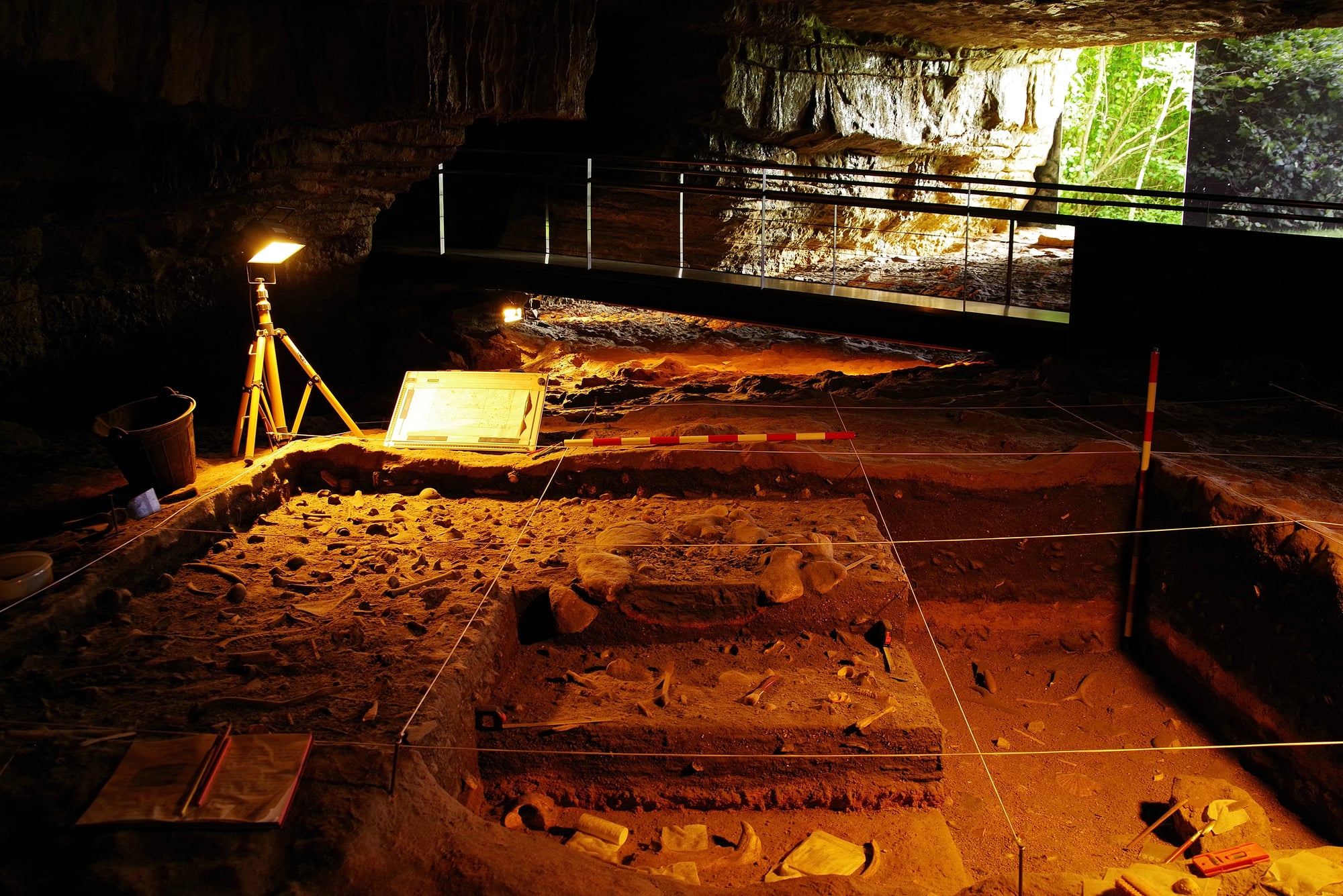
Amateur archaeologist Marcelino Sanz de Sautuola was first shown the entrance to the Altamira cave in Cantabria by a hunter in 1868. He began excavating the floor, finding flint tools and animal bones.
In 1879, his daughter María, who had accompanied him to the site, looked up at the cave ceiling and said — in accounts written decades later — “Look, Papa, oxen!” The ceiling was covered with polychrome paintings of bison, horses, and deer, estimated at roughly 36,000 years old.
When Sautuola presented his findings, the academic community did not believe that prehistoric humans could have produced such sophisticated art. He was accused of fraud.
He died before his discovery was accepted as genuine.
The Phaistos Disc (Crete, 1908)
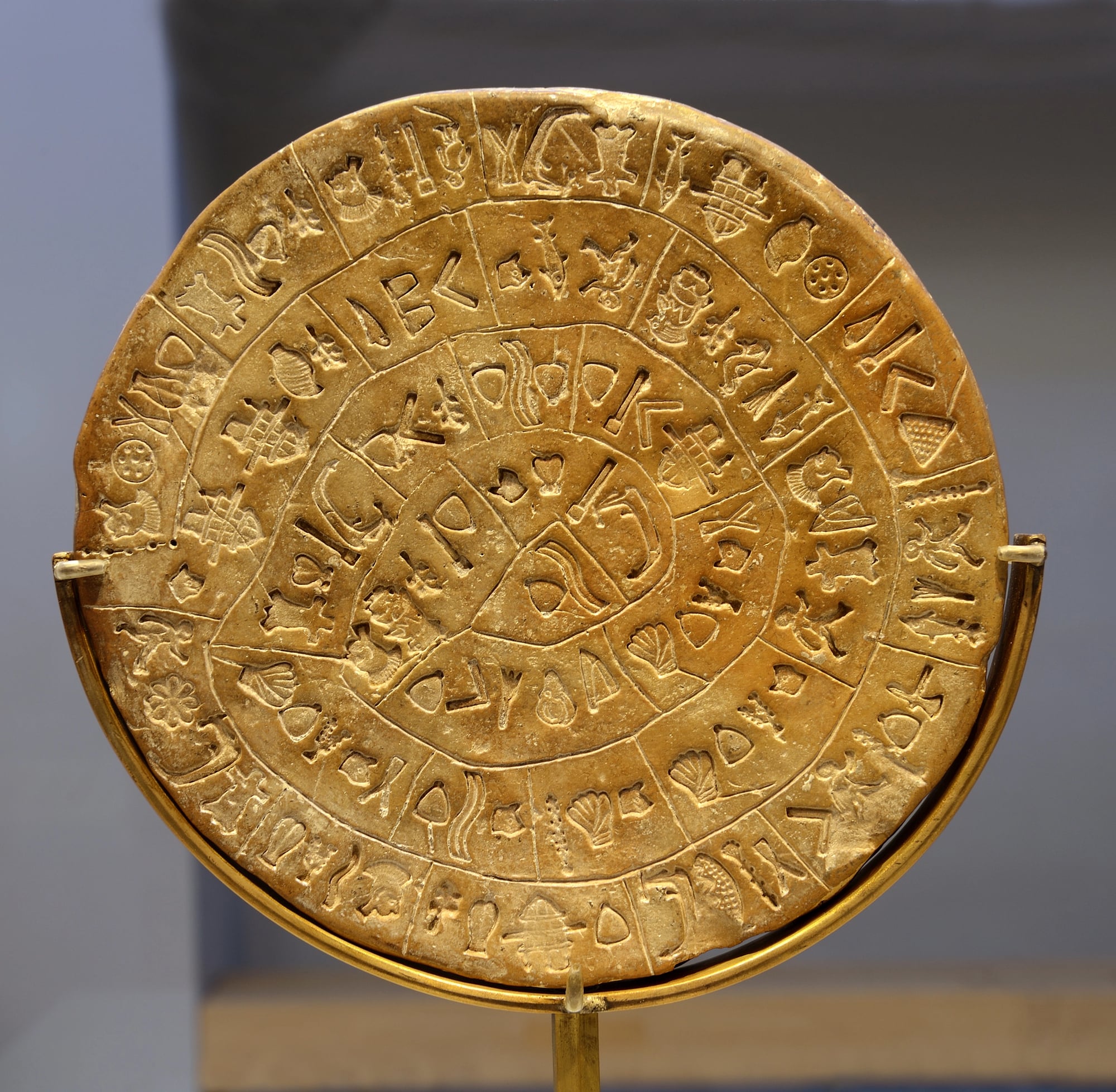
Italian archaeologist Luigi Pernier was excavating the Minoan palace of Phaistos on Crete in 1908 when he found a fired clay disc approximately sixteen centimetres in diameter, covered on both sides with impressed symbols in a spiral pattern. The disc dates to approximately 1700 BCE.
The symbols — of which there are 241 individual impressions representing 45 distinct signs — have never been deciphered. The disc appears to be the only object in the world bearing this particular writing system.
Either the civilisation that produced it left no other written records, or the other records have not yet been found. The Phaistos Disc remains one of the most thoroughly analysed and least understood objects in the history of archaeology.
The Easter Island Heads’ Bodies (Pacific, Recognised in Detail 20th Century)
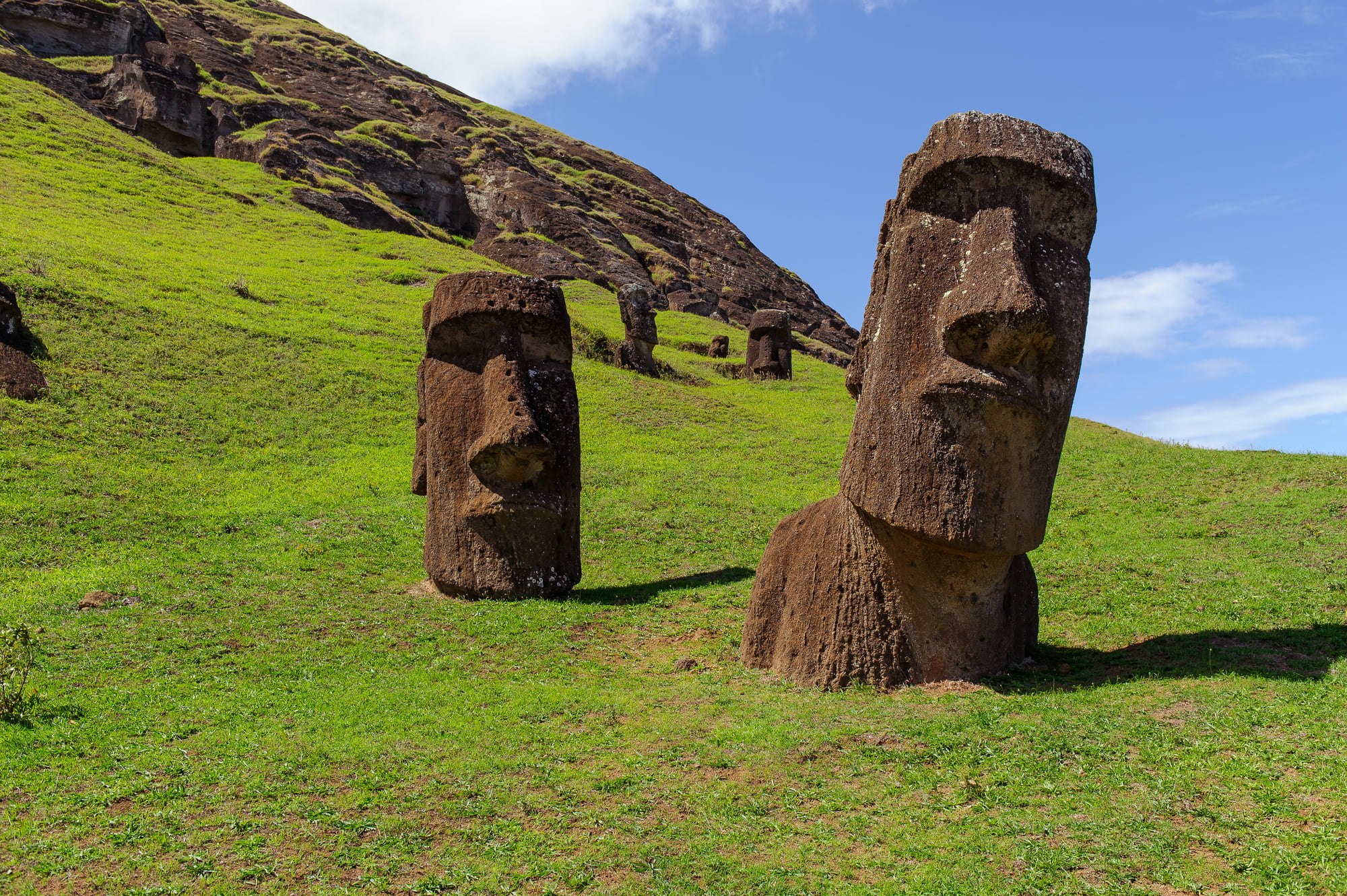
The famous moai statues of Easter Island — the monolithic human figures known around the world as stone heads — are, in fact, full statues. Their bodies extend underground, some to a depth of over six metres, carved with petroglyphs that are only visible now that excavation has revealed them.
The discovery that the heads had bodies, and that those bodies were covered in detailed carved symbols, revised the understanding of the civilisation that produced them. The symbols remain only partially interpreted.
The Ain Ghazal Statues (Jordan, 1983)
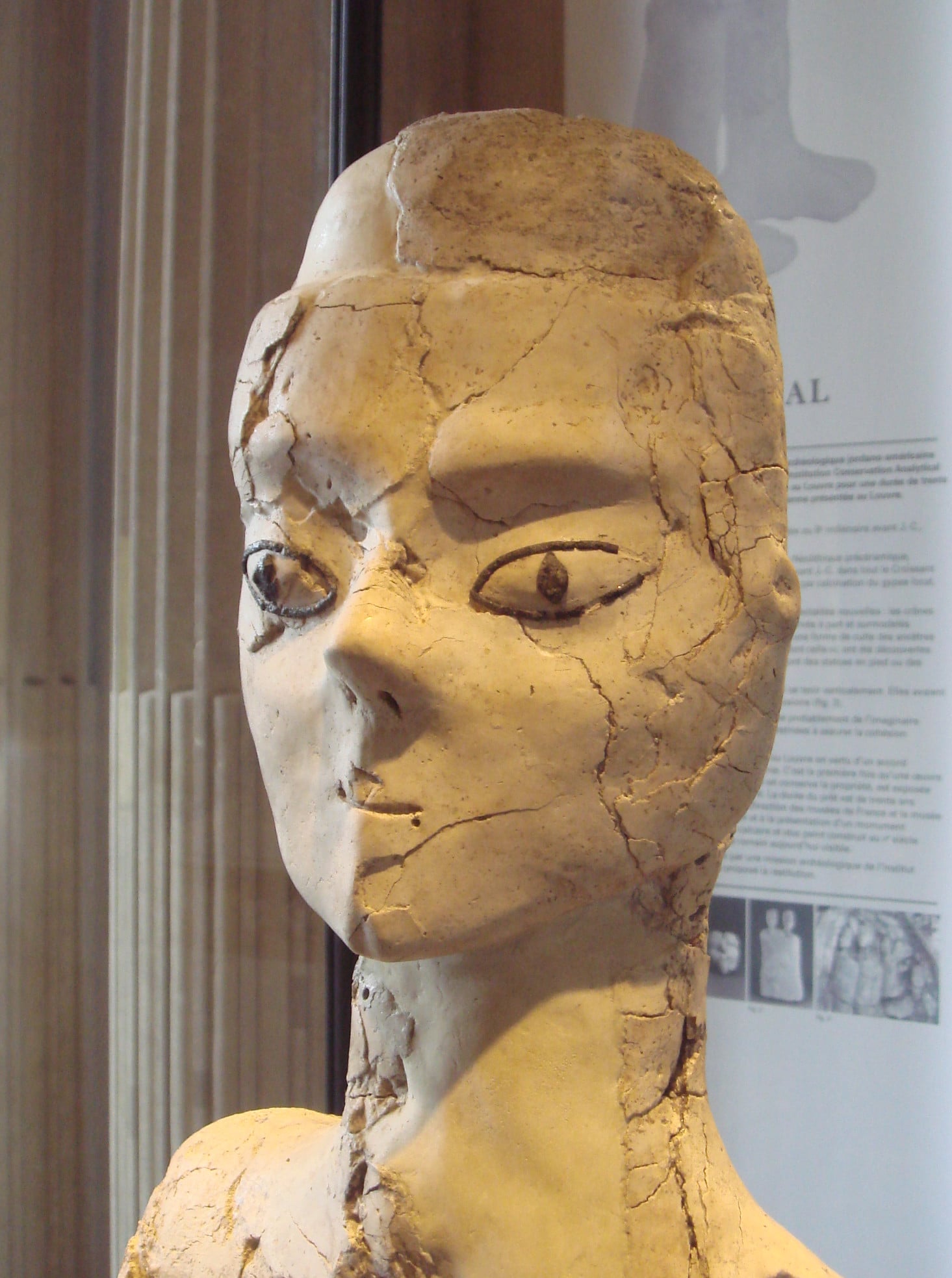
Construction workers building a road in a suburb of Amman in 1983 uncovered two caches of plaster statues — human figures of extraordinary size and sophistication, dating to approximately 6500 BCE. The Ain Ghazal statues are among the largest and oldest human figures ever found.
Some are nearly a metre tall. They were created by a society that was, according to the conventional timeline of the day, far too early to have produced this kind of sophisticated figurative sculpture.
They were buried deliberately, in caches, suggesting ritual deposition rather than accidental loss.
The Nebra Sky Disc (Germany, 1999)

Two illegal metal detectorists using a detector in a forest near Nebra in Saxony-Anhalt in 1999 recovered a bronze disc approximately thirty centimetres in diameter, inlaid with gold symbols depicting the sun, a crescent moon, stars, and what is interpreted as the Pleiades. The Nebra Sky Disc, dating to approximately 1600 BCE, is the oldest known concrete depiction of astronomical phenomena in human history.
It represents a level of astronomical knowledge among Bronze Age Central European cultures that no previous evidence had suggested.
Çatalhöyük’s Wall Paintings (Turkey, 1960s Onwards)
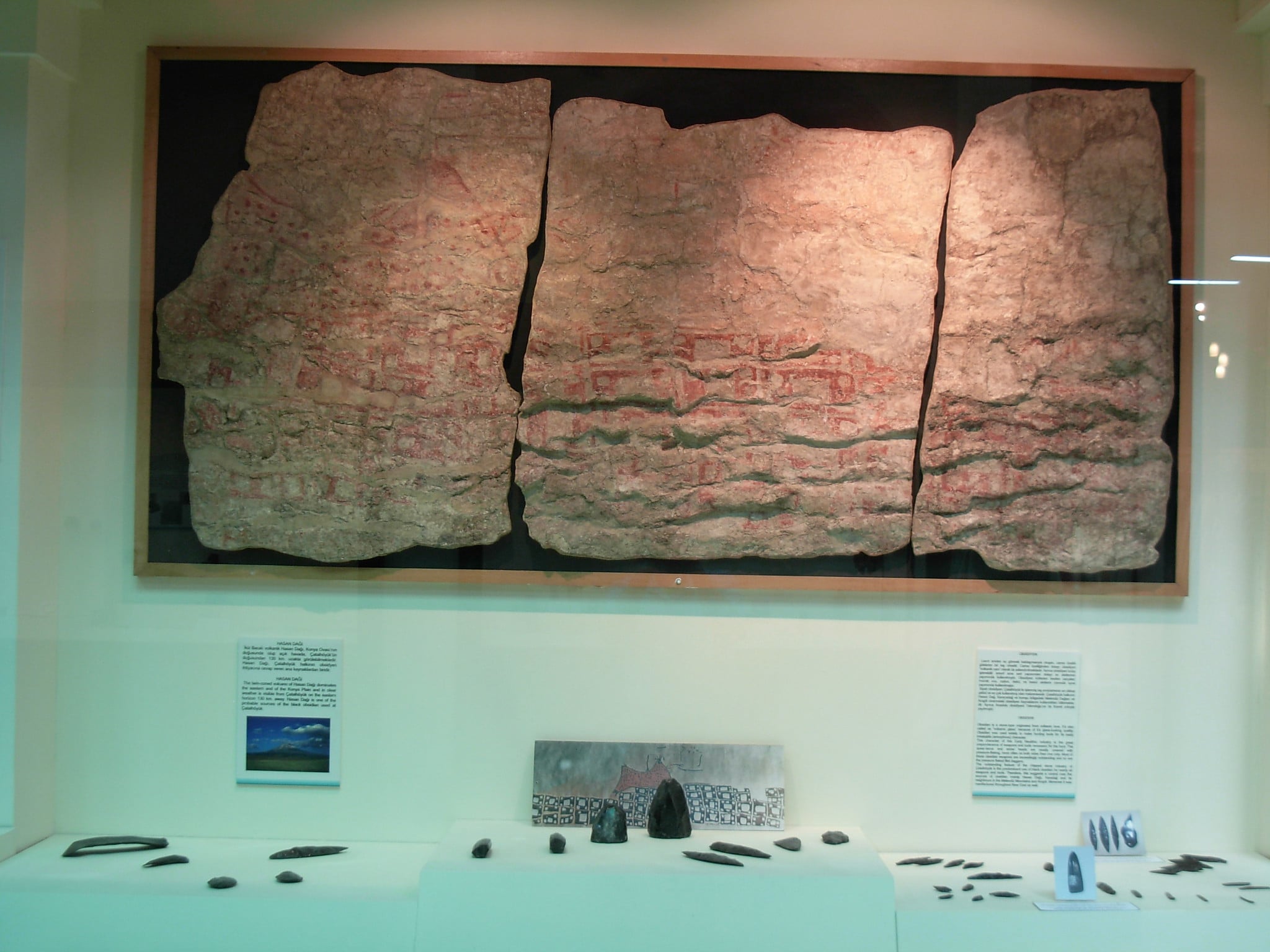
While Çatalhöyük itself is listed above as a discovery, its wall paintings deserve separate mention. Some of the frescoes uncovered at the site appear to depict a landscape with what looks like a plan view of a settlement alongside an erupting volcano — a representation that, if correctly interpreted, would be the world’s oldest known map and the oldest known representation of a volcanic eruption, dating to roughly 6200 BCE.
The identification remains debated, and the debates themselves reveal how much of our reconstruction of ancient symbolic systems is necessarily interpretive.
The Kingdom of Urartu (Turkey and Armenia, 1870s)
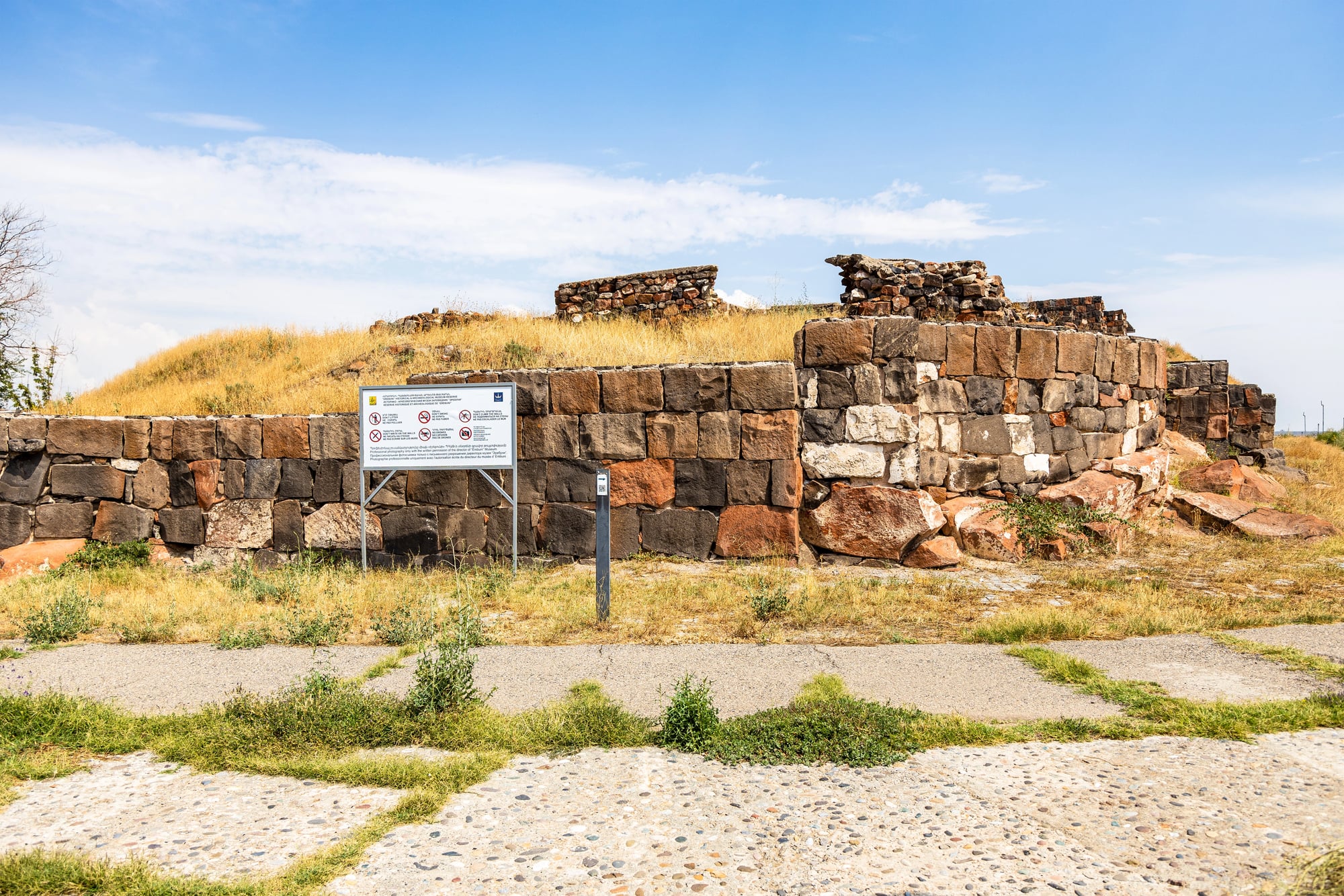
Excavations in eastern Anatolia and the Lake Van region beginning in the 1870s revealed the remains of a kingdom — Urartu — that had controlled a significant territory in the region of modern Turkey, Armenia, and Iran from approximately 860 to 590 BCE. Urartu had been mentioned in Assyrian records but had not been studied independently.
The excavations revealed a sophisticated state with its own writing system, monumental architecture including massive fortresses, and irrigation systems that continued in use long after the kingdom itself collapsed. An entire organised state had been absent from the historical account of the ancient Near East.
The Gap In The Map

What unites these discoveries is not just that they were surprising — it’s that each one revealed a gap in the map of human history that nobody had previously identified as a gap. The Indus Valley Civilisation was not suspected to be missing.
The Terracotta Army was not rumoured to exist. Göbekli Tepe was assumed to be medieval.
Each time the ground opened, it opened somewhere nobody was particularly expecting.
The accumulation of these discoveries over the past two centuries means that archaeologists now work with a baseline assumption that is very different from the assumption of their predecessors: the record is far more incomplete than we know, in ways we cannot currently specify. Under fields, under car parks, under the sea, under jungle canopy that only LiDAR can see through, there are cities and artefacts and entire civilisations that have not yet been found.
The question is not whether more chapters of the human story are waiting to be discovered. It is only which accident will expose the next one.
More from Go2Tutors!

- The Romanov Crown Jewels and Their Tragic Fate
- 13 Historical Mysteries That Science Still Can’t Solve
- Famous Hoaxes That Fooled the World for Years
- 15 Child Stars with Tragic Adult Lives
- 16 Famous Jewelry Pieces in History
Like Go2Tutors’s content? Follow us on MSN.